RSS
 

Archive for February, 2016

5 Creative Ideas to Improve and Inspire Your Photography

08 Feb

If you are a photographer who takes pictures day in and day out, perhaps because it is your livelihood or you are a keen hobbyist, there are times when you may want to digress from the day to day, and do something new on your day off. You can do this purely for the fun of it, or to set yourself some new learning challenges. This is a good practice to implement regularly because it pushes you to think outside the box, hone your skills, enlarge your vision, and challenge your creativity.

Here are some creative ideas on what you can do to take a break or depart from the usual, even just for a day.

layering-creative-photography-tip-01

1 – Vertical only please

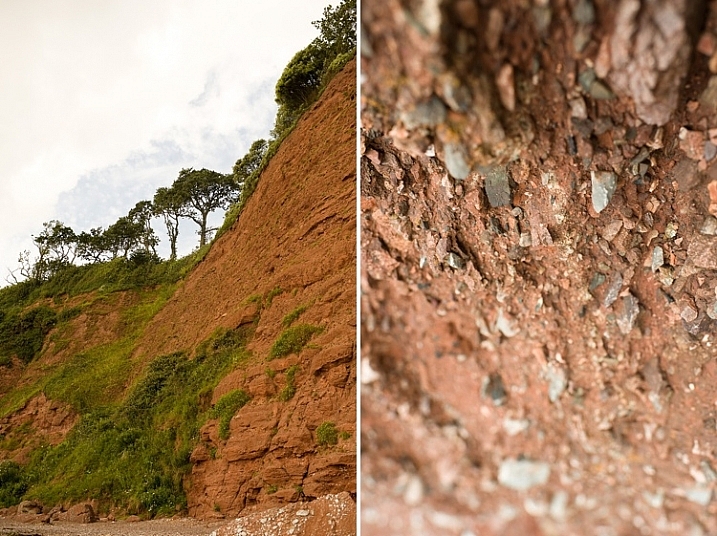
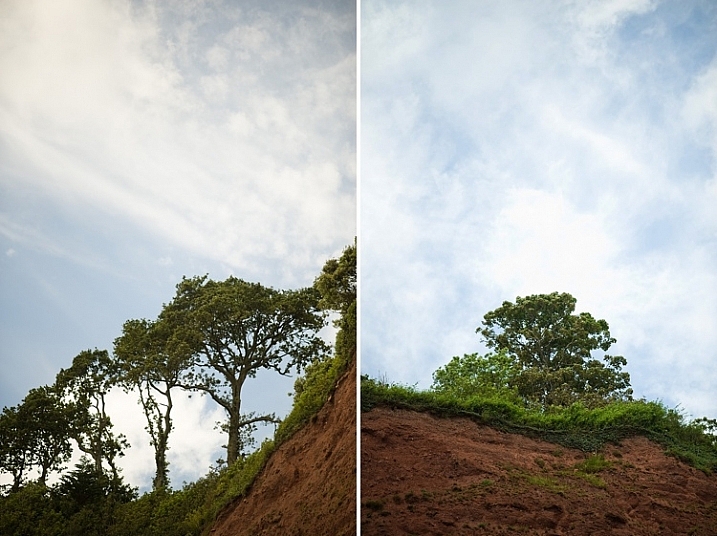
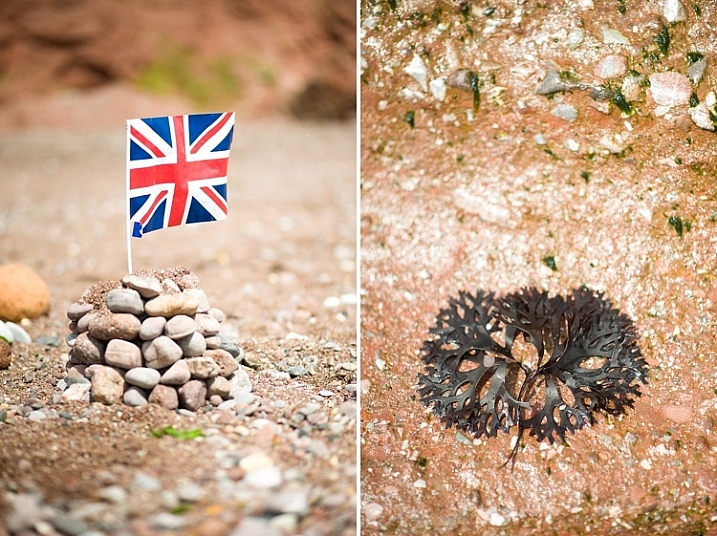
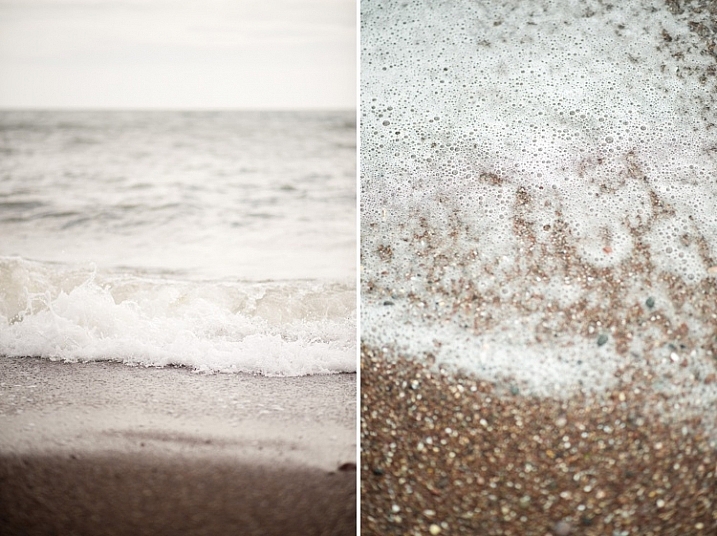
These vertical images below were taken from a beach summer holiday when I decided to do this particular photography challenge, purely as a fun visual exercise in composition. All I had was a D700, a 35mm f/1.4 lens, and a few meters of beach.

vertical-photography-tip-01

Photographing solely in the vertical orientation can be quite tricky. Your view and vision are more constrained. If you are photographing a landscape scene for instance, with the vertical orientation you are limited to pretty much the sky or the earth.

vertical-photography-tip-02

vertical-photography-tip-03

Things that you are always used to seeing in a landscape (horizontal) format will look different, and therefore you will begin to see with a fresh eye. This forces you to look for more intriguing views and items to photograph, as well as to compose in such a way that the photograph is still interesting, despite the limited width.  You could be confronted with some quite unnerving compositions which make the picture more striking, or at the very least elicit an unusual or unexpected reaction.

vertical-photography-tip-04

vertical-photography-tip-05

2 – No eyes allowed

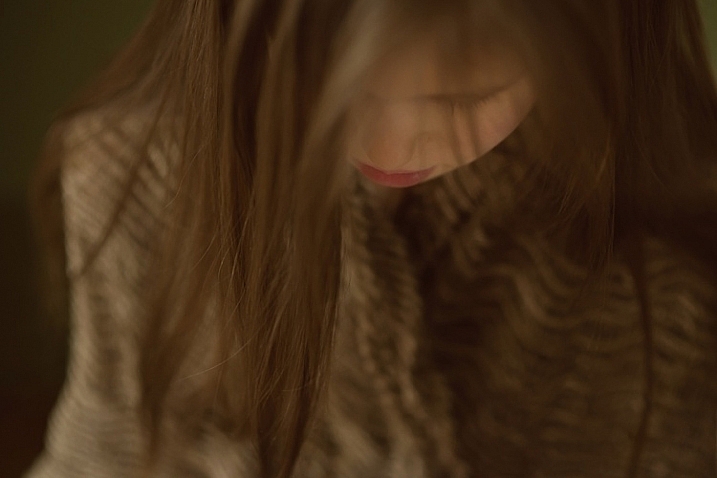
It is said that the eyes are the window to the soul. This challenge is to try and capture a someone’s personality, without photographing their entire face. There are many more things to a person than just a face. For this challenge focus on anything but the eyes, and see how much of the person’s personality you can capture.  You can focus on physical aspects, clothes, or objects that the person loves.

personality-photography-tip-01

personality-photography-tip-03

Some people have developed icons of themselves: things they are known and recognized for. For example, someone who always wears sunglasses on their head, or a person who only wears striped socks, or someone’s tattoo or jewellery style. Find something distinctive about the person. You can also focus on actions. Perhaps the person is adventurous or has a fun-loving, bigger-than-life personality.

persosnality-photography-tip-08

You may want to ask them to do something they love, or hold something that reflects their persona, and find a way of capturing that without photographing the face. Focus on the running motion of their feet, or waving hands, or a big smile cropped in an interesting composition. Color could be another thing. Ask the person to wear their favorite color and find a location that has the same tones.

persosnality-photography-tip-09

You can also set something up that reflects the quirkiness of the person, or choose a location that does the same. A country-loving person might be walking in muddy boots, on a long road that seemingly leads to nowhere. Give it some thought with a person in mind, and you may be surprised how many ideas you can come up with that will potentially truly capture their personality.

personality-photography-tip-07

3 – Through a glass, darkly…

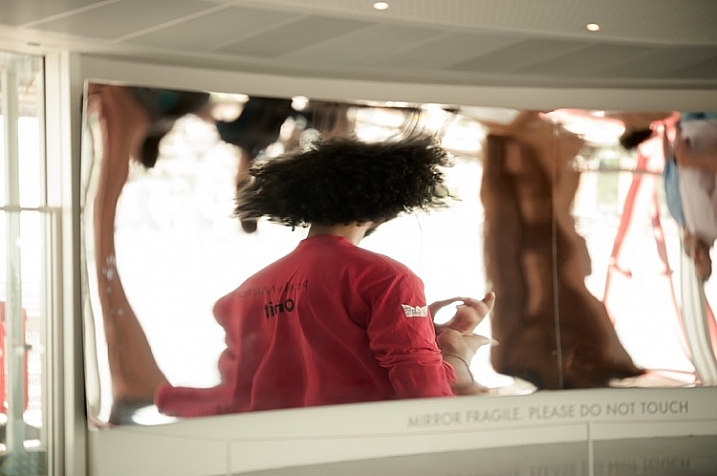
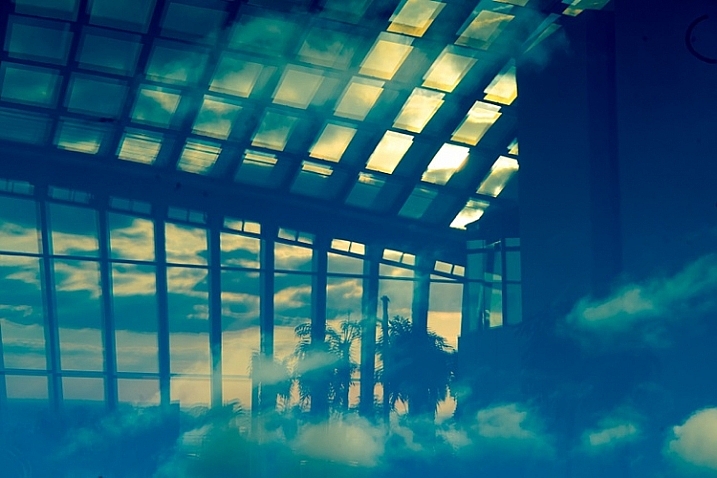
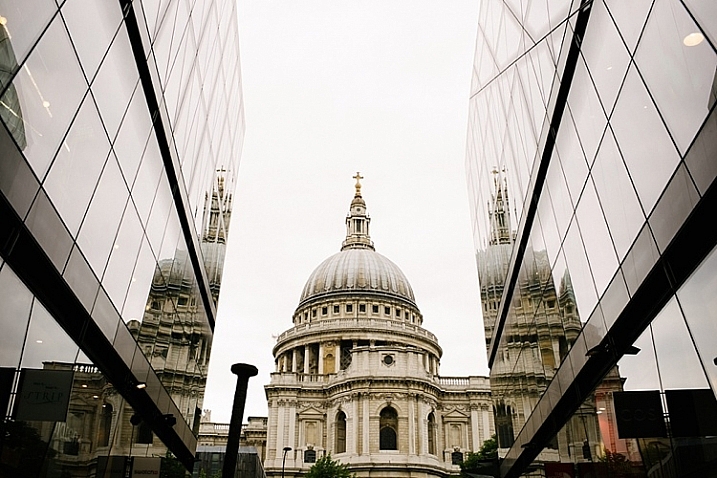
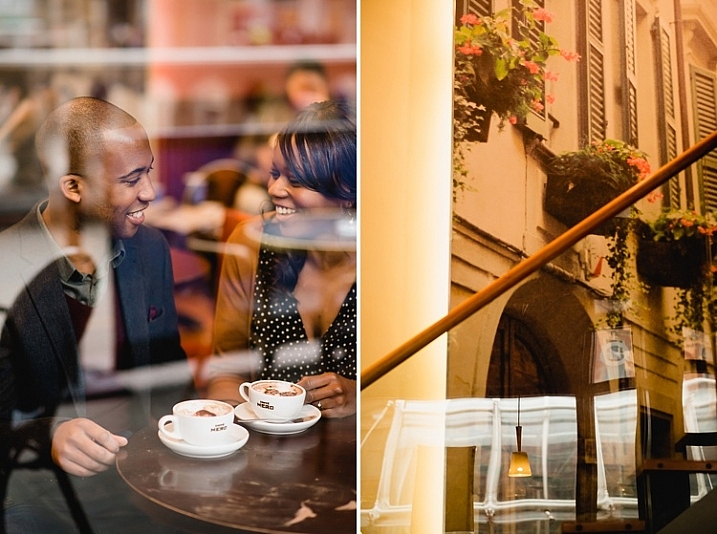
Consider utilizing reflection to make your images more enthralling and thought-provoking. You can impose a rule that you can only photograph a reflection and never the person or the object, or you can use both subject and reflection for a refreshing take on an image, making them more captivating.

reflection-photography-tip-01

reflection-photography-tip-01

reflection-photography-tip-02

Some reflector ideas include: mirrors and shiny reflective objects, water, reflective glass or plastics, windows – even clear windows can have reflections. Raindrops can be great reflectors although you may have to pull out your macro lens to capture the reflection. Photographing reflections can open up a whole new world, such as seeing and capturing surreal or abstract images with the blending of forms and colors, as well as igniting your imagination, and filling you with a new sense of wonder.

relfection-photography-tip-04

relfection-photography-tip-04

relfection-photography-tip-06

4 – Black is the new hue

Silhouettes are fun to photograph, and not that difficult to execute. But the bigger challenge is to find a striking silhouette concept. The main thing to remember is to find good contrast – a very bright background, preferably bigger than the subject, and put the subject in front of the light area. Expose for the bright background so that your subject is so severely underexposed that they look very dark or black.  Here is a really good article with a simple step-by-step guide on how to take stunning silhouettes.

silhouette-photography-tip-01

silhouette-photography-tip-02

silhouette-photography-tip-03

5 – Layering

Layering is a really subtle, but extremely effective, photographer’s trick to convey depth, mystery, and mood in a photograph.  It is especially useful if you are a photojournalistic or documentary photographer, as it makes the viewer feel that they are looking through someone else’s lens, and are present in the moment but inconspicuous, much like a fly on the wall.

layering-photography-tip-01

layering-photography-tip-02

There are three basic things to remember when composing a photograph with layering in mind: foreground, middle ground and background.  Most of the photographs we see often have two layers – the subject and the background.  Incorporating a foreground in your composition not only adds three-dimensionality to your photograph but also makes it more visually compelling.

layering-photography-tip-03

Choosing the right foregrounds can be used to frame your subject – as a leading line to direct attention to your subject, therefore making your image more dynamic, or as a tool for emphasis and composition amongst many others. There are times when finding an obvious foreground is next to impossible. One solution is to physically hold an object, such as a leaf or paper, in front of your lens just enough to be in the frame, but not to obscure the subject.

layering-photography-tip-04

layering-photography-tip-04

You can also layer by simply using your lens and the effect of a very wide aperture such as f/1.4. By employing your lens’s ability to blur the foreground, while keeping the middle ground in sharp focus, and then blur the background again, can make an otherwise dull image enchanting. Even something as simple as a patch of stones or sand can look layered using this technique.

layering-photography-tip-06

I hope you will enjoy doing these creative challenges. Do you have other creative photography ideas to share? Please do so in the comments below.

googletag.cmd.push(function() {
tablet_slots.push( googletag.defineSlot( “/1005424/_dPSv4_tab-all-article-bottom_(300×250)”, [300, 250], “pb-ad-78623” ).addService( googletag.pubads() ) ); } );

googletag.cmd.push(function() {
mobile_slots.push( googletag.defineSlot( “/1005424/_dPSv4_mob-all-article-bottom_(300×250)”, [300, 250], “pb-ad-78158” ).addService( googletag.pubads() ) ); } );

The post 5 Creative Ideas to Improve and Inspire Your Photography by Lily Sawyer appeared first on Digital Photography School.


Digital Photography School

 
Comments Off on 5 Creative Ideas to Improve and Inspire Your Photography

Posted in Photography


Ready for its close-up: X-Pro2 defines a new era of video for Fujifilm

08 Feb

Video has previously been one of the great weaknesses of Fujifilm’s X-Trans cameras but that’s all changed with the X-Pro2. We’ve shot our test scene, pounded the streets of New York and captured all the visual clichés we could, to show you what the X-Pro2 can do

The X-Pro2’s headline video specs are broadly unchanged compared to previous models but the quality has moved forwards dramatically. It’s still not going to be the first choice for professional use but it’s now more than competitive amongst its 1080-shooting peers. Add in the ability to apply Film Simulations to your shooting and video becomes another storytelling tool in the camera’s arsenal.

Articles: Digital Photography Review (dpreview.com)

 
Comments Off on Ready for its close-up: X-Pro2 defines a new era of video for Fujifilm

Posted in Uncategorized


List of Resources for Making a Photography Website

08 Feb

I’ve just made a new photography website for my fashion, portrait, and event photography. This meant researching the different options currently available (as of December 2015) for creating photography websites. So whether you’ve just gotten your first camera, or are a seasoned pro looking to update your photography website, here are some options to consider.

I’ll make some recommendations about specific companies that I’ve used. Most articles would make money on these through affiliate links; but there are no affiliate links here (I get no benefit recommending them), these are just companies that I’ve been happy with.

Editor’s note: none these companies have not been researched or checked by dPS, and are solely the recommendations of the author. As with any purchase please do your own due diligence, read online reviews, and do trial periods where possible, before choosing your web suppliers. dPS is not responsible for any issues that may arise if you follow these suggestions.

make-photography-website8727-2

Why make a photography website?

Now that the majority of photos aren’t printed, sometimes they can get lost in your hard drives and forgotten. Sharing the pictures you make with family and friends is much easier when your photos are online. Depending on the photography website you use, you can also get useful feedback on your pictures, or even sell them to buyers around the world. Now is also the best time to start getting followers, if you haven’t already done so.

As well as sharing, developing, and selling your photography online, having a photography website helps encourage you, and gives you a sense of accountability so you keep practicing. Old photos are also one of the most valuable things we own, professional or amateur, and photo albums are often what most people would choose to save in a fire. Keeping your memories online not only shows you how your photography has improved, but also keeps them safe in the cloud. When my Western Digital hard drive arbitrarily malfunctioned and lost all of my photos, I was thankful to have uploaded my favourite ones online.

Make a photography website for free

Alan O'Rourke

By Alan O’Rourke

There are several excellent free options to get your photography online.

  • Flickr – Like a resurrected giant, Flickr offers a huge 1 TB of complimentary storage and has a thriving community.
  • Facebook – A humble Facebook page (not your personal profile but a business page) for your pictures is an ideal way to start to gain a following.
  • Google Plus – Less popular lately, but better quality, and good if you want to be found online by the Google search engine.
  • Instagram– Even if this isn’t your main site, it’s very useful to have as a photographer.
  • Tumblr – A clean, free way to create a blog and feature your most recent photography.
  • 500px – A relative newcomer, the 500px design is clean and contemporary; their free option is fine.
  • Behance – A professional space for your best photos that looks more prestigious.

Make a photography website

As well as the free options, you might like to make a photography website that you have more control over. Personally after much research I opted for a self-hosted WordPress site using a pre-designed theme that I customized. To do so you will need;

A Domain name

The domain name is your address on the internet. For example: http://digital-photography-school.com is the domain name, or URL for dPS. I get my domain names from www.Internet.bs or www.NameCheap.com.

Hosting

This is your real estate on the internet. You need a place to park your site, that is called hosting. Your host online is where all the files for your site will be stored (hosted).

I use www.LiquiLayer.com (really excellent, personal support) and www.HostDeal.com. I’ve heard good things about www.HostGator.com, www.DreamHost.com and www.HostWinds.com, but haven’t used any of those personally.

make-photography-website_1413

Content Management System

This simplifies building your website tremendously. I use WordPress and highly recommend it. Most web hosts will give you options to install it very easily.

WordPress Theme

This provides a structure for your website. There are both free and paid options available, which allow you to make a great looking site faster. Here are my favourites:

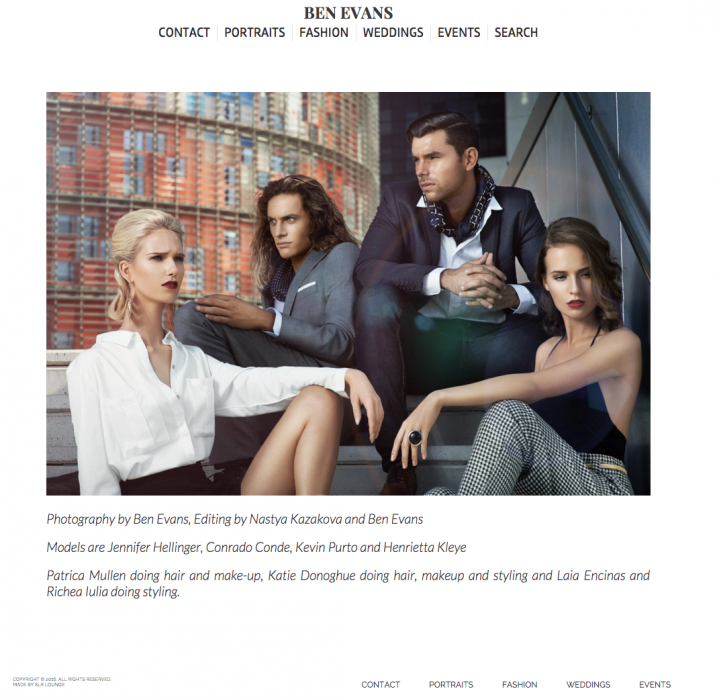
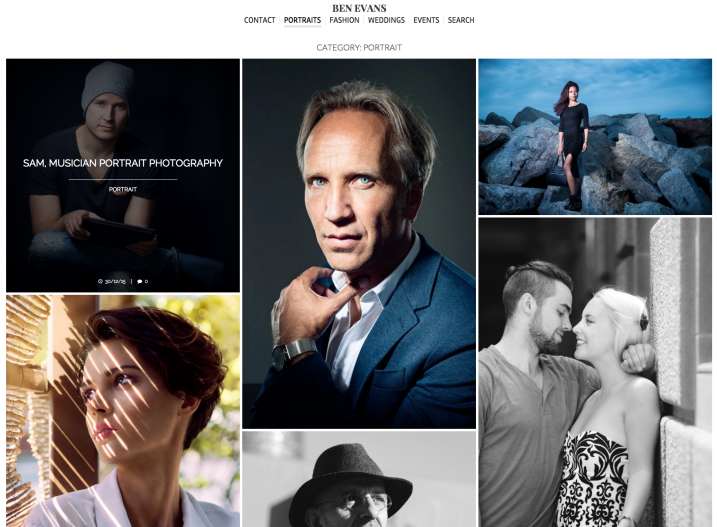
SLR Lounge’s WordPress Theme – I recently discovered this free WordPress photography theme and used it to build my latest website. It has a clean, simple style and creating the site took a few days.

Screen Shot 2016-01-30 at 1.16.20 PM

Home page of my new site

Screen Shot 2016-01-30 at 1.17.21 PM

Portrait page

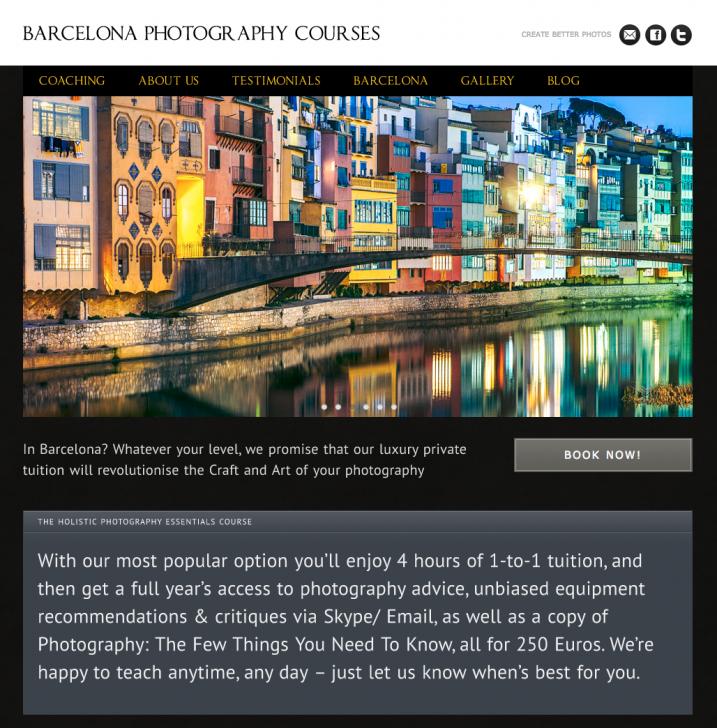
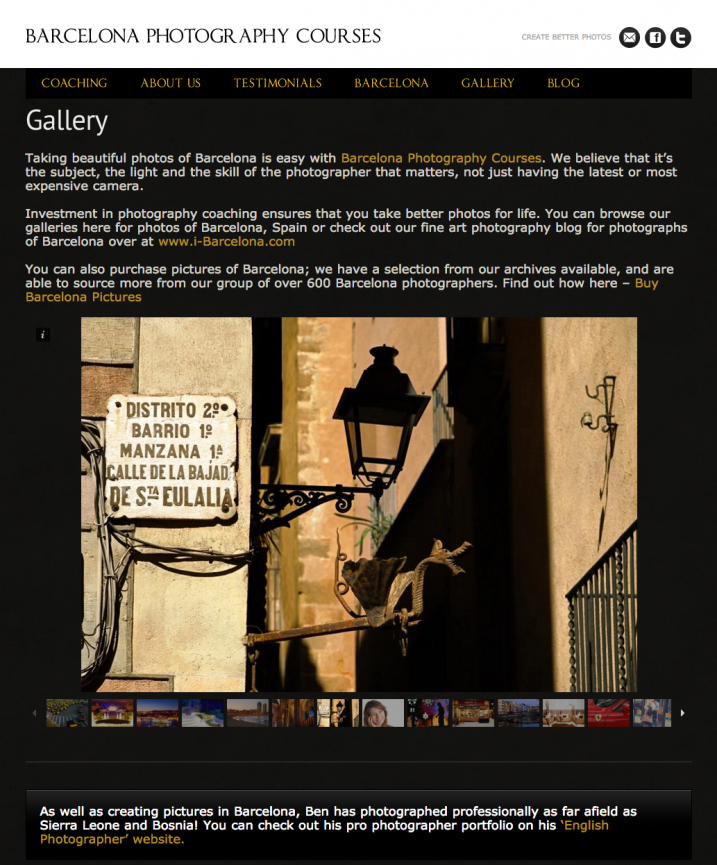
MySiteMyWay’s InFocus Theme – (Paid theme) I’ve used MySiteMyWay’s themes for several websites. As well as the design, I’ve been incredibly happy with the ongoing support, which has saved me a huge amount of time, and allowed me to do things I wouldn’t otherwise have been able to do.

Screen Shot 2016-01-30 at 1.22.01 PM

Home page

Screen Shot 2016-01-30 at 1.22.31 PM

Gallery page

The X Theme – (Paid option) It’s a silly name, but this Premium WordPress theme looks good, and they have done very well with updating it. There is a lot of features available here for more advanced internet users and web designers.

Screen Shot 2016-01-30 at 1.28.18 PM

Themeforest – (Free and paid options) Themeforest is the marketplace for WordPress themes online. Because they are constantly being released and updated, and because creating a website can be quite a personal choice, it is worth having a look here to see which themes are currently rated highly.

Designers

It can be helpful to hire a designer/ coder to help you with creating your photography website.

  • Fiverr – This is my go-to site for getting help with websites and so on. It’s cheap, fast, and so far I’ve been very happy with the results.
  • Elance – More professional than Fiverr; expect to pay more as well.

Pay monthly for a photography website

If designing a site isn’t for you, there are quite a few companies that can help. I don’t use these options personally because I like being able to move my website to another hosting provider if I want, or archive a site and bring it back later.

  • Smugmug – An established player that will allow you to show, share and sell your photos.
  • SquareSpace – The choice of many top professionals, although caveat emptor, several are sponsored. It’s quite pricey, but the designs it offers for photographers really look incredible, and it’s the easiest way to get a good looking photography website online quickly and easily.

Some bonus photography related companies

While we’re on the subject, here are a few companies that are very useful for photographers.

  • WeTransfer – Ideal for sending large files or even whole photoshoots. Their free option is excellent, and the paid version is great for photographers who want more options.
  • Dropbox – Very well integrated, and a great way to back up your photos online.
  • Google Drive – Again, an excellent option to save and send photos.
  • PicSurge.com – I use this a lot. It’s a well-designed site that allows you to show photos in good looking galleries that remain live for years. It lets you password-protect your images, and allows clients/family/friends to download files individually or collectively – and it’s free!

Conclusion

So those are some of the main options to consider if you want to make a photography website in 2016, and some reasons why you might want to consider doing so if you haven’t already. Hopefully this has been useful – please feel free to share your own websites in the comments below!


Editor’s note: please see this page for website resources, personally recommended by dPS founder and chief, Darren Rowse, over on his other site dedicated to blogging – ProBlogger. If you’re really interested in blogging you may wish to sign up there to get free weekly blogging tips.

googletag.cmd.push(function() {
tablet_slots.push( googletag.defineSlot( “/1005424/_dPSv4_tab-all-article-bottom_(300×250)”, [300, 250], “pb-ad-78623” ).addService( googletag.pubads() ) ); } );

googletag.cmd.push(function() {
mobile_slots.push( googletag.defineSlot( “/1005424/_dPSv4_mob-all-article-bottom_(300×250)”, [300, 250], “pb-ad-78158” ).addService( googletag.pubads() ) ); } );

The post List of Resources for Making a Photography Website by Ben Evans appeared first on Digital Photography School.


Digital Photography School

 
Comments Off on List of Resources for Making a Photography Website

Posted in Photography


Suspended: 13 Hung-Out-To-Dry Abandoned Cable Cars

08 Feb

[ By Steve in Abandoned Places & Architecture. ]

abandoned-okutama-cable-car1
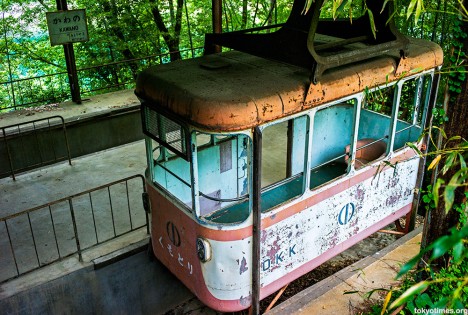
Suspended in time and place, only eagles dare go where these abandoned cable cars once reached as these glorified zip lines lost their zip long ago.

abandoned-okutama-cable-car6

abandoned-okutama-cable-car4

abandoned-okutama-cable-car3

If you build it, they will come… or not, as was the case of the ill-conceived Okutama Ropeway. Constructed in 1962 at an artificial lake west of Tokyo, the two-car transportation system operated for only four years before shutting down for good. Perhaps the builder/owner was unaware of plans to construct a bridge that would make his pride & joy redundant.

abandoned-okutama-cable-car7

abandoned-okutama-cable-car5

That said, the cars and associated infrastructure have held up remarkably well over the past half-century! Kudos to Lee Chapman of Tokyo Times for visiting this long-forgotten relic and photo-documenting its current (as of July, 2013) status. This video by Riding Japan explores the abandoned and, to quote the videographer “quite eerie” station.

Georgia On My Mind

abandoned-gagra-cable-car1

Lovely “Seaside Park” in Gagra, Abkhazia suffered significant damage during the early-1990s Abkhaz-Georgian Conflict; the still unsettled political situation and a chronic lack of funding has constrained any moves toward restoration. A single yellow gondola remains in place – its red-painted partner was blown up some years ago during the filming of a movie.

High Wire Act

abandoned-moscow-cable-car1

abandoned-moscow-cable-car2

abandoned-moscow-cable-car3

Can a cable car system that’s lost its cars still move you? Yes it can… figuratively speaking. Flickr user philm1205 snapped the spindly remnants of an abandoned Soviet cable-way in August of 2007, fifteen years after the fall of communism. One thing about the commies, at least they made the cable cars run on time – or run, period.

“Top Of Youth”

abandoned-Berlin-cable-car1

It’s the “Top of Youth” and the bottom of the barrel in Berlin, courtesy of Flickr user TheSleeping03 and the photo above. Taken on February 6th, 2014 at an old abandoned theme park in the German capital, the image presents the permanently-grounded gondola in a raw yet oddly appealing light.

Next Page – Click Below to Read More:
Suspended 13 Hung Out To Dry Abandoned Cable Cars

Share on Facebook


[ By Steve in Abandoned Places & Architecture. ]

[ WebUrbanist | Archives | Galleries | Privacy | TOS ]


WebUrbanist

 
Comments Off on Suspended: 13 Hung-Out-To-Dry Abandoned Cable Cars

Posted in Creativity


How to Add a Texture Overlay to Your Images for a Stunning Effect

07 Feb

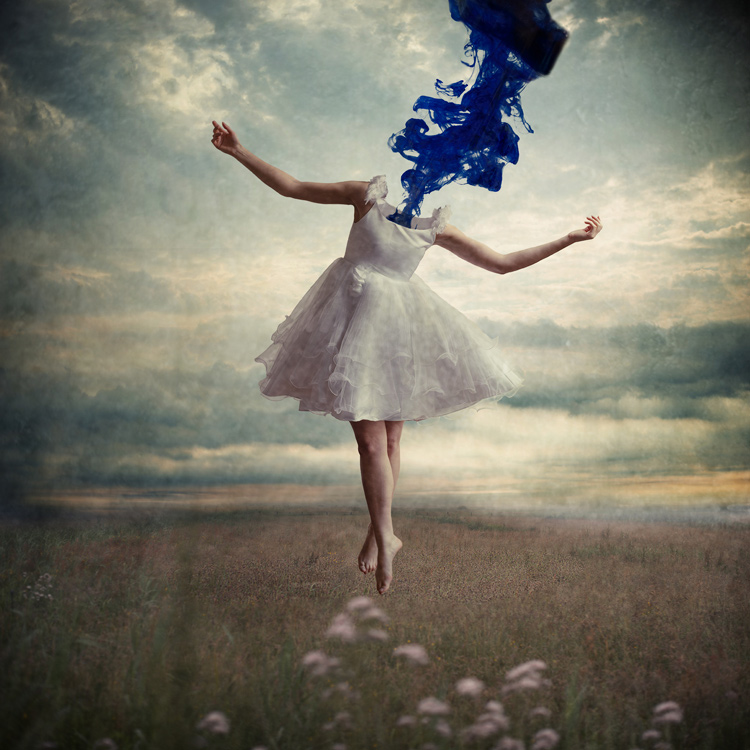
Adding a texture overlay to your images is an amazing creative tool. It adds another dimension of depth in the image; it makes it dreamy and adds a painting flavor. It also creates a timeless feeling, especially useful when you want to give a vintage look to your pictures.

You will really love this effect, it can be used in your personal work, and also sometimes in your commissioned work when you have some creative freedom over the result.

Adding a texture overlay is very easy. In this article I will explain how to create your own textures, then how to edit them to have infinite creative possibilities.

05 texture 100 percent

First – shoot your own textures

You can find many free textures online, for example on Deviant Art, or on any stock photo website. This is east, and sometimes helpful, although you can have copyright issues. The textures you will find online for free, are not always at high resolution. You will mainly find small files, not always the best to work with. But, I must say that so far I have never had any issues regarding textures size, even when printing my work in large format.

Shooting your own textures can be very fun, and a great creative exercise. Okay sometimes you will feel weird because people will not understand what you are shooting down on the pavement, nor they will see the point in photographing an old and dirty rain gutter. But it is well worth it.

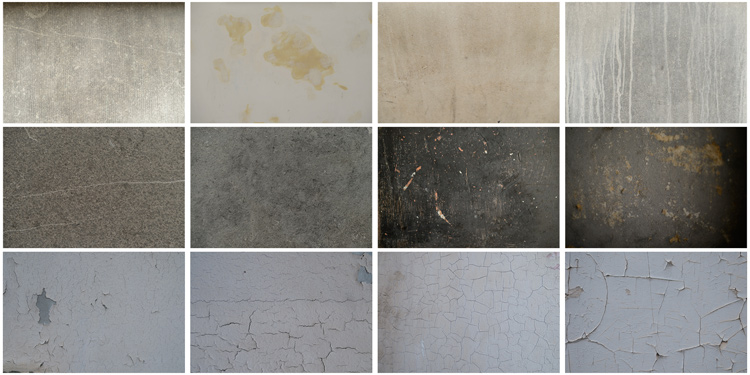
It is very easy to find great textures around you and build you own texture stock. You only have to take a walk with your camera to find textures. Look for some old painting on the walls, wood on the doors, or any bench in the street. You can also find metal objects with great texture and colors. You are looking for whatever has scratches, and can add an organic and natural feeling to your work. You can use stones, such as marble or granite, but also canvas or any other fabric with a nice texture as well.

01 textures

When shooting your texture, pay attention to your exposure compensation, as you want to have a contrasty, image to get more difference between the darks and lights. Also, you want to make sure everything is more or less sharp, so pay attention to your focus, depth of field, and angle from which you are shooting. This way the texture will be more homogeneous on your final image (and as you will see later in this same article you can adjust the texture in many ways).

To help you start your own textures library, you can find a link to download some textures you can use for free at the bottom of this article. I found many good textures for free online, so it is my way to pay forward this kind of generosity I found among photographers.

You can create your own textures at home

In Brussels it is freezing cold and rainy during the winter, so maybe you are the same as me, you do not want to go outside.

03 blue tale 01 no texture

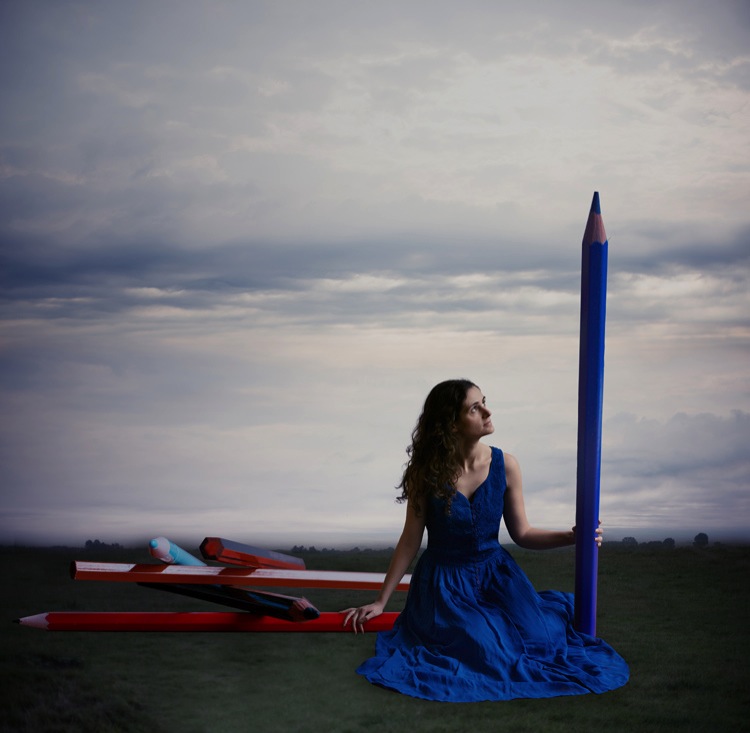
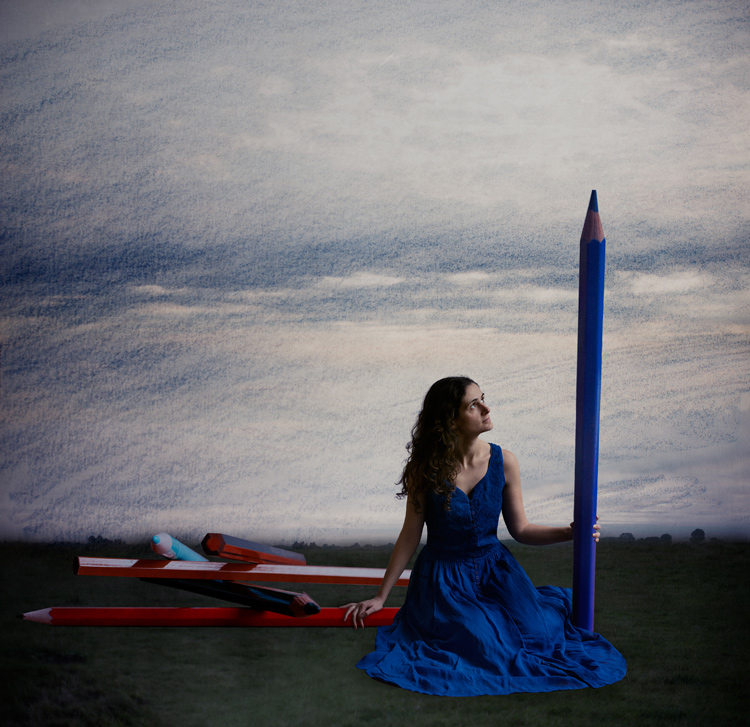
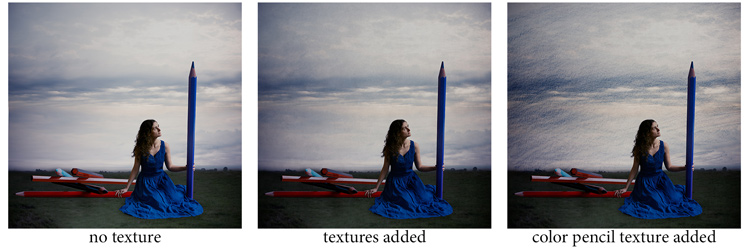
When you look for a specific effect you can make your own specific textures. For example, in the picture A Blue Tale (above) I wanted to play with a pencil color effect. Therefore I created the following texture to be added to the clouds.

I simply colored a piece of paper with a blue pencil crayong to have those lines and a texture effect. In this case, the preparation of the texture is fully part of the creative process, to put all those details together to create the image.

02 color pencil texture

03 blue tale 03 color pencil texture added

03 blue tale textures

You can also play with paper, painting, burn some paper (although I recommend being very careful).

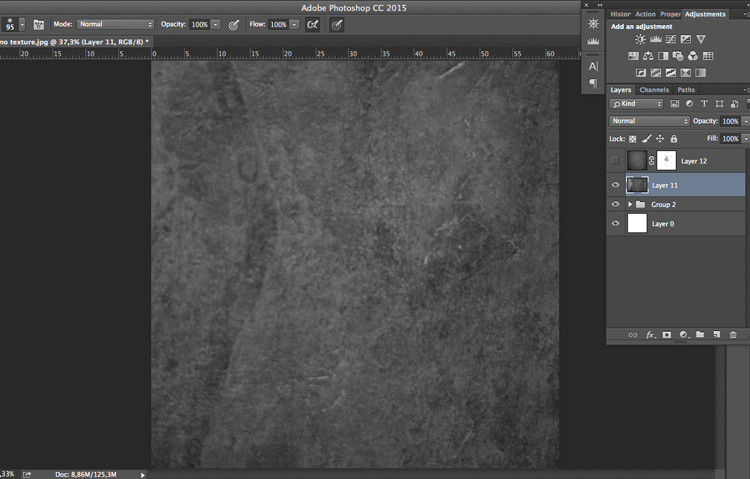
Now that you have your textures ready to be used, let’s open them in Photoshop. You can also use the ones that I shot for you down my street. To add a texture you can simply grab your moving tool and drag and drop it on your picture – or by doing copy/paste on your image.

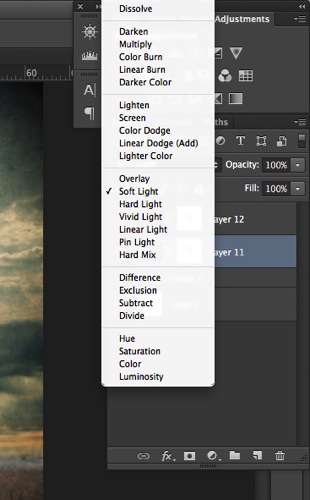
Play with the Blend Modes

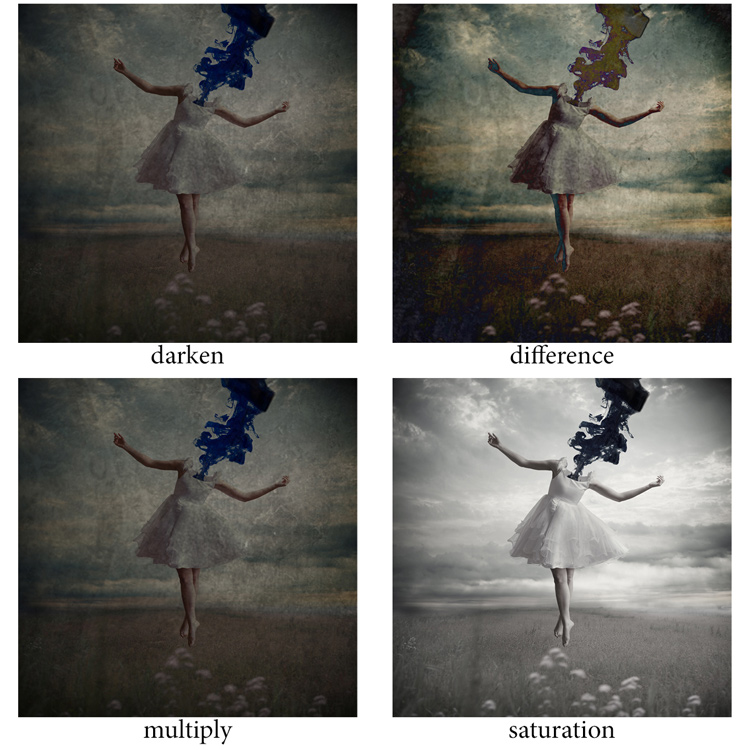
You can change the Blend Mode to change the look. When you add a texture to your image it will first look as follows, you see only the image of the texture on top of your image.

04 texture normal 100 percent

Play around with all the options Photoshop offers. Some texture/image combinations it will look weird, and others will look amazing.

Select your texture and hold down the Shift button, and + or –, to change quickly Blend Modes to go through them one by one, and test on your image. It allows you to see what every single Blend Mode will do to your texture – great way to quickly learn which one you like best.

  • The darkening group will help you to get rid of all light tones.
  • The lightening group will allow you to get rid of your darks.

04 Blend Modes panel

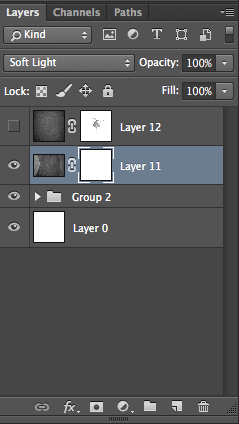
Most of the time, I choose the Soft Light Blend Mode – but you can choose any option, depending on your taste and the sought-after effect.

04 Blend Modes

Modify your texture

Move and resize the texture layer. Grab your Move Tool to place the texture as you wish on the image. Use Cmd/Ctrl+T to activate the Free Transform Tool and resize the texture layer, or flip it, to adjust it to the underlying picture.

You can add a Levels Adjustment with Cmd/Ctrl+L, to add some more detail contrast in your texture. You can also adjust the color. Usually I add the color in my image and prefer a desaturated texture. Hit Cmd/Ctrl+U to play with its color – if you want to desaturate it or change the color tones.

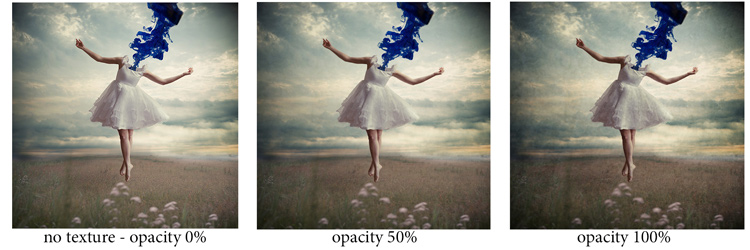
Play with the layer opacity

Turn down the opacity to see what best suits the chosen texture and image, in this case we’ll turn it down to 82%. Once you have found the right opacity you can always go back and change it whenever you want.

05 opacity

Add a layer mask on the texture layer

Applying texture over the whole image is great to give an artistic feel when the person is far away or it’s applied on a landscape. But, usually you want to avoid strong texture on your main character, especially if it is a close-up portrait, so you will want to soften the texture, or to erase it completely on areas such as the skin and eyes.

06 add layer mask

Add a layer mask on the texture layer and paint in black, playing with your brush opacity, size, and hardness to erase the texture where you want. Paint white your layer mask with a very soft edge brush, and low opacity, to bring back some texture on the subject edges to blend it with the background.

05 texture 100 percent

Add some more textures

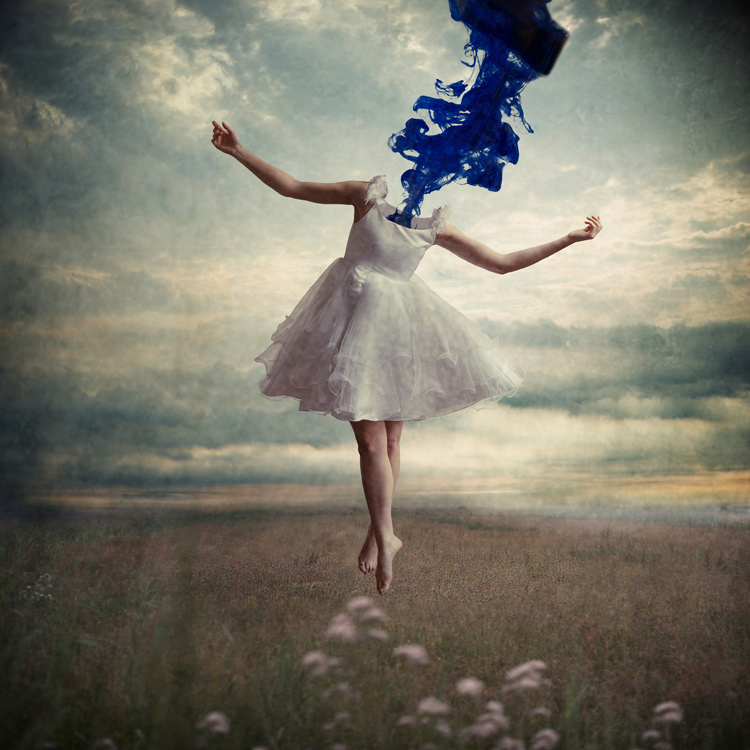
You can lower the opacity of your textures and add as many of them as you whish to get the visual affect you want. If you want to see the full edit of this picture you can have a look at my speed editing video below:

I hope you will now want to add texture overlays to some of your work, or at least give it a try. It’s a great technical and creative exercise.

You can start with the free textures I prepared for you (click here to download them), and with some time start to shoot your own. Feel free to share the results or your technique in the comments below.

Editor’s note: if you have questions or issues downloading the textures, please contact Amelie on her site as they are not being hosted here on dPS so we cannot sort that for you. Thank you.

googletag.cmd.push(function() {
tablet_slots.push( googletag.defineSlot( “/1005424/_dPSv4_tab-all-article-bottom_(300×250)”, [300, 250], “pb-ad-78623” ).addService( googletag.pubads() ) ); } );

googletag.cmd.push(function() {
mobile_slots.push( googletag.defineSlot( “/1005424/_dPSv4_mob-all-article-bottom_(300×250)”, [300, 250], “pb-ad-78158” ).addService( googletag.pubads() ) ); } );

The post How to Add a Texture Overlay to Your Images for a Stunning Effect by Amélie Berton appeared first on Digital Photography School.


Digital Photography School

 
Comments Off on How to Add a Texture Overlay to Your Images for a Stunning Effect

Posted in Photography


Tokyo Drifter: Editorial and commercial photographer Alfie Goodrich on working in Japan

07 Feb

Tokyo Drifter: Editorial and commercial photographer Alfie Goodrich on working in Japan

Azusa by Alfie Goodrich

First published in 1991 at the age of 23, portrait photographer Alfie Goodrich has been shooting primarily in Japan since 2007. His eye as a photographer as well as a fluency in both English and Japanese has brought him a diverse portfolio of commercial and editorial clients, including Ferrari, Lamborghini, United Airlines, Condé Nast, Air Asia and so many more.

Goodrich counts on more than just his bilingualism to bring him clients, however. He’s a master of SEO, as well, with a daily blog that pulls in between 40,000 to 80,000 unique visitors a month, a self-produced online magazine and a Google+ page that sports more than a million followers. When he’s not shooting, he also leads workshops and tours for photographers looking to work in Japan, and has even published his own Google guide to photogenic locations throughout urban Tokyo and Japan.

Find out more about Goodrich by clicking through the slideshow and accompanying Q+A. For more imagery, visit his website, www.alfiegoodrich.com and subscribe to his magazine ‘Stekki’. You can also follow him on his blog, Google+, Facebook, Instagram, 500px, and Flickr.

Tokyo Drifter: Alfie Goodrich on working in Japan

Kamakura by Alfie Goodrich

You began your career as a music portraitist and photojournalist in the UK. What was behind the transition to travel reportage and editorial work?

Actually, pretty much all of my professional photography work in the UK was done within the realm of the music business – which I was involved in from 1992 to 2002. Whilst I was PR Director for Nimbus Records, I shot a lot of stuff for CD covers, at recording sessions and events I was organising. Later, whilst general manager for Black Box Music in London, I did more of the same. Once I left music and started my own business, I started to mix up the subject matter a little more, providing a one-stop shop for people needing PR, websites, hosting and photography to promote and market their own companies. As my career changed, so did the subject of my photography.

Tokyo Drifter: Alfie Goodrich on working in Japan

Akari by Alfie Goodrich

When did you decide to make the move from England to Japan, and why did you decide to stay there?

My wife is Japanese. We met in the UK and lived together there for seven years, having two of our three children during that time. We’d been thinking of moving to Japan for some time. I lost both my parents within six months of each other, in 2005 and 2006. After that, we needed a change of scene. My parents had been very active in the local community, as had I. They were good times but, yes, a change was required.

I had some friends in business, some of whom were doing very well from diverse, international businesses built up over decades. People like that generally have a good sense for what’s in the wind. One of them, who had some experience of business in Asia, warned me that he felt Europe had some hard times ahead and that my thinking about a move to Japan was a good idea.

Tokyo Drifter: Alfie Goodrich on working in Japan

Fuji by Alfie Goodrich

(cont.) We left the UK in October 2007 when the yen was 210 to the Pound. Under a year later, Lehman happened and the Yen-Pound rate dropped to 105 at one point. My friend was right. Asia and Japan have weathered the financial crisis a little easier than friends of mine have back in the UK. For me to work in the way I do in Japan but do that back in the UK, we’d be looking at living and raising a family in London. Tokyo is very different. It’s safe, safe for the kids and safe for me to do my job – often dripping in camera equipment – without ever needing to look over my shoulder.

That’s one reason we’ve stayed here. Anther is that here I am different. I’m not a local. I have a different eye for Japan than a local photographer does; different working methods. I’ve made that work in my favour.

Tokyo Drifter: Alfie Goodrich on working in Japan

Johan – Akiko by Alfie Goodrich

Have you found any significant differences working in Japan as compared to working in the UK – not just culturally, but on the business side of things?

There are many differences between the UK and Japan and whilst nowhere is perfect, Japan and Tokyo tick a lot more boxes for us right now than London or the UK did. Little amusing things happen all the time, like asking if I could move a chair out of the background of a shot and having the company’s PR team all look at each other as though that was something that needed a board-level decision. My response at those times is just to make light of the situation, move the chair myself and then say ‘well, perfect… now you can blame the foreigner’.

There is a very hierarchical decision making process at work in Japan. Responsibility is a collective thing, not really down to individuals. That’s good in some ways but it can prolong decision making and during a shoot, things are often fluid and decisions need making quickly. Once you’ve built people’s trust with you then it’s different; they’ll give you more of a free reign over things.

One of the good things I would say here is that once you make business relationships, they tend to last. In the UK I would often come across the situation of having clients disappear to someone else based on cost: if Photographer X down the road was delivering Product A for £1 less an hour, then they’d move. That doesn’t happen in Japan. Trust and relationships take longer to build, which can be frustrating at first, but once you’ve made that relationship it isn’t really ever going to go south over trifling amounts of money.

Tokyo Drifter: Alfie Goodrich on working in Japan

Kawasaki Daishi by Alfie Goodrich

You mention in an interview that budgets have shrunk so companies are looking for local photographers to carry out campaigns rather than flying out a production. What measures have you taken to ensure that you’re the ‘go-to’ photographer that they will think of in Tokyo and these other cities?

In terms of how I compare, from a client’s perspective to, say, a Japanese photographer then I think the main difference is my eyes. I see things from a foreigner’s perspective. Japan is still new and fascinating for me, after almost a decade of living here. I work differently to the locals. That can sometimes be a curse but usually it’s a benefit; where it might take a Japanese photographer a team of seven people to do even a small fashion shoot, it takes me three. Working quicker, more efficiently is something I would say that is an advantage.

I spent a lot of time getting my web presence sorted out and integrating it with SNS sites. So I have a good footprint on the web and on the search-engines. The photography teaching I do also helps a lot, making my network of contacts here and abroad more diverse and giving me a something different to blog about and publish online, which isn’t just about my own work but about encouraging and championing others.

Tokyo Drifter: Alfie Goodrich on working in Japan

Asakusa by Alfie Goodrich

Besides speaking English and Japanese, what is it about your expatriate status that has given you a leg up over other photographers in Japan?

I am of course well-mannered and have respect for the local customs and culture, but being a foreigner means that it’s possible to skirt many of the conventions that hold local people back from being true to themselves 100%. I think for me it’s also about having come here at the right age. An old boss of mine once said that ‘when you get to 30, people take you more seriously. By the time you reach 40, you don’t give a shit whether they do or not!’.

I was 38 when I came here, with a wife and two children and on the back of just losing both my parents. Since then, we’ve had another child, I hit 40 and, to be very honest, I just have no time for bullshit anymore. Or for games. I’m also pretty happy with who I am. Still not perfect, obviously, but happy with the imperfections. There really is only ONE me.

Japanese people, because of the nature of their society, really don’t tend to get much chance to be totally themselves except when they are by themselves. They have one face for themselves, one for inside the house and one for outside the house… for work. Being myself and being happy with that person has been a large part of doing well here. You obviously have to have the skills to do the job, that goes without saying.

Tokyo Drifter: Alfie Goodrich on working in Japan

Baja by Alfie Goodrich

Since the beginning of the year, you’ve been an Ambassador for Hasselblad in Japan. How did that come about and what does that entail?

The boss of Hasselblad Japan is a Brit. Once we met, that certainly helped: shared heritage, same daft sense of humour, same propensity to swear every other word. I think he’d heard my name crop up quite a few times around the time that Hasselblad opened their shop and gallery here in Tokyo. The same had happened to me with his name. The foreign photographer community here is fairly compact and we were bound to meet each other eventually.

We had a meeting, talked about some of the things I was doing with photo education and which I was keen to explore with a camera company, especially one as legendary as Hasselblad. The boss and I got on well, we spent a bit more time hanging around with each other, I knew they had an ambassador programme and eventually we ended up talking about it and I was offered a post. It’s been a lot of fun.

Tokyo Drifter: Alfie Goodrich on working in Japan

Alfie Goodrich and his travel pack

What do you shoot with?

  • Hasselblad H5D-50c
  • Hasselblad H4D-40 as backup
  • Nikon D800E
  • Fujifilm X100 [borrowed from a friend]
  • Countless lenses

Tokyo Drifter: Alfie Goodrich on working in Japan

Iambo-ishii by Alfie Goodrich

What is it about the Hasselblad system that first appealed to you as a commercial portraitist?

First of all, the people at Hasselblad are human, friendly, passionate and down to earth. Yes, it’s business and of course it has to make money and be viable. But it’s about more than that. It’s about giving people an experience, sharing that feeling of joy and excitement that comes from having a truly awesome piece of machinery in your hands to take photos with… but at the same time, making sure it’s not all about gear. It’s about the image, the photo, the moment. The gear is crucial but it’s not everything.

As a perfectionist, I love being around people that are the same and Hasselbad are truly perfectionists. People often ask why the cameras are so expensive… well, part of the reason is that they are perfectionists. Craftsmen, perfectionists. And really, nowadays, buying a digital Hasselblad well of course they are not cheap but having one is the closest you will get to a ‘camera for life’. In the digital, throwaway, planned obsolescence society we live in now that’s a hard thing to say. But it’s true. So now imagine that camera for life and having unlimited free film, forever… and it doesn’t seem quite so expensive anymore.

Tokyo Drifter: Alfie Goodrich on working in Japan

Meijimura by Alfie Goodrich

(cont.) For me, why does Hasselblad appeal to me? The colour rendition is amazing, very film-like. Skin tones are perfect straight out of the camera. The True Focus system [which uses a gyro in the camera to re-focus after you have re-framed] helps me shoot at the large apertures I like and still nail the focus every single time.

The range of lenses is great and as ambassador I get to use what I like, as long as they have one available at the time. So, after really only using the 80mm and the 28mm a lot from the HC range before this year, I’ve been playing a lot with the amazing 300mm F4.5, the 210mm and the 120mm macro. I’ve also had a lot of fun with the CFV-50c digital back for the old film Hasselblads which is, for me, the fantasy come true of having all the wonderful usability of the older cameras but the convenience of the digital back.

The Hassie flash syncs up to 1/800th sec. That and the range of lenses they have, which often stop down to F32 and F45, give you a lot of flexibility to kill the sun when you are shooting with flash outdoors. The Nikon only syncs to 1/250th.

Tokyo Drifter: Alfie Goodrich on working in Japan

Ruri by Alfie Goodrich

As a Hasselblad Ambassador, you have ‘kid in a candy store’ access to their lenses. What have been a few of your favorite lenses so far?

Like I said before, the 300mm is astonishing: super sharp wide open at F4.5 and still super sharp when you stop it down to F45. It’s not light but it’s perfectly balanced. A joy to use and I use it hand-held a lot.

The 120mm macro is so sharp you could cut yourself on it. Lovely handling too. The first one I spent time with was the 100mm F2.2. I used to have the old Zeiss manual-focus 110mm F2 which was a beautiful lens. But it was seductive at F2, drawing you in what the lovely bokeh, only to leave you on the rocks of despair when you realised half the shots were out of focus.

With Hasselblad’s True Focus, you can shoot the 100mm all the way open at 2.2 and be sure to nail the focus every time. The 24mm is something also try to get my hands on when I can. Pretty much the widest lens for digital medium format and stunning on the right circumstances of subject matter. The TS1.5 tilt-shift converter has been fun too. I could go on… I mean, it’s a nice candy store.

Tokyo Drifter: Alfie Goodrich on working in Japan

Shinyong Kimono by Alfie Goodrich

You also shoot with the Nikon D800, D700 and D3X. When do you find yourself employing that system instead of Hasselblad? How do the two systems compare?

When I need lighter more compact cameras I use the Nikons. I don’t mind weight but if I need to hand-hold a shot at 1/4 sec then that’s more likely to be doable with the Nikon. I also have a lot of old Nikon glass which I like using a lot on the new cameras. So, sometimes it’s just because I have a lot of lenses at my fingertips that I use the Nikons. For shooting at a higher frame-rate, the Nikons win every time. Hasselblad is not built for that.

You have to play a camera, any tool, at its strengths. That goes for weatherproofing too. My D700 now has about 650,000 pushes on the shutter and has been through five typhoon seasons with me… and it’s been in the sea. The camera is practically bullet-proof. Best thing Nikon made since the F4, IMHO.

Tokyo Drifter: Alfie Goodrich on working in Japan

Keihincanal by Alfie Goodrich

(cont.) The Hassie I shoot the most is a CCD sensor camera, the H4D-40. It’s not a high ISO camera and I rarely shoot it above 400 ISO, although it’s still doing OK at 1600. The colour on the CCD chip vs the CMOS in the Nikons is huge. The dynamic range too. If I need large dynamic range, if the colour is super important and required to be nailed in the camera then I use the Hassie. I hardly do any post- production on the Hasselblad shots. If I am in the studio, it’s Hassie all the way.

Tokyo Drifter: Alfie Goodrich on working in Japan

Shinyong by Alfie Goodrich

With more than a million followers of Google+, do you have any tips for managing a presence on the site? Why has it become your social media site of choice?

I’m sort of getting back to Flickr too lately after a long break. Yeah, Google+… well I had a friend invite me to it very early, almost from day one of the site being open. The big thing for me was to investigate how well it integrated with other Google products, particularly whether it had any bearing on SEO and how far up Google you came. There are lots of articles out there on the net about G+ having no discernible effect on SEO. I’m not a techie but I can tell you that it has helped me get found.

One of the first reasons I was also attracted to G+ was that, via a plugin I have called Google+ Blog which was developed by photographer and coder Daniel Treadwell. It’s allowed me to post on Google Plus via by iPhone and have the posts pulled out and cross-published on my WordPress sites by the plugin. That solved two issues for me: first was that there was really no decent app on the iPhone for blogging on a WordPress site.

Tokyo Drifter: Alfie Goodrich on working in Japan

Rebel Rebel by Alfie Goodrich

(cont.) Secondly, the cross-posting gave me three bites of the SEO cherry with a post that shared the exact same title as the one on G+. And Daniel’s plugin preserves a link back to GPlus in the footer of each post. All these things have conspired to create a situation where, if I get clever about what I call my posts on G+, searches on Google’s main search engine containing the same words can mean me getting listed on page one of Google within 40 minutes of making the post. That’s powerful marketing for a small business or freelancer.

I’ve made some good friends there and you always have to give something to get anything back in life. So, putting out rich posts that have a backstory about how I shot the pic and why; these posts have always got good attention and allowed me to cultivate a nice audience.

Tokyo Drifter: Alfie Goodrich on working in Japan

Yokohama Rain by Alfie Goodrich

You’re also quite active on several other social media fronts. Which do you recommend photographers invest their time in the most?

Facebook is, for me, really just about keeping in touch with friends, making some new friends and having a personal place to chat informally. I don’t really use it for work. It’s my garden fence over which to gossip. The main thing I hate about FB for photography is that the JPEG compression is awful. It makes photos you post there look bad, so why would I use it so much for that? Google+ is all about photography. Flickr started in 2006 for me and now they have sorted out the look and the usability of the site, I am getting back to using it more. Tumblr I use as a scrapbook, moodboard and ideas archive. Twitter I am starting to use more but really just getting my head around it even now.

I think the biggest thing for photographers to get sorted is their own website. Get a decent platform for it which for me is WordPress. Then make it look nice but don’t over spec it. It’s all about your work, not fancy animations, complicated navigation or anything too clever. People want to see images and to get to see a decent cross-section of your work as quickly as possible, in a mobile and web-friendly way.

SNS should then relate back to your website. I post links on FB and link to my work on my sites. That generates traffic and sows links out there on the web and the amount of links a search engine sees to your site helps it bump you up the table for page ranking. As for what to post on SNS, give people something. It should not all be ‘me, me me’ and really not, on FB for instance, be about ‘come and like my page’. You have to find a unique voice for yourself.

Today is different. We have to be photographers and agent, promoter and marketer. That’s hard to do for long without occasionally disappearing up your own backside. Find a way to promote yourself that also educates or enriches the people seeing your posts. That’s really where the photography teaching has helped me; I like passing things on, helping people enjoy their photography more. A lot of what I post on SNS is slanted that way.

Tokyo Drifter: Alfie Goodrich on working in Japan

Yumi by Alfie Goodrich

How does your Japanorama website tie into the rest of your endeavors? 

Japanorama was the first domain I had outside of one in my own name. I bought it way back, at first just because I liked the name and it was a domain I used to point to my pics of Japan. When we moved here, I changed the site to be something the reflected more of everything I do: the teaching, the work, stuff not shot by me but done by people I teach etc. It’s also the umbrella name under which I do business in Japan.

Tokyo Drifter: Alfie Goodrich on working in Japan

Mari by Alfie Goodrich

Would you speak a bit about your self-published magazine Stekki and what the process of putting together a magazine is like?

Stekki came about purely as a way to help students and workshop attendees get the experience of seeing their work in a magazine form. On workshops we’d shoot to a brief of making features to fill pages. People would need to think about a cover, double-page spreads, remembering to shoot vertical and horizontal. I get to see my work in magazines. That’s nice for me. I wanted to share that experience and make a magazine for people.

Plus, the discipline of shooting for the page, pre-visualising for the page, seeing someone edit your shots down and then fit them on to a page… this is good for people who are learning about photography. I’m shortly about to start designing and producing all the content for a real magazine here in Tokyo. That will help me move Stekki one step closer to being in print, which I think we can realistically see happening in 2016.

Tokyo Drifter: Alfie Goodrich on working in Japan

Momo Shoko Yoyogi by Alfie Goodrich

As well as shooting, you teach photography in Tokyo. What are a few of the things that photographers can expect to learn in your workshops and photowalks? Are there any less known locations that you can recommend for photographers who are making a visit to Japan?

I help people see. I help them pre-visualise, become visual literate as much as anything we do technically or physically with the camera. We’ll always work to some kind of brief or project and since the Stekki magazine idea came along, very often we’ll work together on shooting pages for that. I do one-to-one lessons, courses and workshops and at any one time there’ll be something going on across a few genres of photography, from fashion to landscape, travel to documentary or street. I tend to get off the beaten track a lot and actually earlier this year made a Google Map with more than 100 places and walks on it, each with a photo. You can find that here: http://japanorama.co.uk/2015/04/30/a-photographers-map-of-tokyo-japan/

Tokyo Drifter: Alfie Goodrich on working in Japan

Mone Ohashi Tripych by Alfie Goodrich

You do a lot of location portraiture, what’s your chosen lighting system for working in these urban areas?

I’ve used lots of things and still do have a real mix of stuff. Recently I tried out the Profoto B2 kit for a few months and may well end up getting one. I like their B1 lights a lot as well. No cables. Huge benefit when working outdoors. I have an Einstein or two and the Paul Buff ring flash, which is fun. I still use a lot of small speed lights and radio triggers as well. I like the flexibility of clamping them onto a fence, railing or somewhere it would be hard to use stands or large lights.

Tokyo Drifter: Alfie Goodrich on working in Japan

Meijijingu by Alfie Goodrich

Does Japan have similar permitting issues as the US or the UK when it comes to commercial photography?

Japan is pretty good for photography. The main thing is about tripod and stand usage. There are plenty of areas in the cities where you can get away with light on a stand though. But the speed lights come in useful a lot for ‘gun and run’ type shoots.

The police never really bother me. It’s more the private security guards or guards that work for a building. If they think you are on their land, which at times can be hard to figure out, then they can be very persistent and annoying. Temples and shrines anywhere in Japan are pretty much either, ‘yes we are cool with you but it’s on a permission only basis’ or, ‘no, you can’t shoot commercially here’. They are usually pretty approachable and the ones that will let you shoot will usually turn around a request for permission in two weeks or less. Some even use email now! But be prepared in Japan for the surprise of how popular the fax machine still is.

Playing the ‘stupid foreigner’ card obviously is something I will do occasionally. I’m well mannered and polite but if I want a shot than I will try, within reason, plenty of things to try and get it. If pretending not to understand the rules is one, I’ll do it.

Tokyo Drifter: Alfie Goodrich on working in Japan

Mari by Alfie Goodrich

What was the experience of shooting Prince William, Duke of Cambridge like?

The experience of a lifetime. I mean, whatever you think about the royal family, being on an assignment with any super-VVIP level people is amazingly interesting: the organisation, the pace, the things you get to see and experience.? I spent four days with the Duke, as the British Embassy in Tokyo’s official photographer of his visit. I travelled in the convoy, went to all of the engagements in Tokyo and up in Tohoku. In four days I photographed the Duke, the Prime Minister, the Emperor and Empress, a Crown Prince and assorted other dignitaries. Not just from the press-pack perspective but as an embedded photographer. That opportunity doesn’t come around very often.

The Tohoku and Fukushima parts of the trip were especially poignant for me. My wife is from Fukushima and the majority of her family still live there. So when I got a chance, at the end of the trip, to speak with the Duke, I thanked him for taking the time to visit Fukushima. Lots of people had come out to see him. It meant a lot to them that someone like him would visit there home. Oh, and my two sons still hate me for the fact that – with the Duke – I managed to get inside the driver’s compartment of the bullet-train. You can only really do that if you have a Prince to get you in the door.

Articles: Digital Photography Review (dpreview.com)
 
Comments Off on Tokyo Drifter: Editorial and commercial photographer Alfie Goodrich on working in Japan

Posted in Uncategorized


Slalom House: The World’s First Residential Rooftop Ski Slope

07 Feb

[ By WebUrbanist in Architecture & Houses & Residential. ]

ski slope apartment complex

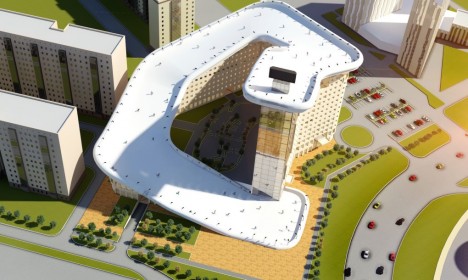
Designed for Astana, the cold capital city of Kazakhstan, this ‘white roof’ 1,000-foot ski run wraps around an apartment tower, bringing winter sports right to residents’ doorsteps.

architecture ski slope roof

Despite the length of winters, this urban setting offers little by way of local options, forcing citizens to drive for hours to the closest ski destinations, at least until now.

rooftop ski slope

The slope is designed to wrap around the roof of the building, taking advantage of curves and grade changes all the way down and potentially usable with Snoflex (artificial snow) all year round.

ski slope design

Incorporating 421 domestic units, this 21-floor design by Shokhan Mataibekov Architects was recognized as a finalist in the 2015 World Architecture Festival and is now seeking funding.  Additional shops and restaurants on the ground floor would serve both skiers and apartment dwellers. Upon completion, it would be the first such mixed-use skiing center of its kind in the world.

Share on Facebook


[ By WebUrbanist in Architecture & Houses & Residential. ]

[ WebUrbanist | Archives | Galleries | Privacy | TOS ]


WebUrbanist

 
Comments Off on Slalom House: The World’s First Residential Rooftop Ski Slope

Posted in Creativity


4 Steps to Creating Images With More Meaningful Composition

06 Feb

If you wonder what composition really means, it is basically what elements you choose to put in a photograph, and where you decide to place them in the frame.

Vickie-Lewis-MtHood

When composing a photograph you need to consider several things:

  1. What is the story you are trying to tell? In other words, what do you want the viewer to see or feel when they look at your photograph?
  2. What’s your center of interest or focal point?
  3. What elements will most support that story?
  4. How can you maximize those elements?

Let’s consider each of those points individually.

1- What is the story you are trying to tell?

In other words, what do you want your viewer to know or experience when they see the photograph?

Some ideas if you are photographing your children:

  • You might want the viewers to see how cute they are.
  • You might want the viewers to see how smart they are.
  • You might want the viewers to see how much they love their sibling or new puppy.

Each of those ideas will impact how you choose to compose the picture. In the first example, you might choose to dress your daughter with a pink bow and sit her on her princess bed. If you want to show how smart your child is, you may decide to photograph them winning a spelling bee, or playing with test tubes. Of course, if the story is the new relationship with their puppy, you want to capture that moment of them hugging the puppy, or the puppy licking their face.

Lake-Vickie-Lewis-Photography-for-dps

Here’s another example shooting landscapes. Let’s say you want to take a photograph of a beautiful lake in a park, in the middle of a city. What’s the story you want to tell? What’s the experience you want your reader to have when they see your photo?

Here are some ideas:

  • You can isolate the lake and shoot it in such a way that it looks as though it is in the middle of nowhere.
  • You could shoot the lake with the cityscape in the background to show it as a haven in the middle of a grimy city.
  • You could show the restful, or quiet feeling, of the lake by just focusing on an empty park bench, or the reflection of a tree in the water.

grass by edge of lake Vickie Lewis Photography for dps

In every situation, there are many different stories and compositions. Knowing what the story is, and what you want to say, is the first step in composing a photograph. You can start to see how your intention with the photograph becomes important in composing a photograph.

2 – Choosing a focal point

With that in mind, the next step you want to think about is what is your center of interest or focal point? In other words, what is the one element you want your viewer to see first? What ONE element do you want to stand out?

If you are photographing your children, that’s pretty simple, you want your child to stand out. We’ll talk about some strategies to do that in a minute, but first let’s look at our other examples.

If you see a lake that you are drawn to, first ask yourself the story, then ask yourself what one element can be the subject? Is it a tree or rock in the lake? Is it a house on the lake? Is it the moon rising above the lake? Is it the grass growing on the edge of the lake?

Drop-by-Vickie-Lewis

3 – What elements support the story?

As you view the scene, ask yourself, “What elements support the story I’m telling?” As you look through the viewfinder, move your eye around the outside frame of the photo, then look inside that frame and ask yourself if there is anything in the photo that doesn’t belong there.

For example when you are taking a photograph of your child, you ask yourself if you need the dining room table in the background? Do you need your car in the background? What’s important? What elements add to the subject and which distract?

4 – How can you maximize those elements?

In the next section, we’ll look at examples and talk about ways you can clean up your photographs in two simple ways.

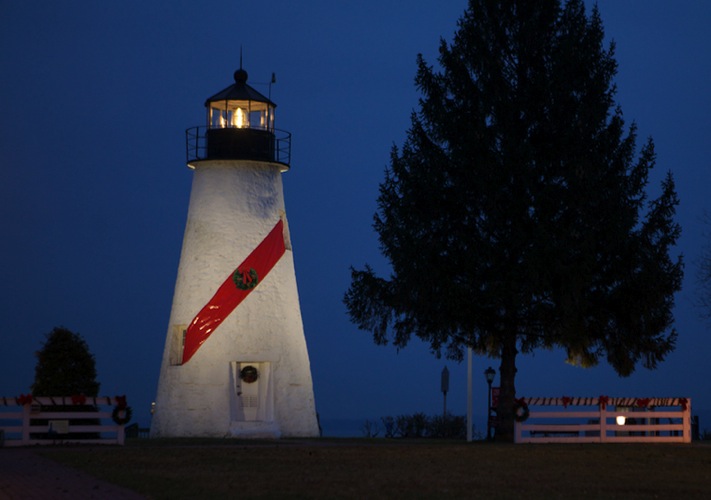
1 Lighthouse snapshopt Vickie Lewis Photography for dps

Above is a photo of a lighthouse. It’s a very pretty scene, but it’s filled with elements that don’t really help the composition. There are elements, including a wire overhead and an information stand in the front, that don’t add anything to the feel of the place.

2 Lighthouse Vickie Lewis Photography for dps

This is better. The first shot was taken with a wider angle lens. In this shot, I took a few steps to the right, and zoomed in a little bit. Zooming in not only eliminates some of the foreground, it changes the perspective. Can you see how the image feels more compressed? Also, the wires were not magically Photoshopped out of the picture, I chose to eliminate the top of the tree from the frame.

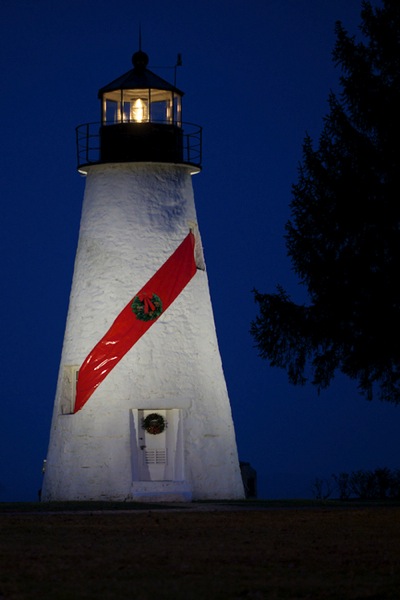
3 Lighthouse Vickie Lewis Photography for dps

Here’s yet another different perspective. For the shot above, I used an even longer lens, and moved more to the right. The most important element to me, the story, is the lighthouse. The dark tree nicely frames it, and adds perspective. This photo, compared to the first, is much cleaner.

Now, I could have chosen to get closer with the wide angle lens, but the light house would start to lean, and it would have emphasized the power lines.

Different angles can also help clean up backgrounds, so you ask yourself:

  • Would taking a step or two in a different direction get rid of some distractions?
  • Would getting a little bit higher or lower help the composition?
  • Would changing the focal length help with the composition?

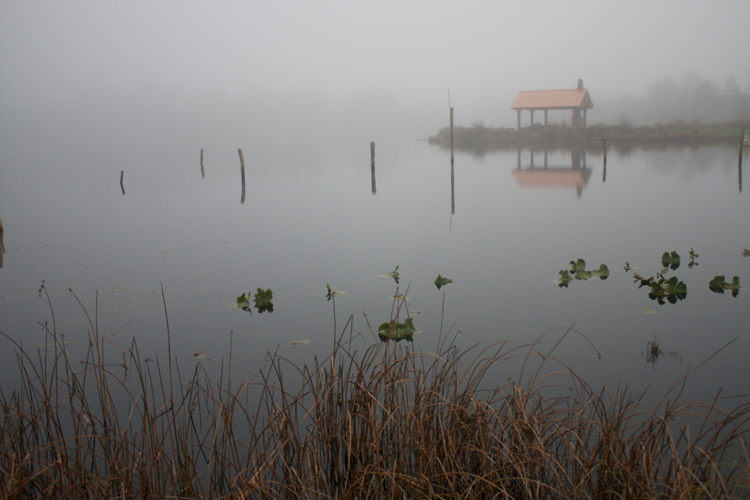
1 Foggy Shack vickie lewis for dps

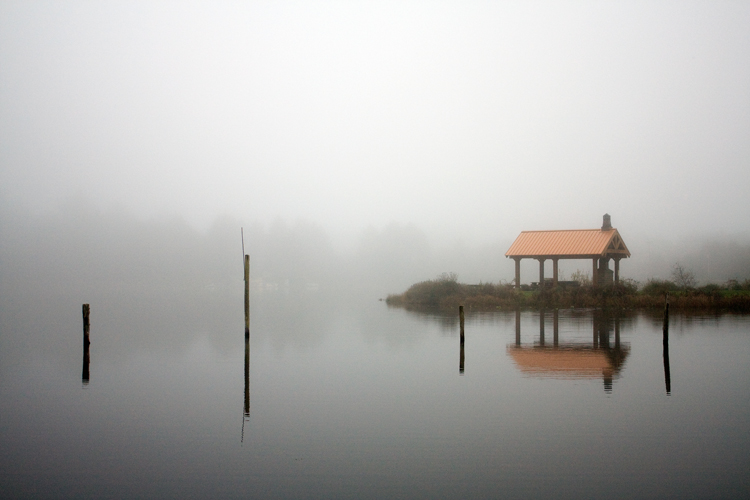
2 Foggy Shack Vickie Lewis for dps

Here’s a great scene of a foggy shack on a lake. It’s next to a very busy highway, so I chose an angle from which you can’t see any cars. In the first example, the emphasis is on the grass. I used a wider lens and looked for a patch of grass for the foreground that made a nice pattern. The grass leads the viewer into the photograph. The shack seems further away.

In the second image, I chose to focus just on the reflection and the quietness of the scene. I found an angle from which I could shoot with no grass. My focus changed, the feeling also changed. Which one do you like better?

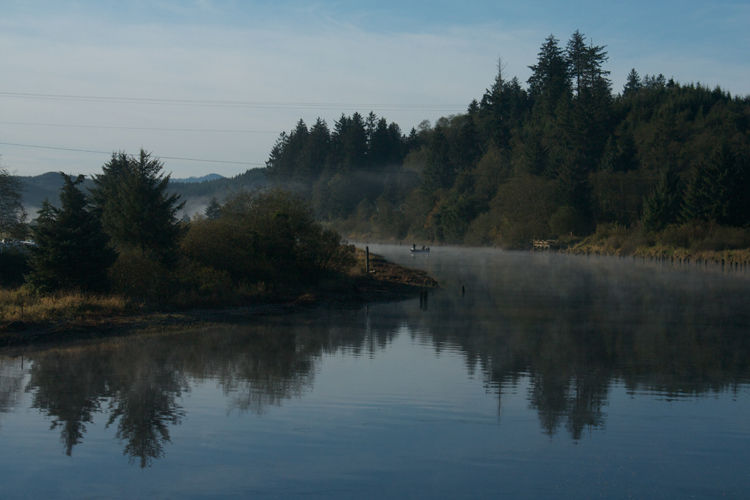
1 Nehalem River Vickie Lewis for dps

Here’s a beautiful scene with lots of potential. But your eye really has no place to go. There isn’t a strong sense of interest. The story is one of serenity and a great place to go fishing.

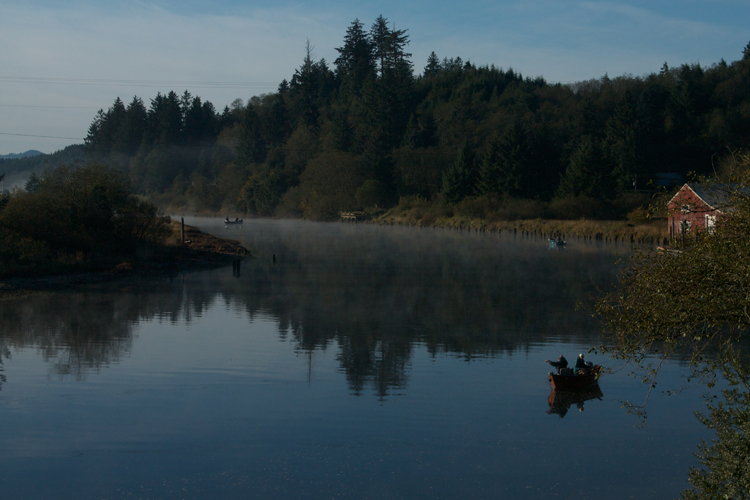
2 Nehalem River Vickie Lewis for dps

To improve the composition, I waited until some fishermen popped into the right place. In the second photo, can you see how your eye has a place to go? It’s immediately drawn to the fishermen in the red boat.

You can greatly dramatically improve the composition in your photographs by framing a photo and waiting for the right elements to come together.

So now, moving forward with your photography, you have some great ideas to work with:

  • Consider what story you are telling with your photographs.
  • Make sure you have a center of interest.
  • Decide what elements support the story.
  • Maximize the elements by changing position and focal length.

googletag.cmd.push(function() {
tablet_slots.push( googletag.defineSlot( “/1005424/_dPSv4_tab-all-article-bottom_(300×250)”, [300, 250], “pb-ad-78623” ).addService( googletag.pubads() ) ); } );

googletag.cmd.push(function() {
mobile_slots.push( googletag.defineSlot( “/1005424/_dPSv4_mob-all-article-bottom_(300×250)”, [300, 250], “pb-ad-78158” ).addService( googletag.pubads() ) ); } );

The post 4 Steps to Creating Images With More Meaningful Composition by Vickie Lewis appeared first on Digital Photography School.


Digital Photography School

 
Comments Off on 4 Steps to Creating Images With More Meaningful Composition

Posted in Photography


Framing fashion with Dixie Dixon

06 Feb
At the age of 20, most people are just beginning to figure out what careers they want to pursue. Dixie Dixon got an early start in photography, so by 20 she had years of experience under her belt and a clear direction in mind – fashion photography. As New York prepares to host Fashion Week 2016 in a few days, we’re re-visiting Dixon’s PIX 2015 talk. An engaging speaker, she discusses getting her start in fashion photography and an unlikely first ‘break’ in the business photographing swimsuit models for a reality TV show.

Articles: Digital Photography Review (dpreview.com)
 
Comments Off on Framing fashion with Dixie Dixon

Posted in Uncategorized


GoPro to discontinue three cameras and exit entry-level market

06 Feb

This week, GoPro announced it will discontinue three of its six available action cameras and abandon the entry-level market. This follows the company’s preliminary fourth quarter results revealed last month. GoPro had stated at the time that poor holiday sales would likely result in low quarterly revenue, and that it would layoff 7% of its workforce as a result.

In a conference call this week, GoPro’s founder and CEO Nick Woodman said the company’s recent misfortunes aren’t due to increased competition. ‘Growth slowed in the second half of the year,’ said Woodman, ‘and we recognize the need to develop software solutions that make it easier for our customers to offload, access and edit their GoPro content.’

GoPro is banking on the improved software reversing its sales numbers, but it isn’t clear what other plans may be in place. Woodman said the company will be ‘delivering this new experience in 2016, period.’ In the meantime, though, GoPro anticipates its first quarter sales will be below analysts’ $ 300 million expectation, falling between $ 160 and $ 180 million.

GoPro will stop selling its HERO+ LCD, HERO+ and HERO entry-level cameras in April, making the $ 200 HERO4 Session its least expensive model.

Via: Financial Times

Articles: Digital Photography Review (dpreview.com)
 
Comments Off on GoPro to discontinue three cameras and exit entry-level market

Posted in Uncategorized