RSS
 

Archive for August, 2015

Rough and ready: Olympus Tough TG-4 review

10 Aug

While most of the rugged cameras we covered in last year’s roundup have received minor upgrades, the Olympus Tough TG-4 brings something big to the table: Raw support. Does adding Raw put the TG-4 at the top of its class? Read more

Articles: Digital Photography Review (dpreview.com)

 
Comments Off on Rough and ready: Olympus Tough TG-4 review

Posted in Uncategorized


Kosovo: 10 m², feucht.

10 Aug

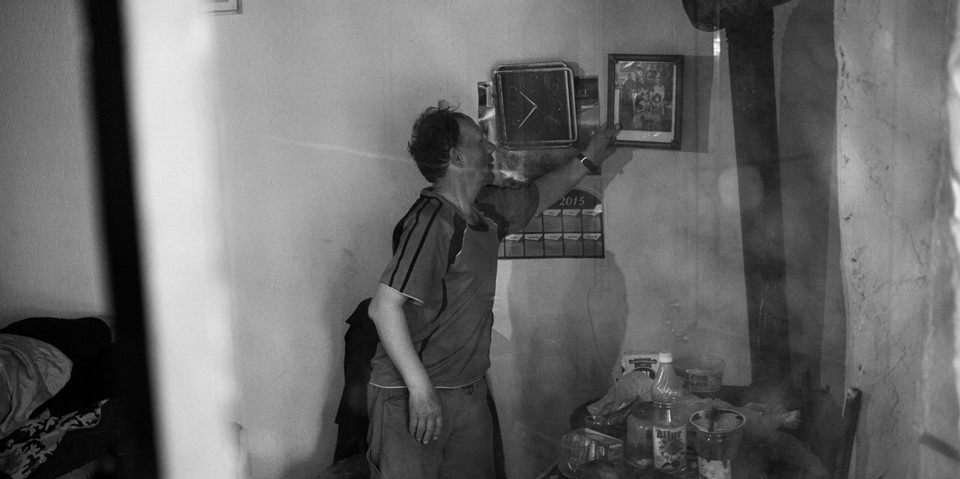
Ein Mann zeigt auf ein Foto, das an der Wand hängt.

Es ist heiß, während Sara (Übersetzerin und Aktivistin, die mein Projekt begleitet) und ich im Golf des Caritas-Mitarbeiters Zef nach Ferizaj, der drittgrößten Stadt Kosovos fahren. Nach einem kurzen Besuch bei der Zentrale der Caritas fahren wir in ein Armenviertel, in dem Gani mit seinem Sohn lebt.
kwerfeldein – Fotografie Magazin | Fotocommunity

 
Comments Off on Kosovo: 10 m², feucht.

Posted in Equipment


Composition After the Fact: Cropping for Maximum Impact

10 Aug

It may at first seem simple. You took the shot a little wide, or a sneaky branch that you didn’t notice found its way into the edge of your photo. In Lightroom (LR) it’s just a quick press of the R key to activate the crop tool, hold down the shift key to constrain the crop so you don’t get a weird aspect ratio, and your task is complete.

A cropped portrait

The crop tool – simple, yet powerful.

On the contrary, cropping is one of the more powerful tools that you have at your disposal to dial in the composition of your images. Prime lens users will also find that the limited versatility (compared to zoom lenses) can result in the need for cropping more often.

First, let me make the caveat that many aspects of photography are highly subjective. Some of the information and advice offered in this article is my personal opinion, and is the approach I take to create images that fit my style. Personal preference always prevails. Anything called a rule is only so because a common pattern was identified within compositions that are considered especially attractive.

In many respects cropping echoes the fundamental principles of composition. Luckily, if you didn’t get what you wanted the first time around, when you took the photo, you get a second chance, albeit limited, to recompose your images in post-production for maximum impact.

The Basics

The very first thing I look for, and correct, in any photograph that I edit is straight lines. Horizon lines and any vertical lines that are near the edges of the image, should be straight. It absolutely drives me crazy when I see photos with crooked lines.

That being said, lines can be crooked, but it better be obvious that was the intent, otherwise it just looks like careless composition or lazy editing. In the right context a skewed horizon can add drama, and make an image more dynamic.
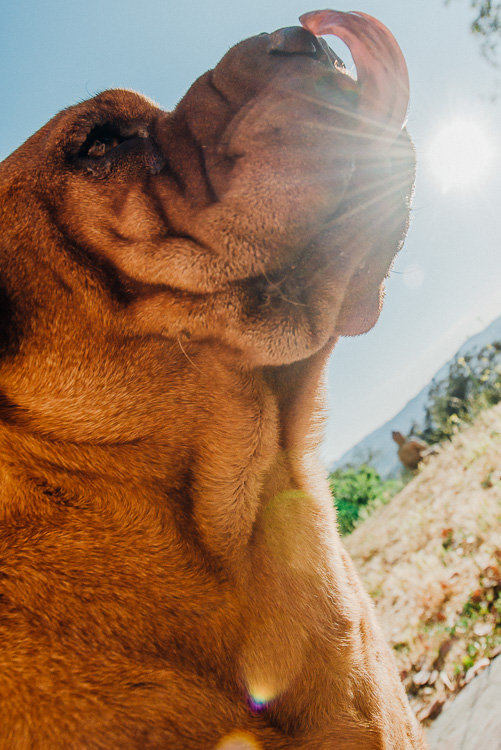
Photo cropped with crooked horizon.

Crooked horizons can make viewers cringe unless the intent is obvious.

Make this your first step in cropping, because depending on how radically you have to rotate the image you may be forced to crop the edges of the image.

If you have the time when composing the shot, and your camera has a built-in virtual horizon feature for levelling, by all means do so. I have delegated a customizable button on the front of my camera for activating this feature, and I use it all the time.

With the crop tool activated in LR (keyboard shortcut R) there are a few ways to straighten out an image:

  • Drag the Angle slider left or right
  • Click on the value to the right of the slider and drag left or right (scrubby slider)
  • Click on the numerical value and enter whatever you want
  • Hold the CTRL key while dragging along a straight horizontal or vertical line (will correct on either axis) and LR will fix it automatically
  • Also new in LR6 (LR CC) is the “Auto” feature for the crop tool. Just click it and see how it does – then tweak as necessary.

Elimination

A senior photojournalist at a newspaper I once interned for, gave me a memorable piece of advice while critiquing my photos, he said, “crop until it hurts.” It was his way of telling me that I was leaving too much dead or negative space in my compositions.

To this day his advice always resurfaces in my mind when I’m editing images, especially with portraits or other photos with people in them. Fight the urge to become attached to pixels. Crop out half of the photo if need be. Unimportant areas of a photo are not precious real estate.
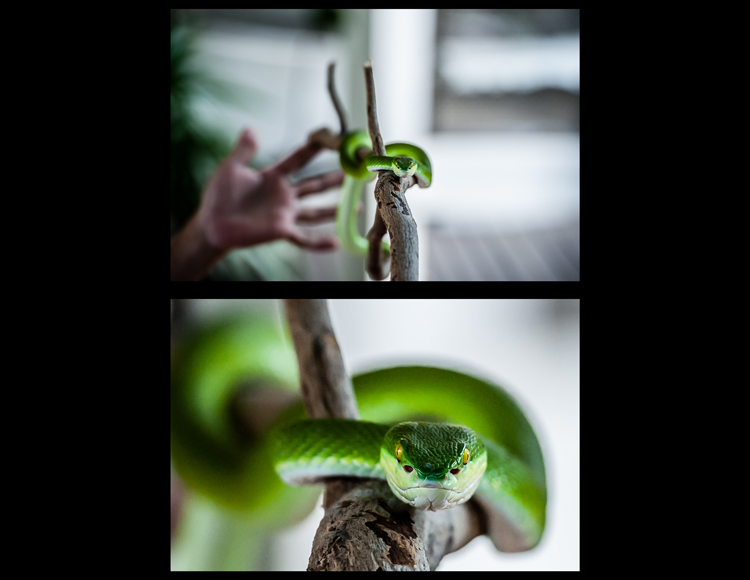
Cropping to isolate the subject.

You can’t always get as close to the action as you would like (or it is safe to do so) and heavy-handed cropping can make all the difference.

The fact of the matter is that simple is better. We all suffer from attention deficit disorder, and viewers usually don’t want to spend too much precious time analyzing a photo to get the story. Consider the allure of silhouette images. When cropping look for simple compositions and try to distill the scene down to its essence.

Once the image is rotated and you’ve been forced to chop off some of the edges, look for elements that detract, distract or add little to the image. You may not have a choice but to include them, but it’s good practice to be cognizant of them and it may help guide the rest of your editing process or future compositions.

You see many images where the photographer is too conservative when cropping portraits or photos of people. Again, each photo is different, and there is no magic formula, but for example, I find that tight profile shots of people grab my eye more when they are cropped in really close. I am not afraid to cut off the back of the subject’s head, putting their ear in the upper corner of the image, or even cropping the ear out.
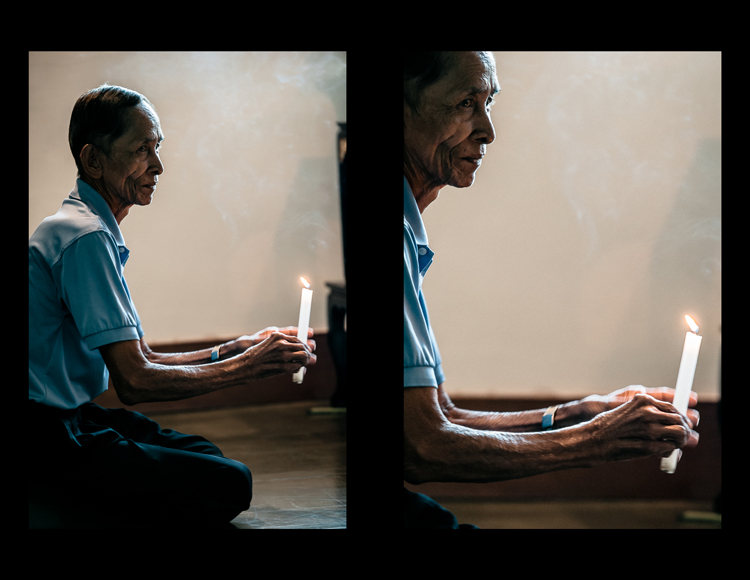
Tight cropped portrait

Cropping in very tight can sometimes create a more powerful image.

Negative space can play an important role, especially if shooting for a publication where they need space for text. But, the nice thing about having post-processing options is that you can always revert back to the original. If you compose your images super tight in camera, you can’t get that negative space back.

Leading Lines

Although thoughtfully composing your shots through the viewfinder is one of the more rudimentary skills in photography, there are often distractions. You may find surprises when you pull up the final image on your computer screen.

In photography, as well as painting and other forms of art, you should always be thinking about the arrangement of elements in the image that are going to draw in the viewer’s eye. A compelling subject is just that, but it is your job as photographer to strive to portray that subject in the most powerful, or striking way possible.
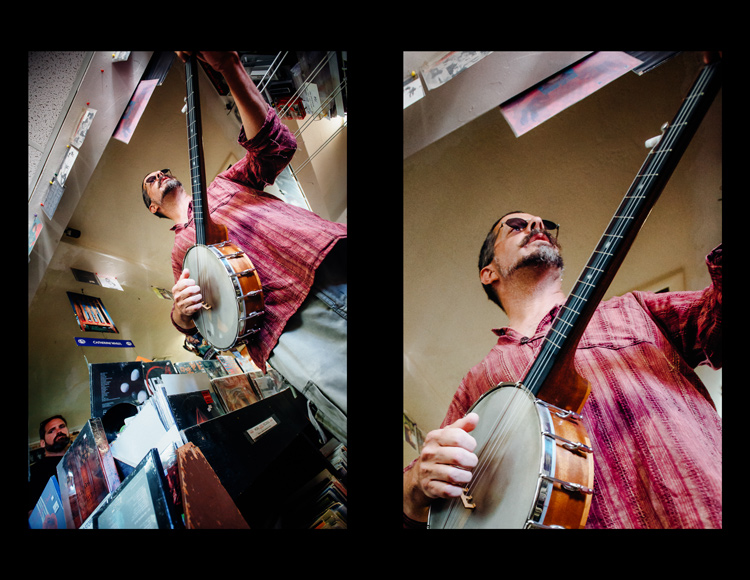
Utilizing leading lines to draw in the viewer's eye.

It’s easy to overlook compositional elements while shooting moving subjects. Post -processing cropping reveals additional possibilities for framing your shots like using leading lines to draw in the viewer’s eye.

When we talk about leading lines it’s not always an obvious straight line. Often it is an invisible thread that takes the viewers’ gaze hostage and leads it through the scene. Think of a series of elements that create a pattern.

Diagonal lines which stretch towards the subject are a common, and effective, way to create interest and tension in an image.

Using Crop Overlays as Guidance

In all of its ingenious glory, LR has included several overlays in the Crop tool to help guide your cropping endeavors. There is a basic grid, the Rule of Thirds, the Golden Ratio, the Golden Triangles, diagonals and the Golden Spiral. With the Crop tool active, the keyboard shortcut O cycles through the various overlays and Shift+O rotates the overlay where applicable.

Personally, I find myself using the Rule of Thirds overlay most often. The Rule of Thirds says that when two horizontal and two vertical lines are drawn across the frame to divide it into equal thirds, the subject or elements of interest, should be placed on, or near the intersection of those lines.
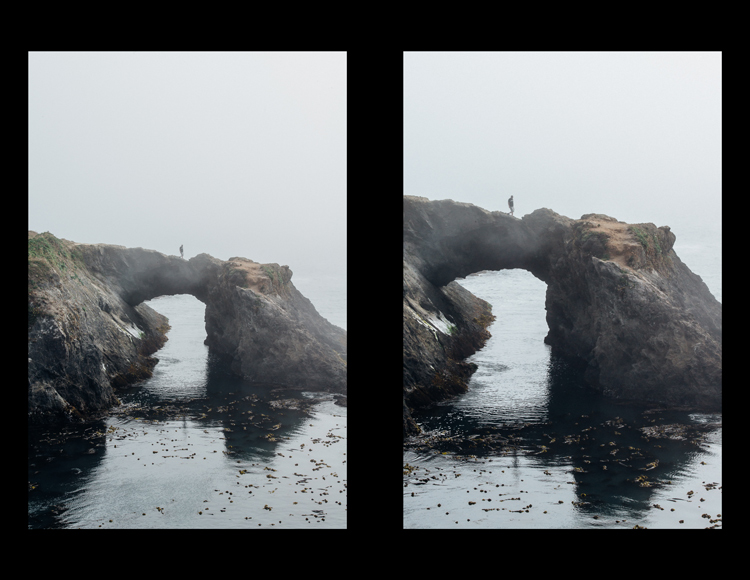
Example of the rule of thirds.

The rule of thirds suggests that the subject be placed at the intersection of lines that separate the image into thirds.

An easy mistake to make is placing the horizon line right in the middle of the frame. This is generally considered a no-no, and is a significant compositional faux pas. The Rule of Thirds overlay gives you those handy horizontal lines for recomposing your photo.

The Golden Ratio and Golden Spiral overlays are closely related. There are a bunch of names for this formula including Phi, the Golden Mean and Fibonacci’s ratio. The Golden Ratio grid employs the same basic concept as the Rule of Thirds. I find that the Golden Spiral really isn’t much different, and is more useful to consider in your original composition, instead of trying to apply it after the fact.

The Golden Triangles overlay shows a diagonal line drawn from one corner to another with two branching lines to the other two corners separating the image into four triangles. This gives you a guide for aligning diagonal leading lines, and a suggested location for the subject at the intersection of the lines.

The diagonal overlay calls for placing elements of interest along 45-degree lines drawn across the image. Although the overlay is meant to fine tune this alignment in post-processing, it has been found that artists tend toward this layout intuitively.

The Moral of the Story

Cropping in post-processing is far more than just a simple tool to tighten up composition. Experimenting with various crops of the same image can help you develop an eye for the hidden compositions in a photo.

After you familiarize yourself with the possibilities, you will likely find yourself looking back through your photo library to revisit old images, in order to give them fresh compositions.

Photography is all about seeing, not just looking, and sometimes instead of taking a step back to see the big picture, you need to take a step forward to discover the small one.

What is your thought process when cropping in post-production?

googletag.cmd.push(function() {
tablet_slots.push( googletag.defineSlot( “/1005424/_dPSv4_tab-all-article-bottom_(300×250)”, [300, 250], “pb-ad-78623” ).addService( googletag.pubads() ) ); } );

googletag.cmd.push(function() {
mobile_slots.push( googletag.defineSlot( “/1005424/_dPSv4_mob-all-article-bottom_(300×250)”, [300, 250], “pb-ad-78158” ).addService( googletag.pubads() ) ); } );

The post Composition After the Fact: Cropping for Maximum Impact by Jeremie Schatz appeared first on Digital Photography School.


Digital Photography School
 
Comments Off on Composition After the Fact: Cropping for Maximum Impact

Posted in Photography


Density Sensor: Real-Time Data Shows Which Places are Packed

10 Aug

[ By WebUrbanist in Gadgets & Geekery & Technology. ]

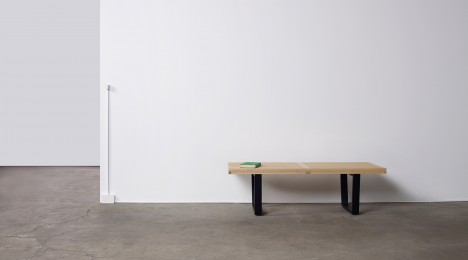
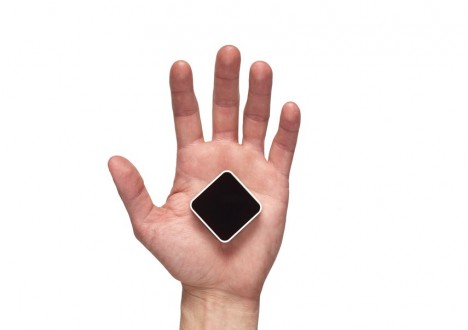
density location sensor

Online reviews indicate how popular your favorite place is in general, but cannot tell you whether now is a good time to drop by or if you may be stuck in a crowd or waiting in line – this is where the Density Sensor comes into play.

density sensor tracking

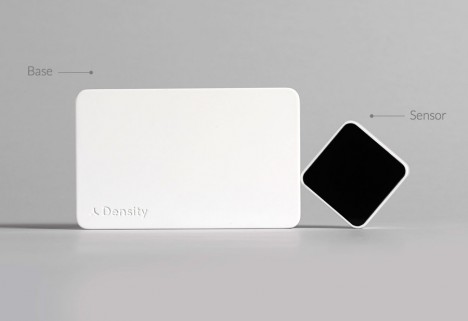
No need to resort to complex spatial mapping or real-time video sensors with this gadget, a people-counting device that simply tracks passages through doors (attached to the frame). Some more obvious applications include specific bars, restaurants, coffee shops and other businesses that have time-of-day and day-of-week cycles to contend with, but the same data can also help you pick the DMV or grocery store with the shortest line.

density incoming outgoing people

In turn, businesses can choose what data to share with customers and what to keep for optimization purposes, offering discounts during less busy times or adjusting when to open and close. Compared to non-networked break-beam technology or real-time surveillance cameras, there is no need to wait for data or face privacy concerns.

density sensor box

Of course, up-to-the-minute incoming and outgoing traffic are just a starting point – architecture firms, for instance, could use extended datasets to anonymously track customer or employee flows through a building and use that data to optimize going forward, shaping extensions or remodels. Ultimately, one could imagine this system being replaced by more detailed heat-mapped trackers keeping tabs on entire spaces, but for now this is a cheap solution to a long-standing problem.

Share on Facebook


[ By WebUrbanist in Gadgets & Geekery & Technology. ]

[ WebUrbanist | Archives | Galleries | Privacy | TOS ]


WebUrbanist

 
Comments Off on Density Sensor: Real-Time Data Shows Which Places are Packed

Posted in Creativity


9. August 2015

10 Aug

Das Bild des Tages von: Mehran Djo

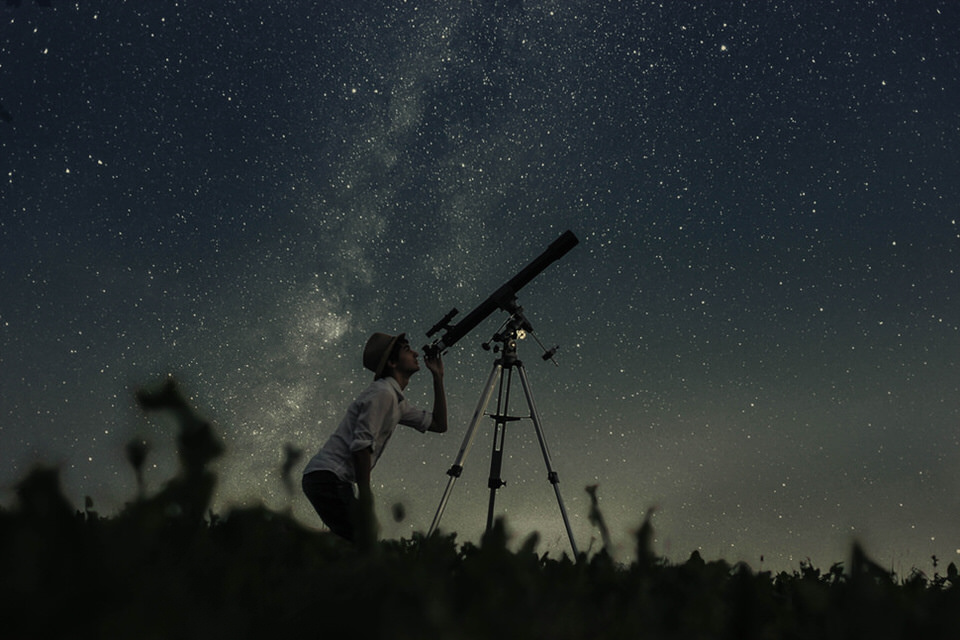
Ein Mann mit Teleskop beobachtet den Sternenhimmel.

Heute beobachten wir gemeinsam im Ausblick die Sterne.
kwerfeldein – Fotografie Magazin | Fotocommunity

 
Comments Off on 9. August 2015

Posted in Equipment


Commuter Glitch: 15 Abandoned Bus Stops & Shelters

09 Aug

[ By Steve in Abandoned Places & Architecture. ]

abandoned-bus-stop-1a
Bus routes often change so why are so many bus stops built to last? These 15 abandoned bus stops are prime examples of non-transient transit infrastructure.

abandoned-bus-stop-1b

abandoned-bus-stop-1c

Wow, Topeka has really let itself go… well, some parts at least. Flickr user Mike Linksvayer (mlinksva) captured the sorry state of this brazenly neglected and obviously abandoned Kansas Avenue bus stop on November 26th, 2014.

“Feed Me, Seymour!”

abandoned-bus-stop-12

Flickr user Laszlo Ujvari snapped this naturally camouflaged abandoned bus stop on February 24th, 2013. No wonder it was abandoned: who the heck could find it? How long did it take for Mother Nature to consume this unnamed bus stop… and is there a similarly smothered bus filled with skeletons stranded nearby?

Raus-ted

abandoned-bus-stop-2

The former East Germany is awash in abandoned infrastructure and, it would seem, unwelcome bus-riding Nazis. Flickr user Jim Cooper (stilo95hp) photo-documented this abandoned bus stop and complementary busted street lamp in Hoyerswerda, a gritty industrial town near the Polish border infamous for spates of anti-immigrant violence.

Bulgarity


abandoned-bus-stop-3a

abandoned-bus-stop-3b

So how’s that capitalism thing working out for you, post-communist Eastern Europe? Flickr user Tony G. (trghpu 1994) caught this abandoned Bulgarian bus stop/station on January 18th of 2013. Why is it abandoned? Well, most Bulgarians drive Bentley’s and Rolls Royce’s nowadays, dontcha know, making bus travel virtually obsolete. Yeah, that’s the (bus) ticket!

The Best Laid Plans…

abandoned-bus-stop-14

Shrubbery waiting for a bus? According to Flickr user Shawn Watson (gator_macready), this verdantly overgrown and rather large bus stop was abandoned shortly after it was built – never once did any buses stop there! Supposedly the bus stop was built in anticipation of an industrial district that never moved beyond the planning stage. Nice job of planning there, North Queensferry (Scotland) urban planners!

Next Page – Click Below to Read More:
Commuter Glitch 15 Abandoned Bus Stops Shelters

Share on Facebook


[ By Steve in Abandoned Places & Architecture. ]

[ WebUrbanist | Archives | Galleries | Privacy | TOS ]


WebUrbanist

 
Comments Off on Commuter Glitch: 15 Abandoned Bus Stops & Shelters

Posted in Creativity


Photography Etiquette – What’s the Right Approach?

09 Aug

Whether you have a DSLR, a pocket camera, or simply use your mobile phone to take snapshots, there are some simple rules of photography etiquette that you can follow to make the shooting experience more enjoyable for you, as well as everyone else around you. Some of these tips might seem obvious, but even if you think you already know what to do, or not to do, when taking pictures it might be worth reading just as a refresher.

It’s easy to notice the speck of sawdust in your brother’s eye and note when other people are violating simple rules of etiquette. But sometimes it’s difficult to recognize the plank in yours, and see if you have a few habits that could be changed. These are short and simple lessons that I have learned the painful way over the years. I hope you can benefit from my mistakes and avoid these pitfalls in your own photography.

photography-etiquette-tips-fishing

Be discrete (i.e. don’t be the center of attention)

I can recall being at weddings and parties where I thought I was the king of the room just because I had a camera, however, all the while I was only making other people annoyed or frustrated because of my behaviour. One of the most difficult thinks for new photographers to realize is it’s not about you. It’s about everyone else, and you just happen to be the one documenting things.

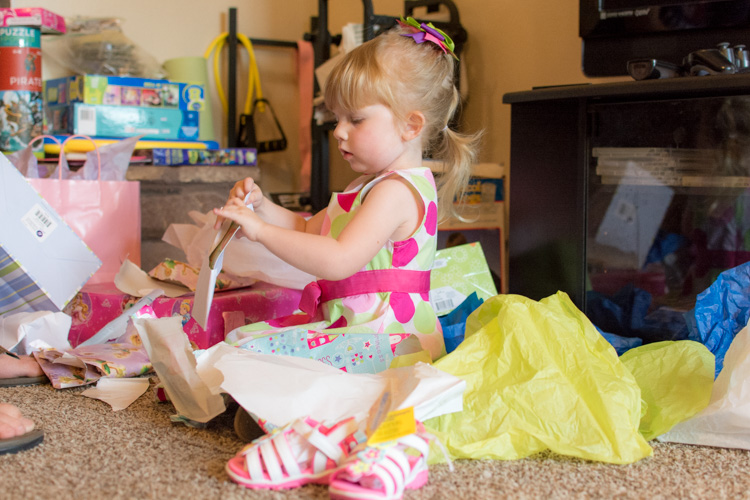
Have you ever stood up in the middle of a wedding to get a shot of the bride and groom? Have you muscled your way to the front of a group of kids so you could capture little Timmy opening his birthday present? Have you found yourself running back and forth on the sidelines of a high school football game trying to photograph some highlights, while pushing a few players and coaches out of the way? If so, you might have indeed gotten a good picture, but you might also have unknowingly caused some hurt feelings in the process.

photography-etiquette-tips-baseball

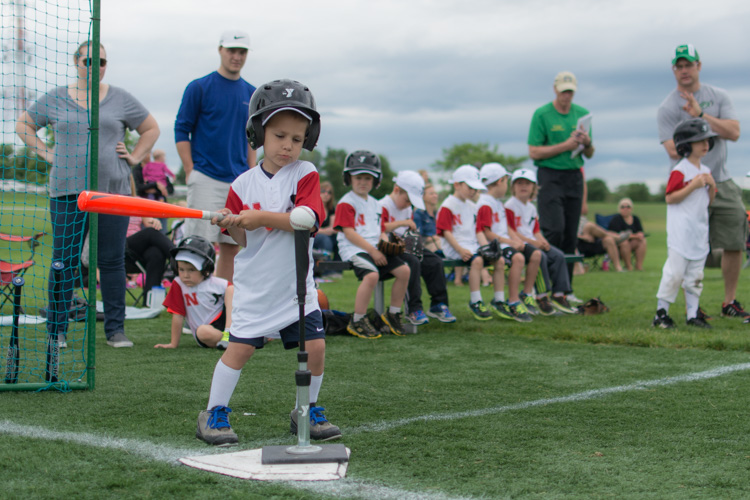
This might be a decent shot, but to get it I had to work my way through the crowd and potentially block the view of people behind me. I’m not sure it was worth the trade-off.

As photographers it can be tough to take a more discrete approach, but often that is exactly what we should be doing. It might sound counterintuitive, but staying out of the way can often yield the best results because we are taking other people into consideration. This goes double if you’re not even the official photographer, you just happen to be in attendance with your camera. Everyone around you is trying to enjoy the experience, and couldn’t care one whit about whether or not you have a camera. They just want to watch the wedding, see Timmy open his present, or experience the game-winning goal along with everyone else. From their point of view, a person with a camera who is running around frantically or blocking their field of view is an annoyance, not an asset.

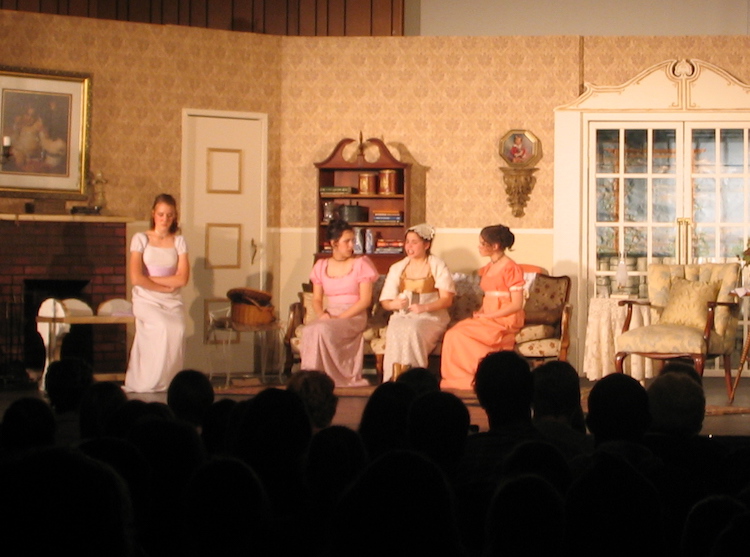
A while back I went around taking pictures at a high school production of "Pride and Prejudice." I thought people would excuse my actions since I had a camera, but in reality I was likely bothering the audience and possibly even distracting the performers.

A while back I went around taking pictures at a high school production of “Pride and Prejudice.” I thought people would excuse my actions since I had a camera, but in reality I was likely bothering the audience and possibly even distracting the performers.

To remedy this situation, try to find alternative viewpoints that won’t ruin the experience for other people, but still yield good pictures. It might be good to buy or rent a zoom lens for special occasions, or do some searching online for how people have taken photos in similar situations without being rude or disruptive. You might actually find yourself getting more interesting photos, and looking at things from new angles that you had never considered, which could not only benefit you as a photographer and be a pleasant surprise for the individuals whose pictures you are taking.

Ask for permission before taking pictures

Here’s a bit of information no one told me when I first got into photography as a serious hobby – not everyone wants their picture taken. Years ago when I was a wet-behind-the-ears photographic newbie I took my camera everywhere, and photographed everything and anyone. If I was shooting landscapes or nature this was not a problem at all, but when we had friends over, or went to events, it became a bit of an issue. One that I hope you might be able to avoid.

The more I got into photography the more I realized that not everyone likes being on camera, and not every event demands hundreds of snapshots. I can recall times when we were out with friends or at a party or social event, and having people around me freeze-up or give me the cold shoulder, because I had morphed from friend to photographer. I thought that my camera gave me some kind of unwritten license to take pictures of everyone around me, but in truth most of them just wanted to go about their business and not have a camera in their face. Simply asking for permission would have solved a lot of problems, and avoided some hurt feelings along the way. Even though it can be a bit awkward, it’s worth the trouble if it avoids animosity down the line.

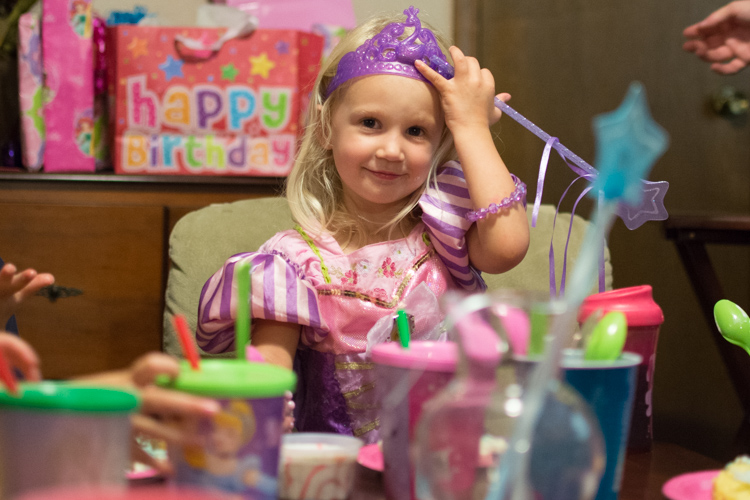
photography-etiquette-tips-birthday

I checked with the parents before getting my camera out and snapping pictures at this birthday party.

The next time you’re at a party, celebration, or sporting event, take a minute and ask the hosts or some of the other guests if they mind you taking photos. It takes almost no time at all, and can reap incredible rewards throughout the event – Uncle Bob, notoriously shy around cameras, might appreciate that you were willing to ask his permission and not only grant it, but loosen up a bit as a result. Coach Taylor will be glad you asked, could point you to some of the better spots on the sidelines, and be willing to accommodate some special requests you might have. Grandma Agnes might not want her photo taken at all, and even though you won’t get as many good shots, you will help the rest of the guests ease up and enjoy the evening a little more.

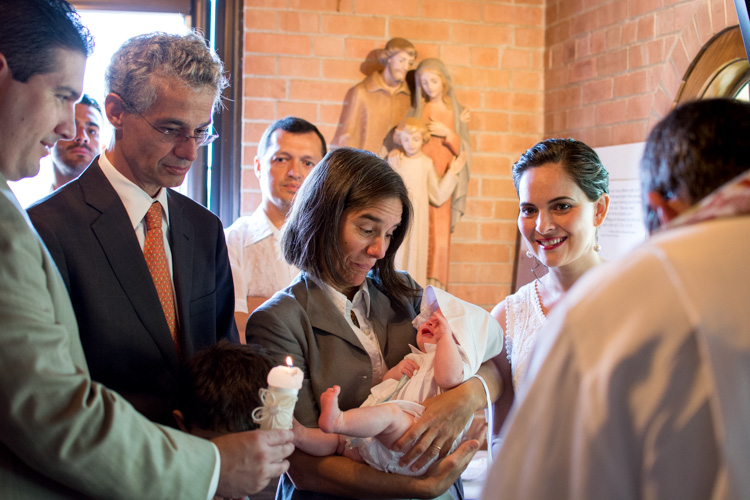
photography-etiquette-tips-baptism

A baptism is a solemn and formal affair – definitely not the time to be annoying others with a camera. Get permission first, take a few good shots (without the flash, if at all possible) and put your camera away.

On a related note if you are a guest at a major event like a wedding it’s a good idea to check with the official photographer before you get up and start taking your own shots. He or she has likely been paid hundreds, or thousands of dollars, specifically to get good pictures. So while you may enjoy walking around with your camera and getting some pictures, you might by unwittingly annoying the couple, or the guests by your actions. My advice is to sit back and just enjoy the event or ceremony, and let the people whose job it is to capture amazing pictures do their work.

Ask for permission before sharing pics

We live in a time when almost everything is shared online, and nearly everyone has some sort of social media presence on Facebook, Twitter, Instagram, Flickr, Tumblr, and many others. The key word here is almost: not everyone is online, and not everyone wants their photos shared on social networks. Even though you might be well within your legal rights to snap pics of other people (especially in public places) and post them to your social networks, you might be inadvertently hurting some feelings, or damaging your close relationships by doing so. The solution here is simple, and only takes a few seconds – ask permission before posting. Not only is it simply a nice thing to do, it can actually help strengthen whatever bond you do have with the people in your pictures. They may have had other people post their picture online and been upset by it. Whereas, there is a very real chance that you could impress them with your honesty and candor by asking if it’s okay to share their photo online.

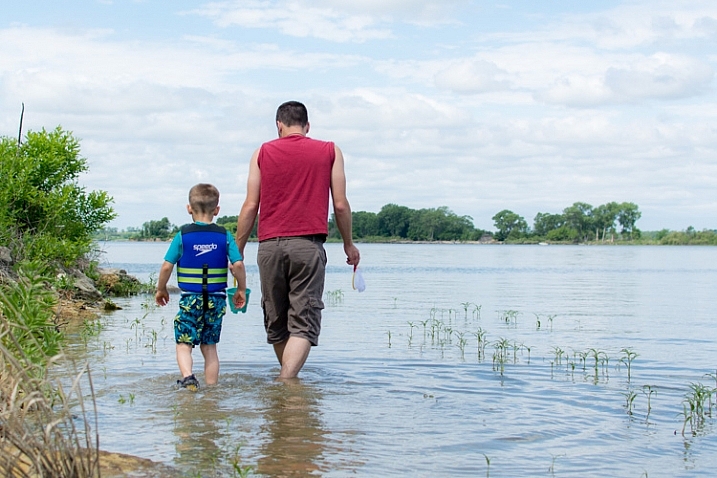
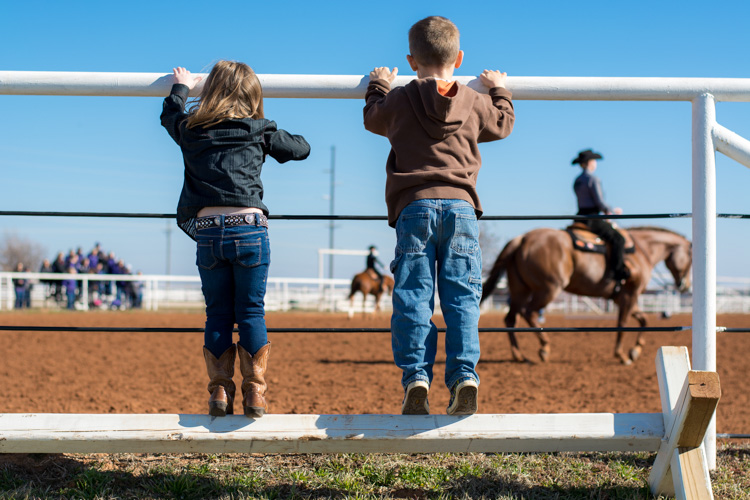
Even though you can't see these kids' faces in this picture, I still asked their parents for permission before sharing this picture. They appreciated the gesture and gladly agreed.

Even though you can’t see these kids’ faces in this picture, I still asked their parents for permission before sharing this picture. They appreciated the gesture and gladly agreed.

Be a participant, not a photographer

In his song “The Gambler,” the American country singer Kenny Rogers crooned,

You’ve got to know when to hold ’em, know when to fold ’em, know when to walk away. 

His logic can be applied to photography also. You’ve got to know when to take pictures, and when to put your camera away. It’s entirely possible, and I would say quite likely, that the people around you at any given event or situation don’t want someone running around snapping pictures. Were you invited to your neice’s piano recital? Great! Keep your camera in your pocket, sit back, and enjoy her performance. If you really want a few pictures you can ask her to pose by the piano after the event is over. Are you going on a road trip with some friends? Awesome! But remember they invited you because they enjoy your company and conversation, not because they wanted to see you constantly snapping pictures and inviting them to look at the screen on your camera. You might be saying things like, “Check out this great shot I just got!” but the message you’re sending to your friends is, “My camera is more important than you.”

Sometimes less is more. We were invited to a birthday party for our friend's daughter, and rather than spend the whole time on my camera I fired off a few shots here and there and spent the rest of the time visiting with adults, playing with kids, and just enjoying the celebration.

Sometimes less is more. We were invited to a birthday party for our friend’s daughter, and rather than spend the whole time on my camera I fired off a few shots here and there, then spent the rest of the time visiting with adults, playing with kids, and just enjoying the celebration.

A lot of these etiquette rules walk a fine line. It’s up to you to gauge each situation and decide where the boundaries should be placed. The bottom line is that you may want to reexamine your approach to photography in some situations, and decide if a different course of action might be better for you and everyone else involved.

What about you? What are some of the tips and etiquette rules you have learned over the years? Share your thoughts in the comment section below.

googletag.cmd.push(function() {
tablet_slots.push( googletag.defineSlot( “/1005424/_dPSv4_tab-all-article-bottom_(300×250)”, [300, 250], “pb-ad-78623” ).addService( googletag.pubads() ) ); } );

googletag.cmd.push(function() {
mobile_slots.push( googletag.defineSlot( “/1005424/_dPSv4_mob-all-article-bottom_(300×250)”, [300, 250], “pb-ad-78158” ).addService( googletag.pubads() ) ); } );

The post Photography Etiquette – What’s the Right Approach? by Simon Ringsmuth appeared first on Digital Photography School.


Digital Photography School
 
Comments Off on Photography Etiquette – What’s the Right Approach?

Posted in Photography


The travel photography of HDR guru Trey Ratcliff

09 Aug

Photographer Trey Ratcliff is known for imagery that couples saturated colors with dramatic flair and cinematic subjects. Shooting HDR for nearly a decade now, his work has been featured on major networks and is even displayed at the Smithsonian Institute. Read our Q&A and take a look at more of his colorful work. Read more

Articles: Digital Photography Review (dpreview.com)

 
Comments Off on The travel photography of HDR guru Trey Ratcliff

Posted in Uncategorized


Die 5 Artikel des Monats

09 Aug

Grüne kaputte Schreibmaschine

Fotografieren ist nicht nur der Moment des Auslösens, sondern hat insbesondere mit der eigenen Persönlichkeit und ihrem Werdegang zu tun. Was ich fotografiere, präsentiert mein Welt-Bild. Und das ist nicht statisch, sondern verändert sich (hoffentlich!).
kwerfeldein – Fotografie Magazin | Fotocommunity

 
Comments Off on Die 5 Artikel des Monats

Posted in Equipment


8. August 2015

09 Aug

Das Bild des Tages von: Anne Krämer

Eine Frau mit einer Laterne im Wald.

Manchmal braucht man nicht sehr viel für ein gutes Portrait:
kwerfeldein – Fotografie Magazin | Fotocommunity

 
Comments Off on 8. August 2015

Posted in Equipment