RSS
 

Archive for July, 2015

Pentax K-3 II added to studio test scene comparison

17 Jul

We’ve just added Ricoh’s Pentax K-3 II to our studio test scene. An evolution of the K-3, it offers a 24MP stabilized CMOS sensor with a clever Pixel Shift mode that uses the camera’s stabilization system to record full color information from a scene. We tested it out on our studio scene – take a look at the results. Read more

Articles: Digital Photography Review (dpreview.com)

 
Comments Off on Pentax K-3 II added to studio test scene comparison

Posted in Uncategorized


Panasonic introduces Lumix DMC-FZ300 splash and dustproof FZ200 successor

17 Jul

Panasonic has announced the Lumix FZ300, a 24x superzoom equipped with 4K video that’s designed to withstand a little bit of bad weather. It’s the successor to the FZ200, and keeps the 25-600mm equivalent F2.8 zoom range. Read more

Articles: Digital Photography Review (dpreview.com)

 
Comments Off on Panasonic introduces Lumix DMC-FZ300 splash and dustproof FZ200 successor

Posted in Uncategorized


What’s In Your Cam Bag?We Asked, You Answered!

17 Jul

Ever wonder about the goodies that photographers hide away in their camera bags?

Wonder no more! We asked seven photogs from all walks of life to open up their cam bags to us so we can see what exactly they’re working with.

As you’d expect, no two bags are the same. The one thing they all have in common, though? They’re unique and awesome, just like the photogs they belong to!

Camera Bag Items Revealed!

(…)
Read the rest of What’s In Your Cam Bag?
We Asked, You Answered! (1,091 words)


© Taylor for Photojojo, 2015. |
Permalink |
No comment |
Add to
We Asked, You Answered!”>del.icio.us

Post tags:


Photojojo

 
Comments Off on What’s In Your Cam Bag?We Asked, You Answered!

Posted in Equipment


Raised Runways: Airplane Paths Lifted Above Downtown Streets

16 Jul

[ By WebUrbanist in Architecture & Cities & Urbanism. ]

urban raised airplane take off

Airports take up vast amounts of valuable real estate in and around urban areas, but what if we could get to and from planes faster, make takeoffs and landings easier, and save city space in the process?

raised integrated urban fabric

The Airport City project proposes a radical reinvention of the airport, elevating tracks above roadways and waterways in the heart of Stockholm, Sweden.

raised elevated plane system

With ground-powered plane taxi systems tied to this track setup, noise and air pollution could be reduced as well, but the critical concept is the degree of urban integration and reduction of single-use architecture and infrastructure associated with a conventional airport.

raised plane waterway city

Designed by Alex Sutton, graduate of the Bartlett School of Architecture, the idea may not be ready for lift-off anytime soon, but it nonetheless invites designers and travelers alike to rethink the current typology of contemporary airports and how we will accommodate increased air travel in future urban designs.

raised urban airport design

urban raised taxi tracks

raised plane experience city

As automation increasingly transforms airplane travel processes and planes get quieter, there is something magical about imagining we could watch flights take off right within our cities, and step right off of planes into downtowns.

raised urban taxiing system

From the designer: “Travel demand in the aviation industry is set to double by 2030 and continue increasing exponentially into the future. In order to satisfy demand and the increasing importance of the airport on local economies, capacity in the industry needs to increase. This project uses Stockholm, one of the fastest growing cities in Europe, as a testing ground to establish a fully integrated urban airport as part of a new city district, in a time when aviation technology is such that aircraft and airports could operate from within our cities.”

Share on Facebook


[ By WebUrbanist in Architecture & Cities & Urbanism. ]

[ WebUrbanist | Archives | Galleries | Privacy | TOS ]


WebUrbanist

 
Comments Off on Raised Runways: Airplane Paths Lifted Above Downtown Streets

Posted in Creativity


Panasonic Lumix DMC-GX8 makes leap to 20MP

16 Jul

Panasonic has unveiled the Lumix DMC-GX8 and with it some new advancements for the Micro Four Thirds format. For the first time, a MFT body offers a 20.3MP sensor. AF sees some notable improvements thanks to Depth from Defocus technology, a new Dual I.S. system uses stabilization from the lens and camera body simultaneously, and 4K video is included. Read more

Articles: Digital Photography Review (dpreview.com)

 
Comments Off on Panasonic Lumix DMC-GX8 makes leap to 20MP

Posted in Uncategorized


Natural Versus Artificial Light: Which Do You Prefer Working With?

16 Jul

Many photographers at one point or another are faced with this question; is it better to use natural or artificial light when taking photos? There is definitely not a right or wrong answer, although as a photographer, you’re sure to have your own strong opinions. In this article, we’ll review the key differences between natural and artificial lighting sources, as well as the pros and cons of using them.

Defining Natural and Artificial Light

To begin, let’s clarify the definitions of natural and artificial lighting. To keep things simple, natural lighting can also be thought of as available light, such as that produced by the sun or the moon. Artificial lighting is produced via another source, such as a studio strobe, speedlight, LED light, your camera’s pop-up flash, or even a streetlight or lamp.
Natural light2

Benefits of Using Natural Light

The biggest benefits of using natural lighting is that it is free, abundant, and very easy to find. There’s no need to make huge investments in lighting equipment to find gorgeous natural light to pull off brilliant shots. All you need is a camera and some sun or moonlight, and you can begin shooting immediately! If you ever choose to upgrade your natural lighting approach, the tools of the trade are also very cheap, consisting mainly of reflectors and diffusers to bounce or manipulate the available light. Due to the ease of use and acquisition of natural lighting, it’s generally recommended that beginning photographers start experimenting with natural light before introducing artificial light to help understand how light works.

Cons of Using Natural Light

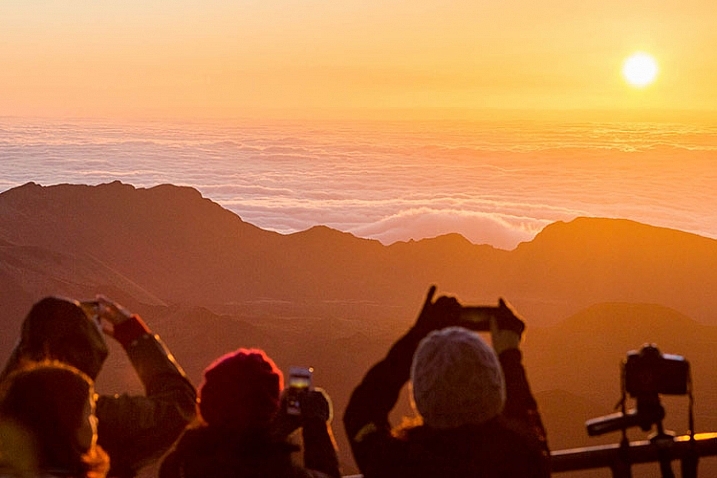
While natural lighting is abundant and easy to incorporate into photography, it can be challenging for the simple fact that sunlight varies greatly. Depending on location, season, weather, and time of the day, natural lighting can produce differing colors and contrast in your images. For example, midday sun tends to produce neutral white colors and extremely high contrast, while golden hours of sunrise and sunset have very warm colors and medium contrast. Thus, the look you’re going for will determine the time and location of your photo shoot, unless you harness additional tools such as reflectors, diffusers, and lens filters.
Natural light1

Benefits of Using Artificial Light

If you’re a fan of being able to manipulate and control every aspect of your photo shoot, artificial light will better suit your needs. Since artificial lighting has little to do with natural sources, it is a ceaseless light source that is available at any time of the day, meaning you don’t necessarily have to plan your photo shoot around the weather, or availability of sunlight. Depending on the artificial light source you choose, sunlight or even moonlight can be replicated, creating images that appear to have been shot with natural light, but at a time of your choosing.

While artificial light may have a reputation for sounding complicated and expensive, there’s a wide range of lighting gadgets available for photographers; ranging from cheap DIY solutions to top-of-the-line professional grade strobes, and lots of options in between. Some lights can have tricky settings, but many are relatively straightforward, especially continuous lighting sources such as LED lights that have simple dimming switches.

Off camera flash portrait photography

Off-camera flash portrait photography

Cons of Using Artificial Light

Even though artificial light sources offer you more control over photo shoots, it comes with the burden of needing more gear, and time to set it all up. Unlike the sun, artificial lighting costs money, even if you opt for DIY solutions such as candles or desk lamps. Professional grade artificial lighting sources will also need to be held in place with light stands, and possibly even modified with umbrellas, beauty dishes, and soft boxes.

Depending on the photo you have in mind, you may need multiple artificial light sources to balance your image out. There are also other accessories needed such as batteries or power cables and plugs, and you’ll need a dedicated studio or space to set your lights up. Long story short, artificial lighting can adds lots of extra moving parts to your photo shoot, that cost additional time and money, not to mention require lots of practice.

When to use Natural or Artificial Lighting?

What type of lighting you use will ultimately come down to your personal preference and experience as a photographer, as well as your budget and the ideal image you’re trying to create. Artificial lighting typically takes some time and practice to begin using properly; whereas natural lighting is much easier to get started with from the get-go. There are of course exceptions to these rules, but generally natural lighting is usually easiest to use for documentary, street, or run-and-gun photography when you don’t have a lot of time to set up a controlled photo shoot. On the flip side, artificial lighting is usually preferred for commercial, product, and fashion photography when there’s both a budget, and ample resources to create the photo.

Off camera flash portrait photography

Which do You Prefer?

As noted earlier, there are very strong opinions for and against using natural and artificial lighting for photography. Which camp do you fall into, and why?

googletag.cmd.push(function() {
tablet_slots.push( googletag.defineSlot( “/1005424/_dPSv4_tab-all-article-bottom_(300×250)”, [300, 250], “pb-ad-78623” ).addService( googletag.pubads() ) ); } );

googletag.cmd.push(function() {
mobile_slots.push( googletag.defineSlot( “/1005424/_dPSv4_mob-all-article-bottom_(300×250)”, [300, 250], “pb-ad-78158” ).addService( googletag.pubads() ) ); } );

The post Natural Versus Artificial Light: Which Do You Prefer Working With? by Suzi Pratt appeared first on Digital Photography School.


Digital Photography School

 
Comments Off on Natural Versus Artificial Light: Which Do You Prefer Working With?

Posted in Photography


Das Ghetto-Tarot

16 Jul

© Alice Smeets

Die „Ghetto Biennale“ ist eine Kunstbiennale in Haiti. Die haitianische Künstlergemeinschaft „Atis Rezistans“ lädt alle zwei Jahre Künstler weltweit nach Haiti ein, um gemeinsam Kunst zu schaffen. Die Ausstellung findet mitten im Slum statt.
kwerfeldein – Fotografie Magazin | Fotocommunity

 
Comments Off on Das Ghetto-Tarot

Posted in Equipment


Fast Zoom: What you need to know about Panasonic’s Lumix DMC-FZ300

16 Jul

With its 25-600mm equivalent F2.8 lens and solid image quality, the Panasonic Lumix DMC-FZ200 was one of our favorite cameras in 2012. With its FZ300, Panasonic has kept the lens and sensor but has improved just about everything else, from its image processor to video specs. We recently had some hands-on time with the FZ300 and have plenty of highlights to share. Read more

Articles: Digital Photography Review (dpreview.com)

 
Comments Off on Fast Zoom: What you need to know about Panasonic’s Lumix DMC-FZ300

Posted in Uncategorized


The big beast: hands on with the Panasonic Lumix DMC-GX8

16 Jul

We got a chance to get our hands on Panasonic’s Lumix DMC-GX8 recently, and have prepared a slideshow running through its features. It’s the first Micro Four Thirds camera to gain a 20MP sensor and it wraps a whole host of cleverness, including a Dual IS system, into its substantial magnesium alloy body. Read more

Articles: Digital Photography Review (dpreview.com)

 
Comments Off on The big beast: hands on with the Panasonic Lumix DMC-GX8

Posted in Uncategorized


Tiny in Tokyo: Ultra-Narrow House Slotted into an Alley

16 Jul

[ By Steph in Architecture & Cities & Urbanism. ]

tokyo narrow house main

At just six feet wide, this incredibly narrow residence inserted into an alley in dense urban Tokyo is the latest example of Japanese architects thinking way outside the box when it comes to building new housing. The city is so developed, there’s almost no land left to build anything new, so they tend to get incredibly creative with even the oddest-shaped plots.

tokyo narrow house 2

tokyo narrow house 5

The four-story house by YUUA Architects and Associates extends about 36 feet into a former alley between two older buildings, and while the street-facing facade features floor-to-ceiling windows to maximize daylight and views, intimate spaces like bedrooms, bathrooms and main living areas are tucked into the back for privacy.

tokyo narrow house 6

tokyo narrow house 4

The minimalist interior design scheme includes floating platforms at various levels for a sense of openness, some of them made of metal mesh to let as much light pass through the house as possible. While such tiny residences are often kept bright white to create an illusion of extra space, YUUA makes an unusual choice with dark-painted walls.

tokyo narrow house 3

tokyo narrow house 7

There’s a semi-sunken basement for storage, and the first floor features a study area facing the street and a bedroom in the back. The third floor is comprised of an open-plan kitchen, living room and dining area, while the uppermost floor contains a bathroom, bedroom and terrace. Considering it’s only about as wide as an average adult male is tall, the house looks surprisingly livable.

Share on Facebook


[ By Steph in Architecture & Cities & Urbanism. ]

[ WebUrbanist | Archives | Galleries | Privacy | TOS ]


WebUrbanist

 
Comments Off on Tiny in Tokyo: Ultra-Narrow House Slotted into an Alley

Posted in Creativity