RSS
 

Archive for February, 2015

6 Ways to Use Shutter Speed Creatively

05 Feb

In many ways, shutter speed is an inaccurate term. I read an article a few years ago and the photographer referred to shutter speed as shutter time. The logic was spot on. A shutter always opens or closes at the same “speed”. The key value is how long the shutter stays open, hence shutter time. On Canon cameras the shutter speed function (shutter priority) on the mode dial is abbreviated to Tv, which stands for “Time Value”, and is a more accurate description of what this article is about. I am going to refer to shutter time as opposed to shutter speed, it sounds crazy, but it will make more sense. The reason this definition is important is because, we are going to be looking at how you can use the time that the shutter is open (and gathering light onto the sensor) creatively.
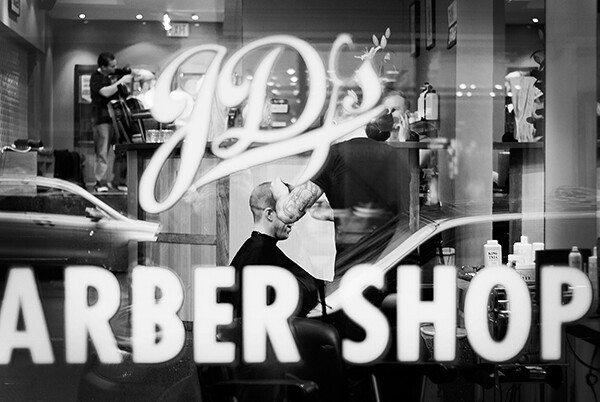
Waiting for an image to unfold requires patience

In a sense, shutter time is a bit like time travel. You camera’s shutter can open and shut in 1/8000th of a second. Think about that. Take one second, divide it by 8000 and one of those units is the time your shutter was open. That is very quick. On the other end of the spectrum, you can shoot super long exposures of 20 or 30 minutes. That means the shutter stays open for that length of time. Again, amazing. Think of all that light falling onto the sensor during that time, and the images that can be created doing so.

The shutter time becomes more than simply a moment in time, it could be a split second (literally) or a few seconds. The resulting image will capture and freeze the moment or, with a longer shutter time, there will be blurred movement. This is the fun part of photography. In many ways, your camera can “see” events that happen which you cannot. The camera can capture a frozen moment and suspend your subject in that moment forever, this is like magic. The compelling images are amazing to see and are reasonably easy to make, so let’s take a look at a few of them and see how they are done.

6 Ways to Use Shutter Speed Creatively

1. Freezing the moment

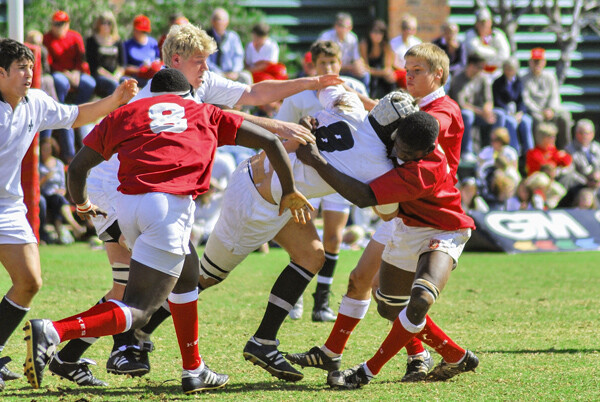
These are the images we all know about; ones that have captured a frozen moment in time. Normally these are sports images, the winning goal, or the knockout punch connecting. They are intriguing to most people and are compelling because we can’t freeze the moment in our eyes. We see a moving, continuous rendition of the events happening in front of us. You have seen “slo-mo” shots of the winning goal; the frozen moment image is that equivalent.

These images take a bit of practice to get right. Lets assume for a moment, you are photographing a soccer match. It is great to get action shots, but you will want to get any shots of the teams scoring goals. You will then need to have the correct lens. In sports photography, it will be a pretty long zoom or telephoto lens. Most sports photographers will use 400mm and longer. You will also need to keep your camera steady. A tripod in these cases is somewhat impractical as you need to be able to move the camera quickly and easily to follow the game. A monopod is normally what works best.
freeze action 2

Depending on the lighting conditions you need to make sure you have a shutter time that captures the players in mid-action. You also need to take the lighting into consideration. If you are shooting in an outdoor arena, the natural light may be sufficient, but if you are in an indoor arena, you might need to be more aware of your exposure. In that case, you may need to push your ISO up high enough to allow you to freeze your subject. In most sports 1/1500th of a second is the starting point for freezing action. In very fast sports like ice hockey, soccer, rugby and so on, you may need to be shooting at even faster speeds than that. This is how you set up the shots.

Technique

How to do it: Set your aperture to an aperture setting of f/2.8 or f/4.5. This will allow for a quicker shutter time, which will in turn freeze the action. If you are shooting a sporting event in the sunlight, you may need to have your shutter time set to 1/1500 or faster. If this is still not freezing the action, make the shutter time even quicker. Try and anticipate the action and release the shutter at the moment you think it will happen. Be aware that your focus will need to be spot on. With a wide aperture, you run the risk of misfocusing and missing a shot. I once heard a sports photographer say this ” If you see the goal in your viewfinder, you missed the shot”. When you do get that shot though, it will be worth it.

2. The decisive moment

Henri Cartier-Bresson coined the phrase, “The Decisive Moment”. Do a google image search on Cartier-Bresson and the decisive moment, you will see many of his great images. He was well known as a street and people photographer, and he believed that you need to choose the precise moment when something happens to hit the shutter release. As you can imagine, this is not easy. Sometimes this might mean you need quick reflexes. Freeze actionMost of the time, it requires patience. He would often set up the shot, get the framing right and then wait. You don’t want to wait for hours, but be patient, sit there for 20 or 30 minutes and watch the scene. Take note of how people are moving into, and out of your frame. When time is right, or the perfect subject (person, vehicle, animal, whatever you choose) moves into the best position, release your shutter at that moment. This will take practice and more than a few shots to get it right, but when you do, you will be ecstatic. The shot will look candid, but you will know what it took to get that image. Many people assume Cartier-Bresson’s images were simply shot quickly from the hip, but much of the time they were planned and he waited patiently for the decisive moment.

Technique

How to do it: You need to think of a scene you would like to capture, visualize it. You may want to capture the comings and goings at a coffee shop in your city. You may want to have someone with a red coat sitting outside, sipping coffee. You should then set up and frame your shot, then sit there until the scene unfolds. Someone with a yellow jacket may sit down, which might work too. So be flexible, but be patient, sooner or later the shot will unfold.

3. Abstract and creative blur

As I said earlier, shutter time is a bit like time travel. You can capture an infinitesimally small slice of a moment, and in other cases you can capture seconds, or even minutes. When the shutter is open, light is coming through your lens and falling onto the cameras sensor. If you allow this to happen for a long enough time, some part of your image will blur. Sometimes blur in an image is unwanted. This happens when your shutter time is too long, your camera moves unintentionally, and the image is ruined.
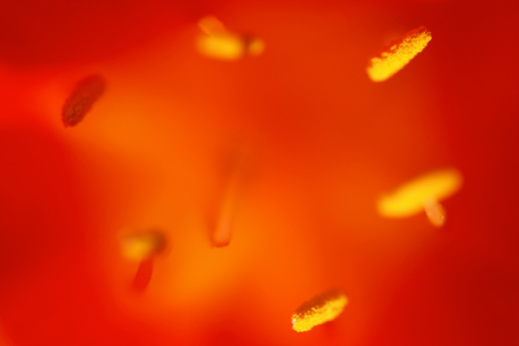
A close up image of a flower, shallow depth of field blurs the background, but the yellow stamens are in focus

A close-up image of a flower, shallow depth of field blurs the background, but the yellow stamens are in focus.

The kind of blur I am talking about here is intentional blur. This technique can be used to make slightly, or completely, abstract images, depending on the shutter time. The longer the shutter time, the more movement there is, and the more blur you will see. Blurring can be the result of your subject moving, you moving the camera, or both. If your subject is moving and the camera moves, the blur can be very dynamic. If your camera is on a tripod and the subject moves, this creates a sense of speed.

Technique

How to do it: Set your aperture to f/5.6 or higher (smaller opening). Attempt this in low light conditions, just before and just after sunset. Set your shutter time to 1/10th of a second or longer. Release the shutter and move the camera quickly from left to right. You can rotate the camera, move it up and down, or even just shake it in your hand while the shutter is open. In this technique, you will be moving the camera and the scene could have moving elements in it too (i.e. a car or a bus could be driving past, or people could be walking in the scene). The results will be random and unusual, but with practice, you can create some pretty compelling abstract images.

Camera swirl, this image was made by rotating the camera anti-clockwise while the shutter was open

Camera swirl, this image was made by rotating the camera anti-clockwise while the shutter was open

4. Low light exposures

The goal in low light exposures is to have the scene in focus, and only one part in the scene moving. This is particularly interesting at night when you get light trails from a vehicle driving through your scene. You can do this in the early evening or evening if it has become dark. These images are compelling because the light trails from the vehicle seem to hang magically in the air while the vehicle itself is invisible. Another great time to shoot longer exposures is during the blue hour; the 20 to 30 minutes of soft blue light that fills the sky after the sun has set. This is a great time to do longer exposures too as the sky will look blue and your subject (a city or a landscape scene) will be well lit.

Technique

How to do it: Set your camera up on your tripod. Select an aperture setting of f/8 to f/11. Set your shutter time to expose correctly for the scene. Depending on the light your shutter time could be anywhere from 1/10th of a second to three or four seconds. As it gets darker, your shutter time will need to increase. Set yourself up in a position where something will be moving – cars, boats or even people can work well for this. Take a few shots to see how it is all working and make any adjustments. The important technique here is timing. If you want to get a shot with the car lights streaming through your shot, time it so that you release the shutter as the car is in the best place in your scene, similar to the decisive moment.
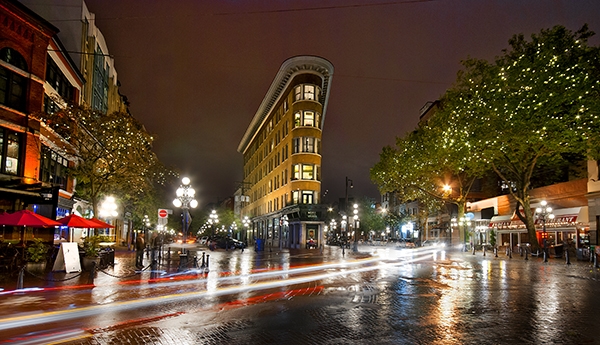
This scene works well because the light trails add some dynamic interest to the image

This scene works well because the light trails add some dynamic interest to the image

5. Long exposures

As the name suggests, these are longer shutter times. In some cases, they may be 20-30 seconds long, but for some really interesting images, you will want keep the shutter open for 15-20 minutes. Long exposures require the use of a 10 stop Neutral Density filter. This filter will block out the light sufficiently to allow you to open your shutter for long periods of time. The results can be amazing. You can use the ND filter in the day to make your shutter time longer. “Why would I want to do that?”, you might ask. You might have a scene with a windmill in it and you want to blur the movement of the windmill as it rotates. You might also want to create a seascape scene where the waves look silky and smooth. In these cases, an ND filter will be very useful.

Technique
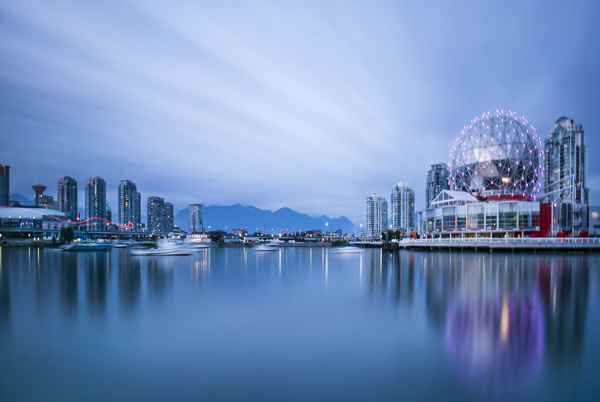
Long exp 2

ISO 100, f/11, just under 13 minute exposure.

How to do it: Set up your camera on a tripod. Set your aperture to anywhere between f/11 and f/16. In these images, you will want to have an exposure time of 15-30 seconds and longer. You will need a cable release to go beyond 30 seconds on your exposure. You want a lot of movement in the scene, whether it is light trails or clouds moving across the sky. The longer you have the shutter open, the more surreal the image will become.

If you have an ND filter, set up your shot first, use autofocus to get everything in focus, then switch your camera to manual focus. The reason is, once you put the ND filter on your lens, the scene will become very dark. If your camera is on autofocus, it may struggle to find a focal point. If that happens, your lens will “hunt” for something to focus on and you won’t be able to get the shot, or it may be out of focus. So, once you have focused your image, switch to manual focus and mount the ND filter onto your lens to make the shot. Be aware, long exposure photography can really eat up battery life, so carry spare batteries if you have them, especially on cold winter evenings!
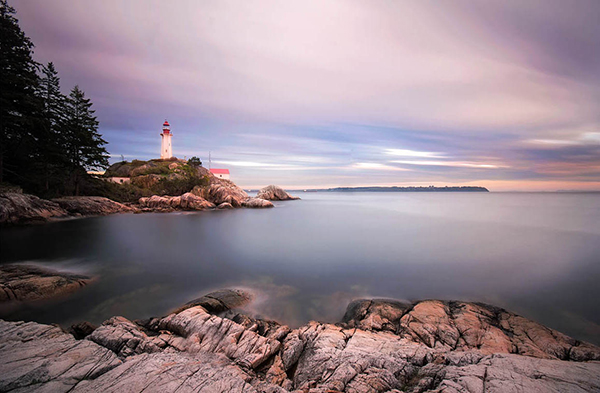
This image was exposed for 4 minutes, which softened the water and the clouds

This image was exposed for four minutes, which softened the water and the clouds

6. Panning

This technique, when done correctly, can produce amazing results, but it’s not easy. Panning is when you focus on a subject that is moving, and you move your camera in a horizontal plane with them. During that movement, you will release the shutter. Your exposure time will depend on the subject and the light, but in this technique you don’t want to freeze the action, you want to suggest movement. A longer shutter time is preferable, so you may be shooting at 1/30th or slower. To pan effectively, you will need to practice a few shots, here are some pointers.

Technique

How to do it: Firstly, stand with a wider stance than normal. When you pan with your subject, move your body from the hips up. Timing is key, release the shutter when you think the subject is in a good position in the frame. Follow through, don’t stop the movement when you release the shutter, keep moving with your subject (and at the same speed as the subject) until the shutter closes (think golf swing).
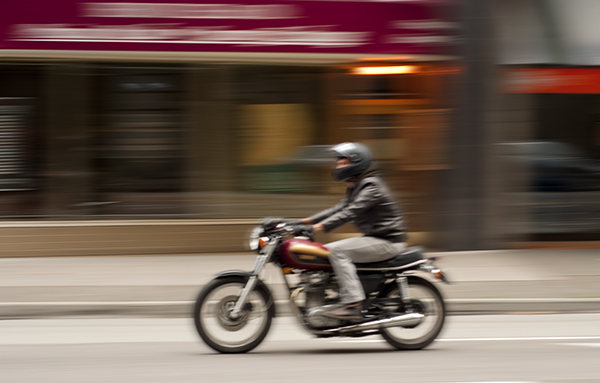
A panning shot creates a very unique sense of movement

A panning shot creates a very unique sense of movement.

The next step is to go out there and get these shots. I would recommend you make an effort to try at least 20 to 30 shots of each of these techniques. Play with the settings, see what works and what doesn’t. Let me know what you think and maybe even put some of the results in the comments, lets see what you get.

googletag.cmd.push(function() {
tablet_slots.push( googletag.defineSlot( “/1005424/_dPSv4_tab-all-article-bottom_(300×250)”, [300, 250], “pb-ad-78623” ).addService( googletag.pubads() ) ); } );

googletag.cmd.push(function() {
mobile_slots.push( googletag.defineSlot( “/1005424/_dPSv4_mob-all-article-bottom_(300×250)”, [300, 250], “pb-ad-78158” ).addService( googletag.pubads() ) ); } );

The post 6 Ways to Use Shutter Speed Creatively by Barry J Brady appeared first on Digital Photography School.

Digital Photography School

 
Comments Off on 6 Ways to Use Shutter Speed Creatively

Posted in Photography


Ricoh introduces HD Pentax D FA * 70-200mm F2.8 and HD Pentax D FA 150-450mm F4.5-5.6 zooms

05 Feb

Ricoh has announced two new zoom lenses for Pentax K-mount DSLRs, the HD Pentax-D FA * 70-200mm F2.8ED DC AW and HD Pentax-D FA 150-450mm F4.5-5.6ED DC AW. Both are designed to cover a full-frame sensor and are built to withstand exposure to dust and moisture. Read more

Articles: Digital Photography Review (dpreview.com)

 
Comments Off on Ricoh introduces HD Pentax D FA * 70-200mm F2.8 and HD Pentax D FA 150-450mm F4.5-5.6 zooms

Posted in Uncategorized


Ricoh announces development of long-awaited full-frame Pentax DSLR

05 Feb

And so it was written that since the beginning of recorded time, Pentax shooters have predicted the release of a full-frame K-mount DSLR. Today, their prayers have been answered, as Ricoh has announced the development of exactly that. The company didn’t share a whole lot of detail, other than to say that it will be compatible with DA lenses via a crop function and that it will be available by the end of 2015. Click through for (very little) additional information

Articles: Digital Photography Review (dpreview.com)

 
Comments Off on Ricoh announces development of long-awaited full-frame Pentax DSLR

Posted in Uncategorized


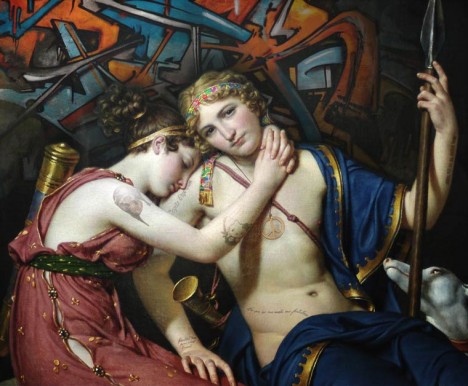
Classical Art in Modern Contexts: 25+ Clever Art Remixes

05 Feb

[ By Steph in Art & Drawing & Digital. ]

classical art modern graphics main

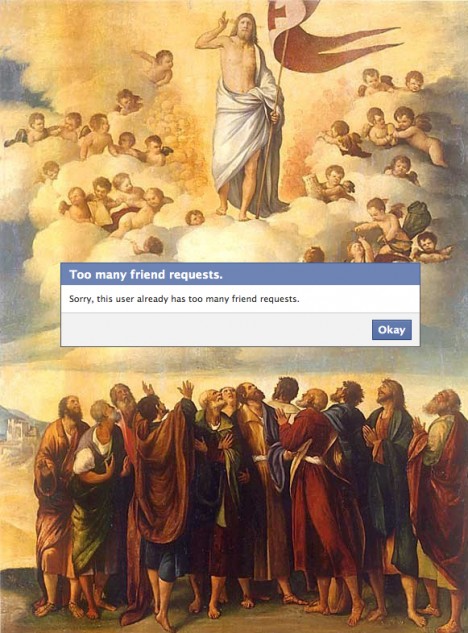
Renaissance angels cling to each other in front of a graffitied wall, hellish medieval imagery is splashed across a pair of Doc Marten boots and God has met Facebook’s friend request limit in this collection of works re-contextualizing classical art for the modern world. The original imagery is removed from its cultural and historical context and inserted into urban settings or mixed with contemporary elements to breathe new life into it and bring it to new audiences. See 26 more modern takes on historical paintings.

Modern Media Graphics X Classical Paintings

classical art modern graphics 2

classical art modern graphics 3

classical art modern graphics 1

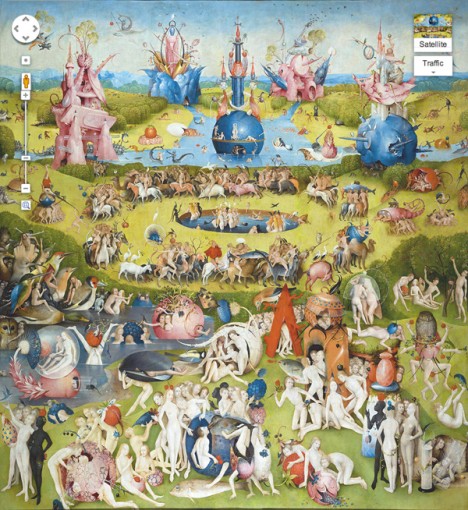
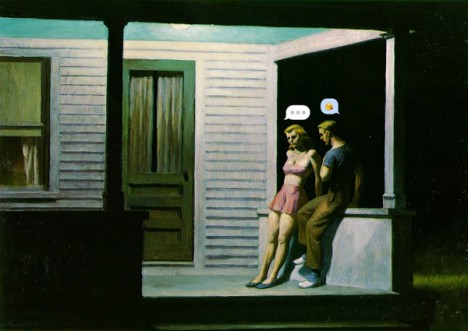
In a series called Emoji Nation, artist Nastya Nudnik inserts graphics from modern gadgets and media on top of classic paintings, like warning messages from the Windows operating system, Facebook buttons, emoticons and sad little indications that the user has zero followers on Instagram. One even visualizes Bosch’s ever-popular Garden of Earthly Delights as an explorable location on Google Maps. If only.

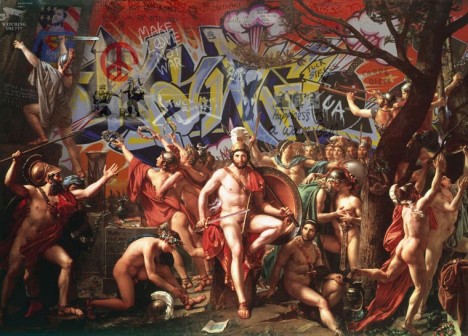
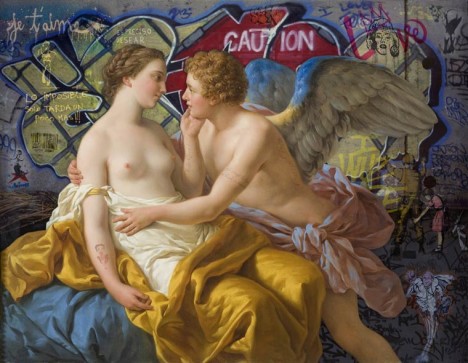
Street Art Mixed with Classical Paintings by Marco Battaglini

classic art battaglini 1

classic art battaglini 2

classic art battaglini 3

classic art battaglini 4

Artist Marco Battaglini mixes street art with classical paintings from the Renaissance in his own work, contrasting classicist figures with heavily graffitied walls. The artist aims to highlight the “intrinsic contradictions of the human condition” through the juxtaposition of traditional art with its connotation of elitism and the popular culture of the masses. The new aesthetic, according to the artist, reflects “the eclecticism and fragmentation that are hallmarks of post-modernism.”

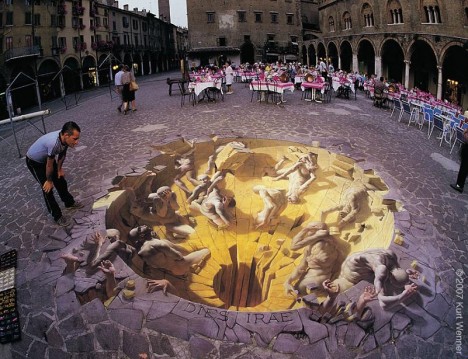
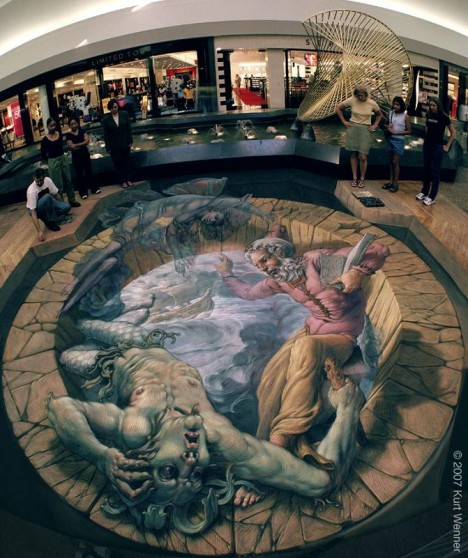
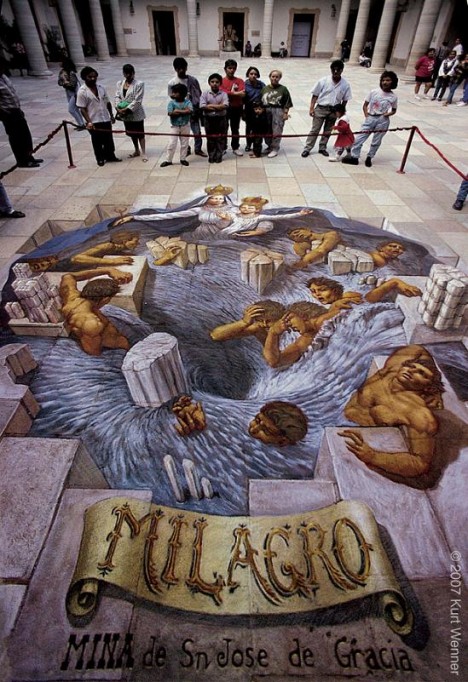
3D Sidewalk Chalk Masterpieces by Kurt Wenner

classic art 3d sidewalk 1

classic art 3d sidewalk 2

classic art 3d sidewalk 3

classic art 3d sidewalk 4

Master of 3D sidewalk chalk illusions, Kurt Wenner, makes classic imagery spring to life in the streets of cities around the world. Initially employed by NASA as an illustrator to create conceptual paintings of future space projects, Wenner moved to Italy to study classic Renaissance art and spent the rest of his career up to this point exploring how that style can be preserved in contemporary society.

European Paintings on Surfboard & Skateboard Triptychs

classic art surfboards 1

classical art surfboards 2

classic art skateboards 1

classic art skateboard 2

Skateboard company Boom-Art teamed up with UWL Surfboard to create a series of limited-edition surfboards referencing European art history. Two triptychs with classic designs include ‘The Lady and the Unicorn’ and ‘The Garden of Earthly Delight’ by Heironymous Bosch. Each is handmade and individually numbered in an edition of just ten per design. The same designs are available as skateboards, as well.

Next Page – Click Below to Read More:
Classical Art In Modern Contexts 25 Clever Art Remixes

Share on Facebook


[ By Steph in Art & Drawing & Digital. ]

[ WebUrbanist | Archives | Galleries | Privacy | TOS ]


WebUrbanist

 
Comments Off on Classical Art in Modern Contexts: 25+ Clever Art Remixes

Posted in Creativity


4. Februar 2015

05 Feb

Das Bild des Tages von: Valentine Winter

Vogelschwarm vor dunklem Himmel über einem Wald, darauf mit Faden hohe Wellen gestrickt.

Fotolinks des Tages

1. Elliott Erwitt und Bruce Gilden testen die Google-Brille

Zwei alte Meister der Straßenfotografie testen für Spiegel Online die neue Google-Brille, die zunächst wie ein Traum für Straßenfotografen klingt, denn wer wünscht sich nicht, auf der Straße unsichtbar zu sein und die Kamera in der Brille integriert zu haben? Aber ganz so einfach ist es dann doch nicht, wie die vierteilige Artikelserie beweist. → ansehen

2. Tipps von Brandon Stanton

Brandon Stanton von Humans of New York hat für sein Projekt schon Tausende fremde Menschen auf der Straße angesprochen und um ein Portrait gebeten. Viele erzählen ihm zudem in einem kurzen Gespräch zwischen den Fotos sehr intime Erlebnisse. In kurzer Zeit so viel Vertrauen zu bekommen ist eine Kunst und Brandon erzählt in diesem Video auf sehr sympathische Art und Weise, wie er Menschen auf der Straße begegnet. → ansehen

3. World Press Photo geht neue Wege

Lars Boering ist neuer Geschäftsführer des World Press Photo und spricht im Interview mit „Time LightBox“ über neue Wege der Organisation. So soll World Press Photo ein Think Tank für Fotografen werden und bei der Entwicklung ihrer Arbeit helfen. Auch über einen besonderen Fotobuch-Wettbewerb denkt er nach. Ein besonders spannender Punkt im Interview ist das Urteil, dass in der Fotografie ein kreativer Konservatismus besteht, der deren Entwicklung stoppen kann, wenn er zu dominant wird. → ansehen


kwerfeldein – Fotografie Magazin | Fotocommunity

 
Comments Off on 4. Februar 2015

Posted in Equipment


Landscape Photography Tips & Tricks: Getting the Big Picture

04 Feb

Of all the different types of photography, capturing images of landscapes is one of the most popular.   The compulsion to capture breathtaking images of sweeping vistas, crystal shorelines and towering mountains comes on especially strong whenever people travel to new places. You’ve probably noticed this whenever some of your friends go on vacations. Their Facebook walls become flooded with Continue Reading

The post Landscape Photography Tips & Tricks: Getting the Big Picture appeared first on Photodoto.


Photodoto

 
Comments Off on Landscape Photography Tips & Tricks: Getting the Big Picture

Posted in Photography


3 Simple Ways to Take Better Photos on Your Next Trip

04 Feb

I love to travel. To me, nothing compares to living on the road and waking up to new places every day. All the different photographs I’ve made during my journeys are the most rewarding part of it all.

Making photos while traveling or on vacation has a special quality because you’re seeing your subjects often for the first time. Travel also presents unique challenges, though – unfamiliar landscape, climate, and culture can easily throw you off. However, it is those very things that can also make beautiful, one-of-a-kind photographs!

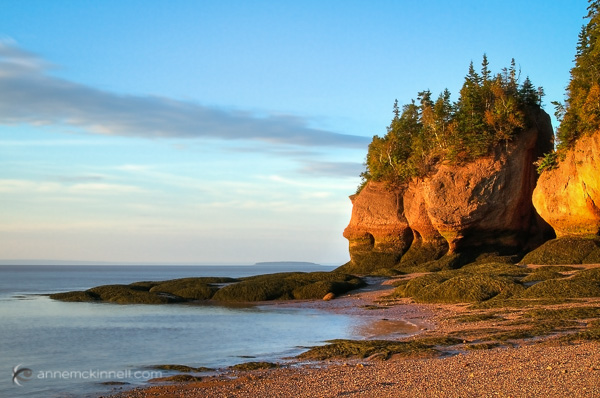
Bay of Fundy, New Brunswick

Bay of Fundy, New Brunswick

When travelling to new places, you want to create photos that express the way you feel about the place. You also want to make unique images that are unlike anyone else’s. The sense of wonder you feel when seeing beautiful places for the first time can easily translate into the images that you make with these three simple tips to help you take better photos.

1. Plan, plan, plan

Once you decide where you’re going, read up on the area and educate yourself about the place and what kind of conditions you can expect. What will the weather be like? Are there any special events taking place? Will the flowers be blooming? If you’re traveling internationally, is there a language barrier? If so, try to learn a few key words and carry a phrase book with you. No matter where in the world you go, locals are always more helpful when you make an effort to speak to them in their own language – even if it’s just a few words.

Find out what else is around that you might be able to see during your visit. If you’re photographing nature, you can find great locations by studying maps. Photography websites and forums are full of advice and examples of interesting places to shoot. Learning about the location’s history and culture will also help direct you to unique and interesting subjects.

Sanibel Island, Florida

Sanibel Island, Florida

Find out as much as you can about the places and subjects you’ll be photographing, so you can prepare for them. For instance, if you’re going to be shooting in the desert, near the ocean, or in very cold, wet, or humid environments, you’ll know to bring protective gear to shield your camera from damage caused by moisture, salt, and sand. If you expect temperatures lower than -10c or higher than 40c, extra batteries will be needed as they drain quickly at extreme temperatures. You might consider renting a particular type of lens that is perfect for your subject like a super-telephoto or a tilt-shift. You’ll also need to know what sort of clothes to wear for the weather.

Big Bend National Park, Texas

Big Bend National Park, Texas

2. Don’t let your gear drag you down

No matter where you’re headed, there are some things you’ll need no matter what. When packing your gear, make a checklist to ensure you don’t forget anything important. It should include:

  1. Your main camera
  2. A backup camera
  3. A normal focal length lens (around ~50mm)
  4. A long focal length lens (~100mm or more)
  5. A wide-angle lens (~35mm or less)
  6. Your favourite, most-used lens
  7. A polarizing filter
  8. A battery charger
  9. Spare batteries and memory cards, and a place to backup images (computer, external drive, the cloud)
  10. A lens cloth and/or air blower to keep your equipment clean
  11. A comfortable camera bag – preferably one that doesn’t stand out as a camera bag to avoid making yourself a target for thieves.
  12. A good, sturdy, but lightweight tripod. Many manufacturers such as Manfrotto, Giottos, and Benro (among others) make special travel tripods that are made of strong, light carbon fibre and fold up into a small carrying case.
Strathcona Provincial Park, British Columbia

Strathcona Provincial Park, British Columbia

Be selective with your packing. Don’t bring things you probably won’t use because camera bags can get very heavy, very fast. Use lightweight luggage and never check your camera bag, since checked luggage can be mishandled or lost. If you are flying, check the size and weight restrictions of carry-on luggage so you don’t get an unwelcome surprise at the airport. If you leave your home country, purchase travel insurance that will cover your precious equipment from loss, damage, or theft while abroad.

3. Seek the unique

When traveling, try to avoid the mass-marketed tours and biggest attractions. Not only are they full of people that get in the way of your shot, but they’re also full of people getting almost the exact same photos that you are. Instead, search for places that are beautiful but overlooked. You may be able to find this information online, but the best way is to be open and talk directly to the people who live there – start with your hotel staff, be friendly, and ask locals where the most beautiful places are that most people don’t see.

Goblin Valley State Park, Utah

Goblin Valley State Park, Utah

This can even start when booking your accommodations – instead of staying in a generic chain hotel, look for places with more character such as cabins, villas, or bed and breakfasts. Or, if you’re like me, you can find an RV site right in the midst of the beauty to call home base. This way, the place you spend the most time can present its own photographic opportunities.

Remember to give yourself time to experience the place before you start photographing. Give yourself a chance to find out what is special about the place first, and then try to convey that in your images. If you are photographing something common like a famous monument or national park, try to find a new perspective.

Joshua Tree National Park, California

Joshua Tree National Park, California

It’s easy to become overwhelmed by the exotic nature of new places. But always remember that good light is a photographer’s best friend. A new place may look fascinating to you in the middle of the day, but it will look magical during good light.

googletag.cmd.push(function() {
tablet_slots.push( googletag.defineSlot( “/1005424/_dPSv4_tab-all-article-bottom_(300×250)”, [300, 250], “pb-ad-78623” ).addService( googletag.pubads() ) ); } );

googletag.cmd.push(function() {
mobile_slots.push( googletag.defineSlot( “/1005424/_dPSv4_mob-all-article-bottom_(300×250)”, [300, 250], “pb-ad-78158” ).addService( googletag.pubads() ) ); } );

The post 3 Simple Ways to Take Better Photos on Your Next Trip by Anne McKinnell appeared first on Digital Photography School.

Digital Photography School

 
Comments Off on 3 Simple Ways to Take Better Photos on Your Next Trip

Posted in Photography


Von der Idee zum Bild mit Andrea Peipe

04 Feb

Ein Mädchen durchbricht die Wasseroberfläche mit ihrem Fernrohr.

Ein Beitrag von: Andrea Peipe

Meine Liebe zur Unterwasserfotografie war unmittelbar und eher unerwartet. Normalerweise plane ich meine Shootings sehr genau, aber unter Wasser ist das nicht wirklich möglich. Viel Zeit bis zum Ende des Sommers blieb mir auch nicht und so entstand beim zweiten und bisher letzten Fotoshooting unter Wasser dieses surreale Konzept.

Wenn man kein Auto besitzt, gibt es in der Nähe von München eigentlich nur einen See, der gut erreichbar und klar genug ist, um darin Unterwasserbilder zu machen – den Starnberger See. Meine gute Freundin Lisa (und das Modell auf diesem Bild) hatte mich ein paar Tage zuvor nach meinem ersten Unterwasser-Shooting angeschrieben und gemeint, sie würde so gern auch einmal Fotos unter Wasser machen und wäre bereit, dafür extra von Würzburg nach München zu kommen.

Zu einem solchen Angebot konnte ich natürlich nicht Nein sagen und so kam sie an einem erstaunlich kühlen Nachmittag Anfang August mit dem Bus nach München und wir sind von da aus gleich mit der S-Bahn zum See gefahren.

Ich hatte schon in den Wochen davor einiges an Ideen aufgeschrieben und skizziert, aber schon beim ersten Unterwasser-Shooting gemerkt, dass sich nicht alles so einfach umsetzen lässt. Die Idee für mein Bild „The way to the stars“ kam mir wie so oft eines Morgens im Halbschlaf.

Wenn ich in der Früh aufwache und mein Freund neben mir noch friedlich schlummert, kommen mir oft die besten Ideen. Das Schwierige daran ist, sie nicht zu vergessen! Deswegen habe ich angefangen, meine Ideen auf meinem Tablet zu skizzieren, damit ich diese dann, wenn alles passt, umsetzen kann.

Skizze eines Menschen mit Fernglas im Wasser tauchend

Meine ursprüngliche Idee sah einen Freund von mir als Modell vor, aber da Lisa nun schon unterwegs war, ich wusste, dass ich die nächsten Wochen in Südafrika unterwegs sein würde und dies somit mein zweites und für 2014 wohl letztes Unterwasser-Shooting sein würde, beschloss ich, das Konzept mit ihr als Modell umzusetzen.

Ich hatte mein Fernrohr (keine Sorge, es ist ein Faschingsartikel aus Plastik) und einiges an Kleidern sowie meine Fotoausrüstung in meine Tasche gepackt und war bereit für die Umsetzung des Konzepts. Die Idee hinter dem Bild war für mich eine bildliche (durchaus surreale) Darstellung des Blicks in die ungewisse Zukunft.

Was sich von Anfang an als schwierig gestaltete, war der dunkle Himmel und das somit unter der Wasseroberfläche fehlende Licht. Beim Unterwasser-Shooting eine Woche davor hatten wir strahlenden Sonnenschein und somit viel mehr Licht unter Wasser gehabt. In diesem Fall hatte der Autofokus unter Wasser große Probleme, etwas zum Fokussieren zu finden, wodurch alles viel länger als geplant dauerte. Lisa und ich fingen schnell an zu frieren und ich versuchte, mein Konzept so schnell wie möglich umzusetzen.

Ein fröstelndes Mädchen steht nass im Wasser.

Ich wusste vom letzten Mal, dass mein Objektiv mit 50mm f/1.4 im Unterwasser-Gehäuse zu sehr hin und her rutscht und mein Objektiv mit 17 – 55 mm f/2.8 von der Größe her am besten passt. Selbst bei diesem muss man aber aufpassen, dass es sich nicht verschiebt, weil man sonst später auf den Fotos leider einen schwarzen Rand in den Ecken hat. Als Einstellungen wählte ich anfangs 1/1000 s bei f/4.5, ISO 160, änderte dies aber nach dem ersten Test auf 1/800 s bei f/4.5, ISO 125.

Mit diesen Einstellungen fing ich an, mein Konzept umzusetzen. Nach den ersten paar Fotos realisierte ich, dass die Idee nicht mit nur einem Bild umzusetzen war, da die Verzerrung unter Wasser dazu führte, dass es aussah, als ob ein winziger Kopf auf einem riesigen Körper sitzt. Also musste ich das Bild in drei Teilen fotografieren: Einmal unter Wasser, einmal über Wasser und einmal auf der Wasserlinie.

Unterwasseransicht eines Frauenkörpers

Eine Frau schaut mit einem Fernglas aus dem Wasser

Eine Frau schaut mit einem Fernglas aus dem Wasser

Unterhalten wurden wir bei unserem Fotoshooting übrigens durch die vielen Menschen, die an diesem Tag auf dem Steg am Starnberger See saßen und uns zusahen (und teilweise Fotos von uns beim Fotografieren machten). Besonders lustig waren hier fünf kleine Jungs in einem Schlauchboot, die immer genau wissen wollten, was wir da machen und vor allem warum das Ganze! Als uns im Wasser immer kälter wurde, spornten sie uns an, weiterzumachen, indem sie von ihrem Boot ins Wasser sprangen, um uns zu zeigen, dass das Wasser doch so warm wäre!

Was mich beim Fotografieren unter Wasser immer wieder überrascht, sind die Farben der Fotos, die man unter Wasser aufgenommen hat. Eigentlich gibt es nur Grün- und Brauntöne, obwohl man ja mit Wasser immer die Farbe Blau verbindet. Und natürlich sehr wenig Kontrast. Ich wusste also, dass ich nach dem Zusammensetzen der drei Bilder hauptsächlich an den Farben und dem Kontrast arbeiten musste. Das Zusammensetzen (und generelle Bearbeiten des Fotos) erfolgte in Photoshop CC.

Eine Frau schaut mit einem Fernglas aus blauem Wasser

Nach dem Zusammensetzen hatte das Bild schon viel Potential, aber ich wusste, dass ich am Ende ein dunkles und surreales, ja fast mystisches Foto haben wollte. Ich tendiere in meiner Fotografie generell eher zu dunkleren Bildern. Also änderte ich noch das Licht und spielte an den Gradationskurven, bis ich mit dem Ergebnis zufrieden war.

Eine Frau schaut mit einem Fernglas aus dem Wasser

Und ich bin es immer noch. Das ist das Foto vom letzten Jahr, bei dem ich nach wie vor sagen kann, es ist so geworden wie ich es wollte und ich würde es heute nicht anders machen.


kwerfeldein – Fotografie Magazin | Fotocommunity

 
Comments Off on Von der Idee zum Bild mit Andrea Peipe

Posted in Equipment


Exocomet Express: How to Hitch Intersellar Rides on Comets

04 Feb

[ By WebUrbanist in Conceptual & Futuristic & Technology. ]

comet runner space concept

Gravitationally unbound to any star, resource-rich extrasolar comets could be the key to manned space flight beyond our solar system, providing a way for resourceful astronauts to hitch rides, mine supplies and ultimately travel far beyond the heliosphere.

exocomet material resource harvesting

Inspired by the Rosetta mission and drawing on images from the NASA, Caltech and the European Space Agency, this Comet Runner concept explores the idea of tethering expeditions to comets and using their materials to support long-distance journeys. The idea also dovetails with research by NASA’s Jet Propulsion Laboratory into the possibilities of leveraging comet momentum to propel or potentially slow down spacecrafts.

exocomet exploration mining architecture

Indeed, “many contain compounds such as water, methane, carbon monoxide and hydrogen cyanide — which can be converted to things useful for a long distance space mission, such as fuel, oxygen, plastics, refrigerant and fertilizer.”

exocomet astronaut image

The proposed system from Clouds AO, a New York City architecture firm, involves a modular space station carrying with it the means to sort, process, store and build from raw materials mined from a given comet, 3D-printing from surface dust and inducing artificial gravity by augmenting the object’s natural axial rotation.

exocomet tethered architectural idea

Just like a reluctant space vehicle (or Sandworm from Dune), inertia could be fought and adjustments could be made to the trajectory, providing the means for directional control or at least minor course corrections.

exocomet modular space station

Comets would be screened for suitability in terms of composition and stability before being boarded, as it were. Billions of comets are hypothesized to exist in the Oort cloud surrounding our solar system are estimated to be miles in diameter, “some of which are nudged into long-period orbits through the inner solar system, while many others are ejected from our solar system through gravitational scattering caused by passing stars and the galactic tide.”

comet runner orbital paths

Of course, this is just a thought experiment and design concept for now, but the constituent elements are there: comets abound, rich in materials and tracing all kinds of paths through and beyond our solar system – the question is not whether but when we might be able to harness them to suit our ends, or perhaps whether we will find better means in the meantime.

Share on Facebook


[ By WebUrbanist in Conceptual & Futuristic & Technology. ]

[ WebUrbanist | Archives | Galleries | Privacy | TOS ]


WebUrbanist

 
Comments Off on Exocomet Express: How to Hitch Intersellar Rides on Comets

Posted in Creativity


Readers’ Choice Awards 2014: The Winners

04 Feb

After tens of thousands of votes over two rounds, the results are in. Late last year we asked you to vote for your favorite gear of 2014 in several categories, and last month we put the winners of those categories to an overall vote to find the best product of last year in your – our readers’ – opinion. The voting was extremely tight, but we’ve counted up the votes and we’re ready to announce the winners. Click through to see the results

Articles: Digital Photography Review (dpreview.com)

 
Comments Off on Readers’ Choice Awards 2014: The Winners

Posted in Uncategorized