RSS
 

Archive for December, 2014

Iceberg Homes: London Boroughs Curb Luxury ‘Super-Basements’

21 Dec

[ By WebUrbanist in Architecture & Houses & Residential. ]

underground estate luxury home

It is increasingly common to find London properties that have more subterranean interior space than above-ground square footage, a byproduct of the wealthy desiring to build additions without tripping over surface-oriented building codes. New legislation in some boroughs of the city aims to cut down on permits issue to such underground expansions.

mega basement

'Iceberg house' illustration

Anecdotes around these mega-basements abound, including stories of the compromising neighboring houses by undermining their structural integrity. As Curbed reports: “In a famous case from 2012, excavation work under the mansion of a Goldmann Sachs director resulted in his neighbor getting trapped inside her home, unable to open her front door since it had shifted so much.”

mega basement design

Indeed, the billionaires building these projects do a lot of strange things to maintain their bottom line while maximizing their additions, including leaving diggers worth thousands of dollars each (millions in aggregate) buried in unmarked and self-dug graves simply because the cost of excavating exceeds that of retrieving them. Like other facets of this phenomena, the lack of visibility relating to such practices has helped keep them hidden from public scrutiny.

london basement expansion diagram

Over the last decade, the demand for permits to extend below ground has skyrocketed, increasing by over tenfold. In response to the growing concern over these practices, Chelsea and other boroughs are considering measures including: restricting below-ground extensions to a single story, reducing the distance they can expand beyond the building footprint and capping the total subterranean square footage by project (diagrams via TheDailyMail and TheGuardian).

mole man underground house

Finally, any discussion of tunnels and London would be remiss not to mention the famous case of the Mole Man, which helped bring many of these other oddities to light. Without permits or permission of any time, this now-infamous Hackney resident began to burrow beneath his house. William Lyttle ultimately tunneled outward in various directions and well beyond his own property line and underneath adjacent streets and homes. For the safety of all involved, the building has been condemned though there are potential plans in place to turn it into artist housing.

Share on Facebook


[ By WebUrbanist in Architecture & Houses & Residential. ]

[ WebUrbanist | Archives | Galleries | Privacy | TOS ]


WebUrbanist

 
Comments Off on Iceberg Homes: London Boroughs Curb Luxury ‘Super-Basements’

Posted in Creativity


Ello vs. Facebook for Photographers

21 Dec

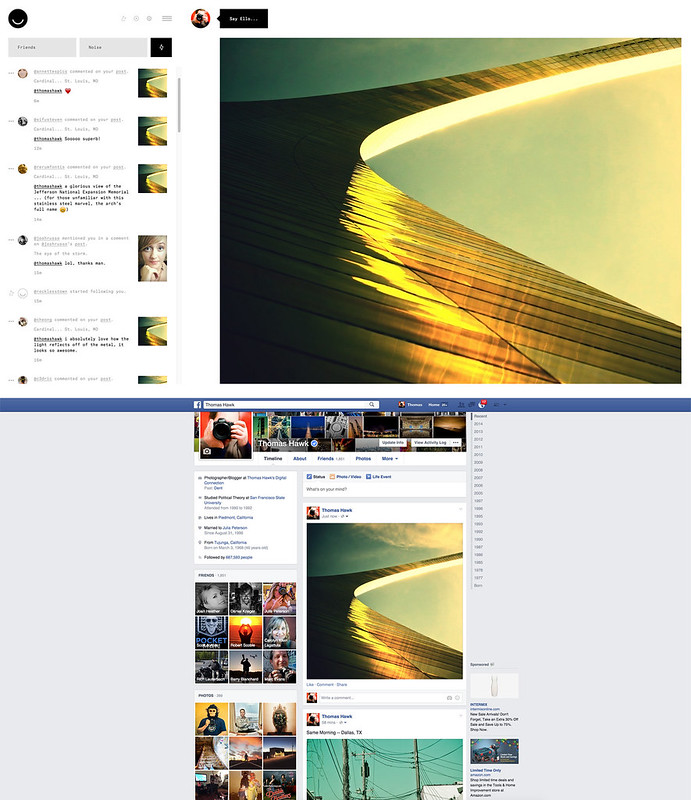
Ello vs. Facebook

Are you an artist or photographer? Do care about the integrity of your images? Do you dislike ads and sponsored posts shoved in your face? Do you dislike having 99% of your feed filtered out of view for those who follow you?

Look at the above and answer this question: where does my photograph of the St. Louis Arch look better, Ello or Facebook?

By the way, Ello is not just a social network for photographers. I’ve met some amazing creative writers, thinkers, and purveyors of all sorts of culture there.

There are communities there building on things like finance, tech, science, politics, etc. It’s an open inclusive community.

It’s also where I spend almost all of my online time these days. So, if you notice I’m quiet on Facebook and other networks, it’s not that I’m being quiet, per se, it’s just that I’m hanging out over there at Ello.

Like most new communities online or IRL, it takes some time and energy and effort to make Ello work for you, but it’s a far more rewarding experience and worth it and I’m happy about doing my own part to participate in something better.

If you are new to Ello here are some tips for you.

You can find me on Ello here.


Thomas Hawk Digital Connection

 
Comments Off on Ello vs. Facebook for Photographers

Posted in Photography


National Geographic Photo Contest 2014 winners announced

20 Dec

Winners of the National Geographic’s 2014 Photo Contest have been announced, with first place winners in three categories bringing in cash prizes. The overall Grand Prize winning photo (above) has earned a total of $ 10,000 and a trip to National Geographic headquarters. Take a look at some of the winning images. See gallery

Articles: Digital Photography Review (dpreview.com)

 
Comments Off on National Geographic Photo Contest 2014 winners announced

Posted in Uncategorized


6 Tips for Better Portraits on Location

20 Dec

Whew it’s been a while since I actually wrote a tutorial here on dPS so I thought it was time. Some of my most popular articles are about portrait lighting patterns and other aspects of creating great portraits. In this article I want to give you a few tips to help you take better portraits on location, flatter your subjects and make sure you are all happy with the final results.
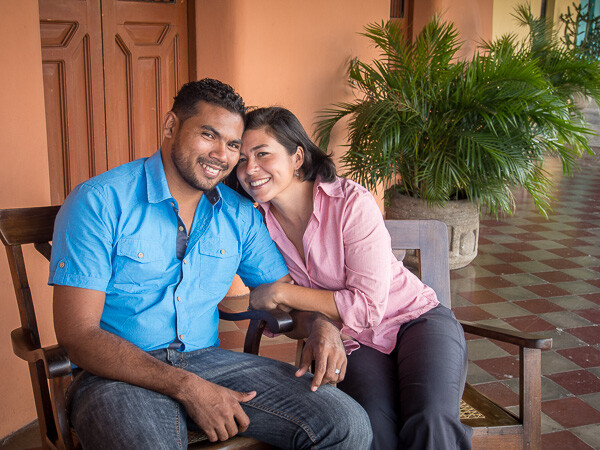
Mayorga Dec14 0018 600px

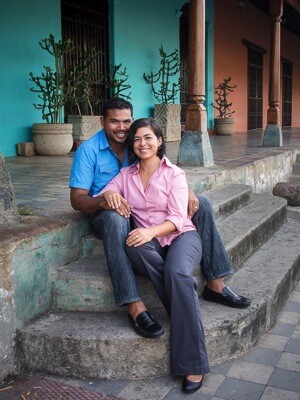
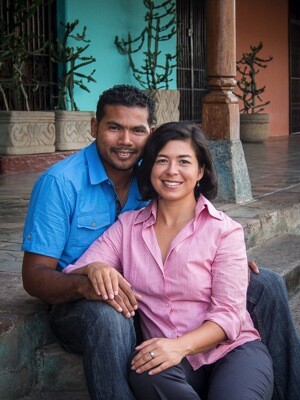
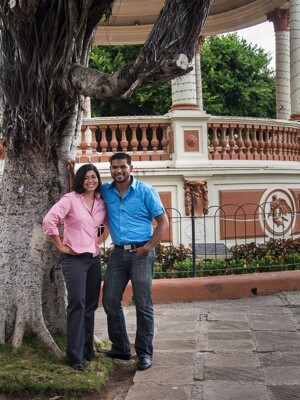
My models for this article are my Nicaraguan friend Luis and his fiancé Sonia. He’s been a great help to us on our tours here and has become a good friend so this was win/win for us as they get a nice portrait of themselves (they don’t have a professional one) and I am allowed to use their photos and their session for teaching purposes here.

Quick summary:

This is a quick list of the five tips, we’ll cover each in more detail and look at some examples.

  1. Ask your subject’s what they like and want
  2. Look for the light
  3. Find a good background
  4. Pose you subjects to flatter them
  5. Communicate with them
  6. Do something they want, even if it’s not art

First a note about gear

A lot of people get hung on up having the top of the line gear, pro lenses, the fancy bells and whistles, and all the extra gizmos. While it is nice to have the best gear, I want to show you it is possible to make great portraits with ANY gear. All the photos in this article were taken in Granada, Nicaragua (where I am currently living/working for 2.5 months) with an Olympus OM-D E-M5 mirrorless camera, and 12-50mm f3.5-6.3 lens (equivalent to a 24-100mm on a full frame camera). NO flash was used only a reflector in a couple situations.

Tip #1 talk to your subjects before the session

Knowing what people want for their portrait, and their expectations is essential to making a portrait they will like. Ask them what kind of clothes they’ll be wearing – formal or casual – that may make certain locations a better choice than others. Talk about feel or mood for the portrait. If it’s a couple are they touchy feely or not. You need to know these things going in, not later when they hate their photos or feel uncomfortable doing something that isn’t really “them”.

For my couple I found out that she liked certain churches here in town, gardens, and the volcano (keep reading to see how I worked some of that into the session). I scouted out a few locations ahead of time with a friend so I could check out the lighting. If you are going to do this, go at the same time of day you want to do the session. I like to work at golden hour with the sun is low and not overhead, which brings us to the next tip.

Tip #2 Look for the light

First and foremost photography is about light. If you have no light or bad light it’s really hard to make good photos. Back to golden hour – this is when the sun is low in the sky either right before sunset or after sunrise. Most portrait photographers choose this time of day as the optimal time to work instead of fighting with midday overhead lighting. Do yourself a favour and make your life easier – whenever possible schedule portraits at golden hour. Find out the sunset time for your area and start an hour or so before that.
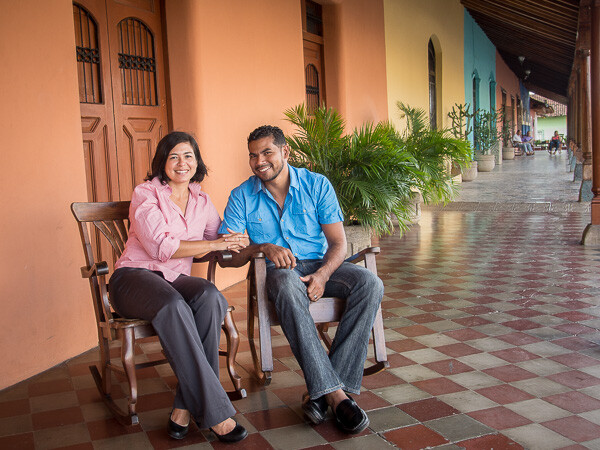
Mayorga Dec14 0003 600px

In the first spot for our session we actually started on the porch of the house we’re renting here. Across the street is a big white church reflecting the light back under the porch. There’s an overhang covering the top so there is no direct overhead light. It is the perfect situation for great portrait light and one I seek out wherever I’m shooting. Just by turning the subject’s faces a little bit you can create different lighting on. Read more about that in my first ever dPS article: 6 Portrait Lighting Patterns Every Photographer Should Know.

In the image above you can see the direction of light is coming from camera right (their left). See how he is turned away from the light source slightly and has broad lighting, then watch how it is corrected in the next few images.
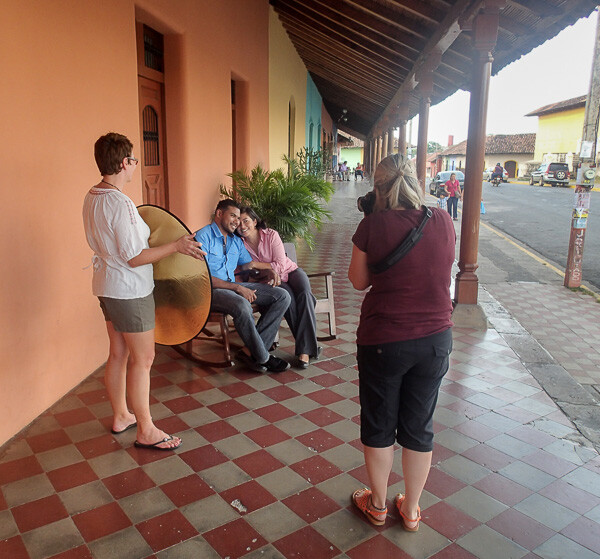
Mayorga BTS 0029 600px

Behind the scenes shot

Mayorga BTS 0041 600px

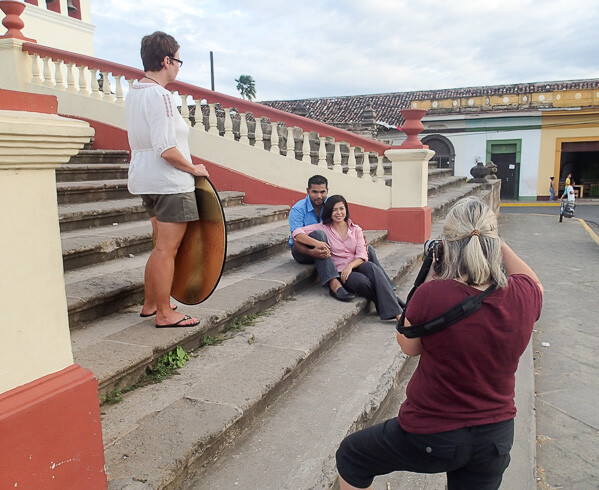
Use an assistant and reflector when you have a chance. Here I had my assistant holding a white reflector to bounce a bit of light into their faces.

Tip #3 Find a good background

Everything in photography is subjective. So how do we define a good background from a bad one? Well there are a few things that can help:

  • Watch for bright spots (and areas of high contrast) in behind your subjects it will draw the viewers eye, usually as a distraction, which is not desired.
  • Avoid bright colours in the background for the same reason. You want the viewers eye to go direction to the people, not the stuff behind them. This is often a problem when your subjects request a garden or flowers in for their background. They do not know this stuff, so it is your job to educate them and make a portrait that is both pleasing to the eye, and to them!
  • Make it appropriate for the subject. Again the idea of a portrait is to portray the person, so sometimes you need to show more of the environment to do so. Just make sure it is fitting for them and helps either flatter them or tell their story.
  • Keep it simple and blur it when possible. A busy and sharp background will draw attention. Use the KISS principle and a large enough aperture to get that background out of focus. A longer lens also helps – something which was limited for me in this situation so do the best you can with what you have.

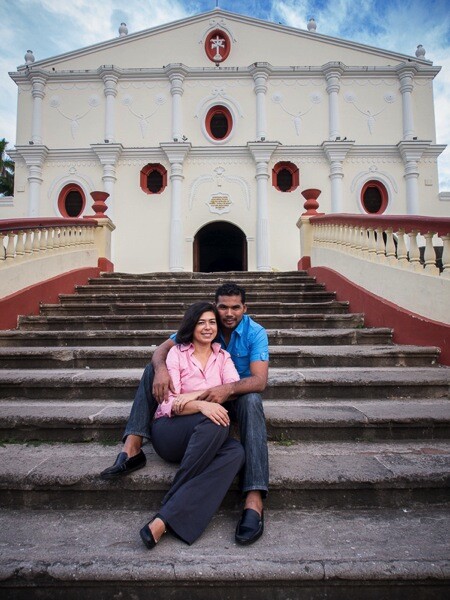
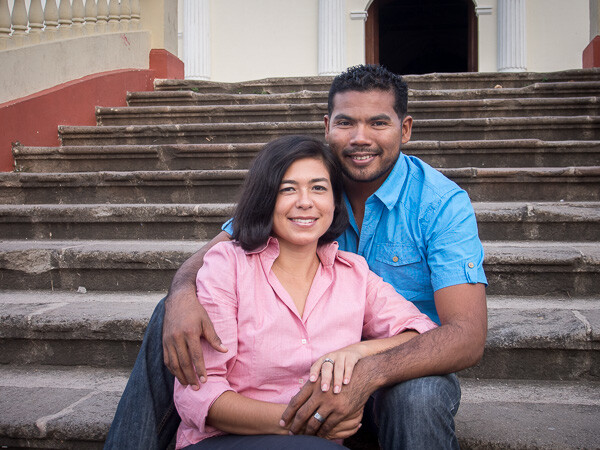
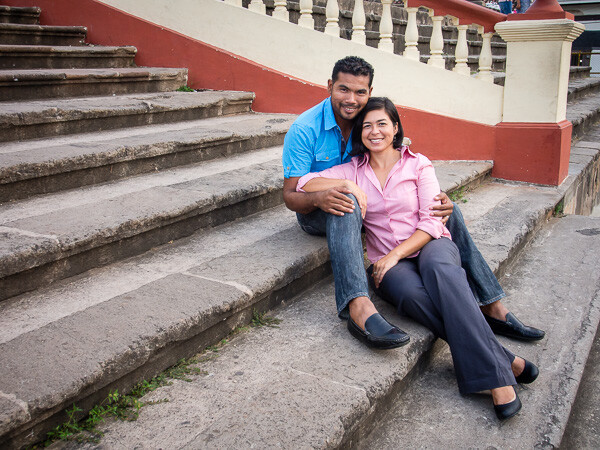
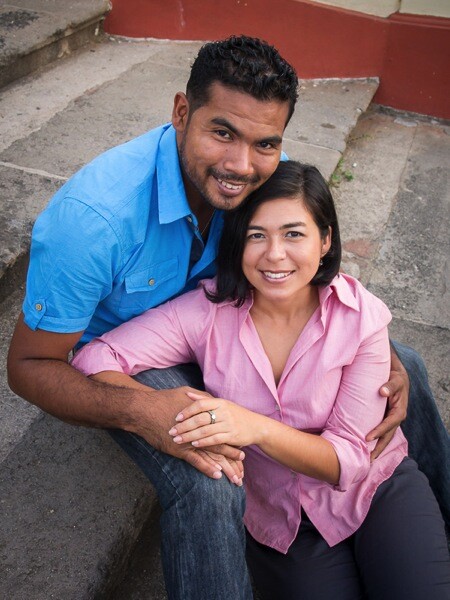
In the examples below see how I started with the full church in the background and made a few alterations to simplify and get the focus more on the people.
Mayorga Dec14 0041 600px

First shot at the church. Notice how the wide angle lens makes their lower bodies and feet look larger? This is also the same church that was bouncing the light in the first setup.
Mayorga Dec14 0049 600px

Much better! In this variation I moved back and zoomed in using a longer lens to get less of the background and crop out the lower bodies.
Mayorga Dec14 0030 600px

Next angle shooting from the side on the stairs using the nice leading lines. Again the wider lens makes feet or anything closer to the camera look bigger. Not so much desired, but not horrible in this instance.

Mayorga Dec14 0031 600px

Once again zooming to focus more on their faces and in this case a slightly higher camera angle, is far more flattering to them.
Mayorga Dec14 0034 600px

Lastly try something different. A super high angle and them looking up has a completely different feeling.

Tip #4 Pose to flatter people

Posing people is one of the hardest things to learn but also one of the most important. People are nervous about having their photos taken, and that is often reflected in their body position. It is your job to get them to loosen up and to help them look their best.

The best way I know how to show people a pose is to do it for them, then get them to repeat it. So I’ll go stand in their spot, strike the pose I want them to do and then have them copy me. Or you can face them and have them mirror you.
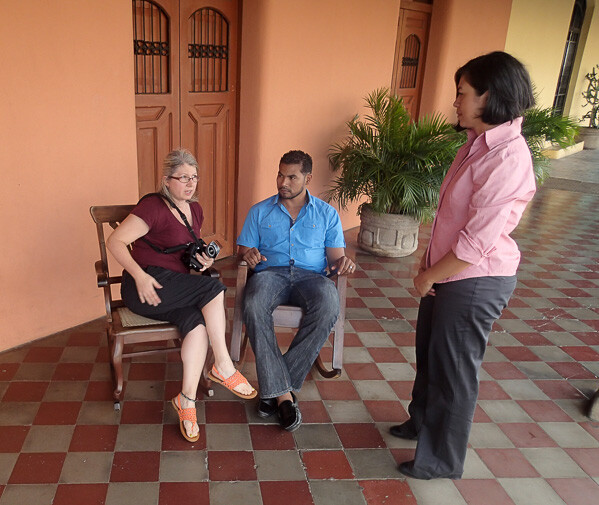
Mayorga BTS 0009 600px

Here I am showing her how to sit and what not to do – stick your butt towards the camera.
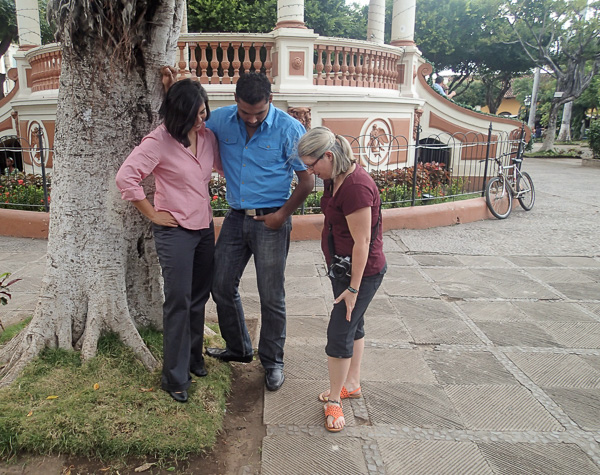
Mayorga BTS 0117 600px

And how to position their feet – very important! How the feet are positioned makes a difference to how the body looks. Pay attention from head to toe, literally. If you want them to turn their body – tell them to turn their feet, the body will follow.

Mayorga Dec14 0051 600px Mayorga Dec14 0054 600px

Here are a few general tips for posing people:

  • If it bends bend it! Get them to shift their weight to one leg (ALWAYS the back one and hip away from the camera) and let one leg bend naturally. Stiff legged = boring = they look nervous and won’t like the photos.
  • Arms too: get them to put a hand in a pocket (but only the fingers not the thumb, that way they won’t shove it too far in there pulling their pant leg funny), hook a thumb in a belt loop, or if you’re working with a couple hold hands and touch. Remember you should already know if they are touchy feely or not (see tip #1 above) so you know what they’ll be comfortable with. Having people who are family, close friends, or couples touch in their portrait helps to add a feeling of connection and usually helps them relax too.
  • Observe their natural body positions and use them. If you see that she sits a certain way, or puts a hand on her hip – get her to do that. Often I’ll give more loose posing directions to start and see what they end up with on their own – then refine it a little if necessary. They’ll relate more to the portrait if it something they do naturally, and you may even get comments like “Oh that is SO me!”
  • Get ladies to cross legs at the ankles not knees. Crossing at the knee is how most of us sit normally but it makes the legs look unnecessarily bulky. Trust me on this – NO woman wants to look bulkier! Ankles crossed looks feminine and makes a nice line for the legs to follow.
  • Posing a couple: If you are dealing with a couple with a large height difference (as I was in this session) get the man to sit and have her drape her arms around him from the side. Or in a standing pose have him widen his stance more. Putting his feet farther apart will actually lower his total height – a neat little trick that really works.
  • Avoid cropping off people’s hands and feet, they end up looking amputated. If you’re going to crop in, come in closer to make it more obvious and crop to the knees (or higher) and elbows.
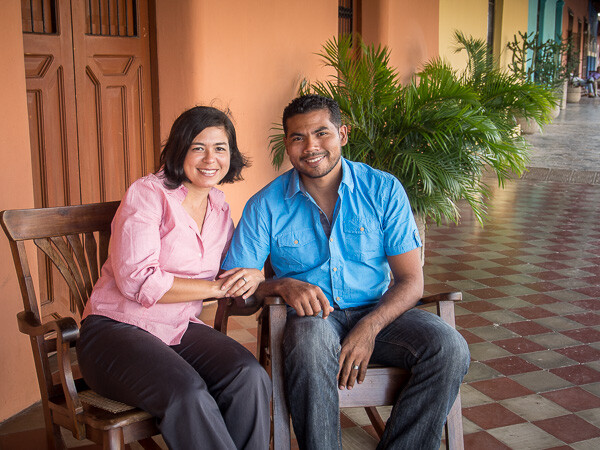
Mayorga Dec14 0006 600px
In this image (above) with her on the left, I felt it wasn’t as flattering when she leaned to the side (exposing more hip area. Remember in the standing pose – hip pushed away from the camera – same with sitting.
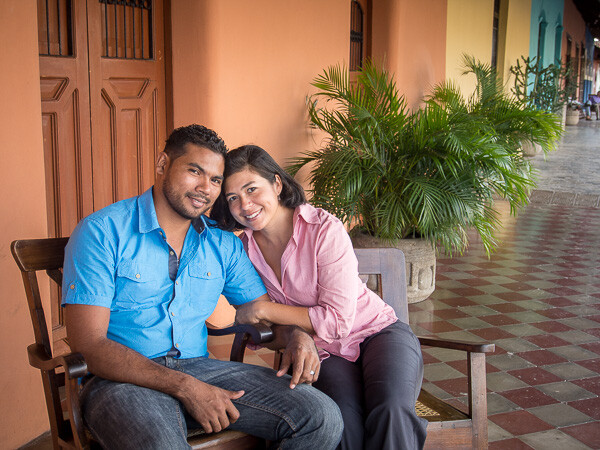
Mayorga Dec14 0015 600px

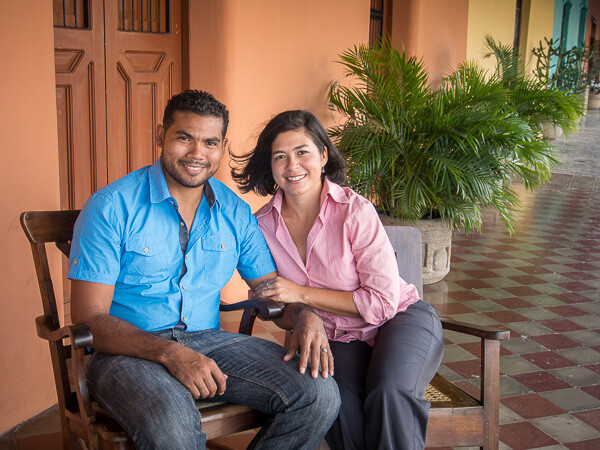
Pose better. He looks bigger, which he is, and her pose is more flattering. At top of the article when we talked about light he was turned away from the church (light source) and had broad lighting. Now that is reversed and he has short and she has broad lighting. I didn’t mind it so much and the pose and expressions were great so I went with it. But a slight head turn changes that:
Mayorga Dec14 0012 600px

Tip #5 Communicate with them

Let’s go back to people are nervous getting their portrait done. The best way to help them relax is to talk to them. It’s not rocket science just talk. Tell them what you’re doing, ask them how their day was, find some common ground to talk about while you fuss with your gear. Just talk!

Novice photographers also being nervous tend to clam up and go about their business setting up their camera, tripod, metering, testing, etc., and forget they have real people standing there waiting for direction. Silence is awkward, build a rapport with them and help them relax at the same time.

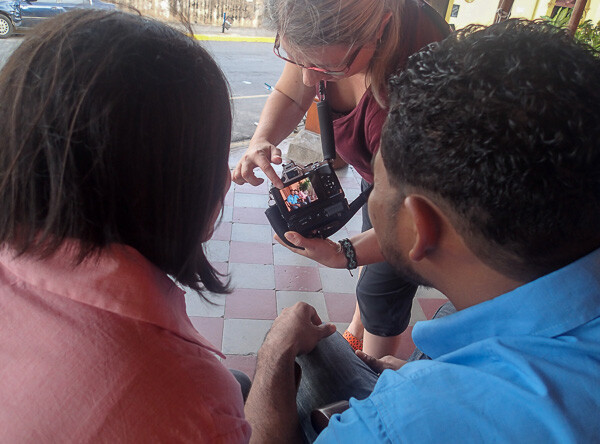
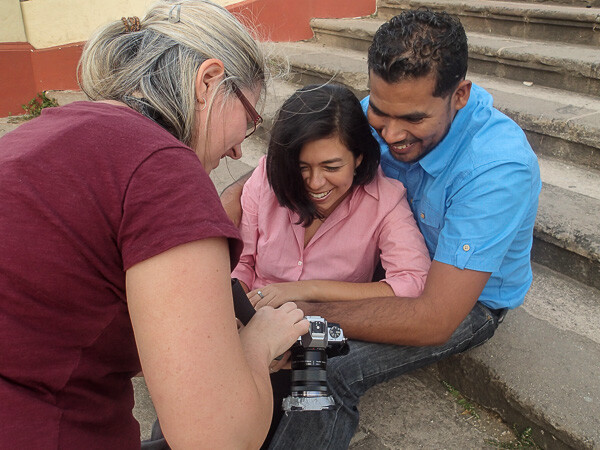
Also show them some of the photos now and then and tell them how great they’re doing and how fantastic they look. When you share with them you think the photo session is going great they almost instantly relax and get into it more. You may even find them wanting to participate more and come up with ideas for photos.
Mayorga BTS 0035 600px

Mayorga BTS 0063 600px

Tip #6 Do one of their ideas

Sometimes people will throw out ideas at the session or in your initial fact finding discussion. Don’t discount these right away. Often the suggestions will have some meaning to them or just simply show their tastes. Try to incorporate at least one or two of their ideas into the portrait session, even if you know it’s not going to be the best shot or come out as art. Do it to have some fun and let them know they are an important part of the process.

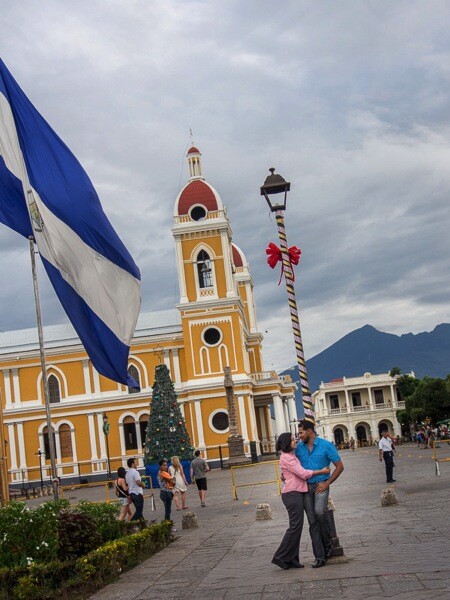
In this example remember she said she like a couple of the churches, to see the volcano, and gardens. Let’s see how that came out:
Mayorga Dec14 0075 600px

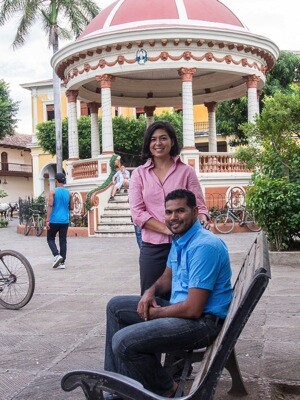
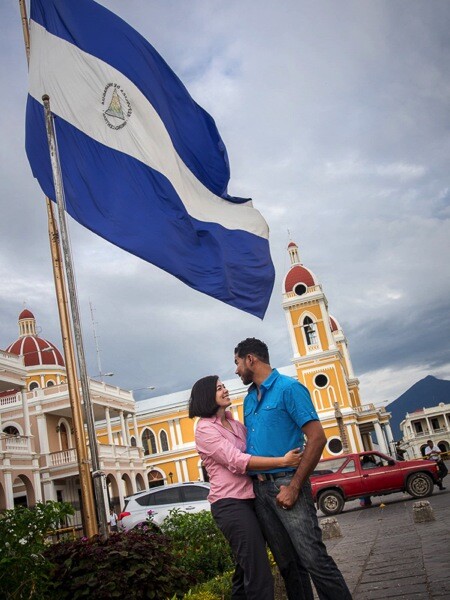
The white church was already used in some of the shots above. We worked the location near our house and then just went for a walk to see what else caught our eyes. The main square here has the big yellow cathedral, and giant Nicaraguan flag, and the volcano in the distance. So I tried to get all of those elements into one shot, and somehow manage to see the couple still. The image above is the result. It doesn’t completely suck but they are pretty small and I wasn’t crazy about the candy cane looking light post.

Once again I zoomed in to a longer focal length and got a bit closer to crop out their feet. Ignoring the annoying cars behind them, I think this is more effective and still shows all the elements. Waiting for the flag to blow was also important to be able to see it. Patience young grasshopper!
Mayorga Dec14 0090 600px

We were losing light fast (happens at sunset) but I wanted to get a few more in for them. Next up they liked the gazebo. I tried to get it in the background but there was a guy sitting there and was near impossible to get him out of the shot and too many people wandering through the background. That and the light just wasn’t working, their eyes and faces were way too dark (below left) and there was no light to get with the reflector (too cloudy).

Mayorga Dec14 0093 600px Mayorga Dec14 0096 600px

Moving them under an overhanging branch of a large tree (above right) helped block some of the overhead light of the cloudy sky and still allowed a portion of the gazebo to show in the image.

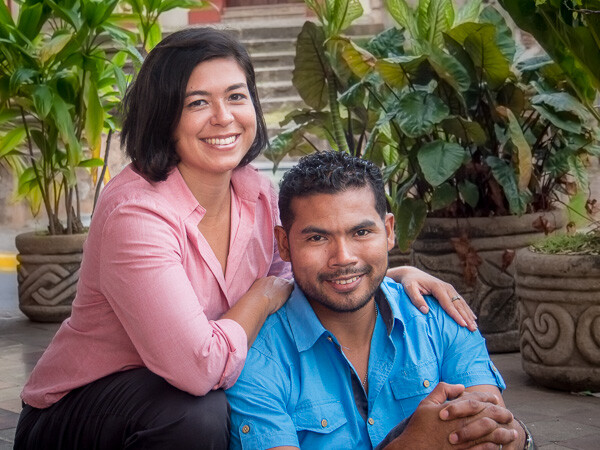
Finally walking back to our house we noticed a row of plants on the stoop. So I decided to make it work as a garden-like shot. It’s not my first choice for background but they liked it and that’s all that really matters.
Mayorga Dec14 0125 600px

Final tips

Being a portrait photographer is part lighting technician, part psychologist, and juggler. You have to take all the elements and make them work together including technical, aesthetic and work with real live people at the same time. Like I said – juggling!

If I can give you one tip to sum up doing portraits on location it would be this:

Don’t be afraid to admit it’s not working and try something else. There are lots of possibilities even in one location
Mayorga BTS 0089 600px
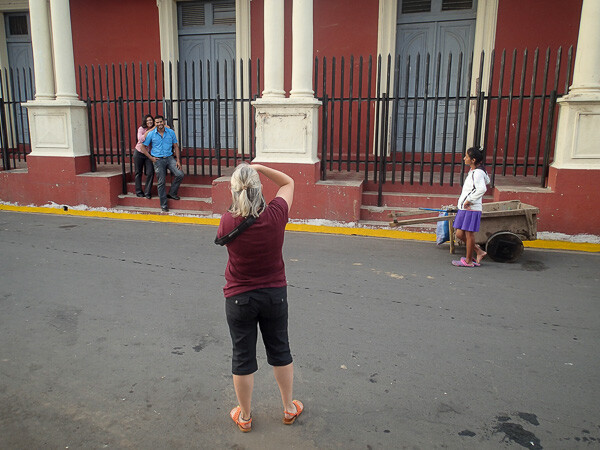
Another behind the scenes shot. I didn’t end up liking the result here but I thought you might like to see the street and a bit of the city of Granada.

googletag.cmd.push(function() {
tablet_slots.push( googletag.defineSlot( “/1005424/_dPSv4_tab-all-article-bottom_(300×250)”, [300, 250], “pb-ad-78623” ).addService( googletag.pubads() ) ); } );

googletag.cmd.push(function() {
mobile_slots.push( googletag.defineSlot( “/1005424/_dPSv4_mob-all-article-bottom_(300×250)”, [300, 250], “pb-ad-78158” ).addService( googletag.pubads() ) ); } );

The post 6 Tips for Better Portraits on Location by Darlene Hildebrandt appeared first on Digital Photography School.


Digital Photography School

 
Comments Off on 6 Tips for Better Portraits on Location

Posted in Photography


Die Abenteuer von Wolfgang dem Wolfshund

20 Dec

© John Stortz

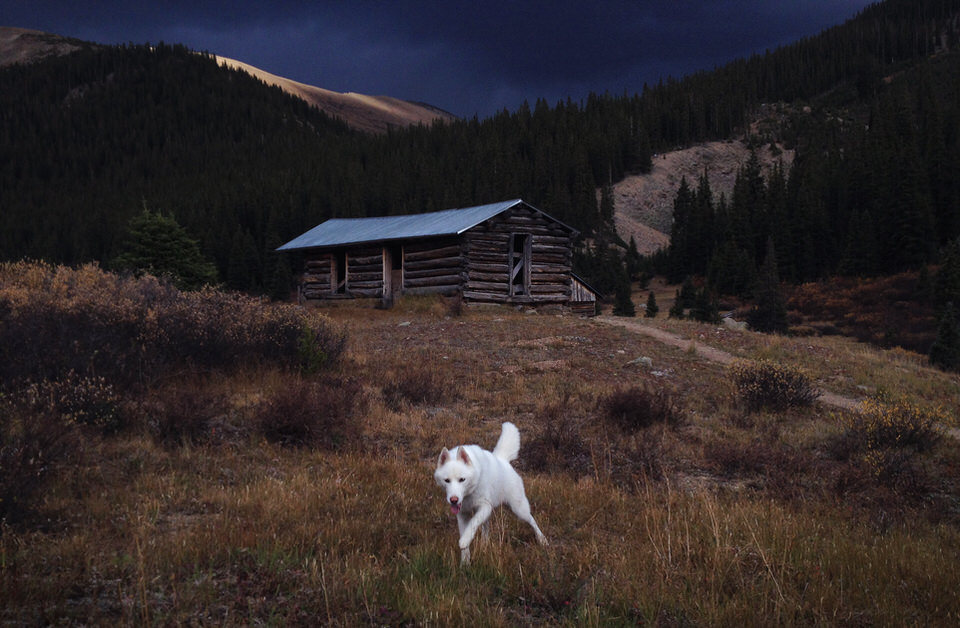
Wer auf Reisen geht, der kann eine gute Begleitung gebrauchen. Der amerikanische Illustrator und Fotograf John Stortz fand seine Begleitung vor zwei Jahren in einem Tierheim: Einen weißen Wolfshund mit dem passenden Namen Wolfgang. Gemeinsam reisen sie seitdem quer durch die USA und erleben Abenteuer.

Dabei ist Wolfgang nicht nur ein treuer Begleiter, sondern auch ein prima Fotomodell. In Johns Bildern steht er vor beeindruckenden Landschaften, rennt über Baumstämme und trabt durch seichte Gewässer. Beim Anblick dieser Fotos möchte man selbst am liebsten gleich auf Wanderschaft gehen und einen ebenso tollen Freund finden.

Wolfshund springt über das Wasser und spiegelt sich darin.

Ein weißer Wolfshund steht im Wasser.

Ein Hund rennt über eine Wiese. Im Hintergrund eine Holzhütte.

Hund sitzt in einem Lichtschein vor dem Sternenhimmel.

Hund rennt auf die Kamera zu.

Ein Hund setzt zum Sprung an. Dahinter ein Waldsee.

Ein Hund ballanciert auf Baumstämmen.

Ein Hund sitzt auf einer Wiese vor einem Gebirge.

Ein Hund rennt über einen im Wasser liegenden Baumstamm.

Hund sitzt auf einer Straße.

Hund sitzt auf einem Baumstamm und sieht in die Landschaft.

Hund auf einer gelben Wiese im Nebel.

Hund in einem gefrorenen Wald.

Hund rennt einen Holzpfad entlang.

Hund sitzt im Wald. Durch die Baume bricht das Sonnenlicht.

Hund steht auf einem Fels und sie in die Flusslandschaft hinunter.

Wer die beiden weiter auf ihren Abenteuern begleiten möchte, kann Johns Bildern auf Instagram oder Tumblr folgen. Wer sich für Drucke oder die Illustrationen von John interessiert, sollte in seinem Shop vorbeischauen.


kwerfeldein – Fotografie Magazin | Fotocommunity

 
Comments Off on Die Abenteuer von Wolfgang dem Wolfshund

Posted in Equipment


Gold Standard: Nikon D750 review posted

20 Dec

The D750 is Nikon’s newest FX-format camera, offering a number of features from the D810 in combination with a 24MP sensor. It also boasts a faster frame rate than any non-professional full-frame Nikon DSLR since the D700. Aimed squarely at enthusiasts and full-frame upgraders the D750 boasts a comprehensive video and still photography specification – see how it performed in the field and in our extensive studio tests. Read review
Articles: Digital Photography Review (dpreview.com)

 
Comments Off on Gold Standard: Nikon D750 review posted

Posted in Uncategorized


Lost Place: Ein verlassenes Dorf

20 Dec

Verlassenes Dorf

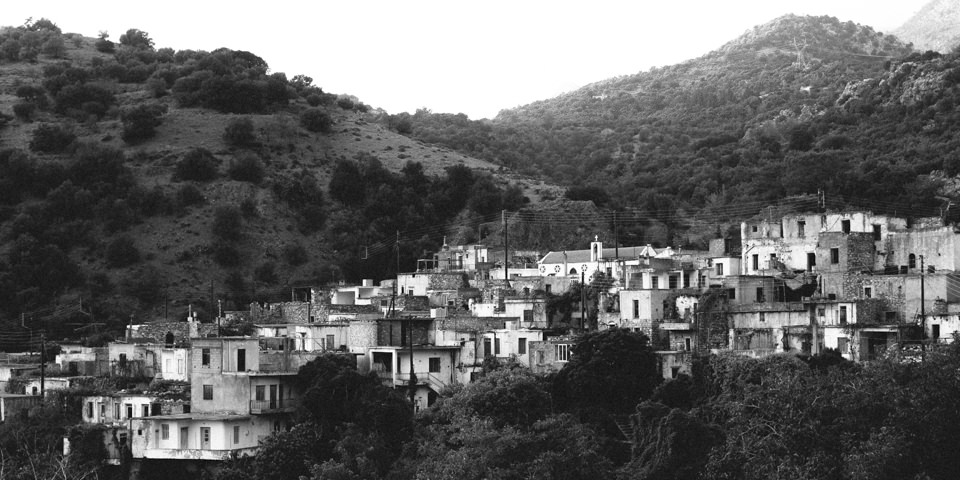
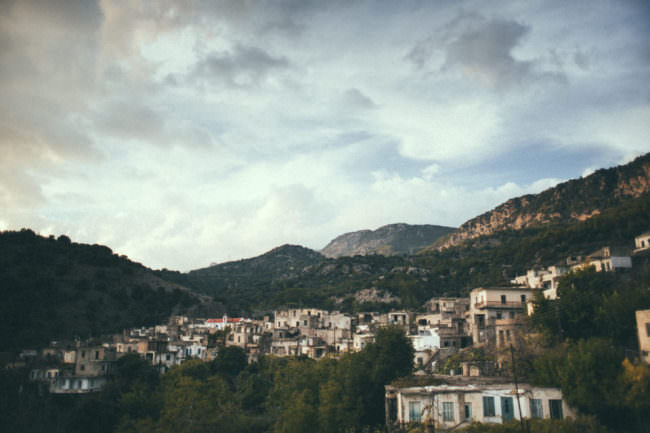
Auf der Karte ist es eingezeichnet, der Weg führt von der Hauptstraße weg auf die Nebenstraße einer Nebenstraße. Eine kilometerlange Sackgasse, die am Meer endet. Eine hauptsächlich von Ziegen genutzte Straße führt zu einem in ein winziges Tal gebettetes Dorf, das nur noch wenig Leben beherbergt. Umgeben von idyllischer Natur, Bergen und dem Blick auf das offene Meer in der Ferne strahlt es eine verstörende Ruhe aus.

Bereits von der Abzweigung der Hauptstraße aus ist es zu sehen, schon auf Entfernung wirkt es befremdlich. Fährt man die einzige befahrbare Straße entlang durch das Dorf, begegnet man noch etwas Leben in Form von ein, zwei geparkten Autos und einem noch bewohnten Haus, umgeben von Pflanzenkübeln.

Häuserdächer im Grünen

Foto: Chris Hieronimus

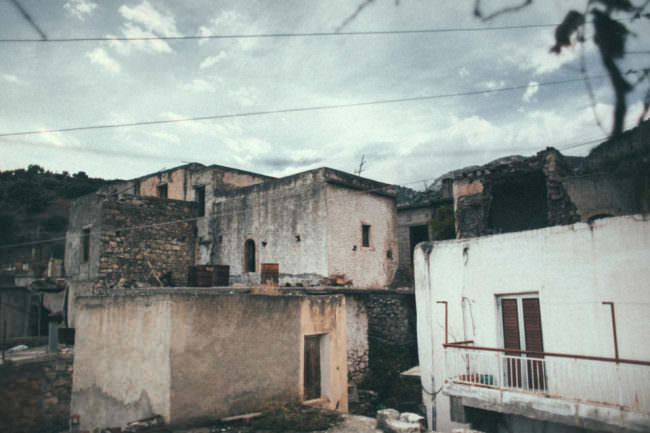
Blanke Häuser und Wolken

Foto: Hanna Malou

Wir hatten davon gehört, dass es ein komplett verlassenes Dorf auf der anderen Seite dieser griechischen Insel geben soll. Der Mitarbeiter der Mietwagenfirma konnte uns vor der Abfahrt nichts darüber sagen, obwohl er aus der Gegend stammt, in der das Dorf liegt. Der Punkt auf der Karte deutet nicht auf eine verlassene Siedlung hin, es ist einfach ein Punkt wie alle anderen.

Aber gut, wir waren entschlossen, es selbst herauszufinden. Nach einigen Stunden Fahrt an malerischer Küste und gemütlichen kleinen Dörfern vorbei, einige Kilometer hinter der letzten größeren Stadt und nach einigen unbeabsichtigt gefahrenen Schleifen biegen wir an der richtigen Abzweigung ab und fahren einmal durch den kurzen Straßenabschnitt, der durch das Dorf führt. Begeisterung macht sich breit.

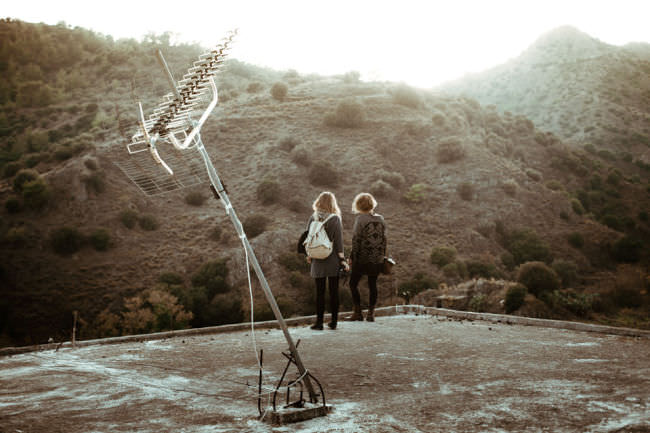
Am Ortsausgang führt ein Weg ins eigentliche Dorf hinein, dort lassen wir unser Auto nach wenigen Metern stehen. Die Wege im Dorf sind nicht für Fahrzeuge gemacht. Das erste Haus ist verschlossen, eine rostige Treppe führt hoch aufs Dach, so wie bei vielen anderen Häusern im Dorf. Wir gehen hinauf. Vom Dach aus bietet sich uns ein großartiger Blick über das ganze Dorf und das kleine Tal, in dem wir uns befinden.

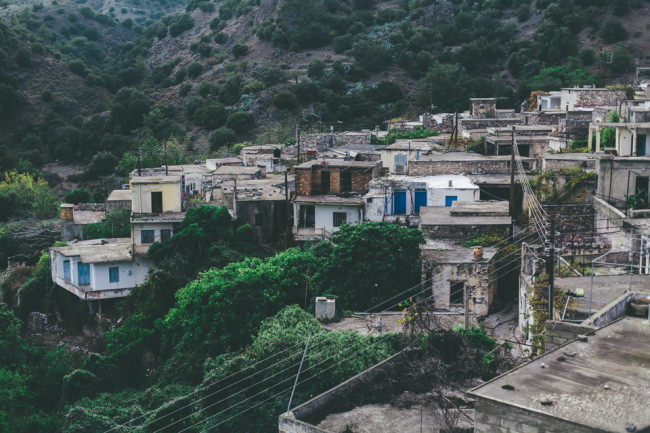
Es müssen um die 150 Häuser sein, die teilweise offen stehen, teils fest verschlossen sind. Manche sind eingestürzt, andere gut erhalten. Die Kirche im Dorf ist seltsamerweise frisch renoviert, glänzt mit neuen Fenstern und macht einen gepflegten Eindruck.

Ein verlassenes Dorf

Foto: Hanna Malou

Ein verlassenes Dorf

Foto: Chris Hieronimus

Auf dem weiteren Weg ins Dorf stoßen wir schnell an eine Absperrung, hinter der sich ein Bewässerungssystem von Gartenschläuchen ausbreitet, das eine Vielzahl an Pflanzen, Blumen und kleinen Beeten versorgt. Die wenigen Menschen, die hier noch leben, haben sich inmitten der Ruinen kleine Oasen einrichtet. Dieses erste bewohnte Haus ist recht weit oben, mit Zugang zur Straße. Ein weiteres bewohntes Haus entdecken wir mitten im Kern des Dorfes, nachdem wir an vielen verlassenen Häusern und Ruinen vorbei gegangen sind.

Die Bewohner sehen wir nicht, wir hören sie nur ab und zu, zwischen Ziegen und Hundegebell. Unweigerlich fragen wir uns, wer hier noch lebt und warum. Weshalb lebt man in einem großen, nahezu menschenleeren Dorf, das zum Großteil der Verwitterung preisgegeben ist? Teilweise geht die Fantasie mit uns durch, als wären wir Jugendliche in einem Abenteuer-Roman.

Wurden die Häuser vielleicht überhaupt nicht verlassen, sondern ihre Bewohner verstarben nach und nach? Auf der Insel gibt es sicher Schwierigkeiten damit, den Nachwuchs zu halten. Vermutlich zieht es die Jugend in die wenigen Städte oder aufs Festland. Es ist nachvollziehbar, dass dieses kleine Dorf zwar dank malerischer Umgebung in völliger Ruhe liegt, aber als dauerhafter Wohnort wenig attraktiv ist und kaum Chancen bietet, mit seinem Leben etwas anzufangen.

Zwei Menschen auf einem Dach

Foto: Chris Hieronimus

Wir finden einige Dokumente, Briefe und Zeitungen, die auf 1995 datiert sind und schließen daraus, dass das Dorf bis dahin bewohnt war. Das wiederum spricht eher dafür, dass es doch einen Zeitpunkt gab, an dem die verbliebenen Dorfbewohner sich entschlossen haben, wegzuziehen. Sind die wenigen Menschen, die heute hier leben, übrig geblieben oder haben sie sich später in dem verlassenen Dorf nieder gelassen? Wir möchten als Besucher nicht stören und machen daher einen Bogen um die Grünanlagen der Leute. Es wird recht früh dunkel, daher entschließen wir uns dazu, die Nacht im Dorf zu verbringen.

Es gibt einfach viel zu viel zu entdecken, als dass wir nach wenigen Stunden schon wieder fahren könnten. Wir wandern also durch das Dorf, untersuchen Häuser nach offenen Türen und Fenstern. Leider sind die offenen Häuser nicht in einem Zustand, der es erlauben würde, darin ein Lager aufzuschlagen. Da das Tal aber völlig windstill ist, gehen wir zurück auf das Dach des ersten Hauses und stellen unser Zelt auf. Die Dämmerung macht das Dorf nicht unbedingt freundlicher.

Die Geräusche der Ziegen, Katzen, Hunde und der Menschen lassen sich nicht genau zuordnen, wir sitzen also auf dem Dach und haben ein mulmiges Gefühl im Bauch. Der Entdeckergeist und das rationale Denken ergeben sich schließlich der Paranoia, spätestens als irgendein lautes Geräusch durch das Tal schallt, zu dem jeder von uns dreien eine andere Assoziation hat.

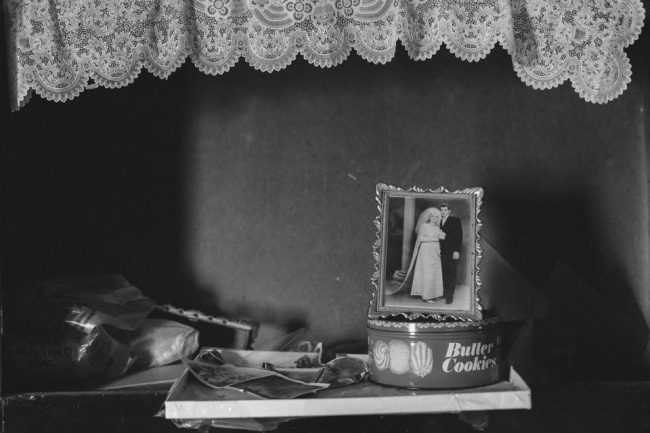
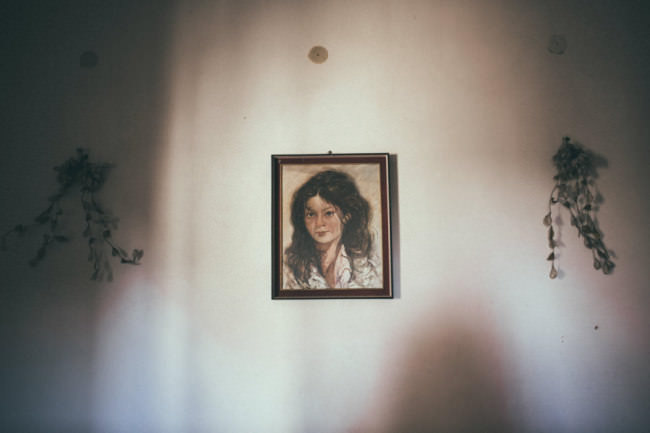
Ein Hochzeitsfoto auf einer Keksdose

Foto: Chris Hieronimus

Ein Bild an der Wand

Foto: Hanna Malou

Wir entscheiden uns dennoch für einen Nachtspaziergang durch das Dorf. Das Licht der wenigen Laternen ist ausreichend und wir wollen uns die Kirche gern näher anschauen. Der einzige Weg zur Kirche führt an einem der noch bewohnten Häuser vorbei, aus dem Stimmen und klapperndes Geschirr zu hören sind. Ein Mann füttert die Katzen. Auf dem Rückweg machen wir dennoch einen Bogen um das Haus und klettern über eine Ruine. Die Paranoia gewinnt.

Den entspannten Abend auf dem Häuserdach hätte nur ein Lagerfeuer noch aufwerten können. Wir sind versorgt mit lokalen Früchten und blicken in die Ferne, wo im Dunkeln der Übergang von Meer zu Horizont verschwimmt. Unsere Stimmung wird getragen von der Bewunderung für die Schönheit dieses Ortes und zugleich der Verwunderung über die Paradoxien, die sich uns nicht erschließen.

Am nächsten Morgen weicht die Paranoia der warmen Morgensonne. Das zuvor an der Straße geparkte Auto steht mit laufendem Motor neben unserem Mietwagen. Von unserem Dach aus beobachten wir und fragen uns, was vor sich geht. Haben wir jemanden mit unserer Anwesenheit verärgert? Ein Mädchen steigt mit ihrem rosa Rucksack aus dem Wagen, läuft vor zur Straße und steigt in den Schulbus ein, der sie die Hügel hinauf mitnimmt.

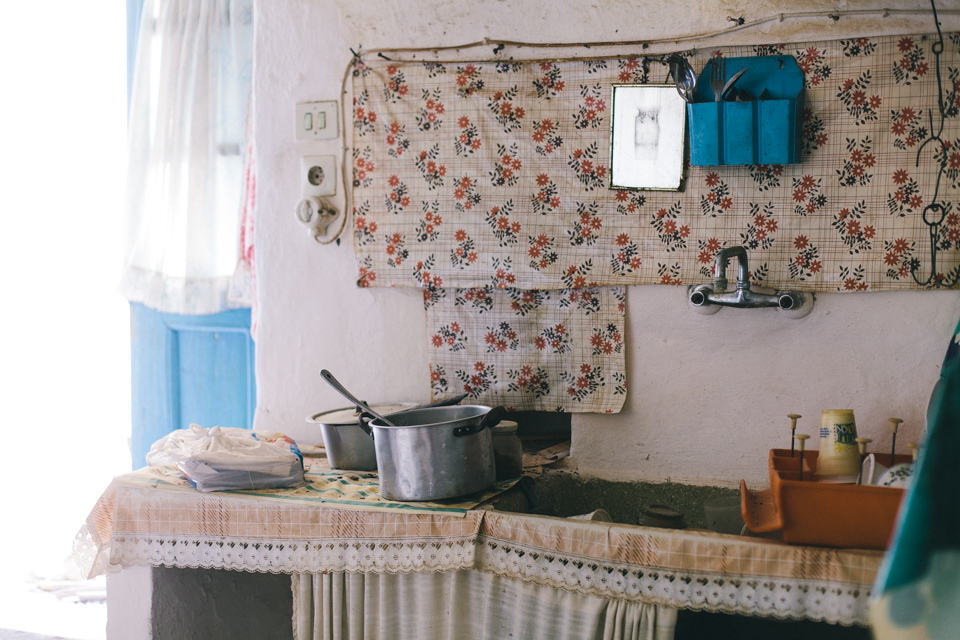
Verlassene Küche

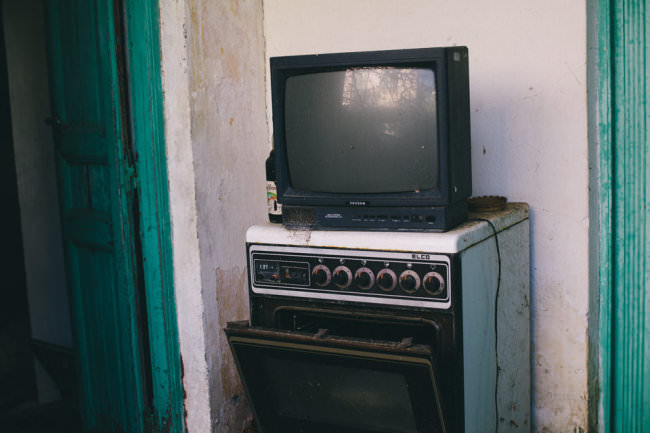
Ein Fernseher auf einem Herd

Fotos: Chris Hieronimus

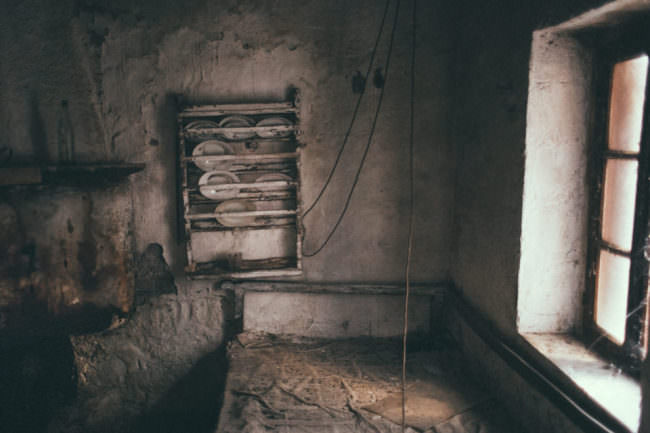
Wir spazieren erneut durch das Dorf, dieses Mal im Hellen. Über Dächer, Balkone und durch offene Fenster kletternd finden wir in vielen Häusern Spuren der Menschen, die sie einst bewohnten. Fotos, Briefe, Tagebücher und persönliche Gegenstände, teilweise vollständig eingerichtete Zimmer mit Schränken samt kompletter Garderobe. Warum wurden so viele persönliche Gegenstände zurückgelassen? Wer würde sein Haus verlassen, aber Tagebücher und Hochzeitsfotos nicht mitnehmen?

Auf einem Balkon weiter oben steht ein Mann und raucht eine morgendlich Zigarette. Wir grüßen und spazieren weiter. Ein weißer Bus fährt durch das Dorf, den wir später einige Kilometer weiter wiedertreffen. Zwischen zwei halb eingestürzten Gebäuden pflücken wir einige reife Granatäpfel vom Baum und essen sie in der warmen Sonne auf „unserem“ Dach. Dann verabschieden wir uns von diesem seltsamen Ort, unsere offenen Fragen nehmen wir mit.

Ein verlassenes Zimmer

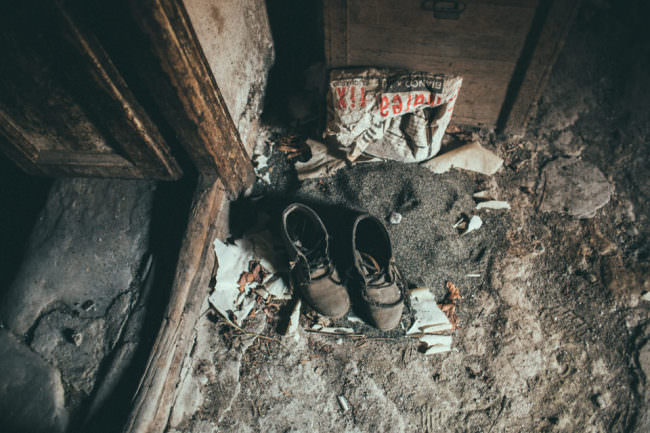
Kaputte Schuhe

Fotos: Hanna Malou

Der Besitzer des weißen Busses ist Obsthändler im nächsten Dorf. Er hat uns auf dem Dach zelten sehen, sagt er lachend. Über die Geschichte des Dorfes kann er uns auch nicht viel sagen, was zum Teil auch der Sprachbarriere geschuldet ist. Die Menschen sind einfach irgendwann gegangen, sagt er. Er lässt uns von dem köstlichen, lokalen Honig probieren, wir kaufen Obst und Gemüse und machen uns wieder auf den Weg.


kwerfeldein – Fotografie Magazin | Fotocommunity

 
Comments Off on Lost Place: Ein verlassenes Dorf

Posted in Equipment


19. Türchen: Walimex

20 Dec

walimex pro Einsteiger Set

19. Türchen

Unsere Türchen werden immer größer und schon heute passt der Gewinn kaum noch unter einen normalen Weihnachtsbaum, denn die Firma Walimex hat nicht nur ein einfaches Studiozubehör zur Verfügung gestellt, sondern ein ganzes Studio-Set für ambitionierte Hobbyfotografen.

Im „Walimex pro VC-300 Excellence Einsteiger Set“ enthalten ist eine leistungsstarke VC Excellence Blitzleuchte mit 300 Ws und integriertem Empfänger, einem weißen Durchlichtschirm und einem sehr stabilen Lampenstativ. Alles, was man für einfache Lichtsetups braucht. Die Ausrüstung ist leicht und schnell verstaut, wodurch sich das Set auch für Aufnahmen außer Haus eignet.

Alle Einstellungen wie Blitzleistung oder Einstelllicht können bequem per Tastenklick über den separat erhältlichen Funkauslöser vorgenommen werden oder auch über das übersichtliche und benutzerfreundliche Bedienpanel am Blitz selbst. Die Leistung ist von 1/1 bis 1/32 regelbar und genauso wie das 150 W Einstelllicht stufenlos und proportional einstellbar.

walimex pro VC-300 Excellence Einsteiger SetWalimex Pro First Steps Studio Schulungs-DVD

Obendrauf legt Walimex noch die Schulungs-DVD „Walimex Pro First Steps Studio“, sodass Ihr direkt kreativ werden könnt. Die DVD bietet drei Stunden Material mit zahlreichen Tipps und Tricks für die ersten Schritte im Studio und zehn beispielhafte Licht-Setups für verschiedene Bildergebnisse.

Die DVD hat einen Wert von 34,99 €, das Studio-Set kostet 319 €. Über beides zusammen kann sich unser heutiger Gewinner freuen. Viel Glück!

Um das Set zu gewinnen, schreibe einen Kommentar unter bürgerlichem Namen und gültiger E-Mail-Adresse bis heute um 24 Uhr. Danach verlosen wir es per Zufallsgenerator unter allen Kommentatoren. Die genauen Gewinnspielregeln findest Du hier. Viel Glück!


kwerfeldein – Fotografie Magazin | Fotocommunity

 
Comments Off on 19. Türchen: Walimex

Posted in Equipment


19. Dezember 2014

20 Dec

Das Bild des Tages von: sinnen

Eine Frau mit Christbaumkugeln auf dem Kopf.

Fotolinks des Tages

1. Dezentrale Fluchtlicht-Impressionen

Was macht eigentlich Flutlicht? „Klar, es beleuchtet ein Fußballstadion.“ Falsch. Es beleuchtet noch viel mehr, nämlich anliegende Nachbarschaften. Christoph Buckstegen hat sich diesem Phänomen angenommen und eine ungewohnte Sicht auf Fußball-Städte dokumentiert. Gerade weil Buckstegen keine erkennbare Bildbearbeitung betreibt, wirkt das surreale Licht umso glaubwürdiger und überzieht die Stadtlandschaften mit einer Art Magie. → ansehen

+ Für Neugierige liegt im Spielmacher-Verlag das zugehörige Fotobuch* bereit, das auch unter dem Christbaumlicht eine gute Figur macht.

2. New York City U-Bahn, 1966

Wer bei Fotos von der New Yorker U-Bahn sofort an Bruce Davidson und seine Blitz-Portraits von Passanten denken muss, kann nun seinen Horizont um Aufnahmen von Danny Lyon erweitern. Dieser war einige Jahre früher dran und das sieht man nicht nur am Kleidungsstil der abgebildeten Menschen, sondern auch an der Tatsache, dass die U-Bahnen noch nicht vollständig „zugetagt“ waren. Da Lyon keinen Blitz benutzte, wirken die Aufnahmen um einiges natürlicher als bei Davidson und bekommen dadurch einen unverwechselbaren Charme. → ansehen

3. Flickr lenkt ein

Vor einem Monat traf Flickr eine Entscheidung, die auf sehr viel Widerstand in der Community stoß und international für Aufregung sorgte: Nutzer sollten Bilder als Prints bestellen können, die unter CC-Lizens standen und nicht direkt zum Verkauf angeboten wurden. Nachdem der Aufschrei nicht abriss, gab Flickr nun bekannt, dass zwar weiterhin Fotos bestellt werden können, nicht mehr aber Fotos, die CC-lizensiert sind. Verkäufe werden rückwirkend vergütet. Es zeigt sich also, dass Flickr (Yahoo) durchaus auf seine Nutzer hört und gegebenenfalls einlenkt. → ansehen

* Das ist ein Affiliate-Link zu Amazon. Wenn Ihr darüber etwas bestellt, erhält kwerfeldein eine kleine Provision, Ihr zahlt aber keinen Cent mehr.


kwerfeldein – Fotografie Magazin | Fotocommunity

 
Comments Off on 19. Dezember 2014

Posted in Equipment


Flickr Wall Art removes Creative Commons prints

20 Dec

Flickr has apologized to users upset over its Creative Commons-licensed print options. Effective immediately, all CC images have been removed from its Wall Art printing service. Users are still able to order prints of their own images, photos provided by Flickr’s own licensed artists and photographers who have requested their images be included. Read more

Articles: Digital Photography Review (dpreview.com)

 
Comments Off on Flickr Wall Art removes Creative Commons prints

Posted in Uncategorized