RSS
 

Archive for September, 2014

Harness the Power of Fringe + iPhone 6 Gadgets

12 Sep

Extra photos for bloggers: 1, 2, 3

You’ve been looking around for years for a fun friend that is both helpful and tiny enough to carry in your pocket.

The Tassel Charging Cable Keychain is the little guy you need to help keep you all charged up and be your ever so fashionable friend.

The Tassel’s fringe is made of hand-stitched top grain leather. Clip it onto your bag or keyring for a stylish accessory.

But don’t let its high fashion exterior fool you, this dude is ready for business. Open the magnetized flap to reveal charging cables for your phone. Choose from Lightning connector for iPhones or Micro USB for Androids.

Your new pal is stylish and ready to go anywhere! Never worry about packing another charge cable again, with the Tassel by your side.

Flaunt some Fringe
$ 59 at the Photojojo Shop

(…)
Read the rest of Harness the Power of Fringe + iPhone 6 Gadgets (110 words)


© Britta for Photojojo, 2014. |
Permalink |
No comment |
Add to
del.icio.us

Post tags:


Photojojo

 
Comments Off on Harness the Power of Fringe + iPhone 6 Gadgets

Posted in Equipment


Traveling Photographer_DUBAI has Ben Posted

12 Sep

For those following The Traveling Photographer project (more info on the whole project here) the Dubai episode has just been posted.

-30-


Strobist

 
Comments Off on Traveling Photographer_DUBAI has Ben Posted

Posted in Photography


10 Useful Guides on How to Shoot Cars Like a Superstar

12 Sep

If diamonds are women’s best friends, than cars are certainly men’s. Cars are attractive in many ways: the interior and exterior style, the sounds they produce and speed they’re able to achieve. Car photography is not that easy task as it may seem from the first glance. Various techniques are used on whether car is moving along the street or Continue Reading
Photodoto

 
Comments Off on 10 Useful Guides on How to Shoot Cars Like a Superstar

Posted in Photography


Wiederkehrende, verblassende Erinnerungen

12 Sep

Fotos tragen unsere Erinnerungen in sich. Viele von uns, die ohne digitale Fotografie aufgewachsen sind, haben Erinnerungen, Familiengeschichte und Zeitzeugnisse auf vielen unterschiedlichen Medien festgehalten.

Manche haben sicherlich, so wie ich, Kisten voller Umschläge mit Abzügen, Negativen, Dias und Fotoalben, oftmals liebevoll versehen mit Daten und Anmerkungen. Sie helfen uns bei der Frage danach, wer wir sind.

„This is you“ heißt ein Projekt der Fotografen Angel Albarrán und Anna Cabrera, in dem sie sich mit der Beziehung der Identität der Menschen zu ihren Erinnerungen befassen. Der Titel rührt von Kindheitserinnerungen her. Es sind die Worte des Großvaters, der einen mit seiner hölzernen Balgenkamera ablichtete, den Abzug in Händen hielt und sagte: „Das bist du“.

Eine Frau steht vor einem See

Erinnerungen verblassen und verfallen in Fragmente. Fotografien lassen uns zurück denken und holen scheinbar Verlorenes wieder hervor. Sie treten an die Stelle unserer abstrakten Erinnerungen. Unsere Erinnerungen sind oft auch nur die durch Fotos wiederhergestellte Sicht auf die Vergangenheit.

Angel Albarrán und Anna Cabrera bekamen vor einiger Zeit Negative von einem Freund, der diese im Müll gefunden hatte. Nach dem Scannen der Negative zeigte sich, dass es sich um etwa 40 Jahre alte Familienfotos handelte, die so unterbelichtet waren, dass die Personen darauf nicht mehr zu erkennen waren.

Ein Paar steht vor einem WasserfallKinder stehen an einem Aussichtspunkt

Den Fotografen wurde bewusst, dass es sich dabei um die Aufnahmen jeder beliebigen Familie handeln konnte, auch ihrer eigenen. Die Fotos wurden für sie zum Symbol von Erinnerung und den Blick auf die eigene Vergangenheit und Identität.

Sie fingen an, die Bilder durch eigene Aufnahmen zu ergänzen und schufen so eine Serie fiktiver familiärer Erinnerungen, von Personen, die es so nie gegeben hat, und die durch die Anonymität der Bilder von jedem stammen könnte. Leitend dabei war die Frage, welche Erinnerungen durch Bilder geweckt werden, die auch die eigenen sein könnten.

Um die Serie zu vereinheitlichen und die eigenen Bilder stimmig in die alten Bilder einzureihen, entschieden sich die Künstler für einen abstrakten Druckprozess. Die warmen Farben der Aufnahmen unterstützend, wurden die Fotos mit japanischem Gampi Papier auf Blattgold verarbeitet, was den Bildern gleichzeitig eine matte Oberfläche verlieh. Es sollte keine starke Retusche an den Bildern erfolgen und dennoch das Gefühl von zeitlosen Erinnerungen entstehen.

Eine Frau im HalbdunkelnZwei Personen stehen vor einem See

Ich konnte viele Parallelen finden zwischen diesen Bilden und den Abzügen, die ich in meinen eigenen Familienalben habe. Es sind Bilder, die vor meiner Zeit entstanden sind und die meine Eltern und Großeltern auf Reisen, Feiern und im Alltag zeigen. Aufnahmen aus meiner frühen Kindheit, die meine gesamte Erinnerung an diese Zeit darstellen.

Eigentlich handelt es sich dabei überhaupt nicht um Erinnerungen, aber die Bilder schaffen in meinem Kopf die Illusion, Ereignisse und Erlebnisse aus dieser Zeit vor mir zu sehen, auch wenn es nur die hinter Plastik geklebten Fotos in abgegriffenen Alben sind, die ich vor Augen habe.

Postkarte eines Wasserfalls

Das Projekt hat einen spannenden Gedankenfluss in mir angeregt. Nicht nur darüber, wie meine Erinnerungen konstruiert sind, sondern auch darüber, wie ich mit meiner Fotografie umgehe. Fotos können als Medium auf so vielen Wegen kommunizieren, dass es dem Fotografen nahezu unmöglich ist, die Wirkung eines Bildes genau zu steuern. Interpretationen gibt es wohl mindestens so viele wie ein Bild Betrachter findet.

Ich frage mich, worin der Wert meiner Bilder in 40 Jahren bestehen wird. Was werden sie dann zu sagen haben? Welchen Teil meiner Erinnerung werden sie ergänzen oder ersetzen? Vermutlich werden meine Erinnerungen stark romantisiert sein, denn Schattenseiten finden sich selten in einem Familienalbum. Und wenn doch?

Wie würde ich wohl in 40 Jahren mit einem Fotoalbum umgehen, das auch die dunklen Momente der Vergangenheit wiederspiegelt? Natürlich bilden Fotos immer das subjektive Erleben ab, und die Vorliebe dafür, Schönes festzuhalten und Schlechtes zu vergessen, ist menschlich.

Die Schatten in den Bilden dieser Serie hinterlassen bei mir allerdings ein Gefühl der Unvollständigkeit meiner Erinnerung und den Drang danach, später in meinem Leben durch Bilder nachvollziehen zu können, wie ich die Welt damals, also heute, gesehen haben werde, die guten und die schlechten Zeiten.

Eine Person steht vor einem Fenster

Die gesamte Serie ist auf der Webseite der beiden Fotografen zu finden. Das Paar, beide sind gebürtig in Spanien, lebt in Frankreich und arbeitet seit über 17 Jahren zusammen. Sie sind fasziniert von der Beziehung des Menschen zu Raum und Zeit und nähern sich dieser Thematik über verschiedene fotografische Medien, weshalb sie gerne mit unterschiedlichen Verfahren experimentieren.


kwerfeldein – Fotografie Magazin | Fotocommunity

 
Comments Off on Wiederkehrende, verblassende Erinnerungen

Posted in Equipment


Sigma announces 18-300mm F/3.5-6.3 DC Macro OS HSM ‘C’

12 Sep

Sigma has announced a new superzoom lens for APS-C format DSLRs. The 18-300mm F/3.5-6.3 DC Macro OS HSM takes its place in the company’s ‘Contemporary’ linep, offering a focal range equivalent to 27-450mm. The new lens will be available next month for $ 579 in Sigma, Nikon, Canon Pentax and Sony mounts – the latter two will not feature OS optical image stabilization. Read more 

Articles: Digital Photography Review (dpreview.com)

 
Comments Off on Sigma announces 18-300mm F/3.5-6.3 DC Macro OS HSM ‘C’

Posted in Uncategorized


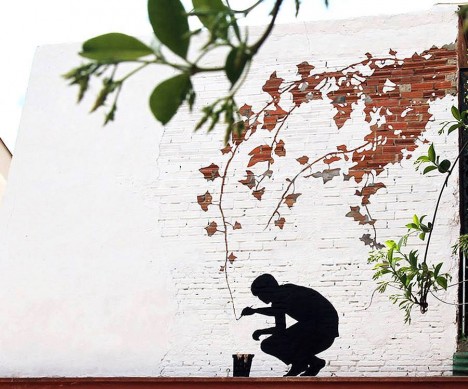
Mirage Muralist: Street Artist Bends Surfaces Using Illusion

12 Sep

[ By WebUrbanist in Art & Street Art & Graffiti. ]

street art subtractive wall

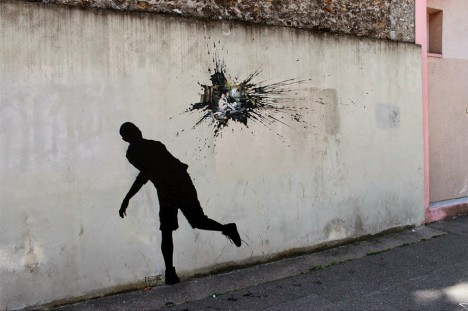
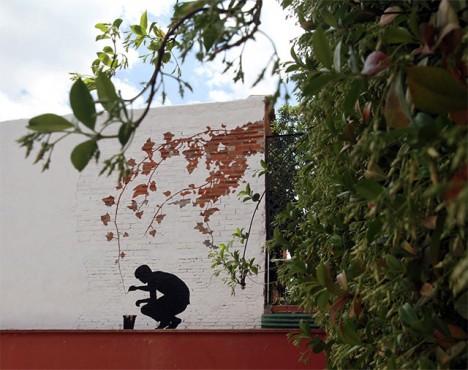
With works often requiring second looks or sanity checks, artist Pejac bends reality in his use of paint and other materials to create sublime art from walls, streets, sidewalks and gutters.

street art splatter paint

street art painting scene

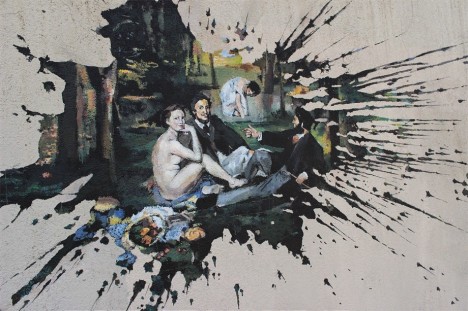
His newest works in Paris, shown above and below, play with our sense of surface and depth, revealing a hidden world beyond the wall in each case. If the close-up scene looks familiar, you may recognize it as The Luncheon on the Grass by Manet.

street door silhouette drawing

street art door illusion

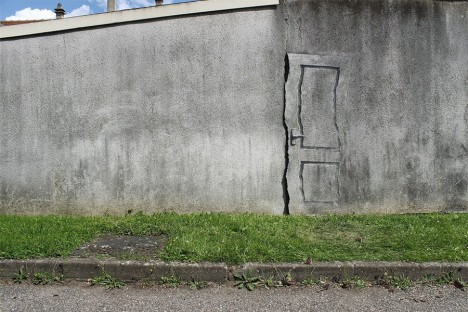
Likewise implying something secret is this silhouette of a door – at a glance, it is hard to tell what part is a real crack in the concrete and which pieces are simply painted on top.

street art world flow

In previous projects, he has also played with the arts of subtraction and illusion in other clever ways – letting the world, for instance, slowly melt, drip and trickle toward the drain.

street art brick removal

street art paint closeup

Some of these works are quite time-intensive and incredibly detail-sensitive, like this final piece in which the artist carefully chipped away at the white paint on a brick wall to selectively reveal the red surface below it.

Share on Facebook


[ By WebUrbanist in Art & Street Art & Graffiti. ]

[ WebUrbanist | Archives | Galleries | Privacy | TOS ]


WebUrbanist

 
Comments Off on Mirage Muralist: Street Artist Bends Surfaces Using Illusion

Posted in Creativity


SanDisk unveils 512GB Extreme Pro card

12 Sep

SanDisk has announced the latest addition to its Extreme Pro class of memory cards. The 512GB Extreme Pro SDXC UHS-I is introduced as the world’s highest capacity SD card, supporting 4K video with write speeds up to 90 MB/s and UHS Speed Class 3 recording. Read more

Articles: Digital Photography Review (dpreview.com)

 
Comments Off on SanDisk unveils 512GB Extreme Pro card

Posted in Uncategorized


8 Tips for Creating an Online Photography Portfolio

12 Sep

Dreaming about a career as a professional photographer? With the right guidance, practice, skills, network, and portfolio, you can make your dream come true.

Developing the necessary skills required to be a professional photographer cannot easily be summed up in a single blog post, let alone many. And networking… well, if you are like most artists, that can be nightmarish, but nevertheless, is absolutely critical. As your referral network grows, so will your business. But that can take years.

So, you may ask yourself, how do I start?

BBB online portfolio

Step 1 – create your portfolio. This is a great starting point to help launch your career as a photographer.

Here are eight tips to get you on the right path to creating an online photography portfolio and securing those potential gigs.

1. Show off your work:

In other professions, people use their resumes to apply for potential jobs. However, as a photographer, your portfolio will act as the resume and will showcase the breadth of your work. It will give potential clients a deeper look into your particular forte and expertise.

2. Organize:

Site organization

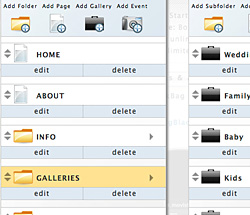
Your breadth of work should be arranged according to theme or subject. If your work is presented in an organized and easy to navigate way, chances are, potential clients will appreciate the curation and level of professionalism that went into putting your portfolio site together. It also makes their lives a lot easier when looking through your work.

3. Show your best work:

Remember, this is your portfolio site, not your external hard drive. So, you want to make sure that only the best of the best goes up. No one needs to see every single thing you ever shot. Clients need to know what you are good at, so make sure to show only those images that truly count. You may also want to put your best work at the forefront of your site. Most clients are busy and don’t have the time to scan through every photo in all of your galleries, so make sure the work that you are most proud of is at the beginning of your photo galleries.

4. SEO, SEO, SEO:

Often times photographers create beautiful sites and then wait around hoping that clients will see them. However, they forget that they need SEO (search engine optimization). How will anyone hire you, if they can’t find you in a search? Use a portfolio service that enables you to take control of your SEO, and includes search engine friendly URLs, crawl-able content, and unique meta tags. These features will drive traffic to specific places on your site and build links to more than just your homepage.

Seo friendly page names

5. Website Builder Versus Custom Website:

You may have good intentions to build your own custom portfolio site, wanting it to be a representation of your own unique brand. However, make your life easier and focus on your work, and leave the coding and technicalities to the professionals. Portfolio builder sites will take the guesswork out of the process and will allow you to quickly put together a working, professional site in a short amount of time, so that you can focus on creating and refining your photography.

6. Choose a platform that makes your life easier:

Nowadays, there are so many portfolio sites to choose from that it can be overwhelming. Some highlight cheap services, various levels of efficiency, and different features. For an aspiring photographer, you want a site that is easy to use, and has a large selection of customizable and flexible templates, so that the site you create truly reflects your personal branding and style. You may also want to use a site that includes unlimited photo proofing. As a professional photographer, you may find yourself uploading thousands of visuals, and you don’t want to be stuck paying for each upload. Stick to a platform that allows you to do this without charging exorbitant fees.

7. Choose a platform that makes your client’s life easier:

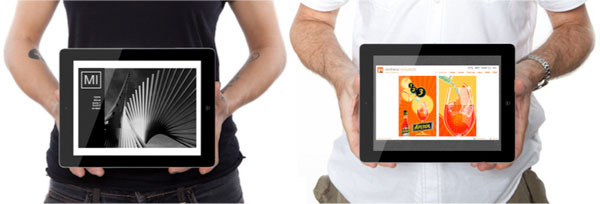
Look for a platform that makes it easy for potential clients to use. The platform you decide to go with, should make it easy for clients to navigate your portfolio using a desktop computer, tablet, or smartphone. Using a portfolio website service, with responsive design, will allow your clients to see your site perfectly formatted to their device. Also, if you plan a career as a commercial photographer, like focusing on weddings, kids, etc, you may want to give your clients the option to purchase certain images directly from your site. Look for a site that has a built-in e-commerce function that clients can use to easily choose and purchase the images they love.

8. Marketing:

Marketing

Lastly, you want a site that helps you to connect all your social media pages with your portfolio site. This way, visitors can share your photos on social media platforms with just a click, allowing you to gain more visibility for your brand. You also want to look for a platform that helps you manage your client email list, so that you are ready and organized for sending mass emails.

It may at first seem overwhelming all the things you need to do to get your portfolio together. However, if you really sit down and get your plan together and choose the right portfolio website builder, you can create a beautiful, professional site in days. Now get out there and start putting your site together!

More tips on making a portfolio here:

  • Turning Pro Part I: Portfolio and Persistence
  • How To Build A Portfolio Without Clients
  • How to Present Your Photographic Portfolio and Get Photography Work

The post 8 Tips for Creating an Online Photography Portfolio by Julian Dormon appeared first on Digital Photography School.


Digital Photography School

 
Comments Off on 8 Tips for Creating an Online Photography Portfolio

Posted in Photography


The Desertron: World’s Largest Super Collider Lies Abandoned

12 Sep

[ By WebUrbanist in Abandoned Places & Architecture. ]

super collider tunnel digging

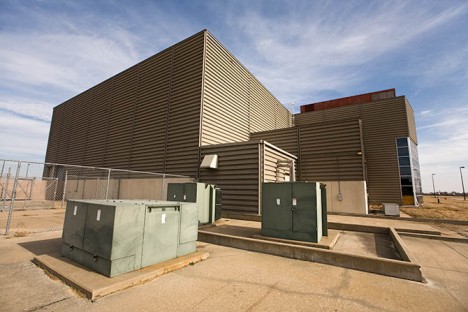
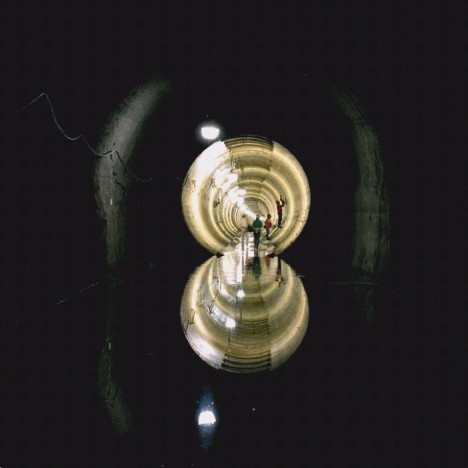
Designed to break records held by the Large Hadron Collider at CERN, the Superconducting Super Collider built (and abandoned) in Texas features fourteen miles of unseen and unused underground tunnels.

abandoned tunnel surface complex

abandoned super collider complex

Construction on what was to be the largest particle accelerator in the world started in the early 1980s but funding cuts in the early 1990s caused the entire project to be shut down. By that time, billions of dollars were already spent and the expected tag had tripled from 4 to 12 billion, 17 shafts were dug and 14 miles of tunnel excavated (out of a total of 51 planned).

abandoned particle ssc texas

abandoned underground tunnels texas

abandoned tunnels urban exploration

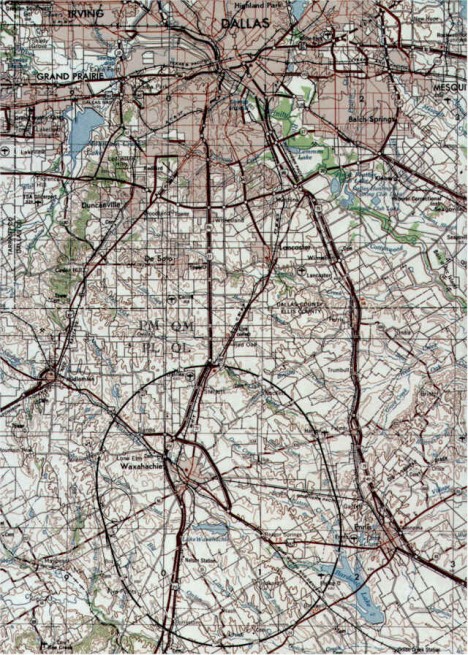
Located on a site near Waxahachie, Texas (south of Dallas, shown on a map below) without existing tunnels (which helped in the building of the LHC), removing millions of tons of soil proved to be a budget-breaking expense for the SSC. The complex has since gained the apt nickname ‘Desertron’ for obvious reasons.

abandoned subterranean super collider

supercollider particle accelerator map

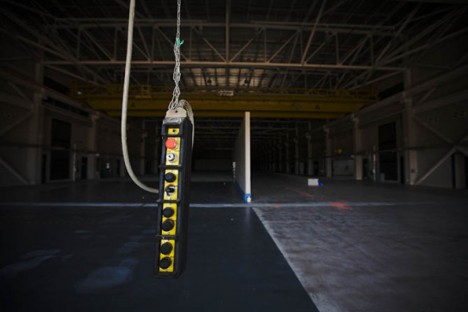
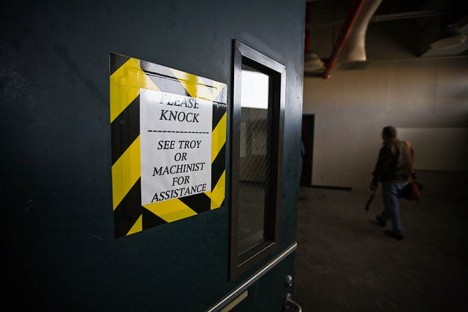
Except for underground generators, most of the major machinery was removed from the site before it was deed to the local county, which in turn sold it to a private corporation planning to turn it into a data center. With an independent power grid and dedicated fiber optic line it seemed like a good fit, but when its would-be developer died in an accident the plans were scrapped. Since then it has remained empty, but has again been purchased, this time by a chemical company.

super collider exploration

super collider complex interior

super collider abandoned inside

Many factors have been cited as contributors to its abandonment, including the end of the Cold War with Russia and the comparable amounts being budgeted for the United States’ contribution to the International Space Station – at the time, it seemed to many to that spending as much on the SSC as the ISS would be folly (images via Jim Merithew, AmusingPlanet, Wired and Wikipedia).

Share on Facebook


[ By WebUrbanist in Abandoned Places & Architecture. ]

[ WebUrbanist | Archives | Galleries | Privacy | TOS ]


WebUrbanist

 
Comments Off on The Desertron: World’s Largest Super Collider Lies Abandoned

Posted in Creativity


How to Grow Your Photography Business with an Email Newsletter

11 Sep
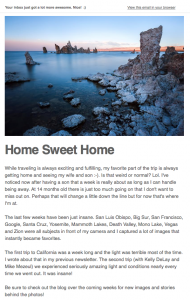
Sample From My Newsletter

Sample From My Newsletter

Ready for some controversy? Well, here it goes: One of the most useless things I see a lot of photographers doing with their time is trying to get popular on social media. There, I said it! Now, please let me explain.

There are certainly benefits of having a strong social media presence. I would be an idiot not to realize that. Just look up people like Colby Brown, Chris Burkhard, Nicole S. Young, Trey Ratcliff, Hilary Fox, etc. These people get flown around the world by large and small companies because of their social reach. The fact is, most of them either have unheard of work ethics or had some big breaks along the way to help kickstart their social media presence. And guess what…a lot of them have very successful and large newsletter (email) lists.

So, how much time do you spend every week posting your images to Facebook, Twitter, Google+, 500px, etc? For a lot of you, it’s countless hours. Do you ever feel like you’re spinning your wheels? How much of your income have you earned from doing so?

I started offering workshops through my photography business in January of 2014. I had done a couple local ones before, but never out of state. I started my (email) newsletter in January of 2013 and was fortunate enough to build it up to around 10,000 by the time I announced the first workshop.

So here’s the rundown: At the time I probably had around 40-50,000 followers on Google+, 5-6,000 on Twitter, 1-2,000 on Facebook and of course the 10,000 on my newsletter. When I announced the first workshop I was pretty nervous (stepping out like that and going for something I hadn’t done before on this scale). To my absolute surprise, the workshop sold out in less than 17 hours!

Here’s the crazy part; every single person that purchased a spot on my workshop came from my newsletter. I ran the workshop with my buddy Mike and he didn’t even have a chance to announce the workshop to his followers before it sold out! Not a single spot sold from my social media following, which outnumbered my newsletter numbers almost six-fold.

You can find plenty of stats out there that say newsletter subscribers convert into sales at a rate of around 250% more than social media. In my case it’s much much higher.

Where to Start

Freddie_winkAs Lao Tzu said so eloquently, “A journey of a thousand miles begins with a single step”. I highly suggest making that first step by heading over to MailChimp (note from dPS use this link to get a $ 30 credit when you sign up, disclaimer: yes we get a credit also) and getting your first newsletter set up. Their account is 100% free up to your first 2,000 subscribers, which is quite insane if you ask me! That’s a LOT of free subscribers! After you exceed that 2,000 mark you will have to start paying. In fact, my newsletter is currently pushing well past the $ 160/month mark. That’s fine though, because it forces me to make sure I send out a newsletter on a regular basis to make sure I’m not throwing that money away. And trust me, that $ 160 monthly fee is well taken covered.

MailChimp is, at least in my opinion, the absolute best newsletter engine out there. The design is fantastic, it’s easy and intuitive to use, and they recently updating their pricing methods which is saving me a ton of money. That isn’t an affiliate link to their website either, I just truly believe they are the best.

How to Make Your Newsletter Successful

This section is a bit difficult to address considering it’s a bit personal, but I’ll do my best. My experience has been that simply being open, honest, and transparent is what people want. I don’t have anything to hide, I wear my heart on my sleeve, and I think people appreciate that (at least the ones on my newsletter list do). If every newsletter you send out is selling something then you are going to start losing the trust of your subscribers. I don’t sell something through my newsletter unless I know it’s going to benefit my subscribers in some way. Instead of selling stuff at every chance I get, I fill my newsletters with free photo tips, free presets, updates on my life, my travels, my family, etc. I want to make sure that when they see my newsletter in their inbox, it will bring a smile to their faces.

Don’t be irresponsible with it

Another way to make your newsletter successful is by not doing anything irresponsible with it. Everything kind of black hat tactic to getting a bigger list in a faster manner, is shooting yourself in the foot. Subscribers cost you every month, so it would be really dumb to start trying to buy up lists of email addresses from folks who didn’t actually subscribe to your list. These will not be targeted subscribers, and your list’s health will reflect that. Even if the email addresses are industry specific, they won’t be people who actually wanted to be on your list.

Your subscribers are not for sale

Another thing you should never do is sell your subscriber list. You will get caught. There are plenty of people out there smart enough to use unique email address for your newsletter so they can track whether or not you sell their information (check this article out for more info).

Be cautious with affiliate sales

There were rumours going around a few years ago saying that including affiliate links in your newsletters (specifically with MailChimp) would get you banned. This ultimately was not true (here’s MailChimp’s response) but they suggest using caution with affiliate links. Some companies are very clear about doing this when people sign up for their newsletter (think Snapndeals, PhotoWhoa, PictureCorrect) but the basic premise is that when someone signs up for your newsletter, they are signing up to hear about you and potentially purchase things from you, not someone else. If this sort of thing gets abused and your list stats reflect spam, you could easily get your newsletter yanked. All that work, gone.

Give your followers a reason to subscribe
cover

I’m very, very picky about which newsletters I subscribe to. I get enough email as it is already. I also read articles on plenty of websites, and have a tons of things to do for my photography business each and every day. So if I’m going to allow a person or business into my inbox, it had better be worth it. I keep that in mind every time I send out a newsletter. I ask myself, is this worth sending out for the people receiving it? I have deleted three or four entire newsletters when the answer was no.

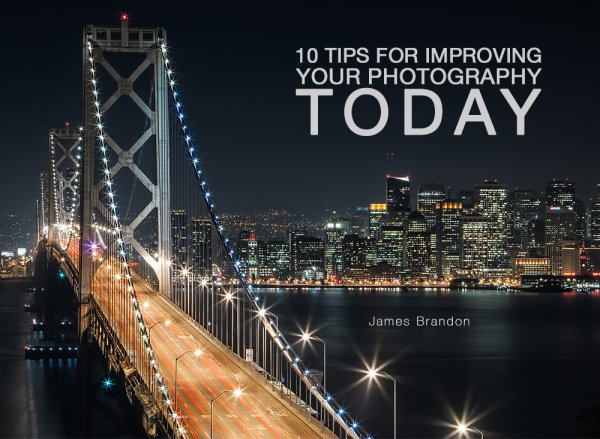
That being said, how do you make your newsletter worth subscribing to? Well, the best way to entice subscribers is by giving away something free. I put together an entire ebook just for my newsletter subscribers called: 10 Tips For Improving Your Photography Today, and it has consistently gotten great feedback. It’s short, to the point, and each tip is truly something useful that they can put into practice immediately if they so desire.

Another method is to use auto-responders (now called Automation inside MailChimp) to send out a multi-email campaign when someone subscribes. This could be a three part series, or three different ebooks, that get sent out at specific times after a successful subscription. For example, your first free gift could go out immediately after they subscribe. The second could go out a few days later and the third a few days after that. This gets the subscribers pumped up and happy to be part of your list. Just don’t set them up for a newsletter that is non-existent or not worth reading afterwards.

Acknowledge that your subscribers are your #1 fans, and act accordingly

When I click Like on a photographers Facebook page, I’m not really any more committed to them than I was before. I just want to keep up with them more. When I start reading their blog on a regular basis they have really struck a chord somewhere, and I am very interested in what they have to say. For me, to subscribe to their newsletter means that I am a huge fan of whatever they are doing. Be sure to remember that when you conduct your business!

My newsletter subscribers are first in line for everything. They get access to workshops before I announce them publicly. They get exclusive discounts that nobody else gets. They get random free stuff like presets and video tutorials. They get a deeper look into my personal life and what drives me. Essentially, I make sure they are taken care of because I truly, honestly, appreciate and value their time and their willingness to follow what I do.

So What Would You Use a Newsletter for?

I sell products (ebooks, presets, textures, video courses, etc.) and workshops through my newsletter. I realize not everyone does that. But if you are in business (making anywhere from 1-100% of your income through photography) then you have something to sell. Use your newsletter to primarily keep in touch with your clients and keep them updated on the happenings of your photography business. This keeps you in their sights and makes sure they don’t forget about you. Clients love connecting with the people they do business with, and a newsletter is perfect for this. From time to time you can send discounts for photo sessions or on print orders, do giveaways where you send a winner a free print, and so on.

Conclusion

I’ve been wanting to write this article for a long time now. Having a good, healthy newsletter is almost like having this huge secret that nobody else seems to be pursuing. I see so many photographers out there grinding it out on social media while their efforts could be spent so much better at getting a newsletter started.

I would be remiss if I didn’t invite you join my newsletter after writing an article about the importance of one. If you join through this link I’ll make sure you are taken care of handsomely! Not only will you get my standard free ebook and a discount code to my online store, I’ll also throw in my best selling ebook Tack Sharp as well as a set of 20 Lightroom presets – all totally FREE. On top of that, you’ll be able to read my newsletter that I work so hard on and extract some tips from how I use it.

If you really want to brighten up your inbox, be sure to also sign up for the dPS Newsletter (sign up box at the top of every article). I’ve been subscribed years and love it!

The post How to Grow Your Photography Business with an Email Newsletter by James Brandon appeared first on Digital Photography School.


Digital Photography School

 
Comments Off on How to Grow Your Photography Business with an Email Newsletter
Posted in Photography