RSS
 

Archive for August, 2014

Bei jedem Wetter

05 Aug

Ein Beitrag von: Giorgos Kasapidis

Ich mache seit fast 30 Jahren Bilder auf der Straße und wie ich sage: „Die Fotografie toleriert mich.“ Alles begann 1976 mit einer ausgeliehenen, russischen Lubitel und mein Flirt mit der Fotografie dauert bis heute an – in guten wie in schlechten Tagen.

Ein Menschenfoto hängt auf der Straße

Ich betrachte mich als einen Straßenfotografen für jede Jahreszeit – mit dem Genre kann ich mich ausdrücken, mit einer starken Verbindung mit den Leute auf der Straße und an öffentlichen Orten. Ich kreiere dort im Zusammenspiel mit den Menschen meine eigenen Geschichten, löse Situationen aus dem Kontext und es ist ein großes Vergnügen für mich, wenn ich dem Zuschauer das Gefühl geben kann, dass er selbst dort dabei war.

© Giorgos Kasapidis Street 6

Ich kann keine Grenze ziehen zwischen den Orten, der sozialen Dokumentation und der Reportage. Ich möchte meinen eigenen mit Emotionen geladenen Blick durch meine Leidenschaft zeigen. Das und meine Einstellung zum Erkunden und Erforschen sind der Grund, warum ich in einem schwierigen Verhältnis zur Reportagefotografie stehe: Ich unterscheide nicht zwischen Fotografie als Dokumentation und Kunst – sie hat eine doppelte Natur.

Ein Mann steht in einem Schaufenster vor einem Spiegel

Für mich entscheidend ist die enge Verbindung zur Straße und ich versuche dort, meine eigenen Geschichten zu erzählen. Die Fotos, die ich zu Hause in einem familiären Umfeld mache, entspringen dem gleichen Denken und derselben Philosophie.

Eine Frau liegt auf dem Boden

Titel benutze ich selten. Man sagt, dass ein Bild mehr sagt als tausend Worte und in diesem Sinne überlasse ich es dem Betrachter, sich seine eigenen Gedanken zu machen und teilzunehmen.

Ein Mann steht auf der Straße zwischen Fleisch an einem Metzgerstand

Ich fühle mich nicht als Künstler. Ich gehe an ungewöhnliche Orte in meiner Stadt Salonika, die ich sehr liebe und versuche, dort einen neuen Blick zu gewinnen. Viele meiner Bilder haben experimentelle Elemente, ich arbeite darin auch Erinnerungen an meine Vergangenheit und Kindheit auf.

Ein Mann balanciert auf einem Seil

Ich lege keinen großen Wert auf Bearbeitung – starke Nachbearbeitung und solche Tricks bestimmen nicht den Wert eines Fotos. Was Schwarzweiß angeht: Ich lehne Farbe nicht grundsätzlich ab und habe kürzlich damit angefangen, auch Farbfotos zu machen. Meistens bestimmen jedoch das Subjekt, die Umgebungsverhältnisse und sogar die Stimmung, ob es ein Schwarzweißfoto wird.

Ein Mann hält einen Drachen

Beeinflusst wurde ich in meiner Arbeit von Fotografen wie Garry Winograd, dem Poeten von Prag Josef Sudek, dem Tschechen Josef Koudelka, dem jungen Michal Ackerman, Trent Parke, den Griechen Kostas Balafas, Dimitris Soulas, Nikos Oikonomopoulos, aber auch von Texten wie denen von Platona Riveli.

In einem Freizeitpark sind Menschen in Plastikblasen auf einem Pool

Mehr von den Bildern von Giorgos Kasapidis könnt Ihr auf seiner Webseite und auf Flickr finden.

Dieser Artikel wurde für Euch von Sebastian Baumer aus dem Englischen ins Deutsche übersetzt.


kwerfeldein – Fotografie Magazin | Fotocommunity

 
Comments Off on Bei jedem Wetter

Posted in Equipment


Inst-Int 2014: 3 Must-See Installation Artists & Designers

05 Aug

[ By WebUrbanist in Art & Installation & Sound. ]

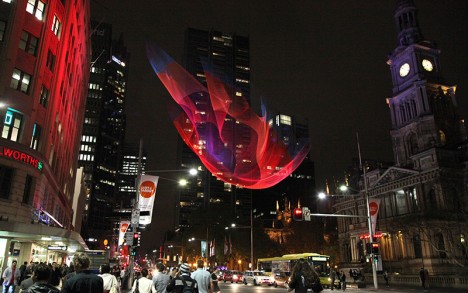
janet echelman floating cord

Featuring an all-star lineup of renowned interaction designers and installation artists, the second-annual INST-INT is a Minneapolis gathering focused the art of interactivity for objects, environments and experiences. From the creators of the Eyeo Festival, this September event will bring together presenters and guests from around the world to talk about amazing projects. As an official media partner of INST-INT 2014, WebUrbanist is pleased to provide an introduction to a small sample of its outstanding participants below.

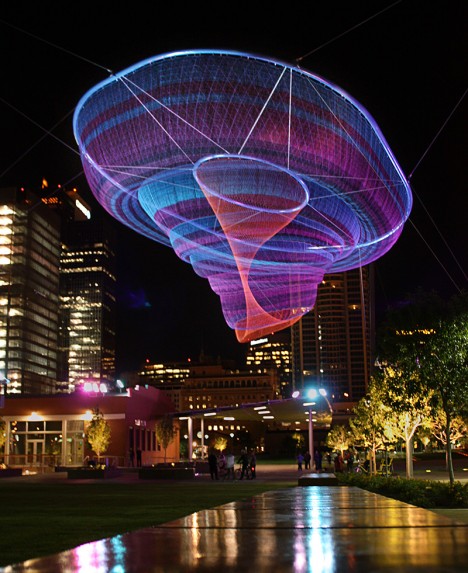
janet echelman vertical installation

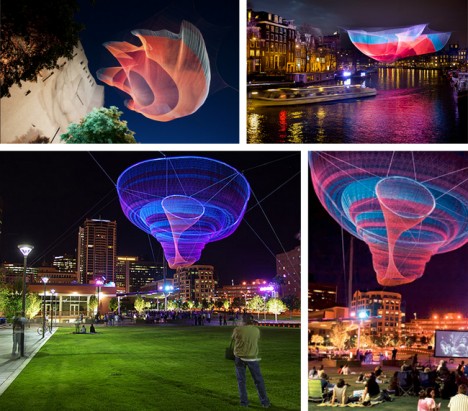
Janet Echelman builds incredible public works that respond to forces of nature, including light, wind and water. Working in open urban spaces, her iconic net sculptures represent “a sophisticated mixture of ancient craft and modern technology [that have] led to collaborations with aeronautical and mechanical engineers, architects, lighting designers, landscape architects, and fabricators.”

janet echelman work montage

Affixed to local architecture, some of her dynamic pieces involve audience participation, with observers choreographing real-time light shows to dance on her suspended pieces. The scale of these creations is hard to fathom – Skies Painted with Unnumbered Sparks in Vancouver, for instance, consists of “a complex matrix of 860,000 hand and machine-made knots and 145 miles of braided fiber weighing nearly 3,500 pounds span 745 feet.”

mit tangible media group

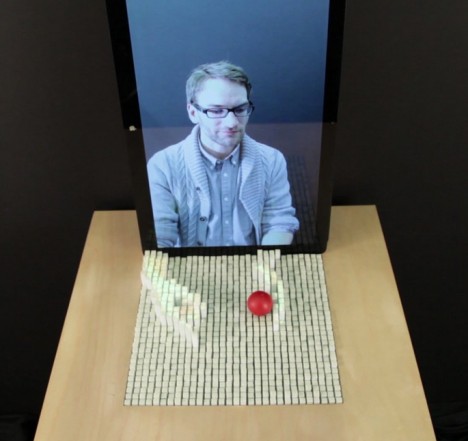
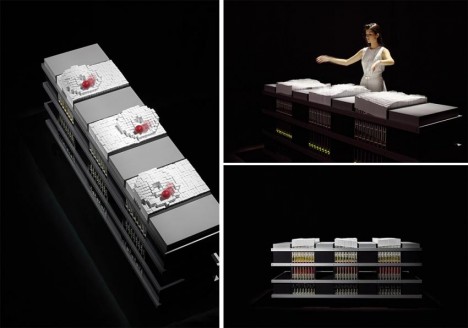
Daniel Leithinger works with the Tangible Media Group at the MIT Media Lab, with work on tangible interfaces and interactive shape displays previously featured on WebUrbanist.

mit tangible media example

Turning gestures into physical responses, these experimental interface prototypes imply rich possibilities for remote interactions of all kinds, both practical and artistic in nature, enabling actions-at-a-distance in ways that were previously impossible or cost-prohibitive.

soso limited art installation

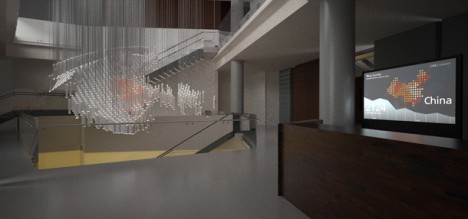
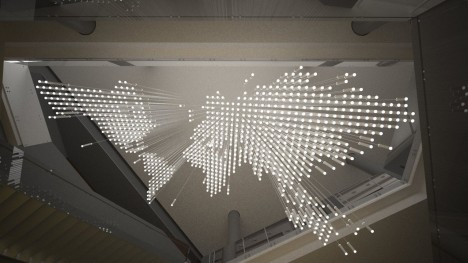
So-So Limited boasts a diverse portfolio of “interactive installations, applications, and live performances. These projects incorporate elements of dynamic typography, video manipulation, computer vision, sensor technologies and sound design.”

so so limited data chandelier

At INST-INT this year, the So-So team are inviting participants to join them “for an off-screen behind-the-scenes look at the asks, solves, and learnings of the interactive installation business. We’ll lift the hood on some of our recent projects [and] talk about lo-res data viz, interfacing with architecture and architects, the realities of making things for people that aren’t you, and the pains and pleasures of working with non-traditional display technologies.”

inst int about montage

To learn more or buy tickets, visit INST-INT.com – beyond the array of talks and workshops, there will also be show-and-tell sessions as well as launch and closing parties. Artists and creatives attending include: Dan Goods, Daniel Leithinger, Janet Echelman, Jen Lewin, Joel Gethen Lewis, Joshua Noble, Kate Hollenbach, Klaus Obermaier, Kyle McDonald, Micah Elizabeth Scott, Minimaforms, So-So Limited and Sputniko!. Meanwhile, to get a sense of last year’s event, visit this Vimeo channel.

inst int montage image

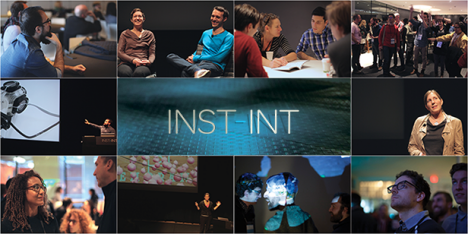
From the organizers of INST-INT: “This September in Minneapolis, INST-INT presents 3 days of lectures and workshops with renowned creators of interactive art and media rich experiences. Centered at the Walker Art Center, the international roster of speakers and guests will explore the intersection of art, technology and interaction. If you’re interested in installation art, interactive art, or responsive environments don’t miss INST-INT and the opportunity to learn from and connect with some of the most fascinating people in the field today.”

Share on Facebook


[ By WebUrbanist in Art & Installation & Sound. ]

[ WebUrbanist | Archives | Galleries | Privacy | TOS ]


WebUrbanist

 
Comments Off on Inst-Int 2014: 3 Must-See Installation Artists & Designers

Posted in Creativity


How To Enter Photo Of The Week Contest

05 Aug

Hi there FashionPhotographyBlog.com readers. Over the months of posting the winners’ photos from FPBlog’s Photo of the Week contest and I have been continually getting emails asking how to enter the contest that runs on the site. Rather that replying to every email with the same details I thought that I would be able to cover the instructions in a blog post so that everyone will be all on board. Entering Photo of The Week is actually really simple to do and only takes 4 steps!

Fill In The Form To Enter

How To Enter Photo of The Week Competition


1) Subscribe to our mail list via our website by filling your details on the form and click the “Yes, Let Me In Now” button on the page. A confirmation email will be sent to your inbox, please click the confirmation link in our email to verify your email address.

2)Like our Facebook Page. I assume you already have yes?? If not just click;”>here.
3) Click and complete the registration form. The link to this form is sent to your inbox once you confirm your email address.

4) Send us your photos via the instructions also found in your email.

Entries into our Photo of the Week competition will be accepted if the entrant satisfies all of the criteria in the checklist above.

What Do You Win?

As an entrant in FashionPhotographyBlog.com’s Photo of The Week Contest you have a chance to win some awesome prizes. The photographer with the most vote’s each week will:

1) Be featured in FashionPhotographyBlog.com

2) Be featured in our social media channels

3) Be entitled to bragging rights among their peers (priceless!)

4) Get the opportunity to receive an exclusive interview by FPBlog

5) Plus other unannounced prizes

Since we are Google’s #1 website on fashion photography in the world this could be your entry to some great exposure. Voting ends at the end of the week at Sunday midnight. And best of all you can enter as many times as you like as long as you continue to satisfy the above entry criteria.

How Do You Vote?

Currently, we have another round of Photo of the Week running. To participate in the voting, make sure you “like” our Facebook page here and vote for your favorite photographer‘s photo out of the finalists in the comments section of the post. The photo with the most vote’s by the end of the week at Sunday midnight will win Photo of the Week and win the great prizes on offer so make sure you get voting our Facebook page here.

Best of Luck!

From the Team at FPBlog

Click To Enter FashionPhotographyBlog.com's Photo Of The Week Contest


Fashion Photography Blog

 
Comments Off on How To Enter Photo Of The Week Contest

Posted in Uncategorized


Ricoh adds HD Pentax-DA645 28-45mm F4.5ED AW SR to medium format lens lineup

05 Aug

Ricoh adds a new lens to its 645 medium format lineup, the weather-resistant HD Pentax-DA645 28-45mm F4.5ED AW SR. Covering a 22-35.5mm equivalent range in full-frame terms, it uses 17 elements in 12 groups. It’s Pentax’s first optically stabilized lens, with SR Shake Reduction technology that claims to compensate for camera shake for an additional 3.5 stops. The lens is dust- and weather-resistant, becoming available in August for a price of $ 4,999.95/£3,399.99. Read more

Articles: Digital Photography Review (dpreview.com)

 
Comments Off on Ricoh adds HD Pentax-DA645 28-45mm F4.5ED AW SR to medium format lens lineup

Posted in Uncategorized


Ricoh expands Q series with Pentax Q-S1

05 Aug

Ricoh has announced the Pentax Q-S1, its latest compact interchangeable lens camera with a Q lens mount. It offers some cosmetic updates, but the internals like a 12MP 1/1.7-inch BSI CMOS have remained largely unchanged from the previous Q7 model. The Q-S1 will be sold in 40 different color combinations when it becomes available in September for a price of $ 499.95/£379.99 with kit zoom. Read more

Articles: Digital Photography Review (dpreview.com)

 
Comments Off on Ricoh expands Q series with Pentax Q-S1

Posted in Uncategorized


Using Depth of Field as a Compositional Tool

05 Aug
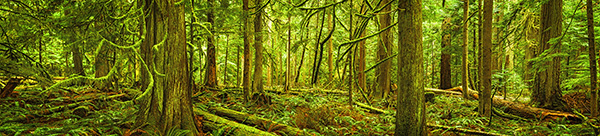
In a scene like this, you want all the trees in focus, a deep depth of field is necessary

In a scene like this, you want all the trees in focus, a deep depth of field is necessary

There are many written and unwritten “rules” in Photography. Mostly, they are guidelines, I am not sure that there are rules about any art form, but some guidelines help us out. You have probably heard of the rule of thirds as it relates to composition. You have heard about the golden mean for composition, but have you thought about how depth of field affects your composition?

Composition is one of the easiest techniques to use to improve your images, it is also one of the most overlooked. You may never think about it, but perhaps you really should. Your composition can make a mediocre image strong, just by moving your camera.

Composition has been used by painters for hundreds of years. Many of our current composition tools come from the art world. The master painters worked out how people look at a painting and put a system together that would cause people to stare into their paintings. They used techniques like leading lines, S-curves, symmetry and pattern, repetition and other techniques, to make their paintings more dramatic and compelling. Something they also used was perspective. Perspective gave a three dimensional feel to the painting and made a two dimensional scene seem three dimensional. Leonardo da Vinci mastered this technique and used it to great effect in some of his masterpieces, most notably, The Last Supper and the Mona Lisa. In some ways, Leonardo used depth of field to compose his paintings.
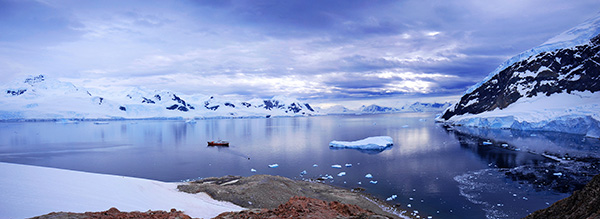
A deep depth of field emphasises the large vista of the scene

A deep depth of field emphasizes the large vista of the scene

1. What is depth of field?

Depth of field is the transition from sharp focus to soft, out of focus areas in the image. The zone of sharp focus, and how much is in focus, is known as the depth of field. You will hear photographers speak of a shallow depth of field or a deep depth of field. The latter means that most or all of the image is in sharp focus. A shallow depth of field means that a small portion of the image is in focus.

How does this work? If you are photographing a landscape scene, you will likely want all of that scene to be in sharp focus. This is called a deep depth of field, and means that the whole scene is in focus. This is good for some forms of photography. At other times you will want only a small portion of your overall image to be in focus. For example, in a close up shot of a flower, you will want the flower to be in focus and everything else to be softly out of focus, this is called a shallow depth of field.
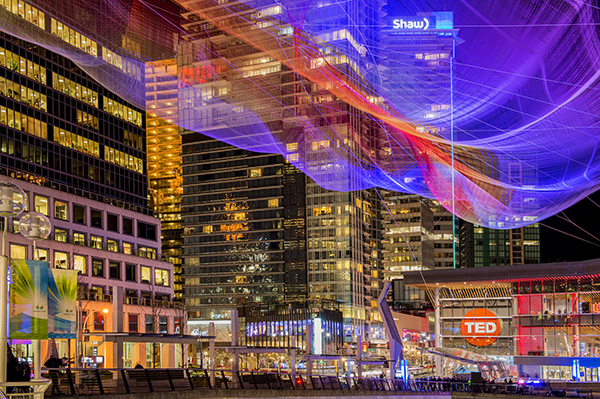
In a city scene, a deep depth of field is good as you want everything in focus.

In a city scene, a deep depth of field is good as you want everything in focus.

2. How does depth of field impact your image?

You have seen images where the one part of the flower is in super sharp focus and the rest is soft and blurry. Some portrait shots also look like this, the person is in sharp focus and the background is out of focus. Why would you want to do that?

The biggest reason is that your eye will naturally go to whatever is in focus in a photograph. So, if you are shooting a wedding and you have a photo of the bride and groom, but they are out of focus and the people behind them are in focus, where do you think viewers will look? They will look at the people behind the couple of course. We assume that if something is out of focus, that we aren’t supposed to look at it. So you can use shallow depth of field to force your viewer to look at your subject. Make sure that whatever your subject is (flower, rock, insect, bride etc) that it is sharp and in focus. If the rest of the image is out of focus, that part of the image will stand out and people will immediately look there.
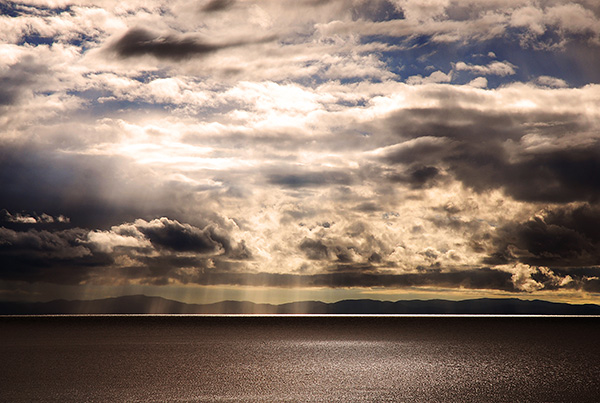
Everything in focus makes this scene compelling

Everything in focus makes this scene compelling

3. How do I get a shallow depth of field?

Depth of field is determined by the aperture setting on your camera. Your aperture setting is called the F-Stop. Technically speaking, the F-Stop is the focal ratio of the lens. It is the ratio of the lens’s focal length to the diameter of the entrance pupil. Technical, I know, but not critical.

What is critical is that you need to know how the “F” number works. The basic rule of thumb is as follows, the lower the number (i.e. f/2.8, f/4) the shallower the depth of field or only a small amount of your image will be in focus. If you have a higher number (i.e. f/8, f11) the more of your image will be in focus. So if you want the look of having a small part of your image in focus then use an F-Stop of 2.8 or 4.  If you have a lens that goes down to f/2.8 or even f/4 give this a try:

  • Set your camera in manual mode
  • Put your camera on a tripod so that it will be easy to take the shots without moving the camera
  • Focus on a flower or something that will be perfectly still
  • Compose your image, get in as close as you can
  • Set your aperture to f/2.8 and take a shot
  • Then set your aperture to f/4, take a second shot,
  • Then f/5.6 and take a third shot
  • Then two final images, one at f/8 and one at f/11
  • Adjust the shutter speed accordingly to make sure you expose them all correctly

Now take a look at the images, what you will notice is that the f/2.8 image will have a small part of the image in focus, the f/8 and f/11 images will have most of the scene in focus.  This now becomes a compositional choice. You can decide on every image what should be in focus and what can be blurred.

Shallow depth of field isolates the grass and makes it the focal point

Shallow depth of field isolates the grass and makes it the focal point

4. How is this a compositional tool?

As a photographer you have the ability to determine what you want people to look at. By using a shallow depth of field and having only part of the scene in focus, you will make sure that there is no doubt about what the subject is and where you want your viewers to look. A deep depth of field is also important in some images. In landscape photography, you will want a deep depth of field, a shallow depth of field in a landscape image might be confusing. Use your depth of field to determine where you want your viewers to look. Once again, with lots of practice and seeing the results, depth of field will be come an invaluable compositional tool.

I find that the most well known “rules” of composition are a good place to start. Once I have a scene set up, I then think about what I want to be in focus and what I want out of focus, or more precisely, what is my subject or focal point. From there I look at exposure, light, etc., and then I make the image. For me, depth of field has become an important creative tool that I use as often as I can to define my subject. Let me know what you think? Do you use depth of field as a compositional tool or not? If not, will you try it out? Let me know your comments below.

A shallow depth of field isolates the leaves from the soft background

A shallow depth of field isolates the leaves from the soft background


The post Using Depth of Field as a Compositional Tool by Barry J Brady appeared first on Digital Photography School.


Digital Photography School

 
Comments Off on Using Depth of Field as a Compositional Tool

Posted in Photography


Floating on Dry Land: 17 Derelict Houseboats Find New Home

05 Aug

[ By WebUrbanist in Architecture & Public & Institutional. ]

ceuvel project lifting place

Located in the north of Amsterdam, the recently-opened De Ceuval (conceptualized by Space&Matter) is a radical redevelopment project featuring homes, offices, restaurants and gardens, all accessed via elevated winding platforms that connect renovated houseboats.

houseboat space matter diagram

houseboats on dry land

A former shipping wharf, this brownfield site is being transformed from a polluted wasteland into a temporary ten-year creative haven, all designed to revitalize and rehabilitate the land it occupies and leave it cleaner at the end of its lease.

houseboat winding wood pathways

houseboat brick wall exterior

The complex is made up of an array of formerly-floating homes that are no longer seaworthy but can still be fixed up and find a second life on land. As PopUpCity reports, “The imaginatively retro-fitted houseboats that make up the creative quarter are all placed around a winding bamboo walkway and the surrounding landscape consists of plants that clean the soil.”

houseboat brownfield site renovation

houseboat axon diagram

An incredible array of sustainable strategies are being employed in the development, both for the benefit of the site and to educate the public,  showing off “new technologies that can transform how we produce and consume resources and public services in cities. Throughout the site, solar technologies will convert energy from the sun into heat and electricity. Green roofs and water collection systems are designed to collect, purify, and store rainwater for when it’s needed. Sanitation systems will extract energy, nutrients, and water from the waste produced for on-site food production. A network of sensors provide information on performance and user behavior.”

houseboat renovated interior design

houseboat gathering people party

One of the central features of the program is the Ceuvel Café, designed as a gathering and eating space for tenants and visitors alike, featuring “lectures, workshops and tastings. In the future, it will also be possible to buy locally produced vegetables [and attend] guided tours and events. Ceuvel Café will also act as a stage for artists, musicians, theat[rical performers] and filmmakers.”

houseboat finished pedestrian diagram

aerial view micro town

The entire complex is meant to serve not only the designer and architects who occupy it, but the environment around it, using green tactics of all kinds including  “high-tech systems like sensors, monitoring devices, solar panels, and high-efficiency electric boilers. Low-tech systems also play an important role, including biological waste processing, water filtration, smart insulation methods, vegetation, and solar tubes that provide more natural light to indoor spaces.”

Share on Facebook


[ By WebUrbanist in Architecture & Public & Institutional. ]

[ WebUrbanist | Archives | Galleries | Privacy | TOS ]


WebUrbanist

 
Comments Off on Floating on Dry Land: 17 Derelict Houseboats Find New Home

Posted in Creativity


4. August 2014

05 Aug

Ein Beitrag von: Andreas Wecker

Blick von oben auf eine Großstadt.


kwerfeldein – Fotografie Magazin | Fotocommunity

 
Comments Off on 4. August 2014

Posted in Equipment


How to use Monochrome Preview to Compose Better Color Photos

04 Aug

You may have heard it said that when you change the way you see – the things you see begin to change. Legendary American documentary photographer and photojournalist, Dorothea Lange once said that “The camera is an instrument that teaches people how to see without a camera.” In this article we are going to use our camera to learn how to see.

Become color blind

When it comes to photography, color can attract your eye so readily that it can often disguise poor composition. Black and white photography depends totally on composition, so in order to compose images more effectively you may need to become color blind. This article is going to explore how to view your images without color, learning to see the light and shapes in your subjects. Fortunately, these days most digital cameras have a black and white or monochrome shooting mode. In this mode the live preview (and replay) on your camera’s LCD will appear black and white, but your RAW file will still retain all color information. Using this method is meant to be used as an exercise to help you learn to see your compositions more clearly.

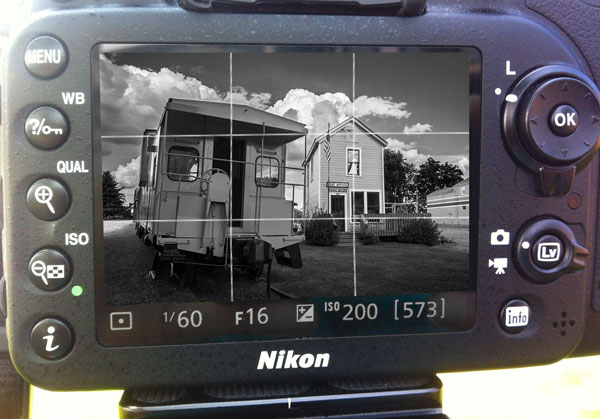
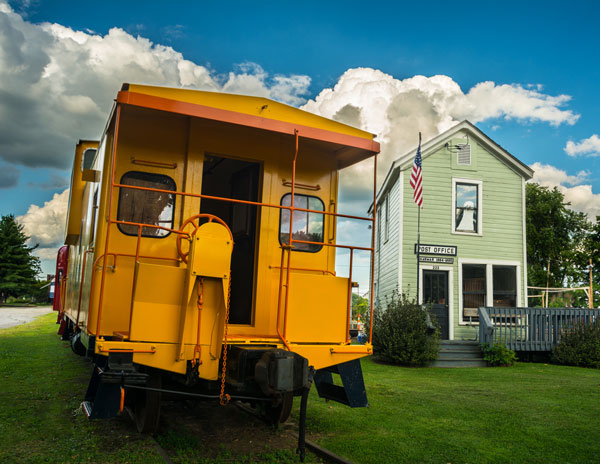
LCD preview of this colorful image is composed using rule of third grid in Black and White

LCD preview of this colorful image is composed using rule of third grid in black and white

DSC_7496-Edit

Camera settings:

  • Set your file type to RAW (This is a must!)
  • Set White Balance
  • Set your Picture Control (Nikon) or Picture Styles (Canon) to Monochrome
  • Set your exposure with whichever method you normally use
  • Turn on your Live View
  • Turn on rule of third grid lines on your preview
  • Use the black and white preview in Live View on your LCD to compose your image, paying special attention to the entire image for tones, shapes, lines and textures. Remember also to use all of the usual rules of composition, such as the rule of thirds, etc.
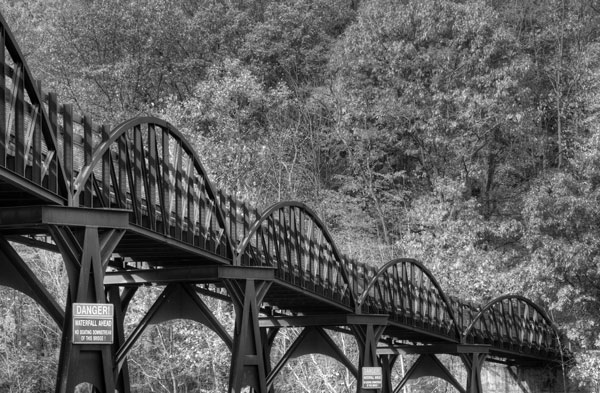
In Black and White it becomes easier to see how this bridge draws the views eye into the mage

In black and white it becomes easier to see how this bridge draws the views eye into the image.

8101686232_48c1bbc3da_o

Tripod use is not a requirement for this system, but is helpful for two reasons: first of all, it frees up your hands to experiment with your camera controls and secondly, (and most importantly) it slows you down to allow you to analyze every aspect of your image.

Removing color from your preview makes it easier to see the shapes, lines, textures and tones and allows you to concentrate on your composition.

Don’t expect to get everything perfect in camera. Post-production is your friend! Even the great Ansel Adams produced most of his magic in the darkroom. But of course you want to get it as close as you can in camera. Be especially sure you get the white balance set as accurately as possible, because when shooting in RAW, white balance and exposure are the only camera settings that are retained by your RAW file. However, the white balance can be corrected in your RAW processing.

It is recommended that since you will be viewing a monochrome image on your LCD that you check your histogram to ensure that your image is properly exposed.

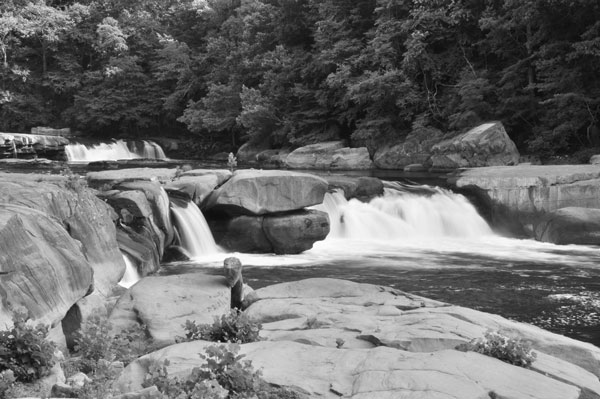
DSC_0216-2bw

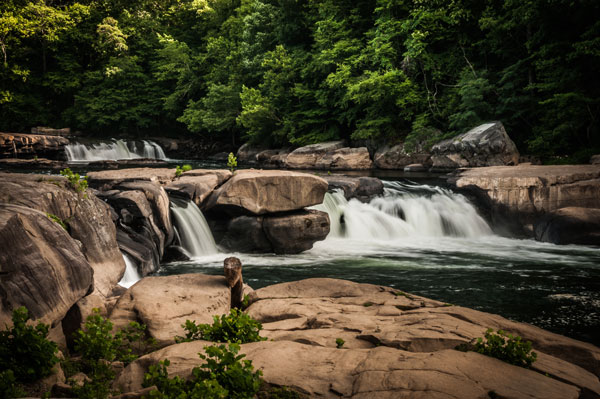
Here we can see how the rocks in the foreground lead the viewer’s eye to the waterfalls.

DSC_0216

As mentioned at the beginning of the article, your image will be previewed on your LCD in black and white, but your RAW file will record color. If you should choose to shoot in RAW + JPG mode your RAW file will be recorded in color but your JPG will record only black and white.

Don’t panic when you see a monochrome preview upon importing your RAW files into Lightroom (or whatever you use for post-processing). As soon as you click on the image you will get a color preview.

There are many methods of creating black and white images and most photographers will agree that it is best to start with a color file. Therefore, another use for this preview method comes into play if you are shooting an image that you know you will later be converting to black and white. You’ll get a good preview of how your image may appear later upon converting your RAW file to black and white, and will know right away whether your image will be effective in black and white.

One disadvantage with this method that is worth mentioning is that using the Live View mode will drain your batteries faster.

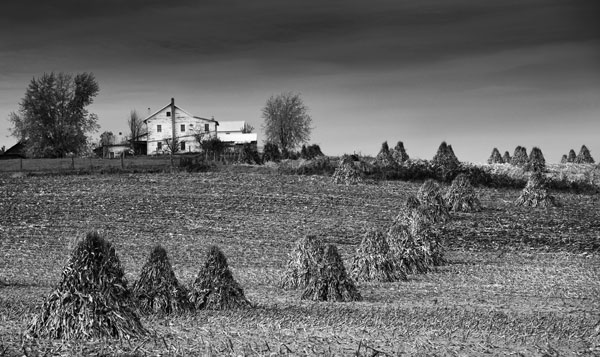
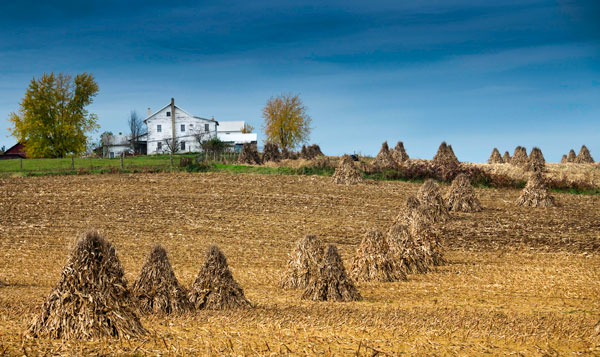
As you can see in this preview, that this image could also make a great black and white with lots of textures and a very interesting subject

This image could also make a great black and white with lots of textures and a very interesting subject

8146529877_619ce3dd53_o

This method is great for landscape, architectural, and abstract photography where it is so important to see tones, shapes and lines for composition. Yes, there are some obvious times when color may play an important part of your images such as in the fall where the colors may become your subject, but every method has its exceptions.

Try this experiment. First, shoot your scene as you would do normally with color preview. Then shoot it again with a black and white preview. You might be surprised with the difference in your results.

Give it a try, please share your results in the comments below.

The post How to use Monochrome Preview to Compose Better Color Photos by Bruce Wunderlich appeared first on Digital Photography School.


Digital Photography School

 
Comments Off on How to use Monochrome Preview to Compose Better Color Photos

Posted in Photography


Part one: Panasonic Lumix DMC-GH4 / Sony Alpha 7S Comparative Review

04 Aug

Though they come with vastly different sensor sizes and price tags, the Panasonic Lumix GH4 and the Sony Alpha 7S are similar in spirit. They’re both meant for video recording as much as they are for stills. To that point, the 12.2MP full frame A7S and 16MP Micro Four Thirds GH4 are both capable of 4K video output and offer extensive video features. Our comparative review takes a detailed look at how these cameras perform in terms of video and stills, as well how they stack up against one another. Read part one

Articles: Digital Photography Review (dpreview.com)

 
Comments Off on Part one: Panasonic Lumix DMC-GH4 / Sony Alpha 7S Comparative Review

Posted in Uncategorized