Ein Beitrag von: Nils Langenbacher

kwerfeldein – Fotografie Magazin | Fotocommunity
Google’s Photo Sphere feature for capturing 360° spheric panoramas was launched in 2012 with the camera app in Android 4.2. Since then it has only been available for devices running Google’s mobile OS – until now. The Photo Sphere team at Google has just launched a version for Apple’s iOS devices, dramatically increasing the potential user base of its app. Read more
Articles: Digital Photography Review (dpreview.com)
[ By Steph in Design & Fixtures & Interiors. ]
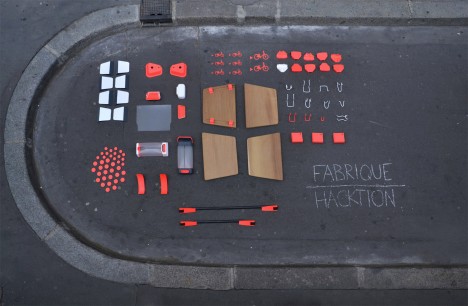
Three designers sneak around Paris, quickly installing brightly-colored machine-fabricated objects onto public chairs, phones, vending machines and other urban surfaces to make them more convenient to city residents. They call it ‘Fabrique-Hacktion,’ taking extra steps beyond what city officials are willing to fund with tax dollars to create a more comfortable and welcoming place to live.

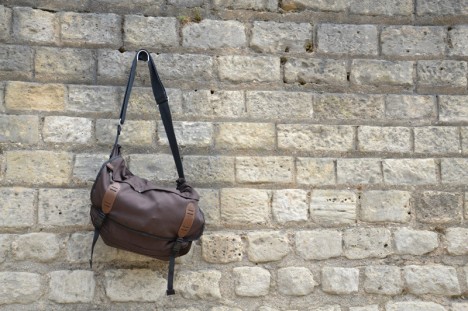
Little slides shoot coins out of the receptacles in vending machines to make them easier to retrieve. Coat hooks hang helpfully from rock walls near bus stops. Tension bands hold newspapers against the wall of the subway, offering them to each new rider in turn.
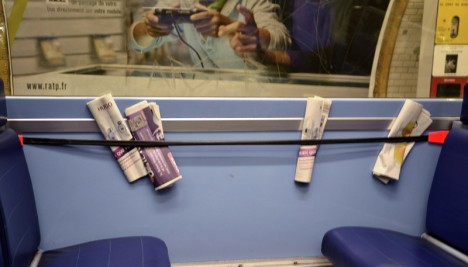
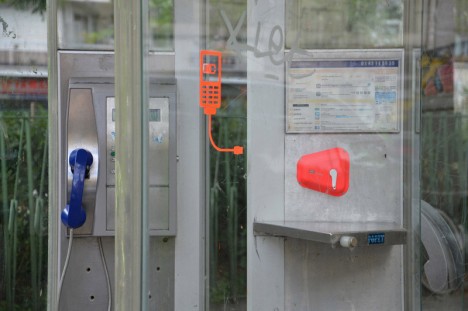
Highly recognizable in bright shades of orange, blue and green, these thoughtful conveniences even go so far as hand-crank phone chargers and reflectors on top of the red and green lights of metro ticketing machines so users can tell from far away which machines are working and which aren’t.
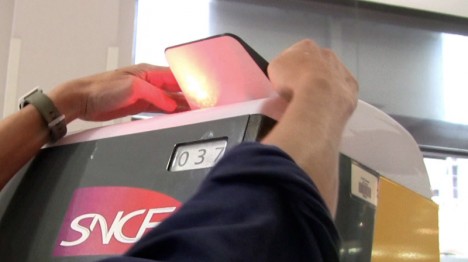
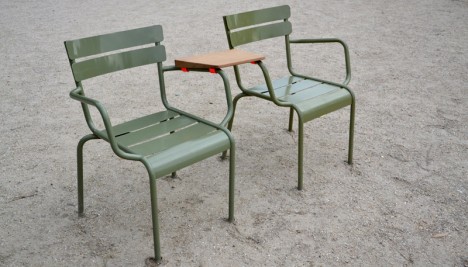
Beyond just installing these items themselves, the designers offer up an explanatory video, manual and all construction plans and files for download on their website so anyone can take the project to their own city.

Will the already-faint lines between the two one day become completely transparent? Read on and find out for yourself.
Click Here to Read More »»
Hermit crabs carry crystal-clear cityscapes on their backs, thanks to a series of 3D-printed shells by Aki Inomata. The artist scans the insides of hermit crab …
Click Here to Read More »»

Filling shotgun shells with flower seeds is just the latest (and loudest) in a long line of designs for guerrilla gardeners. If you are looking for a little …
Click Here to Read More »»


[ By Steph in Design & Fixtures & Interiors. ]
[ WebUrbanist | Archives | Galleries | Privacy | TOS ]
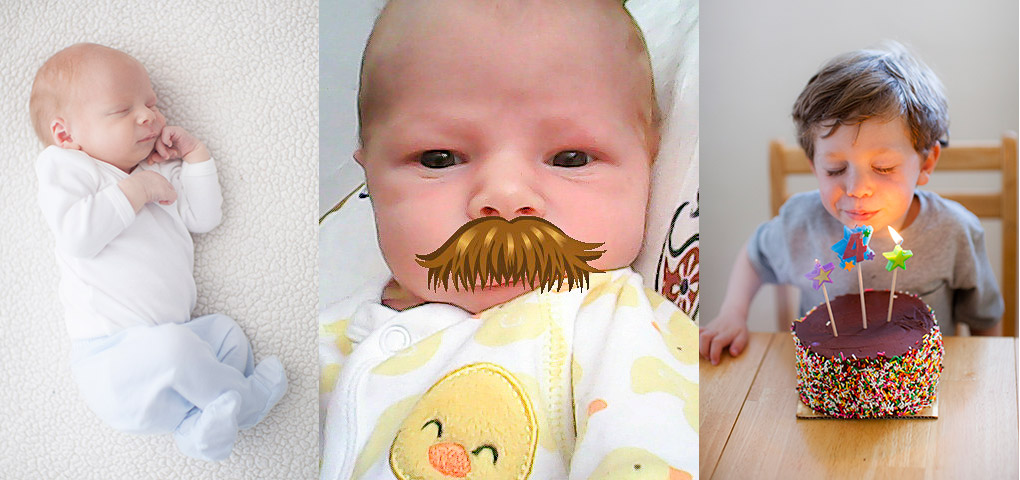
Sleep, quiet and relaxation are the three things I have not had in my month long blogging hiatus. As you can tell from the photo above that is because we have a new member of our household. Grant, my second son, arrived on the scene May 27th right between 2 holidays and 3 (nuclear) family birthdays (all with in 6 weeks of each other). Needless to say my wife and I have been elated that Grant is here, but to be honest we’ve been pretty tired.
Ah good times.
As you’d imagine I’m incredibly excited to introduce Grant to the natural world and photography as I have been with Blake. It’s an amazing process to hear the raw interpretation of our world from a child’s perspective. Not only do these innocent and candid interpretations of the world ground you, they help you see the world in new ways. Such experiences are a great reminder for myself to keep pushing for new visual and interpretive perspectives.
Photo Details:
[left] Grant at 21 days
[center] Blake with mustache via Playskool ShowCam
[right] Blake celebrating his 4th birthday
Copyright Jim M. Goldstein, All Rights Reserved
Domestic Adventure Update: Sleep, Quiet & Relaxation
The post Domestic Adventure Update: Sleep, Quiet & Relaxation appeared first on JMG-Galleries – Landscape, Nature & Travel Photography.


[ By Steph in Art & Sculpture & Craft. ]

Whether official or fan-created, LEGO architecture sets enable wannabe builders to understand just how some of the world’s most iconic structures come together in terms of architectural elements, form and lines. The brand has created an architecture series exploring “the fascinating worlds of architecture, engineering and construction,” and LEGO enthusiasts – including architects – have come up with a few of their own.


Luring in architects with its monochromatic color scheme that enables the focus to be on form and shape, the LEGO Architecture Studio set is an all-white series containing over 1,200 pieces. An accompanying 268-page book includes the work of famous architecture firms like Sou Fujimoto, MAD Architects and Safdie Architects and covers principles like modules and repetition, creating surfaces, working in context and symmetry. Not only can it strengthen design skills in an average person, it can actually be used by working architects to create 3D models.

Rumored to be set for release only in Asia, the limited edition Marina Bay Sands Hotel set recreates Singapore’s striking cantilevered resort. It’s unclear exactly when this set, which was teased in the back of a LEGO instruction booklet, might be available to the public. Marina Bay Sands is the world’s most expensive building and contains a hotel, convention and exhibition facilities, theaters, restaurants and a 150-meter infinity pool on the roof (which is replicated with translucent blue bricks in this set.)


An architecture concept that was inspired by LEGOs is fittingly rendered in the little plastic bricks with this model from Bjarke Ingels Group (BIG.) The model uses conventional LEGO bricks to show off the design for LEGO Towers, a proposal for a residential, retail and hotel development in Copenhagen. It’s at 1:50 scale, uses 250,000 bricks and took five weeks to build.


Perhaps the most well-known private residence in America created by an iconic architect, Fallingwater seems like it was made to be recreated in LEGOs, with its blocky stacked silhouette. Frank Lloyd Wright’s most famous design was completed in 1937 and is considered a feat of engineering, its cantilevered floors jutting out over a waterfall.
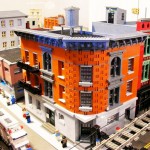
Familiar scenes from Brooklyn, from the local flower shop to the train station, are lovingly rendered in pixelated plastic by local resident and artist …
Click Here to Read More »»

Nathan Sawaya is an internationally known ex-lawyer professional Lego artist’s whose work has been featured throughout the world.
Click Here to Read More »»

If you’ve always wanted to design modern buildings, but don’t have any plans to attend architecture school, LEGO has just the tool you’re …
Click Here to Read More »»
[ By Steph in Art & Sculpture & Craft. ]
[ WebUrbanist | Archives | Galleries | Privacy | TOS ]
Lensbaby has announced that its LM-10 Sweet Spot lens for mobile devices is available immediately through its online store and retailers worldwide. The LM-10 concept was unveiled back in April with a Kickstarter campaign that raised more than twice the amount needed to see the lens go into production. Alongside the LM-10, Lensbaby has also announced the Sweet 50 optic. The Sweet 50, a selective-focus 50mm lens, works with Lensbaby’s Optic Swap System and is also available now. Read more
Articles: Digital Photography Review (dpreview.com)
Chromatic aberration is a phenomenon caused by distortion of the lens. Basically, it is a failure of the lens to focus all the colors to the same convergence point.
The effect can be generally seen in dark edges adjacent to bright areas of an image; it looks like an out-of-focus ghost of magenta or purple color. In photography this is also called “purple fringing”.
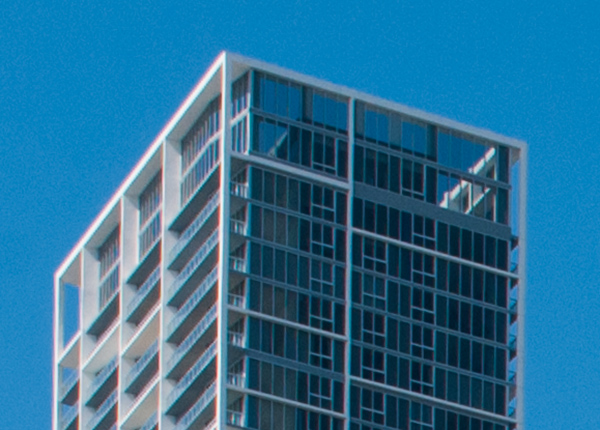
The quality of the optic plays an important role here, as not all lenses will produce the same effect. This problem tends to manifest much more in zoom lenses with variable aperture. However, no lens is exempt from having some distortion of this type, but we are not going to enter into that right now. I just want to share with you an easy solution with Lightroom 5. Your photos will look much better on the screen and, of course, in print once you easily correct this.
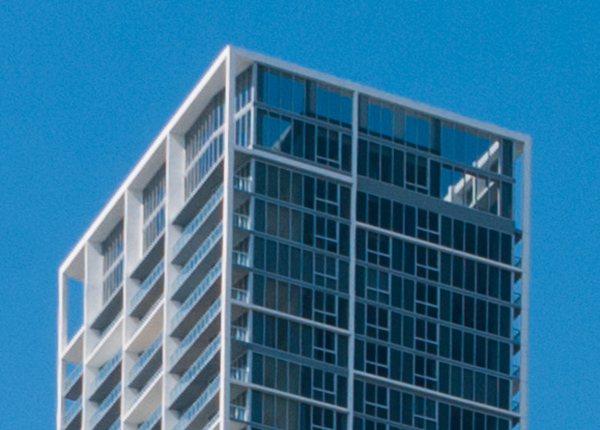
First off, let me share the example above, where you can see a 100 percent crop of a photo where you can see the distortion. If you look around the edges of the building against the sky, you can clearly see the magenta lines and out-of-focus effect.
Now, depending on the type of camera you are shooting with, if you shoot in JPG, chances are you’ll probably notice it less. The camera will apply some automatic correction when converting or processing the JPG in-camera. So please note that this will work much better when you are shooting in Raw.
We are going to be working in the Lens Corrections panel in Lightroom. Correcting chromatic aberration is fairly easy and can be done really quickly in Lightroom 5. All you need is a few clicks in the appropriate boxes and Lightroom will work its magic. Please note that this panel is also used to correct other type of lens distortions as well, including barrel distortion, vignetting, etc.
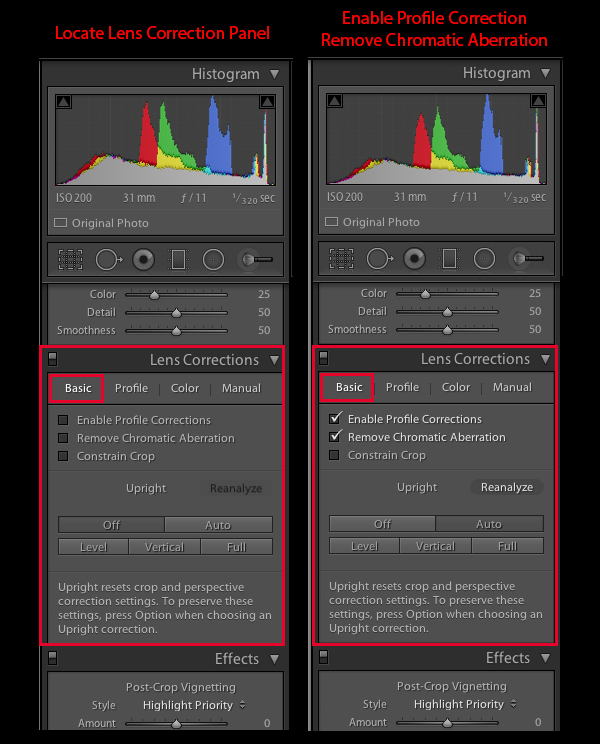
Locate the Lens Corrections panel in the Develop Module. You’ll probably have to scroll down. The Lens Corrections panel is located between the Detail and Effects panels.
The Lens Corrections panel is divided into four sections: Basic, Profile, Color, and Manual. Be sure to start from left to right and select the Basic section. Select the options Enable Profile Corrections and Remove Chromatic Aberration. The software comes preloaded with profiles from all major camera manufacturers and lenses. So as soon as you enable these options, you’ll notice that the image will change and any distortion will be automatically corrected. It will also correct and reduce the chromatic aberration or purple fringing.
Now, go to the second section of the panel, Profile. Be sure that the checkbox Enable Profile Corrections is selected. Right below you’ll notice that Lightroom already recognized your lens make and model. If for any reason it is not, you can browse and select it manually. If your lens is not available you can switch the Setup option to Custom and correct distortion yourself by moving the sliders Distortion and Vignetting manually.
Move to the Color section. Again, be sure that the Remove Chromatic Aberration checkbox is selected. In the majority of situations this is all you need to do. But for some particular images, you may need to do some extra work to completely remove the distortion. For that you can move the sliders until underneath until you notice the fringes disappear. A more precise method is to use the eyedropper to select the purple or green fringes for correction in a more accurate way.
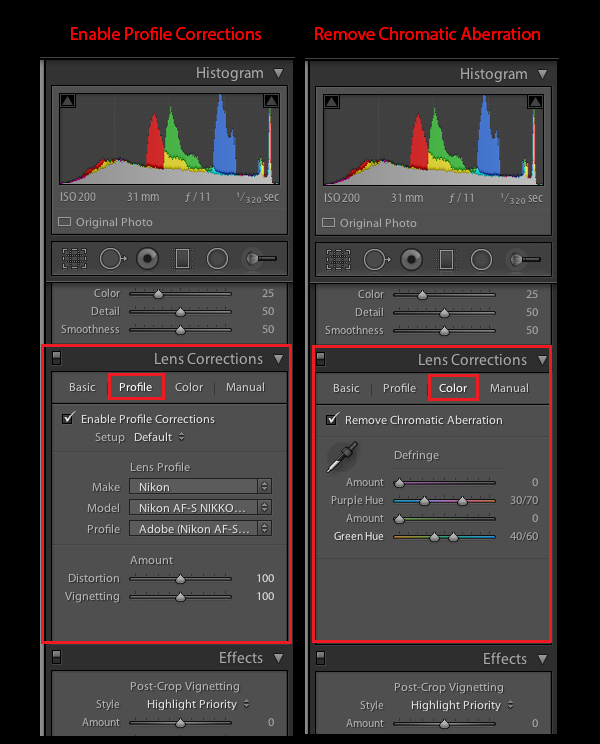
As you can see, this is a very simple process. Like stated before, in most cases you’ll be just clicking a few checkboxes and the program will do the rest. There are really very few occasions where you need to do any manual work – especially if the lens is already profiled in Lightroom, which applies to a very wide selection.
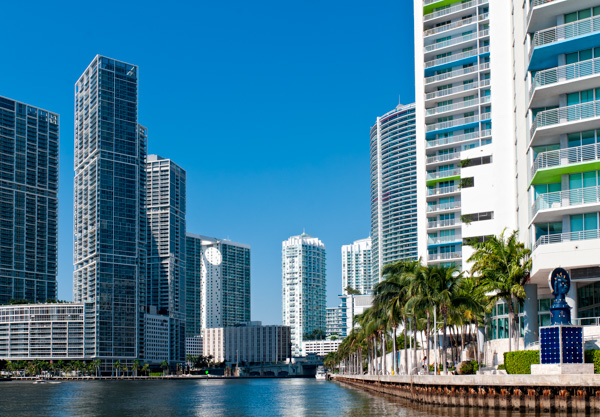
Here are the final results. In both, the same 100 percent crop as before and the entire image. As you can observe, the chromatic aberration no longer exists and the photo looks much better.
For more Lightroom articles click here.
The post How to Fix Chromatic Aberration in Lightroom 5 by Daniel Korzeniewski appeared first on Digital Photography School.
Costica Acsinte wurde am 4. Juli 1897 in einem kleinen Dorf in Rumänien geboren. Trotz seiner Ausbildung als Pilot war er im Ersten Weltkrieg offizieller Kriegsfotograf. Sobald der Krieg zu Ende war, eröffnete er sein Atelier „Foto Splendid C. Acsinte“ in Slobozia, Rumänien.
Jane Long ist zeitgenössische Fotografin aus Queensland in Australien und entdeckte seine Bilder im Costica-Acsinte-Archiv im Internet. Die alten, zum Teil durch die Zeit schon sehr mitgenommenen Aufnahmen insprierten sie. Sie restaurierte die Bilder liebevoll digital und begann, daraus eigene kleine Kunstwerke zu machen.
Die Serie „Tanzen mit Costica“ entstand zunächst, als ich beschloss, meine Retusche-Fähigkeiten aufzufrischen. Nach dem Auffinden des Costica-Acsinte-Archivs auf Flickr war ich fasziniert von den Bildern und ihren Motiven. Ich wollte sie zum Leben erwecken. Mehr noch: Ich wollte mit ihnen eine Geschichte erzählen.
Natürlich werde ich wohl nie wissen, was die wahren Geschichten dieser Menschen sind, aber in meinem Kopf wurden sie Charaktere meiner eigenen Fanatasien. Ein unglückliches Liebespaar, ein Mädchen, das darauf wartet, dass ihr Geliebter nach Hause kommt, unschuldige Kinder mit einem kleinen Hauch von etwas Dunkel. Die Wiederherstellung der Bilder ist nur ein Teil des Prozesses, der Rest ist der Tanz.


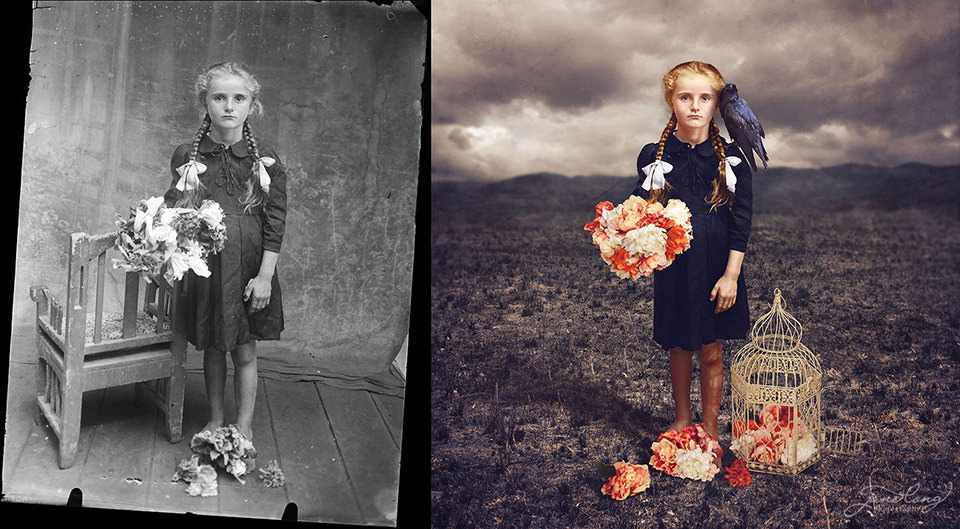
Jane greift bei der Bearbeitung der Bilder zum Großteil auf eigene Stockfotos zurück. Einige wenige nutzt sie jedoch auch von anderen. Die Seemöwe auf der Wanne ist von „Costi“, der Trompetenkopf des Schäferjungen von „Damo“ von der Seite www.sxc.hu. Wie Jane bei der Kolorierung und Komposition vorgeht, erklärt sie in einem Video:
Mehr von Jane Long findet Ihr auf ihrer Webseite oder auf Facebook.
kwerfeldein – Fotografie Magazin | Fotocommunity

You must be logged in to post a comment.