RSS
 

Archive for July, 2014

Architekturdialoge

05 Jul

Ein Beitrag von: Sebastian Weiss

Vor der ersten Begegnung mit einem von mir ausgewählten Gebäude bin ich meist etwas angespannt. Selbst dann, wenn das „Treffen“ zunächst nur dazu dient, erste fotografische Notizen für ein späteres Shooting anzufertigen.

Wie wird es sich anfühlen, wenn das Bauwerk und ich uns gegenüber stehen? Finden wir ins Gespräch miteinander? Welche Geheimnisse wird das Gebäude mir preisgeben? Entspricht es meinen Hoffnungen, Erwartungen, Wünschen oder wird die Episode eine völlige Enttäuschung?

Dachdetail eines Hochhauses

Es gab in der Vergangenheit durchaus Situationen, in denen ich vor Ort feststellen musste, dass ein Motiv wider Erwarten überhaupt nicht für meine Zwecke geeignet war. Aber in der Regel finden wir in einen Dialog miteinander, manchmal dauert der Annäherungsprozess länger, manchmal geht es zügig und unkompliziert.

Dieses Zwiegespräch ist wichtig für meine Arbeit und deshalb bin ich stets allein unterwegs, um mich in Ruhe mit dem Gebäude beschäftigen zu können.

Aquatic Center in Bremen

Der erste Impuls für meine heutige Arbeit war vermutlich mein Bauingenieurstudium während der 90er Jahre in Dresden und der Austausch mit Architekturstudenten bei ihren häufigen Besuchen in unserer damaligen WG.

Im Verlauf des Studiums habe ich für mich festgestellt, dass mich die Ästhetik von Bauwerken und konstruktiven Details weitaus mehr fesselte als die Berechnung von Tragwerkskonstruktionen.

Tempodrom Berlin

Während dieser Zeit habe ich bereits fotografische Ausflüge unternommen, mit vielen Motiven, Materialien und Medien experimentiert, die Filme teilweise noch selbst entwickelt und mich bemüht, meiner Faszination für Architektur in Bildern Ausdruck zu verleihen.

Als ich Anfang der 2000er nach Berlin ging, um mich an der Universität der Künste mit Design und Technologie zu beschäftigen, war Berlin eine Riesenbaustelle.

Weit auskragendes Gebäudeteil

Überall in der Stadt entstanden neue Gebäude, nicht immer schön, aber zumindest ambitioniert. Dieses extrem heterogene Umfeld mit Bauwerken aus der Ost- und West-Ära sowie verschiedensten Kulturepochen war perfekt dazu geeignet, meinem Faible zu frönen und an meinem Stil zu arbeiten.

Den endgültigen Kick erhielt ich im Jahr 2010. Seinerzeit war ich als leitender Kreativer in einem Startup-Unternehmen in der Mobilfunkbranche tätig und habe ständig neue Apps, Services und Dienste ausprobiert.

M-förmige Pavillonkostruktion aus Beton

So stieß ich im November 2010 auf die App Instagram und war sofort von dieser Anwendung begeistert, die seitdem der primäre Publikationskanal für meine Fotografie ist.

Mich fasziniert das 1:1-Verhältnis zwischen Fotograf und Betrachter, das diese Plattform begünstigt und mitunter sehr persönliche Beziehungen zu Stande kommen lässt.

edelstahlverkleidete Gebäudeteile

Auch die Existenz vollkommen unterschiedlicher Bildsprachen auf den Kontinenten ist mir erst durch die Smartphone-Fotografie in aller Deutlichkeit vor Augen geführt worden.

Die Bildästhetik vieler Nutzer aus Asien, Südamerika und etwa Nordeuropa könnte verschiedener kaum sein.

Detail einer auskragenden Dachkonstruktion

Jetzt höre ich bereits die ersten Kritiken an der Anwendung aufkochen: „Instagram? Das ist doch keine ernst zu nehmende Fotografie! Alles nur einfallslose, technisch schlecht umgesetzte Schnellschüsse, die in inflationärer Weise das Netz vermüllen.“

In Teilen mag diese Kritik auch absolut berechtigt sein. Die Diskussion, ob Fotografie mit mobilen Endgeräten eine Gefahr für die klassische Fotografie darstellt, ob die millionenfach mittels Smartphones ins Netz geblasenen Fotos die herkömmliche Fotografie entwerten, wurde sowohl hier als auch auf zahllosen anderen Plattformen diskutiert.

Blick nach oben an einer Fassade mit auskragenden Ebenen

Martin hat hier bereits im Jahr 2010 seinen Standpunkt dazu geäußert, dem ich mich nur allzu gern anschließe. Meiner Meinung nach stellt Fotografie mit Smartphones eine zeitgenössische Form der Fotografie dar. Nicht die Qualität des Werkzeugs, sondern die Bildidee ist entscheidend für ein in Erinnerung bleibendes Foto.

Trotzdem hängt der mobilen Fotografie noch immer der Nimbus des Amateurhaften an, was angesichts der vielen fantastischen Fotografen auf Instagram, EyeEm und Co. unberechtigt ist und sich hoffentlich in absehbarer Zeit ändern wird.

Balkon an einer vertikal mit Holz verkleideter Fassade

Ich finde, die Nordamerikaner sind in ihrer Sicht auf diese neue Form der Fotografie – wen wundert es – bereits wesentlich weiter. Meinen Arbeiten auf Instagram folgen gegenwärtig 106.000 Menschen, eine Zahl, die ich zu meinem Start Ende 2010 nicht ansatzweise in Betracht gezogen habe.

Sicher, es gibt Accounts mit noch deutlich größerer Anhängerschaft, jedoch mit anderen Themenschwerpunkten. Mode, Menschen und Landschaft sind da erheblich kompatibler als Architekturfotografie.

die geschwungene Form eines modernen Hochhauses

Umso erstaunter bin ich jeden Tag aufs Neue über die Resonanz auf meine Fotografie und dankbar für das konstruktive Feedback aus allen Teilen der Welt.

Vielleicht liegt ein Teil des Erfolgs in einer guten Dramaturgie der Bildfolge innerhalb des Feeds, einer konsistenten Bildsprache und Dauerhaftigkeit innerhalb dieser schnelldrehenden Fotocommunity begründet.

Detail einer auskragenden Dachkonstruktion

Jedes Gebäude hat einen bestimmten Verwendungszweck und besitzt funktionsgebundene architektonische Charakteristika, die oftmals prägend für sein Erscheinungsbild sind.

Der klassische Architekturfotograf ist häufig angehalten, diese Vorzüge und Qualitäten für den Bauträger in seinen Fotografien zu dokumentieren.

Fassadenansicht mit einer amorphen Fensteröffnung

In meiner „Le Blanc“-Serie bin ich dankenswerterweise vollkommen frei von diesen Anforderungen und kann meiner Begeisterung für urbane Ästhetik weiter ungebunden nachgehen. Ich liebe es, die architektonische Sprache eines Bauwerks zu entschlüsseln.

Mich reizt es, die feinen Details herauszuarbeiten und in den Vordergrund zu rücken – eben jene Geheimnisse, die im Gesamtkontext eines Bauwerks oftmals unberücksichtigt bleiben oder übersehen werden.

Blick hinauf an einer Fassade mit runden Öffnungen und Glasbrüstungen

Dabei versuche ich stets, einen zu hohen Abstraktionsgrad zu vermeiden und dem Betrachter innerhalb des Bildes Größenverhältnisse an die Hand zu geben, die ihm eine Einordnung des Motivs ermöglichen.

Es freut mich natürlich ganz besonders, dass ich auf Grund meiner Arbeiten auf Instagram seit September 2013 als Fotokolumnist für das Magazin AD Architectural Digest Deutschland aus dem Verlag Condé Nast tätig sein darf.

ein rostbrauner Solitär mit runder Form

Da ich weder Architektur noch Fotografie studiert habe, bin ich für diese Anerkennung meiner Arbeit umso dankbarer. Die Redaktion der AD lässt mir im Übrigen vollkommen freie Hand hat und hat also auf meine Arbeit keinerlei Einfluss.

Vor einem Jahr schickte ich der Redaktion meine Idee einer mobilen Fotokolumne und sie waren vom Stand weg begeistert. Leben kann ich natürlich bis dato weder von der Kolumne, noch von meiner Fotografie. Aber ich bin zuversichtlich und kann mir gut vorstellen, dass die Architekturfotografie künftig noch mehr Raum in meinem Leben einnehmen wird.


kwerfeldein – Fotografie Magazin | Fotocommunity

 
Comments Off on Architekturdialoge

Posted in Equipment


Weekly Photography Challenge Reflections

05 Jul

Earlier I rounded up a set of reflection images. Now it’s your turn!

This week’s photography challenge is reflections

Reflections are great for learning to train the eye to see photographically. Start looking for them everywhere, in windows, doors, car panels, wet pavement, puddles, ponds, or icy surfaces. Rules of composition still apply to make a strong image, as does lighting.

Here’s a few more examples to get you started on the photography challenge:

By Éole Wind

By Denis Collette

By DCSL

By Denis Collette

By Anirudh Koul

By Kevin Dooley

By Trey Ratcliff

By jenny downing

By Taro Taylor

Need some composition tips?

  • Using Balance in Your Landscape Photography Composition
  • A New Photographer’s Guide to Composition
  • Composition and the Power of Line

Show use your reflection images

Simply upload your shot into the comment field (look for the little camera icon in the Disqus comments section as pictured below) and they’ll get embedded for us all to see or if you’d prefer upload them to your favourite photo sharing site and leave the link to them. Okay, ready to impress us?


The post Weekly Photography Challenge Reflections by Darlene Hildebrandt appeared first on Digital Photography School.


Digital Photography School

 
Comments Off on Weekly Photography Challenge Reflections

Posted in Photography


Email Insiders Only: 2014 SEO Guide for Photographers

05 Jul

Your portfolio website could be the most beautiful, functional and user-friendly site in the world, but if no one ever sees it, then what’s the point? If no one visits your precious site, it wouldn’t do you any good. So you have to make search engine giants like Google, Yahoo or Bing notice you and send loads of targeted traffic Continue Reading

The post Email Insiders Only: 2014 SEO Guide for Photographers appeared first on Photodoto.


Photodoto

 
Comments Off on Email Insiders Only: 2014 SEO Guide for Photographers

Posted in Photography


5. Juli 2014

05 Jul

Ein Beitrag von: BastianK80

© BastianK80


kwerfeldein – Fotografie Magazin | Fotocommunity

 
Comments Off on 5. Juli 2014

Posted in Equipment


What The Duck #1212

05 Jul

We’ve come to the end of another week here at dpreview, and as our thoughts drift to weekend shooting opportunities, it’s time to take things a little less seriously. Aaron Johnson’s comic strip ‘What the Duck’ is just the thing, taking a gently satirical look through the lens of a photographically inclined waterfowl. You can find it published here (and in our newsletter) every week; we hope you enjoy it, and your weekend.

related news: Digital Photography Review (dpreview.com)

 
Comments Off on What The Duck #1212

Posted in Uncategorized


Floating Beach: Recreational River Barge Campaign for NYC

05 Jul

[ By Steph in Architecture & Cities & Urbanism. ]

Manhattan City Beach 1

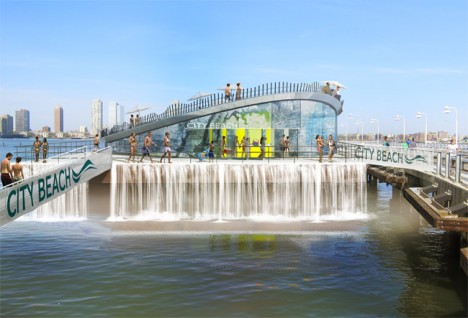
Manhattan is packed full of world-class restaurants, a vast array of shops, a beautiful nature preserve and virtually everything else required to satisfy the modern urbanite – except for a beach. That might seem obvious; it’s an island built up from swampland, cut off from the sea. But that doesn’t mean beach-craving creative thinkers can’t come up with a way to incorporate one into America’s most densely populated city. City Beach NYC is a project seeking to build a floating beach park on a barge in the Hudson River.

Manhattan City Beach 2

Starting with a reclaimed barge, the project would create a two-level destination with shops and restaurants tucked beneath a curving, sand-covered platform overlooking the water. You can’t exactly swim in the Hudson, but the park would have misters for cooling off, as well as a large water feature that mimics the sound of the sea, drowning out the city cacophony.

Manhattan City Beach 3

Changing rooms, a surf shop and a marine science lab would also be incorporated into the 260-foot park. The plan is to permanently moor it on the west side of Manhattan, with the possibility of renting small personal watercraft like kayaks and paddle boards.

Manhattan City Beach 4

The creators of City Beach NYC are currently raising the first round of funding on Indiegogo to hire a team to develop the operational plan; additional milestones will build scaled 3D models, fund the services of architects and engineers, and gain permits. They’re hoping that the people of Manhattan want a beach badly enough to come together and donate. Sure, you could just cross a bridge and go to Coney Island or Brighton or Rockaway, with access to the actual ocean, but a floating beach with views of the city would certainly be a novelty.

Share on Facebook


[ By Steph in Architecture & Cities & Urbanism. ]

[ WebUrbanist | Archives | Galleries | Privacy | TOS ]


WebUrbanist

 
Comments Off on Floating Beach: Recreational River Barge Campaign for NYC

Posted in Creativity


Lighting Tutorial: The Science Behind Light

05 Jul

Alana Tyler Slutsky image from Surrealia series as featured on Fashion Photography Blog (FashionPhotograpyBlog.com)

Light : The Science of it All

Hey FashionPhotographyBlog.com readers. Happy Independence Day!

Today we are going to be talking about:

Light. Learn to understand it, learn to see it and the better you’ll be able to manipulate it. After all, the whole science behind photography is based on the principles of light. Stick it out through these next three days and things will get a lot more interesting. Before you can learn to manipulate light (or if you’re a curious person like me,) it’s good to understand the “how” and “why” behind it.

So, welcome to the science of light.

(I know this is the boring part, just stick with me…)

Light and Color Science:

The human eye is only sensitive to the visible spectrum of the electromagnetic spectrum.  White light contains all colors.  We learned this when Newton split white light with a prism.

Electromagnetic Spectrum Chart

Electromagnetic Spectrum

Color Prism By Pink Floyd

(Thanks Pink Floyd)

Additive Primaries – Red, Green, Blue

When you add equal parts of the additive primaries together (Red, Green, and Blue), you create white light.  RGB is the color method used in today’s digital world.  Mixing just two of the additive primaries will result with one of the subtractive primaries.

RGB Color Light Chart

Subtractive Primaries – Cyan, Magenta, Yellow

The subtractive primaries absorb their compliments (RGB) and subtract them from white light.  CMYK is the color model for printing (K referring to Black).  When subtractive primaries are mixed, they subtract brightness from white, resulting in Black.

CMYK Color Light Chart

Each additive color has a subtractive color that is its compliment.

Red – Cyan

Green – Magenta

Blue – Yellow

Before you can learn to modify and use light, you need to understand how it works! The first things to be conscious of are the qualities of light which include direction, contrast, color, brightness, diffused, and specular.

Direction is where the light is coming from.  This controls the relationship between light and shadow.  Direction can also be understood as the position or placement of the light.

Contrast is the relationship between light and shade.

Color is the color temperature or actual color of the light source.  (We’ll get into this in a minute.)

Brightness is the intensity of the light.

Diffused light is a softer light typically produced by a larger light source.

Specular light, in short, is light from a source that is not modified. Most of you guys will refer to this as “harsh” or “hard” light.

How can you tell if something is diffused or specular?  Look where the shadow meets the lighted areas.  If the transition is gradual, it is diffused. If the transition is knife edge its specular.  Aka – Does the shadow end very abruptly? Think of high noon light and how the shadows cast by the sun are very crisp.  This is specular light.

Shadow Transition Examples

Pay attention to the transitions at the edge of the shadows

Source

The size of a light source (as relative to your subject) will greatly effect the type of light produced.  A small source will produce hard light, hard edges and harder shadows.  A large light source will produce a shadowless or softer light with softer shadows.

Distance also effects your light.  A light close to your subject will create a softer light, whereas the same light when placed farther away will create a harder light.  Think of the sun!  It’s far away, appears quite small but produces an extremely harsh light/shade relationship unless there are clouds to diffuse the light.  When the sky is overcast, it acts as a giant soft box for the sun.

We’ll dive a little further into distance and light tomorrow.

Until then –

Alana

IMAGE SOURCE:

Feature image & image 1: photography by Alana Tyler Slutsky from her Surrealia series. To view the rest of the photos from this series visit her website.

Image 2, 3, 4 & 5: Alana Tyler Slutsky

Image 6:  150m.com


Fashion Photography Blog

 
Comments Off on Lighting Tutorial: The Science Behind Light

Posted in Uncategorized


Reflection Photos to get you Motivated

04 Jul

A puddle in the road, plate glass windows, or a shiny car – what do they all have in common? They provide great opportunities to get reflection photos.

This set of images of reflections is to give you some ideas to go shoot your own reflection photos.

Enjoy!

Photograph Black Lotus by Mathijs van den Bosch on 500px

Black Lotus by Mathijs van den Bosch on 500px

Photograph Arc de Triomphe Etoile Water Mirror Reflection by Loïc Lagarde on 500px Arc de Triomphe Etoile Water Mirror Reflection by Loïc Lagarde on 500px

Photograph Dawn by David D on 500px

Dawn by David D on 500px

Photograph In the Morning Light by Teguh S on 500px In the Morning Light by Teguh S on 500px

Photograph Louvre at dusk by Tomáš Vocelka on 500px

Louvre at dusk by Tomáš Vocelka on 500px

Photograph Reflections by Marco Britto Photography on 500px Reflections by Marco Britto Photography on 500px

Photograph Louvre Pyramid by Night by Csilla Zelko on 500px

Louvre Pyramid by Night by Csilla Zelko on 500px

Photograph brooklyn.bridge.two by Robert Pfeuffer on 500px brooklyn.bridge.two by Robert Pfeuffer on 500px
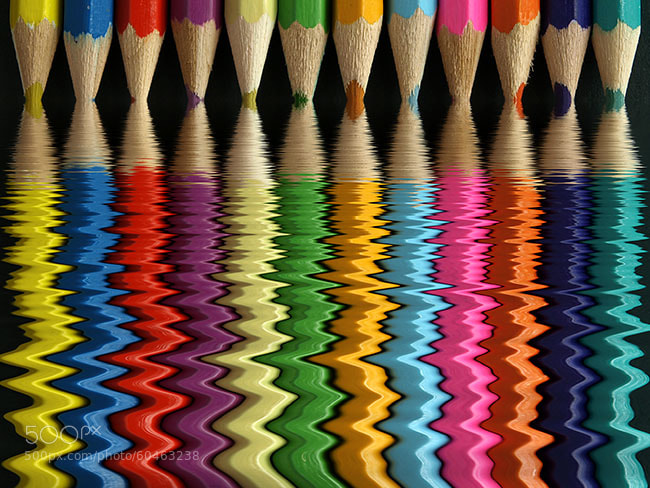
Photograph St. Peter's reflection by Daniele Forestiere on 500px

St. Peter’s reflection by Daniele Forestiere on 500px

Photograph Watercolours by Whatshisname  on 500px Watercolours by Whatshisname on 500px

Photograph Atmaniksepa by Josep Sumalla on 500px

Atmaniksepa by Josep Sumalla on 500px

Photograph Blue Honey by Lorenzo Cassina on 500px Blue Honey by Lorenzo Cassina on 500px

Photograph Who?... by Ewa Frye on 500px

Who?… by Ewa Frye on 500px

Photograph Positive Vibes by Josep Sumalla on 500px Positive Vibes by Josep Sumalla on 500px

Photograph My Sky... by Ewa Frye on 500px

My Sky… by Ewa Frye on 500px

Photograph Surreal by Lorenzo Cassina on 500px Surreal by Lorenzo Cassina on 500px

Photograph Huntington Beach Pier at Sunset by Nhut Pham on 500px

Huntington Beach Pier at Sunset by Nhut Pham on 500px

Photograph illusion by Vasilis  Athanasopoulos on 500px illusion by Vasilis Athanasopoulos on 500px

Photograph Dreamworld by Matt Payne on 500px

Dreamworld by Matt Payne on 500px

Photograph Couple by Joanna Lemanska on 500px Couple by Joanna Lemanska on 500px

Photograph Kad?köy Vapuru by Hakan Akkuzu on 500px

Kad?köy Vapuru by Hakan Akkuzu on 500px

Photograph The Biking Dutchman by Roeselien Raimond on 500px The Biking Dutchman by Roeselien Raimond on 500px

Photograph Ride on Mirror by Praveller B.S on 500px

Ride on Mirror by Praveller B.S on 500px

Photograph Captured Clouds by Petter Lidbeck on 500px Captured Clouds by Petter Lidbeck on 500px

Photograph Flipping Lifestyles by Drew Hopper on 500px

Flipping Lifestyles by Drew Hopper on 500px

Photograph En el calor de la noche by Gemma  on 500px En el calor de la noche by Gemma on 500px

Photograph reflection in the water by Ali ilker Elci on 500px

reflection in the water by Ali ilker Elci on 500px

Photograph Back to the HotRod by KAMERAKIND  on 500px Back to the HotRod by KAMERAKIND on 500px

Photograph two ropes by Brian Denton on 500px

two ropes by Brian Denton on 500px

Photograph trio . . . by Brian Denton on 500px trio . . . by Brian Denton on 500px

Photograph 'Cuda by Brian Krouskie on 500px

‘Cuda by Brian Krouskie on 500px

Photograph Hot Air Reflection by Gladner  on 500px Hot Air Reflection by Gladner on 500px

Photograph Reflection by Gavriela Marantidi on 500px

Reflection by Gavriela Marantidi on 500px

Photograph Morning Glory by Samuel Sharpe on 500px Morning Glory by Samuel Sharpe on 500px

Photograph Car Reflections by Simon Cresdee on 500px

Car Reflections by Simon Cresdee on 500px

Photograph GT Sunset by Simon Brown on 500px GT Sunset by Simon Brown on 500px

Here’s some ideas on using reflections:

  • How To Photograph Reflections In Water
  • 5 Reasons Why Bad Weather Days are the Best Times for Photography

The post Reflection Photos to get you Motivated by Darlene Hildebrandt appeared first on Digital Photography School.


Digital Photography School

 
Comments Off on Reflection Photos to get you Motivated

Posted in Photography


Blast from the past: Photographing steam locomotives

04 Jul

Matthew Malkiewicz is what you might call a vintage train enthusiast. Fascinated with trains since his childhood, he’s been photographing steam locomotives since a trip to Colorado in 2005 reignited his interests in trains and photography. His photos capture the old-world charm and romanticism that these steam-powered machines evoke. He answered a few questions about his work – see more of his photos and learn about his process. See gallery

related news: Digital Photography Review (dpreview.com)

 
Comments Off on Blast from the past: Photographing steam locomotives

Posted in Uncategorized


40 Creative Examples of Photography Business Card Designs for Inspiration

04 Jul

What do a graphic designer, an owner of a local cafe, a hairdresser and a photographer have in common? It’s a business card, of course! Tons of similar, ordinary business cards made on a white piece of paper with black lettering on them overload the market. These days, you need to have a really creative business card to impress your Continue Reading

The post 40 Creative Examples of Photography Business Card Designs for Inspiration appeared first on Photodoto.


Photodoto

 
Comments Off on 40 Creative Examples of Photography Business Card Designs for Inspiration

Posted in Photography