RSS
 

Archive for June, 2014

No Spoking: 11 Closed & Abandoned Bicycle Shops

02 Jun

[ By Steve in Abandoned Places & Architecture. ]

abandoned bicycle shops
Bicycle shops should be doing great in this era of energy conservation but the cold equations of business economics are, for many bike shops, all two wheel.

Nelson Schmelsson

abandoned closed Nelson's Bicycle Shop Brooklyn NY(image via: notsodigital)

Nelson’s Bicycle Shop at 251 Bushwick Ave in Brooklyn, NY was a neighborhood icon for over thirty years. Nelson, the eponymous owner, was a store fixture as was his huge-headed cat who sadly passed away in 2001. Perhaps the loss of his kitty-cat companion was the last straw for Nelson, as he closed his shop sometime in 2012. A tip of the bike helmet to Diego of notsodigital for the vaguely disturbing image above.

The Discontinuing Story Of Bicycle Bill

Bicycle Bill's Allston closed bike shop(images via: Bicyclebillboston.com and Yelp)

After 35-odd years at the corner of North Harvard and Bayard in Allston, MA, Bicycle Bill’s has shut the shop and gone digital.. or virtual. They’ve abandoned bricks & mortar and embraced the online retail revolution, is what we’re trying to say. In any case, buying bikes online should prove challenging, not to mention servicing them. Then again, if dozens of highly critical reviews on Yelp are any indication, dealing with Bicycle Bill’s might be more satisfying if it’s not done in person.

Spokes, Spares & Misses

abandoned bike shop Oxford(image via: Wiki/OpenStreetMap)

We could say this derelict bicycle sales, repair and rental shop is the poster child for abandoned retail stores and we would be right: the image above was chosen by OpenStreetMap Wiki to illustrate the keyword “abandoned”. The shop is located in Oxford, presumably England – where else would bikes be offered for “hire”?

Cascade Of Misfortune

Cascade Cycling closed bike shop Portland(images via: BikePortland.org and BikePortland.org)

Portland, Oregon is a cycling mecca with a plethora of bike shops… make that a plethora minus one. Cascade Cycling in north Portland found a comfortable market niche serving the city and surrounding area’s older market demographic after opening their doors in 2006 but a break-in in 2010 and the owner’s chronic health problems forced the shop to slam on the brakes in October of 2013.

Next Page – Click Below to Read More:
No Spoking 11 Closed Abandoned Bicycle Shops

Share on Facebook


[ By Steve in Abandoned Places & Architecture. ]

[ WebUrbanist | Archives | Galleries | Privacy | TOS ]


WebUrbanist

 
Comments Off on No Spoking: 11 Closed & Abandoned Bicycle Shops

Posted in Creativity


Von oben betrachtet

02 Jun

Die „Mall Armenia“, früher Galerie „Gabriel Mejia“, ist das Herz des beliebten Handelszentrums der Hauptstadt der Provinz Quindio in Kolumbien. Für wenig Geld kann man dort alle wichtigen Waren und Dienste erwerben. Auf extrem engem Raum sitzen die Händler und Dienstleister dort in ihren Kabinen, um sie herum drei Metallplatten, an denen alles untergebracht ist, was sie definiert oder was sie anzubieten haben.

Diesem skurrilen Mikrokosmos hat sich Gabriel Linares fotografisch angenommen. Der 23-Jährige ist Journalist und Sozialvermittler, angehender Fotojournalist und Designer für Audiovisuals. Im Spannungsfeld seiner Tätigkeiten interessiert er sich insbesondere für das, was er in seinem direkten Umfeld vorfindet.

Seine Serie „A vuelo de pájaro“ zeigt die Handwerker der Mall aus einer anderen Perspektive, die der normale Bürger nie haben wird, der ihnen und ihren Läden immer von vorn gegenübertritt. Aus der Vogelperspektive werden Details und Gegenstände hinter den Ladentischen ebenso sichtbar wie die unterschiedliche Art der Einrichtung.

Winziges Ladengeschäft eines Schneiders, weitwinklig von oben fotografiert.

Cesar Burbano, Schneider

Winziges Ladengeschäft eines Botanikers, weitwinklig von oben fotografiert.

Cesar Burbano, Botaniker

Winziges Ladengeschäft eines Sammlers, weitwinklig von oben fotografiert.

Alberto, Sammler

Winziges Ladengeschäft eines Händlers, weitwinklig von oben fotografiert.

Gustavo Rincón, Händler

Winziges Ladengeschäft eines Händlers, weitwinklig von oben fotografiert.

Alirio Zuluaga, Händler

Winziges Ladengeschäft eines Technikers, weitwinklig von oben fotografiert.

Gemay Marulanda, Techniker

Winziges Ladengeschäft einer Schuhmacherin, weitwinklig von oben fotografiert.

Laura Gómez, Schuhmacherin

Winziges Ladengeschäft eines Botanikers, weitwinklig von oben fotografiert.

Jose Noel, Botaniker

Winziges Ladengeschäft eines Schneiders, weitwinklig von oben fotografiert.

Edgar Alzate, Schneider

Winziges Ladengeschäft eines Sammlers, weitwinklig von oben fotografiert.

Fernando, Sammler

Winziges Ladengeschäft einer Stylistin, weitwinklig von oben fotografiert.

Luz Sánchez, Stylistin

In diesen winzigen Räumen herrscht teilweise Chaos, teilweise penible Ordnung, aber so richtig einladend wirkt keiner auf mich. Auf so engem Raum bleibt auch wenig Platz für Werbung oder ein ausgefeiltes System. Es muss nur alles untergebracht werden, was verkauft werden soll oder Gerätschaft für ein Handwerk ist.

Vor allem wird sehr deutlich, welche Vielfalt an Dingen hier auf kleinstem Raum seinen Platz findet, von dem aus eine Person ihr Überleben sichert. Gemein ist dabei allen Kabinenläden, dass sie nicht visuell ansprechend eingerichtet sind, wie wir es (hierzulande?) gewohnt sind.


kwerfeldein – Fotografie Magazin | Fotocommunity

 
Comments Off on Von oben betrachtet

Posted in Equipment


1. Juni 2014

01 Jun

Ein Beitrag von: TREBRON0815

Die Silhouette eines Lamms zeichnet sich vor einem Gebirge ab.


kwerfeldein – Fotografie Magazin | Fotocommunity

 
Comments Off on 1. Juni 2014

Posted in Equipment


John Keys brings 19th Century process to 21st Century England

01 Jun

johnkeys14.jpg

John Keys is a UK-based photographer who captures the streets of England’s north-east with a 19th Century camera using the wet plate collodion process. Although long since abandoned by most professional and enthusiast photographers, collodion has come back into fashion in recent years for its unique look. click through for a look at John’s work and to learn more about how – and why – he chooses to work with a Victorian photographic medium.

News: Digital Photography Review (dpreview.com)

 
Comments Off on John Keys brings 19th Century process to 21st Century England

Posted in Uncategorized


browserFruits Juni, Ausgabe 1

01 Jun

Statt der üblichen Wort zu unseren browserFruits gibt es heute mal einen kleinen Hinweis zu unserer Facebookseite. Dort könnt Ihr noch bis heute Abend um 20 Uhr eine von drei portablen Festplatten von Seagate gewinnen. Überhaupt empfehlen wir Euch, uns auf Facebook zu folgen, wenn Ihr keinen unserer Artikel verpassen wollt. Und ab und zu gibt es dort auch andere Links, Umfragen und kleine Überraschungen, wie unsere Verlosung mit Seagate.


Fotospecial: Grachten

Flickr

500px


Deutschsprachig

• Während man in Berlin um eine große Freifläche kämpfte, wartet in Detroit ein großes Stadion darauf, vergessen zu werden.

• Der 30-jährige Fotograf Andrea Ronchelli und der Übersetzer Andrej Mironow sind bei Berichterstattungen in der Ost-Ukraine getötet wurden. Hintergründe und mehr über die Situation für Journalisten in der Ost-Ukraine hat der Tagesspiegel.

• „Bürger, Journalist? Erfahrungen eines ägyptischen Fotografen.“ Auf Alsharq haben wir ein Interview mit dem agyptischen Journalisten Roger Anis gefunden.


International

• Warum die sogenannte „Leica-Fotografie“ tot ist. Und warum Leica selbst sie getötet hat. Spannender Schlenker in die Geschichte der großen Namen und wie sich das Image des Konzerns geändert hat.

• Ein Instagram-Feed, das unter dem Namen Everydayiran Fotos von Straßenfotografen aus dem Iran sammelt.

• Die Library Of Congress hat ein sehenswertes Set auf Flickr mit Farbaufnahmen der 1930er bis 40er Jahre.

• Auch das Museum of Modern Art hat seine Sammlung Online. Darunter auch viele historische Fotografien.

• „City Slivers – The Jerusalem Photo Project“ ist ein vielversprechendes Gemeinschaftsprojekt von zur Zeit 13 Fotografen, die sich zum Ziel gesetzt haben, die Stadt systematisch fotografisch zu dokumentieren.

• Fotografisch kaum interessant und dennoch toll: 22 Vorher-Nachher-Fotos von aufgewachsenen Haustieren.

• 60 historische Bilder von berühmten Persönlichkeiten. Wer wollte nicht schon immer mal einen Mug Shot von Bill Gates sehen?

• 22 verrückte Bilder, bei denen wir absolut keine Ahnung haben, was vor sich geht und warum sie fotografiert wurden. Lustig sind sie aber sehr.

• Die berühmten Pin-Up-Bilder der 50er Jahre hatten meist Fotografien als Vorlagen. Und darauf posen reale Frauen im typischen Stil mit übertriebenen Mimiken, was ziemlich absurd wirkt.

• Dale Yudelman aus Kapstadt macht mit dem iPhone Bilder seiner Heimadtsatdt. Die Serie „Life Under Democracy“ zeigt Aufnahmen von „unter der Oberfläche des Alltags.“


Neuerscheinungen und Tipps vom Foto-Büchermarkt

Buchtipps

• Christoph Bangert stellt sich moralische und ethische Fragen über seine Arbeit als Kriegsfotograf in seinem bei Kehrer erschienen Buch „War Porn“*. Ist es moralisch zu rechtfertigen, als Fotograf in Kriegsgebieten zu arbeiten? Warum sind wir alle von Bildern des Elends anderer angezogen? Produziere ich Kriegs-Pornografie? Die Bilder zeigen den Krieg ungeschönt und ohne Zensur. Das Buch kostet 29,90 €.

• Ihr kennt doch sicher MAMIKA, die tolle Großmutter im Superheldenanzug? Sie lässt sich von ihrem Enkelsohn Sacha Goldberger in wunderbaren Bildern portraitieren, die auch als Buch erhältlich sind: „MAMIKA: Große kleine Großmama“, erschienen im Huber Verlag für nur 14,95 €.


Zitat der Woche

Photography is the story I fail to put into words.

Destin Sparks –

Mehr Zitate


Videos

Ein Film über Künstler, bei denen der fotografische Prozess nur zum Teil zum fertigen Ergebnis gehört. (Danke an Julia für den Link.)


* Das ist ein Affiliate-Link zu Amazon. Wenn Ihr darüber etwas bestellt, erhält kwerfeldein eine kleine Provision, Ihr bezahlt aber keinen Cent mehr.


kwerfeldein – Fotografie Magazin | Fotocommunity

 
Comments Off on browserFruits Juni, Ausgabe 1

Posted in Equipment


Deutche Börse Prize winner captures conflict in infrared

01 Jun

The_Enclave_2_600.jpg

An ongoing war in eastern Congo has killed more than 5 million people since it started in the early 1990s. How do you draw attention to an armed conflict the world is largely ignoring? Photographer Richard Mosse spent years in the region documenting combatants with infrared film to make the camouflaged soldiers of the Democratic Republic of Congo stand out rather than blend in with their surroundings. Last week, Mosse won the Deutche Börse Photography Prize for his installation The Enclave. Read more

News: Digital Photography Review (dpreview.com)

 
Comments Off on Deutche Börse Prize winner captures conflict in infrared

Posted in Uncategorized


PicTricks offers cheap photo ‘fixes’

01 Jun

pictricks.jpg

Do your pictures need a bit of polish? If you’re not comfortable with post-processing, a new service called PicTricks can provide quick photo ‘fixes’ like whitening teeth, removing unwanted elements from a scene and correcting unflattering lighting or skin tone rendition. Their services start at $ 5 per photo and a 24-hour turnaround from the ‘team of editors’ is promised. We’ve had a look at the service, and you can click through to read more

News: Digital Photography Review (dpreview.com)

 
Comments Off on PicTricks offers cheap photo ‘fixes’

Posted in Uncategorized


DPReview is hiring! Writer + Web Developer

01 Jun

DPRlogo.png

We’re looking for an editorial writer and a web developer to join our growing team based in Seattle, WA. Responsibilities for the editorial role include testing and producing reviews of digital system cameras, compact cameras and other photographic equipment. Successful applicants for the web developer role will have strong visual design skills to help us craft the look, feel and functionality of dpreview.com. Click though for more information

News: Digital Photography Review (dpreview.com)

 
Comments Off on DPReview is hiring! Writer + Web Developer

Posted in Uncategorized


Sony Cybershot DSC-RX100 M3 : real world sample images

01 Jun

gallery_icon.jpg

As soon as it emerged from our studio we went straight out shooting with the RX100 III, to give an idea of the results it gives. We’ll be adding video and more samples over the coming days but this initial gallery aims to show a range of the camera’s capabilities. We set the camera’s ND filter to Auto, so we could shoot at wide aperture in good light, and include a real-world shot from the wide and long en of the lens, shot this way. Click through to see more.

News: Digital Photography Review (dpreview.com)

 
Comments Off on Sony Cybershot DSC-RX100 M3 : real world sample images

Posted in Uncategorized


Tips for Shooting and Processing Better Black and White Photographs

01 Jun

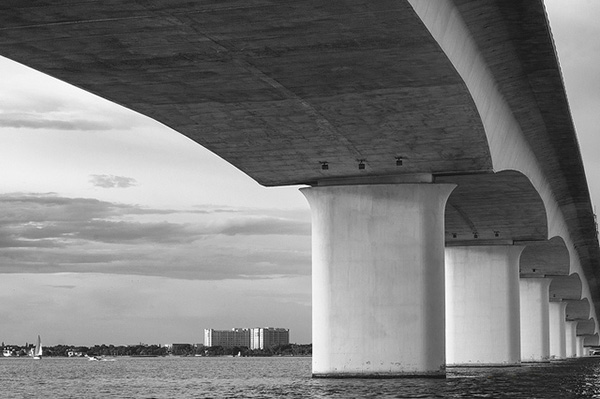
Photography, as you know, is fundamentally the capturing of light; you are not taking pictures of objects as much as you are recording the light that is bouncing off of them. In the early days of photography, the only medium available to capture this light was monochromatic film, commonly known as black and white. In the 1930s, the invention of Kodachrome, the first successfully mass-produced color film, ushered in an age of color to the art form.

Bw article3 NEW

Instead of fading away, however, black and white photography remained throughout the birth of color, and even increased in popularity in the following decades, due to its simplicity and ability to display tones more dramatically than color usually can.

What makes black and white photography retain its timelessness? A compelling picture is always based on the same fundamentals; lighting, tonal range, shapes, patterns and textures. A black and white photo breaks these fundamentals down to their basics, and is not hindered by the distraction and complexity that color can sometimes contribute. It is truly an art form. The reality of a scene depicted in color is transformed into an artistic interpretation when shown in shades of grey.

So what do you need to understand in order to produce a great monochrome photo?

Visualize in Black and White

One of the most helpful things you can do is something that takes place before you even click the shutter button. Training yourself to envision a scene in black and white will help determine if it will work in that state, or if it would be better left to color. Since you won’t have color in the final shot, you’ll need to visualize the core of the scene instead:

  • How is the light behaving on the objects in the scene?
  • What forms are involved?
  • Are there lights, darks, and shades in between, giving you a good tonal range?

Scenes that contain contrast and texture will usually provide a good end result when converted to black and white. Fortunately, you can apply monochrome to almost any type of photography, including landscape, portrait, and street photography. The resulting feel of the image depends on the subject; landscape shots of the ocean will have more highlighted textures of the waves, and street portraits done in black and white can have a grittier, more dramatic feel.

031814 siestaguarshack2 sized

Taking the Shot

Many of the basic principles of photography apply when shooting for black and white as well. You’ll need to compose the scene properly, utilizing the rule of thirds where applicable, and properly expose the shot. As always, you’ll want to shoot in RAW, so that any necessary adjustments can be made such as exposure and levels before you begin post-processing.

When composing, pay special attention to the lines and shapes in the image. These components are even more important when the photo is desaturated.

Finally, you may benefit from using a polarizing filter. This lens attachment will reduce, or remove, reflections that may be apparent in water or other shiny surfaces. Since these reflections could take away focus from your subject matter, it’s best to do this during the shooting process rather than post-production.

040613 siesta feet sized

Post-production

The most important step in this process is actually converting the shot into black and white. While almost all DSLRs have the ability to shoot in black and white initially, you’re losing an important advantage; the photo will permanently be monochrome. Photographers sometimes think that a poor image can somehow be “saved” by being converted into black and white; this is not always the case. If you shoot in JPG format and the black and white (monochrome) setting on your camera, you’ll be producing a black and white JPG image, and lose the ability to convert to color or take advantage of RAW adjustments. BUT if you shoot in RAW in this mode you will still have all the colour data but have the advantage of seeing a black and white preview on the camera screen.

Black and white conversions in an image editor such as Photoshop can usually be categorized in two ways; destructive, and non-destructive. Obviously, destructive methods actually modify pixels and cannot be easily adjusted. Converting directly to greyscale is a long-used example of this method. Preferably, you want to use a non-destructive method that will allow you to make continued adjustments to the image until you have the tone and shading desired.

The easiest method (and the one that I prefer) is to use the Hue/Saturation/Luminosity tab in the RAW importer in Photoshop (the HSL panel in Lightroom also does the same thing). Alternatively, you can accomplish the same thing (albeit with a bit less control) by using a Channel Mixer adjustment layer after you’ve imported the RAW file into Photoshop.

Converting to Black and White with the RAW HSL Controls

Not only does this method offer more control than simply desaturating the image, it keeps the color profile loaded into the RAW (.CR2) file, allowing you to reopen and adjust it as you see fit. To convert using this method follow these steps:

  • Select the RAW file you wish to convert and open it. The file will open within Adobe’s RAW import dialog.

Bw article ps1 FINAL

  • Click the HSL/Greyscale tab on the right side of the dialog box (this should be the 4th tab).

Bw article ps2 FINAL

  • Tick the “Convert to Greyscale” box.

Bw article ps3 FINAL

  • You will be presented with eight color sliders. Adjust these sliders individually (ensure the “Preview” checkbox is ticked near the top) to see real-time changes in those color channels, and how those changes impact your desaturated image. With a color image, moving the “yellow” slider would modify the yellow in your image, but here, it will make the portions of the image that were yellow change in shading, either lighter or darker depending on which direction the slider is moved.

Bw article ps4 FINAL2

That’s it, you’re all done. Few accomplishments in photography are as satisfying as producing a well-done black and white image. You have discarded color, and envisioned your story instead with shapes, lines, shadows, and textures. You’ve opened up a new world of imagery to yourself, and exponentially expanded your repertoire.

Now…what will you do with it? Share in the comments below if you have anything to add or would like to show us your new black and white images.

The post Tips for Shooting and Processing Better Black and White Photographs by Tim Gilbreath appeared first on Digital Photography School.


Digital Photography School

 
Comments Off on Tips for Shooting and Processing Better Black and White Photographs

Posted in Photography