RSS
 

Archive for June, 2014

New camera app features in Apple’s iOS 8

04 Jun

appleios8.jpg

We wrote Monday about some of the imaging related changes that Apple announced with the latest version of its mobile operating system, iOS 8, at its annual developers event WWDC. Now that users have had a day or so to play with the beta version of iOS 8, a few more photo features have been discovered that were not mentioned in the keynote. Here’s a quick summary. Read more

News: Digital Photography Review (dpreview.com)

 
Comments Off on New camera app features in Apple’s iOS 8

Posted in Uncategorized


Rumänische Landschaften

04 Jun

Dieses faszinierende Land steckt mitten in einer seiner größten post-Ceausescu’schen Umbruchszeiten – ökonomisch, sozial sowie strukturell. Es ist ein Land voller landschaftlicher Schönheit, wunderbarer Menschen mit starkem Vertrauen und Glauben, das sich aber den Resten seiner unglücklichen Vergangenheit gegenübersieht.

Meine Bilder sind eine Momentaufnahme in der fortlaufenden Zeit und zeigen eine Zeit, die so vielleicht nie wieder zu sehen sein wird.

Aktuell arbeitet Darran Rees an einem Langzeitprojekt über die Entwicklungsländer von Osteuropa, speziell Rumänien. Seine Frau ist Rumänin und beide lebten einige Jahre in ihrem Heimatland, bevor sie wieder in den Westen zogen. Er reist nun immer wieder dorthin zurück, um die Veränderungen — zum Guten sowie zum Schlechten — festzuhalten.

Die folgenden Bilder aus seiner Serie „Landschape Romania“ wurden im Winter im nördlichen Rumänien an der Grenze zur Ukraine aufgenommen.

In einer nebligen, menschenleeren Schneelandschaft kreuzen sich eine Straße und Bahnschienen in einem spitzen Winkel.

Industriebauten aus Beton, im Vordergrund ein hoher Zaun, Müllcontainer und Schrott.

Eine zerfallene Holzbrücke in einer Schneelandschaft.

In einer Schneelandschaft stehen ein Baum und ein Telegrafenmast neben in die Ferne verlaufnden Bahngleisen, auf denen eine Person läuft.

Gatterartige Holzkonstruktionen und ein schiefer Telegrafenmast in einer Schneelandschaft.

Prellbock am Ende eines Gleises in einer Schneelandschaft.

Schneelandschaft mit Blick in ein Tal voller Felder, im Vordergrund ein knorriger Baum an einem kleinen Hang.

Zwei Frauen in Pelzmänteln stehen an einer verregneten, dörflichen Kreuzung.

In einer weiten Schneelandschaft steht ein einsamer Bauwagen, aus dem ein Mann guckt, davor steht ein Tisch mit aufgetürmten Einweckgläsern.

Ein Mann mit einem Tisch, auf dem Einweckgläser aufgetürmt sind, steht mit einem Trabbi an einem Straßenschild in einer weiten Schneelandschaft.

Ein Hund steht im Schnee neben einem großen Logo, dahinter Gebäude einer Kleinstadt.

Fünf Hunde stehen verloren in einer sehr weiten, weißen Schneelandschaft.

Ein einzelnes Pferd steht vor einer weiten Feldlandschaft mit etwas Schnee.

In einer weiten Schneelandschaft steht ein einzelnes Haus, dessen Fenster mit Holzbrettern vernagelt sind.

Eine alte Kirche, komplett in ein Baugerüst gehüllt, steht in einer trostlosen Schneelandschaft.

Weite Feldlandschaft mit etwas Schnee, in deren Mitte eine Holzkirche steht, im Vordergrund lungern drei Hunde herum.

Vor einer schneebedeckten Nadelwaldkulisse steht ein weißes Holzkreuz, an dem eine naiv gemalte Jesusfigur hängt.

Darran Rees wurde in Wales geboren und hatte eigentlich Kunst und Malerei studiert, bevor er nach London zog und sich ab Mitte der 1990er Jahre vor allem als Fotograf betätigte. Von London und inzwischen auch New York aus arbeitet er für internationale Agenturen sowie Kunden und an persönlichen Projekten.

Eine seiner liebsten Arbeiten war die für die Fair Trade Charity Organisation, für die er in entlegene Gegenden der Tee und Kaffee anbauenden Regionen in Peru, Afrika, Mexiko und Nicaragua fuhr, um dort die Bauern, Arbeiter, ihre Ländereien und Gesellschaften zu fotografieren.

Neugierig geworden? Weitere Arbeiten von Darran Rees findet Ihr auf seiner Webseite sowie auf seinem Portfolio bei Behance. Ihr könnt ihm auch auf Twitter folgen.


kwerfeldein – Fotografie Magazin | Fotocommunity

 
Comments Off on Rumänische Landschaften

Posted in Equipment


Ricoh releases GR firmware 4.0

04 Jun

shared:download-button.png

A new firmware updated for the Ricoh GR adds a ‘High Speed’ AF mode and claims to improve operational performance for aperture preview. Other additions include a ‘Shift Crop’ effect mode designed to reduce perspective distortion by removing a portion of vertically-oriented images, and improved stability when connecting via USB to a Mac. Read more

News: Digital Photography Review (dpreview.com)

 
Comments Off on Ricoh releases GR firmware 4.0

Posted in Uncategorized


Mit Warmherzigkeit gegen das Trauma

04 Jun

Ein Beitrag von: Anne Ackermann

Vom englischsprachigen Magazin „Perspective“ der norwegischen Flüchtlingshilfe, dem Norwegian Refugee Council (NRC), bin ich im Juli 2013 angefragt worden, ob ich für einen Auftrag in die Demokratische Republik Kongo (DRC) reisen möchte.

Ich lebe derzeit im Nachbarland der DRC, Uganda, und hatte zu diesem Zeitpunkt immer schon einmal in den Kongo gewollt. Schnell kam meine Autorenkollegin Hilary Heuler (USA) als Autorin mit an Bord.

Eine Frau steht mit ihrem Fahrrad vor einer Hütte, wo eine Gruppe Kinder sie freudig umringt.

Beim Radfahren durch die Straßen von Dungu erhält Schwester Angelique Namaika ein herzliches Willkommen von einer Gruppe von Kindern. Viele Menschen in Dungu kennen die Schwester und ehren sie.

Ein Kleinkind in schumutziger Kleidung schaut zu einer Person hoch, die ihre Hand an den Hinterkopf des Kindes hält.

Sister Angelique Namaika kuemmert sich um Kinder ihres Waisenhauses.

Anfangs war der Auftrag sehr geheimnisvoll, wir wurden bis zum Schluss nicht 100% gebrieft und mussten am Ende gar eine Verschwiegenheitserklärung unterzeichnen. Denn nicht nur das NRC, sondern selbst die UNHCR (Hoher Flüchtlingskommissar der Vereinten Nationen) war als Auftraggeber und Organisator mit an Bord.

Die Geschichte war top secret, ging es doch um die diesjährige und noch geheime Gewinnerin des Nansen-Flüchtlingspreises, des renommierten Preises der UN, der Menschen ehrt, die sich um die Sache der Flüchtlinge besonders verdient gemacht haben. Er wird einmal im Jahr unter den Augen der Weltöffentlichkeit vergeben. Bis es soweit war, mussten wir also unsere Mission selbst später vor Ort in Dungu noch streng geheim halten.

Eine lachende Frau hält ein Kleinkind auf dem Arm.

Eine Frau hält tröstend mit geschlossenen Augen eine andere Frau umarmt.

Sister Angelique Namaika kümmert sich um von den Rebellen der LRA missbrauchte Frauen und Mädchen.

Nach weiteren Briefings und der Organisation der benötigten Visa ging es also im August vom Flughafen Entebbe in Uganda aus mit dem UN-Helikopter in Richtung Nord-Kongo, an die Grenze zur Zentralafrikanischen Republik, in einen kleinen Ort namens Dungu.

Dort kümmert Angelique Namaika, eine kongolesische Ordensschwester, sich aufopfernd um junge Frauen, die von den Rebellen der berüchtigten ugandischen Rebellengruppe LRA („Widerstandsarmee des Herrn“) in den Busch entführt und zu Kindersoldaten und Sexsklaven gemacht worden sind. Als Rückkehrer leiden sie unter dem Trauma der Gewalt, aber auch der Stigmatisierung durch die eigene Gesellschaft.

Eine Frau mit Fahrrad legt lachend einer zweiten Frau, die ein Kind auf dem Arm trägt, ihre Hand auf die Schulter.

Sister Angelique Namaika verabschiedet eine der jungen Frauen, mit denen sie arbeitet, in einem Flüchlingslager am Rande von Dungu.

Eine Frau hält sich ihre Hände vors Gesicht.

Eine junge Frau versteckt ihr Gesicht, während sie in ihrer Hütte in einem Flüchtlingslager am Stadtrand von Dungu, im Nordosten der DRC fotografiert wird. Die junge Frau war von den Rebellen der LRA entführt worden, als sie erst 14 war und ist nun Mutter als Folge einer erzwungenen Beziehung im Busch. Erst durch die Bekanntschaft mit Sister Angelique Namaika nimmt sie nun an Näh- und Kochkursen teil und kommt langsam ins Leben zurück.

Da nicht alle Straßen, die nach Dungu führen, sicher genug sind, dass UN-Fahrzeuge auf ihnen fahren dürfen, wurden wir in einem Militär-Helikopter zusammen mit in Dungu stationierten Blauhelmsoldaten aus Bangladesch und Ägypten eingeflogen. Während des langen Fluges überquerten wir stundenlang dicht bewachsenes Buschland ohne Zeichen menschlichen Lebens.

Ich bekam eine Vorstellung von der Größe, aber auch der natürlichen und unerwarteten Schönheit eines Landes, das normalerweise eher mit Krieg und Verderben assoziiert wird. Die Rebellen selbst sind nicht mehr unmittelbar in Dungu anzutreffen, machen aber immer noch in Splittergruppen das Buschland um Dungu herum unsicher.

Das sind allerdings mehr Überfälle auf kleine Gehöfte, um den eigenen Hunger zu stillen und weniger tatsächliche Entführungen. Daher kommen aber immer noch Vertriebene auf der Suche nach Schutz in Dungu an. Dort bewacht die UN die Stadt, also konnten wir uns relativ sicher fühlen. An die Ausganssperre ab 18 Uhr hielten wir uns natürlich dennoch strikt.

Zwei Hütten in einer afrikanischen Landschaft.

Eines der IDP Camps außerhalb Dungus, in dem Schwester Angelique Namaika regelmaessig Frauen besucht, betreut und sie in Kursen unterrichtet.

Eine Frau fährt auf einem Fahrrad vor einer Hütte.

In Dungu angekommen, begann dann auch schon gleich die Arbeit und wir lernten Schwester Angelique Namaika kennen. Ihre Warmherzigkeit und die hingebungsvolle Arbeit für die jungen Frauen sind mir heute noch in Erinnerung. Sie war auch sehr professionell im Umgang mit uns und das, obwohl sie von den Medien geradezu belagert wurde. Gerade war ein spanisches Fernsehteam da gewesen, nach uns hatte sich direkt das nächsten Autoren- und Fotografenteam angekündigt.

Dennoch war sie eine große Hilfe, nahm uns überall mit hin, zeigte uns ihre Projekte und Schützlinge und verlor nie die Geduld. Auch nicht nach stundenlangem Interviewen und Fotografieren. Ihrem einzigartigen Draht zu den jungen Frauen ist es auch zu verdanken, dass ich trotz der schwierigen Rahmenbedingung (ich durfte einige Frauen aus Sicherheitsgründen nicht mit dem Gesicht zeigen) zu tollen Portraitaufnahmen kam.

Eine Frau mit zwei Kindern posiert vor zwei Hütten.

Melanie, 18, hat zwei Kinder mit aus der LRA-Gefangenschaft gebracht und wurde hier vor ihrem Haus in einem IDP Camp außerhalb Dungus fotografiert.

Eine Frau hilft einer anderen beim Anziehen einer Schürze.

Schwester Angelique Namaika hilft Monique mit dem Anziehen ihrer Schürze. Monique, eine ehemalige Entführte, hat viele neuen Fähigkeiten von der Schwester gelernt.

Ohne den Kontakt über die Schwester wäre das für mich allein natürlich nie möglich gewesen. In der Zeit, die wir mit der Schwester, der Preisträgerin des diesjährigen Nansen-Flüchtlingspreises verbrachten, ist mir auch vor allem eines aufgefallen: Die Einfachheit der Mittel, mit denen die Schwester so Großes bewirkt.

Da wird kurzerhand eine kleine Kirche in ein Klassenzimmer verwandelt: Eine Tafel und ein paar Holzbänke auf den Sandboden gestellt und los geht es mit dem Alphabetisierungsunterricht. Mehl, Öl, ein wenig Zucker und eine Bratpfanne reichen im Kochkurs aus, um den Frauen das Brotbacken zu lehren. Schon durch eine einfache Fähigkeit wie diese ist es den Frauen möglich, ihre Kinder in die Schule zu schicken, sodass sie lesen und schreiben lernen und später einmal auf eigenen Füßen stehen können.

Bei den Bildern war es mit somit wichtig, dass sie einfach, mitfühlend und nah am Menschen sind, gleichzeitig von einer Ehrlichkeit und Direktheit, wie ich sie auch in der Arbeit der Schwester wiedergefunden habe.

Eine Frau bindet ihre Schürze im Rücken.

Eine Frau hält in einem Türrahmen ein Kind auf dem Arm. Sie stehen im grellen Gegenlicht, das von draußen in den dunklen Raum fällt.

Susy ist aus der LRA-Gefangenschaft mit einem Sohn zurückgekommen und möchte nun mit der Hilfe der Schwester studieren und sich eine Zukunft aufbauen.

Viele der Schicksale der Frauen sind sehr hart und es ist für mich nach all den Interviews und der Arbeit am Thema sowohl in der DRC als auch in Uganda immer noch weitestgehend ein Rätsel, wie die Frauen das Trauma bewältigen und dann scheinbar zumindest nach außen hin wieder mit beiden Beinen auf dem Boden landen.

Auch, wenn ich mich auf diese Reisen als Fotografin begebe, die einen guten Job machen will, komme ich oft als Mensch wieder, der etwas Neues gelernt hat. Ich glaube, das ist es, was mir dabei mit am meisten gefällt.

Das Gesicht einer Frau, halb von grünen Blättern verdeckt.

Eine betende Frau in einer sonst leeren, einfachen Kirche.

Schwester Angelique Namaika betet im Morgengottesdienst in der Kirche in Dungu.

Hilary und ich haben zwar nur drei Tage in Dungu verbracht, doch die Begegnung mit Schwester Angelique Namaika, die unerwartete Schönheit von Dungu mit seiner saftig grünen Natur sowie den alten Kolonialbauten aus der Zeit der Belgier werde ich wohl so schnell nicht vergessen.

Geblieben sind wie immer die Fotos, die hoffentlich vielen Leuten erzählen werden, dass es auch an scheinbar hoffnungslosen Orten Menschen gibt, die einen Unterschied machen.


kwerfeldein – Fotografie Magazin | Fotocommunity

 
Comments Off on Mit Warmherzigkeit gegen das Trauma

Posted in Equipment


Vertu Signature Touch comes with Hasselblad-certified camera

04 Jun

vertu1.jpg

If you’ve always wanted a Hasselblad camera, but found the real thing too bulky and the rebadged Sony cameras too ridiculous, smartphone manufacturer Vertu has just given you another option. Vertu’s latest model, the Signature Touch, comes with a “Hasselblad-certified” camera. Despite a vague statement that Vertu has worked with Hasselblad to “perfect the image tuning of the camera onboard Signature Touch,” it’s almost certainly using a standard 1/3-inch CMOS sensor. Read more

News: Digital Photography Review (dpreview.com)

 
Comments Off on Vertu Signature Touch comes with Hasselblad-certified camera

Posted in Uncategorized


Guide to Attracting Critters to Your Garden for Backyard Wildlife Photography

04 Jun

9783923464 5e8518e1f9 o
Wildlife photography brings with it some natural challenges. One of the greatest being that it is often difficult to have regular access to wild animals to photograph. Many of us are guilty of looking further afield for our subjects, but our own back gardens are prime locations for attracting, and photographing wildlife.

Live in the city suburbs? Doesn’t matter. Your area is likely to be bustling with bird life that you aren’t aware of yet. This guide will run you through a few of the best ways you can attract birds and animals to your garden for easier wildlife photography.

Provide Supplementary Food

Animals are suckers for food. They’re often hungry and looking for their next meal. The best way to get them to come to your garden is to provide nutritious, supplementary food. There are a variety of different methods you can use to feed wild animals.

Bird feeders are available in many different sizes and shapes. A normal tube system with various feeding holes is available from your local pet shop or garden centre. They’re inexpensive, and can be filled with many different varieties of seed. You can buy wild bird food from the same place, and get anything from mixed seeds to solely sunflower hearts. I use the latter, and to great effect.

For attracting mammals, you can get a variety of ground feeders. Squirrels, for example, love peanuts, hazelnuts and other nutty foods.
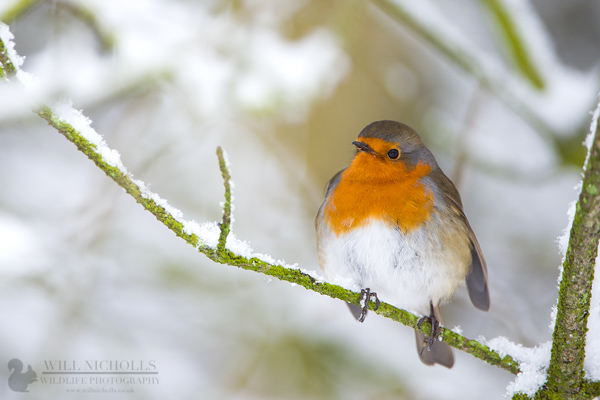
Robin in Snow

Don’t Forget the Ethics

By providing supplementary food to animals, you must not overfeed them. Fill the feeders maybe 2-3 times per week, so that they do not become dependent on you as a food source.

Make sure what you are feeding them is suitable. Ask a garden centre for advice if you need help. If using peanuts, they must be completely natural (not roasted) and unsalted!

If you decide to stop providing food, you must do so gradually. Slowly reduce the amount you are feeding over a month or so, allowing the animals to adjust naturally. Otherwise, you could end up unintentionally starving some individuals.

Getting Close for Photography

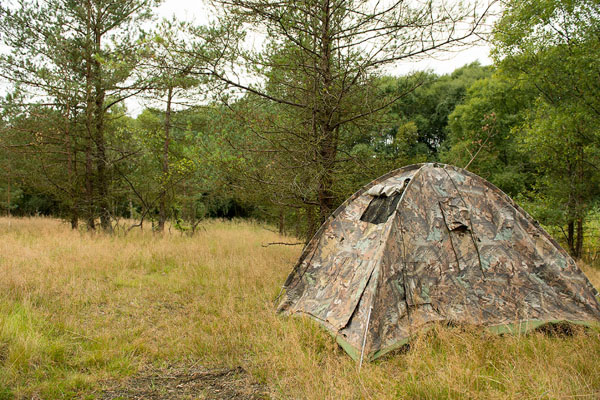
Many garden birds will allow you to sit quietly near the feeders, as they will eventually get used to you. However, if you want more freedom to move without scaring them away, get yourself a small tent hide (blind). These are available on Amazon at relatively cheap prices. A shooting blind will do the job perfectly.

Hide

Making an Area Photogenic

So by now you have the wildlife, but you still need to capture those stunning shots. A bird on a feeder isn’t the most attractive of images, but there are some neat tricks to avoid this.

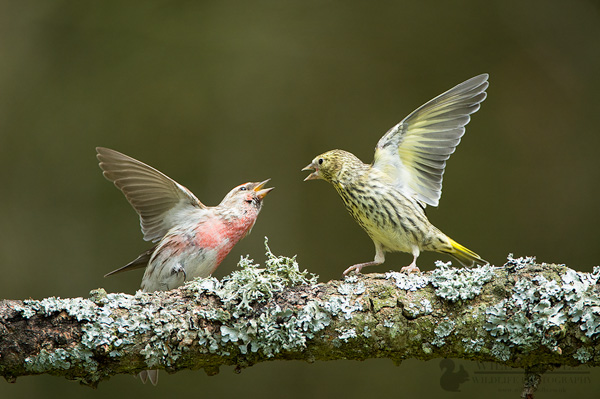
Place some gnarled twigs and sticks around the feeders. If you need to, strap them to a pole so they are held horizontally. Birds will use these as queueing platforms for the feeders, waiting their turn to feed. You can utilize this moment to capture some lovely portraits of the birds on these photogenic branches. If you’re lucky, you may even get two birds fighting for pride of place.

You should also be wary of your backgrounds. If you are photographing with a messy backdrop, it will likely come out in the image and be distracting. If there’s no choice of positioning next to something plainer, then consider hanging a dark green sheet at a distance behind your subjects. This will create a pleasing bokeh for your photographs.

Red Poll and Siskin Fight

Be Patient

The key to wildlife photography is patience. Changes won’t just happen overnight. Provide food and wait, and eventually you’ll see results. It shouldn’t take too long, but birds don’t have a radar which tells them as soon as food is available – they have to find it first!

That’s just about it. Fine-tune your feeding stations overtime, adding or subtracting elements depending on what works and what doesn’t work. Good luck!

The post Guide to Attracting Critters to Your Garden for Backyard Wildlife Photography by Will Nicholls appeared first on Digital Photography School.


Digital Photography School

 
Comments Off on Guide to Attracting Critters to Your Garden for Backyard Wildlife Photography

Posted in Photography


3. Juni 2014

04 Jun

Ein Beitrag von: Felix Pacholleck

Eine Person isst am Tisch kopfüber


kwerfeldein – Fotografie Magazin | Fotocommunity

 
Comments Off on 3. Juni 2014

Posted in Equipment


Fashion Clown With Tim Engle

04 Jun

Tim Engle wins Photoof the Week with Fashion Clown as seen on Fashion Photography Blog (FashionPhotographyBlog.com)

FashionPhotographyBlog.com is delighted to have Tim Engle joining us today. The Sacramento based commercial, fashion and beauty photographer started his photography journey during his school years and since has turned his passion into a full-time occupation, getting paid to do what he loves to do. Transitioning between commercial photography, to portraits, fashion to avant-garde, he prioritizes his dedication firstly to his family, as husband and father, with creative direction and photography close behind. Tim took some time to share insights into his winning Photo of the Week entry entitled “Fashion Clown” and his background as a photographer.

As mentioned above, Tim Engle started photography at a fairly young age, but did you know he used it as a way to deal with social shyness at school, he explained, “I have had a camera in my hand since middle school. I was extremely shy and I think it was kind of a shield for me, which made it easier for me in social situations. I ended up studying sports science and art in college with the thought of going into coaching. Over time, photography just consumed my life.”

So if a camera did not pass Tim’s way when he was at school, we would be speaking to a sports coach, rather than a winning photographer for Photo of The Week. We are so glad that that he chose the photography route, otherwise, the winning photo of “Dark Humor” week, this avant-garde piece of creativity would not have been created. But how did the idea come about? The photographer’s answer was, “That was a funny set of images. I had this image of a clown in my head for years. I’ve also been fascinated by people’s reactions to clowns. The opportunity arose to shoot at this great location, which was an old abandoned boys’ reformatory institution and I just started putting the pieces together. I had a great team with all the ingredients and I knew we would put something out very different that day.”
To create the shoot, Tim explained that the shoot set up was not overly complicated, he detailed that “That set of images was very low tech. The location had wonderful sun streaming through the windows. So majority of the lighting was from reflected light and mirrors. I did use some shop lights with color corrected bulbs as fill. The camera for that shot was a Nikon body with a 50mm lens.”
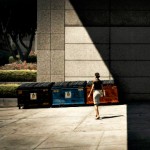
When I asked him why he thought the reason why the shoot went so well, a basic set up to create a result that activates the imagination, he answered “I think I try and keep it simple; from lighting to environment. There was a time when I would over think things. Now I’m trying to let go and be simple.”

To find out more about Tim Engle’s work, his winning photo and other photos from the “Fashion Clown” you can click here, Fashion Clown, or visit his website www.Englephoto.com or email tim@englephoto.com

Currently, we have another round of Photo Of The Week running. To participate in the voting, make sure you “like” our Facebook page here and vote for your favorite photographer‘s photo out of the finalists in the comments section of the post. The photo with the most vote’s by the end of the week at Sunday midnight will win Photo of the Week and win the great prizes on offer.

Since FashionPhotographyBlog.com is Google’s #1 site on fashion photography in the world, you might be interested in entering our Photo of The Week competition. This could be your entry to some great exposure if you submit your photo and win. To find out more details on how to enter, make sure you join our mailing list. We will send you the entry details via your email. As a reminder, voting ends at the end of the week so make sure you get voting on our Facebook page here.

What do you think of Tim Engle’s “Fashion Clown”. We want to know what you think. Tell us in the comments below, do you agree with how this week’s voting outcome? What is your critique on this photo? We want to hear from you!

Tim Engle: “Happy Clicking!”


Fashion Photography Blog

 
Comments Off on Fashion Clown With Tim Engle

Posted in Uncategorized


Crossroad of Realities: Photography Subverts Gaming Scenes

03 Jun

[ By WebUrbanist in Gaming & Computing & Technology. ]

game photograph distant shot

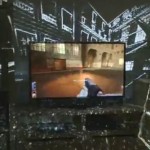
As improved game graphics generate increasingly photo-realistic spaces, projects like this blur the boundaries between virtual and real in perception-warping ways. Test and see for yourself: how long do you have to stare at each picture to ascertain what elements comes from within the game and which ones are derived from everyday reality?

game photo virtual device

game photo rain image

Referencing Jean Baudrillard (of Simulacra and Simulation), gamer and photographer Benoit Paillé of Montreal, Quebec explains his aim to “overlay a material reality with a virtual one, erasing the border between the two worlds … to show that we can use a virtual space in conceptual photography and approach these areas with the same sensitivity as the physical space.”

game photo gta v

game photo device zoom

The process of making Crossroads of Realities involved carefully capturing in-game scenes from Grand Theft Auto V, then simulating the same conditions (time of day, angle of light, conditions of weather) in a real photograph of a human hand holding an image-capturing device. These images were then hybridized into finished shots representing uncanny combinations of virtual and physical reality.

game photo capture example

game photo upside down

game photo night shot

As to his inspiration: “It is a response to the proliferation of visual projects that take place in virtual spaces. It is a questioning about the notion of border and territory. A mix of two distinct realities into a single image. I ask questions about the legitimacy and the authorship of artwork created this way.”

Next Page – Click Below to Read More:
Crossroad Of Realities Photography Subverts Gaming Scenes

Share on Facebook


[ By WebUrbanist in Gaming & Computing & Technology. ]

[ WebUrbanist | Archives | Galleries | Privacy | TOS ]


WebUrbanist

 
Comments Off on Crossroad of Realities: Photography Subverts Gaming Scenes

Posted in Creativity


How to do Long Exposure Photography and Light Trails at Night

03 Jun
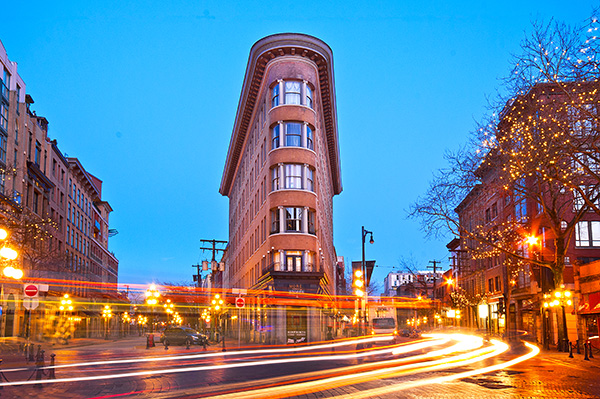
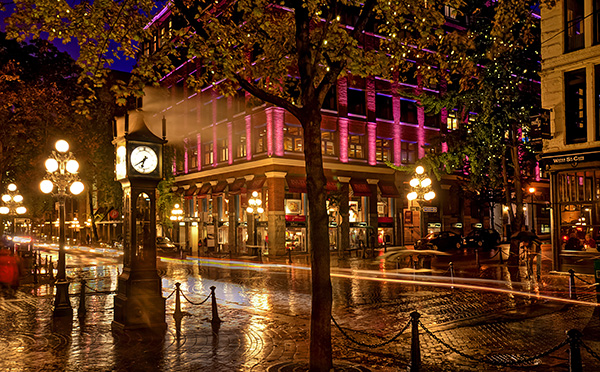
Gastown Light Trails

Gastown light trails, Vancouver, Canada

Before I understood how photography worked, I was always intrigued by light trails in images. I never understood how that happened. When I began to study photography, one of the first assignments I did was an advanced course on night photography. I decided I would try and capture some light trails. I set up my camera, made sure the settings were correct and waited. A few cars went past, but my timing was off and the shots were not great. I continued to wait. After about an hour of trying and experimenting, I got the shot I was looking for. It was like magic to me. The car was not in the shot but the lights seemed to float in mid air. I was hooked. This was something that mystified me for a long time and, I had managed to get it right.

What was so mesmerizing for me was that the image I saw on my LCD screen was not what I saw in real life. The camera had managed to capture a scene that my eyes could not capture in the same way. This seemed amazing to me. I soon realized that the camera was able to “see” things differently to the way my eyes saw them. I spent many nights trying to capture light trails in various locations. I was also doing lots of reading and research and came across a technique called long exposures. This too was amazing. It had the ability to alter a scene in such away that it looked totally different to the way our eyes normally see it. Again I was hooked and still, to this day, long exposures and light trails are some of my favourite techniques in photography.

Long exposure photography and light trails have similar techniques, it is the subject matter that differs, so I will discuss each technique separately and tell you how to get the best results in both.

How to do long exposure photography

Shooting long exposures effectively requires that you should be shooting in Manual mode as much as possible. If you are not sure how to shoot in Manual, take a look at Getting off Auto – Manual, Aperture and Shutter Priority modes explained to learn more about these modes. To be able to get sharp and effective long exposure images, here is a checklist of item you will need.

1. What equipment is needed to shoot long exposures?

  • A tripod – this is a good piece of equipment to have in most instance, but is a critical piece of equipment for shooting long exposures. Make sure your camera is properly mounted onto the tripod before you start shooting.
  • A camera – obviously you will need a camera, but many people assume you can only do this type of photography with an SLR. Some advanced point-and-shoot cameras can also do long exposures if they have a Shutter Priority function. Take a look in your camera’s manual to see if it has this function, you may be surprised.
  • Cable release – your camera will be on a tripod, so it should be very still, however, sometimes the action of pressing the shutter release button can cause the camera to move slightly and this movement can cause your image to blur very slightly. You may not notice this on the LCD screen, but when you open the image on your computer, it will be evident. I recommend getting a cable release (also called a remote trigger). It is simply a cable that attaches to your camera and acts as a shutter release button. Using a cable release means you can set up your camera, step away from the tripod and press the button without touching the camera. Cable releases can be wireless too. If you don’t have a cable release or don’t want to buy one, you could use your camera’s self-timer function to trigger the shutter.
  • Warm clothes and comfortable shoes – depending where you live, and the time of year you plan to be shooting, you may need to dress warmly. Long exposures work well after dark and it may get cold, so be sure to wear warm clothes. Be sure that you have comfortable footwear too as you may be standing for a few hours.

2. What subjects are best for long exposure photography?

Long exposures work well for certain types of subjects like seascapes, landscapes and cityscapes. The key to getting a successful long exposure image is to have something in your image that is perfectly still and something that is moving. Water, clouds and trees blowing in the wind all work well if the rest of the scene is stationary. This difference between the elements in the scene will create drama and will add significant value to your image. The viewer will be seeing something that cannot be seen with the naked eye. The reason why long exposure images are so compelling is that they warp time. Water looks like a soft mist, trees look like a dull blur and clouds become long and streaky. This is what makes a familiar scene more compelling.

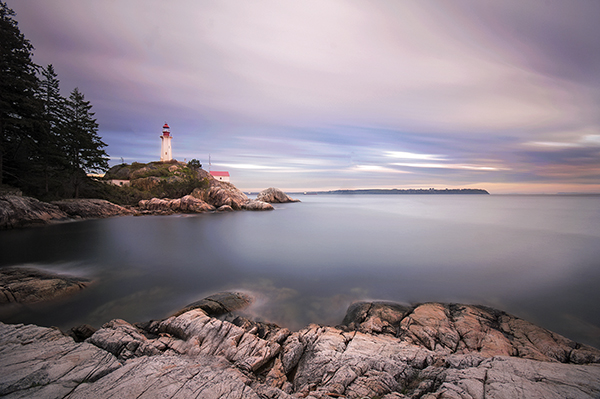
Long Exposure scene in Vancouver BC

Long exposure scene in Vancouver, Canada

3. What camera settings should be used?

Long exposures are ideally shot on Manual mode. If you are not sure how to shoot in Manual mode, you can use one of the other semi-manual modes such as Aperture priority or Shutter priority. Here are some quick pointers on the settings:

  • Shutter speed – depending on the light in your scene, your shutter time will need to be at least a 10 to 15 seconds, or longer if necessary. If you are doing a seascape and the water is moving quickly, then a few seconds may be long enough to make the water look misty.
  • Aperture – you will want to have your aperture set at anywhere between f/8 and f/16. This again, will be determined by how much light is in the scene and how long you want to expose for.
  • ISO – keep your ISO settings as low as possible, ISO 100 is what I use for long exposures.

4. When is the best time of day to shoot long exposures?

It’s normally a good idea to shoot long exposures as the sun is setting, or just after sunset. My suggestion is to be on the scene an hour before sunset. That way you can test some shots, make sure your composition is good and be sure all your settings are correct. Then wait. Personally, sometimes I will simply sit there and enjoy the scene, other times I may listen to some music, but I like to be relaxed and ready for when the light starts to work. Normally you will want to start shooting about 15 minutes before the sun has completely set and up to an hour after it is below the horizon.

The important part is to be willing to experiment. Each time you decide to shoot long exposures will be a little different. The light may be brighter than you think, the sunset may not be as dramatic as you hoped, or the shot may not be just as you imagined. Be patient and experiment. I will sometimes go back to a location two or three times to try and get the shot I am looking for. Once I have it though, the sense of reward is fantastic and the patience and effort is paid off!

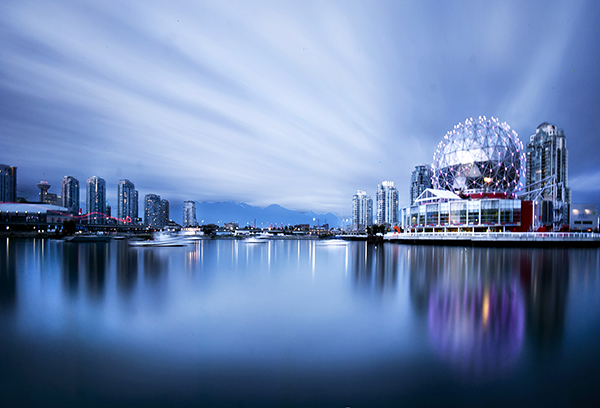
Long Exposure of Science World in Vancouver

Long exposure of Science World in Vancouver

How to shoot light trails

Much of the advice for shooting light trails is very similar to the tips above. The key difference is in the timing and location of your shoot.

1. What equipment is needed to shoot light trails?

  • Same as above 

2. What subjects are best for light trails?

For light trails to work, you need to have something with lights moving through your scene. A car, a bus, a train and even an aircraft can work. Be sure to be out of the direction of the vehicle you are photographing. Please do not stand in the middle of the road, or on train tracks. Position yourself in a safe place to make this work. Always be aware of your surroundings. It is easy to become immersed in what you are shooting and lose sight of where you are standing. Be safe, first and foremost!

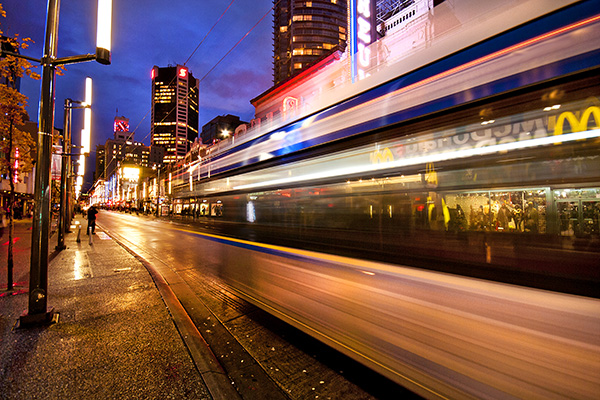
A moving bus in the scene made this shot more dynamic

A moving bus in the scene made this shot more dynamic

3. What camera settings should be used?

Light trials, like long exposures are ideally shot in Manual mode.

  • Shutter speed – depending on the light in your scene, your shutter time will need to be at least 10 to 15 seconds, or longer if necessary. Make sure that your shutter speed is long enough to capture longish light trails. You don’t want to cut them off too soon as you will have some short trails in your image that may look strange.
  • Aperture – you will want to have your aperture set at anywhere between f/5 and f/11. This again, will be determined by how much light is in the scene and how long you want the exposure.
  • ISO – keep your ISO settings as low as possible, ISO 100 is what I use for light trails. If your ISO is set to 500 or higher, your exposure will be shorter and you run the risk of overexposing the highlights ESPECIALLY when shooting car headlights.

4. When is the best time of day to shoot light trails?

Light trails can be shot in the early evening, or after the sun has set. Each scene will be different, but sometimes it is too light to get effective light trails just after sunset. You may need to wait until 30 minutes after the sun has set to get longer light trials.

The important part, once again, is to be willing to experiment. Try different times after sunset and see what works for you. Spend time behind your camera perfecting your timing. Scout locations during the day that you will think will work for light trails and then go and try it out.

Steam Clock in Gastown, light trails on the road

Steam Clock in Gastown, light trails on the road

Photographing after dark can be very rewarding. It is worth the effort to learn how to use these techniques to bring new images into your portfolio, and to have new skills which will enable you to shoot under any lighting conditions. Experiment and enjoy! Happy shooting.

The post How to do Long Exposure Photography and Light Trails at Night by Barry J Brady appeared first on Digital Photography School.


Digital Photography School

 
Comments Off on How to do Long Exposure Photography and Light Trails at Night

Posted in Photography