RSS
 

Archive for June, 2014

Huawei announces octa-core Honor 6 with 13MP camera

29 Jun

Chinese smartphone maker Huawei has announced the Honor 6, a high-end model that is squarely aimed at the the competition’s flagship devices such as the Apple iPhone 5s and Samsung Galaxy S5. Though not necessarily groundbreaking, the camera specs are decent with a 13MP 1/3-inch BSI CMOS sensor that we’ve also seen on the OnePlus One. The lens offers a fast F2.0 aperture but there is no talk of an optical image stabilization system. Learn more

related news: Digital Photography Review (dpreview.com)

 
Comments Off on Huawei announces octa-core Honor 6 with 13MP camera

Posted in Uncategorized


A Set of Awe Inspiring Majestic Mountain Images

29 Jun

Summer in the northern hemisphere usually means school’s out and families take vacations. A popular destination, at least where I live, is the mountains. Who doesn’t love driving through, or camping in the mountains.

Here’s a set of majestic mountain images and rolling hills to help light a fire under you for a possible road trip and photography journey.

Photograph Teton Tarn Sunrise by Chip Phillips on 500px

Teton Tarn Sunrise by Chip Phillips on 500px

Photograph Mingle by Ted Gore on 500px

Mingle by Ted Gore on 500px

Photograph Burning Peak by Osamh Alshaalan on 500px

Burning Peak by Osamh Alshaalan on 500px

Photograph The Cascade Flow by Greg Boratyn on 500px

The Cascade Flow by Greg Boratyn on 500px

Photograph Japanese Tranquility by Natasha Pnini on 500px

Japanese Tranquility by Natasha Pnini on 500px

Photograph You may say I'm a dreamer by Karen Plimmer on 500px

You may say I'm a dreamer by Karen Plimmer on 500px

Photograph [ … klifatindur ] by D-P  Photography on 500px

[ … klifatindur ] by D-P Photography on 500px

Photograph Mirror Mountain by Jonathan Besler on 500px

Mirror Mountain by Jonathan Besler on 500px

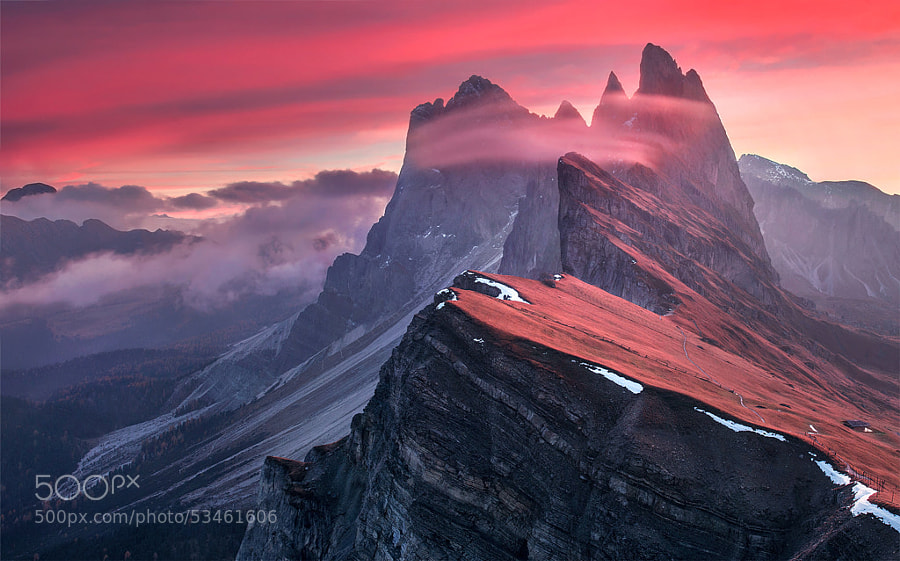
Photograph The Red Barrier by Max Rive on 500px

The Red Barrier by Max Rive on 500px

Photograph Fisherman Wanderer by Joel Santos on 500px

Fisherman Wanderer by Joel Santos on 500px

Photograph Morning valley by Pawe? Uchorczak on 500px

Morning valley by Pawe? Uchorczak on 500px

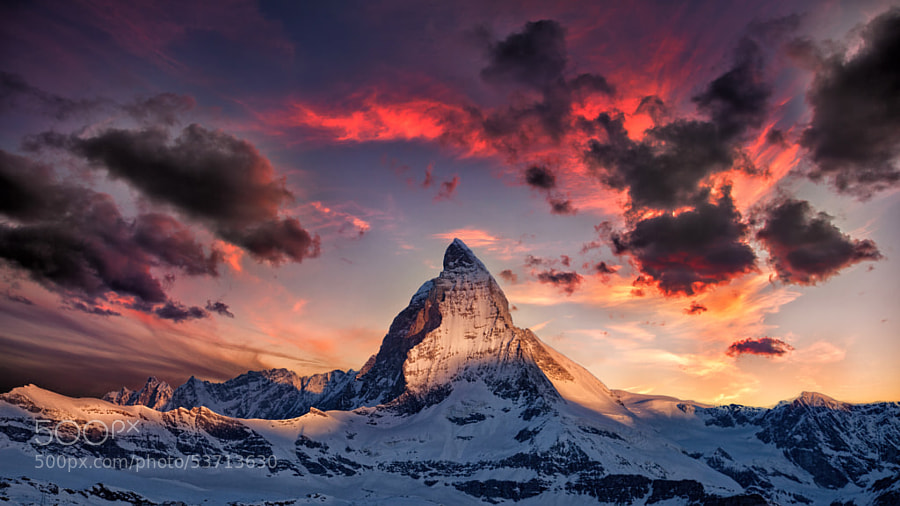
Photograph Amazing Matterhorn by Thomas Fliegner on 500px

Amazing Matterhorn by Thomas Fliegner on 500px

Photograph Autumn Dreams by Robin Halioua on 500px

Autumn Dreams by Robin Halioua on 500px

Photograph Celestial Assiniboine by Callum Snape on 500px

Celestial Assiniboine by Callum Snape on 500px

Photograph The Rise by Aaron Reed on 500px

The Rise by Aaron Reed on 500px

Photograph Still Life, Life Still by Ryan Dyar on 500px

Still Life, Life Still by Ryan Dyar on 500px

Photograph Growth by Matthew Hahnel on 500px

Growth by Matthew Hahnel on 500px

Photograph Yosemite: Bridge Across the Merced River by Larry Marshall Photography on 500px

Yosemite: Bridge Across the Merced River by Larry Marshall Photography on 500px

Photograph Moraine Lake Sunrise by Chip Phillips on 500px

Moraine Lake Sunrise by Chip Phillips on 500px

Photograph Podere Belvedere, San Quirico d'Orcia by Edwin Kremer on 500px

Podere Belvedere, San Quirico d'Orcia by Edwin Kremer on 500px

Photograph Morning idyll by Marcin Sobas on 500px

Morning idyll by Marcin Sobas on 500px

Photograph Beautiful time by Hidenobu Suzuki on 500px

Beautiful time by Hidenobu Suzuki on 500px

Photograph Sheep and Volcanoes by Florent Courty on 500px

Sheep and Volcanoes by Florent Courty on 500px

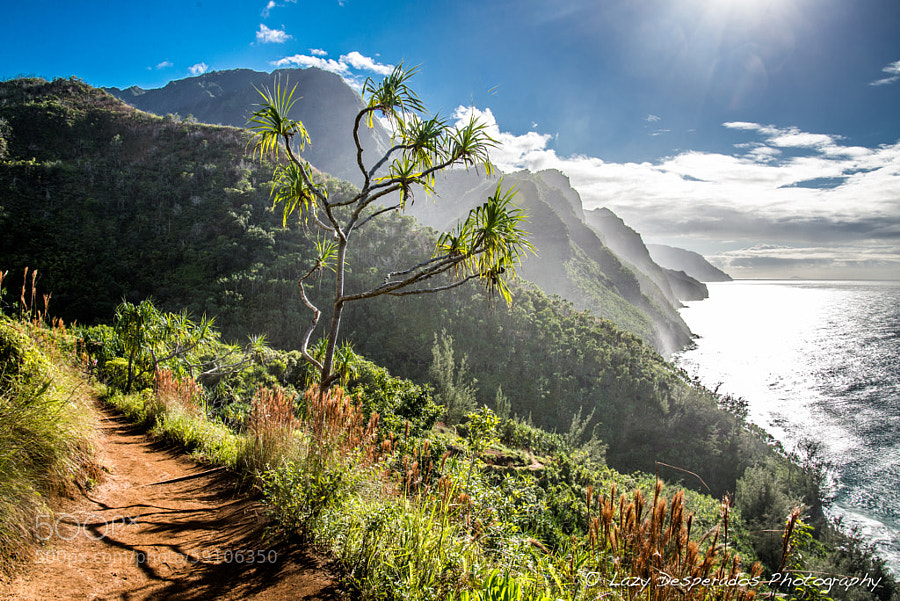
Photograph Coastline Journey by Lazy Desperados  on 500px

Coastline Journey by Lazy Desperados on 500px

Photograph Lindy Point Sunset by Steve Perry on 500px

Lindy Point Sunset by Steve Perry on 500px

Photograph Preikestolen by Robin Kamp on 500px

Preikestolen by Robin Kamp on 500px

Photograph Lac Blanc by Sven Müller on 500px

Lac Blanc by Sven Müller on 500px

Photograph Surprise Awakening by Aaron M on 500px

Surprise Awakening by Aaron M on 500px

Photograph The Last Ride by Rob Dweck on 500px

The Last Ride by Rob Dweck on 500px

Photograph A morning with clouds by Jonathan Mourglia on 500px

A morning with clouds by Jonathan Mourglia on 500px

For tips on landscape and nature try these articles:

  • 25 Landscape photography articles
  • Living Landscapes – a dPS ebook
  • Loving Landscapes a guide to landscape photography workflow and post-processing – a dPS ebook
  • How to do Surreal Digital Infrared Photography Without Expensive Gear or Camera Conversions

The post A Set of Awe Inspiring Majestic Mountain Images by Darlene Hildebrandt appeared first on Digital Photography School.


Digital Photography School

 
Comments Off on A Set of Awe Inspiring Majestic Mountain Images

Posted in Photography


Reader showcase: Using a Sony NEX as a digital back on an antique camera

29 Jun

Our DIY forum isn’t a month old and we’ve already seen it fill with interesting projects. Some solve a problem, while others are pure fun. Decidedly in the latter category, dpreview forum member vkphoto has put a Sony NEX-F3 ‘digital back’ on a vintage ICA Toska camera from the early 1900s and a Carl Zeiss Tessar 135mm 1:6.3. See how he brought new life to an antique with a $ 15 modification. Learn more

related news: Digital Photography Review (dpreview.com)

 
Comments Off on Reader showcase: Using a Sony NEX as a digital back on an antique camera

Posted in Uncategorized


Tamrac brand and assets acquired by Gura Gear

29 Jun

Camera bag maker Tamrac has been acquired by the Ogden, Utah-based Gura Gear. Tamrac, under Chapter 11 bankruptcy protection since January, will see its brand and assets handed over when the acquisition is finalized later this month. At that point Tamrac’s assets will be relocated to Gura Gear’s Utah headquarters.

related news: Digital Photography Review (dpreview.com)

 
Comments Off on Tamrac brand and assets acquired by Gura Gear

Posted in Uncategorized


Weekly Photography Challenge Hills and Valleys

29 Jun

Earlier today I shared a collection of images of hills and mountains. Now it’s your turn.

This week’s photography challenge is to get out and do some landscape photography. Specifically hills, valleys and mountains – get out into some natural landscape.

Some ideas to get started:

By Centurion

By rachel_thecat

By Justin Brown

By Earthwatcher

By arbyreed

By *Light Painting*

By Daniel Peckham

By Mark Wassell

For tips on landscape and nature try these articles:

  • 25 Landscape photography articles
  • Living Landscapes – a dPS ebook
  • Loving Landscapes a guide to landscape photography workflow and post-processing – a dPS ebook
  • How to do Surreal Digital Infrared Photography Without Expensive Gear or Camera Conversions

Show use your mountain and hill images

Simply upload your shot into the comment field (look for the little camera icon in the Disqus comments section as pictured below) and they’ll get embedded for us all to see or if you’d prefer upload them to your favourite photo sharing site and leave the link to them. Okay, ready to impress us?

The post Weekly Photography Challenge Hills and Valleys by Darlene Hildebrandt appeared first on Digital Photography School.


Digital Photography School

 
Comments Off on Weekly Photography Challenge Hills and Valleys

Posted in Photography


Tamron SP 150-600mm F/5-6.3 Di VC USD lab test report

29 Jun

The Tamron SP 150-600mm F/5-6.3 Di VC USD is one of a select group of supertelephoto zooms for full frame SLRs that reaches or exceeds 400mm focal length, while still being reasonably portable. Its trump card over its closest competition lies in its longer focal length – at 600mm full zoom, it’ll let you get your subjects that bit larger in the frame. But does this result in an unacceptable compromise in optical quality? See the lens test data and our analysis

related news: Digital Photography Review (dpreview.com)

 
Comments Off on Tamron SP 150-600mm F/5-6.3 Di VC USD lab test report

Posted in Uncategorized


5 Not-So-Obvious Mistakes Photographers Make When Starting a Business and How You Can Avoid Them

29 Jun

By plantoo47

When starting your photography business it’s easy to get caught up in how good your portfolio looks, buying new equipment, or how many followers you have on social media. While these tasks are important, you risk overlooking some crucial numbers that will help you to hold yourself accountable and succeed as a result.

Large corporations have whole departments tracking data to help their CEO’s make better business decisions. So why is this completely overlooked in one-person businesses?

In this article you will learn the Five not-so-obvious mistakes photographers make when starting a business. I will also give you some handy tips on how you can avoid these mistakes in the future.

Mistake #1 – Not knowing your income goal

One of the most common mistakes you can make as a freelance photographer is not setting any targets around how much money you want to make. I think we can all agree that it is an amazing feeling to be able to earn enough money to support yourself.

An effective way to grow your income is to first be aware of how much you’re currently earning so that you can figure out how much you want to earn in the future. Have a good solid brainstorming session about the next 12 months and really ask yourself, “How much do I want to realistically earn this year?”

By Simon Cunningham

Making a million dollars a year photographing would be fantastic, but you have to be realistic about your financial goals. You don’t want to set a figure that is so high that you feel discouraged. You also don’t want to set a figure that undervalues your talent. You want to choose a figure that makes you feel a little stretched but is still achievable with some hard work.

A good place to start is to look at how much income you made in the last year, and then add 30% on top of this amount to calculate how much you’d like to make in the next year. For example, if you earned $ 15,000 last year, your goal this year should be $ 19,500 ($ 15,000 x 1.3).

If you don’t have any income records from last year, just choose a figure that you feel comfortable with, and that is attainable.
After you’ve worked out your target income for the year, the next thing to do is calculate your average fee. You can calculate this by dividing your total income by the number of sales (clients) you had over the last year.

So now that we know what your target income and average fee is, we can move on to calculate the number of photo sessions required to reach your target income goal.

By Historias Visuales

Mistake #2 – Not knowing how many photo sessions you need to do

The number of sessions that you need to do in the next 12 months is dependent on your target income and average fee. For example, to make $ 20,000, you will need to do 40 sessions within the next 12 months to reach your income goals. This is calculated by dividing your income goal of $ 20,000 by your average fee, which in this example is $ 500.

Your required number of sessions may feel daunting at first. It’s important to break it down into smaller increments so that you can visualize these amounts so it appears more attainable, so 40 sessions for the year turns into 3.3 sessions per month. This is calculated by dividing 40 sessions by 12 months.

When you’re setting your income goal, think about how much time you want to take off for the year. You need to give yourself leeway for traveling, illness, recovery, planning and so forth. Just because you’re a business owner doesn’t mean you don’t need
to have time off like the rest of the world.

Going back to the example, the number of sessions required is 3.3 per month. Let’s round this down to three sessions to make things cleaner. This means you need to do 0.75 sessions per week.

By Korry Benneth

If you’re not comfortable with the volume, you could tweak your targets. For example, if you were to get more skilled at charging higher fees, we could set your average fee to $ 1000 instead of $ 500. How would this impact your volume? Well $ 20,000 divided by $ 1000 is 20. That’s 20 less photo sessions you have to do for the year, which equals out to just 1.6 sessions per month or only one photo session every couple of weeks.

So the next question is, should you focus on doing more sessions, or should you learn how to effectively increase your fees? The choice is ultimately up to you, but this example illustrates the importance of knowing your numbers so you can make the necessary adjustments in your business that will help you succeed.

Mistake #3 – Not knowing how many inquiries you need

Inquiries are the first point of contact you have with potential clients. Your main goal when you receive an inquiry is to convert it into a booking.

Measuring the number of required inquiries in your photography business can be a little challenging as some of the people that contact you initially don’t end up booking for various reasons. So as a rule of thumb I like to use a 50% conversion rate. This means that to get three bookings for the month, you need to get at least six inquiries.

As you can see, generating inquiries is easily one of the most important steps in the sales process. When it comes down to it, if you want to achieve your goal of $ 20,000, you need to generate six inquiries per month with an average fee of $ 500. Once again, you will only know this if you are aware of the important numbers in your business, which I’m sure, most of your competition is overlooking.

Mistake #4 – Not knowing how many bookings you need

Converting enquires into bookings is another often overlooked part of the photography sales process. Not only do you get the opportunity for income now, it gives you an opportunity to book future business through referrals.

By Ken Teegardin

The number of bookings required in your business should match the number of sessions required. So if you need to do three photo sessions per month, then you also need to book three clients per month.

Obviously the bookings you get today could help get you more sessions in the future. However, I have found that these numbers tend to correct themselves if you focus on getting your target bookings each and every month. So if you’re not doing enough sessions, you have to revisit your bookings and see how you can increase your inquiries.

Mistake #5 – Not having a method of keeping track of your numbers

Hopefully by now you have a better understanding of the relationship between different targets in your photography business. It is clear that more inquiries lead to more bookings, which lead to more sessions, which ultimately leads to more income.

It’s all well and good to be aware of the numbers, but to make significant change in your photography business requires you to hold yourself accountable and ensure that you’re following through on your goals. There are a couple ways you can do this.

One way is to draw a table in your notebook that displays each target for the month. You then record a dash next to the target when you get it done. So if you have a target of three sessions for the month, every time you do a session you draw a dash next to this target. You can also break this down into weeks if that makes it easier for you to update.

By Wendy House

You could also track your numbers by drawing up your targets on a whiteboard in your home office or studio. This is an excellent idea as you’re constantly looking at it.

Another way to do this is to create a spreadsheet. I know a lot of creative professionals cringe when they hear the word “spreadsheet”. However I encourage you to push through your barriers and use a spreadsheet to track your numbers.

The advantage of a spreadsheet is that it does all the work for you. All you have to do is input your progress and the spreadsheet can tell you how you’re doing. I can just hear what you’re saying at the moment. “Michael, this sounds great, but how do I actually create this spreadsheet you’re talking about?” I thought you might ask, so I’ve prepared a spreadsheet for you to download for you to use in your business. I initially created this spreadsheet for my partner’s photography business to track her numbers, and it really helped change her mindset in her business.

Before using my tool she couldn’t tell me what percentage of inquiries were converting into bookings. After she started tracking her numbers, she felt empowered and knew exactly how her business was going at any given time. Sometimes it was a pleasant surprise to know that she smashed her targets, other times she knew that she had to find ways to generate more business.

You don’t have to look at your numbers daily. I recommend updating your numbers at the end of each week. I also suggest that at the end of each month you send your numbers to an accountability partner. Knowing that you have to submit your numbers will only motivate you more. Choose someone you trust and you’re comfortable enough with to share your goals. This could be your spouse, sibling, good friend or business buddy. Sometimes all you need is some encouraging words to keep you focused in your business.

Bonus mistake #6 – Not tracking your expenses

It can be somewhat soothing to plan and think about how much money you’re going to make. Having said that, it’s just as important to understand how you’re spending your income.

Lots of new and even seasoned professional photographers overlook this highly important step. Reducing your costs is another method of making more money so you can spend it on more important things, like a new lens or a holiday.

By Jorge Franganillo

So how can you go about tracking your expenses? Well it’s quite simple, use accounting software. There are many accounting solutions on the market that are both free and paid. Personally, I recommend going with Wave (because it’s free) or Xero (because it’s awesome). Both systems allow you to automatically pull your transactions from your business account bank statement directly into your accounting software. This means you don’t have to spend hours entering your expenses. Pretty cool huh?

Most photographers get overwhelmed when they think of financial management. But investing time in this area will do wonders for your business.

By far the most important feature of accounting software, is the ability to create reports that allow you to see where, and how much, money you are spending in your business. From there you can make necessary adjustments to cut back on your costs.
By M.Kemal

Bringing clarity to your business

The whole purpose of this article is to bring clarity into your business. A lot of photographers like yourself start a business because you want to earn a living doing something that you enjoy. But you soon come to realize that making a living and growing your business is not easy. It can be overwhelming thinking about how you’re going to get through tomorrow’s to-do list while keeping all of your existing clients happy. This overwhelming feeling often leads to “fog brain” and prevents you from having clarity in your business.

Being aware of your numbers will ultimately help you make better decisions. Instead of spending one hour on Facebook today, you could spend that time contacting potential referral partners for your business.

At the end of the day, activities that generate more inquiries are much more important than getting bogged down with emails, packaging, social media, design and other administrative activities, especially when trying to reach higher income targets. Get someone else to do those things so you can focus on what’s important: servicing your clients, doing sessions, finalizing bookings and generating so you can fund the lifestyle that you want and deserve.

For more photography business tips read these articles:

  • The Ultimate Guide to Going Pro as a Photographer
  • How to Calculate Your Cost of Doing Business – And Other Necessary Numbers
  • 5 Things to Consider Before Starting Your Photography Business
  • 30 Things you Should Know to Help you Start a Photography Business

The post 5 Not-So-Obvious Mistakes Photographers Make When Starting a Business and How You Can Avoid Them by Michael Ofei appeared first on Digital Photography School.


Digital Photography School

 
Comments Off on 5 Not-So-Obvious Mistakes Photographers Make When Starting a Business and How You Can Avoid Them

Posted in Photography


Nature’s Architects: 6 Incredible Animal-Built Structures

28 Jun

[ By Delana in Architecture & Public & Institutional. ]

animal architecture

Of all the architectural greats we’ve come to admire – Frank Lloyd Wright, Louis Henri Sullivan, Le Corbusier, and Ludwig Mies van der Rohe , to name a few – they all have one unflinchingly common attribute: they’re human. Nature photographer Ingo Arndt sees the world a bit differently, however. He spends his days photographing the incredible architectural accomplishments of the animal kingdom. In his book Animal Architecture, he introduces the human world to the animals who create stunningly beautiful structures with skills acquired only by instinct.

colorful intricate bowerbird nest animal architecture

Most of us have seen birds pick up random objects from the ground to weave into nests: blades of dead grass, pieces of straw, and even small objects discarded by humans. This behavior of collecting and building with found materials is more common than you might realize. Above is the elaborate architectural accomplishment of a male bowerbird: a brightly-colored structure built to attract a mate. Male bowerbirds build these towers and decorate them with any colorful object they can find that might catch the attention of a female. Females select their mates based on the elaborateness of the structure, so the males spend enormous amounts of time and energy collecting materials and arranging them in interesting patterns that will catch and hold the females’ attention. Baya weavers (top picture, far left) weave their homes out of fresh grass that they cut with their beaks. Once constructed, the beautiful grass nests dry and harden in the heat, creating uniquely colored structures.

compass termite towers huge animal built structures

The mere mention of termites can strike fear into the heart of any homeowner, but these little insects are capable of building massively impressive structures. Compass termites build wedge-shaped mounds that can reach up to ten feet in height. Relative to the termites’ size, these structures are almost unbelievably enormous and are usually found in clusters on the Australian plains. The compass termites build their structures in a rigid north-south orientation, the reason for which is not entirely understood by scientists. Similar in appearance are the massive towers of the Australian spinifex termites (top picture, center). These towers can reach a whopping 20 feet high and hold colonies of 3 million termites. The colony works tirelessly to mix saliva with dirt and carry these tiny orbs up to the top to keep building the structure. They even have an established workforce hierarchy, with supervisor termites watching over the workers as they build.

red wood ants nest amazing animal buildings

Ants are perhaps the most well-known animal architects. Able to carry loads many times the weight of their own bodies, ants all over the world build impressive hills using nothing more than instinct, determination, and strength. This six-foot-tall structure was created by European red wood ants and is so ingeniously designed that rainwater is diverted when it hits the hill and no water can penetrate the walls. Australian weaver ants (top picture, far right) take a different approach: they build their homes from leaves that they pull together with incredible strength. The ants use the silk excreted by their larvae to hold the leaves together, eventually creating huge structures worthy of commemoration in architectural halls of fame. These structures and the entire series of 120 stunning nature photographs can be seen in Arndt’s book Animal Architecture.

Share on Facebook


[ By Delana in Architecture & Public & Institutional. ]

[ WebUrbanist | Archives | Galleries | Privacy | TOS ]


WebUrbanist

 
Comments Off on Nature’s Architects: 6 Incredible Animal-Built Structures

Posted in Creativity


Reviewing the Loka UL Adventure Backpack from F-Stop Gear

28 Jun
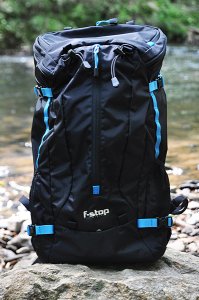
The new Loka UL backpack from F-Stop Gear combines rugged protection for your camera gear with the space you need for other outdoor essentials.

The new Loka UL backpack from F-Stop Gear combines lightweight rugged protection for your camera gear with the space you need for other outdoor essentials.

Among the many life lessons learned from my father was the one about always making sure you have the right tool for the job. I think we all do our best to apply this wisdom to the gear we pack inside our camera bags, but I’ve always felt that it’s just as important to apply it to the bags themselves. For starters, the bag that gets you to the gig isn’t always the best bag for getting you through the gig. I have a lot of bags. A lot. Until recently, though, I never had a bag that adequately combined protective storage for the gear with room for other essentials like a jacket, food, or other hiking gear for when an assignment– or life– takes me off the beaten path. The just-released Loka UL (Ultra Light) from F-Stop Gear not only combines those elements for me, but does so in one of the more innovative ways I’ve seen in a while.

First Impressions

Fresh out of the box, I was impressed with the high-quality construction and attention to detail. Modeled after F-Stop’s original Mountain Series Loka pack, the Loka UL has been stripped down to the essentials.  More than a full 1/3 lighter than the original, this newer version has been simplified in the interests of weight reduction and better freedom of movement. Those goals have been achieved without any compromise whatsoever in the build quality. A ripstop nylon water-repellent shell, internal aluminum frame, and a new ergonomic harness provide the lighter weight, as well as a more even distribution of the load.

Specs and Features

  • Height:  22 inches (55.9 cm)
  • Width:  12.5″ (31.8 cm)
  • Depth: 11″ (27.9 cm)
  • Volume: 37 liters
  • Weight empty:  2.25 lbs. (1.02 kg)
  • Price: $ 249.00 (USD)
  • DWR (durable water repellant) treated, 210D Ripstop Nylon with PU2 (Urethane moisture curing) coating
  • EVA (Ethylene vinyl acetate) padded hip belt, EVA-padded shoulder straps, and internal aluminum frame for easier handling of heavy loads
  • Jersey laminate EVA-padded back panel for ventilation and comfort control
  • YKK brand reversed zippers for extra weather protection
  • ITW brand buckles
  • Easy-to-reach side mesh pocket with ripstop nylon base and elastic cuff for water bottles
  • Drainage weep holes on sides and front pockets
  • Rain cover pocket in base of pack
  • Organizer pockets in top lid for batteries, memory cards, smart phones, etc.
  • Front panel pocket ideal for jackets, extra layers, ground tarp, etc.
  • Internal nylon sleeve fits up to a 13″ laptop, or doubles as a hydration bladder pocket
  • Quick-release side compression straps can secure tripods, ski poles, skis, etc.
  • Sternum strap includes integrated whistle for emergencies
  • Belt and shoulder suspension straps help adjust load for optimum weight distribution
  • Several exterior D-rings and attachment points for accessories
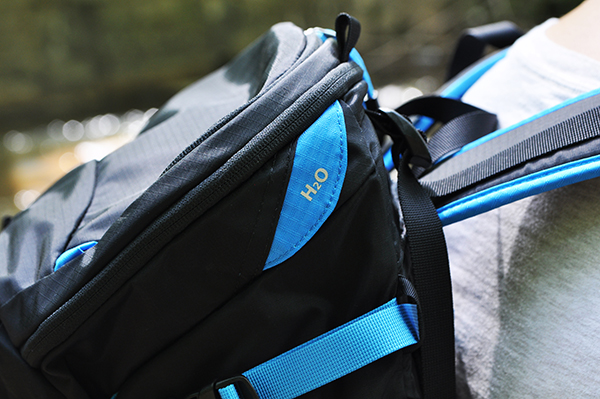
An integrated hydration system (bladder not included) will be a plus for outdoor photographers.

An integrated hydration system (bladder not included) will be a plus for outdoor photographers.

Internal Camera Unit (ICU)

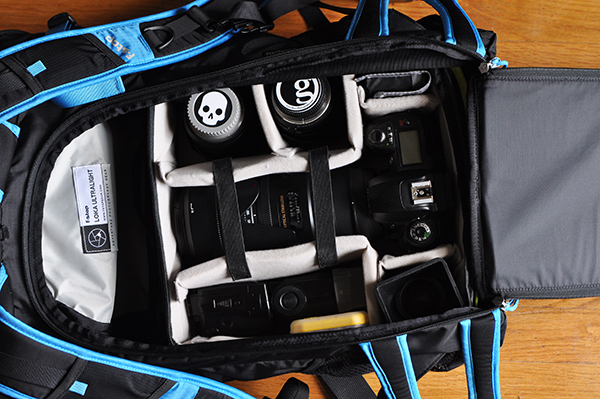
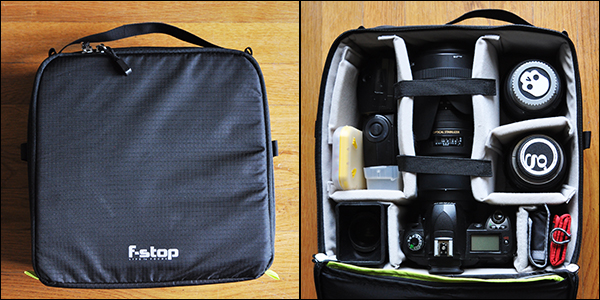
The heart and soul of the F-Stop Mountain Series is the Internal Camera Unit (ICU). Available in ten different sizes, the ICU lets you select the ideal-sized padded insert for your camera gear, while balancing available space between camera gear and other essentials like clothes, food, camping equipment, etc. Like other bags in the Mountain series, the Loka UL can accommodate one or more ICUs, depending on the size selected. Pictured here is the Shallow Medium ICU– one of the three recommended ICU sizes for this bag. Six of the 10 available ICUs will fit the Loka UL, but the other larger ones would seriously cut down on space available for non-camera essentials, defeating the entire purpose of the bag. The ICU rests securely in the bottom of the Loka UL and is kept in place with four Velcro tabs around the internal aluminum frame. Camera gear is accessed through the back panel of the pack.

Gear stored in the ICU is accessed through the back of the pack.

Gear stored in the ICU is accessed through the back of the pack.

Every ICU is made with double ripstop nylon and a polyurethane coating.  High-density cross link foam dividers and side walls keep gear secure and protected. The ICU also works well as a modular storage system for your gear. The foam lid protects your precious cargo when used for storage or transport, and can be folded back and out of the way for easier access to gear when it’s in the pack. The dimensions of the ICU shown here are:

  • External:  5″ (L) x 11.5″ (W) x 11″ (H) (12.7 cm x 29.2 cm x 27.9 cm)
  • Internal: 4.5″ x 10.5″ x 10″  (11.4 cm x 26.7 cm x 25.4 cm)
  • Weight Empty: 0.95 lbs (0.43 kg)
ICUs also work well as modular storage systems when the bag's not in use.

ICUs also work well as modular storage systems when the bag’s not in use.

It’s worth pointing out that the Loka UL makes for a great all-around backpack with the ICU completely removed, for those unheard of situations (GASP!) when you might actually leave the photo gear at home. Note: If this happens to you, seek help immediately.

Hitting the Trails

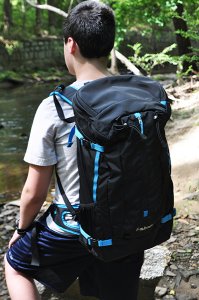
Stabilizing straps on the shoulders and at the waist help maintain a comfortable, even distribution of weight.

Stabilizing straps on the shoulders and at the waist help maintain a comfortable, even distribution of weight.

Summer has already hit here in Georgia (USA) with all the grace of a runaway freight train, so I’ll have to get back to you on how the Loka UL performs in cold, snowy conditions. But I can say that it did great in the heat, humidity and rain while hiking through paths, hills and riverbeds. Obviously, comfort is the #2 priority when choosing a camera backpack. I say #2 because let’s face it– protecting the gear is #1. But comfort is key and the Loka not only met my expectations, but vastly exceeded them. By biggest complaints in the past about camera backpacks has been the comfort issue. I’ve never doubted their ability to protect the gear. Sometimes, though, it’s their unfailing gear protection that makes them too heavy or unwieldy for actual hiking or camping. The fact that the Loka has been designed specifically for hiking, camping, skiing and other outdoor activities helps ensure that it strikes a great balance of form and function.

I was very impressed with the wide variety of pockets on this bag. Someone was obviously paying attention to the real-life needs and concerns of outdoor photographers. Features such as a pocket perfectly sized for a protein bar on the harness straps, as well as drainage “weep holes” at the bottom of some exterior pockets all add up to maintaining what you need and discarding what you don’t. There’s an old saying when it comes to hiking– “Take only pictures and leave only footprints.” This bag even has multiple pockets available for responsibly taking your trash with you.

With stabilizing straps at both shoulders and each side of the hip belt, adjusting and readjusting distribution of the load was extremely easy. Obviously, the bag alternates between getting lighter and heavier over the course of the day. The camera goes in and out of the bag. You stop to eat. Put on or take off a jacket. Being able to make those adjustments quickly and easily takes one more item off the list of things you need to worry about. The stabilizers and harness straps work well together to keep any potential back strain to a minimum.

We did encounter some light to moderate rain while testing the Loka. I opted to skip the rain cover, and was pleased to see that the water-repellent fabrics did exactly what they were supposed to do.

What I Packed in Mine

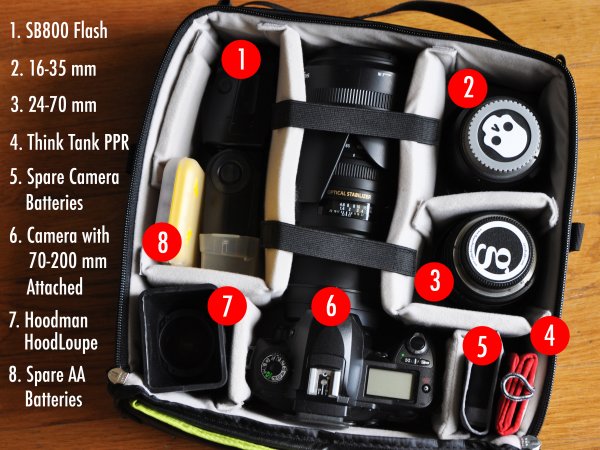
The image below breaks down the camera gear I packed in the ICU. Other items packed in the remaining areas of the bag included: Jacket, hat, towel, dry shirt, bug spray, two water bottles, lunch, and a few snacks.

fstop-loka-review-dps-008

Wrap-up and Recommendations

Variety is the spice of life and that same philosophy can (and should) apply to camera bags. I have bags that I only use for storage. I have one that’s been configured for nothing but lighting equipment. I have “everything but the kitchen sink” bags for commercial shoots, and small shoulder bags that won’t hold much more than a camera and two lenses. They all serve their specific purpose and the Loka UL is no different. It’s the first bag I’ve had that can carry not only the right amount of gear, but the other essentials needed for a day on the trails. Outdoor photography is both a challenge and an adventure. The Loka UL from F-Stop Gear helps you meet those challenges head-on and I highly recommend it for whenever adventure comes knocking on your door.

fstop-loka-review-dps-005

I try to steer you guys towards Amazon as much as I can, but the Loka UL backpack is currently available exclusively through F-Stop gear. That’s actually a good thing, insofar as configuring your bag and ICU combination is a lot easier when you have every possible combination in one place. Prices for the bag and ICU as shown in this review: Loka UL Backpack ($ 249.00 USD), Medium Shallow ICU ($ 79.00 USD). Click here for more information. As always, feel free to post any questions you have in the comments.

The post Reviewing the Loka UL Adventure Backpack from F-Stop Gear by Jeff Guyer appeared first on Digital Photography School.


Digital Photography School

 
Comments Off on Reviewing the Loka UL Adventure Backpack from F-Stop Gear

Posted in Photography


28. Juni 2014

28 Jun

Ein Beitrag von: LifeOnFilm

© LifeOnFilm


kwerfeldein – Fotografie Magazin | Fotocommunity

 
Comments Off on 28. Juni 2014

Posted in Equipment