RSS
 

Archive for April, 2014

Google Chrome – Easily Share Content on Facebook, Pinterest, Twitter, More

24 Apr

The “AddThis” extension for Google Chrome lets you easily share content on a variety of services.

Do you frequently share content on a variety of blogs, bookmarking services, and social networks, as well as via web-based e-mail, using sites such as Facebook, Gmail, Pinterest, Reddit, StumbleUpon, and Twitter? Tired of installing extensions for each individual service to share content or relying on website share buttons?

The “AddThis – Share & Bookmark” extension for Google Chrome adds a button to the Toolbar that lets you share content via, according to the author, over 300 services. These include the aforementioned as well as AOL Mail, Blogmarks, Digg, Evernote, LinkedIn, Plurk, Xing, and many, many more….

Read more at MalekTips.
New Computer and Technology Help and Tips – MalekTips.Com

 
Comments Off on Google Chrome – Easily Share Content on Facebook, Pinterest, Twitter, More

Posted in Technology


Tips to Prepare for Your First Wedding Photography Gig

24 Apr

When your photography skills reach a certain level, a family member or friend is going to ask you to shoot their wedding. They might even offer to pay you, which could be your first real gig. Score, right? You’ve made it. 😉 Of course, later when you realize the challenge ahead of you, the pride fades to anxiety, and, googling Continue Reading

The post Tips to Prepare for Your First Wedding Photography Gig appeared first on Photodoto.


Photodoto

 
Comments Off on Tips to Prepare for Your First Wedding Photography Gig

Posted in Photography


New York City: Straßenfotografie von Todd Gross

24 Apr

Den Namen Todd Gross lernte ich kennen, als ich ein Video-Interview mit Eric Kim zu sehen bekam. Ich mochte den Typen und seine Bilder sofort, verlor ihn jedoch aus den Augen. Kurze Zeit später wurden seine Bilder in der TIME Lightbox vorgestellt, ich schaute seine Bilder noch einmal etwas genauer an und bin seither restlos begeistert von ihnen.

Ein halbes Jahr später trafen wir uns persönlich. Und ich war aufgeregt. Doch Todd und ich, wir verstanden uns auf Anhieb und hatten einen ausführlichen Plausch über Leben, Jobs und natürlich die Straßenfotografie. Er erzählte mir, dass er seit den 90ern fotografiere und zeigte mir seine Kamera.

Ihr Anblick ließ mich zuerst die Augenbrauen hochziehen und dann die Kinnlade herunterfallen. Ich sah eine analoge Kamera, an nichts einzustellen war. Nichts. Auslöser, Sucherlöchlein und Blitz. Das war förmlich alles. Ich konnte es gar nicht glauben. Ich fragte Todd, ob das sein Ernst oder ein Witz sei. Es war sein Ernst.

Ich versuchte, in Gedanken seine grandiosen Bilder mit dem unscheinbaren Kästchen in Einklang zu bringen, das er sorgfältig betrachtend in Händen hielt.

Straßenfotografie von Todd Gross: Ein Mann in gelbem T-Shirt schaut in einen Dohlen. New York City.

Straßenfotografie von Todd Gross: Ein Mann mit Hut schaut in die Kamera – angeblitzt. New York City.

Straßenfotografie von Todd Gross: Eine bedrohlich schauende Frau, fotografiert in einem Zimmer. New York City.

Ein Mann sitzt am Boden und hat die Beine weit gespreizt. New York City.

Straßenfotografie von Todd Gross: ein ausgelaufener Becher unter Bänken in der Bahn. New York City.

Straßenfotografie von Todd Gross: Ein Mann hält sich an einem LKW fest und fliegt durch die Luft. New York City.

Straßenfotografie von Todd Gross: Eine Frau beißt in ihren Geburtstagskuchen. New York City.

Straßenfotografie von Todd Gross: an einer Scheibe steht "DESTINY" geschrieben und die Silhouette eines Mannes ist zu sehen. New York City.

Straßenfotografie: Ein Mann in rotem T-Shirt und mit roter Kappe läuft um eine Ecke, an der ein roter Pfeil auf den Mann zeigt. New York City.

Straßenfotografie von Todd Gross: Ein Mann sitzt neben einem Ghettoblaster am Strand. New York City.

Eine Straßenfotografie von Todd Gross: Ein Autofahrer schaut aus dem Fenster, hinter ihm ist eine Welle zu sehen. New York City.

Straßenfotografie von Todd Gross: Ein älterer Herr zeigt auf einen vorbeilaufenden Mann mit Hut und an der Wand hängt ein Poster, auf dem "What Is Sexy" steht. New York City.

Straßenfotografie von Todd Gross: Das Portrait eines Mannes, der auf einer roten Banke sitzt, durch ein Fenster fotografiert. New York City.

Was ich an Todds Bildern mag, ist diese kuriose Mischung aus schwarzem Humor und kongruierenden Farben.

Etliche Aufnahmen scheinen mir zu gut, um wahr zu sein. Beispielsweise das Foto mit dem roten Pfeil oder dem gelben Telefon. Ich erinnere mich noch gut, als ich meinen Bürokollegen breit grinsend das „WHAT IS SEXY“-Foto unter die Nase hielt und wir vor lachen fast zusammengebrochen wären.

Wenn ich diese Bilder sehe, weiß ich, dass Todd nicht nur Glück hatte, sondern unzählige Meilen aufmerksam gelaufen ist, um zu diesen Fotos zu kommen. Denn – und das vergisst man bei Todds Aufnahmen zu gern – originelle Straßenfotografie ist harte Arbeit. Als ich ihn irgendwann fragte, was ihn eigentlich motiviert, antwortete er:

Ich habe so viel Zeug in meinem Kopf. Um das loszuwerden, ist die Kameraarbeit auf der Straße für mich die beste Lösung. Ein Bild führt zum nächsten.

Und wie das nunmal so ist, wenn man jemanden persönlich kennt: Heute verbinde ich sehr viel mit den Bildern von Todd. Und deshalb folge ich ihm auf Twitter, Flickr und Tumblr.

Und das könnt Ihr natürlich auch. Sucht Euch etwas aus, sagt hallo und erfreut Euch an seinen Updates. Ihr werdet merken, dass er kein Freund vieler Worte ist, aber seine Bilder wären es wert, ihm zehn Mal zu folgen.


kwerfeldein – Fotografie Magazin | Fotocommunity

 
Comments Off on New York City: Straßenfotografie von Todd Gross

Posted in Equipment


Finding Gold in Your Image Archives

24 Apr

No doubt like many other photographers, so many of my images have never seen the light of day. This is mostly for good reason; they are out of focus, poorly composed, badly timed, they just don’t make the cut. Often these images may be good, just not the BEST. I have learned though, that there can be gold hiding in your archives, just waiting to be rediscovered, taken into the develop module and shared with the world. I have found that spending some time digging through old shoots can yield some very positive results.

Make it part of your workflow to revisit your image archives

Maybe you have found that your photo editing workflow follows a predictable pattern, like mine. After importing, adding metadata, then backing up RAW images from a shoot, I like to take a first-pass look at the images, flagging the few that initially jump out, and rejecting those that are clearly unusable. It is easy to then go through again and pick out images that have potential, before filtering the flagged images and comparing them to find the sharpest or most accurately exposed selects. This gives me a small collection of images to edit.

Then comes the fun part! Using any combination of Adobe Lightroom, Photoshop and Nik Software, I edit my images to see what they can become! After editing the selects, I like to back them up both locally and online to my Photoshelter portfolio, which doubles as my image archive in the cloud. Finally, these images are shared on social network accounts. Done, right? On to the next project, assignment, location…

But maybe not. Of the images imported from CF cards, I might end up with between 1-5 images that I’m happy with. So if I come home from shooting an epic landscape with 50-100 images, what happens to the other 95% of my shots? If you’re anything like me, you probably have gigabytes worth of RAW images taking up space on your hard drive. Have you ever revisited a hard drive to find something you may have missed? I make this a regular part of my workflow and I would argue that doing so is well worth your time.

To give you an example, here is an image I made not long after moving to Mount Maunganui, New Zealand a couple of years ago. This is a shot of Tauranga Bridge Marina:

Tauranga bridge marina 1

Having driven past this location dozens of times, I already had an idea of the shot I wanted before I arrived. It was a cold night, and the sky hadn’t lit up in the way I was hoping, so I stayed past sunset and into twilight, my favourite time to shoot. Still nothing very inspiring, so I went home. I followed my usual workflow and ended up with the image above, which I wasn’t entirely happy with, so I moved on to the next thing.

Fast forward six months and I found myself revisiting that folder in Lightroom. I don’t remember what prompted it, but after finding this image, I edited it very differently and ended up with the image below. It was far better received by fans and clients online and became one of my top selling images last summer. Personally, I like this image a lot more than the first.

Tauranga bridge marina 2

Time is on your side

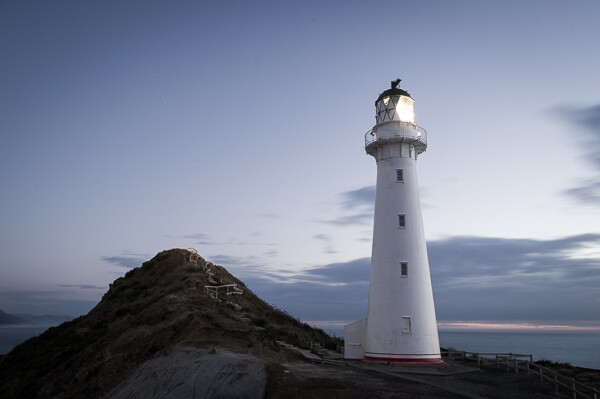
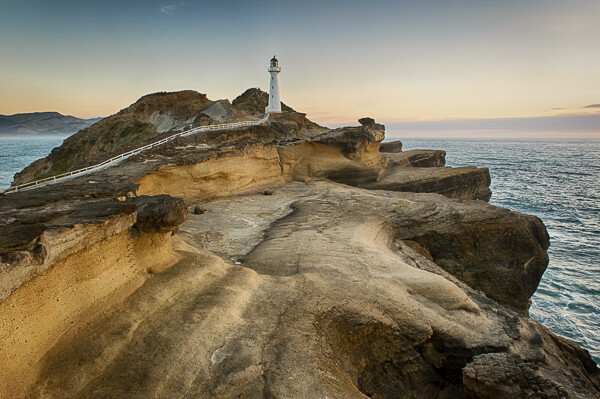
Of course it’s easy in hindsight to kick myself and wonder how I missed it, but this seems to happen on a regular basis. Something about the passage of time can help you to see images in a fresh light. Maybe it’s feeling differently about the image itself, or that particular place, or simply that my post processing workflow has evolved and I can see new potential in images. Whatever the reason, I rarely feel the same about an image a month, six months, or a year later.

Here’s another example from Castlepoint, in New Zealand’s lower North Island:
Castlepoint lighthouse 1

And here’s the image I found and edited more than two years later:
Castlepoint lighthouse 2

Make it a project

It’s natural for any artist or creative to be looking forward to the next project. I think it’s healthy for any artist or creative. It’s a necessary part of growing and developing your craft. I also think, however, that it’s healthy to reflect on previous work and see how far you have come. Searching image archives is a great way of doing this. Despite not having shot film since I was a child, I liken this process to rummaging through boxes of exposed negatives and taking them into the darkroom to find the gold that has never been printed.

I challenge you, if you don’t already, to spend some time rummaging through your archives. Go way back! To some of your earliest photographs! Or even something you shot last year; it doesn’t matter how old they are, just that you are looking at it with a fresh perspective. Make it your next project. You might be surprised what you come up with!

Have you found any hidden gems in your archives? Share with us in the comments below.

The post Finding Gold in Your Image Archives by Rowan Sims appeared first on Digital Photography School.


Digital Photography School

 
Comments Off on Finding Gold in Your Image Archives

Posted in Photography


Windows 8 – Make it Easier to Differentiate Explorer Windows by Showing Full Paths

24 Apr

Add the full paths to Explorer folders in Windows 8.1 to make it easier for you to navigate your system.

Let’s say you are copying files between different folders on your Windows 8.1 system or networked drives, or perhaps you are performing basic file maintenance. The need comes to work with two different folders that end with the same name in the path. Another task distracts you, and now you need to get back to work on a particular folder. If you hover your mouse pointer over “File Explorer” in the Taskbar, only the ending parts of the paths are readable. You’ll have to manually click on each window to find out what path each thumbnail represents.

What if you could make the folder windows contain the full paths, such as “C:\Windows.old\Windows\Cursors”, instead of just “Cursors”? This is an easy tweak….

Read more at MalekTips.
New Computer and Technology Help and Tips – MalekTips.Com

 
Comments Off on Windows 8 – Make it Easier to Differentiate Explorer Windows by Showing Full Paths

Posted in Technology


23. April 2014

24 Apr

Ein Beitrag von: Hendrik Lohmann

it's not a trick © Hendrik Lohmann


kwerfeldein – Fotografie Magazin | Fotocommunity

 
Comments Off on 23. April 2014

Posted in Equipment


7 Deadly Engineering Disasters of the Industrial Age

23 Apr

[ By Steph in 7 Wonders Series & Travel. ]

Engineering Fails Industrial Era

Messing around with money-saving shortcuts or failing to understand basic physics can have deadly consequences when it comes to engineering structures like suspension bridges, dams, towers and even storage tanks. These 7 historic disasters killed over a thousand people between 1845 and 1940 thanks to shoddy craftsmanship or the unanticipated strain of heavy snow, large crowds and strong winds.

The Great Yarmouth Suspension Bridge Disaster, 1845

Modern Engineering Fail Yarmouth Bridge

79 people, many of them young children, were killed on May 2nd 1845 when the Great Yarmouth Suspension Bridge collapsed under the weight of the crowd that had gathered to watch the stunts of one Nelson the Clown. The widely-advertised event drew people from all over England to watch the performer swim in a barrel drawn by four geese from Haven Bridge to the Suspension Bridge. Three to four hundred people rushed onto the suspension bridge to get a look at him as he passed underneath, and one of the rods gave way, spilling them all into the water. The youngest victims were just two years old.

Pemberton Mill Collapse, 1860

Modern Engineering Failure Pemberton Mill

Considered one of the worst industrial accidents in American history, the sudden collapse of the Pemberton Mill in Massachusetts on January 10th, 1860 killed 145 workers and injured another 166. The five-story textile factory buckled and then collapsed at 5pm on a Tuesday, while everyone was still at work. Attempts to illuminate the wreckage with fire in order to rescue the injured added even more chaos to the situation in the form of rapidly spreading fire. An inquiry found that the calamity could have easily been avoided; the owners had loaded far too much heavy machinery on the upper floors of the factory in order to boost production, and the building wasn’t up to standards in the first place, with cheap and brittle iron pillars and improperly mortared bricks.

St. Mark’s Campanile Crumbles, 1902

Engineering Fail St Mark Campanile

When Venice’s famous St. Mark’s Campanile was struck by lightning, burned and damaged in earthquakes repeatedly over 500 years, it probably would have been best to scrap the whole thing and start over. Instead, they left the base intact and simply rebuilt the damaged parts, occasionally adding more height to the tower that was originally constructed sometime between 1148 and 1157. That wasn’t the greatest idea, given that the tower’s foundation consists of no more than some oak beams on a bed of clay. So it’s no big surprise that the tower finally collapsed on July 14th, 1902. A large crack formed in the morning, rising diagonally across the main corner buttress. Falling stones within the bell chamber prevented any fatalities by warning bystanders that something was amiss. A new tower, with a much sturdier iron foundation, was built in the lost tower’s image.

The Boston Molasses Disaster, 1919

Modern Engineering Fail Boston Molasses Disaster

Drowning in molasses isn’t exactly a pleasant way to die. On January 15th, 1919, a large tank of the sticky stuff burst in the North End neighborhood of Boston, sending a wave rushing through the streets at about 35 miles per hour. The Boston Molasses Disaster killed 21 and injured 50 (along with many animals, including horses), and for many decades afterward, residents claimed they could still smell the molasses on hot days. At the time, molasses was the standard sweetener, and was often fermented to produce alcoholic beverages. The tank was said to be poorly constructed, and witnesses claimed that when it burst, rivets shooting out of it produced a sound like a machine gun.

Next Page – Click Below to Read More:
7 Deadly Engineering Disasters Of The Industrial Age

Share on Facebook


[ By Steph in 7 Wonders Series & Travel. ]

[ WebUrbanist | Archives | Galleries | Privacy | TOS ]


WebUrbanist

 
Comments Off on 7 Deadly Engineering Disasters of the Industrial Age

Posted in Creativity


SmugMug Films: Master of illusions

23 Apr

Screen_Shot_2014-04-22_at_11.26.48_AM.png

We’ve been following SmugMug Films’ ongoing behind-the-lens series and have found the clips to be an interesting look at people who follow their passions in photography. The latest installment features Joel Grimes. He’s been a commercial advertising photographer for more than 30 years and is most known for his composite portraits. Grimes considers himself more than a photographer – an artist and illusionist, creating images that are larger than life. See video and read Q&A

News: Digital Photography Review (dpreview.com)

 
Comments Off on SmugMug Films: Master of illusions

Posted in Uncategorized


23 April, 2014 – Olympus OM-D EM1 and Fuji XT-1 Video Review

23 Apr


Mirrorless cameras are getting a lot of attention these days.  The new Fuji XT-1 and Olympus OM-D EM1 have redefined this format.  Both Kevin Raber and Michael Reichmann have adapted this format for much of their shooting.  We plan to do some more articles going over this format and using it on an everyday basis.  There will be some future articles on this soon.  In the mean time Luminous-Landscape made a video review on using both the Olympus and Fuji.

In a two-part video review, Kevin Raber (Luminous Landscape’s Publisher) takes a close look at the Olympus OM-D EM1 and the Fuji XT-1. These two mirrorless 16 megapixel cameras each offer very high image quality but differ radically in their design approach, features and intended user.

In Part One, Kevin details the features and functions of each camera.

In Part Two, the video follows Kevin on a field shoot in Zion National Park, Utah. He talks through his use of the cameras while shooting and demonstrates the cameras’ controls. He also offers some observations & advice while shooting.

These videos are available in the Video Store now for $ 10.00 USD. Or if you are a subscriber as part of your subscription. 


There aren’t too many places to slow your photography down and to work the landscape as Isle Of Skye. Come join Kevin Raber, Steve Gosling and Joe Cornish on an amazing photographic adventure to this amazing landscape.  It gets even better as this is being held with the cooperation of Phase One as a PODAS workshop and each participant will receive a Phase One camera system to use for the duration of the workshop.  There isn’t a better camera system to do the Islel Of Skye Landscape with than the Phase One camera and digital back.  Spaces will go fast for this workshop.  Your workshop fee provides you with an all expenses paid worry free trip. All you need to do is get to the Inverness airport.  Learn more about this amazing week of photography HERE.

If you can’t make this workshop check out our other workshops.  We have an amazing small ship cruise in July to The Land Of The Polar Bear.  We have only select berths left for this trip so please inquire.   And our August Palouse Harvest workshop is filling fast. There are still a few berths left for our second Antarctica Workshop next January. 

Mark your calendars for December of this year in New Zealand, details coming soon and a most amazing adventure next April aboard the True North sailing the Kimberley region of Western Australia.


The Luminous Landscape – What’s New

 
Comments Off on 23 April, 2014 – Olympus OM-D EM1 and Fuji XT-1 Video Review

Posted in News


How to get Motivated to do more Photography

23 Apr

Are you one of those photographers who finds there’s a million other things that demand your attention and get in the way of pursuing your passion for photography?

You’re not alone. The work/life balance is a delicate dance and it’s easy to get sidetracked by the endless tasks of day to day life, even when things are going well. As a professional photographer you’d expect I spend a great deal of time out there shooting, but the truth is that I don’t get to shoot anywhere near as much as I’d love to.

There are a few things you can do however, that ought to help you scratch that creative itch and satisfy your photographer’s heart.

Let’s get motivated!

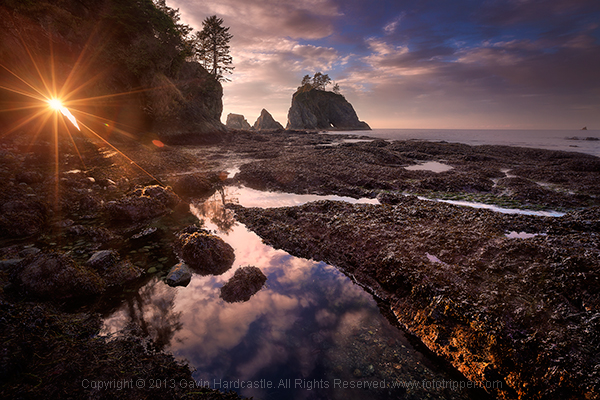
Landscape Photography Ebook

1 – Take your camera everywhere

Sounds like a hassle right? But you don’t need to have it on your person at all times, just leave it in the car and maybe carry a spare battery so that when inspiration strikes you’re not cursing yourself for leaving the camera at home.

2 – Stop for that shot

I’m guilty of this all the time. While driving, I often see lots of cool and interesting scenes along the road. I sometimes tell myself ”Oh, I’ll shoot it tomorrow on my way back”, but often you’ll find that this might be your only chance. Pull over, take 10 minutes and get that shot, more often than not you’ll be glad you did.

Learning Landscape Photography

3 – Butter up your spouse

If your spouse is not that into photography, you’ve no doubt had to endure a grumpy ride home after making your beloved wait in the car for an hour while you get caught up in a sunset shoot. Plan ahead and build up some brownie points with the other half so that you can cash in those chips when you need it most. Some preemptive grovelling can go a long way.

4 – Get a photography buddy

If you have a friend that loves photography, it’s much more fun to go out and shoot together or plan short little shooting trips on a semi-regular basis. Join camera clubs or meetups to find like minded souls that share your passion. You’ll feed off each others energy and maybe even have a little healthy competition.

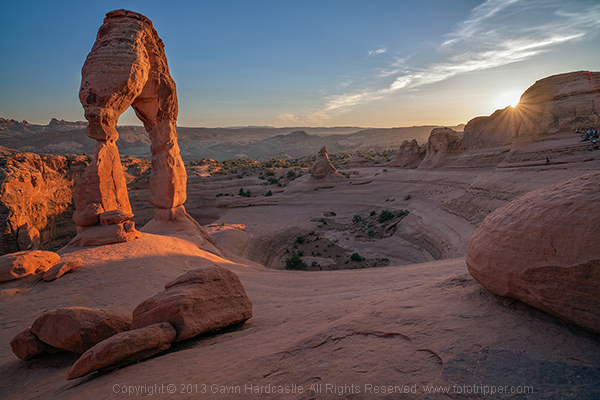
Delicate Arch Landscape, Moab, Utah

5 – Take a photo vacation

Dedicate a one to two week trip at a tremendously epic location and shoot as much as your family, friends or partner will tolerate. You can even become the official ‘trip photographer’ and if you get some great shots you’re more likley to have the family appreciate your need to do photography. Getting your loved ones ‘on side’ will give you a lot more freedom to dedicate time to your art.

6 – Rent a lens – see with new eyes

There’s nothing better than slapping a new piece of high end glass on your camera and seeing things with new eyes. If you’ve got an interesting trip planned, it doesn’t cost that much to rent a top notch lens for a weekend or a few days. It’s like getting a new camera that you already know how to use.

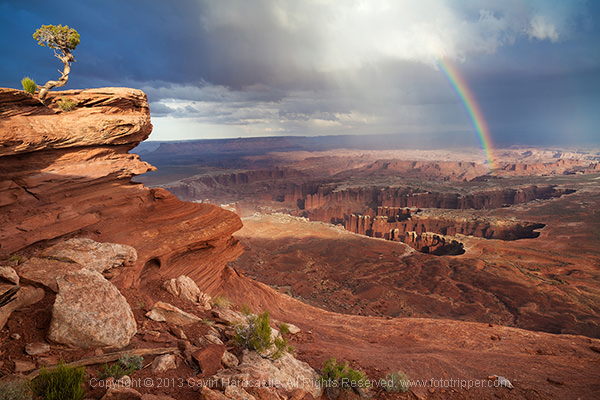
Antelope Canyon Landscape Photography

7 – Go running to find new locations

I’ll admit that I don’t have the patience or time for going on long hikes to discover new locations. I prefer to put on my running shoes, hit the trails and burn some calories. I can cover lots of ground in a fraction of the time it would take to hike and I’m always finding new beauty spots that I can revisit when the conditions are right. If you run daily you will also discover the best times of day for beautiful light.

8 – Follow your peers on social media

I don’t know about you, but nothing motivates me more than seeing the amazing work of my peers and thinking ‘I could have shot that’. The old adage of ‘right place, right time’ is so true in photography, so the more time you spend shooting, the more chances you’ll have at getting some amazing shots that will inspire your peers.

Landscape Photography

9 – Procrastinate and perish

I’m starting to sound like one of those awful life coaches here but seriously, procrastination will only lead to frustration. If you’re a complete beginner, it might take a while before you nail your first unbelievable shot, but when you inevitably do, it might just be the catalyst that kicks your photography into overdrive and once you’ve been bitten by that bug, there’s no turning back. Just don’t let your spouse read this.

What suggestions do you have for getting motivated to do more photography? What motivates you? Share with us some of your tips in the comments below.

Some other articles to read to get you fired up include:

  • Photography projects that make you feel alive
  • Jumpstart Your Photography: Start a 365 Project
  • 8 Photo Projects in Your Own Backyard
  • Photo Project: Why You Should Create a Photo Inspiration Corkboard

The post How to get Motivated to do more Photography by Gavin Hardcastle appeared first on Digital Photography School.


Digital Photography School

 
Comments Off on How to get Motivated to do more Photography

Posted in Photography