RSS
 

Archive for March, 2014

50(ish) Examples Of Breathtaking Fisheye Photography

14 Mar

Fisheye photos are tricky to do well. Sure, the super wide angle and curved distortion makes a lot of these pictures look cool. You don’t even need to know much about photography to impress your friends and get a boatload of “likes” on Facebook. But if you want to capture a unique perspective, you’ll need to do your homework. Then, you’ll have Continue Reading

The post 50(ish) Examples Of Breathtaking Fisheye Photography appeared first on Photodoto.


Photodoto

 
Comments Off on 50(ish) Examples Of Breathtaking Fisheye Photography

Posted in Photography


Kreativität

14 Mar

Mein Psychologielehrer machte mit uns zu Beginn der Lehreinheit „Kreativität“ ein Experiment: Wir hatten eine Minute Zeit, alle weißen Lebensmittel aufzuschreiben, die uns in den Sinn kamen. Alle schrieben eifrig und die Blätter füllten sich schnell.

Bei der Auswertung ging es jedoch nicht darum, möglichst viele Lebensmittel gefunden zu haben, sondern besonders einzigartige. Mehl und Eier standen wahrscheinlich auf jedem Zettel, während Mäusespeck und Zuckerwatte kaum einer aufgeschrieben hatte.

Gezeigt werden sollte uns damit, dass kreative Ideen durch originelles, einzigartiges Denken entstehen. Künstler können gut assoziativ denken, ihre Leistung liegt meist darin, gängige Denkstrukturen zu durchbrechen, wodurch ihre Arbeiten häufig nicht nur als etwas Besonderes bewertet werden, sondern auch schnell als verrückt.

Warum einige Menschen kreativer sind als andere, ist wahrscheinlich sogar genetisch verankert. Einer Studie der Semmelweis-Universität in Budapest zufolge gibt es einen Zusammenhang zwischen dem Neuregulin-Gen und der Kreativität eines Menschen. Gleichzeitig besteht jedoch auch ein Zusammenhang des Gens mit Schizophrenie.

Das Gen kommt in einer C- und einer T-Variante vor. Probanten, die von ihren Eltern jeweils die T-Variante vererbt bekamen, gaben originellere Antworten, neigten jedoch auch häufiger zu Schizophrenie. Probanten mit der CC-Variante wurden als am wenigsten kreativ bewertet, während Träger der CT-Variante mittelmäßig abschnitten.

Nun nahmen an dieser Studie nur 200 Probanden teil, die zum Großteil aus künstlerischen und akademischen Berufen kamen. Um die Ergebnisse zu untermauern, wäre eine größere, repräsentativere Studie nötig. Aber das Ergebnis zeigt schon in die Richtung einer gängigen Meinung: Genie und Wahnsinn liegen dicht beieinander.

Schon Aristoteles meinte, es gäbe kein großes Genie ohne einen Schuß Verrücktheit. Und viele berühmte Künstler scheinen es zu bestätigen: Robert Schumann, Vincent van Gogh oder Sylvia Plath, um nur einige wenige zu nennen.

Nun heißt das nicht, dass jeder, der kreativ ist, auch droht, wahnsinnig zu werden oder gar selbstmordgefährdet ist. Kreativität ist etwas, zu dem jeder Mensch fähig ist und zeigt sich bei jedem Menschen anders: Fotografieren, Malen, Schreiben, Musizieren, Witze machen oder ganz anders.

Um die eigene Kreativität zu fördern, gibt es viele Möglichkeiten. Wie bereits geschrieben, geht es darum, neue Denkstrukturen zu entwickeln. Anbei ein paar Tipps, die aus meiner persönlichen Erfahrung schöpfen:

1. Sich selbst nicht zu ernst nehmen.
Habe ich Angst, etwas falsch zu machen oder albern zu wirken, dann blockiere ich mich. Dabei ist es doch völlig egal, denn wenn das Resultat wirklich albern ist, hatte ich zumindest viel Spaß. Zudem verpflichte ich mich ja nicht, es auch zu veröffentlichen.

2. Kreativität kann man nicht erzwingen.
Kreativität kommt oft zu Besuch, wenn sie möchte, man muss es ihr nur gemütlich machen. Zum Beispiel durch einen schönen Spaziergang, einen lustigen Abend mit Freunden, Tanzen, Lachen. Unter Druck bleibt sie jedoch gern weg.

3. Inspirieren lassen.
Arbeiten und Werke anderer Künstler können stark inspirieren. Diese müssen nicht einmal auch Fotografien sein. Auf mich selbst wirkt Musik sehr stark, aber auch Gedichte und Malerei formen oft Bilder in meinem Kopf, die ich anschließend umsetzen kann.

4. Ideen auf Vorrat sammeln.
Manchmal gibt es einfach Zeiten, in denen ich so viele Ideen habe, dass ich sie gar nicht alle umsetzen kann. Dann schnappe ich mir einen Stift und mein Notizbuch und zeichne sie oder schreibe sie auf. Kommt dann wieder eine Zeit, in der mir nichts einfallen will, ist mein Notizbuch Gold wert. Oft bringen mich meine früheren Einfälle zum Staunen und ohne Buch wären sie wohl verloren gewesen.

5. Inspiration aus Fehlschlägen.
Es gibt hin und wieder fertige Bilder, die mich trotz toller Grundidee einfach nicht überzeugen. Ich hebe sie dennoch auf und sehe sei mir nach einiger Zeit noch einmal an. Mit etwas Abstand finde ich leichter die Fehler, die ich gemacht habe und kann es noch einmal versuchen. Meine Möglichkeiten und Fähigkeiten verändern sich und wachsen und das schlechte Bild vom letzten Jahr wird so vielleicht zu einem zeigenswerten Foto.

Was hilft Euch dabei, kreativ zu werden? Ergänzt meine Punkte gern in den Kommentaren und erzählt, wann die Kreativität bei Euch zu Besuch kommt oder auch, wann sie sich versteckt hält.

Titelbild von Laura Zalenga.


kwerfeldein – Fotografie Magazin | Fotocommunity

 
Comments Off on Kreativität

Posted in Equipment


12. März 2014

14 Mar

Ein Beitrag von: Zesk Monkeyforce

© Zesk Monkeyforce


kwerfeldein – Fotografie Magazin | Fotocommunity

 
Comments Off on 12. März 2014

Posted in Equipment


Nature morte

14 Mar

Ein Beitrag von: Annick Henricy

Am 14. Februar 2014 fegte der Sturm Ulla über die Küsten des Finistère in der Bretagne hinweg.
Dies war nun schon der vierte schlimme Sturm innerhalb von weniger als zwei Monaten, mit verheerenden Konsequenzen für die Küstenlandschaft und die dort lebenden Meeresvögel.

Als ich am Morgen des 15. Februars den Strand von la Torche entlang spazierte, wurde ich Zeuge der Schäden, die die Winterstürme verursacht hatten.

Nature morte © Annick Henricy

Die hohen Gezeitenkoeffizienten verbunden mit Windgeschwindigkeiten bis zu 150 Stundenkilometern hatten Dünen über mehrere Meter landeinwärts weggespült. Der Strand war übersät mit Müll und zahlreiche tote Vögel waren angeschwemmt worden.

Nachdem ich eine Weile spaziert war und mir alles genauer angeschaut hatte, nahm ich mir vor, dieses Szenario im Bilde festzuhalten. Je länger ich mich umschaute, desto weniger sah ich den Müll. Vor meinem inneren Auge entstanden kleine Stillleben, die ich nun versuchte, mit meinem Fotoapparat festzuhalten.

Nature morte © Annick HenricyNature morte © Annick Henricy

Diese Stillleben sind Zeugnisse vom Handeln des einzigen müllproduzierenden Lebewesens, dem Menschen, und den Konsequenzen seines Verhaltens für Natur und Umwelt. Ich habe diese Fotoreihe „nature morte“ genannt, was die französische Übersetzung für „Stillleben“ ist. Wortwörtlich übersetzt heißt es „tote Natur“.

Nature morte © Annick Henricy

Am Strand begegnete ich einem älteren Seefahrer, Jahrgang 1939, der mir erklärte, woher ein Teil dieses Mülls stammt. Er erinnerte sich noch gut an seine Kindheit und daran, wie er als Sechsjähriger nach dem Krieg in den Bunkern spielte, die während des Krieges in die Dünen gebaut worden waren.

Durch die seit dem Zweiten Weltkrieg eingetretene Erosion ist die Küstenlinie an vielen Stellen um einige Dutzend Meter zurückgedrängt worden. So liegen diese Bunker heutzutage im Meer und sind bei Flut teilweise überschwemmt.

Nature morte © Annick Henricy

In den sechziger Jahren blühte die Baubranche im Finistère. Für die Bauunternehmer lag es auf der Hand, dass sie sich ihren Sand in den Dünen beschafften, wobei große Löcher entstanden. Es war zwar nicht legal, aber niemand störte sich daran. Die Löcher wurden wiederum genutzt, um Bauschutt oder sonstigen Müll zu entsorgen.

Schlussendlich wurde diese illegale Deponie mit Sand zugeschüttet und es wuchs wortwörtlich Gras über die Sache. Leider hatte niemand die Erosion der Dünen bedacht. Und so kam es, dass bei den letzten Stürmen die Deponie wieder freigeschwemmt wurde.

Nature morte © Annick Henricy

Als ich auf diesen freigeschwemmten Müll stieß, fiel mir das Sprichwort von Antoine Laurent de Lavoisier ein: „Rien ne se crée, rien ne se perd…“ – „Nichts entsteht ganz neu, nichts geht verloren…“

Ich habe auch die jüngste von Menschenhand gemachte Verschmutzung dokumentiert. Während des Sturms Ulla waren 520 Container von einem Schiff gefallen. Die Ladung eines dieser Container, Hotelpantoffeln, ist auch an den nahegelegenen Stränden an Land gespült worden.

Nature morte © Annick Henricy

Wie viel in Sachen Umweltschutz bereits getan wäre, würde der Mensch auf sinnlosen Konsum wie Hotelpantoffeln verzichten?!

Das ganze Jahr über findet man am Strand kleine weiße und bunte Plastikkügelchen. Auf Französisch tragen sie den lieblichen Namen „larmes de sirène“, zu Deutsch also „Meerjungfrauentränen“.

Die Realität dahinter ist jedoch eine viel hässlichere. Es handelt sich hierbei um den giftigen Rohstoff für Plastikware, der durch unangemessenen Transport immer wieder ins Meer gelangt. Die Meeresvögel halten die Kügelchen für Nahrung, fressen sie und sterben daran.

Nature morte © Annick Henricy

Meine Fotos wollte ich schön gestalten. Die verstörende Realität verband ich mit dem schönen Licht der Sonne. Mit diesem Gegensatz versuchte ich, die Konsequenzen menschlichen Handelns auf die Umwelt zu verdeutlichen.

Ich möchte Denkanstöße geben, denn wie ein altes indianisches Sprichwort sagt: „Die Erde ist kein Geschenk unserer Eltern, unsere Kinder leihen sie uns!“


kwerfeldein – Fotografie Magazin | Fotocommunity

 
Comments Off on Nature morte

Posted in Equipment


Micropolitan: Mini Model City Cycles 100,000 Cars Per Hour

14 Mar

[ By WebUrbanist in Art & Installation & Sound. ]

dynamic kinetic car highway

Even when you can observe it fly by from outside, seemingly above the fray, experiencing rush hour traffic may not be as stress-free as you might imagine it would. But you can see and hear for yourself, thanks to conceptual artist Chris Burden and his dynamic sculpture, featured in the nifty short film below (a Vimeo Staff Pick).

A multi-year staple that can be seen at the Los Angeles Museum of Art, Metropolis II is an intense kinetic sculpture, modeled after a fast paced, frenetic modern city. Steel beams form an eclectic grid interwoven with an elaborate system of 18 roadways, including one six lane freeway, and HO scale train tracks.”

dynamic micro car video

dynamic miniature rush hour

More from the LACMA: “Miniature cars speed through the city at 240 scale miles per hour; every hour, the equivalent of approximately 100,000 cars circulate through the dense network of buildings. According to Burden, ‘The noise, the continuous flow of the trains, and the speeding toy cars produce in the viewer the stress of living in a dynamic, active and bustling 21st century city.’”

dynamic micro city sculpture

dynamic museum roadway infrastructure

At the push of a button, a fleet of toy-sized cars (as well as trains) zip out of their hiding spots and quickly fill up the looping tracks, weaving between structures and speeding along side streets only to rejoin the main highways later in their never-ending little rat-sized race to nowhere.

Share on Facebook


[ By WebUrbanist in Art & Installation & Sound. ]

[ WebUrbanist | Archives | Galleries | Privacy | TOS ]


WebUrbanist

 
Comments Off on Micropolitan: Mini Model City Cycles 100,000 Cars Per Hour

Posted in Creativity


Immer wieder Menschen

14 Mar

Ein Beitrag von: Normen Gadiel

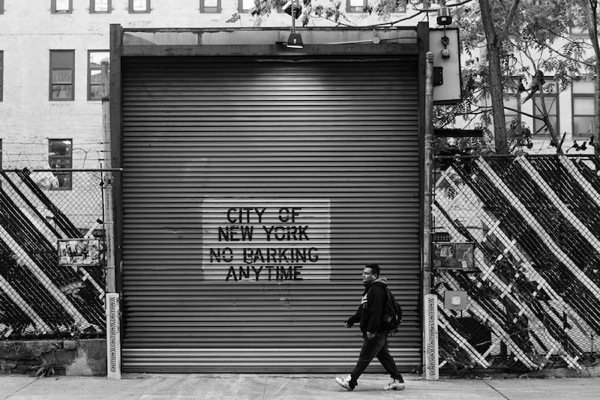
Normalerweise fotografiere ich überwiegend inszenierte Portraits. Vermutlich liegt das daran, dass ich die Unterschiedlichkeit der Menschen sehr interessant finde. In den letzten Monaten hat sich aber immer mehr gezeigt, dass ich unterwegs auch gern Menschen fotografieren möchte – nur eben nicht mehr inszeniert, sondern in Form der Straßenfotogafie.

So richtig begonnen hat es für mich im Jahr 2012 auf dem Melt-Festival. Es ging mir damals nicht darum, die Bands zu fotografieren oder die Meute vor der Bühne. Mein Fokus lag auf Personen, die umherliefen, standen oder tanzten und sich dadurch von der Masse etwas isolierten. Wenn mir dann die Personen aufgrund ihres Aussehens, ihrer Bewegung oder Ähnlichem aufgefallen sind, wollte ich diesen Moment festhalten.

© Normen Gadiel

Bei der späteren Bearbeitung fand ich diese Bilder sehr ehrlich, da die Personen mich als Fotografen nicht wahrgenommen und somit ihre Haltung und Mimik nicht geändert haben. Durch diese Erfahrung bin ich auf die Idee gekommen, diesen dokumentarischen Stil öfters einzusetzen.

Also habe ich auch im nächsten Jahr meine Kamera wieder eingepackt und bin aufs Melt gefahren. Glücklicherweise habe ich dieses Mal vom Veranstalter einen Fotopass bekommen, was mir die Arbeit dort erleichtert hat.

Keine Kontrolleure, die einen schief angucken, wenn die Kamera etwas größer ist – ach, war das schön. Großen Männern in schwarz, ausgestattet mit einer Neonweste, den Unterschied zwischen Festbrennweite und Zoom-Objektiv zu erklären, konnte ich mir somit ersparen.

© Normen Gadiel

© Normen Gadiel

Aufgefallen ist mir auch, dass es mich bei der Straßenfotografie kaum interessiert, was andere Fotografen machen. Was nicht bedeuten soll, dass ich mich nicht gern durch Portfolios klicke. Viel mehr ist es so gemeint, dass ich nicht das Gefühl bekomme, Fotograf XY macht richtig gute Fotos und das würde ich so auch gern können.

Die Fotos sind etwas Persönliches, dokumentieren sie doch auch irgendwie mein Leben, den Raum, in dem ich mich bewege und meine Interessen. Alles, was in meine Bilder einfließt, sind die Inspirationen, denen man sich nicht entziehen kann, wenn man Bilder konsumiert. Ein Potpourri aus allem, was ich bisher gesehen habe.

© Normen Gadiel

© Normen Gadiel

Ich weiß, dass ich erst am Anfang stehe und meinen Blick noch üben muss. Allerdings habe ich jetzt schon einige Schätzchen, auf die ich stolz bin. Immer, wenn ich diese Fotos betrachte, merke ich, wie viel Freude sie mir bringen. Die Fotografie ist ein Medium, das es uns ermöglicht, auch nach Jahren die Erinnerungen zurückzuholen – ich finde das wunderbar.

Letztes Jahr ging es dann für mich nach Italien. Es war mein erster Urlaub, in dem ich wirklich bewusst nach Motiven gesucht habe. Ich habe mir bisher darüber nie Gedanken gemacht, aber warum sollte ich Dinge fotografieren, die schon Abertausende Male von anderen Menschen fotografiert wurden?

Während ich nach einem guten Motiv suche, passiert es oft, dass ich das Auge nicht vom Sucherfenster nehme, um den Augenblick nicht zu verpassen. Ich gebe zu, das mag bescheuert aussehen, aber ein Moment ist manchmal einfach zu kurz, um ihn durch das Ausrichten der Kamera vergehen zu lassen.

© Normen Gadiel

© Normen Gadiel

Bei diesem Foto bin ich froh, dass ich den Kuss fotografieren konnte, allerdings stören mich die anderen Menschen und der Roller. Der Blickwinkel hätte auch besser sein können. Aber das ist genau die Schwierigkeit bei der Straßenfotografie. Ich denke, dass man eine Art Gespür für Situationen entwickeln muss, um schon vor dem eigentlichen Foto am richtigen Fleck zu stehen.

Da in meinen Fotos der zufällige Moment eine große Rolle spielt und ich nicht bewusst versuche, Missstände aufzuzeigen, habe ich auch kein Problem damit, Menschen ungefragt zu fotografieren. Die entstandenen Fotos sind am Ende nur Abbildungen des mich umgebenden öffentlichen Raumes und der darin enthalten Gesellschaft. Ich finde es wichtig, dass diese Art der Fotografie immer einen Platz haben wird. Scripted reality brauchen wir in der Fotografie nicht.

© Normen Gadiel

© Normen Gadiel

Auch, wenn viele andere Fotografen ganz bewusst eine kleine, leise und somit unauffällige Kamera für die Straßenfotografie nutzen, macht es mir nichts aus, mit der doch eher klobigen 5D Mark II zu fotografieren. Wobei ich natürlich nichts gegen eine kleine und leise Leica hätte.

Ich werde einfach abwarten, wie sich meine Fotografien entwickeln. Sollte ich irgendwann zu dem Entschluss kommen, dass mich die Kamera aufgrund ihrer Größe daran hindert, Situationen so einzufangen, wie ich es mir vorstelle, dann werde ich mich nach Alternativen umschauen.

Das schöne an Fotos, die einen dokumentarischen Hintergrund besitzen, ist, dass sie sich wie ein Wein verhalten können. Die Fotos werden zwar nicht besser, jedoch steigt ihre Bedeutung im Sinne eines Zeitzeugen und die Fotos werden wertvoller – auch ohne monetären Hintergrund und zumindest für einen persönlich.


kwerfeldein – Fotografie Magazin | Fotocommunity

 
Comments Off on Immer wieder Menschen

Posted in Equipment


Chicago-based Calumet Photographic closes U.S. stores

14 Mar

CALUMET_LOGO_1797381_10151985242408785_332556189_a.jpg

Calumet Photographic announced today on Facebook that the company is closing all of its U.S. stores and has filed for Chapter 7 bankruptcy, effective immediately. According to the statement, posted below, European branches will continue to operate. Calumet’s website and Twitter account are no longer available. Learn more

News: Digital Photography Review (dpreview.com)

 
Comments Off on Chicago-based Calumet Photographic closes U.S. stores

Posted in Uncategorized


Different Tripods for Different Subjects – Which to Choose?

14 Mar

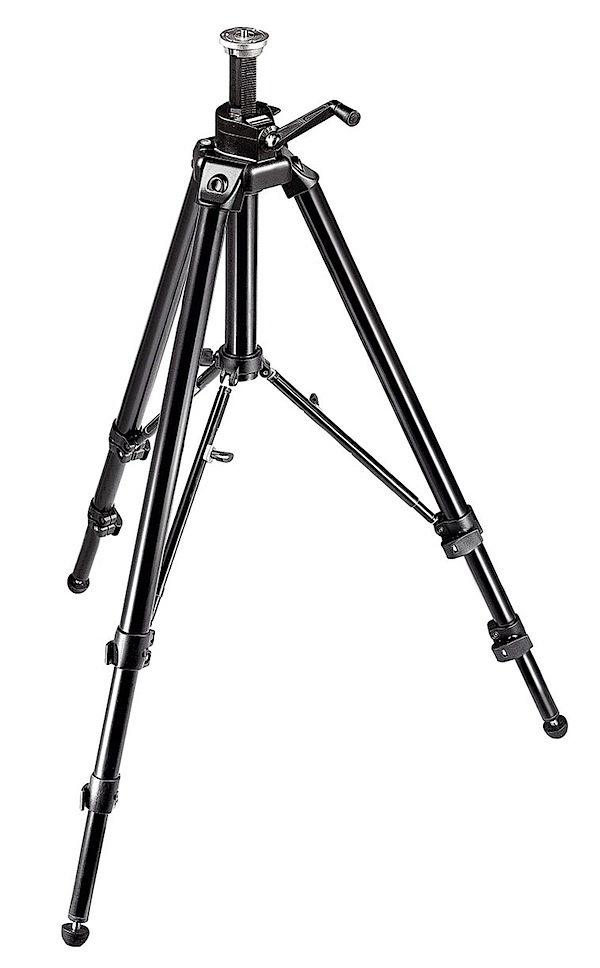
manfrotto-tripod.jpg

Tripods are always a fun topic of conversation but you might not think so because of their simplicity. In more circumstances than others, the tripod that you use really doesn’t make a big difference. The reason is because your tripod is designed to hold your camera and that’s it. But at the same time, different tripods include certain features that are beneficial for special situations.

In this article I will identify six different situations in which different tripod features come in extremely handy and can improve your photographs. These situations will go beyond the basic tripod usage of mounting the camera, adjusting height and angle. Let’s dive in, shall we?

Tripods for long exposure photography

When it comes to photographing long exposures a sturdy tripod is key. However, the most common tripods purchased these days are made of carbon fiber. The reason is due to the strength and light-weight properties of the material. Those two factors make carbon fiber desirable for any type of photography. However, with long exposures you need the tripod to stay still, and having a light tripod is not always the best.
Tripod long exposure photography

Having a tripod that includes a hook under the head or at the bottom of the center column, allows you to hang a weight or bag, helping to steady the tripod even more. Higher quality tripods also include vibration dampening technology which can help reduce shake. Lastly, a tripod that has the ability to attach spikes to the bottom of the feet can be very useful when photographing in dirt, sand or in the ocean.

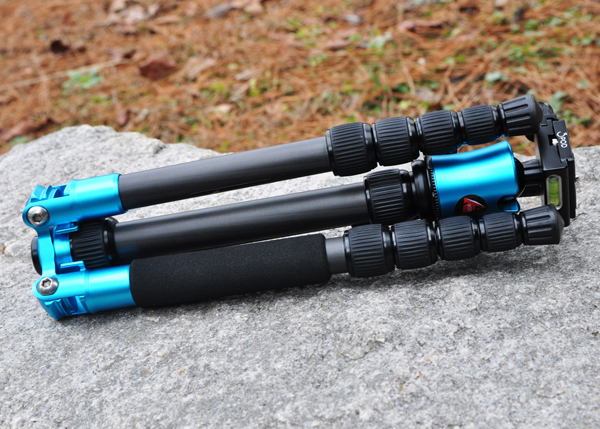
The P5CRH folds up to approximately 12 inches.

The P5CRH – folding tripod

Tripods for panoramic photography

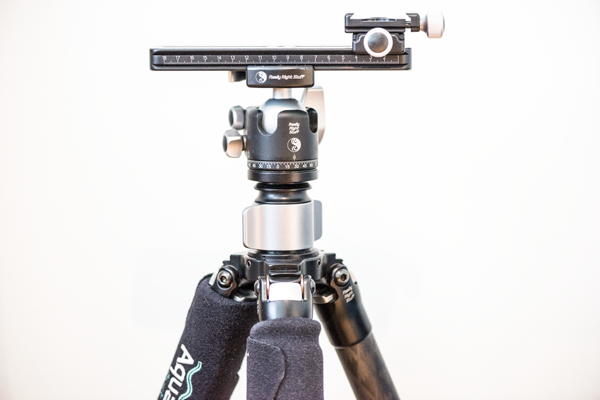
The weight of your tripod does not matter so much with panoramic photography, unless of course you are photographing long exposure panos. There are two tripod components that can really help improve panoramic photographs. The first feature is a leveling plate or base. With it, you can have your tripod in any angle and level the camera separately from the rest of the tripod. That will ensure the smoothest transition between frames. The other feature is a nodal slide, which will help bring the lens closer to the pivoting point of the tripod instead of the camera body. Having the lens nodal point in the correct spot will ensure minimal distortion between frames.

For advanced panoramic photographers, a gimbal head might be the ideal choice for a mounting system.

Tripod panorama

Tripods for headshot photography

Headshot photography is very different than other portrait photography. That might sound strange, but it’s true. With your typical portrait photographs you are likely moving around too much to use a tripod. However, with headshot photography the client is typically standing or sitting in one spot and moving only slightly. You, the photographer, are not moving so much.

At the same time, you are moving enough that you need fluid movements with your tripod, and the ability to let go without the camera changing positions on you. So when it comes to photography headshots be sure to use a ball head on your tripod rather than any other. It will make the process so much better for you. I highly recommend viewing one of Peter Hurley’s headshot videos and how he uses his tripod with a Hasselblad, which is a fairly heavy camera.

Tripods for product photography

Product photography is studio photography where the subject doesn’t move. When you are in the studio photographing product stills your camera is typically in one spot the entire time, with only minor adjustments. Quite often you will be tethered to a laptop, and there are plenty of tripod accessories to attach a camera and laptop at the same time. But oddly enough many product photographers utilize camera stands rather than tripods. They’re the same principal as a tripod except their extremely heavy, and have fine tuning adjustments for height, angle and length of reach. They are also on wheels for portability around the studio. Due to the heavy-duty structure of camera stands, attaching a laptop is very easy and safe.

Tripod product photography

Camera stands are expensive though, typically over $ 1,000, so they are not for everyone. If you’re not willing to dish out that much money in one shot, then my recommendation is a heavier steel tripod. Because you’re not moving them great distances, they are perfect for staying in one place. The weight of these heavy-duty tripods means they can hold heavier cameras, and if you want to attach a laptop mount as well you can feel comfortable it will hold both products safely. Also, for product photography a ball head is not the best choice. Instead, a positioning head like the Induro PHQ-3 would be ideal.

Tripods for wildlife photography

Paul Burwell talked about tripods for wildlife photography previously, so definitely give it a read. Typically a sturdy carbon fiber tripod will do perfectly fine for this type of photography. Gimbal heads can be a wildlife photographer’s best friend in addition to LensCoats (yes, the camo covers). If you cannot afford a Gimbal head, stick with a ball head so you can stay sturdy and adjust your view in smooth motions.

For some wildlife photographers, safari clamps (like the ones from Really Right Stuff) can be extremely useful, especially if you are taking a tour through Africa and have to shoot from a truck.

Tripods for photowalks and travel photography

I combined these two into one, because they’re extremely similar. Even if you are not traveling far for a photowalk, the principal is the same. Basically with any type of travel or photowalk you want to carry a tripod that is light and convenient. I personally have a Really Right Stuff tripod that’s made of carbon fiber. It’s extremely tall, but also light. In fact, it is as light as my compact 3 Legged Thing tripod.

So although the 3LT tripod is perfect for fitting into small places, like a camera bag, the Really Right Stuff doesn’t add weight, is much sturdier and extends much higher.

Tripod street photography

In Conclusion

In this article I shared six reasons why the tripod you use matters, and the differences between them. Although there are specific things to look for in a tripod depending on what you are photographing, it also doesn’t matter.

As long as you know your gear, understand how to use it to the best of its ability and your ability, then you’re fine. Use what you are comfortable with because having a tripod for many situations is better than not having a tripod.

Before wrapping up this article I want to share some other useful articles here on dPS. Be sure to read How to Buy a Tripod, How to use Your Tripod and Steady On.

If you have any additional comments to add please do so on the comments.

The post Different Tripods for Different Subjects – Which to Choose? by Scott Wyden Kivowitz appeared first on Digital Photography School.


Digital Photography School

 
Comments Off on Different Tripods for Different Subjects – Which to Choose?

Posted in Photography


Samsung explains the Galaxy S5’s ISOCELL sensor

14 Mar

samsungisocell.jpg

Samsung revealed its innovative ISOCELL image sensor technology in September last year, but it has taken until now for the concept to be applied in a device. The Galaxy S5, announced at Mobile World Congress, is the first smartphone from the Korean manufacturer that comes with an ISOCELL camera. Check out the video from Samsung that explains the technology in more detail. See video

News: Digital Photography Review (dpreview.com)

 
Comments Off on Samsung explains the Galaxy S5’s ISOCELL sensor

Posted in Uncategorized


Nikon D4s unboxing: It’s arrived!

14 Mar

DSC_0009-carousel.jpg

Officially announced last month, the Nikon D4s is the company’s flagship DSLR with serious professional credentials. Although improvements over the D4 might seem relatively subtle, they have been driven by professional feedback from working photographers all over the world. That’s why we were so excited to receive a big brown box from Nikon this morning! See the unboxing

News: Digital Photography Review (dpreview.com)

 
Comments Off on Nikon D4s unboxing: It’s arrived!

Posted in Uncategorized