RSS
 

Archive for March, 2014

Everyday Renaissance (After All…)

18 Mar

Ein Beitrag von: Aline Vater

Die in Italien geborene und vielseitig arbeitende Künstlerin Barbara Fragogna rezipiert kollektive Wahrheiten über Schönheit und Verfall, diskutiert stereotype, historisch geprägte Geschlechterrollen und transzendiert diese spielerisch-charmant mit Mitteln der Ironie.

Eine Vorstellung des Kunstbuchs „Everyday Renaissance (After All…)“.

Als ich klein war, bat mich meine Großmutter immer, nicht mit Jungs zu gehen, Jesus zu lieben und ein gutes Mädchen zu sein. Ich wuchs mit zwei Vorstellungen von Frauen auf: Der Jungfrau und der Hure.

Dies ist ein Zitat der Pop-Ikone Madonna, die in einer Zeit geboren wurde, in der Frauen entweder Heilige oder Huren waren1. Insbesondere in den 70er Jahren entlarvten Künstlerinnen wie Ana Mendieta, Judy Chicago, Martha Rosler, Nancy Spero, Hannah Wilke und die Guerilla Girls diese traditionellen Rollenzuschreibungen als soziokulturelle Klischees.

Trotz des immensen Fortschritts der Gleichberechtigung von Frauen gibt es auch heute noch Unterschiede zwischen den Geschlechtern, die sich in marktorientierten Schönheitsdogmen, klischeehaften Rollenzuweisungen und unterschiedlichen Entwicklungschancen im Berufsleben widerspiegeln. Dies zeichnet sich insbesondere im Kunstmarkt ab, der Künstlerinnen weitestgehend ignoriert.

Laut einer statistischen Analyse sind weniger als 25% der von Galerien vertretenen Künstler Frauen2. Erst seit wenigen Jahren sind im „Kunstkompass“ drei Frauen in der Top-Ten-Rangliste der KünstlerInnen – Rosemarie Trockel, Cindy Sherman und Pipilotti Rist – vertreten, deren „Marktwert“ weit hinter denen von Gerhard Richter und Bruce Nauman rangiert.

Neben Cindy Sherman, Bettina Rheims oder Marina Abramovic gibt es derzeit eine Generation aktiv wirkender Künstlerinnen, die sich mit diesen soziokulturellen Konstrukten beschäftigen. So auch die derzeit in Berlin lebende italienische Künstlerin Barbara Fragogna, die in „Everyday Renaissance (After All…)“ durch einen selbstbewusst-spielerischen Umgang klischeehafte traditionelle Menschenbilder entlarvt und über das mutige Mittel der Selbstironie zum Schmunzeln verführt.

Barbara Fragogna ist eine multidisziplinäre Künstlerin, die sich neben Malerei, Installation, kuratorischer Tätigkeit und Grafik auch mit Fotografie beschäftigt. In ihren Arbeiten diskutiert sie häufig Widersprüche psychologischer und soziologischer Konstruktionen, indem sie diese ohne Scham und Reue enthüllt, zerteilt und versöhnt.

In diesem Sinne besteht das Konzept hinter „Everyday Renaissance (After All…)“ aus einer Gegenüberstellung eines populären Renaissancegemäldes und einem äquivalenten Selbstportrait, mit dessen Hilfe die Künstlerin auf klassische Darstellungsweisen der Kunstgeschichte referiert und sie in einen neuen Zusammenhang stellt.

Die Interpretation der Bilder ist, wie Barbara Fragogna beschreibt, intuitiv und von individuellen Erfahrungen abhängig:

Man erkennt den Sinn. Er ist klar. Du kannst es auf unterschiedlichen Ebenen interpretieren, es hängt nur von dem Schlüssel ab, den Du in Deiner Hand trägst.

Daher ist ihre Arbeit einem breiten Publikum von Personen zugänglich, die sich mehr oder weniger (und nicht notwendigerweise) intensiv mit Kunstgeschichte beschäftigt haben. Nicht das Wort führt zu Erkenntnis, sondern die Imagination – das ist das Dogma, das Barbara Fragogna umtreibt.

Die Wahl der Epoche der Renaissance ist keineswegs zufällig. Die Renaissance – das heißt, das 15. und 16. Jahrhundert – war eine der bedeutsamsten Kunstepochen, in der Künstler wie Leonardo und Michelangelo, Raffael und Tizian, Dürer und Holbein nach höchster künstlerischer Vollkommenheit, Schönheit und Harmonie strebten. Durch die Auseinandersetzung mit wissenschaftlichen Erkenntnissen wandelte sich das Verständnis von Perspektive und Anatomie in der Kunst und verhalf Kulturschaffenden zu nie dagewesenem Ansehen3.

Zum ersten Mal nahmen Künstler einen ehrenwerten Platz unter den bedeutenden Figuren des Zeitalters ein, sie wurden hofiert von Päpsten und Kaisern, die miteinander darum wetteiferten, ihre Kunstwerke zu besitzen 3. Nicht zufällig werden diese Werke der Renaissance neuzeitlichen Selbstportraits entgegengesetzt – in einer Zeit, in der der Kapitalismus den Kunstmarkt beherrscht und nur noch ein verschwindend geringer Bruchteil von KünstlerInnen von Sammlern und Museen hofiert werden.

Im Sinne einer kapitalistischen Marktorientierung ist auch die Auswahl des künstlerischen Mittels in Barbara Fragognas Selbstportraits einzuordnen. Die Künstlerin nutzt für ihre Darstellung eine wabi-sabi-ähnliche Fülltechnik zur Betonung von Inhalt, die von Photoshop verwöhnte Augen unter Umständen flirren lässt.

Die Wahl dieses Mittels liegt jedoch nicht in der Unfähigkeit der Anwendung von Photoshop-Kenntnissen der Künstlerin begründet, sondern ist ein bewusst gewähltes Werkzeug, um dem Inhalt Vorrang vor qualitativen Kriterien zu schenken.

Das Ziel des Einsatzes von Bildbearbeitung ist es nicht, akkurat, sondern schnell und zeitgemäß zu sein. In diesem Sinne ist „Everyday Renaissance (After All…)“ ein hervorragendes Beispiel zur Überwindung komplexer Sachverhalte durch unkonventionelle Methoden.

Barbara Fragogna bezeichnet dies als „die Schönheit des Banalen“, in dem die Technik zu einem Witz, zu einem ironischen Spiel, zu einem Zitat utilisiert wird. Durch die Auswahl dieser Technik wird nicht nur das Konzept von Schönheit in der Kunst, sondern auch die wachsende Flut perfekter, mit Photoshop dressierter Bilder kritisch adressiert.

Was haben diese Gegenüberstellungen nun mit einer ironischen Hinterfragung von Rollenbildern zu tun? Um dies zu verdeutlichen, werden im Folgenden stellvertretend sechs der zweiundzwanzig Selbstportraits aus dem Katalog „Everyday Renaissance (After All…)“ herangezogen.

Mit dem Ende des Mittelalters begann das Zeitalter der Renaissance, eine Zeit der „Wiedergeburt“ der antiken Kultur. Obgleich sich der Mensch von traditionellen Werten der Kirche langsam löste und Werte wie Freiheit, Gleichheit und Selbstverwirklichung an Bedeutung gewannen, wirkte sich dieser Fortschritt kaum auf die weibliche Bevölkerung aus; davon ausgenommen war nur der weibliche Adel. Die Mehrzahl der Künstler war männlichen Geschlechts, einer der bekanntesten deutschen Renaissancekünstler ist Albrecht Dürer.

Barbara Fragogna nutzt ein Selbstportrait von Dürer, in dem er eine Haltung hierarchischer Frontalität einnimmt, die normalerweise malerischen Bildnissen von Königen und christlichen Figuren vorbehalten blieb. Dürer stellt sich in diesem Portrait mit Gott gleich. Fragogna nutzt diese Haltung und inszeniert sich mit einem weißen Schnurbart aus Creme, die durch eine Nassrasur unschöne – unweibliche – Oberlippenhaare entfernen soll. Eine graue Stoffkutte wird symbolträchtig der Schönheit von Dürers Haarpracht entgegengesetzt und camoufliert die ursprünglich weiblichen Züge der jesus-ähnlichen Figur.

© Barbara Fragogna
Links: Albrecht Dürer, Self-portrait with fur, 1500, Alte Pinakothek, München.
Rechts: Barbara Fragogna, After Dürer, Self-portrait shaving mustache with a not proper cream.

In einer weiteren Arbeit mimt Barbara Fragogna ein Christusportrait von Memling, in dem dem Betrachter durch eine Handbewegung ein Segen gegeben wird. Bedeutsam bei Memling ist das Fehlen heiliger Insignien wie etwa einem Kreuz. Dies greift Fragogna in ihrer Version auf und setzt an ihre Stelle eine Zahnbürste, um die Pflege des eigenen Körpers segensgleich zu inszenieren. Der Schaum am Mund erinnert an ein tollwütiges Katzentier, das den obsessiven Umgang mit Körperpflege metaphorisiert.

© Barbara Fragogna
Links: Hans Memling, Christ Giving His Blessing, 1478. Norton Simon Museum, Pasadena, CA, USA.
Rechts: Barbara Fragogna, After Memling, Self-portrait brushing teeth.

In einem weiteren Selbstportrait wird das „Schweißtuch der Veronika“ (Sudarium) ironisch umgedeutet. Das Schweißtuch der Veronika war einst die kostbarste Reliquie der Christenheit und befindet sich heute in einem gewaltigen Tresor im Petersdom in Rom. Nach der christlichen Überlieferung hat Veronika Jesus von Nazareth ein Stofftuch gereicht, damit dieser sich Schweiß und Blut vom Gesicht abwaschen konnte. Dabei soll sich das Gesicht von Jesus auf wundersame Weise auf dem Sudarium eingeprägt haben.

Fragogna inszeniert sich komplementär als christusgleiche Figur beim Färben der vormals ergrauten Haare. Auf einem Handtuch erscheint nicht ihr Gesicht, sondern das von Jesus – eine ironische Art, mit der Rolle der Frau im Christentum zu operieren.

© Barbara Fragogna
Links: Barbara Fragogna, After The Master, Self-portrait dyeing hair and finding out what’s coming next.
Rechts: St. Veronica with the Sudarium by Master of the Legend of St Ursula, 1480-1500, Private Collection.

In einem weiteren Selbstportrait nimmt sie ein Gemälde von Dieric Bouts ironisch unter die Lupe. Bouts sah seine Aufgabe darin, das Schöne der weiblichen Vollkommenheit, hier der von Maria, auszudrücken. Die Nacktheit von Maria stand für Unschuld und verdeutlicht die mütterlich umsorgende Rolle, die Frauen in der damaligen und der heutigen Zeit zugeschrieben wird.

Fragogna schlüpft in die Rolle der Maria und negiert die ihr zugeschriebene Mutterrolle durch den Versuch der dauerhaften Reduktion unerwünschter Körperhaare. Hier geht es weniger um Selbsterfoschung als um die Infragestellung gesellschaftlicher Rollen.

Diese Gegenüberstellung konträrer Auffassungen von Lebensentwürfen gibt der Serie eine verstörend authentische Qualität. Zugleich macht sie das Ganze zu einem komplexen Vexierspiel: So klar und prägnant, wie die Botschaft auf einen ersten gewagten Blick scheint, umso inhaltsreicher wird sie, wenn man die einzelnen historischen Puzzlestücke in ihrer Gesamtschau betrachtet.

© Barbara Fragogna
Links: Dieric Bouts, Virgin and Child, last quarter of 15th century, Metropolitan Museum of Art, New York.
Rechts: Barbara Fragogna, After Bouts, Self-portrait unrooting those ugly, annoying, nasty hair on the breast.

Diese oben erwähnten Arbeiten stehen einem bekannten Triptychon von Hieronymus Bosch und dessen Uminterpretation von Fragogna kontraintuitiv entgegen. Hieronymus Bosch war ein niederländischer Maler, der vertraut war mit der Vielfalt wissenschaftlicher Erkenntnisse seiner Zeit. Kein Maler dieser Periode stand dem Geist der italienischen Renaissance ferner als Bosch, der nicht die Schönheit, sondern vor allem die moralischen Schwächen der Menschheit abbildete.

Nicht zufällig, sondern ganz bewusst wählt Fragogna Boschs Gemälde aus, um das Gesamtkonzept von „Everyday Renaissance (After All…)“ zu komplettieren. Nicht zufällig existieren inhaltliche Parallelen zwischen Fragognas frühen Werken und denen von Hieronymus Bosch. Siehe hierzu Gemälde von Barbara Fragogna aus den Jahren 2004-2007.

Boschs Bildwelten lassen die Symbolik des Mittelalters hinter sich und integrieren dämonische Wesen, die düstere Visionen abbilden. Barbara Fragogna nutzt einen Ausschnitt des linken Flügels des bekannten Triptychons „Der Garten der Lüste“ von Bosch, das häufig „die musikalische Hölle“ genannt wird.

Diese Bezeichnung rührt daher, dass ein deutlicher Schwerpunkt auf dem Einsatz von Musikinstrumenten als Folterwerkzeug liegt. Das Detail, das Fragogna auswählt, stellt eine Frau mit einem Würfel auf dem Kopf dar, der als Warnung vor dem Einfluss der Frau (vermeintlich die Figur der Eva) fungiert, die den Mann (Adam) zur Sünde verführt hat4.

Im Original malträtiert ein Dämon einen vor einem Spieltisch liegenden Mann zweierlei durch Würgen und durch Erdolchen. Der Dämon trägt ein Schild auf dem Rücken, auf dem eine abgeschnittene und aufgepießte Hand erkennbar ist; eine Prozedur, die im Mittelalter häufig als Strafe bei Falschspiel oder Diebstahl vollzogen wurde.

Der Würfel auf dem Kopf der Figur wird in einigen Abhandlungen als Symbol der weiblichen Verführerrolle zum Falschspiel des vor ihr liegenden Mannes gedeutet. Die Symbolik des unwillkürlichen Zerteilens körperlicher Segmente kopiert Barbara Fragogna in ihrem Selbstportrait, das für das Erschrecken der Erkenntnis des „Auseinanderfallens“ von Schönheit steht.

© Barbara Fragogna
Links: Barbara Fragogna, After Bosch, Self-portrait finding out that I am falling apart.
Rechts: Hieronymus Bosch, The Garden of Earthly Delights (detail), between 1490 and 1510. Museo del Prado, Madrid.

Der Erhalt der weiblichen Schönheit wird auch in einem weiteren Selbstportrait thematisiert. Hier kooperiert Fragogna mit „der hässlichen Herzogin“, einem von Quentin Metsys am häufigsten rezipierten Gemälde. Die hässliche (von ihren Gesichtszügen her vermännlichte) Herzogin stellt eine groteske alte Frau dar, die im ursprünglichen Gemälde eine minimalistische rote Blume in der Hand hält. Diese Blume symbolisiert den vermeintlich erfolglosen Versuch der Attraktion männlicher Bewerber. Indem Barbara Fragogna die Blume durch einen Porenreinigungsstreifen austauscht, macht sie die hässliche Herzogin zur Komplizin beim Erhalt von Schönheit.

© Barbara Fragogna
Links: Barbara Fragogna, After Metsys, Self-portrait dyeing hair (yes, again) and rooting black spots out of the nose (with the precious help of Her Majesty the Duchess).
Rechts: Quentin Metsys, The Ugly Duchess (also known as A Grotesque Old Woman), 1513. National Gallery, London.

Durch diese Interaktion der beiden Figuren wird deutlich, dass das Konzept von „Everyday Renaissance (After All…)“ vor allem durch die Gegenüberstellungen funktioniert. Bei den Diptychen handelt es sich jedoch nicht um individuelle Selbstanalysen, denn Gesicht und Körper werden als Instrumente zum Transport einer Botschaft und als Erkundungsmoment von Identität eingesetzt, indem sie kollektive Wahrheiten der Bedeutung von Schönheit und Verfall rezipieren.

Bilder prägen unsere Sicht auf die Welt und letztlich auch, wie wir uns selbst sehen. Barbara Fragognas Maskeraden sind mutig, denn sie stellen mittels einer unverfälschten Wiedergabe eigener körperlicher Merkmale bzw. Defizite eine unvermittelte Befragung des Betrachters dar, die dem Modell nichts lässt, hinter dem es sich verstecken könnte.

Die Künstlerin sucht diese Auseinandersetzung und macht sich gleichermaßen Ernst und Ironie zu eigen, um ihre Botschaft zu vermitteln. Ihre Arbeit erzählt davon, wie man Schmerz erträgt, umwandelt und sich von ihm befreit. Die Künstlerin fungiert damit als eine Art Spiegel, indem sie schmerzvolle Gefühle ironisch transzendiert.

Wir leben immer noch in einer Zeit, in der physische Schönheit ein objektives Kriterium für gesellschaftliche Akzeptanz darstellt. Es ist auch eine Zeit, in der Frauen wählen müssen, ob sie Mutter, Geliebte oder Künstlerin sein wollen. Um es mit den Worten von Marina Abramovic auszudrücken:

Bevor man Künstlerin wird, muss man sich sicher sein, dass es das ist, was man will. Und dann muss man bereit sein, alles zu opfern und allein zu sein. Das ist kein einfaches Leben, aber wenn man es schafft, seine Ideen umzusetzen, ist die Belohnung wundervoll.

Leser, die neugierig auf die restlichen sechzehn Selbstportraits geworden sind, können eines der Exemplare des Kunstbuchs „Everyday Renaissance (After All…)“ erwerben, das als limitierte, signierte und nummerierte Auflage von 250 Stück bei Edizioni Inaudite erschienen ist.

Wer zusätzlich gern in direkten Austausch mit Barbara Fragogna treten möchte, ist eingeladen, die gleichnamige Ausstellung in der Galerie 52 in 12045 Berlin zu besuchen. Die Vernissage findet am 22. März 2014 unter Anwesenheit der Künstlerin statt. Die Ausstellung ist bis zum 5. April 2014 zu besichtigen.

Quellen und Literatur
1 Schoppmann, W. & Wipplinger, H.-P. (2010). Lebenslust und Totentanz. Olbricht Collection. Wien: KunstHalle Krems.
2 Pora, R. & Seiferlein, L. Frauen vorn. Stars und Newcomer, Überflieger und Vorreiterinnen. In Art Magazine, Nr 11/2013 von Nov. 2013, S. 20-29.
3 Gombrich, E. H. (1972). Die Geschichte der Kunst. Zürich: Belser Verlag Stuttgard.
4 Honour, H. & Fleming, J. (1992). Weltgeschichte der Kunst. München: Prestel Verlag.

kwerfeldein – Fotografie Magazin | Fotocommunity

 
Comments Off on Everyday Renaissance (After All…)

Posted in Equipment


Celestial Influences: Petroglyphs and Star Trails

18 Mar

Celestial Influences: Petroglyphs and Star Trails

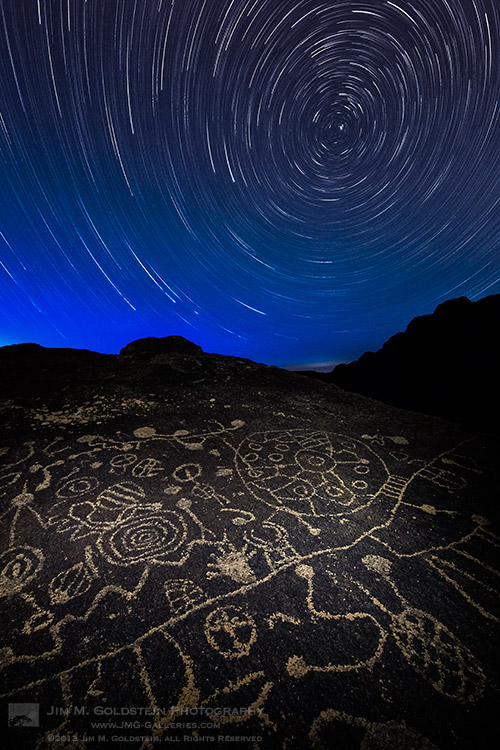
Standing out in the middle of no where at night in the presence of ancient petroglyphs unleashes ones imagination in more than one way. When not thinking about what wild life could be sneaking up on me (cougars, coyotes, mice… as it turns out mostly mice) my mind wandered to the source of inspiration for these ancient drawings. Was the person(s) that made these drawing bored, doodling, documenting, ancient life or gathering inspiration from the night sky? I personally made the connection between the circles & spirals on this rock with the movement of the stars.  Looking back at my photos from this night my curiosity again is piqued. I suppose the fact no one has a firm answer is what makes these petroglyphs so attractive & intriguing. What do you think?
Copyright Jim M. Goldstein, All Rights Reserved

Celestial Influences: Petroglyphs and Star Trails

The post Celestial Influences: Petroglyphs and Star Trails appeared first on JMG-Galleries – Landscape, Nature & Travel Photography.


Related Stories

  • Celestial Influences: Petroglyphs and Star Trails – Enclosure
  • In Defense of Pretty Pictures – Enclosure
  • In Defense of Pretty Pictures
Feed Ads by FeedBlitz
powered by ad choices


JMG-Galleries

 
Comments Off on Celestial Influences: Petroglyphs and Star Trails

Posted in Equipment


Underground Urban Wonders: 7 Stunning Sub-City Spaces

18 Mar

[ By Steph in 7 Wonders Series & Travel. ]

Urban Underground Main

Far below the bustling cities of London, Paris, Montreal, New York and Helsinki are subterranean spaces ranging from dark, dank and dangerous storm drain tunnels to entire complexes complete with shopping malls and swimming pools. Some are the result of cities deciding to build down rather than out, while others remain populated only by fringe communities as officials ponder transforming them for legal public use.

Underground Farm in London Air Raid Tunnels

Urban Undergrounds London Farm

Below the London Underground, in a deep subterranean level of World War II bomb shelters, is a sight you’d never expect to see: ‘Growing Underground,’ an experimental farm producing hydroponic crops over 2.5 acres of the abandoned passages. Elevated, rodent-proof tables placed beneath growing lights coax garlic chives, radishes, watercress, coriander, thai basil and other edibles. Growing in this underground space means 70% less water is required than above-ground farming, and there’s also no need for pesticides. The operation provides hyper-local micro greens to restaurants, wholesalers and retailers within the city, and the company plans to expand into tomatoes and mushrooms.

Stunning Makeover for Paris Underground

Urban Undergrounds Paris 1

Urban Undergrounds Paris 2

What could the abandoned subway stations beneath Paris potentially hold? One city mayoral candidate is working with architects to examine new purposes for these vast, neglected spaces, including restaurants, theaters, night clubs, parks and swimming pools. They’re large, strong, open spaces with great acoustics, already located near major urban hubs, ready to be reclaimed by the public. Eight stops in total have been deemed suitable for the project, some of which have been boarded up for nearly a century.

Helsinki Underground ‘Shadow City’

Urban Undergrounds Helsinki 1
Urban Undergrounds Helsinki 2

Finland’s capital city has decided to fight sprawl by building down rather than out, building an underground city containing a swimming pool, shopping district, church, hockey rink, data center and ‘parking caverns.’ For Helsinki, this makes perfect sense (especially for the data center), as the city is built on rock that’s naturally insulating. Building down avoids the need for ugly parking decks, and also provides storage for things like coal. Officials plan to continue expanding these spaces including another 200 underground structures, new metro lines and a road tunnel project that will connect existing access roads leading into the city.

RÉSO Underground Complex, Montreal

Urban Undergrounds Montreal RESO

Montreal’s Underground City, officially known as RÉSO, is a series of interconnected spaces in and beneath the downtown area. It’s one of the largest underground complexes in the world with over 20 miles of tunnels spread over a 4.6 square mile area, containing shopping malls, hotels, condos, banks, offices, apartments, museums, universities, seven metro stations, two commuter train stations, a regional bus terminal, an amphitheater and an arena. More than 120 access points connect above-ground Montreal to this underground city. The first link began in 1962 with the construction of the Place Ville-Marie office tower and underground shopping mall, built to cover railway tracks that were considered an eyesore. The fact that the complex links so many transit stations enables Canadians and visitors to avoid nasty weather when traveling from one area of the city to the next.

Next Page – Click Below to Read More:
7 Urban Underground Wonders Active Subterranean Spaces

Share on Facebook


[ By Steph in 7 Wonders Series & Travel. ]

[ WebUrbanist | Archives | Galleries | Privacy | TOS ]


WebUrbanist

 
Comments Off on Underground Urban Wonders: 7 Stunning Sub-City Spaces

Posted in Creativity


Nailed It: 3D Printed Manicures Are Frighteningly Awesome

18 Mar

[ By Steph in Design & Products & Packaging. ]

3D Printed Nail Art 3

We knew that 3D printing would make the creation of all sorts of amazing and unpredictable things possible, but we honestly didn’t see this one coming: frighteningly intricate, claw-like artificial nails. Cutting-edge robotic technologies now allow anyone with access to ‘print’ everything from medical prosthetics and lingerie to cars and entire houses. Add 3D-printed nails with names like ‘Armored Castle’ to the list.

3D Printed Nail Art 2

Manicures have gotten increasingly complicated with the option of adding all sorts of artistic elements, but a Shapeways shop called The Laser Girls truly takes them to the next level (and some.) Their 3D-printed creations come in a range of styles, sizes, materials and colors, and all of them look like they could do some serious damage if you’re not careful with your fingers.

3D Printed Nail Art 4

3D Printed Nail Art 5

The pyramidal ‘Kingdom Nails’ come in bronze-infused stainless steel, altering the meaning of the cliched saying ‘tough as nails.’ Other designs are made of strong and flexible nylon plastic with a smoother finish.

3D Printed Nail Art 1

These extreme artificial nails aren’t made for extended use; they’re applied using either nail glue or thin mounting tape like the sort used for scrapbooking. Explore lots more crazy (and purchasable!) 3D printed objects at Shapeways.


Share on Facebook


[ By Steph in Design & Products & Packaging. ]

[ WebUrbanist | Archives | Galleries | Privacy | TOS ]


WebUrbanist

 
Comments Off on Nailed It: 3D Printed Manicures Are Frighteningly Awesome

Posted in Creativity


10 Photography Hacks that will Dramatically Improve Your Photos

18 Mar

Mike is the author of the eBook Hacking Photography: A Plain-English Guide to Taking Impressive Photos – Fast, on sale now for 60% off at SnapnDeals.

There is a widely accepted rule called The Pareto Principle also known as the 80:20 rule. In short, it states that 80% of the results come from 20% of the efforts. I find that in learning photography, this can even skew much higher. This means that potentially improving 5% of your photographic knowledge in the right places, could improve your photography by 95%!

10 photography hacks that will dramatically improve your photos

Hack 1 – Turn the flash off of automatic!

Camera manufacturers are often too eager to make the flash pop up even when it gets slightly dark. This is actually a retention tool for them. If the flash pops, the photo won’t look as good but people won’t be blurry because the flash freezes them in place. If enough new photographers see blurry photos (even though they are caused by improper photographer technique) they will assume something is wrong with the camera and take it back for a refund.

Instead, keep the flash closed and increase the ISO. In all the camera modes except manual mode, increasing your ISO will cause the camera to increase your shutter speed to have a better chance of freezing people in motion. Now shoot the photo. It will use the ambient (available) light, which typically has more color and character instead of a bright face and black background.

Hacking photography music

Hack 2 – Get in close to your subject…then get closer

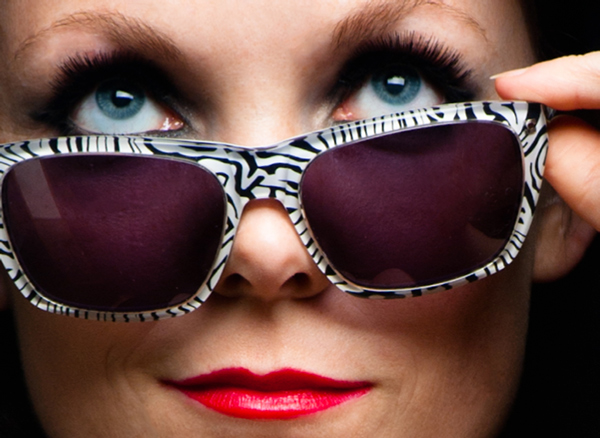
Most people think that they have to step way back and get a lot of space around the subject to get the whole scene. Your subject is not a mime that is stuck in an invisible box, it’s okay to cut off their foreheads, legs, or lower half every now and then! Try getting a close-up of someone’s face from the eyebrows to the mouth. Here is a quick example:

Hacking photography get closer

The problem with zooming way out for every photo is that it doesn’t make it plainly obvious to the viewer what is the point or subject of the photo. I’m a huge fan of subtraction – the less there is in your photo the better. The best images are simple and very clear to the viewer what “story” you are telling with your images.

Hack 3: Eliminate the clutter

This is huge! The best images are ones that are simple and have breathing room for the subject. Try to find the simplest background possible. It’s no different than walking into a super cluttered house versus walking into a clean minimalistic space with very few items to distract you.

If you are taking a photo of a person, take the extra second to look around and find a minimal background that doesn’t distract the viewer.

Hack 4: Look for repeating patterns

Ever hear someone say that a photographer “just has the eye for it?” I disagree. This is a learned skill, not something that you are born with.

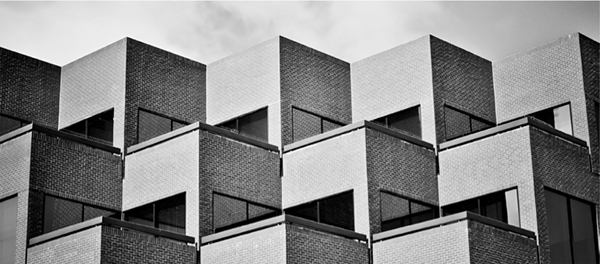
As you walk around, take notice of buildings, windows, patterns in brickwork, etc. I was walking by a building I walk by all the time and something suddenly ‘clicked’ and I realized there was a really cool pattern in the brickwork I had never noticed before. I ran home and grabbed my camera to shoot it before I forgot again.

Hacking photography repeating patterns

Hack 5: Shoot from interesting perspectives

I would argue that 99% of photos most viewers ever see are shot from eye-level where the photographer was standing – the same viewpoint we see 99% of our lives from. It’s no surprise when you go to the top of a huge building and look down at a city that it’s visually stunning because we don’t see that perspective very often. You see this birds-eye-view used a lot in food photography.

Hacking photography birds eye view

The same goes for getting down on your stomach and shooting straight up to the sky. Anytime you are afforded a unique viewpoint it’s always interesting to the viewer.

Hack 6: Look for symmetry

Your viewer will do backflips if you can find an image that perfectly reflects the same thing top to bottom, or right to left! How many times have we seen something every day then see a photographer create an image that is an entirely different view of that item?

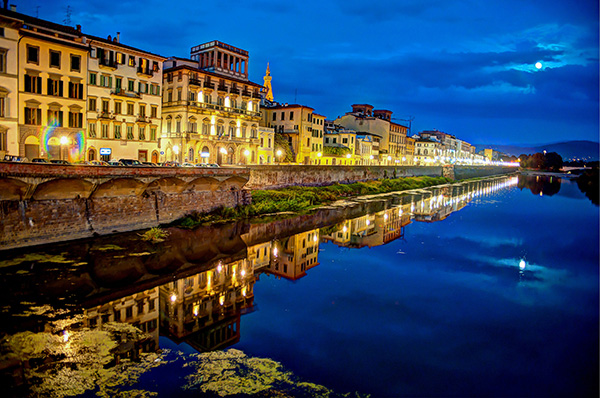
I took a photo trip to Italy and consciously tried to capture as much symmetry as I could. Here is a quick symmetrical shot:

Hacking photography florence moon

Always keep an eye out for perfect symmetry!

Hack 7: Straighten your lines

Instead of just clicking away when you see something interesting, take the extra second to make sure horizontal lines are horizontal, and vertical lines are vertical. We all have the habit nowadays of just pointing our cameras in the general vicinity of what we are shooting. I propose you take a moment and line yourself up perfectly with that building or person.

Hack 8: Max out the aperture

What most people perceive as “artistic” photographs (AKA better than most) are ones that use a big aperture (small f-number) to blur the background or foreground, to call more attention to a subject. If you are using a kit lens your aperture will likely only go down to f/3.5, which isn’t a very big aperture.

The biggest impact item, and cheapest investment in gear that can make your photos go from okay to awesome is a lens with a huge aperture. I recommend purchasing a 50mm f/1.8 new on Amazon for $ 130-200 (Canon 50mm f/1.8 or Nikon version) or you can usually find them in perfect condition, used, for between $ 80-150.

Hacking photography aperture

Hack 9: Know where the light is coming from, and the quality

It’s funny how easy it is to take great photographs if you are just simply aware of these two things. Think about this: if you are shooting a photograph of someone outside and the sun is directly behind him or her, they will show up as a dark silhouette. If all you did was switch positions with this person so they are facing the sun, they will be nicely lit.

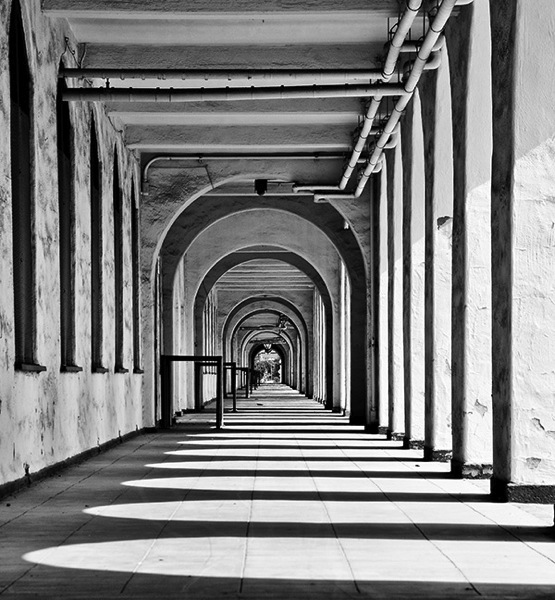
Being aware of the direction and quality of light can also ties into step 4 above. I walked outside of a building, looked down an outside walkway and noticed the shadows formed a really cool pattern because the sun was very bright and coming in from the left. This made an interesting arch pattern that almost looked like an MC Escher sketch.

Hacking photography maze patterns

Hack 10: Use the Rule of Thirds

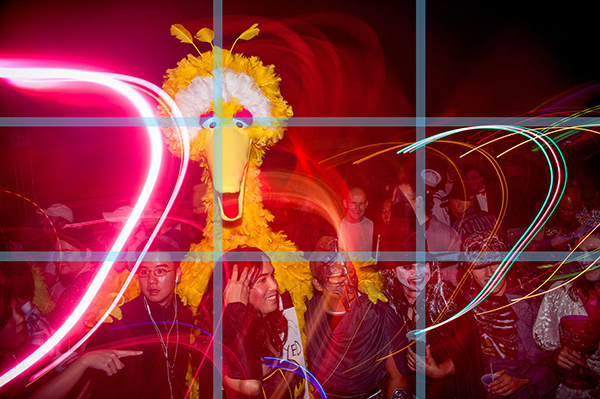
The rule of thirds is the simplest and most under-utilized tip in the book. Are you ready for the quickest and easiest lesson yet? Here we go: go into your camera and turn on the “Grid” function which will show a grid in your viewfinder with horizontal and vertical lines when you look through it. 99% of new photographers put their subject smack in the middle of the frame when they compose the photo. The viewer also sees 99% of photos with the subject right in the middle of the frame because they look directly at a person, item, etc. This gets really boring really quickly, as we discussed earlier.

The tic-tac-toe rule

Imagine a tic-tac-toe board when you look through your viewfinder. Some cameras have a ‘grid’ function you can turn on to see this through the viewfinder. You always want to line up the point of interest where the lines meet each other. When you compose your photo, line up the point of interest at either 1/3 to the right or left of the frame, and/or the top or bottom 1/3. You want to give your subject room to breathe in the frame.

I caught this at a huge Halloween party Miller-Coors sponsored. You can see who got the attention at the intersection of the top and left 1/3 marks. Note the people on bottom all line up with the bottom horizontal 1/3 line.

Hacking photography rule of thirds

Wrapping up

If you follow these 10 hacks, your photography will take a giant leap forward. I recommend experimenting with one of these hacks per day for 10 days. After you get used to thinking about each one, you will eventually internalize the lesson so it will just happen instinctually. That’s when photography really gets fun. I can’t wait to see what you come up with.

Please share any additional tips in the comments section below.

For more on these hacks grab Mike’s eBook Hacking Photography: A Plain-English Guide to Taking Impressive Photos – Fast, on sale now for 60% off at SnapnDeals.

The post 10 Photography Hacks that will Dramatically Improve Your Photos by Mike Newton appeared first on Digital Photography School.


Digital Photography School

 
Comments Off on 10 Photography Hacks that will Dramatically Improve Your Photos

Posted in Photography


Nikon D4s studio samples added to first-impressions review

18 Mar

specs.jpg

We just added studio test scene images to our First Impressions Review of the Nikon D4s. The D4s is a refined version of Nikon’s flagship DSLR, incorporating several changes – large and small – resulting from feedback from professional users. As well as minor ergonomic refinements and a slightly improved video mode the D4s also offers a highest ISO sensitivity of 409,600 (equivalent) – the highest we’ve ever seen. Click through to see for yourself what that looks like. 

News: Digital Photography Review (dpreview.com)

 
Comments Off on Nikon D4s studio samples added to first-impressions review

Posted in Uncategorized


Red Giant offers subscription to video editing tools

18 Mar

product-list-prem-8-med.jpg

Using a similar model as Adobe’s Creative Cloud, video effects maker Red Giant – creators of Trapcode and Magic Bullet – is making their post-production tools and plugins available via subscription. Instead of buying individual software licenses, Red Giant’s service called Universe allows you to pay monthly or yearly for access to their suite of products that work in popular video editing software such as Final Cut Pro or Adobe Premiere. Learn more

News: Digital Photography Review (dpreview.com)

 
Comments Off on Red Giant offers subscription to video editing tools

Posted in Uncategorized


8 Reasons You Should Organize Your Photo Collection

18 Mar

Editing and organizing our websites, print portfolios, business collateral and promotional material is something every professional photographer does at least once if not several times a year. It allows us to present the best possible vision of our work to our clients.

After a build-up of new work it was time for me to edit my portfolio as well. I’ve spent the last several weeks working on a vigorous edit in preparation for a large annual marketing and meeting push – and it occurred to me this would make a good post for dPS. While the purpose of my organizational edit is for business reasons, you don’t need to be a professional photographer to benefit from a good organization of your images. Every level of photographer will find something valuable in it.

Here are eight reasons why you should consider spending a bit of screen time and organize your photo collection.

Website Thumbnail Edit

1. Everything is easier to find

If you don’t have a good organizational system in place, there’s little that’s quite as droll as sifting through your images and key wording, tagging, starring, folder sorting, and/or color coding them. However you want to distinguish your files, it helps to find them in a pinch.

Without a good system how will you ever locate those photos of the Johnson family if they decide they actually want to buy some from you down the line? Or what about that shot you entered a year ago on a National Geographic forum… and now they want to publish it!

No matter what your system is, it’s important to develop one. Just know yours in and out, in case a cool or monetary opportunity arises in the future.

How could you find a file in this mess?

How could you find a file in this mess?

2. See how you’ve progressed

Sitting down and organizing your images from beginning to the present gives you a great overview of how you’ve progressed since first picking up a camera. You’ll notice not only the difference in content of what you’re photographing, but the quality of it as well. There’s nothing as bemusingly head-shake inducing as looking at some of the first images that came out of your camera. How could you possibly ever have been that bad?! Look back and see how far you’ve come and celebrate!

3. You’re forced to review the good with the bad

There are some valuable lessons to be learned in organizing your images, especially in recent ones. You’ll get a play-by-play look at the good images, along with the bad ones.

Sit down and really take some time to think about what it is that makes you admire certain images, but dislike others. What did you do right in those great ones? What did you do wrong in the poor ones? This critical review will help you develop your eye and create better images in the future.

4. It will teach you to avoid recurring mistakes

During any good review you’ll probably realize there are one, two or more mistakes you’re consistently making. You’ll find new ones every time you do this, and you’ll know what to avoid in the future.

During past reviews I found I used to slightly overexpose my images, or that I was lacking in night images with my travel shots. Taking the time to review allowed me to correct those mistakes and bolster the holes in my portfolio. I’m always finding something new to work on, and so will you. Learning from your mistakes is what makes you better.

5. Discover ideas you want to revisit

Perhaps a year or two or more ago you took a trip to the Grand Canyon or photographed a really fun concept, but realize now all the little things you missed or messed up on. Now that you’ve sat down to organize you remember that great idea you had – and with your new-found knowledge, it could be a great time to revisit the shoot and improve upon it.

There’s nothing wrong with revisiting a concept you’ve photographed before and working to improve it. Many professionals work on a project or series for years before they think it’s complete. Some scrub everything they’ve shot and re-start again on a concept they love, but want to tackle with a new execution. Consider it a challenge to re-invent something you’ve already done.

Color-Theme-MattDutile

6. Find themes and begin developing a vision

If you had your own website, or already do have one, how would you organize it? Would there be a portrait section? Or weddings and babies? Perhaps landscapes and still life? Or travel and lifestyle? Most professionals organize their images by subject, project or theme. Doing so in your own work can tell you a lot about what kind of photographer you think you are or want to become. What do you value and enjoy shooting?

Look for themes across your work other than simply subject. What you may notice appearing is your specific style or vision. After a great period of time every photographer begins developing a sense of style, but you may be able to notice the threads of it early. It’s a clue to what you value in your images and your unique perspective.

Monk-Theme-MattDutile

7. It’s easier for potential clients

If you have the desire to take your hobby professionally one day, organizing now and understanding how you would define your photography will make it easier for potential clients to identify what they like about your work ,or why they should hire you. The business of photography is defining what you bring to the market that’s different, and at what value. It’s answering the question, “Why should I work with you?”.

8. It just looks nice

The last reason is one of simple vanity. Organization, if done right, just looks pretty. I often enjoy in my spare time putting together different color arrangements, collages and themes. Some of them make their way into my marketing material if the idea turns out particularly good, others may entirely change the way I categorize my business, and still others go in the trash as a fun but failed experiment. Organization doesn’t just have to be a boring task though, it can fuel creative insight and help you develop your images.

The post 8 Reasons You Should Organize Your Photo Collection by Matt Dutile appeared first on Digital Photography School.


Digital Photography School

 
Comments Off on 8 Reasons You Should Organize Your Photo Collection

Posted in Photography


Samsung lens production issues could delay Galaxy S5

18 Mar

samsunga53.png

With its 16MP ISOCELL 1/2.6-inch sensor, F2.2 aperture, 4K video, reflector integrated LED-flash, water-resistant body and hybrid AF-system, the recently announced Samsung Galaxy S5 looks like one of 2014’s hottest options for mobile photographers. However problems in the manufacturing process of the S5’s new 6-element lens could delay its release in some markets. Learn more 

News: Digital Photography Review (dpreview.com)

 
Comments Off on Samsung lens production issues could delay Galaxy S5

Posted in Uncategorized


Aperitif: Diese Woche auf kwerfeldein

18 Mar

Es wird historisch, poetisch, fantastisch und atemberaubend. So sieht der Blick auf die Woche aus, deren Montag wir alle schon – hoffentlich! – erfolgreich hinter uns gebracht haben. Und nicht nur der Aperitif ist (noch) ziemlich neu, sondern auch die vielen, fast doppelt so vielen Artikel, die wir vorbereitet haben.

„Was, doppelt so viele?“, wird der eine Teil von Euch nun vielleicht mit einem Glitzern in den Augen denken, während der andere Teil in vorauseilender Überforderung eher schnauft. Keine Sorge, noch hat die Redaktion nicht so viel (Wo-)Manpower, dass wir mal eben doppelt so viel schreiben. Aber:

Doppelt so viele Bilder werden wir zeigen. Denn wir müssen zugeben, dass es da draußen so einige Serien und Gesamtwerke gibt, die bisher keinen Eingang in unser Magazin gefunden haben, weil es nicht so viel dazu zu sagen bzw. schreiben gibt, wie wir es für unsere normalen Artikel gern hätten. Also haben wir voller Freude unser wortkarges Genre „Vollbild“ reaktiviert, auf das Ihr Euch nun vier bis fünf Mal pro Woche freuen dürft.

© Martin Gommel

Außerdem tauchen unsere Gastautorin Aline und Redakteurin Katja in die historische Fotografie ab. Während Katja Euch wieder einen skurrilen Fund aus der Anfangszeit der Fotografie präsentiert, stellt Aline eine Künstlerin vor, die sich durch fotografisches Nachstellen Portraitmalereien der Renaissance nähert.

Und, ja, Poesie. Zum einen in fantastischen Selbstportraits unter anderem aus den Black Mountains in Wales, aber auch in bildbegleitenden Textfragmenten. Wie bei den Artikeln zur Straßenfotografie in der letzten Woche lohnt sich auch hier wieder der Vergleich zwischen den unterschiedlichen Herangehensweisen und Ästhetiken.

Unser Herausgeber Martin Gommel wagt einen fotografischen Rückblick. Und wir zeigen Euch Wüsten in Wohnungen. Und Traumbilder. Machen einen Abstecher nach Istanbul. Reisen in die Ferne, immer der Sonne entgegen. Stellen Euch unfassbar junge Menschen vor, die schon unfassbar stark fotografieren. Und dann sind da noch unsere heruntergeklappten Kinnladen.


kwerfeldein – Fotografie Magazin | Fotocommunity

 
Comments Off on Aperitif: Diese Woche auf kwerfeldein

Posted in Equipment