RSS
 

Archive for March, 2014

‘Building Absence’: Stephen Tourlentes’ prison landscapes

23 Mar

Rawlins_WY_State_Death_House_Prison_2000_.jpg

Stephen Tourlentes started photographing prisons after a facility was built in his home town, in Illinois, USA. In his series of images entitled ‘Building Absence’, Tourlentes captures prisons at night, in the distance, their lights illuminating the landscapes in which they exist. By his own estimation he has photographed more than 100 prisons in 46 states, often from dead-end public roads and from within the communities that border the huge facilities. Click through for a look at his work. 

News: Digital Photography Review (dpreview.com)

 
Comments Off on ‘Building Absence’: Stephen Tourlentes’ prison landscapes

Posted in Uncategorized


Light Tent Comparison – DIY Versus Kit Tents

23 Mar

A light tent is an invaluable photography tool for shooting smaller objects and items and for achieving even, near-shadowless lighting. In our earlier post, we looked at How to Use a Light Tent for Product-Style Photography, which covered the basics for using and shooting with a light tent. In this post, we will take a look at a head-to-head comparison between buying a light tent kit versus making your own DIY version.

The light tent contenders

In this corner, we have the Square Perfect SP500 Platinum Photo Studio In A Box. This kit contains: two pop-up light tents (one 30 inch cube and one 12 inch cube – 12 inch shown below); two lights with adjustable stands; two 30W, 5400K daylight fluorescent bulbs; a tripod; a carrying case; and two sets of four colored fabric backdrops (white, black, red, and blue) sized for each light tent.
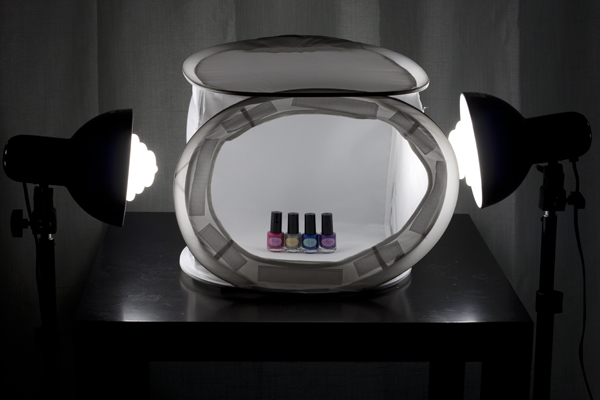
light tent kit, Square Perfect, photography, setup

And in this corner, we have the DIY Light Tent, built using these specifications: Foldable DIY Photography Light Tent. This light tent will be lit by means of two adjustable desk lamps and 60W, 2900K halogen bulbs. The backdrops are made from standard poster board and cut to size. You can purchase daylight-rated light bulbs for your DIY kit as well, but you may need to order them online from a photography or home improvement site.
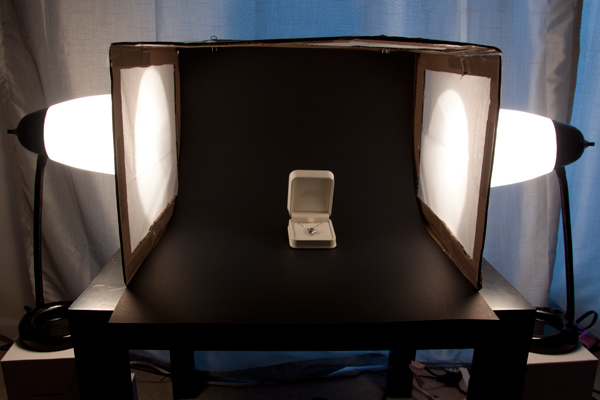
light tent, DIY, how to, photography

To make this an even test, we will be comparing the 12 inch kit cube against the 12 x 16 x 18 DIY tent. The first set of comparisons will feature each set as described above (the lights that come with each kit), while the second set will put the two up against each other using the same lighting set up for both kits.

Light tent comparison: using their own lights
light tent, product photography, knit bag, photography, how to, light tent

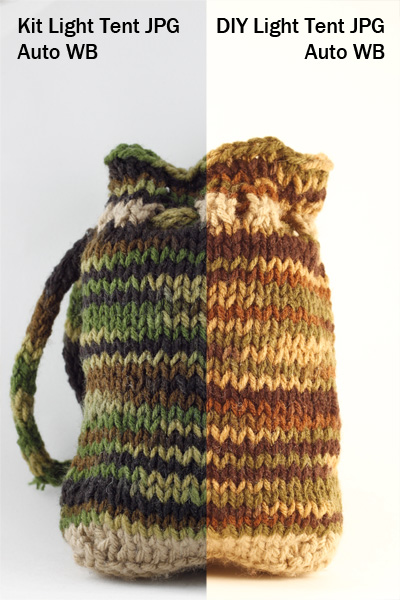
For this first photo-face-off, each light tent will be evaluated using its own lights (daylight fluorescents for the light tent kit and halogen bulbs for the DIY light tent). A major consideration when shooting with a light tent is controlling or choosing the correct white balance to match the lights being used. You want your white backdrop to look white and not have any color tint from the lights used. Read more about that issue in: How to Use a Light Tent for Product-Style Photography.

These shots show SOOC (Straight out of Camera) JPG files for the kit and DIY light tents using auto white balance.The kit’s light gives a cooler (more neutral) look to the background, and the colors of the knit bag are much truer to life, while the DIY lights impart a yellowish hue to the bag and the background. Setting your camera on “Tungsten” white balance for the DIY table lamps may give you a more neutral color, or you can also do a custom white balance using a gray card or even the white backdrop as a test shot. Consult your camera manual for how to perform a custom white balance with your camera.
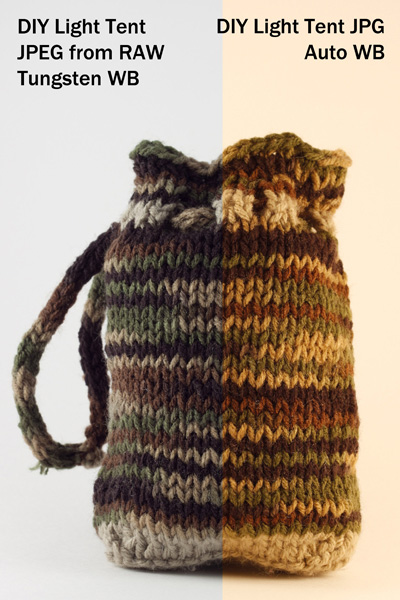
compare-bag-autoWB-darker

This image is a little dark on purpose so you can see the color tint of the background more easily

If you want perfectly clean whites and neutral blacks, then I would recommend shooting in RAW, which will give you greater flexibility regarding the white balance in post-processing. These images (left) show a comparison of the same image of the bag with a Tungsten white balance setting as compared to the Auto. The Tungsten white balance was selected in post-processing from the RAW image file, or it can also be selected as a white balance preset on the camera when shooting, especially if using JPG format.

Light intensity

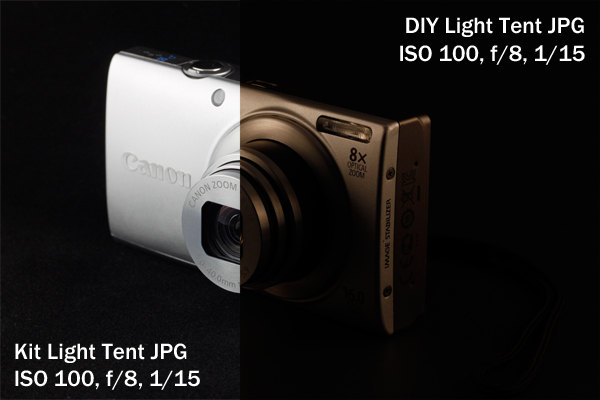
As you can see by the image below the DIY lights are considerable less intense (not as bright), which will mean you will either need to use a much longer exposure (shutter speed) to get a correct exposure, or increase your ISO. If working on a tripod (recommended for this type of set up) exposure time shouldn’t be an issue though so just stay at ISO 100 and adjust accordingly.
light tent, product photography, camera, Canon, point and shoot, Canon A4000IS

Light tent comparison: using the same lights

A final test was done to see whether this difference in light was due to the different light bulbs being used or to a difference in the light tents themselves.
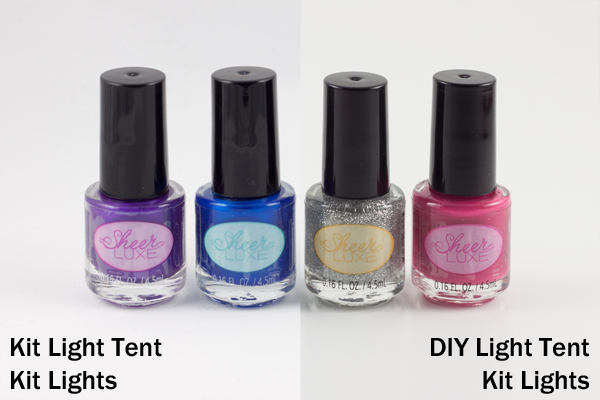
light tent, product photography, nail polish

Left image shot at 1/25th – right image at 1/13th

These two shots were taken using the daylight lights from the light tent kit with both the kit tent and the DIY tent (again, in aperture priority, ISO 100, f/8). The kit light tent shot was taken at 1/25th of a second, and the DIY light tent shot was taken at 1/13th of a second, which is a full full stop difference. This means that even with the same lights, the DIY light tent blocked more light than the kit light tent and required longer shutter speeds to shoot the same exposure. The background also came out a little more gray than the kit light tent.

Light tent comparisons: practicalities

There are many other considerations to keep in mind when deciding which kind of light tent would be best for you. Think about how much room you have to devote to gear use and storage, as well as how much the benefits of a pricier kit outweigh the cost investment.

Use of ease
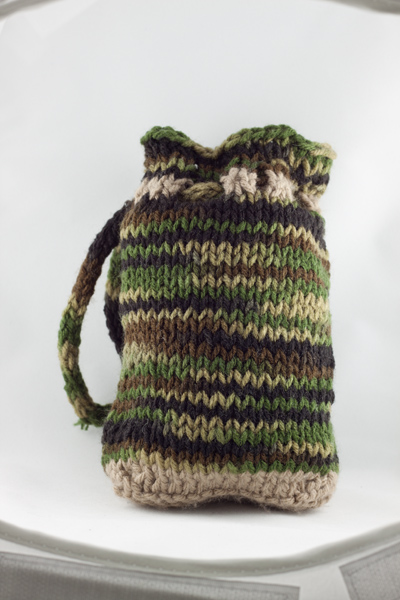
light tent, product photography, knit bag, how to

Notice edges of tent showing in places

The lighting stands that come with the light tent kit have greater range and reach than a typical desk lamp, but they cannot get down as low. This makes it difficult to use the kit lights for shooting with the 12-inch cube sitting on a table top, as the lights are too tall to sit beside it on the table and too short to reach up from the floor. A coffee table seems to be the ideal height. For the desk lamps, they work well when sitting on a table next to the light tent, but they will need to be placed on a stack of boxes or books if shooting from something like a coffee table (as shown earlier).

The 12-inch cube also has a lip around the edge, making the functional shooting space a bit smaller, as you want to avoid the edge appearing in your frame. This is far less of a problem with the 30-inch cube. One workaround is putting a book underneath the backdrop to raise the bottom up. The benefit here of the DIY box is that you can make it the size you want for the subject you have, and there is no lip to shoot around, so you can shoot straight-on at your subject.

Backdrops

Backdrops require careful handling and attention, and the poster board DIY versions are much easier to replace than the fabric ones from the kit. If you are going to be shooting something potentially messy or greasy, consider using a poster board backdrop regardless of which light tent you use.

light tent, how to, photography, fabric, backdrops

Care for your fabric backdrops by ironing out the wrinkles before hanging. If you roll them up on a cardboard tube when you are finished shooting, you should be able to reuse them again without having to iron every time. Keep a lint roller or clear tape on hand to deal with any dust or lint, and save yourself the time of editing it all out in post-processing.

Portability

The light tent kit has the edge in portability, as it comes with its own carrying case. The case is not particularly sturdy or padded, however, so you would not want to travel with it other than carefully placing it in your car (without stacking anything on top of it).

Storage

The DIY light tent folds down flat for easy storage, and you can simply put your two desks lamps back where you borrowed them from, until the next time you are shooting. The light tent kit takes up significantly more space, and the process of folding the light tents back down into themselves is a little complicated and requires some practice, though there are plenty of “how to” videos online. There is also the risk of deformation if you leave the tents stored too long in their folded down state.

Cost

The DIY light tent is the clear winner in the cost department, particularly if you already own a desk lamp or two, which are the priciest elements. The cardboard box and tissue paper should not set you back more than about five dollars. The light tent kit is currently listed at $ 143, a very discounted price on Amazon, which makes it reasonable to consider as an investment.

Final verdict: which light tent to choose?

There are a lot of different variables to consider when making the final choice about whether a DIY light tent will serve your needs or whether you should invest in a light tent kit. If you are looking at exploring what a light tent can do and whether it would be useful, then definitely build your own to experiment with. Keep the white balance in mind and shoot in RAW. But if you are shooting JPG, remember to adjust the white balance setting when shooting by using a preset or doing a custom white balance.

If you know that you will be consistently shooting a lot of this style of shots, perhaps for selling jewelry or crafts online or for displaying directions for your own DIY projects on a blog, then you should consider investing in a light tent kit. The time savings of having bulbs that match your white balance is considerable if you are doing a lot of light tent photography. You will also have significant flexibility with a kit that offers different sizes of light tents and a better range of motion and height for the lights and light stands.

Do you shoot with a light tent? Do you prefer a light tent kit or a DIY version? Share your thoughts in the comments below.

The post Light Tent Comparison – DIY Versus Kit Tents by Katie McEnaney appeared first on Digital Photography School.


Digital Photography School

 
Comments Off on Light Tent Comparison – DIY Versus Kit Tents

Posted in Photography


Tree-Inspired Tower: Condo Balconies Unfurl Like Leaves

23 Mar

[ By WebUrbanist in Architecture & Houses & Residential. ]

tree shaped tower balconies

An iconic new mixed-use development in the heart of Montpellier in southern France, L’Arbre Blanc (The White Tree) grew out of a design concept tied to the outdoor traditions of this temperate region along the Mediterranean Sea.

tree tower city views

tree tower building detail

Spinning out from a central core, the design-defining balconies unfold brilliantly to offer upper-level residents an array of amazing panoramic views while providing shade for units below.

tree tower exterior view

This collaborative project by Sou Fujimoto Architects, Nicolas Laisné Associés and Manal Rachdi Oxo Architects (via ArchDaily with images by RSI Studio) includes a restaurant, bar, offices and art gallery in addition to dwellings.

tree towers and surrounds

tree tower urban context

Set in the fastest-growing city in France, the building is designed as a transition point between the heart of the old city and a series of faster-growing neighborhoods surrounding the existing center.

tree tower bar restaurant

tree tower street level

A series of passive heating and cooling strategies, including wind and solar usage, reinforce the tree concept with practical and sustainable solutions for everyday occupants.

tree tower interior designs

tree tower artificial lake

In terms of the housing units themselves: “The architects sought to encourage free-choice architecture, which they see as underpinning tomorrow’s housing trend where everyone starts with a ‘housing stock’ when they buy their flat and are not confined to manufactured articles, regimented layouts, turnkey spaces. Instead they are given possibilities, modular interior spaces they can choose from a catalogue of optional features and floor plans.”

Share on Facebook


[ By WebUrbanist in Architecture & Houses & Residential. ]

[ WebUrbanist | Archives | Galleries | Privacy | TOS ]


WebUrbanist

 
Comments Off on Tree-Inspired Tower: Condo Balconies Unfurl Like Leaves

Posted in Creativity


Wüsten in der Wohnung

23 Mar

Ein Beitrag von: Alvaro Sanchez-Montañes

Die Siedlung Kolmanskop in der namibischen Wüste war aufgrund ihrer Diamantvorkommen für zwei Jahrzehnte eine der reichsten in Südafrika. Mit dem Ende des ersten Weltkriegs waren die Vorkommen erschöpft.

Nachdem die Minen geschlossen wurden und die Einwohner verschwanden, blieb eine Geisterstadt zurück. Der Sand drang langsam und unaufhörlich in die von Deutschen Kolonialherren errichteten Gebäude ein.

© Alvaro Sanchez-Montañes

© Alvaro Sanchez-Montañes

© Alvaro Sanchez-Montañes

© Alvaro Sanchez-Montañes

© Alvaro Sanchez-Montañes

© Alvaro Sanchez-Montañes

© Alvaro Sanchez-Montañes

© Alvaro Sanchez-Montañes

Weitere historische Einordnungen sind unnötig. Die Bilder sprechen für sich. Es ist ein ganz einzigartiges Universum, das sich hier im Laufe der Jahre entwickelt hat.

Mir fällt es selbst schwer, zu glauben, dass das, was auf diesen Bildern zu sehen ist, wirklich an einem Ort zu finden ist, der in der realen Welt und nicht nur in einem surrealen Traum existiert.

Dieser Artikel wurde von Sebastian Baumer für Euch aus dem Englischen ins Deutsche übersetzt.


kwerfeldein – Fotografie Magazin | Fotocommunity

 
Comments Off on Wüsten in der Wohnung

Posted in Equipment


22. März 2014

23 Mar

Ein Beitrag von: Renee Q.

Macro, Portrait, Surreal


kwerfeldein – Fotografie Magazin | Fotocommunity

 
Comments Off on 22. März 2014

Posted in Equipment


Sunset Photography Tips Video Tutorials

22 Mar

Yesterday I shared a set of amazing sunset images and this week’s photography challenge is also to capture some sunset images. So to help you along with that is a video tutorial on how to underexpose to get more color in your sunset shots, also one of the tips I mentioned on the challenge page!

In this video Gordon Laing goes through step by step how to change the settings on your camera to do just that. Have a look:

And a second video by the Corel Learning Center with five more sunset photography tips. These are practical and easy to understand and follow:

Have some other tips, please share in the comments below!

Look for another article on sunsets coming up this week!

The post Sunset Photography Tips Video Tutorials by Darlene Hildebrandt appeared first on Digital Photography School.


Digital Photography School

 
Comments Off on Sunset Photography Tips Video Tutorials

Posted in Photography


Hüzün: Die Melancholie Istanbuls

22 Mar

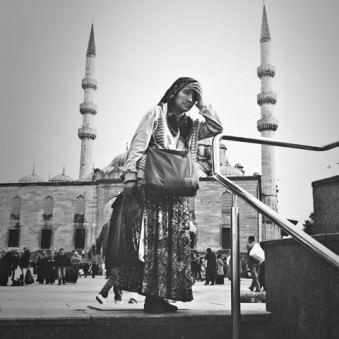
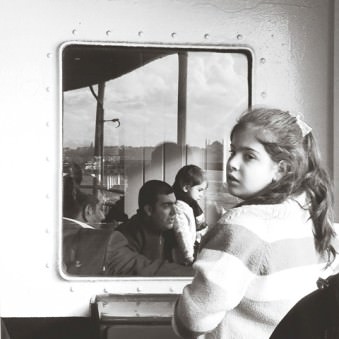
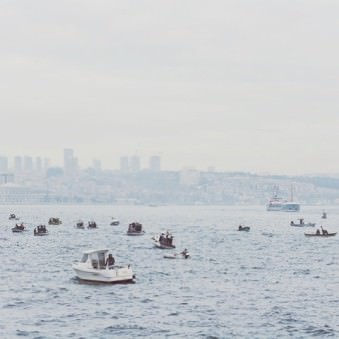
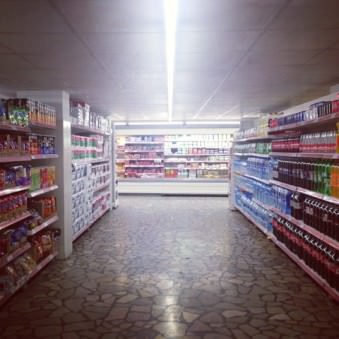
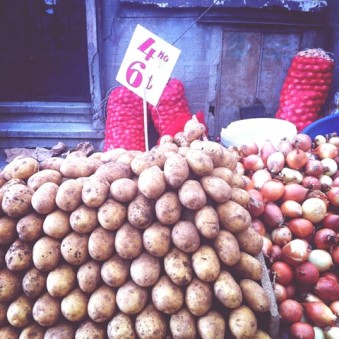
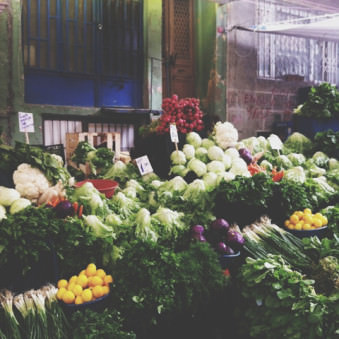
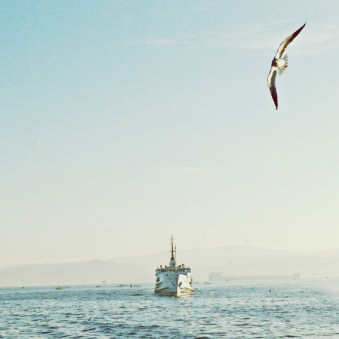
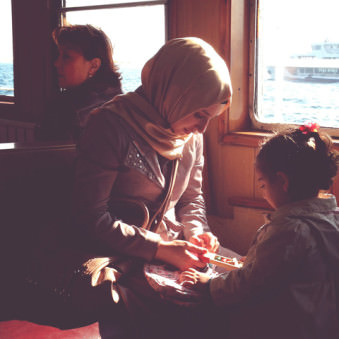
Valeska und Miriam sind in Istanbul unterwegs, um ehrliche Bilder aufzunehmen, die die Stadt zeigen, wie sie ist. Ohne Fokus auf ein bestimmtes politisches, sozial- oder gesellschaftskritisches Thema, fernab der Touristenbezirke. Sie gewähren dem Betrachter Einblicke in das echte Leben der türkischen Metropole am Bosporus.
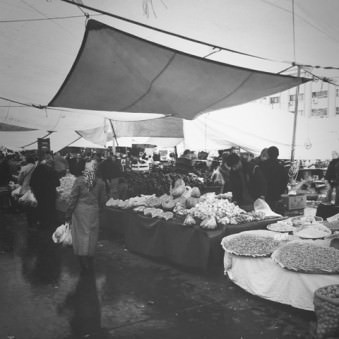
In der Konzeptphase des Projekts stellten sich die beiden Designerinnen die Frage: Interessieren Türken sich für Fotografien des alltäglichen Geschehens in ihrer Hauptstadt? Sie fragten und die Antwort war: Ja! Denn die Türkei ist ein sehr vielseitiges Land mit nur wenigen Mega-Städten. So waren viele Landbewohner noch nie in der pulsierenden Metropole.

© Valeska Hoischen, Miriam Schmalen© Valeska Hoischen, Miriam Schmalen

Die beiden arbeiteten mit einem typisch türkischen Medium: Einem vertrauten, immer und überall präsenten Begleiter – dem Handy. Denn was steht der Echtheit eines Augenblicks stärker im Weg als mit einer großen Kamera auf Menschen zu zielen?

Ihnen gelingt der Spagat zwischen Bildern, die ästhetisch komponiert, angenehm konsumierbar sind und auf der anderen Seite ungeglättet die Wirklichkeit der Stadt zeigen: Die Schönheit des Alltags ebenso wie seine Härte und Vielfalt. Man sieht einen Querschnitt der Gesellschaft: Jede soziale Schicht, jedes Alter ist vertreten, weil den beiden all diese Menschen auf den Straßen begegnen.

© Valeska Hoischen, Miriam Schmalen© Valeska Hoischen, Miriam Schmalen

Dort begegnet einem auch Hüzün – oder viel mehr ist dieses besondere Gefühl dort allgegenwärtig. Orhan Pamuk, türkischer Schriftsteller und Literatur-Nobelpreisträger 2006, beschreibt es so:

Die Melancholie Istanbuls ist „huzun“, ein türkisches Wort, dessen arabische Wurzel (es taucht fünf Mal im Koran auf) ein Gefühl von tiefem spirituellem Verlust andeutet, ebenso aber eine hoffnungsvolle Art, das Leben zu betrachten, „ein Zustand des Geistes, der letztlich so lebensbejahend wie verneinend“ ist.

Für die Sufis ist Hüzün die spirituelle Qual, Gott nicht nah genug zu sein; laut Johannes vom Kreuz führt diese Qual dazu, dass der Leidende so tief sinkt, dass seine Seele als Ergebnis davon zu göttlicher Sehnsucht aufsteigt. „Es ist die Abwesenheit der Erfahrung Hüzün, die dazu führt, dass man sie fühlt.“

Hüzün ist keine einzelne Beschäftigung, sondern eine alle umfassende Emotion, nicht die Melancholie des einzelnen, sondern die dunkle Stimmung, die Millionen miteinander teilen.

© Valeska Hoischen, Miriam Schmalen© Valeska Hoischen, Miriam Schmalen

Diese Stimmung sieht man in den Bildern, auf ihr basiert der gewählte Bildstil, in dem die Fotos gestaltet sind. Die transportierte Aussage verschmilzt mit der Bildgestaltung zu einer Einheit, sodass eine echte, authentische Nähe entsteht.

Genau diese Nähe zu den Menschen ist den beiden Istanbul-Liebhaberinnen besonders wichtig. Nicht nur zeigen ihre Arbeiten im Projekt „Hüzün“ Menschen in alltäglichen Situationen. Auch das Ausstellungskonzept zum Projekt dockt am gleichen Gedanken an: Die Ausstellungen finden in Cafés, kleinen Stores und deutsch-türkischen Gemeinden statt.

© Valeska Hoischen, Miriam Schmalen© Valeska Hoischen, Miriam Schmalen

Zu einigen der Bilder geben die beiden weitere spannende Informationen zum Alltag der Stadt, der sich natürlich teilweise ganz gravierend von unserem eigenen unterscheidet. Zum Beispiel gibt es dort die Papiersammler:

Sie nennen sie „kagit toplayici“, zu Deutsch „Papiersammler“. Sie sind jung und alt, Männer und Frauen, sie brauchen eine Menge Kraft und werden kaum von der Gesellschaft wahrgenommen. Wir sprechen hier von Menschen, die den Müll Istanbuls, der von anderen Menschen auf die Straße geworfen wird, durchsuchen, sammeln und sortieren.

Täglich schleppen sie sich mit großen Taschen aus stabilem Material die Straßen hoch und runter. Tag und Nacht sind sie damit beschäftigt, bergeweise Müll zu entwirren und nach brauchbarem Papier und Plastik zu suchen. Die Müllsammler werden von der Gesellschaft ausgeschlossen, aber trotzdem sind sie unersetzlich für die Stadt.

© Valeska Hoischen, Miriam Schmalen© Valeska Hoischen, Miriam Schmalen

Valeska Hoischen und Miriam Schmalen, beide studierte Kommunikationsdesignerinnen, arbeiten seit Jahren als freiberufliche Fotografinnen an der Schnittstelle zur freien, künstlerischen Fotografie und dem Design. Valeska aktuell mit ihrem türkischen Partner in Istanbul, wo sie die Verbindung zu Land und Leuten schlägt, während Miriam zur Zeit wieder in Deutschland ist, wo sie sich um PR und die Ausstellungsgestaltung kümmert.

Zusammen haben beide in einer gemeinsamen Projektphase im Herbst 2013 bereits über 100 Bildeindrücke erarbeitet. Diese können nach und nach mit kleinen Anekdoten im Projektblog und bis Ende 2014 in den Ausstellungen gesehen werden. Im Jahr 2015 ist außerdem geplant, ein Kunstbuch mit einer Auswahl der gesammelten Fotografien in einer kleinen Auflage zu verlegen.


kwerfeldein – Fotografie Magazin | Fotocommunity

 
Comments Off on Hüzün: Die Melancholie Istanbuls

Posted in Equipment


Winners of the 2014 Sony World Photography Awards, part 1

22 Mar

130391061577070000_-Michael-Nordqvist_Nordics_1st-Place_National-Award_2014_600x450.jpg

Sony World Photography Awards has announced the winners in their Open, Youth and National categories. The winning photos were selected from more than 70,000 images submitted by enthusiasts all over world. An overall winner with a $ 5,000 (~£3,024) cash prize and judging of the remaining categories will be announced on April 30. See gallery

News: Digital Photography Review (dpreview.com)

 
Comments Off on Winners of the 2014 Sony World Photography Awards, part 1

Posted in Uncategorized


Blickfang: Falkland Road

22 Mar

Mary Ellen Marks gehört zu den Fotografinnen, die sich mit sozialkritischen Themen unserer Gesellschaft auseinandersetzen. Ihre Fotoreportagen über soziale Randgruppen sind dabei weder reißerisch noch pietätlos. Ihre Sprache ist klar und würdevoll.

Das Bild der jungen Frau im grünen Raum ist still und lässt den Betrachter ohne Hintergrundwissen mit seinen Gedanken erst einmal allein. Die Farben grün und rotbraun harmonieren miteinander und wiederholen sich immer wieder. Das dunkelgrün gestrichene Holz mit seiner abgeblätterten Farbe findet sein Pendant im gemusterten Rock wieder. Die Farbigkeit der Haut wiederholt sich im Überzugsstoff der Matratze.

Mary Ellen Marks - Falkland Road: Prostitutes of Bombay

Hier ist also jemand am Werk, der nicht nur dokumentieren will, sondern auch ein Bild schafft, das anmutig und ästhetisch wirkt. Mary Ellen Marks studierte zunächst Kunst und Kunstgeschichte und entschied sich anschließend, ihren Bachelor in Fotojournalismus zu absolvieren. Im Jahr 1976 wurde sie Mitglied von Magnum, verließ aber 1981 die Agentur, um eigene Projekte anzugehen.

Das beschriebene Bild stammt ursprünglich aus ihrer Arbeit „Falkland Road: Prostitutes of Bombay, 1981“ und trägt den Titel „Twelve-year-old Lata lying in bed“.

In dieser Arbeit dokumentiert die Fotografin das Leben der Prostituierten vier Monate lang, von Oktober 1978 bis Januar 1979. Frauen und Kinder verdienen auf dieser Straße in Bombay ihren Lebensunterhalt und gehören zu den weniger teuren Prostituierten der Stadt. Sie leben und arbeiten in winzigen kastenförmigen Zimmern, die für diese Gegend so typisch sind.

Die Bilder sind farbenfroh und zeigen die Frauen zwischen Hoffnung, Verlust und Melancholie. Mary Ellen Marks schreibt dazu:

Während dieser Zeit lernte ich die Welt einiger Frauen der Falkland Road kennen und durfte in diese Welt eintreten. Es waren ganz besondere Frauen. Dieses Buch ist ihnen gewidmet – mit einem tiefen Dank an meine Freundin Saroja.

Ihre Serie zeigt die Vorsichtigkeit mit der sie das Leben der Menschen dokumentiert. Sie ist Beobachterin und doch auch Regisseurin.

Wer sich einen Überblick über ihre Arbeiten verschaffen und nicht so viel Geld ausgeben möchte, dem empfehle ich aus der Reihe Phaidon 55 „Mary Ellen Marks“ mit einer Auswahl verschiedener Arbeiten und bisher unveröffentlichter Fotografien.

Mary Ellen Marks, 55*
Taschenbuch: 64 Seiten
Verlag: Phaidon Press Ltd
Sprache: Englisch
Größe: 15,7 x 13,8 x 1,1 cm
Preis: zwischen 7 und 40 Euro (modernes Antiquariat)

Und für die Sammler:

FALKLAND ROAD*
Taschenbuch: 112 Seiten
Verlag: Knopf
Sprache: Englisch
Größe: 27,7 x 25,1 x 3,3 cm
Preis: zwischen 50 und 110 Euro (modernes Antiquariat)

* Das ist ein Affiliate-Link zu Amazon. Wenn Ihr darüber etwas bestellt, erhält kwerfeldein eine kleine Provision, Ihr zahlt aber keinen Cent mehr.


kwerfeldein – Fotografie Magazin | Fotocommunity

 
Comments Off on Blickfang: Falkland Road

Posted in Equipment


What The Duck #1455

22 Mar

wtdlogo_big.jpg

We’ve come to the end of another week here at dpreview, and as our thoughts drift to weekend shooting opportunities, it’s time to take things a little less seriously. Aaron Johnson’s comic strip ‘What the Duck’ is just the thing, taking a gently satirical look through the lens of a photographically inclined waterfowl. You can find it published here (and in our newsletter) every week; we hope you enjoy it, and your weekend.

News: Digital Photography Review (dpreview.com)

 
Comments Off on What The Duck #1455

Posted in Uncategorized