RSS
 

Archive for January, 2014

Lighting 101 To Go

25 Jan

Over the years Lighting 101 had been ported to a portable document format (PDF) in several different languages. But those documents were from the version originale, which was circa 2006. In 2013 Lighting 101 was completely revised, top to bottom, to be more in-depth with more updated info and featuring the photographic work of Strobist's readers.

Now the most current version has been ported to PDF, for your offline viewing pleasure.

Read more »
Strobist

 
Comments Off on Lighting 101 To Go

Posted in Photography


Clever Counterfeit: Vacant Shops Pretend to be High-End

25 Jan

[ By Steph in Architecture & Cities & Urbanism. ]

Street of Fakes China 1

There’s something a little off about the highly recognizable logos splashed across this retail complex in the Chinese city of Wuxi: beside a round green & white approximation of the Starbucks logo, for example, green lettering spells out ‘SFFCCCKS OFFEE.’  Try saying that out loud. Zara has become ‘Zare’, and H&M is ‘H&N.’ These aren’t shops producing counterfeit versions of the goods offered by the real brands. They’re just facades. The entire building is actually vacant.

Street of Fakes China 2

The shopping district has earned the name ‘Street of Fakes’ for these and many more fake high-end boutiques that look real from a distance, potentially luring in excited shoppers who approach an Apple store only to find that it’s ‘Appla,’ and the door is locked.

Street of Fakes China 4

The signs were erected to appeal to potential property buyers, ostensibly by making the district feel more luxurious than it really is. There’s a good chance that some of the signs will have to come down, since they’re infringing on copyright laws. But in China, there really are counterfeit versions of all sorts of businesses that sell actual goods, like KFC ripoff ‘KLG.’

Street of Fakes China 5

Property owners often get creative in their efforts to spruce up vacant shops. In North Tyenside, England, where more than 140 businesses closed up shop due to the flagging local economy, the council erected fake storefronts with murals that create an illusion of the real thing.

Share on Facebook


[ By Steph in Architecture & Cities & Urbanism. ]

[ WebUrbanist | Archives | Galleries | Privacy | TOS ]


WebUrbanist

 
Comments Off on Clever Counterfeit: Vacant Shops Pretend to be High-End

Posted in Creativity


24. Januar 2014

25 Jan

Ein Beitrag von: Sebastian Dorbrietz

Island, Wandern, Gebirge, Eis, Schnee


kwerfeldein – Fotografie Magazin

 
Comments Off on 24. Januar 2014

Posted in Equipment


Fujifilm files patent for color filter array with different-sized pixels

24 Jan

Fujifilm-RGBW-pixels-crop.png

Fujifilm has filed a patent for an image sensor that uses a novel layout, with green and clear rectangular pixels which are larger in area than their neighboring blue and red pixels. The idea behind it is apparently to reduce luminance noise at the expense of color noise, on the grounds that the human eye is less sensitive to the latter. Learn more

News: Digital Photography Review (dpreview.com)

 
Comments Off on Fujifilm files patent for color filter array with different-sized pixels

Posted in Uncategorized


The Mystery of Night Photography – 35 Images of the Night

24 Jan

By Billy Wilson

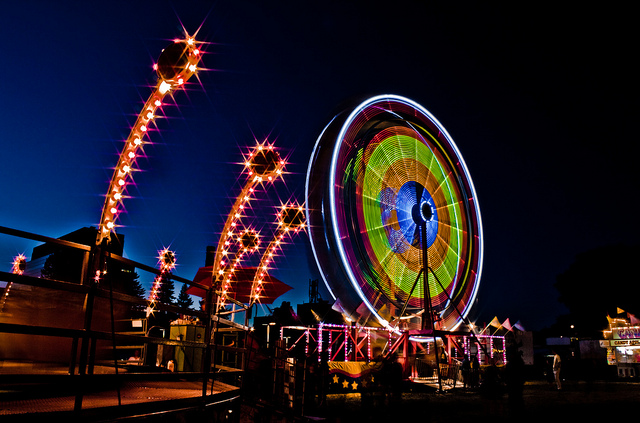
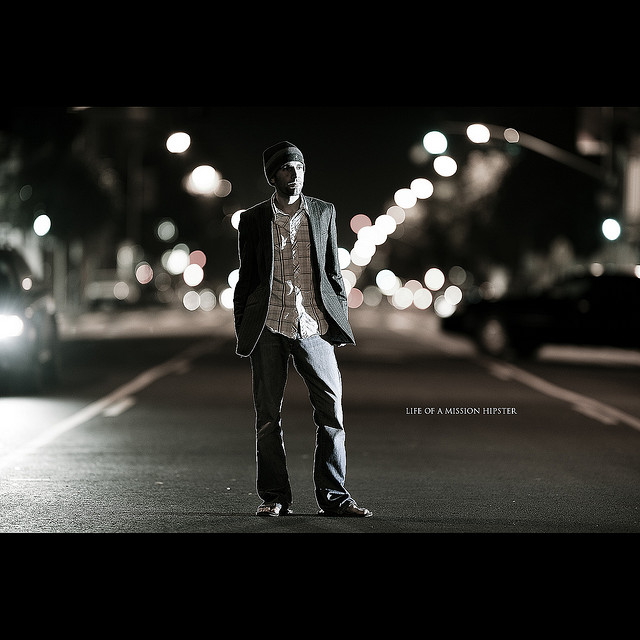
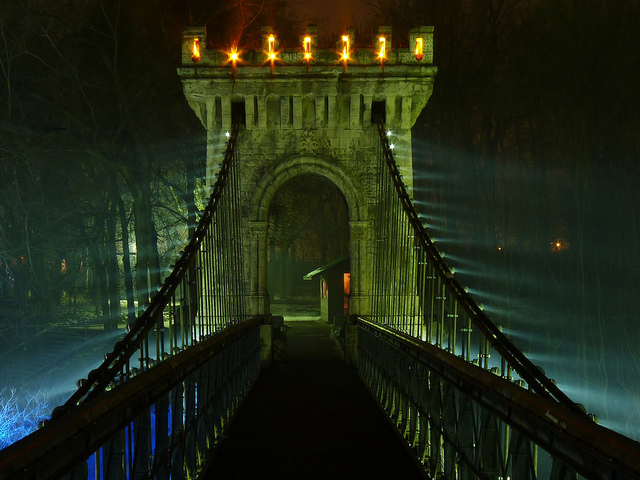
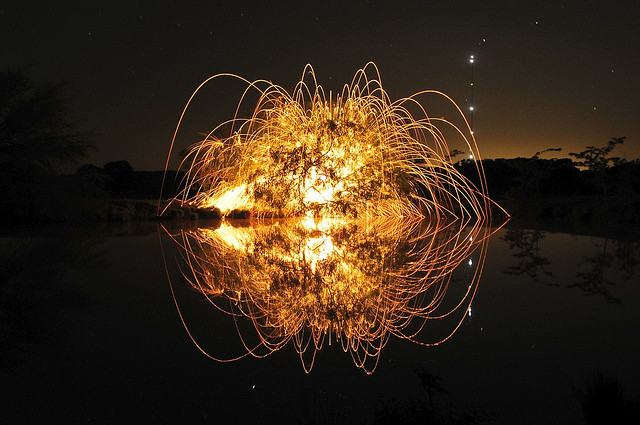
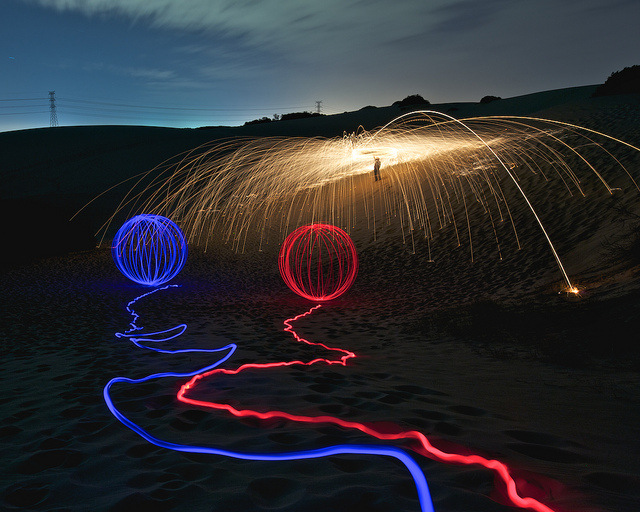
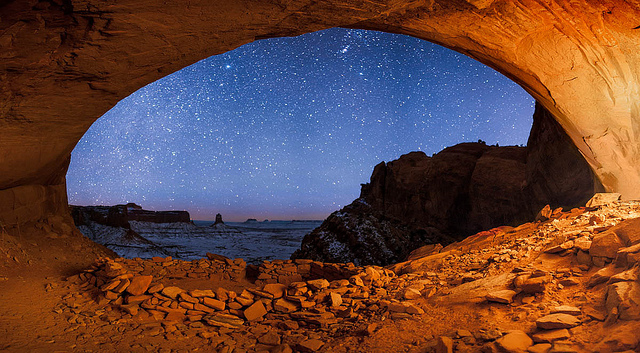
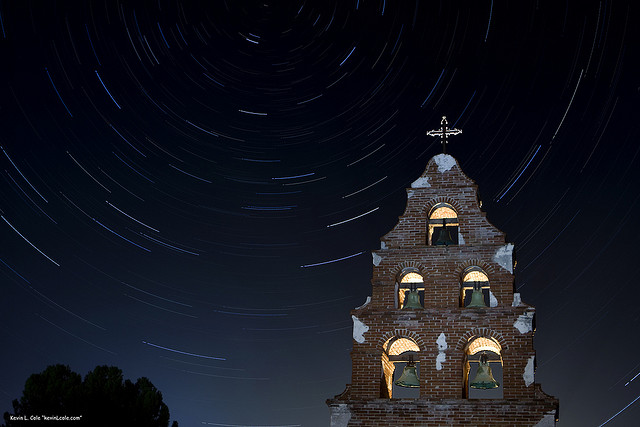
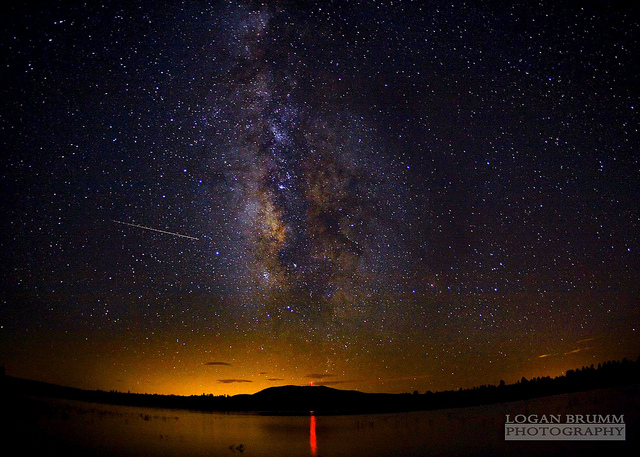
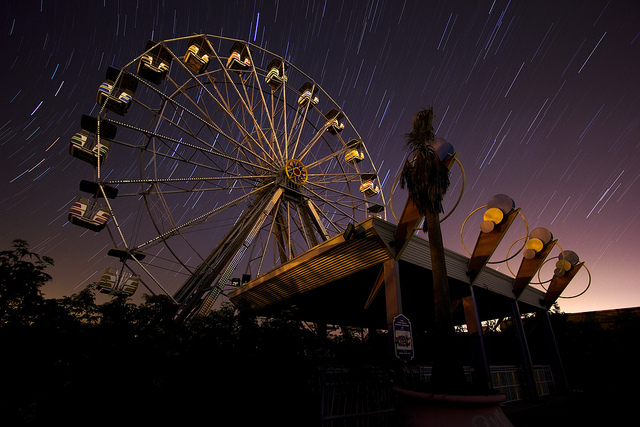
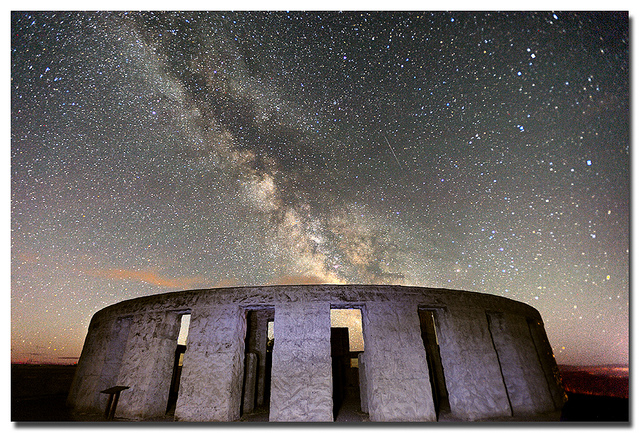
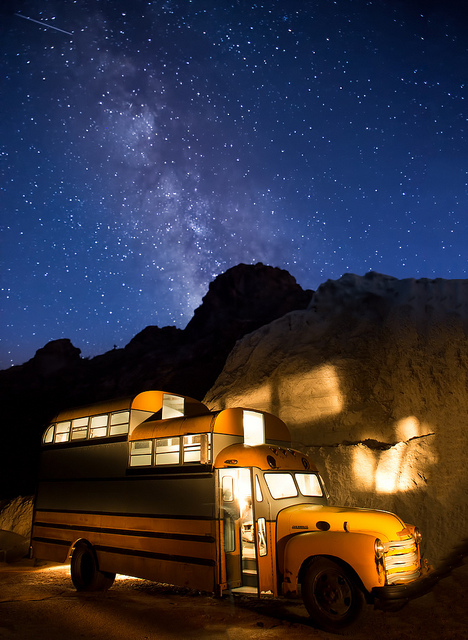
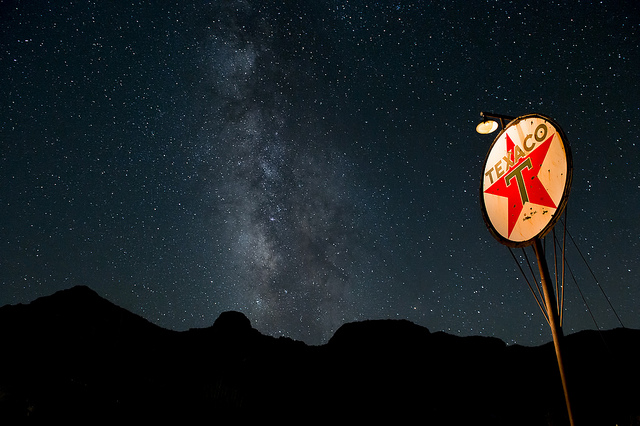
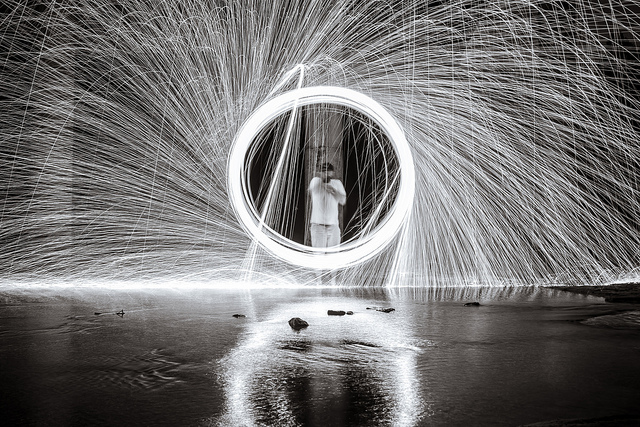
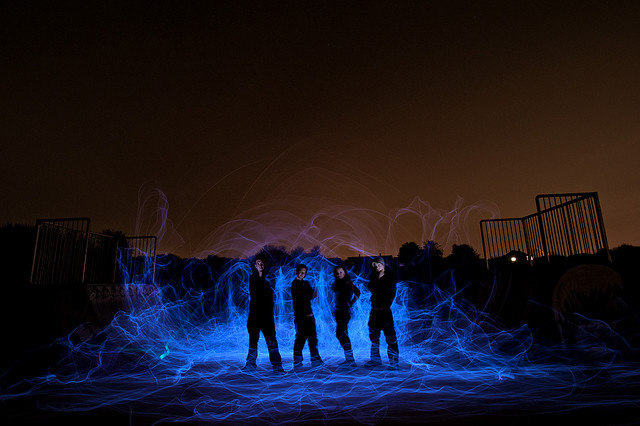
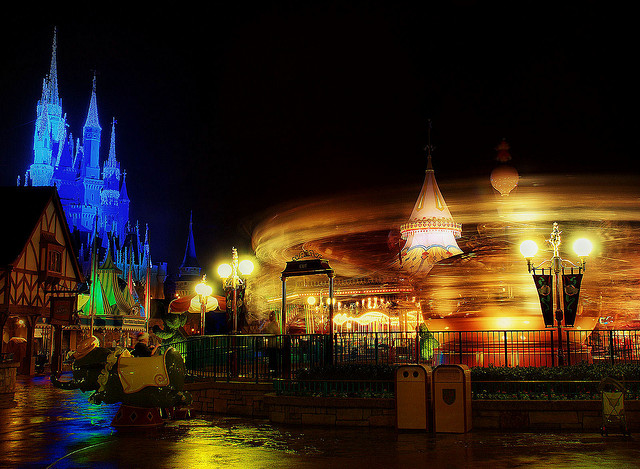
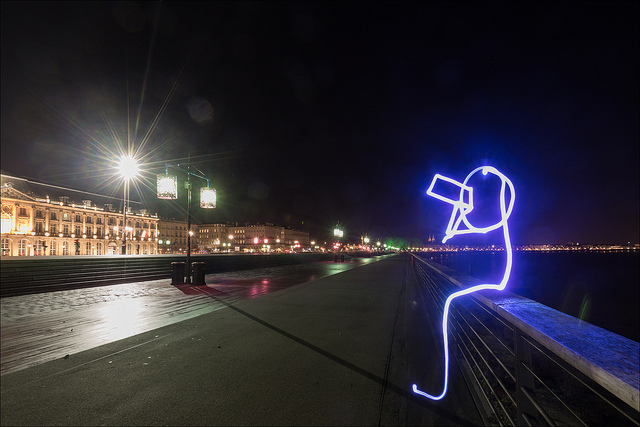
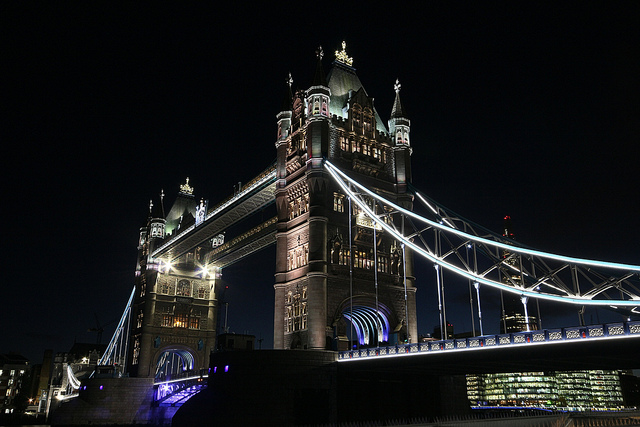
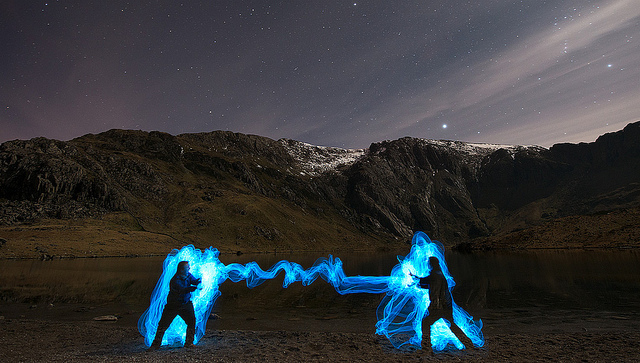
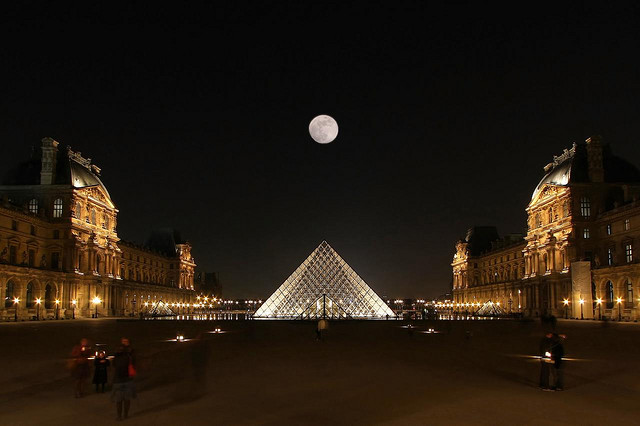
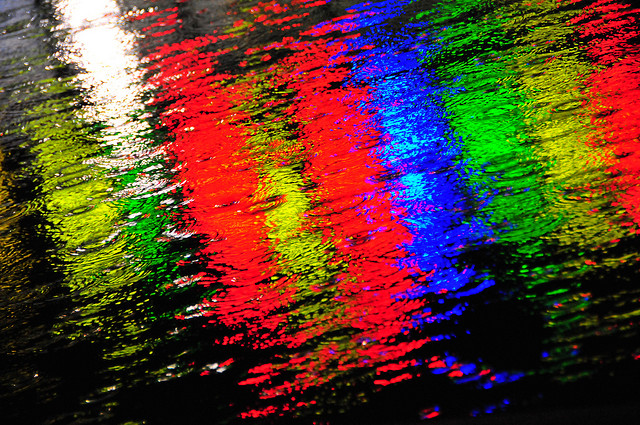
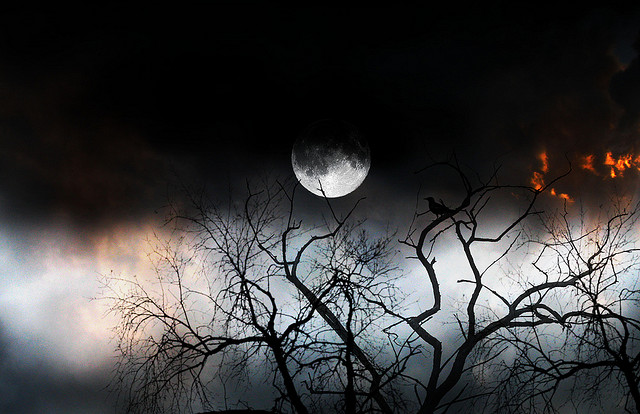
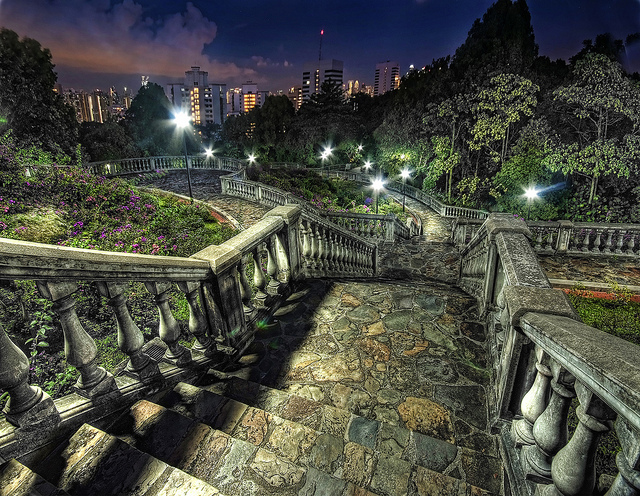
One of my favorite classes that I teach is on night photography. I find that many beginners haven’t yet ventured out into the dark of night and I love introducing them to the wonders of night photography, and showing them the possibilities. Things like light painting, orb making, fire spinning, zooming exposures and star trails are some of the exciting things possible at night.

Let’s take a look at a few night photography images to get fired up!

By Dustin Diaz

By H. Raab

By DomiKetu

By earsaregood

By Alexander Kesselaar

By Lotus Carroll

By Jeff P

By David Kingham

By Kevin Cole

By Logan Brumm

By Kris Williams

By Chris Luckhardt

By Toby Keller

By Bala Sivakumar

By Joe Penniston

By Howard Ignatius

By Howard Ignatius

By Lotus Carroll

By William Cho

By ben matthews :::

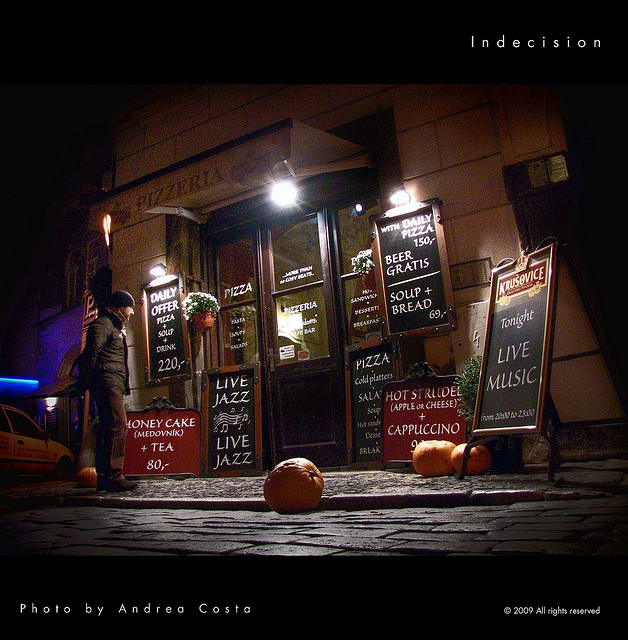
By Andrea Costa

By Joe Penniston

By Adrien Sifre

By Simon & His Camera

By Carl Jones

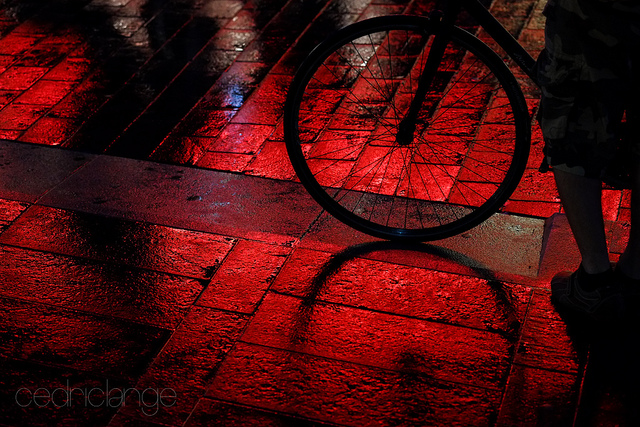
By Cedric Lange

By Riccardo Francesconi

By photophilde

By Viewminder

By Duane Schoon

By Justin Brown

By Luz Adriana Villa

By William Cho

By john curley

Learn about how to do night photography here:

  • Moon Photography: 6 Tips for Better Moon Photos
  • Painting with Light in the Landscape
  • The Night Sky In Landscape Photography

The post The Mystery of Night Photography – 35 Images of the Night by Darlene Hildebrandt appeared first on Digital Photography School.


Digital Photography School

 
Comments Off on The Mystery of Night Photography – 35 Images of the Night

Posted in Photography


Phase One announces IQ250 50MP CMOS medium format back

24 Jan

iq250.png

Phase One has announced the ‘world’s first CMOS-based digital camera back’ – the 50MP IQ250. It uses a 44x33mm sensor – 68% larger in area than 35mm full frame -and promises the widest ISO range of any medium format camera system (100-6400). It sports a high-resolution 3.2″ touchscreen for live view, playback and changing settings, and has built-in Wi-Fi. The IQ250 is available now, with prices starting at €24990 / $ 34990. Learn more.

News: Digital Photography Review (dpreview.com)

 
Comments Off on Phase One announces IQ250 50MP CMOS medium format back

Posted in Uncategorized


25 January, 2014 – Phase One IQ250 – First Report and Video Interview

24 Jan

Phase One announced today their new IQ250, 50 Megapixel medium format back, which uses a CMOS sensor for the first time in a medium format. This sensor is made by Sony, the first time that a Sony sensor appears in an MF product.

Part One of our on-going analysis of the IQ250 features online a video interview with Phase One executives, a video on how the back’s Live View works, and sample ISO 6400 images, as well as our initial impressions of the back. The article contains price and delivery information, which incidentally begins this coming week.

Kevin and Michael are leaving today (Jan 24) for two weeks in Chile and Antarctica, and will be testing the IQ250 on this expedition. Part 2, full report and video coverage will follow.


And speaking of Antarctica –
we have a few spaces left on our January 31 through February 9, 2015 Antarctic workshop.


The Luminous Landscape – What’s New

 
Comments Off on 25 January, 2014 – Phase One IQ250 – First Report and Video Interview

Posted in News


The Definitive Guide on How and When to Use ISO on Your Camera

24 Jan

When people talk about digital camera settings, there are three main ones that pop up: shutter speed, aperture and ISO. They all relate to light and the way your camera captures it: Shutter speed controls the length of time your camera lets in the light, aperture determines the size of the opening in your lens that light travels through and Continue Reading

The post The Definitive Guide on How and When to Use ISO on Your Camera appeared first on Photodoto.


Photodoto

 
Comments Off on The Definitive Guide on How and When to Use ISO on Your Camera

Posted in Photography


Samyang announces 14mm F2.8 filter holder, Cokin to make filters

24 Jan

Samyang_SFH-14_04.png

Samyang Europe has introduced the SFH-14 filter holder for its 14mm 1:2.8 ED AS IF UMC lens. Along with the holder, three rectangular filters will be manufactured by Cokin. The SFH-14 will come in standard and V-DSLR cine versions. The holder comes with double slideways to use one or two filters at the same time and can be used both vertically and horizontally. Learn more

News: Digital Photography Review (dpreview.com)

 
Comments Off on Samyang announces 14mm F2.8 filter holder, Cokin to make filters

Posted in Uncategorized


Geschichte der Bildbearbeitung

24 Jan

Bildbearbeitung wird oft argwöhnisch betrachtet. Man vermutet sie überall, manche Fotografen wollen ihre Arbeiten gern frei davon wissen und schauen etwas spöttisch auf die „Photoshopper“ herab. Dabei ist die Fotomanipulation so alt wie die Fotografie selbst.

Die Fotografie lässt sich nicht von der Manipulation lösen. Sie beginnt bereits mit der Entscheidung, jetzt in diesem Moment ein Bild zu machen und nicht eine Sekunde früher oder später. Sie geht weiter bei der Wahl des Bildausschnitts. Jedes Foto ist zwangsläufig begrenzt. Was ist rechts und links im Bild? Nur der Fotograf entscheidet, was ein- und was ausgeblendet werden soll.

Auch durch die Wahl der Kamera, des Objektivs und des Films verändert sich ein Foto. Entscheidet man sich für einen Schwarzweißfilm, retuschiert man die Farben aus der Welt. Fuji oder Kodak? Beide geben die Farben unterschiedlich wieder und die Tonwerte verändern sich beim Entwickeln des Films natürlich auch.

Es gibt noch so viele Faktoren aufzuzählen, die ein Bild verändern, aber darum soll es hier gar nicht gehen. Halten wir einfach fest: Die Fotomanipulation ist untrennbar mit der Fotografie verbunden. Aber natürlich kann man jedes Bild mehr oder weniger manipulieren.

Interessant wird es bei der Suche nach der bewussten Veränderung des bereits fertigen Bildes.

Bereits 1855 begeisterten das Publikum der zweiten Weltausstellung in Paris zwei Versionen des gleichen Portraits. Ein deutscher Fotograf zeigte die Möglichkeiten der Retusche und machte die Fotografie damit noch beliebter.

Möglichkeiten gab es viele. So wurden zum Beispiel verschiedene Negative übereinandergelegt und belichtet oder komplett neu zusammengesetzt, wodurch völlig neue Kompositionen entstanden – wie etwa Köpfe auf fremden Körpern. So geschehen um 1860 mit US-Präsident Abraham Lincoln, dessen Kopf auf den Körper des Politikers John Calhoun montiert wurde.

Abraham Lincoln mit falschem Körper ca. 1860

1908 erschien das Buch „Complete Self-Instructing Library Of Practical Photography“ von J. B. Schriever. Darin wird zum Beispiel das Bemalen des Negativs erklärt. Mit dieser Methode konnten sogar geschlossene Augen wieder geöffnet werden. Aber auch Kapitel wie „Radieren von dicken Hälsen“ oder „Richten von schielenden Augen“ zeigen, dass Schönheitsretuschen bereits Anfang des 20. Jahrhunderts durchaus gängig waren.

Illustration Nr. 33 aus Complete Self Instructing Library of Practical Photography width=

Die Anleitungen des Buches gehen aber weit über die einfachen Schönheitskorrekturen hinaus. Auch ganz surreale, künstlerische Bilder werden thematisiert, wie zum Beispiel die Verwandlung eines Portraits in eine Büste.

Illustration Nr. 36 aus "Complete Self Instructing Library of Practical Photography"

Neben diesen Retuschen und künstlerischen Bearbeitungen gab es aber auch sehr früh schon Bilder, die bewusst täuschen sollten, wie die Cottingley-Feen von 1917. Auf uns wirken die Feen, die auf den Bildern vor den Kindern tanzen, sehr unecht. Anfang des 20. Jahrhunderts lösten sie jedoch Begeisterung und eine neue Welle des Feenglaubens aus.

Nicht zuletzt, da die Fotos untersucht und als echt bewertet wurden. In Wahrheit handelte es sich jedoch bei den Feenwesen um ausgeschnittene Kartonbilder. Die Fotos zeigen also keine nachträglichen Bildmanipulationen, logen aber dennoch.

Früh gab es bereits die politisch motivierte Bildmanipulation. Stalin und Lenin zum Beispiel ließen oft unliebsam gewordene Menschen nachträglich aus den Fotos retuschieren. 1920 hielt Lenin eine Rede in Moskau. Leo Trotzki und Lew Kamenew standen im Originalbild auf den Stufen des Podestes. Auf dem retuschierten Foto wurden beide übermalt und durch Holzstufen ersetzt.
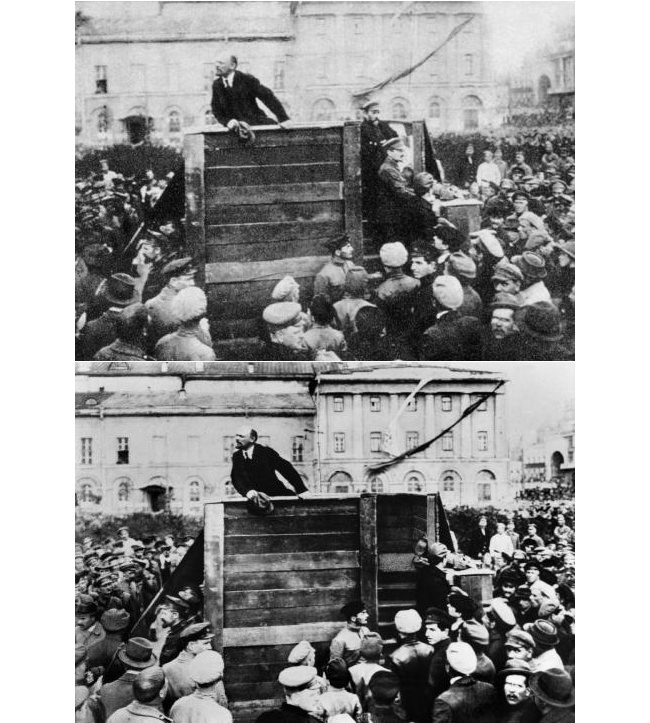
Lenin 1920

Ob böswillige Täuschung oder gängige Retusche – die Möglichkeiten waren bereits kurz nach der Erfindung der Fotografie vielfältig. Was möglich war, wurde probiert, nicht zuletzt durch die Surrealisten Anfang des 20. Jahrhunderts. Heute sind die Möglichkeiten dank der digitalen Fotografie oft einfacher umsetzbar.

Das getäuscht werden kann, heißt natürlich nicht, dass man es tun muss. Nicht zuletzt bei Dokumentationen und Nachrichtenbildern ist das Thema Manipulation umstritten. Man denke nur an das Siegerbild des Worls Press Photo Award 2013, dessen Dramatisierung durch einfache Lichveränderung starke Empörung auslöste.


Quellen:
• Sonntag, Susan: Über Fotografie. Frankfurt am Main 2010.
• http://chestofbooks.com/arts/photography/Practical-Photography-2/Chapter-XXXIII-Lesson-XXIV-Opening-Closed-Eyes.html [Stand: 21. Januar 2014]
• http://www.fourandsix.com/photo-tampering-history/ [Stand: 21. Januar 2014]
• http://einestages.spiegel.de/static/topicalbumbackground/2344/finden_sie_die_fehler.html [Stand: 21. Januar 2014]
• http://www.rhetorik.ch/Bildmanipulation/Bildmanipulation.html [Stand: 21. Januar 2014]


kwerfeldein – Fotografie Magazin

 
Comments Off on Geschichte der Bildbearbeitung

Posted in Equipment