Ein Beitrag von: Ronny Engelmann

[ By Delana in Global & Urbex & Parkour. ]

Parkour isn’t quite the sensation it used to be, but there are plenty of urban athletes all over the world still exploring cities by free running, jumping, flipping and climbing. One of England’s parkour champs is James Kingston, a talented expert who films thrilling point-of-view (or POV) videos of his parkour adventures.
Just in case his incredible videos entice any amateurs to try his death-defying style, we’ll just put this cliche saying out there: if you don’t have proper training, don’t try this at home. Or anywhere else. You can get most of the same thrill by watching Kingston’s heart-stopping POV adventures.
Wearing a helmet camera, Kingston takes his viewers on thrilling rides through rooftops, neighborhoods, and beautiful locations. Although he’s been criticized for glamorizing this dangerous sport, Kingston has also received accolades from people who aren’t able to try it out on their own. He gives his viewers a way to fly through the air and perform daring tricks without ever stepping foot away from their computers.


[ WebUrbanist | Archives | Galleries | Privacy | TOS ]

     |
Ein Beitrag von: Andre Ermolaev
Die Geschichte meiner Luftaufnahmen von isländischen Flüssen begann 2010, als mein Freund Mike Reyfam mir vor unserer Reise nach Island schrieb: „Lass uns ein paar Tage früher anreisen und versuchen, Bilder aus dem Flugzeug heraus zu schießen – das wird sicher interessant.“
Und dann flogen wir wirklich, ich das erste Mal. Michaels Fotos waren interessant, meine eher nicht.
Aber das Thema hatte mich gefesselt und ich las nach unserer Reise mehr darüber. Ich stellte fest, dass die interessantesten Luftbilder von Flussläufen waren und dass es nur sehr wenige Fotografen mit herausragenden Bildern auf diesem Gebiet gab. Ich beschloss also, die schönsten Orte in Island zu finden, um etwas Besonderes zu fotografieren.


Im Zeitraum der drei Jahren 2011 bis 2013 tat ich dies. In dieser Zeit flog ich mehrere tausend Kilometer und fand atemberaubende Bilder. Ich denke, niemand sonst hat eine solche Bildersammlung isländischer Flüsse.
Durch das viele Fotografieren habe ich unbezahlbare technische und praktische Erfahrungen gemacht: Wie man am besten fotografiert, mit welcher Technik, wie man unter diesen Bedingungen am besten arbeitet.
Das Interessanteste für mich war die Erstellung von Panoramen aus bis zu zehn Fotos, die zusammen ein Bild in hoher Qualität ergeben, das man ohne Weiteres auf 2 x 5 m Größe drucken könnte.


Die größte Schwierigkeit besteht darin, die Zeit zu finden, den Alltag zu durchbrechen, um für kurze Zeit diese fantastische Welt von oben zu sehen. Natürlich plane ich auch einige Dinge vor jedem Shooting. Das Wesentliche ist, welche Regionen man überhaupt erkunden möchte, aber das Wichtigste ist das Wetter: Die beste Zeit für Flüge ist der frühe Morgen.
Am besten verlässt man Reykjavik abends, denn dieser Flughafen öffnet erst gegen 9 Uhr morgens, und fliegt zu einem kleineren Flughafen, der weiter entfernt ist. Von da aus kann man bereits um 4 Uhr morgens aufbrechen.
Zu Hause verbringe ich dann viel Zeit am Computer, um die Bilder auszuwählen, zu bearbeiten, zu Panoramen zusammenzufügen und zu drucken.


Das Fotografieren an sich ist eigentlich ziemlich einfach: Man nimmt neben dem Piloten Platz und fliegt zu einem interessanten Ort. Dann öffnet man das Fenster und fotografiert. Es ist wichtig, dass der Pilot versteht, was genau man fotografieren möchte und möglichst exakt fliegen kann.
Dann drosselt er die Geschwindigkeit und kippt leicht. Nach den vielen Stunden gemeinsam im Flugzeug versteht der Pilot meine Gesten schnell, zum Sprechen ist es im Flugzeug zu laut.
Mein Plan für die Zukunft? Weiter über isländische Flüsse fliegen, denn mir scheint dieses Gebiet unendlich. Vielleicht auch in einem anderen Licht und zu einer anderen Jahreszeit. Die bisherigen Bilder entstanden meist im Juni und Juli. Im September würden sich komplett andere Bilder ergeben.

Image by padawan *(xava du)
Today as I was pulling together some images for this weekend’s photo challenge (on the them of ‘Shadows’ – I’ll officially launch it later today) I found so many cool images that touched on the theme that I thought I’d pull them together into an image collection. I hope they give a little inspiration and a few ideas on how to tackle the challenge this weekend.

Image by seanmcgrath

Image by Raúl A.
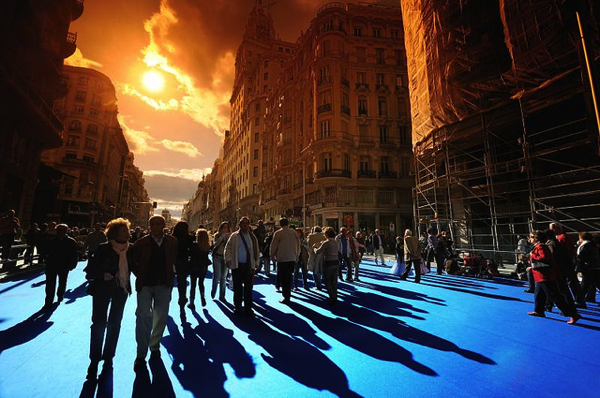
Image by Jose Maria Cuellar
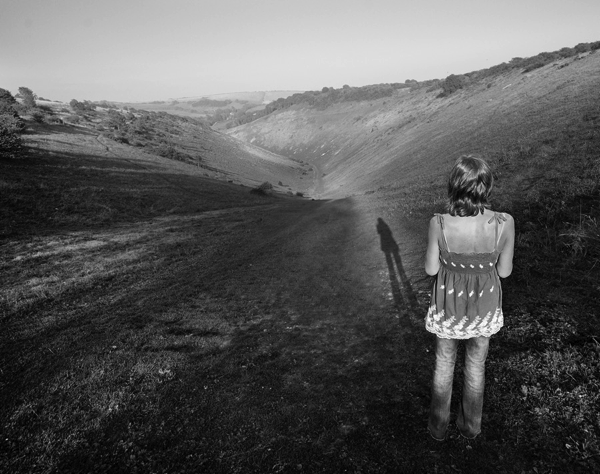
Image by Rob
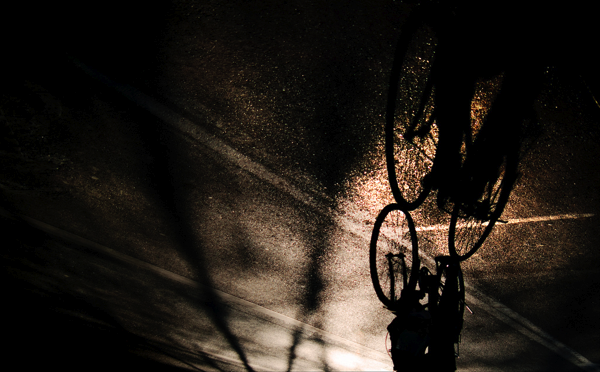
Image by Jonathan Kos-Read
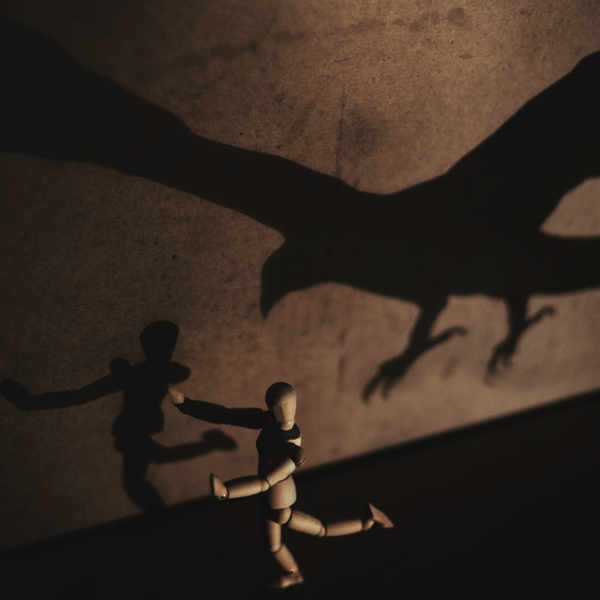
Image by Zev

Image by ElMarto

Image by thejbird

Image by d?nito

Image by icedsoul photography .:teymur madjderey

Image by Rufus Gefangenen

Image by NuageDeNuit

Image by Martino’s doodles

Image by Alexbip

Image by mugley

Image by Whatknot

Image by fabbriciuse

Image by Ric e Ette

Image by Greekadman

Image by ms4jah

Image by Rickydavid

Image by kevindooley

Image by Paulo Brandão
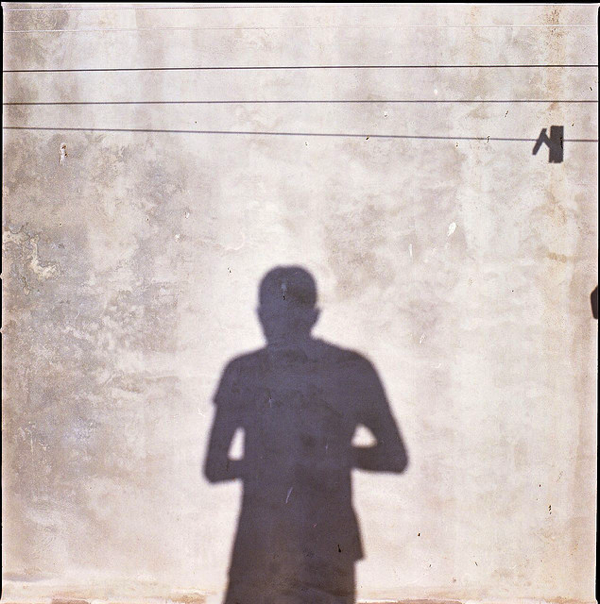
Image by Davide Cassanello
Post originally from: Digital Photography Tips.
Check out our more Photography Tips at Photography Tips for Beginners, Portrait Photography Tips and Wedding Photography Tips.
25 Shadow Images to Inspire You
The post 25 Shadow Images to Inspire You by Darren Rowse appeared first on Digital Photography School.
I would like to remind you this old post, How Did you Shoot It? with some updates and revisions. It was written two years ago as part of ProBlogger’s group writing project – “How to …” I hope that these tips are still useful. They represent quite well my own approach to paddling photography.
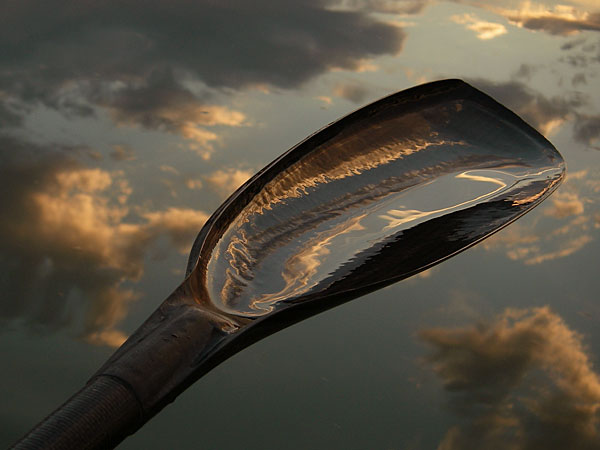
After posting the above picture, “Paddling in Clouds”, I’ve got several questions: How did you do it? And, I had troubles to provide a reasonable answer since the shot was technically really trivial.
Finally, I figured out that it is more about seeing pictures than about shooting and wrote these more general comments.
Learn to see pictures. You do not need a camera to practice it. I am often “shooting” without camera, especially, when driving: that would be a good picture, this old barn would look great at sunrise, that dust devil at a horizon can be seen only through polarized glasses.
I believe that looking at photographs in magazines, books and calendars also help to develop your seeing capability. I am checking all new photography books arriving to my university library and browsing most of photography magazines in a local bookstore.
There are several good books on the art of seeing. Freeman Patterson comes to my mind first. Recently, I spent a lot of time with Photographer Eye by Michael Freeman.
 2. Have a Camera
A photographer is shooting pictures, not a camera, but you should have your camera ready. “Ready” means not only accessible. You should be familiar with your camera settings and operations. Learn what camera settings are working for your paddling photography. It may be difficult to figure out camera features when sitting in a tippy kayak and waves are splashing.
Compact waterproof digital cameras like Pentax Optio “W” or Olympus Stylus “SW” revolutionized my kayak photography. I can shoot pictures I was not able to execute before, e.g., with a partially submerged camera. I am ready to sacrifice some camera features or to some extend a picture quality for convenience and accessibility of these tiny camera for paddling environment.
The best light for outdoor photography is when the sun is low, i.e., around sunrise and sunset. I know that I can expect interesting light at the end of my afternoon paddling workout. If the sunset is not very exciting I can shoot water reflections or a tree silhouette.
Ironically, on paddling trips, we are often passing the best scenery in the middle of day, when the light is harsh and unpleasant. I am still shooting some snapshots for documentary purposes. My primary motivation to start paddling fast kayaks was to get in time to my shooting spots. All that racing craziness came later …
Do not be afraid to shoot without viewfinder. Well, you don’t have one in Pentax Optio. And, the LCD display is often difficult to read in a bright sun. It shouldn’t stop you from shooting. Use some creative angles as far as you can extend your arm. Remember, you can put this camera under water next to you kayak. The lack of a viewfinder is perhaps the main reason preventing some photographers from buying this camera, but I think that this a reasonable compromise in the camera of this size.
I didn’t have a clear view of the camera display when shooting my “Paddling in Clouds” picture. I was just trying to keep a paddle diagonally in my frame.
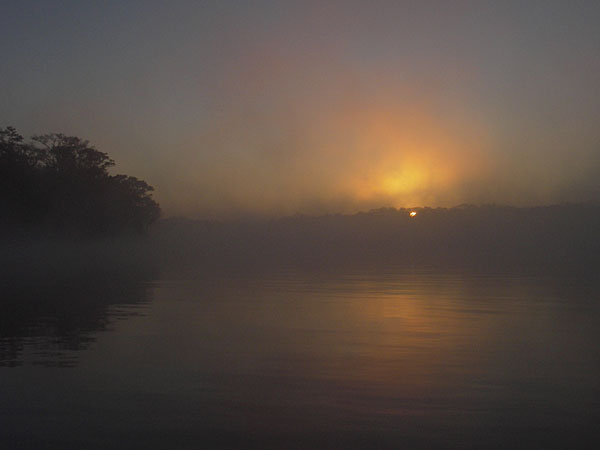
Shooting pictures with a digital camera is cheap. You do not need to worry about film cost. You can always erase the picture and shoot again unless you are after some action shots. So, do not be afraid to experiment and shoot even if you do not see the image in your LCD monitor. Shoot some extra frames. It is helpful to have an adequate memory card.
I shot about 30 frames trying to catch a sky reflection in water and in my paddle. However, I would show not more than 3 or 4 from those 30 frames.
The more you shoot the better you should get. I have shot similar pictures before including reflections and a paddle.
Review your pictures on the camera LCD if possible. Check the histogram. Analyze your shots after paddling on a computer screen. You have all information about camera setting included in each digital image file. Try to figure out what worked and what not. Learn from mistakes.
I don’t consider myself a professional photographer. When paddling I am shooting what I like just for fun. Documenting my paddling trips and races is still fun. I feel free to experiment.
The great Alfred Stieglitz was an amateur photographer too. Anyway, the photography is not a profession…
Sometimes I sell a picture to a magazine or donate to a book cover. A year ago, I started to sell my pictures through microstock agencies. I am just taking more often my DSLR camera and a tripod for paddling.
Related posts: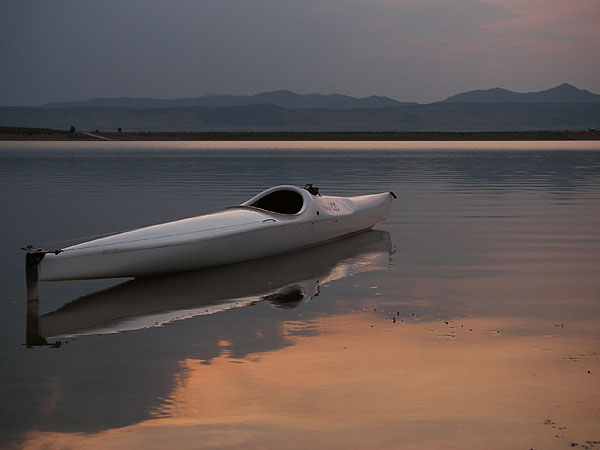
The Sony FDR-AX1 is the first practical and affordable 4K video camera. It becomes available in North America in the next few days. Is this the 4K camera for those that don’t want or think they need 4K?

WIN AN ANTARCTIC EXPEDITION
Earlier today we published our post – 25 Images with Shadows – which we hope gave you a little inspiration.

Now it is your turn.
We’d love you to to grab your camera and over the next week look for some shadow images because that’s the theme for this weeks challenge. Take a shadow photo and then share it with us as outlined below.
Once you’ve taken your ‘Shadow’ shots we’d love to see them in comments below. Simply upload your shot into the comment field (look for the little camera icon in the Disqus comments section as pictured below) and they’ll get embedded for us all to see or if you’d prefer upload them to your favourite photo sharing site and leave the link to them.
If you tag your photos on Flickr, Instagram, Twitter or other sites with Tagging tag them as #DPSPINK to help others find them. Linking back to this page might also help others know what you’re doing so that they can share in the fun.
Also – don’t forget to check out some of the great shots posted in last weeks Pink challenge – there were some great shots submitted.
Post originally from: Digital Photography Tips.
Check out our more Photography Tips at Photography Tips for Beginners, Portrait Photography Tips and Wedding Photography Tips.
Shadows: Weekly Photography Challenge
The post Shadows: Weekly Photography Challenge by Darren Rowse appeared first on Digital Photography School.
North Platte River is one of my favorite paddling destinations. Usually, I paddle various flatwater river sections in Wyoming, but, recently, I scouted access points to the upper North Platte River in Colorado above Northgate Canyon.
That river section in mentioned as “Upper Valley” in Paddling Colorado book by Dunbar Hardy. It is just 6 miles starting from put-in on county road 6 west of Cowdrey and ends in the Routt launch site (put-in for the Northgate Canyon run). The river is meandering in a wide valley with some beaver swamps.


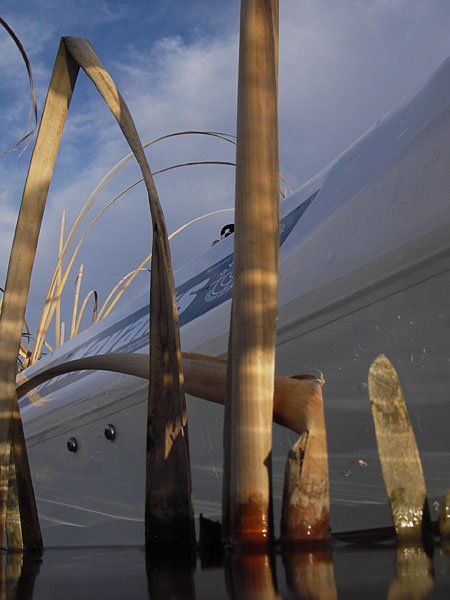
I took these three pictures from the Routt launch site looking upstream on October 16, 2003 with the river flow about 250 cfs which is much higher than usual for autumn. Recommended flow for paddling is 500-1500 cfs. I believe that 250 cfs may be sufficient for downriver run, perhaps, with some occasional shallow spots. A packraft trip with a bike shuttle? A bike leg would include some hill climbing and would be longer than a river one.
I added North Platte River pictures to my stock photography portfolio. There are available for download and licensing as royalty free pictures starting from $ 2 for a small size perfect for blogging or web publication.
Related posts:
Sun, Snow and Wind on the North Platte River in Wyoming
Bennett Peak to Pick Bridge on the North Platte River, Wyoming
44 Miles of the North Platte River in 2 Minutes
57 Miles of Paddling on North Platte River from Treasure Island to Fort Steele, Wyoming
[ By Steph in Architecture & Houses & Residential. ]

Living in close proximity to ever-rising water can be a difficult prospect, and while the Dutch have come up with all sorts of ways to work with instead of against it, this is a new achievement: apartments that float. The Citadel is a luxury development by Waterstudio NL, set to start construction in early 2014. Sixty stacked units will be built on a deck with easy access to land, on top of a large, heavy floating concrete structure.

The site where these floating apartments will be built is currently a ‘polder,’ one of 3,500 patches of low-lying land that are kept artificially water-free by constant pumping. Rather than continue the futile effort of keeping the water out, the architects will stop the pumping, re-flooding the area.

180 modular components will make up the complex, including large terraces and a car park, with the apartments arranged around a central courtyard. The Citadel will float on six feet of water, which will ultimately rise to 12 feet. Each unit will have views of the water, and many will offer space for the owners’ individual boats.

The flooded polder will act as a regional contingency water storage area, and is expected to host a lot more water-based development in the future, including 1200 additional dwellings. Energy saving features, greenhouse units and green roofs are among the efforts to make the complex sustainable.
[ WebUrbanist | Archives | Galleries | Privacy | TOS ]

| |
