RSS
 

Archive for September, 2013

Im Gespräch mit Miriam Schmalen

26 Sep

Ein Beitrag von: Miriam Schmalen

Hallo Miriam, stell Dich doch erst einmal vor: Wer bist Du und was machst Du?

Ich heiße Miriam, studiere zur Zeit Kommunikationsdesign in Aachen und arbeite als freiberufliche Fotografin und Grafikerin. Vor meinem Studium habe ich sechs Jahre lang als Grafikerin beim Egmont-Verlag in Köln gearbeitet.

Das war für den Einstieg das Beste, was ich machen konnte, denn ich habe dort das gelernt, was im Berufsleben und in der Branche heutzutage auch ein wichtiger Aspekt ist: Motivation, Disziplin und Belastbarkeit.

Es war oft nicht leicht, um 5 Uhr morgens aufzustehen und erst um 19 Uhr wieder nach Hause zu kommen, gerade wenn alle Freunde parallel das Studentenleben genießen. Ich weiß mein Studium nun umso mehr zu schätzen.

Ich glaube, viele wissen gar nicht, was das für eine tolle Möglichkeit ist und wie entspannt die Zeit verläuft. Der Job hat mich sehr selbstständig gemacht, ich kriege immer wieder von Kunden die Resonanz, wie zuverlässig und gewissenhaft ich arbeite.

Du hast also einerseits die heftigen Anforderungen des Markts und andererseits die schönen Seiten des kreativen Berufs mitbekommen?

Ja, es ist auch fachlich und inhaltlich vorbereitend gewesen, dass ich im Verlagswesen war. Das, leider recht monotone, Setzen der Bücher hat mein Auge für Typografie und Layout geschult.

Außerdem habe ich mir mit den sechs Jahren Arbeit das sehr unkomplizierte und elternunabhängige BAföG erarbeitet. Mir war es wichtig, keinem auf der Tasche zu liegen und autark studieren zu können, den Studienverlauf ohne Druck und schlechtes Gewissen selbst planen zu können.

Im Studium denke ich mir manchmal: Leute, Ihr seid mit Eurem Haushalt und dem Studium schon überfordert, dabei kann man noch sehr gut mindestens 15 Stunden nebenbei arbeiten. Sich selbst etwas zu erarbeiten finde ich sehr wertvoll, vielleicht bin ich da aber auch zu idealistisch.

Ich war ohnehin schon immer sehr aktiv, meine Motivation und meine Neugier geben mir großen Antrieb und Handlungsbereitschaft. Ich brenne für meine Arbeit, oft macht sie einfach Spaß und wenn einmal nicht, dann sehe ich das ganz trocken und realistisch als lebenserhaltende Pflicht.

© Miriam Schmalen

Wie nimmst Du Dein Studium wahr, wenn Du aus der Praxis kommst, eine „Macherin“ bist?

Ich sauge den Input auf wie ein Schwamm (jedoch mit Filterfunktion), stehe im regen Austausch mit Kommilitonen und rocke nebenbei noch private Projekte und Aufträge. Im Beruf musste ich mir meinen Input immer selbst suchen, dadurch habe ich mir jedoch ein großes und vielseitiges Netzwerk Kreativer aufgebaut. Ich genieße das Studium mit all seinen Möglichkeiten wie etwa dem finanzierten Auslandssemester.

Die Reflexion und Resonanz anderer ist gerade im Kreativen sehr wichtig. Der eigene Blick ist oft sehr subjektiv und teilweise sogar festgefahren. Objektive und vielseitige Kritik ist wichtig, Testpersonen sozusagen.

Wie bist Du dann eigentlich zur Fotografie gekommen?

Mein Vater hat noch analog fotografiert und selbst entwickelt. Wir hatten nach unseren Reisen immer gemütliche Dia-Abende, noch so richtig mit einem alten Projektor, die mich begeistert haben. Fotografie – das Medium fand ich schon früher immer sehr beindruckend und war ganz gebannt.

Obwohl ich jetzt fast ausschließlich digital arbeite, inklusive aufwändiger Retusche und Manipulation durch Photoshop, bin ich trotzdem ein sehr analoger Mensch. Ich schätze die ursprüngliche Art und Weise des Fotografierens, liebe die Haptik eines Fotos auf Barytpapier und bin Freund des Handwerklichen.

Die Fähigkeiten in Retusche und Lichtsetzung habe ich Dank meinem lieben Freund Mat erlernt, ein von mir hoch geschätzter Fotograf und Filmemacher. Mein Ziel vor zwei Jahren war es, ein Bild zu schaffen, das in einem Hochglanz-Magazin erscheinen könnte. Das Handwerk als Fundament zu erlernen, auf dem man dann flexibel aufbauen kann.

© Miriam Schmalen

Du lernst die Technik, um dann hinterher die Regeln aber auch wieder zu brechen?

Ja, auf jeden Fall. Ich plane zwar immer ein konkretes Grundkonzept, bringe aber die Offenheit und Flexibilität mit, Veränderungen zuzulassen. Im Team ist viel Potential für gegenseitige kreative Befruchtung, Weiterentwicklung und neue Wege. Ideen entwickeln sich dann oft noch einmal in eine andere Richtung. Ich arbeite gern konzeptuell, diese Fähigkeit ist gerade bei Kundenaufträgen sehr wichtig, ich mag aber auch den Einfluss des Zufalls.

Anfangs habe ich mich immer gefragt, ob ich mich mit den Modellen gut verstehen würde, es war also eine Frage von Oberflächlichkeit. Aber ich habe dann nur positive Erfahrungen gemacht und mit einigen immer noch regelmäßigen Kontakt. Da ist einfach ein netter Austausch und eine kreative gemeinsame Arbeit entstanden.

© Miriam Schmalen

Das ist spannend, wenn kreative Köpfe aufeinander treffen, die eine Wellenlänge haben.

In letzter Zeit bin ich aber auch wieder viel mehr „back to the basics“ gegangen. Ich arbeite nicht mehr im großen Studio mit Profi-Team, sondern wieder bei mir zu Hause. Meist ist es wie eine nette Verabredung mit dem Modell, man schnackt gemeinsam bei einem Käffchen und dann geht’s los.

Ich habe drei Jahre am Theater Aachen ausgeholfen, dort das Bühnenbild und die Requisite unterstützt, das kommt mir bei den Shootings zugute. Ich schminke auch wieder häufiger selbst und kann so meine Ideen sehr zielgerichtet selbst verwirklichen – Malerei am lebenden Objekt.

Ich habe eine hohe Wertschätzung und Respekt einem professionellen Team gegenüber, aber mir persönlich gibt es für meine Entwicklung und Entfaltung mehr, aktuell auf diese sehr reduzierte Art zu arbeiten. Ich möchte wieder mehr ausbrechen und freier arbeiten, abseits des Mainstreams.

© Miriam Schmalen© Miriam Schmalen

In den Bildern, die ich von Dir im Kopf habe, verbindest Du die Fotografie oft mit grafischen Elementen. Die erste Arbeit, die ich von Dir gesehen habe, war die Serie „Papercraft“.

Ja, das waren Fotos mit Papercraft-Mode. Diese Serie wurde in einem griechischen Designmag und auf „Design made in Germany“ veröffentlicht, was zeigt, dass der Designaspekt doch sehr präsent war und gut ankam. Im Moment gibt es eine große Papercraft-Bewegung, alle machen etwas mit Papier. Damals ging es mir darum, eine sehr puristische, grafische Wirkung zu schaffen und interessante Licht-Schatten-Spiele zu kreieren.

Verliert etwas für Dich den Reiz, wenn Du das Gefühl hast, das machen jetzt alle? Brauchst Du dann etwas ganz Neues?

Ich gehöre nicht zu den Menschen, die so individuell sein müssen, dass sie sich über Wiederholungen oder Überschneidungen grün und blau ärgern. Ich brauche keine Vorreiterstellung, möchte jedoch auch nicht Bilder servieren, die schon hundert Mal zu sehen waren. Man nimmt über den Tag viel auf, teilweise unterbewusst, wird ständig inspiriert. Man kann das Rad nicht neu erfinden, aber es in der eigenen Handschrift weiterentwickeln.

© Miriam Schmalen

Das betrifft nicht nur Deine Konzepte, sondern auch die Wahl Deiner Modelle.

Irgendwann war „schön“ einfach nur noch langweilig und unecht. Ich orientiere mich immer mehr an interessanten Persönlichkeiten, arbeite deren Merkmale heraus oder überziehe sie sogar. Das Bild als Ergebnis hängt auch sehr vom Modell ab. Ich würde gern noch sehr viel abgedrehter arbeiten, aber teilweise sind die Modelle gehemmt, sich anders zu geben als sie es gewohnt sind, weil sie in diesem Musterschema des angeblichen Ideals arbeiten (müssen).

Anders Dae Joon, meine Muse. Sie hat manchmal einen fast wahnsinnigen Blick, ein erschrockenes Gesicht und bringt die exotischsten Posen und Verrenkungen hervor. Eine Mischung aus Porzellan-Puppe und Alien, denke ich oft. Toll, genau das ist es, was mich bannt und die Basis für ein gutes Bild bietet. Aber dazu kann man nicht viele Modelle motivieren, dieser Fähigkeit oder mentalen Freiheit berauben sich einige.

© Miriam Schmalen© Miriam Schmalen

Wie stehst Du zum Einfluss, den Deine Bilder auf Betrachter haben, indem sie ein bestimmtes Schönheitsideal bedienen?

Ich wurde schon oft gefragt, ob die Modelle nicht zu dünn seien und ob ich mich nicht für das Bild verantwortlich fühle, das ich damit aussende. Ich habe darüber nachgedacht, auch weil ich weiß, dass zu meinem Publikum (gerade auf Facebook) junge Mädchen gehören, die sich durch Bilder vordiktieren lassen, was sie als schön empfinden.

Letztendlich denke ich, dass man schon eine gewisse Verantwortung hat; gerade, wenn man sich auf bestimmten Plattformen bewegt. Aber meine Bilder sind teilweise so überzogen, dass sie unnatürlich sind und sehr surreal wirken. Sie haben nicht den direkten Bezug zur Realität wie etwa Fashionbilder aus Modekatalogen oder von Werbetafeln.

~

Wie arbeitest Du in der freien, künstlerischen Fotografie?

Bei meinen künstlerischen Arbeiten gehe ich eher so vor, dass ich von Bestehendem ausgehe, etwa teilweise sehr Subtiles entdecke und dessen Wirkung verstärke. Es sind die sensibleren Momente des Lebens.

Meine freien, künstlerischen Fotografien sind ganz anders als die Editorial-Sachen – meist sehr tief und emotional. Mit diesen Arbeiten kann ich mich sehr identifizieren, das bin ich.

© Miriam Schmalen

Du bist auch in Galerien vertreten. Wie sind Deine Erfahrungen damit?

Gemischt. Mit meiner ersten Galerie war ich nicht so glücklich. Als junge Künstlerin hätte ich mir mehr Unterstützung gewünscht. Statt einer fachlich fundierten Beratung und einer wertschätzenden Begleitung fühlte ich mich geformt und in gewünschte Verkaufs-Schemata gedrängt.

Es wurde mir förmlich vordiktiert, wie ich mein Werk zu kommunizieren habe, was (angeblich) mein Konzept war und welche Serien ich zukünftig produzieren soll.

© Miriam Schmalen

Was wäre Deine Vorstellung vom Galeriebetrieb und der Zusammenarbeit mit den Künstlern?

Letztendlich bringt der Künstler das Wertgut mit und der Galerist oder die Galeristin soll es nicht nur verkaufen, sondern auch vermitteln. Eine hohe Sozialkompetenz und sehr feine Antennen sind da von Nöten.

In letzter Zeit habe ich viele beeindruckende Ausstellungen besucht – außerhalb der stereotypen, weißen Wände. Das Ampelhaus in Oranienbaum bei Dessau, die Ostrale in Dresden und die c-mine in Lüttich – grandios! Allein die Räume, in denen die Kunst präsentiert wurde, lebten, waren ein Organismus, harmonierend mit der Kunst. Ich mag Ausstellungen, die anders sind, persönlich, mit Ecken und Kanten. Solche, in die man eintauchen kann.

Ich denke jedoch auch, wenn man von der Kunst leben will, muss man realistisch sein: Kunstgalerien, deren Künstler vom Verkauf leben können, verkaufen an Sammler. Diese Kunstwerke hängen bei den Sammlern selten zuhause, sondern wandern in einen Schrank und werden als Wertanlage gelagert. Das ist relativ unromantisch.

Ich tendiere gerade eher zum Zusammenarbeiten mit Produzentengalerien. Dort fühle ich mich gut aufgehoben, geschätzt und unterstützt – ehrlich, bodenständig, zwischenmenschlich.

Mein persönliches Kunsterlebnis ist ein Atelierbesuch.

Wie siehst Du die Richtung, in der Du Dich bewegst, wo willst Du hin?

Erst einmal bin ich überglücklich, die Gewissheit zu haben, dass ich im richtigen Berufsfeld bin, mit Herz und Seele Designerin. Da war ich mir nicht immer so sicher, schwankte zwischen dem sozialen und dem gestalterischen Bereich.

Ich bin ein sehr an Ästhetik orientierter Mensch, aber auch sehr verbindlich und menschennah. In meinen aktuellen Jobs sind jedoch beide Aspekte vertreten. Ich liebe und lebe meinen Job und blicke zuversichtlich in die Zukunft.

© Miriam Schmalen

Aktuell hast Du ein Stipendium am Bauhaus in Dessau erlangt. Was genau machst Du da?

Dabei geht es um die Meisterhäuser in Dessau, für die international 30 Studenten aus den Bereichen Design, Kunst und Architektur gecastet wurden. Unsere Aufgabe ist es, das Meisterhaus von Kandinsky neu zu interpretieren. Die Meisterhäuser werden gerade rein museal genutzt. Wir sollen dem Meisterhaus in Form eines Ausstellungskonzept und -designs neues Leben einhauchen.

Wie ist der Zeitrahmen dafür?

Da bin ich mir selbst noch nicht so sicher, denn die Schule fängt bald wieder an. Ich unterrichte an drei weiterführenden Schulen Fotografie, das Studium geht ebenso weiter und meine Kunden möchte ich auch nicht verlieren. Schwer abzuwägen, da das Projekt an sich und „Bauhaus Dessau“ natürlich eine verlockende Sache ist.

Es wird auf jeden Fall eine unwiederbringliche Erfahrung. Wir werden gemeinsam wohnen, arbeiten, gar leben – verschiedene Kulturen, Fachbereiche und Charaktere.

Mein erstes Stipenium der Bundersregierung war ähnlich aufgebaut. Dort trafen jedoch nur sieben Akteure der Kreativwirtschaft zusammen, dafür lief das Projekt über ein halbes Jahr. Diese Zeit war auch sehr wertvoll, nicht nur reich an Erfahrungen und netzwerkerweiternd, ich habe auch intensive Freundschaften geknüpft. Ich bin also freudig gespannt auf Dessau.

Danke für Deine Zeit, Miriam. Ich wünsche Dir viel Spaß in Dessau und bin sehr gespannt auf Deine nächsten Arbeiten!


kwerfeldein – Fotografie Magazin
 
Comments Off on Im Gespräch mit Miriam Schmalen

Posted in Equipment


Nikon D7100 Review

26 Sep

Nikon D7100 Review.jpg

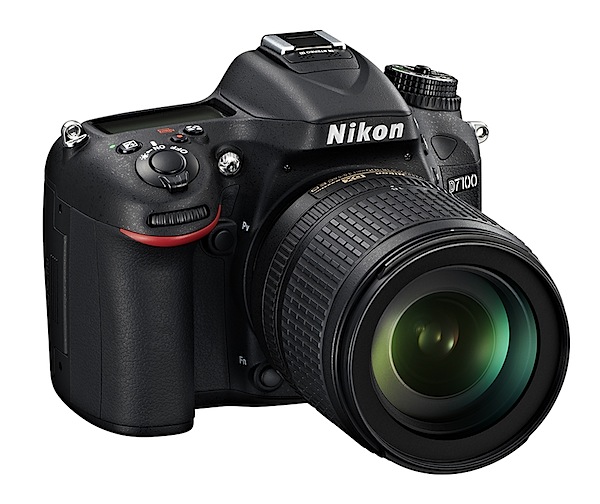
An attractive camera, aimed at the enthusiast, the Nikon D7100 follows on from the well-regarded D7000 which, I noted in my DPS review at the time, was described as a ‘professional-standard’ camera, not a professional one!

Nikon D7100 Review back.jpg

Nikon D7100 Review top.jpg

The company has bumped up the CMOS resolution to 24.1 effective pixels from the D7000′s 16.2 megapixels, reason enough to whet your appetite! However, don’t get too excited because the sensor is the same size, which means the pixels are working harder.

And that’s not all: the LCD screen is slightly larger and has increased resolution (1,229,000 pixels); the AF system performance has been lifted and given a higher low light ability; purists will appreciate the removal of an optical low pass filter. And more.

ISO range runs from 100-6400, reaching 25600 in expanded mode.

There is now a maximum rate of 6 fps continuous shooting at full resolution or 7 fps in cropped mode (4800×3200).

The camera can shoot in cropped mode for both stills and HD video. Stereo audio can be recorded via the inbuilt or an external mic.

The AF system has 51 points, with 15 of these sensors of the cross type.

You can attain spot white balance in Live View mode.

Maximum image size is 6000×4000 pixels, or 51x34m as a print.

HD video at 1920×1080 pixel resolution can be shot. If you fire off a still mid video recording, the latter will stop.

Two SD card slots can be used for overflow or backup; files can be copied between cards.

The camera is built with magnesium alloy and has water and dust resistance.

Images can be shared wirelessly with an attached WU-1a Wireless Mobile Adapter.

Possibly because I had not encountered a DSLR for some time or was a little in awe at the swell of positive comment this ‘un was generating. I took things gently at first: by that I mean I jumped in at the deep end and set about the task of shooting my ISO tests without a glance in the manual.

I dialled A on the PASM dial, adjusted the f stop, dropped the ISO mark to its start point — and shot the tests.

Very straightforward. Easy peasy. Which means there is a degree of comfortable user friendliness. Well done Nikon!

Handling

Immediately you know this is a DSLR if, like me, you’ve recently encountered a swag of compacts, MILCs etc: a bit on the bulky side, with a pronounced speed grip, but with a nice texture on the handling surfaces and evenly distributed weight, so it has an agreeable balance in the hand. With the review camera was the AF-S f3.5/24-85mm lens. Total weight: a manageable 1.2kg. Maybe a little heavy for handheld video shooting.
House and ocean.JPG

Pool.JPG

Sun shapes 2.JPG

Controls

You tend to forget the generous real estate in a DSLR, which allows largish, well-spaced control IDs. Another factor is the large, bright white ID texts used on control points.

Front: off to top left is the lens release button; to the right and flanking the lens are the flash release button, the BK button for bracketting exposure and a tiny two position lever to switching between manual and AF.

I also noticed that the lens barrel’s lever for auto and manual focus plus another on/off for VR (Vibration Reduction) crammed in very close to the manual/AF button. Suggest you get used to it!
Scene modes.JPG

Special effects.JPG

Top: at left is a generously sized mode dial with positions for auto, PASM, special effects (night vision, color sketch, high and low key etc), U1 and U2 custom settings and scene modes (portrait, child, close up, sunset etc) plus a position for flash off. I should point out that the various positions are secured by a detent button. Brilliant!

Flowers orig.JPG

Flowers color sketch.JPG

Flowers silhouette.JPG

Beneath the mode dial is a release mode dial offering shooting options: single shot, continuous low and high speeds, quiet shutter release, self timer and mirror lockup.

Still on top: the control panel display, on/off lever and shutter button, exposure compensation, the poorly placed video record button and one that allows you to directly format any card and swings you through the various metering options; just for’ard is the sub command dial. And a note: swing the on/off lever farther right and you illuminate the control display.

Rear and above the screen: replay button, trash and across to the right is the AE and AF lock button plus the main command dial.

Lower and left: menu, white balance (amongst other matters), enlarge display, image quality and size, ISO, the i button to change settings such as image size and quality, screen brightness etc.

To the right: focus selector lock then, lower down, are the Live View button and display options.

All in all, quite comprehensive. Many of them you will pick up in the early hours of ownership but I do suggest some trial shooting with manual firmly in hand in the aim of making your camera-person interface intuitive.
Menu 1.JPG

Menu 2.JPG

Menu 3.jpg

The viewfinder menu system is typically Nikon: comprehensive and clear.

Nikon D7100 ISO Tests

Nikon D7100 ISO 100.JPG

Nikon D7100 ISO 400.JPG

Nikon D7100 ISO 800.JPG

Nikon D7100 ISO 1600.JPG

Nikon D7100 ISO 3200.JPG

Nikon D7100 ISO 6400.JPG

Nikon D7100 ISO 12800.JPG

Nikon D7100 ISO 25600.JPG
Only at the ISO 6400 level does quality begin to drop off in terms of sharpness and noise.

ISO 12800 equivalent: noise up but still useable.

ISO 25600 equivalent: noise and image sharpness make this level a no-no.

Nikon D7100 Review Verdict

Quality: excellent as you would expect, with an exceptional range.
Why you would buy the Nikon D7100: an affordable DSLR with many bells and whistles.
Why you wouldn’t buy the Nikon D7100: maybe your ambition is to shoot full frame.

A well-priced DSLR with many pro features makes this number an ideal enthusiast camera.

I only question the APS-C format for those who want to make really big images or perform severe cropping. But it will sure please many a keen photographer unwilling or uncashed enough to dive into the full frame market.
Should sell by the truck load.

Nikon D7100 Specifications

Image Sensor: 23.5×15.6mm CMOS. 24.1 million effective pixels.
Metering: Multi, centre-weighted, averaging and spot.
A/D processing: 14-bit.
Lens Mount: Nikon F.
Exposure Modes: Auto, Program AE, shutter and aperture priority, manual.
35 SLR Lens Factor: 1.5x.
Shutter Speed: Bulb, 30 to 1/8000 second. Flash X-sync: up to 1/250 sec.
Continuous Speed: 5-7fps.
Memory: SD/SDHC/SDXC cards in two slots.
Image Sizes (pixels): 6000×4000 to 2400×1344. Movies: 1920×1080 to 1280×720.
Viewfinders: Eye level optical pentaprism and 8cm LCD (1,228,000 pixels).
File Formats: NEF (RAW), JPEG, NEF (RAW)+JPEG, MPEG4.
Colour Space: Adobe RGB, sRGB.
ISO Sensitivity: Auto, 100 to 6400 with expansion up to ISO 25,600.
Interface: USB 2.0, AV, HDMI mini, DC input, external stereo mic, remote, audio in- and output.
Power: Rechargeable lithium ion battery, AC adaptor.
Dimensions: 136x107x76 WHDmm.
Weight: Approx. 765 g (with battery and card).
Price: Get a price on the Nikon D7100 (body only) or Nikon D7100 with 18-105mm f/3.5-5.6 AF-S DX VR ED Nikkor Lens.

Post originally from: Digital Photography Tips.

Check out our more Photography Tips at Photography Tips for Beginners, Portrait Photography Tips and Wedding Photography Tips.

Nikon D7100 Review


Digital Photography School

 
Comments Off on Nikon D7100 Review

Posted in Photography


How to Reduce Camera Shake – 6 Techniques

26 Sep

Pin It

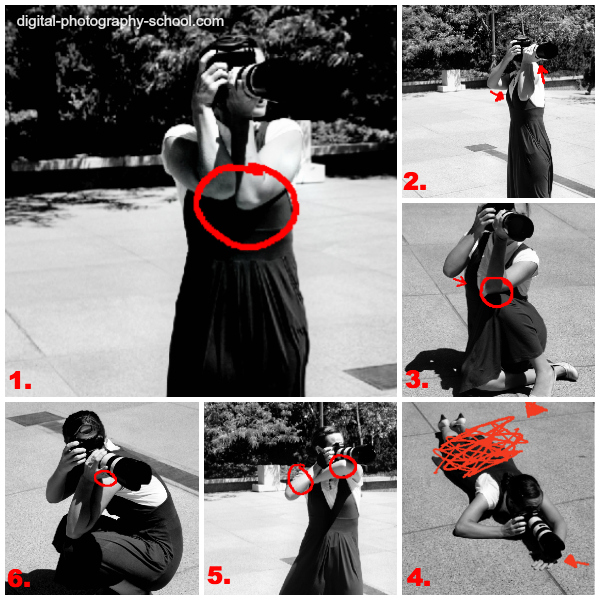
In this classic DPS post (now updated) photographer Natalie explores 6 ways you can hand hold lenses at low apertures and low shutter speeds and still avoid blurry images caused by camera shake.

avoid-camera-shake

I’m a mover and a shaker in general, and this is particularly true when I’m on a shoot. I’m twistin’ and turnin’, climbin’ and jumpin’ and to top it all off, I DO NOT have a steady hand, plain and simple.

As often as possible I opt for lenses with VR (Vibration Reduction) or IS (Image Stabilization). You pay a pretty penny for this feature. For me, it’s worth the extra cost, and for the point I’m at in my photography it’s a reasonable expense. But that wasn’t always the case, and what about uber slow shutter speeds with no tripod. No IS or VR can hold up under pressure like that. . .no matter how magical they may be. . . and magical they are, trust you me.

6 Techniques to Reduce Camera Shake

Here are 6 options for avoiding camera shake and achieving crisp, delicious images no matter the length of the lens, no matter the shutter speed.

Shooting wide open? NO PROBLEM; I’ve got your back!! Enjoy!

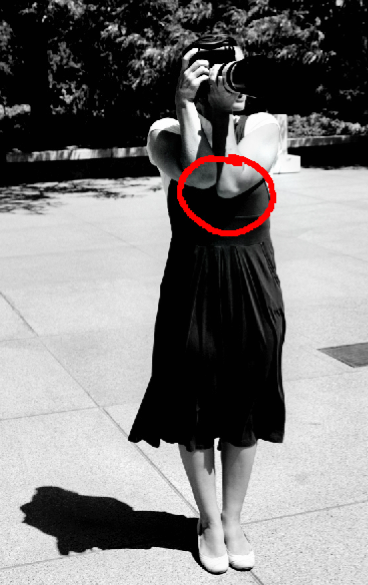
1. Elbows In

As often as possible pull your elbows in to your body and exhale completely before depressing the shutter. When you’re working with a wide aperture or low shutter speed (or both), even a breath can introduce shake. Pulling your elbows tight to your body can really help keep you steady. I also press my elbows firmly into my chest for even greater stability.

Avoiding-Camera-Shake-1

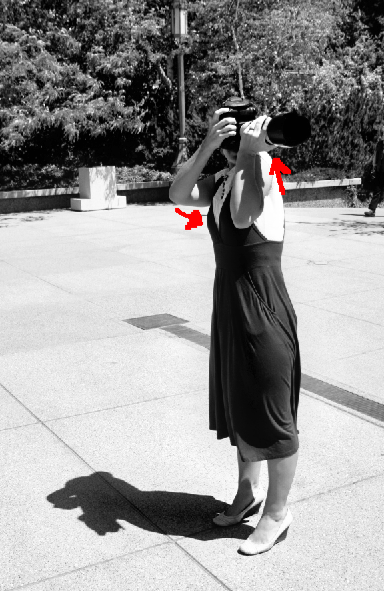
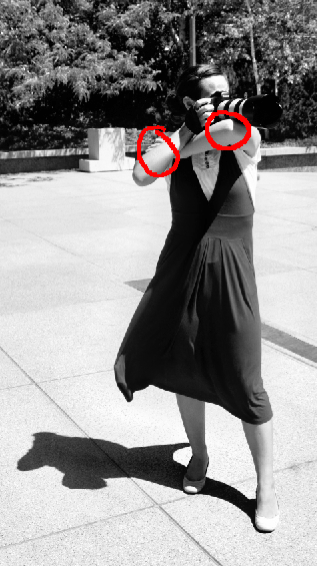
2. Raise Your Left Shoulder….

I am definitely a right eyed photographer, but this tip that I learned from “The Moment It Clicks” by Joe McNally, requires that I shift for a moment to my left eye. What I’m doing here is raising my left shoulder, and bracing my left elbow into my rib-cage (no arrow for this one). For further stability, you can pull your right elbow in to your chest. As always, exhale completely before depressing the shutter to avoid introducing shake.

Avoiding-Camera-Shake-2

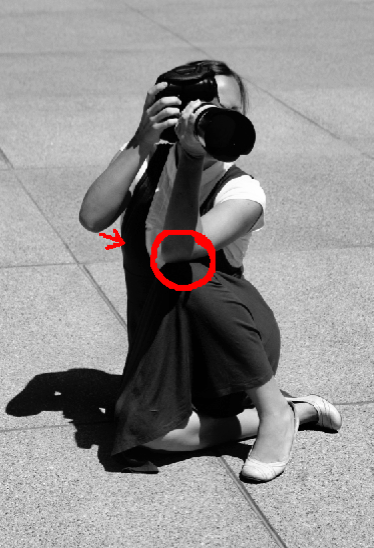
3. Create a Tripod With Your Knee

You can create your own tripod by resting your elbow on your knee while in a seated position. Again, bring that other elbow in for greater support.

Avoiding-Camera-Shake-3

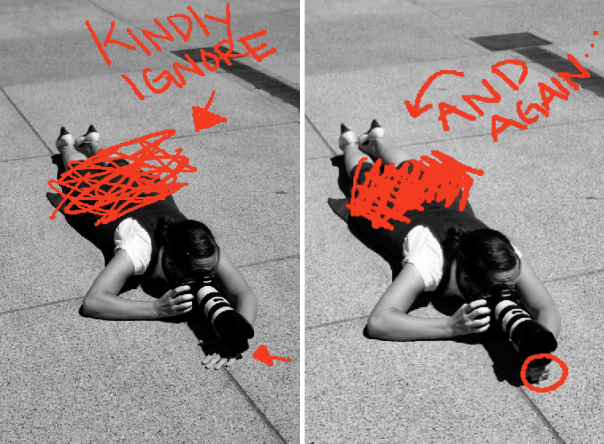
4. Lay Down

These two images illustrate perhaps the most obvious way to avoid shake without a tripod. Lie flat and let the lens sit directly on the ground. The problem with this is that you’re likely to have quite a downward tilt to the lens and unless you’re aiming to photograph the pavement, you probably won’t end up with the shot you’re hoping for. In the first image you’ll notice that I placed my hand flat against the cement and balanced the lens on top of it to give myself some height. In the second image you’ll see that I created a fist with my hand to give myself even greater height.

How To Avoid Camera Shake-1

5. The Machine Gun Hold

This next technique is sometimes referred to as the machine gun hold. I rarely use this technique as I find it awkward and difficult to maintain for more than a second or two. Just because it doesn’t work for me, doesn’t mean it won’t for you. . . give it a try.

Avoiding-Camera-Shake-6

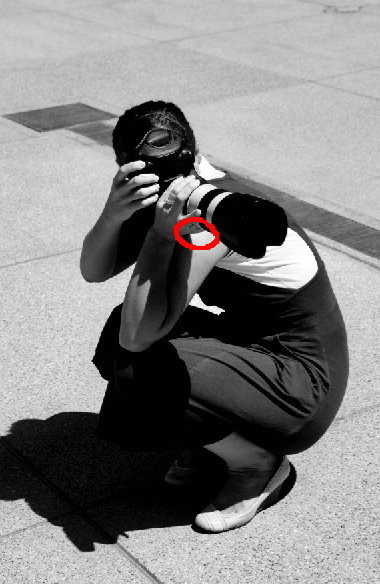
6. Cradle It

In this next image you’ll see that I created a sort of cradle for the lens between my shoulder and my wrist. I also stabilized the hold by balancing my elbow on my knee.

Avoiding-Camera-Shake-7

Well there you have it. That’s how I avoid “The Shake” (I’ve named him that because he’s like an evil monster who comes in and ruins my otherwise perfectly delicious images). Please share YOUR tricks and techniques in the comment section below, and as always. . .

Happy Shooting! – Get more daily tips like this one by subscribing to Digital Photography School

Further Reading on Camera Shake

  • How to Tell the Difference Between Camera Shake and Poor Focussing?
  • How to Hold a Digital Camera

Post originally from: Digital Photography Tips.

Check out our more Photography Tips at Photography Tips for Beginners, Portrait Photography Tips and Wedding Photography Tips.

How to Reduce Camera Shake – 6 Techniques


Digital Photography School

 
Comments Off on How to Reduce Camera Shake – 6 Techniques

Posted in Photography


Blow-Up Building: Inflatable Concert Hall Tours Japan

26 Sep

[ By Steph in Global & Travel & Places. ]

INflatable concert hall Japan 1

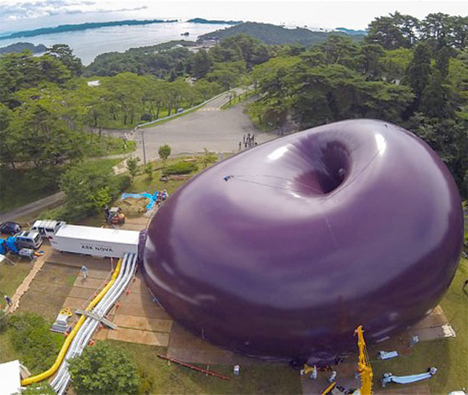
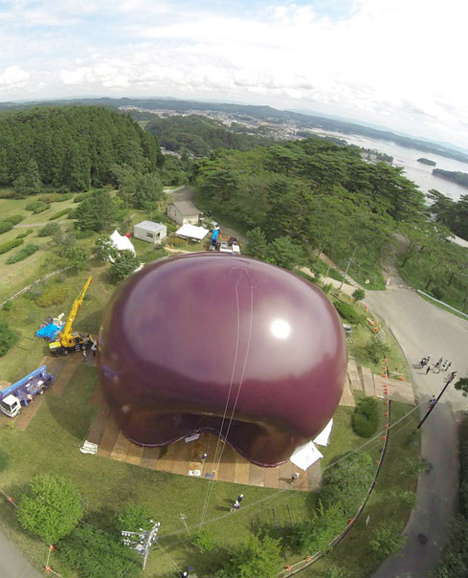
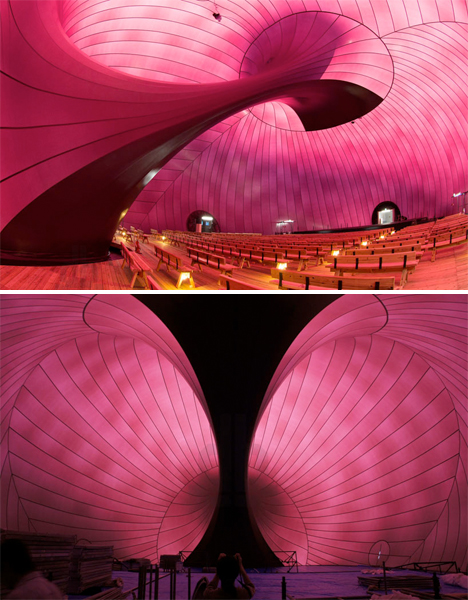
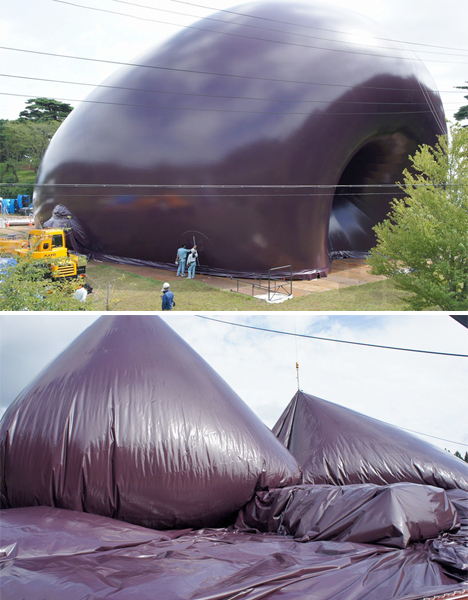
A giant purple bubble will rise from a pile of plastic to bring music, workshops and performance to Japan’s northeastern coast, which was devastated by an earthquake and subsequent tsunami in 2011. A collaboration between British sculptor Anish Kapoor and Japanese architect Arata Isozaki, the Ark Nova is the world’s first inflatable concert hall, and will tour the country for the Lucerne Festival Arknova 2013.

Inflatable Concert Hall Japan 2

Once fully inflated, the coated polyester structure measures nearly 60 feet in height and 115 feet in width. Its first stop is at a park in the town of Matsushima, which suffered serious damage to its many important cultural properties and artistic monuments, and lost thousands of residents.

Inflatable Concert Hall Japan 4

Wood from cedar trees that were damaged by the floods was used to create seating for 500 guests. The structure can easily be deflated, and will travel around the region to host events that organizers hope will help rebuild local culture and spirit.

Inflatable Concert Hall Japan 3

In addition to a range of modern concerts and performances, traditional Japanese culture such as kabuki theater will be celebrated. Children in the affected regions will also perform traditional arts and performances themed on the earthquake disaster.

Share on Facebook


[ By Steph in Global & Travel & Places. ]

[ WebUrbanist | Archives | Galleries | Privacy | TOS ]


WebUrbanist

 
Comments Off on Blow-Up Building: Inflatable Concert Hall Tours Japan

Posted in Creativity


25. September 2013

26 Sep

Ein Beitrag von: Susanne Jeschke

Strandhäuschen © Susanne Jeschke


kwerfeldein – Fotografie Magazin

 
Comments Off on 25. September 2013

Posted in Equipment


Blickfang: The Two Virginias

26 Sep

Das heutige Bild trägt den Titel „The Two Virginias #4, 1991“ und stammt aus dem Bildband „Immediate Family“* von Sally Mann. Ihre Bilder sind unlängst bekannt und zieren die Wände diverser Museen wie dem Metropolitan Museum of Modern Art oder dem Whitney Museum of American Art in New York.

Ich habe mich hier für ein Bild entschieden, das wohl weniger bekannt ist. Oft machte mir dieses Bild Angst. Ich hinterfragte diese Angst. Die schlohweißen Haare der Frau, deren Gesicht völlig verborgen ist, ihre spitz zulaufenden Finger sind wohl Hinweis auf diese Angst. Denn in diversen Märchen und Gruselfilme meiner jugendlichen Vergangenheit waren es immer die Alten mit diesen Attributen, die für das Angsteinflößende (Hexen, Geister) in der Welt standen.

The Two Virginias © Sally Mann

Natürlich ist das plakativ, pauschal und ziemlich idiotisch. Aber ist man erst einmal „gepolt“, ist es schwer, hinter diverse Verhaltensmuser zu schauen.

Aber auch andere Gefühle vermischen sich bei der Betrachtung, denn ich denke auch an die Hände meines Großvaters. Lang waren sie, ich nannte sie später immer Künstlerhände. Auch seine Fingerspitzen liefen krallenartig spitz zusammen und wenn er mich ärgern wollte, dann drückte er seine Finger immer in meinen Arm, so dass ich aufjauchzte mit: „Och Opa, Du weißt, dass das weh tut“, und er schmunzelte.

Nachdem ich also mein anfängliches Gefühl begriff, öffnete sich das Bild für mich und ich kann Wärme, Verbundenheit und den Lebenszyklus darin entdecken. Es ist spannend, sich immer und immer wieder einmal mit einem einzigen Bild auseinander zu setzen und hilft mir oft auch dabei, mich selbst zu begreifen.

* Das ist ein Affiliate-Link zu Amazon. Wenn Ihr darüber etwas bestellt, erhalten wir eine kleine Provision, Ihr zahlt aber keinen Cent mehr.


kwerfeldein – Fotografie Magazin

 
Comments Off on Blickfang: The Two Virginias

Posted in Equipment


26 September, 2013 – Creativity Remembered

26 Sep

Our regular contributor, Alain Briot, has just added Part 6 in his series of essay on creativity, titled Creativity Remembered.


"Having been to Antarctica with Michael and Kevin, I would say after having traveled the world and shot nearly my entire life as an exhibiting photographer,  it was one of my highlights in my life and I talk about it, all the time.  The images and experience of seeing something visionary and nearly extinct from the world, to see and experience the wildlife and scenery that does not fear humans is amazing.  The images I shot there won me two Smithsonian awards and nearly 18 other international awards". – Tim Wolcott

 Find Out More Now
These Expeditions Will Sell Out Quickly. They Always Do


The Luminous Landscape – What’s New

 
Comments Off on 26 September, 2013 – Creativity Remembered

Posted in News


Underground but Overboard: 15 Extreme Subway Stations

25 Sep

[ By Steph in Architecture & Public & Institutional. ]

Amazing Subway Stations Main
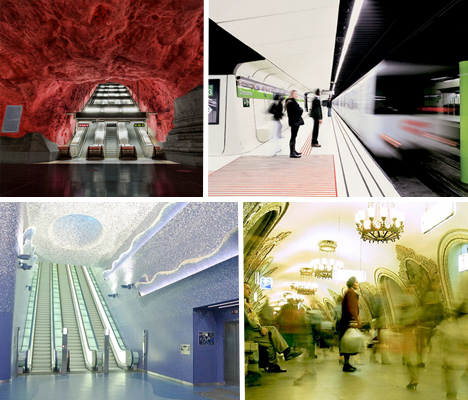
Far from the stereotype of a dark and grungy underground space where you don’t want to touch anything with your bare hands, these 15 standout subway stations are practically art galleries. From the gilded Baroque metros of Moscow to the world’s largest glass dome in Taiwan, these transit stations are worth a stop just to take a look around.

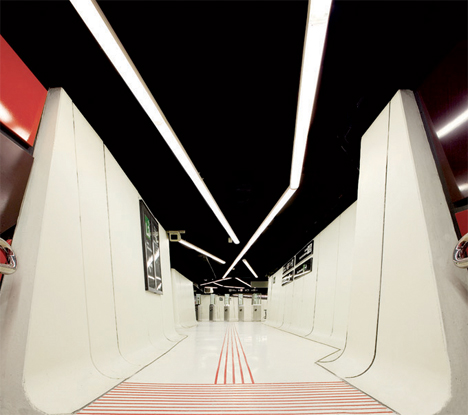
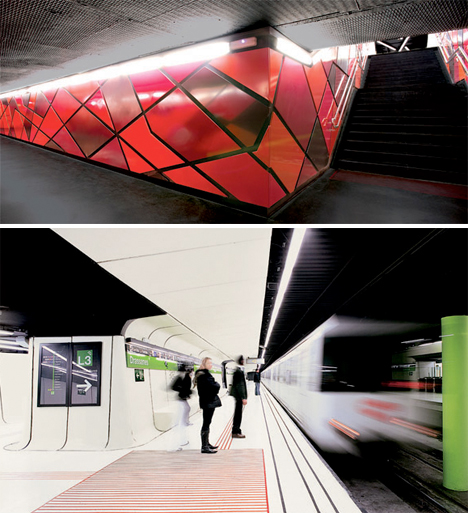
Drassanes, Barcelona

Amazing Subway Stations Drassanes 1

Amazing Subway Stations Drassanes 2
An old subway station in Barcelona, built in 1968, was covered with new surfaces to create an entirely new look, with black resin floors and lightweight white glass-reinforced concrete over the walls. The result is bright and clean with pops of color and a much more updated feel.

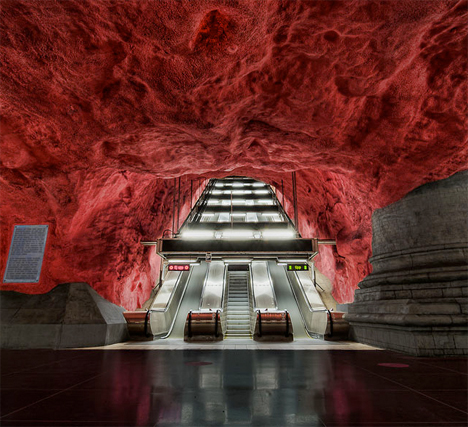
Radhuset, Stockholm

Amazing Subway Stations Radhuset

Stockholm boasts an incredible 90 decorated subway stations, each of which bearing its own unique visual identity. This one, Radhuset (courthouse) was built in 1975, and resembles a bright red cavern.

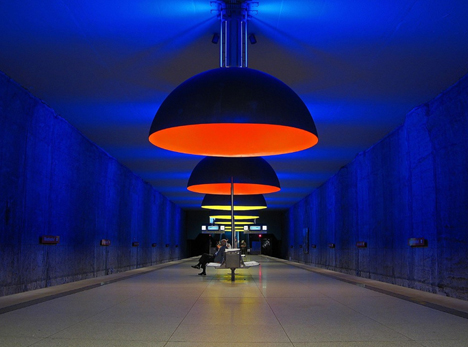
Westfriedhof, Munich

Amazing Subway Stations Westfriedhof

The dramatic Westfriedhof station in Munich, Germany features eleven large lamps that cast colored lights onto various areas of the platform. The ceiling and walls are just barely illuminated in a deep, dark blue.

Komsomolskaya, Moscow

Amazing Subway Stations Komsomolskaya

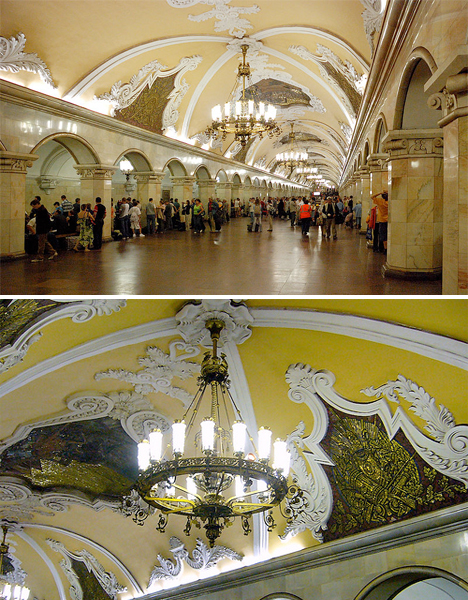
The busiest transport hub on the Moscow metro is a showcase of Stalinist architecture, with a palatial Baroque theme in bright yellow. It’s one of the most luxurious subway stations in the world, with marble columns, murals and massive chandeliers.

Toledo, Naples, Italy

Amazing Subway Stations Naples

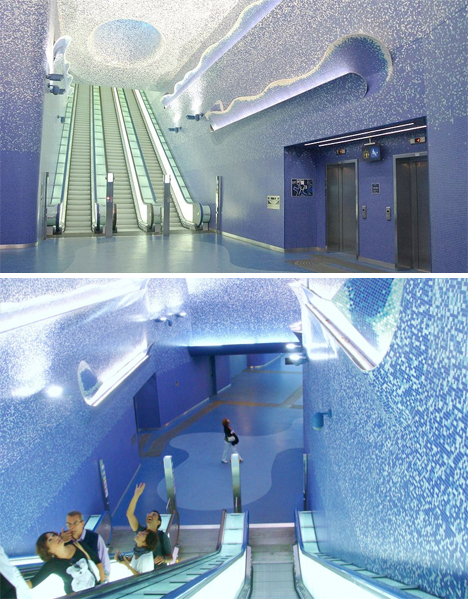
The stunning Crater of Luz by Oscar Tusquet Blanca is the centerpiece of the Toledo station in Naples, Italy – one of the most art-filled subway lines in the world. The Naples metro features 13 ‘Art Stations’  that aim to give everyone a close-up look at prime examples of contemporary art.

Next Page:
Underground But Overboard 15 Extreme Subway Stations

Share on Facebook


[ By Steph in Architecture & Public & Institutional. ]

[ WebUrbanist | Archives | Galleries | Privacy | TOS ]


WebUrbanist

 
Comments Off on Underground but Overboard: 15 Extreme Subway Stations

Posted in Creativity


Spotlight: Patty Carroll, Photographer Extraordinaire

25 Sep

America is a relatively young country. This is reflected in its visual iconography. In Europe and Asia, history is found in the religious symbolism embedded not only in the architecture, but within the social and cultural infrastructure. In the USA, the visual language is to be found in the motifs of a dynamic, developing culture, which is rooted in the Continue Reading

The post Spotlight: Patty Carroll, Photographer Extraordinaire appeared first on Photodoto.


Photodoto

 
Comments Off on Spotlight: Patty Carroll, Photographer Extraordinaire

Posted in Photography


DxO Labs releases ViewPoint 2, with added lens corrections

25 Sep

shared:DxOLogo.png

DxO Labs has released version 2 of its distortion-correction software Viewpoint. Designed to correct for perspective distortions such as converging verticals, Viewpoint can now also use DxO Optics Modules to correct for the lens’s barrel or pincushion distortion. It can work both as standalone software and as a plug-in, which is now compatible with Adobe Photoshop Elements and Apple Aperture (as well as Adobe Photoshop CC and Lightroom 5). A one month free trial version is available to download now, and Viewpoint 2 is on sale at reduced prices until 20th October. Click through for more info and download links.

News: Digital Photography Review (dpreview.com)

 
Comments Off on DxO Labs releases ViewPoint 2, with added lens corrections

Posted in Uncategorized