RSS
 

Archive for September, 2013

Billboards offer tourists a glimpse of smog-free Hong Kong

01 Sep

Screen_Shot_2013-08-30_at_3.37.42_PM.png

With worsening air quality spoiling the view, authorities in Hong Kong have come up with a novel solution for snap-happy tourists – giant panoramic billboards showing what the city would look like if there weren’t so much pollution, for them to take pictures of. The initiative follows what has been dubbed China’s ‘Airpocalypse’, earlier this year where pollution hit levels 25 times those considered safe in the USA.

News: Digital Photography Review (dpreview.com)

 
Comments Off on Billboards offer tourists a glimpse of smog-free Hong Kong

Posted in Uncategorized


Winners of Red Bull Illume 2013 contest announced

01 Sep

playground.jpg

Back in July we highlighted some of the finalists in the 2013 Red Bull Illume action and adventure sports photo competition, and now the winners have been announced in each of the contest’s 10 categories. This year’s overall winner was Lorenz Holder who also triumphed in the Playground and Experimental categories. Click through to see his winning shot as well as the work of this year’s other winners. 

News: Digital Photography Review (dpreview.com)

 
Comments Off on Winners of Red Bull Illume 2013 contest announced

Posted in Uncategorized


The Magic of Natural Light: Twilight

01 Sep

The Magic of Natural Light: Twilight photo

One of my favourite times for taking photos is at twilight. Especially during the spring and summer, the seasons when the light is at its most magical at this time of evening.

I’ve always liked the idea that great photography happens on the edges. Twilight, the transition between night and day, is an edge. While the low light levels can be technically challenging, the reward in terms of quality of light are well worth it. I think of it as the ‘magic hour’. You may also see it referred to as the blue hour, a reference to the colour of the ambient light as night falls.

What is twilight?

Twilight is the time that marks the transition between day and night. It starts after the sun has set and continues until night completely falls. The quality of light during twilight can be truly beautiful, especially after a bright sunny day. The duration depends on your distance from the equator. In the tropics night falls very fast and twilight is short. Go far enough north (or south) in the summer and it can last for over an hour.

Landscape photography during twilight

One of the more obvious subjects that benefits from the quality of light at twilight is the landscape. Now, I’m sure most photographers are aware that one of the best times to photograph the landscape is during the golden hour – the hour or so before the sun sets. The sun is low in the sky and the warm, raking light it casts can bring the best out of a beautiful location.

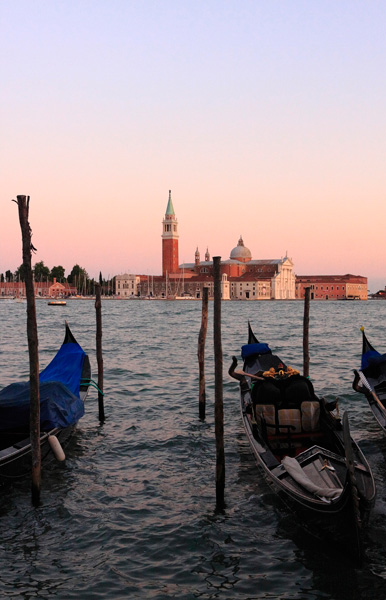
Whenever I’m on location and see other photographers, I’m always a little surprised how early most of them leave. For the few that wait until the sun has set the reward is often an intensely beautiful, soft golden glow that gradually fades as night falls. This type of light is especially beautiful if you are by the sea or a lake as the water reflects the light. The opening photo is a good example of that.

The Magic of Natural Light: Twilight photo

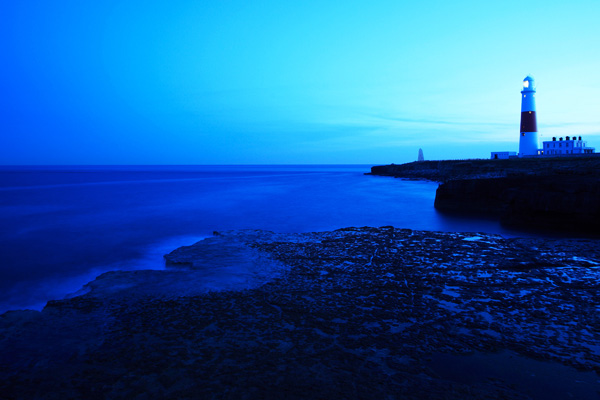
There are two approaches to taking landscape photos in low light. One is to use a high ISO setting and shoot with the camera hand-held. I took the photo above at 1600 ISO shortly after sunset.

The Magic of Natural Light: Twilight photo

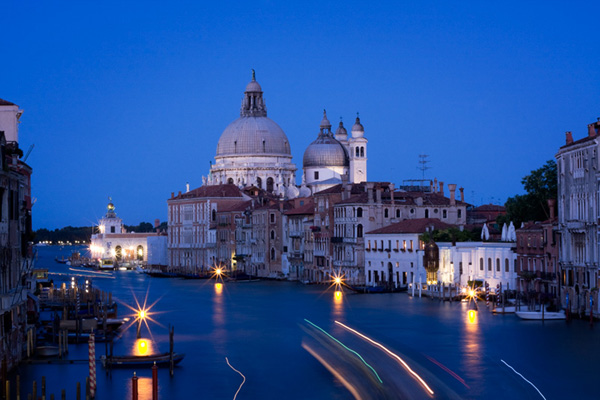
To take full advantage of the beautiful light during twilight though you will need to use low ISOs (better image quality) and consequently slow shutter speeds. You’ll need a tripod to support the camera and a cable release or remote control to fire the camera without touching it (the self-timer will do in a pinch). The advantage of this approach is that you can use the slow shutter speeds to create blur. This works particularly well when there is water in the scene, as in the photo above.

Portrait photography

The Magic of Natural Light: Twilight photo

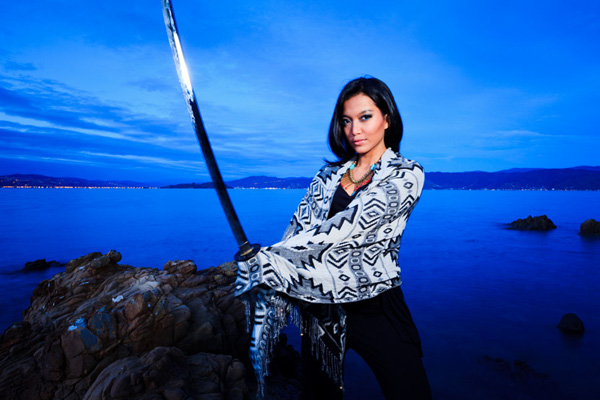
I also like twilight for portrait photography. It’s not without challenges, but if you can overcome those you’ll be rewarded with some beautiful portraits taken in unusual conditions where many photographers wouldn’t bother taking photos.

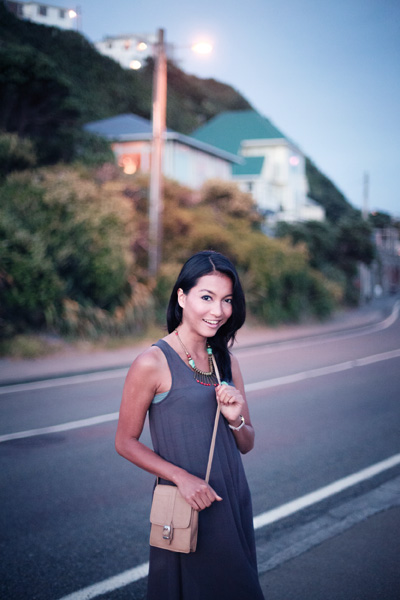
The best way to take advantage of the twilight for portraits is to arrive with your model before sunset to take advantage of the late afternoon light. Explain to your model that the light is best at this time of day, and they will be rewarded with some beautiful images. Then, just as in landscape photography, you can keep shooting after the sun has set until the light fades or the magic disappears. Unlike landscape photography though it’s not practical to use a tripod, so you will need to set a high ISO and use the wide aperture settings of your lenses.

When it comes to lenses, primes are best because the wide maximum apertures let you shoot for longer. For example, if you have a kit lens, the maximum aperture at the telephoto end (focal length usually around 55mm) is f5.6. If you have a 50mm prime lens, the maximum aperture will be at least f1.8. That’s a three stop difference.

You will also need to set a high ISO. It’s a good idea to test out your camera beforehand using different high ISO settings to see how high you’re willing to go before the deterioration in image quality is more than you’re happy with. On my EOS 5D Mark II, for example, I’m quite happy to shoot at 3200 and sometimes even 6400, especially if I can expose to the right to maximise image quality. If you have a newer camera, especially full-frame, you might even be able to go higher. If your camera is older your limit will probably be lower. It’s a personal decision that only you can make.

The photo above was taken using ISO 6400 and an aperture of f1.4. It was nearly dark, much darker than it looks in the image. The lights behind the model are a good indication of this.

The Magic of Natural Light: Twilight photo

Another approach is to use a tripod to support the camera and a portable flash to illuminate your model. If your model keeps still during the long exposure, there will be very little blur. This portrait was taken with a shutter speed of two seconds. This technique allows you to keep shooting during twilight when there is very little light.

Mastering Photography

The Magic of Natural Light: Twilight photo

My latest ebook, Mastering Photography: A Beginner’s Guide to Using Digital Cameras introduces you to digital photography and helps you make the most out of your digital cameras. It covers concepts such as lighting and composition as well as the camera settings you need to master to take photos like the ones in this article.

Post originally from: Digital Photography Tips.

Check out our more Photography Tips at Photography Tips for Beginners, Portrait Photography Tips and Wedding Photography Tips.

The Magic of Natural Light: Twilight


Digital Photography School

 
Comments Off on The Magic of Natural Light: Twilight

Posted in Photography


A Travel Tripod that can Also Act as a Light Stand

01 Sep

by Sarah Hipwell.

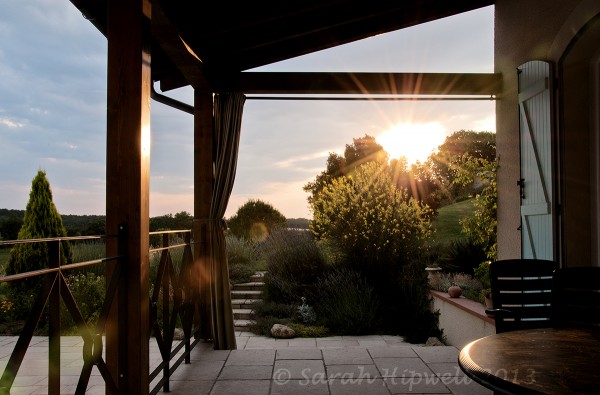
The above shot at 1/20sec at f22

The above shot at 1/20sec at f22

I brought two cameras on a recent vacation to France. My trusty DSLR and my new fab Sony RX100.

I don’t normally bring a tripod on holidays but this time I wanted to get some decent video footage. I also wanted to experiment with a variety of (still) exposures for HDR work and to get a nice sunset (low light shot).

With such an array of tripods on offer, how do you decide which one to buy?

I narrowed my search to 5 key features:

  1. Low cost
  2. Size – folded & extended
  3. Portability
  4. Lightweight
  5. Sturdy enough to hold a DSLR with a 18-200mm lens

The cost of a tripod varies enormously and with so many brands, it can take a bit of time to find which model suits your requirements. Cost was a main issue for me for two reasons:

  1. I had to pack my tripod in one of the luggage bags that was going into the plane’s hold! See NOTE & TIP 1 below.
  2. As I wasn’t taking the tripod in my carry-on bag, I didn’t need to buy an expensive one and run the risk of it getting lost or damaged in transit.

This ruled out purchasing a carbon fibre model as they are quite costly and it wasn’t justifiable for my means (I don’t travel extensively). So I decided on an aluminium tripod.

The more compact the tripod the better when travelling. But I need the height when it is extended (I’m 5’ 9”).

Portability is a prerequisite for any travel tripod.

Last but not least, the tripod had to be able to hold my D300 plus a 18-200mm lens, which both have a combined weight of 1.463kg or 3.23lbs. See TIP 2 below.

After a considerable research online between brands and so forth, I was beginning to think my criteria was a tall order. Then I hit jackpot. I found a Manfrotto Compact MKC3-H01 on offer for 49 euros! This particular tripod isn’t their current model but it seemed to tick all my boxes. Plus, I have a Manfrotto 055XB so I’m already familiar with the brand.
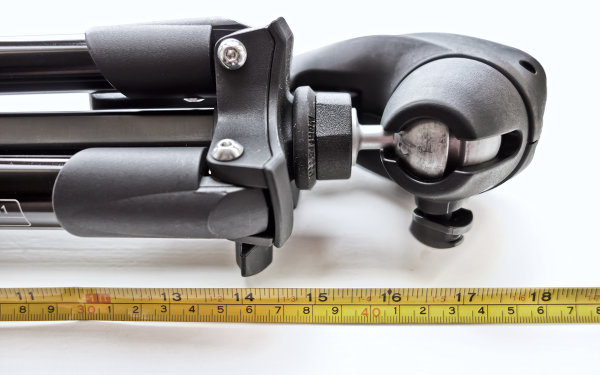
Tripod when closed measures 18”(46cm) and when it is extended, can reach 64”(163cm) with centre column fully extended

Tripod when closed measures 18”(46cm) and when it is extended, can reach 64”(163cm) with centre column fully extended

This tripod comes with a pistol type grip head which has two settings for photo(still) and video on the side. I found it is easy to use and a pleasant change from my usual ball-head socket type. My only gripe is that when I had it in the video position and tried to pan, it was quite jerky. I just loosened the locking wheel to make it more fluid, this wasn’t perfect but it worked.
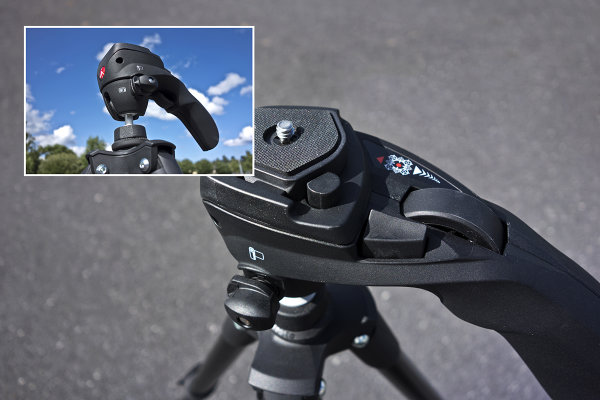
Pistol type movie/photo head showing the locking wheel

Pistol type movie/photo head showing the locking wheel

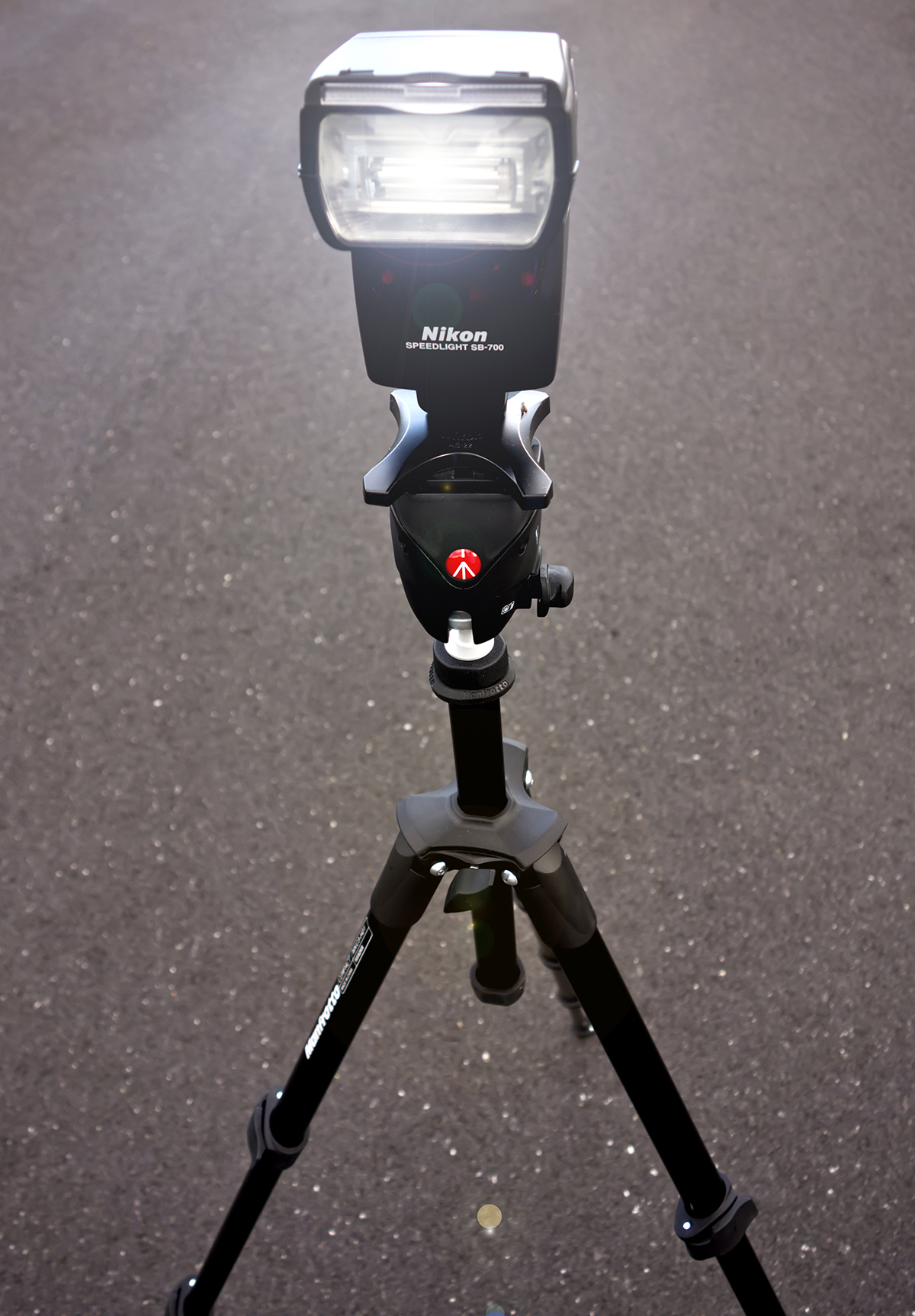
To sum up, the cost of this tripod was only 49 euros. Therefore, it wasn’t a big deal putting it into the plane hold. When folded, it measures a mere 18” and can extend to 60”. It is very lightweight, compact and easy to set up. The actual weight of this tripod is 1.15kg. An added bonus for me is this travel tripod can be used as a light stand! I can pop on my SB700 speedlight and shoot remotely. I had a wonderful two weeks with my family, I swam, read books (oh such a treat) and took over 32gb worth of images with the support of my new neat travel tripod.

NOTE

Check with each airline company in each country that you are flying to and from. Last year, I flew to Bordeaux from Dublin. I had a Manfrotto 5001B Nano Black Light Stand in my carry-on bag. However, en route home from Bordeaux the custom officials would not allow me to take on board the light stand as they deemed it a lethal weapon! I was quite fortunate, that a lovely desk clerk retrieved my already checked-in bag, so that I could put in my light stand without incurring any extra charges. She’s was a star!

TIP 1

When I was packing my travel tripod into one of the luggage bags, I thought of wrapping it in bubble wrap to protect it. I used a beach towel instead which I needed to bring with me. The towel provided adequate protection.
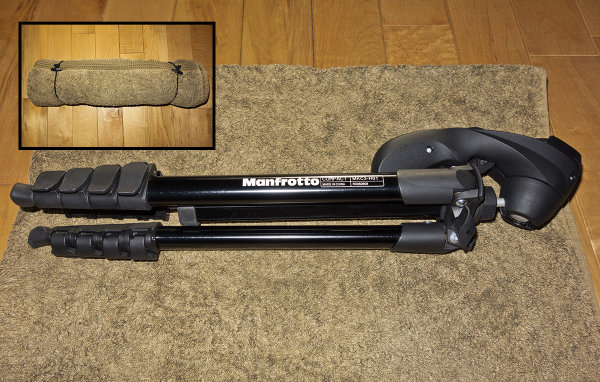
Using a large or beach towel to wrap around the tripod for added protection in luggage bag

Using a large or beach towel to wrap around the tripod for added protection in luggage bag

TIP 2

The maximum weight that this tripod holds is 1.5kg (3.3lbs). I was thrilled when I weighed my DSLR camera plus the lens which has a combined weight of 1.463kg (3.23lbs). However, this is pushing it to the max. Fortunately, I didn’t experience any inclement weather while on holidays, i.e. wind/gusts. Otherwise, I would have been nervous using my DSLR body and lens on the tripod for fear of toppling over. For added stability in this case, I recommend adding a sandbag(s). Sandbags are not practical to bring away with you on vacation. Here’s my tip, there is a rubber end at the bottom of the centre column. Ease this off and you will see two holes. Place a cable tie through the holes to create a plastic ring. With another cable tie, secure this to a Ziploc bag filled with dried beans, rice or soup mix (Cable ties & Ziploc bags should be in your camera bag). Dried beans/rice can be purchased at the local supermarket very cheaply. See below.
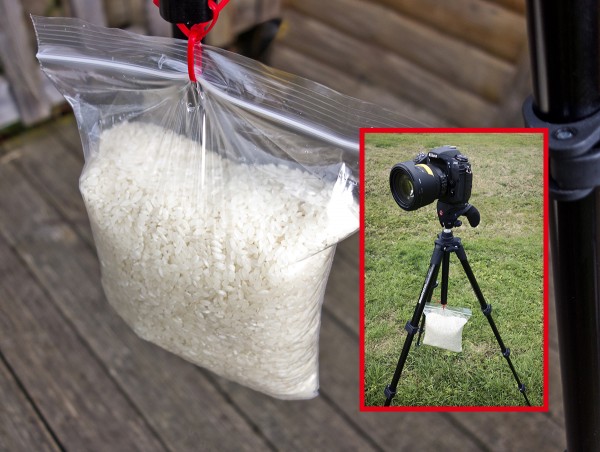
A Ziploc bag filled with 1kg of rice suspended from tripod using cable ties
A Ziploc bag filled with 1kg of rice suspended from tripod using cable ties

My SB700 speedlight on the Manfrotto Compact MKC3-H01

My SB700 speedlight on the Manfrotto Compact MKC3-H01

Check out more of Sarah’s work at her website – SarahHipwell.com.

Post originally from: Digital Photography Tips.

Check out our more Photography Tips at Photography Tips for Beginners, Portrait Photography Tips and Wedding Photography Tips.

A Travel Tripod that can Also Act as a Light Stand


Digital Photography School

 
Comments Off on A Travel Tripod that can Also Act as a Light Stand

Posted in Photography


Von Unschuld und Tagträumen

01 Sep

Ich stoße im Internet immer wieder auf tolle Portfolios. Dann bleibe ich stehen, sehe mir alle Bilder an und bedauere ein wenig, dass sie nicht von mir sind. So wieder geschehen bei der russischen Fotografin Julia Morozova.

Julia lebt und arbeitet in Turin, Italien, und beschäftigt sich mit Modefotografien. An diesem Bereich der Fotografie fasziniert Julia, dass sie Mode und Kunst kombiniert. Man kann mehr als nur die Kleidung zeigen und ganze Geschichten in einem Bild erzählen.

Die Mode ist Teil des künstlerischen Erbes, ähnlich wie Musik, Malerei und so weiter. Es ist ein tolles Mittel, zu sehen, wie verschiedene Epochen und Subkulturen sich ähneln.

© Julia Morozova

Beim Durchsehen Ihrer Bilder fällt mir immer wieder ein Motiv auf: Unschuld. Darauf angesprochen antwortet mir Julia:

Ich denke, es ist mehr die Illusion von Unschuld, die man in meinen Bildern sieht. Nur ein Rahmen, der das Geheimnis in uns, unser inneres Kind, unsere vergessenen Erinnerungen festhält. Das, was man im echten Leben nicht wirklich einfangen kann – oder was am wahrscheinlichsten überhaupt nicht in dieser Form existiert. Und das ist der Grund, warum ich versuche, das zu imprägnieren wie etwas sehr Seltenes. Nur 1/125 Sekunde als Beweis, dass man irgendwo der Unschuld nahe war.

© Julia Morozova© Julia Morozova

Es ist unglaublich, dass Julia erst seit zwei Jahren fotografiert, wenn man ihre Bilder ansieht. Inspiration zieht sie aus Filmen, Büchern und dem Leben selbst.

Fotografie ist für mich ein Weg, meine eigene Realität zu kreieren. Ich mag, wie ich mich selbst in meiner Fantasie verliere und alles andere vergesse. Bilder erschaffen ist das Aufregendste für mich an der Fotografie, es ist ständiges Tagträumen.

© Julia Morozova

Wer Julias Tagträumen folgen möchte, dem empfehle ich, ihr auf Facebook oder Flickr zu folgen. Auch bei der Photo Vogue Italia hat sie bereits ein beeindruckendes Portfolio.


kwerfeldein – Fotografie Magazin

 
Comments Off on Von Unschuld und Tagträumen

Posted in Equipment