RSS
 

Archive for September, 2013

The Magic of Digital Nature Photography [BOOK REVIEW]

08 Sep

The Magic of Digital Nature PhotographyI like these books for more than the obvious reason that they contain a wealth of help in their pages.

For one thing they’re an easy read so, after a hard day behind the camera, you can relax at home and read it for pleasure, not only soaking up all the useful info but enjoying the largish pictures within its pages.

Author Rob Sheppard intentionally laid out all the practical info and creative suggestions you would need to take your images to a higher level: which lenses and accessories are best for the purpose; the pluses and minuses of RAW vs JPEG; how do you stalk an animal? How about landscape composition?

Satisfying it may be, but many amateurs are unaware their work is just that: amateur. Sure, it takes effort, but it is worth while to lift your game, tune up your senses and place your image making on a higher plane.

Sheppard confesses that he has enjoyed photography since he was a kid and remembers entering a B&W print of a local scenic spot in the local newspaper’s photo contest and recalling his pride in the photo — but it didn’t win!

He still enjoys being out and about with a camera, having shot images from Peru to Newfoundland, Florida to Washington and admits he wants to ‘get you excited about getting out and taking photographs of your own special subjects.’

First the spiritual: Sheppard believes that ‘nature photography definitely deepens, widens and expands our sense of life. He believes you can shoot pictures of your favourite subjects; most times you can shoot many shots of your favourite subjects and yet capture totally different images than another person may take.

A touchy feely sort of book? You betcha!

In a chapter titled ‘Connections’ Sheppard asserts that whilst we may have many connections to the natural world, these are not always recognised. He suggest you connect with the subject in the picture, then connect again with the subject when you look at the final image. The final pleasure comes in sharing the image with others, helping them also to connect with the subject.

Then down to practicalities: choice of camera is important but what may work well for one person may not be OK with another. Educate yourself about differing camera types, decide on which type of nature photography you wish to pursue and make sure you can tote your camera into the field, making sure you don’t spoil your adventures with a pile of gear that weighs you down.

In a section titled ‘Megapixels and Quality’ he comes down heavily on the hype over pixel count: after all, megapixel counts are less about image quality and more about size.

Useful chapters follow on lenses, suitable focal lengths for scenic work, suitable camera mounts. Then follow discussions on exposure; lens aperture vs shutter speed; working in auto vs Program AE vs aperture or shutter priority vs manual exposure; reading a screen histogram; ISO settings; how to determine white balance.

Without light you can’t capture too much in the way of a digital scenic! That much is obvious. But what quality of light? Hard or soft? Front lit or backlit? And its colour?

There follows some handy help on how to model and shape the light on your scenic using reflectors or diffusers, by warming it with a change to the white balance, a change to the exposure, adding another light source, adding a grad filter etc.
The general tone of the book is more in the nature of help rather than a pile of techy details, which makes it an easy and encouraging read.

If you’re into scenics, this is for you!

But, as I said, don’t expect ‘a pile of techy details!’

Author: R Sheppard.
Publisher: Pixiq.
Distributor: Capricorn Link.
Length: 192 pages.
Size: 28x22x12mm.
ISBN: 978 1 4547 0813 1.
Price: Get a Price on The Magic of Digital Nature Photography at Amazon (currently 39% off)

Post originally from: Digital Photography Tips.

Check out our more Photography Tips at Photography Tips for Beginners, Portrait Photography Tips and Wedding Photography Tips.

The Magic of Digital Nature Photography [BOOK REVIEW]

Digital Photography School

 
Comments Off on The Magic of Digital Nature Photography [BOOK REVIEW]

Posted in Photography


Coping with Extreme Brightness (Without HDR)

08 Sep

Extreme brightness

Good photographers learn to work within the limitations of their equipment and learn to cope with scenes where the brightness range is too great for the camera’s sensor to handle. Here are some ideas for you to explore – and none of them involve HDR techniques.

1. Look at the light

I suspect the reason that most photographers are attracted to HDR photography is because they like the look of the high contrast, super saturated images you often see created with this technique. It’s not really about capturing every detail of a high contrast subject.

Look at the light instead. If you are shooting a landscape or architectural study, and the brightness range of the scene is too much for your camera to handle, you are most likely shooting in the wrong light for the subject. Wait until the sun is lower in the sky and the light is softer. The quality of the light will be better, the brightness range will be less, and the photo will be better.

2. Let shadows go dark

Extreme brightness

You don’t have to see into the shadows. Let them go dark. If the brightness is too bright, expose for the highlights (i.e make sure the camera captures all highlight detail) and let the shadows go where they will. It won’t work all the time – sometimes you just need better light (see tip one). But exposing for the highlights and letting the shadows go dark is a good exercise in observation and creating images. Work with the light to create graphic images, not against it.

You can take this even further in post-processing. Photographers Eduardo Izquierdo and Tom Hoops both deliberately make dark backgrounds in their portraits darker or even black so that the viewer’s attention goes straight to the model, without distractions. Maybe it’s time for a low dynamic range setting on our cameras?

3. Exposure blending

Extreme brightness

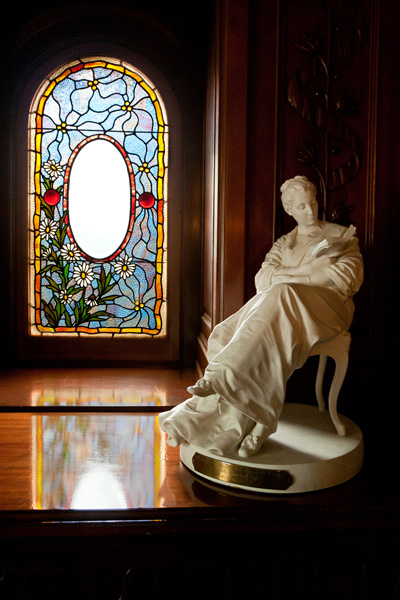
Sometimes you will come across a scene like the one above where the brightness range is too much for your camera but the quality of the light is good. The issue here is the difference in brightness between the light coming through the window and the light illuminating the interior of the building. If you expose for the interior, the window will burn out. If you expose for the window, you won’t get much detail in the interior.

So what do you do if you want good detail in both? The answer is to take two separate exposures, as in the examples above, and blend them in Photoshop. Ideally the camera should be on a tripod so that the images match exactly, but I was able to do that with the above photos even though they were hand-held and slightly out of register:

Extreme brightness

4. Exposure blending in the landscape

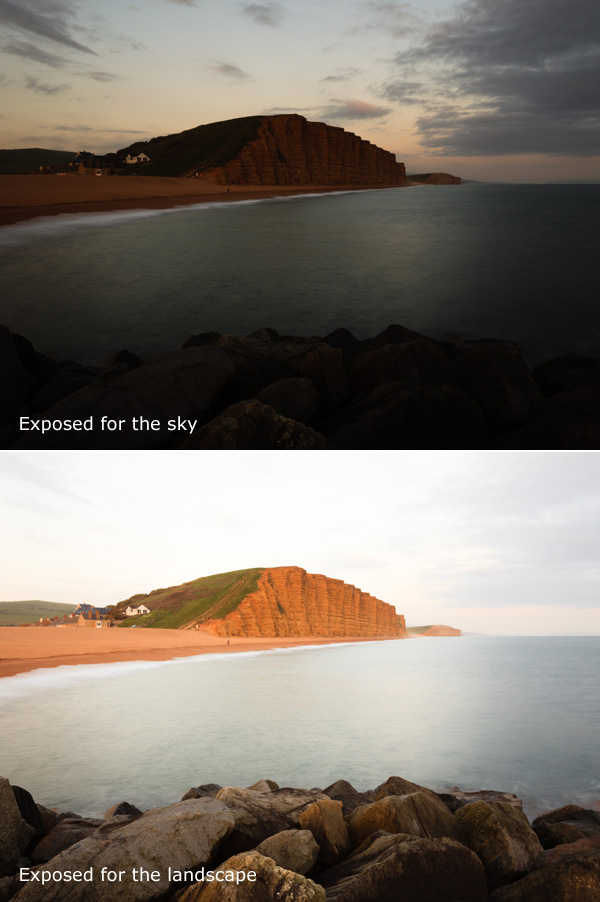
Landscapes are another area where you may have good quality of light, but the brightness range is still too great for your camera. That’s because the sky is often much brighter than the landscape itself. You may also want to make the sky darker for dramatic effect (as well as to capture more detail).

One solution is to use a neutral density graduated filter; a square or rectangular filter that is clear at the bottom and dark at the top that clips into a holder screwed onto the front of your lens. You move it up or down so that the dark half blocks some of the light from the sky and effectively reduces the brightness range of the scene.

Grads are great, but they’re not perfect. They work well when the horizon is a straight line across the photo, but badly if it has an irregular shape. Good quality grads are expensive, and cheap ones may give your sky a magenta colour cast.

Exposure blending resolves those issues. Just like the previous example, you need to take two photos – one exposed for the sky, and the other for the landscape itself:

Extreme brightness

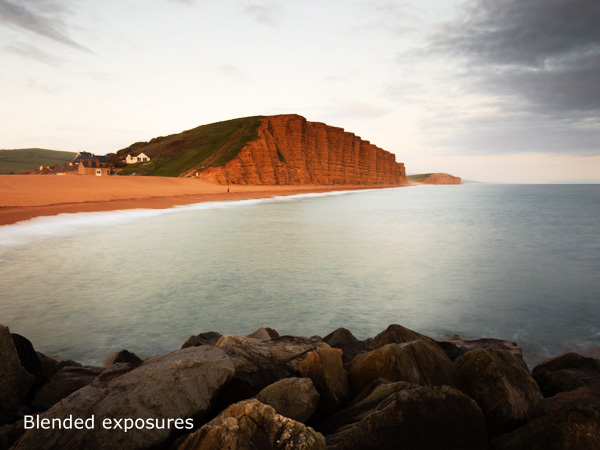
Then you can blend the two together in Photoshop. The idea is to create a blend that looks natural to the eye, so that means making sure the sky isn’t too dark, or that the landscape isn’t too light, otherwise it won’t look right. You end up with something like this:

Extreme brightness

The Photoshop techniques used for this can get quite involved. Christopher O’Donnell has written a good article about it here.

Mastering Photography

Extreme brightness

My latest ebook, Mastering Photography: A Beginner’s Guide to Using Digital Cameras introduces you to digital photography and helps you make the most out of your digital cameras. It covers concepts such as lighting and composition as well as the camera settings you need to master to take photos like the ones in this article.

Post originally from: Digital Photography Tips.

Check out our more Photography Tips at Photography Tips for Beginners, Portrait Photography Tips and Wedding Photography Tips.

Coping with Extreme Brightness (Without HDR)


Digital Photography School

 
Comments Off on Coping with Extreme Brightness (Without HDR)

Posted in Photography


Deserted Paris of the East: Chinese Replica Now Ghost City

07 Sep

[ By Delana in Abandoned Places & Architecture. ]
Tianducheng, China

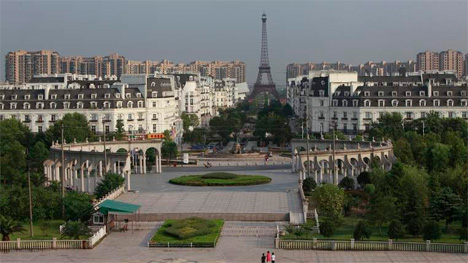
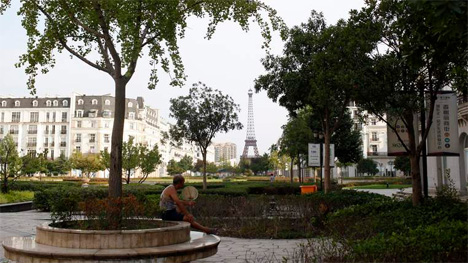
On any given day in Paris, you might see hundreds of thousands of  residents and tourists in the streets. They go in and out of shops, snap pictures next to landmarks, stare in wonder at the opulent architecture. But over 5500 miles away, there is another Paris – a comparative ghost town where the streets stand nearly empty.

chinese paris ghost town

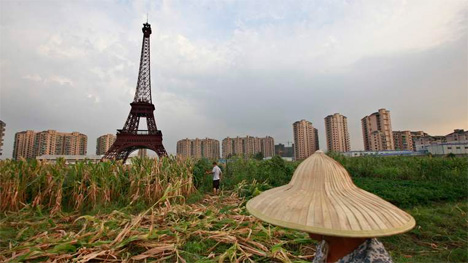
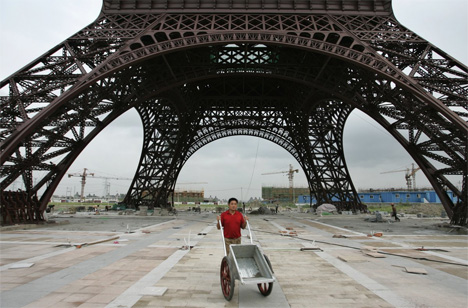
Construction on Tianducheng, in China’s Zhejiang district, began in 2007. It was meant to be a luxurious gated community resembling Paris in every way possible. The highlight of the town is its 354-foot replica of the Eiffel tower, but plenty of Paris’ other landmarks have been faithfully recreated here.

paris of the east ghost town

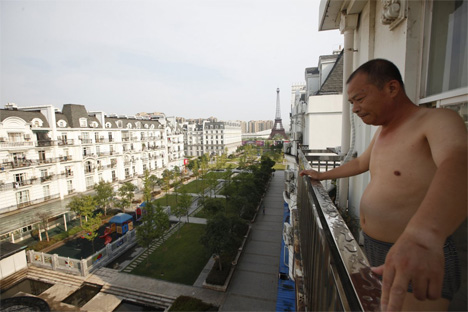
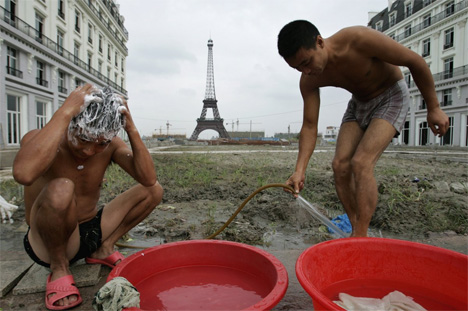
There is a major incongruity between one’s expectations for a “little Paris” and what you will actually see in Tianducheng. The streets are, for the most part, entirely empty. There are no throngs of tourists or business people rushing off to their offices. There is a lot of quiet, and there is a fair amount of traditional Chinese culture, seemingly completely out of place in the French surroundings.

agricultural chinese life outside paris replica

The development was built to house 100,000 people and to draw rural families into a bustling metropolitan area. As of 2007, (the last time the population was counted), only 2,000 souls inhabited the gated compound. The population seems to be dwindling, leading local media to refer to Tianducheng as a “ghost town.”

traditional chinese culture in paris replica

It may seem odd to build a replica of a famous city in a different country, but the developers were working on the idea that Paris was seen as a romantic destination. They felt that Chinese people would want to live in this faux-European environment with its stately townhouses and wide-open courtyards. Several other Western-style towns and communities have been built in China around this idea.

At least in Tianducheng, you are more likely to see empty streets and traditional Chinese agricultural life than the distinctly Parisian pastimes of shopping, strolling, and sipping wine on a restaurant patio. Daily life in the town is documented in the video above.

worker in tianducheng

Work is still in progress in the compound; its expected completion date is in 2015. So the Paris of the East, it turns out, isn’t quite a ghost town – it hasn’t had the time to develop ghosts just yet. In a few years, this now-quiet development could very well be chock full of Chinese residents ready to begin their European-style lives. (Images via: Business Insider and video by Caspar Stracke)

Share on Facebook


[ By Delana in Abandoned Places & Architecture. ]

[ WebUrbanist | Archives | Galleries | Privacy | TOS ]


WebUrbanist

 
Comments Off on Deserted Paris of the East: Chinese Replica Now Ghost City

Posted in Creativity


7. September 2013

07 Sep

Ein Beitrag von: Karsten Seiferlin

© Karsten Seiferlin


kwerfeldein – Fotografie Magazin

 
Comments Off on 7. September 2013

Posted in Equipment


Isländische Kirchen mit der Lochkamera

07 Sep

Ein Beitrag von: Christoph Höhmann

Island – nach drei Wanderurlauben und einer dreimonatigen Freiwilligenarbeit in Nationalparks schon fast meine zweite Heimat. Landschaften, die mein Innerstes berühren und alle Sorgen vergessen lassen. Refokussierung auf den Moment, auf Erde, Wasser, Feuer, Himmel, Wind, Licht.

Licht – im Sommer fast 24 Stunden lang. Fast jede Sekunde ein neuer Himmel, fast jeden Tag drei Jahreszeiten, ständig ein trällernder oder schreiender Vogel in der Nähe. Viel Platz, reinstes Wasser, sauberste Luft – das ist Island. Für jeden Wanderer und Fotografen ein Traum. Doch glücklicherweise nicht jedermanns Sache.

Ólafsvíkurkirkja, Ólafsvík, Snæfellsnes © Christoph Höhmann

Auf meinen Reisen in das nordwestlichste Land Europas war ich überwiegend an einer Abbildung der Landschaften interessiert. Parallel sammelten sich in meinem Kopf aber immer mehr Bilder von skurrilen Kirchen in Dörfern und Städten an. Mir wurde klar, dass es sich nicht um vereinzelte „Perlen“ handelt. Eine Fotoidee war geboren.

Mithilfe einer Webseite, die auf einer Landkarte alle isländischen Kirchen mit Bild verzeichnet, habe ich mir einen fotografischen Ablaufplan erstellt. Zielsetzung war es, etwa 30 Kirchen in zehn Tagen aufzunehmen. Dabei habe ich mich auf den Raum Reykjavík, die Halbinsel Snaefellsnes und zwei Ortschaften im Norden beschränkt. Eine zukünftige Reise könnte dann den Süden und Osten Islands und die abgelegenen Westfjorde abdecken.

Blönduóskirkja, Blönduós © Christoph Höhmann

Seit ich um die Jahrtausendwende eine hölzerne Lochkamera für Rollfilm mit verschiedenen Lochdurchmessern und Zoom gebaut habe, hat mich diese faszinierende und ursprüngliche Aufnahmetechnik nicht mehr losgelassen. Es folgte der Bau einer handlichen 4×5“-Lochkamera mit Superweitwinkel, einigen Keksdosen mit Fotopapier als Medium und umgebautem Gehäusedeckel für Kleinbild-SLRs.

Jahrelang träumte ich von einer begehbaren Lochkamera, in der die Außenwelt auf einer matten Glasplatte zwischen Loch und Betrachter abgebildet wird. Diesen Traum erfüllte ich mir 2012. Momentan steht die Kamera im Garten meiner Mutter.

Der Charme von Camera-Obscura-Aufnahmen erschien mir als sehr passend für das Kirchenprojekt. Zum ersten Mal benutzte ich eine Hybridtechnik: Die Lochblende auf einer digitalen Kleinbild-SLR. Die üppigen und kantigen Gebilde wirken dadurch noch surrealer und beinahe bedrohlich. Bäume und Himmel werden weich, die Monumente umso brachialer.

Hólaneskirkja, Skagaströnd © Christoph Höhmann

Als ich per Anhalter die Kirche eines abgelegenen Dorfes ansteuerte, gab mir ausgerechnet der Manager ebendieser Kirche eine Mitfahrgelegenheit. Er nannte mir den Grund für die teuren Projekte: Die Kirchen wurden in den letzten 50 bis 60 Jahren gebaut. 1918 wurde Island unabhängig von Dänemark, 1944 wurde die isländische Republik ausgerufen.

Seitdem wuchs der Wohlstand in dem bis dahin armen Land stetig. Es floss viel Geld in die Errichtung neuer, andersartiger Kirchen. Außerdem spiegeln die Bauten die sprudelnde Kreativität, den Ehrgeiz und die Aufgeschlossenheit gegenüber dem Neuen wider. Eigenschaften, die das isländische Volk definitiv für sich verbuchen kann.


kwerfeldein – Fotografie Magazin

 
Comments Off on Isländische Kirchen mit der Lochkamera

Posted in Equipment


Heiligenblut

07 Sep

Im April habe ich in meinem Artikel „Wir nennen es Wolkenschloss“ erwähnt, dass ich bald an einem Fotografentreffen in Österreich teilzunehmen würde und jetzt bin ich davon schon wieder zurück Zuhause. Zeit, um kurz zu erzählen und ein paar Ergebnisse zu zeigen.

Wirklich realisiert habe ich es erst, als ich dann neben Moritz Aust im Zug saß. Mit Bergschuhen, Fotokleidern und Kamera im Gepäck auf dem Weg nach Heiligenblut in Österreich. Sieben Tage, zwanzig junge Menschen, eine Hütte in den Bergen und sehr viele Kameras.

Ich hatte einige der Fotografen schon getroffen, die meisten aber kannte ich bisher nur aus dem Internet oder von Videogesprächen. Umso spannender war es, die nach und nach eintreffenden Teilnehmer endlich persönlich in die Arme zu schließen.

Gruppenbild © Laura Zalenga
Nach einer Idee von Jonas Hafner. Die einzelnen Fensterbilder kann man sich hier ansehen.

Was mich überrascht hat, war die Selbstverständlichkeit, mit der wir fast wie ein altbekannter Freundeskreis zusammenlebten. Ich hatte im Voraus manchmal befürchtet, dass man nicht weiß, was man sagen soll oder wie Fremde höflich nebeneinander her lebt, aber vom ersten Tag an herrschte eine entspannte, fast vertraute Stimmung.

Das hat mich auch überrascht, weil die Gruppe ein Altersspektrum vom 14 bis 31 Jahren abdeckte und Nationalitäten von Norwegen über Irland bis zu den USA vertreten waren. Da die meisten jedoch Deutsch sprachen, war es oft gar nicht so einfach, sich zum Englischsprechen zu überwinden. Eines hat sich allerdings schnell durchgesetzt: „Heiligenblut“ klingt auf Englisch noch viel spannender!

David © Laura Zalenga

In unseren Gesprächen ging es nicht, wie von vielen Außenstehenden erwartet, nur um Fotografie. Wir haben über witzige Geschichten gelacht und erzählt, was wir mit unserem Leben vorhaben, wovon wir träumen und was wir machen, wenn wir mal nicht fotografieren.

Natürlich hat man sich auch über Lieblingsfotografen ausgetauscht und den anderen beim Bearbeiten von Bildern über die Schulter geschaut. Schließlich ist es die Leidenschaft für Fotografie, die uns verbindet.

Nach dem zweiten Tag hatten wir bereits eine gewisse Tagesrountine gefunden: Frühstücken in Etappen je nach Gewohnheit, Proviant packen und in Gruppen zu einem Tagesziel losziehen. Abends wieder in der Hütte eintrudeln und gemeinsam zu Abend essen.

Danach entscheiden, ob man lieber ein bisschen Rückzug beim Fotosbearbeiten sucht oder doch gesellig „Werwolf“ oder Karten spielen will. Und schließlich auf dem Weg ins Bett eine der wenigen Steckdosen für die Akkus aufspüren.

Ein besonderer Raum in unserer Hütte verdient noch ein paar Worte. Der „Prop-Raum“. Hier wurden alle mitgebrachten Kleider, Stoffe, Schmuck und sonstige Foto-Utensilien für alle zugänglich aufbewahrt. Dort konnte man sicher immer für das nächste Shooting inspirieren lassen und ausstatten.

Laura © Laura Zalenga

Eine große Location-Attraktion war der „Junfernsprung“-Wasserfall, in dem einige als Modelle eine eiskalte Dusche ausgehalten haben. Ich habe mich in einen etwas gefährlich über dem Wasserfall gelegenen Felsen als Location verliebt. Das Foto habe ich dann als Selbstportrait ausgeführt, weil ich nicht am Absturz eines Fotografenkollegen Schuld sein wollte.

An bereitwilligen Modellen hat es aber nie gemangelt, da die meisten an Selbstportraits gewöhnt sind. „Hey, wenn Du hier mit Fotografieren fertig bist, würdest Du Dich für mich zwischen die roten Beeren / an den Abgrund im Nebel / in die Badewanne / unter diesen Felsen / auf diesen Felsen / in den Fluss stellen?“

Charlotte © Laura Zalenga

An einem Tag sind wir mit zwei Autos auf den Großglocknerpass gefahren und haben im Nebel herrliche Kulissen für Fotos gefunden. Wir haben dem eisigen Wind mehrere Stunden Stand gehalten, aber mussten doch irgendwann schlotternd aufgeben.

Generell war es eine unerwartet sportliche Woche. Meistens sind wir den ganzen Tag durch Wälder, Hügel, Schluchten und Wiesen gewandert. Da hat sich dann bei den meisten am nächsten Morgen ein Muskelkater an die Beine geschmiegt. Aber es hat sich irgendwie gut angefühlt, sich für Fotos zu verausgaben – noch dazu in dieser idyllischen Landschaft!

An einem anderen Tag sind wir mit einer kleinen Gruppe in eine Schlucht abgestiegen und haben das ausgetrocknete Flussbett aus riesigen Felsbrocken als Tages-Location genutzt. Die vorbeikommenden Kletterer konnten wahrscheinlich nicht unbedingt nachvollziehen, was wir taten, aber wir haben einfach nett gelächelt und uns nicht beirren lassen.

Im Nachhinein bin ich überrascht, wie produktiv ich in dieser Woche war. Normalerweise schaffe ich es, pro Woche ein Bild zu machen, dass ich gut genug finde, um es öffentlich zu zeigen. Nach dieser einen Woche habe ich dreißig!

Laura © Laura Zalenga

Schade war, dass man in der kurzen Zeit keine Möglichkeit hatte, jeden näher kennenzulernen oder mit jedem einmal mit der Kamera loszuziehen. Außerdem war die Woche auch zu kurz, um die Umgebung voll auskosten zu können. Das bedeutet wohl, dass man beim nächsten Mal lieber gleich zwei Wochen daraus machen sollte.

Insgesamt war es aber eine herrliche Woche und ich kann Fototreffen dieser Art nur weiterempfehlen. Sicherlich war es für uns eine so schöne Erfahrung, weil wir die anderen schon ein wenig kannten und alle mit ähnlichen Zielen und Vorstellungen angereist waren. Wenn statt der Harmonie Konkurrenz herrscht, ist so ein Treffen sicherlich weit weniger angenehm.

Ich jedenfalls habe Heimweh nach der kleinen „Foto-Familie“ und unseren Abenteuern. Zum Glück ist schon das nächste kleine Treffen Ende September in Deutschland geplant. Ich befürchte, wir sind süchtig.

Sehr viel mehr Ergebnisse kann man hier sehen und hier gibt es eine Menge Bilder von hinter den Kulissen und auch einiges zu lachen.


kwerfeldein – Fotografie Magazin

 
Comments Off on Heiligenblut

Posted in Equipment


What The Duck #1434

07 Sep

wtdlogo_big.jpg

We’ve been fans of Aaron Johnson’s comic strip ‘What the Duck’ for years. ‘WTD’ is one of the best satirical comic strips in the world, and it’s published here every week, as well as being included in our weekly newsletter. Barbed, topical and always amusing, we hope you enjoy WTD as much as we do. 

News: Digital Photography Review (dpreview.com)

 
Comments Off on What The Duck #1434

Posted in Uncategorized


Available Light Portraits: Weekly Photography Challenge

07 Sep

This week we are celebrating the launch of our brand new Portrait Lighting eBook so I thought it might be fun to have a portraiture themed weekly challenge.

Bus People

Your challenge is to take and share a portrait image that only uses the available light in the setting where you’re shooting.

Giada

So if you’re outside during the day – shoot only using natural light. If you’re inside, only use the light in the room (window light, the normal artificial lights in the room etc).

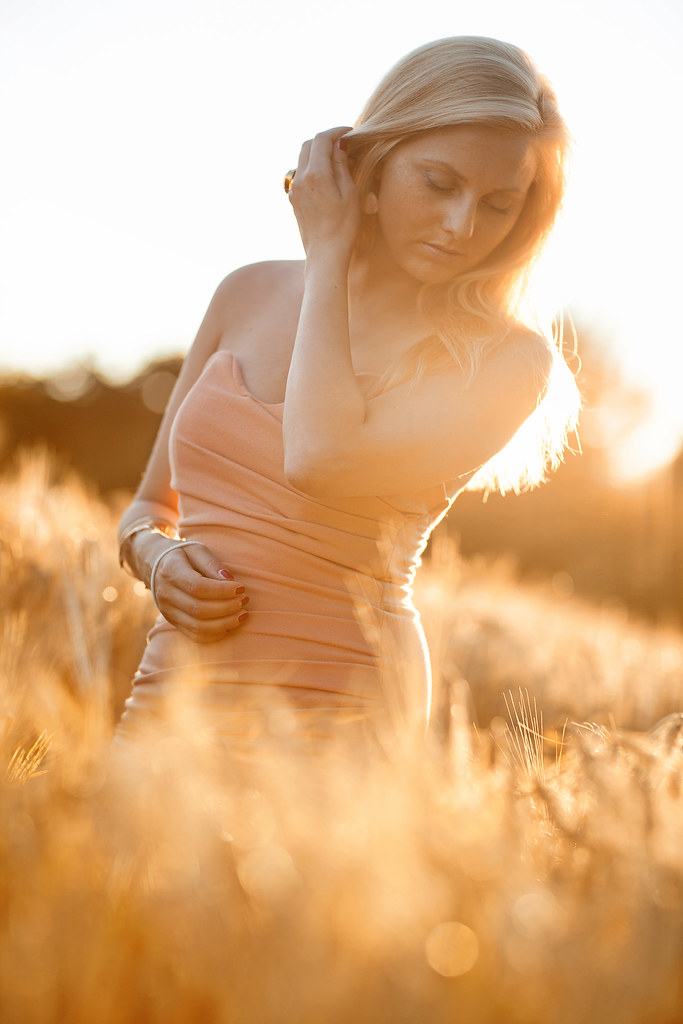
golden light

So – you can use artificial light but no your speed light or any studio lights – just what is there in the setting you’re shooting in. I hope that makes sense!

Once you’ve taken your ‘Available Light’ photos, upload your best ones to your favourite photo sharing site either share a link to them even better – embed them in the comments using the our comments tool to do so.

who am i?

If you tag your photos on Flickr, Instagram, Twitter or other sites with Tagging tag them as #DPSAVAILABLELIGHT to help others find them. Linking back to this page might also help others know what you’re doing so that they can share in the fun.

Also – don’t forget to check out some of the great shots posted in last weeks Soft challenge – there were some great shots submitted.

Post originally from: Digital Photography Tips.

Check out our more Photography Tips at Photography Tips for Beginners, Portrait Photography Tips and Wedding Photography Tips.

Available Light Portraits: Weekly Photography Challenge


Digital Photography School

 
Comments Off on Available Light Portraits: Weekly Photography Challenge

Posted in Photography


7 September, 2013 – A Free Video Interview with Thomas Knoll

07 Sep

Thomas Knoll is the co-inventor of Photoshop. We have just placed on-line a free 47 minute long streaming video interview between Thomas, Michael and Kevin.

In it Thomas talks about the origins of Photoshop, the concerns that people have had with moving to "the cloud", and the new solution for photographers which Adobe has just announced.

This is both an informative and timely discussion.

"Having been to Antarctica with Michael and Kevin, I would say after having traveled the world and shot nearly my entire life as an exhibiting photographer,  it was one of my highlights in my life and I talk about it, all the time.  The images and experience of seeing something visionary and nearly extinct from the world, to see and experience the wildlife and scenery that does not fear humans is amazing.  The images I shot there won me two Smithsonian awards and nearly 18 other international awards". – Tim Wolcott

 Find Out More Now
These Expeditions Will Sell Out Quickly. They Always Do


The Luminous Landscape – What’s New

 
Comments Off on 7 September, 2013 – A Free Video Interview with Thomas Knoll

Posted in News


Augenschmaus: Cupcakes mit Hafer und Baiser

07 Sep

Ein Beitrag von: Laura Kluczny

Kleine süße Törtchen für jede Gelegenheit: Das sind für mich Cupcakes. Und wenn man diese mit ein bisschen Ideenreichtum aufpeppt, kommen leckere Kunstwerke dabei heraus. Wie meine Naschwerke mit Johannisbeeren, Haferflocken und Baiser. In drei Worten: Knackig, säuerlich-süß und zart!

Natürlich bedarf es bei den kleinen Leckereien etwas Arbeit, aber es lohnt sich! Denn die Cupcakes werden schnell mit Komplimenten wie „Oh, sehr lecker!“ oder „Mmmnh!“ belohnt. Wunderbar geeignet als Mitbringsel bei einer kleinen Gartenparty.

Portionen: 12 Stück
Zeit: zirka 1 Stunde

Zutaten

Für den Teig:

400 g Johannisbeeren
150 g Zucker
100 g Butter
150 g Weizenmehl
150 g Dinkel-Vollkornmehl
2 gehäufte TL Backpulver
80 g Haferflocken
2 Eier
200 ml Buttermilch
1 Prise Salz

Für die Creme:

3 Eiweiße
100 g Zucker
100 g Johannisbeeren

© Laura Kluczny© Laura Kluczny

Zubereitung

Johannisbeeren waschen und entstielen. Dabei zwölf Rispen zur Dekoration beiseite legen. Die Beeren mit 50 g Zucker mischen. Butter in Flocken mit 100 g Zucker in eine Schlüssel geben und schaumig rühren. Die Eier nach und nach unterrühren. Dann beide Mehle, Backpulver, Haferflocken und Salz vermischen und unter die Buttermasse rühren. Die Buttermilch unterrühren und die Johannisbeeren behutsam unterheben.

Nun den Teig in die im Muffinblech liegenden Förmchen füllen. Anschließend 20 Minuten bei ca. 175° C (Umluft 160° C) backen. Drei Eiweiße in einem fettfreien, hohen Gefäß steif schlagen. Den Zucker unter Rühren hineinrieseln lassen und etwa 3 Minuten weiterrühren. Die Johannisbeeren vorsichtig unter die Eimasse heben.

Den Eischnee in einen Spritzbeutel füllen und auf die Törtchen spritzen. Dann die Cupcakes noch einmal für etwa 10 Minuten bei 175° C in den Ofen schieben, bis die Eimasse leicht bräunlich wird.

Fotorezept

Ich habe mit einer Canon EOS 600D und dem Objektiv Canon EF-S 55-250mm fotografiert. Dabei kam eine weit geöffnete Blende und eine geringe Verschlusszeit zum Einsatz, damit eine schöne Tiefenschärfe entstand. Zwei helle Holzplatten dienten als kleines Studio. Zudem fotografiere ich meine Cupcakes immer in einem Übergang, der auf beiden Seiten eine große Fensterfront hat. An diesem Tag hatte ich sehr angenehmes Tageslicht.

~

Du hast auch ein leckeres Rezept und die passenden Food-Fotos dazu, die einem das Wasser im Munde zusammenlaufen lassen? Dann werde einfach selbst Teil von „Augenschmaus“!


kwerfeldein – Fotografie Magazin

 
Comments Off on Augenschmaus: Cupcakes mit Hafer und Baiser

Posted in Equipment