RSS
 

Archive for September, 2013

SanDisk introduces first CFast 2.0 memory card

13 Sep

cfast_thumb.png

Cementing its commitment to the ‘CFast’ standard, SanDisk has introduced the Extreme Pro CFast 2.0 memory card, the first of its kind. The card boasts read speeds of up to 450MB/s and write speeds of up to 350MB/s, and will be sold with 60 or 120GB of storage. As a competitor to the Nikon-backed XQD standard, this first CFast 2.0 card is introduced alongside with an ARRI AMIRA documentary-style camera that records to internal CFast 2.0 cards. Click through for more details and full press release.

News: Digital Photography Review (dpreview.com)

 
Comments Off on SanDisk introduces first CFast 2.0 memory card

Posted in Uncategorized


Wait! It’s Not What it Looks Like!

13 Sep

That's pretty much what I had to tell my wife, the first time she saw this baby in my basement.

And yeah, I do know what it looks like. Doesn't help that it has the words "Wizard Stick" printed on the other side of it, either.

But actually, this thing is a hand-held, AA-powered fog machine. Yeah it is…

Read more »
Strobist

 
Comments Off on Wait! It’s Not What it Looks Like!

Posted in Photography


5 Mobile Photography Accessories You Will Never Leave Your Home Without

13 Sep

I don’t know a single photographer who would think a Canon L lens-shaped coffee cup is something not absolutely amazing! Today, web stores are packed with mobile photography accessories you could only imagine: Camera-resembling iPhone cases, camera-shaped keychains, various photo-filters and hotshoe mounted levels. All of them arouse the “I-want-it-now” feeling and make your hand click the “Add-to-cart” button without Continue Reading

The post 5 Mobile Photography Accessories You Will Never Leave Your Home Without appeared first on Photodoto.


Photodoto

 
Comments Off on 5 Mobile Photography Accessories You Will Never Leave Your Home Without

Posted in Photography


Bitte nachmachen!

13 Sep

Ein Beitrag von: Katrin Dinkel

Nach nunmehr zwei Jahren Auszeit gebe ich der Kitafotografie eine zweite Chance. Ich gehe mit neuen Augen an die Sache heran und möchte ein paar konkrete Ansätze zeigen, wie es möglich ist, die alte Kruste der alljährlich wiederkehrenden, stereotypischen Kinderfotografie aufzubrechen.

Zum Gelingen einer neuen Bildsprache im Wölkchenparadies, das keines ist, gehören nach wie vor zwei Seiten. Die der Eltern und die der Fotografen. Beide Seiten müssen Gefallen daran finden, aber an erster Stelle steht doch die fotografische Herangehensweise, auf die man vertrauen kann, wenn man weiß, dass es anders möglich ist.

Die Eltern sind und bleiben immer in der Komfortzone, sich nicht gezwungen zu fühlen, die Bilder überhaupt kaufen zu müssen. Das macht die Sache im Grunde ganz leicht, muss man doch nur das eigene Risiko kalkulieren, das man als Fotograf eingeht, gesetzt den Fall, dass nicht viele Bilder verkauft werden.

Dieses Risiko ist jedoch noch viel größer, wenn man bei den austauschbaren Bildern bleibt, die man als Eltern jedes verdammte Jahr nur ungern oder gar nicht kauft.

© Katrin Dinkel© Katrin Dinkel

Es trauen sich jedoch offensichtlich nur die wenigsten Fotografen, aus der beliebigen Fließbandarbeit ein hochwertigeres Produkt zu machen. Besteht hier schlichtweg kein Interesse, weil Veränderung oftmals sehr unbequem sein kann? Denn am Risiko kann es doch kaum liegen…

Es gibt genug Fotografen, denen ich zutrauen würde, dass sie es anders machen wollen und können. Also ran an den Speck, nehmt Euch das hier zu Herzen, macht es nach und mischt die Plastikblumentierchenkofferwolkenhimmelstudiofotografie auf! Es lohnt sich, die Resonanz auf meine neuen Fotos gibt mir Recht. Es ist eine gute Zeit für Veränderung.

Die meisten meiner alten Ansätze sind nach wie vor die Basis meiner Arbeit, allem voran steht da meine große Liebe zu Kindern. Ich möchte behaupten, das ist das Wichtigste. Ihr müsst Lust auf diese kleinen Menschen haben, die schon so viel Charakter in sich tragen.

Man braucht das Verständnis für Scheu und Neugierde und die Geduld, auf jedes Kind individuell eingehen zu können, wenn es die Situation verlangt. Kinder wollen erfahren und brauchen Respekt für ihren Raum, in dem sie sich entwickeln.

© Katrin Dinkel© Katrin Dinkel

Knöpfe drücken und auf das Display schauen, steht immer ganz hoch im Kurs beim Spaß. Die Ausgewogenheit, Kinder gewähren zu lassen und ihnen Grenzen zu setzen, ist meine halbe Miete, um an ihre Persönlichkeiten ranzukommen, die ich auf den Bildern haben möchte. Bei mir dürfen Kinder Knöpfe drücken und sie dürfen auch schüchtern ganz und gar und überhaupt nicht lächeln wollen.

Mit manchen Kindern gehe ich gemeinsam vor die Kamera, nehme sie an die Hand, wenn sie sich nicht trauen, weil sie nicht wissen, was da überhaupt passiert und rücke das Fotografieren für einen Moment in den Hintergrund, indem ich selbst mit Neugier auf sie zugehe, Fragen stelle und sie damit ein wenig ablenke.

Der Blick für die Gefühle der Kids lässt sich schärfen, indem man einfach mal versucht, sich daran zu erinnern, wie man sich als Kind oftmals selbst gefühlt hat. Verängstigt und schüchtern einem völlig fremden Menschen gegenüber stehend, der Fotos machen möchte und dann auch noch verlangt, dass man sich auf eine ganz bestimmte Art hinzusetzen hat und lächeln soll, was einem beides als äußerst unbequem erscheint – wie schrecklich.

© Katrin Dinkel© Katrin Dinkel

Ein fremder Mensch, der Grimassen zieht, viel lacht und die Zunge heraus streckt, wirkt auf verschüchterte Kinder sehr viel positiver. Einige Kinder brauchen lange, bis sie genug Vertrauen aufgebaut haben, um sich den Ruck zu geben, aus ganz freien Stücken ins Rampenlicht zu treten.

Denn genau das ist es häufig: Ein Präsentierteller, auf dem sie sich nicht wohlfühlen. Das kennen wir doch nur zu gut von uns selbst! Und dann stehen da auch noch die ganzen Freunde und Nichtfreunde drum heum und beobachten die Szenerie höchst erwartungsvoll.

Warum sollten diese Kinder ihre Zeit nicht bekommen? Nur, weil wir Erwachsenen es verlernt haben, uns Zeit für die eigene Entwicklung zu geben? Ich habe mir zwei Jahre Ruhepause gegönnt, um am Ende mit Freude in die Kitafotografie zurückzukehren. Somit dürfen Kinder auch ihre Zeit bekommen, wenn sie sie brauchen. Es sind ja genug andere Racker da, die nur darauf warten, fotografiert zu werden.

© Katrin Dinkel© Katrin Dinkel

Die Zeit ist aber auch ein wichtiger Punkt, der durchaus erschwerend für diese Arbeit hinzukommt. Zeitdruck ist die unpersönliche Basis, die das solide Fundament der kinderunfreundlichen Fotografie darstellt. Zeit ist Geld und je mehr Kinder in kürzester Zeit durchgeschleust werden, desto günstiger kann man seine Dienste anbieten und bleibt wettbewerbsfähig. Wirklich?

Natürlich möchte auch ich alle Kinder fotografieren und da sind ja auch noch die Geschwister- und Gruppenfotos. Die einzelnen Abteilungen können gut und gern eine Stärke von über 40 Kindern haben und sowohl altersbedingt, als auch aus Platzmangel sind die Essenszeiten innerhalb einer Gruppe durchaus unterschiedlich.

Dann möchte ich das Gruppenfoto machen und muss feststellen, dass ein Teil der Kinder bereits beim Essen sitzt. Und es gibt Einrichtungen, in denen es 20 bis 30 Geschwisterpaare gibt – puhhhh. Darauf muss man sich einlassen und trotzdem nicht unter Druck geraten oder in Hektik ausbrechen.

© Katrin Dinkel© Katrin Dinkel

Es brauch wirklich etwas mehr Zeit, damit es unter keinen Umständen doch in eine Fließbandarbeit ausartet. Im Klartext heißt das, dass ich persönlich einen Vormittag pro Gruppe kalkuliere und optional noch einen zusätzlichen Vormittag, um fehlende Aufnahmen nachholen zu können. Seien es fehlende Kinder-, Gruppen- oder Geschwisterbilder.

Soweit spiegelt das meine ursprüngliche Arbeitsweise wider, allerdings spare ich durch meinen neuen Ansatz auch viel Nacharbeit, weil ich die Bilder nicht mehr mühselig sortieren muss, da ich alle Portraits nacheinander aufgenommen habe.

Meistens bin ich bereits während des restlichen Tages mit dem Sortieren und der Bearbeitung der jeweiligen Gruppe fertig. Das lässt auch die Preise erschwinglich bleiben, ohne dass ich auf einen Nettostundensatz von 2 – 4 € falle, was den Sinn einer Selbstständigkeit wieder zunichte machen würde. Man kann sich selbst ausrechnen, wie teuer man eine Mappe anbieten muss.

© Katrin Dinkel© Katrin Dinkel

Anspruchsvolle Fotografie muss nämlich nicht zwangsweise auch mit anspruchsvollen Preisen einhergehen. Man sagt mir zwar oft, dass ich meine Bilder unter Wert verkaufe, aber über Wert und Wertigkeit bestimme immer noch ich selbst. Und nicht zuletzt auch die Eltern, denen ich lieber tolle Bilder ihrer Kinder möglich machen möchte, als meinen sonst üblichen Stundensatz in Rechnung zu stellen.

Auch, wenn es Fotografen gibt, die für schlechte Bilder gerne mal 18 € pro Abzug verlangen, werde ich mich weigern, meine Preise ins Unermessliche zu steigern, dennoch sollte auch klar sein, dass ich eine komplette Mappe nicht für 12 € anbiete, was in Berlin leider durchaus üblich ist. Dann gebe ich lieber die Möglichkeit, einen einzelnen Abzug zu kaufen, denn nicht jeder kann sich eine ganze Mappe leisten.

© Katrin Dinkel© Katrin Dinkel

Soviel zu Zeit, Geduld und Verständnis, die Liebe zu Kindern und der richtige Umgang mit ihnen, ganz viel Freude und Spaß und die wirtschaftliche Sicht auf den Verdienst. Man brauch natürlich auch noch die passende Leidenschaft zur Fotografie, aber mit alldem lässt sich schon eine ganze Menge anstellen.

Aber ich will auch ehrlich sein: Es ist nicht gerade wenig, was man von vornherein mitbringen muss und wer mit Kindern nicht geduldig umgehen mag oder kann und für den das alles eher anstrengend ist, als dass es Spaß macht, der sollte sich lieber überlegen, welche Betätigungsfelder für ihn besser geeignet wären.

Abschließend möchte ich noch ganz kurz auf die Technikfrage eingehen und ein paar Ideen einbringen, wie man Kinder spielerisch vor der Linse beschäftigen kann.

© Katrin Dinkel© Katrin Dinkel

Ich arbeite mit nur einem Blitzkopf und einer Softbox (Elinchrom Ranger Quadra und Rotalux Deep Octa 70cm). Meine Kamera packe ich auf ein Stativ und hänge noch die Kabellage meines Funkauslösers dran. Ein passender Hintergrund findet sich immer, man muss eben nehmen, was gegeben ist und daraus das Beste machen. Hierbei achte ich vor allem auf die Strukturen der Wände und etwas Platz, denn es springen ja doch eine Menge kleine Wildfänge umher.

Meine Erfahrung hat gezeigt, dass Kinder zwar sehr neugierig sind, aber instinktiv eher vorsichtig mit der Technik umgehen. Ich zeige ihnen immer gern, was ich da mache und erzähle auch, wofür ich das ganze Zeug brauche. Kaum ist die Neugier gestillt, geht’s auch schon los.

© Katrin Dinkel© Katrin Dinkel

Anfangs mache ich mit jedem Kind ein paar Test-Aufnahmen, um zu zeigen, wie hell das große, seltsame Ding mit dem weißen Tuch wird, wenn ich ein Foto mache. Dabei kommen oftmals schon die besten Bilder zustande. Ich sage den Kindern, dass sie das sogar selber machen dürfen und gebe jedem den Auslöser in die Hand.

Es ist so aufregend, wenn man auf das kleine Knöpfchen drückt und dabei der Blitz die erstaunten Augen zum Leuchten bringt. Da ist ja sogar eine Antenne dran und es funktioniert immer noch, wenn man den Drücker in der Tasche versteckt. Die Kinder haben etwas zu entdecken und sie dürfen tatsächlich selber Bilder machen.

Die Begeisterung steigert ihren Ausdruck und ich hole mir ganz nebenbei noch genug eigene Bilder, indem ich selbst die Kamera auslöse. Welche Verwunderung, wenn ein Kind gar nichts gemacht hat und es trotzdem blitzt.

Nachdem ich mir den Auslöser zurückgeholt habe, mache ich noch ein paar „echte“ Aufnahmen. Die Kappe hat doch noch gar nicht richtig gesessen, kurz mal absetzen, dann wieder aufsetzen. Das Halstuch gerade rücken, das Kleidchen zurechtzupfen. Die Haare verwuscheln und wieder in Ordnung bringen und die Spange noch einmal neu festklipsen und – schwupps – sind die Bilder im Kasten.

Ein kleiner Zauber für ein paar Minuten.

© Katrin Dinkel© Katrin Dinkel

Die meisten Kinder können es kaum erwarten, selbst dieses kleine Spiel zu spielen. Die Schüchternen schauen noch eine Weile zu und irgendwann wollen dann auch sie mal an die Reihe kommen. Die wenigen Ausnahmen, die es immer mal wieder gibt, hole ich mir dann einfach doch noch im freien Spiel.

Ich habe ein Schema entwickelt, das sich an Spaß und Respekt orientiert, die Kinder voll in das Geschehen mit einbindet und ihnen genug Raum lässt, selbst entscheiden zu können, wann und wie die Bilder entstehen.

Lassen wir künstliche Hintergründe und gequältes Lächeln, für wen auch immer, bitte öfter mal beiseite. Es gibt unzählige Eltern und noch sehr viel mehr Kinder, die es Euch danken werden!

Und wie sehr ich Euch danken werde, wenn meine Worte und Bilder zu kinderfreundlichen und schöneren Kitafotos beitragen. Ich kann das nicht allein, liebe Kollegen und Eltern. Die Kinder brauchen unser aller Umdenken dafür.

Kinder wollen verzaubert werden und nicht als Statist in einem statisch gestellten Foto eine Rolle spielen, die sie nicht verstehen.


kwerfeldein – Fotografie Magazin

 
Comments Off on Bitte nachmachen!

Posted in Equipment


Apple adds support for Olympus E-P5 in latest Raw compatibility update

13 Sep

shared:Aperture.png

Apple has released version 4.09 of their Raw Compatibility software for Aperture and iPhoto ’11. This update adds support for the Olympus PEN E-P5, and also restores lens correction to the Sony Cyber-shot DSC-RX100. There’s an additional fix related to white balance for images from Nikon cameras that have been edited in third party software.

News: Digital Photography Review (dpreview.com)

 
Comments Off on Apple adds support for Olympus E-P5 in latest Raw compatibility update

Posted in Uncategorized


Clear Skies Ahead: Quest for a Complete Global Aerial Atlas

13 Sep

[ By WebUrbanist in Conceptual & Futuristic & Technology. ]

altas generation stack algorithm

If you have ever zoomed out in Google Maps (or Mapquest, Yahoo or Bing), you may have been surprised find your field of view relatively unclouded by inclement weather patterns, yet marred by strange and inconsistent seasons. Instead of a continuous satellite view, you see an apparent patchwork quilt of misfit images, incoherently stitched together.

atlas global clouded default

MapBox (which powers FourSquare among other services) is on a mission to make satellite images not only more beautiful but also more consistent and comprehensible. Their task begins with eliminating blurry landscapes, strange seams and the surreal endless summer you see on other aerial images of the globe, but the potential scope of the project goes far beyond that as well.

atlas stacked pixel maps

Talking to Wired, Charlie Loyd describes how the company is sifting through data from Terra and Aqua, two orbiting NASA satellites, to solve this problem pixel by pixel: “For the new release we’re processing two years of imagery, captured from January 1, 2011 through December 31, 2012. This amounts to over 339,000 16-megapixel+ satellite images, totaling more than 5,687,476,224,000 pixels. We boil these down to a mere 5 billion or so.”

atlas consistent cloud free

The industry paradigm is to combine parts of images representing the clearest available shots, but the result can create a clash of color from various seasons. Simply overlapping all of the different possibilities creates a mess of indistinct brown, which is not terribly attractive or useful either. Thus a middle road was found: stacking the images, sorting them by cloudiness, selecting pixels from each picture and filtering around peak growth periods. The result is a consistent yet naturally texture-rich whole both synthetic in composition yet ultimately organic in origin at the same time.

atlas mapbox future potential

The goal for now is to create a single seamless atlas that wraps the world, accurately (but with an eye towards aesthetics) reflecting what the planet actually looks like from above while also being useful in real-life mapping. Future potential iterations, however, could evolve beyond just looking and working best in traditional contexts: “If you do a web search for, say, infrared remote sensing, you’ll get an idea of the richness of possibilities, and you can start to imagine the cross-cutting inquiries that these large, open archives of multi-spectral satellite data enable,” writes Loyd. “Glaciers, wildfires, crops, droughts and floods, cities and forests, surface temperature, plankton blooms, seasonal dynamics, even smog –- it’s all there. It just needs a little work to see clearly.” 

Share on Facebook


[ By WebUrbanist in Conceptual & Futuristic & Technology. ]

[ WebUrbanist | Archives | Galleries | Privacy | TOS ]


WebUrbanist

 
Comments Off on Clear Skies Ahead: Quest for a Complete Global Aerial Atlas

Posted in Creativity


The Drama of Light

13 Sep

Dramatic light

 Andrew S. Gibson is the author of Mastering Photography: A Beginner’s Guide to Using Digital Cameras, on offer now at Snapndeals for a limited time.

There are two sides to learning photography, the technical and the creative. Technique is important, as you need to understand what aperture, shutter speed and ISO do to the look of the photo. You also need to get the exposure and focus right.

The creative side comes from understanding light and learning how to compose a strong image. This takes time, is subjective and takes longer to learn.

Dramatic light

The magic happens when the two come together, something I stress in Mastering Photography. I refer to this as the ‘Creative triangle’. The concept to grasp is that while you can learn how to use every single function on your digital camera, it doesn’t help you much if you have no understanding of light or the fundamentals of composition. The three go together.

Dramatic light

One way to create a strong, eye-catching image is to use dramatic light. This is how my dictionary defines the adjective ‘dramatic’:

1. Of or relating to drama or the performance or study of drama.

This makes me think of a spotlight lighting an actor on a stage.

2. Sudden and striking, exciting or impressive, theatrical.

So it seems that a type of light that appears suddenly (such as through a break in a storm), or that is exciting, impressive or theatrical (the drama reference again) in some way, is dramatic.

My thesaurus throws up some interesting synonyms for the word dramatic, such as exciting, stirring, sensational, spectacular, startling, unexpected, remarkable, extraordinary, exceptional and phenomenal.

The more I think about it, the more I realise that one of the reasons dramatic light has such an impact is because, by its nature, it occurs rarely.

That’s good news for hard-working photographers, as you can increase the odds of experiencing dramatic light by putting yourself in situations where it is likely to occur. Here are some ideas:

Dramatic light

Take advantage of stormy or otherwise dramatic weather. I created this image from a lookout just before a huge rainstorm hit. Be careful in storms – don’t put yourself somewhere where you might get struck by lightning, and make sure you have some sort of waterproof camera bag or wrapping for your camera.

Dramatic light

Get out at the end of the day. The quality of the light is often both beautiful and dramatic at the end of the day. You never know what might happen as the sun sets. It might cast rays of light through a break in the clouds, or give you amazing colours – but you’ll never know if you’re not there.

Searching for dramatic light in nature is a little hit and miss – sometimes you will get yourself in position when conditions look promising and nothing exciting happens. You may even live somewhere with a climate that rarely gives the weather conditions required for dramatic light.

Dramatic light

Take control by putting dramatic light into the scene yourself. The above photo is a good example. My model span a fire hoop (a hoop with kevlar wicks that you can dip into fuel and set alight) during an exposure of eight seconds. The light from the flames was very dramatic and gave a red colour cast to the background.

Dramatic light

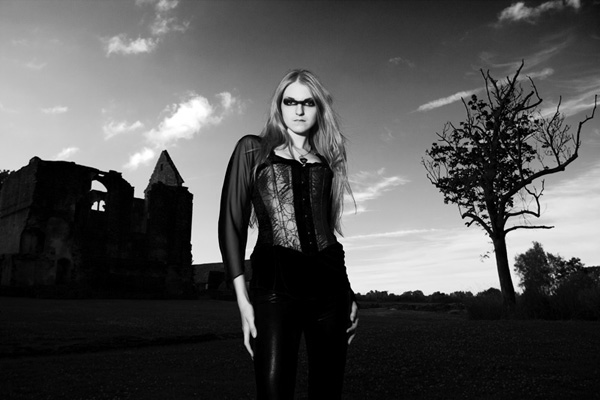
Add drama with portable flash. In this example I set an exposure that darkened the sky and rendered the tree and ruined building as dramatic silhouettes. I then used portable flash to light my model. It takes a while to learn how to use portable flash well, but the advantage is that you can use it just about any situation to add dramatic light.

Mastering Photography

Dramatic light

My latest ebook, Mastering Photography: A Beginner’s Guide to Using Digital Cameras introduces you to digital photography and helps you get the most out of your camera. It covers concepts such as lighting and composition as well as the camera settings you need to master to take photos like the ones in this article. It’s available now at Snapndeals for a special price for a limited period.

Post originally from: Digital Photography Tips.

Check out our more Photography Tips at Photography Tips for Beginners, Portrait Photography Tips and Wedding Photography Tips.

The Drama of Light


Digital Photography School

 
Comments Off on The Drama of Light

Posted in Photography


Olympus OM-D E-M1 – Review extended with more AF insights

13 Sep

E-M1.jpg

We’ve had more time to shoot with the Olympus E-M1 and have extended our coverage of its AF performance. In addition to incorporating real-world Continuous Autofocus examples and commentary, we’ve also spent more time shooting with it alongside an E-5, to see exactly how the two compare, and amended our impressions accordingly.

News: Digital Photography Review (dpreview.com)

 
Comments Off on Olympus OM-D E-M1 – Review extended with more AF insights

Posted in Uncategorized


13 September, 2013 – Panasonic GX7 Field Report

13 Sep

Though Compact System Cameras, including MFT, remain underdogs in North America and European markets, this is currently the segment with the most innovation.

I recently had an opportunity to work for a week in Mexico with the new Panasonic GX7shipping very soon – and found it to be the best MFT camera yet. Both stills image quality and video capability are first rate.

My Field Report on the Panasonic GX7 is now online. 

"Having been to Antarctica with Michael and Kevin, I would say after having traveled the world and shot nearly my entire life as an exhibiting photographer,  it was one of my highlights in my life and I talk about it, all the time.  The images and experience of seeing something visionary and nearly extinct from the world, to see and experience the wildlife and scenery that does not fear humans is amazing.  The images I shot there won me two Smithsonian awards and nearly 18 other international awards". – Tim Wolcott

 Find Out More Now
These Expeditions Will Sell Out Quickly. They Always Do


The Luminous Landscape – What’s New

 
Comments Off on 13 September, 2013 – Panasonic GX7 Field Report

Posted in News


Introducing The Keyprop Phone StandAnd Its iPhone 5c/5s Compatible Friends

13 Sep

Extra photos for bloggers: 1, 2, 3

Meet the Keyprop, a tiny gizmo that helps your phone stand up for itself, so you’re free to jump into the shot or record a video with absolutely no camera wobble.

The Keyprop is the same size and shape as a key – it fits on your keychain so it’s always there when you need it!

This gadget works with any camera phone (even the new iPhone 5c and 5s)! Just snap it into your headphone jack or lightning port to prop your phone up.

Use your other keys to set your phone at just the right angle to capture a handsfree selfie or a shake free timelapse.

Check Out The Keyprop
$ 12 at the Photojojo Store

 Tweet it!      Share


Photojojo Cell Lens Series

Grab iPhone sized fisheye, wide-angle, macro and 2x telephoto lenses that you can switch up on the quick.

They change your view while you’re shooting and add a pro touch to your iPhone pix.

Photojojo Cell Lens Series
$ 49 at the Photojojo Store


Macro Lens Band

Take advantage of the iPhone 5c and 5s’s extra large pixels with the Macro Lens Band.

It’ll pick up the tiniest details from within 1-2 inches of your subject, and adds stunning depth of field.

Macro Lens Band
$ 15 at the Photojojo Store


iPhone Shutter Remote

The iPhone Shutter Remote uses bluetooth to let you take photos from afar.

Take super selfies with the new HD front-facing camera without getting your outstretched arm in the shot.

iPhone Shutter Remote
$ 40 at the Photojojo Store


The SlingShot

The Slingshot gives you a stable way to grip your phone for steady panning shots.

Just what you need to make your slo-mo videos extra buttery smooth.

The Slingshot
$ 20 at the Photojojo Store


iPhone Wrist Strap

Keep your new iPhone buddy close, and look good doing it in real leather (just like the 5s’s new snazzy cases).

The iPhone wrist strap will save your iPhone 5c/5s from plunging to an untimely demise.

iPhone Wrist Strap
$ 35 at the Photojojo Store


Related posts:

  1. 12 iPhoneography Gadgets for Your Future iPhone 5 So you’re 90% sure you’re getting an iPhone 5 this…
  2. The Polaroid iPhone Decal: Turn Your Phone into a OneStep! Your iPhone4 is the Swiss army knife of the mobile…
  3. Introducing Two iPhoneography Must-Haves Leaving the house with your DSLR means never leaving your…


Photojojo

 
Comments Off on Introducing The Keyprop Phone StandAnd Its iPhone 5c/5s Compatible Friends

Posted in Equipment