RSS
 

Archive for May, 2013

Musical Urban Design: Rube Goldberg-Style Rain Drains

29 May

[ By WebUrbanist in Architecture & Cities & Urbanism. ]

facade art

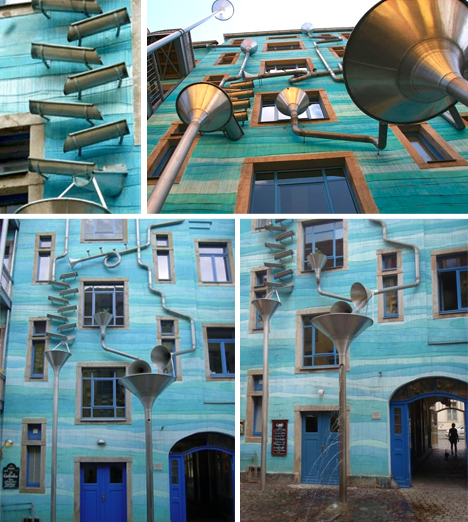
Architects go to elaborate lengths to hide the passage of water from the walls and roofs of buildings, but in this case, an interactive and artistic facade features the process prominently instead, turning the flow of liquid into music for passers by.

facade water channel art

Kunsthof Passage in Dresden features a typical urban German experience: a series of cute small shops and quaint restaurants tucked into tunnels and courtyards and removed from the main streets.

facade artworks

But it is more than that as well, thanks in part to the work of Heike Bottcher and others who contributed to turning the facades of structures facing its primary courtyard area into colorful works of musical art.

facade interactive urban art

And, at the end of the sequence, channeled water flows out into a rain station where people can play, rinse their hands or let their pets romp through the result of this strange chain of channels.

Share on Facebook


[ By WebUrbanist in Architecture & Cities & Urbanism. ]

[ WebUrbanist | Archives | Galleries | Privacy | TOS ]


WebUrbanist

 
Comments Off on Musical Urban Design: Rube Goldberg-Style Rain Drains

Posted in Creativity


Head-to-Head: Canon PowerShot G15 vs Nikon Coolpix P7700

29 May

headtohead2.jpg

We’ve just posted our head-to-head review of the Canon PowerShot G15 and Nikon Coolpix P7700. These two 12MP zoom compacts have comparable designs and share a lot of similar features, but which one is best for you? We’ve run them through a series of studio and real-world tests to find out. Click through for links to our head-to-head review.

News: Digital Photography Review (dpreview.com)

 
Comments Off on Head-to-Head: Canon PowerShot G15 vs Nikon Coolpix P7700

Posted in Uncategorized


Head-to-Head: Canon PowerShot G15 vs Nikon Coolpix P7700

29 May

headtohead2.jpg

We’ve just posted our head-to-head review of the Canon PowerShot G15 and Nikon Coolpix P7700. These two 12MP zoom compacts have comparable designs and share a lot of similar features, but which one is best for you? We’ve run them through a series of studio and real-world tests to find out. Click through for links to our head-to-head review.

News: Digital Photography Review (dpreview.com)

 
Comments Off on Head-to-Head: Canon PowerShot G15 vs Nikon Coolpix P7700

Posted in Uncategorized


Buy our New Trick Photography eBook and Go into the Draw to a DLSR or Lens to the value of $1500

29 May

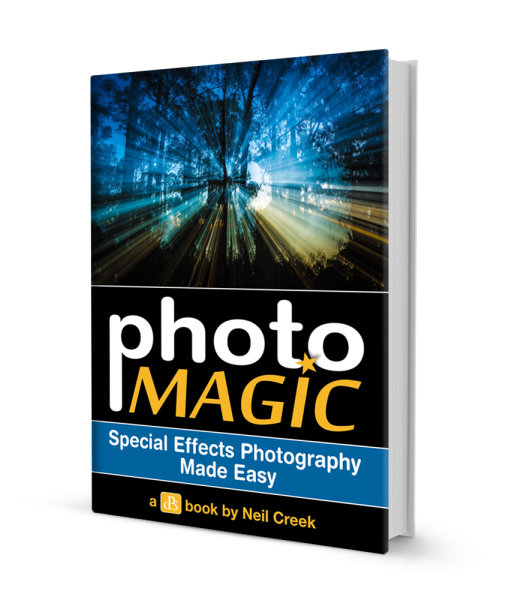
Last week we let you know about our brand new Trick Photography eBook with a 25% discount for early birds.

Whilst only a week old, this eBook is already inspiring thousands of people to charge out of their creative comfort zone, knowing they have one of the best in the business by their side.

Given the popularity of this ebook in such a short time, we’re going to up the ante a little more

On top of the tidy 25% discount you already get, order in the next two weeks and you’ll also go into the draw to win a new DLSR or a new lens to the value of $ 1,500 USD!

The Prize

The winner can choose either a new DLSR or combination of lenses to suit their needs up to the value of $ 1500 USD.

The winner can choose to spend their $ 1500 USD on a single camera or lens. Alternatively they might choose to buy 2-3 lenses (as long as the total does not exceed $ 1500 USD).

So, Canon owners can choose Canon mount lenses. Nikon owners can choose Nikon mount lenses. Micro 4/3 camera owners can choose lenses to suit their cameras.

FAQ

Based upon previous competitions I know we’ll get a number of questions on this so here’s some FAQs:

  • What if I already purchased Photo Magic? You’re in the draw and don’t need to do anything else.
  • Is this open to all international readers?  Yes. We’ll ship the lenses to you anywhere at our cost. Our preference is to use B&H Photo and Video but if you live outside of their delivery area we’ll work with a local supplier to get your prize to you.
  • Can I enter more than once?  No, there is only one entry per person. Multiple purchases of the eBook only get you one entry.
  • Are there any conditions of entry?  Yes, just one. The only condition of entry is that you allow us to publish your name on the blog when you’re drawn as a winner (we’ll keep any other details private). This way everyone will know who has won (we’ve previously had winners ask not to be named which has been difficult to be transparent about winner announcements).

Here’s the deal in a Nutshell

Buy Photo Magic before Tuesday 11th June and you get:

  • 25% off the eBook – worth $ 19.99, you get it for $ 15
  • An entry into the $ 1500 USD DLSR or lens giveaway
  • Plus (and most importantly) you’ll come away from reading the eBook with some amazing trick photography skills – this eBook teaches you how to take photos your friends and family won’t believe are possible!

To enter, simply buy Photo Magic before midnight on Tuesday 11th June (Eastern US time). We’ll draw the winner that evening and notify them of their win and then publish their name here on the dPS blog. If the winner doesn’t respond within 7 days we’ll draw another winner and publish their name on the blog.

As this post goes up you have 2 weeks to take advantage of this offer – so don’t hesitate and pick up your copy of Photo Magic here today!

Post originally from: Digital Photography Tips.

Check out our more Photography Tips at Photography Tips for Beginners, Portrait Photography Tips and Wedding Photography Tips.

Buy our New Trick Photography eBook and Go into the Draw to a DLSR or Lens to the value of $ 1500


Digital Photography School

 
Comments Off on Buy our New Trick Photography eBook and Go into the Draw to a DLSR or Lens to the value of $1500

Posted in Photography


DPReview is hiring! Content Editor and Software Manager roles available

29 May

DPRlogo.png

DPReview is hiring! We have two open positions available: we’re looking for an Editor to join our team of writers and reviewers, and a Software Manager. If you’re interested in joining our growing team and you have experience either writing photography-related content for the web, or managing developer teams to launch successful projects, you should click through for more details.

News: Digital Photography Review (dpreview.com)

 
Comments Off on DPReview is hiring! Content Editor and Software Manager roles available

Posted in Uncategorized


Samsung releases source code for NX300 and NX2000 mirrorless cameras

29 May

samsung_nx300.png

Samsung has published the source code for its NX300 and NX2000 mirrorless cameras – the first attempt we’ve seen at offering public access to a mainstream camera’s operating system. The approach, which the company has previously used with its smartphones, stands in stark contrast to other camera manufacturers, which have not engaged with the community of programmers looking to enhance the capabilities of their cameras.

News: Digital Photography Review (dpreview.com)

 
Comments Off on Samsung releases source code for NX300 and NX2000 mirrorless cameras

Posted in Uncategorized


Fury, Asilomar State Beach – Diving Into Digital Medium Format

29 May
Fury - PAsilomar State Beach, California

Fury – Asilomar State Beach, California

This weekend I went out with some new gear to test, namely the Hasselblad H5D medium format DSLR and Hasselblad 300mm f/4.5 lens via BorrowLenses.com. The location of choice was Asilomar State Beach. The H5D has roughly twice the resolution as my Canon 5D Mark II with a whopping 40 megapixels per image.  I had been curious to find out if Hasselblad’s reputation was hype or not. To cut to the chase I’ll tell you that the reputation is justified.  Focusing just on resolution for the sake of this post I’ll tell you that working with a 40 megapixel image is breathtaking especially when Hasselblad optics reveal so much sharp detail.

Fury - Asilomar State Beach, California

Fury – Asilomar State Beach, California

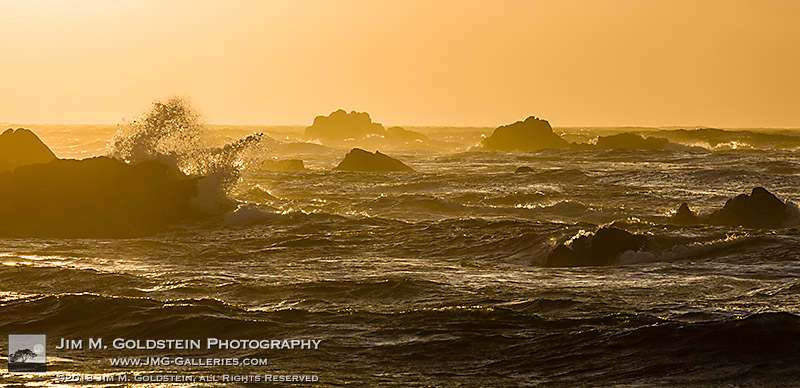
Above is the original image I took (7304 x 4578 pixels) before cropping it down to a ~2:1 ration (7304 x 3539 pixels). This particular composition I knew ahead of time I’d crop down into a panoramic format as much of the extreme background and foreground were uninteresting and unnecessary to include.

Fury - Asilomar State Beach, California - Detail

Fury – Asilomar State Beach, California – Detail

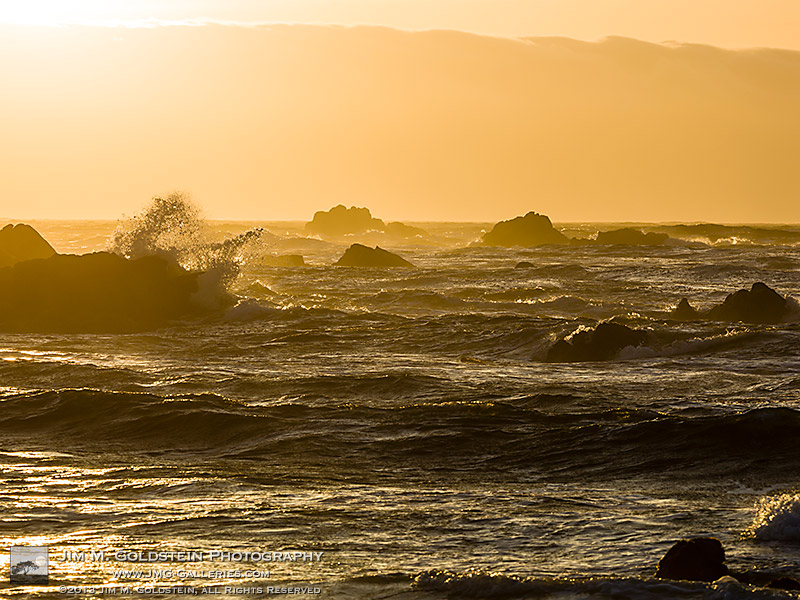
Above is a tighter crop into the image to highlight the sharpness Hasselblad lenses provide.  This particular image was cropped down to 2604 x 1953 pixels and below is a 1 to 1 crop of the original image.

Fury – Asilomar State Beach, California - Hasselblad H5D 1-to-1 crop

Fury – Asilomar State Beach, California – Hasselblad H5D 1-to-1 crop

In case you were curious this was the setup for the previous test shots. Expect a few more photos and thoughts on my experience with Hasselblad in the near future.

Hasselblad H5D and 300mm f/4.5 Auto Focus HC Lens

Hasselblad H5D and 300mm f/4.5 Auto Focus HC Lens

Photo Details:
ISO 100, f/13, 1/350 sec, 300mm on a H5D-40

Copyright Jim M. Goldstein, All Rights Reserved

Fury, Asilomar State Beach – Diving Into Digital Medium Format

The post Fury, Asilomar State Beach – Diving Into Digital Medium Format appeared first on JMG-Galleries – Landscape, Nature & Travel Photography.


JMG-Galleries – Landscape, Nature & Travel Photography

 
Comments Off on Fury, Asilomar State Beach – Diving Into Digital Medium Format

Posted in Equipment


Magic Lantern enables Canon 50D raw video output

29 May

50dfront.jpg

Camera feature modifier Magic Lantern has piqued interest in the 5-year old Canon EOS 50D by enabling video recording on this previously stills-only camera. The development work is still in early stages, but a user has posted raw video footage at 1592 x 720 resolution at 24p. Click through to see why videographers are excited about this newly added feature. (via EOSHD.com)

News: Digital Photography Review (dpreview.com)

 
Comments Off on Magic Lantern enables Canon 50D raw video output

Posted in Uncategorized


Das ultimative Foto

29 May

Wer sich noch in den Anfängen des Fotografierens befindet und voller Elan bei der Sache ist, freut sich natürlich über positives Feedback. Über Kritik kann man sich auch freuen, aber nur mit zusammengekniffenen Arschbacken und viel Idealismus. Doch es kann passieren, dass Mann oder Frau zum Spielball der Kritiker wird. Dem möchte ich heute etwas entgegensetzen.

Leser, die hier auf kwerfeldein aufmerksam mitlesen, werden es schon längst bemerkt haben: Es gibt eigentlich fast keinen einzigen Artikel, bei dem nicht irgendein Leser über irgendein Foto – oder gar den ganzen Stil der Bilder – Unmut äußert.

Hier ein paar Auszüge:

ich weiss nicht – die bilder sind alle sehr dekorativ. aber für mich haben solche montagen auch immer etwas kitschiges.

Mir fehlen raffinierte Schnitte, oder mal eine schöne Formen Zusammenstellung/Muster. Wie gesagt bei den großen Blättern ist schon ein Anfang zu sehen.

Dennoch kann ich den Bilder nicht viel abgewinnen. Die technische Umsetzung gefällt mir nicht, die inhaltliche schon eher (aber mir fehlt das gewisse “Etwas”).

Ich kann mich anderen Kommentaren anschließen: diesen Stil mag man oder auch nicht. Immerhin deckt die Fotografie ein weites Spektrum ab. Die Strukturen bzw. die Darstellung wirkt mir zu gerade, zu linear und leblos.

Leider kann ich weder mit den hier gezeigten Fotos noch mit der angewandten Technik was anfangen. (…) Des Weiteren bin ich immer wieder darüber erstaunt, welche Fotos als toll, stark, grandios, Kunst usw… bezeichnet werden, lediglich aufgrund der eingesetzten Technik.

Das gefühlt 1000ste Holi-Foto von Hinten in den vergangenen Wochen und dann auch noch das Schulterblickhandyklischee…

Mir fehlt dazu – für Doppelbelichtungen – einfach die Phantasie! Ich schaue es mir aber gerne an…

Hat halt, in meinen Augen, leider nichts mit Fotografie zu tun.

Das ist mal wieder nicht meine Welt. Ich brauche immer etwas Greifbares…

Fotografische Selbstbefriedigung mit super gut gemachten Fotos finde ich mehr als überflüssig.

(…) Zudem haben die Bilder weder eine Handschrift – sie sind beinahe beliebig, noch einen einheitlichen Stil.

Von den Bildern her hätte man sicherlich mehr daraus machen können. Aber ob man das muss, ist eine andere Sache.

Beim Lesen der – bewusst aus dem Kontext gerissenen – Kritiken scheinen diese austauschbar und irgendwie… nichtssagend. Die meisten nichtspezifischen könnte ich, wenn ich wollte, unter jeden Artikel setzen, ohne dass dies auffallen würde. Das hängt natürlich damit zusammen, dass Kritiken immer persönlichen Eindrücken unterliegen.

Und damit sind wir schon beim nächsten Punkt: Kritiken wirken oft stärker als reines Lob. Wer einmal aufmerksam Kommentarstränge in solchen Blogs verfolgt, in denen Kommentare mit dem Daumen nach oben gevotet werden können, wird sehen, dass meist diejenigen ganz oben sind, die irgendetwas bemängeln. Dabei haben die Kommentatoren häufig nicht ganz unrecht.

Jedoch ist dieser Vorgang auch auf Blogs – wie diesem Magazin – zu erkennen. Spätestens nach dem achten oder neunten „Super!“-Kommentar findet irgendein Fuchs etwas, was ihm oder ihr nicht passt. Dieser Kommentar wiederum bekommt dann viel Zuspuch und sei es nur mit einem billigen „+1“ oder „Du sprichst mir aus der Seeeeeele!“.

Dabei wirken Kritiken oft nur besonders reflektiert, schlau oder größer als andere, weil sie einfach dagegen und somit die Punks unter den Kirchenchorknaben auf der Fußgängerzone der Blogkommentare sind. Jedoch: Nur, weil ein Kommentar kritisch ist, ist er nicht automatisch mehr wert als ein nicht-kritisierender. Auch, wenn das auf den ersten Blick so wirkt.

Des Weiteren sei zu bedenken, dass eine Kritik nicht automatisch „im Recht“ ist, nur weil sie eine Kritik ist. Sie ist im Gegenzug auch nicht automatisch falsch. Sie ist, genauso wie ein Lob, Ausdruck persönlicher Eindrücke. Nicht mehr und auch nicht weniger.

~

In jungen (Foto-)Jahren kann es passieren, dass gerade Kritiken besonders weh tun, gerade weil die Identifikation mit den eigenen Werken enorm hoch ist und niemand sich anhören will, dass die Fotos „eigentlich für die Tonne“ sind. Verständlich.

Und so kann eine weitere Folge sein, dass man nur noch Fotos machen will, an denen es nichts mehr zu bemäkeln gibt. Fotos, die durch und durch so perfekt sind, dass es dabei allen die Sprache verschlägt und auch der kleinlichste Troll nichts anderes als „WAHNSINN“ herausposaunen muss oder es zumindest nichts mehr zu kritisieren gibt.

Jedoch gibt es diese Bilder nicht. Es wird immer jemanden geben, der irgendetwas an unseren Fotos beliebig, kitschig oder trivial findet. Immer. Das ultimative Foto gibt es nicht.

Jedoch möchte ich Kritiker an sich gar nicht per se ins schlechte Licht stellen. Oft liegen sie mit ihren Worten genau richtig. Nur, was ist die Folge davon?

Ein Beispiel: Ich zeige ein paar Blumenfotos. Stellt sie Euch einfach vor. Kritiker A sagt, sie wären ihm zu bunt und das Bokeh könnte auch cremiger sein. Bei längerem Nachdenken darüber merke ich: Hm, stimmt. Kritiker B sagt, dass die Bildkompositionen in sich nicht einheitlich sind. Ich schaue mir die Fotos an und, ja, stimmt auch. Kritiker C findet, dass bei drei der sieben Fotos nicht die gleiche Ästhetik zu spüren sei. Ich überprüfe das und, och, mjoa, mag auch korrekt sein.

Nur: Bin ich verpflichtet, nur weil alle „recht“ haben, ihnen dieses einzuräumen? Muss ich jetzt meinen Stil der Kritik anpassen? Ich sage: Bullshit.

Denn die Gefahr an der Kritik liegt darin, dass sie überbewertet wird. Denn eins ist sicher: Dann, wenn ich mir alle Kritik zu Herzen genommen und die Blumenfotos noch einmal gemacht habe, finden sich wieder irgendwelche Leute ein, denen „das gewisse Etwas“ fehlt. Ah! War es vielleicht das, was sie bei der ersten Version sahen?

Wirsteverrückt.

Und deshalb möchte ich heute all diejenigen ermutigen, die sich manchmal vor lauter Kritik erschlagen fühlen und manchmal gar nicht mehr wissen, auf wen oder was sie hören sollen. Hört auf Euer Herz und folgt ihm. Scheißegal, was die Leute rumkritteln. Denn das ultimative Foto gibt’s nicht.


kwerfeldein – Fotografie Magazin

 
Comments Off on Das ultimative Foto

Posted in Equipment


Three Tricks for Faking Depth of Field in Your Photos

29 May

Extra photos for bloggers: 1, 2, 3

There was a time when you’d want to stare at a photo for hours but couldn’t quite put your finger on why.

Then you taught yourself a little bit about photography and realized it was a photo’s dreamy depth of field that reeled you in — razor sharp details with a background that slowly fades to a wonderfully creamy blur.

To get really fantastic depth of field, photographers invest in pricey lenses. The good news is there are ways to create the illusion of depth of field without forking over the moola.

We’ll show you three totally accessible tools that’ll help you get a similar effect and will be fun to experiment with, too!

How to Fake Depth of Field

p.s. WE ARE HIRING A WEB DEVELOPER. If you love photography and San Francisco and codes, APPLY HERE.

p.p.s. WE ARE ALSO HIRING AN EVANGELIST/BIZ DEV HERO. Creative deal-maker types, APPLY HERE.

Why It’s Cool

When you look at a picture, your brain does all kinds of neat things to figure out what’s going on, and it just about does it all in a single instant.

Well, we just happen to speak brain! It turns out there are a bunch of cool tricks that can really please your viewer’s eye without them knowing you didn’t use a fancy lens.

We are going to show you three simple creative cheats to control the viewer’s perception of depth of field in your photos. That means you’ll be able to create the illusion that parts of your photo are out of focus while your main subject is crisp and clear.

The Ingredients List!

  • A camera
  • A glass window
  • Or a translucent glass window (or steamed up glass)
  • Or a foggy day

The Fog Method

beforeFog can be a bummer when you’re wishing for sunny weather, but here’s one way to embrace it: use its diffusing super powers to your advantage when you’re out shooting.

When it’s foggy out, objects near you appear clear and things further away are, well, foggy.? That’s the simple principle you’re working with.

Wide open spaces such as lakes or the coast work really well for playing with this concept as mist tends to be heavier over water.

Experimentation is the key, so do try setting your point of focus and exposure at a few different places in the picture to see what effects you get.

TIP: If you find a subject you really like, it can be worth waiting or coming back as the density of fog or mist can change over the course of a few minutes.

Diffuse Details with Glass

beforeGlass is a super accessible tool to get your subject to pop. All you need to do is sit your person just behind the glass.

There are two ways glass works to make your subject stand out.

The first is that anything reflected in the glass is by default slightly diffused. Juxtaposed, your person, who we’ll assume is in focus, looks extra sharp. Simple!

The second is your setting. If the interior that sits behind the glass is dark (which it normally is since it sits farther away from the sunlight that streams in), then your subject will pop for that simple reason.

You’ll create a perceived depth of field by having your subject well-lit and in focus against a dark backdrop and out-of-focus reflections.

TIP: Car windows work really well. The trick with a car is to setup the shot and then to try covering any widows which are letting light fall onto anything but the subject. You’ll be amazed at the effect of simply hanging a jacket to cover the light of an opposite-facing car window.

Translucent Glass for Mega Blur

beforeThe third method is placing your subject behind translucent glass. You might be able to find translucent glass in a store front, a shower door, or create your own by fogging up clear glass with steam.

The way this method works is a little more obvious — translucent glass obscures details as they get further away from it.

?You’ll notice that the hands are in focus, but the body which is only slightly further back starts to get dramatically blurry.

?In this picture, we placed a bedside table lamp in the shower (to the right of the models feet, pointing upwards) to add drama and illuminate her shape. The light from behind the model was from an open window.

Taking It Further

  • Turn a foggy picture upside down to give it an extra ethereal look (like we did above!).
  • Using the third method, Anastasia Mastrakouli made this beautiful alphabet out of photos of nude silhouettes.
  • Another method of getting faking depth of field is the Brenizer Method! Check out our guide.

Related posts:

  1. Get Greater Depth of Field with the Brenizer Method Extra photos for bloggers: 1, 2, 3~Have a cool photo…
  2. Get Sharp Photos with These Easy Tricks Extra photos for bloggers: 1, 2, 3 Getting a once-in-a-lifetime…
  3. 3 Tricks to Turn a Spring Clamp Into Your Best Photo Accessory ~Have a cool photo product or site? Reach 270,000 photo…


Photojojo

 
Comments Off on Three Tricks for Faking Depth of Field in Your Photos

Posted in Equipment