RSS
 

Archive for May, 2013

Amphibious Architecture: Foundations Float Above Floods

11 May

[ By WebUrbanist in Architecture & Houses & Residential. ]

floating homes

Floodwaters rise, drench homes, then recede, leaving disaster in their wake – a temporary change renders many structures permanently uninhabitable. But what if houses could ride out the storms, rising with the tides, then settling back down to the ground when the water is gone?

floating adaptive aquatic architecture

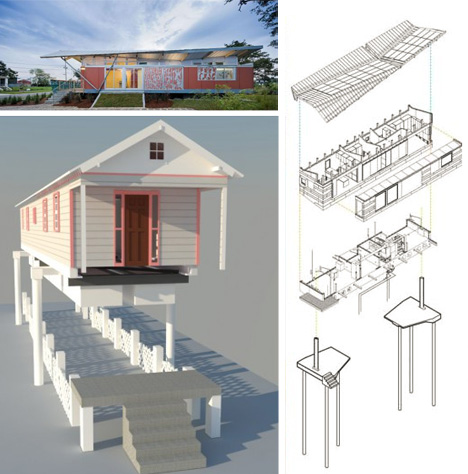
Based on the tragedy of Hurricane Katrina in New Orleans, Morphosis (along with Brad Pitt’s Make it Right Foundation) has designs for new adaptive architecture, while the Bouyant Foundation Project proposes a system for retrofitting existing homes. Each approach would allow structures to do lift off the ground in an emergency and uses regional shotgun-style dwellings as their baseline typology.

floating flood disaster design

BFP outlines a process that involves attaching buoyancy blocks below the home, connecting them to the sub-frame, and installing four corner guideposts to keep the building in place along horizontal axes while allowing it to lift (and settle) vertically on demand.

Connections to utilities (gas, water, power and so forth) would be either severable or extendable, so they could detach and reattach or simply expand and contract as needed. In plan, nothing changes – in elevation, predictable but periodic disasters are accommodated.

Share on Facebook


[ By WebUrbanist in Architecture & Houses & Residential. ]

[ WebUrbanist | Archives | Galleries | Privacy | TOS ]


WebUrbanist

 
Comments Off on Amphibious Architecture: Foundations Float Above Floods

Posted in Creativity


11. Mai 2013

11 May

Ein Beitrag von: Benjamin Schubert

© Benjamin Schubert


kwerfeldein – Fotografie Magazin

 
Comments Off on 11. Mai 2013

Posted in Equipment


Im Gespräch mit Jessica Tremp

11 May

Ein Beitrag von: Jessica Tremp

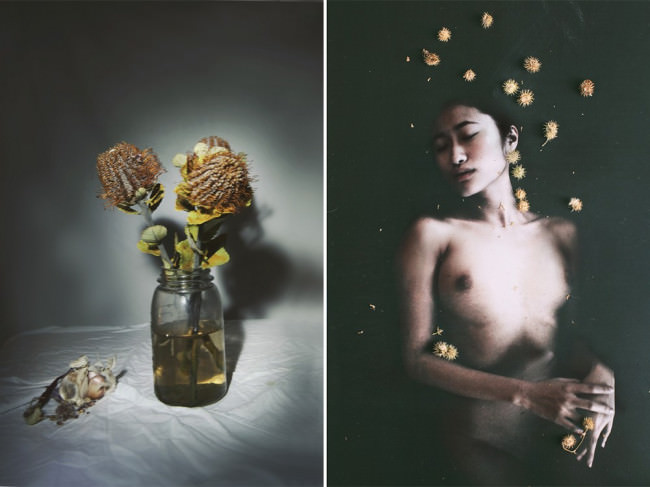
Obwohl die australische Fotokünstlerin Jessica Tremp lieber Bilder als Worte sprechen lässt, konnten wir ihr im Interview ein paar Sätze entlocken. Darüber, wie die Natur sich immer wieder einschleicht, wie Bilder entstehen, die Arbeit mit Menschen vor der Kamera und das Leben an sich.
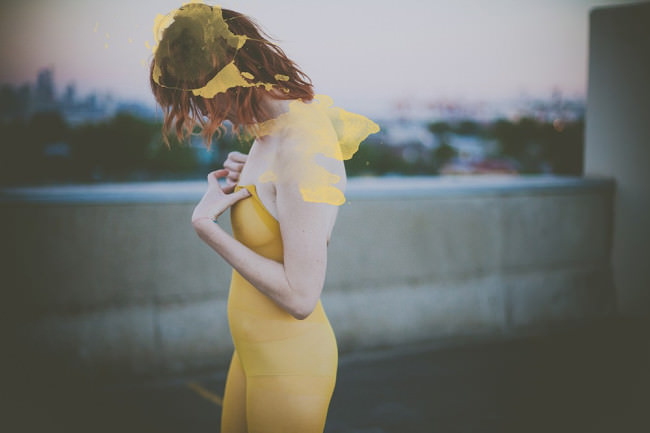
© Jessica Tremp

Hallo Jessica. Danke, dass Du Dir die Zeit für ein Interview mit uns nimmst. Zuerst, erzähl uns doch mal ein bisschen was über Dich: Wer bist Du, was machst Du?

Hallo, mein Name ist Jessica Tremp, kürzliche habe ich die magische 30-Jahre-Grenze überschritten und lebe mit meinem gütigen Musiker-Mann, unserem Sohn Syd und einem geretteten ehemaligen Renn-Windhund namens Soda in Melbourne in Australien. Ich bin praktizierende Fotokünstlerin.

Ich habe schon immer das Bedürfnis verspürt, mich selbst kreativ auszudrücken, angefangen von Tanzen und Singen über Schreiben und Zeichnen, jedoch ist die Fotografie das einzige Medium, das sich fest bei mir eingehakt und mich nicht mehr losgelassen hat.
© Jessica Tremp

Was tut Fotografie oder was gibt sie Dir, was andere Ausdrucksformen nicht können?

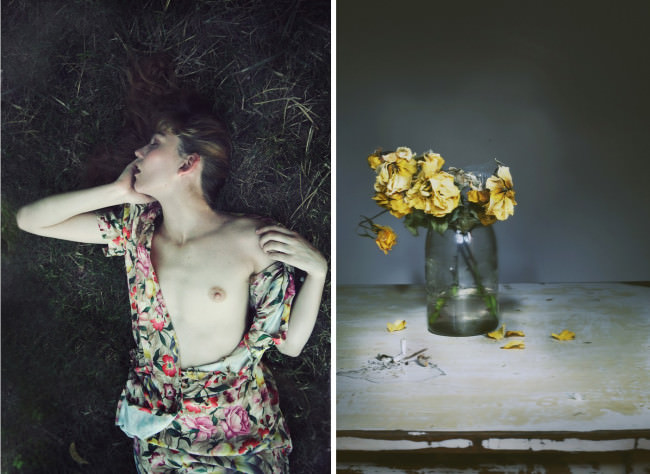
Es ist einfach so passiert, dass die Fotografie am meisten hängen geblieben ist unter all den Formen der Kreativität, in denen ich mich versucht habe. Sie alle geben mir die Möglichkeit, Dinge auf unterschiedliche Arten auszudrücken.

Wäre ich ein besserer Maler, wäre das vielleicht auch ein interessanter Weg gewesen, den ich hätte einschlagen können. Aber ich denke, dass die Fotografie einfach etwas ist, worin ich ganz natürlich besser war.
© Jessica Tremp

Was sind wiederkehrende Themen in Deinen Arbeiten?

Natur, Tiere, Menschen und ein bisschen Melancholie.

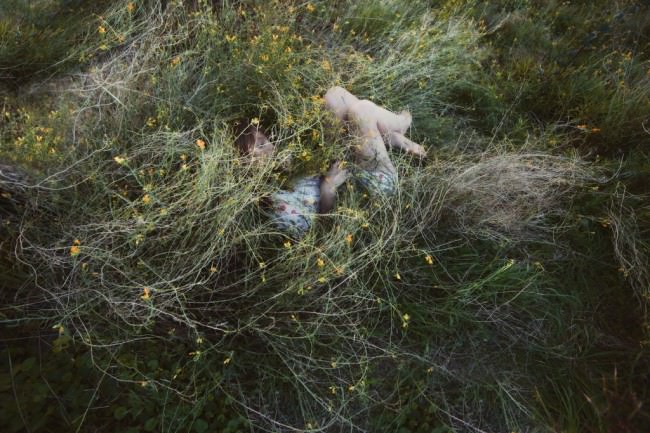
Natur in der Form von Pflanzen oder Tieren schafft es immer, sich einzuschleichen. Selbst, wenn ich versuche, mal ein Portrait in einem eher sauberen, minimalistischen Stil zu machen, finden ein paar Blumen oder etwas Blattwerk ihren Weg in den Bildausschnitt. Ich würde gern eine Erklärung dafür abgeben, aber es scheint eine eher unterbewusste Liebesaffäre zu sein, die ich damit habe.

Themen scheinen sich auch ohne meine direkte Lenkung zu entwickeln, aber ein bisschen Melancholie ist meistens offensichtlich. Oft ist das, was ich mitteilen möchte, das Bedürfnis, von etwas ziemlich Außergewöhnlichem gewiegt zu werden oder Teil von etwas Einfacherem, aber viel Größeren zu sein als wir im Alltäglichen zu sein scheinen.

Ich finde es wirklich schwer zu erklären, daher fotografiere ich auch, anstatt zu schreiben.
© Jessica Tremp

Wie entstehen Deine Arbeiten? Planst Du vorher jedes Detail oder drückst Du nur im richtigen Moment auf den Auslöser?

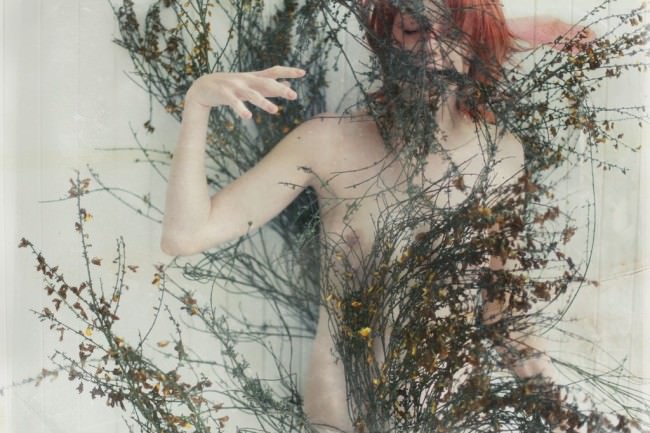
Normalerweise gehe ich mit einer vagen Idee los, aber das Endresultat ist ziemlich selten das, was ich erwartet habe. Es ist manchmal so viel besser und manchmal schrecklich. Aber das ist es auch, was ich am Fotografieren am meisten liebe: Es lenkt viel mehr mich als anders herum. Ich mag es auch sehr, einfach das zu benutzen, was direkt um mich herum ist, also schätze ich, dass es meistens ziemlich spontan ist.

Entwickeln sich Deine Serien auch so oder arbeitest Du an ihnen anders?

Lustigerweise denke ich, dass die besseren sich vollkommen natürlich und organisch entwickeln. Diejenigen, bei denen ich dazu neige, zu lange darüber nachzudenken und sie zu planen, enttäuschen mich immer ein bisschen.

Als ich angefangen habe, habe ich erst in Einzelbildern gearbeitet und über den Verlauf der Jahre wurde ich glücklicher mit mehreren Bildern, die alleinstehend vielleicht nicht besonders spektakulär sind, aber etwas vermitteln, wenn sie zusammenstehen. Auch, wenn es vielleicht nur eine kleine Studie statt einer tatsächlich durchdachten Serie ist.
© Jessica Tremp

Welche Rolle spielt Nachbearbeitung in Deinen Arbeiten?

Definitiv eine große. Für mich wäre es ohne sie, als würde man den Teig zusammenrühren, ohne anschließend auch den Kuchen daraus zu backen. Genauso wie beim Fotografieren selbst lasse ich mich dabei vom Bild lenken. Manchmal verwende ich etwas mehr Zeit darauf und manchmal mag ich es, alles etwas zurückhaltender und minimalistischer zu halten.

Kannst Du uns etwas darüber erzählen, wer die Menschen vor Deiner Kamera sind? Was sind Deine Gedanken und Gefühle darüber, mit Modellen, Freunden oder auch Dir selbst zu arbeiten?

Ich bevorzuge es, mit Freunden oder mir selbst zu arbeiten anstatt mit Modellen, einfach, weil ich das Gefühl habe, dass ich mich dann weniger erklären muss, dass es okay ist, wenn etwas misslingt, es gibt einfach mehr Freiheit, zu entdecken und zu kreieren.
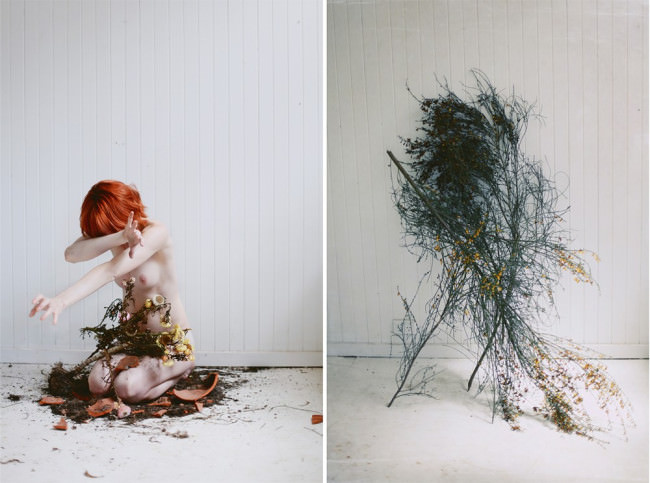
© Jessica Tremp

Wenn ich mit Modellen arbeite, kann ich fühlen, dass ich mit einer vorbereiteten Idee in die Begegnung gehen muss, um in der Lage zu sein, etwas abzuliefern, für mich selbst und auch für sie, damit ihre Zeit es auch wert ist.

Ich arbeitete auch sehr viel mit mir selbst als Modell, einfach, weil ich ja immer da war, wenn ich das Bedürfnis hatte, zu fotografieren und etwas zu kreieren. Ich muss aber auch sagen, dass ich hier und da mit einem Modell gearbeitet habe, das ich nie vorher getroffen, mit dem ich aber sofort eine Verdingung hatte.

Das ist eigentlich eine unglaubliche Sache, wenn man mal darüber nachdenkt: Man kann Menschen seit Jahren kennen und wenn man sie dann auf der Straße trifft, kann man nur über das Wetter reden.

Andererseits kann man mit einem Fremden, der manchmal sogar nackt vor einem steht, in einem Raum sein und beide müssen sofort ihre Schutzpanzer ablegen. Es gibt nicht viele Situationen, in denen man sich so verletzlich fühlt, ohne jemanden vorher kennengelernt zu haben. Gelegentlich entsteht Magie aus so aufgeladener Energie.
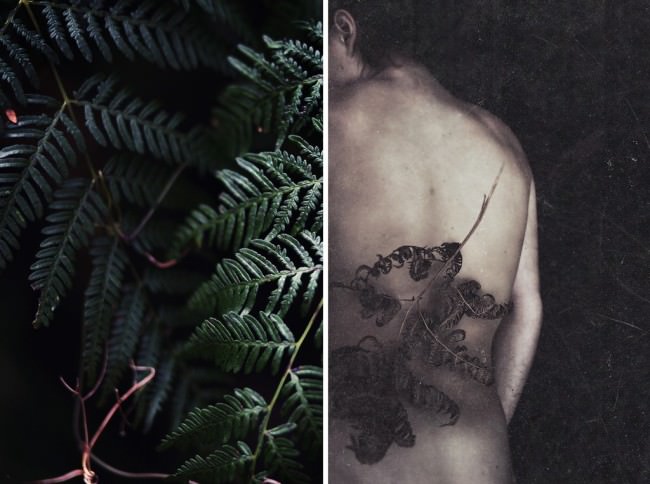
© Jessica Tremp

Ich habe gesehen, dass Du auch Hochzeiten und Auftragsarbeiten fotografierst. Wie balancierst Du das mit Deinen freien Arbeiten?

Ich versuche, nicht mehr als zwei Hochzeiten pro Monat anzunehmen. So bleibt es immer noch Spaß und erfrischend, sie zu fotografieren. Eigene Projekte und Aufträge zu jonglieren, ist mir in der Vergangenheit nicht immer leicht gefallen, aber ich denke, dass ich nun mehr und mehr eine gute Balance zwischen ihnen finde.

Ich fühle mich sehr glücklich, in der Lage zu sein, meinen Lebensunterhalt mit dem zu verdienen, was ich liebe und ich genieße auch die unterschiedlichen Herangehensweisen an die Fotografie, zum Beispiel bei einer Hochzeit. Anstatt ein Bild ganz von Neuem zu erschaffen, nehme ich auf, was vor mir dort schon da ist, auf eine neue und interessante Weise.
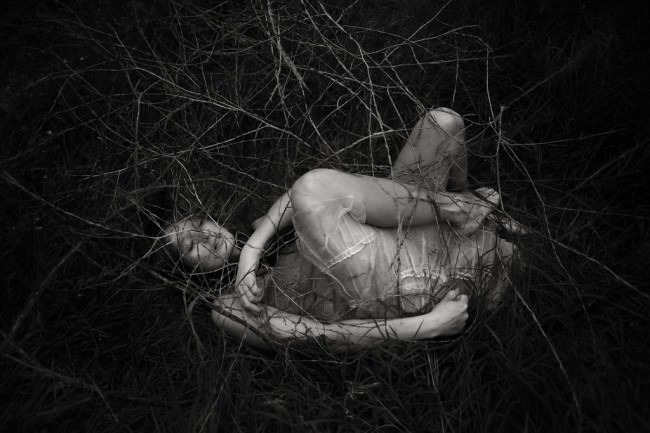
© Jessica Tremp

Als Du 18 warst, bist Du von der Schweiz nach Melbourne umgezogen. Zurückblickend, was denkst Du, welchen Einfluss große Veränderungen wie diese im Leben haben?

Ich denke, dass es in diesem speziellen Fall eine Mischung aus dem Gefühl, unglücklich zu sein mit dem Weg, den ich bildungsmäßig eingeschlagen hatte (ich studierte auf Lehramt), dem Bedürfnis, die Welt zu entdecken und der reinen, alten Teenager-Rebellion war. Es hat eine Weile gedauert, bis ich in Melbourne Fuß gefasst hatte, aber inzwischen finde ich es schwer vorstellbar, irgendwo anders zu wohnen.

Obwohl ich mich auch schon dabei erwischt habe, davon tagzuträumen, in Paris oder New York Teller zu waschen, um mein Leben zu finanzieren, das voller zeitgenössischem Tanz, dem Füttern streunender Katzen und dem Ausgeben eines Monatsgehaltes für ein Gemälde wäre.
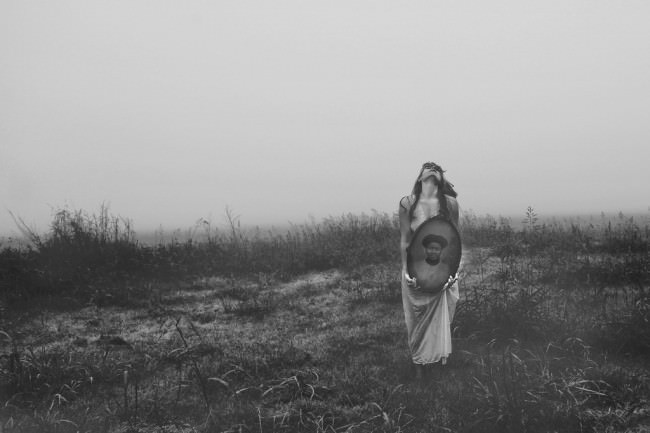
© Jessica Tremp

Ich denke, dass der Umzug mich auf eine Art definitiv frei gemacht hat. Als ich ankam, nahm ich ein Jahr lang in Vollzeit Tanzkurse. Etwas, das ich in der Schweiz nie hätte tun können, weil es zu verpönt gewesen wäre. Natürlich wäre ich nie ein Tänzer geworden, aber die Tatsache, dass es in Ordnung war, anzustreben was auch immer ich wollte, war es, die mein Leben komplett verändert hat.

Nun konzentriere ich mich auf die nächste Verändung, die vor mir liegt: Ein Flecken Land zwischen den Gummibäumen der australischen Landschaft, inmitten einer kleinen, aber blühenden und aufgeschlossenen Gemeinschaft. Ein Esel namens Gloria, den ich jeden Morgen mit meinem Sohn füttere. Große, offene Fenster, durch die Musik vom Plattenspieler hinausdringt. Zwei Studios: Eines für meinen Mann, der darin aufnimmt und eines für mich. Große Speisen für Freunde kochen, die vorbeikommen. Und mehr lesen.
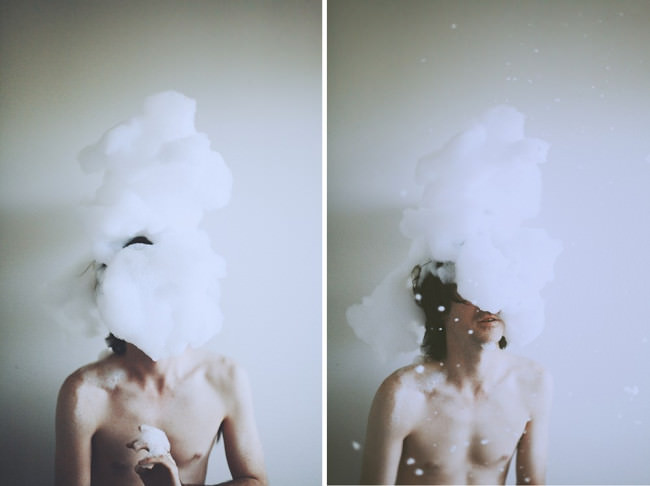
© Jessica Tremp

Was hast Du noch für Pläne für die nähere und fernere Zukunft?

Abgesehen vom Umzug genieße ich wirklich, wie alles gerade ist und wohin es geht. Ich liebe es mehr, eine Mutter zu sein, als ich je gedacht hätte, dass ich es würde. Ich denke, dass meine Zukunftspläne sind, noch viel mehr Entdecker der Welt zu sein. Ob das nun durch Musik, Reisen, Lesen oder Kreativität geschieht.

Was die Fotografie angeht, hoffe ich, weiterhin zu lernen, mich selbst technisch zu verbessern und auch, meinen freien Arbeiten tiefere Gedanken zu geben.

Vielen Dank, Jessica, und alles Gute für die Zukunft!


kwerfeldein – Fotografie Magazin
 
Comments Off on Im Gespräch mit Jessica Tremp

Posted in Equipment


Headshots: Weekly Photography Challenge

11 May

ZoeThis week your photographic challenge is to take and share a ‘headshot’ portrait.

You’re welcome to photograph a friend, family member (adult or child), a stranger or even yourself – but we’re looking for something framed around head and shoulders but not much more than that.

There’s no wrong or right way to take a headshot and we’ll suggest some tutorials and resources to check out below – the key is getting your camera out and experimenting!

Reading on Taking Great Headshots:

  • How to Take Perfect Headshots: Six Tips
  • How to Shoot the Perfect Headshot (video)
  • Lighting Headshots

Also don’t forget that Phil Steele currently is offering dPS readers 30% off his Headshots and Portraits Course.

Once you’ve taken your ‘Headshot’ image and have upload it to your favourite photo sharing site either share a link to it or – embed it in the comments using the our new tool to do so.

If you tag your photos on Flickr, Instagram, Twitter or other sites with Tagging tag them as #DPSHEADSHOTS to help others find them. Linking back to this page might also help others know what you’re doing so that they can share in the fun.

Also – don’t forget to check out some of the images posted in our last challenge – Transport challenge where there were some great images submitted.

Post originally from: Digital Photography Tips.

Check out our more Photography Tips at Photography Tips for Beginners, Portrait Photography Tips and Wedding Photography Tips.

Headshots: Weekly Photography Challenge


Digital Photography School

 
Comments Off on Headshots: Weekly Photography Challenge

Posted in Photography


Nat Geo photo contest offers Galapagos expedition grand prize

11 May

natgeo.png

The 2013 National Geographic Traveler Photo Contest is accepting submissions. Now in its 25th year, this photo contest offers a top prize that includes a 10-day expedition to the Galapagos Islands and publication of the winning image in the upcoming December/January edition of National Geographic Traveler magazine. The entry fee is $ 15 and contestants can submit as many images as they wish. Submissions must be received by June 30. Click through for more entry information and a look at some of the current submissions.

News: Digital Photography Review (dpreview.com)

 
Comments Off on Nat Geo photo contest offers Galapagos expedition grand prize

Posted in Uncategorized


10. Mai 2013

11 May

Ein Beitrag von: Matthias Wassermann

Piccolo-Romazzino_©_Matthias-Wassermann


kwerfeldein – Fotografie Magazin

 
Comments Off on 10. Mai 2013

Posted in Equipment


Samsung Galaxy S4: Our first look at imaging features

11 May

Eraser_passerby.png

The Samsung Galaxy S4 has no doubt been one of the most high-profile smartphone launches of the year. We’re digging into its camera capabilities for our full review of Samsung’s newest flagship phone, first playing with some of the more innovative capture features from its Dual Shot to Drama mode. We offer our first thoughts on the S4’s camera today on connect.dpreview.com.

News: Digital Photography Review (dpreview.com)

 
Comments Off on Samsung Galaxy S4: Our first look at imaging features

Posted in Uncategorized


Nokia’s latest Lumia 928 smartphone offers powerful xenon flash

11 May

poster_lumia_lowlight_crop.jpg

Nokia surprised everyone today by announcing its new Lumia 928 in advance of next week’s big launch event in London. The Lumia 928 comes equipped with an 8.7-megapixel camera on a 1/3.2″ sensor, xenon flash, optical image stabilization and a f/2.0, 26mm-equivalent Carl Zeiss lens. These specs mean it’s only a relatively minor upgrade to the current Nokia flagship Windows Phone but still good news for mobile photographers: see why on connect.dpreview.com.

News: Digital Photography Review (dpreview.com)

 
Comments Off on Nokia’s latest Lumia 928 smartphone offers powerful xenon flash

Posted in Uncategorized


GIF-fiti: Trippy Animated Street Art Photos by INSA

10 May

[ By Steph in Art & Street Art & Graffiti. ]

giffiti insa 4

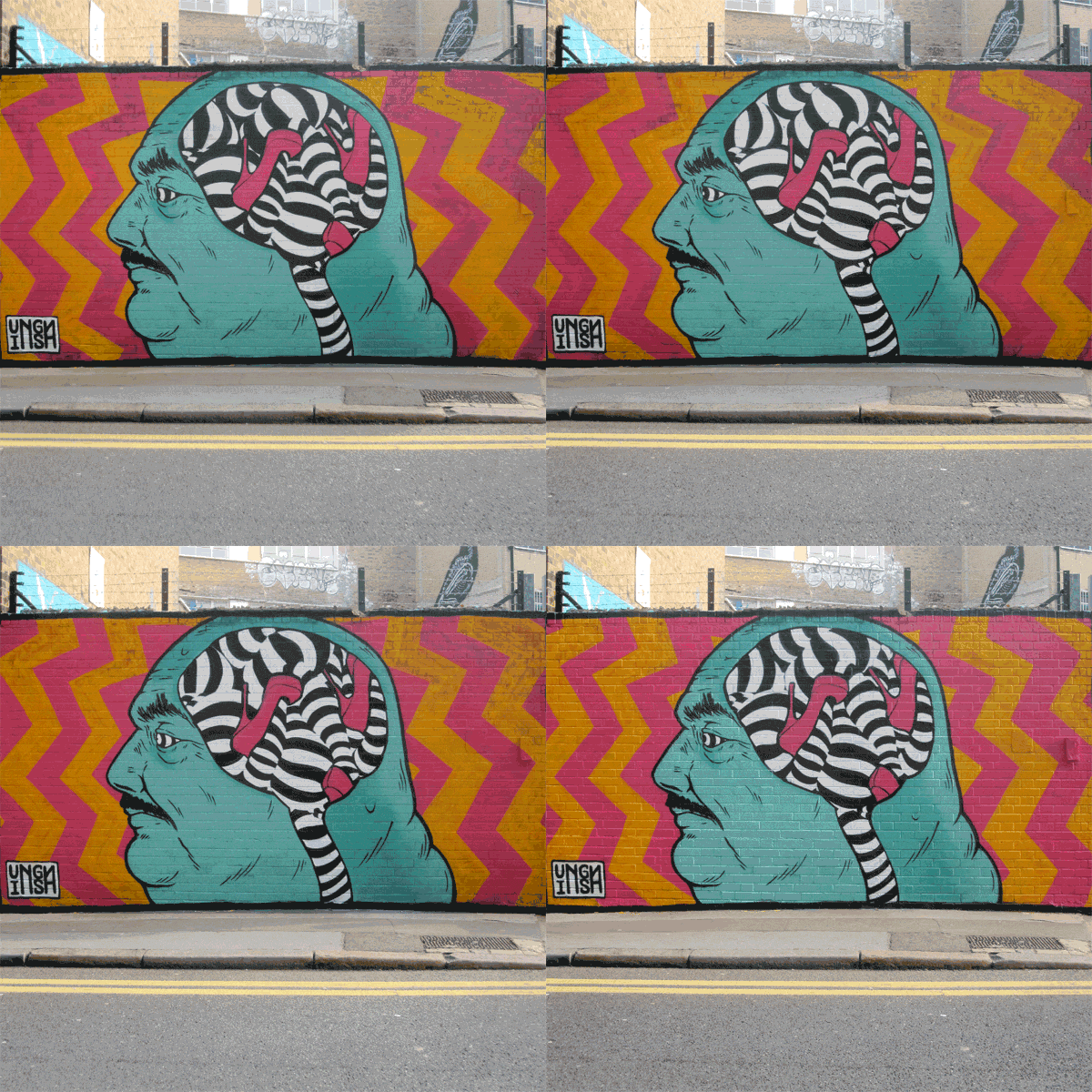
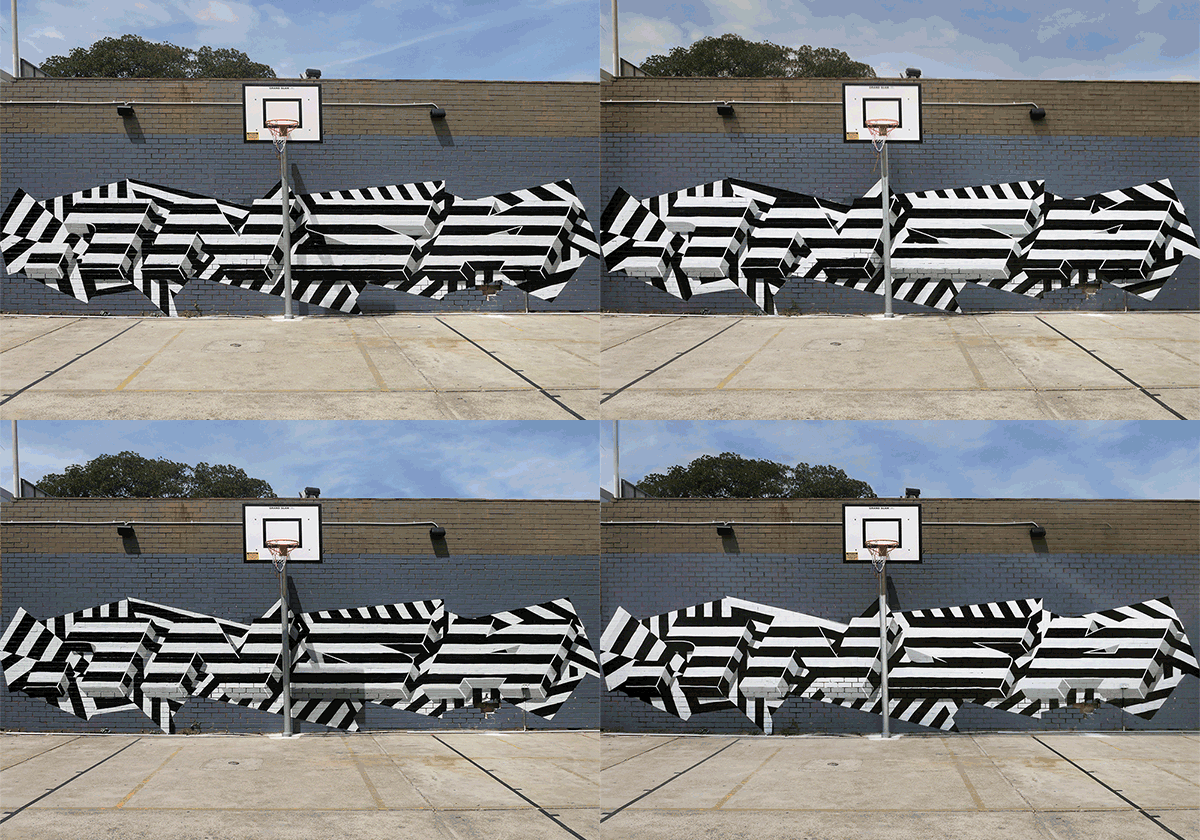
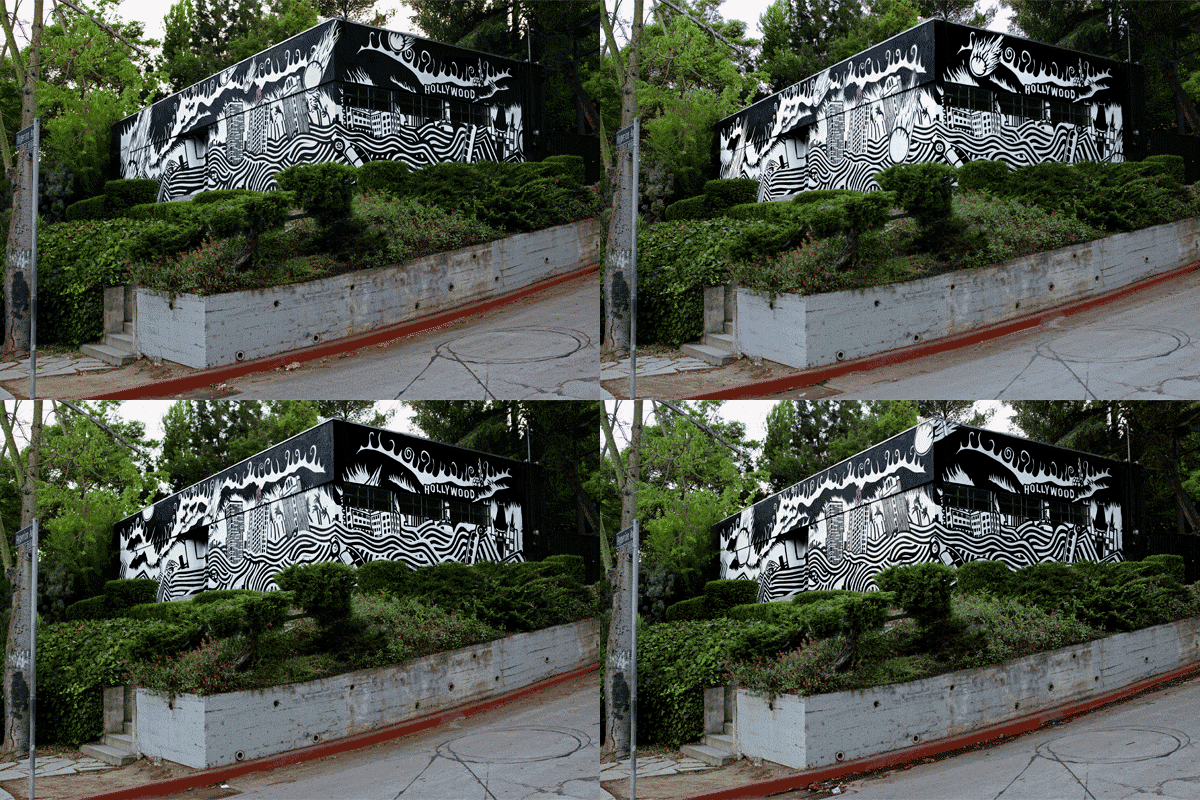
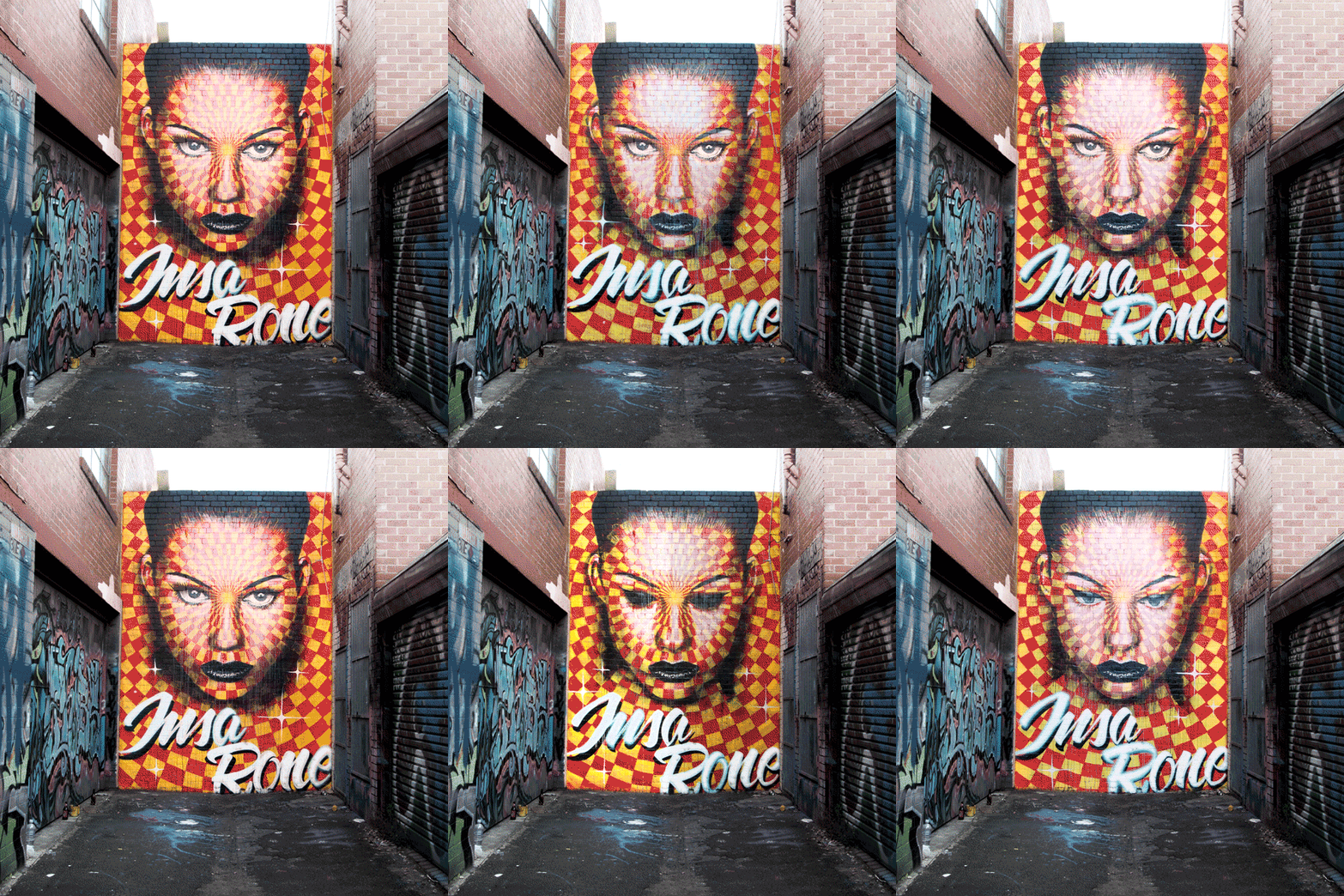
Unlike most street art, INSA‘s murals weren’t made to be seen in person – they’re best viewed online. That’s because the UK-based artist painstakingly paints, photographs and re-paints each of his works several times over in order to create these amazing animated GIF images.

giffiti insa 1

Each piece is created with movement in mind, with the artist envisioning the final animated result as he paints each step. What looks like a relatively ordinary mural when passed on the street becomes mesmerizingly kinetic when seen as a final work of art.

giffiti insa 3

These made-for-the-internet works of physical street art defy the conventional wisdom that art is best appreciated in person, though it would still be nice to check out all of the details up close. The internet brings what was once hyper-local to the masses.

giffiti insa 2

In an interview with Adobe, INSA says “I realized I was viewing more paintings online than in real life, the majority of art I was accessing was on the internet. Whether that was street art from around the world, or exhibition openings on blogs, and it disheartened me a little, because although it was great to be able to see so much work, I realized this was never the way the artist would have intended for their work to be seen. So I thought an interesting way to play with this idea was to create art specifically to be viewed online: to the point that you could not actually see it in reality. So, in fact, the internet becomes the best viewing platform for the work.”

Share on Facebook


[ By Steph in Art & Street Art & Graffiti. ]

[ WebUrbanist | Archives | Galleries | Privacy | TOS ]


WebUrbanist

 
Comments Off on GIF-fiti: Trippy Animated Street Art Photos by INSA

Posted in Creativity


Canon EOS 700D Review

10 May

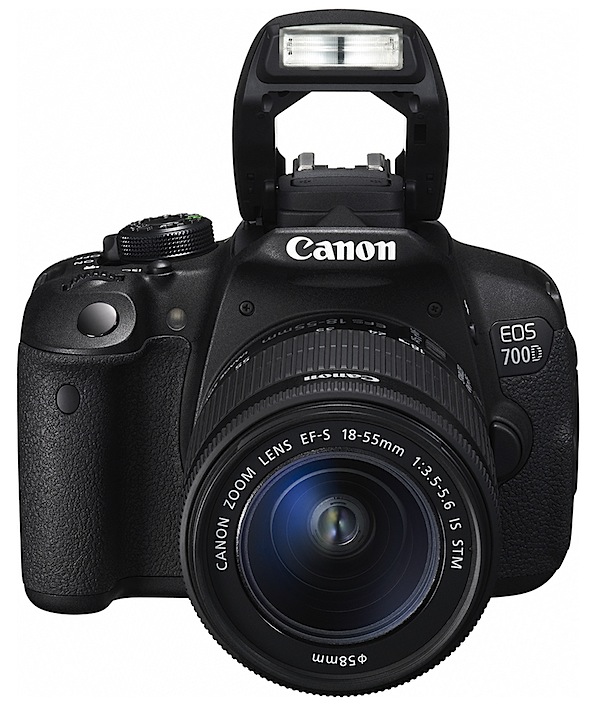
Canon EOS 700D Review.jpg

Canon describes this camera as the flagship of its entry-level consumer DSLR camera line-up and, while each is ‘designed to suit specific user requirements, both cameras are packed with high-quality and creative features that are ideal for creative-minded consumers looking to take their photography to the next level.’

So don’t expect to pay top dollar for a top quality camera but Canon still considers it to be ‘the most advanced entry-level EOS model to date …’

The Canon EOS 700D (also known as the Canon EOS Rebel T5i is a successor to the EOS 650D model, displaying identical specs and only differing in weight by being only five grams heavier. In model ranking, it currently sits above the EOS 600D.

The body is made from stainless steel and polycarbonate resin with glass fibre. Light and reasonably strong, the EOS 700D is three quarters the size and two thirds the weight of the top-ranking EOS 5D Mark III.

Canon EOS 700D/Rebel T5i Handling

The review camera was supplied with the new, stabilised EF-S 18-55mm f/3.5-5.6 IS STM lens. This has switchable AF/manual on/off and internal stabiliser on/off.

Head down and belting straight into using the camera I found most of the external controls easy to suss out and, outside in full sunlight, immediately appreciated the switchable optical/LCD screen viewing options.
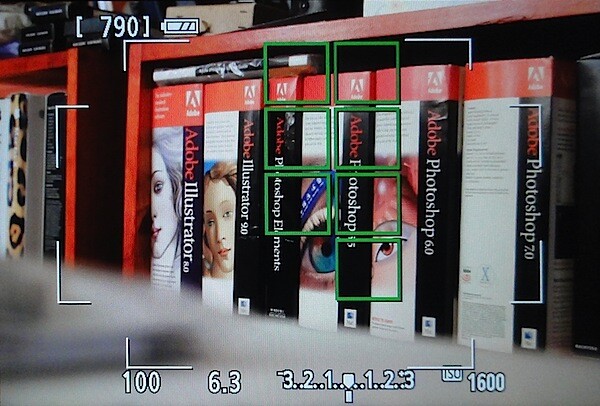
LCD focus points.jpg

Those who grew up on film SLRs will be in seventh heaven with the optical finder! You will however lose the assurance of the LCD screen’s focus pointers.
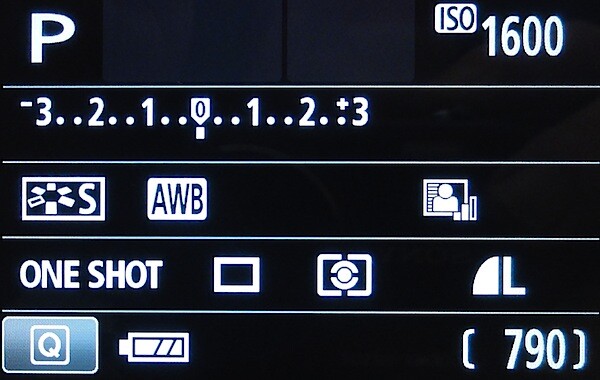
Startup LCD.jpg

Fired up, you’re faced with a status screen that shows ISO, AWB, AF, metering, single/continuous settings etc. Place your eye next to the turret finder and you view through the optical eyepiece.

Tap a button immediately next to the viewfinder and you fire up the touchable LCD screen. This doubles as the video record button.

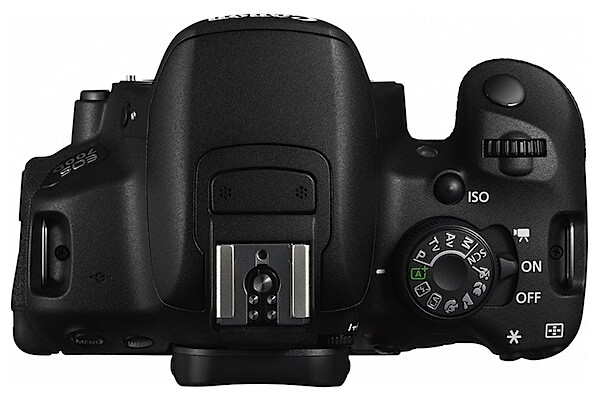
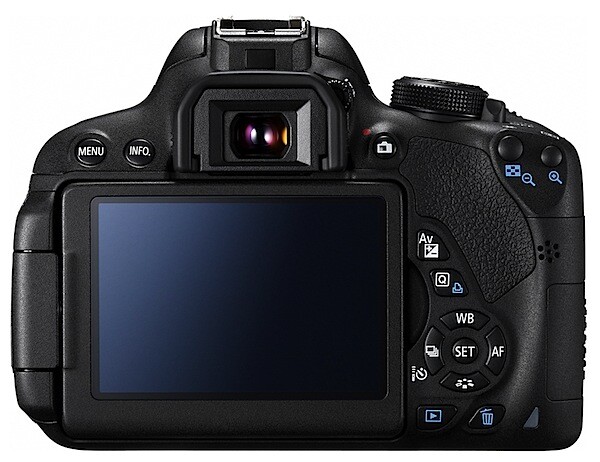
Canon EOS 700D Review top.jpg

Top deck controls: at left the menu and info buttons.

At right, the mode dial which has positions for PASM; intelligent and creative auto; flash options; portrait, landscape, macro and sports options; scene modes: night portrait, handheld night scene and HDR backlight control.

The latter two are interesting for those who want to push the boundaries without possessing the expertise. In handheld night scene you can shoot handheld, with the camera firing off four shots, then auto selecting the least camera shake.

HDR backlight control is similar in that the camera shoots three exposures at differing exposures, finally combining them in to one exposure-balanced image.

Next to the mode dial is the three position power switch: off/on/movies.

Forward of the mode dial is a dedicated ISO button, a godsend for those who play with variable sensitivities.

Further forward is the shutter button and main selector dial.

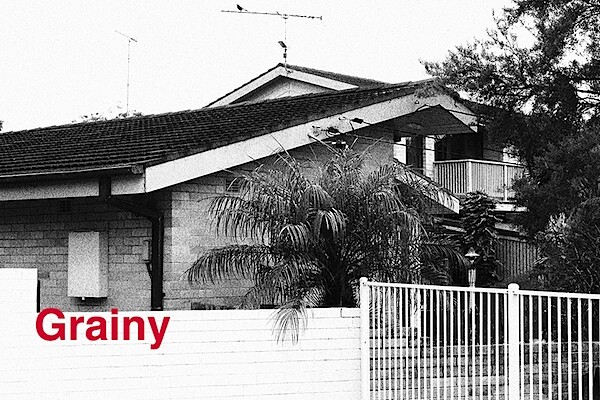
Grainy B&W.JPG

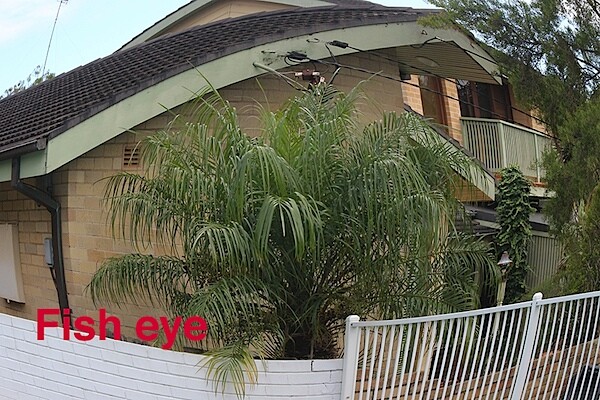
Fish eye.JPG

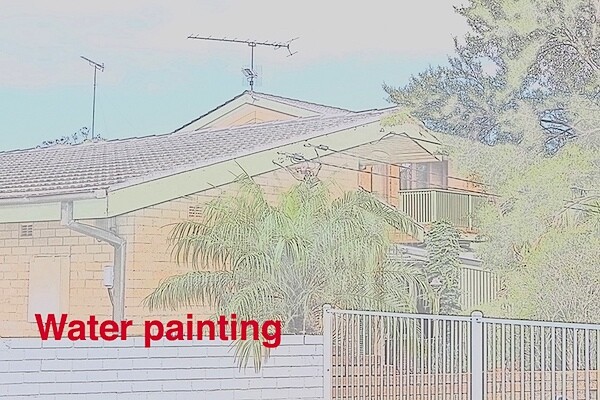
Water painting.JPG

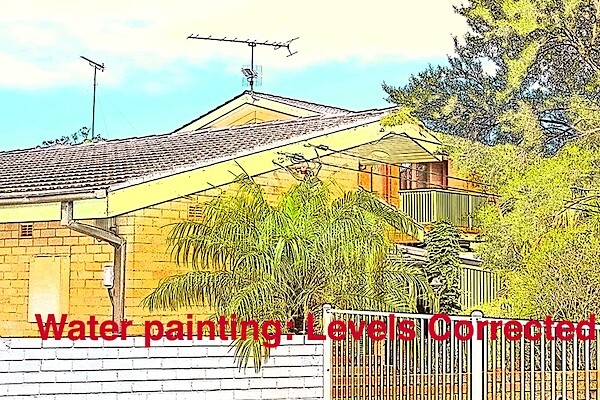
Water painting corrected.jpg

Rear: four way rocker which gives access to AWB, single/continuous options, AF and a picture style button (auto, standard, portrait for enhanced skin tones, landscape for saturated blues and greens, neutral, ‘faithful’ and mono. The Q button gives access to a range of creative filters: grainy, soft focus, fish eye effect, art bold, water painting, toy camera (like a LOMO!) and miniature effect (which I hate!).

Canon EOS 700D Review Back.jpg

Also found at the rear are buttons for AE lock, AF point selection, exposure compensation, quick control, replay and trash.

The card slot is at the right side of the camera, which means you can switch cards with the camera remaining tripod-mounted.

The screen is vari-angle, swinging sideways by 175 degrees and vertically by 180 degrees.

All in all, an unchallenging layout and one, I figure, the newcomer can quickly become familiar with.
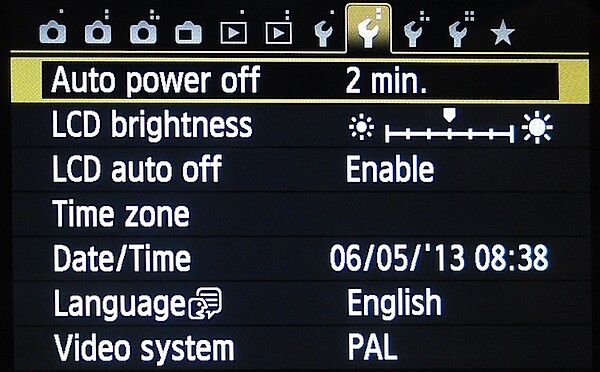
Menu.jpg

The menu layout is comprehensive and, while displaying many settings, is easily navigable. But do read the manual before you engage with the menu!

For a DSLR, the Canon EOS 700D/Rebel T5i is a relative minnow when compared to high end digital reflexes. But do compare it with the mirrorless models before you finally decide. Having said that, the camera is well balanced and easily hand-holdable.

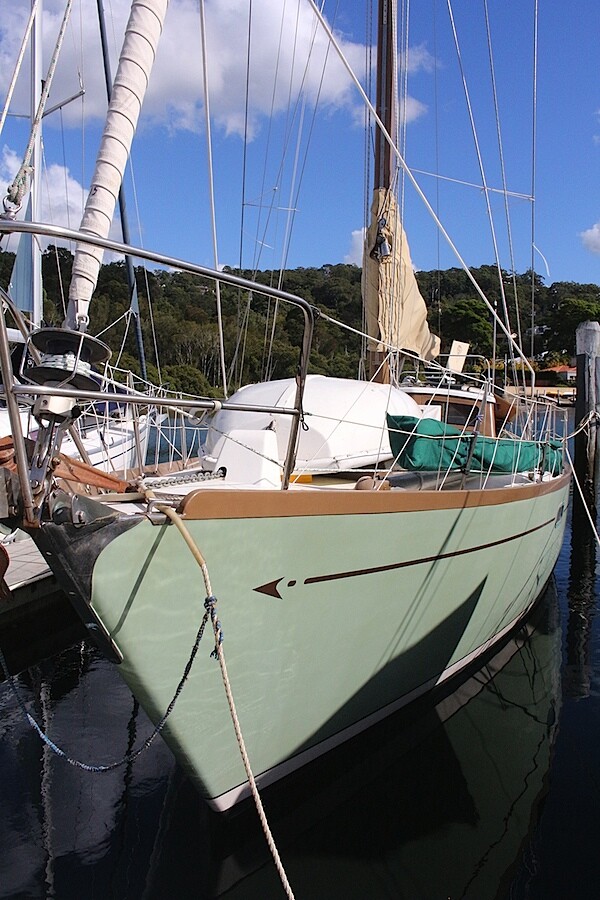
Yacht.JPG

Yachts 2.jpg

Yachts 6.JPG

Yachts 8.JPG

Canon EOS 700D/Rebel T5i Features

My eye was caught by the five frames/second continuous shooting speed. At this rate you can pull in a total of 22 JPEGs, six RAW shots or three JPEG+RAW images. Note: this rate is not available if the ISO setting is at 25,600. Also needed for this shooting rate is a minimum shutter speed of 1/500 second.

The AF has nine cross-type points spread across the frame. You can manually select and adjust focus points, or simply use full automatic mode.

The APS-C sized CMOS captures a maximum image size of 5184×3456 pixels, leading to a printed image of 44x29cm print.

Video can be shot in MPEG4 up to Full HD 1920×1080 pixel dimensions. In my test at the skateboard park I used the ‘tracking’ AF setting which worked well once it ‘locked on’ to a section of the subject but took a second or two to do so.

Because you must use the main switch to select video you cannot shoot stills mid video recording.

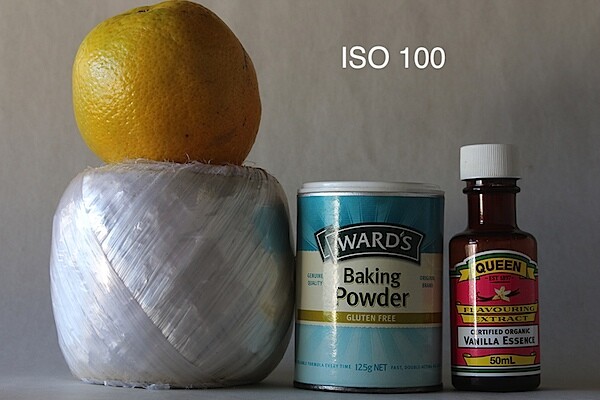
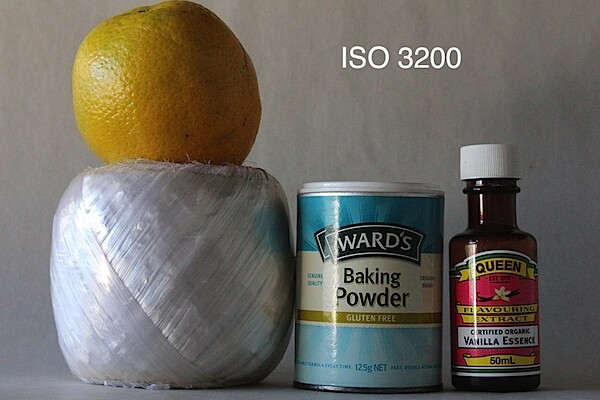
Canon EOS 700D/Rebel T5i ISO Tests

Canon EOS 700D ISO 100.JPG

Canon EOS 700D ISO 400.JPG

Canon EOS 700D ISO 800.JPG

Canon EOS 700D ISO 1600.JPG

Canon EOS 700D ISO 3200.JPG

Canon EOS 700D ISO 6400.JPG

Canon EOS 700D ISO 12800.JPG

Canon EOS 700D ISO 25600.JPG
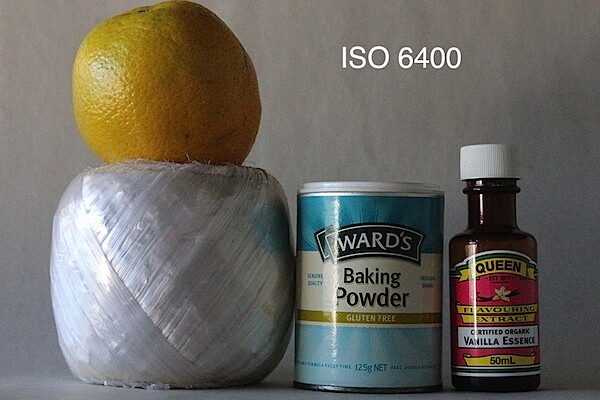
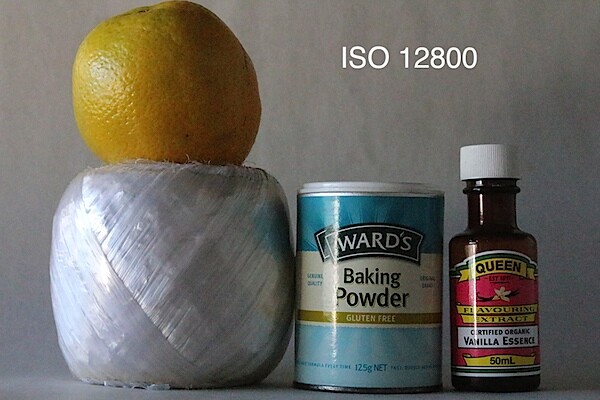
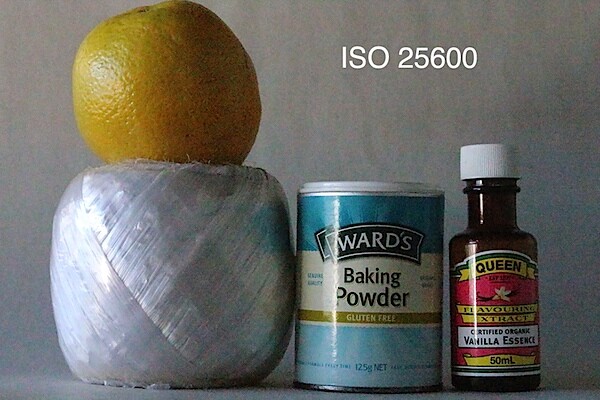
By ISO 6400 noise became noticeable. By ISO 12800 still travelling quite well and useable. By ISO 25600 noise up high and definition down — not useable IMHO.

Canon EOS 700D/Rebel T5i Verdict

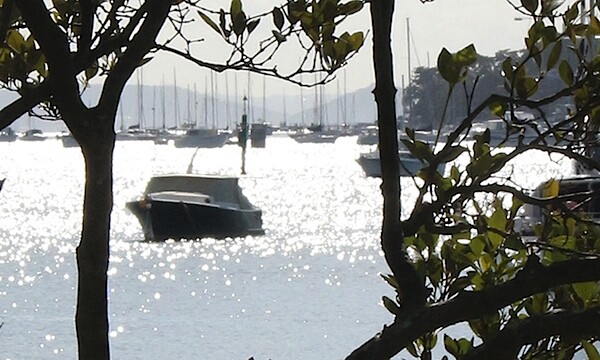
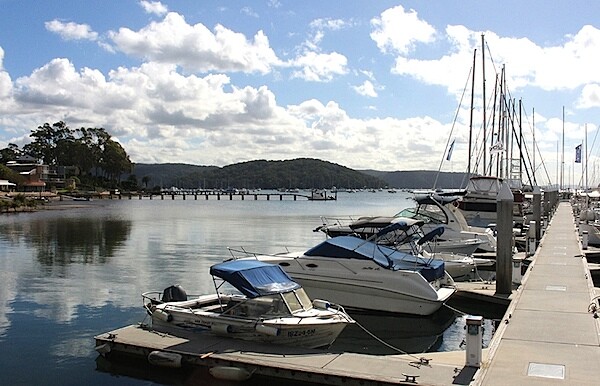
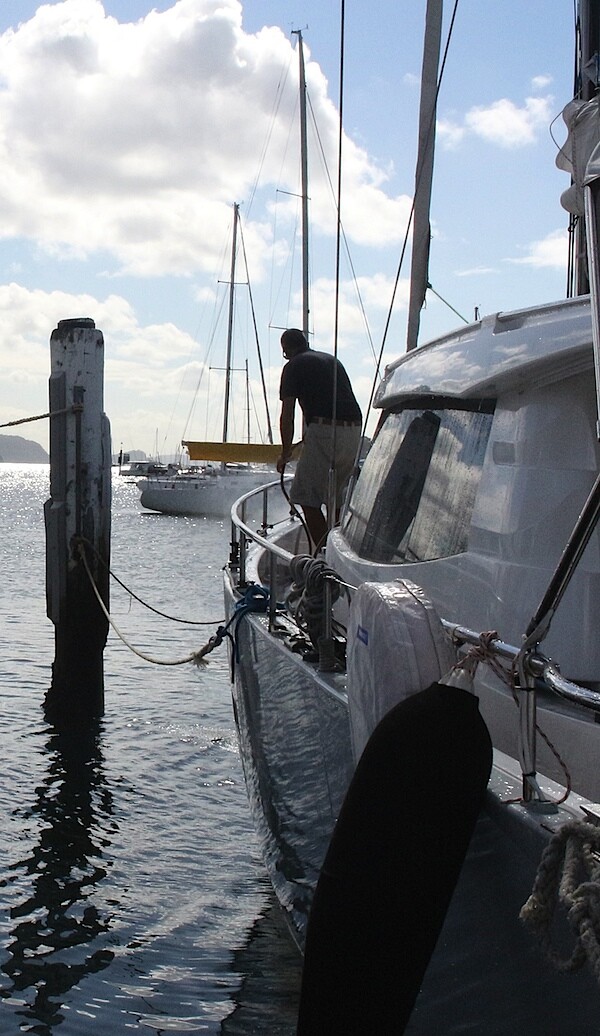
Quality: top level, sharp, well saturated. Notice the shot above of the mangrove trees and backlit yachts: cropped to one seventh of original image!

Why you’d buy the Canon EOS 700D/Rebel T5i: enjoyable AF action; creative filters for the playful (!); gets you into DSLR shooting at an affordable cost … but don’t forget, budget for expensive, high quality lenses!

Why you wouldn’t: you need a bigger image; you need more pro image control.
An ideal starter model for the DSLR wish-alots!

Canon EOS 700D Specifications

Image Sensor: 18 million effective pixels.
Metering: multi zone, centre-weighted, spot, partial.
Lens Mount: Canon EF/EF-S.
Exposure Modes: Program AE, shutter and aperture priority, manual.
Effective Sensor Size: 22.3×14.9mm CMOS.
35 SLR Lens Factor: 1.6x.
Shutter Speed (stills): 30 to 1/4000 second and Bulb; X-sync at 1/200 sec.
Continuous Shooting: 5 fps.
Memory: SD/SDHC/SDXC cards.
Image Sizes (pixels): Stills: 5184×3456 to 480×480.
Movies: 1920×1080 (30p/25p/24p), 1280×720 (60p/50p), 640×480 (30p/25p).
Viewfinder: Optical plus 7.6cm LCD screen (1,040,000 pixels).
File Formats: JPEG, 14-bit RAW, JPEG+RAW, MPEG4.
Colour Space: sRGB, Adobe RGB.
ISO Sensitivity: Auto, 100 to 25,600.
Interface: USB 2.0, HDMI mini, EyeFi, mic, remote.
Power: Rechargeable lithium ion battery, DC input.
Dimensions: 133x100x79 WHDmm.
Weight: 580 g (inc battery).
Price: Get a price on the Canon EOS 700D (Rebel T5i) with 18-55mm EF-S IS STM Lens or the Canon EOS 700D (Rebel T5i) with 18-135mm EF-S IS STM Lens at Amazon.

Post originally from: Digital Photography Tips.

Check out our more Photography Tips at Photography Tips for Beginners, Portrait Photography Tips and Wedding Photography Tips.

Canon EOS 700D Review


Digital Photography School

 
Comments Off on Canon EOS 700D Review

Posted in Photography