RSS
 

Archive for May, 2013

Adobe issues Camera Raw v8.1 and DNG Converter ‘release candidates’

17 May

shared:AdobeLogo.png

Adobe has issued a ‘release candidates’ of Adobe Camera Raw 8.1 and DNG Converter 8.1 on its Adobe Labs site. The release is the first version of ACR designed to work with Photoshop CC but, as promised, is also compatible with Photoshop CS6. CS6 users will only gain camera compatibility, not any of the functions added in ACR 8 (and Lightroom 5), such as the perspective-correcting ‘Upright’ tool or the advanced healing brush. The latest version brings support for 7 additional cameras along with 16 lens profiles.

News: Digital Photography Review (dpreview.com)

 
Comments Off on Adobe issues Camera Raw v8.1 and DNG Converter ‘release candidates’

Posted in Uncategorized


Adobe issues Camera Raw v8.1 and DNG Converter ‘release candidates’

17 May

shared:AdobeLogo.png

Adobe has issued a ‘release candidates’ of Adobe Camera Raw 8.1 and DNG Converter 8.1 on its Adobe Labs site. The release is the first version of ACR designed to work with Photoshop CC but, as promised, is also compatible with Photoshop CS6. CS6 users will only gain camera compatibility, not any of the functions added in ACR 8 (and Lightroom 5), such as the perspective-correcting ‘Upright’ tool or the advanced healing brush. The latest version brings support for 7 additional cameras along with 16 lens profiles.

News: Digital Photography Review (dpreview.com)

 
Comments Off on Adobe issues Camera Raw v8.1 and DNG Converter ‘release candidates’

Posted in Uncategorized


XiStera smartphone tool offers 8 functions in one device

17 May

XiStera2.jpg

The XiStera smartphone tool is one of the more interesting Kickstarter projects we’ve seen lately. It is an all-in-one device promises to do just about everything the mobile photographer on the go might require. XiStera serves as a lens adapter, phone stand, tripod mount, headphone wrap and stylus for your iPhone 5. It also works as a bottle opener and key chain, and can attach an optional LED light to your phone. Click through to Connect for more details.

News: Digital Photography Review (dpreview.com)

 
Comments Off on XiStera smartphone tool offers 8 functions in one device

Posted in Uncategorized


Using Water to Lighten Landscape Photos

17 May

Water-LandscapePhoto by peter bowers

Most Pro landscape photographers recommend shooting either at (or around) dawn or dusk in order to capture their scene in the ‘golden hours’ when the light is at it’s best (in fact some will rarely shoot at any other time of day).

However, one of the problems associated with shooting at this time of day is that while the sky will often have enough light in it the foreground of your images can sometimes end up being a little underexposed and featureless.

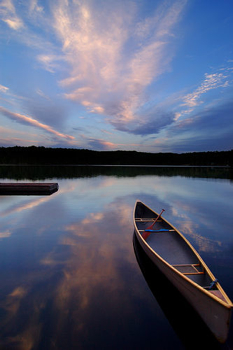
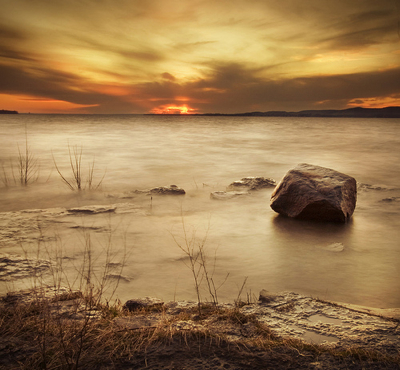
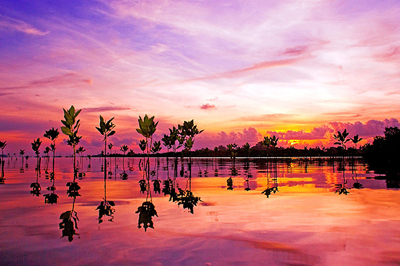
One way to get around underexposed foregrounds is to include water in that area of your shot and to get it reflecting light from the sky.

This is a particularly effective technique at sunrise or sunset when there’s color and interesting cloud formations in the sky (and reflections in the water).

It may take a little experimentation with different positions to shoot from in order to get the right part of the sky in the reflections but with a little trial and error the effect can be quite stunning and a much brighter and more balanced image.

Even if you don’t get perfect reflections the light coming from the water can help balance the shot and help you overcome underexposed foregrounds.

Landscape-WaterPhoto by IrenaS

LandscapePhoto by Bram & Vera

Post originally from: Digital Photography Tips.

Check out our more Photography Tips at Photography Tips for Beginners, Portrait Photography Tips and Wedding Photography Tips.

Using Water to Lighten Landscape Photos


Digital Photography School

 
Comments Off on Using Water to Lighten Landscape Photos

Posted in Photography


Just posted: Nikon D5200 in-depth review

17 May

IMG_7648v2.png

We’ve just posted our 20-page review of the Nikon D5200. Nikon’s ‘advanced beginner’ APS-C DSLR offers several features that should also appeal to enthusiasts, such as a 24MP CMOS sensor, a 39-point AF system inherited from the D7000 and an Auto ISO system linked to the focal length of the lens. Add an articulated rear LCD and the ability to output uncompressed video and you’ve got the makings of a very  promising camera. Does the D5200 live up to its potential in real-world use? Click through to read our in-depth review.

News: Digital Photography Review (dpreview.com)

 
Comments Off on Just posted: Nikon D5200 in-depth review

Posted in Uncategorized


Ok Glass, Find Dogfood!

17 May

Ok Glass, Get Dogfood


Thomas Hawk Digital Connection

 
Comments Off on Ok Glass, Find Dogfood!

Posted in Photography


20 Photography Tips Every Travel Photographer Must Know

17 May

1

1. Get up Early

The best light to capture most kinds of subjects is in the golden hours- one hour after sunrise and one hour before sunset (depend off course on where you are on the glove). So get up early to get that amazing photo opportunities, while all the other tourists are still asleep.

2. Do your research

Don’t leave it to chance and learn as much as you can about the place you are about to travel. The more you know, the more “intelligent” your images will be.
2

3. Learn your Craft

Don’t waste your expensive traveling time on learning how to operate that new camera, lens or flash. Do your homework at home.

4. Choice the Right Lodging

Staying on the center of town, or having a room with wonderful views can create a lot of great photo opportunities.
3

5. Say Hello

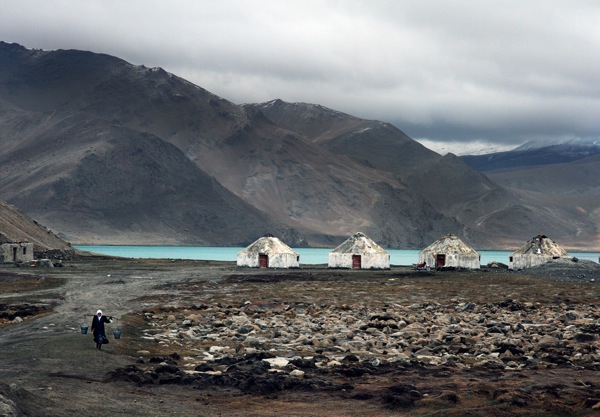
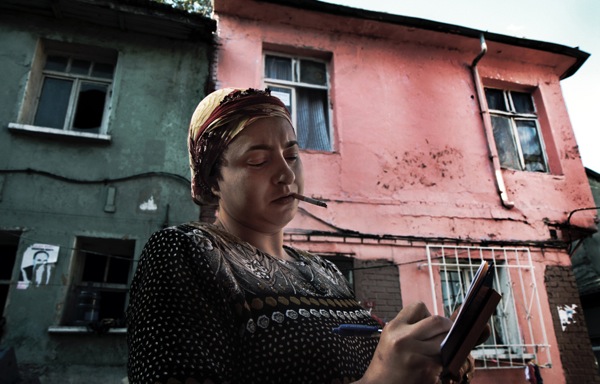
Learn how to say “Hello” in the local Language, and greet the locals when taking their photo.

6. Get Inspired

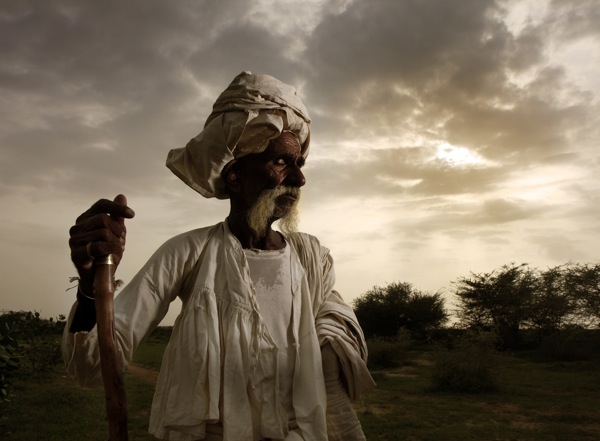
Watch the portfolio of other photographers in order to get new ideas and get inspiration. You can read the interview I did with Steve McCurry, the photographer of the “Afghan girl”, to get few great tips for a true master.Also, If you perceive yourself as an artist, you must acknowledge the work of other artists. Do not underestimate inspiration: visit art galleries, attend some photography lectures, listen to classical music, read good books.
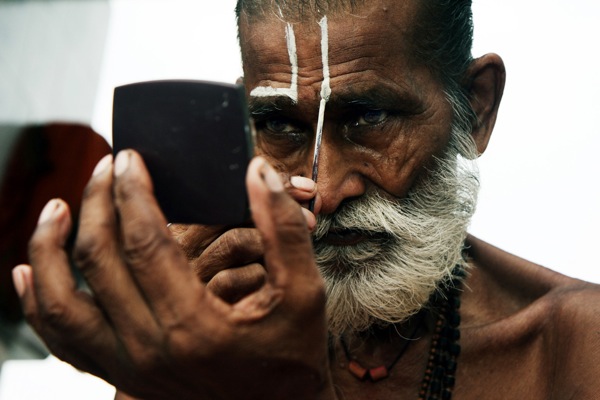
4

7. Feel the Place

Photography is not only about visual inspiration. Try the local food, smell local markets and hear local music, this will help you to better understand the story of the place.

8. Find a Fixer

Talk to locals and seek their advice on great photo opportunities in their own country.
5

9. Travel Light

Don’t take your entire house with you. When I travel I take with me only two lenses: One zoom and one prime lens. This is extremely important tip if you plan to do some hiking or trekking.

10. Get off the Beaten Path

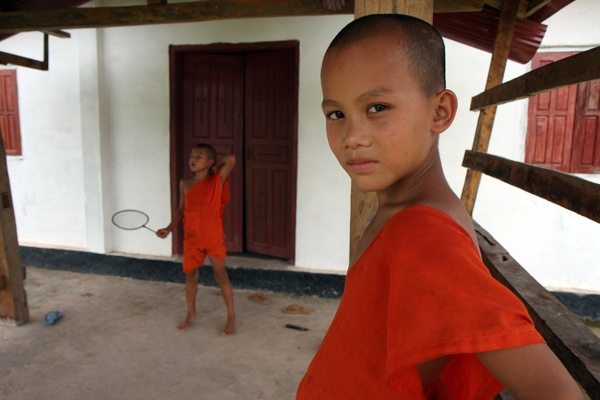
Yes I know that in Cuba they smoke cigars and that in Thailand they have monks. Tell your viewers something fresh and new. Share your own point of view of the place. You will be able to do so, only after following tip number 2 and 6.
6

11. Don’t try to get it all in once

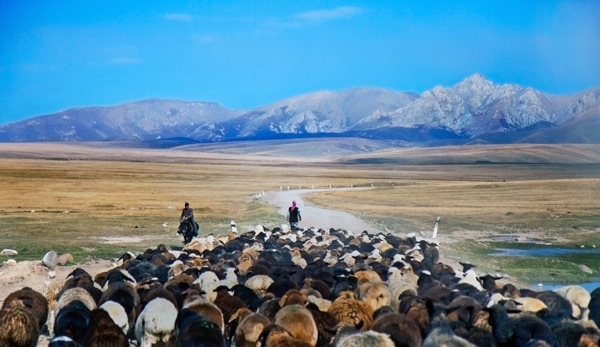
Don’t try to see everything on your limited time. It is much smarter to get a better understanding about each place you visit on your journey. Slow things down, and your images will get better.

12. Travel Slow

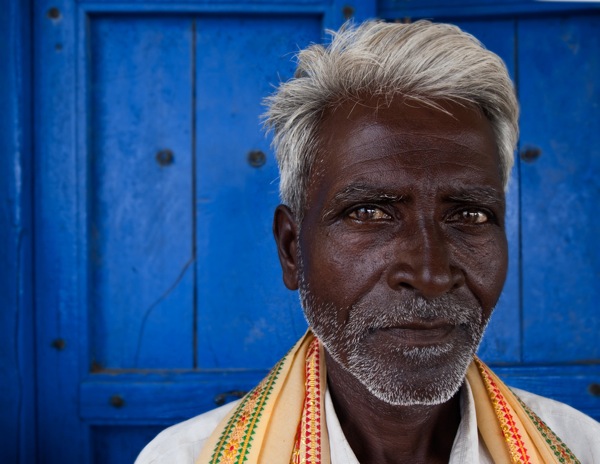
If time allows you, always choice to travel by train or bus over flying. As it will allow you to have better Interactions with the locals.
7

13. Leave the Camera Behind Sometimes

Don’t spend your entire trip looking through the lens. Enjoy your time just traveling and enjoying the ride.

14. Keep it Natural

One of the most important and influential photographers of all time, Henri Cartier Bresson- Never ever used flash in his photography. A practice he saw as “impolite…like going to a concert with a pistol in your hand.” Try to learn how to use and enjoy the benefits of natural light before you buy that expensive flash or reflector.

15. Get Higher

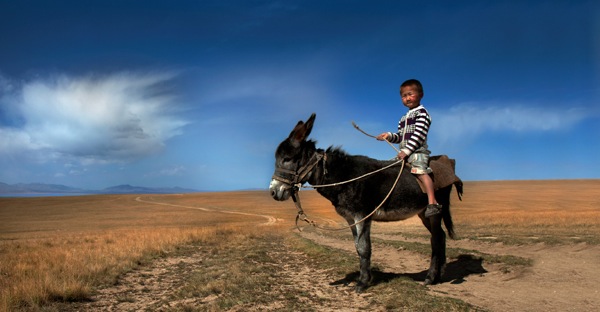
Every good travel photo series must have at list is one bird’s eye view of the place (Being referred sometimes as the “establish shot”). Find yourself a vintage point overlooking the entire city or town.
8

16. Stop with the Excuses

“Well, if I had an expensive camera and lenses like you have” or “If someone would pay me to travel”, or “but, you have so much time on each destination”.

All of those, are excuses I often hear from my travel photography students. Excuses they tell themselves to answer the question of “Why cant I get Strong images?”
So, A. My first newspaper published cover image, was taken using a pocket camera.
yes, equipment is important and it certainly makes life easier. But don’t forget the camera is just an instrument. A “pipe” which captures your vision and thoughts. Do not cry over the equipment you don’t own. spend the time and money to learn photography, reading books about it and travel as much as you can.

And B. For my first 8 journeys, no one paid me anything. I worked very-very hard at my day job for a whole year, and then I spend my money on traveling. I slept in some shitty places got bus rides from hell. This lifestyle requires commitment. And today, even as I get paid for traveling somtimes. The lengths are usually one to two weeks per assignment. Two weeks to come back with an amazing results. Not excuses like “but it was raining and I was sick” are accepted.

So, stop the excuses, and get back to work.

17. Find Yourself a Master

: the best way to learn (anything) is by watching a master working on his craft. Try to find a photographer which you can accompany as his assistant. It is true that most travel photographers like to travel alone. But it doesn’t have to be a travel photographer. Most of my knowledge about using light, I learned from a great fashion photographer, which I served him as an assistant for a while.

18. Stop Using Excuses

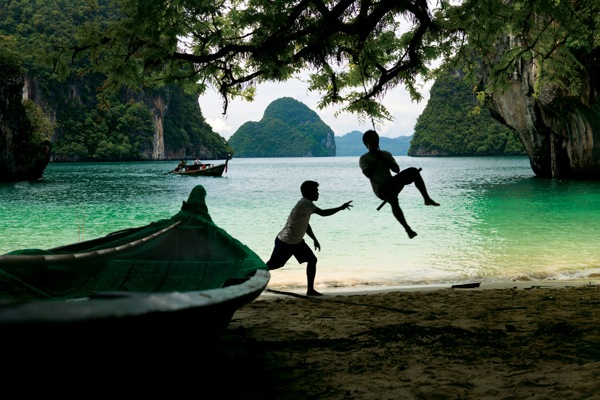
“Well, if I had the time \ money to travel the world or if I had the money to buy that new camera \ new lens … I’d probably be an excellent photographer”. Excuses are just our way to explain ourselves why our photography doesn’t get any better. No matter where you live in the world: New York, the Middle East or a small village in France. Try to see the beauty of the place you live in. if you will find the beauty of that place and bring within your images, people will follow.
9

19. Don’t stop Traveling

A good travel photographer must keep is portfolio alive. Keep on traveling, and as the last tip mentioned: you don’t have to travel to far and exotic places to do so. As it is very easy to travel to India and get “good” travel photography. Try to bring the beauty of your own local town. Travel to the nearest market or attend the next festival as a way to keep your craft improving.

20. Be Human

Treat your subject as well as you can. Don’t shoot people for a far distance, don’t shot people who don’t want to get snapped. If you promise to send their photos, please do so. This will ensure that the photographer that will come after you will be received with a smile. And don’t forget, sometimes it is best to just leave the camera behind and enjoy the ride.

Oded Wagenstein is a Travel photographer and writer. He is a regular contributor to the National Geographic Traveler magazine (Israeli Edition) and his images have appeared in many national and international publications and websites.
He is known for his intimate culture portraits. In his works he put the emphasis on understanding the culture and achieving good relationship with the person being photographed pre-shooting.

You can join his Travel photography group on Travel photography group on Facebook and continue to discuss on travel and people photography.

Post originally from: Digital Photography Tips.

Check out our more Photography Tips at Photography Tips for Beginners, Portrait Photography Tips and Wedding Photography Tips.

20 Photography Tips Every Travel Photographer Must Know


Digital Photography School

 
Comments Off on 20 Photography Tips Every Travel Photographer Must Know

Posted in Photography


Under 400 SF: New Modular Micro-Apartments for NYC

16 May

[ By WebUrbanist in Architecture & Houses & Residential. ]

nyc micro apartments

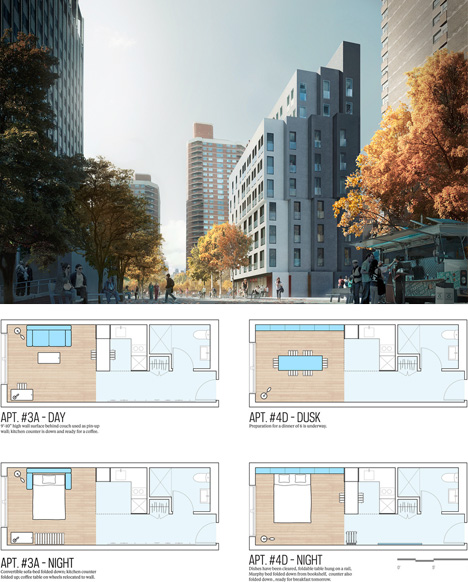
With New York City’s inexorable growth, 1980s legislation barring the creation of 400 square-foot, one-to-two-person apartments has been lifted. And the results are in: award-winning compact units ranging from 250 to 330 square feet each have arrived.

nyc modular prefab units

The solutions, sans traditional square-footage restrictions, involve both production and living innovations. They make the most of modular components and prefabrication, on the one hand, and utilize adaptable floor plans, copious common spaces and expansive rooftop decks to extend livable areas on the other.

nyc unit plan components

Anyone who has spent time in ultra-dense yet highly-organized cities like Hong Kong, Tokyo or London knows that every square foot counts in terms of cost savings, and the less you have, the more you need to creatively make use of what is there.

nyc small apartment scene

Per NYC.gov and CBS New York and via ArchDaily,“Succeeding 33 international proposals and providing an innovative housing model for New York City’s micro-apartments, a team consisting of Monadnock Development LLC, Actors Fund Housing Development Corporation and nARCHITECTS was selected as winner of the adAPT NYC competition. Construction on the pilot project will begin by the end of the year and residents are expected to move in by 2015.”

Share on Facebook


[ By WebUrbanist in Architecture & Houses & Residential. ]

[ WebUrbanist | Archives | Galleries | Privacy | TOS ]


WebUrbanist

 
Comments Off on Under 400 SF: New Modular Micro-Apartments for NYC

Posted in Creativity


Olympus to axe V-series point-and-shoot cameras

16 May

Olympus-logo-blue-bkgd.jpg

According to a report in the Wall Street Journal, Olympus is to cease production of its cheapest V-series point-and-shoot compact digital cameras. This follows a financial report this week which showed a group net profit of 8.02 billion Yen in 2012, driven by the company’s medical instrument business, but a loss of 23.07 billion yen for its imaging business. In response, the company has slashed its sales targets for compact cameras from 5.7 million units in 2012 to 2.7 for the current business year. Click through for more details.

News: Digital Photography Review (dpreview.com)

 
Comments Off on Olympus to axe V-series point-and-shoot cameras

Posted in Uncategorized


Die Schönheit des Verfalls

16 May

Ein Beitrag von: Jörg Rüger

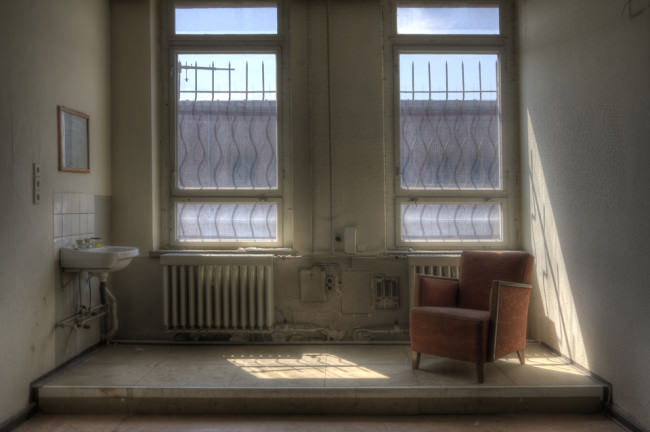
Das Fotografieren von verlassenen Orten ist gerade oder immer noch sehr en vogue. Das verstehe ich auch nur zu gut, geht doch von diesen Orten ein ganz besonderer Reiz aus. Betritt man einen solchen Ort, wird man gefangen genommen von der Atmosphäre, die dort herrscht.

Es ist das Licht, es sind die Gerüche, die für jeden offensichtlich das Besondere an diesen Plätzen ausmachen. Für mich kommt aber noch etwas anderes, weniger Offensichtliches oder Greifbares hinzu.

Normalerweise würde ich von mir sagen, dass ich eher dazu neige, nur Dinge im wahrsten Sinne des Wortes zu begreifen, die man auch sehen, anfassen, riechen oder schmecken kann oder für deren Existenz in anderer glaubhafter Weise ein Beweis angetreten werden kann.

© Jörg Rüger

Hier ist es anders. Ich spüre irgendwie etwas, was die vielen Menschen, die an den unterschiedlichen Orten gelebt haben. Als hätte deren Wirken, Lachen oder vielleicht auch ihre Gefühle wie Schmerz, Trauer und Wut etwas hinterlassen, was untrennbar mit diesen Orten verbunden ist. Ihre Wände atmen förmlich spürbar diese gesammelten Erfahrungen der Menschen, die dort einst lebten.

Ich war einmal an einem Ort, einer ehemaligen sehr großen Kaserne, wo ich erst nach langem Durchwandern in einem Keller angelangte, der offensichtlich die Arrestzellen der Anlage beherbergte.

Niedrige Decken, wenig bis gar kein Tageslicht, einfache Holzpritschen, grob gezimmerte dicke Holztüren und die Wände voller eingeritzter Nachrichten derer, die an diesem Ort gezwungenermaßen Zeit zugebracht hatten.

© Jörg Rüger

Leider waren diese Inschriften alle in Kyrillisch, so dass ich nicht verstehen konnte, was sie bedeuten. Aber das war auch nicht notwendig, denn die ganze Atmosphäre dort sprach auch ohne Worte ganze Bände.

Oder da war dieses Krankenhaus. Viel war dort nicht mehr zu finden. Aber auch dort war das nicht unbedingt notwendig, um nachzuspüren, dass es sich um einen besonderen Ort handelte. Alte Liegen, die verlassene Kinderstation, OP- oder Seziertische – so etwas wirkt schon im Normalzustand in besonderer Weise auf einen ein.

Oder da war dieses ehemalige Kraftwerk von monströsen Ausmaßen. Es wirkte in seinen Dimensionen fast einschüchternd. Aber auch dort waren die kleinen Dinge zu finden, die daran erinnerten, dass das alles von Menschenhand geschaffen wurde und dass dort einst Menschen täglich zur Arbeit gingen.

© Jörg Rüger

Bei den Besuchen dieser Orte geht es mir nicht darum, diese zu dokumentieren und in ihrem Gesamtzusammenhang darzustellen. Mir geht es viel mehr darum, das Besondere dieser Orte, ihre Atmosphäre einzufangen und wiederzugeben.

Mich interessieren oft auch nur bestimmte Details, die man vielleicht auch an jedem anderen Ort finden könnte, die aber genau an diesem in Verbindung mit der Umgebung zu etwas Besonderem werden.

Wenn ich mir so meine gesammelten Bilder verlassener Orte anschaue, dann fällt mir auf, dass es vor allem immer auch wieder Türen, Fenster und Treppen sind, die meine Aufmerksamkeit auf sich lenken. Oft sind es aber auch nur Farben im Zusammenspiel mit Licht und Schatten.

© Jörg Rüger

Fotografisch betrachtet sind diese Orte oft eine Herausforderung. In Ermangelung künstlicher Lichtquellen, oftmals aber auch wegen teilweise verschlossener Fenster und Türen ist die Lichtsituation eher schwierig.

Oft sind es Motive mit großem Kontrastumfang, die abgebildet werden sollen. Vielfach komme ich für den Bildeindruck, den ich erzeugen möchte, nicht um Belichtungsreihen herum. Bei der Bearbeitung der Bilder achte ich jedoch darauf, möglichst eine dem normalen Sehen entsprechende Bildwirkung zu erzielen.

© Jörg Rüger © Jörg Rüger

Man sieht oft Bilder gerade von verlassenen Orten, die (in meinen Augen) im Übermaß bearbeitet wurden. Mir geht es darum, die Orte möglichst so zu zeigen, wie ich sie tatsächlich gesehen habe.

Vielleicht gelingt es mir ja, mit den Bildern ein bisschen die Atmosphäre dieser Orte zu transportieren und diese Eindrücke zu konservieren, denn viele dieser Orten gibt es heute schon nicht mehr.


kwerfeldein – Fotografie Magazin

 
Comments Off on Die Schönheit des Verfalls

Posted in Equipment