RSS
 

Archive for April, 2013

Die stille Stadt

17 Apr

Ein Beitrag von: Thomas Graichen

Dieses Interview ruht seit Ende November in meiner Manteltasche. Nun finde ich die Zeit, das Gespräch aufzuschreiben und fühle mich just in dem Moment wieder an diesen Ort, mit all seinen Geräuschen und Gerüchen, zurückversetzt.

Wir befinden uns in Berlin, es ist noch Herbst. Die Gehwege sind leergefegt und ich eile zum Treffpunkt, einem Cafe in Friedrichshain. Extra für diesen Termin habe ich mir ein Diktiergerät gekauft. Ich treffe Thomas Graichen, Fotograf, und Ann-Christin Kumm, Geschichtenerzählerin.

Im Café ist noch keiner der beiden. Ich wähle den Platz nahe der Tür. Ich habe vor mir ein kleines helles Buch mit dem Titel „Die stille Stadt“ liegen, das ich nun schon in- und auswendig kenne.

Immer wieder spähe ich zur Tür.

Und da kommen sie, vielleicht zwei bis vier Teeschlucke voneinander entfernt, durch die Tür gestolpert. Erst Ann-Christin, mit Regentropfen im Haar und dann Thomas. Nach einer herzlichen Begrüßung, Lachen und Aufwärmen an der Heizung stelle ich die erste Frage.

stille-stadt-02
aus: Die stille Stadt

Ihr habt zusammen das Buch „Die stille Stadt“ herausgebracht, mit Bildern von Dir, Thomas, und drei Kurzgeschichten von Dir, Ann-Christin. Wie kam es zur Zusammenarbeit?

Ann-Christin: Es begann mit einem Gespräch über die Selbstzweifel der kunstschaffenden Menschen. Wir redeten darüber, dass man so seine Zweifel hat und ob das, was man macht, eigentlich Sinn ergibt. Und ob man das der Öffentlichkeit preisgeben möchte. Thomas fragte: „Darf ich das mal sehen oder hören, was Du schreibst?“

Thomas: Du bist dann vorbeigekommen, hast einen Stapel Zettel dabei gehabt und ich war der Zuhörer.

Ann-Christin: Und Thomas’ Idee war, meine Geschichten mit seinen Fotografien zu kombinieren.

stille-stadt-03
aus: Die stille Stadt

Und Thomas, Du wusstest schon, welche Fotos Du dafür auswählen würdest?

Thomas: Ja, ich hatte sie im Hinterkopf. Sie sind im langen, kalten und schneereichen Winter 2010/2011 entstanden. In den Kurzgeschichten war etwas, von dem ich dachte, es könnte passen. Es war sehr stimmungsvoll und ich hatte die Idee, weil die Geschichten und Bilder sich nicht explizit gegenseitig illustrieren, dass die Bilder damit eine Art Kulisse bilden und einen Raum schaffen, in dem die Geschichten leben könnten.

Ann-Christin: Ich wollte allerdings keine schon bereits existierenden Texte verwenden, sondern es sollten eigene Geschichten sein, die in der stillen Stadt verortet sind, aber wiederum völlig eigenständig existieren.

Die erste Geschichte, die fertig war, war das Vogelmädchen. Ab dann wusste ich, in welche Richtung es gehen wird.

stille-stadt-01
aus: Die stille Stadt

Wie habt Ihr die Bilder und Geschichten dann zusammen gebracht, so dass sie miteinander funktionieren?

Thomas: Die Bilder existierten schon und da es ein herausragender Winter war, konnte ich danach nicht einfach weitermachen. Es gab diese Stimmung nicht mehr. Ich hatte die Bilder Ann-Christin in der Anfangsphase gezeigt und fand es gut, es sich so von da an selbst entwickeln zu lassen. Ich fand es schön, dass die Texte eigenständig waren und eine sanfte Verbindung zu den Bildern existierte. Das war auch meine Idee: Es eher lose zu koppeln.

Ann-Christin: Ich habe die Bildauswahl abgegeben. Habe gesagt: „Du bist der Fotograf, Du entscheidest das.“ Wir haben dann nur hin- und hergemailt und ich habe meine Meinung kund getan, wo die ausgewählten Bilder dann letztendlich stehen sollen. Uns war klar, dass es eben keine Illustration sein soll.

Thomas: Peter Gebert, der für das Layout des Buches verantwortlich ist, hat dabei dann auch noch einige Ideen im Bezug auf das Zusammenspiel von Bildern und Texten mit eingebracht, die wir gemeinsam diskutiert und zum Teil auch übernommen haben.

paradies-02
aus der Serie: entrance to paradise

Fotos können Geschichten erzählen, Geschichten erzeugen Bilder …

Ann-Christin: Mir fiel auch auf, dass Fotografie und Kurzgeschichten viel gemeinsam haben, weil sie beide einen Moment festhalten, nicht wie bei einem Roman, in dem eine lange Handlung entwickelt wird.

Ein Bild oder eine Kurzgeschichte, das ist ein völlig subjektiver Blickwinkel: Kommt jetzt die Laterne mit ins Bild, kommt der Satz rein oder nicht, was gebe ich von meinen Figuren preis und was nicht? Und jeder kann etwas ganz anderes wahrnehmen. Deswegen passt das auch so gut zusammen.

„Ich gehe zu Fuß, mit knirschenden Schritten, ich mag die Jahreszeit. Ich mag es, wenn alles zugedeckt ist. Das hat sie nie verstehen wollen. Ich will deine Verstecktheiten nicht, sagte sie. Schrie sie. Warum sagst du nicht einfach, was in dir vorgeht. Einfach, dachte ich. Wenn überhaupt ein Wort nicht auf uns zutrifft, dann: Einfach.

aus: Die stille Stadt, Ann-Christin-Kumm

Die stille Seite der Stadt …

Ann-Christin: Die Bilder von Thomas haben etwas tief Einsames, Verlassenes. Die Bilder sind menschenlos.

paradies-03
aus der Serie: entrance to paradise

Thomas: Ja, und das passt ja auch wieder zu den Geschichten. Die Menschen darin sind ja auch verlassen.

Ann-Christin: Deswegen finde ich es wichtig, von verlassen zu reden und nicht von leer – da ist klar, da geht es um Menschen, aber die sind gerade nicht da, sie sind nicht fassbar.

Deswegen passen sie auch so zum Übergang von Winter zu Frühling. Man sieht eine verlassene Bushaltestelle und weiß, da kommt gleich ein Bus und Menschen steigen aus; oder man schaut auf einen zugefrorenen See und weiß, wenn der Frühling kommt, dann ist die Eisschicht weg.

Thomas: Ich versuche ein anderes Bild der Stadt zu finden, die Rückseite, nicht die spektakuläre, sondern eine sehr stille Seite. Ich gehe sehr viel durch die Stadt und nehme dabei viel wahr. Ich sehe einfach nur und versuche, diese Orte oder Dinge festzuhalten, an denen die Leute in der Hektik des Alltags vorübergehen.

Hast Du Deine Kamera immer dabei, Thomas?

Ich hab zwar fast immer eine dabei, aber ich benutze sie oft nicht. Ich bin nicht der typische Straßenfotograf. Ich fotografiere auch sehr wenig, weil ich die meisten Bilder schon gar nicht mehr mache. Wenn ich etwas sehe, sortiere ich schon stark aus, bevor ich den Auslöser drücke oder eben nicht drücke.

Ansonsten nehme ich unterwegs das Mobiltelefon als ein Art Notizbuch für Orte, um später noch einmal wiederzukommen. Das Telefon als Kamera selbst ist für mich übrigens kein adäquates Medium. Ich gehe dann ein andermal gezielt los, muss Zeit haben, in der Stimmung sein, eine Idee haben. Ich brauche meistens sehr lange, bis ich ein erstes Foto mache und wenn ich es gemacht habe, dann komme ich oft in einen Fluss, ergründe den Ort Stück für Stück.

paradies-01
aus der Serie: entrance to paradise

Machst Du das auch so mit Geschichten, Ann-Christin?

Ich überlege gerade, ob es da eine Verbindung gibt. Ich habe auch ein Notizbuch, in dem ich mir Sätze aufschreibe, die ich vielleicht mal verwenden will. Geschichten bilden immer auch ein Stück der Wirklichkeit ab, das ist wie bei einem Bild.

Oft denke ich aber, was ich mache ist nicht gut, da schlage ich wieder den Bogen zum Anfang unseres Gesprächs. Was ich mache, ist schon so oft gemacht worden, dass es nicht den Aufwand wert ist, das überhaupt zu machen.

Was überwiegt dann, dass Du es doch machst?

Das Bedürfnis, etwas zu verarbeiten oder auszudrücken. So wie Du ein Grundthema hast, Thomas, habe ich ja auch ein Grundthema. Es geht immer um Beziehungen und Kommunikation.

Meine Figuren reden so, wie ich finde, dass sie nicht miteinander reden sollten. Die Geschichten und auch die Figuren sind so lakonisch. Oft isoliert. Sie interagieren mit anderen, sind aber eigentlich isoliert.

Das klingt jetzt so traurig.

lacht

Ich schreibe gern über die Gedankenwelt der Figuren.

Ich habe gar nicht so viel mit Orten zu tun in meinen Geschichten und denke, dass es deswegen so gut mit den Bildern von Thomas zusammenpasst.

paradies-04
aus der Serie: entrance to paradise

Thomas: Mit den Bildern werden die Orte in Deinen Geschichten dann auch konkreter.

Ann-Christin: Die Orte werden zwar kurz umrissen. Aber beim Schreiben denke ich dann, das passiert in einem Jugendstilgebäude und die Leser und Leserinnen bringen es mit einem Hochhaus in Verbindung.

Ich bleibe daher gerne unkonkret. Ich beschreibe auch meine Figuren nicht so ausführlich.

Thomas: Das verbindet uns dann auch wieder. Ich will nicht alles vorgeben. Ich will eigentlich eher den Leuten einen Impuls geben. Dann sollen die sich da selbst reinfinden. Es soll klar eine Richtung vorgegeben sein, aber eben nicht die Antwort.

Ann-Christin: Die Rezipienten sollen gefälligst ihren eigenen Kopf verwenden und nicht nur konsumieren.

Das ist ein schöner Satz, den lassen wir jetzt erst einmal wirken.

absence-presence-01-stine
aus der Serie: absence | presence

Gibt man mit Worten mehr preis als mit einem Bild?

Thomas: Man kann auch in Bildern sehr viel preisgeben.

Ann-Christin: Man gibt ja in beiden Fällen einen subjektiven Blick preis. Ich habe auch nicht Angst davor, dass jemand weiß, wer ich bin. Ich habe da eher in die Richtung Angst, dass es schlecht bewertet wird. Eher in die Richtung: Es ist nichts Besonderes. Wie bei Dir, Thomas, wenn Du sagst, Du machst ein Bild nicht, weil es das ja eh schon gibt. Aber irgendwie ist die Motivation doch da, trotzdem was zu machen. Wie ein Musiker, der trotzdem wieder was schreibt obwohl alle Akkorde, die es gibt, schon verarbeitet wurden.

Thomas: Ich glaube ja auch, dass die Erstellung des Buches ein neuer Prozess war – quasi einen Dialog zu haben.

Ann-Christin: Ja, und die Balance zu finden, zwischen „es ist ein Gemeinschaftsprojekt“ und „es ist meine Geschichte”. Ich habe die Zusammenarbeit als sehr konstruktiv gesehen und bin Thomas auch dankbar für die Idee, zusammen ein Buch zu machen.

Thomas: Wir wollten es im letzten Winter fertig bekommen und es hat nicht geklappt. Aber als es trotzdem ein Jahr später mit genau der gleichen Energie weiterging, zeigte sich, dass es nicht nur eine fixe Idee war, sondern dass alle drei Beteiligten voll und ganz dabei waren. Und nun ist das Buch da.

Ann-Christin: Das war auch ein großartiger Moment, das Buch in den Händen zu halten. Eben war es noch eine Spinnerei von „wir könnten mal und sollten mal“, und dann ist es plötzlich da. Also, ein gefühltes Plötzlich.

absence-presence-03
aus der Serie: absence | presence

Fotografie soll anfassbar sein?

Thomas: Für mich hat Fotografie immer etwas Haptisches. Bilder an der Wand, in Büchern.

Ann-Christin: Eine Veröffentlichung exisitiert nur, wenn ein anderer noch mit darüber entschieden hat. Ich könnte meine Texte jetzt auch in einem Webblog veröffentlichen, aber das wäre für mich dann nicht wirklich veröffentlicht. Ich brauche noch ein Gegenüber, der das freigibt. Deswegen war die Erstellung des Buchs auch so wichtig für mich.

Thomas: Das ist ja auch bei einer Ausstellung so. Es sind einfach mehrere Leute daran beteiligt und der Prozess, wie etwas entsteht, ist gut. Man erarbeitet sich dabei auch etwas. Beim Fotografieren ist es genauso: Wenn ich im Fluss bin, dann bin ich ganz dabei und vergesse alles um mich herum. Das hast Du beim Schreiben bestimmt auch?

Ann-Christin: Ja, geht mir genauso. Ich muss aber immer diesen Moment überwinden, der davor kommt, bevor ich da sitze und schreibe. Ich denke oft: Dann mach ich das halt morgen. Und dann mache ich es doch nicht.

Thomas: Ich glaube, alles hat einfach auch seine Zeit.

absence-presence-04
aus der Serie: absence | presence

Ann-Christin, fotografierst Du auch?

Ich finde das spannend, aber es ist nicht mein Medium. Ich habe nicht den Zugang, den ich gern hätte und benutze das lieber, um bestimmte Momente für mich festzuhalten.

Thomas: Ich glaube, man hat nur eine bestimmte Energie, um bestimmte Sachen richtig gut zu machen. Daher konzentriere ich mich inzwischen lieber auf wenige Sachen; versuche, sie wirklich gut zu machen und mit Tiefe auszufüllen. Andere Dinge, die ich auch gern machen würde, lasse ich dann eher und erfreue mich daran, dass sie andere richtig gut können. Dies so zu sehen, entspannt unglaublich.

Vielen Dank für das mutmachende Gespräch, vielleicht selbst einmal solch ein Gemeinschaftsprojekt zu wagen und danke für Eure Zeit und Eure Gedanken.

Das Taschenbuch „Die Stille Stadt“ mit drei Kurzgeschichten von Ann-Christin Kumm und 13 Fotografien von Thomas Graichen ist für 9,50€ hier oder direkt in der aff Galerie in Berlin zu erwerben.

Und wer noch mehr über den Fotografen Thomas Graichen erfahren möchte, der schaut sich am besten seine Webseite in aller Ruhe an.

alle Fotos © Thomas Graichen


kwerfeldein – Fotografie Magazin

 
Comments Off on Die stille Stadt

Posted in Equipment


Fujifilm releases XF 55-200mm F3.5-4.8 R LM OIS and updates lens roadmap

17 Apr

XF55-200-news-vertical.png

Fujifilm has officially announced the Fujinon XF 55-200mm F3.5-F4.8 R LM OIS telephoto zoom for its X system of mirrorless cameras. Headline features include optical image stabilisation with a claimed 4.5 stops benefit, dual linear stepper motors for focusing, all-metal barrel construction, and premium optics. The lens also features an aperture ring like that on the company’s XF 18-55mm zoom. Fujifilm has also updated its roadmap of upcoming lenses to include the XF 56mm F1.2 R, which is scheduled for release in January 2014. Finally the company is promising firmware updates to improve the autofocus speed of both the X-Pro1 and X-E1, which will be available to download in July.

News: Digital Photography Review (dpreview.com)

 
Comments Off on Fujifilm releases XF 55-200mm F3.5-4.8 R LM OIS and updates lens roadmap

Posted in Uncategorized


Pentax Ricoh releases Ricoh GR camera with APS-C CMOS sensor

17 Apr

ricoh_gr.png

Pentax-Ricoh has announced the much rumored and leaked Ricoh GR, a 16.2MP APS-C sensor enthusiast compact camera. The GR continues on from Ricoh’s GR Digital series of high-end, fixed-lens models, gaining a much larger sensor but continuing to offer a 28mm equivalent field of view, now with an F2.8 maximum aperture. It also retains the GRD IV’s high-res 1.2m dot LCD and a range of photographer friendly functions. Despite ta sensor nearly nine time as big, the recommend price increase by just $ 200 over the GRD IV, to $ 799.

News: Digital Photography Review (dpreview.com)

 
Comments Off on Pentax Ricoh releases Ricoh GR camera with APS-C CMOS sensor

Posted in Uncategorized


Just posted: Our Fujifilm XF 55-200mm F3.5-4.8 R LM OIS preview

17 Apr

xf55-200-xe1-34-news.png

Just posted: Our hands-on preview of Fujifilm’s latest telephoto zoom lens, the Fujinon 55-200mm F3.5-4.8 R LM OIS. Designed for the company’s X-system mirrorless cameras, it offers an 83-300mm equivalent angle of view, and a relatively fast maximum aperture. It also includes optical image stabilisation and two linear stepper motors for quiet focusing. Click through to read our detailed preview for more information. 

News: Digital Photography Review (dpreview.com)

 
Comments Off on Just posted: Our Fujifilm XF 55-200mm F3.5-4.8 R LM OIS preview

Posted in Uncategorized


Just Posted: Ricoh GR preview

17 Apr

Ricoh_GR.jpg

Just posted: Our hands-on preview of the Ricoh GR. The GR is the spiritual successor to the GR Digital series and features a 16MP APS-C sensor behind its 28mm equivalent, F2.8 lens. It’s the first product to show signs of post-merger integration at Pentax-Ricoh, gaining the Pentax TAv exposure mode but retaining a host of traditional Ricoh features. We’ve been shooting with a production GR alongside the Nikon Coolpix A, click to find out more.

News: Digital Photography Review (dpreview.com)

 
Comments Off on Just Posted: Ricoh GR preview

Posted in Uncategorized


Alles oder Nichts?

17 Apr

Ein Beitrag von: Jörg Rüger

„Wenn weniger mehr ist, ist nichts dann alles?“ Diesen Ausspruch des niederländischen Architekten Rem Koolhaas fand ich so interessant, dass ich ihn gern auf meine fotografischen Arbeiten beziehen wollte.

Nun ist es natürlich wenig sinnvoll, „nichts“ abbilden zu wollen. Aber ich habe den Ausspruch so interpretiert, dass eine deutliche Reduktion dessen, was man abbilden könnte, gleichzeitig ein Mehr an Ausdrucksmöglichkeiten bietet.

Das fand ich sehr interessant, weil bis dahin mein bisheriges Hauptthema – die Fotografie von verlassenen Orten – eine andere Herangehensweise erforderte.

© Jörg Rüger

Mit Koolhaas’ Ausspruch im Hinterkopf ziehe ich also los und suche mir meine Motive. Ich fokussiere mich dabei auf die Architektur oder architektonische Details.

Das Schöne daran ist, dass man diese wirklich überall findet. Ich trete auf die Straße und schon kann es losgehen: Fassaden, Mauern, Zäune, Wände und vieles andere mehr.

Ich bin mir aber gar nicht sicher, ob es denn Architekturfotografie ist, was ich da mache. Denn streng genommen hat diese Spielart der Fotografie eigentlich eher dokumentarischen Charakter.

© Jörg Rüger

Das ist es aber nicht, was ich möchte. Mir ist es nicht wichtig, das große Ganze so abzulichten, wie es jeder sieht. Ganz im Gegenteil, ich möchte mit der Auswahl von geeigneten Bildausschnitten die Motive auf Flächen, Formen, Farben und Strukturen reduzieren und damit das Gesehene abstrahieren.

Die Architektur in meiner Stadt bietet mir viele Möglichkeiten für solch eine Umsetzung. Bei einigen Motiven erkennt man dann noch, um welche Sachen es sich handelt, bei vielen aber auch nicht.

Das ist mir aber auch nicht wichtig, wenngleich die Verfremdung nicht mein eigentliches Ziel ist. Mir geht es darum, mit dieser Art der Fotografie eine veränderte Wahrnehmung der Objekte zu erreichen.

© Jörg Rüger

Die Motive werden hierdurch zu etwas Neuem und erhalten eine Eigenständigkeit. Das Haus, das Dach, das Fenster – alles bekommt eine neue Funktion, indem es zum Fotomotiv wird.

Die so fotografierten Objekte bieten Raum für Assoziationen und erhalten für jeden Betrachter eine andere Aussage oder entfalten eine andere Wirkung. Vielleicht enthalten sie auch keine Aussage, sondern werden nur als schön oder interessant empfunden.

Wenn es mir gelingt, das Interesse des Betrachters zu gewinnen, die Aufmerksamkeit auf ein Foto zu lenken, dann bin ich zufrieden. Und es freut mich, wenn ich dem einen oder anderen mit einer Aufnahme ein Rätsel aufgebe und ihn so zu einer weitergehenden Auseinandersetzung mit dem Motiv anrege.

Diese mittelbare Interaktion mit Betrachtern meiner Bilder macht für mich auch einen der Reize der Fotografie aus.

© Jörg Rüger

Wenn ich also für diese Art von Aufnahmen losziehe, dann habe ich meistens keine konkrete Idee im Kopf, bestenfalls vielleicht einen Ort, an den es mich zieht. Ich bereite solch eine Tour auch nicht weiter vor, weder gedanklich noch konzeptionell.

Wenn ich erst einmal fündig geworden bin, dann entwickelt sich die Sache meist von allein. Ich fange vorsichtig an, zu fotografieren, taste mich an das Motiv oder die Motive heran und dann passiert oft etwas, was für mich den ganz großen Reiz an der Fotografie ausmacht:

Die Sache bekommt eine eigene Dynamik, ich überlege nicht mehr lange, was ich fotografiere, ein Motiv ergibt das nächste und ganz schnell nimmt mich dieser Prozess gefangen und ich merke gar nicht, wie sich meine Speicherkarte füllt.

© Jörg Rüger

So können dann ganz schnell ein paar Stunden ins Land gehen. Das merke ich dann meist erst, wenn das Licht verschwindet oder die Speicherkarten an ihre Kapazitätsgrenzen kommen. Am Ende steht dann ein tiefes Gefühl von Zufriedenheit.

Zuhause geht es dann am Rechner weiter, wobei das Motiv für mich die Art und den Umfang der Bearbeitung vorgibt. Meistens bearbeite ich nur sehr wenig. Ich ziehe Belichtung und Kontraste an, schärfe etwas nach, korrigiere stürzende Linien und passe vielleicht auch mal den Bildausschnitt an; das sehe ich ganz undogmatisch.

© Jörg Rüger

Für mich gehört die Ausarbeitung einer Aufnahme am Rechner als zweiter Schritt in dem Prozess dazu. Ganz am Ende steht dann die Präsentation der Aufnahmen, denn wie schon ausgeführt ist mir ein Austausch über die Sachen, die ich mache, irgendwie wichtig.

Und anders würde ich ja beispielsweise nicht erfahren, ob ich mit meiner Umsetzung des eingangs erwähnten Zitats richtig liege: Ist weniger an dieser Stelle tatsächlich mehr?


kwerfeldein – Fotografie Magazin

 
Comments Off on Alles oder Nichts?

Posted in Equipment


Warped Reality: Media Mis-Coverage of Invisibility Cloak

17 Apr

[ By WebUrbanist in Gadgets & Geekery & Technology. ]

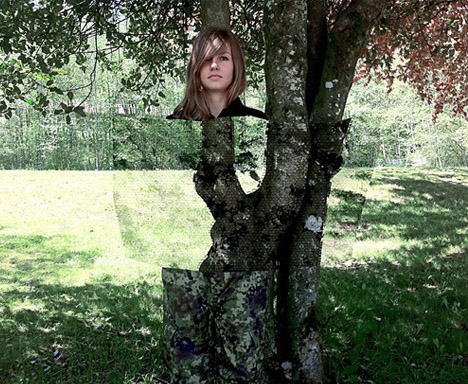
invisibility cloak

This author would like nothing more than to tell you that the above images are of a real-life working prototype of the most amazing invention of the century. That sentence should be clue enough, however, to the contrary. How is it, then, that these photos misled 5,000 publishers worldwide and, consequently, an awed global audience of millions?

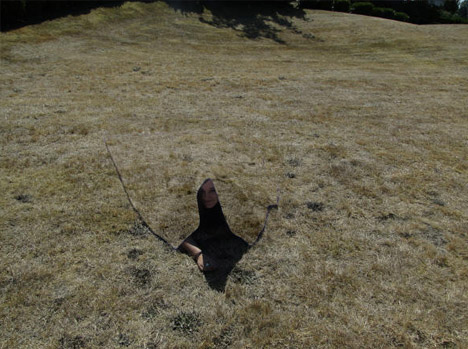
invisibility cloak ground demo

It started with HyperStealth Biotechnology Corp, aptly or ironically a company of self-described “Leaders in Camouflage, Concealment and Deception.” They developed a compelling set of pictures of a next-generation technology designed to work without batteries, mirrors or cameras (perhaps more popular than ever after the special effects of the Harry Potter series).

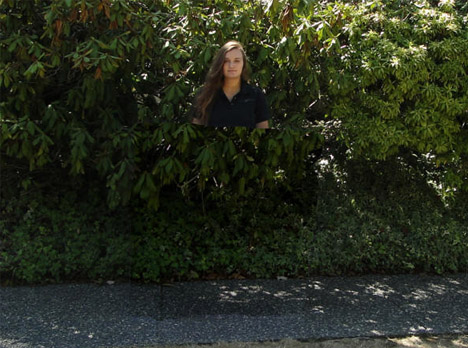
invisibility cloak tree background

Though they subsequently clarified the photographs were manipulated, their bold headline (“Quantum Stealth; The Invisible Military Becomes A Reality”) suggested to readers – and duped news outlets – that what they were showing were working images of an actual finished product.

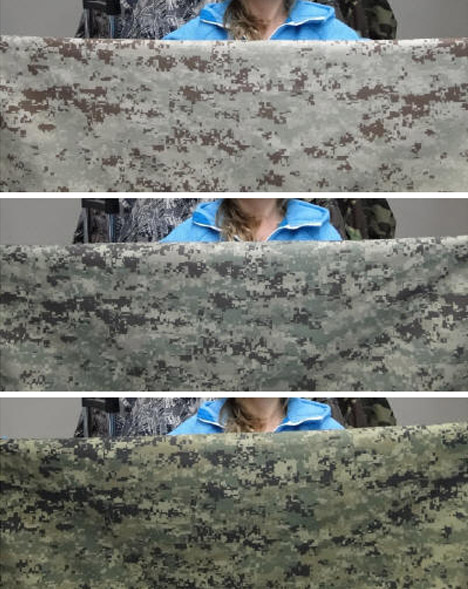
invisible changing camouflage material

By the end of 2012, Guy Cramer of Hyperstealth had conducted “20 interviews on this subject” but there were already “over 5,000 worldwide news stories” that had come out in just over a single week, each one dropping a piece or two of critical information. Most prominently: many failed to mention (or perhaps simply did not understand) that the images shown were not a reality.

invisible cloak wall example

To be fair: Guy still claims to have presented the product to multiple governments and militaries, and that what he has does, in reality, work not just at one angle but from all sides – he simply cannot show the prototypes due to high-level non-disclosure agreements. In the interest of playing it safe, this author will not weigh in on the validity of those claims either way.

Share on Facebook


[ By WebUrbanist in Gadgets & Geekery & Technology. ]

[ WebUrbanist | Archives | Galleries | Privacy | TOS ]


WebUrbanist

 
Comments Off on Warped Reality: Media Mis-Coverage of Invisibility Cloak

Posted in Creativity


3 Small But Important Lightroom 5 Beta Changes You Might Have Missed

17 Apr

Adobe announced the availability of Lightroom 5 Beta at Adobe Labs today and by all means, go grab a free copy and play. I’ve been using Lightroom since version 1 and have been impressed with every upgrading to the program, gladly plopping down my money for a new version as I have found the enhancements in subsequent revisions well worth the funds. And Lightroom 5 seems to be on the same track, based on my findings while playing with the beta this last week.

Adobe has a number of fine new features in this revision and they are sure not to be missed. They include

  • A Smart Preview feature which mobile photographers will love as it creates a smaller, editable version of their monstrously sized RAW image that is easily portable on a laptop and can be synced when the originals, possibly stored on an external drive or NAS back at home, become available.
  • Radial Gradient which allows for selecting oval or circular shaped areas for specific effects.
  • Upright, which attempts to correct crocked images or fine tune vertical lines. (My experience with this tool has been less than stellar on simple horizon shots at sea. More on this in a minute.)
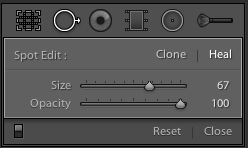
  • Advanced Healing Brush. This one, I like a lot and it is very helpful. Now your “Spot Removal Tool” can be used as a brush to wipe out items that are not in the shape of a circle. This helps a lot and means I spend even less time in Photoshop CS6.

That’s the obvious stuff that Abode packs into their press kit and you probably have seen those items demonstrated on other sites. What I want to show you are three things I found to be helpful in little, but repetitive ways for how I use Lightroom.

(Click any image for a larger version)

Invert Mask

Shot4Thank you! I’ve been wanting this feature for the longest time to save time. But it’s not quite right.
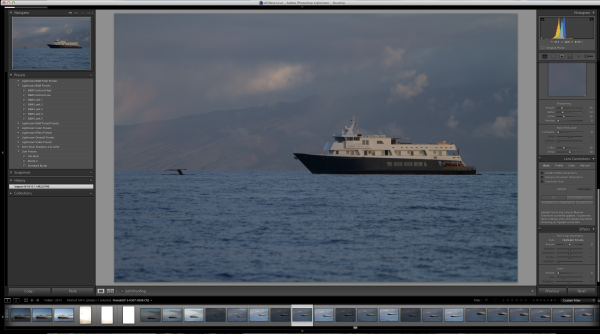
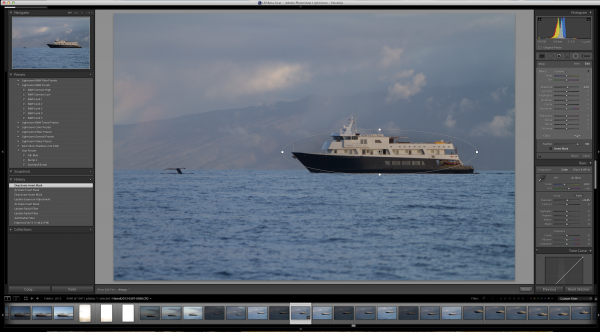
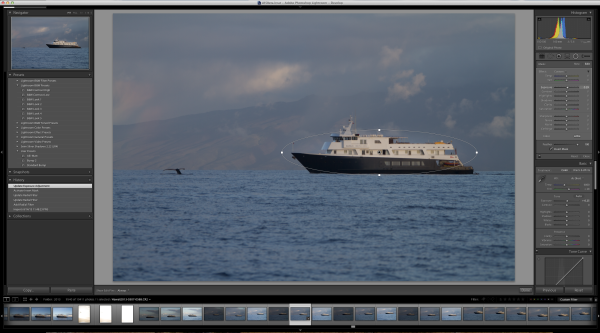
Invert Mask is currently only available with the new Radial Gradient feature. See it at the right? It works well and I’d like to see if appear in the Gradient Tool (especially when creating a new gradient…it would be great to great one just the opposite of the one I am using at the moment) and in the Adjustment Brush.

Here’s a simple rundown of how the tool works.

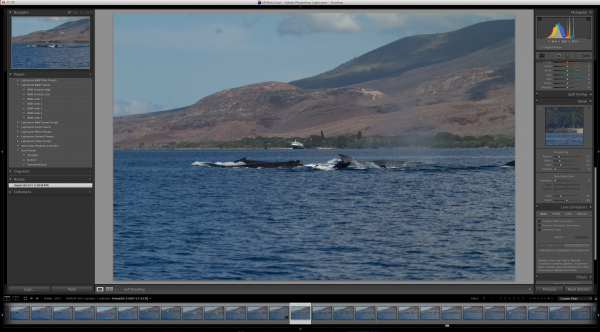
Starting with this image of one of my client’s boats, the Un-Cruise Adventures Safari Explorer off the shore of Maui, Hawaii, I want to see which direction works best: highlight the boat and darken the surrounding seas or slightly darken the boat and bring up the seas, in order to add contrast to the main subject.

Shot1

I select the new Radial Gradient tool and draw an oval over the boat (Dear Adobe, please make this tool work like the Ellipse Tool in Photoshop for consistency. Specifically, please allow me to grab a “corner” of the ellipse and drag it down instead of starting with the middle of the ellipse. Consistency would really help. Thanks.).

Shot2

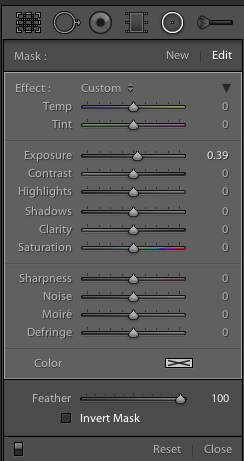
Because I have chosen only to increase the exposure by .39, Lightroom masked the boat and increased the exposure for the rest of the image. But if I want to swap that and mask the entire picture except for the boat, it’s just a simple click of the “Invert Mask” check box.

Shot3

Subtle, but useful to me.

Now please, Adobe, add that ability to the Gradient Tool and to the Adjustment Brush especially.

Visualize Spot Healing

I’d like to think my sensor was perfectly clean before leading a recent tour to Bhutan. As a matter of fact, it was extremely clean before I left. But, as life goes, things don’t stay clean.

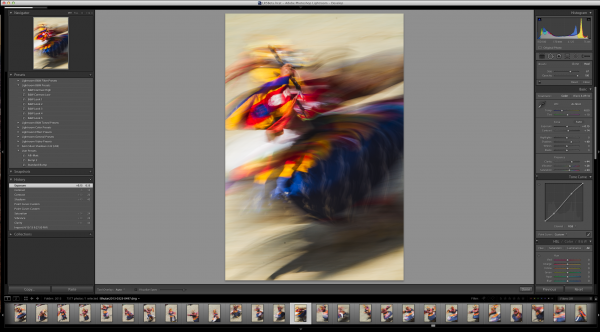
Take this image of a masked dancer at the Paro Tsechu.

Viz1

I wanted some blur (obviously) and used a small aperture to achieve a slow shutter speed. In this case, f/25 and 1/6th of a second. Closing down that aperture makes dust on the sensor more obvious, but this image has a lot going on making it hard to find all the dust.

Viz1-2


Viz2


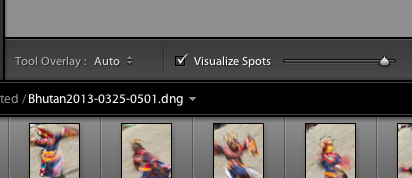
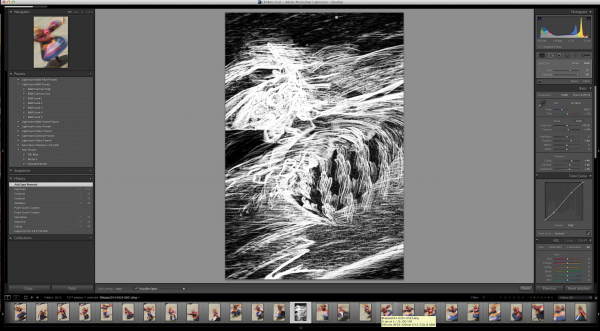
If I click on the “Visualize Spots” check box after clicking the Spot Removal Tool, the slider to the right of it comes alive and I can now more easily see spots. This is a technique used in Photoshop for a while and it works best where edge contrast can be spotted, so in areas without a lot going on.

Viz11

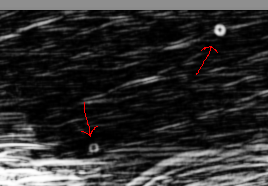
In this image, I found three additional spots, two of which would have been easy to miss without the tool.

Viz4

Remove Chromatic Aberration Check Box

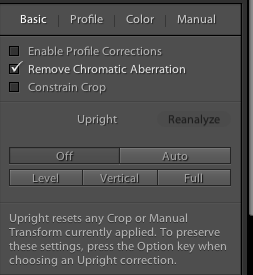
This one is really small, but helpful. With the addition of the “Upright” feature to the Lens Correction panel, Adobe made it easier to get to the Chromatic Aberration removal check box.

Rem1

It’s a small thing, but I often use the check box for “Enable Profile Corrections” for my lens and then want to remove chromatic aberration on only select images, but many. The placement of the box here, as well as on the “Color” tab, helps.

Upright Is Not That Functional For Me

Maybe I’m doing something wrong, but I doubt it. This is one of Adobe’s touted JDI (Just Do It) features and it seems to work well on the demos, but not in real life. If it did, it would be cool. I can get the feature to work part of the time, but no where near even 25% of the time reliably.

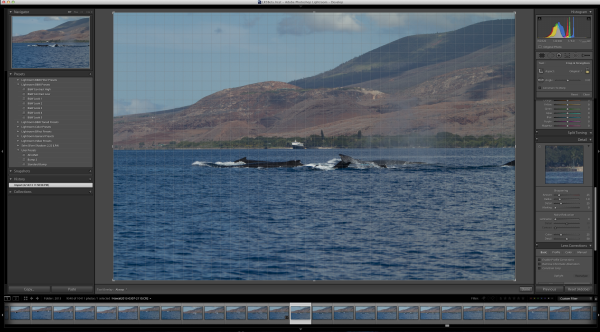
The feature is supposed to level a scene and make diverging or converging vertical lines straight. It can be helpful when it works. But something as simple as a horizon, an obvious one, in this example is not being leveled.  Here’s the initial image out of the camera.

Level1

Now to show that the horizon is not level using the Crop Overlay.

Level2

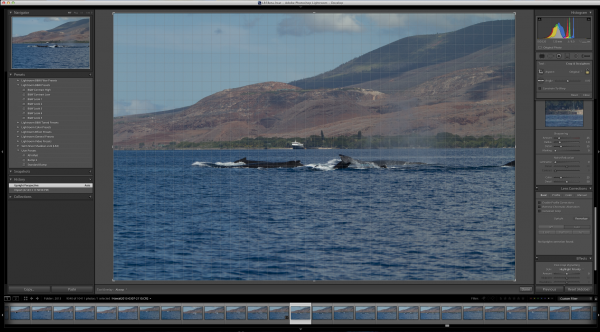
And now using the tool in Auto mode.

Level3

I tried in Level and Full modes to no avail. The program clearly states “No Upright Correction Found”. This is supposed to be a boon for landscape photographers, but even with a clear horizon like this, it failed.

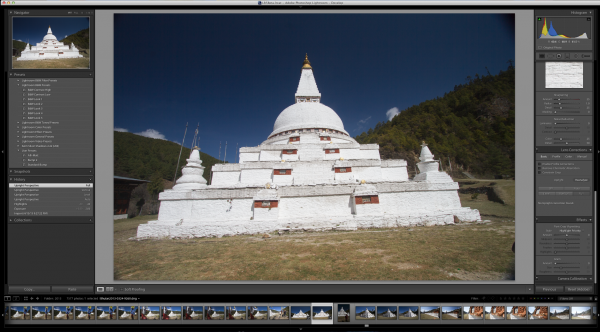
I tried another obvious shot from Bhutan.

Level4

Now how can it say, in all four modes (Auto, Level, Vertical and Full) that no data can be found?

I’m not saying it doesn’t work, I’m saying it’s wonky and not yet reliable.

But this is beta software and that is why they put it out, to find the kinks that mean the most for their users.

Give it a try, Lightroom 5 Beta is quite useful with all the upgrades instituted.


Post originally from: Digital Photography Tips.

Check out our more Photography Tips at Photography Tips for Beginners, Portrait Photography Tips and Wedding Photography Tips.

3 Small But Important Lightroom 5 Beta Changes You Might Have Missed


Digital Photography School

 
Comments Off on 3 Small But Important Lightroom 5 Beta Changes You Might Have Missed

Posted in Photography


Review in Progress: Pentax K-5 II and K-5 II S

17 Apr

k52leading.jpg

Continuing the move toward cameras without optical low-pass filters, Pentax last year released two versions of its flagship digital SLR, the K-5 II and K-5 II S, the latter with no OLPF. Both cameras retain the same body and 16MP resolution, but get an upgraded autofocus sensor and a new air-gapless LCD. We’ve started our review, but wanted to put up a quick look exploring whether there’s a difference between the two in terms of image quality. 

News: Digital Photography Review (dpreview.com)

 
Comments Off on Review in Progress: Pentax K-5 II and K-5 II S

Posted in Uncategorized


A Photographic Tour of New York

17 Apr

Lego Girl, SoHo.New York is a diverse city with gorgeous old architecture and sleek new skyscrapers, iconic landmarks of all types, hidden surprises around every corner, and a diversity of residents and visitors that is unrivaled.  The energy, speed, and creativity that occurs on the streets every single day makes it a playground for all types of photographers.
While Manhattan is probably the most photographed place in the world, we’re not going to talk as much about photographing places like the Empire State Building, the Statue of Liberty, or the Flatiron Building.  No trip to New York is complete without visiting these landmarks, but there is so much more than that.  This article is about delving a little deeper, seeing its most beautiful corners, and capturing the true essence of the city.

And before we go any further, remember that there are so many camera equipment rental shops, such as Foto Care, Calumet, Adorama, or CSI.  So while you’re here, rent that lens or camera that you’ve always wanted for a week, rent a tripod, or even rent a Leica!

Best Buildings, Unknown Landmarks, and Best Views.

The oldest subway tunnel in the world.

The oldest subway tunnel in the world.

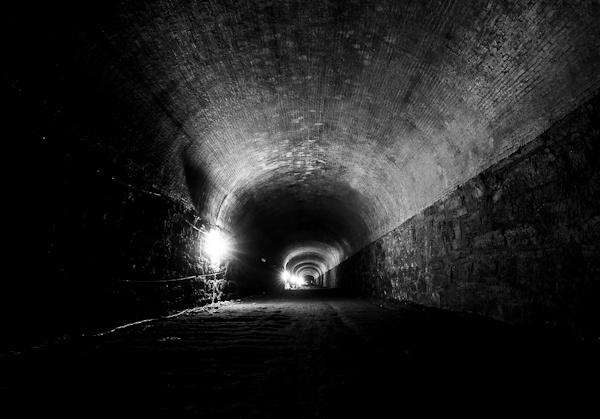
Running under Atlantic Avenue in Brooklyn is the oldest subway tunnel in the world, dating back to 1844.  The tunnel was sealed up in 1861 and forgotten about it until a 19-year-old engineering student named Bob Diamond found it in 1980 after a year of searching.  Diamond gave tours of the tunnel for 30 years through a manhole cover in the street, but they were unfortunately stopped recently by the Department of Transportation.  However, there is a legal fight to get them re-opened, so hopefully they will resume soon.  The tunnel has 17-foot ceilings and is a half-mile long and an old locomotive is even reported to be hidden behind the far, closed-off wall.  Check here for more information about the tunnel and tours.

The Unused City Hall Subway Station

The Unused City Hall Subway Station

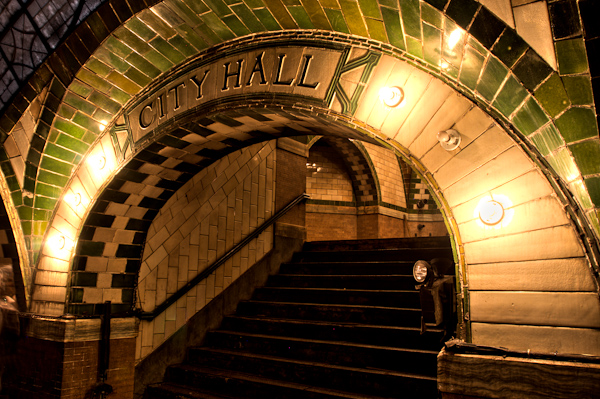
Another underground tour, run by the New York Transit Museum, visits the old and gorgeous, unused City Hall subway station, once the crown jewel of the MTA.  Tours are infrequent and you must be a member of the Museum, however, there is an easy trick to see it on the 6-train.  At the end of the line, the 6-train still passes this station to change directions and you can see it through the windows of the subway cars.  Stay on the 6-train at its last stop (Brooklyn Bridge-City Hall) and look out the side of the train where the doors close.  Get in one of the middle cars and pay attention because it passes quickly.  You may want to do it twice since many people miss it the first time around.  And don’t worry about staying on the train past its last stop as it was recently made legal by the city to do this.

American Standard Building, Chrysler Building Lobby, NY Public Library, The Alwyn Court

American Standard Building, Chrysler Building Lobby, NY Public Library, Alwyn Court

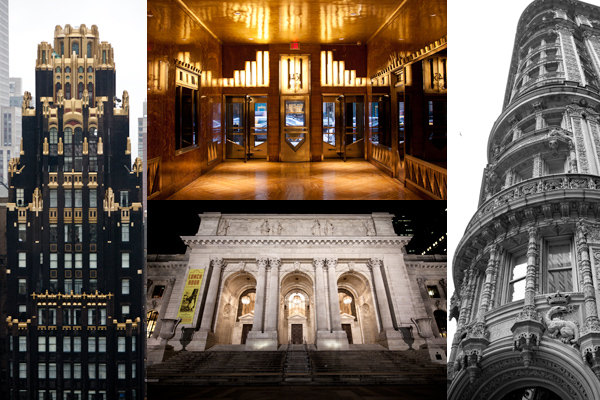
Here are a few of my favorite buildings that you might not know about.  On 42nd Street, next to Bryant Park you can see both the New York Public Library and the American Standard (Radiator) Building, which is now a hotel but was originally built for the American Radiator and Standard Sanitary Company in 1924.  Nearby, you can do some street photography in Grand Central and a couple blocks away is the entrance to the Chrysler Building, which has the most magnificent art deco lobby in the city.  It is covered in murals and is a must see.  And the most ornate building in the city, a block south of Central Park on 7th avenue, is the Alwyn Court.

One of the views from the James Hotel rooftop bar.

One of the views from the James Hotel rooftop bar.

You also can’t travel to New York without seeing a few cityscapes and there are so many spots.  Of course there’s Top of the Rock and the Empire State Building but there are also a lot of rooftop bars with incredible views.  Two of my favorites are at The James Hotel and Ink48.  There’s nothing better than capturing a cityscape and having a drink at the same time.  In addition, if you visit the Metropolitan Museum of Art, then make sure to visit the rooftop during the warmer months, which has one of the best views of the Central Park.

The Brooklyn Bridge and Brooklyn Bridge Park have incredible views of lower Manhattan, especially at night.  And the Water Taxis will give you an great view as well if it’s warm enough to stand outside.  Walk the Brooklyn Bridge, explore the park, and then take the water taxi back.

And finally, a place that I love to walk, but is a little out of the way, is the Manhattan Bridge, which has incredible views of the Brooklyn Bridge.  Walk it and then walk back as there’s not much on the other side.

Best Areas for Street Photography

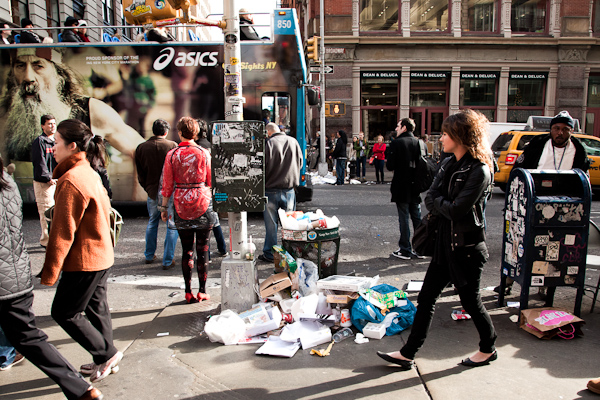
You can’t visit New York without trying some street photography.  The people are the most important, creative, and interesting aspect of the city.  Capture the life and fashion on the streets and you will photograph the true essence of the city.  Here are a few of my favorite spots.

Lady in Red, 5th Avenue.

Lady in Red, 5th Avenue.

The corner of 57th and 5th is one of the most iconic corners in Manhattan.  At any given moment you will have a mix of very fashionable New Yorkers, both the wealthy and the everyday people and workers, and the interesting tourists from all over the world.  This wide avenue also has incredible light throughout the day so use it to your advantage.  Walk south on 5th Avenue, stopping at interesting corners and people watching until you get to the 42nd street, Bryant Park area.  This stretch of Manhattan is one that is constantly captured by the famous New York Times fashion street photographer Bill Cunningham, so who knows, you might run into him as well.

Corner of Prince and Broadway

Corner of Prince and Broadway.

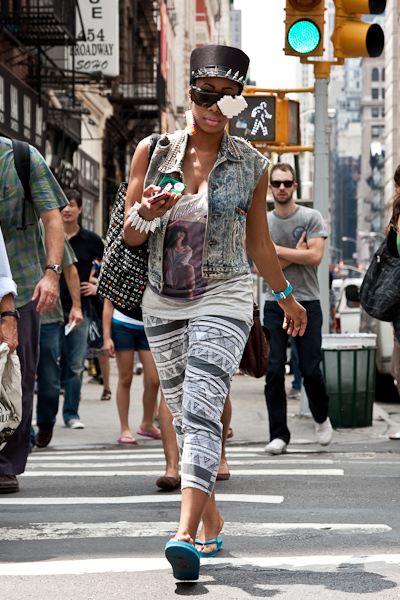
SoHo is probably my favorite area for capturing people.  You can venture anywhere and find interesting people and hidden corners, but the best corner is Prince and Broadway, right by the N R subway stop.  The stretch of Broadway between this corner and Canal Street is my favorite.  Also, for planning sake, remember that the Prince street corner is only 4 short blocks from Lombardi’s pizza.

The corner of Broadway and Canal (home of the fake purses) brings us to Chinatown, which is always bustling with people no matter the day or time.  Travel southeast and make sure to see Doyers Street, nicknamed the “Bloody Angle” and seen in many movies and tv shows.  Also nearby is Columbus Park, which is always filled with tables of old Chinese men and women gambling and playing music.  It is such a fun place to be and capture.  And while you are there, don’t forget to stop for some soup dumplings and fried dumplings at Joe’s Shanghai.

Cutting through the middle of Chinatown is the Bowery, one of the most amazing streets in the city and filled with so much diversity.  The Bowery, quickly becoming a fashionable place to be, was once one of the most down and out streets in Manhattan.  It was also the birthplace of Punk Rock and you can see the old CBGBs (now a John Varvatos store).  Visit the photographer Jay Maisel’s stunning bank building and graffiti mecca on Bowery and Spring and walk until you end up on my other favorite street, St. Marks (8th Street), a main thoroughfare of the East Village.

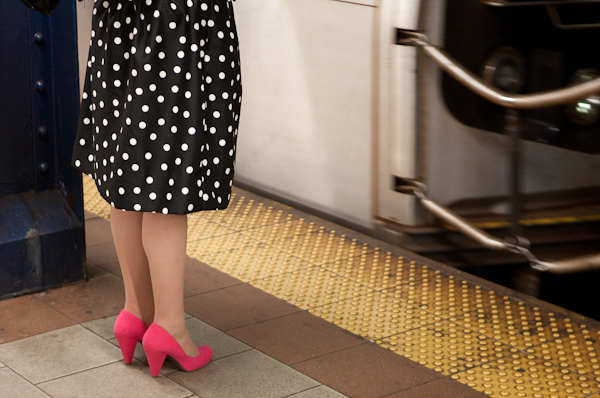
Finally, we can’t forget the mecca of street photography, which is the New York Subway system.  Set your camera on 1/200th of a second and ISO 3200 and make sure to take the subway everywhere.  Stations such as Times Square and Grand Central are filled with people at almost any time of day.  For some inspiration, check out the work of Bruce Davidson – and keep in mind that the subways are a lot less scary looking than when he did his work.

N-R Train, Polka Dots and Pink Shoes

N-R Subway Train, Polka Dots and Pink Shoes

A Photo Tour of Central Park South 

(To best follow this advice, download the “Central Park” app for your smartphone, which will provide you with a map with points of interest, along with your location.)

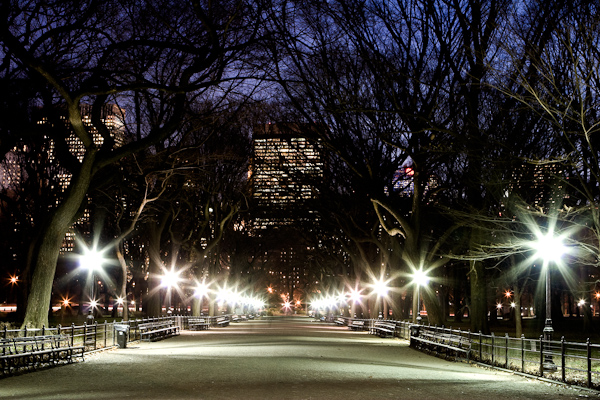
Poets Walk at Dusk.

Poets Walk at Dusk.

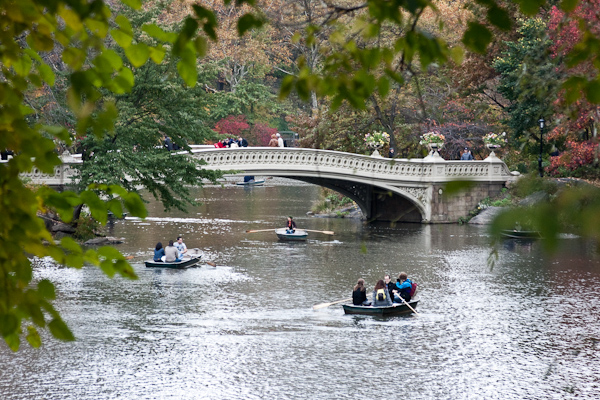
Enter the Park by the Plaza Hotel at 59th Street and 5th and walk and explore the area of the Pond and Gapstow Bridge.  The view of Gapstow Bridge with the Plaza behind it is an iconic view of the city.  Walk north until you come upon Literary Walk (Poets’ Walk).  There is nothing like the view here at dusk, so consider coming back when the sun is setting.  Walk north until you arrive at Bethesda Terrace, which has a beautiful view of the Lake.  To your right will be the boat rental area, so rent a rowboat, which is my favorite thing to do in the city.  Travel under Bow Bridge, bring some sandwiches for a picnic on the boat, and spend an hour exploring the lake and it’s many hidden areas.  You will most likely see a few couples getting engaged.

Rowboats and Bow Bridge.

Rowboats and Bow Bridge.

After you return the boat, walk west to Bow Bridge, cross it and head back east around the Lake to the “Central Park Point.”  Then walk all the way to the eastern edge of the park and head south to Dene Shelter, which has a stunning view of Central Park south.  If you have kids, nearby is also the zoo, home to the Penguins of Madagascar.

Favorite Photography Museums and Galleries

The Modern Museum of Art (MOMA) on 53rd street has an unrivaled photography section with hundreds and hundreds of diverse and classic works.  It is my favorite place to view photography in the city and it is constantly being updated and changed. 

Three of my other favorites are the ICP Museum on 43rd and 6th (http://www.icp.org/museum), the Leica Gallery on Broadway and Bond Street (http://us.leica-camera.com/culture/galleries/gallery_new_york/) and the Howard Greenberg Gallery (http://www.howardgreenberg.com/) on East 57th Street.  While the HG gallery has much more than photography, it has an amazing photography collection.

If you’re a fan of the photography of Jacob Riis, visit the Tenement Museum on the Lower East Side and transport yourself back in time to see what living in an old tenement was like.  After, visit the fantastic Tenement Museum Bookstore and then go for a walk and enjoy the gorgeous tenement exteriors and fire escapes in the neighborhood.  Stop at the nearby Katz’ Delicatessen or Russ & Daughters for lunch. 

And while this technically doesn’t count as a museum, it might as well be.  The Strand Bookstore on Broadway and 12th street is the best bookstore I’ve ever been to and it has by far the best photography book section that I’ve ever seen.  To say it has everything is an understatement.  I know time is often of the essence when visiting the city, but if you are a fan of photography, the Strand is a must see and has the same weight as any photo exhibit.

Brooklyn

This article is focused mostly on Manhattan, yet Brooklyn is a borough that needs to be seen and explored.  It deserves its own article and there are incredible locations for photography.

Quickly, a few things to see are the waterfront (with amazing views of Manhattan), the area of DUMBO, Get lost in Prospect Park and see the nearby Brooklyn Museum and Botanic Gardens, and visit Coney Island.  And if you are a fan of Brownstones, then Brooklyn is the place to be.  Go brownstone touring through the neighborhoods of Park Slope, Fort Greene, Brooklyn Heights, Prospect Heights, and Cobble Hill.

Photographing at Night

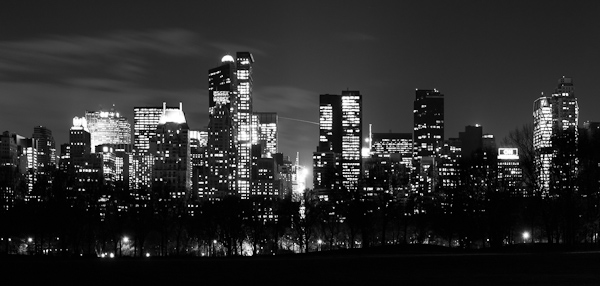
Central Park South.

Central Park South.

A final thought.  If ever there was a fact about photographing New York, it’s this – while the city may look beautiful during the day, there is nothing that comes close to capturing it at night.  When I meet people or give tours for visitors I try to stress this, but I feel like many people don’t take advantage of it.  I suggest that when you plan your trip, schedule one night of the trip to explore at night.  Do something easier on the legs during the day, grab a quick dinner from a hole in the wall pizza place, and go for a very long walk.  Central Park is generally very safe at night as long as you stick to the well travelled areas and stay south of Bow Bridge.  Even if you don’t you’ll be fine, but better to be somewhat careful.  You will be surprised with how crowded the park is at night during the warmer months.  Other areas that are amazing at night are anywhere in Midtown, the Brooklyn Bridge, anywhere along 5th Avenue, SoHo, Chinatown, and the East Village.

Hope to see you soon!

Post originally from: Digital Photography Tips.

Check out our more Photography Tips at Photography Tips for Beginners, Portrait Photography Tips and Wedding Photography Tips.

A Photographic Tour of New York


Digital Photography School

 
Comments Off on A Photographic Tour of New York

Posted in Photography