RSS
 

Archive for March, 2013

24 March, 2013 – Sony Duo 11 Review

24 Mar

What are you using to review and work on your images in the field? Our regular contributor Miles Hecker has just written a review of a new tablet / laptop, the Sony Duo 11. Maybe it’s for you as well.

There is now less than a week to enter our latest contest that lets you win an Ipad loaded with all of our videos.

Don’t forget our "win-an-iPad 
with all our software included" contest.

Win a New 128GB iPad with Retina Display
Including all Major Luminous Landscape Videos
– Pre-Installed –

Find Out More 


The Luminous Landscape – What’s New

 
Comments Off on 24 March, 2013 – Sony Duo 11 Review

Posted in News


Bread Balks: 13 Old & Moldy Abandoned Bakeries

24 Mar

[ By Steve in Abandoned Places & Architecture. ]

abandoned bakeries
What becomes of bakeries when they’re no longer kneaded? Do the well-bread upper crust take their dough elsewhere, cooking up some other pie-in-the-sky scheme? This baker’s dozen of abandoned bakeries have closed their oven doors for good; victims of flour play, management missed cakes and muffin’d opportunities.

Wonders Will Never Cease

Wonder Bread bakery sign Columbus Ohio(image via: Ruth E Hendricks Photography)

Well, yes and no… the original Wonder Bread bakery at 697 N. Fourth St. in Columbus, Ohio’s residential Italian Village neighborhood churned out an assortment of baked goods from 1916 through to May 1999. One can’t say the factory had a good run: Wonder Bread was invented in 1921 and the landmark sign dates from the late 1940s.

Wonder Bread bakery abandoned Columbus Ohio(images via: Columbus Underground, jvonr and the_mel)

After being shuttered for a decade, the dark red brick bakery is about to be reborn as the somewhat humorously named Wonder Bread Lofts. A total of 56 apartments comprise the complex which should be complete and ready for occupancy in early 2013. “It can’t be soon enough,” said site developer Kevin Lykens. “Demand for residential right now is through the roof.” Demand for Wonder Bread, not so much.

Tokyo Whiffed

abandoned Tokyo bakery(image via: Guwashi999)

Not even the Iron Chef can resurrect this rusting neighborhood bakery in metropolitan Tokyo and in doing so, save it from the eventual assault of the wrecking ball. Having served the generations who powered Japan’s post-war recovery with the sweet smell of perfumed pastry, this long abandoned bread-monger now serves as a backstop for vending machines and a silent scentless place-holder for future urban renewal.

On Location At The Hunger Games

The Hunger Games Mellark Bakery(images via: CBC and Down With The Capitol)

The abandoned Henry River Mill Village in Burke County, North Carolina became District 12 for a few days in the summer of 2011 as crews filming The Hunger Games recorded their location footage. The planned village was built in the early 1900s around a textile mill that closed in the 1960s and burned down in 1977. The former General Store building needed very little modification to become the Mellark Bakery where Peeta Mellark worked.

Next Page:
Bread Balks 13 Old Moldy Abandoned Bakeries

Share on Facebook


[ By Steve in Abandoned Places & Architecture. ]

[ WebUrbanist | Archives | Galleries | Privacy | TOS ]


WebUrbanist

 
Comments Off on Bread Balks: 13 Old & Moldy Abandoned Bakeries

Posted in Creativity


24. März 2013

24 Mar

Ein Beitrag von: Mario Traar

Looking Down - More Shoes


kwerfeldein – Fotografie Magazin

 
Comments Off on 24. März 2013

Posted in Equipment


browserFruits März #4

24 Mar

Und wieder ist Sonntag und wir präsentieren Euch die browserFruits mit aktuellen und interessanten Links rund um die Fotografie. Wenn Ihr unsere Empfehlungen auch unter der Woche vermisst, dann folgt uns uns auf Twitter.


Fotospecial: Noten

Flickr

500px


Deutschsprachig

• „Private Moon“ ist eine wunschön märchenhafte und surreale Serie des russischen Fotografen Leonid Tishkov. i-Ref stellt sie vor.

• Kelly Angood hat aus Pappe eine funktionierende Lochkamera im Hasselblad-Design entworfen.

• Was man bei einer eigenen Ausstellung beachten sollte, hat Martin Neuhof notiert.

• Ein Interview mit dem People- und Lifestyle-Fotografen Adrian T. Kubica haben wir bei Blickfang gefunden.

• Auf Focus Online haben wir ein Video über den Röntgenfotografen Nick Veasey gefunden.

• Richard Ross portraitierte Jugendliche im Strafvollzug der USA.


International

• Eine sehr ästhetische Schwarzweißserie aus der Vanity Fair des Jahres 1953, fotografiert von Mark Shaw.

• Wer mal mit einem seiner Bilder in einer echten Ausstellung hängen möchte, kann sich bis zum 3. April zur Ausstellung „Trick of the Eye“ in der Darkroom Gallery in Vermont bewerben.

• Was war Euer liebstes Spielzeug in der Kindheit? Die Fotografin Gabriele Galimberti ist um die Welt gereist und hat überall Kinder mit ihren Lieblingsspielzeugen fotografiert.

• Ein neues, wieder tolles Projekt der Kalifornierin Anna Katchadourian: „Sorted books“ zeigt arrangierte Bücher, deren Buchrücken sprechen.

• National Geographic öffnet Tür und Tor mit einem Tumblr, das bisher ungesehene Fotos aus dem Archtiv präsentiert. Abonnieren!

• Er hatte schon seine Fotoausrüstung verkauft, doch dann gewann Daniel Rodrigues den World Press Photo Award.

• Werden mit Sicherheit eine neue Kontroverse anstoßen: Die Kodak Aerochrome-Fotos aus dem Kongo von Richard Mosse.

• Jennifer Kaczmarek portratiert Kinder mit Behinderung.

• Die Straßenfotografien von Todd Gross bringen zum Lachen, Weinen und Schmunzeln.

• Die Framed-Awards wurden verliehen und unter den Gewinnern finden sich wirklich ganz großartige Fotografen, ein paar haben wir sogar bereits vorgestellt.

• Wie fotografiert man einen expoldierenden Wasserballon? Eine kleine Anleitung.

• Old People Wearing Vegetation. Klingt albern, ist es auch, aber ebenso herrlich ernsthaft umgesetzt nimmt diese Serie aktuelle Kopfschmuck-Strömungen in der jungen Fotografie aufs Korn.


Neuerscheinungen und Tipps vom Foto-Büchermarkt

buchtip

• Wem der Name Marc Mielzarjewicz etwas sagt, der wird auch wissen, dass er sich den „Lost Places“* verschrieben hat. Jetzt hat er ein neues Buch herausgebracht, in dem er sich dem Harz widmet.

• Wer gern Schwarzweiß-Bilder ansieht, dem könnte der Bildband „Arvid Gutschow“* gefallen. Er würdigt das Werk Arvid Gutschows, einem Vertreter der Neuen Sachlichkeit.


Videos

Greg Heisler fotografierte Alanzo Mourning für das ESPN Magazine und eklärt das verwendete Studio-Setup.


Joe McNally gibt ein paar Fototipps.


Weil unser grauer Winter nur in Zeitlupe vorbeizugehen scheint, hier was schnelles Buntes aus den urbanen Tropen.


Ausstellungen

Yvonne Faber – Industriedenkmal oder Schrott?
Zeit: 22. März – 16. April 2013
Ort: Stadthaus Ulm, Münsterplatz 50, Ulm
Link

«3 / Drei»
Zeit: 28. Februar – Ende April 2013
Ort: Only Photography, Berlin
Link

Frank Darius: Das Paradies ist hier
Zeit: 23. März – 19. Mai 2013
Vernissage: Freitag, 22. März 2013 um 19 Uhr
Ort: Alfred Ehrhardt Stiftung, Auguststr. 75, Berlin
Link

Harry Callahan – Retrospektive
Zeit: 22. März – 9. Juni 2013
Ort: Haus der Photographie, Deichtorhallen, Hamburg
Link

Ikone Karl Marx. Kultbilder und Bilderkult
Zeit: 17. März – 18. Oktober 2013
Ort: Stadtmuseum Simeonstift Trier, Simeonstr. 60, Trier
Link

Mehr aktuelle Ausstellungen


* Das ist ein Affiliate-Link zu Amazon. Wenn Ihr darüber etwas bestellt, bekommen wir eine kleine Provision, Ihr bezahlt aber keinen Cent mehr.


kwerfeldein – Fotografie Magazin

 
Comments Off on browserFruits März #4

Posted in Equipment


Hasselblad HD5 Comment Win.

24 Mar

On Strobist, I try not to merely echo content seen elsewhere. I just don't think rote aggregation adds much to the conversation. But I am making an exception on this Hassy HD5 BTS vid, which you may have seen recently on other sites.

That's because the video itself (which, to be fair, is quite cool) is not the subject of the post. Nope, this post is about a comment on this video from long-time Strobist reader Duncan Bell. Here's my setup to the video, as I shared it on my G+ stream:
__________

Such a simple—and expensive—concept.

1. Shoot a palace interior. ($ $ $ )
2. Print it on big-ass vinyl. ($ $ $ )
3. Suspend big-ass vinyl print in a rented olympic-sized pool. ($ $ )
4. Light the living crap out of the pool. ($ $ $ $ )
5. Shoot a model in front of it with Hassy HD5 MF digital camera. ($ $ $ $ $ $ $ $ $ $ )
6. But make sure that camera is in a waterproof housing that itself probably cost more than my car. ($ $ $ $ )

Enjoy.

To which Duncan added the following, most apropos Strobist comment, elevating the video/comment combo into something I simply had to post…

Read more »
Strobist

 
Comments Off on Hasselblad HD5 Comment Win.

Posted in Photography


How to Use Sunset Light to Light Portraits

24 Mar

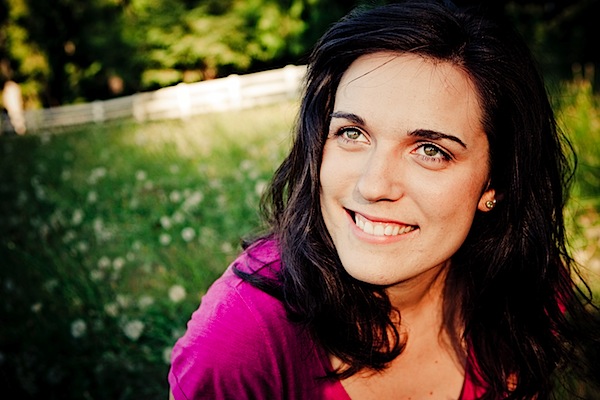
Sunset is arguably the most beautiful time of day for portrait light. But you don’t want to simply take your subject outside and start shooting. Take a few moments to identify “how” to use your light and your portraits will be dreamy.

Here are three ways you can use the light by setting your subject in relationship to the setting sun.

1. Front Light:

Place your subject facing the light. Shoot facing your subject with your back to the light. The light will brightly illuminate your subject, bringing out stunning catchlights. Take note: if the light is too bright for your subjects eyes, simply have them close thier eyes until you are ready to snap the shot – and make that moment count.

sunset 1 - Front Light.jpg

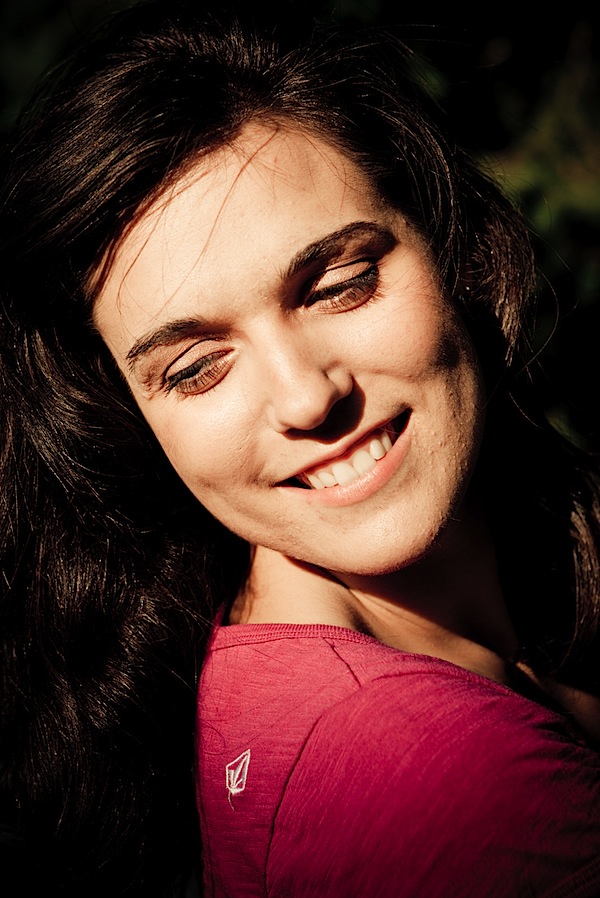
2. Side Light:

Turn your subject so that only one shoulder is facing the light. Then turn thier face 3/4 degrees into the light. This side angle will give you soft transfer edges between the highlights and shadows. This lighting will also add depth to your portrait. Shoot facing your subjects lit shoulder.

sunset 2 - Side Light.jpg

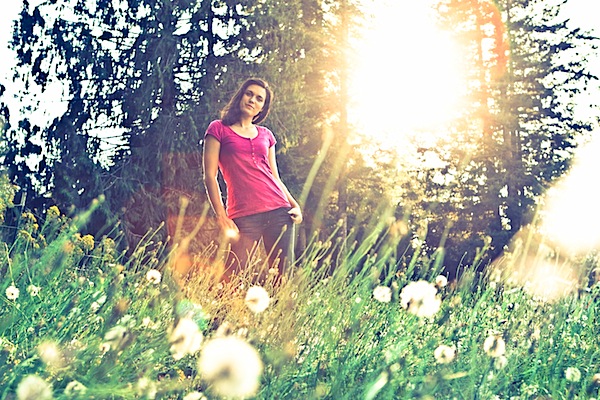
3. Back Light:

For a most unique and artistic shot, place your subject with thier back to the setting sun. On Manual mode, overexpose the portrait so your subject is evenly lit. Remember this will cause your background to be overexposed and your highlights will be blown out.

sunset 3 - Back Light.jpg

Experiment with the angle at which you place your subject to the sun and you will be more than pleased with the creative results.

Post originally from: Digital Photography Tips.

Check out our more Photography Tips at Photography Tips for Beginners, Portrait Photography Tips and Wedding Photography Tips.

How to Use Sunset Light to Light Portraits


Digital Photography School

 
Comments Off on How to Use Sunset Light to Light Portraits

Posted in Photography


How I shot and edited it: The Second Severn Crossing

24 Mar

Second Severn Crossing - how I shot and edited

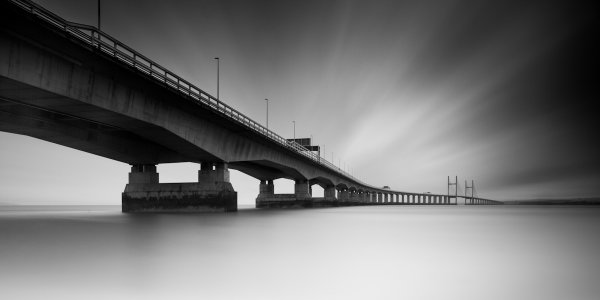
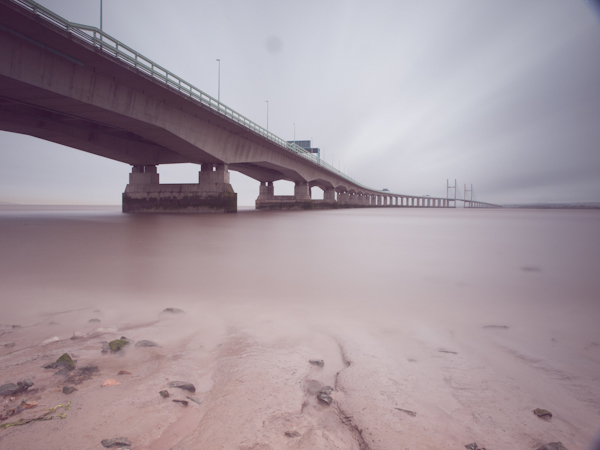
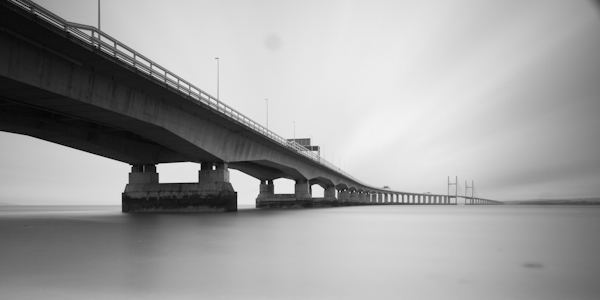
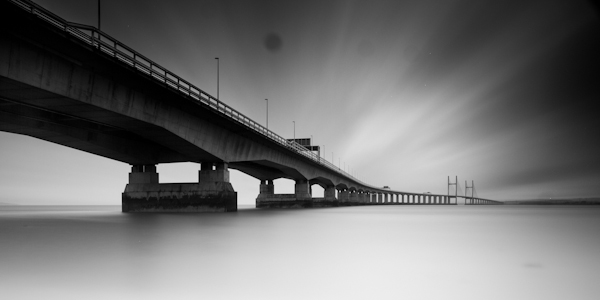
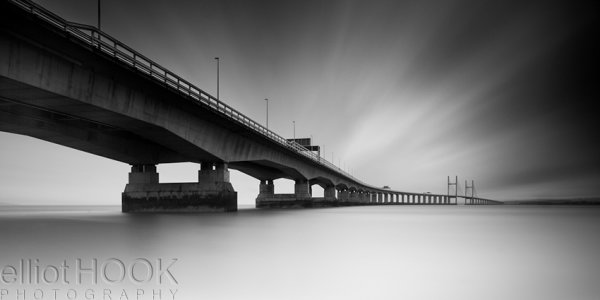
The image above is a long exposure taken of the Second Severn Crossing, a motorway bridge that crosses the River Severn, just outside Bristol, England.  I have been asked a number of times how this image was processed, what software/plug-ins were used, so I thought it would be a useful exercise to explain it here.

Shooting the image

I had been thinking about this shot for a while and I knew that there were a couple of important elements that I needed to consider when trying to capture the image:

  • I was really keen to get low, relative to the bridge, and shoot a wide-aspect image across the river.   Fortunately, there is a footpath that runs along the river bank, under the bridge, that is easily accessible by car (Google maps link).
  • I wanted to capture a long exposure so I could contrast the movement of the clouds against the static structure of the bridge.  Therefore, there was no special planning in terms of weather or time of day, as I was happy with a cloudy sky in the middle of the day, as long as there was a strong wind – fortunately, over the 2012 Christmas period, the UK offered those conditions in abundance.
  • I wanted to fill the frame with silky-smooth water, so as the River Severn is a tidal river with one of the largest tidal ranges in the world, I ensured that I would arrive at the location around high tide.

The image, as captured straight out of the camera, is shown below:

How I shot and edited - second severn crossing - image 1

The image was taken at ISO100, 12 mm, f/10, with a 5 minute exposure (299 seconds to be precise).  I used a 2-stop graduated neutral density filter to evenly match the exposure of the sky with the river, and used a 10-stop neutral density filter to produce the long exposure.   As the highlights of the scene were easily contained, I over-exposed the image to ensure that I captured the maximum amount of movement in the clouds, knowing I would be able to correct the exposure/contrast during post processing.

Processing the image

The processing of this image was performed in Adobe Lightroom 4.

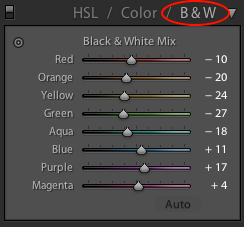
The first step was to convert the image to black and white using the B&W selector in the colour panel (on the development pane).

lightroom BandW selection

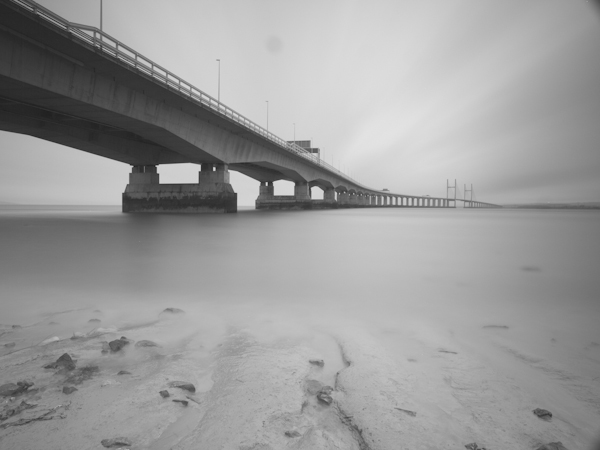
How I shot and edited - second severn crossing - image2

The initial image after a straight B&W conversion, lacking in contrast

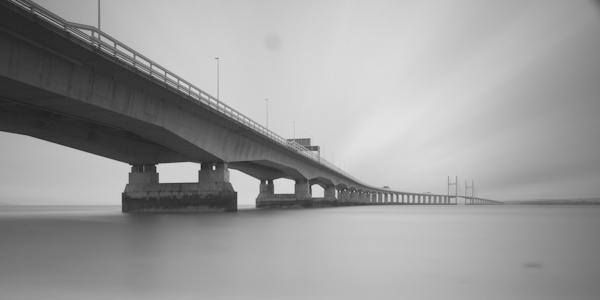
Given the significant amount of foreground, I decided to crop the image at this point, using a 2:1 aspect ratio, to give the wide-aspect image I was after and to stop the foreground being a distraction during the rest of the processing.

How I shot and edited - second severn crossing - image3

Cropped to a 2:1 aspect ratio

I then needed to address the lack of contrast and over-exposure of the initial image.  Therefore, I set the white (+33) and black (-40) points and adjusted the contrast (+40) to set the overall exposure for the image.

How I shot and edited - second severn crossing - image3-1

Initial exposure adjustments made

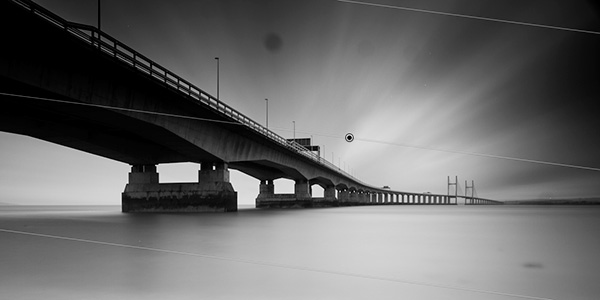
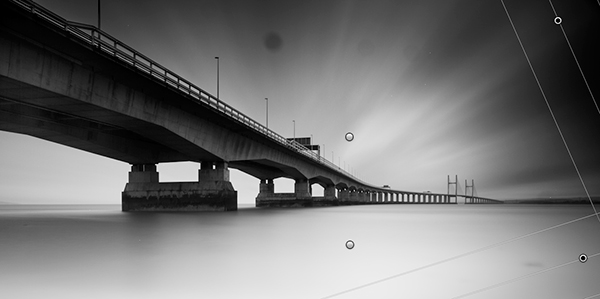
I then applied a graduated filter to the sky (shown below) to adjust the exposure (-1.74), contrast (+100), clarity (+100) and highlights (+12).  I wouldn’t usually increase either the contrast or the clarity to +100, let alone both, but in this instance doing so acts to bring out a full range of tones within they sky and so emphasise the movement captured in the clouds (the increase in contrast/clarity is also a very good way of highlighting any dust spots present in an image!).

How I shot and edited - second severn crossing - image4

Showing the graduated filter being applied to give impact to the cloud movement in the sky

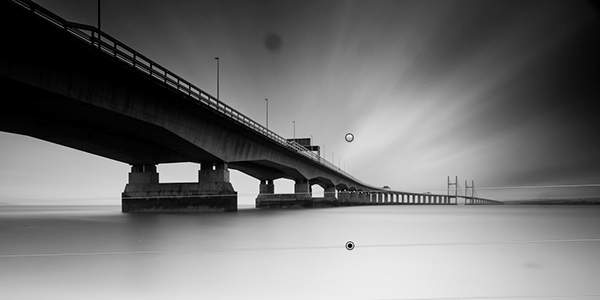
Next, I applied a graduated filter, from the bottom of the frame, to the water (shown below).  I used it to increase the exposure (+0.80) and reduce clarity (-100) in order to brighten the water and reduce the local contrast to give that bright, smooth water effect that can be key to an image such as this.

How I shot and edited - second severn crossing - image5

Showing the graduated filter being applied to the lower section of the image to smooth out the water

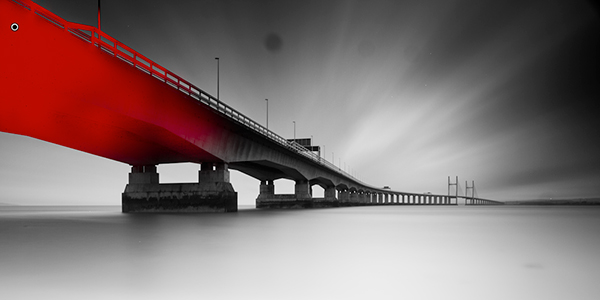
When applying the graduated filter to the sky, it also acted on the bridge in the top left corner of the frame, making it overly dark, losing detail.  Therefore, I used the adjustment brush to paint a mask over the affected portion of the bridge, using a low flow, in order to be able to build up the desired effect gradually.

How I shot and edited - second severn crossing - image6

The mask drawn with the adjustment brush is shown in red

To the adjustment mask, I applied an increase in the exposure (+1.08) and shadows (+18) to bring out some of the detail in the bridge that was lost after applying the graduated filter over the sky.

How I shot and edited - second severn crossing - image7

Nitce the extra detail now visible in the upper left portion of the bridge after application of the adjustment mask

I then applied a graduated filter to each corner on the right hand side of the image, shown below.  The top graduated filter was required to subtly blend a vignette caused by me stacking the 10-stop filter and the ND filter holder.  The bottom graduated filter was required to tone down the water at the edge of the frame.  The exposure was reduced in both instances.

How I shot and edited - second severn crossing - image8

The two final graduated filters shown merged into the same image here)

The final edit that needed to be made to the image was to remove all of the dust spots (you’ll be glad to know I’ve since had my sensor cleaned) and hot pixels (the bright white pixels that result from the extreme exposure time) to give the final image:

How I shot and edited - the second severn crossing - final image

The final image (click to enlarge)

So there you go, using a few relatively simple edits, it was possible to produce this high-contrast black and white long exposure without the need for any additional plug-ins or software packages outside of Lightroom 4.  The initial image may have lacked impact and that can often be the case with long exposure shots, however by shooting in raw, you can exploit the captured detail to create the image you had envisioned.

If you would like some tips to help you take long exposure images, such as the one above, please check out this earlier post.


Post originally from: Digital Photography Tips.

Check out our more Photography Tips at Photography Tips for Beginners, Portrait Photography Tips and Wedding Photography Tips.

How I shot and edited it: The Second Severn Crossing


Digital Photography School

 
Comments Off on How I shot and edited it: The Second Severn Crossing

Posted in Photography


Geometric Projections: Light Art Radically Reshapes Nature

23 Mar

[ By WebUrbanist in Art & Photography & Video. ]

light art in nature

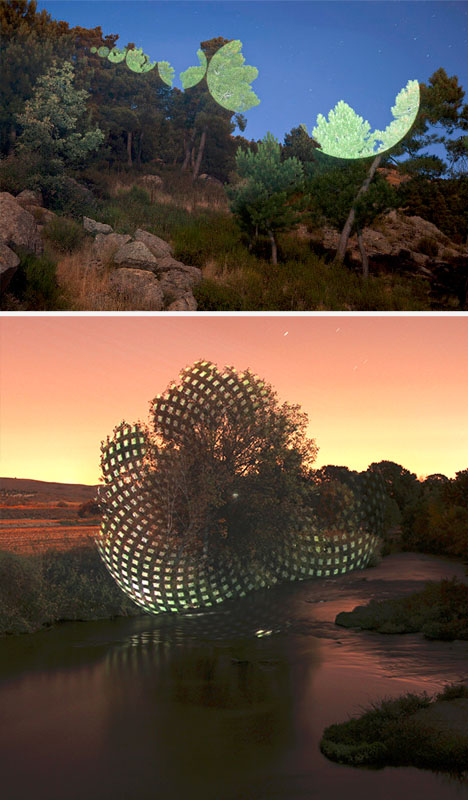
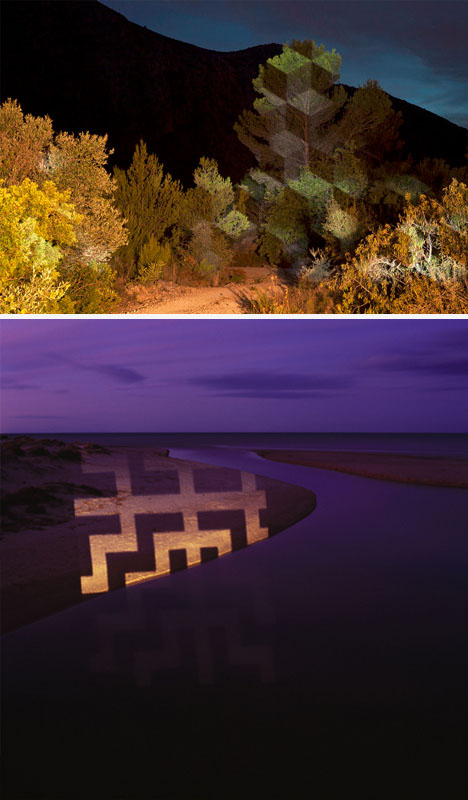
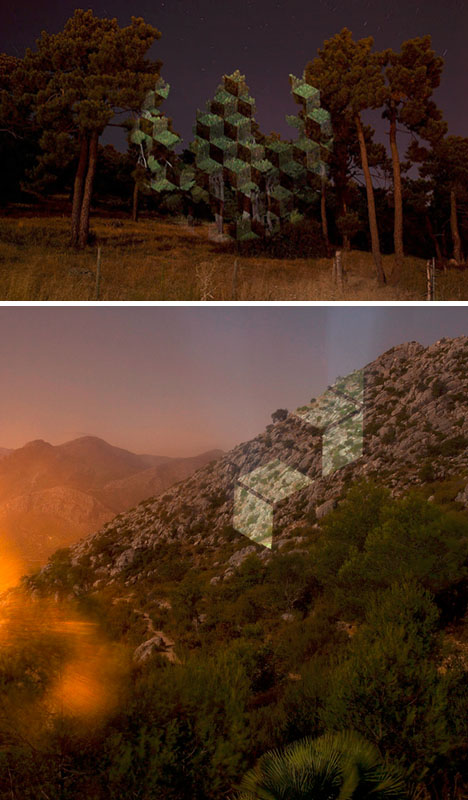
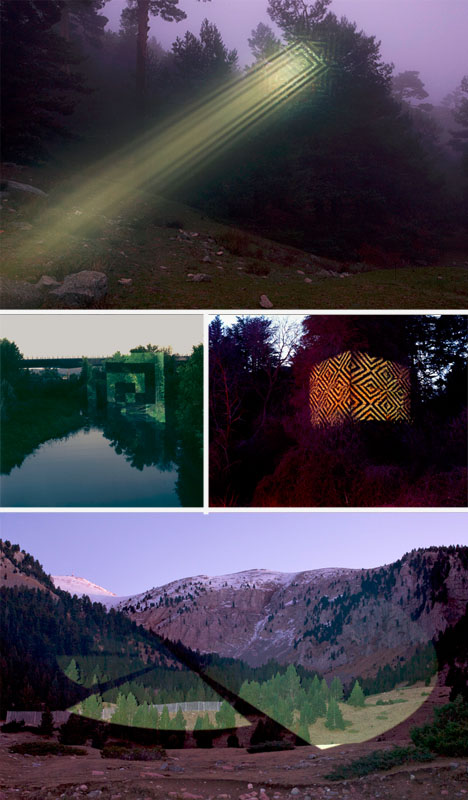
Everyone knows there are mathematical patterns to be found everywhere in nature – though few such geometries are as explicit and dazzling as those imposed by this projection artist.

light geometric pattern painting

Javier Riera plays with simple regular forms in part because such elementary shapes precede language processing.

light art project scenes

In short: like nature, geometric concepts are immediate and fundamental, short-cutting the part of our brain that demands articulation and explanation.

light art 3d geometries

Sometimes the shapes seem to carve or parcel the existing landscape, turning trees into pie charts of forestry. In other cases, mazes and boxes add or remove dimensionality from complex objects or flat planes.

light artwork shapes forms

Like hedge mazes and botanical sculpture, there is something classically curious (and perhaps contradictory) about these attempts to impose order on the apparent chaos of the natural world.

Share on Facebook


[ By WebUrbanist in Art & Photography & Video. ]

[ WebUrbanist | Archives | Galleries | Privacy | TOS ]


WebUrbanist

 
Comments Off on Geometric Projections: Light Art Radically Reshapes Nature

Posted in Creativity


23. März 2013

23 Mar

Ein Beitrag von: Edwin Emerlich

True-Love


kwerfeldein – Fotografie Magazin

 
Comments Off on 23. März 2013

Posted in Equipment


8 Years Ago: First Impressions of New Waterproof Camera – Pentax Optio WP

23 Mar
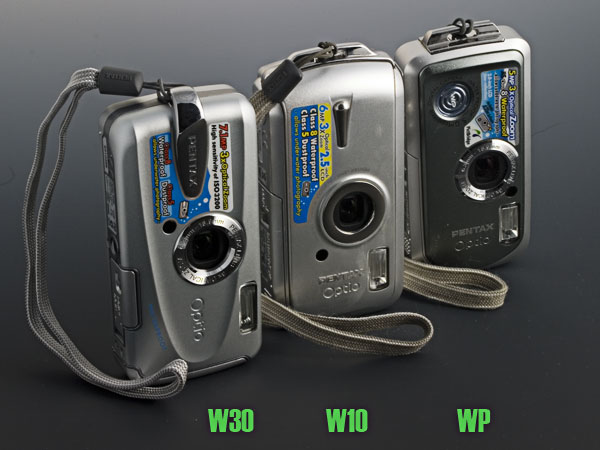
Pentax Optio W cameras

In April of 2005 I bought my first digital waterproof camera – Pentax Optio WP. It was pretty unique little camera at that time which really changed my paddling photography and blogging. Since then, I have upgraded through several models of Pentax Optio as seen on the picture above.

Currently, I am using Pentax Optio WG-2. You can already buy a newer version, Pentax Optio WG-3, and several other similar waterproof cameras from other manufactures. Pentax Optio, whatever version, stays always attached to my life jacket and ready to use.

Here is what I wrote 8 years ago …


pentax optio wp
April 26, 2005
Canon PowerShot S40 with or without waterproof case has been my main paddling companion. Most pictures on my paddling website are produced by that 3 year old camera. Occasionally, I am also using my digital SLR camera Canon 10D, e.g., in my solo paddler, solo photographer series.

However, I was thinking about a camera I could take to Texas Water Safari. It would need to be small and waterproof. The Canon PowerShot in the waterproof case would be too heavy, too bulky and too awkward to operate for a tired racer at the edge of hallucination. I am ready to add no more than a weight of one or two power bars to my racing setup. A tiny and waterproof Pentax Optio WP provides some hope here.

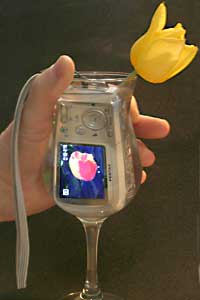
It is waterproof! The camera has survived a first shooting in a rain during my Big Thompson River paddling and a 15 minute photo session in a glass of water.

It is small, compact, and it looks pretty solid without any protruding parts. A zoom lens is always inside a waterproof case behind the protective glass. The small size has, however, some downsizes. A grip is much less secure than with my larger Canon PowerShot. It is difficult to operate zoom control when holding the camera in a one hand. I had problems to get sharp pictures when shooting with one hand from my tippy Sisson kayak. No problems when both hands are available for photography.

The camera turns on very quickly just with a touch of a button. No need to uncover lens and wait for zoom lens to extend as in my Canon PowerShot.

There is no viewfinder, just an LCD display. It is difficult or impossible to read it in a direct full sun. However, I am ready to accept that compromise in a digital camera, where I can always review the picture and/or histogram after a shot.

As a somewhat advanced photographer I like to have more control over camera operations that it is possible in the most of “idiotproof” point-and-shoot cameras. So, it is easy for me to point out what I am missing in Pentax Optio.

Typically, I am shooting my paddling pictures in Av (aperture priority) mode. The aperture (depth of field) is set to a maximum value and the camera automatically selects the exposure time. If the exposure time is too long for a handheld shooting I am adjusting aperture or, as a last resort, sensor ISO speed. There is no Av (or Tv) mode in Optio. Instead, there are numerous (20 or so) automatic shooting modes from landscape, to portrait, to food or museum. I guess it’s not much different than in other similar point-and-shoot cameras.

I am taking advantage of locking the exposure setting (AE lock) In my Canon cameras – locking the exposure on the specific subject and the recomposing the image. I’ve found that feature extremely useful in my paddling photography. It can be used only in Av or Tv mode, so it’s not available in Optio. There is a exposure compensation in Optio. However, I’ve rarely used it in my Canon cameras. I just prefer to check different parts of my scene with the AE lock until the exposure of the entire picture looks OK. I will need to change my shooting habits … All pictures made with Pentax Optio during my Big Thompson River paddling were shot in the basic picture taking mode – P.

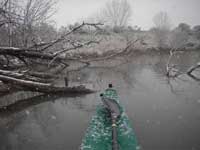
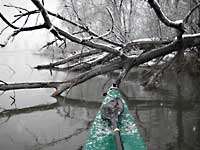
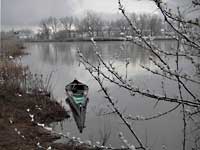
canoe paddling canoe paddling paddling Colorado

Judging from my recent paddling on Big Thompson River and Beaver Pond, the camera is not only waterproof but also attracts a wet weather …

Anyway, Pentax Optio looks promising for my paddling and racing needs. I am going to post next comments after more paddling and shooting in different conditions and after some more systematic exploration of the camera features. The ultimate test for the camera will be the next Texas Water Safari. The Pentax Optio needs not only to survive the race but also to produce a good photo story!


Pentax Optio WP did really well in 2005 Texas Water Safari and, next, in other ultra marathon paddling races.


paddling with a camera

 
Comments Off on 8 Years Ago: First Impressions of New Waterproof Camera – Pentax Optio WP

Posted in Photography