RSS
 

Archive for January, 2013

Sony Alpha SLT-A99 REVIEW

17 Jan

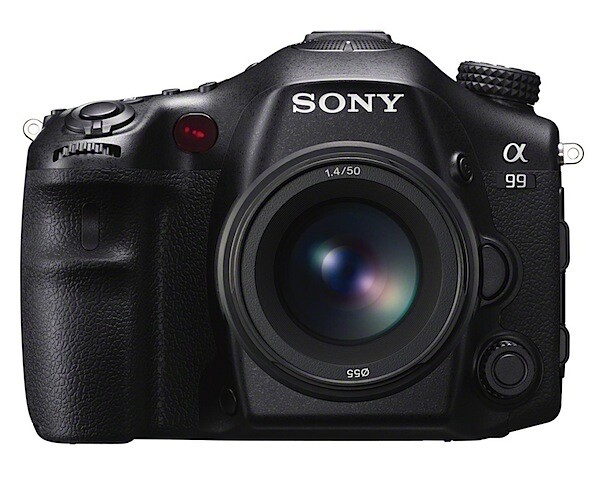
Sony Alpha SLT-A99 front.jpg

After a run of compact digicams it sure was a change of scenery to grasp this major one for review.

However, I was surprised at how easily I fell into its working modes. Am I getting more camera-wise or is the Alpha SLT-A99 more user-friendly?

I suspect the latter because, when you run your eyes over the exterior control points everything seems to be where you would expect it, clearly labelled and easy to use.
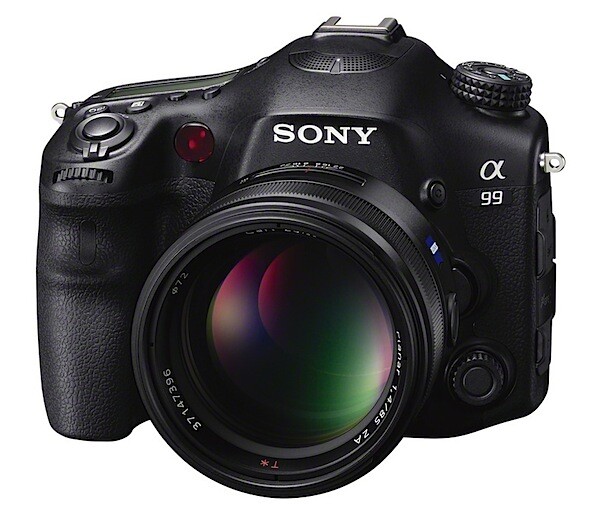
Sony Alpha SLT-A99 1.jpg

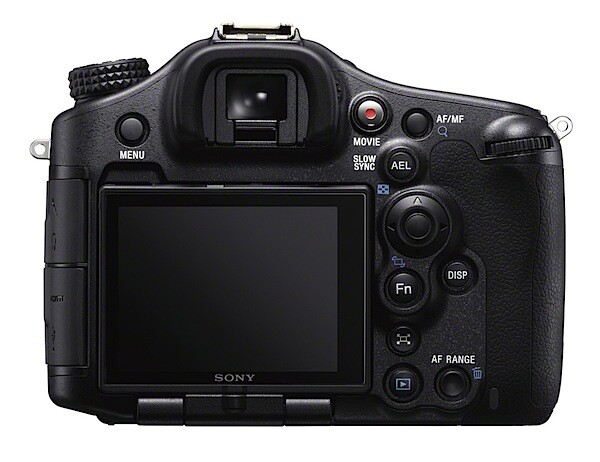
Sony Alpha SLT-A99 rear.jpg

Sony Alpha SLT-A99 Features

At left on top is the mode dial with selection points for auto exposure, PASM, memory recall, scene selection (portrait, sports, sunset etc), sweep panorama, continuous shooting and movie recording options.
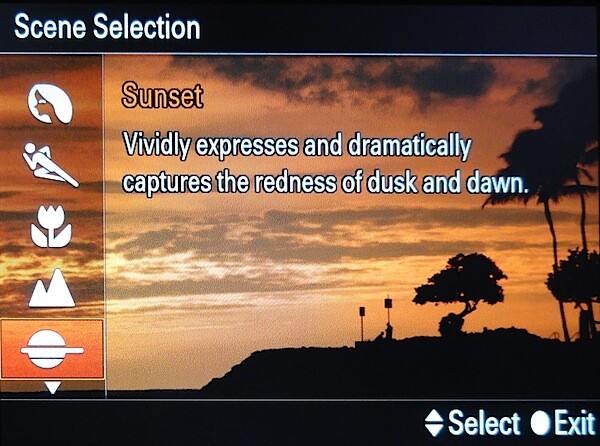
Scene selection.jpg

To the right of the top deck is the power lever, shutter button, exposure compensation, front control dial, exposure compensation, ISO setting, white balance and an LCD display.

Rear: the familiar red movie record button, exposure lock, multi selector lever, Function button, display selector, focus magnifier, menu etc.
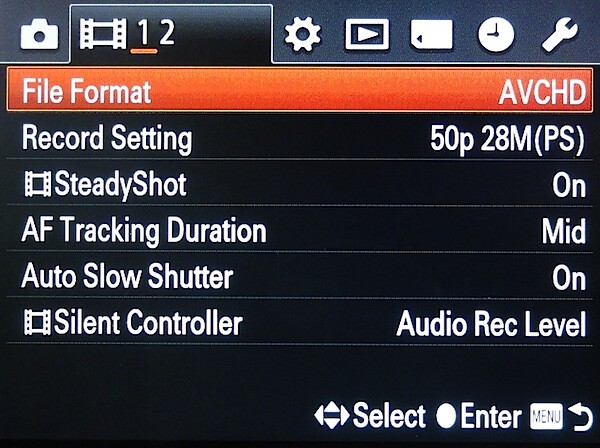
Menu.jpg

All of this means, once you’re familiar with the camera’s control layout, you need rarely delve in to the LCD finder menu.

Sure, the camera’s heavy and bulky. It does have, after all, a full frame sensor. With the Carl Zeiss Vario-Sonnar f2.8/24-70mm lens the kit weighed in at 1.8kg. Not your average snapshot camera!

This is of course Sony’s first translucent mirror camera to have a full-frame 35mm CMOS sensor, measuring 35.8×23.8mm.

Fishermen.jpg

If you came in late, here’s a quick rundown of the SLT (Single Lens Translucent) feature: SLT stands for “Single Lens Translucent”, using a translucent mirror that allows roughly two thirds of the incoming light (the photo) to pass directly through it and onto the sensor; at the same time a smaller amount, approximately a third is reflected up to the camera’s phase detection autofocus (AF) sensor.

The mirror does not flip up as in an SLR, but stays in place; this reduces the time to take a photo, and provides fast, full-time phase detection AF.

The benefits include no mirror blackout, so no blackout when the shot is taken and faster shooting speeds … in this case up to 10 fps, depending on frame size (half or full frame).

The negatives include the fact that the finder view is electronic and while, of excellent quality, is comparatively dim and the view quality does not compare with an optical prism finder. Also, there is a light loss to the CMOS, about a third of an f stop.
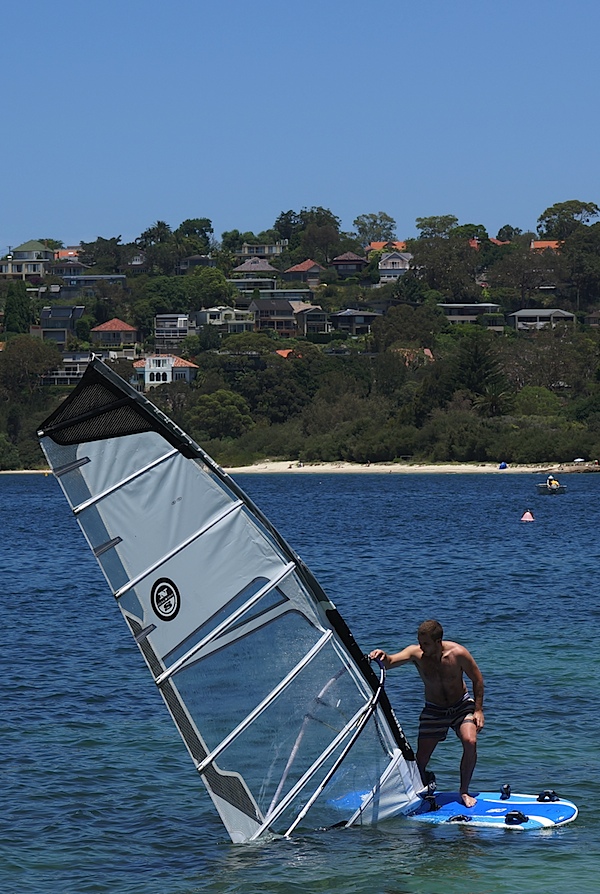
Windsurfer 1.jpg

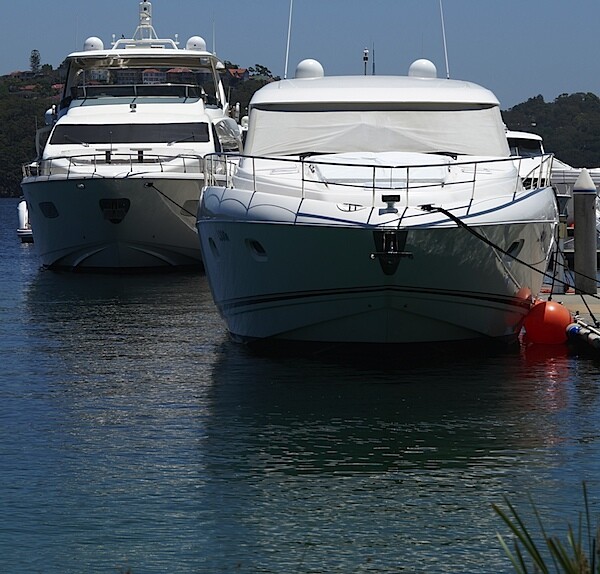
Yachts 3.jpg

The body is made from high rigidity magnesium alloy panels. The SLT-A99 is also described as ‘the world’s first DSLR with professional movie recording capabilities’, which neatly puts it up against Canon’s much-acclaimed (by video shooters) EOS 5D Mark III.

The maximum image size is 6000×4000 pixels, or as a 46x34cm print. Movies can be recored as Full HD 1920×1080 pixels in either AVCHD or MPEG 4.

Movie makers will appreciate a new feature that allows silent adjustment of exposure compensation, ISO sensitivity and metering methods, shutter speed, aperture and audio record levels during Full HD video capture.

I found that the video system works quite well with AF and auto exposure, monitoring the scene continuously; but you will notice it sometimes fail to track AF correctly. You can’t shoot stills while capturing video.

The auto focus system relies on a 19-point AF system with 11 cross sensors, complemented by a multi-point focal plane phase-detection AF sensor. Helping with moving subjects, this is complemented by a 102-point multi-point focal plane phase-detection AF sensor that senses subjects crossing the focal plane.

This new AF control helps by allowing users to set the distance range recognised by the AF system and is explained by Sony as the situation where you can focus on distant sports action, even if you shoot through a nearby wire mesh fence.
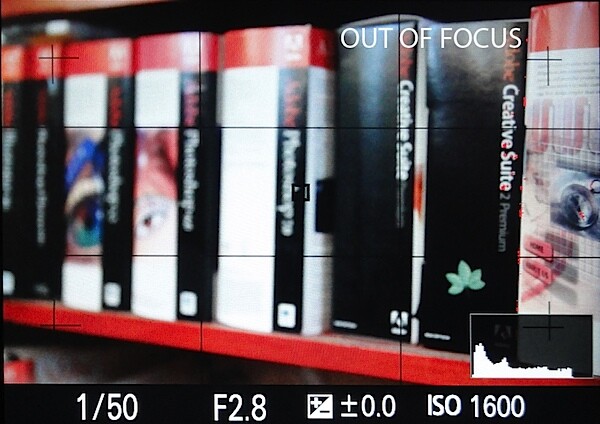
Out of focus.jpg

In focus.jpg

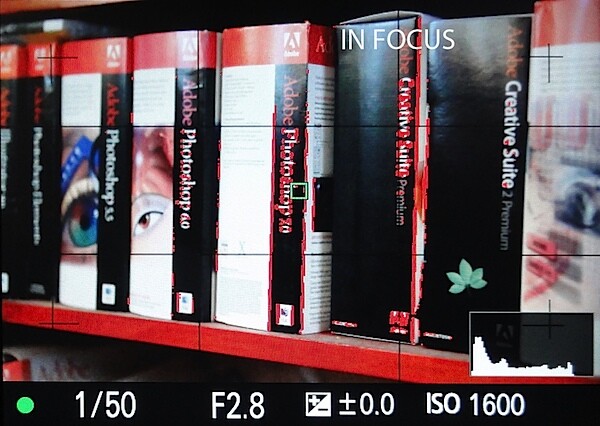
One feature that caught my eye is the manual focus mode, switchable on the left side (viewable from behind) of the lens barrel. If focus is out, the screen view is of course, out of focus; if in focus the sharp areas of the subject are outlined in a bright colour: the default hue is red. No excuses any more!

Appreciated by stills and video shooters, the LCD screen tilts 140 degrees upward and 180 degrees downward, then rotates 180 degrees clockwise and 90 degrees counter-clockwise. It is the only full frame DSLR with a vari-angle screen.

There are two card slots for either the SD series or the Memory Stick Pro Duo range. You can record the same image on one only or both cards simultaneously. Other options include writing JPEGs to one and RAW images to the other; another is to record stills to one card and movies to the other.

There is no onboard flash but there are still concessions to the less-skilled photographers who may embrace the SLT-A99: picture effect has an arsenal of renderings (toy camera look, pop colour, retro etc); smile shutter; auto portrait framing that crops face shots, saves the latter and the uncropped version.

Sony Alpha SLT-A99 ISO Tests

Sony SLT-A99 ISO50.jpg

Sony SLT-A99 ISO200.jpg

Sony SLT-A99 ISO400.jpg

Sony SLT-A99 ISO800.jpg

Sony SLT-A99 ISO1600.jpg

Sony SLT-A99 ISO3200.jpg

Sony SLT-A99 ISO6400.jpg

Sony SLT-A99 ISO12800.jpg

Sony SLT-A99 ISO25600.jpg
All the way up to ISO 12800, the images appeared to be very useable with only a slight increase in noise at the latter level. By ISO 25600 you would expect the house to fall down but, while the presence noise is obviously higher the only objectionable factor to me is a slight loss of sharpness.

Sony Alpha SLT-A99 Verdict

Quality: razor sharp, fully saturated colour. Exceptional.

Why you’d buy the Sony Alpha SLT-A99: excellent control layout; full frame quality; high speed continuous shooting; excellent video quality; rugged build; vari-angle LCD; GPS feature; in body stabiliser widens range of lenses.useable

Why you wouldn’t: too heavy.

A top performer from Sony.

Sony Alpha SLT-A99 Specifications

Image Sensor: 24.3 million effective pixels.
Metering: Multi segment, centre-weighted, spot.
Lens Mount: Sony A-mount, Konica-Minolta AF mount.
Exposure Modes: iAuto, Superior Auto, Program AE, shutter and aperture priority, manual.
Effective Sensor Size: 35.8×23.8mm CMOS.
35 SLR Lens Factor: 1x.
Shutter Speed (stills): 30 to 1/8000 second and Bulb. Flash sync: 1/250 sec.
Continuous Shooting: 8 or 10 fps.
Memory: SD/SDHC/SDXC, Memory Stick Pro Duo/Pro-HG Duo cards.
Image Sizes (pixels): Stills: 6000×4000 to 2640×1488.
Movies: 1920×1080 (60, 24fps), 1440×1080 (30 fps), 640×424 (29.97fps).
Viewfinder: Turret electronic plus 7.6cm LCD screen (1,229,000 pixels).
File Formats: JPEG, RAW (Sony ARW), JPEG+RAW, MPEG4, AVCHD.
Colour Space: sRGB, Adobe RGB.
ISO Sensitivity: Auto, 100 to 25,600.
Interface: USB 2.0, HDMI mini, remote.
Power: Rechargeable lithium ion battery, DC input.
Dimensions: 147x111x78 WHDmm.
Weight: 812 g (inc battery).
Price: Get a price on the Sony SLTA99V Alpha SLT-A99 Body Only.

Post originally from: Digital Photography Tips.

Check out our more Photography Tips at Photography Tips for Beginners, Portrait Photography Tips and Wedding Photography Tips.

Sony Alpha SLT-A99 REVIEW


Digital Photography School

 
Comments Off on Sony Alpha SLT-A99 REVIEW

Posted in Photography


Switchfoot – “Bullet Soul” [HD]

17 Jan

June 27, 2009 Switchfoot Bro-Am Moonlight Beach in Encinitas, CA


Nice Visual Art photos

17 Jan

Check out these visual art images:

MUSCAT INTERNATIONAL ( SEEB ) AIRPORT : The Sultanate of OMAN : A wonderful airport, great facilities and ever expanding in size and quality! Very ENJOYABLE! Great for connections too! WORLD : SENSE : ENJOY! 🙂
visual art
Image by || UggBoy?UggGirl || PHOTO || WORLD || TRAVEL ||
Visit Oman Airports = Muscat

View AVIATION : DETAILS On Black

MUSCAT INTERNATIONAL AIRPORT:

Muscat International Airport (formerly Seeb Airport) (IATA: MCT, ICAO: OOMS) is the main airport in Muscat, Oman. It is the hub for the national carrier Oman Air. The distance from Old Muscat is 30 km and it is 15km from the main residential localities. At the moment the airport is being expanded and modernized. The airport will be upgraded to 12 million-passenger capacity during the initial stage and subsequently to 48 million. The initial stage is scheduled for completion in 2011. The airport was renamed on 11 February 2008 from the previous name, Seeb, to Muscat International Airport.

BY
WIKIPEDIA = MUSCAT INTERNATIONAL AIRPORT

Thoughts about Photography…..

There is a difference between looking at photographs–which has become a common cultural practice in connection with reading newspapers–or seeing the image. The latter refers to reconstructing the photograph by exploring the deep structure of the image–which involves the application of practical knowledge and creative insights and relies on the cultural or historical consciousness of the reader. Looking is the visual routine of readers, seeing is the visual practice of the literate. The professional or artistic disposition of photographers reflects a commitment to the image as an expression of ideas or feelings that are beyond words.

– Hanno Hardt

 
Comments Off on Nice Visual Art photos

Posted in Photographs


NIKON D5100 REVIEW WITH NIKON 18-70mm LENS by G’s Spot

17 Jan

A quick review of the nikon d5100 with pros and cons with the 18-70mm lens as opposed to the kit lens 18-55mm.
Video Rating: 4 / 5


We ? Retro Media: Vinyl, VHS, Tapes & Film | Off Book | PBS

17 Jan

We live in a digital world that gives us all the media we could possibly dream of at the click of a mouse, yet many people miss the old school physical formats from our past. Listening to vinyl and cassettes allows us to connect with music in a different way than MP3s. VHS and 8mm create visual aesthetics and atmospheres that are difficult to replicate in digital video. And the surprises inherent to analog instant photography help embed an organic quality to the recording of our memories. The challenges these retro formats present to capturing and experiencing media actually enhance our appreciation for the sound or image, making the art we love a bit more intimate, and real. Here’s a list of all the art used in the episode! docs.google.com Featuring: Eilon Paz, www.dustandgrooves.com Prof. Al Nigrin, Rutgers University Ryan Martin, Dais Records Rebecca Cleman, Electric Arts Intermix David Bias, Impossible Project www.the-impossible-project.com Music: Professor Kliq – soundcloud.com PhatRecords Music – www.youtube.com Jason Day – soundcloud.com Diadainconsupertrafra – soundcloud.com Nic Bommarito – freemusicarchive.org Binarpilot – www.jamendo.com Duckett – ccmixter.org More Off Book: Our last video on The Effect of Color: youtu.be Our short documentary on The Creativity of Indie Video Games: www.youtu.be Taking a look at The Art of Web Design: youtu.be We asked Can Fandom Change Society?: youtu.be An examination of The Art of Animation & Motion Graphics: youtu.be Follow
Video Rating: 4 / 5

Terry White reviews the NEW iPad Camera Connection Kit for iPad, which allows you to download images from a memory card or your camera directly into the iPad. He even shows a tip for Compact Flash users! This video is in support of the written review to appear at terrywhite.com soon!


DxO Optics Pro 8.1.2 supports Sony DSC-RX1, Canon EOS 6D and Nikon 1 V2

17 Jan

opticspro8logo_large.png

DxO Labs has released the latest version of its DxO Optics Pro software, with more than 10,000 camera and lens correction combinations now supported. The latest version, v8.1.2 or the more expensive Elite edition adds support for the Sony Cyber-shot DSC-RX1 full-frame, fixed-lens camera as well as Canon’s EOS 6D. Meanwhile both the Elite and Standard versions gain support for the Nikon 1 V2. With this release DxO has achieved its stated target of offering 10,000 optics modules. Both editions are available with a 33% discount until the end of January 2013.

News: Digital Photography Review (dpreview.com)

 
Comments Off on DxO Optics Pro 8.1.2 supports Sony DSC-RX1, Canon EOS 6D and Nikon 1 V2

Posted in Uncategorized


Connect: Nokia Lumia 920 review

17 Jan

nokia.JPG

The Lumia 920 is Nokia’s current flagship smartphone and the second phone graced with the Finnish manufacturer’s PureView branding. Unfortunately this is not the same, large-sensor ‘PureView’ concept as the 808′ but a fast F2.0 lens, optical image stabilization and true multi-aspect-ratio support still make the Lumia 920, at least on paper, look like a very promising connected imaging device. Peter Ferenczi has tested the phone for Connect, click through to see how he got on.

News: Digital Photography Review (dpreview.com)

 
Comments Off on Connect: Nokia Lumia 920 review

Posted in Uncategorized


$35 bluetooth wireless setup for you Camera – DSLR FILM NOOB

16 Jan

www.dslrfilmnoob.com I’ve been waiting to post this for more then a week. The first Bluetooth transmitter I received was defective and I had to send it back. The seller was kind enough to cover return shipping, but the back and forth took awhile. I finally received the working Bluetooth transmitter a few days ago and had a chance to run the setup through its paces. I’m very happy to say that everything works great! I was able to get clean audio transmitted over 50 feet line of site and about 20 feet through walls. Two tests of battery life showed 5 hours the first test and 3 hours 45 min second test. Not the 8 hours promised by the manual but still quit good for the price. The receiver actually ran out of power before the transmitter on the second test. I would have thought it would be the other way around. Both the transmitter and receiver aren’t much bigger then a compact flash card so they wont add much weight to your rig and since the Bluetooth transmitter sends stereo audio you can get 2 channels of audio back to your camera. I have the full write up with links and pictures here: www.dslrfilmnoob.com Equipment used in this video: Canon 7d & t2i Canon 50mm f1.2 Canon 35mm f1.4 Sigma 30mm f1.4 Zoom h1, Zoom h4n Generic Bluetooth transmitter/receiver set Sennheiser G2 wireless mic Rode video mic CPM FILM TOOLS RIG


Face Books: 4 Written Portraits form 3D Autobiographies

16 Jan

[ By WebUrbanist in Design & Guerilla Ads & Marketing. ]

Move over, Facebook. A hybrid celebration of the written word, printed page, physical sculpture and possibilities of cutting-edge technologies, these conceptual creations breath new life into old volumes.

Featured in full three-dimensional form, with internal text conforming to exterior shape, are Anne Frank, Vincent van Gosh, Louis van Gaal and Kader Abdolah, designed to promote regional literature in the Netherlands.

Each page is only a little different from the last, but as those changes propagate, a shape is revealed – while only concepts illustrated to celebrate reading, one has to wonder what it would be like to pick one up and flip through the pages.

From Van Wanten Etcetera in Amsterdam (with artwork by Souverein): “Each year CPNB (Collective Promotion [of] Dutch Literature) organizzes the Dutch Book Week to promote Dutch literature. And every year a specific genre is being profiled. This year the (auto) biography is featured. This is translated in the theme ‘Geschreven Portretten’, which translates in ‘Written Portraits’. “

Share on Facebook


[ By WebUrbanist in Design & Guerilla Ads & Marketing. ]

[ WebUrbanist | Archives | Galleries | Privacy | TOS ]


WebUrbanist

 
Comments Off on Face Books: 4 Written Portraits form 3D Autobiographies

Posted in Creativity


16. Januar 2013

16 Jan

Ein Beitrag von: cwelkovits


kwerfeldein – Fotografie Magazin

 
Comments Off on 16. Januar 2013

Posted in Equipment