RSS
 

Archive for January, 2013

Portugal. The Man – Sleep Forever [Official Music Video] [New Songs]

19 Jan

© 2011 WMG Includes new music from the new album ‘In The Mountain In The Cloud’ available now! First song – “Sleep Forever” Second song – “Got It All (This Can’t Be Living Now) Order now: atlr.ec Credits: Atlantic Records 2011 Commissioner- David Saslow Producer- Richard Hutchins Director- Michael Ragen Director of Photography- Michael Ragen UPM- Doug McCafferty Lead Visual Effects & Compositing- Stefan Moore Executive Sound Editor- Jason Alberts Sound Design/Foley- Jason Alberts Sled Masters- John Gourley Sr. & Levi Gourley Aerial Services- Regal Air Props- Tommy Reinhart Concept- John Gourley & Michael Ragen Special Thanks- Zach Carothers, Zoe Manville, Judy Carothers


The Sundarbans

19 Jan

All photographs and shaky video footages were taken by a Nikon D90 during a boat trip to The Sundarbans, Bangladesh.
Video Rating: 5 / 5


JBL – etourdissement (with Vivace)

19 Jan

Some kind of self portrait I did.. I wanted to make it longer but.. well.. I need more time. The music was a collab with Vivace, its a shorter version of the track we were working on together, we never finished the track.. Watch in HD www.youtube.com If you like this music, it means you totally want to download vivace’s new ep release that is available for free! here’s a direct link to the download: www.yomirecords.com megaupload: www.megaupload.com Download his album, it worths it.


Dreamweaver CS6 Create your first website

19 Jan

This tutorial introduces you to the concept of an Adobe Dreamweaver CS6 site and shows you how to set up the project files for the Check Magazine sample website. In Dreamweaver, a site generally consists of two parts: a collection of files on a local computer (the local site) and a location on a remote web server to which you upload files when you’re ready to make them publicly available (the remote site). You use the Dreamweaver Files panel to manage the files for your site.

The most common approach to creating a website with Dreamweaver is to create and edit pages on your local drive, and then upload copies of those pages to a remote web server for viewing on the web. In this tutorial, you’ll learn how to set up only the local site so you can begin building web pages right away. Later, after you’ve completed the website, you’ll learn how to create a remote site so that you can upload your files to a web server.

In this first part of the series, after a brief introduction to Dreamweaver sites you will complete the following tasks:

  • Set up your project files
  • Define a local folder

Note: The screen shots for this tutorial series are from the Dreamweaver Creative Cloud 12.1 update. However, the instructions apply equally to the original version of Dreamweaver CS6. You should also be able to follow the instructions on Dreamweaver CS5 or CS5.5.

Understanding Dreamweaver sites

In Dreamweaver, a site organizes on your local computer all the documents associated with your website and lets you track and maintain links, manage files, share files, and transfer your site files to a web server. Think of your Dreamweaver site as the “bucket” that contains all of the files and assets for your website.

A typical Dreamweaver site has at least two parts:

  • Local Folder: This is your working directory. Dreamweaver refers to this folder as your local site. The local folder is usually a folder on your hard drive.
  • Remote Folder: This is where you store your files on the computer that is running your web server. The computer running the web server is often (but not always) the computer that makes your site publicly available on the web.

In some circumstances, you might have more than one remote folder. For example, if you work in a team environment, all members of the team might upload their files to a common testing server before they are deployed on the live website. Also, it’s normal to set up a testing server when developing websites that use a server-side technology, such as Adobe ColdFusion or PHP. Since Dreamweaver CS5, you can define multiple remote and testing servers for each site. However, only one of each can be active at any given time.

To get started you simply need to give your site a name, and tell Dreamweaver where you want to store the files on your local computer. Dreamweaver CS6 automatically prompts you for further information about the site setup only when it’s needed.

For more information about Dreamweaver sites in general, see Site management in Dreamweaver Help.

Set up your project files

When you create a local site, you can place any existing assets (images or other pieces of content) in the local site’s root folder (the main folder for the site). That way when you add content to your pages, the assets are there and ready for you to use.
The sample files for this article contain assets for the sample website you’ll build in this tutorial series. The first step is to copy these assets to an appropriate folder on your hard drive:

  1. Decide where you want to store your website files on your hard drive. The folder can be anywhere on your computer, but the less buried it is the easier it is to find later. For example:
    • On Windows, you can use C:\Sites
    • On Mac OS X your home folder already includes a folder named Sites.
  2. Download and unzip the first_website_pt1.zip sample files from the link at the top of this page if you haven’t done so already. Copy the check_cs6 folder into the Sites folder.
  3. You will use the check_cs6 folder as the root folder (main folder) for your Dreamweaver site.

Note: The local root folder of your Dreamweaver site is normally the main or top-level folder for your website. It usually corresponds to a folder named public_html, www, or wwwroot on your remote server. For example, if you have a website at www.example.com, and have a file named news.html in the root folder, its URL is http://www.example.com/news.html. The normal practice is to give your local root folder the same name as the website without the top-level domain (such as .com or .org). For example, I store the files for my website at http://foundationphp.com in a folder named foundationphp on my local hard drive.

Define the local site folder for the Check Magazine site

You must define a Dreamweaver local site folder for each new website you create. Dreamweaver needs to know where your site files are to create all the internal links correctly, and to update them when you move files to a different location within your site.
Next, set up the site for this tutorial series, and define as your local site folder the check_cs6 folder you copied into your Sites folder:

  1. Start Dreamweaver and choose Site > New Site. The Site Setup dialog box appears.
  2. For the Site Name, type Check Magazine as the name of the site. The name is used internally by Dreamweaver to identify the site. It doesn’t matter if it contains spaces.
  3. Click the folder icon next to Local Site Folder to browse to and select the check_cs6 folder (see Figure 1).
  4. site

    Figure 1. Defining the local site folder for the Check Magazine site.

    Note: The file paths might differ, depending on where you created the Sites folder on your hard drive.

    Click Save. That’s it!

    The Files panel in Dreamweaver now shows the new local root folder for your current site (see Figure 2). The file list in the Files panel acts as a file manager, enabling you to copy, paste, delete, move, and open files just as you would on a desktop.

    assetts

    Figure 2. List of files in the Files panel

For more information about how the Files panel works, see Managing files and folders in Dreamweaver Help.

Best practices for naming files and folders in a website

A typical website contains a large number of files and folders. For ease of maintenance, it’s important to organize them logically. Create separate, appropriately named folders for images, videos, style sheets, and external JavaScript files. Also keep the following points in mind:

  • File and folder names in websites should never contain spaces or any of the following characters: /\?%*:|”<>.
  • Although other special characters are permitted, it’s generally a good idea to use only alphanumeric characters, hyphens, and underscores.
  • Most file and folder names end up as part of a web page’s URL, so keep them short, but meaningful. Long URLs are difficult for users to remember and type into browsers on a mobile device.

The vast majority of websites are hosted on Linux servers, which are case-sensitive. Using all lowercase letters for file and folder names avoids problems with files not being found.

Where to go from here

Now that you have finished defining your site, you can begin building your web pages by following the steps in the next tutorial in this series, Part 2: Creating the page structure.

Any suggestions, ideas? Feel free to comment on this article!

Back to Top

BlogPhoto

 
Comments Off on Dreamweaver CS6 Create your first website

Posted in Equipment


Episode 482 – 14-03-2005

19 Jan

Abhi and Simran rekindle their love. Both their families gear up for their marriage. On the day of marriage, Abhi gets Neha s diary and feels at fault after reading it. Abhi comes to know that his and Simran s relationship has always bothered Neha. Everyone gets tensed as Abhi does not show up at the wedding.
Video Rating: 0 / 5

 
Comments Off on Episode 482 – 14-03-2005

Posted in Photography Videos


Cool Visual Art images

19 Jan

Check out these visual art images:

Underneath (21st Century Op-Art Set)
visual art
Image by Visual Artist Frank Bonilla
Underneath it all lies the truth. A quote for this Op-Art abstract.

Visual Artist Frank Bonilla (B)
visual art
Image by Visual Artist Frank Bonilla
Just something with my name on it.

 
Comments Off on Cool Visual Art images

Posted in Photographs


I Will Not Be Shaken-Tommy Walker (Bass Convention)

19 Jan

Video Rating: 5 / 5


Gatlinburg timelapse

19 Jan

This is a roughly put together grouping of timelapse footage that I took in the third week of October, 2007 in Gatlinburg , Tennessee. using a Nikon D200. This includes some HDRI and its also the first time I tried a panning timelapse. It obviously looks much better in 1080p24 than it does on YouTube. I still have a flicker problem and I think it’s due to the Nikkor 18-70mm DX lens. I don’t remember who to credit for the music… it’s from an old tracker mod that I can’t find anymore.


Landscapes: Weekly Photography Challenge

19 Jan
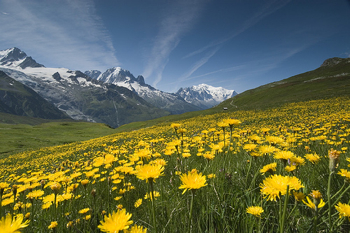
Landscape-ForegroundPhoto by OneEighteen

This past week we’ve had a few tutorials on Landscape Photography so I thought it might make a good topic for this week’s challenge.

So – your challenge is to take and share a landscape photo.

Feel free to shoot whatever type of landscape image you like (and have available to you). For many of you it might be a snowscape, for others in the southern hemisphere it could be a http://digital-photography-school.com/5-quick-tips-for-coastal-photography“>beachscape, it could be a cityscape or anything else you like.

Also feel free to photograph your landscape in any way/style – black and white, HDR, sunset – it is totally up to you.

Once you’ve taken and selected your best landscape shot upload it to your favourite photo sharing site and either share a link to it or – embed it in the comments using the our new tool to do so.

If you tag your photos on Flickr, Instagram, Twitter or other sites with Tagging tag them as #DPSLANDSCAPE to help others find them. Linking back to this page might also help others know what you’re doing so that they can share in the fun.

Also – don’t forget to check out some of the great shots posted in our last challenge – Best Shot of 2012 challenge where there were some beautiful shots submitted.

Further Reading on Landscape Photography

  • 11 Surefire Tips for Improving Your Landscape Photography
  • 4 Rules of Composition for Landscape Photography
  • 5 Tips for Shooting Landscapes with Greater Impact
  • 10 Landscape Composition Tips: Illustrated with Pictures from Eastern Washington
  • What Everybody Ought to Know about Landscape Photography

Post originally from: Digital Photography Tips.

Check out our more Photography Tips at Photography Tips for Beginners, Portrait Photography Tips and Wedding Photography Tips.

Landscapes: Weekly Photography Challenge


Digital Photography School

 
Comments Off on Landscapes: Weekly Photography Challenge

Posted in Photography


Buffet – Wong Fu x Harry Shum Jr.

19 Jan

Lucas gravely misunderstands what a “buffet” is. oops? Had a great time collaborating with Harry Shum Jr. (Glee, Step Up, LXD) on this series of sketches. Check him out! youtube.com Directed by: Wong Fu Productions Produced by: George Wang, Don Le Written by: Wong Fu Productions, Chris Dinh Concept by: Harry Shum Jr. Edited by Wong Fu Productions Featuring Harry Shum Jr. youtube.com Wong Fu Productions youtube.com Deborah Baker Jr. Director of Photography: Nate Fu Music by George Shaw: youtube.com Produced with George Wang Download the music: georgeshaw.bandcamp.com Sheet Music: georgeshawmusic.com Dawen – Vocals, Hand Percussion: www.youtube.com Alfa – Vocals, Guitar, Ukelele, Violin, Hand Percussion: www.alfa-music.com Nathan Park of Seriously – Bass, Hand Percussion seriouslytheband.com George Shaw – Percussion, Hand Percussion georgeshawmusic.com Special Thanks Endless Food and Fun, Huntington Beach, CA SUBSCRIBE: youtube.com FACEBOOK: facebook.com TWITTER: twitter.com OFFICIAL: wongfuproductions.com STORE areyouaniceguy.com
Video Rating: 4 / 5