www.nucleusinc.com This 3D medical animation shows a tonsillectomy surgery (removal of the tonsils during tonsillitis) and adenoidectomy (removal of the adenoids). ANCE00187
This animation was part of the required course work for a Post Graduate 3D Character Animation degree at the University of the Witwatersrand (Wits). The School of Digital Arts students that were involved in the creation of the film were Nicolene Naidoo, Njeri Kariuki, and Thomas Dunn. The lecturer involved in overseeing the project was Pippa Tshabalala. The project was completed in late 2007.
Do you own a DSLR but use it mostly as a very expensive point-and-shoot? Time to take off the training wheels! Join us for DSLR 101! Don’t worry we’ll take it slow, and the little green rectangle of the auto setting will always be there for you to run back to if you find yourself in over your head!
Welcome to class, first up; auto exposure bracketing.
What?
Auto exposure bracketing allows you to automatically take a series (usually three but sometimes up to seven) of photos, each at different exposures. Basically the camera takes one image at what it perceives to be the correct exposure, one underexposed, and one overexposed.
Why?
What your camera views as the correct exposure may not necessarily be the exposure that suits a particular image best. You may find that you like your photos slightly overexposed, or that for a particular shot the underexposed version appeals to you more.
Auto bracketing allows you to take the different exposure shots in one quick succession, meaning it’s almost as fast as just taking the correct exposure shot. Especially for beginner photographers this is a great way to get shots in different exposures, and learn which ones you like best in which situations.
Overexposure is not always a bad thing, it can make for some interesting effects.
How?
Most DSLRs will let you choose the brackets you want (usually anywhere from a third-stop (not much variation in exposure) to two stops (lots of variation)), and the number of images you want to take. How you set auto exposure bracketing varies from camera to camera so you’ll need to check your camera’s manual (look for AEB), it’s often found as a menu setting but some cameras have a specific button for bracketing.
Extra tip
Auto exposure bracketing works differently, depending on if you have the camera in Aperture Priory Mode or Shutter Priority Mode. Basically the camera will change the setting that is not in priority to control the exposure (e.g. if you’re in shutter mode the aperture will be changed). Therefore if you want to maintain a certain shutter speed or aperture make sure you put the camera in the priority mode for the setting you want to keep set.
That’s it in a nutshell, get out and play! If you like you can add the results to the Photodoto Flickr group here.
Dies ist ein Gastartikel von Simon Sticker. Er arbeitet als freier Dokumentar Fotograf, Filmer und Multimediaproduzent mit einem Schwerpunkt auf Afrika. Mehr über Simon erfahrt ihr in unserem kürzlichen Interview hier. Seine Arbeit findet ihr unter www.simonsticker.com.
Heute möchte ich euch ein Bild vorstellen. Es ist Teil einer ganzen Serie, die an diesem Tag entstanden sind, die sich am Ende zu einem Fotofilm über Anziele Mugabisangwa zusammenfügten. Vielleicht zur kurzen Einordnung, die Geschichte ist Teil einer Reportage über Prostitution in Rwanda, die ich für eine NGO dort produziert habe.
Die Morgende in Rwanda fangen in der Regel sehr früh an. Um sieben ist alles schon sehr geschäftig und um acht hat man das Gefühl es hätte nie eine Nacht gegeben. Ancilles Hütte liegt in Tumba, einem, ja man könnte sagen, Vorort von Butare, einer Kleinstadt im Süden des Landes. Etwas abseits der Hauptstraße, hinter einem schmalen Durchgang befindet sich die kleine Hütte von Anziele, in der sie mit ihrer Tochter auf etwa 10 Quadratmetern lebt von etwa 12 Dollar pro Monat, wobei alleine 4 für die Miete der Hütte gebraucht werden.
Ancille begrüßt uns herzlich, bittet uns rein. Wir reden erstmal. Ich will herausfinden, wie sie ihr Leben sieht, um eine Idee zu bekommen, wie ich sie portraitieren werde. Es ist sehr dunkel in der Hütte. Als einzige Lichtquelle kann ich die Türe ausmachen, andere Möglichkeiten gibt es nicht. Meine Möglichkeiten sind also sehr eingeschränkt, gleichzeitig bietet das Licht, was durch die Türe kommt aber auch ein schönes Spotlight, was ich versuchen will zu nutzen, soweit es geht. Ich versuche den Einsatz von Blitzen weitestgehend zu vermeiden. Zum einen, weil für mich Available Light besser zu dem was ich dokumentiere passt, aber auch, weil das harte Licht des Blitzes, selbst mit Diffusor meist eine Atmosphäre erzeugt, die ich nicht möchte. Manchmal bringe ich noch eine Taschenlampe oder ähnliches mit, was mir in Notfällen hilft und wenn gar nichts mehr geht, muss der Off-camera-Blitz her.
Während wir uns unterhalten sitzt Ancille auf einer Bastmatte im Eingangsbereich. Das Licht kommt weich von der Seite (es ist ein leicht bewölkter Tag), gerade genug um ihre Augen dann und wann im Licht leuchten zu lassen. Ich setze mich etwas weiter in die Hütte rein. Ich versuche mich in solchen Situationen meist langsam vorzutasten, um einerseits nicht zu sehr in die Privatsphäre einzudringen, zum anderen auch um die Personen, die ich fotografiere mehr mit der Situation fotografiert zu werden vertraut zu machen. Es ist kaum Platz und Ancille hat die Hütte durch ein Tuch auch noch in zwei Räume aufgeteilt. Das ist etwas, was man sehr häufig in den kleinen Hütten in Slums findet. Es ist er Versuch ein klein wenig Privatsphäre herzustellen. Ich frage sie, ob es möglich ist die ganze Hütte zu sehen und das Tuch beiseite zu schlagen. Dadurch habe ich auch einen guten Meter mehr Spielraum bis zum Bett und damit etwas mehr Möglichkeiten Perspektiven zu suchen.
Mittlerweile bin ich mir sicher, dass sie nur in ihrer Hütte fotografieren will. Ich will die geschlossene Atmosphäre mit den wenigen Zukunftsaussichten zeigen, die sie mir mit ihren Worten vermittelt. Ich mache einige Portraits von ihr während sie redet, doch ich suche nach wie vor nach einem Bild, was ihre Geschichte erzählt oder für ihre Situation steht. Am Ende wähle ich den einzigen Stuhl in der Hütte als Rahmen für sie während sie ihren Kopf ins Licht gedreht hat. Der kleine Abstelltisch beherbergt dabei ihre wichtigsten Gegenstände – ein Topf, ihr Handy und ihre HIV-Medikamente. Ich baute das Bild bewusst so auf, dass man nicht weiß, wohin sie schaut, sondern in der geschlossenen Atmosphäre der Hütte bleibt. Es erzeugt zum einen Spannung im Bild, es ist aber auch ein Symbol für den Blick in eine Welt, die sie zwar zu sehen scheint, aber irgendwie nicht erreichen kann, was durch ihre passive Haltung noch verstärkt wird.
Das Bild wurde am Ende der Hookshot eines Fotofilms über Ancille. Nachbearbeitung geschah so gut wie keine. Ganz leichte Entsättigung und etwas Nachschärfen – und fertig. Ich hoffe, euch hat dieser kleine Einblick in die Entstehung des Bildes gefallen.
***
Werbepause: Buchtipp – Vom Alltäglichen zum Besonderen!
Photoshop beauty retouching tutorial. See more at www.photoshopmama.net. Photoshop tutorial for beauty retouching. This vid shows how to modify Mama’s Sparkles Action to accomodate sparkle size to a smaller res file or smaller area of the image. You can purchase Mama’s Products from the Products link at http Video Rating: 4 / 5
Create believable eyelashes with the Pen tools. It’s the way the pros do it. Video Rating: 4 / 5
This is simply a photo i found online, That i decided to retouch using Photoshop. I didnt think she needed the work done to her. I just wanted something to do. =)
Happy with our training? Donate! tinyurl.com For more tutorials, head to www.tutcast.com Thanks to Justine: www.tastyblogsnack.com www.youtube.com Basic tutorial on magazines in Photoshop Music: Kevin MacLeod Video Rating: 4 / 5
Earlier this week Photocrati announced a new program giving 00 grants to photographers working on social, environmental, and humanitarian projects. From the grant page:
The Photocrati Fund offers 00 grants to non-professional photographers to undertake important humanitarian and environmental photography projects. Our goal is to identify outstanding, up-and-coming photographers and give them the resources necessary to pursue projects that will have a tangible and positive effect on the world.
We will offer one grant in 2010. The application deadline is March 15, 2010, and the award will be announced in June 2010. Awardees become Photocrati Fellows for the calendar year from the announcement of their award until the announcement of the following year’s award.
Award decisions will be made by the Photocrati Fund Board, a prestigious panel that includes some of the world’s best-known environmental and cultural photographers.
“Sid and Nancy” is the 16th episode of The Meth Minute 39 cartoon series. In this pop-culture mashup, famed punk rock icons Sid Vicious and Nancy Spungen get re-mixed with a certain cat and mouse duo from the Golden Age of animation. The resulting combination is somehow even more unwholesome than the true events which inspired it. Never mind the Sex Pistols, here’s the Meth Minute! For More Meth Minute go to www.methminute.com Call us on the toll-free hotline 1-866-575-1384 Directed by Dan Meth Starring: Nick Ross and Joanna Brown Animation by James Sugrue Sound Design: Mark Vitelli Additional art by: Moira Sica Avi Tuchman Video Rating: 3 / 5
Allura plays the field. The Princess gets word that the people want her to get married and provide an heir just as Pidge’s planet is getting beaten by Zarkon. Can the Voltron force survive a Robeast and a Princess with a ticking biological clock? Watch hundreds of free full-length streaming movies and TV shows on www.crackle.com Want to see some more legends? Come check out the Animated Hall of Heroes, free at http TWITTER: twitter.com Tags: minisode voltron defender universe lion zarkon allua keith anime animation 80s cartoon saturday free tv japan Watch Free Video Online Now Streaming Video Rating: 4 / 5


 Dies ist ein Gastartikel von Simon Sticker. Er arbeitet als freier Dokumentar Fotograf, Filmer und Multimediaproduzent mit einem Schwerpunkt auf Afrika. Mehr über Simon erfahrt ihr in unserem kürzlichen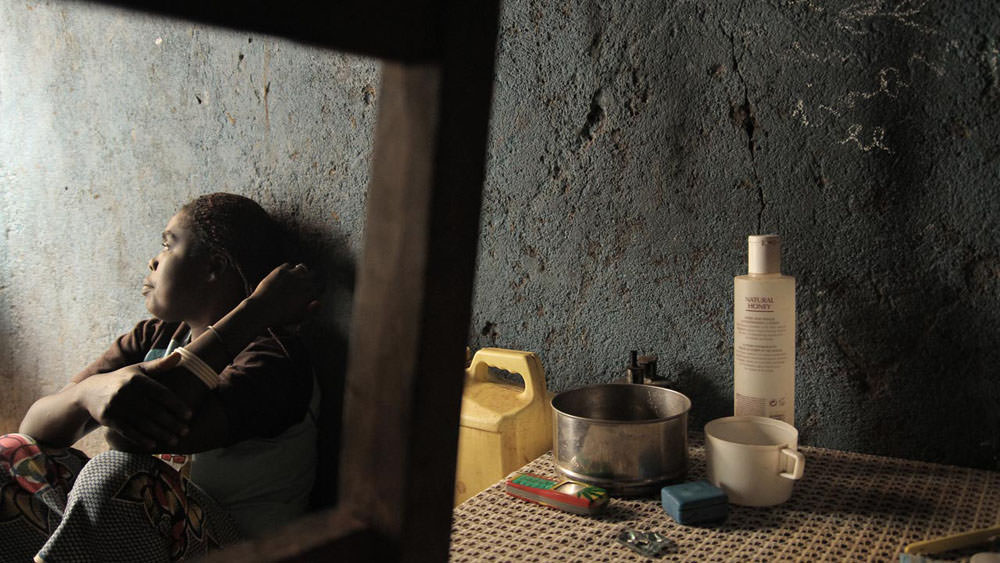

You must be logged in to post a comment.