
Granite rock faces on the French River
Archive for the ‘Equipment’ Category
Konzert: Frère De Song & Lingby
03
Aug
Wie viele von Euch schon wissen, fotografiere ich regelmäßig bei meinen Freunden, die das Café Nun in Karlsruhe betreiben, Konzerte. Jeden Monat finden sich Bands ein, um vor dem hiesigen Publikum ihr Bestes zu geben und häufig handelt es sich bei ihnen um Singer-Songwriter.
Am 25. Juli dieses Jahres spielten Frère De Song aus Faurndau und Lingby aus Köln. Ich freute mich ganz besonders auf Linby, da sie nicht zum ersten Mal hier spielten und in den letzten Jahren eine großartige musikalische Weiterentwicklung hingelegt hatten. Die Dekoration der Bühne wurde von Hanna Lindner und Ines Pommranz des Atelies 27morgen aufs Konzert hin erbastelt und sorgten für ein witziges Zusammenspiel mit den Musikern.
So bestückte ich meine Kameratasche mit ein paar Linsen und fotografierte mit der 5D. Das iPhone blieb in der Hosentasche stecken, denn für solche Events und andere Jobs habe ich mir freigehalten, mit maximaler Qualität zu dienen.
Die Lichtbedingungen im Nun sind durch zwei rote und eine (!) weiße Deckenleuchte relativ katastrophal, zumindest aus fotografischer Sicht. Jedoch habe ich mich über die Jahre daran gewöhnt und die ISO-Stärke des Vollformates aus dem Hause Canon macht sich doch bemerkbar.

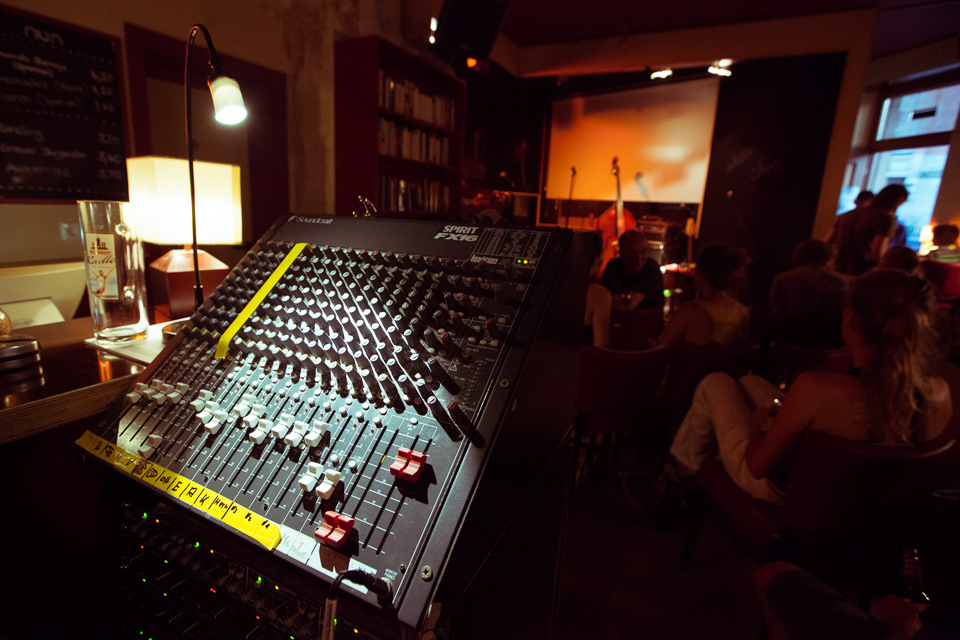

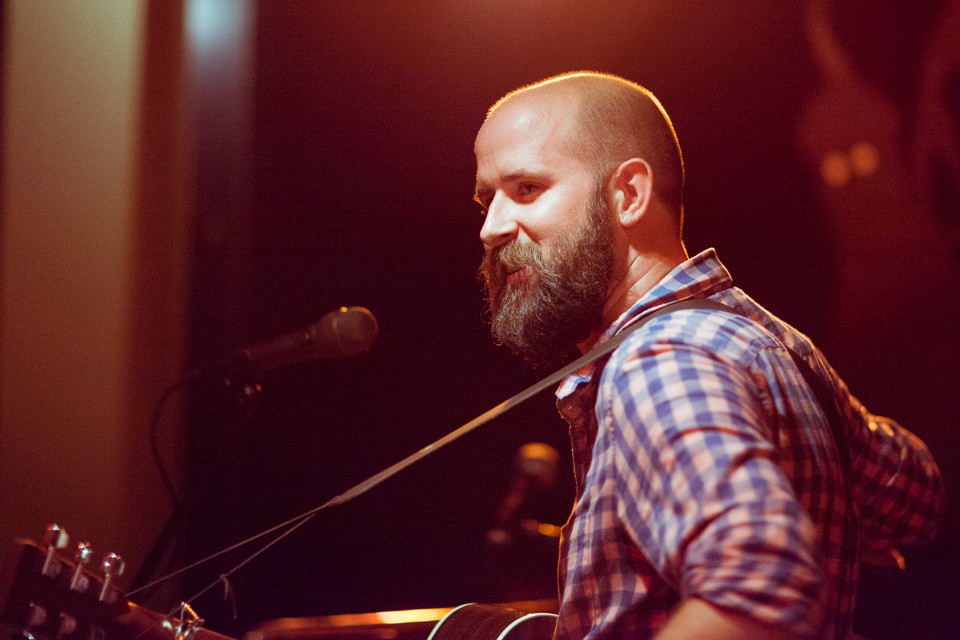
Frère De Song präsentierten unaufgeregte, aber tiefgründige Stücke mit Countryanklängen, nicht weit entfernt von Kings Of Convenience. Mal ruhig, mal amüsiert und stets mit einem Lächeln spielten Matthias Breckle (Gesang, Gitarre) und Marcel Engler (Trompete, Kontrabass, Percussions) auf hohem Niveau und konnten trotz der steigenden Hitze auch dann schmunzeln, als Breckle einmal der Text entfiel.
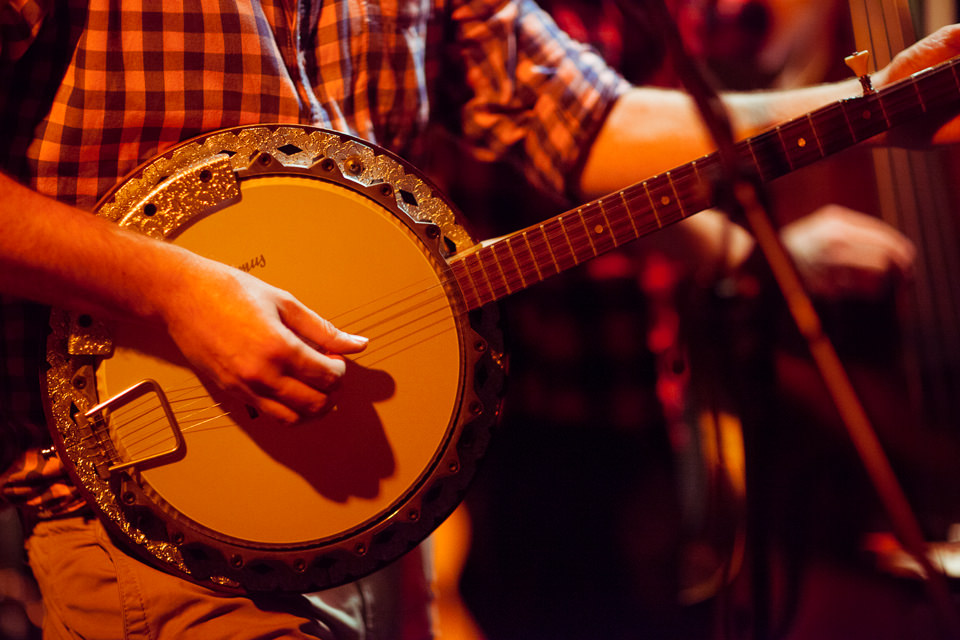

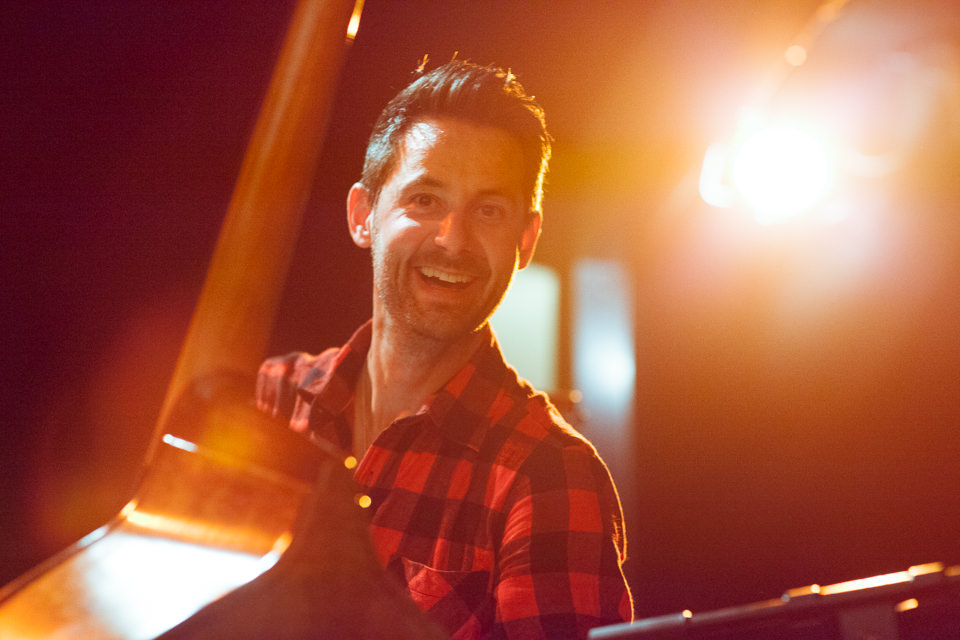
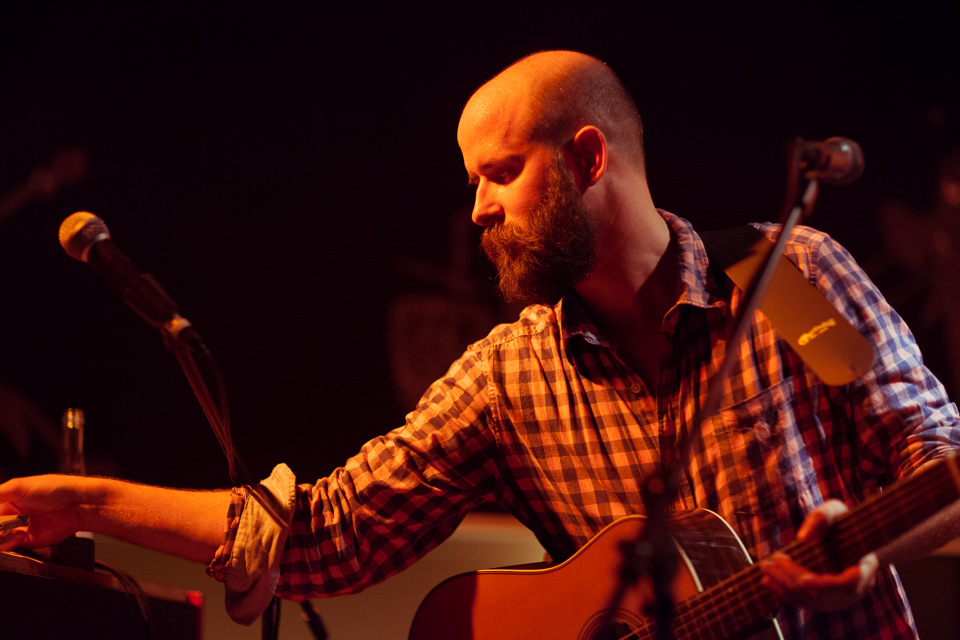
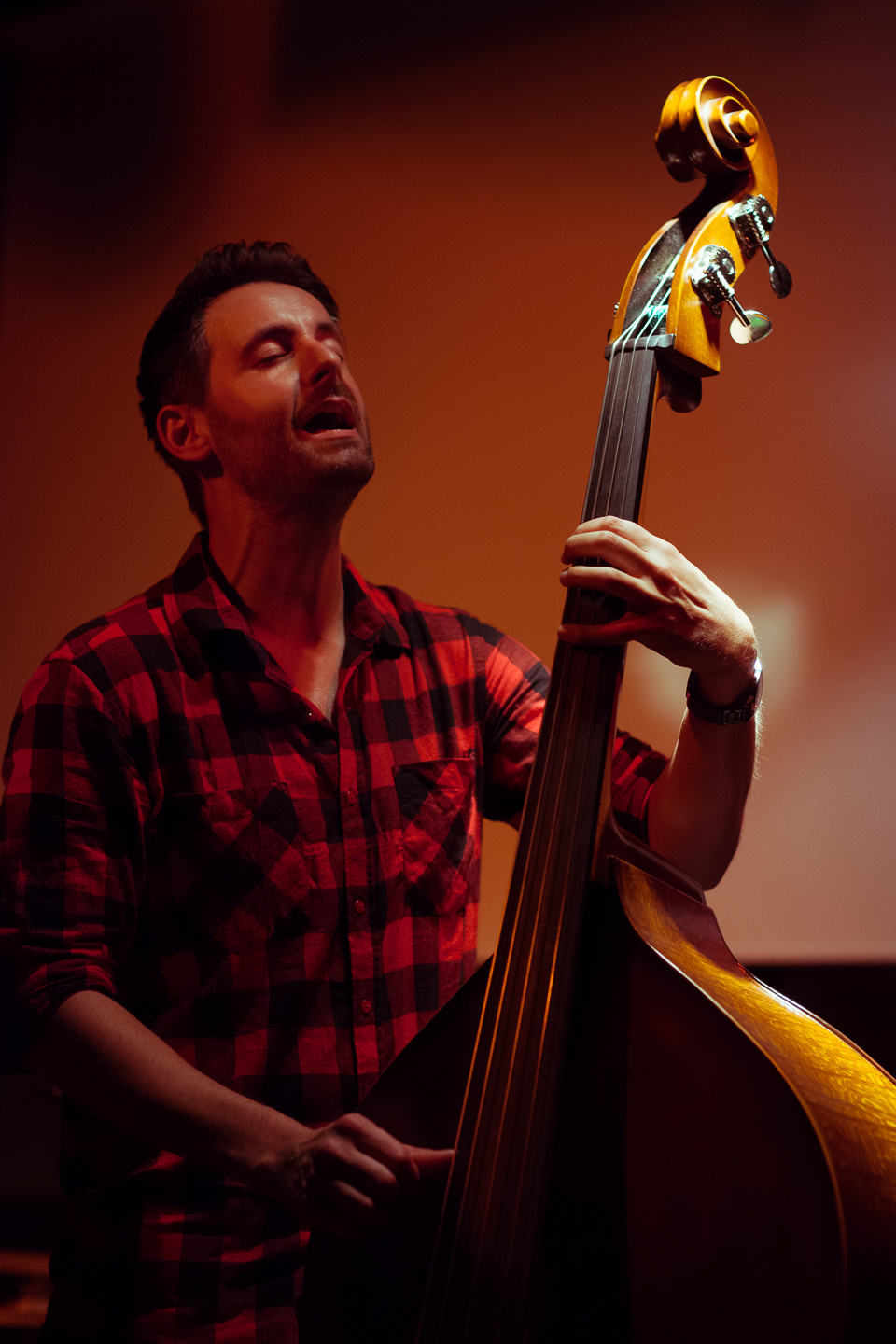
Lingby aus Köln brachten nach der dringend nötigen Pause frischen Wind auf die Bühne. Ohne mit der Wimper zu zucken legten sie los und spielten poppig-schöne bis traurig-leise Klänge, die bis ins kleinste Detail aufeinander abgestimmt die Besucher umschlossen. Mit Mut zur Disharmonie und abwechslungsreichem (bis zu dreistimmigem) Gesang war es während der einen Stunde Spielzeit jede Sekunde heiß, aber keine einzige langweilig.
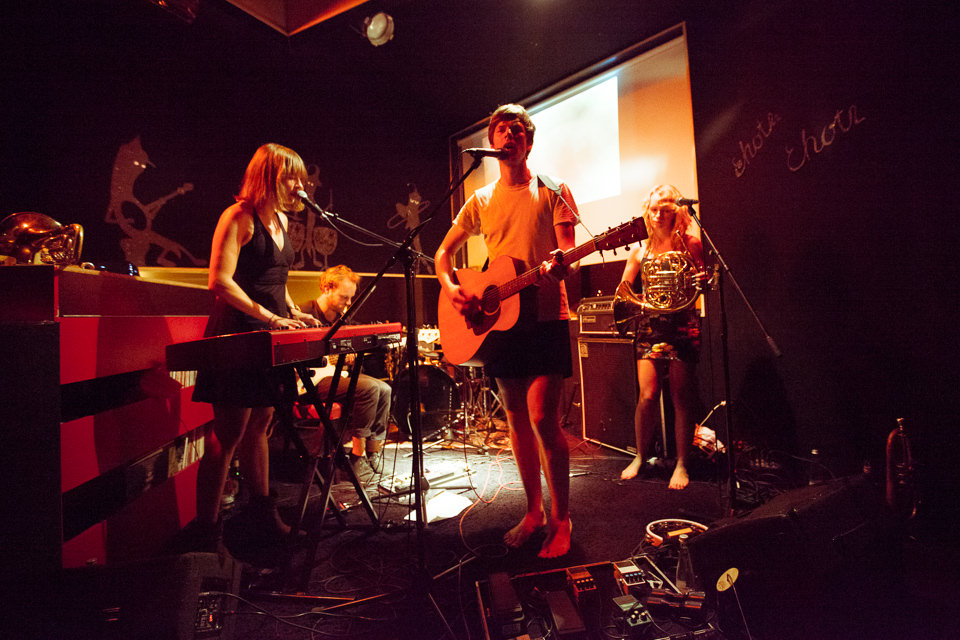
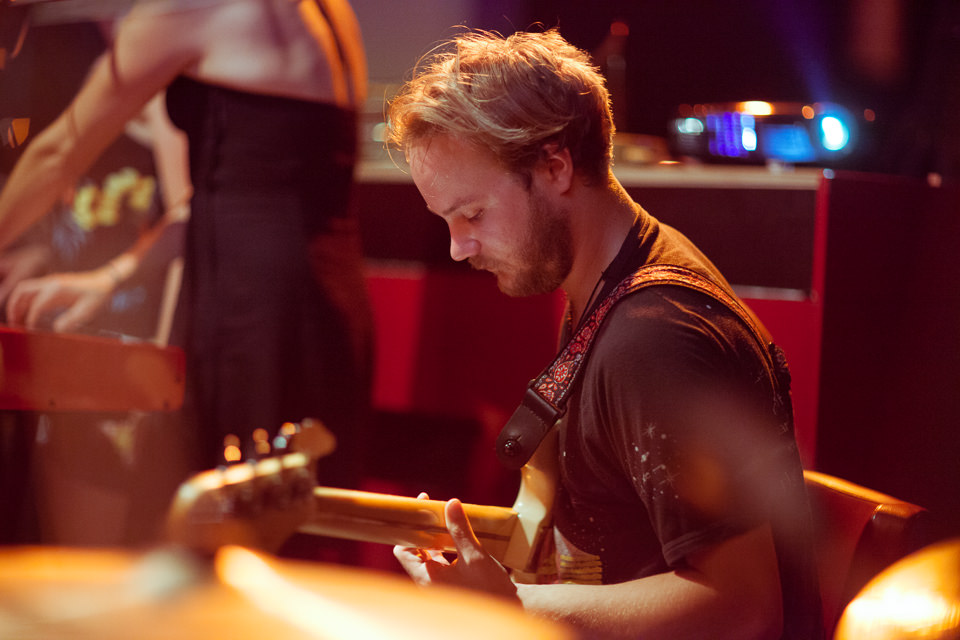
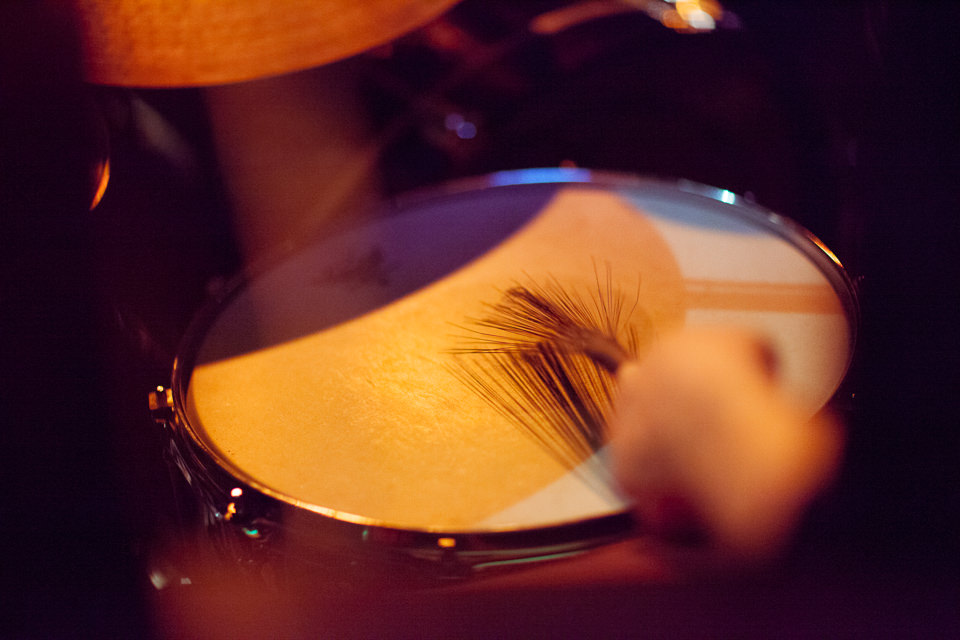

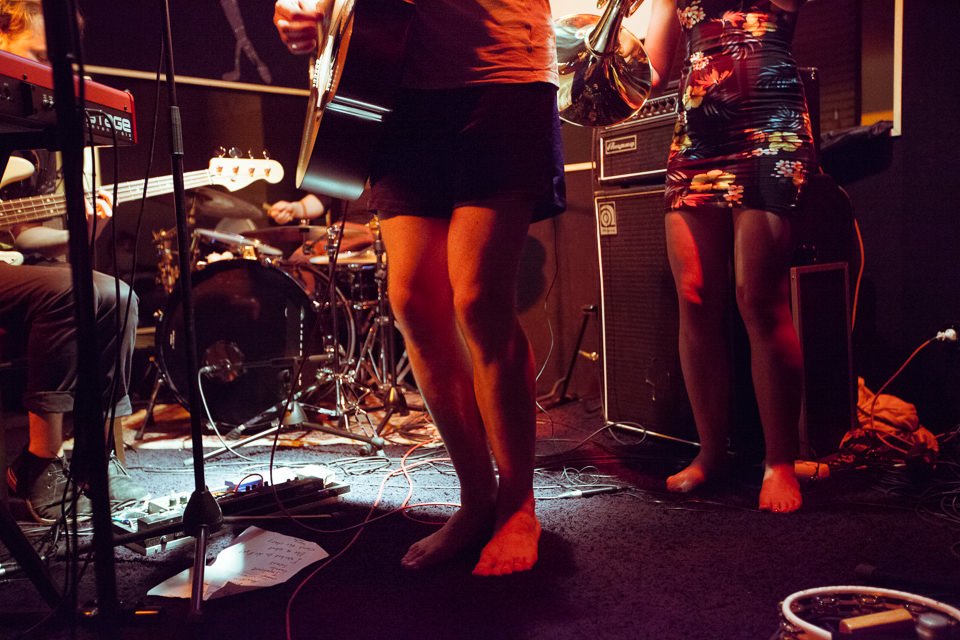

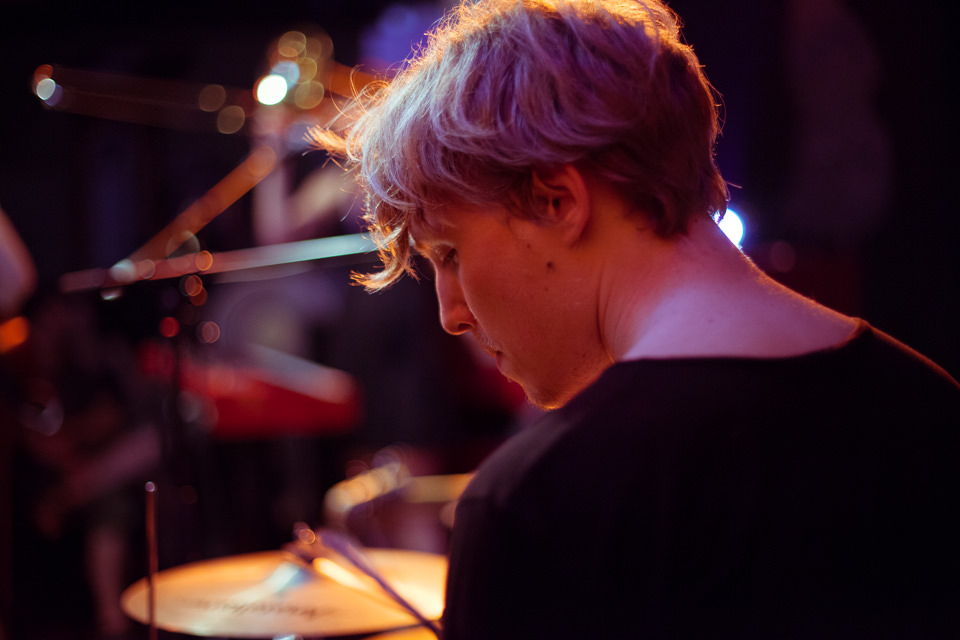
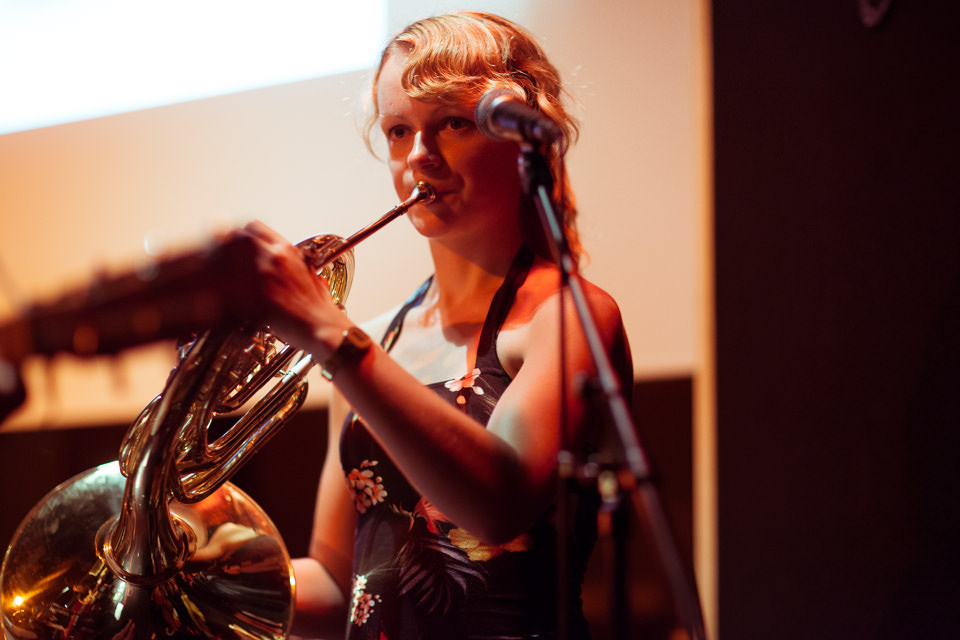
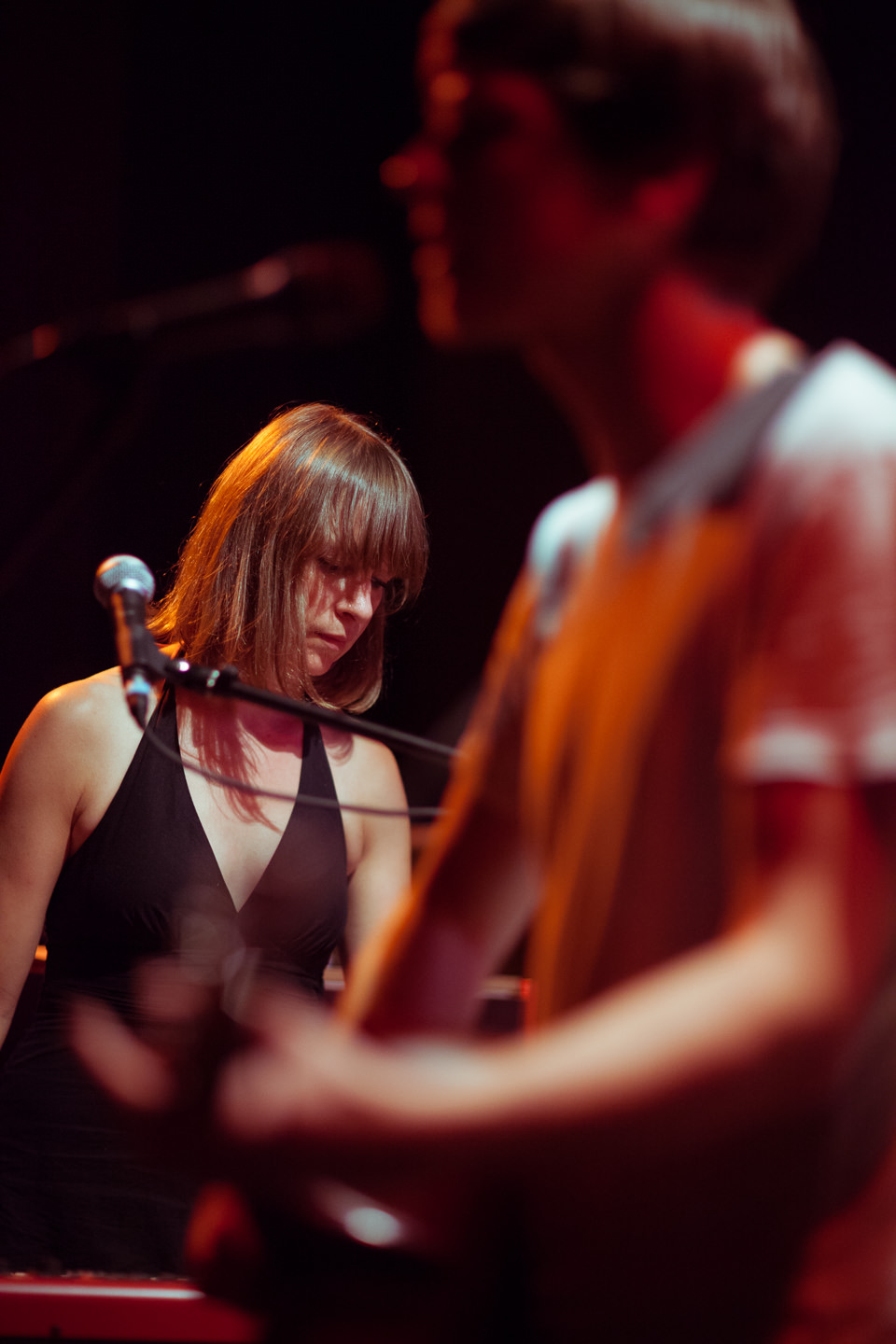
Auch, wenn ich nach dem Konzert komplett durchgeschwitzt war und mich so an meine alten Tage als Musiker erinnert fühlte, habe ich die beiden Bands sehr genossen und freue mich schon darauf, sie (hoffentlich) bald wieder im Cafè Nun sehen und vielleicht auch fotografieren zu dürfen.
kwerfeldein – Fotografie Magazin

Augenschmaus: Bananeneis, karamellisiert
02
Aug
Ein Beitrag von: Claudia Gödke
Für dieses Eis braucht man keine Eismaschine – und auch ohne Sahne oder Joghurt ist es wunderbar cremig und süß. Die Bananen werden erst im Ofen karamellisiert und dann mit Erdnussbutter gemixt. Das einfache Grundrezept lässt sich mit etlichen Zutaten nach eigenem Geschmack verfeinern. Ich mag meins am liebsten mit gehackten Mandeln, dunklen Schokoladenstücken und Amarena-Kirschen. Yum!


Portionen: etwa 6 Kugeln
Zeit: 40 Minuten + 3 Stunden Kühlzeit
Zutaten
6 reife Bananen
3 EL Honig oder Agavensirup
125 g Erdnussbutter (cremig oder mit Stücken)
gehackte Nüsse, Schokolade, Streusel et cetera zum Garnieren oder Untermischen


Zubereitung
Den Ofen auf 180 °C vorheizen. Ein Backblech mit Backpapier auslegen. Die Bananen schälen und in etwa 1 cm dicke Scheiben schneiden. In einer Schicht auf dem Backblech verteilen und nach Geschmack süßen. Je reifer die Bananen sind, desto weniger Honig oder Agavensirup braucht man. Die Bananenscheiben für 30 Minuten im Ofen rösten. Ab und zu umrühren.
Die noch warmen Bananen und die Erdnussbutter in ein hohes Gefäß geben und mit dem Stabmixer pürieren. Eventuell gehackte Nüsse oder Schokolade (dafür die Masse etwas abkühlen lassen) unterrühren. Die Bananen-Erdnuss-Masse in eine flache Form oder eine Kastenkuchenform geben und für mindestens 3 Stunden im Tiefkühlfach gefrieren lassen.
Vor dem Servieren das Eis für 15 Minuten antauen lassen und dann mit einem in heißes Wasser getauchten Eisportionierer Kugeln formen. Mit Streuseln, Sahne, Nüssen oder sonstigen Zutaten garnieren. Fertig und lecker!

Fotorezept
So einfach und rustikal wie das Eis sollten auch die Bilder sein. Ohne viele Props, damit man sich voll und ganz aufs Eis konzentrieren kann. Eigentlich wollte ich noch mehr Bilder der Umsetzung zeigen, aber um ehrlich zu sein: Geröstete Bananen sehen auf einem Foto wirklich nicht schön aus.
Spontan entschied ich mich dann für eine Animation, auf dem das Eis mit Toppings überladen wird. Als Untergrund dient mir hier die Tür eines alten Gartenhauses, die ohnehin schon so viel mitgemacht hat, dass ihr ein bisschen Amarena-Kirsch-Sirup-Patina nichts ausmacht.
Du hast auch ein leckeres Rezept und die passenden Food-Fotos dazu, die einem das Wasser im Munde zusammenlaufen lassen? Dann werde einfach selbst Teil von „Augenschmaus“!
kwerfeldein – Fotografie Magazin
Fotogenes Deutschland – Kraichgau
02
Aug
Ich kann mich noch gut daran erinnern, als ich vor über drei Jahren das erste Mal in den weiten Feldern des nördlichen Kraichgau stand. Selten hatte ich ein so fotogenes Fleckchen Erde gesehen. Nicht umsonst wird die Gegend zwischen dem Schwarzwald im Süden und Heidelberg im Norden auch badische Toskana genannt.
Am Tag zuvor schweifte mein Blick während der Fahrt nach Heidelberg kurz durch die Landschaft und ich sah einen schönen, freistehenden Baum. Gleich am nächsten Morgen fuhr ich eine Stunde vor Sonnenaufgang los, um mir diesen Ort genauer anzusehen: Der Auftakt zahlreicher Fotoausflüge.
Zwischen März und August verändert sich der Anblick der Landschaft fast täglich und es ist spannend, diese Veränderung fotografisch festzuhalten. Im Frühling sind die Felder überwiegend grün und früh am Morgen noch von Tau bedeckt. Ich kann nur erahnen, welche Getreidearten bis zum Sommer hier heranwachsen und die Landschaft in einen Mantel aus Gold hüllen werden.
Was die Felder für mich so zum perfekten Motiven macht, sind neben den vereinzelten Bäumen vor allem die Traktorspuren. Ich richte meine Kamera meist so aus, dass sie als Diagonalen oder Kurven ins Bild leiten und dem Foto so mehr Tiefe verleihen.
Nicht oft fällt es mir so leicht, einen geeigneten Vordergrund zu finden. Ich kann in jede Richtung fotografieren, zu Sonnenauf- oder -untergang, mittags, bei klarem oder bewölktem Himmel. Ich finde eigentlich immer eine Komposition, die mir gefällt.
Wer sich auch einmal in die Felder wagen möchte, der sollte vor allem im Sommer trotz Hitze eine lange Hose wählen und abends den Mückenschutz nicht vergessen. Gelegentlich musste ich während des Fotografierens kleine Tänzchen aufführen, um den Moskitos zu entkommen. Geholfen hat es meist wenig, aber die Fotoausbeute hat am Ende die vielen Stiche erträglich gemacht.


Der hier vogestellte Ort ist nur ein winzigkleiner Teil der Kraichgauregion. Jedoch repräsentieren die Felder bei Hoffenheim für mich genau das, was das Kraichgau ausmacht und ich muss sicher noch eine ganze Weile suchen, bis ich dort eine bessere Fotolocation gefunden habe.
kwerfeldein – Fotografie Magazin
The Day The Judging Stopped – The Mediocrity of Photography
02
Aug
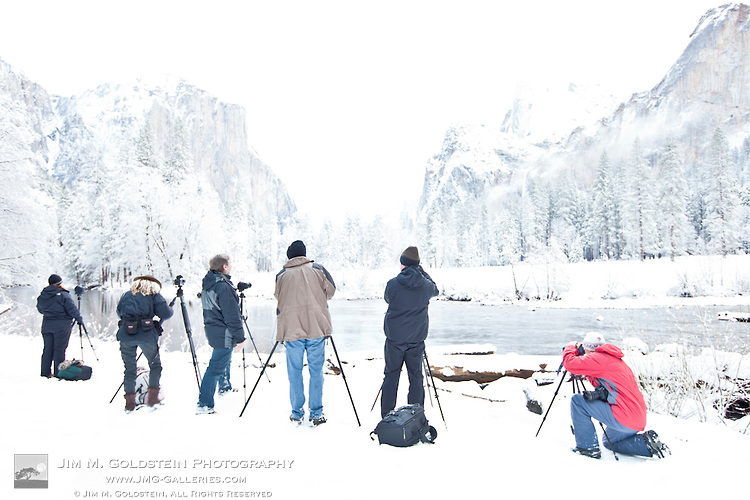
One of the most difficult topics to discuss about photography and many other art forms is creativity. Creativity is an intangible that often isn’t recognized until it’s seen and often unappreciated until an artist has passed. This is one of the many reasons creativity isn’t discussed as much as gear. The tangible is always easier to grasp and has finite boundaries of understanding, where as creativity is amorphous and tough to pin down due to its variability from person to person. Complicating this in the world of photography is the lowering of barriers to make photography easy and accessible to everyone. While this is great for most it really ruffles the feathers of long time photographers and in some aspects rightly so. Creativity is often lost on those obsessing on gear stats, subject location, exposure settings, machine gunning photo after photo and comments/likes. Rightly or wrongly it’s tough to hear and see cranky old photographers complain about how it IS versus how it USED TO BE. Case in point this recent article, Humanity takes millions of photos every day. Why are most so forgettable?
Slow vs Internet Speed
If you come across a film photographer these days you’ll never hear a complaint about the process being slow. Film photographers, those that are remaining, love the slow process as it’s methodical, allows for contemplation & thought before executing a photograph. Digital photographers that use DSLRs and mobile devices by contrast shoot and share at lightning speed. Given that the methodologies of these two camps are so different it’s no surprise there is often philosophical friction.
Story Telling & Narcissism
While these two camps operate so differently is it really realistic that one camp should expect the other to think the way the other does?
Good pictures that tell a story, he said (Larry Towell, a member of Magnum Photos), are always about other people. But when “everybody with a phone thinks they’re a photographer,” the result is “the autobiographical and the narcissistic.”
Mr. Towell’s grandparents used to have their picture taken once a year, and they had to dress up and go into town to have it done. He cherishes those photographs today. They are a record of what was. But he fears that his granddaughters won’t have any memorable photographs of their own children: They will be lost in the technological deluge.
“People aren’t photographing for history any more. It’s for immediate gratification. If you’re photographing to share an image, you’re not photographing to keep it.”
This is the part of the Humanity takes millions… article that baffles me. I straddle both sides on this one. I have thousands of photos on my iPhone. They’re a great way to document a moment and share it with others via online tools that didn’t exist years ago. In fact I tell stories with these photos more frequently than I do with photos from my DSLR (ex. 4 months of triptychs on Instagram). The upside is great new tools (iPhones, mobile apps for editing and social media web sites) allow me to communicate in ways unimaginable years ago. The downside which I hear, read about and often struggle with is not living in the moment and living behind an iPhone and DSLR. And true people don’t print photos like they used to, but its not the only way to share a photo now either.
One of the more interesting things I’ve observed since I’ve begun sharing DSLR images and mobile images online is that the images that garner the most attention are the those that reflect the life experience of the photographer whether they’re behind the scenes photos of a shoot or sharing spontaneous moments of one’s life. And yes the majority of these types of images are now taken with mobile devices to create a new form of story telling. That being said I still love taking more time with my DSLR to capture images that also tell a story.
Judge Hissy Fit
Should any of us be alarmed that that 3 judges decided to abstain from making any awards in a recent photo contest? I find it interesting, but its certainly not going to change my outlook on my photography. Contests are great for bragging rights, but they don’t really help you improve as a photographer. Not to take anything away from anyone who has won a contest, but having been a judge on multi-judge panel I can tell you that no 3 people like the same things and as a result winners are often compromises. As a result that means the best images aren’t always the ones that win.
So what went wrong at the 2013 Banff Mountain Photography Competition? Did photographers not read the rules and ignore the “photo essay” emphasis? Did photographers rely on photoshop too much? Were there photos truly uninspired or unedited? Did the judges have an unrealistic expectation and unbending view of photography? I’m sure it was all of the above to some degree. Still if I were an entrant I’d look at the contest in a much more skeptical light. At $ 10 an entry I’m sure they made a pretty penny from all the entries and it’s convenient that their $ 3000 grand prize won’t be awarded. Frankly if the organizers can’t guide their judges to follow their own rules it tarnishes their contest and erodes the trust of photographers who take part. In reviewing their rules there isn’t anything said about entries being non-refundable and given no award was granted I wonder if anyone will start demanding a refund. Either way it’s unfortunate that the judges decided to railroad the competition to make a statement versus awarding the best of the entries even if they didn’t think they were the best that could have been.
Creative Catalysts
Here lies some grounding news… for most photographers just starting out you do suck. If you’re pretty good now at photography at one point you sucked and you just suck a little less. If you’re great at photography now you sucked a lot and still suck from time to time, but you stuck with it to be great. If you’re a master photographer you suck at times just less than most, but you know what not to show. All photographers have one thing in common, at one point you sucked. Case and point This is Why Your Pictures Suck. by Ibarionex Perello
How do you suck less? Practice, devotion, tenacity and not biting on the fact that some judge, expert or critic is always right. Find things that inspire you, as inspiration is a catalyst to developing your unique creative outlook. Don’t fret over originality as Originality Is A Matter of Perspective. Get inspired, get comfortable in your own skin and find yourself. It may take a lifetime, but the creative journey will be worth it.
Fantasy vs Reality… Oh the Irony
The flip-side of the coin is just as amusing as mobile photographers also have their gripes. Video, it’s tarnishing the magic of still photography by making things too real! When I read Instagram Video and the Death of Fantasy it gave me a chuckle because it crystalized the fact that no camp of photography is ever truly happy. I’d argue that if anything is keeping photography mediocre it’s photographers inability to focus on their work and spending too much time complaining. *Looking at the time* Oh my how much time did I spend writing this?!
Copyright Jim M. Goldstein, All Rights Reserved
The Day The Judging Stopped – The Mediocrity of Photography
The post The Day The Judging Stopped – The Mediocrity of Photography appeared first on JMG-Galleries – Landscape, Nature & Travel Photography.


Light that Fire: A Guide to Finding Photo Inspiration at the Library
01
Aug
  |
|||
Dear Mr. Dewey,
Please point me in the direction of the photography books.
Thank you.
Love, A photographer in need of a little inspiration.
If dust is settling on your camera and your creative juices need some stirring, the library is a great place to explore photographers and books on photography that’ll light that photo bug inside you. It’s always in there… sometimes it just needs a a little push in the right direction.
Learn some super simple tips on finding the photo books in your library and what to do once you’ve found them.
If you’ve got yourself a free afternoon, strap on your sneakers and head to the library to peruse the photo books and get inspired!
Find Photo Inspiration at the Library
p.s. We’re looking to re-invent what/how/where we publish online, and we’re seeking one amazing Editorial & Community Lead to lead the charge.
GETTING STARTED
Find your local library.

This is a handy website to discover where to locate the library in your hood.
Walk into the library and breath in the musty and awesome smell that is special only to a public library.
Lots of people have been in this institution and many of them have come out of it knowing something they didn’t when they walked in. Or they went in, used the restroom, and left.
But not you! You are going in to be inspired by photography and all of the wonder that comes along with looking at a photograph in print.
What’s great about the library is that you have access to all kinds of photo catalogs that aren’t available online.
You are part of this storied piece of public learning now.
Go forth brave photographer. Inspiration is now shooting out of your fingertips.
DO A LITTLE DIGGING

Thanks to Melvil Dewey and his Dewey Decimal System there is a super simple way to find the photo books in most libraries.
When at the library head straight to the stacks labeled 770.
All nonfiction books have a 3 digit number in front of them that corresponds with their subject matter. The 700 section of the library is The Arts section. All photo books start in the 770 section of the library. Anything with the numbers 770-779 on the binding is a photography book.
If you happen to be in a library that uses the Library of Congress system, then you’ll find the arts in section N.
Once at the photo stacks it’s pretty darn fun to run your hand over the books and see a name or binding that strikes your fancy.
Pull some books off of the shelf and find a cozy place to peruse what you just picked out.
A GOOD PLACE TO START

If you like to have a little more direction when you are searching for books here are some awesome books to look for.
Names of Photographers to Look for at the Library
- Wegee (aka Arthur Fellig)
Scandal! Intrigue! Awesome black and white photographs from a man who beat the police to the scene of many a crime! - Lee Friedlander
Magic street photographs, idiosyncratic landscape photos, and bizarrely awesome self-portraits. - Francesca Woodman
Beautiful and sad stories told through images of the artist herself. If you love taking self-portraits, take a look at Ms. Woodman’s poignant images. - Since there are so many amazing photographers out there, here’s a starting list of 100 of the most influential photographers of all time.
Books on Photography
- The Photographer’s Eye by John Szarkowski
A formative guide to the visual language of photography. - The Flame of Recognition by Edward Weston
A fascinating glimpse into the life of a photographer who was constantly on the lookout. - The Education of a Photographer edited by Charles T. Traub, Steven Heller, and Adam B. Bell
A great collection of essays about what it means to be a photographer now.
How-to Photo Books
- Photography by Barbara London, John Upton, and Jim Stone
This book guides you to be your own photo teacher! - The Art of Photography: An Approach to Personal Expression by Bruce Barnbaum
Barnbaum explains photography in a way that won’t leave you saying “what?!!” - Image Transfer Workshop: Mixed Media Techniques for Successful Transfers by Darlene Olivia McElroy and Sandra Duran Wilson
Learn how to turn your photos into fun mixed media pieces. - Photojojo!: Insanely Great Photo Projects and DIY Ideas by Amit Gupta and Kelly Jensen
Lots of DIY ideas to help you inspire yourself and others with photo projects. From your favorite photo people: us!
Magazines Have Photos, Too!
Books aren’t the only sources for your photo research.
Magazines are full photos, and the amazing thing about the library is that they’re subscribed to basically every magazine ever.
Exploring magazines will introduce you to photography besides the kind you’ll find in the Arts section of the book stacks. You’ll see nature photography, fashion photography, interior design, and portraiture.
Magazines are also a great place to discover emerging photographers. PDN Magazine in particular does a fantastic job of featuring up and coming photogs.
Some more awesome magazines to check out: National Geographic, PDN, Vogue, American Photo, Kinfolk Magazine, Popular Photography, B&W, Wallpaper, Time, Vanity Fair.
TAKE NOTE
 Bring a notebook, sketchbook or your phone to the library with you.
While you are joyfully perusing the books you’ve picked off the shelves take notes on photographers, photo tips, or quotes.
Write down words that come to you while looking at photographs. You don’t have to get crazy or put pressure on yourself… free associate as you flip pages. This is all for the joy of photography.
If a photo really grabs your attention write down what you are feeling as you look at the photo. Why did this one photo jump off of the page and into your heart?
Remember how you felt when you looked at the specific image while you are out taking your own beautiful photographs.
When you find you are in need of a little inspirational kick in the pants you can look through your notes and see what inspired you.
YOU CAN TAKE IT WITH YOU
 Start an inspiration archive by designating a folder or binder for all things photography.
We feel it important to note that this is a compilation of things you love and is only for personal reference. We don’t believe in stealing artwork or infringing on copyrights.
Once you’ve found something that strikes your fancy make some photocopies of images that you really love and put them in your binder. You can categorize them into sections, like street photography, portraiture, or landscape. Think of it as a Pinterest board, but for your eyes only.
You can also put the notes you have taken in the binder as well.
Organize the images by photographer’s name, subject matter, however you like to look at later and get inspired whenever you are feeling a creative lull.
Related posts:
- World Photography Day — Ideas & Inspiration to Celebrate All Things Photo Do you remember the first time you held a camera?…
- DIY: Make Crazy Detailed Light Paintings with Photo Light Stencils Extra photos for bloggers: 1, 2, 3 Ever tried painting…
- A Healthy Dose of Photo Inspiration — George Lange’s 2006 Photo Flipbook Every so often, we run across photos that make us…
Lichtsphären
01
Aug
Ein Beitrag von: Andreas Rabending
Inspiriert durch Bilder der Künstler Cenci Goepel und Jens Warnecke entdeckte ich meine große Leidenschaft – die Lichtkunst. Ich finde es faszinierend, nur mit Licht in der Dunkelheit die unterschiedlichsten Objekte zu erzeugen. Sehr viel Zeit investiere ich dabei in die Erstellung der perfekten Umsetzung von Lichtsphären.
So kontrolliere ich jede einzelne Aufnahme noch vor Ort und korrigiere die Umsetzung solange, bis ich damit zufrieden bin. Dabei bedarf es mitunter einer zeitintensiven und aufwändigen Ausleuchtung der Szenerie, die speziell auf den jeweiligen Ort und das geplante Objekt abgestimmt wird.


Trotz meines Hangs zur Perfektion gibt es dann hin und wieder doch auch einige Lichtkompositionen, die auf sehr zufällige Weise entstehen. So zum Beispiel ein Bild, auf dem während der Belichtung ein hell erleuchtetes Boot im Hintergrund vorbei fuhr und für das gewisse Etwas sorgte.
Bei vielen anderen Motiven bedarf es aber einer weitaus genaueren Planung und Vorbereitung. So müssen für bestimmte, der Öffentlichkeit nicht zugängliche Orte oder Gebäude zunächst Genehmigungen eingeholt und Vorbesichtigungen vereinbart werden, was dann schon einmal einige Wochen dauern kann.


Kurz nach den ersten Bildern, die ich noch allein anfertigte, merkte ich, dass es schwierig werden würde oder gar unmöglich ist, bei komplexeren Bildern alle Arbeitsschritte allein durchzuführen. Aus diesem Grund holte ich mir meinen Bruder und meine Freundin mit ins Team.
Neben ihrer tatkräftigen Unterstützung bei der Durchführung bringen sie auch sehr oft eigene Ideen und Verbesserungsvorschläge in die Arbeit ein.


Ein Bild beginnt meist mit dem Informieren bei verschiedenen Online-Wetterdiensten, bei denen ich die aktuellen Wetterprognosen der nächsten drei Tage abrufe, um den optimalen Zeitpunkt für eine Aufnahme zu bestimmen. Bei gutem Wetter fahren wir noch vor Sonnenuntergang zum Aufnahmeort, um erste Vorbereitungen zu treffen. Mit dem Einsetzen der Dämmerung beginnt schließlich der wichtigste und spannendste Teil unserer Arbeit.


Und was wäre Lichtkunst ohne die passenden Leuchtmittel? Reichten mir zu Beginn noch gewöhnliche Taschenlampen aus, entwickelte ich mit der Zeit eigene Leuchtmittel und Vorrichtungen, um neue Formen zu erstellen. Mittlerweile füllen sich ganze Taschen mit den unterschiedlichsten Lampen und Accessoires.
Abschließend bleibt nur noch zu sagen, dass ich jeden Leser dieses Artikels dazu ermutigen möchte, selbst einmal die Kamera auf Langzeitbelichtung zu stellen und mit einer Taschenlampe in der Dunkelheit zu malen.
kwerfeldein – Fotografie Magazin
You must be logged in to post a comment.