RSS
 

Archive for the ‘Equipment’ Category

Haleakala Anti-Crepuscular Rays

22 Aug
Haleakala anti-crepuscular rays

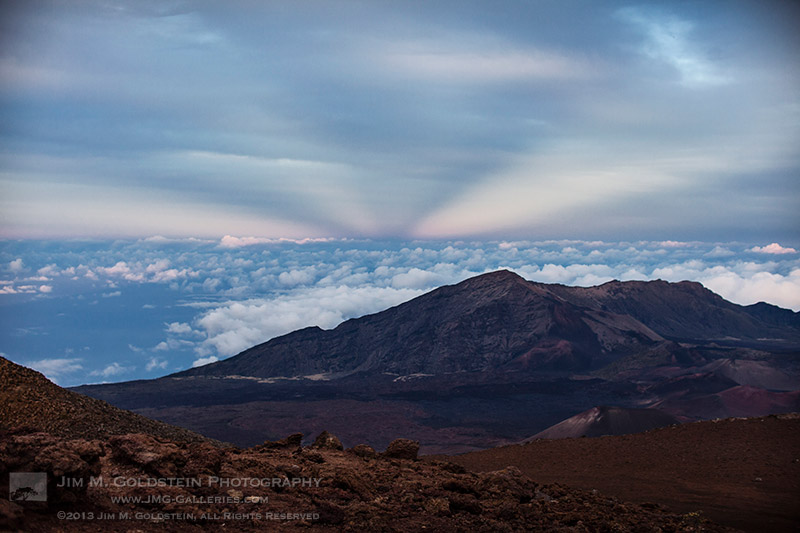
Anti-crepuscular rays appear in the sky at sunset above the shadow of Haleakala over the Pacific Ocean

Sometime ago I mentioned my favorite view on the island of Maui is the 30 mile shadow of Haleakala at sunset. This past year when I visited I was treated to an interesting display of anti-crepuscular rays converging on the horizon. This happened just before sunset and the perspective effect of the rays converging on the horizon was quite a mind bender. Remember this was seen with the sun to my back as the beams of light made their way around the gigantic Haleakala volcano. The next time you’re watching sunset don’t forget to look behind you.

Copyright Jim M. Goldstein, All Rights Reserved

Haleakala Anti-Crepuscular Rays

The post Haleakala Anti-Crepuscular Rays appeared first on JMG-Galleries – Landscape, Nature & Travel Photography.


Related Stories

  • Haleakala Anti-Crepuscular Rays – Enclosure
  • Return of Film: Snowy Sunrise at Gates of the Valley
  • Best Photos of 2013 by Jim M. Goldstein


JMG-Galleries

 
Comments Off on Haleakala Anti-Crepuscular Rays

Posted in Equipment


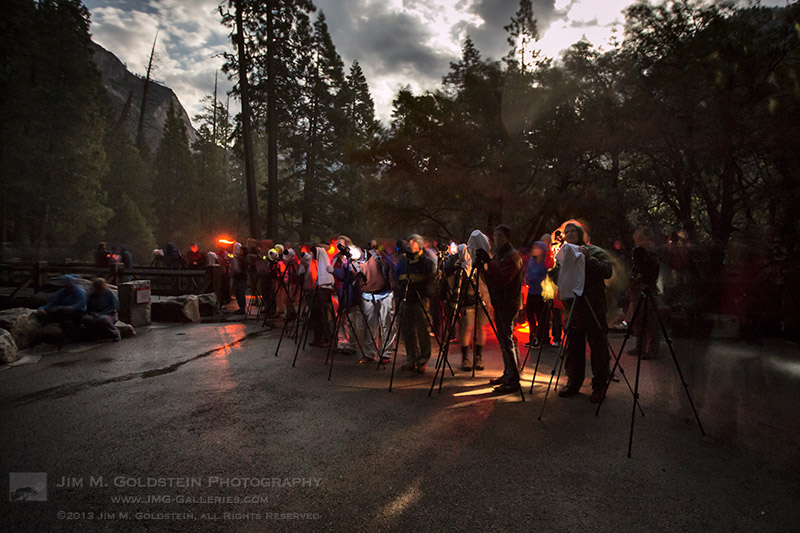
Moonbow Photographers in Action

22 Aug

Most years I venture out to photograph moonbows in Yosemite National Park, but this year I’m wondering if conditions will make it worth while. The extreme drought conditions across the state of California have resulted in low snow levels across the Sierras.  While I’m sure there will be enough snowmelt to keep Yosemite’s falls flowing the question is for how long and at what intensity. We’ll have to wait and see if there is a great but short period to photograph moonbows or if a slow and steady melt will result in consistently poor conditions. Time will tell.

Copyright Jim M. Goldstein, All Rights Reserved

Moonbow Photographers in Action

The post Moonbow Photographers in Action appeared first on JMG-Galleries – Landscape, Nature & Travel Photography.


Related Stories

  • Moonbow Photographers in Action – Enclosure
  • Return of Film: Snowy Sunrise at Gates of the Valley
  • Exhibit & Book Not To Miss – Carleton Watkins: The Stanford Albums
Feed Ads by FeedBlitz
powered by ad choices


JMG-Galleries

 
Comments Off on Moonbow Photographers in Action

Posted in Equipment


Extreme X-Class Solar Flare Is Erasing Digital & Film Photos Worldwide

22 Aug

This mornings Solar flare corruption of my photography library

In a stunning event shocking NASA, the European Space Agency and the Russian Federal Space Agency the Sun flexed its power last night with an unprecedented X-Class solar flare (Update: some astrophysicists are contending it’s the first detected Z-Class solar flare). Unlike extreme solar events like the Carrington Event this solar storm has erased film and digital photos world-wide. Prints, film negatives and digital files have shockingly been affected equally being erased into oblivion. Neil deGrasse Tyson was quoted as saying,

iPhone Image Library Corrupted by Solar Flare

“The sun once again has humbled us with its power. With a single awe inspiring brush stroke of  projected radiation, the Sun has erased our visual history leaving us to remember moments of times past with only our heart and minds.”

Completely confused this morning seeing blank sheets of paper where my favorite family photos and wall prints once existed I rushed to my computer and phone to see the state of my digital libraries. Everything was gone. In a fit of amazement and cursing I rushed to check my slides and negatives from the 90′s and they too are now history being completely blank. In hindsight I now wish I savored the moments I photographed to better remember them verses my fuzzy memory of these moments as seen through a small view finder. Now that this fast moving storm of radiation has passed new photos are now again possible. Even though I am now again able to take photos seeing the fragility of our imaging technologies it begs the questions…

Is humanity’s creativity, existence & legacy what we see, feel, or leave behind?


Copyright Jim M. Goldstein, All Rights Reserved

Extreme X-Class Solar Flare Is Erasing Digital & Film Photos Worldwide

The post Extreme X-Class Solar Flare Is Erasing Digital & Film Photos Worldwide appeared first on JMG-Galleries – Landscape, Nature & Travel Photography.


Comments

  • By: A Roundup of April Fools' 2014 Jokes in the World of Photography by A Roundup of April Fools’ 2014 Jokes in the World of Photography
  • Indeed! Thanks for the comment by jimgoldstein
  • Glad you enjoyed the post Russ by jimgoldstein
  • Thanks! by jimgoldstein
  • Beautiful abstracts Jim! Like something your son (I mean sun) … by Russ Bishop
  • Plus 3 more…

Related Stories

  • Wilderness Protection – Only As Strong As The Wilderness Act
  • Wilderness Protection – Only As Strong As The Wilderness Act – Enclosure
  • The Insightful Landscape – A New Landscape Photography Book


JMG-Galleries

 
Comments Off on Extreme X-Class Solar Flare Is Erasing Digital & Film Photos Worldwide

Posted in Equipment


101 Landscape Visionary Insights Not To Miss – A New eBook & Video Series

22 Aug

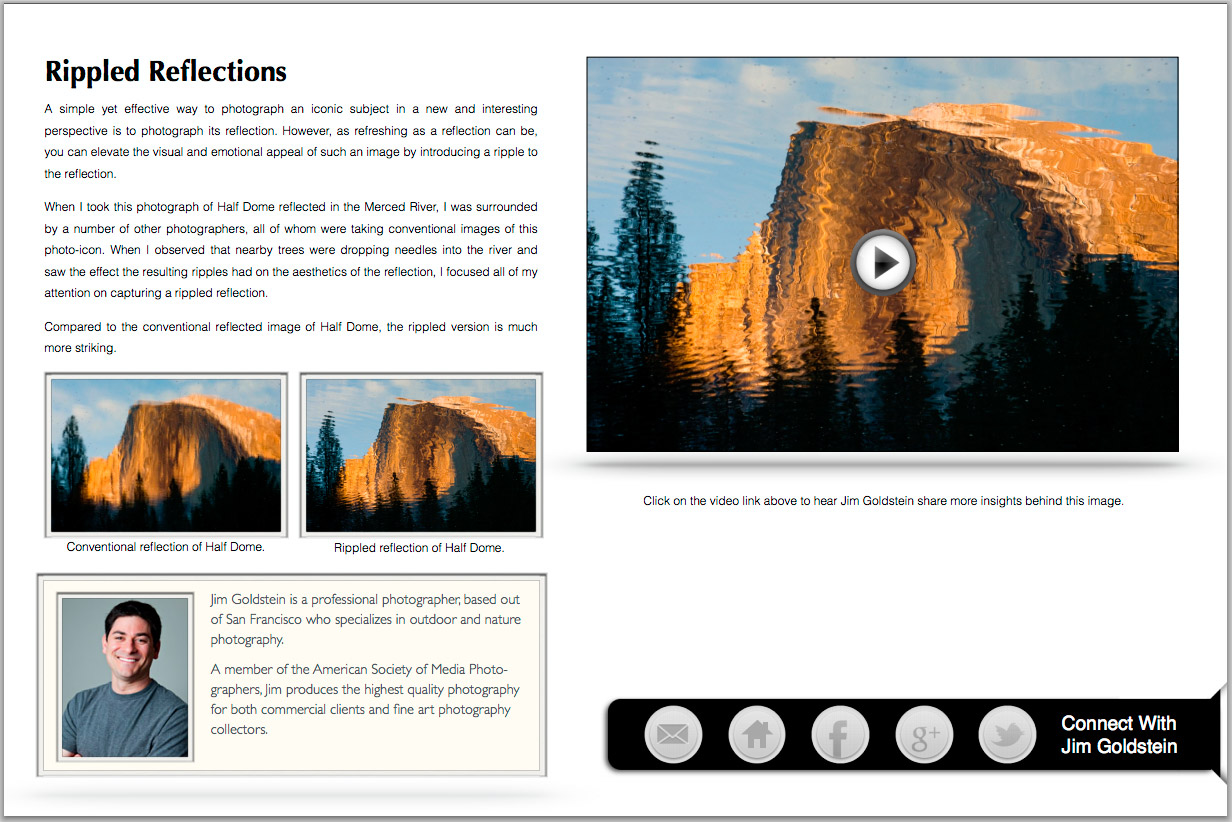
If you love outdoor photography and are hungry to learn more from seasoned professionals then there is a great eBook and video series that has just been launched: 101 Visionary Insights. 10 professional photographers, including myself, discuss inspiring and creative techniques to improve your photography and get the most out of your time in the field.

Download a free eBook with 10 tips today

If you like what you see in the sample eBook linked above be sure to purchase the full ebook and video series for as little as $ 12. You’ll find insights from myself Jim M. Goldstein, Gary Crabbe, Ian Plant, Bob Holmes, David H. Wells, Jay & Varina Patel, Karen Hutton, Moose Peterson and Joshua Holko. A sample page from the eBook can be found below and to see more sample content grab the free 10 tip eBook linked above.  I highly recommend the video course as I put together some important tips that I’ve yet to share publicly on my blog, podcast or social media updates. Enjoy and happy shooting!


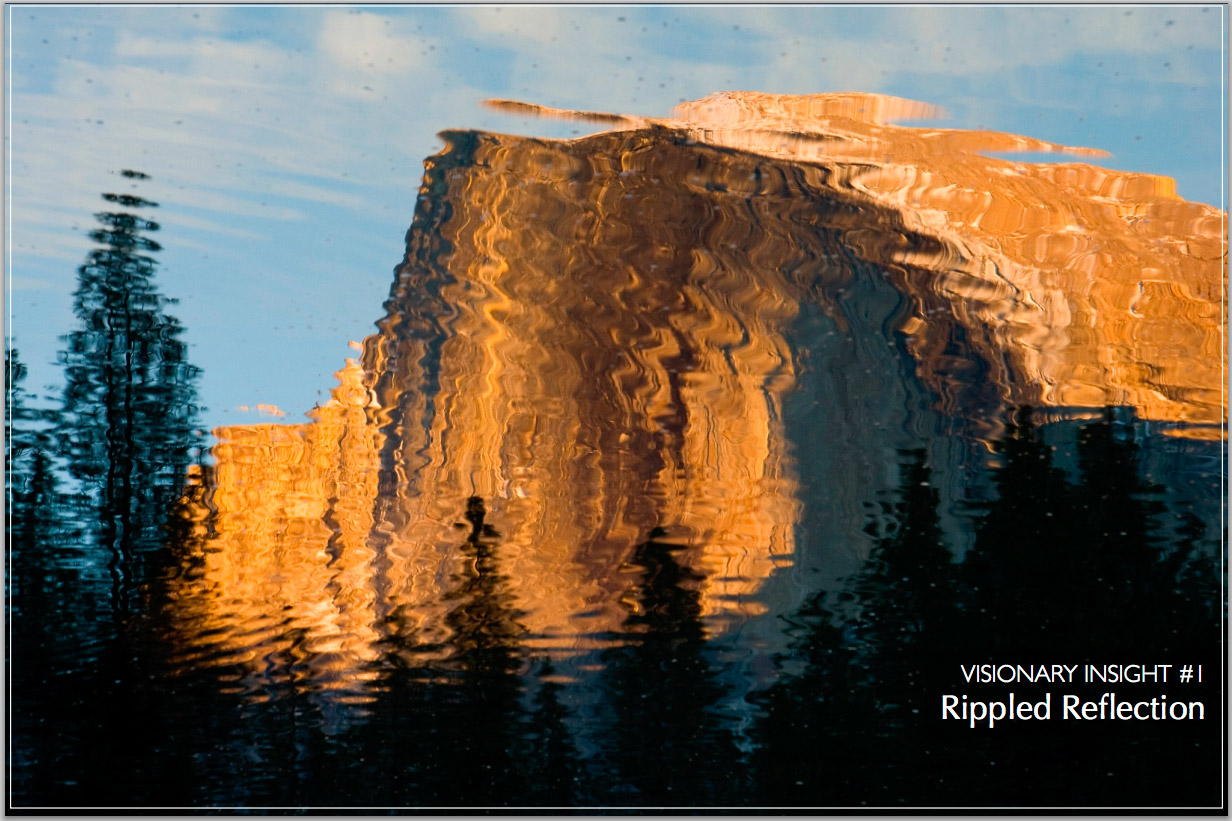
101 Visionary Insights eBook & Video series - featured Jim M. Goldstein


Copyright Jim M. Goldstein, All Rights Reserved

101 Landscape Visionary Insights Not To Miss – A New eBook & Video Series

The post 101 Landscape Visionary Insights Not To Miss – A New eBook & Video Series appeared first on JMG-Galleries – Landscape, Nature & Travel Photography.


Related Stories

  • 101 Landscape Visionary Insights Not To Miss – A New eBook & Video Series – Enclosure
  • The Insightful Landscape – A New Landscape Photography Book
  • Save 25% on my eBook and Star Trail Webinar Now Through Dec. 2nd
Feed Ads by FeedBlitz
powered by ad choices


JMG-Galleries

 
Comments Off on 101 Landscape Visionary Insights Not To Miss – A New eBook & Video Series

Posted in Equipment


Märchenhafte Kinderfotografie

22 Aug

Ein Beitrag von: Simone Hertel

Ich finde, gerade die Kinderfotografie ist ein Bereich, der viel mehr Aufmerksamkeit und Beachtung verdient hat. Zumindest ist es ein Bereich, der mit Sicherheit sehr unterschätzt wird. Allzuoft wird angenommen, dass Kinder einfach zu fotografieren wären. Sie sind ja sowieso immer süß anzuschauen und somit hat man automatisch und ohne viel Mühe auf alle Fälle ein tolles Bild.

Weit gefehlt. Kinder sind kleine sensible Wesen. Das eine ist schüchtern, das nächste ist ein Wirbelwind und wieder ein anderes hat einfach einen Tag, an dem es auf alles Lust hat – nur nicht darauf, fotografiert zu werden. Verständlich, geht es uns doch mitunter nicht anders vor der Kamera. Auf dem Foto soll das Ganze aber dann wunderhübsch, natürlich und vor allem richtig entspannt aussehen.

Eine Junge liegt mit einer Katze zusammen auf einem kleinen Weg und lacht.

Und genau darin liegt die Herausforderung in der Kinderfotografie. Ein Kind so zu zeigen, dass es eben nicht einfach nur starr und auf Kommando in die Kamera schaut, sondern einen entspannten und natürlichen Gesichtsausdruck zeigt. Glücklich, verträumt, in Gedanken, lachend oder auch wie ein kleiner frecher Schelm. Das Wichtigste hierfür ist, auf die Kinder einzugehen und eine Art Vertrauensbasis zu schaffen, Freunde für zwei Stunden zu werden.

Ohne dieses unsichtbare Band wird es schwer, entspannte Gesichtsausdrücke und natürliche Emotionen im Bild darzustellen. Deshalb ist es mir wichtig, ein Fotoshooting mit genügend Zeit und Entspanntheit durchzuführen. Innerlich leide ich zwar manchmal ein ganz klein wenig mit, wenn ich vor mir dann einen tanzenden Wirbelwind habe, der nicht zu bremsen ist. Denn ab und an denke ich dann kurz: „Bitte jetzt nicht stürzen mit dem schönen Kleid“.

Zwei Mädchen tanzen auf einer Wiese mit einem Strauß Pusteblumen.

Aber gerade in solchen Momenten entstehen die schönsten Fotos mit den wundervollsten Strahleaugen. Und oftmals heißt das dann auch, spontan und sehr schnell zu reagieren, um genau solche unbewussten Momente nicht zu verpassen.

Erst gestern hatte ich ein Mutter-Tochter-Shooting, bei dem genau so ein Moment eingetreten war. Gerade, als ich noch einen kurzen Blick auf die letzte Aufnahme werfen wollte, sah ich im Augenwinkel vor mir, wie Mutter und Tochter sich plötzlich kurz an die Hand nahmen und anfingen, zusammen zu tanzen. Ich hielt die Kamera schnell bereit und habe innerlich gehofft und vor allem auch gespürt, dass genau jetzt ein wunderbarer Moment kommen wird, den ich auf keinen Fall verpassen darf.

Mutter und Tochter zwischen violetten Blumen geben sich einen Kuss.

Und genauso war es dann auch: Wenige Sekunden später gaben sie sich einen zärtlichen Mutter-Tochter-Kuss. Ohne Zwang, ohne vorherige Absprache, einfach aus dem Moment und aus dem Herzen heraus. Das sind für mich jedes Mal Momente, die einfach in Worten nicht zu beschreiben sind, da sie eine unglaubliche Magie besitzen.

Ein Bild, das für Mutter und Kind von unglaublicher Bedeutung ist. Und Kinderfotos haben meiner Meinung nach eine ganz besonders große Bedeutung. Gerade die Kleinen verändern sich in ihrer Persönlichkeit so schnell und so oft, dass es umso wichtiger ist, diese verschiedenen Augenblicke des Heranwachsens für sie festzuhalten.

Ein Junge auf einem Reifen an einem kleinen Fluss.

Kinderfotos sind für mich eine Art kostbares Gut und auch zugleich „Generationengeschenk“. Jetzt, hier und heute sind es vielleicht „einfach nur“ aktuelle Fotos, mehr nicht. Doch von Jahr zu Jahr mehrt sich ihr ideeller Wert um ein Vielfaches. Wenn dann einige Jahre ins Land gegangen, aus den kleinen Rabauken von damals langsam junge Wilde geworden sind und wir diese Bilder wieder betrachten … dann haben sie den Status „unbezahlbar“ erreicht.

Erinnerungen bleiben immer in unserem Gedächtnis und Herzen erhalten, aber mit Bildern können wir diese Emotionen zusammen mit anderen lebendig halten und uns stets wieder vor Augen führen. Dann, wenn aus den Kindern von heute in einigen Jahren selbst Eltern geworden sind, die ihren Kindern ein Stück eigener bereits vergangener Kindheit aufzeigen wollen … von Generation zu Generation.

Ein Mädchen und ein Junge tanzen auf einer Wiese.

Es wäre zu schade, gäbe es nicht diese Möglichkeit, wundervolle Momente für uns und unsere Kinder für immer festzuhalten. Machen wir ihnen dieses wundervolle Geschenk. Später werden sie es uns danken, wenn sie sich diese wertvollen Momente ihrer eigenen Kindheit selbst bildlich vor Augen halten können. Denn dann halten sie mehr als nur einfach ein Bild in der Hand – es sind kostbare Sekunden aus ihrem Leben, wundervoll, wertvoll und unwiederbringbar.


kwerfeldein – Fotografie Magazin | Fotocommunity

 
Comments Off on Märchenhafte Kinderfotografie

Posted in Equipment


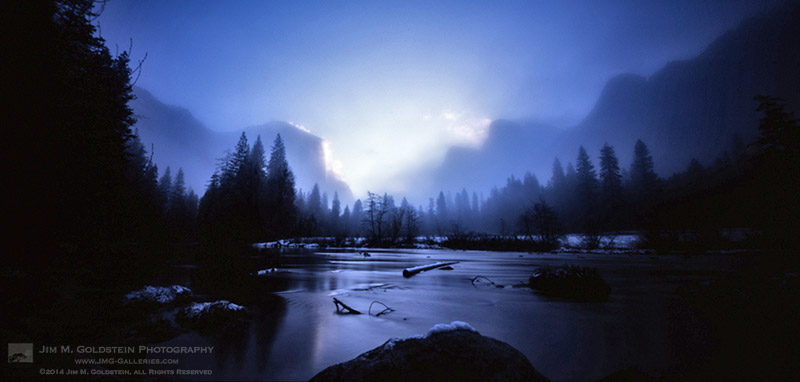
Return of Film: Snowy Sunrise at Gates of the Valley

22 Aug

It’s been 10 years since I last took photographs with film. My backing a pinhole camera Kickstarter project, the Ondu camera, is what swayed me to take another stab at shooting film. The camera I chose from the project is a 6×12 medium format pinhole camera. It has an aperture equivalent to f/133 and a focal length of roughly 40mm (in 35mm camera terms).  I’ve never used a pinhole camera so it’s been quite an exciting exploration of a very primitive form of photography. No view finder, no glass lens, no CF cards, no histogram and being an extended piece of the camera as the human shutter (I open and close it) is a sure fire way to kick oneself into a new way of thinking and seeing.

Even with my digital camera I’ve been in a “slow photography” mode. Ironic considering I have been shooting a lot of time-lapse work. While my camera is running capturing a time-lapse I usually have a second camera in the wings where I very selectively take a dozen or so photos. To take that approach to another extreme I picked up the pinhole camera to capture a few frames here and there. I get 6 photos per roll with this camera so depending on the lighting conditions I’ll run through a roll quickly during the day or use the same roll of film over a few night shoots.

The photo above of a very foggy and snowy view of Gates of the Valley in Yosemite National Park was taken this past March. This brief window in the fog lasted but a minute. This was one instance when I was in the right place at the right time. Expect to see a few more pinhole photos in the future. As I venture around in the coming months we’ll see what other “right place at the right time” photos come about.


Copyright Jim M. Goldstein, All Rights Reserved

Return of Film: Snowy Sunrise at Gates of the Valley

The post Return of Film: Snowy Sunrise at Gates of the Valley appeared first on JMG-Galleries – Landscape, Nature & Travel Photography.


Related Stories

  • Exhibit & Book Not To Miss – Carleton Watkins: The Stanford Albums
  • Exhibit & Book Not To Miss – Carleton Watkins: The Stanford Albums – Enclosure
  • In Defense of Pretty Pictures – Enclosure


JMG-Galleries

 
Comments Off on Return of Film: Snowy Sunrise at Gates of the Valley

Posted in Equipment


Roberts Rüstzeug

21 Aug

Anfang Juli war es schwül und heiß in Saigon. Die tropische Sonne brannte mir auf den Pelz und ein zähes Gemisch aus Abgasen und meinem eigenen Schweiß in den Augen.

Ich stand auf einer Autobrücke, wollte eine Langzeitbelichtung des mir entgegenströmenden Mopedschwarms machen und hatte meine Hasselblad Mittelformatkamera auf’s Stativ gesetzt.

Als ich durch den Schachtsucher das Bild komponieren wollte, merkte ich, wie mein Rüstzeug abrupt an Boden verlor, weil eine in Gegenrichtung des übrigen Verkehrs vorbeifahrende Hand nach ihm griff. Geistesgegenwärtig umklammerte ich das Stativ und konnte dadurch größeres Übel verhindern. Als ich den Kopf hob, sah ich, wie zwei helmlose Halunken auf ihrem Moped davonknatterten.

Beinahe hätte meine treue Begleiterin unfreiwillig den Besitzer gewechselt. Durch das Gerangel war sie auf den Asphalt gekullert, Sucher und Mattscheibe waren herausgesprungen, das Magazin vom Gehäuse gesprengt. Sollte das etwa ihr Ende sein?

Hasselblad 500C und Zubehör

Hasselblad 500C und Zusatzbesteck für Langzeitbelichtungen. Adox produziert den abgebildeten Film leider nicht mehr. Eine gute Alternative ist aber der neue Rollei RPX 25.

Innerhalb der vergangenen paar Jahre hat mein Apparatefuhrpark mehrfach Metamorphosen durchlaufen. Einige analoge Kleinbild- und Mittelformatkameras sind durch meine Hände gegangen sowie diverse zugehörige Objektive, meist mit normaler bis weitwinkliger Brennweite.

Ein Apparat, dem ich allerdings seit fünf Jahren treu geblieben bin, ist meine Hasselblad. Ich habe mich sehr an das quadratische Mittelformat gewöhnt. Ist es manch einem vielleicht zu starr, gefällt mir die Ruhe und Ausgewogenheit, die sich da hinein komponieren lässt.

Blick vom Ufer der Donauinsel in Wien auf die Skyline der neuen Donaucity.

Donaucity, Wien, Juni 2014. Aus der Serie „60-second slices of present“.

Ich verwende sie häufig in Kombination mit einem 80 mm f/2.8 Carl Zeiss Planar Normalobjektiv und seltener mit einem 40 mm f/4 Carl Zeiss Distagon Weitwinkelobjektiv. Das zweite kommt inzwischen weit öfter an einer anderen Kamera zum Einsatz. Mehr dazu aber später.

Für Langzeitbelichtungen setze ich sie auf das oben bereits erwähnte Stativ – ein älteres Manfrotto-Modell. Abgesehen von seiner ausgezeichneten Standfestigkeit, finde ich, dass es auch eine ästhetische Symbiose mit der Kamera bildet (siehe Artikelbild). Mit dem 141RC 3-Wege-Stativkopf lassen sich Stadt- und Architekturaufnahmen präzise komponieren.

Da ich meist konzeptionell und über längere Zeit parallel an verschiedenen Bildserien arbeite, nutze ich zwei 6×6-Rollfilmmagazine. Eins ist für gewöhnlich gefüllt mit niedrigempfindlichem Schwarzweißfilm (dem recht neuen Rollei RPX 25), dem optimalen Material für meine städtischen Langzeitbelichtungen.

Das andere Magazin ist stets gefüllt mit Farbfilm, vorzugsweise mit Kodak Portra 160* oder 400*, da mir die milde Farbwiedergabe dieses Films gefällt.

Ein Glas türkischer Tee steht auf dem Fenstersims einer Bosporus-Fähre in Istanbul.

Istanbul, März 2014. Belichtet auf Kodak Portra 160.

Obwohl ich inzwischen immer seltener im analogen Kleinbildformat fotografiere, versuche ich, ihm treu zu bleiben. Ein bisschen Nostalgie muss sein, denn damit hat bei mir vor vielen Jahren alles angefangen.

Aus diesem Grund habe ich mir vor einiger Zeit eine Leica M6 und das Voigtländer 35 mm f/1.2* gegönnt. Diese Kombination bereitet mir sowohl auf der Straße als auch bei der Dokumentation von Familienfesten sehr viel Vergnügen.

Das (nicht zu) weitwinkelige, lichtstarke Objektiv ist beispielsweise im Zusammenspiel mit einem Ilford HP5+* auch bestens für Aufnahmen im Zwielicht und Halbdunkel geeignet.

Ein älterer Herr mit Lesebrille blättert in einem Buch.

Greife ich etwas tiefer in meine Werkzeugkiste, dann findet sich darin noch eine besondere Perle – eine Voigtländer Avus 9×12 Plattenkamera.

In Anbetracht ihres Alters von fast hundert Jahren ist es faszinierend, dass sie noch immer einwandfrei funktioniert. Sie kommt nicht besonders oft, aber doch regelmäßig zum Einsatz; immer dann, wenn ich wieder einmal Lust verspüre, mich an Portraitfotos zu versuchen.

Hatte ich sie zunächst mit einigen Testaufnahmen auf Planfilm auf Funktion überprüft, so nutze ich sie inzwischen überwiegend in Verbindung mit einem Rollfilmrückteil. So reize ich zwar nicht ihr volles Format aus, kann sie dafür aber bequemer und weniger kostspielig anwenden.

Voigländer Avus 9x12 Plattenkamera mit Rollfilmmagazin

Für Architekturdokumentationen und Auftragsarbeiten arbeite ich mit einer Nikon D800*. Neben dem am opulentesten auflösenden Sensor, den der DSLR-Markt derzeit hergibt, finde ich sie zudem auch noch verhältnismäßig handlich.

Allerdings sagt das einer, der für gewöhnlich mit einem Acht-Kilo-Rucksack und einem massiven Stahlstativ über der Schulter Stadtspaziergänge unternimmt.

Da ich als Linienfetischist besonderen Wert auf die Eliminierung stürzender Linien lege, nutze ich oft das Nikon 24 mm f/3.5 Tilt-Shift-Objektiv*. Was mir an diesem Objektiv besonders gefällt: Es ist relativ kompakt.

Ist es etwas schummriger, bietet sich der Einsatz meines Einbeinstativs* mit Kugelkopf und Actiongriff* an. Bei guten Lichverhältnissen kann ich mit dem Objektiv aber auch problemlos aus der Hand fotografieren. Das wiederum begünstigt, situativ und mit einem reportagebeeinflussten Ansatz zu arbeiten.

Oft genug gibt es Situationen, in denen es meiner Ansicht nach genauso interessant ist, ein Gebäude im Zusammenhang damit zu zeigen, was in ihm und in seiner Umgebung geschieht, als es ausschließlich als isolierten menschenleeren Baukörper darzustellen.

links: das Museum für Kunst des 21. Jahrhunderts in Rom, rechts: das Museum für Architekturzeichnung in Berlin

Links: das Museum für die Kunst des 21. Jahrhunderts in Rom, rechts: das Museum für Architekturzeichnung in Berlin.

Meiner Shiftwut musste ich im vergangenen Jahr erneut nachgeben, als ich auf ein fantastisches Accessoire stieß, das eine ungeahnte Potenzsteigerung meiner Nikon versprach. Aufgrund des verhältnismäßig hohen Anschaffungspreises und der Tatsache, dass nur wenig Referenzmaterial im Netz dazu zu finden war, kontaktierte ich kurzerhand den Hersteller.

Es stellte sich heraus, dass Zörk, das mittelständische Unternehmen mit Sitz in München, seit nunmehr einem Vierteljahrhundert spezialisiert ist auf die Herstellung verschiedenster abenteuerlicher technischer Erweiterungen für analoge und digitale Kamerasysteme und damit offenbar schon lange eine lukrative Nische bedient.

Herr Zörkendörfer persönlich rief mich außerhalb seiner Werkstattzeit zurück, um mich eingehend über die Funktionsweise des Adapters meiner Wahl zu beraten. Sehr kundenorientiert, sehr sympathisch.

Zwei Wochen später war ich stolzer Besitzer eines Adapters, der mir erlaubte, meine Hasselblad-Objektive an der Nikon zu verwenden. Der Adapter nutzt überdies den wesentlich größeren Bildkreis der Objektive aus; durch einen Shiftweg von insgesamt 40 mm (etwa das Doppelte der herkömmlichen Shiftobjektive), lässt sich durch nachträgliches Zusammenfügen der Teilbilder die Sensorgröße der Kamera effektiv bis auf das Zweieinhalbfache erweitern.

Ein Gebäude des Wangjing Soho Architektur-Ensembles von Zaha Hadid Architects.

Das neue Wangjing-Soho-Gebäudeensemble in Peking.

Obwohl ich aus Gewohnheit lieber mit Festbrennweiten arbeite, befindet sich auch das Zoom-Nikkor 24 – 70 mm f/2.8G ED* in meinem Besteckkasten. Eier legt es zwar nicht, als Wollmilchsau würde ich es aber schon bezeichnen, da es den für meine Zwecke nützlichsten Brennweitenbereich anstandslos abdeckt.

Ein Objektiv, das ich mir immer öfter für Aufträge leihe, ist das 14 – 24 mm Weitwinkelzoom*. War ich anfangs skeptisch ob der enormen perspektivischen Verzerrung, die es am unteren Anschlag im Bild verursacht, so habe ich inzwischen gemerkt, dass es sich doch sehr gut für die Abbildung von kleinen Innenräumen eignet.

Ja, und dann finden sich da noch das Nikon SB 900 Blitzgerät, diverse Filter, Adapter, Drahtauslöser oder lose Teile, die im Orbit um meine Kernausrüstung kreisen und deren einziger Zweck es zu sein scheint, verloren zu gehen, verschlissen oder vergessen zu werden.

Die Katalogisierung, Zusammenfügung und Bearbeitung meiner Bilddaten nehme ich in Adobe Lightroom* vor. Komplexere Pixelarbeit, wie beispielsweise das Enfernen von Chipdreck und Negativkratzern oder das Setzen aufwändigerer Auswahlmasken erledige ich in Photoshop und mithilfe eines Wacom Grafiktabletts*.

Für meine analogen Taten habe ich einen hybriden Workflow entwickelt. Gebe ich die Filme zunächst ins Labor meines Vertrauens, digitalisiere ich sie anschließend selbst mittels eines Epson V700. Danach durchlaufen sie den gleichen Prozess wie digitale Aufnahmen.

Roberts Arbeitsplatz

Ein Arbeitsplatz ohne eine Tasse guten Kaffees: Undenkbar. So aufgeräumt sah er allerdings nur für’s Foto aus.

Und was wurde nun eigentlich aus der Hasselblad nach ihrem Sturz auf den Asphalt? Sie hat ihn überlebt und mich anschließend noch weitere drei Wochen in Asien begleitet. Auf dem Tiananmen-Platz in Peking gewann ich mit ihrer Hilfe gar das Vertrauen eines mich vernehmenden Staatssicherheitsbeamten, indem ich sie ihm unbefangen in die Hände legte.

Mit dieser Geste gelang es mir, jeglichen Verdacht auszuräumen, ich könnte möglicherweise für eine dem chinesischen Staat feindliche Organisation tätig sein. Ironischerweise blockierte der Aufziehmechanismus der Kamera just am ersten Tag zurück in Deutschland. Jetzt ist sie beim Doktor, aber ich bin sehr zuversichtlich, dass sie es schafft.

* Das ist ein Affiliate-Link zu Amazon. Wenn Ihr darüber etwas bestellt, erhält kwerfeldein eine kleine Provision, Ihr zahlt aber keinen Cent mehr.


kwerfeldein – Fotografie Magazin | Fotocommunity
 
Comments Off on Roberts Rüstzeug

Posted in Equipment


Trending to the Unknown

21 Aug
Unknown Beach, Point Lobos

Unknown Beach, Point Lobos

Updates have been sparse as of late thanks to a full schedule and increasing demands at home. We’re approximately T-minus 21 days from our 2nd son arriving. As you’d imagine that means a lot of preparation, stress, and wondering.

Some of the more pleasurable prep work has been enjoying time with my 1st son, who is nearly 4, going to places like Yosemite and Point Lobos. I can’t say when I’ll take both sons to such beautiful locations to appreciate nature, but odds are its not going to be for a while. I’ve really enjoyed the ability to experience these locations with my son. Not only has it been an amazing experience to see his reaction, but it has also let my mind wander pondering what son #2 will be like.  In my minds eye I see him as a figure on the edge of a void lacking distinguishing characteristics. Characteristics I long to know hair color, eye color, what his laugh & voice will sound like, what interests he’ll have, etc. Waiting for the arrival of a new child is an interesting experience. The best way to describe it is trending to the unknown… a steady and slow movement to meet someone one step away from a void only to turn around and journey with them into the unknown of life.

Copyright Jim M. Goldstein, All Rights Reserved

Trending to the Unknown

The post Trending to the Unknown appeared first on JMG-Galleries – Landscape, Nature & Travel Photography.


Related Stories

  • Return of Film: Snowy Sunrise at Gates of the Valley
  • Wilderness Protection – Only As Strong As The Wilderness Act
  • Wilderness Protection – Only As Strong As The Wilderness Act – Enclosure
Feed Ads by FeedBlitz
powered by ad choices


JMG-Galleries

 
Comments Off on Trending to the Unknown

Posted in Equipment


Exhibit & Book Not To Miss – Carleton Watkins: The Stanford Albums

21 Aug

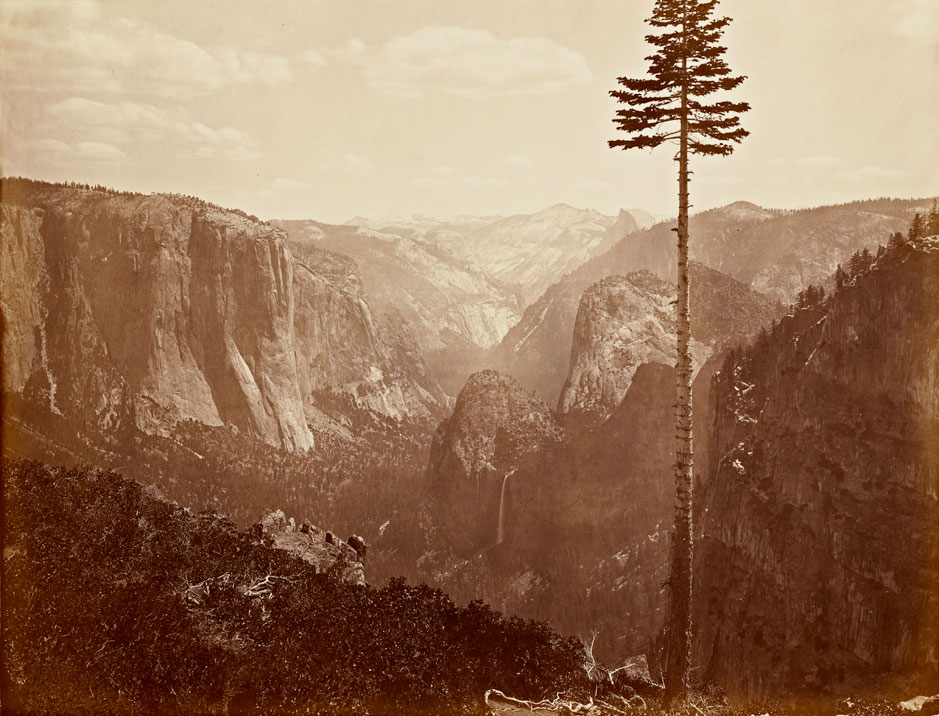
“The Yosemite Valley from the ‘Best General View,’” 1866

There is a lot we take for granted about National Parks, in particular the likes of Yosemite National Park, which are steeped in history particularly in the realm of nature conservation. If you’re a fan of Yosemite you may already know this year is the 150th Anniversary of the Yosemite Act of 1864. This single piece of legislation put the wheels in motion for the  eventual creation of our National Park system with the help of then U.S. President Abraham Lincoln.

What is particularly fascinating about this anniversary is that it may never have happened without Carleton Watkins photographing Yosemite in the early 1860′s with a camera capable of producing stereo views and another camera capable of holding 18×22 glass negatives. These 18×22 plates became known as the “mammoth plates”.    Watkins had a rough ride of it as a professional photographer losing his studio in the great San Francisco earthquake of 1906, but some of his photographs survived. (3) three of his albums reside at the Stanford University Libraries and select photos from these albums are now on display through August 17th, 2014 at the Cantor Art Center. Even more notable for Yosemite fans worldwide is the release of these 3 albums via a large format photo book aptly titled the Carleton Watkins: The Stanford Albums. Remarkably this beautiful large format book, containing 280 pages, is only $ 40. I received my copy this past week and it’s amazing. I highly recommend it both for the beautiful photos, rich history, and fine quality of the book. Before there was Ansel Adams there was Carleton Watkins and his photos are a rare glimpse into Yosemite Valley’s past.

Side Notes

What did I find so amazing about the images in this book?

  1. It reveals a view of San Francisco when it was still forming.
  2. It shows Yosemite more barren and populated in a different fashion than we see today.
  3. It shows how a single photographer first visualized wild landscapes setting the visual tone for future photographers to emulate for decades to come.

Copyright Jim M. Goldstein, All Rights Reserved

Exhibit & Book Not To Miss – Carleton Watkins: The Stanford Albums

The post Exhibit & Book Not To Miss – Carleton Watkins: The Stanford Albums appeared first on JMG-Galleries – Landscape, Nature & Travel Photography.


Related Stories

  • Exhibit & Book Not To Miss – Carleton Watkins: The Stanford Albums – Enclosure
  • Return of Film: Snowy Sunrise at Gates of the Valley
  • Wilderness Protection – Only As Strong As The Wilderness Act


JMG-Galleries

 
Comments Off on Exhibit & Book Not To Miss – Carleton Watkins: The Stanford Albums

Posted in Equipment


The Insightful Landscape – A New Landscape Photography Book

21 Aug

The Insightful Landscape - A New Landscape Photography Book

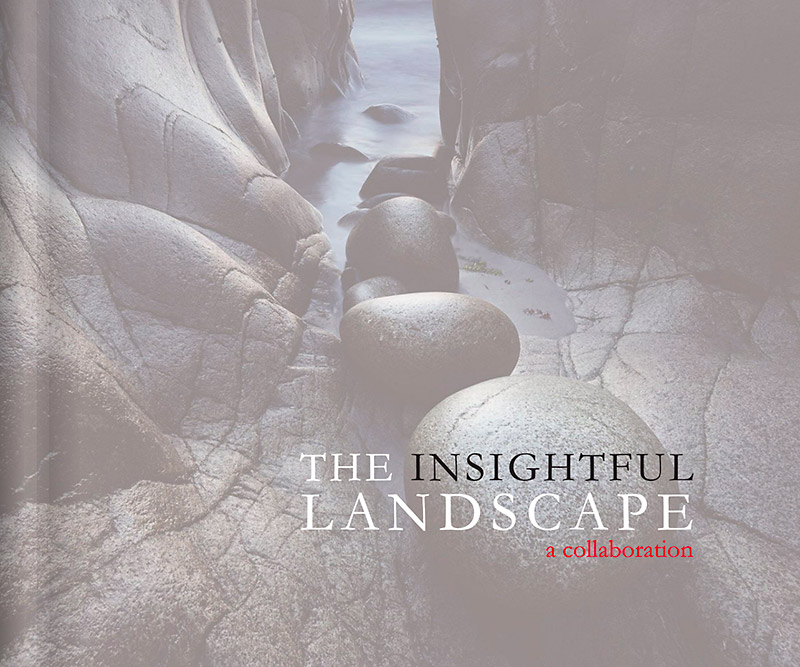
Announcing a new landscape photography book: The Insightful Landscape

A very special collaboration has been made by 26 highly talented landscape photographers including Guy Tal, Michael E. Gordon, Andy Biggs, Tim Parkin, Gary Crabbe, Floris van Breugel, Richard Wong, Alister Benn, myself and many more. (see the complete list below)

If you love Landscape Photography then you’ll want to pick up a copy. This book was put together to share our passion for nature and help make a chartable donation to the Cystic Fibrosis Foundation on behalf of a participating photographer’s son, who is fighting the disease.

Purchase The Insightful Landscape in print or digital format today


Complete Contributing Photographer List:

Dan Ballard

Alister Benn

Andy Biggs

Floris van Breugel

Peter Carroll

Bill Chambers

David Chauvin

Gary Crabbe

Ken Cravillion

Matthew Cromer

David Fantle

Jim Goldstein

Michael E. Gordon

Jack Graham

David Leland Hyde

Youssef Ismail

Joseph Kayne

Chuck Kimmerle

Colleen Miniuk-Sperry

Lon Overacker

Tim Parkin

Rafael Rojas

Jim Sabiston

Scott Schroeder

Guy Tal

Richard Wong

Copyright Jim M. Goldstein, All Rights Reserved

The Insightful Landscape – A New Landscape Photography Book

The post The Insightful Landscape – A New Landscape Photography Book appeared first on JMG-Galleries – Landscape, Nature & Travel Photography.


Related Stories

  • 101 Landscape Visionary Insights Not To Miss – A New eBook & Video Series
  • 101 Landscape Visionary Insights Not To Miss – A New eBook & Video Series – Enclosure
  • Wilderness Protection – Only As Strong As The Wilderness Act
Feed Ads by FeedBlitz
powered by ad choices


JMG-Galleries

 
Comments Off on The Insightful Landscape – A New Landscape Photography Book

Posted in Equipment