RSS
 

Archive for the ‘Creativity’ Category

Cellular Urbanism: Analyzing the Anatomy of Functional City Block Designs

30 Aug

[ By WebUrbanist in Architecture & Cities & Urbanism. ]

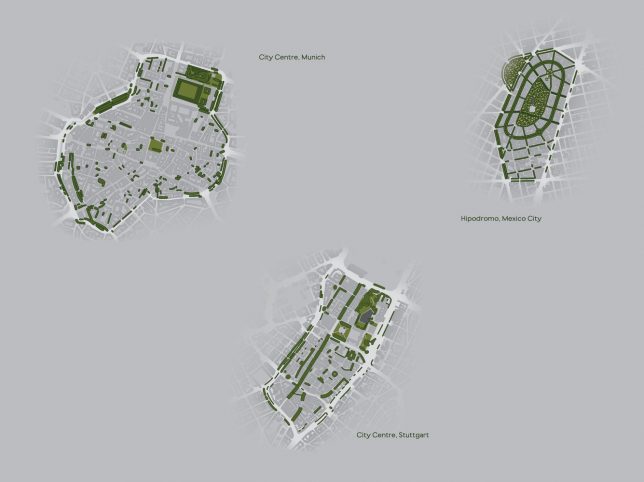
We all understand intuitively that different urban layouts lead to different kinds of cities, but a new book analyzes these on a block-to-block basis to illustrate how this civic anatomy works on a cellular level. In Urban Being: Anatomy & Identity of the City, Robin Renner uses anatomical-style classifications to look at urban landscapes through a kind of giant microscope.

Overlaying use patterns and transit networks, the reader begins to understand what types of urban “cells” make for functional built environments. Think of it like genome sequencing: through it, planners and architects can learn how to identify problems and, in some cases, address them or head them off in advance.

A combination of topography, transportation networks and design ambitions go a long way toward shaping cells in global cities, forming grids and networks familiar from satellite views of cities. All this in turn shapes the kinds of buildings and functions one finds within a given city.

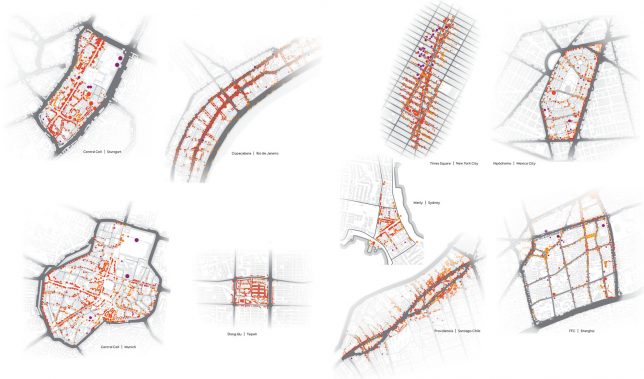
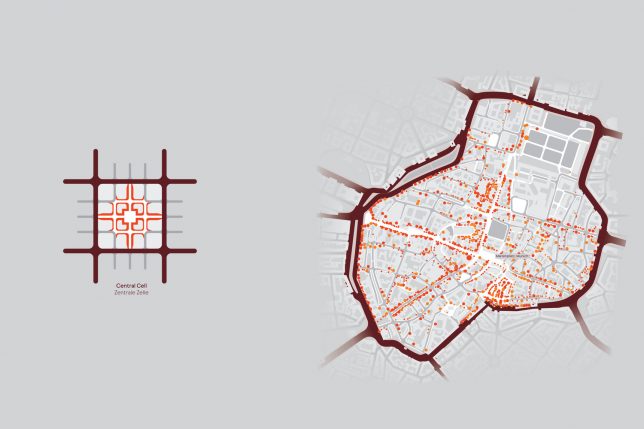
At the most basic level there are “block cells” made up of arterial routes — these tend to be packed with activity, though specific functions vary on long and short sides of a block (shorter are often busier). These are often found in financial centers of major metropolitan areas.

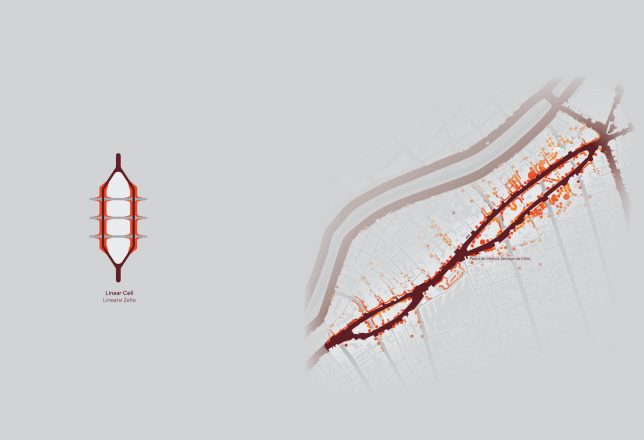
There are also “linear cells” where two single-direction roads pass one another, which can form the basis of walkable commercial hubs.

Inside “central cells,” where traffic is pushed to the periphery, pedestrians can dominate, generating demand for things like stores and restaurants. Barcelona, for instance, has been implementing a plan to turn sets of blocks into single superblocks, leaving central zones free of cars.

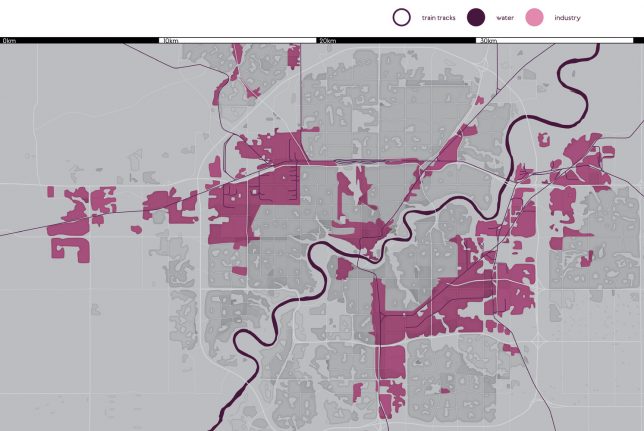
In the process of analyzing all of these types and how they work together in neighborhoods, Renner has devised some rules of thumb, like: residential cells should be between 1200 and 2400 feet across. Industrial cells, which often grow up around transit routes (railroads, rivers and lakes) can grow too big and isolated unless located close to worker housing or connected via public transit. These kinds of decisions, says Renner, can help cities keep a healthy balance of livability and functionality.

“There is a long tradition of comparing cities with organisms as they have similarities in their anatomy, explains the author. “But since cities are brought into life by the presence of people, they are less living beings than urban beings with their own identity. This is based on the behaviors, needs and requirements of the residents. In other words, the anatomy of the city informs its identity.”

Share on Facebook


[ By WebUrbanist in Architecture & Cities & Urbanism. ]

[ WebUrbanist | Archives | Galleries | Privacy | TOS ]


WebUrbanist

 
Comments Off on Cellular Urbanism: Analyzing the Anatomy of Functional City Block Designs

Posted in Creativity


Secrets in the Shadows: Urban Objects Transformed with Sidewalk Paint

29 Aug

[ By SA Rogers in Art & Street Art & Graffiti. ]

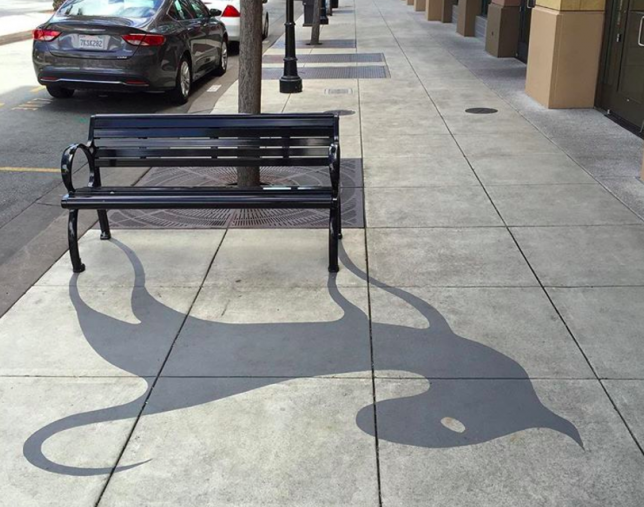
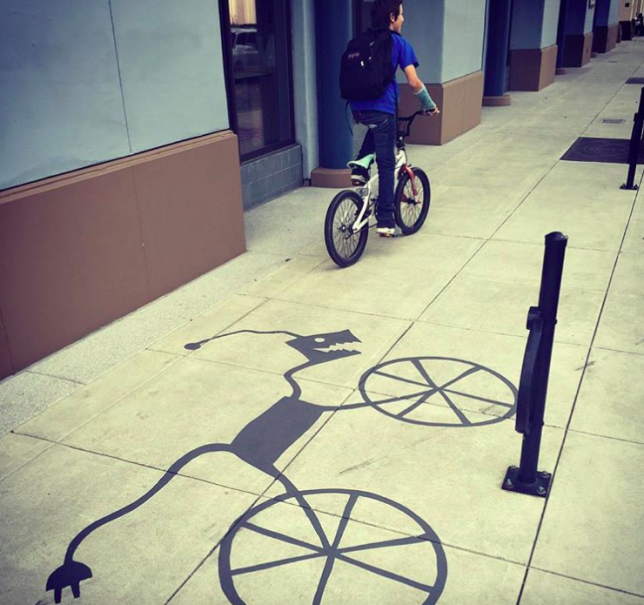
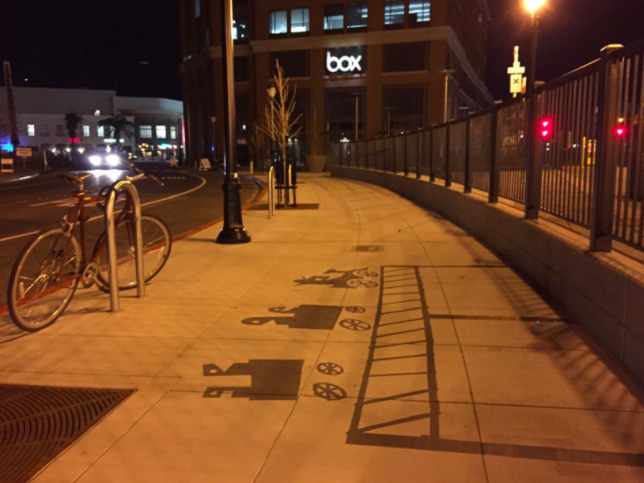
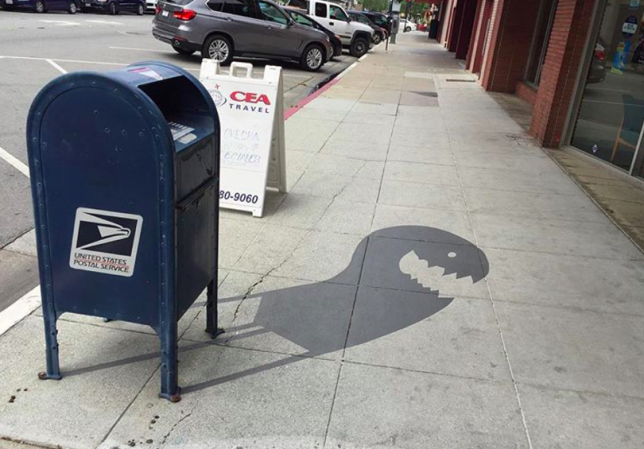
You might not even notice there’s anything unusual about these shadows until you’re right up on them, wondering why in the world a mailbox looks like a grinning monster, fearing that somebody slipped you a psychedelic drug. There’s nothing wrong with your perception of the world. You’re just lucky enough to spot one of Damon Belanger’s shadow art creations in the wild, painted on urban surfaces all over Redwood City, California. Depending on the time of day, the shadows can be surprisingly convincing, catching passersby off guard.

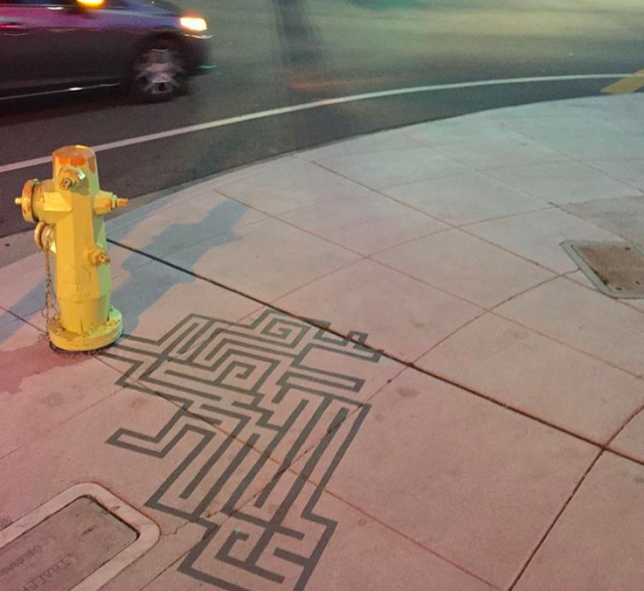
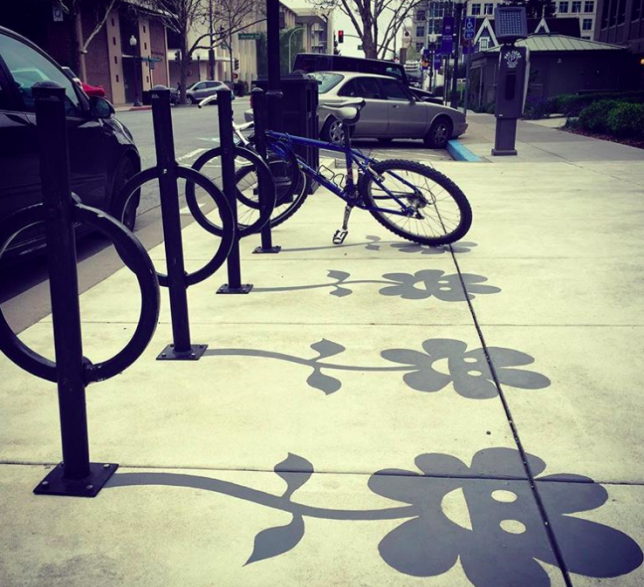
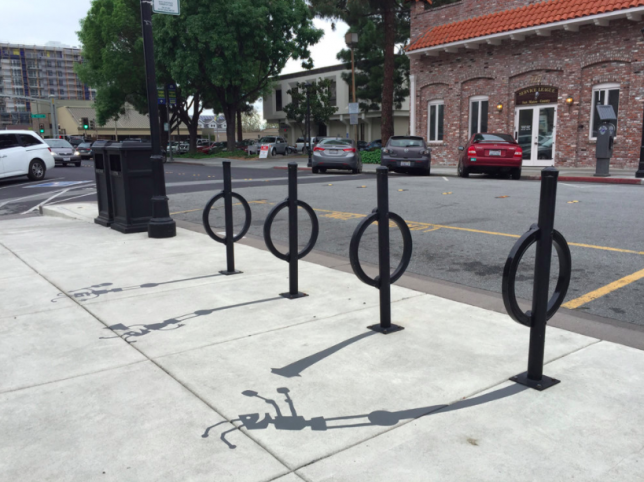
A public bench becomes a cat, a bicycle has a mind of its own and a cartoon train scoots along the top of a fence. A fire hydrant sprouts a maze, and smiling flowers grow from the bases of bike racks. The work was created in partnership with the Redwood City Improvement Association, and though it may be simple, it’s sweet, and a fun way to liven up public spaces. You can see more on Belanger’s Instagram.

“The shadow art has allowed me to bring out a more whimsical side of my art and allows me to play with shadows,” Belanger told the Daily Journal. “The shadows give regular mundane objects a lively spirit so people can have a little fun in their everyday lives.”

Share on Facebook


[ By SA Rogers in Art & Street Art & Graffiti. ]

[ WebUrbanist | Archives | Galleries | Privacy | TOS ]


WebUrbanist

 
Comments Off on Secrets in the Shadows: Urban Objects Transformed with Sidewalk Paint

Posted in Creativity


Starchitect Spotlight: 10 Iconic Architectural Projects by Herzog & de Meuron

29 Aug

[ By SA Rogers in Architecture & Offices & Commercial. ]
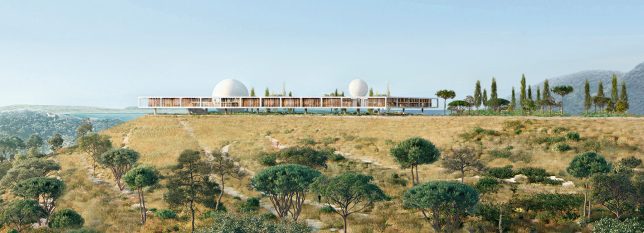
Based in Basel, Switzerland, the architecture firm Herzog & de Meuron is known for dramatic, monumental Modernist structures free of frivolity, expanding over the years from simple geometric silhouettes to more complex and dynamic shapes. Each of their buildings is almost like an oversized sculpture, some rising high above street level or cantilevering at striking angles while others, like their recent Berggruen campus, lie low and flat. These 10 projects represent some of the firm’s most iconic and memorable works.

Berggruen Institute, Los Angeles, California
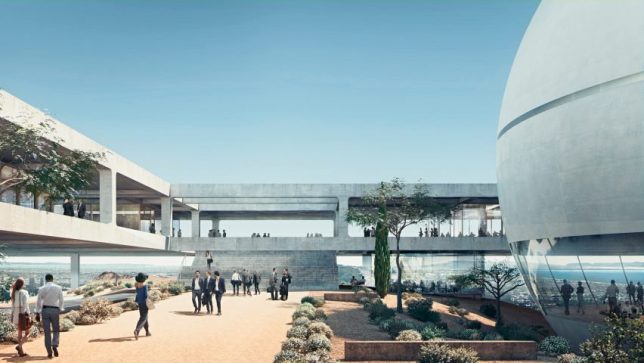
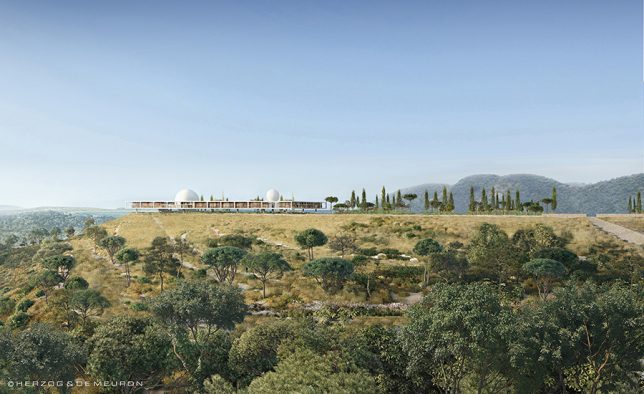
The firm conceived this new campus for the Berggruen Institute overlooking Los Angeles as a “landscape vision,” building on only a small area of the 447-acre site to keep 90% of it open and natural. Built along a mountain ridge in the Santa Monica mountains, the campus includes an elevated ‘frame’ surrounding a large courtyard garden and spherical lecture hall. It will act as a private educational forum for scholars and leaders in various fields working to “provide critical analysis and new ideas that will shape political, economic and social institutions.”

56 Leonard Street Skyscraper, New York City
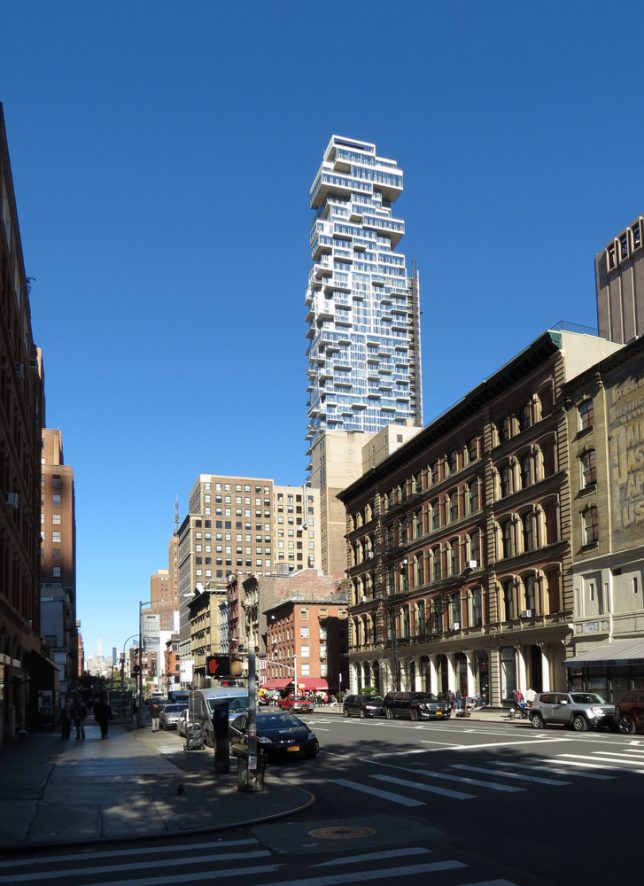
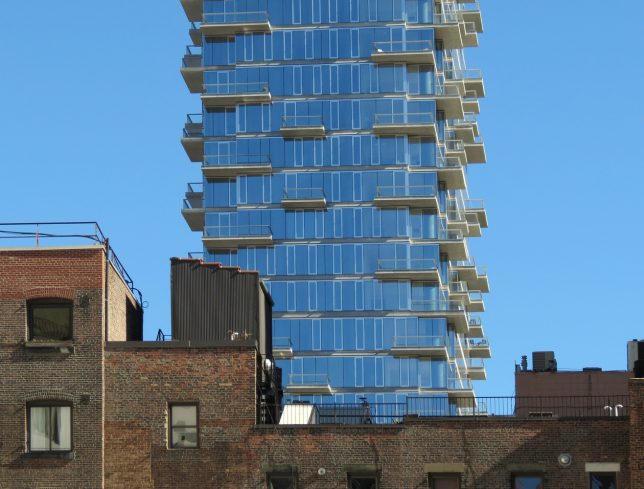
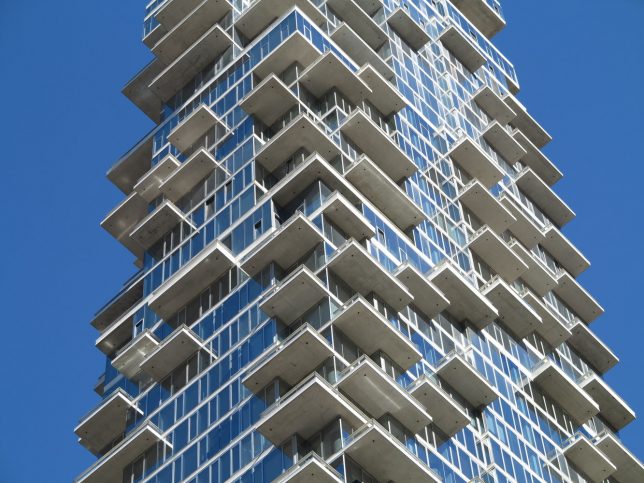
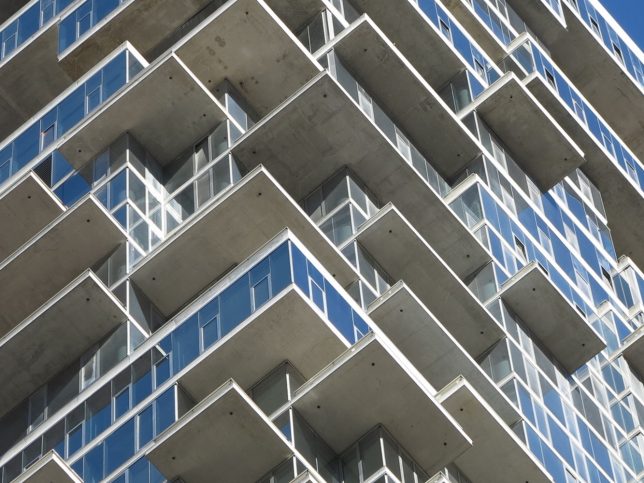
Construction of Herzog & de Meuron’s latest New York City skyscraper is complete, and the firm has released a stunning time lapse of the building process. This structure is envisioned as a stack of individual houses arranged in a Jenga-like formation, giving it a pixelated appearance. This arrangement also creates a series of terraces and projecting balconies on every level.

Elbphilharmonie, Hamburg, Germany
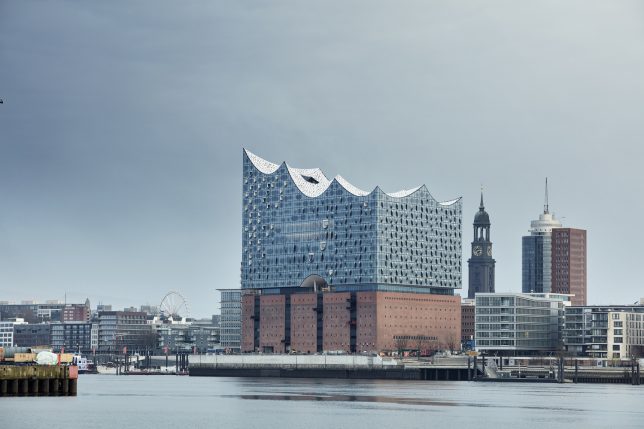
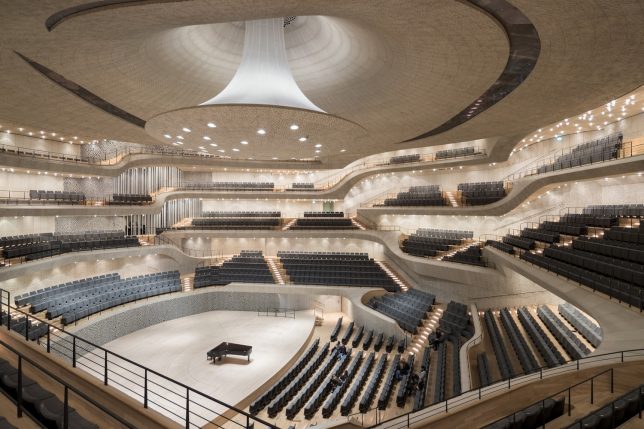
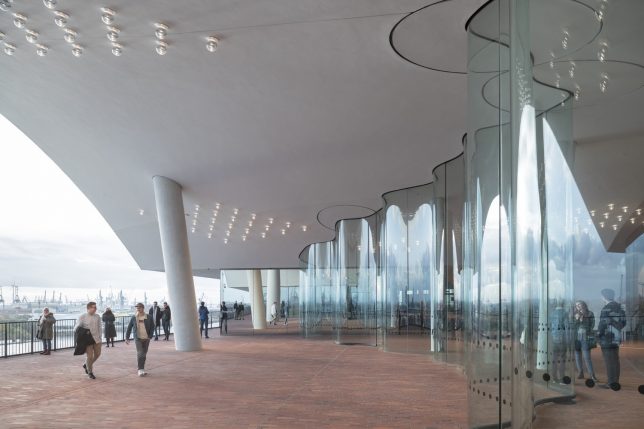
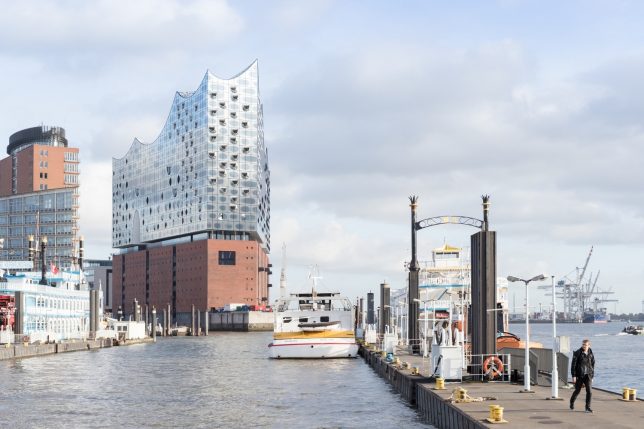
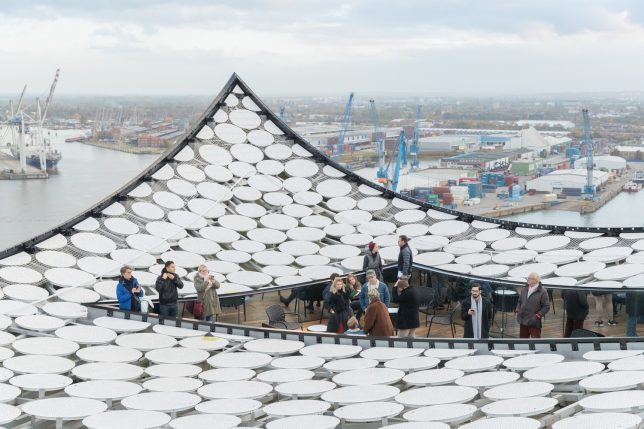
At $ 900 million, the price tag for Herzog & de Meuron’s Elbphilharmonie building in Hamburg is undeniably astronomical, but many in the city – and the international architecture community – say it’s worthwhile. Positioned on top of a 19th-century warehouse, the new structure glitters in a series of buoyant waves, echoing the water of the adjacent Elbe River. The 26-floor, 700,000-square-foot complex features a sweeping 269-foot escalator, performance halls, a main auditorium and a rooftop terrace.

1111 Lincoln Road, Miami, Florida
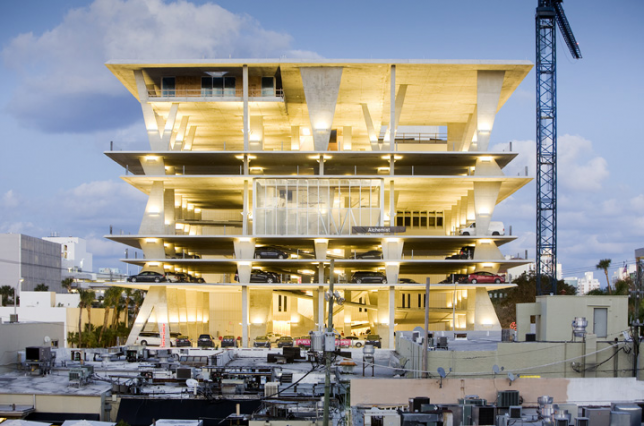
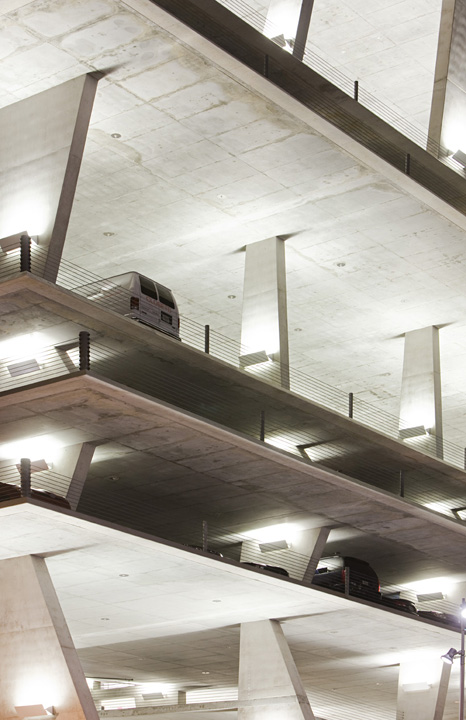
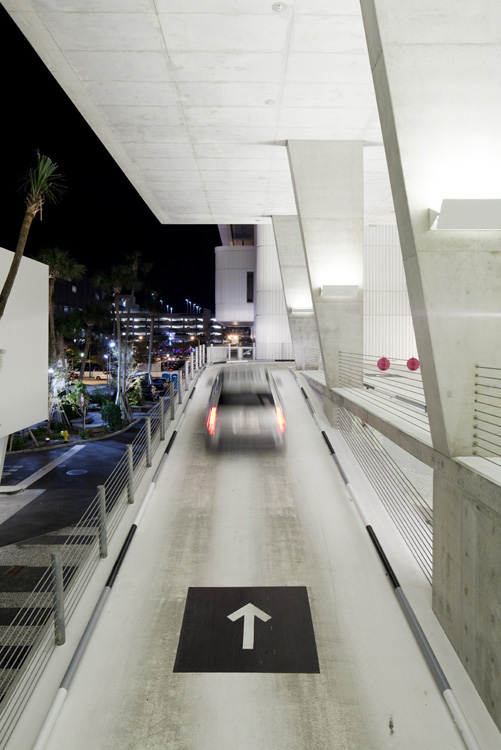
Helping to popularize a trend of high-design parking garages, 1111 Lincoln Road is a stunning, angular concrete structure positioned in one of Miami’s most active pedestrian areas, overlooking the city’s iconic Art Deco architecture. “Jacques Herzog stated that this building will reinterpret the essence of Tropical Modernism, and it somehow reminds me of the modern movement in Brazil, with raw structures providing shade, while containing smaller enclosing sub-elements,” the architects explain. “The slabs stand over a set of irregular columns, giving a sense of a precarious equilibrium. These columns also cast different shadows, giving more character to the facade.”

M.H. De Young Museum, San Francisco, California
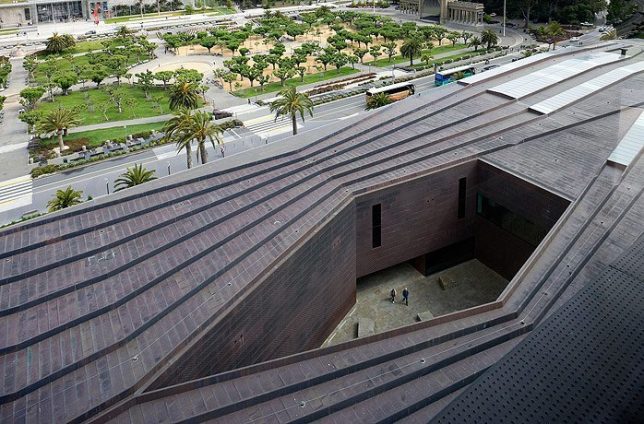
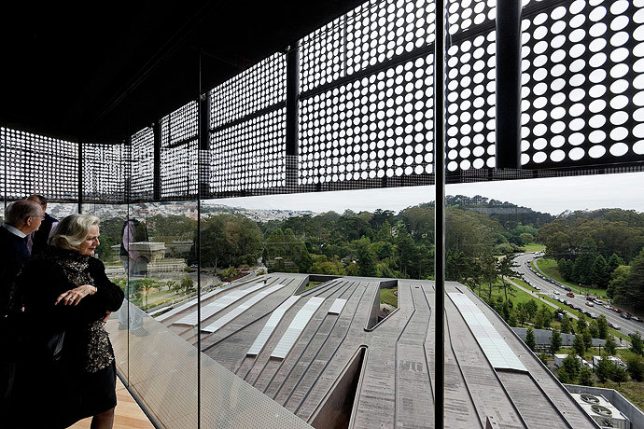
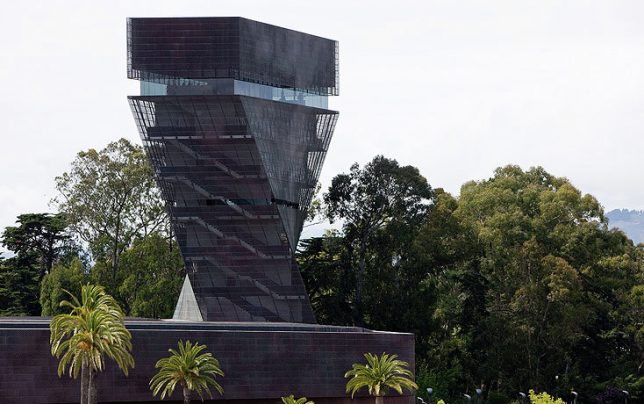
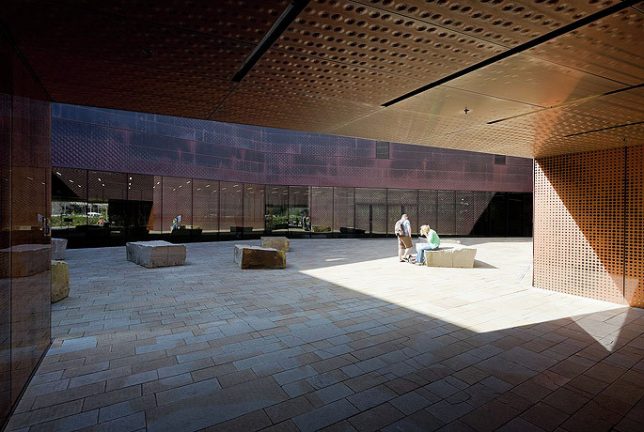
Reviving an 1895 museum that was destroyed by the 1989 Loma Prieta earthquake, the M.H. De Young Museum in San Francisco dramatically departs from the visuals of its predecessor, keeping only historic elements like sphinxes and original palm trees and taking on a monumental silhouette. Its inverted pyramid-shaped tower twists atop its ground-level roof, making it a landmark from a distance. Materials like stone, copper and wood help merge it with its park-like environment.

Tenerife Espacio de las Artes, Spain
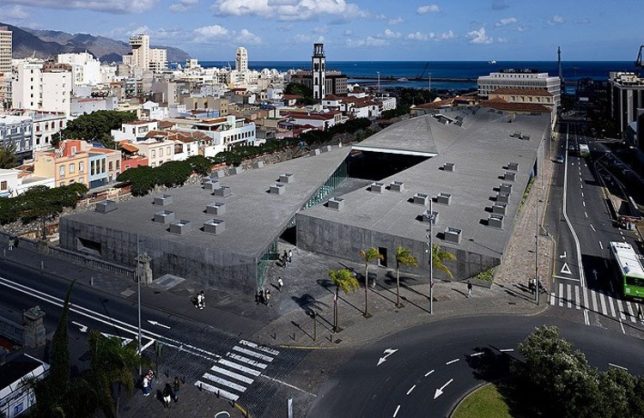
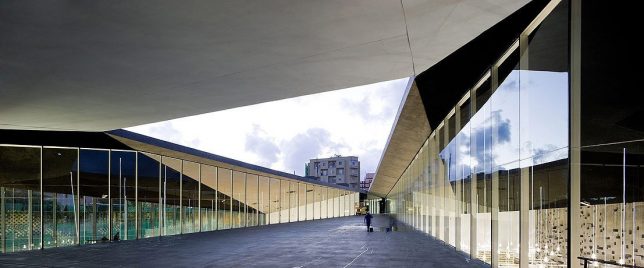
For the TEA cultural center in Spain, Herzog and de Meuron wanted to interfuse and interflow various activities and spaces within the center, cutting a new public path diagonally through the complex connected to the top of the General Serrador Bridge. The triangular space at the center is a new public plaza open and accessible to everyone in the city, featuring a cafe and restaurant along with the capability to become an open-air cinema. “The spatial interplay between inside and outside integrates rather than separates the very diverse urban landscapes which are so fascinating in Santa Cruz. The new cultural centre is therefore not only a place of encounter for people but also a place of intersection for the landscape of the contemporary city, the old city with its skyline along the Barranco and the archaic topography of the Barranco itself.”

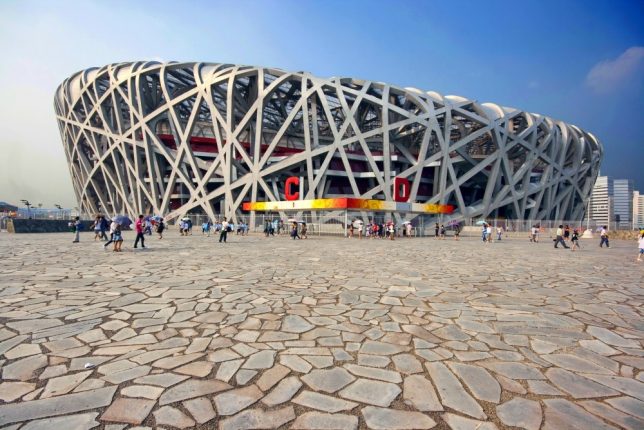
Beijing ‘Bird’s Nest’ Olympic Stadium, China
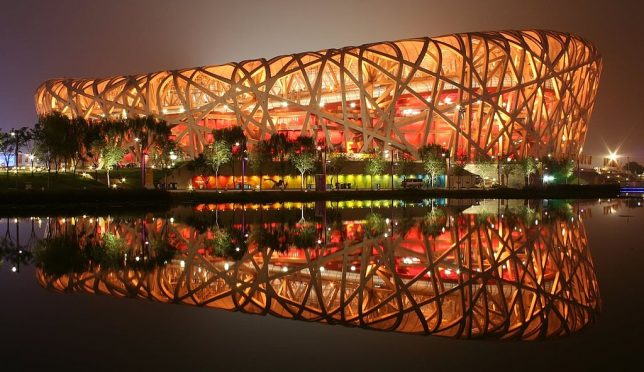
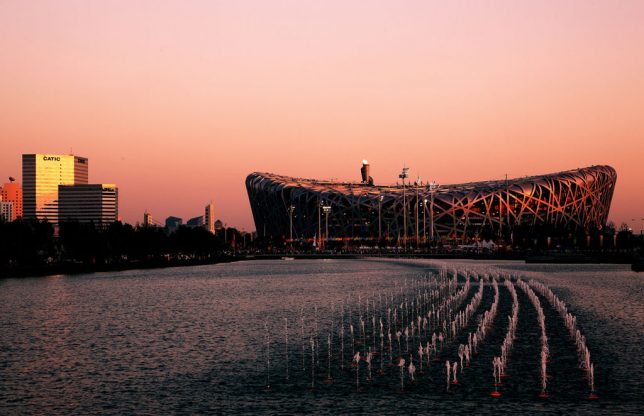
Completed in 2008, the national stadium in Beijing sits in the center of the Olympic complex, and like many Olympic structures once the Games are over, it has reportedly fallen into disuse and disrepair. In its prime, it was one of the most complex stadiums ever built, and it was especially impressive at night, when illuminated from within. Taking inspiration from Chinese ceramics, it integrates criss-crossing steel beams to hide the supports for the retractible roof, which was later removed from the design. Still, those beams remain its most striking and notable feature.

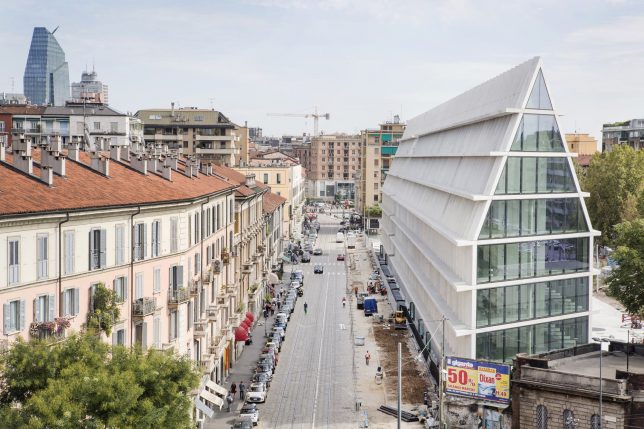
Feltrinelli Porta Volta
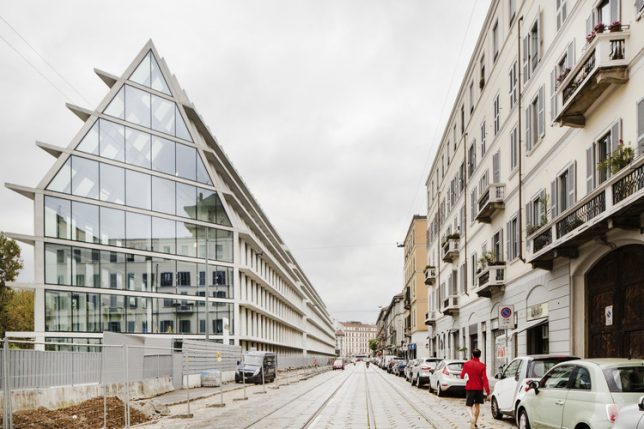
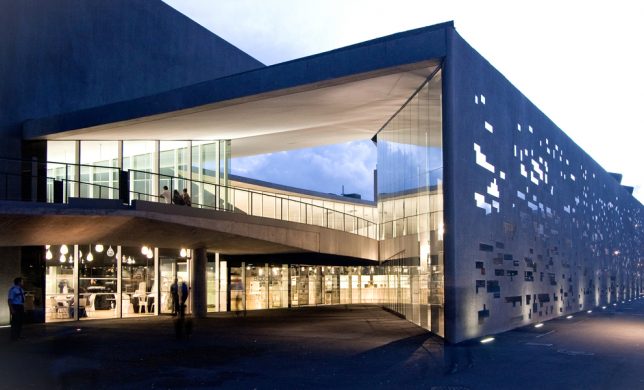
A long, gabled volume with a gridded exterior stretches down a Milan street, hosting a research center and offices for Fondazione Giangiacamo Feltrinelli. Situated within the city’s Ports Volta district, the elongated building is all white and glass, with glazing continuing right up its 5-story facade onto its roof. A strip of greenery stretches from the boulevard to its rear entrance. “The new buildings are inspired by the simplicity and generous scale of historic Milanese architecture such as the Ospedale Maggiore, the Rotunda della Besana the Lazzaretto and Sfrozesco Castle,” says Herzog & de Meuron.

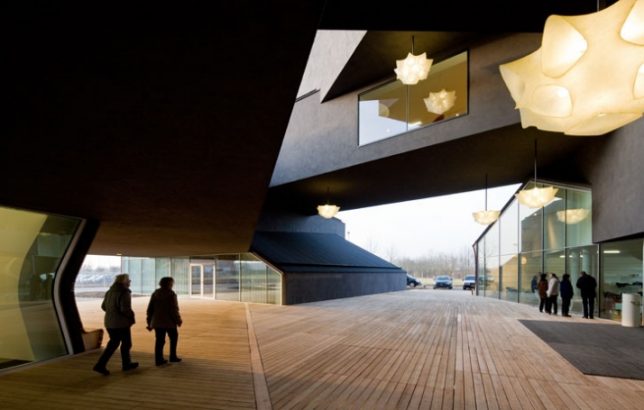
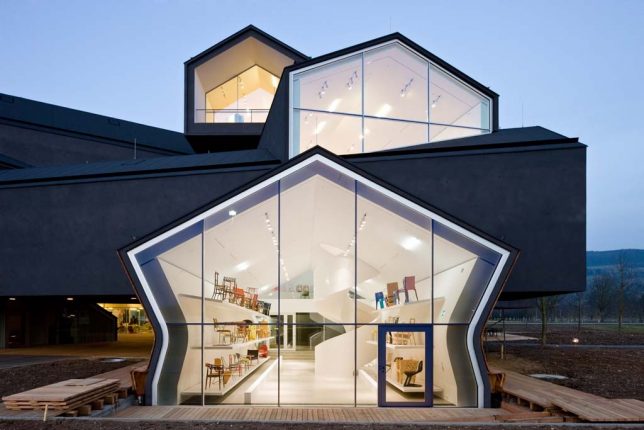
VitraHaus
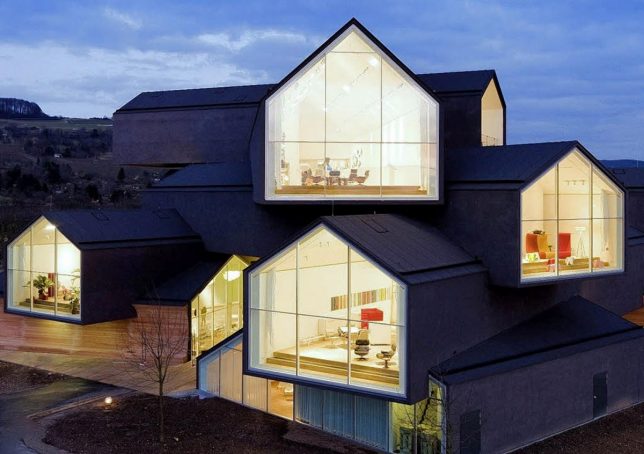
Another instant Herzog & de Meuron classic utilizing gabled typologies is VitraHaus, commissioned by home design company Vitra to present their home collection on their campus in Weil am Rhein, between the border of Switzerland and Germany. 12 ‘houses’ are stacked together into a five-story structure, with five houses at the base and seven more stacked on top of them. Some are cantilevered up to 49 feet, and all of them feature glazed ends to show off Vitra’s interiors.

The Tanks at the Tate Modern, London
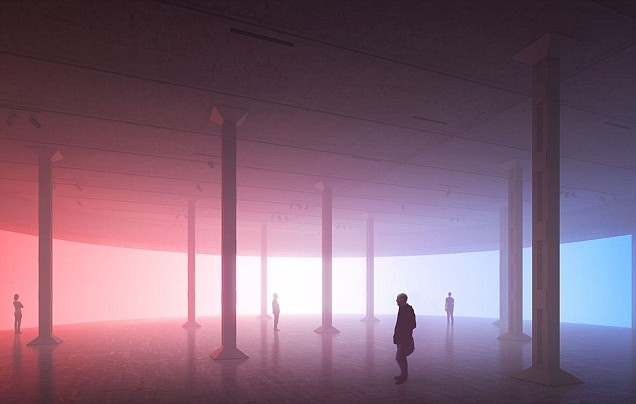
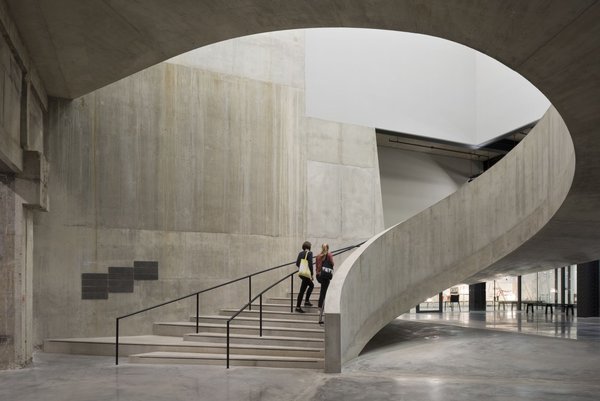
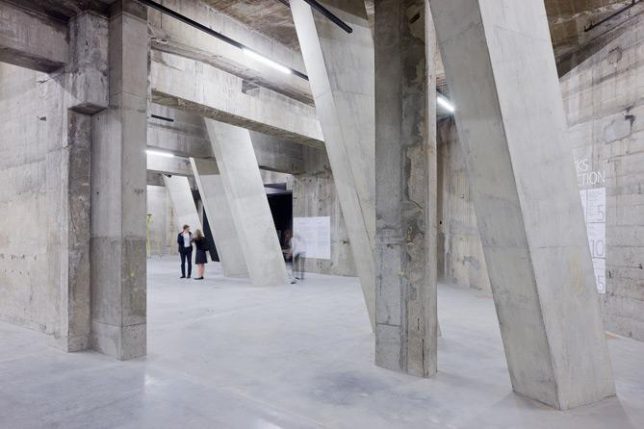
‘The Tanks’ are a series of underground gallery and performance spaces beneath the Tate Modern Museum in London, converted from former oil storage spaces by Herzog and de Meuron. In a previous life, the space the gallery occupies was a power station. The architecture firm transformed the raw industrial spaces without disguising their origins, giving them a vague dystopian feel.

Share on Facebook


[ By SA Rogers in Architecture & Offices & Commercial. ]

[ WebUrbanist | Archives | Galleries | Privacy | TOS ]


WebUrbanist
 
Comments Off on Starchitect Spotlight: 10 Iconic Architectural Projects by Herzog & de Meuron

Posted in Creativity


Advertising Giants: America’s Amazing Muffler Men

27 Aug

[ By Steve in Design & Graphics & Branding. ]

Before Mad Men there were Muffler Men – 20-foot tall fiberglass statues cast in the thousands to advertise roadside businesses from coast to coast.

Muffler Men are one of the most enduring forms of mid-century American commercial art though the fact that so many were made – and their near-indestructible fiberglass composition – means that a substantial number of these iconic jumbo figurines still stand (literally) today. Muffler Men like “Babe”, snapped by Flickr member Wayne Stadler in 2016, might seem to be a product of post-war optimism and economic enthusiasm but the first one didn’t actually appear until 1962… and he didn’t even carry a muffler.

Our plastic fantastic progenitor was modeled after legendary giant woodsman Paul Bunyan and instead of a car muffler he gripped a big ol’ double-edged ax. The 1960s postcard above (courtesy of Flickr member Allen) stood outside the former Lumberjack Café on Route 66 in Flagstaff, Arizona, where a second statue soon joined the first.

In 1973 the café re-opened as Granny’s Closet, a restaurant in no need of giant lumbermen. In 1992, both figures were moved to the Northern Arizona University (“Home of the Lumberjacks”) campus in Flagstaff where they guard the the J. Lawrence Walkup Skydome.

Hands Across America

The period from roughly 1955 through 1965 was the heyday of Programmatic Architecture, and Muffler Men arrived on the scene when the scene was jumpin’! At least, that’s what Steve Dashew of International Fiberglass must have been thinking when he bought out Prewitt Fiberglass in 1963. Bob Prewitt had designed the Lumberjack Café’s statue and more importantly, the moulds: the heavy lifting had already been done, so to speak. Muffler Men – the term arose from a deal with a nationwide chain of muffler shops – began springing up left, right and center. Flickr member Thomas Crenshaw snapped this snazzily-painted and uber-patriotic example in August of 2012. You wish you looked as good when you’re sixty!

Take This Job & Shovel It

More than a few Muffler men made it across the Canadian border where they were employed similarly to their Yankee brethren. The shovel-wielding roadside giant above hails from Calgary, Alberta where he was snapped by Flickr member Wayne Stadler on a frigid January 2016 day, standing in front of Calgary Tunnelling & Horizontal Augering Ltd. As with most true Muffler Men, paint and minor details such as beards, hats and whatnot may vary between figures but the hands – one upturned, the other downturned – are dead giveaways as to the figures’ origin.

Next Page – Click Below to Read More:
Advertising Giants Americas Amazing Muffler Men

Share on Facebook


[ By Steve in Design & Graphics & Branding. ]

[ WebUrbanist | Archives | Galleries | Privacy | TOS ]


WebUrbanist
 
Comments Off on Advertising Giants: America’s Amazing Muffler Men

Posted in Creativity


World’s First Interactive, Multi-View Hologram Table for Designers & Gamers

26 Aug

[ By WebUrbanist in Conceptual & Futuristic & Technology. ]

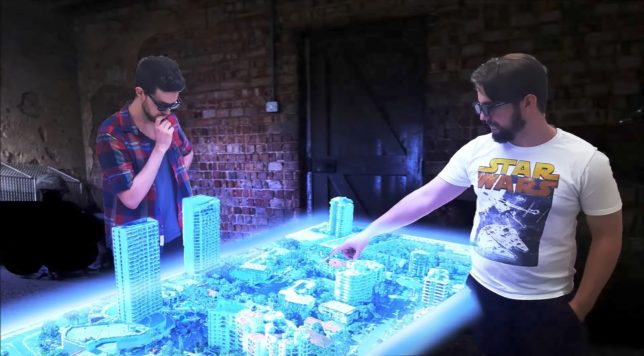
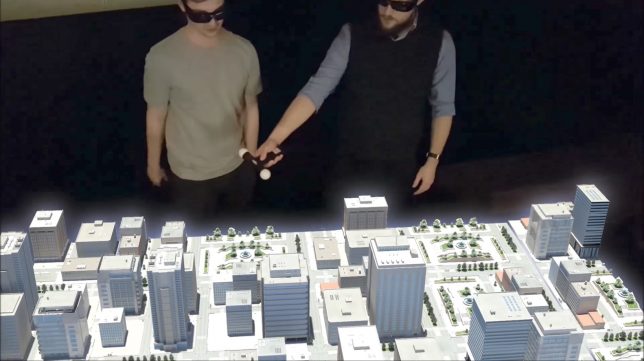
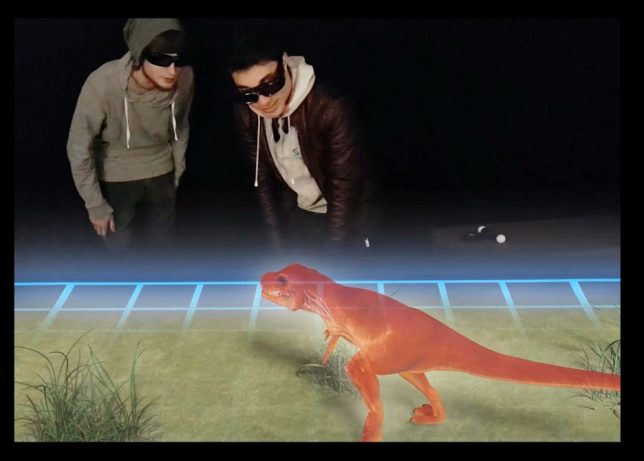
A new hologram table has its sights set on the ultimate prize: an interactive and immersive experience that can shared from multiple angles by different users, all without clunky headgear.

Developed by Euclideon Holographics and retailing for just shy of $ 50,000, the table lets up to four people interface simultaneously with augmented reality images. Motion-tracking glasses are the key to the holographic effect — “frequency separation crystal films in the lens and on the table surface filter jumbled light into a stereo image, similarly to how your standard 3D glasses work.”

Behind the scenes, though, the computerized table has to calculate where each set of glasses is located and, accordingly, where to emit light. Right now, the company has a single working prototype but is raising funds to mass-market the devices by early 2018. Architects and planners, for instance, are sure to be interested in new ways to show clients their designs in new three-dimensional ways. Larger models are also in the planning stages, as well as versions designed for gaming and other applications — the company aims to gain traction in arcades around the world.

Among other things, this breakthrough hints at a future much like the ones we’ve seen for decades in science fiction — the more work that can be packed in on the computing side, the less inconvenient the attire and equipment needed by those interacting with the holograms.

Share on Facebook


[ By WebUrbanist in Conceptual & Futuristic & Technology. ]

[ WebUrbanist | Archives | Galleries | Privacy | TOS ]


WebUrbanist
 
Comments Off on World’s First Interactive, Multi-View Hologram Table for Designers & Gamers

Posted in Creativity


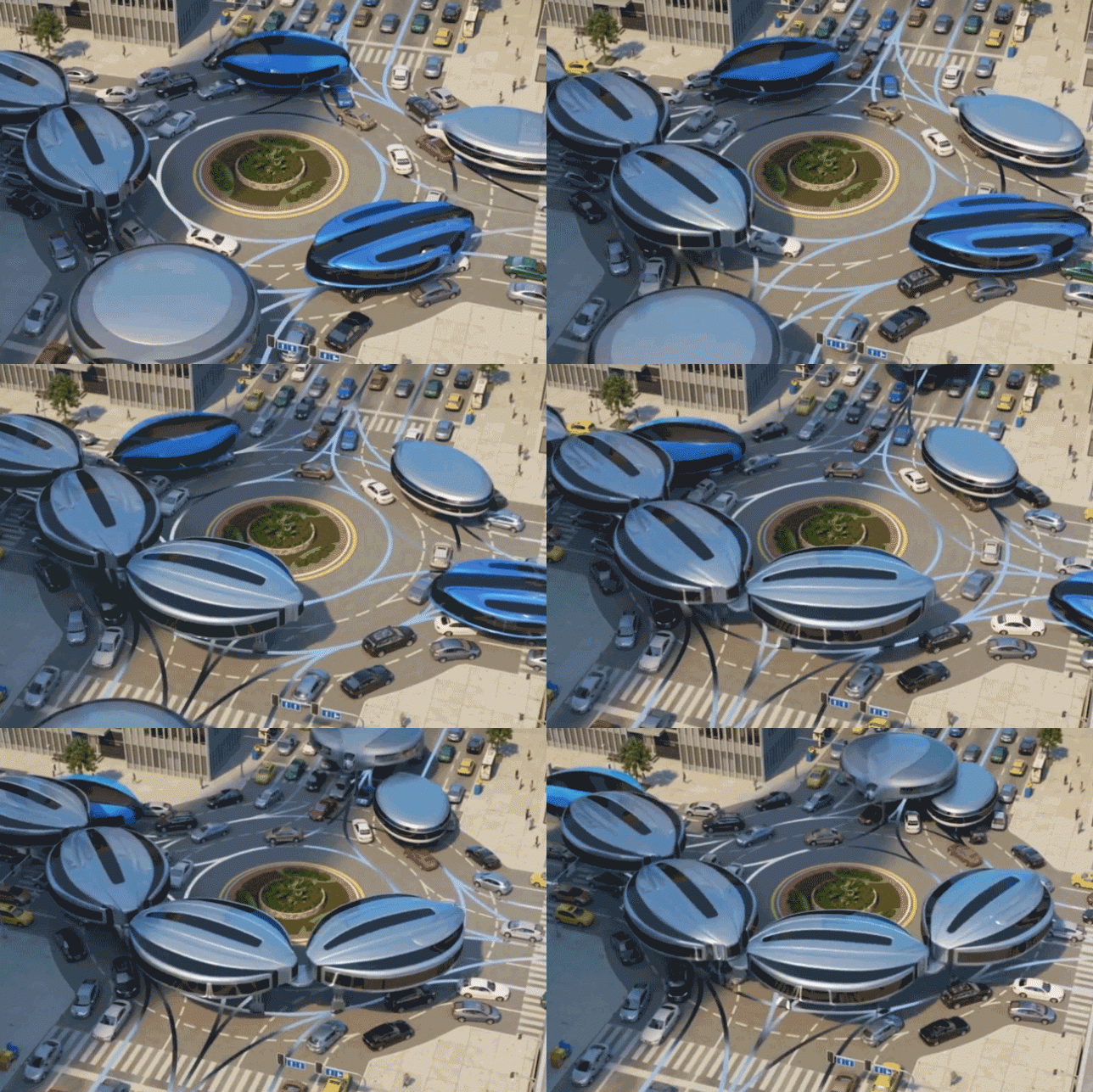
Gyroscopic Public Transit Concept Hovers Above Traffic at Varying Heights

26 Aug

[ By SA Rogers in Conceptual & Futuristic & Technology. ]

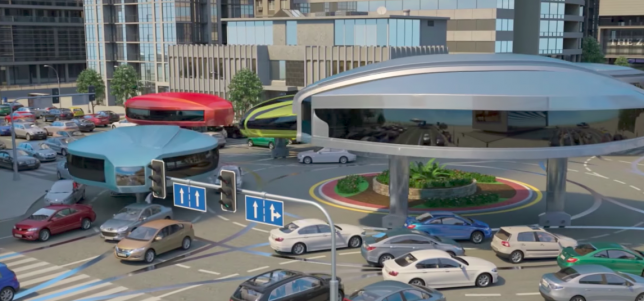
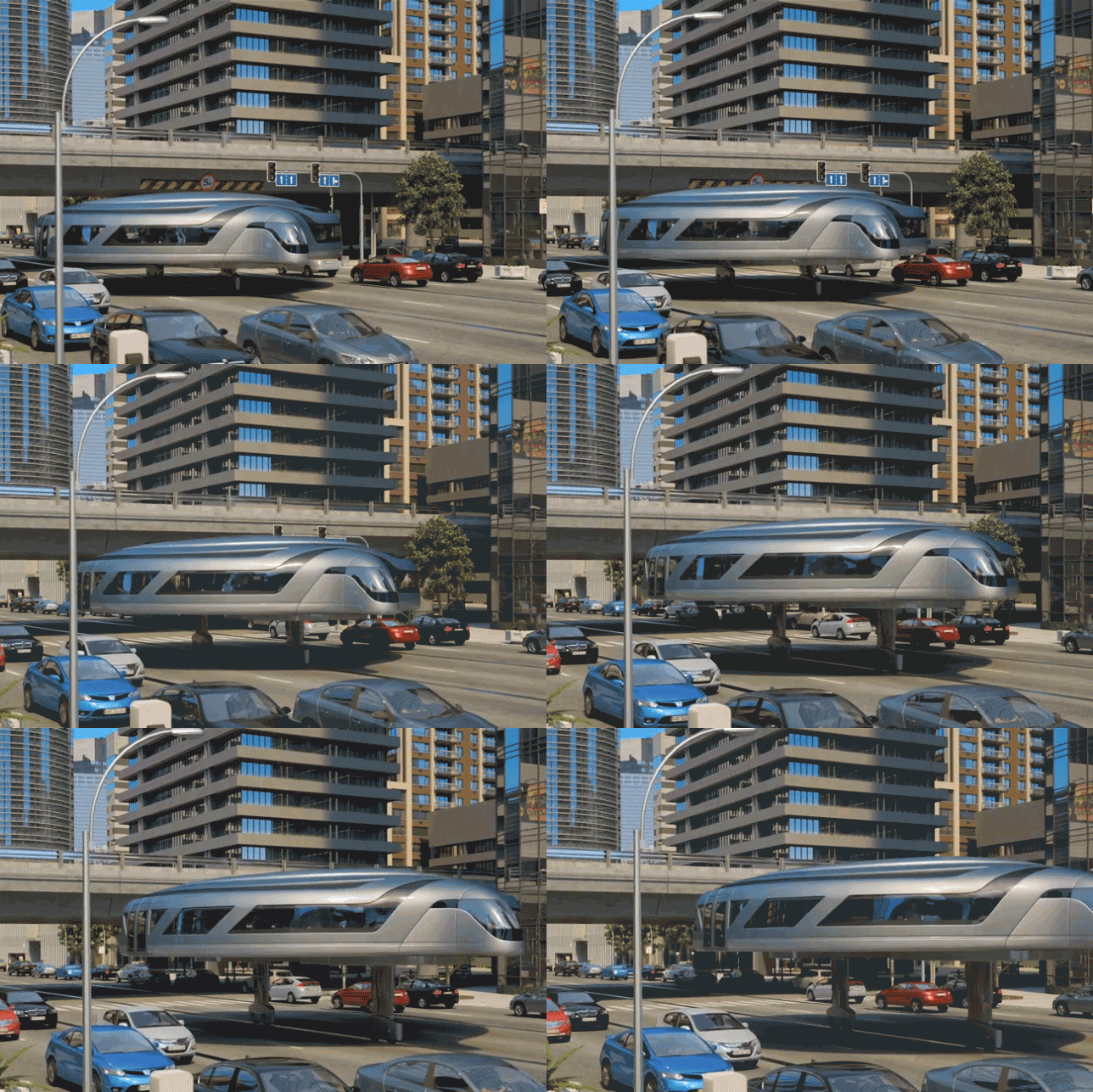
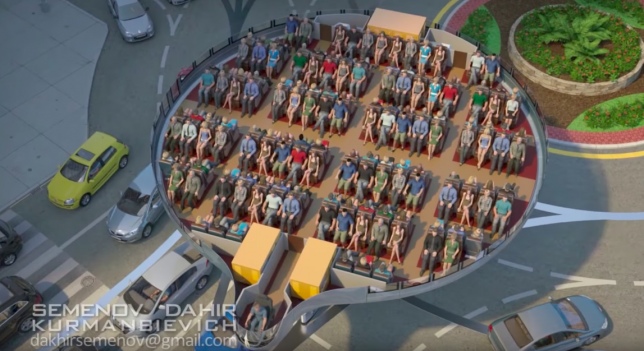
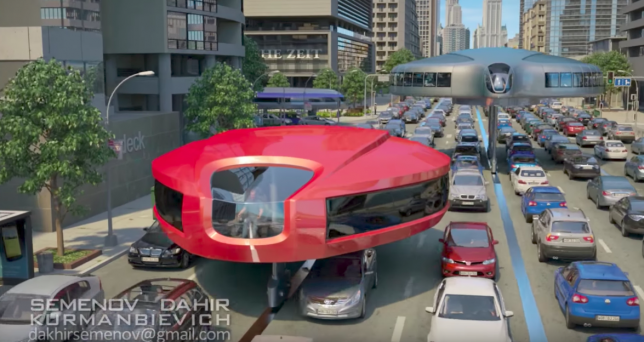
In this strange vision of a city in the not-so-distant future, disc-shaped public transit, emergency vehicles and cargo vehicles rise up above traffic on vertical supports to zoom through the streets unimpeded, lowering to the ground at designated stops. Created by designer Dahir Insaat, ‘Gyroscopic Transport’ looks like an alternate take on China’s traffic-straddling bus (which turned out to be a giant traffic-snarling scam, by the way.) Could this new proposal be any better?

In a video announcing the concept, Insaat explains how the technology works and lays the groundwork for gyroscopic vehicles with the potential to be more successful than their predecessors. Taking inspiration from recent developments in the area of electric motor control, Insaat developed a gyro car that “meets all current safety requirements.” Noting that it’s financially and often physically impossible to significantly expand roads in existing cities, the designer suggests that we take to our “unused road medians” as a solution.

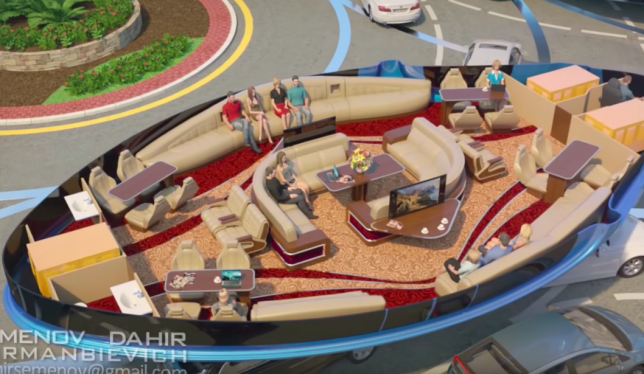
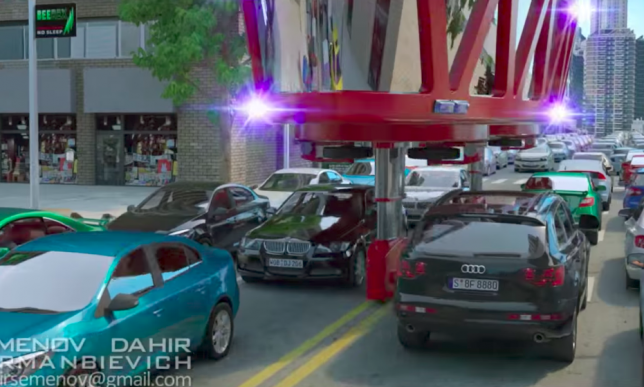
The Gyro car could fit into existing roadway infrastructure while remaining independent from the flow of regular motor vehicle traffic below. It can elevate high enough on its supports to safely pass over most vehicles, running along a special fortified strip between lanes. The car itself has a lightweight body and can either be designed with mass transit interiors to fit large groups of passengers, or as luxurious lounges. In the video, the designer also explains how the concept could extend to emergency responders like firefighters.

Of course, the concept hasn’t avoided criticism and questions as to its feasibility. What happens when a vehicle hits its support pillars at high speed, for example? These kinds of technical details don’t seem fully fleshed out yet, but it’s an interesting idea, and watching the pods navigate traffic circles is kind of mesmerizing.

Share on Facebook


[ By SA Rogers in Conceptual & Futuristic & Technology. ]

[ WebUrbanist | Archives | Galleries | Privacy | TOS ]


WebUrbanist
 
Comments Off on Gyroscopic Public Transit Concept Hovers Above Traffic at Varying Heights

Posted in Creativity


Secret Studio: Suspended Mobile Room Slides & Hides Under Busy Overpass

25 Aug

[ By WebUrbanist in Design & Fixtures & Interiors. ]

Designer Fernando Abellanas has built a remarkable micro-dwelling in Valencia, Spain, that slides into position under a bridge, suspended safely out of sight from the traffic passing by above.

The clever construction of the room’s frame allows it to roll over tilted sections of beam, making its way between a lofted and secluded position and the top of a slope on the other side for entry and egress.

A hand-crank lets the dweller move the enclosure back and forth without any need for an external power source. Furniture and fixtures, meanwhile, stay put, attached to the vertical span of bridge supports where the room docks.

Embracing a minimalist approach and industrial palette, this urban refuge has flexible walls that can form an enclosure and act as privacy screens, allowing the occupant to hiding completely behind raised plywood surfaces.

A light-touch approach means the structure leaves essentially no footprint – it glides lightly around existing infrastructure. And its built-in mobility mechanism assures castle-like protection, vertical space acting as a natural moat.

Indeed, the designs were based on childhood fantasies and real-worldassociations with hard-to-access spaces like tree houses and table forts easy for children to access but hard for adults.

The dull hum of the road is a bit like the buzz of a family going about its business — the buffer of concrete also dampens some of the noise, making the space less loud than it would be to occupy a space alongside the highway.

Abellanas has long been fascinated with furniture as well as forts, and his work with other artists and architects reflects an ongoing interest in paradigm-challenging designs do-it-yourself guerrilla interventions.

Share on Facebook


[ By WebUrbanist in Design & Fixtures & Interiors. ]

[ WebUrbanist | Archives | Galleries | Privacy | TOS ]


WebUrbanist
 
Comments Off on Secret Studio: Suspended Mobile Room Slides & Hides Under Busy Overpass

Posted in Creativity


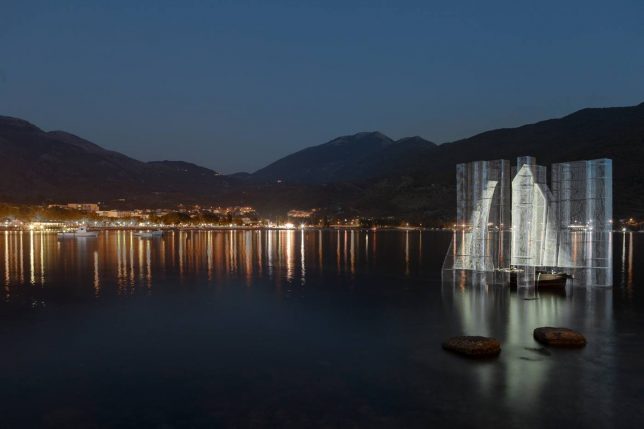
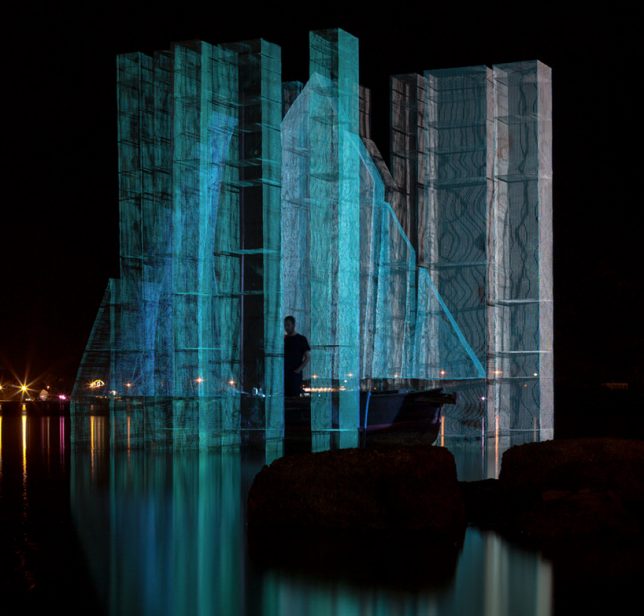
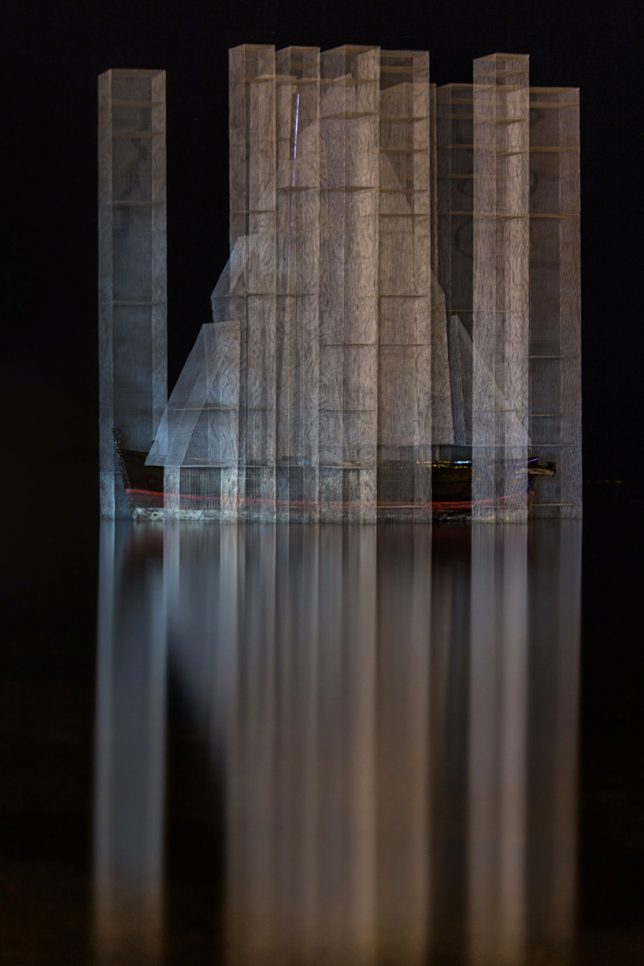
Ghost Ship: Wire Mesh Sails Make an Eerie Sight in Italy’s Bay of Sapri

24 Aug

[ By SA Rogers in Art & Sculpture & Craft. ]

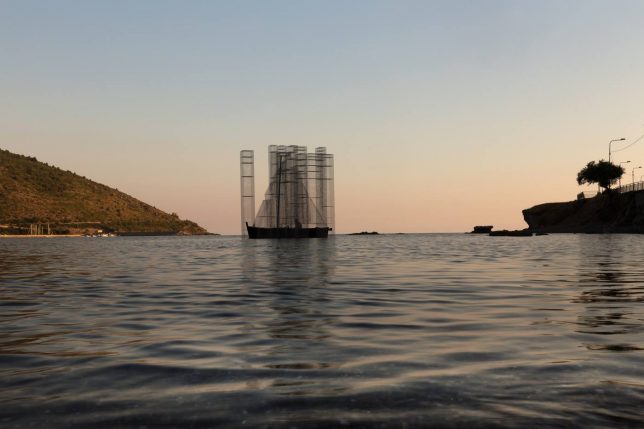
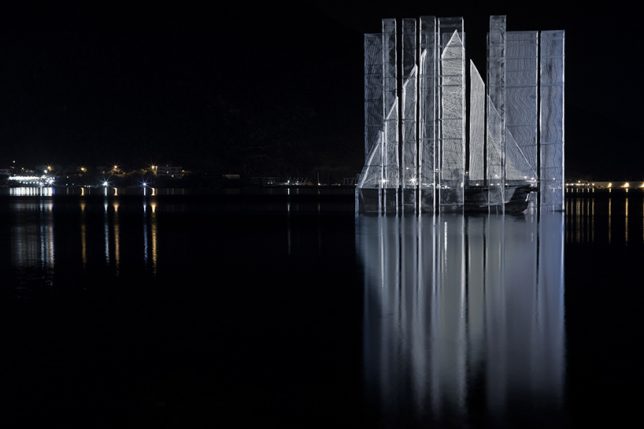
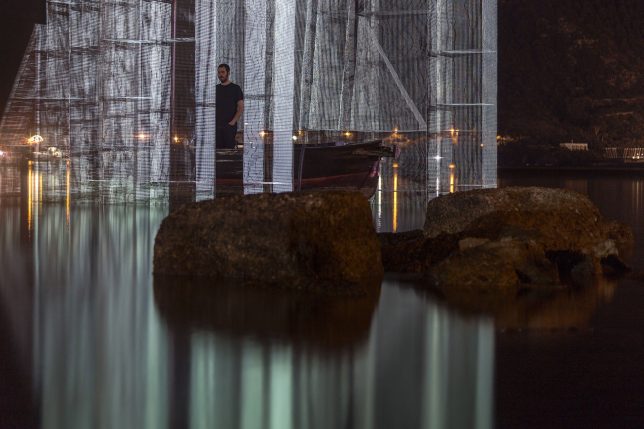
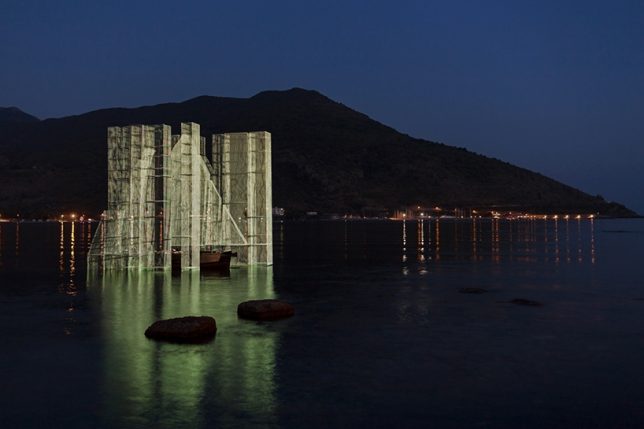
A ghostly ship sails through the Bay of Sapri in Southern Italy, just translucent enough for onlookers to doubt whether they’re imagining it, its silhouette obscured by a jumble of rectilinear columns. The latest wire mesh masterwork by artist Edoardo Tresoldi, ‘Locus’ is a collaboration with Italian musician IOSONOUNCANE, bringing sculpture and music together in a public performance enjoyed by a crowd gathered on the nearby shore.

The musician debuted his unreleased composition during the installation, presented as part of Sapri’s Derive Festival, an experimental art, music and poetry project curated by Antonio Oriente. The combination of the ship’s visuals, the lighting, the music and the setting truly made it a one-of-a-kind experience, with the sounds amplified by the water.

“Sapri Bay become sone of the characterizing elements of the event, acquiring a temporal and performative dimension,” states the Derive website (translated from Italian. “Collaboration blends different contemporary languages, redefining the relationship between audience and artist in a kind of hic et nunc [here and now] unrepeatable.”

Edoardo Tresoldi is known for his eerily beautiful wire compositions, which are typically architectural in nature, recreating entire classical and historic structures like echoes of churches that fell into ruins centuries ago and palatial interior installations augmented by flying birds.

Share on Facebook


[ By SA Rogers in Art & Sculpture & Craft. ]

[ WebUrbanist | Archives | Galleries | Privacy | TOS ]


WebUrbanist
 
Comments Off on Ghost Ship: Wire Mesh Sails Make an Eerie Sight in Italy’s Bay of Sapri

Posted in Creativity


Wilderness Huts for Backcountry Glamour: 15 Not-So-Rustic Retreats

24 Aug

[ By SA Rogers in Architecture & Houses & Residential. ]

If you’ve got an appetite for backcountry exploration but hate setting up tents, perhaps a more comfortable wilderness hut would be a better fit. Designs for home-like retreats in remote locations range from minimalist sci-fi sleeping pods to luxurious vacation properties with modest exteriors that retain the feel of a homesteader’s cabin, and they’re often self-sustainable, portable and low-impact.

Back Country House by David Maurice

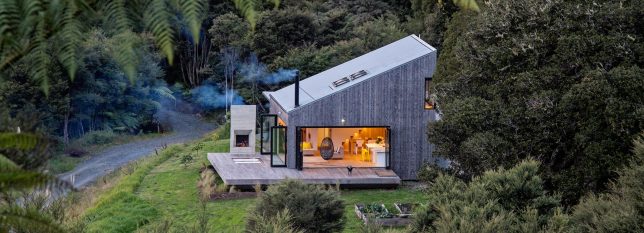
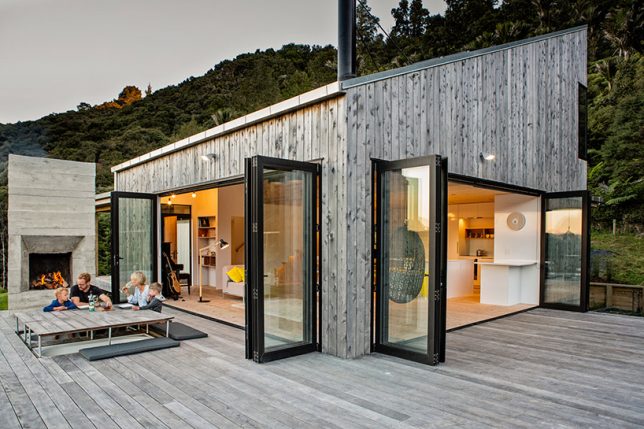
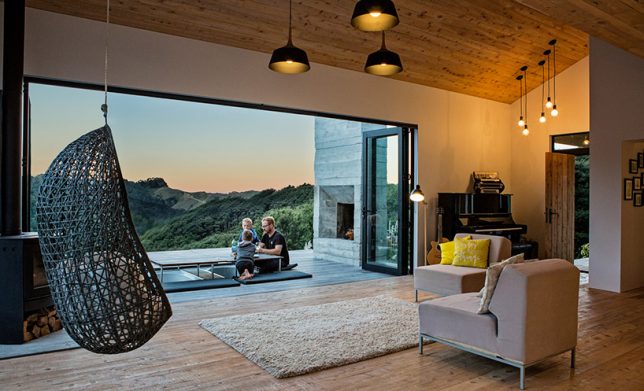
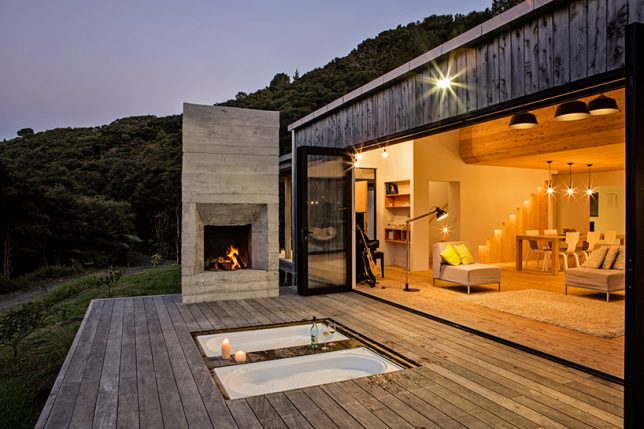
Throughout the wilderness of New Zealand, adventurous backpackers can find basic, rustic huts that will put a roof over their heads for a night or two. ‘Back Country House’ by LTD Architectural keeps the spirit of those simple structures while making it a whole lot more comfortable. Designed for the architect’s own family, the home features a spacious terrace that functions as the living room, with an outdoor fireplace and two sunken tubs in the deck keeping it cozy in winter. The pop-up tub covers double as tables for a sunken seating area.

Drew House by Simon Laws

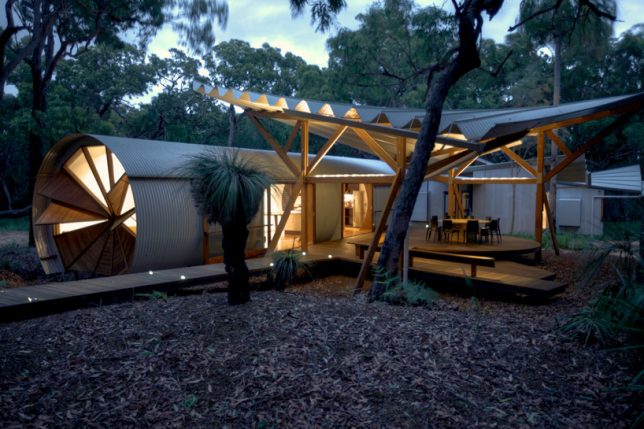
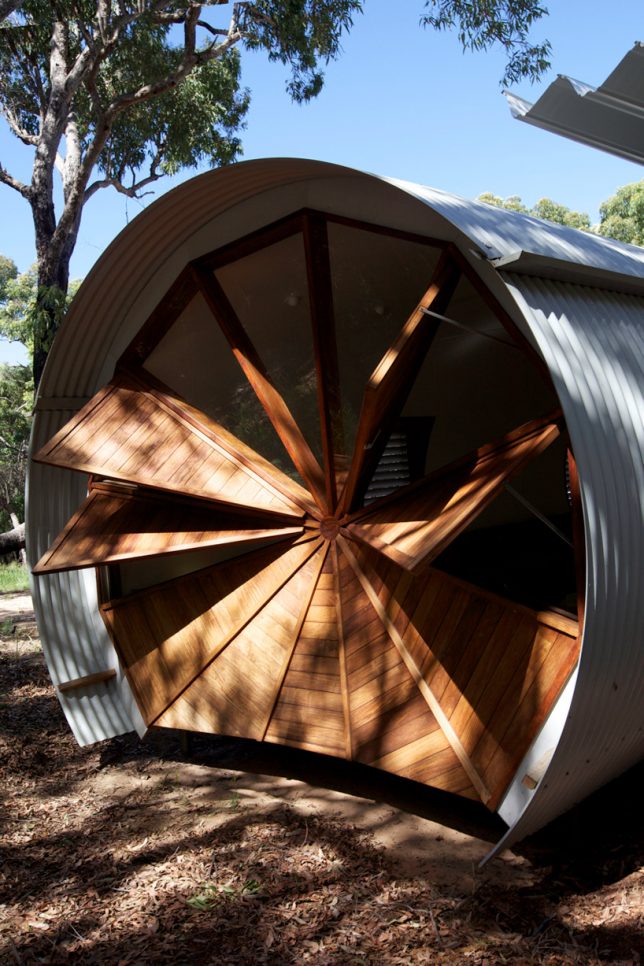
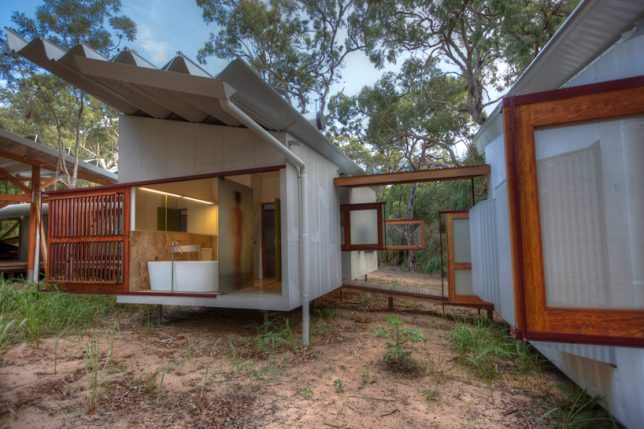
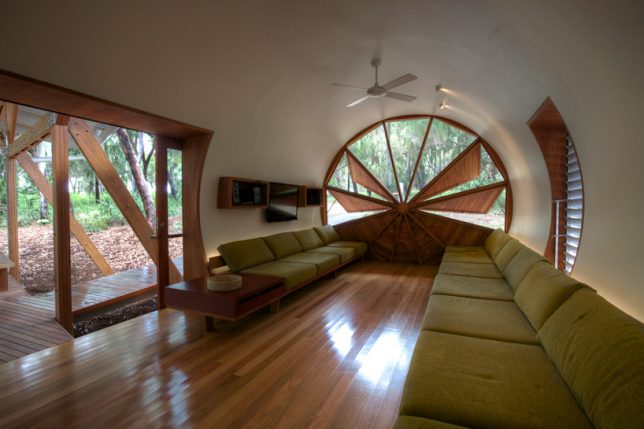
A series of pavilions joined by outdoor walkways offers living space for a family near Queensland, Australia. Though it looks like a reclaimed sewer pipe, the rounded pavilion was just built to that shape using metal sheeting, capped on one end with hardwood louvers. All components were constructed offsite and transported to the plot to minimize disturbance. The passive solar home is self-sufficient, with rainwater tanks and recycling systems, solar power panels and solar hot water.

Tiny House in the San Juan Islands by Prentiss Architects

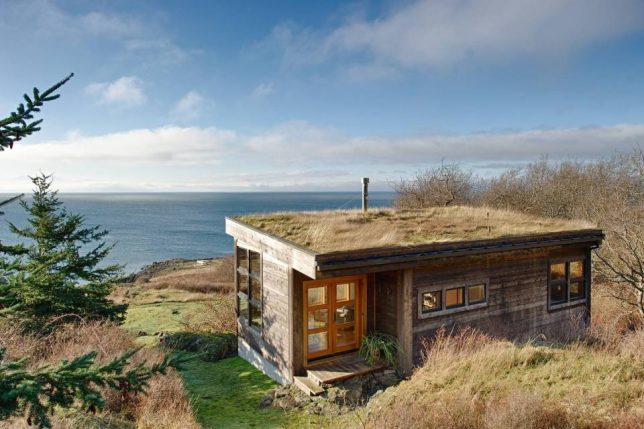
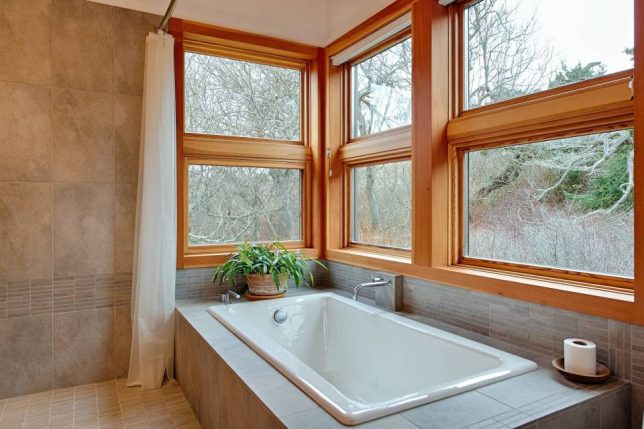
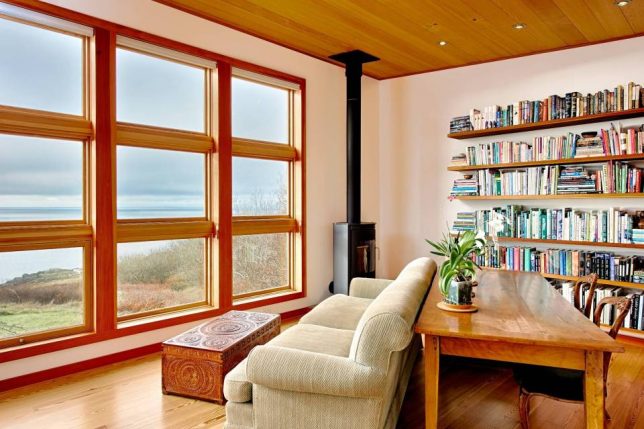
Overlooking the sea from its perch on Washington’s San Juan Island, Eagle Point Cabin by Prentiss Architects looks modest from the outside, with its rustic wooden facade and grassy roof. But inside, it’s just as comfortable as any high-end home, offering a wood stove, a wall of windows for whale watching, a spacious bedroom and a bathtub with a view.

Eco POD Hotel in Switzerland

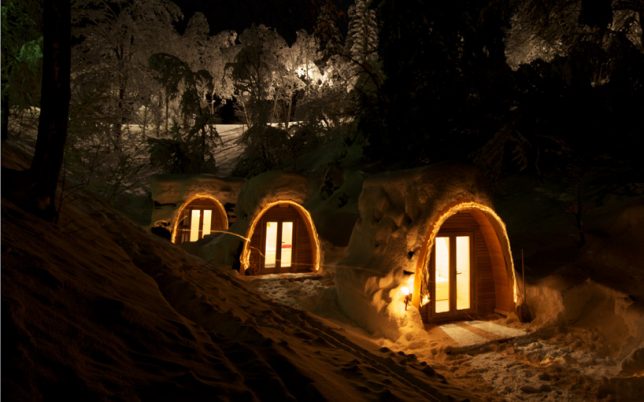
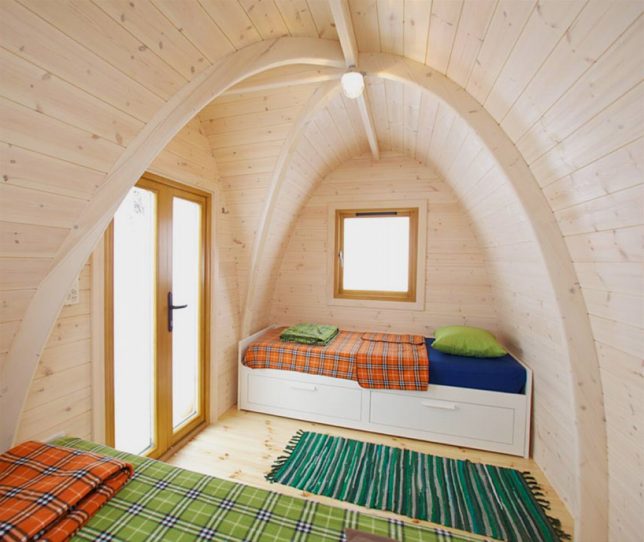
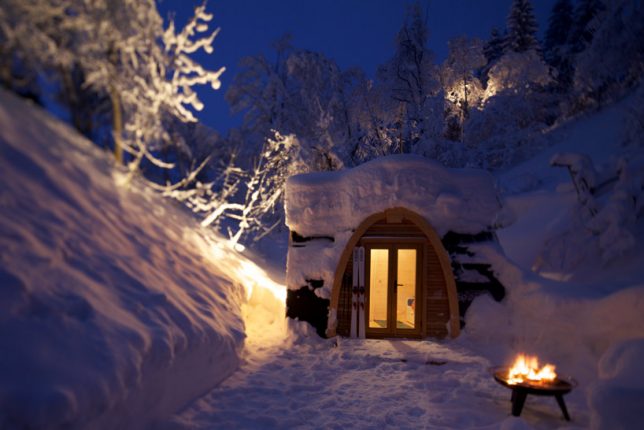
Designed by Robust Outdoor Brands, Switzerland’s first eco POD hotel features dreamy little rounded rooms set into a snowy landscape. After dark, when they’re illuminated from within, they look almost too much like a fairytale to be true. Each low-impact room is made with FSC-certified wood and double-glazed windows and accommodates two people.

Tye River Cabin by Olson Kundig

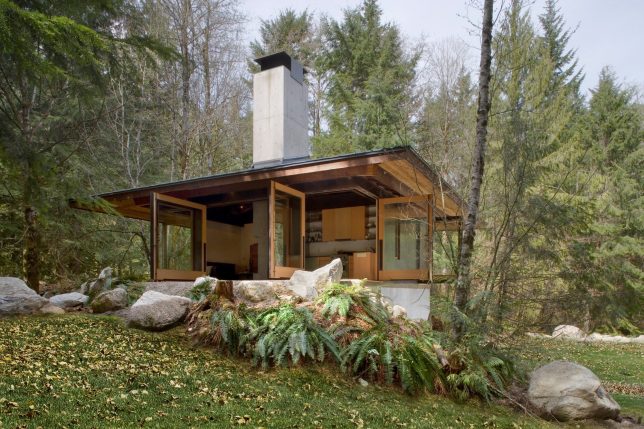
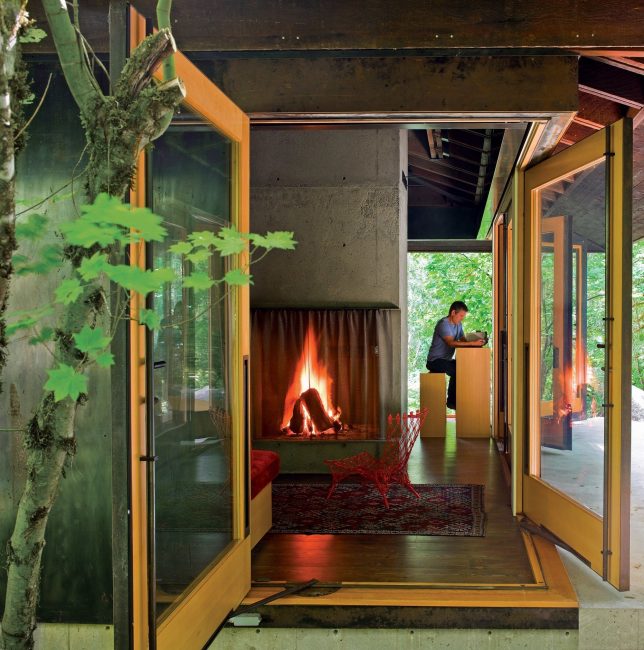
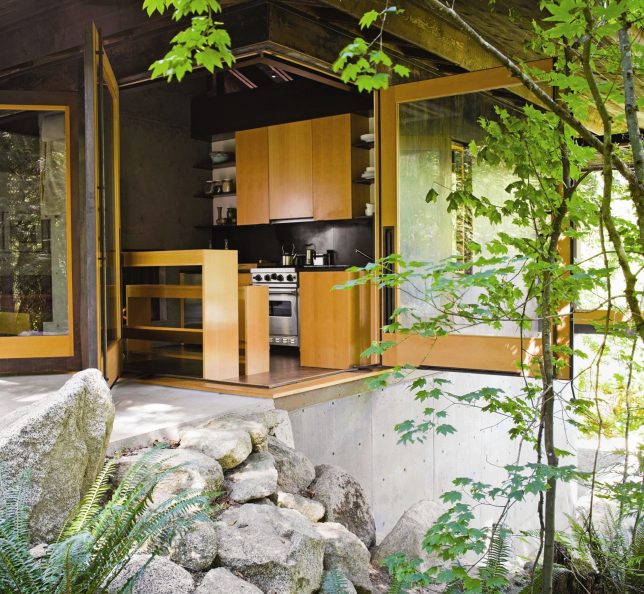
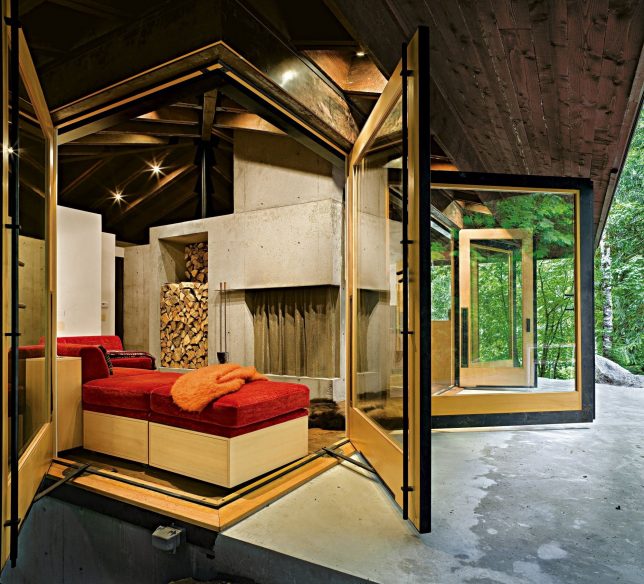
Located in a dense forest near the Tye River in Skykomish, Washington, the Tye River Cabin by Olson Kundig architects is envisioend as a meditative retreat with pivoting glass windows that swing open to blur the lines between outside and in. The architects set the cabin on a concrete base and wrapped the exterior in rusted steel siding.

Next Page – Click Below to Read More:
Wilderness Huts For Backcountry Glamour 15 Not So Rustic Retreats

Share on Facebook


[ By SA Rogers in Architecture & Houses & Residential. ]

[ WebUrbanist | Archives | Galleries | Privacy | TOS ]


WebUrbanist
 
Comments Off on Wilderness Huts for Backcountry Glamour: 15 Not-So-Rustic Retreats

Posted in Creativity


Light Capsules: Projections Bring Building-Side ‘Ghost Signs’ Back to Life

22 Aug

[ By WebUrbanist in Art & Drawing & Digital. ]

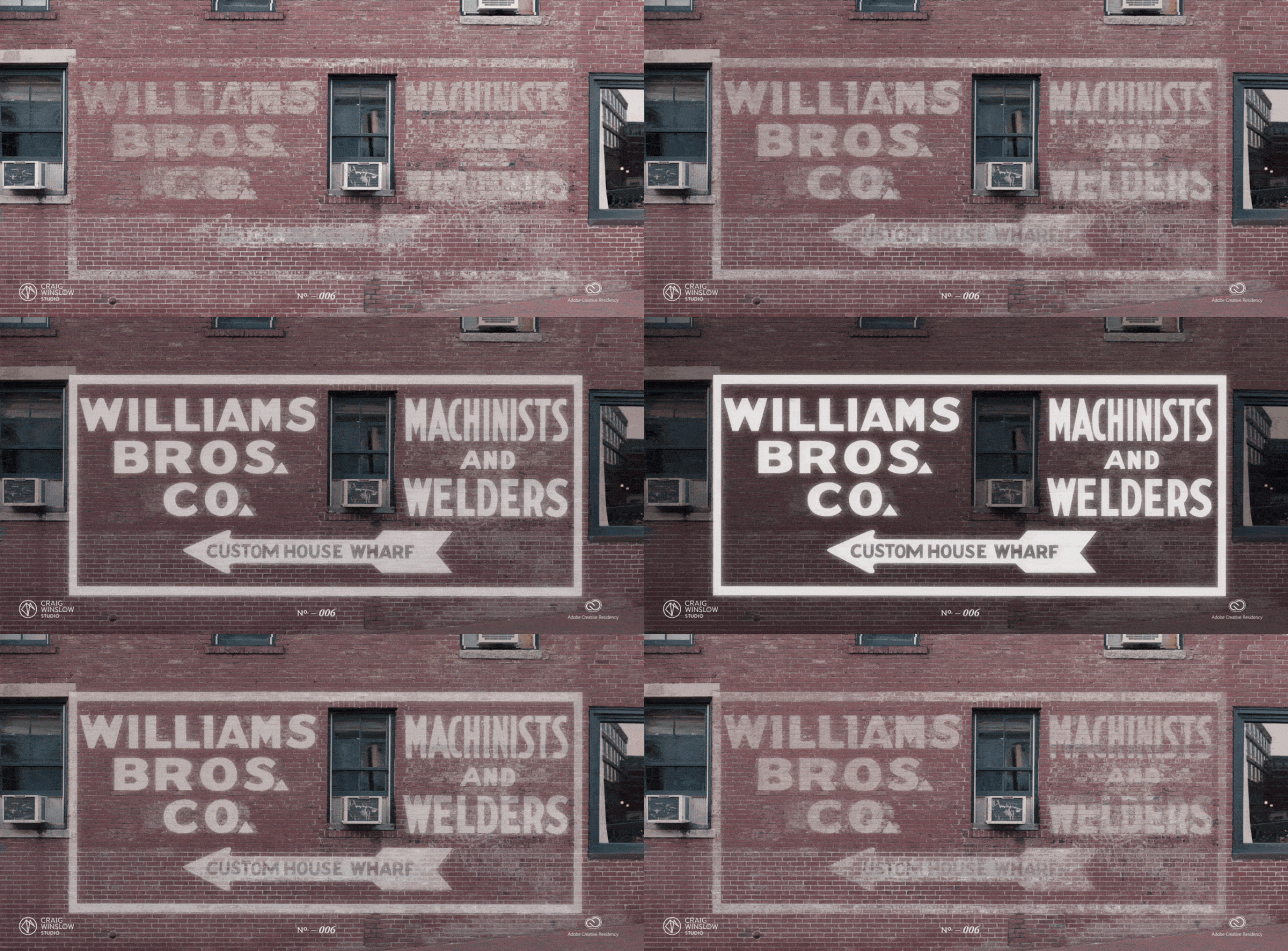
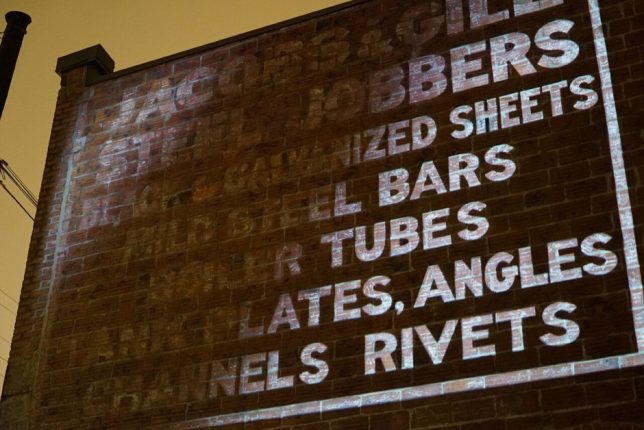
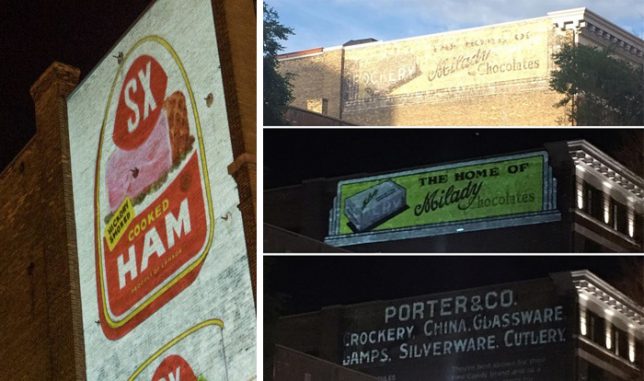
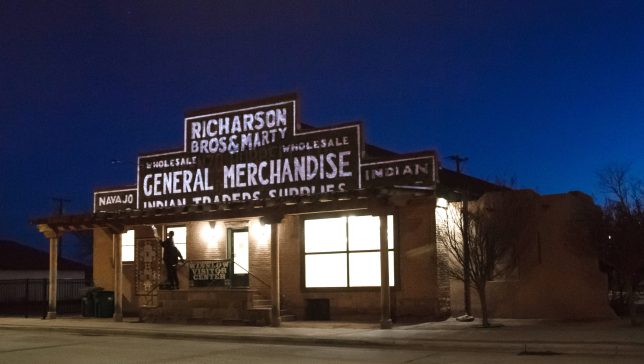
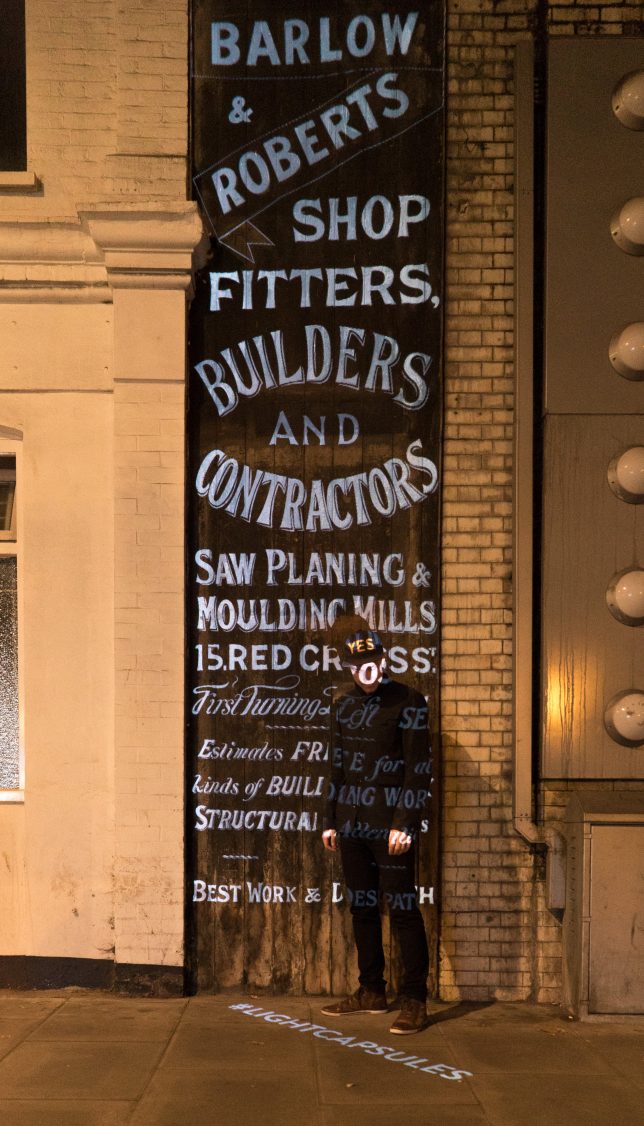
Exposed to the elements, hand-painted signs on building exteriors chip, crack and fade over time, but one artist is shining a spotlight on these historic illustrations, restoring them through animated and layered projections.

Craig Winslow is meticulous about his work on “Light Capsules,” digging through archived newspapers, magazines and photographs to find ads showing what these signs and their typogrophies originally looked like (in some cases over 100 years ago). The result of one such search recently helped him project over an ad in Winnipeg, Canada for Porter & Co., crockery, china, glassware, lamps, silverware, cutlery, which then switched to another projection for The Home of Milady Chocolates on the same spot.

And it isn’t just about recreation, but also spectacle and preservation. People passing by, used to ignoring faded signs, suddenly stop, look up and start thinking about them and the histories they represent as well as their historic value to a city.

In the last few years, Winslow has brought his projections to cities around the world including Detroit, London and Los Angeles. A lot of the advertisements he projects over provide insights into what was popular in the early 1900s when hand-painted signs were common.

His projections are often layered, cycling through to highlight different stages of ads (or overlapping ones) that have evolved and changed over the decades. Importing digital images, Winslow uses a suite of editing tools to fill in the gaps and create animations.

And while some argue for restoring them outright (using paint), that can be problematic — critics say repainting ruins the authenticity, plus new paints tend to be more vibrant and would be unlikely to represent the original. In a way, Winslow has found a middle ground — his method lets people get a sense of what they looked like without putting the originals at risk.

More from the artist’s website: “There’s an extra element of excitement in signs that are incredibly worn or have multiple layers—The best ghostsigns candidates to become Light Capsules have multiple layers, called palimpsests, providing a compelling canvas which digital recreations can bring a focus to specific layer in time. Projection is ephemeral, non-damaging, and non-invasive, providing a strong preservation solution that traditional mediums can’t provide. Using light as a medium, we can visually explore the stories of every layer, seeing how a building changed throughout the years.”

Share on Facebook


[ By WebUrbanist in Art & Drawing & Digital. ]

[ WebUrbanist | Archives | Galleries | Privacy | TOS ]


WebUrbanist
 
Comments Off on Light Capsules: Projections Bring Building-Side ‘Ghost Signs’ Back to Life

Posted in Creativity