RSS
 

Archive for the ‘Creativity’ Category

You’ll Never Want to Leave This All-in-One Bed Full of Gadgets & Storage

07 Sep

[ By SA Rogers in Design & Furniture & Decor. ]

Blow-up dolls and boyfriend-shaped body pillows may make you feel a little less lonely, but they can’t give you a massage – unlike this multifunctional bed that performs so many functions, you half-expect it to cook you breakfast in the morning. Sold by a variety of Asian retailers for roughly $ 600 USD, including SG Shop and English TaoBao, this slightly bonkers piece of furniture incorporates virtually everything you can imagine (reasonably) wanting to be built right into your bed, from USB chargers, speakers, power outlets and a pop-out laptop table to an actual built-in massage chair with multiple settings.


Lift up the mattress to find plenty of storage underneath for extra bedding and ubiquitous pillows. There’s also hidden storage in the bench at the foot of the bed, and shelves all along both sides. Optional features include leather upholstery instead of the default fabric, which comes in a multitude of colors, and even a freaking safe to hold your valuables.


If there’s one glaringly obvious feature this bed doesn’t have to offer, it’s a mattress long enough for the average American. The small size measures just 4’11” while the large size adds a foot. So if you’re larger of stature, this bed might not be for you – at least, not to sleep in. It would still make a pretty cool living room lounger. If you were designing your own all-in-one dream bed, what would you add? A mini fridge? A built-in coffee maker?

h/t My Modern Met

Share on Facebook


[ By SA Rogers in Design & Furniture & Decor. ]

[ WebUrbanist | Archives | Galleries | Privacy | TOS ]


WebUrbanist

 
Comments Off on You’ll Never Want to Leave This All-in-One Bed Full of Gadgets & Storage

Posted in Creativity


Somewhere Outside of Time: 13 Classic Retro-Futuristic Architectural Visions

07 Sep

[ By SA Rogers in Architecture & Houses & Residential. ]

Retro-futuristic architecture seems to exist outside of time, perhaps in parallel universes where the versions of the future envisioned by their creators actually became reality. They combine design elements from the decades in which they were built with futuristic elements as the architects imagined them, recalling the science fiction of their respective eras, often seeming like remnants from movie sets. Many still stand in a rapidly changing world, feeling like portals to somewhere very far away.

Walden 7 by Ricardo Bofill

Built in 1975, this housing structure by Ricardo Bofill located outside Barcelona, Spain takes inspiration from the science fiction novel Walden Two by B.F. Skinner. It originally included 446 residences in 18 towers, resulting in a labyrinth organized around seven interconnecting interior courtyards. Bofill imagined that this structure would be a utopian urban residence addressing many of the problems of urban life, with space for gardens and social interaction as well as two swimming pools. The high rise still stands and functions as an apartment building, with some units combined to create larger spaces.

Palais Bulles by Antti Lovag

The strange and bulbous Palais Bulles, or Palace of Bubbles, was built in 1989 on a cliff overlooking the Mediterranean Sea. Though it’s often used as a setting for fashion shoots and film festival parties, architect Antti Lovag emphasizes that how the structure is inhabited is its most important aspect. “Whether for economic reasons or lack of technical solutions, human beings have confined themselves to cubes full of dead ends and angles that impede our movement and break our harmony.”

Monsanto House of the Future by Monsanto

Did you know that infamous agrochemical giant Monsanto (known for creating Agent Orange during the Vietnam War) built a ‘house of the future’ at Disneyland in 1957? Located at the entrance to Tomorrowland, the house was designed by Monsanto in collaboration with MIT and Disney Imagineers, showcasing their vision of what life would be like in 1987. Made of fiberglass, the house was elevated on a pedestal with the intention of allowing it to rotate. Everything was modular and made of synthetic materials. Monsanto’s House of the Future closed in 1967, and though it was scheduled to be demolished in one night, the wrecking ball bounced off its tough facade, and a 2-week demolition job was ultimately required to take it down.

Habitat 67 by Moshe Safdie

First built as a pavilion for the World’s Fair in 1967 after architect Moshe Safdie conceived it as his master’s thesis, Habitat 67 remains one of the most unusual buildings of its kind, featuring 146 residences and a network of interlocking forms and walkways. The architect wanted to maximize the amount of private space and natural environments within a small urban footprint, enhancing the quality of life with gardens, fresh air and views. It was intended to be the first phase of a much larger complex, but Safdie’s vision for futuristic affordable housing failed to proliferate due to the high per-unit cost of his design.

Next Page – Click Below to Read More:
Somewhere Outside Of Time 13 Classic Retro Futuristic Architectural Visions

Share on Facebook


[ By SA Rogers in Architecture & Houses & Residential. ]

[ WebUrbanist | Archives | Galleries | Privacy | TOS ]


WebUrbanist

 
Comments Off on Somewhere Outside of Time: 13 Classic Retro-Futuristic Architectural Visions

Posted in Creativity


Spatial Calligraphy: Projected Light Animates Picturesque Japanese Landscape

06 Sep

[ By WebUrbanist in Art & Installation & Sound. ]

Over a dozen installations are bringing Japan’s 5,000,0000-square-foot Mifuneyama Rakuen to life, combining nature with cultural traditions and modern technology in dazzling and moving ways.

Designed by TeamLab, this exhibition incorporates a sweeping landscape of lakes, mountains and forests as well as ancient structures, some predating the park (which itself is nearly 200 years old).

Their driving idea: create new immersive interactions with nature without doing any damage, using an array of lighting techniques to facilitate a unique nighttime experience. In some places, abstract lighting patterns contrast with or highlight natural elements, like koi fish swimming in a lake — in other instances, projections of scanned nature illustrate the cycle of seasons in underground caves.

“Winding promenades, a picturesque pond and an ancient villa-turned-tea house blend seamlessly with the natural surroundings, blurring the borders between wild and manmade,” reports DesignBoom. “High above, the monumental mifuneyama mountain watches over an active and lush ecosystem of sacred trees, ancient stones, hidden caves, and a diverse community of flora and fauna. It is a peaceful and poetic place that induces a deep sense of contemplation and calm. Serenity lives here.”

Visitors can journey through this hybrid wonderland moving from one exhibition to the next in sequence, or simply get lost in the trails that open each evening as the sun goes down. The project, titled “A Forest Where Gods Live,” is open through this fall.

Share on Facebook


[ By WebUrbanist in Art & Installation & Sound. ]

[ WebUrbanist | Archives | Galleries | Privacy | TOS ]


WebUrbanist

 
Comments Off on Spatial Calligraphy: Projected Light Animates Picturesque Japanese Landscape

Posted in Creativity


Sending Summer Off With a Bang: 55-Foot-Tall Sand Castle Snags World Record

05 Sep

[ By SA Rogers in Destinations & Sights & Travel. ]


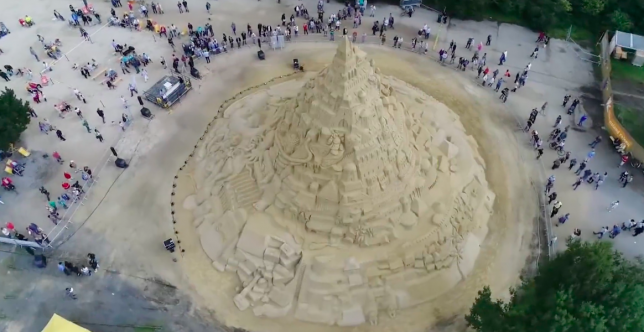
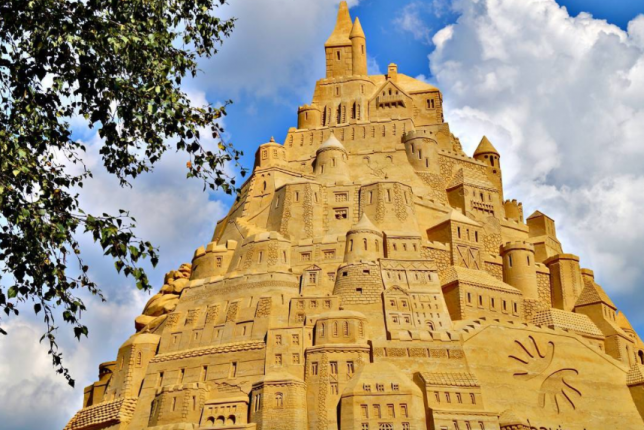
It’s virtually impossible to get a sense of just how large this world-record-smashing sand castle really is until you see a shot that includes crowds of tiny humans gathered around its base. The German city of Duisburg may be landlocked, but that hasn’t stopped it from hosting an enormous sandcastle building effort two summers in a row. Last summer, their attempt at snagging the title was foiled when the castle faced a minor collapse during the building process. This year, they unseated a record set by a 50-foot-tall sand castle in Puri, India in February with their 55-foot-tall creation.

since last friday it is official. this is the tallest #sandcastle in the world. 16.68 metres. #landschaftspark #guinnessworldrecord #duisburg #ruhrpott #ruhrgebiet #ruhrgebietsliebe #sandburg #lpn #landschaftsparkduisburg

A post shared by @samazde on

Worldrecord sandcastle 16,68m ?? #sundaywalk #landschaftsparkduisburg #sunnyday

A post shared by Rima Ha (@shopaholic2911) on

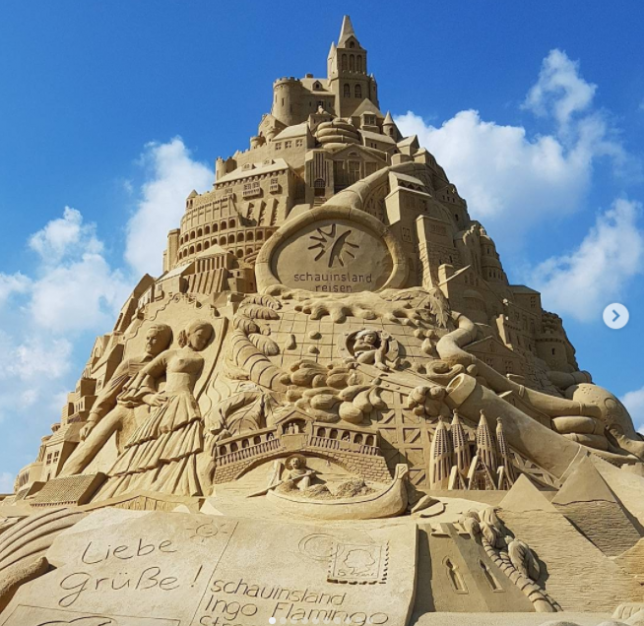
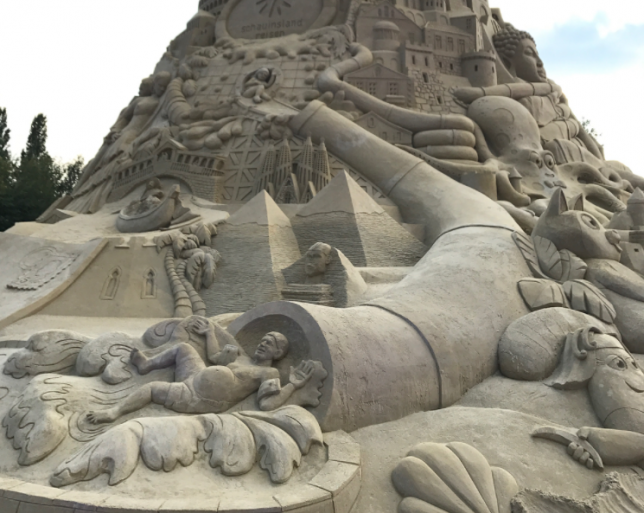
It took 3,860 tons of very fine quartz sand, a team of designers from 10 countries and three weeks of building time to complete. The sculptors incorporated imagery from their own nations and histories, resulting in an interesting mishmash of global influences. Look closely and you’ll spot the Great Sphinx of Giza, the Acropolis, a Buddha, Elvis’ grave and the Colosseum. A Guinness World Record jury judged the enormous sculpture on Friday, making the win official.

#Sandburg#LandschaftsparkDuisburg #Weltrekord16,68m#Duisburg

A post shared by Jens (@jens_sanders) on

?#sandburg #duisburg #schauinsland #sandburgduisburg #sand #sandcastle #sandcastles #record #worldrecord #guinessbook #picoftheday #potd #cloudy #cloudyday #clouds #landschaftsparkduisburg

A post shared by Nad Sla (@nadinesla) on

Want to check it out in person? The city of Duisburg will keep the sandcastle standing through September 29th, assuming something doesn’t cause it to collapse before then. You can see lots more photos of the sand castle by searching Instagram for the tag #landschaftsparkduisburg.

Images via: manutografie, obootsman, michaela_schu, shopaholic2911

Share on Facebook


[ By SA Rogers in Destinations & Sights & Travel. ]

[ WebUrbanist | Archives | Galleries | Privacy | TOS ]


WebUrbanist

 
Comments Off on Sending Summer Off With a Bang: 55-Foot-Tall Sand Castle Snags World Record

Posted in Creativity


Pencil Art: 50+ Sculptures Explore the Hidden Beauty of This Utilitarian Object

04 Sep

[ By SA Rogers in Art & Sculpture & Craft. ]

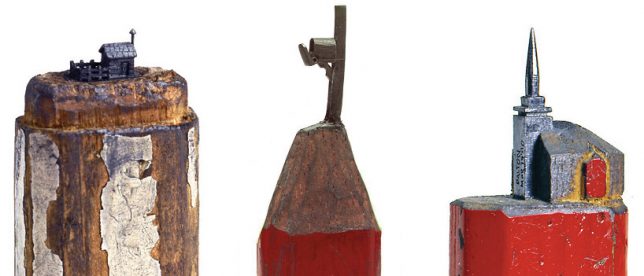
A pencil is usually a tool, but what happens when artists subvert its common usage, transforming it into a medium for sculpting instead? Extraordinary sculpting skills paired with a steady hand and a magnifying glass make it possible to carve amazingly tiny figures out of the pencil’s lead. Some artists see flowers or portraits in cast-off pencil shavings, or glue masses of the writing instruments together to sculpt and sand them into new forms punctuated by the graphite or colored pigments inside each pencil’s core.

Pencil Lead Carvings by Salavat Fidai

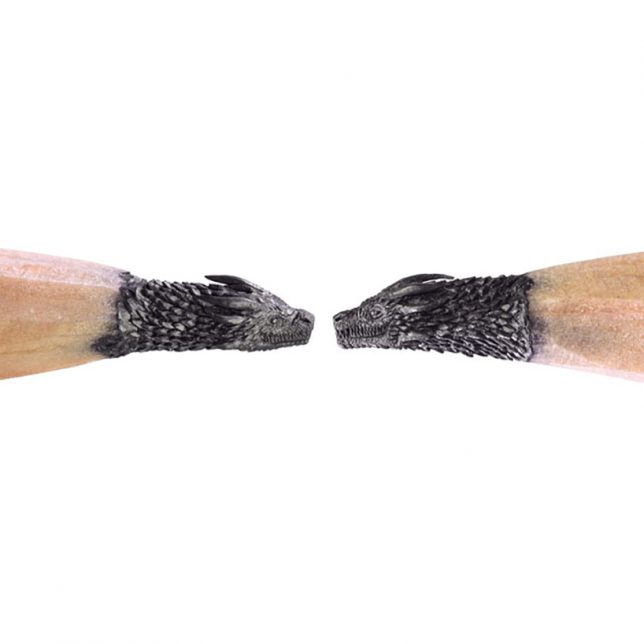
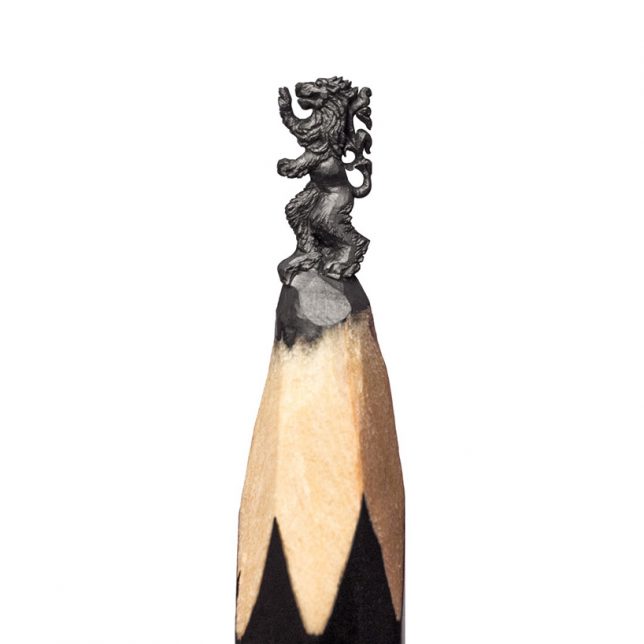
HBO Asia recently commissioned an incredible set of Game of Thrones-themed pencil lead carvings from Russian artist Salavat Fidai, including the sigils of each House, a White Walker, the dragons and the Iron Throne. It takes Fidai about 6 to 12 hours to sculpt each one using a craft knife, a magnifying glass and a microscope. The artist says the most challenging piece in the collection was the throne, which took over three weeks to perfect. Of course, the Game of Thrones pieces are just the latest works from Fidai, who has also carved tiny architecture, superheroes and other fictional characters, and much more.

Vases Made of Pencils by Studio Markunpoika

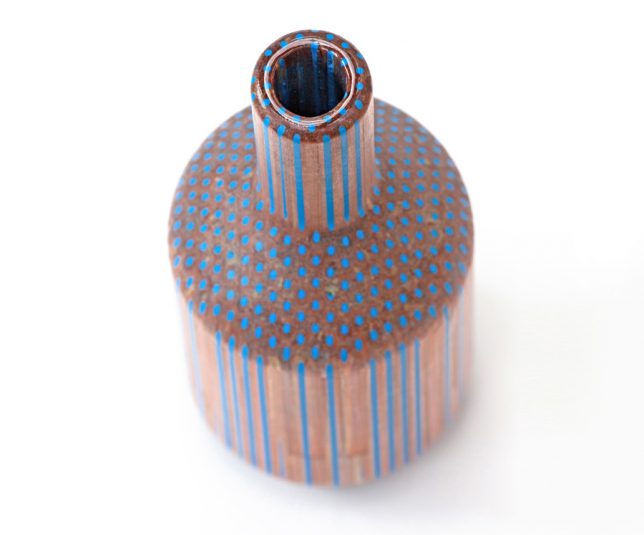
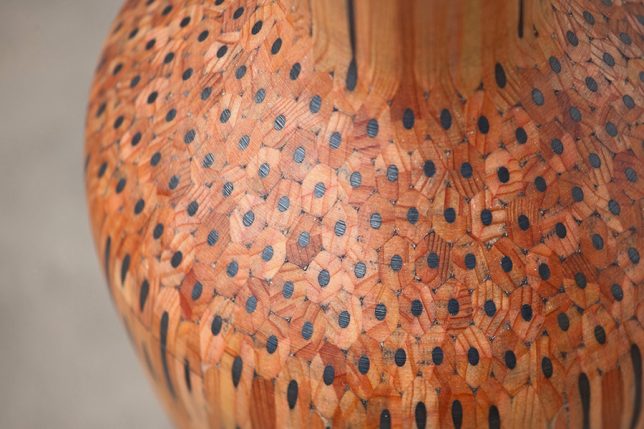
Hundreds of pencils are glued together into a solid mass and then carved on a machine lathe to create vases and other decorative objects, revealing the insides of the pencils. Studio Markunpoika describes their process: “‘Amalgamated’ is a collection which explores the relationship of a mass produced ‘tool’ and its individual purpose. The beauty of the pencil as an object seems to go unnoticed if utilized only for their primary purpose. ‘Amalgamated’ is a visual and tactile investigation using pencils as a raw material. This holistic principle has been the fundament for creating this set of vases; let the pencils become a thing themselves.”

Pencil Lead Carvings by Dalton Ghetti

The most impressive works by Dalton Ghetti are undoubtedly those which turn single pencil leads into chains. You can’t help but stare at each one for a while, wondering how he managed to pull them off. The fact that the artist has been refining his process since childhood might tell you a thing or two about how he’s able to pull pieces like these off – or that some of his pieces can take months or even years to complete. He also carves his tiny sculptures without the aid of a microscope or magnifying glass, using sewing needles and razor blades.

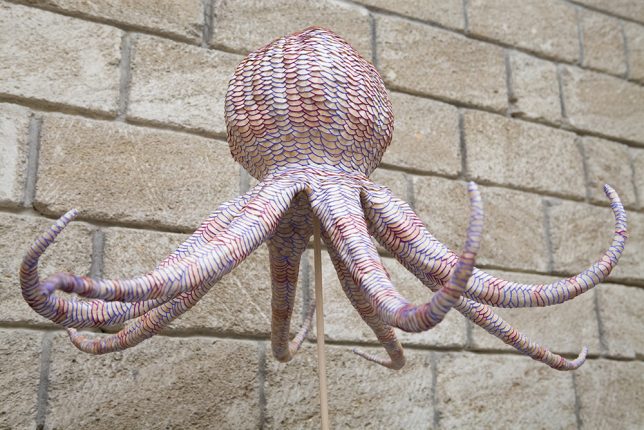
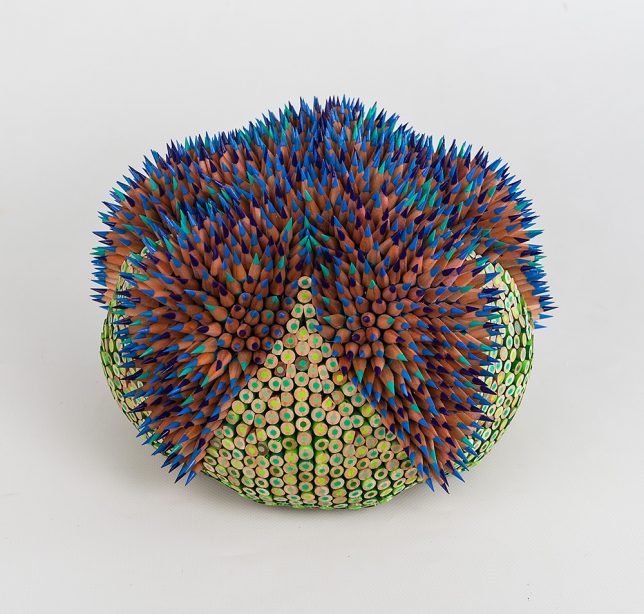
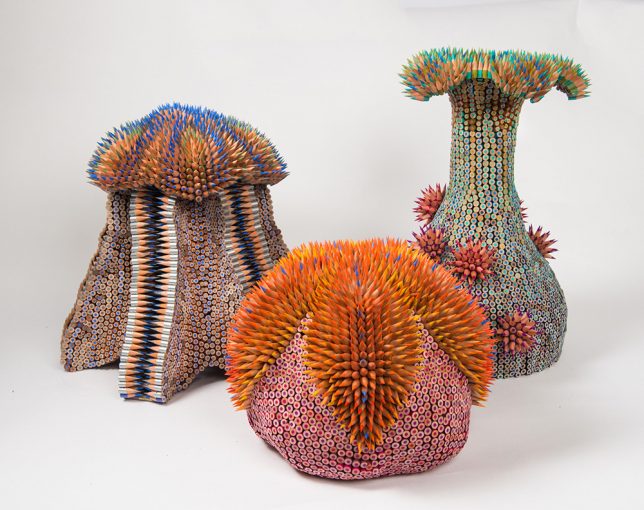
Pencil Sculptures by Jennifer Maestre

The colorful bristling creatures of Jennifer Maestre seem to have come from the depths of the sea, their appendages recalling the natural shapes of urchins, anemones, coral, octopi and jellyfish. The artist uses colored pencils as a medium for her unusual sculptures. “The spines of the urchin, so dangerous yet beautiful, serve as an explicit warning against contact. The alluring texture of the spines draws the touch in spite of the possible consequences. The tension unveiled, we feel push and pull, desire and repulsion. The sections of pencils present aspects of sharp and smooth for two very different textural and aesthetic experiences. Paradox and surprise are integral in my choice of materials.”

Pencil Lead Carvings by Cindy Chinn

Cindy Chinn takes advantage of the length of graphite contained within a pencil, tunnel-like inside the wood, and translates it into lines of marching elephants or trains. Her ‘Elephant Walk’ series was commissioned by the California-based Epiphany Elephant Museum. Of the train piece, Chinn says “This piece was designed using straight lead pieces for the rails, with the tiny carved train placed and securely glued on top of the rails. The train engine is only 3/16” of an inch tall. The pencil is 5-5/8” long and mounted in a wood shadowbox frame as shown in the photos.”

Next Page – Click Below to Read More:
Pencil Art 50 Sculptures Explore The Hidden Beauty Of This Utilitarian Object

Share on Facebook


[ By SA Rogers in Art & Sculpture & Craft. ]

[ WebUrbanist | Archives | Galleries | Privacy | TOS ]


WebUrbanist

 
Comments Off on Pencil Art: 50+ Sculptures Explore the Hidden Beauty of This Utilitarian Object

Posted in Creativity


Grand Slammed: Closed & Abandoned Denny’s Restaurants

04 Sep

[ By Steve in Abandoned Places & Architecture. ]

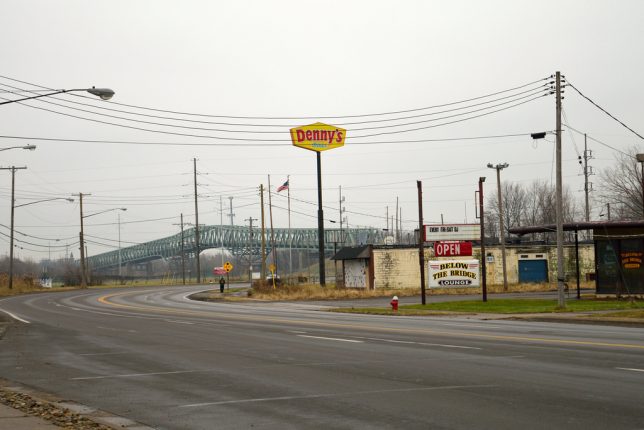
Denny’s has been a powerhouse of fast-casual family dining for over 60 years with over 1,600 restaurants but even Denny’s has to close some time.

More than just a slogan, Denny’s famous “we never close” policy was put to the test in 1988 when all but six stores closed for Christmas. Several restaurants were unprepared by the corporate-wide closing: some had lost their keys while others – rumor has it – were built without lockable doors.

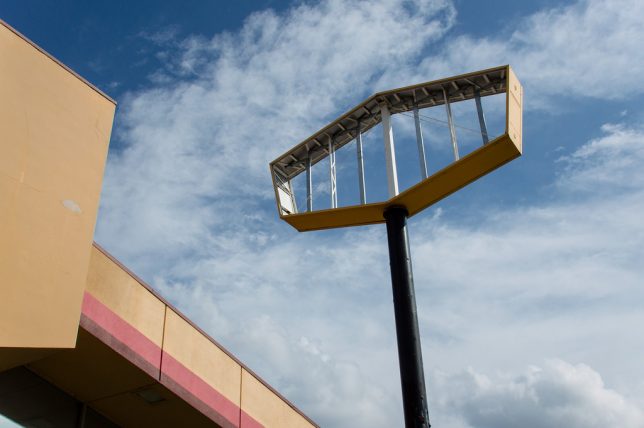
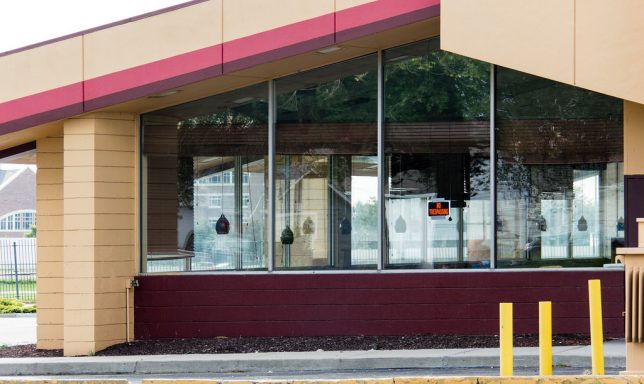
Contrast that open-door policy with the fate of closed and/or abandoned Denny’s restaurants and diners like this one in Dayton, Ohio, snapped by Flickr member vistavision in the fall of 2010. Stores like this one will never open again, at least not under the classic Denny’s hexagonal sign.

Shoreline Scar

The above abandoned Denny’s was snapped by Flickr member Curtis Cronn in early February of 2015. Looks like the crew charged with removing visual references to expired businesses, crashed airliners and so on neglected to erase the labelscar lingering on the Shoreline, Washington restaurant’s sun-blasted exterior wall. Guys, you had ONE job.

Laurel Turpitude

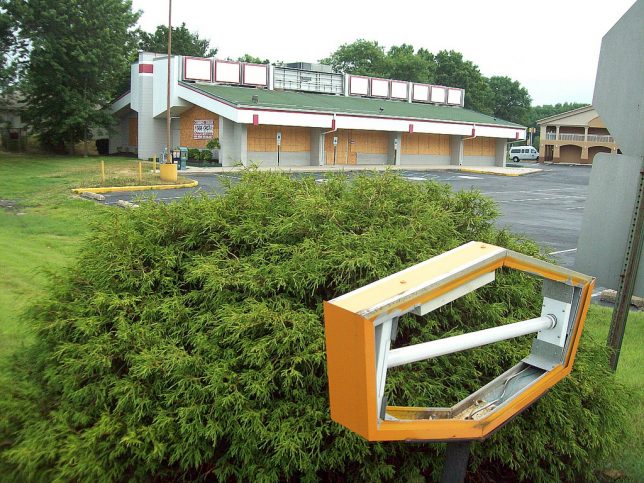
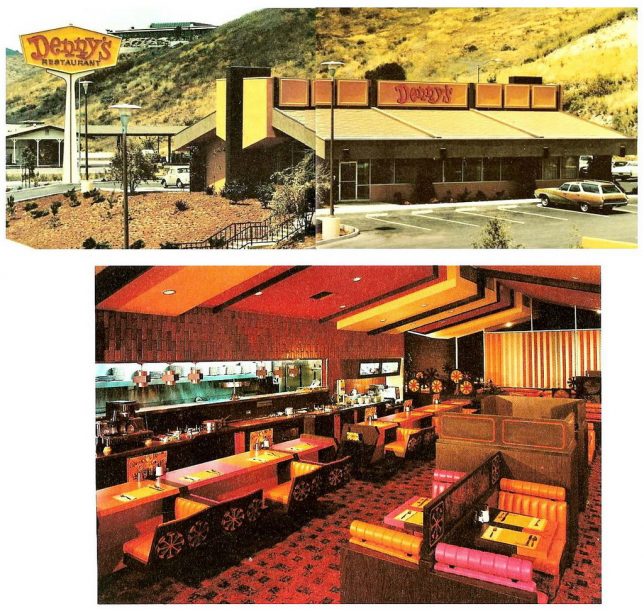
Denny’s wasn’t always “Denny’s”… the chain opened in 1953 with a single store in Lakewood, California named Danny’s Donuts. In 1959, the growing company changed its name to avoid any conflict with Coffee Dan’s, a Los Angeles-based chain of coffee shops. Known since 1961 as just plain “Denny’s”, the company expanded exponentially… by 1980 there were over 1,000 restaurants and diners spread across all 50 U.S. states.

The store above, located just off Route 73 in Mount Laurel, New Jersey dates from the 1970s, back when the corporate color scheme was heavily into pinks and oranges… no doubt a hangover from the psychedelic Sixties. Will the succeeding Chinese restaurant carry on that lurid theme? Flickr member John (JSF0864) captured this still-sharp-looking abandoned Denny’s in June of 2011.

Sign In Stranger

Now here’s something unusual: all that’s left of this former Denny’s restaurant in Lorain, Ohio is its main sign – the building was demolished in early 2011. What’s more, the sign (displaying Deny’s “new” logo instituted in 2001) appears to be in excellent condition having escaped the attentions of the de-branding crew. Maybe they forgot to bring a ladder. Kudos to Flickr member Nicholas Eckhart, who captured this rather bleak scene in December of 2014.

Next Page – Click Below to Read More:
Grand Slammed Closed Abandoned Dennys Restaurants

Share on Facebook


[ By Steve in Abandoned Places & Architecture. ]

[ WebUrbanist | Archives | Galleries | Privacy | TOS ]


WebUrbanist

 
Comments Off on Grand Slammed: Closed & Abandoned Denny’s Restaurants

Posted in Creativity


World’s Largest Bicycle Parking Garage Stores Over 6,000 Rides in the Netherlands

03 Sep

[ By WebUrbanist in Architecture & Public & Institutional. ]

The Netherlands, where bikes outnumber citizens, is well known for its cycle-centric transportation infrastructure. In Utrecht, over 100,000 cyclists ride through the city every day, connecting between home, school, work and public transportation. Now open, this newly-built bicycle parking lot can already house 6,000 rides at a time, but is aiming to more than double that capacity by the end of the year.

It actually looks a lot like a conventional parking lot, filled with ramps and arrows pointing cyclists through the structure, crisscrossed with walking paths for people traveling to and from their personal vehicle. Dense stacking allows for layered storage across the multiple levels of the structure.

Eventually, the parking structure will store a remarkable 33,000 bicycles by 2020, which, to most people, might sound like a lot of bikes. But the design, patterned after Tokyo’s amazing underground bike parking station, has people worried — not because it could be overbuilt, but because the capacity might not match the demand.

As popular as cycling already is in the region, the number of people on bikes continues to grow and the Netherlands has long had storage space issues related to this growth. One cycling organization quoted John Lennon to make the point: “life is what happens while you are busy making other plans.” They say politicians are still being too slow to make decisions and implement plans to increase bike-supporting infrastructure. Still, too many riders and fewer seems like a good problem for a city to have.

Share on Facebook


[ By WebUrbanist in Architecture & Public & Institutional. ]

[ WebUrbanist | Archives | Galleries | Privacy | TOS ]


WebUrbanist

 
Comments Off on World’s Largest Bicycle Parking Garage Stores Over 6,000 Rides in the Netherlands

Posted in Creativity


While Waiting for Hyperloop, Sleep Through Long Drives on Cabin Buses

02 Sep

[ By SA Rogers in Technology & Vehicles & Mods. ]

Someday, we’ll supposedly be able to zoom from one city to the next in no time flat thanks to the Hyperloop, but that day is not today. Elon Musk’s high-speed transit system Hyperloop One has been successfully tested, and promises to cut the 400-mile trip between Los Angeles and San Francisco down to just 30 minutes, but it’ll take it a while to get off the ground. In the meantime, our options are still limited to air travel, personal vehicles, trains and buses. Buses are easily accessible and cheap, but they cost a whole lot of time and discomfort instead.

If you’ve ever taken an inter-city bus trip, you know how it goes. More often than not, you’re crammed in with dozens of other people, breathing stale air, hoping the person coughing next to you won’t get you sick. Even worse, inter-city bus travel is notoriously inefficient, requiring a lot of stops and ultimately taking a lot longer than it would if you were driving a car. Ever wish you could just block out your surroundings and sleep through it without drooling on somebody’s shoulder?

A new service called ‘Cabin’ aims to bridge the gap between bus travel and air travel with comfortable one-person sleeping pods, so you get your own private little area in which to stretch out and lay down during a long drive. The company bills itself as “the dreamiest way to travel between LA and SF,” acting as a hotel on wheels that transports you to your destination while you’re sleeping.

The company worked with hospitality architects to “completely reinvent the bus as we know it,” outfitting each pod with hotel-like amenities like free wi-fi, fresh bedding, complimentary water, tea, coffee, earplugs and even a melatonin supplement to help you fall asleep.

With a round-trip cost of $ 230 to get back and forth between San Francisco and LA, Cabin definitely isn’t the cheapest option; you can take a Bolt bus for just $ 50, and many airlines offer routes between the cities for as low as $ 69 each way. But we all know how much comfort airlines have sacrificed in recent years to keep their costs down, and an air trip with a pod this cozy would cost many times that amount. Plus, there’s no dealing with airports, hidden fees or traffic.

The future of inter-city travel will likely include self-driving vehicles and highway trains, but for now, this seems like a pretty cool option, especially for people who feel particularly stressed about flying. Cabin launched last year as SleepBus, and after a highly successful test run, raise $ 3.3 million to continue, with plans to expand to the East Coast.

Share on Facebook


[ By SA Rogers in Technology & Vehicles & Mods. ]

[ WebUrbanist | Archives | Galleries | Privacy | TOS ]


WebUrbanist

 
Comments Off on While Waiting for Hyperloop, Sleep Through Long Drives on Cabin Buses

Posted in Creativity


Alien Architecture: Modern Buildings Recast as Extraterrestrial Ships

01 Sep

[ By WebUrbanist in Art & Photography & Video. ]

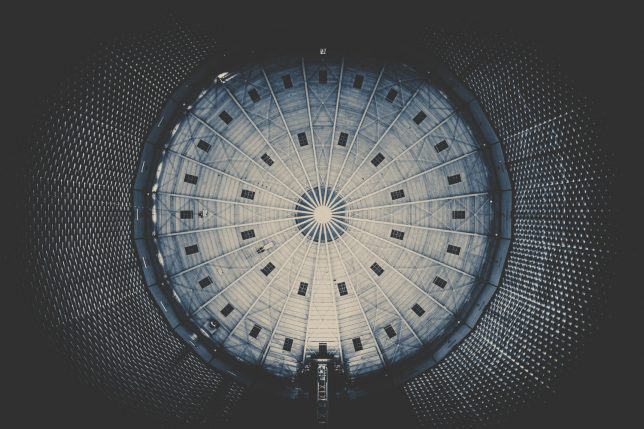
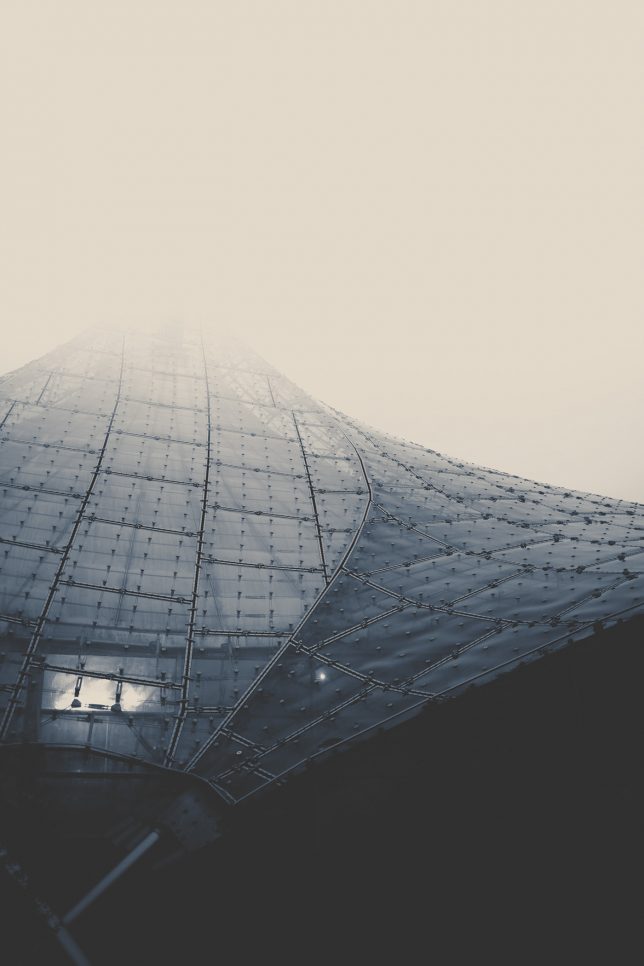
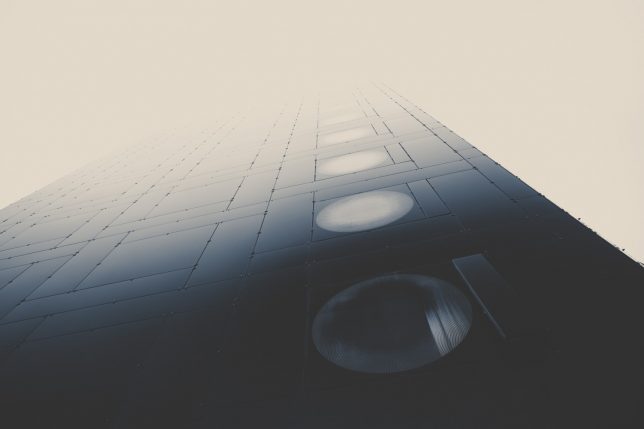
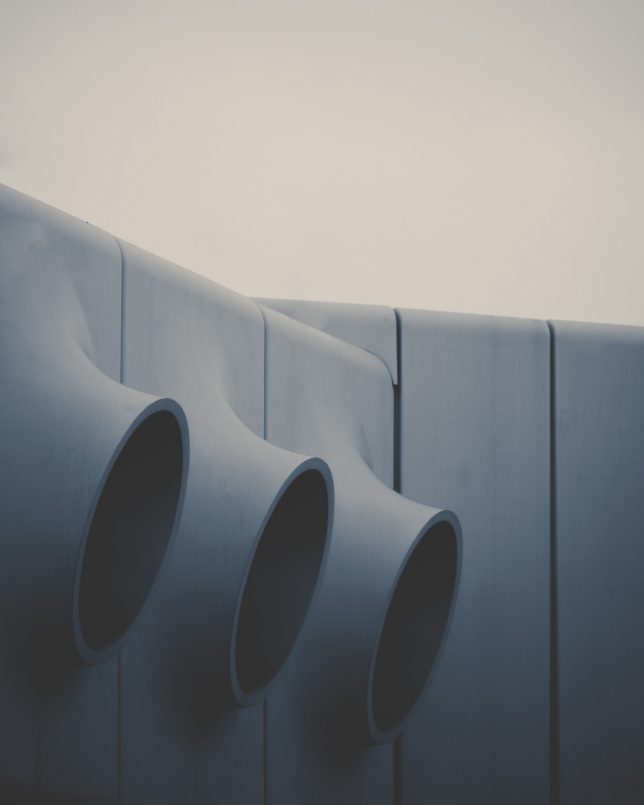
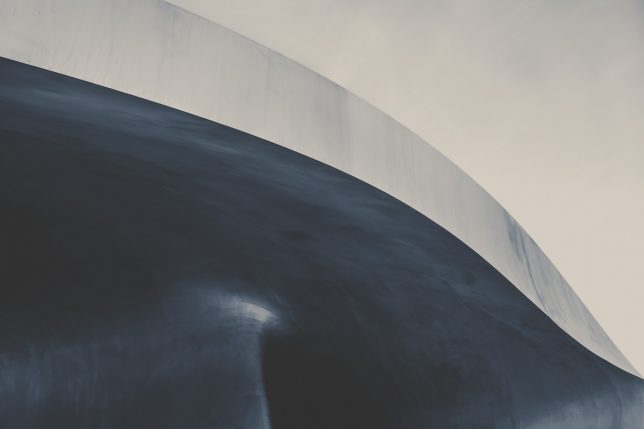
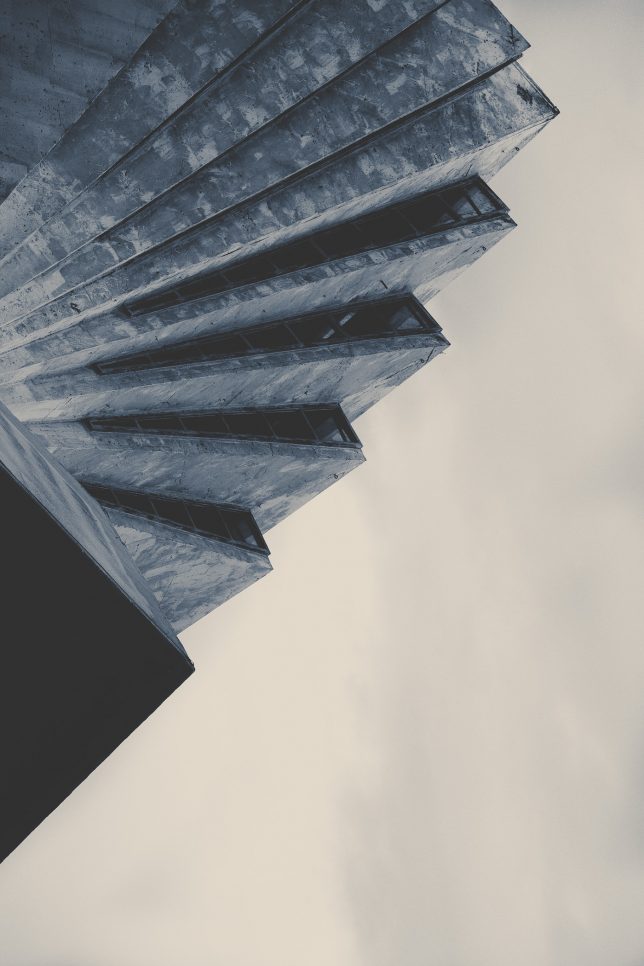
Composition, color and contrast and go a long way toward reframing photographic subjects, in this case: making familiar architectural forms seem like parts of dark and looming alien spaceships.

German photographer Lars Stieger has a knack for capturing ordinary building surfaces, materials and details and rendering them uncanny, especially in this Spaceships series photographed across Europe.

Glass-and-metal cladding in the fog can easily looked like the curved hull of an otherworldly vessel in the right light, while intersecting geometries taken out of context call the posters of science fiction classics to mind.

Stieger’s subjects range from the inside of an old gasometer to Olympic parks — often large, public and industrial works of design that already appear a bit strange even under normal circumstances. Check out more from this Spaceships series as well as his other photo sets on Behance and Instagram.

Share on Facebook


[ By WebUrbanist in Art & Photography & Video. ]

[ WebUrbanist | Archives | Galleries | Privacy | TOS ]


WebUrbanist

 
Comments Off on Alien Architecture: Modern Buildings Recast as Extraterrestrial Ships

Posted in Creativity


No Windows, No Problem: These 12 Houses Are Bright, Beautiful & Private

31 Aug

[ By SA Rogers in Architecture & Houses & Residential. ]

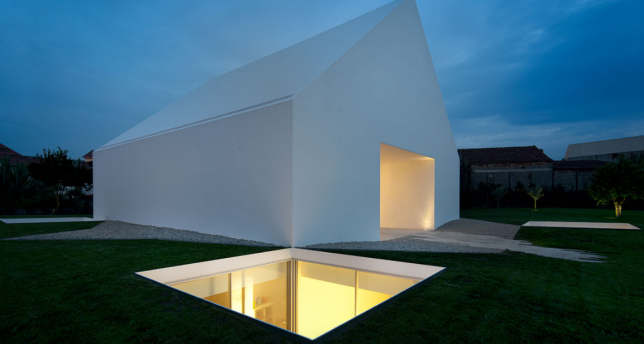
Windowless houses might sound dark and depressing, but the careful control of apertures in a building’s facade can actually be a brilliant technique for enhancing privacy, making views more pleasant and creating the feel of a secluded sanctuary. Fortress-like from the outside, they’re surprisingly bright and airy inside, often thanks to courtyards, terraces and rear glazing hidden from view of the street and neighbors.

House for a Photographer by FORM, Shiga, Japan

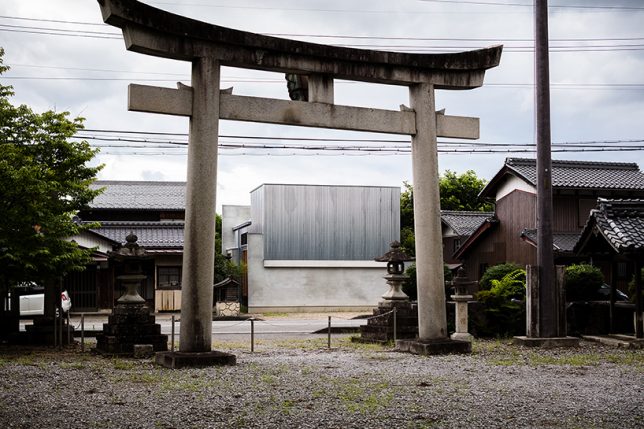
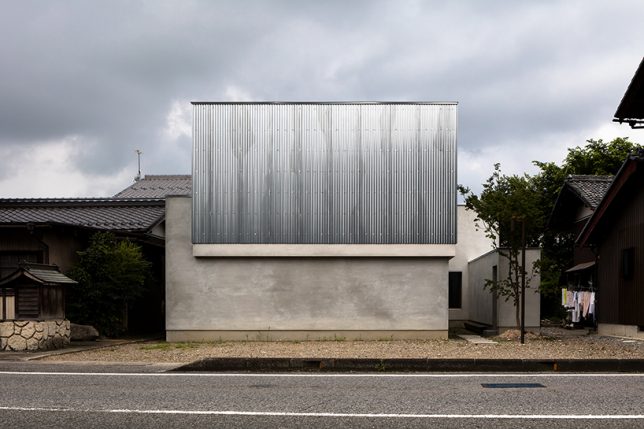
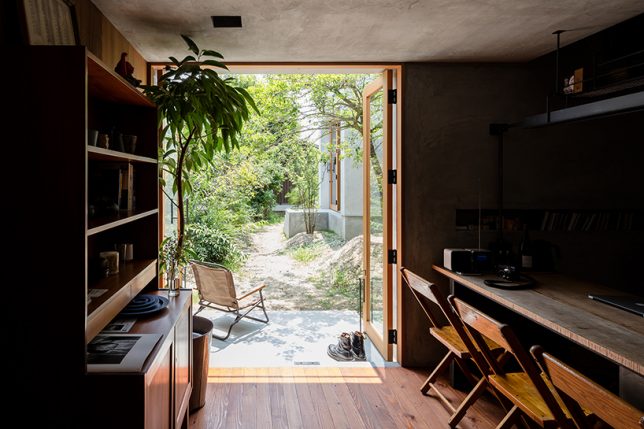
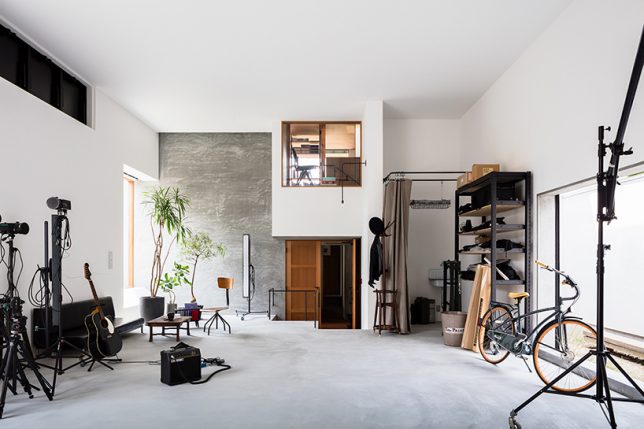
The client who commissioned this home from FORM is a photographer who wanted a studio and gallery for his work attached to his living quarters, all on a compact L-shaped lot. From the outside, it looks like an impenetrable box, but take the narrow alleyway into the gallery space and you’ll find a private courtyard that feels like an inner sanctum, echoing the atmosphere of the temple across the street. The building’s only windows look out onto the courtyard instead of the street, resulting in a mood of turning inward.

W House by Cukrowicz Nachbaur, Bezau, Austria

The shape of this residence in Austria by Cukrowicz Nachbaur might be that of an archetypal home, but its street-facing facade covered in timber slats certainly isn’t. Located close to another rural residence, this home gets privacy by arranging a two-story volume next to a one-story volume with a courtyard between them. All the home’s windows and sliding glass doors are arranged to look out onto this courtyard, aside from a few skylights, and first-floor porches are set beneath the overhanging second story to create secluded outdoor areas.

Domus Aurea by Alberto Campo Baeza & Gilberto L. Rodriguez, Monterrey, Mexico

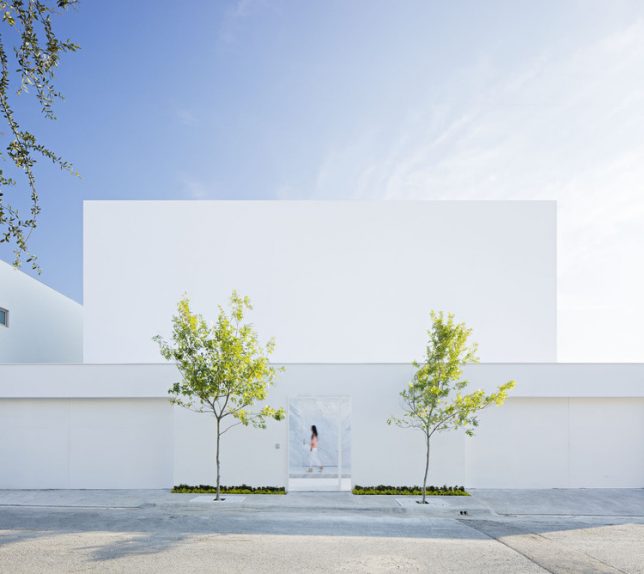
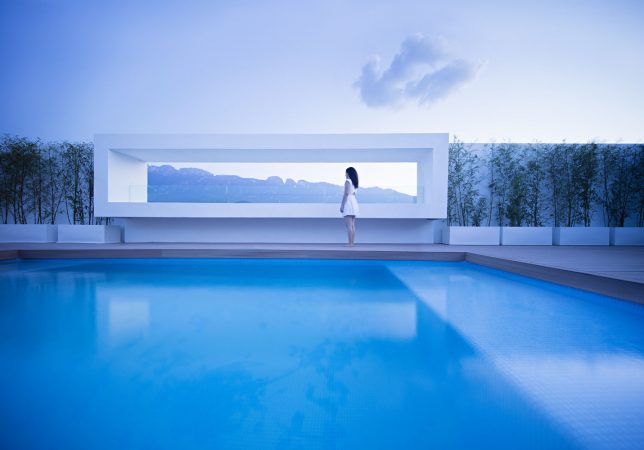
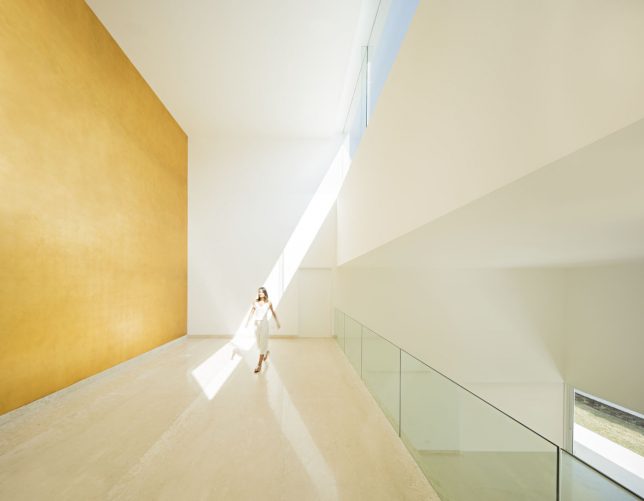
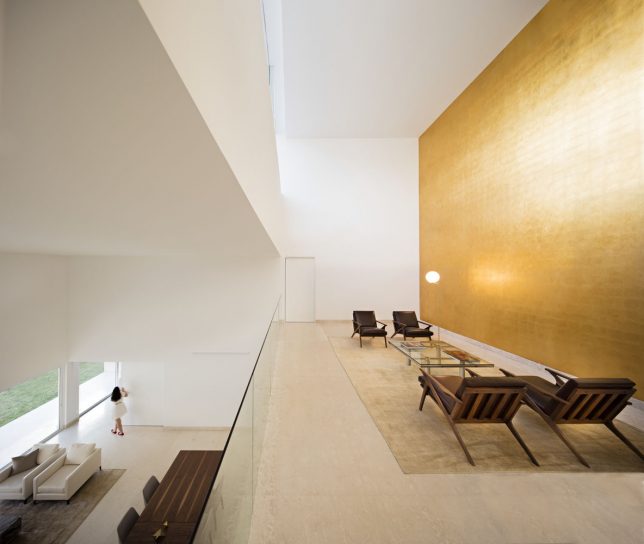
Modeled on the Emperor Nero’s house in Ancient Rome as well as the vivid works of Mexican architect and engineer Luis Barragán, ‘Domus Aurea’ by Alberto Campo Baeza features a gilded interior wall designed to reflect carefully targeted golden light throughout the space. Though the home’s openings amount to no more than some skylights and a narrow line of glazing on the first floor, the light bounces from one surface to the next. The architect placed the most public common areas on the first floor, the private rooms on the second and a swimming pool on the roof.

Mountain House by Hiroki + Tomoko Sekiguchi, Hyogo, Japan

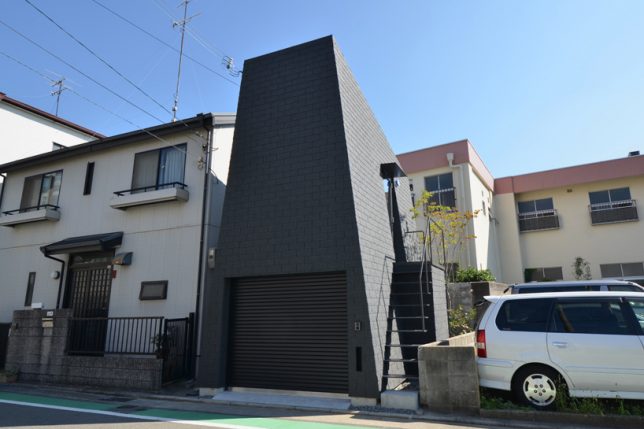
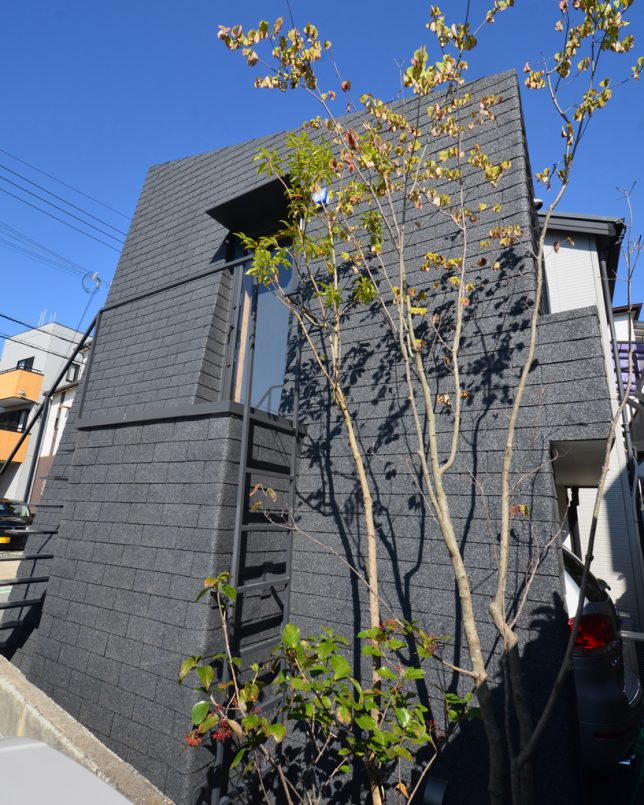
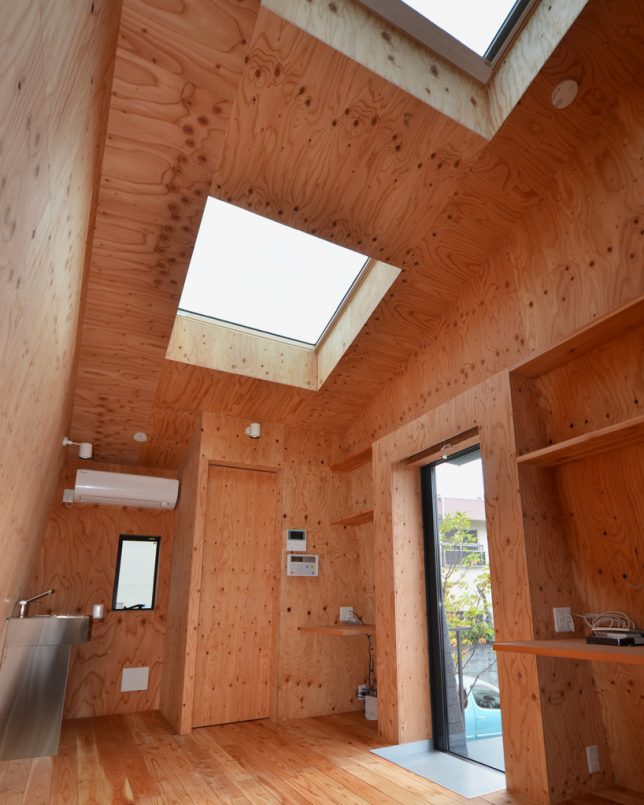
Situated on a tiny lot practically sitting right on top of its neighbors, this home by Hiroki + Tomoko Sekiguchi gains some measure of privacy by opening up to the sky instead. The sloped walls create a little more space between the home and the houses next door, and the living spaces sit atop a parking garage for the owners’ vehicle.

Next Page – Click Below to Read More:
No Windows No Problem These 12 Houses Are Bright Beautiful Private

Share on Facebook


[ By SA Rogers in Architecture & Houses & Residential. ]

[ WebUrbanist | Archives | Galleries | Privacy | TOS ]


WebUrbanist

 
Comments Off on No Windows, No Problem: These 12 Houses Are Bright, Beautiful & Private

Posted in Creativity