RSS
 

Archive for the ‘Creativity’ Category

Star Crossed: 10 More Abandoned Observatories

01 Oct

[ By Steve in Abandoned Places & Architecture. ]
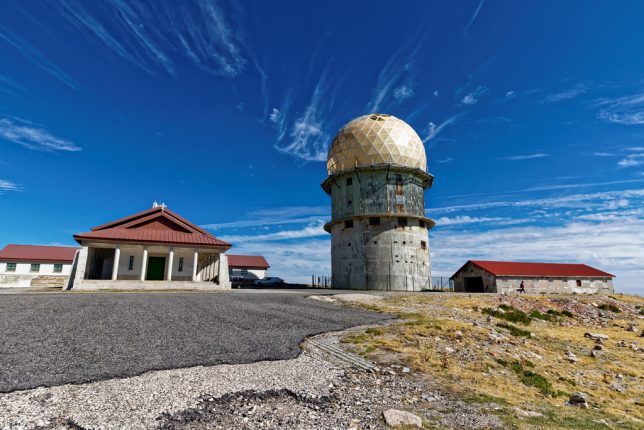
These closed and abandoned astronomical observatories once gazed skyward into a star-spangled universe, revealing hidden wonders of time and space. Once.
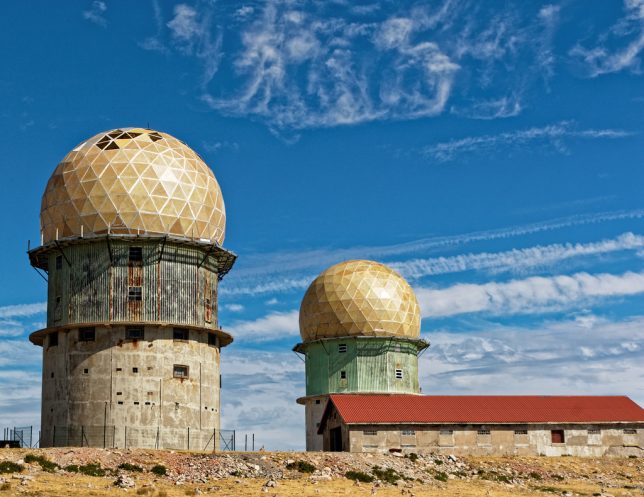

You’ll typically find observatories atop the highest mountains, mainly because there’s less air to see through up there. Smaller countries with smaller mountains do the best they can, as is the case with this abandoned observatory (or old radar station, depending on the source) slowly deteriorating high up on Portugal’s aptly named Serra da Estrela (“Star Mountain Range”).

Case Western University Observatory, Ohio
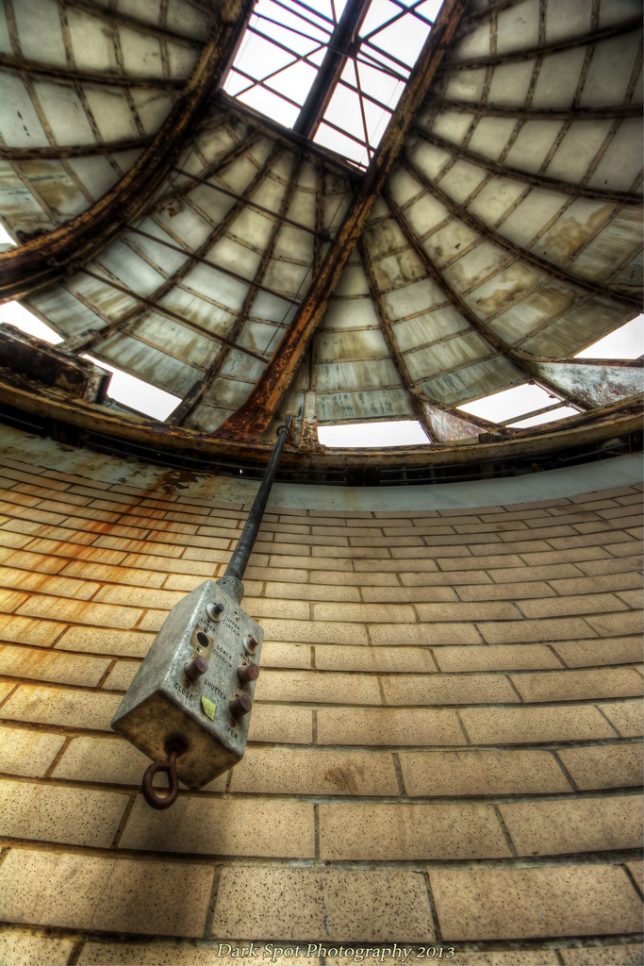
Flickr member David Barnas (Dark Spot Photography) perfectly captures the lonely majesty of abandoned observatories in the above image. This breathtaking photo dates from May of 2013 and offers a unique view of the dome of one of Case Western University’s now-disused observatories.

Lick Observatory, California
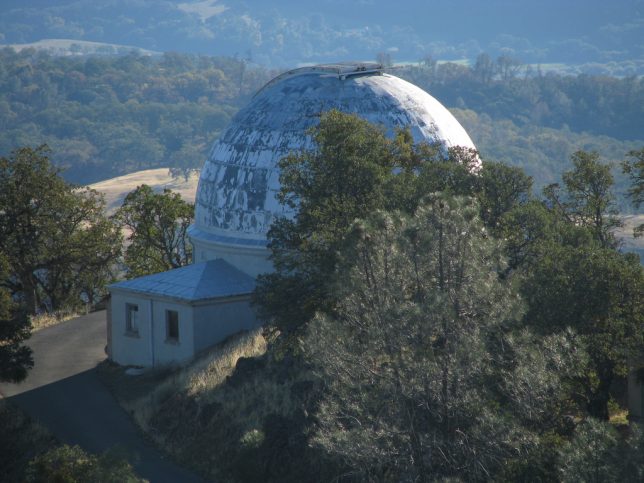
Lick Observatory encompasses a number of telescopes and other related observing tools protected by structural domes of various ages and sizes. With construction atop Mount Hamilton near San Jose, California beginning in 1876, Lick Observatory boasts individual observatories in current use, temporarily closed and outright abandoned pending demolition. Flickr members Kelly The Deluded (kjoyner666) and Panoramio user Nick Sower captured what appears to be the 20-Inch Carnegie Double Astrograph in need of a new paint job – at the very least.

City Observatory, Edinburgh, Scotland
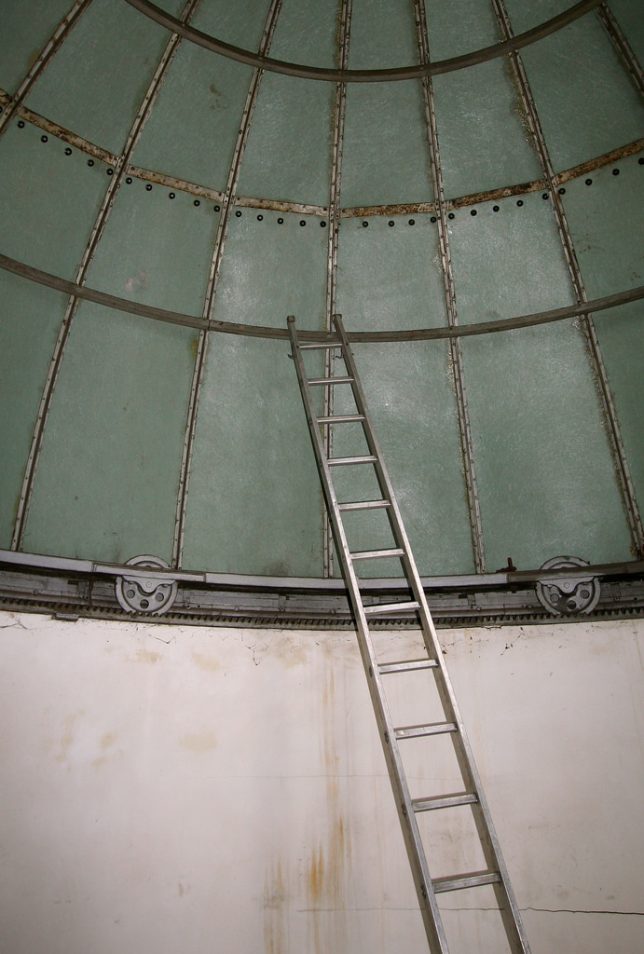
The venerable City Observatory on Calton Hill in Edinburgh, Scotland dates back to 1818 and provided stalwart scientific service for nearly two centuries – the Astronomical Society of Edinburgh moved out of the observatory in 2009. Since then, the buildings have been managed by the City of Edinburgh Council, who restored the interior decor but then rented out the rooms as holiday accommodations. Flickr member Jenni Douglas (photojenni) snapped the interior of one of the observatory’s domes in May of 2007.

Crimea, Ukraine
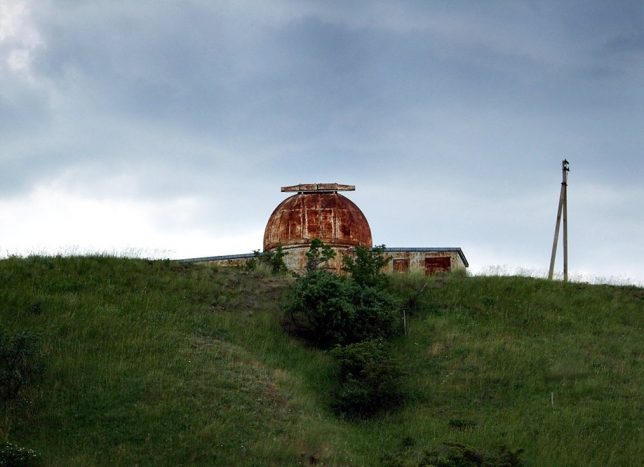
Russia’s hotly-contested annexation of Crimea from the Ukraine was still six years away when Flickr member Max Bashyrov (movaxdx) snapped the above image of “some kind of abandoned observatory.” With all that visible rust, we’ll have to assume it was formerly engaged in observing Mars, the Red Planet.

Next Page – Click Below to Read More:
Star Crossed 10 More Abandoned Observatories

Share on Facebook


[ By Steve in Abandoned Places & Architecture. ]

[ WebUrbanist | Archives | Galleries | Privacy | TOS ]


WebUrbanist

 
Comments Off on Star Crossed: 10 More Abandoned Observatories

Posted in Creativity


Art of Deception: Pencil Drawings Look Like Colorful 3D Splashes of Paint

01 Oct

[ By WebUrbanist in Art & Drawing & Digital. ]

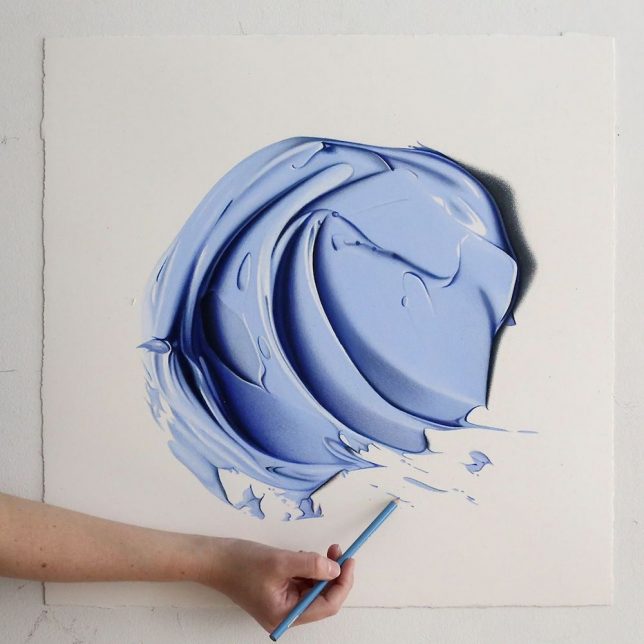
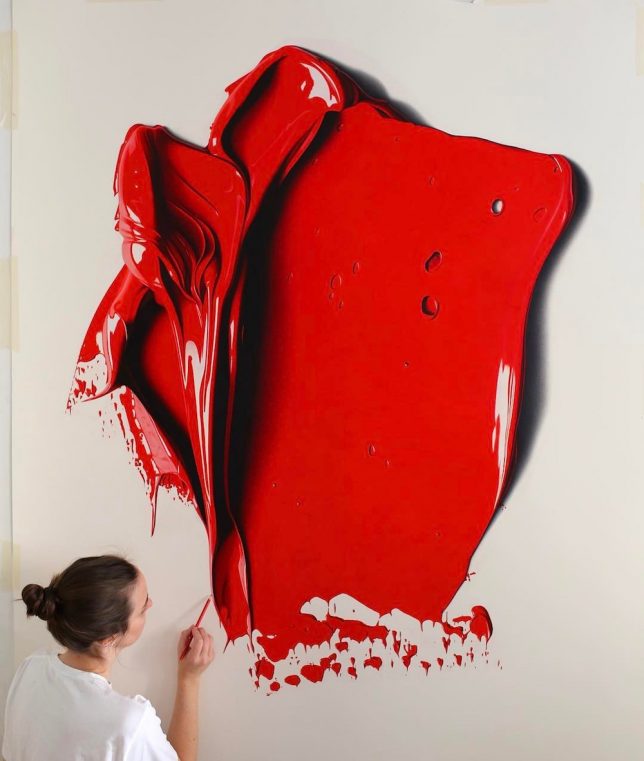
Seeming to rise up off the canvass, a viewer would be impressed to discover these swaths of paint to be two-dimensional in nature, but then further shocked to realize the material isn’t paint at all but pencil.

Australian artist Cj Hendry has an eye for hyper-realism, but in this series: instead of using it to draft convincing landscapes or portraits has turned to emulating oil paint.

Layers of carefully applied pencil slowly add depth and dimension to the flat surface, capturing the lush appearance of semi-liquid paints. The effect is so convincing the artist often includes a hand and pencil in photographs of the work to highlight the fact that what is being seen is both two-dimensional and drawn with pencils.

It is a dramatic shift from previous work by Hendry done in black and white. And going to color didn’t mean just picking one per piece, either — each of these colorful works employs a number of different colors, which is not at all obvious at a glance.

Share on Facebook


[ By WebUrbanist in Art & Drawing & Digital. ]

[ WebUrbanist | Archives | Galleries | Privacy | TOS ]


WebUrbanist

 
Comments Off on Art of Deception: Pencil Drawings Look Like Colorful 3D Splashes of Paint

Posted in Creativity


Spiky Shipping Container Home Blooms Like a Flower in the Joshua Tree Desert

30 Sep

[ By SA Rogers in Architecture & Houses & Residential. ]

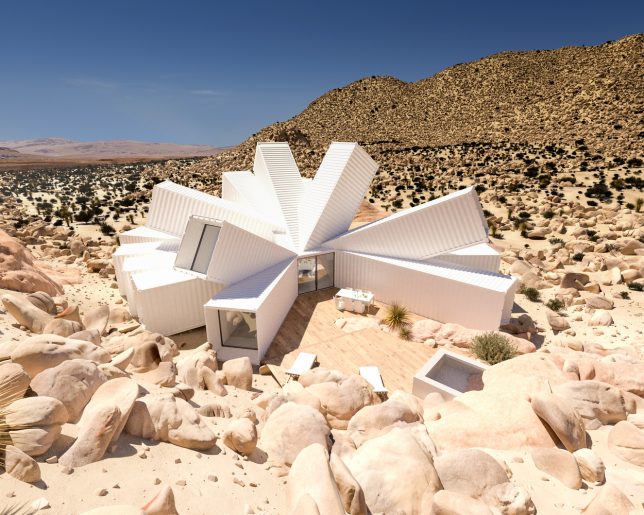
Since shipping containers are made to be stacked, that’s how they’re usually arranged when reclaimed for architectural projects. It just makes sense, right? They fit together in a certain way. But architecture firm Whitaker Studio just smashed that convention in spectacular fashion with one of the most bonkers shipping container projects we’ve ever seen, and the results are as beautiful as they are unusual.

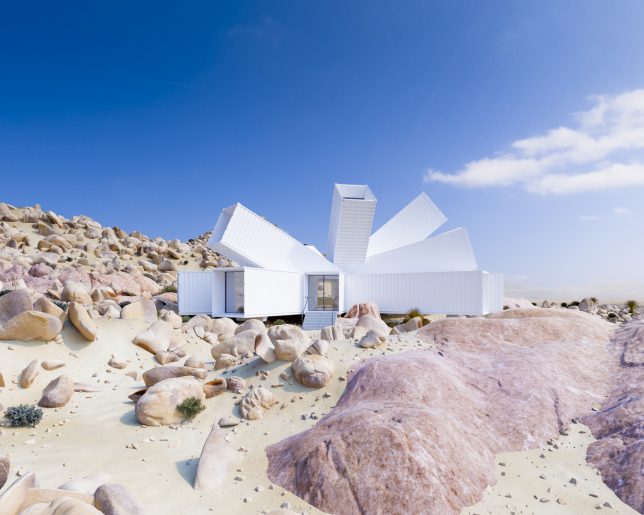
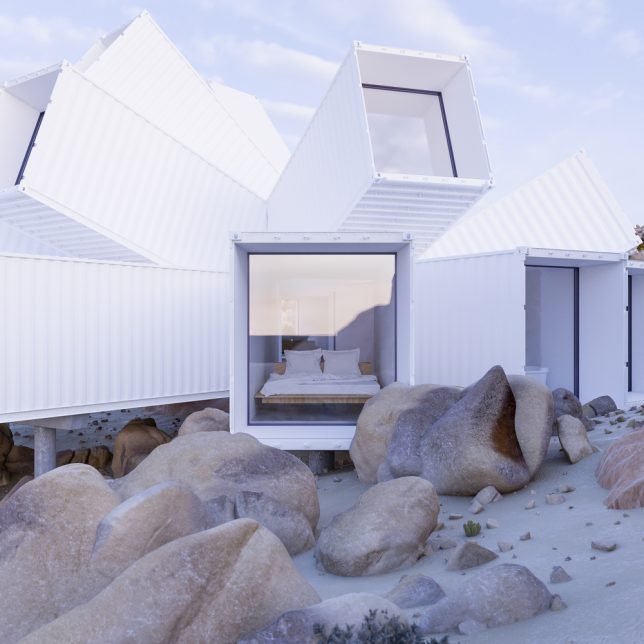
Rising from the rocky Joshua Tree desert in California like a rare flower, this all-white residence is laid out in a starburst shape with several shipping containers pivoted up toward the sky. Each container is capped with glass and oriented to take advantage of a certain view, whether of the sky, the distant mountains, or the adjacent boulders.

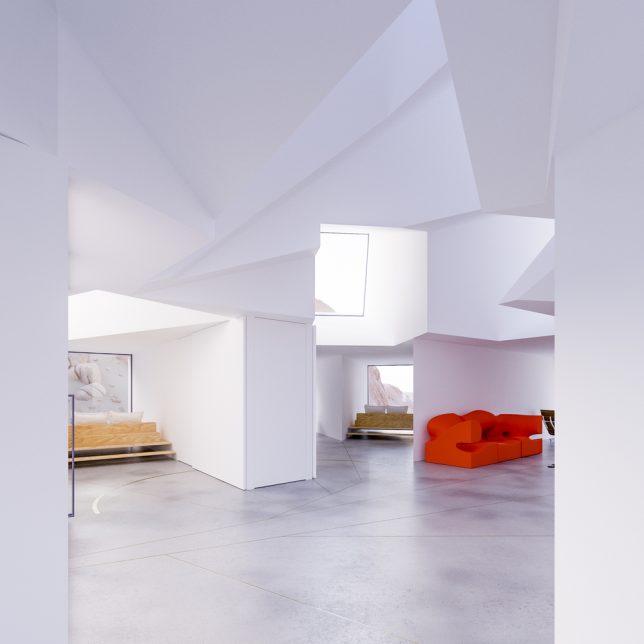
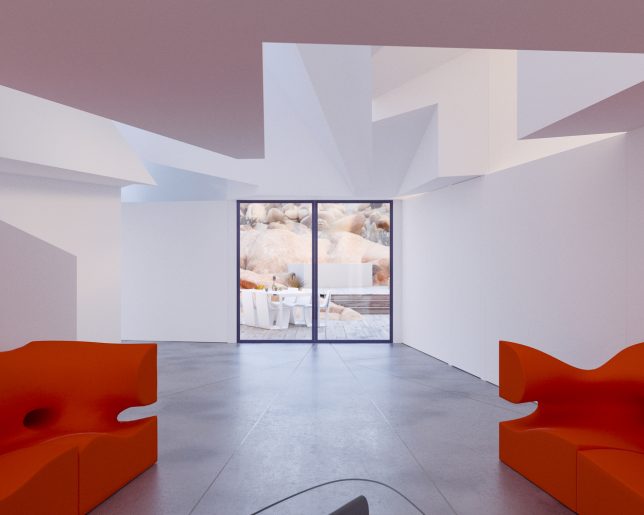
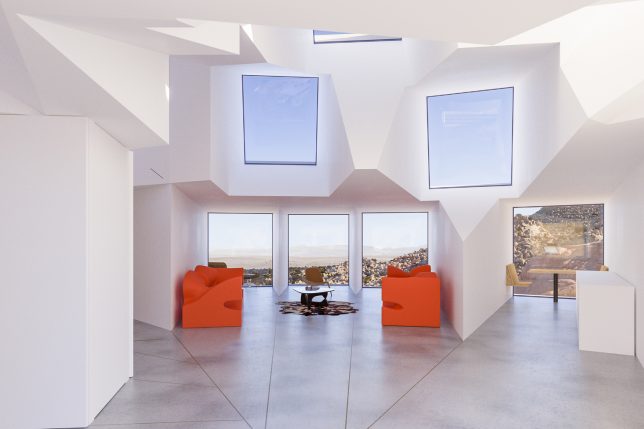
Each individual container either serves as a small room for the interior, or as a giant skylight bringing natural light into the core. Dining tables and beds can be spotted through the glass from outside, wedged into the narrow spaces. In some areas, several containers are combined with their walls removed to create larger rooms. The layout is hard to determine from the exterior, but once you see images of the 2,150-square-foot interior, it makes more sense.

Though these renderings are pretty convincing, construction on the Joshua Tree residence is not set to start until 2018 on a 90-acre plot owned by a film producer. Architect and studio founder James Whitaker told ArchDaily that the client and his friends were visiting the plot of land, imagining what should be placed there, when someone pulled out their laptop and showed the group an image of a structure he’d designed several years prior, but that had never been built.

The containers are arranged to fit within the topography of the site, angled wider in some areas to accommodate the hills and rocks, creating sheltered outdoor areas for decks and hot tubs. The site is set on a natural gully created by stormwater, so the containers are raised off the ground, allowing water to pass underneath.

Share on Facebook


[ By SA Rogers in Architecture & Houses & Residential. ]

[ WebUrbanist | Archives | Galleries | Privacy | TOS ]


WebUrbanist

 
Comments Off on Spiky Shipping Container Home Blooms Like a Flower in the Joshua Tree Desert

Posted in Creativity


Elegant Energy-Free Air Conditioner Can Drop Temperatures by 26 Degrees

29 Sep

[ By WebUrbanist in Design & Fixtures & Interiors. ]

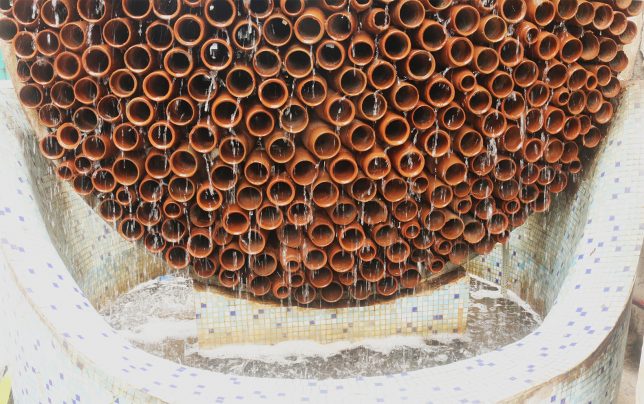
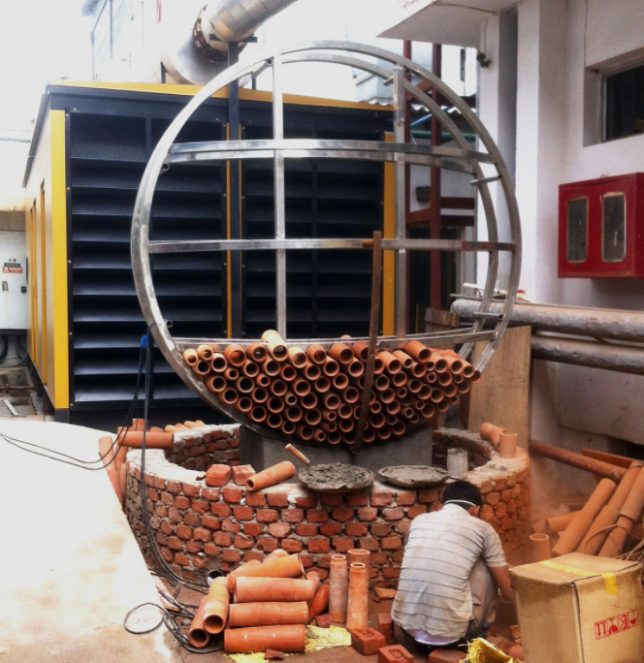
At a glance, the honeycomb structure of terracotta tubes looks more like large-scale work of handmade sculpture than a highly designed air conditioner. Developed for an electronics factory in New Delhi, this evaporative cooling device requires no power to lower interior temperatures by as much as 26 degrees Fahrenheit.

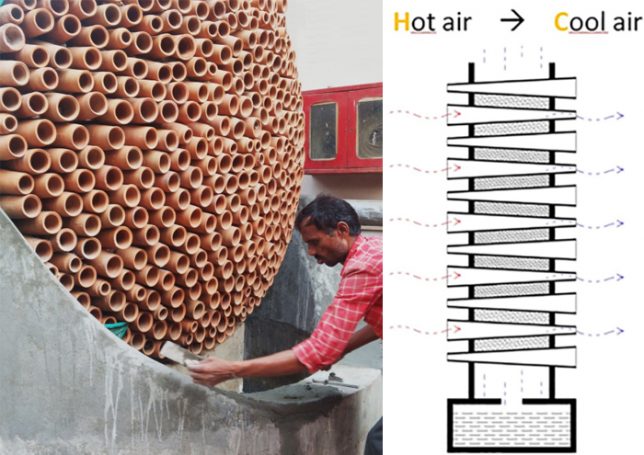
Designed by Ant Studio for DEKI Electronics in New Delhi, the low-tech strategy taps into a long history of passive cooling systems that employ water rather than power. Water passing through the clay pipes and falling into the basin below looks and sounds soothing, but it also lower air temperatures as it evaporates.

The appearance of the system is also deceptively simple, looking like a hand-crafted work rather than something developed through advanced computational analysis and modern calibration techniques. The effect is astonishing: temperatures of 122 degrees can be brought down as low 96 degrees (perhaps not room temperature comfortable for everyone, but still a remarkable drop).

The tubes are porous, absorbing water that slowly evaporates. Monish Siripurapu, founder of Ant Studio, says this project has “opened up a lot more possibilities … we can integrate this technique with forms that could redefine the way we look at cooling systems, a necessary yet ignored component of a building’s functionality. Every installation could be treated as an art piece,” he believes.

Share on Facebook


[ By WebUrbanist in Design & Fixtures & Interiors. ]

[ WebUrbanist | Archives | Galleries | Privacy | TOS ]


WebUrbanist

 
Comments Off on Elegant Energy-Free Air Conditioner Can Drop Temperatures by 26 Degrees

Posted in Creativity


Starchitect Spotlight: 9 Wooden Wonders by Kengo Kuma & Associates

28 Sep

[ By SA Rogers in Architecture & Public & Institutional. ]

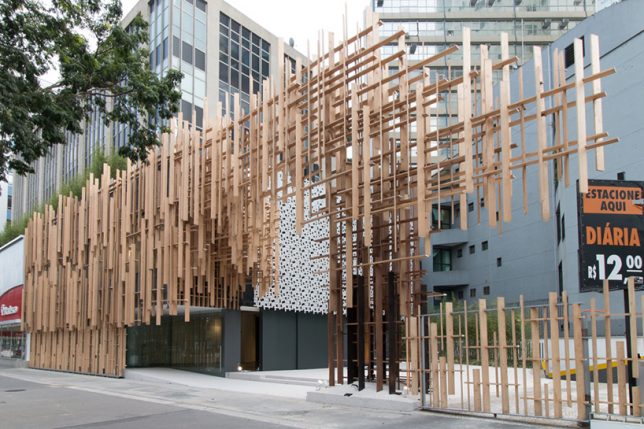
Acclaimed Japanese architect Kengo Kuma brings traditional Japanese building techniques and aesthetics into the 21st century with dynamic structures making creative use of wooden elements. Known for his gridded installations and unusual ways of stacking and assembling small pieces of wood, the architect often works with joinery techniques that negate the need for any metal fasteners.

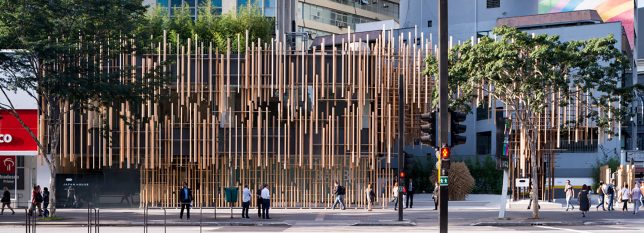
Japan House in São Paulo, Brazil

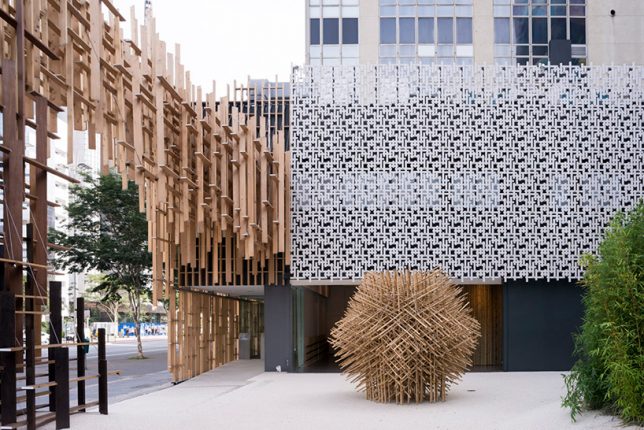
Three iterations of the ‘Japan House,’ an outreach initiative by the Japanese government aiming to nurture a deeper understanding and appreciation of Japan in international communities, are planned for São Paulo, Los Angeles and London, respectively. Kengo Kuma recently completed the first one in Brazil, creating a tranquil and hospitable space within the bustling metropolis with one of his signature facades, this one made of cypress.

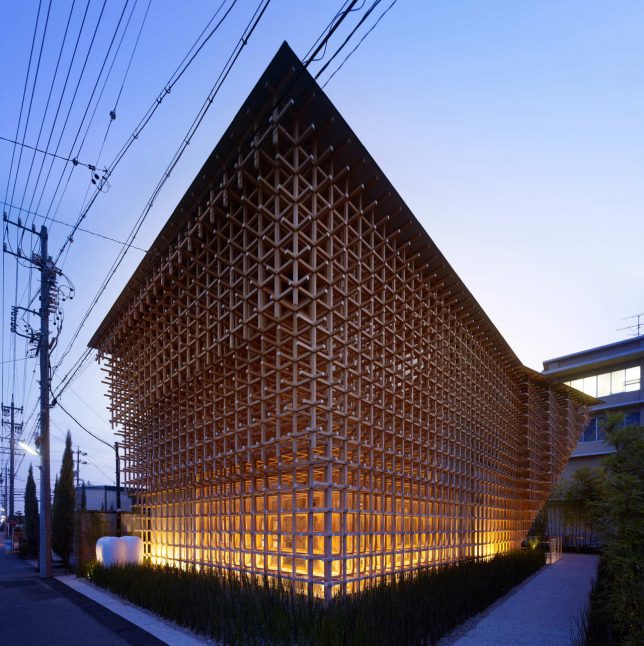
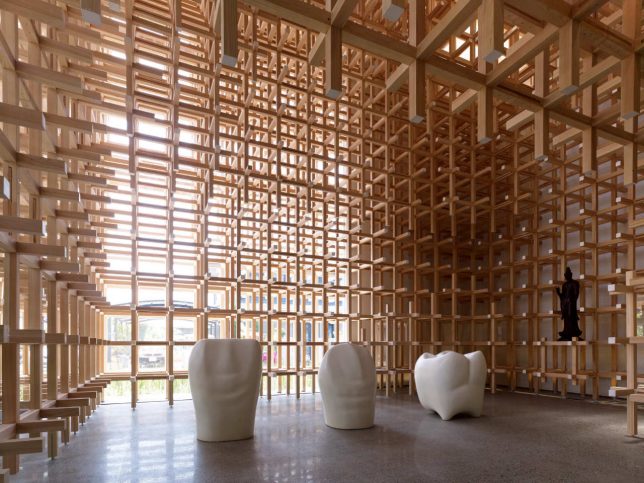
GC Prostho Museum Research Center

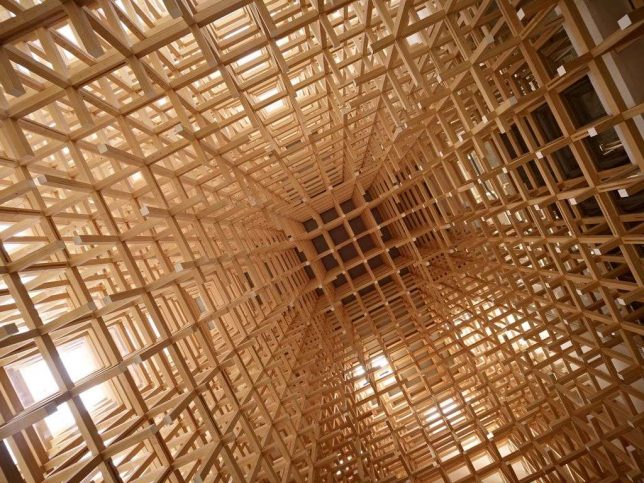
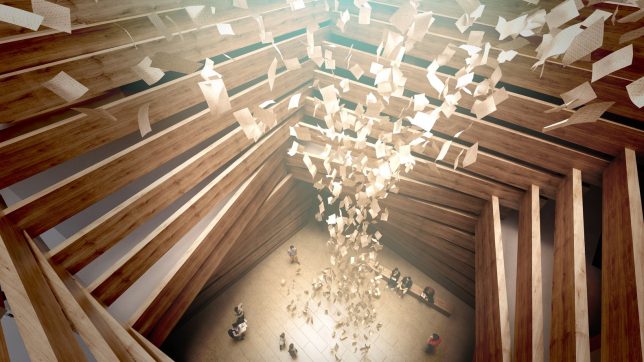
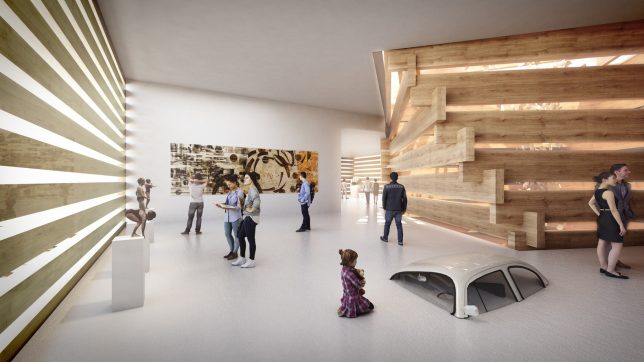
An old Japanese toy called ‘Cidori’ consists of an assembly of wooden sticks with unusual joints that allow you to expand and contract the toy by twisting the sticks; no nails or other metal fasteners are necessary to hold it together. Kuma translates this concept to architecture with the GC Prostho Museum Research Center in Japan’s Aichi Prefecture. “Jun Sao, the structural engineer for the project, conducted a compressive and flexure test to check the strength of this system, and verified that even the device of a toy could be adapted to ‘big’ buildings,” says Kuma. “This architecture shows the possibility of creating a universe by combining small units like toys with your own hands. We worked on the project in the hope that the era of machine-made architectures would be over, and human beings would build again by themselves.”

One @ Tokyo

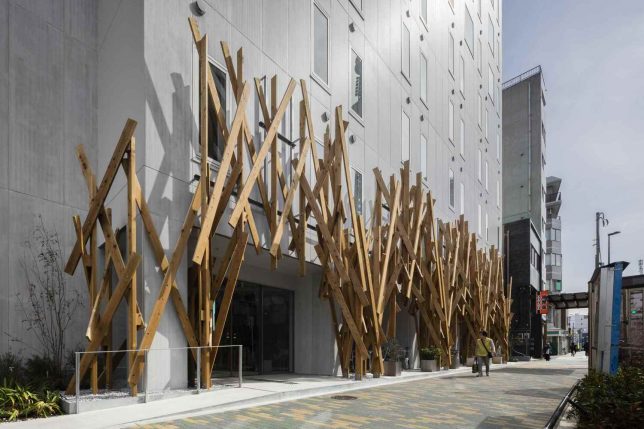
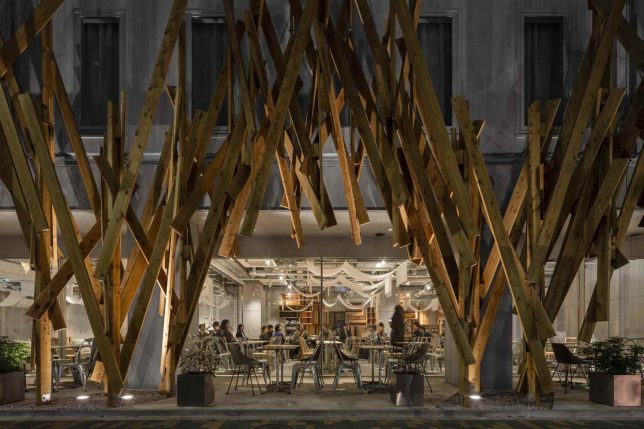
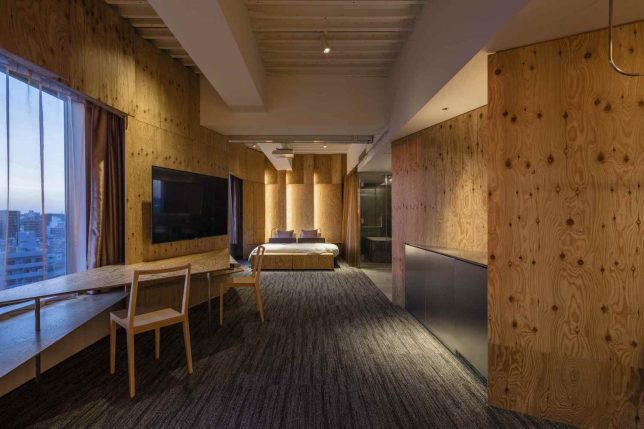
A facade of criss-crossed wooden beams gives the extruded cement panels on the front of the ONE@Tokyo hotel a more dynamic appearance. The architect wanted to “recall the rather rough but still approachable quality of this area,” which has historically been an industrial neighborhood full of small factories, but the beams also suggest abstracted tree branches as if to create a forest in a highly urbanized area.

Stacked Timber Museum

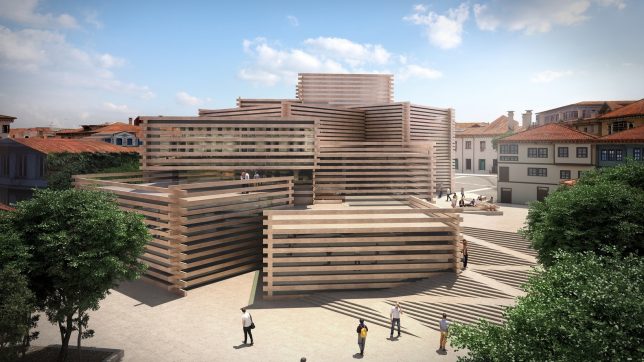
Stacked volumes clad in oversized wooden screens call to mind the childhood toy Lincoln Logs at the Odunpazari Modern Art Museum in Turkey. Kuma takes inspiration from the scale of traditional Ottoman wooden houses, and references the fact that the neighborhood is known as Odunpazari, which translates to ‘wood market’ in Turkish.

Towada Community Plaza

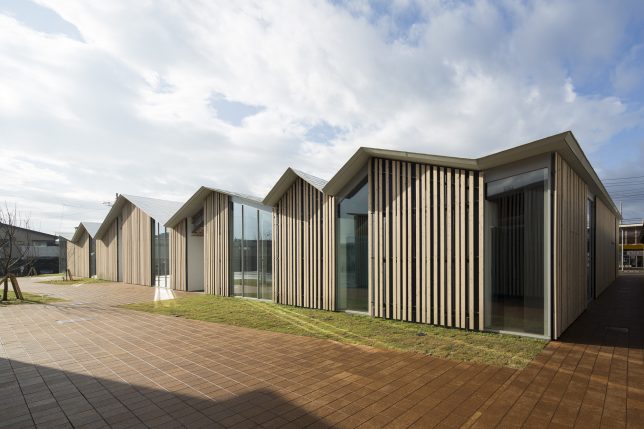
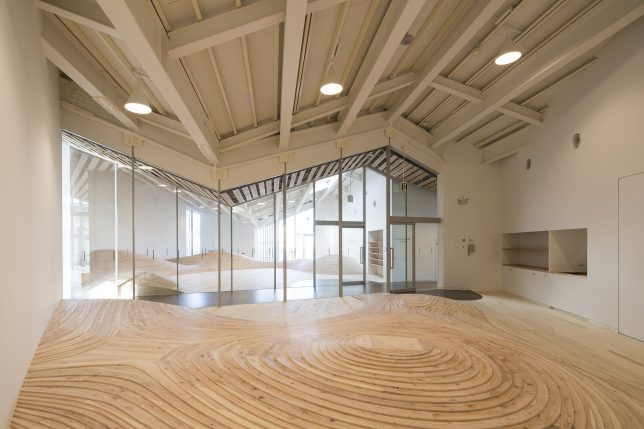
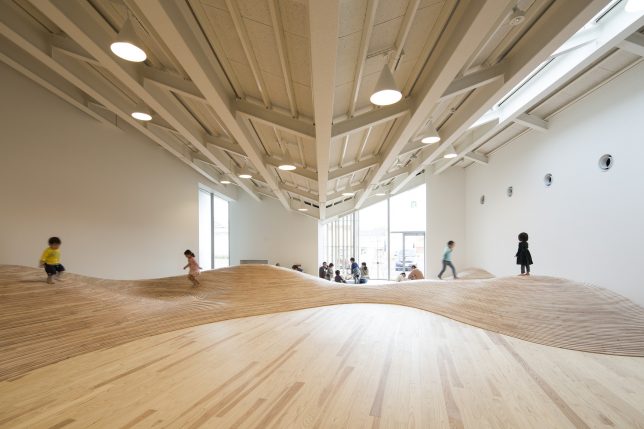
The series of gables in staggered sizes and angles seen on the exterior of the Towada Community Plaza aims to echo the rooflines of houses in the residential area surrounding it, helping it to blend seamlessly into the neighborhood. Wainscot panels are applied to the facade with spaces in between to add some warmth to the glass walls, and screen sunlight. Inside, undulating wooden floors made of cut and stacked plywood create a topographical playscape.

Next Page – Click Below to Read More:
Starchitect Spotlight 9 Wooden Wonders By Kengo Kuma Associates

Share on Facebook


[ By SA Rogers in Architecture & Public & Institutional. ]

[ WebUrbanist | Archives | Galleries | Privacy | TOS ]


WebUrbanist

 
Comments Off on Starchitect Spotlight: 9 Wooden Wonders by Kengo Kuma & Associates

Posted in Creativity


Blooms: Hypnotizing 3D Printed Sculptures Come Alive Under Strobe Lights

28 Sep

[ By SA Rogers in Art & Sculpture & Craft. ]

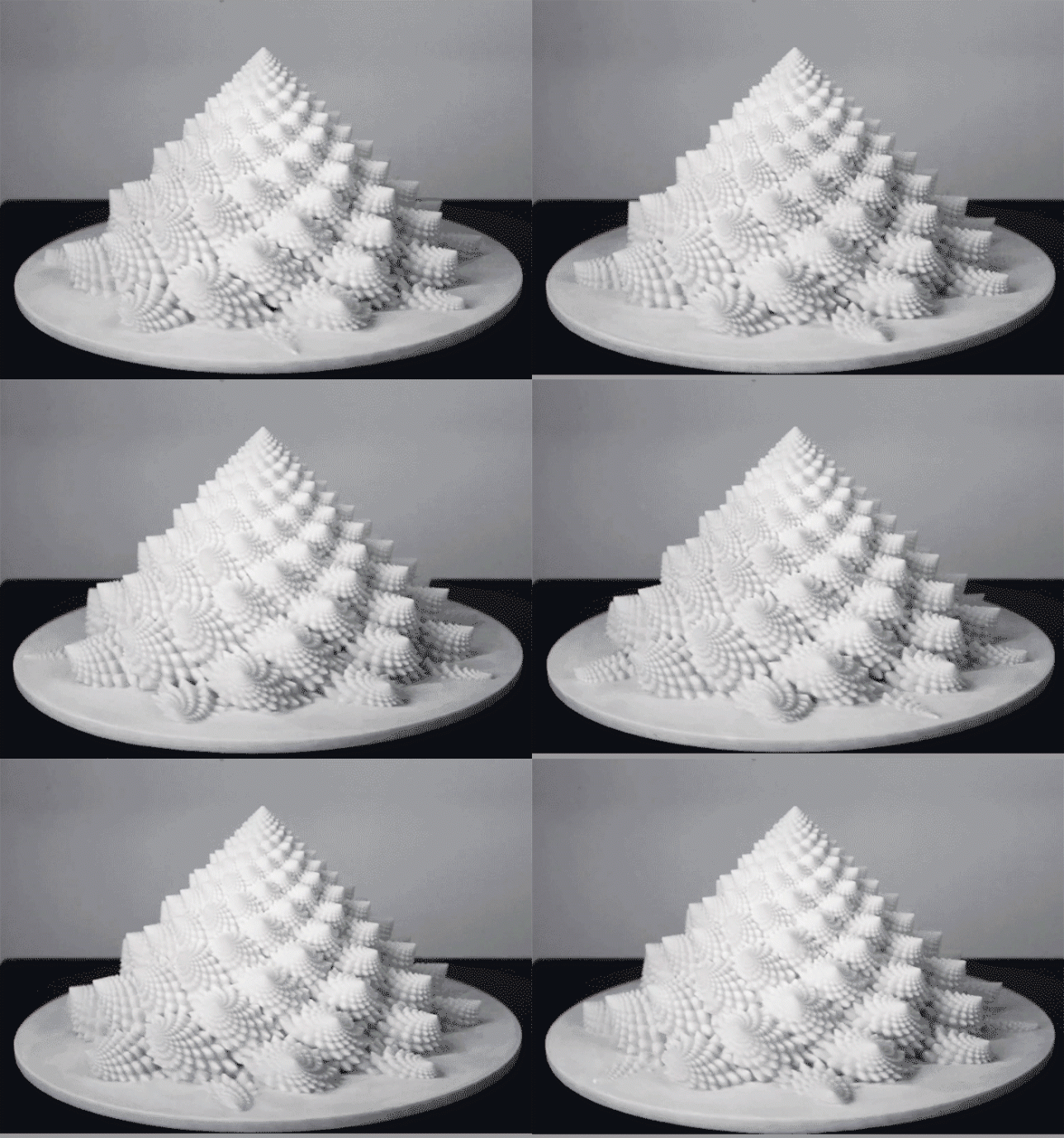
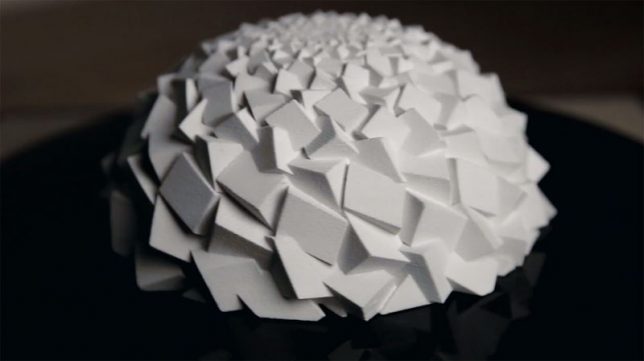
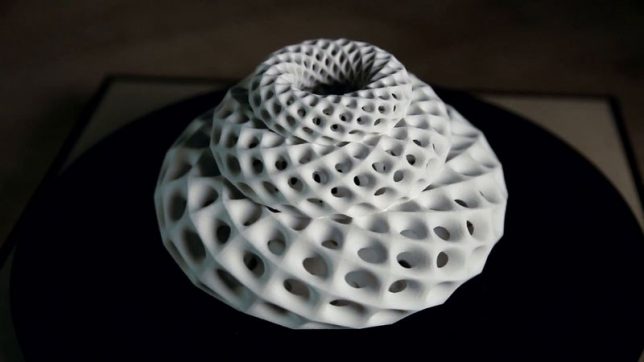
It’s really easy to lose a chunk of your day getting lost in the hypnotizing effects of these trippy 3D-printed sculpture animations by artist John Edmark. Drawing from spiral patterns and numerical sequences often found in natural objects like pine cones, cacti, sunflowers and seashells, the objects seem to shift and change before your eyes when spun under a strobe light. Watching the videos of the sculptures in motion, it’s hard to believe these aren’t digital animations.

“Unlike a 3D zoetrope, which animates a sequence of small changes to objects, a bloom animates as a single self-contained sculpture,” says Edmark. “The bloom’s animation effect is achieved by progressive rotations of the golden ratio, phi, the same ratio that nature employed to generate the spiral patterns we see in pinecones and sunflowers. The rotational speed and strobe rate of the bloom are synchronized so that one flash occurs every time the bloom turns 137.5 degrees (the angular version of phi.) Each bloom’s particular form and behavior is determined by a unique parametric seed I call a phi-nome.”

The artist explains that much of his work celebrates the patterns underlying space and growth, explored through kinetic sculptures and transformable objects. Highly precise mathematics come into play in both the design and fabrication of each object, more to ask questions about spatial relationships that can only be answered with geometrically exacting constructions than to put that precision on display or “exalt the latest technology.”

It’s a cool way to utilize 3D-printed objects, though, and if you want to play with the effect yourself, you can even purchase the individual shapes from Edmark via Shapeways. He offers a tutorial to repeat the results at Instructables.

Share on Facebook


[ By SA Rogers in Art & Sculpture & Craft. ]

[ WebUrbanist | Archives | Galleries | Privacy | TOS ]


WebUrbanist

 
Comments Off on Blooms: Hypnotizing 3D Printed Sculptures Come Alive Under Strobe Lights

Posted in Creativity


Prefab Plyscraper: World’s Tallest Timber Building Tops Out at 173 Feet

27 Sep

[ By WebUrbanist in Architecture & Public & Institutional. ]

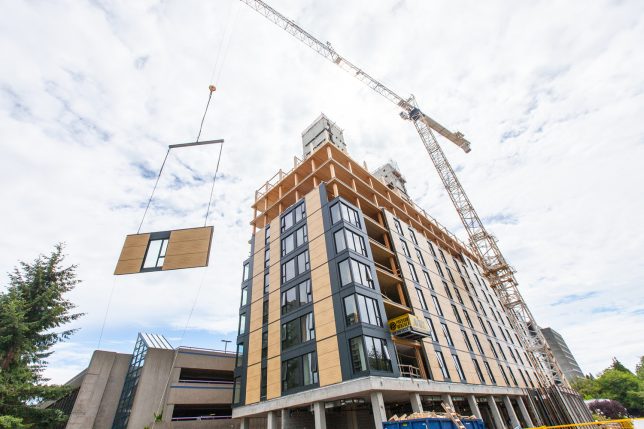
On the University of British Columbia’s campus in Vancouver, a new record-setting wood structures highlights the many advantages of a growing trend: vertical timber construction. Brock Commons Tallwood house is the highest of its kind to date, providing housing for over 400 students.

The Canadian firm behind its construction, Acton Ostry Architects Inc, says that using wood allowed for a much faster building process. Offsite testing of wood-to-wood connections and structural stability meant less time onsite spent figuring things out. Combined with prefabrication techniques, these approaches helped the builders finish the tower in just 70 days.

In addition to cost and time savings, wooden structures like this one are lighter weight, requiring less energy input during construction while also making them more flexible and resistant to earthquakes.

Sustainable forestry also enables them to sequester carbon while using a renewable resource — wood buildings like this open the door to carbon-neutral or even carbon-negative projects. Use of glue-laminated beams and columns also allows thinner trees and offcuts to be used in the construction process, reducing waste and growth time for harvested plants.

Some concrete was still required for the elevator cores, metal was needed for connections, and windows, of course, required glass. Still, compared to steel-framed structures, the amount of these materials used was dramatically reduced. And this project is not alone — around the world, forward-thinking architects and developers are beginning to realize that wood is a useful material for building tall.

Share on Facebook


[ By WebUrbanist in Architecture & Public & Institutional. ]

[ WebUrbanist | Archives | Galleries | Privacy | TOS ]


WebUrbanist

 
Comments Off on Prefab Plyscraper: World’s Tallest Timber Building Tops Out at 173 Feet

Posted in Creativity


SYMBIOZ: Renault’s Autonomous Car Integrates Into a Matching Residence

26 Sep

[ By SA Rogers in Technology & Vehicles & Mods. ]

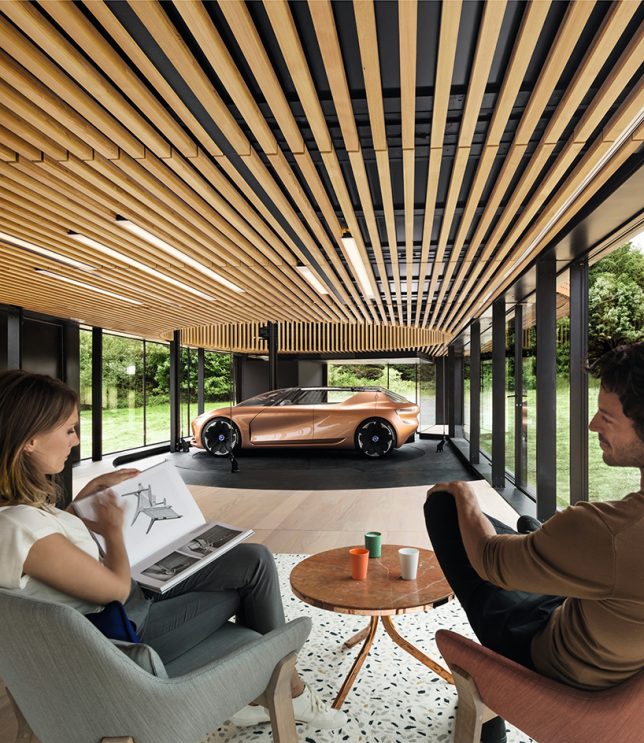
In the future, will our autonomous vehicles simply sit within our homes like a part of the living space, eliminating the need for garages and parking spots? Probably not. At least, not for most of us. Concepts like the new SYMBIOZ car and house combo are clearly made for the richest among us, and it’s not likely that most existing housing will be retrofitted to accommodate our driverless cars, especially since many people will likely use car services instead of owning their own vehicles. But Renault’s concept shows off one vision of how some of us might integrate autonomous cars into our lives in the decades to come.

“The way we use our cars is changing,” says Thierry Bolloré, Renault’s executive vice president and chief competitive officer. “Already a car is more than just a way to get from one place to another. It’s becoming an interactive and personalized space that connects passengers to other cars, people and objects around them. Looking to 2030 we imagine new scenarios with more efficient energy use, connectivity and autonomous driving scenarios that will improve how we live and travel.”

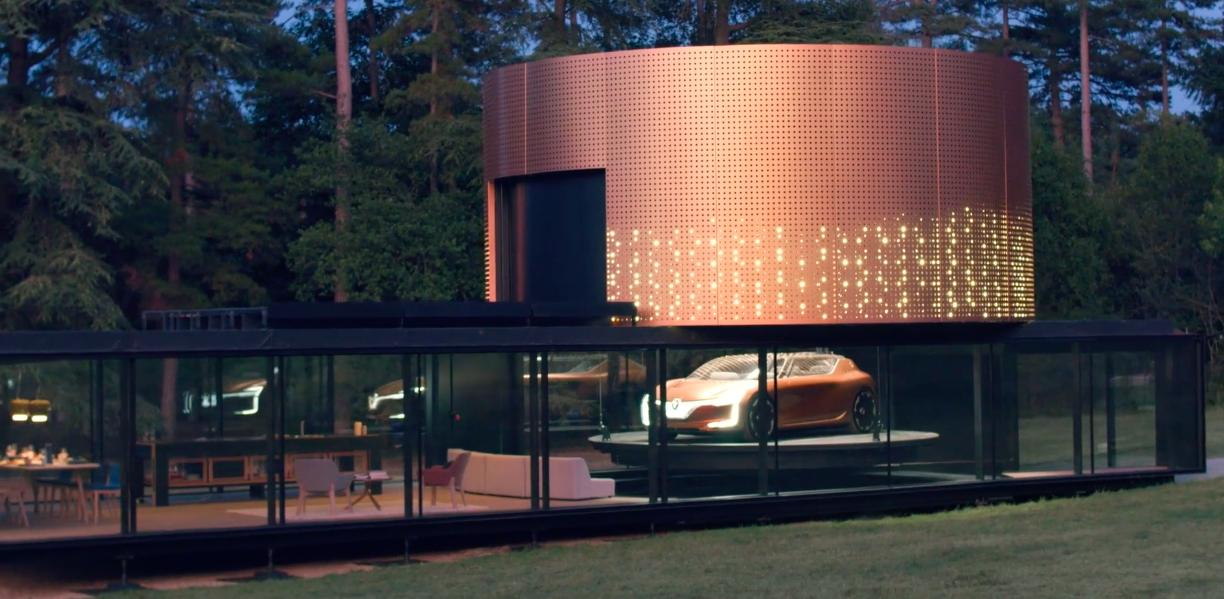
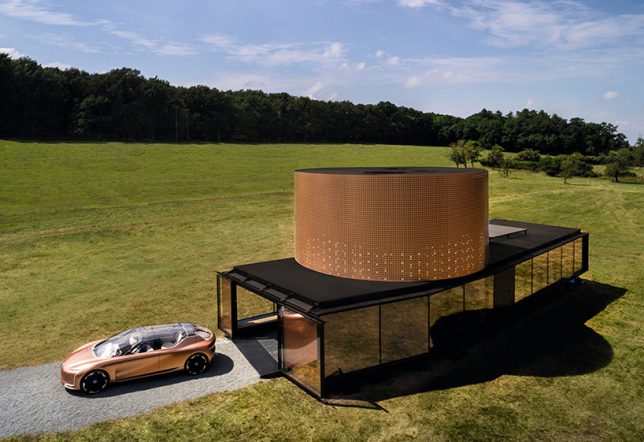
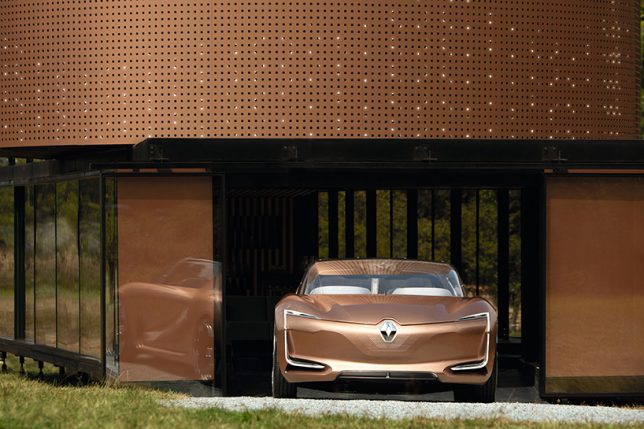
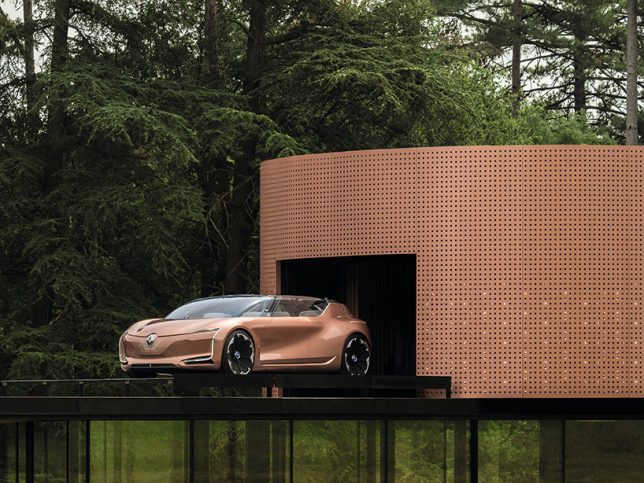
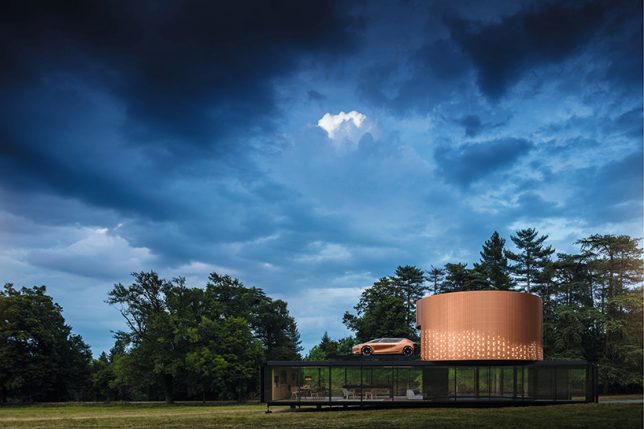
Presented at the 2017 Frankfurt Motor Show, the SYMBIOZ concept envisions the emissions-free,  all-electric car as a room within a room, entering the home to offer additional seating and make the transition between home and travel more comfortable. It’s easy to move objects and children back and forth between the home and the car, and once the car is brought inside, it starts to charge from the home’s energy systems automatically. The car can even act as an energy generator in case the power goes out.

Clean energy means the car won’t bring in nasty exhaust fumes. The car-home combo shows it parking on a special circular pad that can be raised up to the second level on demand, freeing up space below and keeping the vehicle secure. Inside the vehicle, you’ll find a retractible dashboard and front seats that pivot to the back to enable easy conversation between passengers. What do you think – would you take advantage of technology like this, if it were accessible to you?

Share on Facebook


[ By SA Rogers in Technology & Vehicles & Mods. ]

[ WebUrbanist | Archives | Galleries | Privacy | TOS ]


WebUrbanist

 
Comments Off on SYMBIOZ: Renault’s Autonomous Car Integrates Into a Matching Residence

Posted in Creativity


Lush Life: 12 Verdant Architecture Projects Making Plants a Main Priority

26 Sep

[ By SA Rogers in Architecture & Houses & Residential. ]

Not all architecture incorporating lots of living greenery is doomed to remain an unrealistic rendering, depicting buildings that can’t structurally support the weight of all the soil and water needed to keep full-sized trees alive. Architect Thomas Heatherwick built ultra-strong concrete pillars into his 1000 Trees design, for example. Other buildings take a subtler approach, choosing ivy, potted plants or existing trees rooted in the ground. All of these projects attempt to meld urban architecture with lush gardens in the hopes of cleansing the air, storing CO2 to mitigate climate change and providing enhanced access to green spaces in cities.

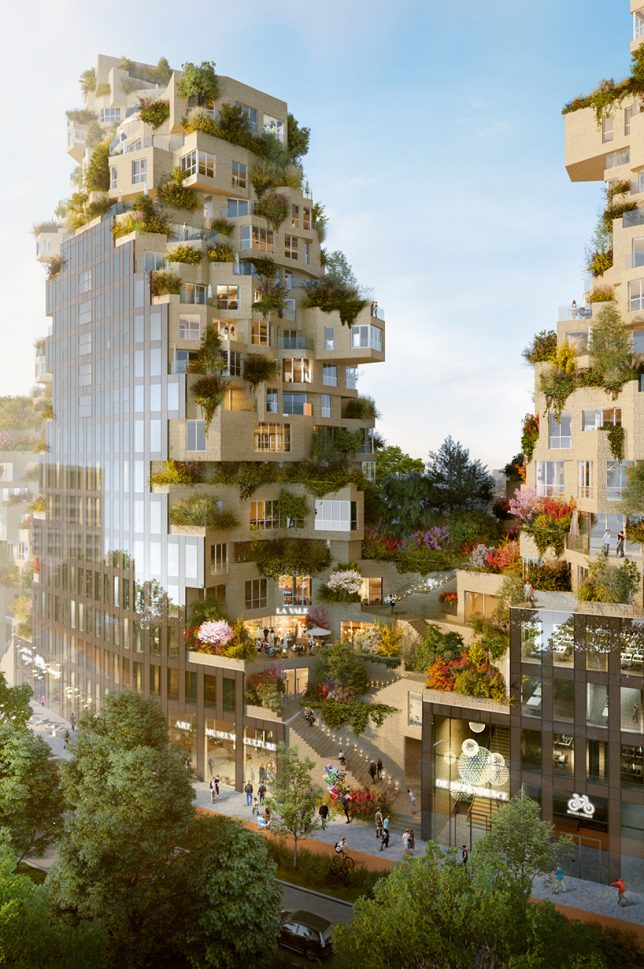
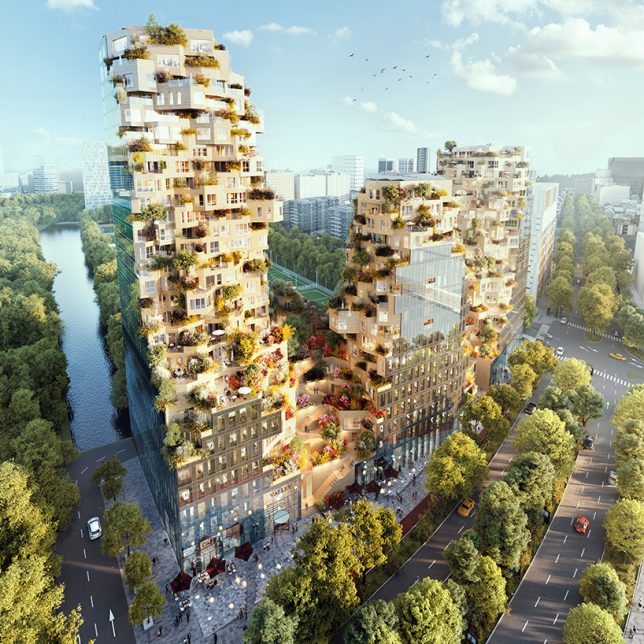
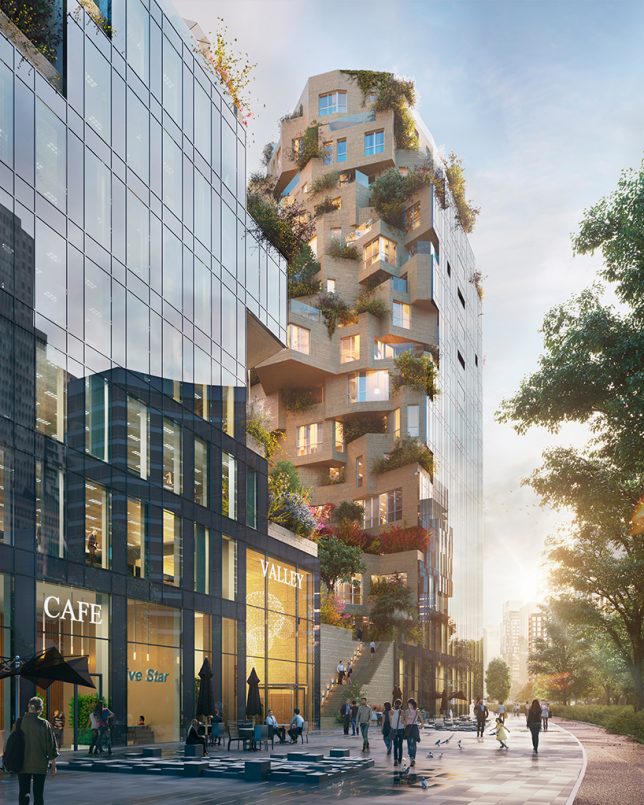
Valley: Green-Terraced Towers by MVRDV in Amsterdam, The Netherlands

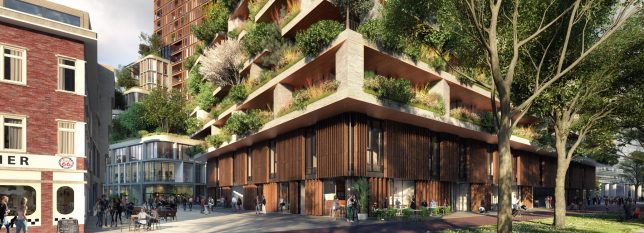
Construction began in August 2017 on MVRDV’s ambitious ‘Valley,’ a mixed-use complex of green-terraced towers in Amsterdam’s central business district. ‘Valley’ is notable not only for its unusual offset stacking of volumes , creating an irregular shape, but also for all the greenery it supports. The towers include 196 apartments, 7 stories of offices, shops, restaurants, cultural facilities and a three-story parking lot.

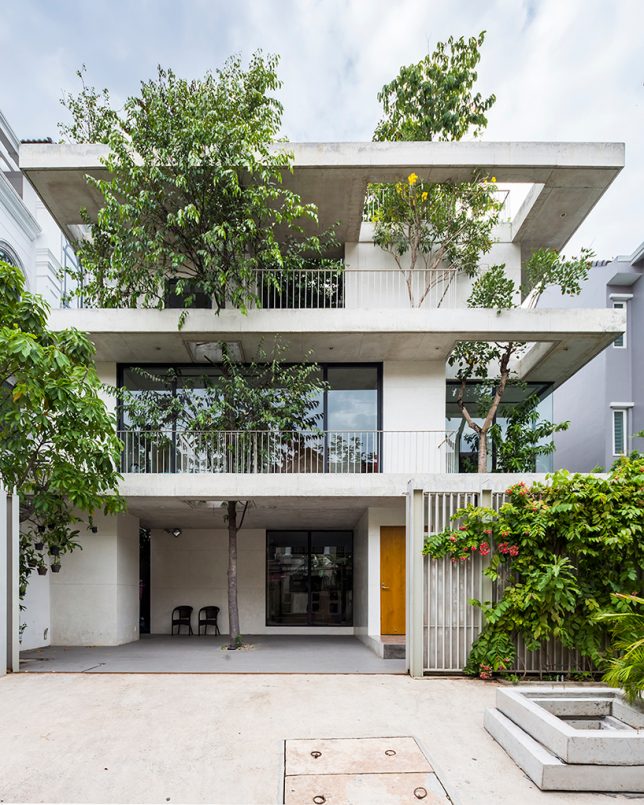
House for Trees by VTN Architects in Ho Chi Minh, Vietnam

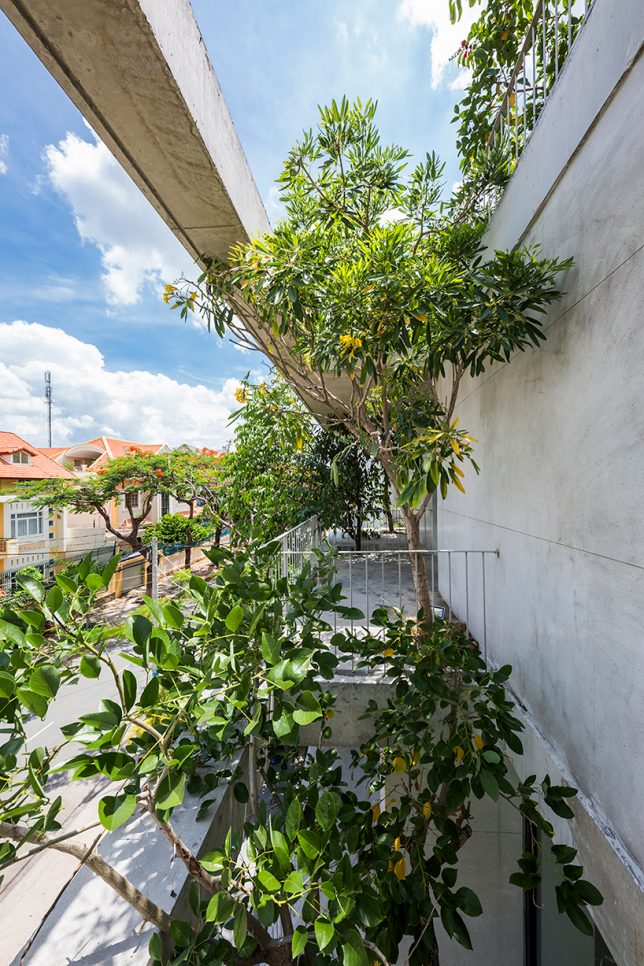
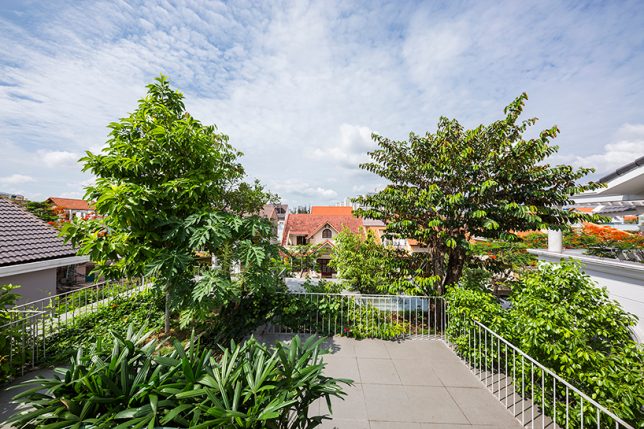
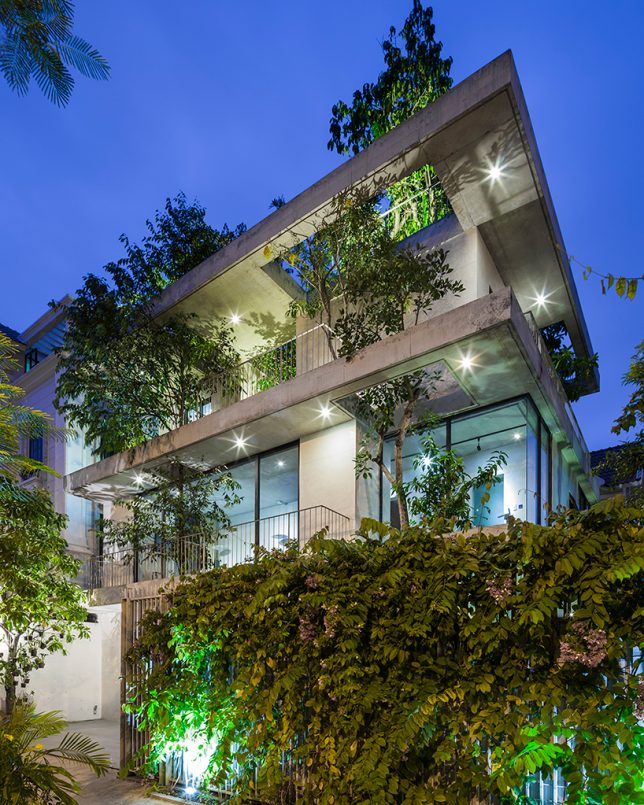
VTN Architects approached ‘House for Trees’ as a way to alleviate the lack of access to green spaces as well as poor air quality found in big cities like Ho Chi Minh. This residential project incorporates trees into its design, envisioned by the firm as a “small park in a dense neighborhood.” The trees are set into deep planter boxes disguised among the concrete volumes of the house, with cut-outs allowing their crowns to rise as high as they like.

Nautilus Eco Resort by Vincent Callebaut in the Philippines

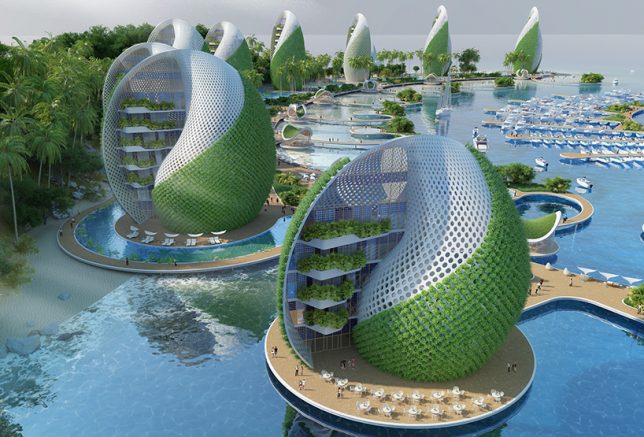
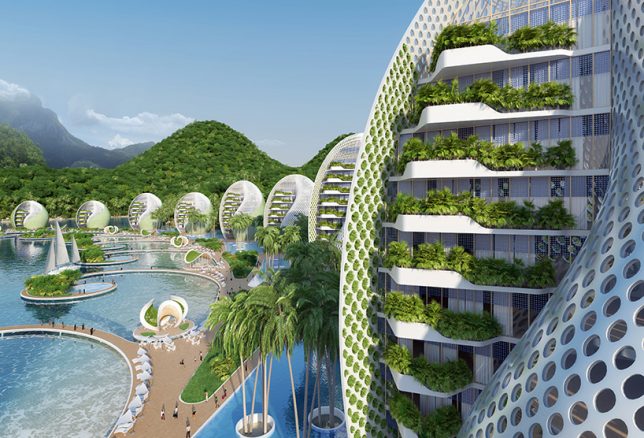
The Nautilus Eco Resort by Vincent Callebaut is designed as a ‘zero emissions, zero waste, zero poverty’ development for the Philippines in response to environmental and social problems in the country, like overfishing, pollution and mass tourism. The project would be built from reused or recycled materials, self-sufficient in producing its own energy and food, and engage volunteer ecotourists in cleaning up plastic waste that washes up onto the area’s beaches. It consists of a series of shell-shaped hotels and apartment towers spiraling around a central island housing a nautical center and scientific research laboratories. The plant walls cool the buildings as they grow food.

Amata + Triptyque Timber Building in São Paulo, Brazil

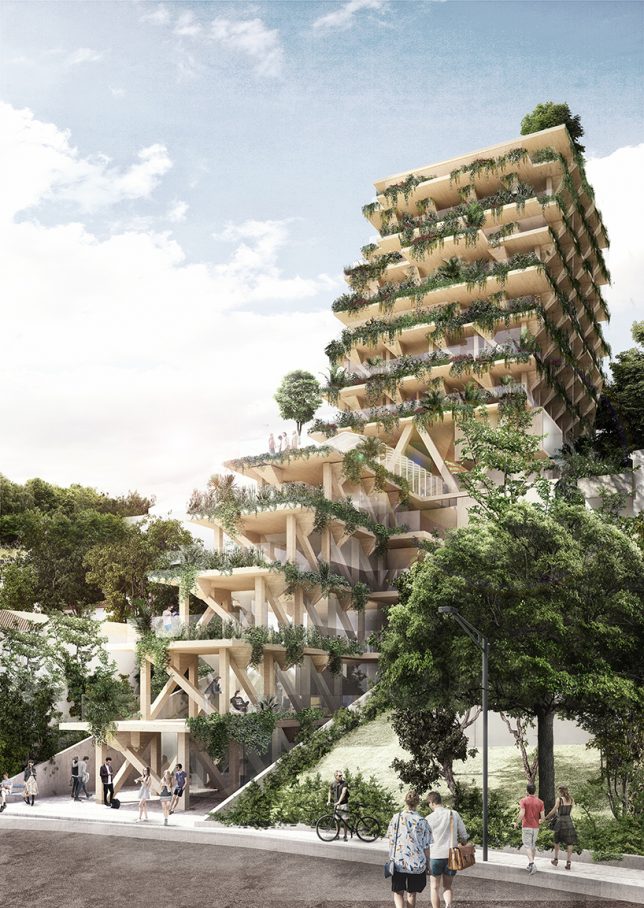
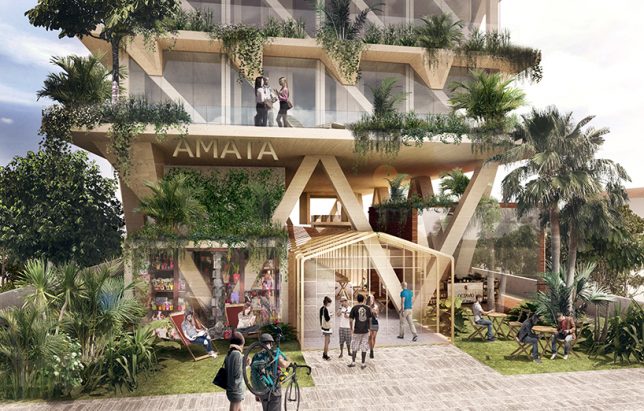
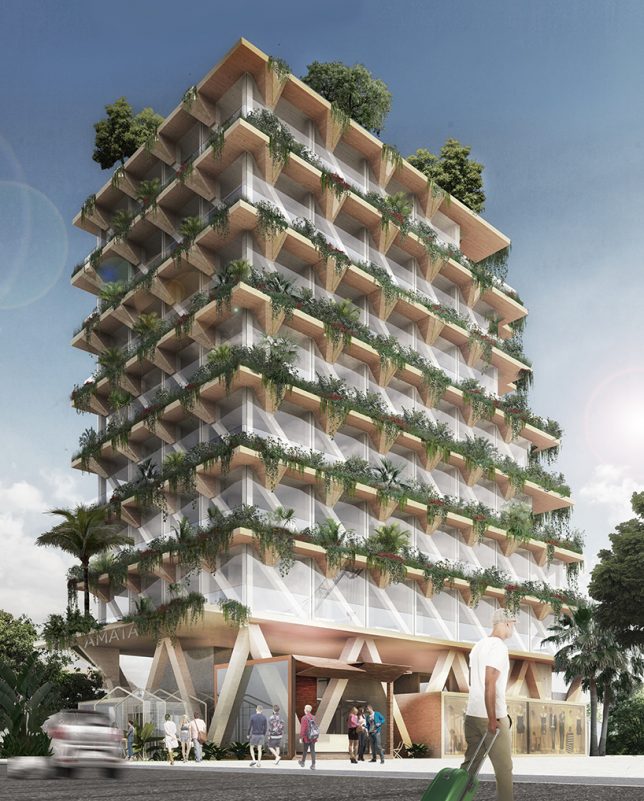
Constructed entirely from Brazilian timber, this building is a collaboration between architecture studio Triptyque and forest management company Amata. The building aims to be a giant carbon sink, contributing towards the fight against climate change. Each square meter of wood is capable of absorbing a metric ton of carbon dioxide from the environment. The 13-story building contains co-working, co-living and dining spaces, the edges of its terraces dripping with living plants.

Next Page – Click Below to Read More:
Lush Life 12 Verdant Architecture Projects Making Plants A Main Priority

Share on Facebook


[ By SA Rogers in Architecture & Houses & Residential. ]

[ WebUrbanist | Archives | Galleries | Privacy | TOS ]


WebUrbanist

 
Comments Off on Lush Life: 12 Verdant Architecture Projects Making Plants a Main Priority

Posted in Creativity


Bar The Rays: 15 Closed & Abandoned Tanning Salons

24 Sep

[ By Steve in Abandoned Places & Architecture. ]

These closed and abandoned tanning salons, spas and studios made hay while the sun didn’t shine but sooner or later they (and their clients) felt the burn.

“Sun-Tan-Drews” may not have been the sunniest tanning salon in St Andrews, Scotland but it was by far the punniest. Note the “W” on the lettered sign had fallen off sometime in the past and was replaced by a slightly smaller version. Kudos to Flickr members Ian Macdonald (Ghiribizzo) and Jonathan Baldwin (artistry), and Panoramio member Richie W, all of whom captured the recently shuttered pun-tastic tanning salon in early 2007.

Smokeless

The sign on the door of this closed Bristol, England tanning salon states smoking inside is prohibited, assuring potential customers they won’t be burnt to a crisp for the sake of fashion. Another sign, hand-written this time, notes the business has moved to newer and more northerly digs. Shame they didn’t take the alluring window stickers with them when they moved. Flickr member Steve (Steve Lewis2009) snapped the abandoned Wells Road spa in May of 2010.

The Sun Isn’t There

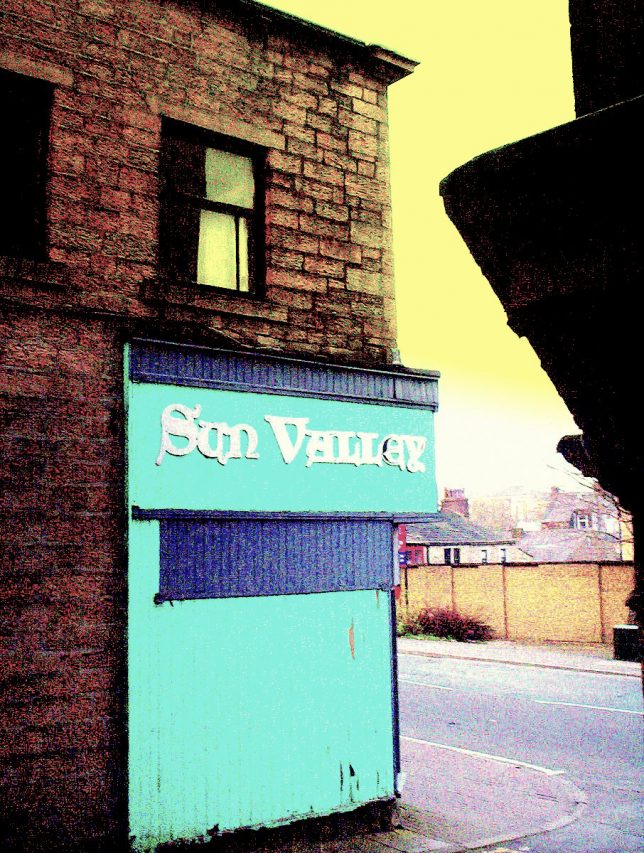
This gloriously grainy photo of the late and unlamented “Sun Valley electric UV tanning salon” – in the words of photographer and Flickr member Boo (Lawrence Peregrine-Trousers) – was taken in early 2003 somewhere in Lancashire, northern England. Odd how many tanning studios there are in the UK, abandoned or not… then again, have you seen British people lately?

Hot Stuffed

The “Hot Staff” (yes, that’s its name) Tanning Salon in Naha, capital city of Okinawa, is a mass of contradictions. An information page states the salon is open year round but it’s “CLOSED” whenever you access the page. The salon’s website hasn’t been updated since 2011 but regardless… a tanning salon in Japan’s most southerly prefecture?? As for the spa’s curious name, well, typos are all in good fun until they create issues for employees.

One Lesstan

Founded in 2006, “Lextan” grew to become the biggest chain of luxury tanning salons in Wales with 16 locations. Erm, make that 15 – on the night of June 15th, 2016 the Lextan studio in Ebbw Vale (pop. 33,000) burnt to the ground and was totally destroyed in what local police have stated was an arson attack. Seems someone wasn’t happy with their tan lines or ended up looking like Tan Mom.

Next Page – Click Below to Read More:
Bar The Rays 15 Closed Abandoned Tanning Salons

Share on Facebook


[ By Steve in Abandoned Places & Architecture. ]

[ WebUrbanist | Archives | Galleries | Privacy | TOS ]

WebUrbanist

 
Comments Off on Bar The Rays: 15 Closed & Abandoned Tanning Salons

Posted in Creativity