RSS
 

Archive for the ‘Creativity’ Category

Calm & Centered: Cemetery Tunnel Trek Reveals Huge Hill-Wrapped Buddha

13 Aug

[ By WebUrbanist in Art & Sculpture & Craft. ]

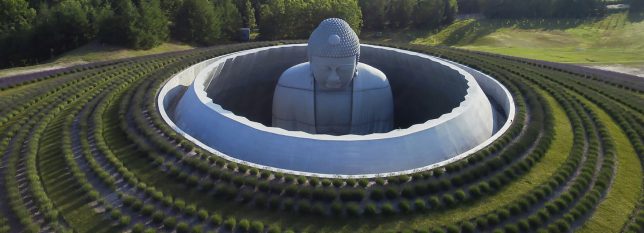
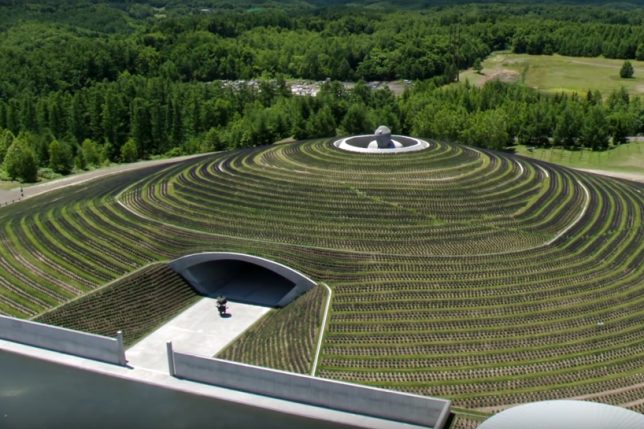
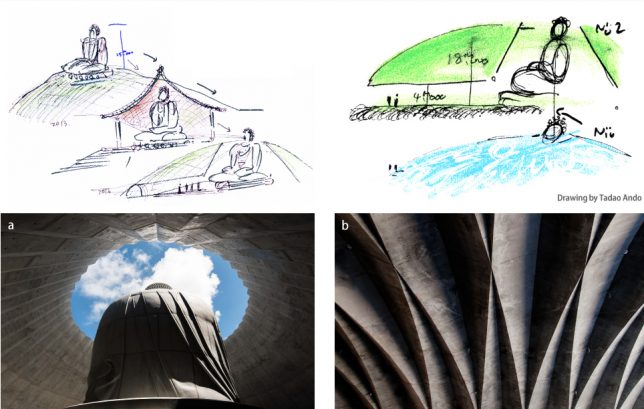
A massive landscape intervention near Sapporo, Japan by architect Tadao Ando both conceals and reveals a 40-foot statue of the Buddha in the midst of a rural cemetery.

The designer was tasked with highlighting the scale of the figure — rather than setting it against something smaller, though, he surrounded the sculpture with a gently sloped and plant-populated hillside.

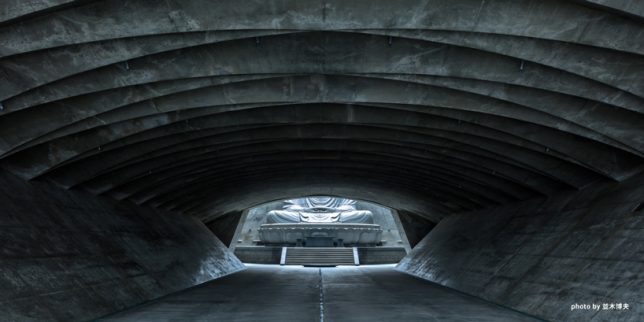
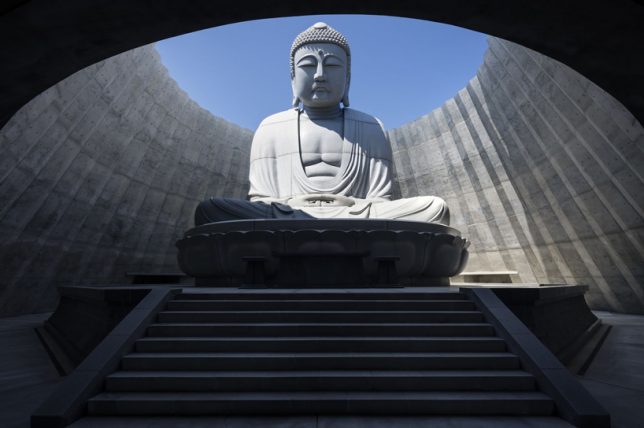
Thus enclosed, only the head is visible from the outside. Visitors have to make their way through a 120-foot tunnel to get the full effect, looking up at the statue from below. An arched concrete rotunda is revealed, and natural light casts down through a void above.

The design intention was to create a vivid spatial sequence,” says Ando, “beginning with the long approach through the tunnel in order to heighten anticipation of the statue, which is invisible from the outside.” Then, “when the hall is reached, visitors look up at the buddha, whose head is encircled by a halo of sky at the end of the tunnel.”

The greenery draped along the new landscape is designed to change with the seasons, blooming in spring and summer, thinning out in the fall then covered with snow in the winter. Visitors coming at different times of year will thus also experience the sculpture in different ways each time.

Share on Facebook


[ By WebUrbanist in Art & Sculpture & Craft. ]

[ WebUrbanist | Archives | Galleries | Privacy | TOS ]


WebUrbanist

 
Comments Off on Calm & Centered: Cemetery Tunnel Trek Reveals Huge Hill-Wrapped Buddha

Posted in Creativity


Cylinder House: This Residence is Just a Cluster of Glass Tubes

11 Aug

[ By SA Rogers in Architecture & Houses & Residential. ]

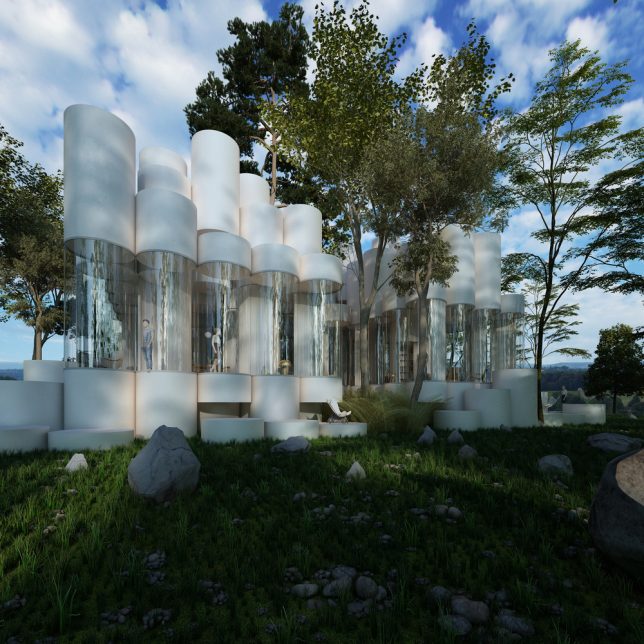
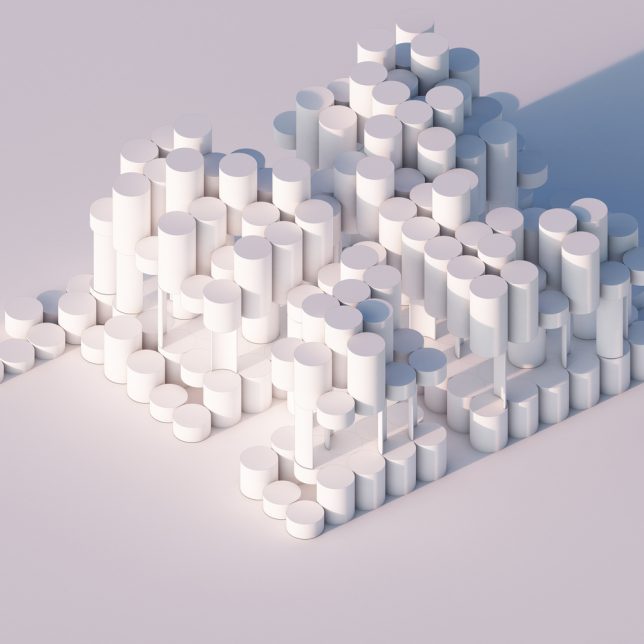
You know those glass tubes at the bank drive-through that shoot your deposits and withdrawals back and forth between you and the tellers? This house is like living in a cluster of them. Sadly, they’re not full of money, but it’s still pretty cool. ‘Cylinder House’ by lead architect Cyril Lancelin of the firm Town and Concrete is a modular glass residence in Lyon, France that can easily be expanded and rearranged without disturbing the trees around it by adding or subtracting one glass tube at a time.

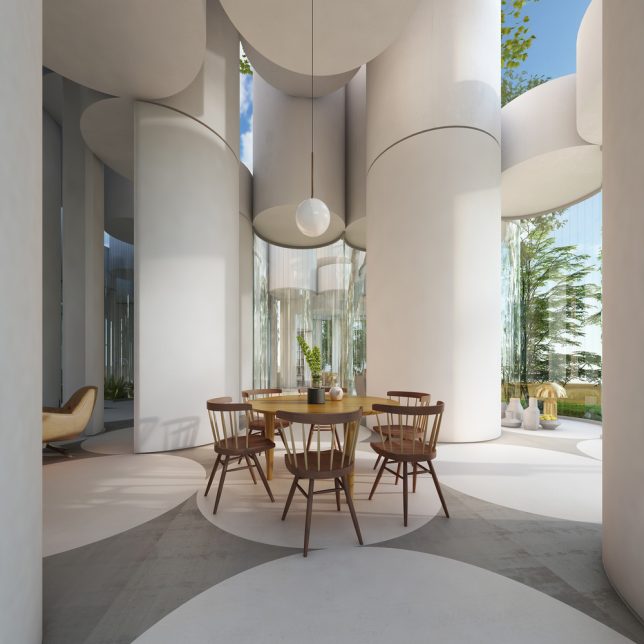
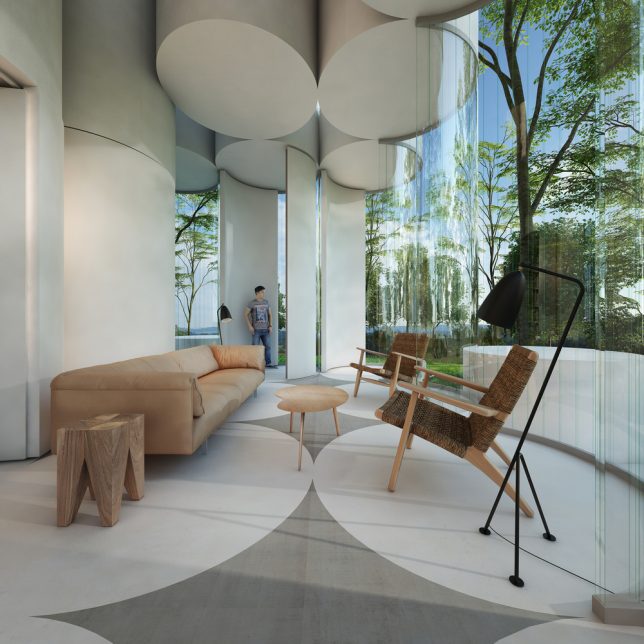
Set on plinths, the tubes are narrow enough to allow for optimal malleability, conforming to the site. Some are taller than others, and some seem to hover above the landscape. The tubes can be fully open to each other, partially open or closed off altogether for smaller spaces. There are no walls or hallways inside other than the curving glass.

“The furniture marks space, but its movement can reinvent the house,” say the architects. “The plan is not fixed, to follow the evolution of the lives of these occupants. From the outside, the facades undulate… this system of cylinder juxtaposition allows to enlarge the house but also to have a blurred outer delimitation of the house with its context.”

The effect is definitely unusual when viewing the house from outside. As modular designs become more popular, their inventiveness only increases. It’ll be interesting to see how architecture as a whole is affected by the trend in the coming years.

Share on Facebook


[ By SA Rogers in Architecture & Houses & Residential. ]

[ WebUrbanist | Archives | Galleries | Privacy | TOS ]


WebUrbanist

 
Comments Off on Cylinder House: This Residence is Just a Cluster of Glass Tubes

Posted in Creativity


Cones on Poles: Field Guide to Elevated Traffic Cones in Everyday Contexts

11 Aug

[ By WebUrbanist in Art & Installation & Sound. ]

Like some many things in the built environment, once you start noticing cones on poles you will see them everywhere — Cones on Poles, an “unofficial sequel” to The Subconscious Art of Graffiti Removal by Matt McCormick, explores “the strange phenomena of people placing cones on poles and other elevated places.”

What started out as a joke has become a study of adaptive patterns — per Matt, some are “predictable, like a cone being placed atop a bollard that keeps people from backing up into an oil tank,” while “others that are more geo-locative, like a cone on a mailbox or telephone pole in a rural area, set in place to create a sort of landmark.”

Over time, he has started noting and naming different configurations — a cluster of three or more is a “congress” (above) and then, of course, there is the self-evident “triple stack” (below).

“Traffic cones are symbols within a larger semiotic system we’ve created around the driving of automobiles (signifier: traffic cone / signified: hazard),” he explains, “but with cones on poles we see instances of people individualizing that system; the practice of everyday life, as Michel de Certeau puts it.”

Cones, in essence, signal us to be on guard, whether by indicating the presence of a fire hydrant, acting as a beacon for a home or simply (much like street art) making us wonder: what is that there for?

“Like so many of my projects,” says Matt, “this is both tongue-and-cheek yet also serious. It’s fun and goofy, but also part of my larger effort to simply encourage people to pay attention to the natural and built environments around them.” Follow this semi-serious documentary project on Instagram, and check out a trailer for Matt’s latest documentary film below.

Share on Facebook


[ By WebUrbanist in Art & Installation & Sound. ]

[ WebUrbanist | Archives | Galleries | Privacy | TOS ]


WebUrbanist

 
Comments Off on Cones on Poles: Field Guide to Elevated Traffic Cones in Everyday Contexts

Posted in Creativity


Splitting Bricks: Architectural Art Installation Tears a London Building Apart

10 Aug

[ By SA Rogers in Art & Sculpture & Craft. ]

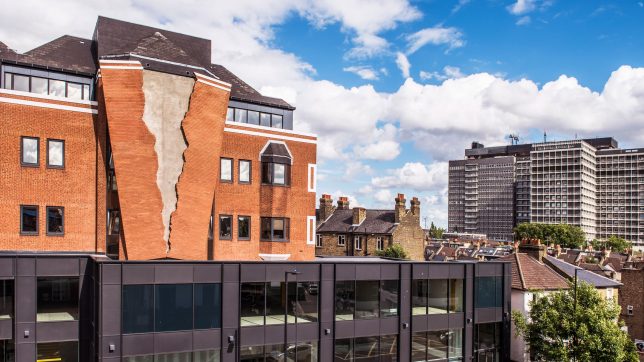
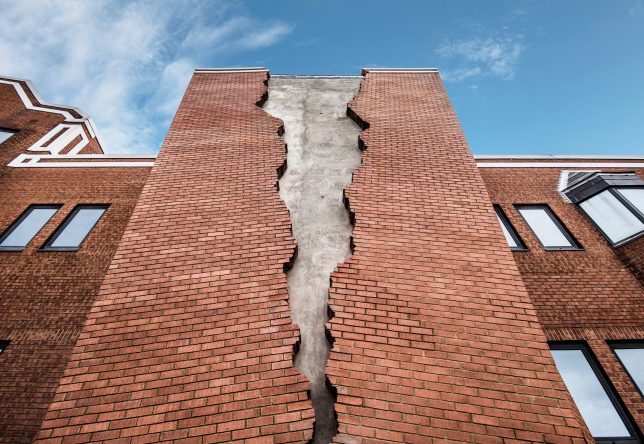
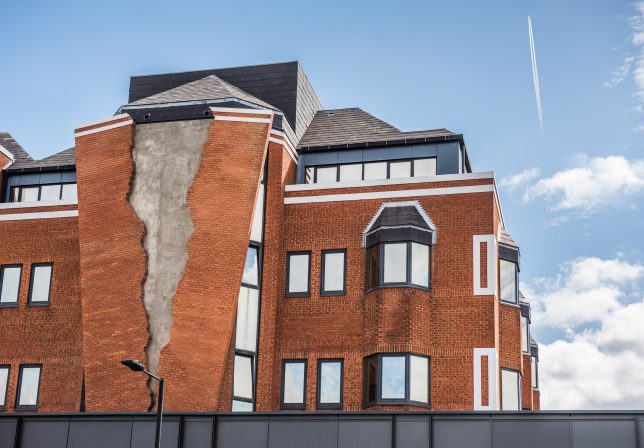
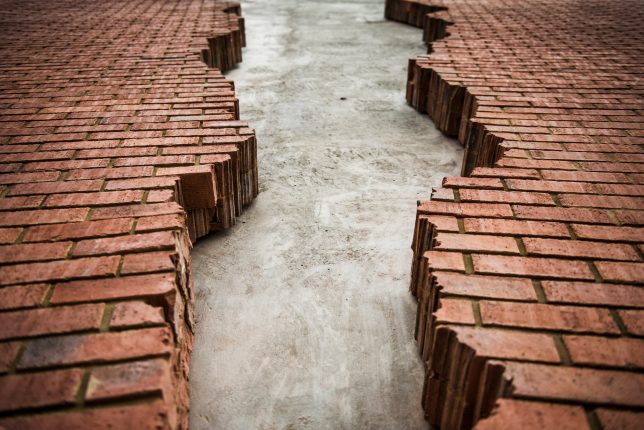
A London building appears to have fallen victim to an earthquake tremor or foundation collapse, with a jagged section of its brick facade split in half and threatening to collapse altogether. But the deteriorating appearance of this otherwise pristine structure isn’t quite what it seems. Artist Alex Chinneck used 4,000 bricks to create the effect of a ripped piece of paper to create ’Six Pins and a Half Dozen Needles,’ a nearly 66-foot tall sculpture outside a mixed-use complex known as Assembly London.

With the paper reference, the artist pays tribute to the site’s former life as home to the publishing company Hammersmith. Chinneck says he spent months scanning torn sheets of paper to find just the right pleasing edge for the split. The sculpture blends into the main building behind it, partially obscuring a few windows, and its elevated position makes it a real eye-catcher. It’s two bricks deep, and took 14 months to complete, with the help of structural engineers, steelworkers and brick makers. Its stainless steel framework is bolted and welded to the building behind it.

Chinneck previously dropped jaws and raised eyebrows in London with two particularly dramatic installations: an upside-down car clinging to a curling piece of pavement outside the Southbank Centre, and a brick facade sliding off the front of a building in Kent. Unlike these previous works, however, ‘Six Pins’ is permanent.

“The work was onceived to engage people in a fun and uplifting way,” says Chinneck. “Although we use real brick, it was designed with a cartoon-like quality to give the sculpture an endearing artifice and playful personality. I set out to create accessible artworks and I sincerely hope this becomes a popular landmark for London and positive experience for Londoners.”

Share on Facebook


[ By SA Rogers in Art & Sculpture & Craft. ]

[ WebUrbanist | Archives | Galleries | Privacy | TOS ]


WebUrbanist

 
Comments Off on Splitting Bricks: Architectural Art Installation Tears a London Building Apart

Posted in Creativity


Underground Art: 11 Subterranean Galleries & Installations Delve Deep

10 Aug

[ By SA Rogers in Art & Installation & Sound. ]

Often mysterious, somber and a little otherworldly, subterranean spaces add a sense of depth (no pun intended) to the art installations and performances held within them. Abandoned subway platforms, tunnels beneath old psychiatric hospitals, cisterns, ice wells, bunkers and even manholes invite us to descend beneath the surface of the earth to experience art on another level.

The Water at The Cisterns by Hiroshi Sambuichi

Damp and dreary yet monumental, with the proportions of a cathedral, this former underground water reservoir in Copenhagen was once an unknown beauty beneath the city, but now functions as ’The Cisterns,’ an unusual art venue. Japanese architect Hiroshi Sambuichi delicately transforms the space while paying respect to all of these qualities with ‘The Water,’ a subterranean landscape installation taking viewers on “a journey through an underground sea of light and darkness.” Natural light, moss and an icy glass cube play with the humidity and moisture levels of the space, making it feel a bit like a secret underground forest.

JFK Figurine Hidden in a Desert Bunker

You’re hiking through the unforgiving plains of the California desert when you come upon a mysterious black hatch. Against your better judgment, you open it and climb down the ladder into a huge metal pipe that appears to be part of some kind of bunker. Inside, what you find is more bizarre than pretty much anything you could have imagined: a statue of John F. Kennedy perched on a stool, casually crossing his legs. Artist Will Boone based his sculpture on a figure from a hobby kit, scaling it up to life-size. To him, the installation “speaks not just to all those things that have been driven underground since the extinguished optimism of the sixties but to those same fears – nuclear attack and the invasion of the other – that have been so vividly resurrected in recent times.”

Secret Sculptural Installations Beneath Paris

Artist Radouan Zeghidour descended into the many subterranean spaces beneath Paris to illegally install secret art installations, each one often requiring many hours of investigative preparation both to access the space, avoid getting caught and keep the art undisturbed for as long as possible, though he’s gone to jail once or twice. The installations themselves often feel like reverent tributes to the people who occupy liminal spaces in society, evoking camps where homeless people and refugees often live.

Repurposed Oil Tanks at the Tate Modern in London

Repurposed by the firm Herzog & de Meuron, the enormous underground oil tanks of a former power station now act as a dramatic backdrop for performances, interactive art and video installations at London’s Tate Modern. “No longer generating electricity, the Tanks generate ideas, creative energy and new possibilities for artists and audiences,” says the museum. “These raw, industrial, subterranean spaces, each measuring over thirty meters across and seven meters high are the world’s first museum galleries permanently dedicated to exhibiting live art, performance, installation and film.” [Middle photo by Ray Tung/Rex Features.]

D.C.’s Dupont Underground Arts Space

The 75,000-square-foot east platform of Washington D.C.’s subterranean trolley station Dupont Underground is now a visual art and performance space hosting revolving exhibitions as well as performances, permanent murals and other programming. Lying beneath the city’s Dupont Circle about a mile from the White House, this underground space was closed off in 1962 when the city’s streetcar system shut down, and remained empty until the new arts space opened in 2015. Among the installations it has hosted is ‘Whimsical Invasion’ by Hyuntek Yoon and Youngeun Kwun, consisting of over 650,000 plastic balls in nylon netting.

Next Page – Click Below to Read More:
Underground Art 11 Subterranean Galleries Installations Delve Deep

Share on Facebook


[ By SA Rogers in Art & Installation & Sound. ]

[ WebUrbanist | Archives | Galleries | Privacy | TOS ]


WebUrbanist
 
Comments Off on Underground Art: 11 Subterranean Galleries & Installations Delve Deep

Posted in Creativity


Downloadable Deco: Art Archive Puts 200 Graphic Design Classics Online

09 Aug

[ By WebUrbanist in Technology & Vintage & Retro. ]

Some great institutions are becoming even greater in the digital age — places like museums continue to scan high-quality paintings and photographs for distribution and agencies like NASA put vintage pictures and video footage online for everyone to access.

Joining the cool kids’ club, the Minneapolis College of Art and Design (MCAD) has taken its Art of the Poster collection from the Golden Age of graphic design (late 1800s through the early 1900s) and put it up on the web for anyone to share.

“Featuring over 200 printed works, Art of the Poster 1880-1918 presents a look at lithography’s rise in popularity during La Belle Époque,” reports MyModernMet. “It was during this time that artists like Alphonse Mucha, Jules Chéret, and Henri de Toulouse-Lautrec popularized the art form, which gained public prominence thanks to new methods of production.”

In the late nineteenth century, lithographers began to use mass-produced zinc plates rather than stones in their printing process. This innovation allowed them to prepare multiple plates, each with a different color ink, and to print these with close registration on the same sheet of paper. Posters in a range of colors and variety of sizes could now be produced quickly, at modest cost.

At the time, many of these masterpieces were essentially commercial in nature, designed to promote products, stores and restaurants. Today, they have made their way into the archives of art history, helping to bridge the gap between popular culture and the closed-door art world of museum exhibits.


Share on Facebook


[ By WebUrbanist in Technology & Vintage & Retro. ]

[ WebUrbanist | Archives | Galleries | Privacy | TOS ]


WebUrbanist

 
Comments Off on Downloadable Deco: Art Archive Puts 200 Graphic Design Classics Online

Posted in Creativity


Avian Palaces: Traditional Ottoman Bird Houses are Miniature Masterpieces

08 Aug

[ By SA Rogers in Culture & History & Travel. ]

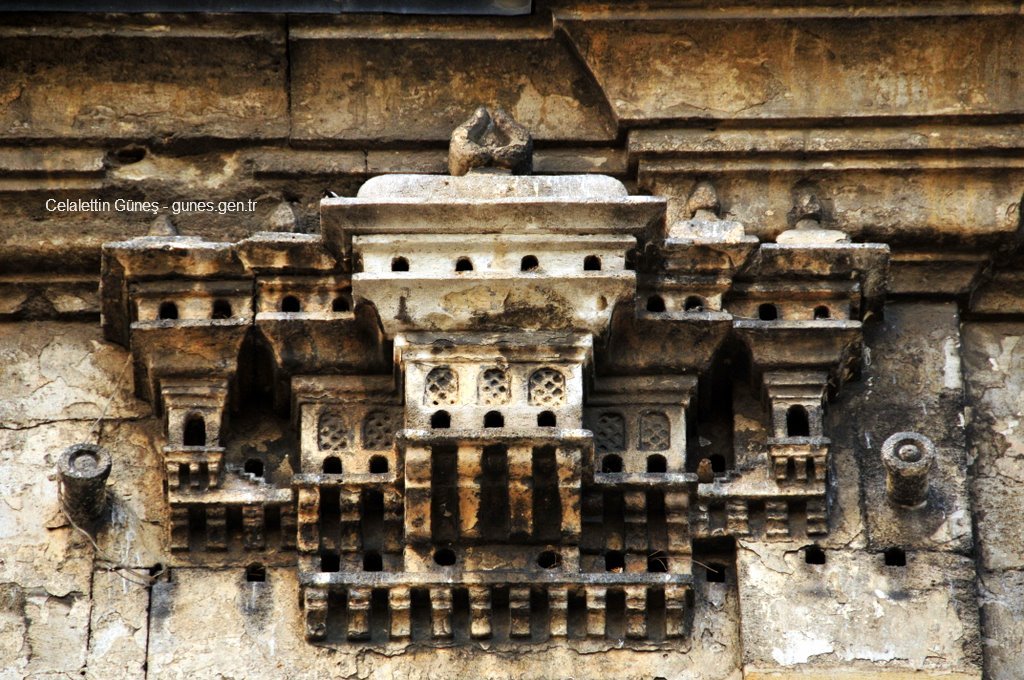
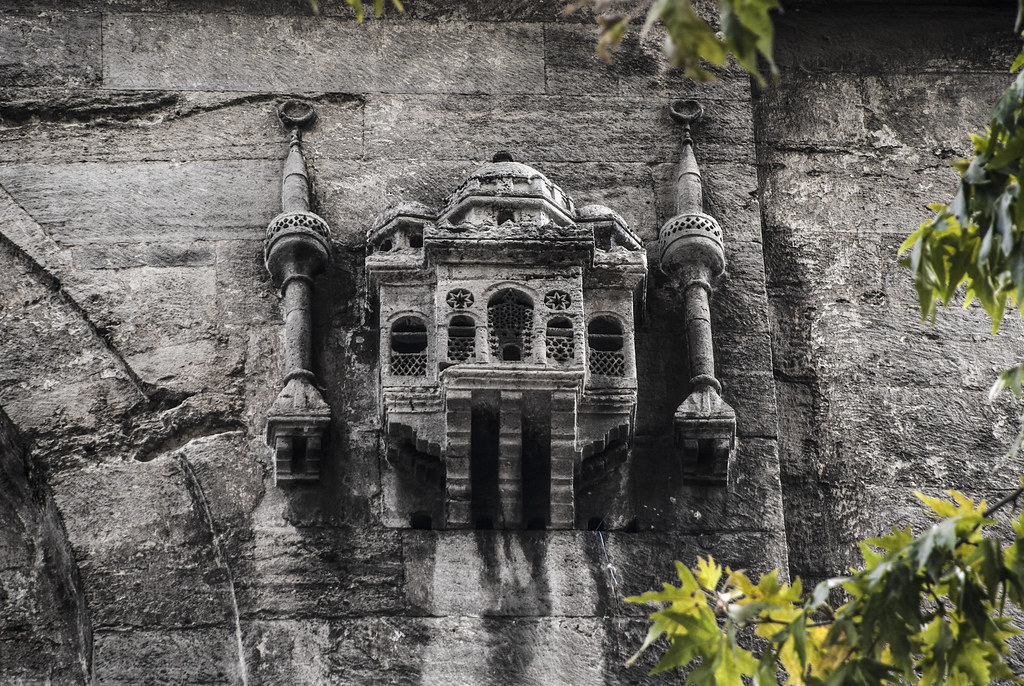
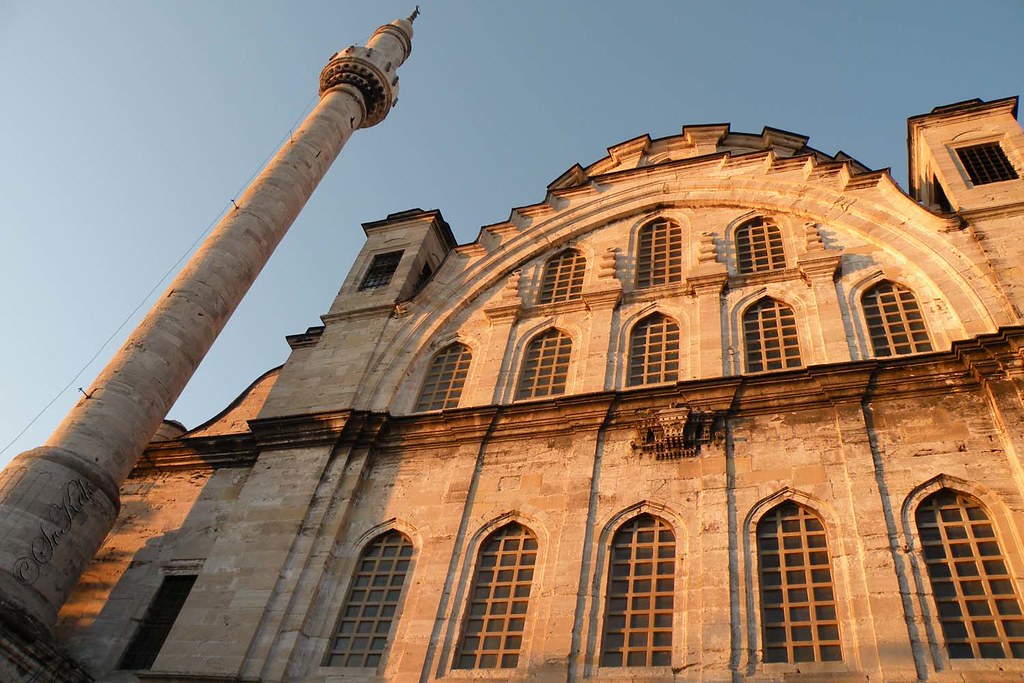
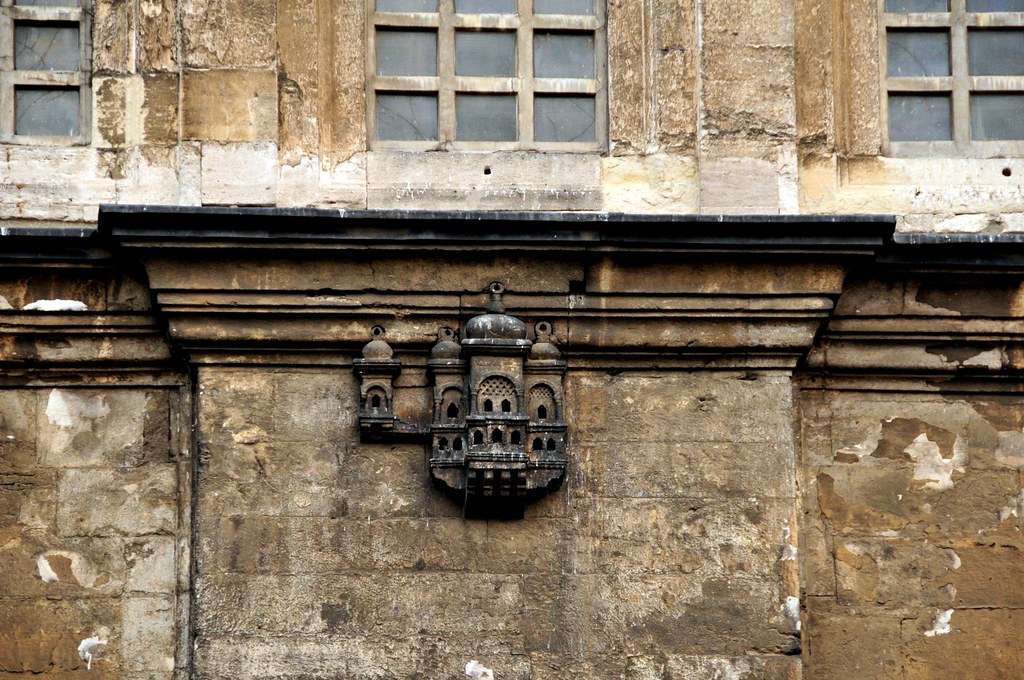
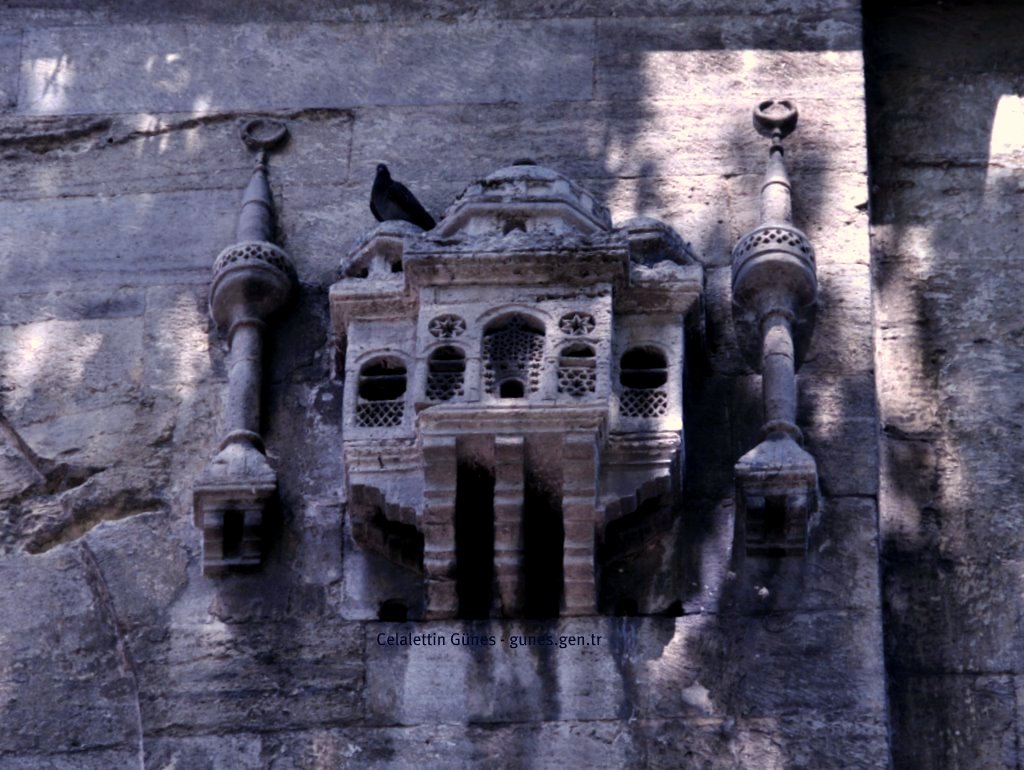
Istanbul takes bird houses very seriously, and always has – seriously enough to attach palatial digs for feathered residents to their own human-sized buildings. In fact, the oldest known bird house in Istanbul can still be spotted on the side of the Büyükçekmece Bridge, dating back to the 16th century. The charters for new mosques often included provisions for feeding the birds, and sometimes even allocated huge amounts of gold to look after them. The practice was thought to attract good luck.

Bird Palaces - Ayazma Mosque / Ku? Saray? - Ayazma Camii

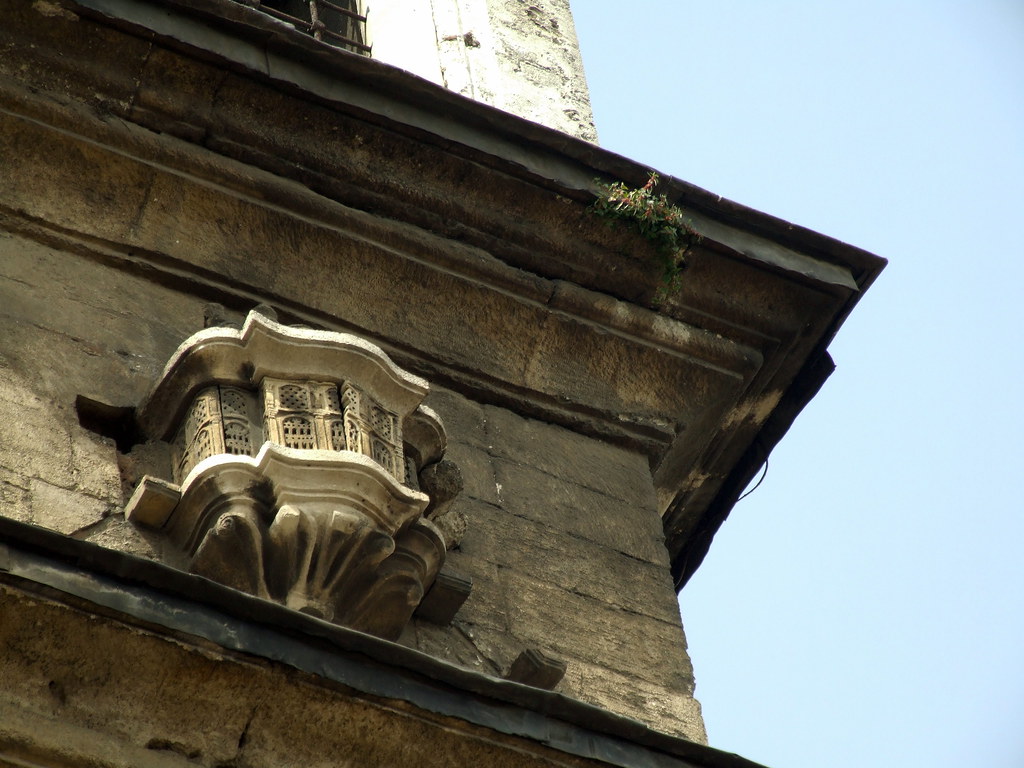
Today, you can wander through the cities of Istanbul, Bursa and Edirne and gaze up at the historic structures to find intriguing miniatures mounted to their facades, looking far fancier than anything you’ll ever live in yourself. Each one is designed to complement the building to which it’s affixed, or even act as a scale model of it.

"The bird house"

They’re designed to shelter any birds that might hang out around the buildings, including sparrows, pigeons, swallows, storks and wisecracks. According to Daily Sabah, the birdhouses had a practical purpose for humans, too, helping to keep the birds from hanging out on the roofs and spilling their droppings all over everything, eventually corroding the walls of mosques, inns and other structures.

Bird House, Ayazma Mosque, Istanbul, Turkey

But setting up programs to shelter, feed and protect animals is a longstanding tradition in the area (that remains in place today – check out the adorable film ‘Kedi’ about Istanbul’s street cats for a great example.) The Ottomans also helped street dogs find food, set out saucers of water for any animals that needed it, fed wolves and gave medical care to injured storks.

Bird House / Ku? Evleri

During the Ottoman era, these miniature palaces were painstakingly crafted using elaborate techniques, crowning each one with its very own vaulted or domed roof. Some are three or more stories tall and feature minarets and other architectural details that were popular around the time they were built.

Bird House / Ku? Evleri

Check out Daily Sabah’s feature article on Ottoman bird houses for lots more details about this endearing tradition.

Ku?evi / Birdhouse

Images embedded via Flickr’s API, all copyrights are retained by their respective owners.

Share on Facebook


[ By SA Rogers in Culture & History & Travel. ]

[ WebUrbanist | Archives | Galleries | Privacy | TOS ]


WebUrbanist
 
Comments Off on Avian Palaces: Traditional Ottoman Bird Houses are Miniature Masterpieces

Posted in Creativity


Messages in the Sand: 12 Great Guerrilla Ads at the Beach & the River

07 Aug

[ By SA Rogers in Design & Guerilla Ads & Marketing. ]

The beach is one big billboard for companies looking to surreptitiously market their products, from Game of Thrones to Jim Beam, which would be annoying if most of these guerrilla installations weren’t so fun. Plus, some of these site-specific seaside installations are the work of mysterious anonymous artists, or organizations raising awareness for issues like sea turtle protection and skin cancer avoidance.

Game of Thrones Dragon Washed Up on a British Beach

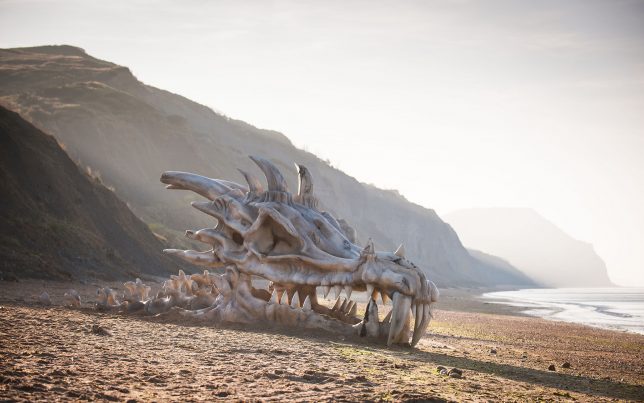
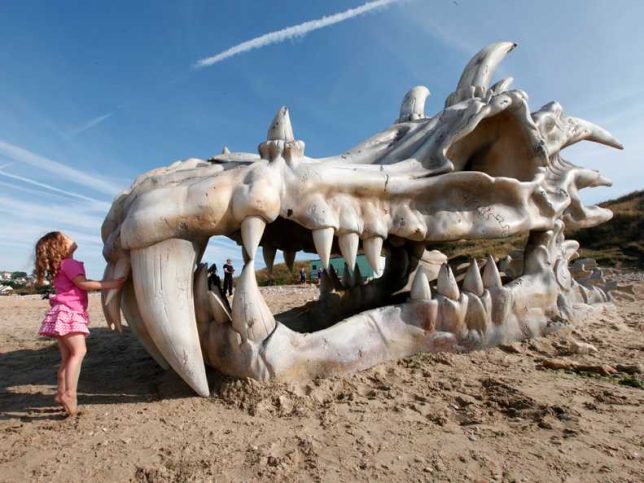
A 40-foot-long dragon skull seemingly washed up on Charmouth Beach in Dorset, England in the spring of 2013, likely only puzzling onlookers who aren’t familiar with the HBO series Game of Thrones. Still, it’s a pretty fun example of guerrilla marketing, especially since this area is known as the ‘Jurassic Coast,’ where lots of dinosaur fossils turn up. It took three sculptors over two months to design, sculpt and paint the skull. Who could resist climbing inside?

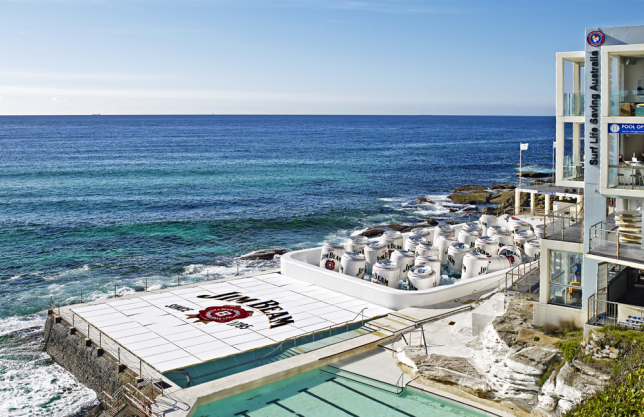
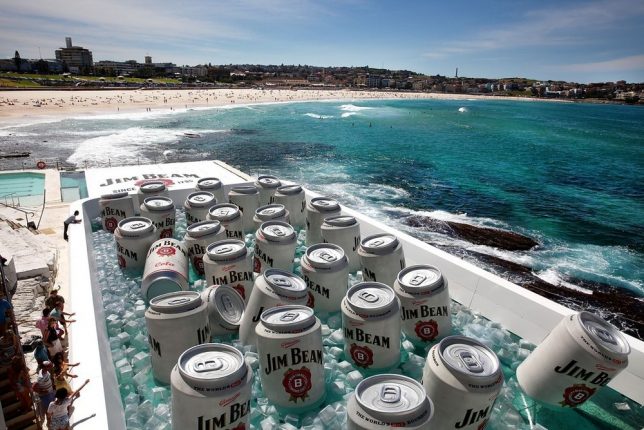
Jim Beam Creates the World’s Largest Cooler at Bondi Beach

Jim Beam and the ESKY cooler company teamed up to temporarily transform the Bondi Icebergs Pool into the world’s largest cooler for the filming of a commercial. The cooler was filled with about half a million gallons of water, over 500 giant ice cubes and 33 supersized Jim Beam cans.

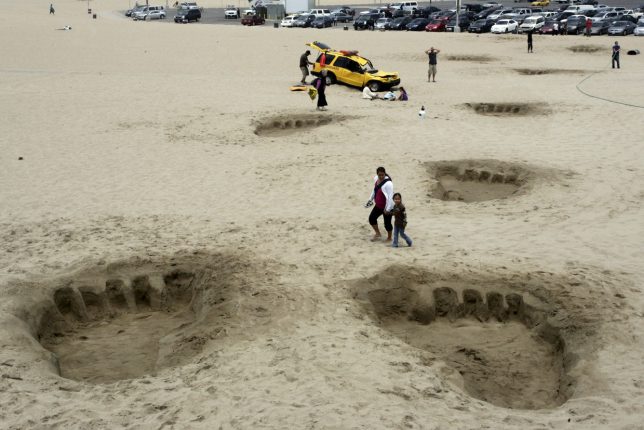
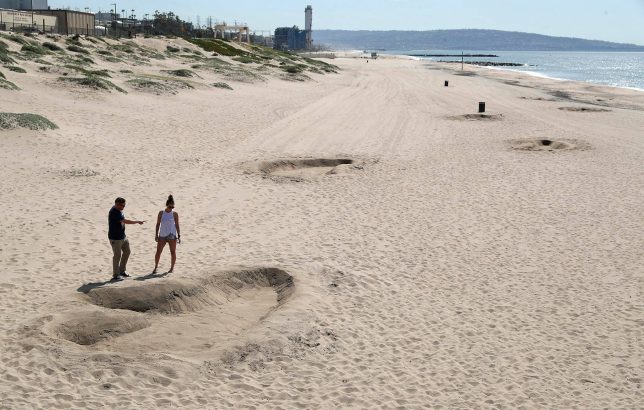
King Kong Footsteps at the Santa Monica Pier

Giant footsteps and a smashed lifeguard truck appeared to signal total chaos at the Santa Monica Pier in June 2010, signaling the opening of the new Universal Studios Hollywood theme park attraction, King Kong 360 3-D. This ambient advertisement by the firm David&Goliath was a accompanied by a ‘news report’ on YouTube. Does this make anyone else miss the old King Kong ride? RIP, King Kong Encounter, which burned down in 2008.

Unexplained Giant Lego Man

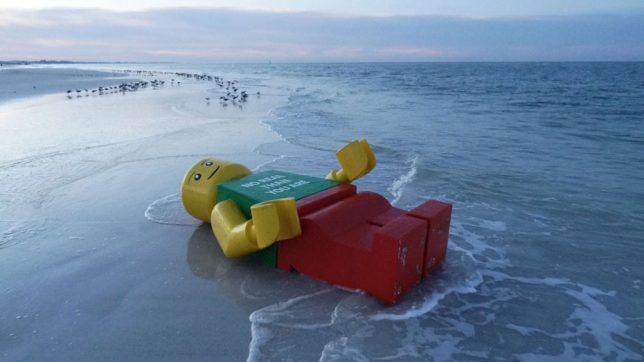
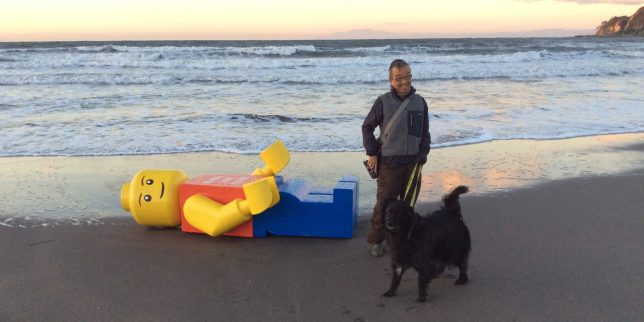
A life-sized Lego Man washed up on a Florida beach with the somewhat nonsensical message ‘NO REAL THAN YOU ARE’ printed on its chest. Measuring about 8 feet tall and weighing 100 pounds, the ‘man’ was discovered on the Siesta Key beach. The Sarasota County Sheriff’s Office sent out a tongue-in-cheek press release reporting that they had taken the ‘man’ into custody, and found ‘Ego Leonard’ written on his back. Then, another one washed up in Japan. Turns out, Ego Leonard is the pseudonym of an anonymous Dutch artist, and his creations show up periodically on beaches around the world. Somebody should warn King Kong, so he doesn’t step on him.

Next Page – Click Below to Read More:
Messages In The Sand 12 Great Guerrilla Ads At The Beach River Banks

Share on Facebook


[ By SA Rogers in Design & Guerilla Ads & Marketing. ]

[ WebUrbanist | Archives | Galleries | Privacy | TOS ]


WebUrbanist
 
Comments Off on Messages in the Sand: 12 Great Guerrilla Ads at the Beach & the River

Posted in Creativity


Warming Signs: Clet Abraham Rewrites Rules Of The Road

07 Aug

[ By Steve in Art & Street Art & Graffiti. ]

Guerrilla street artist Clet Abraham may be the Banksy of the boulevard, hacking road signs with stickers and encouraging people to question authority. Our lead image dated August 31st of 2013 comes courtesy of Flickr member Oilvier Ortelpa, who snapped Abraham’s enhanced traffic sign in Brussels, capital of the EU.

Clet Abraham‘s creative road sign hacks turn everyone’s frowns upside down – well, unless you work for the City – but his subversive street sign stencils are meant to be more than just amusing. The Florence, Italy-based guerrilla artist sees graphic, no-nonsense road signs as uncompromising symbols of authority. His clever stencils facilitate alternate interpretations of the signs’ harsh and uncompromising symbolism, and thus invite the public to think twice before blindly obeying those anonymous commands.

One of Abraham’s favorite targets is the ubiquitous red & white NO ENTRY sign. Possibly alluding to the human tragedy of Europe’s migrant crisis, Abraham hopes to provoke more public debate over the concept of NO ENTRY and what it means to not only those hoping to come to Europe but those already living there. Some examples of the artist’s work in his hometown of Florence are shown above, snapped by Flickr member Marianne (Mariannera) in October of 2013.

When In Rome, Hack The Signs

Now 50 years old, Abraham has lived in Florance since 2005 but originally hails from Brittany, France. He studied at the Ecole des Beaux-Arts in Rennes before moving to Rome, where he honed his skills restoring antique artworks – you won’t find any botched frescoes on his resume!

It was the “omnipresence of street signs” in Italy, however, that spurred Abraham “to intervene, both to notify the public of the absurdity of the situation, and to propose a constructive and respectful alternative.”  Flickr member Philosofia captured a small selection of Abraham’s work on the streets of Rome in January of 2012.

Labor Of Love

“My adhesives are developed to add a further level of reading (to street signs),” adds Abraham, “constructed on the base of their original signification in order to maintain its utility but give it some intellectual, spiritual, or simply amusing interest. The final objective? That traffic keeps flowing without us feeling spoken down to!” Flickr member Irene Grassi snapped the above sun-faded stenciled sign in Florence on January 1st of 2015.

Next Page – Click Below to Read More:
Warming Signs Clet Abraham Rewrites Rules Of The Road

Share on Facebook


[ By Steve in Art & Street Art & Graffiti. ]

[ WebUrbanist | Archives | Galleries | Privacy | TOS ]


WebUrbanist
 
Comments Off on Warming Signs: Clet Abraham Rewrites Rules Of The Road

Posted in Creativity


Plug & Plop: Urban Add-Ons Turn Street-Side Bollards into Seats & Tables

06 Aug

[ By WebUrbanist in Design & Furniture & Decor. ]

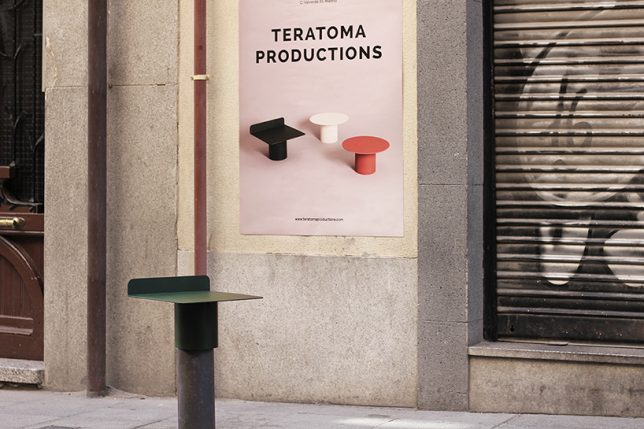
Designed to act as barriers, bollards are a common sight in cities around the world — but what if they could engage rather than just separate?

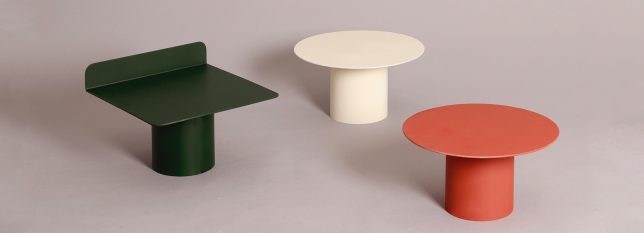
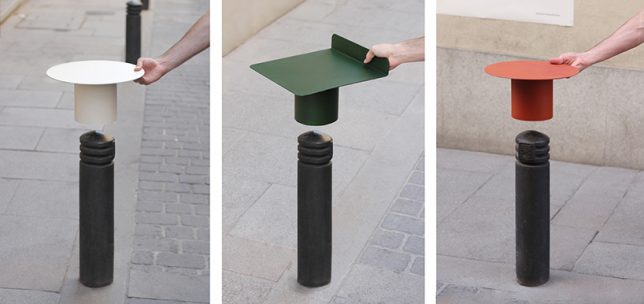
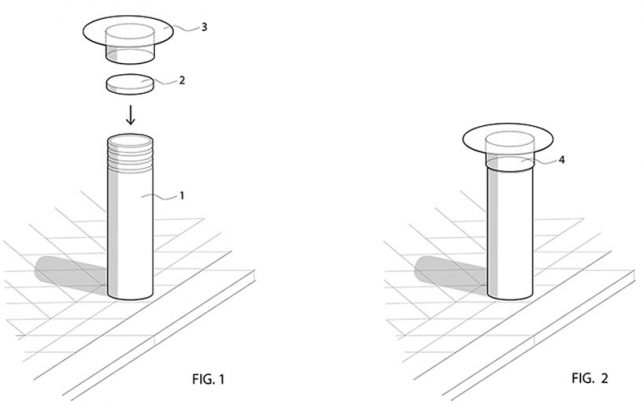
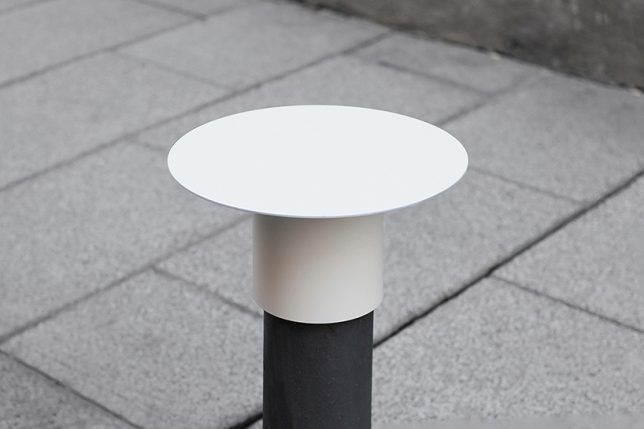
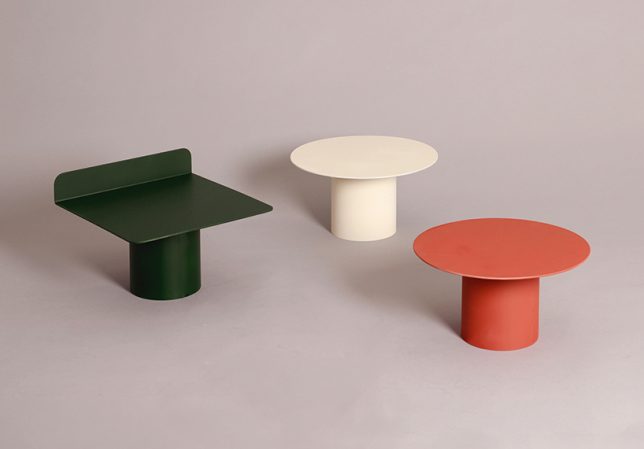
This series of simple additions from Teratoma dubbed PLUG A SEAT aim to transform (or at least extend) the function of the bollard, converting rows of columns into arrays of seating and table space.

The lacquered aluminum surfaces add a bit of color along with functionality, and have a variety of potential applications — they could be affixed permanently, or added temporarily by individuals eating lunch downtown, or deployed during street festivals.

These extenders can also be sized to fit different dimensions of bollard for different metropolitan areas (though one might hope that a future iteration could be able to expand and contract on demand).

In the grander scheme, these kinds of simple guerrilla furniture designs highlight potential new uses for old extant infrastructure. And who knows: maybe bollards will start to lose their original function as self-driving cars take to the streets, but instead of being removed could find second lives serving other purposes.

Share on Facebook


[ By WebUrbanist in Design & Furniture & Decor. ]

[ WebUrbanist | Archives | Galleries | Privacy | TOS ]


WebUrbanist
 
Comments Off on Plug & Plop: Urban Add-Ons Turn Street-Side Bollards into Seats & Tables

Posted in Creativity