Blog

  • How to Find a Great Sunset Photography Location

    We all know that one essential ingredient to a great photograph is beautiful light, and that some of the best light happens during sunset. But what truly makes a great sunset photography location?

    Acacia tree or umbrella thorn in Serengeti National Park, Tanzania.

    Acacia tree or umbrella thorn in Serengeti National Park, Tanzania.

    In my experience, the best locations are ones where you can find two different compositions, that will work under different lighting situations, to double your chances of making a spectacular sunset image.

    To understand what I’m getting at, first think about the direction of light. As the sun descends in the sky and approaches the horizon, the last of the sun’s rays have a wonderful warm hue, that can light up the tips of mountains, and cast a golden glow on the land in the direction opposite the sun. Then there’s usually a lull for a few minutes when nothing much happens, giving you a chance to change position to face the sun. When the sun falls below the horizon, you’ll have an opportunity to make backlit or silhouette photos.
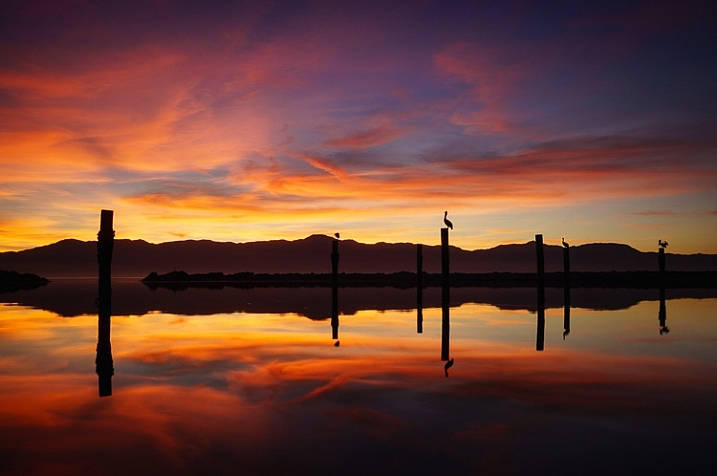
    Salton Sea Moments

    Finding Your Location

    It’s best not to leave location scouting for the last minute, or you won’t have enough time to find a spot with two good compositions, in both directions. Scouting a location is a good activity for mid-afternoon, when you’re probably not going to be photographing anyway, due to the harsh light. Leave your gear at home, or only take minimal equipment to record the scene, so you don’t have a heavy load and you can move quickly and easily.
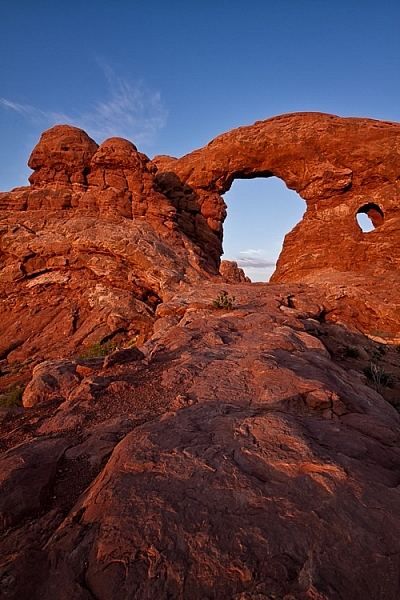
    Arches National Park, Utah

    Arches National Park, Utah

    Before you go scouting, don’t forget to find out the exact direction where the sun will set. This is easy to find with a quick internet search and a compass, or using an app on your phone or tablet.

    When you are scouting, what you’re looking for is a good composition for both a front-lit scene and a backlit scene. They don’t necessarily have to be at the exact same spot, but it should take you no more than a few minutes to walk between them.
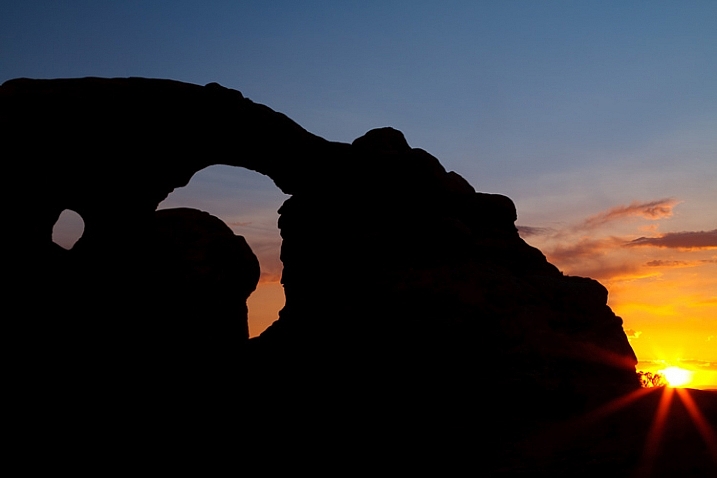
    Sunset at Arches National Park, Utah.

    Sunset at Arches National Park, Utah.

    Composition Tips for Front-lit Scenes

    For your front-lit scene, you are going to have nice golden light throughout the landscape, and if there are any mountains in your frame, they will have dramatic bright light on the top. What I usually look for in this kind of a scene is depth, by using foreground elements to emphasize the distance between foreground and background.
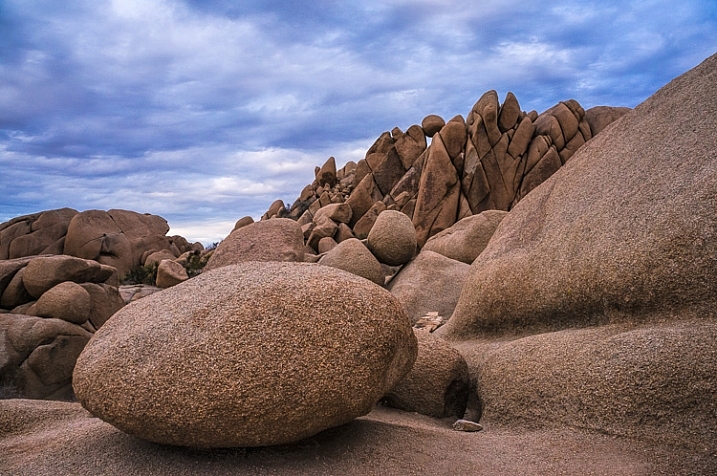
    Jumbo Rocks

    Try to find some leading lines that will guide the viewer’s eye through the image, and ideally lead to something in the background. Or, find other interesting features, such a plant or colourful rocks, to place in the foreground of the scene.

    Composition Tips for Backlit Scenes

    Once those final rays have disappeared from your front-lit scene, you’re ready to change positions and get ready for the backlight. In a backlit scene, everything on the ground is going to be in shadow, so you no longer need to worry about depth – it’s all going to be black anyway. So now what you are looking for is something with a great shape, to make an interesting silhouette against the colourful sky. This can be jagged mountains, sea stacks on the ocean, a cactus, or anything else that has a really strong shape. Don’t pick anything that is going to just look like a vague blob of darkness.
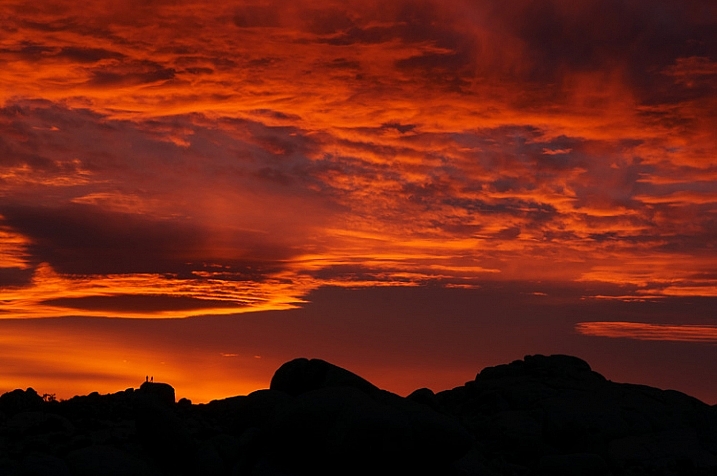
    Sunset at Joshua Tree National Park, California

    Sunset at Joshua Tree National Park, California

    In the Field

    Keep these composition ideas in mind when you scout your location, and if you need to, mark your chosen spots with a GPS while you are scouting, to make it easier to find your location when you return to the scene for sunset.

    Go early! If there are any clouds on the horizon where the sun will set, the last rays for your front-lit scene will come sooner than expected.
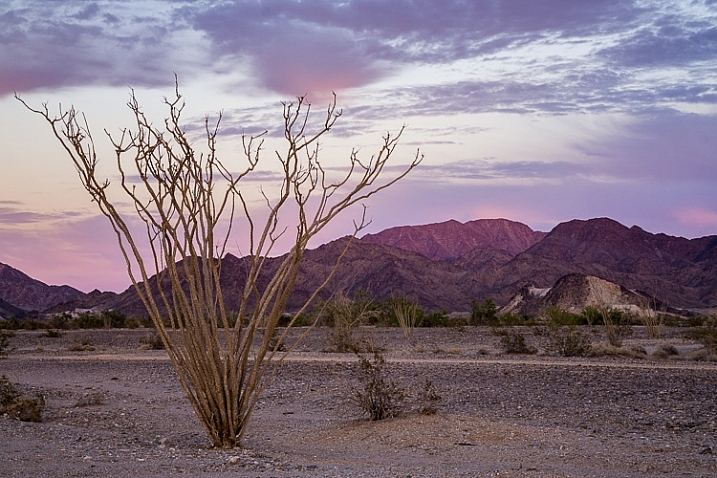
    Boondocking spot off Ogilby Road near Yuma, Arizona.

    Ogilby Road near Yuma, Arizona.

    Exposure for Front-lit Scenes

    As the sun descends in the sky and approaches the horizon, your scene will have a more even exposure than it would have earlier in the day. But you still may want to use a graduated neutral density filter, to even out the exposure between the brighter sky and the darker land.

    Exposure for Backlit Scenes

    When exposing for a backlit scene, it’s important not to use an exposure setting that takes the whole frame into account, like matrix or evaluative metering. Instead use spot metering, and meter on a sky portion of your image, which will capture the dramatic colours in the sky, while allowing your subject in the foreground (the one with the great shape) to become a silhouette.
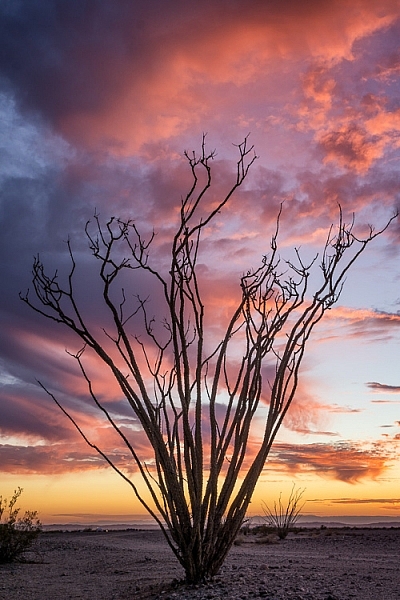
    Ogilby

    Conclusion

    You can only plan so much when it comes to sunset photography, the rest is up to mother nature. You can only guess what is going to happen with the clouds and the light. When you get there, you may only have clouds for your front-lit scene and not the backlit one. But at least if you plan out two different shots, you’ll double your chances of coming home with a stunning sunset photo.

    googletag.cmd.push(function() {
    tablet_slots.push( googletag.defineSlot( “/1005424/_dPSv4_tab-all-article-bottom_(300×250)”, [300, 250], “pb-ad-78623” ).addService( googletag.pubads() ) ); } );

    googletag.cmd.push(function() {
    mobile_slots.push( googletag.defineSlot( “/1005424/_dPSv4_mob-all-article-bottom_(300×250)”, [300, 250], “pb-ad-78158” ).addService( googletag.pubads() ) ); } );

    The post How to Find a Great Sunset Photography Location by Anne McKinnell appeared first on Digital Photography School.


    Digital Photography School

  • LED Buddha Vaults & Smart Card Entry: High-Tech Cemetery in Tokyo

    [ By Steph in Culture & History & Travel. ]

    rurden high tech cemetery 1

    When visiting a deceased loved one at this Tokyo cemetery, you’ll swipe a smart card upon arrival at the door so that the particular LED Buddha statue representing the correct vault will light up, making it easy to locate on a wall of identical figures.  At Ruriden, a futuristic charnel house belonging to Koukoko-ji temple, cremated remains are kept in storage lockers in this unusually high-tech environment, eliminating the need for loved ones to maintain graves.

    Traditionally, each family in Japan would own a plot of land and a stone tomb in a physical cemetery, costing up to $ 40,000 and requiring upkeep and maintenance fees. But as space gets tighter in the urban areas, the prices for those tombs are getting out of control, and cemeteries like Ruriden are stepping in to offer an alternative.

    ruriden high tech cemetary 2 ruriden 5

    You may not even be able to touch the glass separating your hand from that little glowing buddha if your relative’s vault happens to be high up on the wall of 2,046 altars, but seeing the statue illuminated can help provide a sense of connection to the gravesite, and you can still access the remains.

    ruriden 3

    ruriden 7

    When you visit, the remains will be delivered to a communal vault in the floor via a forklift and conveyer belt system. A digital slideshow puts images of your deceased loved one on display. Ashes are stored in these vaults for 33 years for family visits, before being buried below the Ruriden.

    flow ruriden 4

    600 of the plots are currently in use, and 300 more have been reserved by elderly Tokyo residents planning for their own deaths. Vice recently took a tour of the complex and spoke to people shopping for their own high-tech graves. Employees at the cemetery even speculate on the possibility of interactive, holographic representations of dead relatives in the future. Read the whole story at Vice.

    ruriden 6

    Top two images via Vice/Emiko Jozuka; remaining images via Ruriden.jp

    Share on Facebook


    [ By Steph in Culture & History & Travel. ]

    [ WebUrbanist | Archives | Galleries | Privacy | TOS ]


    WebUrbanist

  • Lee introduces 15-stop Super Stopper neutral density filter

    Lee Filters has announced it is to offer a neutral density filter that converts what would normally be a two-second exposure into one that lasts 17 hours and 4 minutes. The new Super Stopper reduces the amount of light entering the lens by a massive 15 stops, to enable especially long shutter speeds in normal daylight conditions.

    Available for the 100mm, SW150 and Sev5n ranges, the filter is made from what Lee describes as ‘high-quality optical glass’. It comes packaged in a protective tin case and has a lifetime warranty. The company says the filter induces only a slight color cast that it claims is easy to remove in post-production. It joins the 10-stop Big Stopper and the 6-stop Little Stopper in the company’s range of ND filters.

    The filter factor of the Super Stopper is 3200 and it has a density of 4.5. It will be available soon, and the version for the SW150 series will cost $ 175. For more information on the company see the Lee Filters website – though the company hasn’t posted any details of the Super Stopper yet. There is more information though on the website of UK distributor, Linhof Studio.


    Press release:

    LEE Filters NEW Super Stopper Available for 100mm, SW150 and Sev5n.

    With its 15 stops of light-reducing power, the Super Stopper sits at the top of the Stopper family, joining the Big and Little Stoppers in the long-exposure photography revolution.

    The Super Stopper is designed for use in bright conditions, during the middle of the day – a time that’s traditionally considered unsuitable for photography because of the harsh, contrasty nature of the light.
    However, with the Super Stopper filter fitted, the softness that arises from any movement contrasts pleasingly with any areas of bright light, creating an effect rarely seen in photography before now.

    Like all the filters in the Stopper family, the Super Stopper is constructed from the high-quality optical glass and is supplied in a metal case for protection. It has only a minimal colour cast that is easily corrected in postproduction.

    The exposure guide chart below allows you to find out the extremes to which photographers can now take their long exposures.

    Articles: Digital Photography Review (dpreview.com)

  • Weekly Photography Challenge – Modes of Transportation

    Rishi Bandopadhay

    By Rishi Bandopadhay

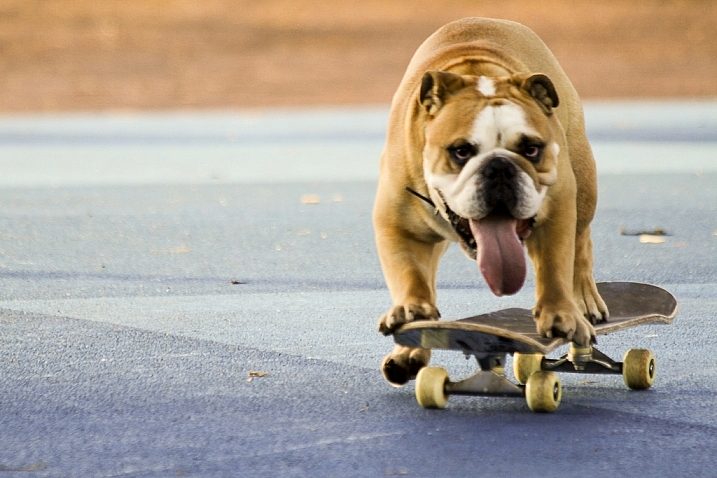
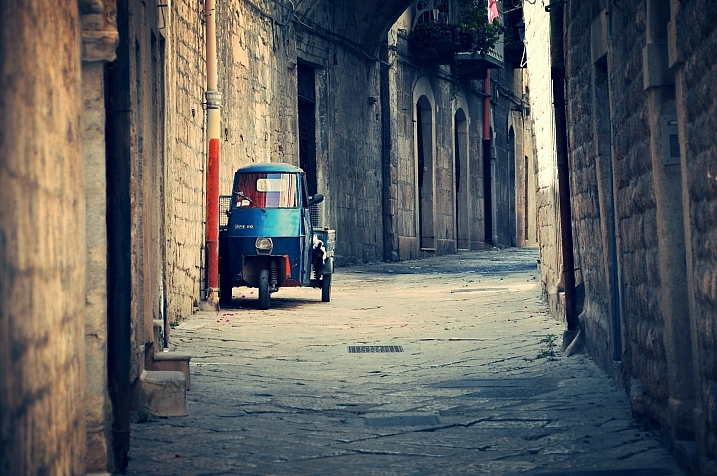
    We humans have many ways of getting ourselves from point A to point B, methods of transportation, or vehicles, such as:

    • Planes
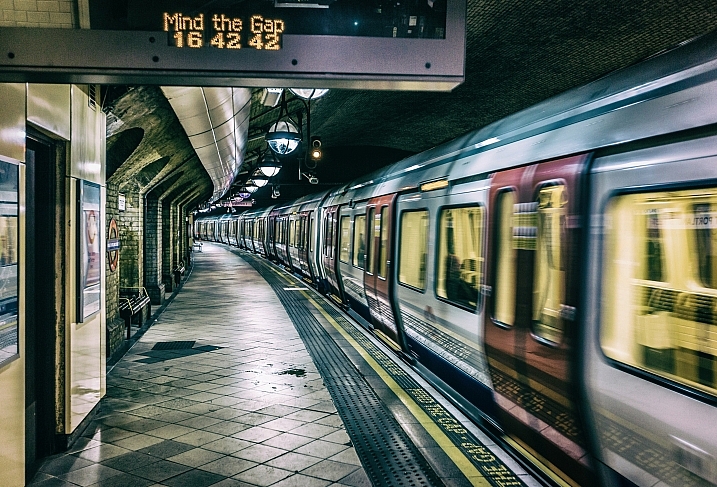
    • Trains
    • Car/automobiles
    • Bus
    • Bicycle
    • Motorcycle
    • Boat
    • Scooter
    • Sailboat
    • Cruise ship
    • Skateboard
    • Rollerblades
    • Etc. and the list can go on and on . . .
    Joan Campderrós-i-Canas

    By Joan Campderrós-i-Canas

    Sese_87

    By sese_87

    Weekly Photography Challenge – Modes of Transportation

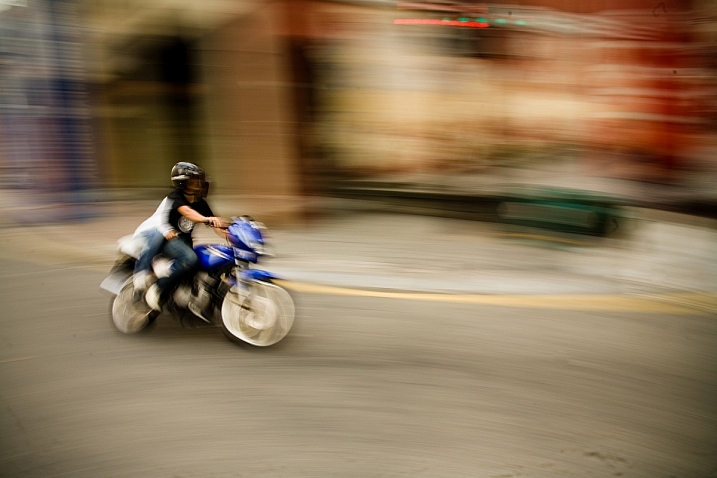
    That leaves it pretty wide opened for you this week. You could shoot traffic on a busy street, try some panning, freeze or stop the motion by choosing the appropriate shutter speed, take a bus or train and shoot from inside, just for a few ideas.

    Ben Salter

    By Ben Salter

    Harald Kobler

    By Harald Kobler

    Bob Jagendorf

    By Bob Jagendorf

    Joiseyshowaa

    By joiseyshowaa

    Share your images below:

    Simply upload your shot into the comment field (look for the little camera icon in the Disqus comments section) and they’ll get embedded for us all to see or if you’d prefer upload them to your favourite photo sharing site and leave the link to them. Show me your best images in this week’s challenge. Sometimes it takes a while for an image to appear so be patient and try not to post the same image twice.

    googletag.cmd.push(function() {
    tablet_slots.push( googletag.defineSlot( “/1005424/_dPSv4_tab-all-article-bottom_(300×250)”, [300, 250], “pb-ad-78623” ).addService( googletag.pubads() ) ); } );

    googletag.cmd.push(function() {
    mobile_slots.push( googletag.defineSlot( “/1005424/_dPSv4_mob-all-article-bottom_(300×250)”, [300, 250], “pb-ad-78158” ).addService( googletag.pubads() ) ); } );

    The post Weekly Photography Challenge – Modes of Transportation by Darlene Hildebrandt appeared first on Digital Photography School.


    Digital Photography School

  • Samsung Galaxy S7 teardown reveals Sony IMX260 Dual-pixel sensor

    At the launch of the Samsung Galaxy S7 and S7 edge the Korean manufacturer did not provide any official information about the makers of the the new devices’ camera module. However, now a teardown from Chipworks has confirmed rumors that the S7 captures its images on a Sony IMX260 sensor with 12MP resolution, 1.4um pixel size and dual pixel AF across the entire sensor. Read more

    Articles: Digital Photography Review (dpreview.com)

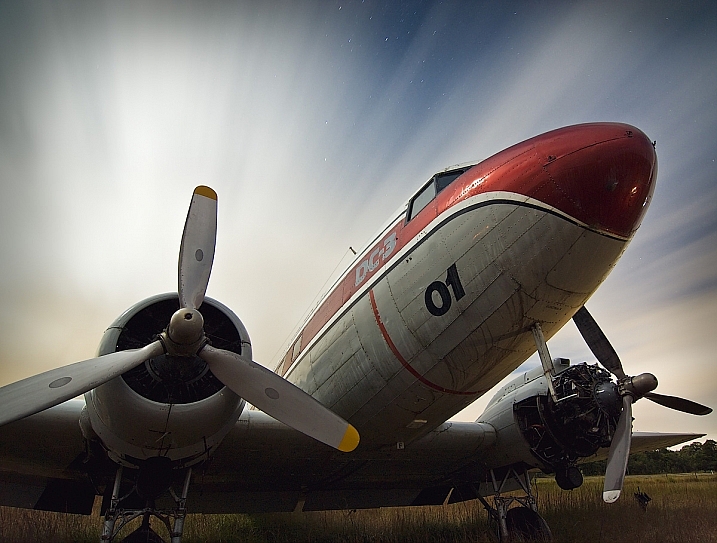
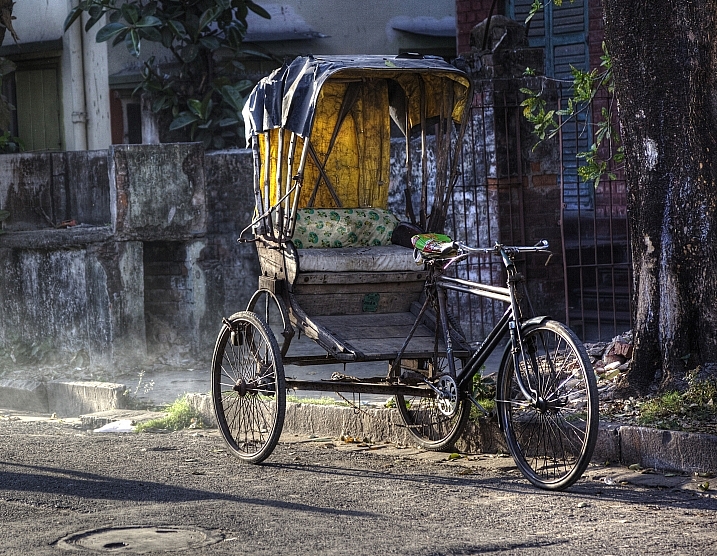
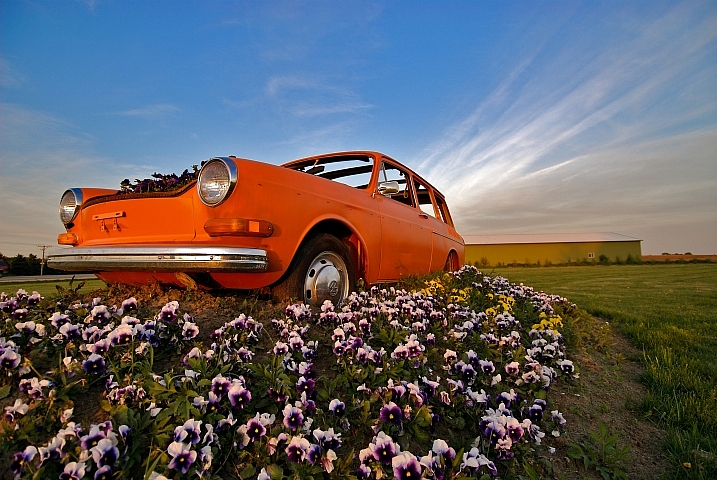
  • Modes of Transportation – 28 Images of Planes, Trains, and Automobiles

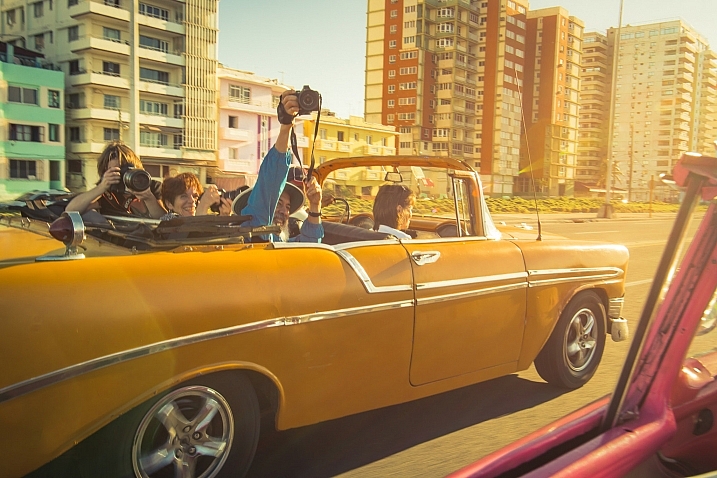
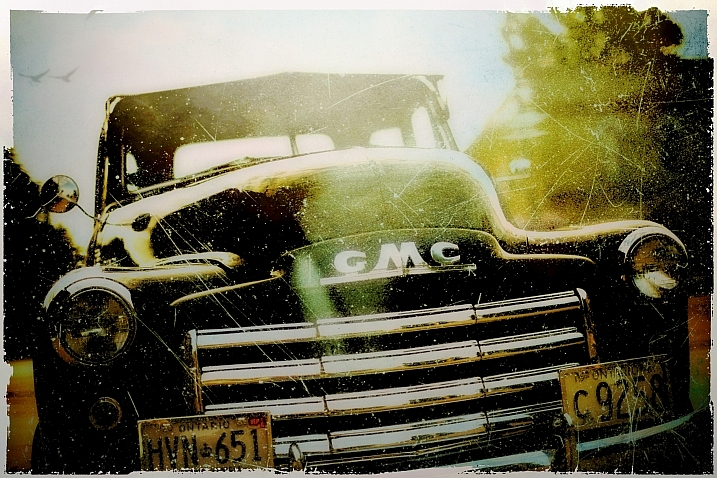
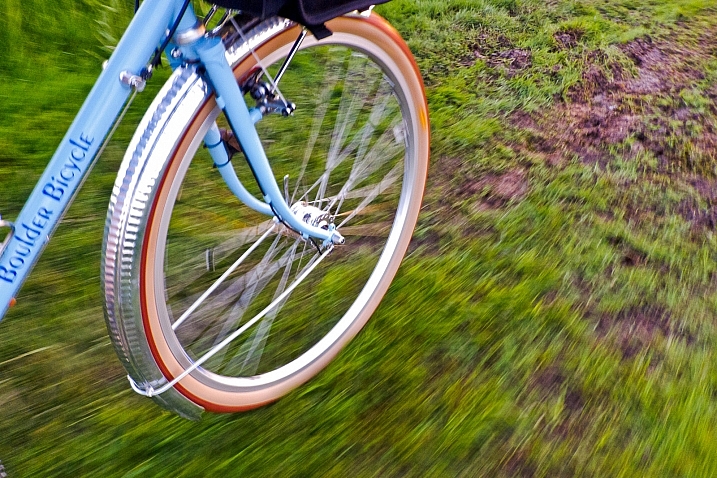
    We photographers tend to have a fascination with a few different subjects including old cars and bicycles.

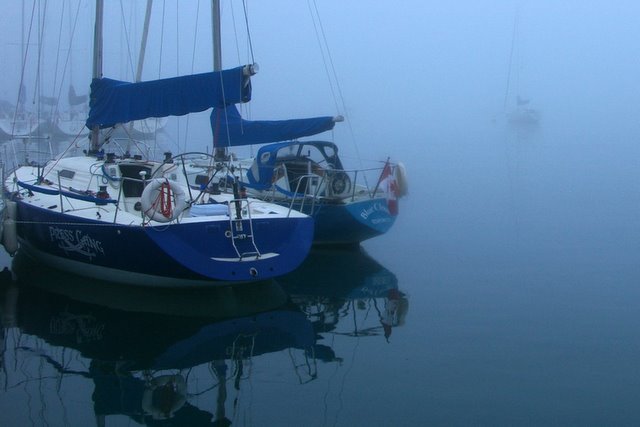
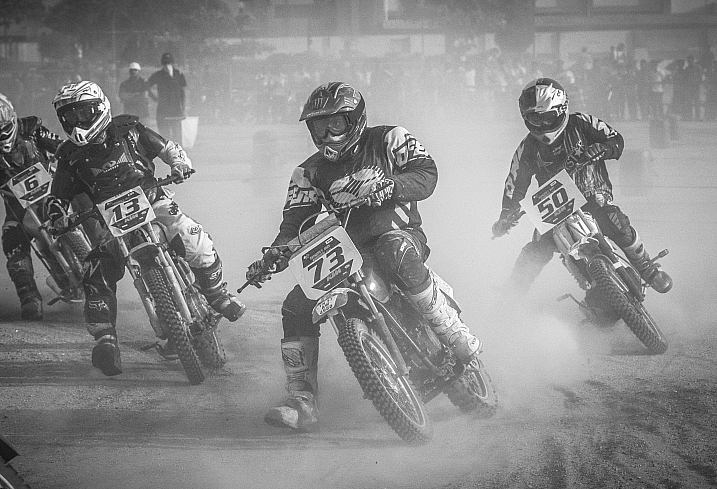
    But what other modes of transport are there that we love to shoot? How many can you see here, and how have these photographers captured their essence, done them justice?

    These first few images are mine:

    Darlene Hildebrandt

    By Darlene Hildebrandt

    Darlene Hildebrandt

    By Darlene Hildebrandt

    Darlene Hildebrandt

    By Darlene Hildebrandt

    Darlene Hildebrandt

    By Darlene Hildebrandt

    Darlene Hildebrandt

    By Darlene Hildebrandt

    Darlene Hildebrandt

    By Darlene Hildebrandt

    These are by other photographers:

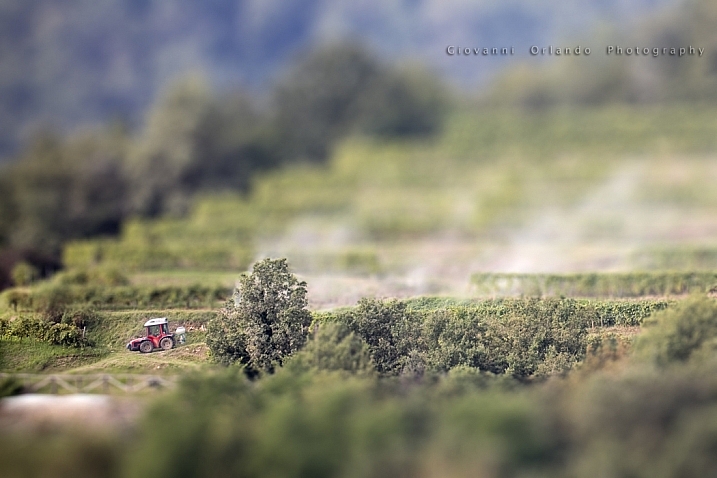
    Giovanni Orlando

    By Giovanni Orlando

    Howard Ignatius

    By Howard Ignatius

    Brent Pearson

    By Brent Pearson

    Timothy Neesam

    By Timothy Neesam

    Staffan Scherz

    By Staffan Scherz

    Garrett

    By Garrett

    Jimmy Brown

    By jimmy brown

    Peter Miller

    By Peter Miller

    Gerry Balding

    By Gerry Balding

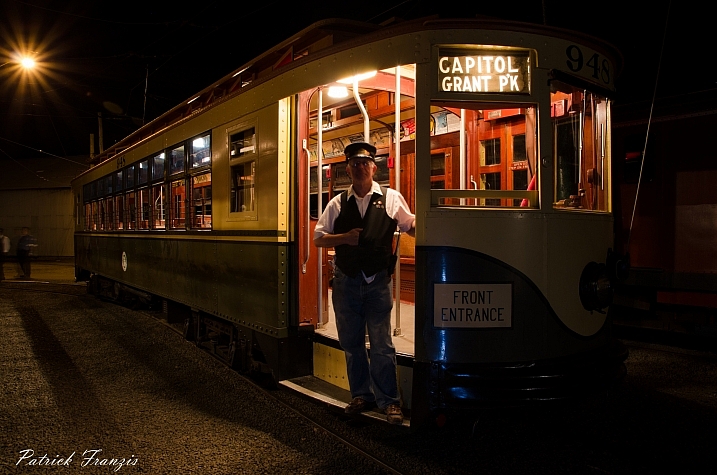
    Patrick Franzis

    By Patrick Franzis

    Justin

    By Justin

    Konstantinos B

    By Konstantinos B

    Amanda Tipton

    By amanda tipton

    Davide D'Amico

    By Davide D’Amico

    Patrick Franzis

    By Patrick Franzis

    Jimmy Brown

    By jimmy brown

    Michael Kooiman

    By michael kooiman

    Ryan Desiderio

    By Ryan Desiderio

    WickedVT

    By WickedVT

    Madhan R

    By madhan r

    Kev Haworth Photography

    By Kev Haworth Photography

    Dennis Jarvis

    By Dennis Jarvis

    Caden Crawford

    By Caden Crawford

    googletag.cmd.push(function() {
    tablet_slots.push( googletag.defineSlot( “/1005424/_dPSv4_tab-all-article-bottom_(300×250)”, [300, 250], “pb-ad-78623” ).addService( googletag.pubads() ) ); } );

    googletag.cmd.push(function() {
    mobile_slots.push( googletag.defineSlot( “/1005424/_dPSv4_mob-all-article-bottom_(300×250)”, [300, 250], “pb-ad-78158” ).addService( googletag.pubads() ) ); } );

    The post Modes of Transportation – 28 Images of Planes, Trains, and Automobiles by Darlene Hildebrandt appeared first on Digital Photography School.


    Digital Photography School

  • Panasonic Lumix DMC-ZS60 / TZ80 real-world samples and studio comparison

    Panasonic’s ZS60 puts a lot of enticing features in a very small package. It’s an iteration on a tried-and-true travel zoom formula that combines a 24-720mm equivalent zoom, 18MP sensor, 3″ touchscreen and a built-in electronic viewfinder. The ZS60 also offers 4K/UHD video at 30p as well as Wi-Fi. We spent some time outside with the ZS60, even managing to catch a few breaks in the late winter clouds, and have a real-world sample gallery to show for it. Take a look at how it fares out and about and in the studio.

    Articles: Digital Photography Review (dpreview.com)

  • Polaroid-branded BrightSaber Pro wand packs 298 LEDs

    A Polaroid-branded ‘BrightSaber Pro’ handheld light wand is now available, packing 289 LED lights into a frosted tubular diffuser with a built-in, secondary tungsten filter. Like the recently-announced Yongnuo YN360 light wand, the Brightsaber takes on the popular IceLight at a much lower price point.

    The Polaroid BrightSaber weighs 624g/22oz and supports operation from either batteries or a wall outlet. The integrated LEDs output 5600k light and have a lifespan rating of more than 50,000 hours. Twisting the BrightSaber engages the tungsten filter sleeve, changing the light’s color temperature to 3200K. Photographers can choose from a few different light modes as well, including an SOS distress strobe, slow flashing and rapid flashing.

    Polaroid includes an infrared remote with the BrightSaber; it serves as a portable control for the light wand and as a remote shutter release for nearly all Pentax, Canon and Nikon camera models. BrightSaber is available via Amazon starting at $ 149.99.


    Press release:

    Polaroid Brightsaber Pro Handheld/Mountable LED Lighting Wand Now Available

    Perfect for photographers, videographers and more, the Polaroid brightsaber pro LED lighting wand with integrated rotating tungsten filter provides outstanding lighting for stunning results

    RIDGEFIELD PARK, NJ – March 1, 2016 – The Polaroid brightsaber pro LED lighting wand is the easiest and most affordable way to get a perfectly lit shot, whether on set, in the field, or anywhere in between. The highly portable lighting solution can be comfortably handheld or mounted to a tripod for studio setups, and comes with an integrated rotating tungsten filter to give photographers, videographers, event planners, set decorators and more the light they need to create a beautiful look.

    Polaroid Brightsaber Key Features

    • Includes infrared lamp and camera shutter remote; rechargeable battery pack
    • Professional-grade LED lamp driver chip enhances consistency and lighting stability
    • Ergonomically designed, the 1.7” diameter multi-purpose grip provides maximum comfort during handheld use, while a built-in threaded tripod mount enables studio setups
    • Intelligently integrated, freely rotating, tubular tungsten filter in wrap-around design ensures perfect lighting balance
    • Array of 298 powerful, efficient, low-heat 5600k LED bulbs rated at >50,000 Hours

    Your Work in a Different Light…and Lots of It

    The Polaroid brightsaber’s 298-piece LED bulbs deliver true daylight color 5800K, and have been engineered to be in optimal proximity to the gently frosted light diffuser, resulting in a soft yet powerfully projected and evenly dispersed shine. Photographers can easily set the light to a rapid or slow flash with the press of a button. Offering the pros extra versatility, the Polaroid brightsaber features a tungsten color temperature filter in the form of a 3200k sleeve, giving users the ability to add dramatic lighting effects without the need for additional devices.

    Video or Still, Pro or Prosumer, It’s All the Lighting You Need

    Getting a well-lit shot is easy with the Polaroid brightsaber, eliminating the need for lighting umbrellas, stands, mounts and sweat-inducing spotlights. At just 22 ounces, the Polaroid brightsaber is super lightweight, portable and overall refreshingly manageable. Even so, it provides a full range of powerful and sophisticated “studio-level” features professionals will appreciate in the studio and on location.

    Infrared Remote

    Helping photographers stay focused on set, the Polaroid brightsaber comes with an innovative multi-function IR remote. This handy device gives users full control over the lighting, while doubling as a remote shutter release for virtually any Canon, Nikon or Pentax camera.

    Pricing and Availability

    The Polaroid brightsaber pro is available now on Amazon for 162.29 USD and ships with a lamp, filter, remote control, battery, AC power adapter, case and manual.
    Articles: Digital Photography Review (dpreview.com)

  • 6 Powerful Reasons Why All Photographers Need Facebook Pages

    Why Photographers Need A Facebook PageHi there everyone,


    It’s Ed a.k.a Edrenalin here, editor of FashionPhotographyBlog.com, bringing you insights from the inside.
     

    I’m constantly intrigued when I discover that out of the numerous photography businesses I’ve helped, the majority of them do not have a Facebook page for their business. Sure, these photographers had a personal Facebook profile, however, when it came to having a dedicated page for their photography, this was non-existent. I see this over and over again, and I can tell you that they are missing out on a great marketing tool in their business tool belts.


    However, I have to insert a disclaimer here, in that not every business will benefit from having a Facebook page for their business. It really depends on what kind of clients you are after for your business. For those of you who are looking for clients to make contact with you to book you then a Facebook page would be an ideal platform for you. If not, you can still create a Facebook page but there may be other social media platforms that may be more relevant to your market.


    Top 6 reasons why you need a Facebook Page for your business (even if you don’t have a photography business yet).


    1. It’s free as long as you are connected on Facebook with a personal account. It won’t cost you anything to create a Facebook business page and it’s pretty quick and easy to set up so give it a go, you have nothing to lose.


    2. Having a recognisable authority website such a Facebook, talking about your website provides bonus points for SEO. Not all social media accounts pass on “SEO link juice” these days (the reason for this is to prevent online scammers from abusing these social media platforms) however having a Facebook page is a great way to increase the visibility of your photography business, on Facebook and Google searches.


    3. Not only can people see friends that they know like and interact with your page, they can read the reviews and the feedback that people leave in the comments, to work out if you are a reputable photography business or not. People trust what their friends say more than what what you say. It’s one thing for you to talk about how great you are with your photography business, but it’s another when they hear it (or read it) from people they know, trust or relate to.  


    4. Potential clients who want to send a message to you on your website for an enquiry or booking might want to first know how quickly will you reply back to them (and whether you are still in business or on holiday). They may check out your Facebook page, since Facebook is one of the largest social media platforms in the world, and see what you are currently up to, and check up on your most recent posts.


    5. It allows your target audience to discover your photography business outside your website. By having a Facebook page you have another web property with a sizeable audience that potential clients can find out about you and your photography, even if they don’t know what the web address of your photography website is (or even if you don’t have one yet).


    6. And here is one of the most important reasons – If you don’t have a Facebook page yet, you can guarantee that your competitors already do and they are communicating with your potential clients before you get the chance to. This is the reality in today’s competitive marketplace and a lot of photographers are losing potential business because they haven’t jumped on board Facebook yet and join the conversation.


    So if you are hesitating or been thinking about starting a Facebook page for a long time but haven’t done so yet, I recommend that you do so right away for the reasons stated in this article. Do not worry if it doesn’t look perfect the first time. Remember that progress is better than perfection, and you can always close the page down or make edits to it later if it’s not to your satisfaction.


    Do you like this article? Want to read more articles like this? Then please SHARE this article on social media. If you have any comments or questions please feel free to put them in the comment section below. 


    Fashion Photography Blog

  • Virtual Heist: 2 Artists Secretly 3D-Scan an Ancient Artifact

    [ By WebUrbanist in Culture & History & Travel. ]

    3d art figure scan

    An usually high-tech form of pseudo-theft, executed by a pair of artists, has resulted in a high-resolution scan of the famous Queen Nefertiti statue at the heart of a dispute between Germany and Egypt. Avoiding the watchful gaze of four guards at the Neues Museum in Berlin, Nora Al-Badri and Jan Nikolai Nelles painstakingly scanned the 3,500-year-old bust over the course of three hours using a Kinect.

    3d nefriti statue scan

    Technically, nothing was taken, but the exact contours of the bust are now publicly available, open-sourced by the artists in question.

    3d rendered egyptian artifact

    Their work, itself a sort of art project, is in part a commentary on the question of art ownership and accessibility. The statue in question has been in Germany for over 100 years, but the Egyptian government has been lobbying to get it back.

    3d figure copy

    Since the release of their data dump, thousands of people have downloaded a virtual copy of the statue either to examine or 3D-print a copy. While this is not the same as preservation, it does add layers of redundancy for future researchers should something ever happen to the original figure. Many galleries are already making high-resolution images of famous paintings and drawings available on the web, and there is no reason a similar tactic could not be taken with three-dimensional works as well.

    Share on Facebook


    [ By WebUrbanist in Culture & History & Travel. ]

    [ WebUrbanist | Archives | Galleries | Privacy | TOS ]


    WebUrbanist