Blog

  • SLR Magic announces 35mm and 75mm CINE primes for FE-mount

    $ (document).ready(function() { SampleGalleryV2({“containerId”:”embeddedSampleGallery_5065293709″,”galleryId”:”5065293709″,”isEmbeddedWidget”:true,”standalone”:false,”selectedImageIndex”:0,”startInCommentsView”:false,”isMobile”:false}) });

    SLR Magic has announced two new E-mount prime lenses aimed at videographers and filmmakers. The CINE 35mm F1.2 and CINE 75mm F1.4 lenses provide fast maximum apertures, include geared barrels for use with follow focus rigs, and are compatible with FE full frame cameras.

    The two lenses have several features in common, including manual diaphragm with 13 aperture blades that stop down to F16, 52mm filter threads with non-rotating front elements, a black anodized finish.

    Both lenses have a retail price of $ 499 and SLR Magic says they should be available from dealers by August. The company will have hands on demos available at the CINE GEAR 2016 show from June 3-4 in Los Angeles.


    Press release:

    NEW: THE SLR Magic CINE 35mm F1.2 and SLR Magic CINE 75mm F1.4

    Hong Kong, China (June 3, 2016) – SLR Magic extends it’s FE-mount lineup with the SLR Magic CINE 35mm F1.2 wide angle lens and SLR Magic CINE 75mm F1.4 telephoto lens. The products will be officially introduced during upcoming CINE GEAR 2016 show in Los Angeles.

    The field of view of the SLR Magic CINE 35mm F1.2 and SLR Magic CINE 75mm F1.4 opens up many new creative composition opportunities, particularly in the fields of portrait, interior, architectural and landscape cinematography and photography.

    We place our highest priority in the development on our lenses to fulfill the demands of professional cinematographers and photographers. The design and build of the the SLR Magic CINE 35mm F1.2 and SLR Magic CINE 75mm F1.4 is solid and reliable.

    THE SLR Magic CINE 35mm F1.2 (MSRP: $ 499 US/ $ 3,299 RMB) and SLR Magic CINE 75mm F1.4 (MSRP: $ 499 US/ $ 3,299 RMB) will be available from authorised SLR Magic dealers by August, 2016.

    The SLR Magic CINE 35mm F1.2 and SLR Magic CINE 75mm F1.4 will be first presented at CINE GEAR 2016 show. There would be a demo at the ATOMOS booth in (Stage 16) during the show held in Paramount Studios in Los Angeles from 3rd to 4th of June 2016.

    Technical Data

    SLR Magic CINE 35mm F1.2

    • Lens Type: Fast standard lens
    • Compatible Cameras: FE-mount and E-mount cameras
    • Optical Design: 9 elements in 8 groups
    • Distance Settings:
    • Distance range: 0.3m to ?, combined scale meter/feet
    • Aperture: Manually controlled diaphragm, 13 aperture blades , Lowest value 16
    • Filter Mount: Internal thread for 52mm filter; filter mount does not rotate.
    • Surface Finish: Black anodized
    • Dimensions: 
    • Length to bayonet mount: approx. 77.40mm (approx. 3.05in)
    • Largest diameter: approx. 64.73mm (approx. 2.55in)
    • Weight: approx. 535g (approx. 18.87oz)

    SLR Magic CINE 75mm F1.4

    • Lens Type: Fast standard lens
    • Compatible Cameras: FE-mount and E-mount cameras
    • Optical Design: 6 elements in 6 groups
    • Distance Settings: 
    • Distance range: 0.70m to ?, combined scale meter/feet
    • Aperture: Manually controlled diaphragm, 13 aperture blades , Lowest value 16
    • Filter Mount: Internal thread for 52mm filter; filter mount does not rotate.
    • Surface Finish: Black anodized
    • Dimensions: 
    • Length to bayonet mount: approx. 78.68mm (approx. 3.09in)
    • Largest diameter: approx. 64.67mm (approx. 2.55in)
    • Weight: approx. 455g (approx. 16.05oz)

    Articles: Digital Photography Review (dpreview.com)

  • 8 Fashion Photographers You Should Have On Your Radar

    The fashion photography world is enormous, and it’s ever growing.

    So how in the world do you find the best of the best? Ask the experts!

    Atlas Magazine is an independent print and digital publication geared at the promotion of the next generation of fashion creatives. They receive thousands of submissions a month from photographers globally.

    So we asked them, experts that they are, to list the fashion photographers that they’re loving right now.

    Take a look at the list. Follow your faves on Instagram. We think you’re going to love them too!

    (…)
    Read the rest of 8 Fashion Photographers You Should Have On Your Radar (698 words)


    © laurel for Photojojo, 2016. |
    Permalink |
    No comment |
    Add to
    del.icio.us

    Post tags:


    Photojojo

  • High Tech DIY Decor: 15 3D-Printed Home Accessories

    [ By SA Rogers in Design & Furniture & Decor. ]

    3D Printed Home Decor

    Take DIY home decor to a whole new level with 3D printing, whether you’re just purchasing a pre-printed geometric aquarium ornament or custom-designing an object you just can’t find anywhere else. This small-scale, low-impact manufacturing model makes it easy to produce all sorts of complex items, from lampshades and mini greenhouses to replacement parts for broken objects. Print them yourself if you can, or just browse the thousands of ‘digitally hand-crafted’ 3D-printed products on sites like Shapeways.

    Aquarium Flora

    3d printed aquarium 1

    3d printed aquarium 4

    waterscapes 4

    waterscapes 3

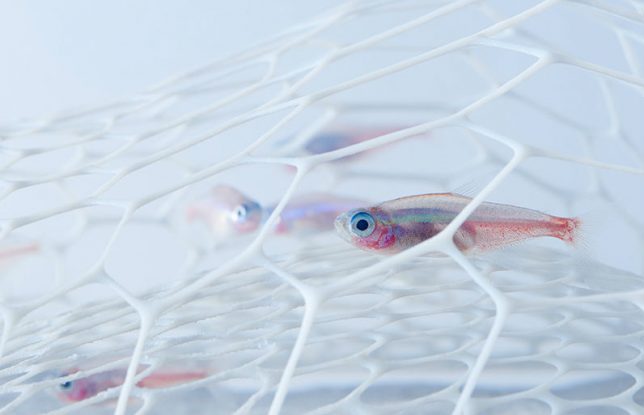
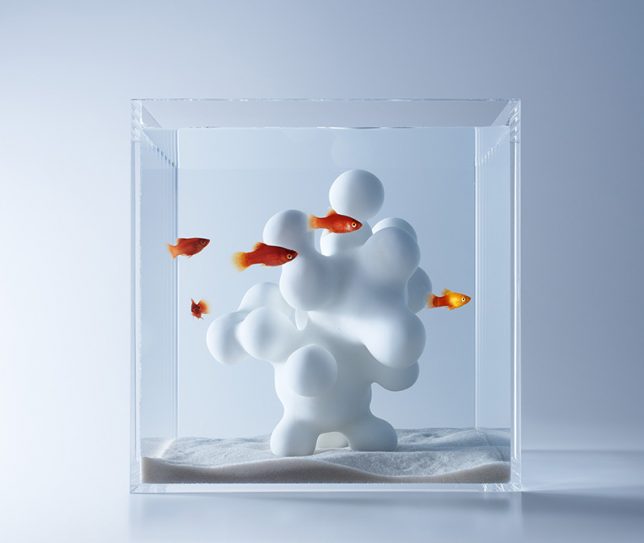
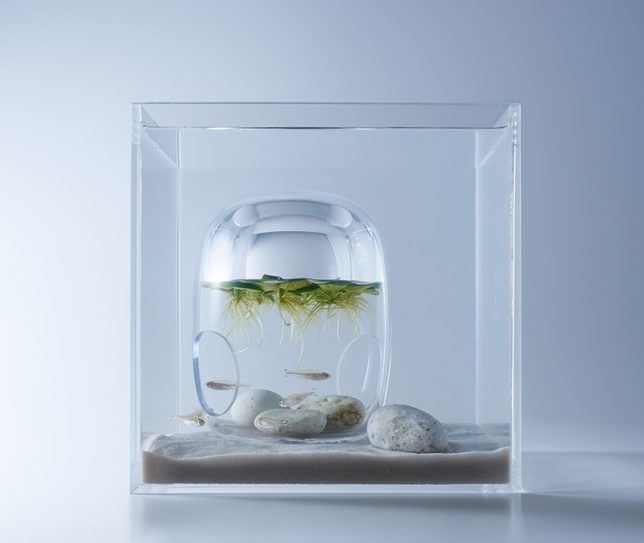
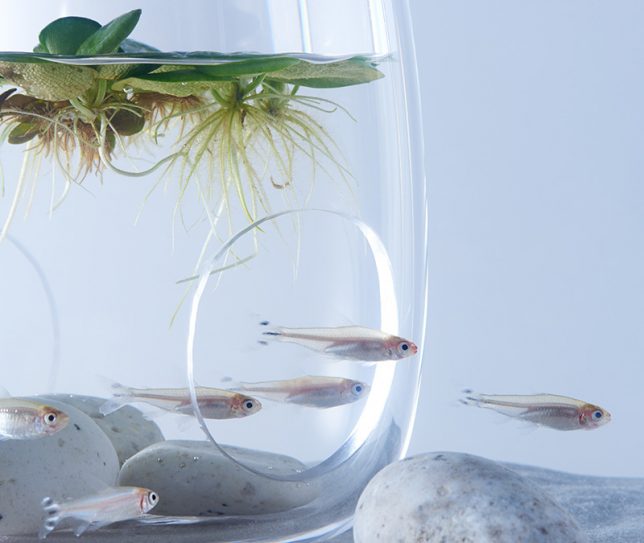
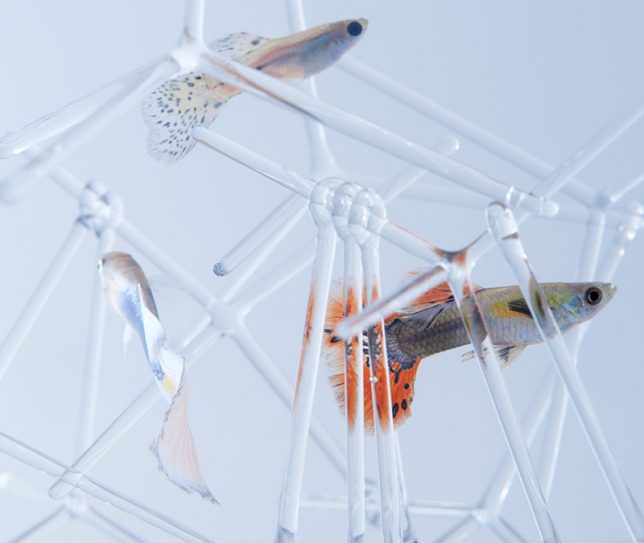
    ‘Waterscapes’ by Haruka Misawa is a series of 3d printed objects inspired by aquatic plant life, intended for use in aquariums for a minimalist look that’s still fun and functional for fish. In addition to sculptural creations mimicking coral, the objects include bubbles of air that fit within the aquariums to make surface-growing aquatic plants the visual centerpiece.

    Cityscape Light Bulbs

    3d printed bulb 1

    3d printed bulb 2

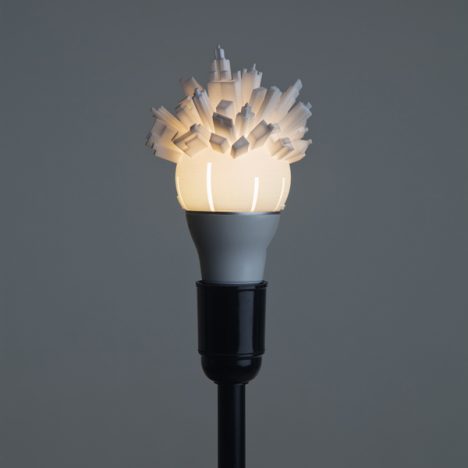
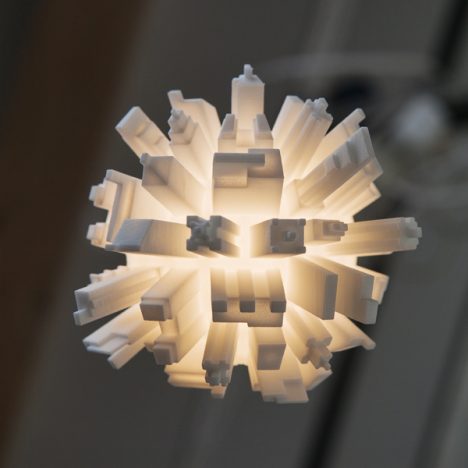
    Cityscapes sprout from the tips of LED light bulbs in the ‘Huddle’ series by designer David Graas, available for purchase at Layers. “Just like the penguins in the Antarctic huddle to survive the extreme cold during the winter time also people have taken on huddling as a strategy for survival. The mega city, despite its many problems, seems to be our destined habitat now that resources are becoming scarce. It also holds the key to a sustainable future with its concentration of information, technology and talent.”

    Screw It Vase

    Screen Shot 2016-06-03 at 8.36.09 AM

    Screen Shot 2016-06-03 at 8.35.57 AM

    Screen Shot 2016-06-03 at 8.35.48 AM

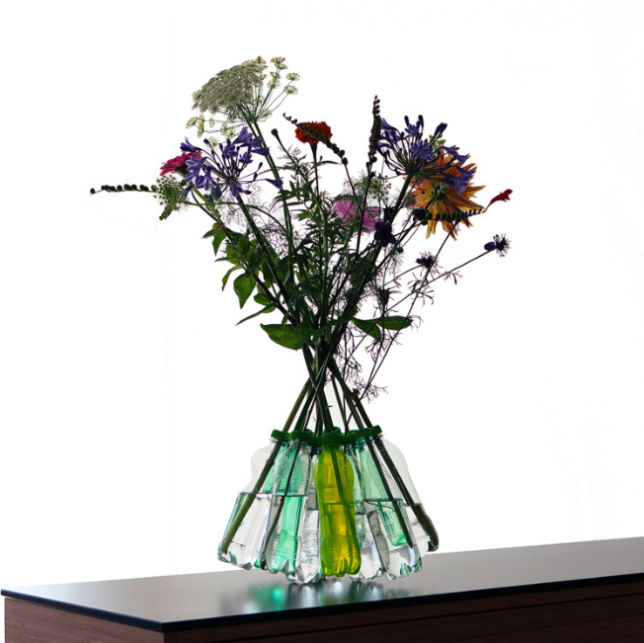
    A slightly curved, connected collection of twelve universal PET bottle screw tops turns a dozen used plastic bottles into a collective vase, each bottle holding one or two stems of flowers and greenery. You can use bottles of various colors and sizes, as long as the three center bottles supporting the weight of the collective vase are the same size.

    Tardigrade Bottle Opener

    3d printed tardigrade bottle opener

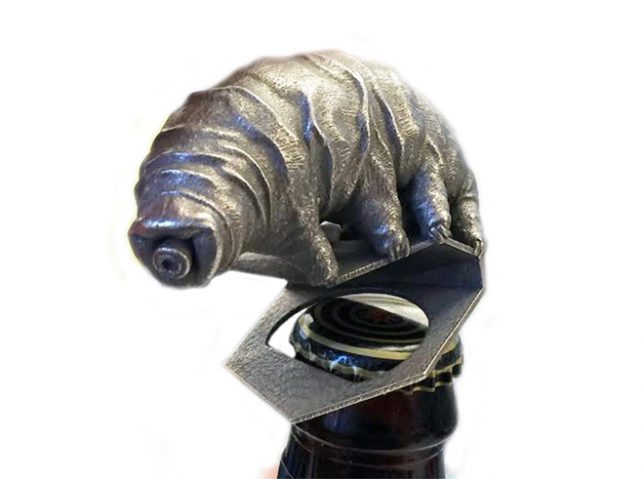
    Anyone who already knows what a tardigrade (aka ‘water bear’) is will love this bottle opener, and the rest just need to watch this video about the strangest creature to ever be sent to outer space. Available in a variety of steel colors at Shapeways, it’s definitely an unusual item to have in your house.

    Flexible Mini Greenhouse Dome

    Screen Shot 2016-06-02 at 9.08.44 PM

    Screen Shot 2016-06-02 at 9.09.05 PM

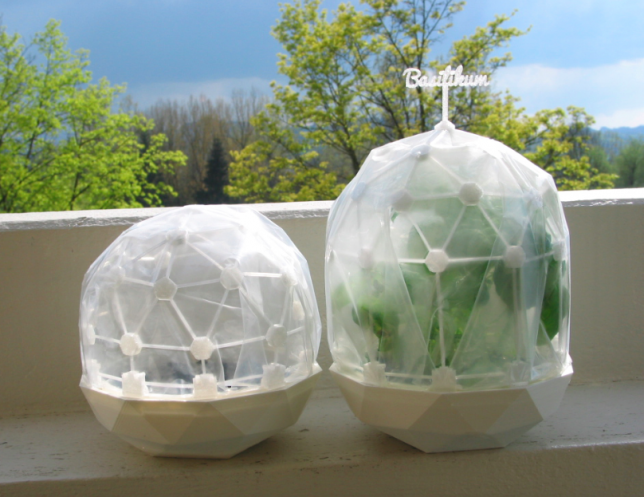
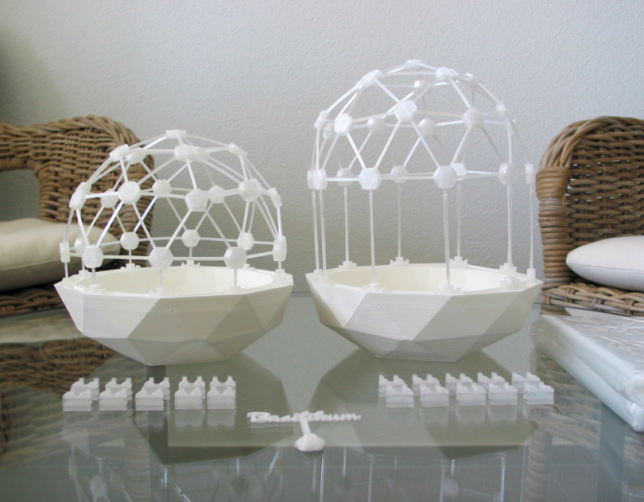
    Got access to your own 3D printer, or a shared one? Try your hand at building some of the thousands of items that have been made available online in the form of printable STL files. This one will print out a kit of parts to build a flexible mini greenhouse dome with a geometric pot, perfect for seed starting.

    Next Page – Click Below to Read More:
    High Tech Diy Decor 15 3d Printed Home Accessories

    Share on Facebook


    [ By SA Rogers in Design & Furniture & Decor. ]

    [ WebUrbanist | Archives | Galleries | Privacy | TOS ]


    WebUrbanist

  • How to Find your Personal Photographic Style

    Finding your personal photographic style is something of a holy grail to photographers, yet seldom an overnight occurrence. Nor would you want it to be, as developing a style that is uniquely yours is one of the most exciting and rewarding aspects of photography. For a lot of photographers, it is an ongoing, ever-evolving process, influenced by many factors. Some photographers find a single style that works for them, which they stick to and hone, while others might develop two or more dominant styles.

    image showing personal photographic style

    The beach and water feature in many of my images

    What defines a photographic style?

    Personal style can be defined by any number of things. It can be your choice of subject matter, the way you light or style your subjects, your shooting angle, cropping, a particular colour or tonal range you’re drawn to, your post-processing style, or any combination of these and more.

    Consider those photographers, whose work is instantly recognizable. Some of the greats such as Annie Leibovitz, Ansel Adams, Henri Cartier-Bresson – their styles are so distinctive that the viewer is left in no doubt as to whose work they are viewing. Adams is probably best known for his iconic black-and-white images of the American West, and his renowned technical perfectionism. Cartier-Bresson is considered by many to be the father of modern photojournalism. His style was humane and spontaneous, and he broke many rules in order to capture the decisive moment. Leibovitz developed her trademark style, involving the use of bold primary colours and unexpected poses, while working at Rolling Stone magazine. Her highly styled fashion and celebrity portraits bear her signature in every detail.

    There are many photographers with unique styles, who may not yet have reached such heights of fame. The photographs below are the work of  Australian-based photographer Juanita Haslett (Little Forest Photography). Juanita’s style is distinguishable by her unposed approach to her subjects, the subjects themselves (usually young children), the wild, natural settings, and her distinctive editing style.
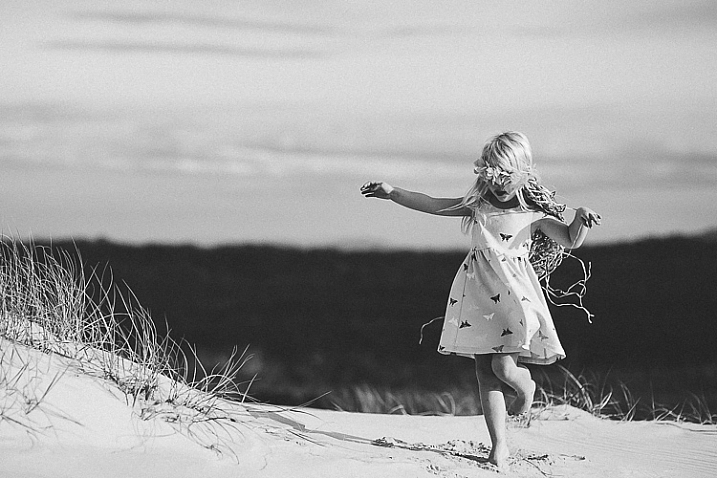
    image showing personal photographic style

    Photo credit: Juanita Haslett, Little Forest Photography
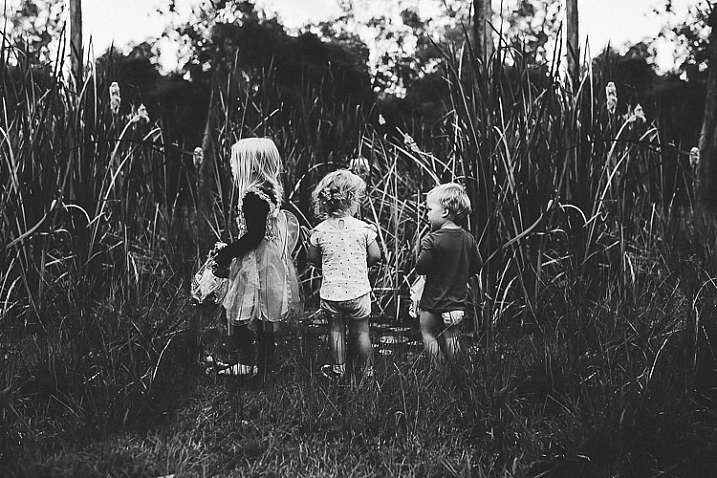
    image showing personal photographic style

    Photo credit: Juanita Haslett, Little Forest Photography
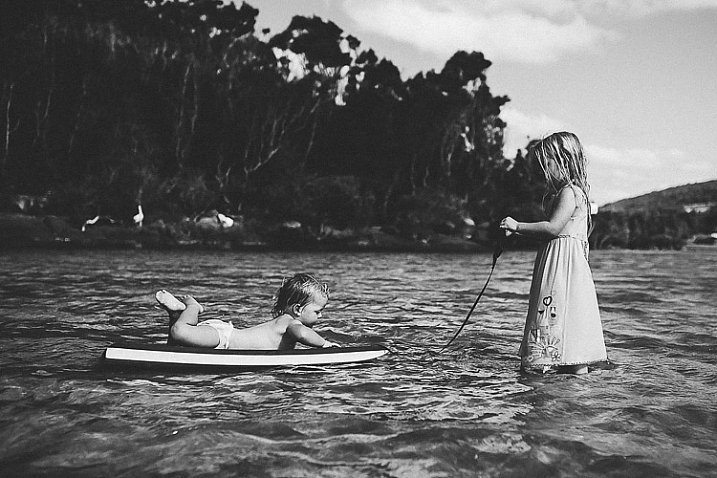
    image showing personal photographic style

    Photo credit: Juanita Haslett, Little Forest Photography.

    Forget what everyone else is doing

    When I was finding my feet as a portrait photographer, I was thrown off course time and time again by what other people in my industry were doing. Everywhere I looked were posed newborns – Photoshopped composites of babies in baskets, bowls and nests, babies in froggy pose, babies hanging in dreamcatchers, and swaddled in an assortment of wraps, headbands and hats with ears. Alongside the posed newborn images were photos of small children in forests and fields, bathed in an otherworldly golden light and sun flare – always the sun flare!

    I figured that since everyone seemed to be photographing this way, it was what clients wanted. As I tried to recreate what they were doing (and had been doing long before I came along) their images populated my news feed every time I went online, serving as visual reminders of what I was failing at. In trying to do what everyone else was doing, I found myself lost in a sea of sameness.
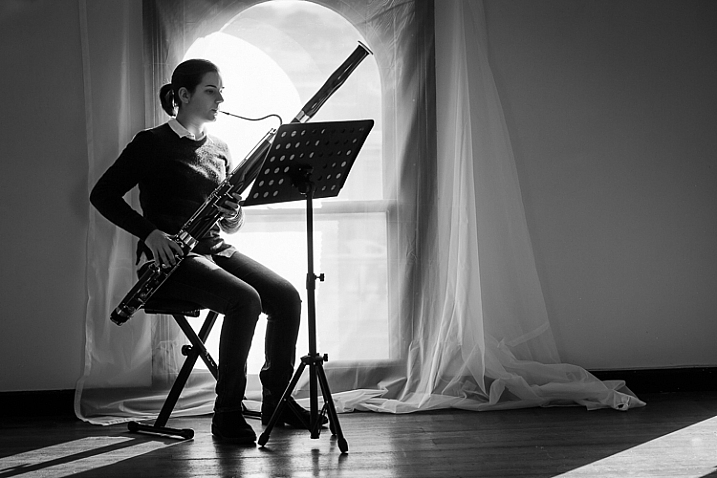
    image showing personal photographic style

    My daughter chose to learn the bassoon rather than the piano. Her choice to do something different has helped her stand out from the pack, and has opened many doors for her.

    The thing about stand-out photographers is that they stand out precisely because they are not doing what everyone else is doing. Your style is what sets you apart from everyone else. Sometimes, this means being brave and following a less popular path. So, be inspired by others, but don’t compare yourself. Admire their work, but don’t try to emulate it, because you will only end up looking like a poor imitation of something great.

    The examples below are the work of Steve Scalone, a Melbourne-based photographer whose clean, graphic composition and unusual shooting angles are his trademark. Steve specializes in a very different genre to mine, but I follow his work, and admire it because it reminds me of the importance of being brave and different.
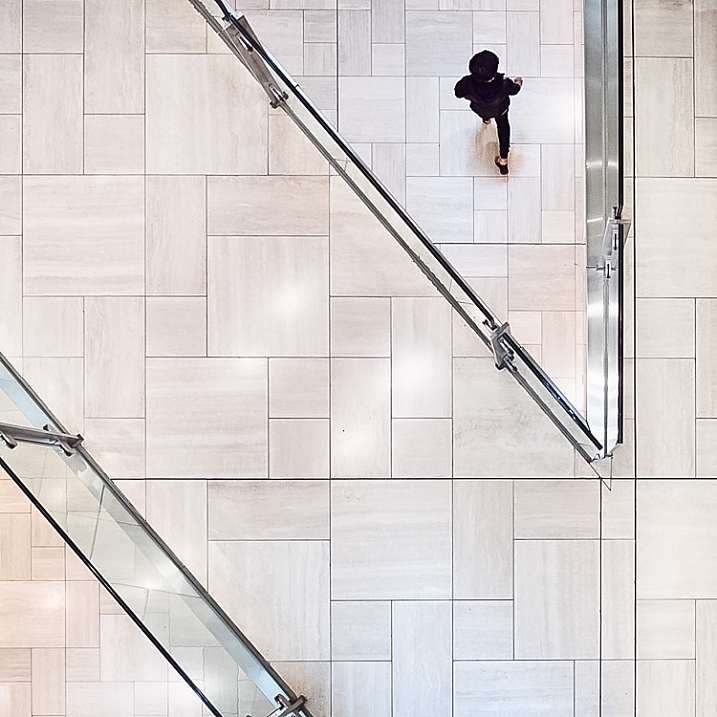
    Image showing finding your personal photographic style

    Photo credit: Steve Scalone

    Image showing finding your personal photographic style

    Photo credit: Steve Scalone

    Image showing finding your personal photographic style

    Photo credit: Steve Scalone

    Figure out what inspires you

    It’s helpful to understand how your passion was born. Keeping this at the forefront of your mind will help keep those doubts in check when they come creeping in, as they inevitably will. While you shouldn’t try to copy anyone else’s style, there is nothing wrong with being inspired by others. For many of us, another photographer’s work is what ignites that first spark in us, urging us to explore this medium further.

    Who or what made you first fall in love with photography? Was there a family member whose photos struck a chord?  A photo you saw in the newspaper, or an exhibition you attended? Sometimes it’s a combination of many things, and it can be hard to pinpoint the one thing that’s had the greatest impact.

    For a long time, I thought my first photographic love was Cartier-Bresson, evidenced by my love affair with black-and-white and candid photography. However, I was only introduced to Cartier-Bresson’s work when I already owned an SLR, by which stage the stable door had long been left open, and the horse had well and truly bolted.
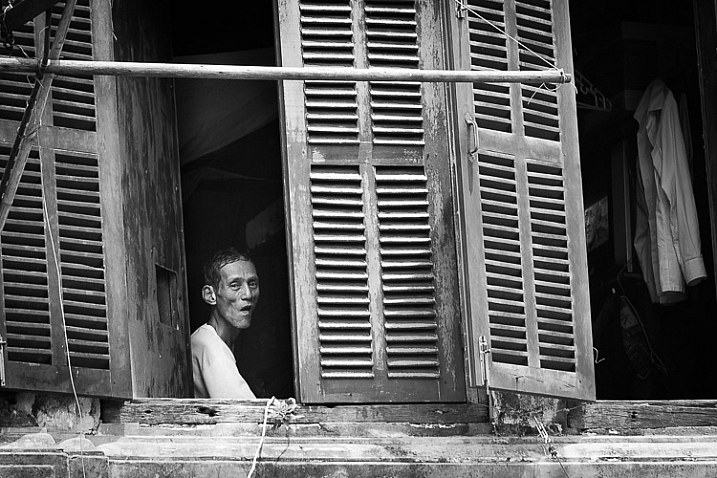
    image showing personal photographic style

    My admiration for Cartier-Bresson is evident in my love of black-and-white street photography.
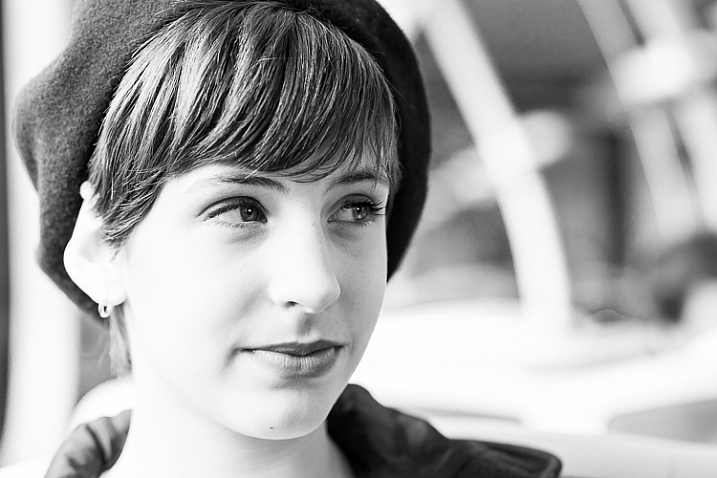
    image showing personal photographic style

    My first real engagement with photography was through my father. He documented our childhood growing up in South Africa in the 1970s, with a Minolta SLR and slide film. He had no formal training, just an eye for light and composition. Dad regularly treated us to slide shows, and none of us complained because his photos were so beautiful. There wasn’t a dull or dreary image among them, since Dad’s most active shooting season was during our summer holidays, in the mountains and on the coast.
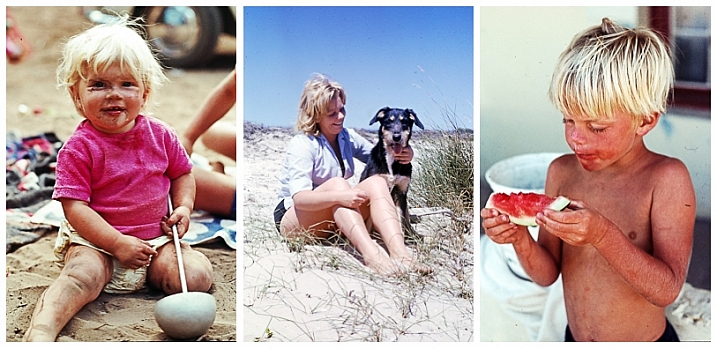
    image showing personal photographic style

    My father documented our childhood in South Africa on slide film. Photo credit: Erik Holmgren

    After we immigrated to Australia, the slides became even more important to us. Projected life-size on the wall, they allowed us to re-live all those happy memories, and kept our birth country alive for us when we were desperately homesick.

    It was only recently that I realized just how much of an impact my father’s photography has had on my style. First, I favour natural over heavily edited. With so many editing tools at our disposal, there is the temptation to fiddle and alter until we end up with an image that is nothing like what we set out to capture. Dad’s photos have a beautiful rawness about them; they tell it as it really was.

    Second, I am drawn to water and other natural environments, particularly when photographing children.

    Third, I love big, beautiful photographic wall art, and I’m sure it harks back to those slideshows! I love how you can see all the detail of expressions and connections within a photograph when it is projected large on the wall.
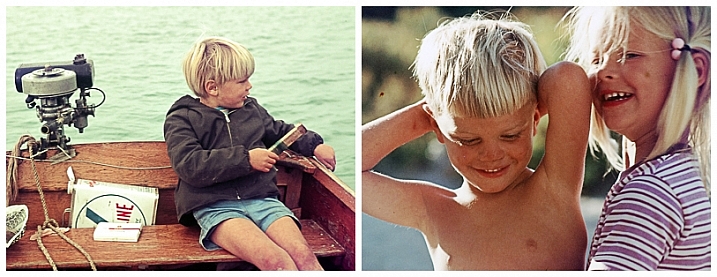
    image showing personal photographic style

    My father’s photography has had a huge influence on my style. Photo credit: Erik Holmgren

    Develop your style

    Spend an afternoon looking back over the photographs you’ve taken. It’s a rewarding rainy day activity! Create a collection of your favourites, but don’t overthink it. Be spontaneous, and you’ll gravitate to those images that make your heart skip a beat.

    Now take a good look at them. Do you notice a pattern? It may be subtle, and it may take a while to see it, but here are some things to consider:

    What do you like to photograph? Let’s say it’s children. Are they young children or teens? What are they doing when you photograph them? Do you like to catch them in action, or quiet reflection? Candid or styled? Are they indoors or out? What do their surroundings look like?

    image showing personal photographic style

    Warm colours of early morning or late afternoon light contribute to style.

    What about focal length? Do you photograph close up, or do you like to include some background to help tell the story? Do you favour the compression of a zoom lens or do you prefer a wider angle lens? Do you like to keep some background detail, or do you shoot with a wide aperture to keep it soft? Do you shoot from above, below, behind, in profile? Do you compose your images with lots of foreground, lots of sky, or do you frame your subjects with things like trees?

    Now think about the lighting. What time of day have you taken your favourite photos? Are they brightly lit or full of shadows? High key, deliberately underexposed, or somewhere in between?

    Is there a colour or tonal range that dominates your photos? There will be evidence of this in your choice of subjects, locations and your editing style. You might find the majority of your favourites are black and white, or maybe you’re drawn to warm reds and golds, or even neutrals. Do you prefer to edit for crisp colours and sharp images, or do you favour the softer outlines and colours that are reminiscent of film?
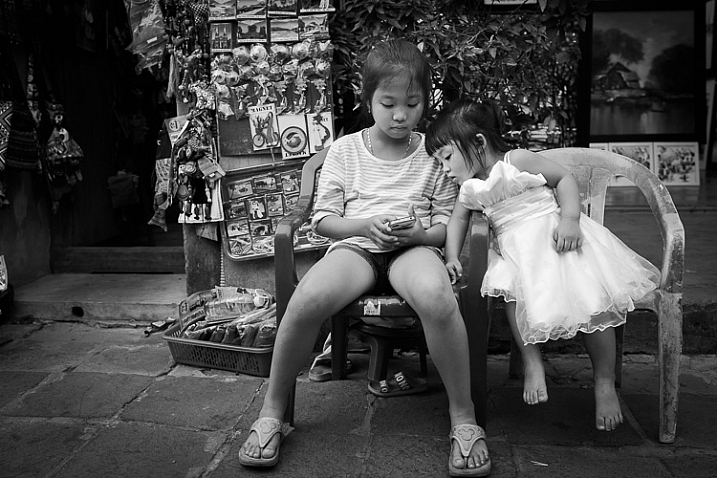
    image showing personal photographic style

    Black and white is one of my two dominant styles

    All of these elements contribute to your photographic style. Once you identify them, you can start honing in on your style by emphasising the things that move you, and then watch your style grow.

    So, how has your style developed? Have you noticed a big difference in the way you shoot or edit now, compared to where you were say, three years ago or even six months ago? Share your before and after photos in the comments section below, and any tips you might have for developing a personal photographic style.


    Editor’s Note: This is one of a series of articles this week that are Open for Discussion. We want to get the conversation going, hear your voice and opinions, and talk about some possibly controversial topics in photography.

    Let’s get it started here – do you agree or disagree with the points in the article above? Do you have any others to add? Give us your thoughts below, and watch for more discussion topics each day this week.

    See all the recent discussion topics here:

    • 7 Commonly Accepted Photography Beliefs Debunked
    • Is HDR dead? Some dPS Writer’s Thoughts on this Controversial Topic

    googletag.cmd.push(function() {
    tablet_slots.push( googletag.defineSlot( “/1005424/_dPSv4_tab-all-article-bottom_(300×250)”, [300, 250], “pb-ad-78623” ).addService( googletag.pubads() ) ); } );

    googletag.cmd.push(function() {
    mobile_slots.push( googletag.defineSlot( “/1005424/_dPSv4_mob-all-article-bottom_(300×250)”, [300, 250], “pb-ad-78158” ).addService( googletag.pubads() ) ); } );

    The post How to Find your Personal Photographic Style by Karen Quist appeared first on Digital Photography School.


    Digital Photography School

  • Motorola Moto X Force / Droid Turbo 2 camera review

    The Moto X Force is the international version of the Verizon-exclusive US model Droid Turbo 2 and the current flagship model in the Moto line. With a Sony 1/2.4-inch 21MP IMX230 sensor, F2.0 aperture, 4K video and a flash-equipped 5MP front camera, the Force’s imaging specification is very similar to the Moto X Style. However, it comes with higher-end processing components, including a Qualcomm Snapdragon 810 chipset and 3GB RAM.

    $ (document).ready(function() { SampleGalleryV2({“containerId”:”embeddedSampleGallery_8561932100″,”galleryId”:”8561932100″,”isEmbeddedWidget”:true,”standalone”:false,”selectedImageIndex”:0,”startInCommentsView”:false,”isMobile”:false}) });

    DPReview smartphone reviews are written with the needs of photographers in mind. We focus on camera features, performance, and image quality.

    The Moto X Force’s stand-out feature is its AMOLED display. At 5.4″ it is a little smaller than the Moto X Style’s 5.7″ IPS variant but offers Motorola’s new ShatterShield protection which means it’s guaranteed not to crack or shatter. The device body is water-resistant with a solid metal frame and a back that is covered with a rubberized material, making the Moto X Force an ideal phone for use in rougher surroundings. 

    Key Photographic / Video Specifications

    • 21MP 1/2.4-inch SONY IMX230 BSI CMOS sensor
    • F2.0 aperture
    • 4K video
    • Dual-LED flash
    • 5MP wide angle front camera with flash

    Other Specifications

    • 5.4-inch Quad-HD AMOLED display (540 ppi) with ShatterShield protection
    • Qualcomm Snapdragon 810 Processor with 2.0 GHz octa-core CPUs
    • 3GB RAM 
    • 32/64GB of storage
    • MicroSD support up to 2TB
    • 3760 mAh battery with quick and wireless charging technology (Qi and Powermat)
    • Water-resistant

    Our 9-page review

    We’ve considered every aspect of the Motorola Moto X Force with the photographer in mind. We examined the user interface of the native camera app and its special features. We experimented with the camera’s performance when taking stills and video, and had a play with the device’s many special feature modes.

    Articles: Digital Photography Review (dpreview.com)

  • Nikon offers free battery exchange for D500 owners

    Nikon is offering to replace ‘early generation’ EN-EL15 batteries for D500 users who are getting less than the expected battery life from their cameras. In a statement, the company explains that batteries manufactured prior to a design change in 2013 ‘may not be capable of the maximum number of shots possible […] indicated in D500 documentation’. If you can supply a valid receipt for the purchase of a D500, the company will replace these older batteries at no charge.

    The exchange applies to older EN-1L15 batteries marked ‘Li-ion01’. Newer batteries, labeled ‘Li-ion20’ (shown below) are not eligible for exchange. 

    This exchange only applies to EN-EL15 batteries with ‘Li-ion01’ printed on the rear. Batteries manufactured after 2013 (which includes all batteries supplied with new D500 bodies) are labeled ‘Li-ion20’ and are not eligible for replacement. Nikon claims the difference between these batteries is not one of capacity, but of electric discharge profile.

    So if you’re a new D500 owner and you’re not getting the battery life you expect, check to see if ‘Li-ion01’ is marked on the back of the battery. If you’re still seeing poor endurance from the new battery that came in the box with your camera, we’ve found that it helps to engage Airplane Mode.

    Articles: Digital Photography Review (dpreview.com)

  • Ricoh Theta and Theta S apps add support for Google Cardboard

    Good news for users of Ricoh Theta and Theta S 360-degree cameras: the corresponding apps now support the use of ‘head-mounted displays’ for viewing your images and videos in their full 360-degree glory. This of course includes Google’s budget Cardboard viewer. 

    When viewing images or video in the app you can now choose between standard screen or two different virtual reality modes, single or double lens, the latter of which will work with Google cardboard. Until now, Theta users had to upload their content to a compatible service in order to view them using Cardboard. Now, thankfully this additional step is no longer necessary. The Ricoh Theta and Ricoh Theta S app can be downloaded from the Google Play Store.

    Articles: Digital Photography Review (dpreview.com)

  • Why You May be Failing to Reach Your Potential as a Photographer

    There are a number of reasons why someone might not succeed at reaching their full potential, more than I can cover in this article, so please feel free to add to this list by telling us what obstacles get in your way. If you have solutions to someone else’s problem, feel free to offer up some advice, and help out a fellow photographer.

    reach-photography-potential

    What does it mean to reach one’s potential?

    Reaching your potential can be a bit arbitrary as everyone has different ideas of what success means. In order to simplify this article a little, let’s make a couple of assumptions to define the photographer we are talking about.

    Assumption #1 – The photographer in question is someone who wants to improve their work through the long haul. This photographer may or may not want to become a professional, but they do want to look back on their portfolio and be proud of what they have accomplished.

    Assumption #2 – For the sake of this article things out of the control of our make believe photographer – i.e. financial situation, health, and social/family aspects of life – are not the cause of their failure to reach their potential.

    What then, are the obstacles that may be holding you back?

    Lack of confidence

    Think about learning a new skill. At the beginning you’ll most likely have a low level of confidence, but this is off-set by a high level of excitement to try something new. As time goes on though, that newness wears off and you’re left feeling like you’ve gotten yourself in over your head – does that sound familiar?

    reach-photography-potential-2

    With photography there is so much information available on the web, so many people to compare yourself to, so many clubs to join, and so many things to buy, that it can become overwhelming for you to figure out the right path to take forward.

    This frustration can lead to confusion, or even doubt over the decisions you’ve made, making this a common question, “Did I buy the right lens/tripod/software?”.

    The simplest advice that can be given in this situation is to try to block out the distractions around you. Try to focus on your own improvement, and benchmark your current photography against what you did last month, or last year. This will help showcase your personal triumphs, allowing you to stay confident in your progress.

    Lack of Motivation

    If there’s one thing that will stop you from reaching your potential, it’s lack of motivation. Photography requires a lot of time and energy. You have to plan shoots, find subjects, work with models or nature, often travel to a location – a lot goes into photography.

    reach-photography-potential-4

    To compound this, motivation will often peak when something is new, but as you visit the same location a few times, use the new lens repeatedly, or master the new technique you read about, the level of motivation you get from these things starts to wane.

    In order to avoid stalling out due to lack of motivation, one thing you can do is to keep trying new things. One of the best ways to do this is to participate in themed challenges, like those here on dPS weekly. Another option would be to join a local photography club, or even an online community, to allow you to meet other photographers and share ideas.

    Not investing in the right gear

    You probably know that gear alone can’t make you a better photographer, but the wrong gear can certainly hold you back.

    reach-photography-potential-3

    Trying to cut corners on cheap tripods, poor quality bags, or inferior lens filters, will do more harm than good. One could argue that poor quality gear will actually hurt your photography, more than high quality gear will improve it. So invest wisely, but be careful not to fall into the next hurdle.

    Relying on gear to carry you

    As mentioned above, some investment is necessary in order to set yourself up for success. However, too much reliance on the gear you buy will only hold you back. Thinking that upgrading to full frame will improve your photography is not the right reason to buy a new $ 2,000 dollar camera.

    When it comes to investing in new gear there are two questions you should ask yourself:

    1. What is the driving force behind your desire to upgrade?
    2. How will the desired upgrade fill a need in a way that your current gear cannot?

    Hopefully by answering these questions you’ll be able to find out whether or not the gear that you’re inquiring about is a want or a need, and how big of an impact it will have on the photographs you produce.

    What else stops you from achieving your potential?

    Let us know in the comments what hurdles you face as a photographer. What stops you from achieving your potential, and maybe we as a community can help you find ways to tackle that challenge.


    Editor’s Note: This is one of a series of articles this week that are Open for Discussion. We want to get the conversation going, hear your voice and opinions, and talk about some possibly controversial topics in photography.

    Let’s get it started here – do you agree or disagree with the points in the article above? Do you have any others to add? Give us your thoughts below, and watch for more discussion topics each day this week.

    See all the recent discussion topics here:

    • 7 Commonly Accepted Photography Beliefs Debunked
    • Is HDR dead? Some dPS Writer’s Thoughts on this Controversial Topic
    • How to Find your Personal Photographic Style

    googletag.cmd.push(function() {
    tablet_slots.push( googletag.defineSlot( “/1005424/_dPSv4_tab-all-article-bottom_(300×250)”, [300, 250], “pb-ad-78623” ).addService( googletag.pubads() ) ); } );

    googletag.cmd.push(function() {
    mobile_slots.push( googletag.defineSlot( “/1005424/_dPSv4_mob-all-article-bottom_(300×250)”, [300, 250], “pb-ad-78158” ).addService( googletag.pubads() ) ); } );

    The post Why You May be Failing to Reach Your Potential as a Photographer by John Davenport appeared first on Digital Photography School.


    Digital Photography School
  • Sigma says three of its lenses are not fully compatible with the Canon EOS-1D X II

    Sigma has announced that three of its lenses, the 20mm F1.4 DG HSM Art, 35mm F1.4 DG HSM Art and the 85mm F1.4 EX DG HSM, aren’t ‘fully compatible with’ Canon’s newly released EOS-1D X Mark II. When one of these lenses is used with the camera, the resulting images may be underexposed. The company is developing firmware to correct the issue.

    According to Sigma, the issue manifests when users choose ‘Center-weighted Average Metering’ or ‘Evaluative Metering.’ In addition, the company recommends users disable lens correction settings in the camera when using one of Sigma’s interchangeable lenses. This includes Chromatic aberration correction, Peripheral illumination correction, Distortion correction and Diffraction correction.

    The latter point likely refers to an issue with the 35mm F1.4 Art lens and 1DX Mk II that surfaced last month in which images taken with the pair showed unusual banding around the edges. As SLR Lounge noted, turning off Peripheral illumination correction in-camera fixed the issue, which now appears to be Sigma’s official workaround. The camera maker also says that the Manual Override focus function isn’t available with the 1D X II when using its lenses.

    Via: Sigma

    Articles: Digital Photography Review (dpreview.com)