Britain’s Natural History Museum has disclosed four of the winning images from the shortlist of the Wildlife Photographer of the Year competition. With a judging panel chaired by Jim Brandenburg, the competition attracted almost 42000 entries from 96 countries this year, and 100 of the best images will form a touring exhibition that the museum says will visit six continents. See gallery
Tag: Year
-
Astronomy Photographer of the Year 2014 winners announced
The Royal Observatory Greenwich has announced the winners of 2014’s Astronomy Photographer of the Year award, after a record number of entries from around the globe. UK astronomer James Woodend won the Overall prize, as well as the Earth and Space category, with his image ‘Aurora Over a Glacier Lagoon’. See gallery
-
dPS Mid Year Sale – 7 Hot Deals In 7 Days
For some of us it’s summer time, for most of us it’s the middle of the year, for all of us it’s time for a huge dPS sale!
If you’ve been a Digital Photography School reader for a while, you probably already know about our huge end of year sale (don’t worry that’s still happening). But the team got talking recently and we all agreed that it seemed such a long time away.
So it’s with excitement that I can announce we’re going to have a mid year sale – dPS style.
See the sale page here for each deal as it goes live.
For the next 7 days we’ll share with you a special offer on some of our own products as well as some hand picked products from our partners. Each deal will be available for only 24 hours, so if you see something you like you might want to act quickly.
Over the 7 days there will be a mix of eBooks and courses that have been specifically chosen to help give your Photography a mid-year boost.
The First Deal – Save 66% on our Landscape Photography Bundle
 We thought we’d give our servers a good wake up call and start BIG.
Save 66% on our two best-selling Landscape Photography eBooks. Living Landscapes and Loving Landscapes.
These two eBooks have been two of our best-selling eBooks of all time and for a limited time you’ll save 66% of this Landscape Photography twin pack.
Summer is a great time to get outside and start capturing some amazing landscape photo’s of your own these two ebooks will be a huge help!
Normally these two eBooks would cost you $ 29.99 each but today only you can pick the two of them up for just $ 19.99 USD as a bundle!
That’s a 66% saving – but be quick, the clock is ticking.
… and today’s deal is just the start of a great week. There’s 6 more great deals to come and discounts up to 80%.
To make sure you don’t miss a deal keep you can sign up below to get an email notification, or connect with us on Facebook and Twitter and we’ll share the detail with you.
Don’t miss a dealEnter your email address and be notified when a new deal is releasedAlso keep an eye on the sale page here – it has a counter to let you know how long each deal has to run.
We look forward to having lots of fun and sharing some great deals in the dPS Mid Year Sale.
The post dPS Mid Year Sale – 7 Hot Deals In 7 Days by Darren Rowse appeared first on Digital Photography School.
-
Atkins Ciwem Environmental Photographer of the Year 2014 shortlist

From over 10,000 entries, the shortlist selection has been revealed for the 2014 Atkins Ciwem environmental photographer of the year competition. In its seventh year, the competition sponsored by the Chartered Institution of Water and Environmental Management (Ciwem) encourages entrants from around the globe to showcase work that ‘will inspire people around the world to start taking care of our environment’. See gallery
-
10 Great Photography Lessons You Can Learn From a 2 Year Old
Nowadays, fancy shmancy cameras can blast you with gazillion frames per second, but non of these can beat the time honored tradition of observation.
If there is one skill that has safeguarded my butt many times it’s the simple act of observing. If you don’t believe me, ask my wife. Observation is not only good when making images, it’s also good for insights. Well I’ve observed my son since day one, literally, and now that he is 2 years old, he is the one who is offering me great insights into photography.
I’ll make sure he never sees this article. Imagine when he’s 10 and says “You’ve learned so much from me at two, imagine how much more you can learn now that I am 10″. I’ll never hear the end of it. Anyway, here are:
10 great photography tips I’ve learned (and you can too) from my 2 year old, nicknamed Yoki
1) Be amazed at everything
I was outside a restaurant waiting for the rest of the family, it was raining. Laplwie! (“Rain” in french) Laplwie! Yelled my son. A woman walked in with an umbrella, my son bent his feet and pointed all exited “Bwella!!! Bwella!!!”
An oh-so-cute scene. But it got me wondering. I’ve probably seen a million and a half umbrellas yet look at this kid jumping up and down because of an umbrella. Both of our eyes saw the same thing but our mindset was different.
Humans are by nature creatures that get used to things. When it comes to photography, the location is only interesting after a few days, beyond that it’s boring. If you go out and shoot the same area over and over again, you know what I mean. To freshen things up, the solution is to either seek new locations or things to do – or see things in a new way.
In the first case the transformation is external, in the second case it’s internal. I keep the scene of my son and the umbrella in my mind to remind me to always see things in a new way. Every location eventually gets boring, shooting the same kind of pictures over and over again can get boring, so the solution is to see things in a different way.
There’s the true story of an old woman, she was going completely blind but had an operation that restored her sight. She talks about how much she loves doing dishes and looking at the beautiful colors of the bubbles that get formed when she puts in the soap. How many times do we loathe doing our dishes? What is to be learned from this lady?
If you feel your photography is boring, see things in a new way, always tell your mind to see things as if you see them for the first and last time. Yoki does so, and so does that woman who regained her sight. Light and life is beautiful everyday, but to appreciate it takes a conscious effort. There’s a nice saying I like “Everyday is a new day to a wise man”.
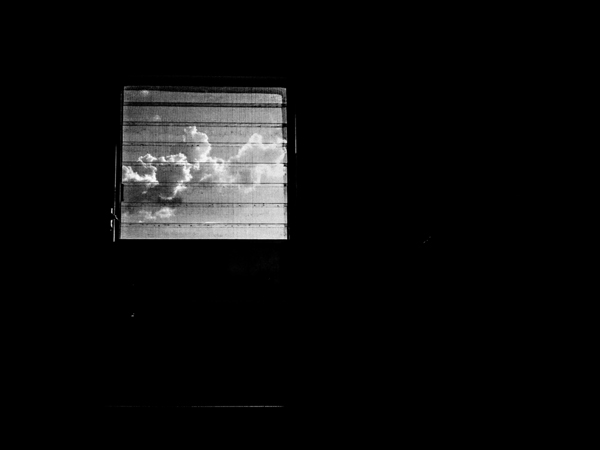
Every time I find myself saying Photography is boring (not often but it happens), I remind myself of my son and the rain. Speaking of which, do you notice how rain can transform a scene? The lower contrast between the sky and the rest of the earth? How reflections of the puddles create interesting shots? Or how the rain hitting the ground makes interesting shapes? Or how a window in a bathroom can be a symbol of being locked in? Or how…
2) Kids enjoy themselves because they are in the present
I like watching Yoki play, especially with his blocks. He looks so happy. This got me wondering, why don’t photographers have this sort of joy? Isn’t it as simple as enjoying what you do? I observed him even more and looked for what he was doing that photographers were not doing.
The main thing is that kids enjoy what they are doing, all that they care about for the time being is playing with the toy. I’ve been out on the street thinking about what to do the next week, I’ve been on assignment while doing mental financial calculation – exactly what Yoki isn’t doing.
Can you walk a mile? How much less enjoyable would it be if I gave you two nice pieces of luggage to drag while you walk that mile? Unfortunately we do the same thing mentally when it comes to photography. We bring our “stuff” along when shooting and just like dragging real life luggage around, it diminishes the enjoyment of photography.
When shooting, be like a kid with a toy; focus on what you are doing and nothing else. Minor White was adamant about clearing the mind before the act of photography. I listen to music and zone out to zoom into photography. Find what works for you, the important thing is to be lost in what you are doing.
3) Kids enjoy themselves because they don’t care about being the best
From time to time Yoki comes in with something he’s done. Bravos, hugs and all around congrats are thrown his way. But you know what? I’ll continue doing so until he is older.
I remember doing my best for grades as a kid and all I could feel from my mom was how short I fell from top of the class. When kids are kids it’s all about doing their best, but as they grow older it’s all about how short they fall of being THE best. How can Yoki enjoy himself doing crafts if all that he thinks about is being better than somebody else?
What matters for kids is to do the best they can and enjoy what they do. That is also valid about photography, all that matters is that you do their best and enjoy making pictures. To enjoy your photography it’s all about enjoying what you are doing, as simple as it sounds. The moment you start ranking yourself is the moment you stop being content, because being in first place will be only thing that will matter at that point. Plus there’s always someone better than you, and someone better than them ad infinitum.
4) Kids enjoy themselves because they don’t care about comparisons
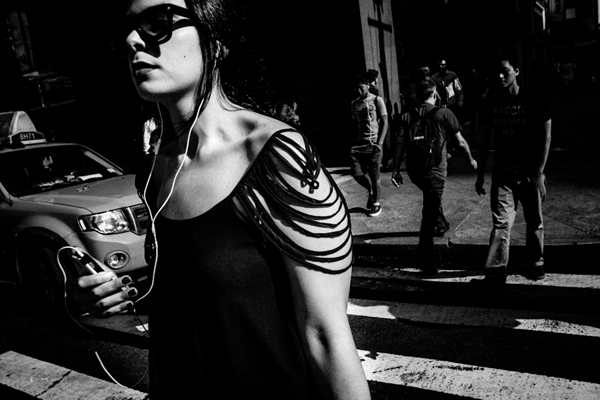
I was watching my son finger painting. What came to mind was the fact that compared to how I can draw, his drawings are absolutely bad. But does he care that his dad can outdo him in drawing? No.
He’s too happy with his own stuff to even bother to compare with others. Take any photographer you respect, that person has another photographer they feel jealous of. But very few of them are genuine enough to admit that. When you tend to compare yourself with others, the answer to all this is do like children do – stop it, and focus on your own stuff.
When your work is your focus, everything others do might be better, but it sure won’t affect you. Photography is all about enjoying what you do and not about comparing to others all the while doing your best. Actually, I’ve found that the more you focus on your stuff the better you get. But, the more you compare the worst you get, because it sucks the life and joy out of photography. It’s all about loving what you do, and doing what you love.
5) Don’t get sidetracked
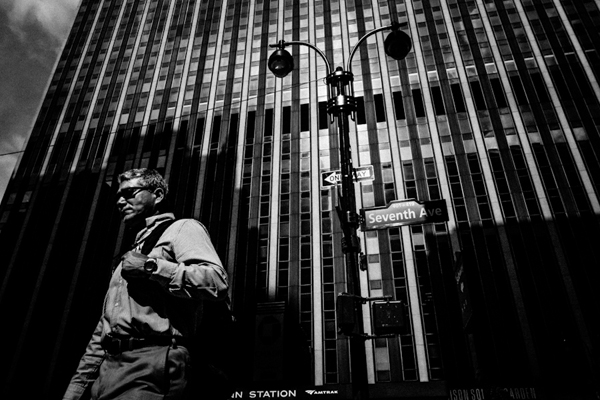
One of the parenting tricks I have is to distract my son when I don’t want him to have something. If I don’t want him to use the computer, I pick up his alphabet phone toy and start playing with it. He never fails to forget about the computer. That taught me how easy it is to get sidetracked in photography.
One of the easiest traps of photography is the camera. So many get sidetracked by the camera that photography gets completely lost. I’ve been there, and lost 1000s of $ $ $ . I was addicted to the gear. But that’s a story for another time. If you find yourself googling for accessories instead of going out and making images, you might have a problem.
The second way to get sidetracked is by focusing on other’s photography, and that includes the Masters. I know a few folks that have such powerful photographs, yet instead of developing their own voice they continue copying another photographer’s work. Such a waste – they are distracted from their own photography by copying someone else.
You can also get sidetracked by being too much into the masters. Do you want to be known for knowing the masters, or known for actually making images? One thing that is rarely stated is that no matter how great the masters were, doing your work is more important because it’s your own work.
To recap: photography is not about having the most cameras, that only shows you’ve got plenty to spend. Photography is not about collecting photobooks, that only shows you appreciate art. Photography is about making photographs, that’s when you are a photographer.
If anything has a bigger place in your life than your own photography, you’ve been sidetracked.
6) Pattern recognition
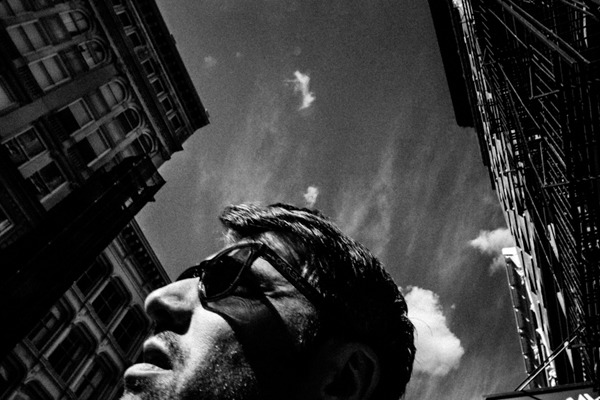
When Yoki was born, I resolved to always observe him, and more importantly to observe how he learns. I was fascinated by my son playing with a particular toy, this one called a shape sorter (see image right)
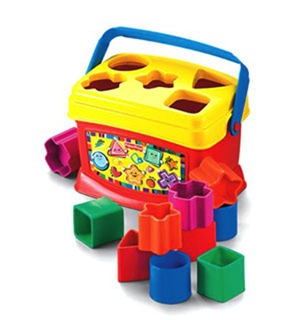
How did his little brain work to put the shapes in the appropriate holes? The answer is patterns. The brain is wired to recognize patterns, so when Yoki took the star shape, his brain said “seek star shape” and ordered the eye to look around for that shape. When Yoki is out and starts saying letters and numbers, his brain is not really actively searching for the letters and numbers, the brain compares what he sees with the brain’s database of shapes and alerts itself that it’s a recognized pattern.
The first example is called the top-down mode (Where the brain actively seeks a pattern) and the second the bottom-up (where the brain is in a more receptive mode).
I was struck when I realized that photography on the compositional level was a huge, glorified “shape sorter” toy in real life. Here’s an illustration:
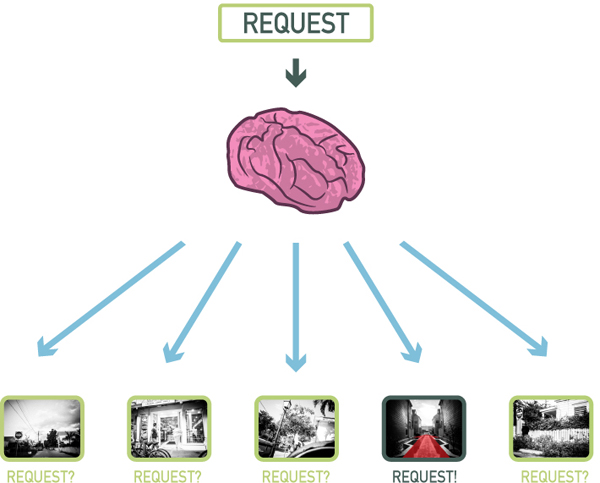
In my son’s mind the request was “seek star shape”. In my photographer’s mind, the request might be “seek vanishing point“. In the illustration above, I was on the street, but my brain only alerted me when it recognized the pattern I asked for (vanishing point). That is the top-down mode. It’s the process that happens when you are seeking a particular type of image. Here’s another illustration:
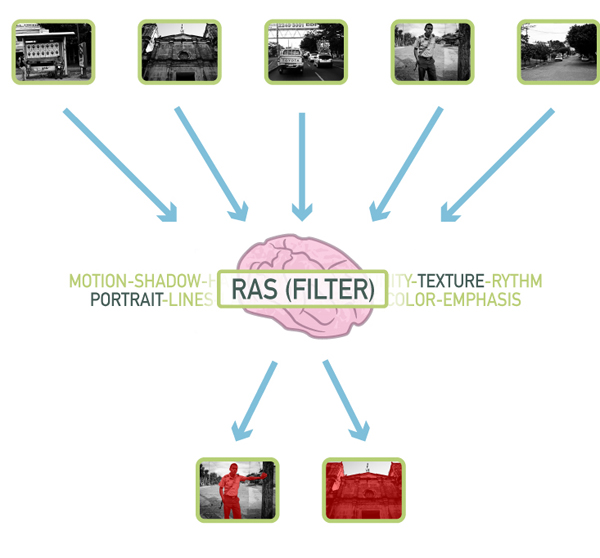
At the base of the brain there’s something called the Reticular Activation System (RAS), or as I like to call it the Really Awesome Secretary. A secretary’s role is to cut the fluff and only alert you when something is important, and that is what the RAS does. What’s important is relative and defined by each person.
What is important to my son Yoki? Letters and numbers, he’s going to see them everywhere, at least it’s going to appear to him that way. For me as a photographer what is important is what I want to see in my photographs. So I was in the streets not looking for anything in particular, but more than once my brain processed what my eye saw and it alerted me when it recognized a pattern (in the case above texture and portrait). That’s called the bottom-up mode.
It’s a frighteningly beautiful system that allows my son to play with his shape toys and me to recognize stuff when I am shooting.
7) You can’t recognize what you don’t know
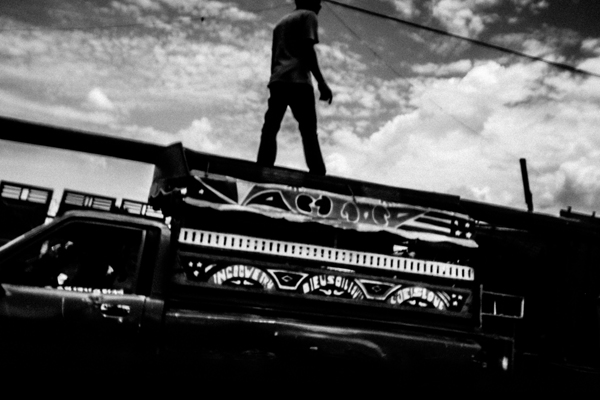
Pattern recognition has it’s limits though, you can’t recognize patterns that you don’t know. Take my son for example, he will cry out “Circle! Oval! Sqwawe.”, but it will be quite a while before I hear him say “Hexagon! Trapezoid! Pentagon.”.
His palette of patterns are limited: square, circle, oval, square, star, heart. My palette is much more expanded to include a bunch more. So in a scene where there is a square and a pentagon shape, he will see the square only, but I will see the square and the pentagon. It’s the same principle at work when two photographers see different things in the same location.
When people who don’t know photography see the kind of pictures that can be produced out of a regular scene, they immediately credit the camera. But fact is that the photographer recognized a good picture (trained to look for certain patterns) whereas the non-photographer (not trained to look for certain patterns) could not see anything. So what’s a pattern? It can be anything from certain compositional types (Golden ratio, etc.), shapes, color, types of pictures (landscape, portrait, etc.), themes that interest you (people, animals, etc.) and more.
8) Everything is basic shapes
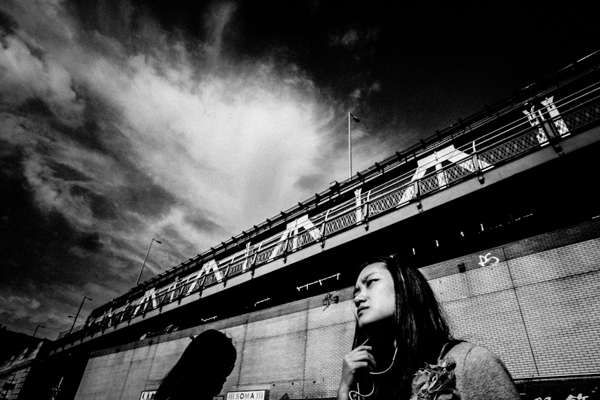
I was on my bed when the kiddo starts saying “S!” “S!” “The wetter S!” Hoho… I was sure he was seeing things because I never saw a prominent S in my room. But the kiddo was right, there was an S in the room, here it was:
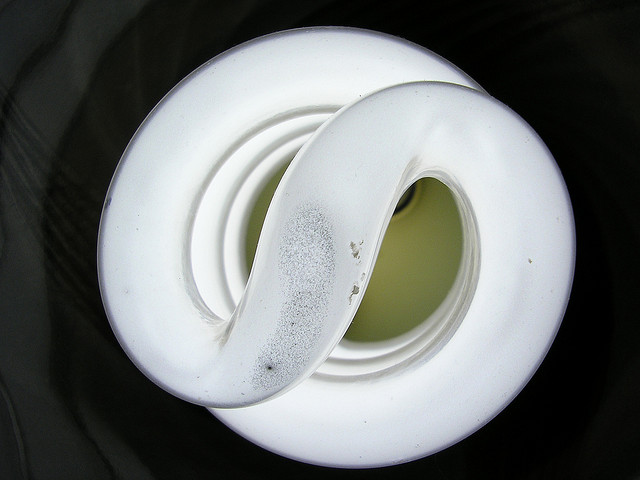
By Mathew Bajoras
It was the light bulb. That reminded me how the world is like a glorified “shape sorter” toy. Absolutely everything visual can be broken down into line, shapes, space, color and texture.
It’s something that painters and artists understand at a fundamental level; everything can be broken down into basic elements. As a graphic designer I also understand this at a basic level because you can break down designs into simple elements. Here’s an example with a shot I made:
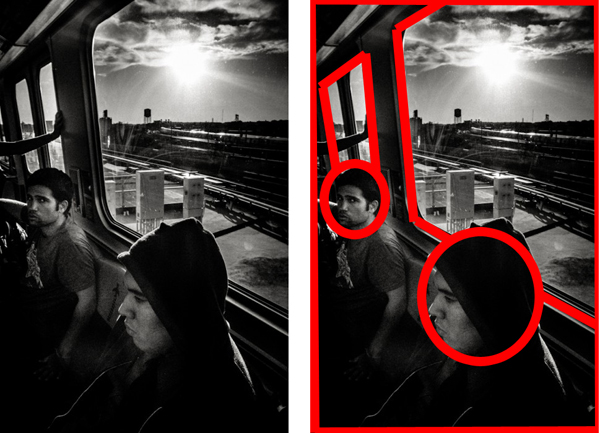
All of a sudden a window is a trapezoid, and people’s heads are ovals. This is due to the Gestalt law of perception called “Pragnanz”. Simply stated it says that we perceive complex shapes as simple ones (a face as an oval for example). Yoki recognizing the “S” out of the light bulb always reminds me of that, so I look for basic, broad shapes in my photographs, and more importantly how to arrange them.
9) People are aware of the camera
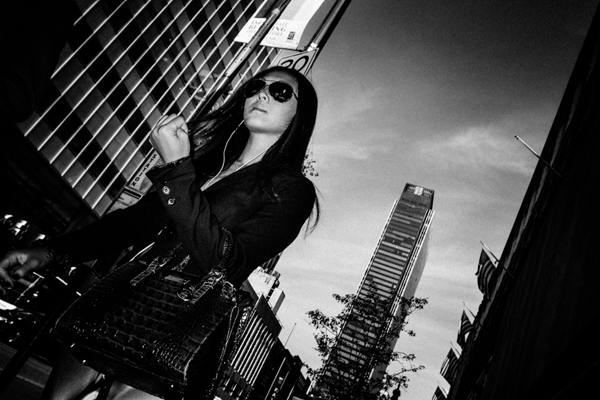
My kid is not even five and he already knows to pose. It’s nuts. How does he know when the camera is up to strike a pose? Are we spoiling our genuineness by asking kids to say “Cheese”? I think so because it teaches kids to stop what they are doing to say cheese and look at the camera. But whatever the case, very early in life kids are aware of the camera. The result? Absolutely everybody in today’s world is aware of the camera.
That pretty much means no one is genuine when a camera is present. For pros this means you have to learn to relax your clients. For everybody else it means you have to be quick to get a genuine pose. The best moment is the split second before the person realize you are photographing them.
One interesting tidbit about the genuineness of the subject when faced with a camera, is that it is proportional to the type of camera. Pull out a point-and-shoot camera in the streets and people won’t care much, you’re probably a tourist in their minds. Pull out a double battery DSLR with 55-200 zoom and people will start acting differently. Pull out a Polaroid camera and people will react as if you are an “Artiste”.
People are conscious of the camera because they are conscious of their image, it’s ingrained since the start. If you can make people believe all you want is a snapshot, they won’t give you a second look. That, my friend is why I can only recommend a point-and-shoot lookalike for the streets.
10) Complacency hinders growth
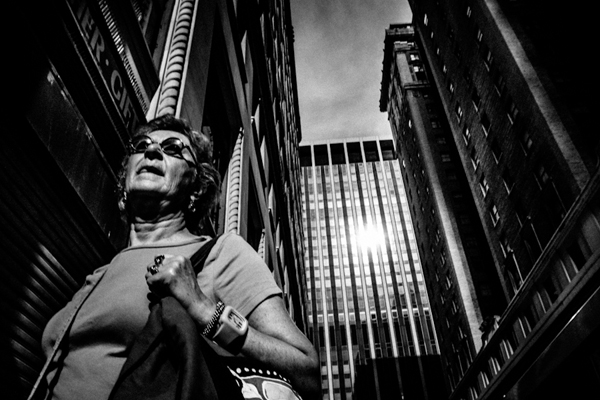
What’s that? I asked pointing to a square in a book. “Square!!!” “Carré” (Square in French) my son said. Good I said, now what’s that? I was pointing a rectangle, he looked at it and then pointed to the square “Square!! Carré!!”. Yes but what’s that? I asked pointing at the rectangle once more. He pointed at the square once more and named it again. Instead of taking a risk at trying to name the rectangle he pointed at what he already knew.
I was quite surprised at what happened, not because of how my son reacted but because I saw myself in it. It’s easy to get complacent in photography, I sure did. It happens when you do something over and over again and don’t challenge yourself. I largely abandoned longer than 35mm focal lengths because of that. The best thing I ever did photographically is to get a 28mm because it’s much harder to deal with.
I could go out with a longer lens and not challenge myself, but I would not grow and I would become complacent. When Yoki did this with his shapes, it taught me to never become complacent and always challenge myself. I’ve grown so much when I decided to go wide angle. Try it, it will not let you make an image without a fight.
To each his comfort zone, for me it was always sticking to fast apertures at 50mm, for you it might be something else. Find where you are too comfortable photographically, then challenge yourself. It’s the trick that pole jumpers use, they put the bar higher every time.
Finals comments
I love my kid, and I love watching him. I love to see how he works and how he thinks. He’s learning from me hHopefully a good thing) but I am also learning a lot from him, as you can see from the 10 tips above. But that stays between me and you, ok?
Be yourself, stay focused and keep on shooting.
Have you learned any photography lessons from your kids? Please share any additional tips in the comments below.
The post 10 Great Photography Lessons You Can Learn From a 2 Year Old by Olivier Duong appeared first on Digital Photography School.
-
Happy New Year 2014 – Year Of The Horse

I wish everyone had a safe and festive holiday season! I was able to catch up on a lot of work crossing off a lot of things on my “to do” list now that I am getting into the habit of sticking to one. It can be quite daunting to plan everything you want to achieve in a year before the year has even started, but if there’s one this that I learnt is that it’s better to have guidelines because you never know what life throws at you. I’ve also been reassessing where I am, where I want to be in terms of my career.
So what does this coming year look like for FashionPhotographyBlog.com? Well for starters, I’d like to thank this site for giving me the opportunity to share my experiences. I look forward to contributing to the pool of knowledge shared by Melissa and David. There has been a lot of planning for the year ahead and without revealing too much all at once, we would like to strive to provide a website that is the #1 resource for the fashion photography industry. All will be revealed over timed so I encourage you all to stay tuned.
Are there any resolutions for FashionPhotographyBlog.com? Well, more awesome posts showcasing great content that’s for sure. It’s time to get the engine roaring! What better time to start than in this transition phase between stepping into the New Year and embarking on the start of the new Lunar Year, The Year of the Horse. Traditionally, the new year symbolizes new beginnings whereas the new lunar year represents luck and prosperity, so it is befitting that we kick off the first entry of the year right now in this most auspicious time.
From what I heard from my friends it seemed that 2013 was quite a bumpy year for most people. I was no exception, but I had done my best to cheer them up to look forward to the new year because I say to them that “2014 is where the magic happens”.
I wish you all a hugely successful 2014, full of love, happiness and prosperity!! Stay tuned because we have exciting things to come!
-
Landscapes Photo Contest! Win One of Two – Year Long PRO Subscriptions from ViewBug!
Over the last few years here at dPS, we’ve run some very popular competitions, and this month will be no different!
This month we are working with one of our newest partners – ViewBug – to give away to lucky dPS readers, full access to their Photo Contest and exclusive discounts from photography based partners! ViewBug is an online photo contest community that provides the opportunity for photographers to share photos with chances to win prizes. With ViewBug, everyone can get an opportunity to be discovered!
 ViewBug is a community where you can participate in photo contests with cool brands, awesome community of judges, and gain recognition and exposure.
For this photo competition, ViewBug is giving away Two Year Long PRO Subscription!
These prizes are designed to allow photographers full access to participation and voting in all of the ViewBug Photography contests. Each will be won by a different dPS reader. Here’s what you could win:
A Year Long PRO subscription to ViewBugs photography contests! A $ 139 Value!
How to Win
To win this competition you’ll need to:
Visit the ViewBug/dPS Contest page here and upload your entry into the Landscape Photography Contest.
Do this in the next 60 days and on May 5, 2014, ViewBug and its community of photographers will choose the best landscape photos. We at dPS will announce the winners in the following days.
The deadline for entries is Wednesday, February April 26, 2014, Midnight PST. Entries placed after deadline will not be considered. Enter Here!!
This competition is open to everyone around the world no matter where you live.
Disclaimer: ViewBug is a paid partner of dPS.
The post Landscapes Photo Contest! Win One of Two – Year Long PRO Subscriptions from ViewBug! by Darren Rowse appeared first on Digital Photography School.
-
Enter the Astronomy Photographer of the Year competition

Think you have a striking picture of vast galaxies millions of light years away, or a dramatic night sky scene taken much closer to home? The Royal Observatory Greenwich, in association with Sky at Night Magazine, has launched its 2014 Astronomy Photographer of the Year competition. Entries must be submitted by April 24. Learn more
-
John Stanmeyer wins World Press Photo of the Year

American photographer John Stanmeyer’s image of migrants on the shore of Djibouti city raising their cell phones attempting to capture a signal from neighboring Somalia was named World Press Photo of the Year. The picture also won first prize in the Contemporary Issues category. Stanmeyer of the VII Photo Agency was on assignment for National Geographic when he shot the photograph. Learn more
-
A Year of Photographic Lessons – Journey of a Novice Photographer
About a year ago I decided to try and take my photography to the next level – to go beyond basic snapshots and try and get the wow factor into my images. I hope this article covering my photographic experiences of 2013, and the lessons I’ve learned gives you some ideas for 2014.
This is the story of my year of photographic lessons – maybe you can relate, or are on a similar journey.
Note: the images in this article are in chronological order with my early work near the top, and my most recent images at the bottom. Hopefully you can see where I’ve started from and how much I’ve progressed in a year. You can do this too!

STEP ONE: – join a photography club
The single biggest thing that made a difference to my photography in 2013 was joining a local club in Dublin, Ireland (www.offshoot.ie). This proved to be the turning point for a few reasons:
- It was an opportunity to learn from like-minded, enthusiastic and friendly photographers; and a chance to be inspired by their stunning work.
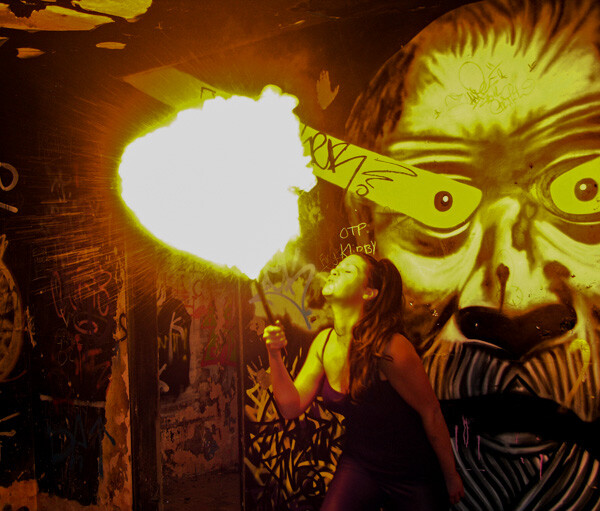
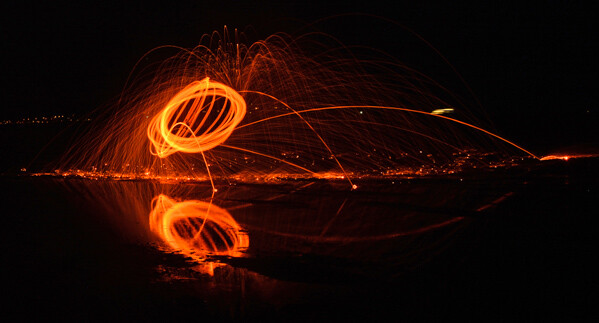
- Organized field trips; providing some amazing photo opportunities including; a fire breather, light painting, model shoots, etc.
- Learning by practical sessions – new techniques like portraits and lighting, or macro to introduce new areas of photography I had never explored previously.
- Joining a club, above all, provided an opportunity to learn, as well as inspiration and motivation to get out taking photos more often, and to do it better.
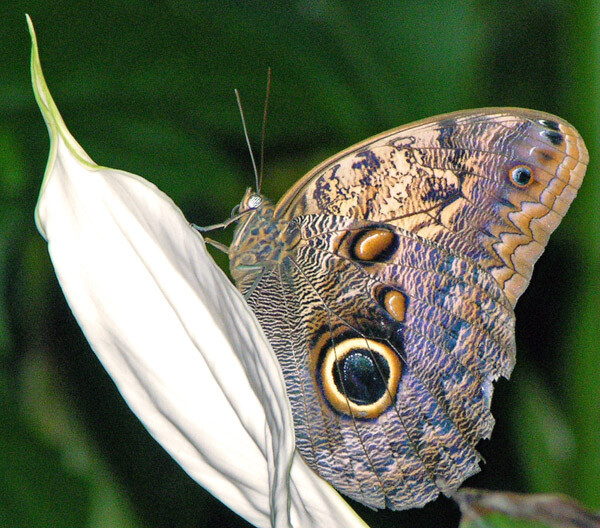
STEP TWO – try entering competitions
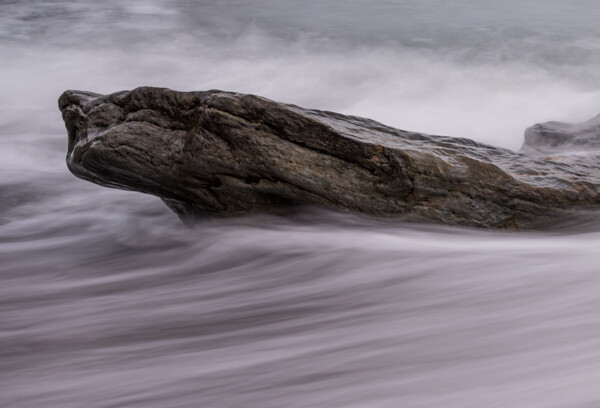
Competitions are one aspect of photography clubs which tends to put a lot of people off. However, I found that the competitions are very useful to help concentrate the mind on a particular topic, or learn a new technique. For example: long exposure or macro photography, which I had never tried before.
Getting expert feedback from judges can be invaluable – usually they will want to help you improve, and will provide helpful feedback on your image, e.g.. exposure, cropping, etc. Competitions are also a chance to show your off your work, and let’s face it, we all like some recognition. So winning competitions doesn’t exactly do any harm.
STEP THREE – Learn the basics
It’s important to get to know the basics on the technical side. It’s no substitute for the photographer’s eye, but the lack of technical skills might prevent you from capturing the image that you want. The good news is there are loads of great sources from the photography club, great websites like dPS, flickr, books, and podcasts. The big lessons for me included:
- Exposure and how to control it with aperture and ISO – is the image too bright or too dark
- How to get sharp images by adjusting focus modes, shutter speed and using a tripod
- Depth of field – controlling what is in focus
- Composition – some of the classic components of a good image, like using the rule of thirds
- Cropping images – using software to crop to the important part of the image, and remove distracting elements
- How to do the basics in photo editing software like Lightroom or Photoshop to crop images, correct exposure, resize images and more importantly, to build and safely store your library of images
Getting a good understanding of the above should make a big difference in the quality of your images.
STEP FOUR – know your camera
I try to consider the basics above and the results are improving. I generally manage to get a few images that I really like, and I think the occasional one at least that has the wow factor. With a modern DSLR you don’t need to understand all its complexities but you do need to know the key features, to get the most out of it. You don’t want to miss a shot of a spectacular sunset while you trawl through the manual, so understanding the main controls are essential including:
- Focus – manual and auto focus modes
- Image stabilization
- Metering modes
- Manual mode – controlling aperture, ISO, and shutter speed
- Image file type – Jpeg or Raw
- White balance
A big milestone for me as I got to know my camera, and got more confident, was stepping out of Auto mode and going Manual. I can attest, when you get it right, it really works. When you get it wrong, delete – it’s the busiest key on my keyboard. I still need to get my head around the focus modes, white balance and some of the more exotic possibilities like HDR.
STEP FIVE – get the right gear
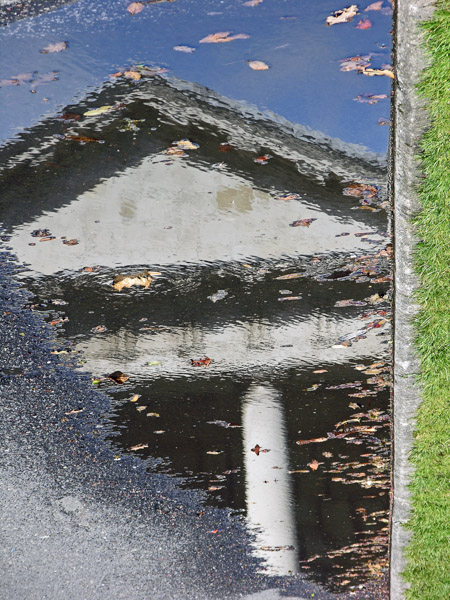 When I joined the club I must say I had a bit of camera envy – mine being a Nikon 8 megapixel E8700 bridge camera, of 2004 vintage, which had served me well. People in the club correctly told me that it’s not the camera that makes the difference but the photographer. My vintage Nikon was great for many situations, but couldn’t match the quality and versatility of a modern DSLR.
Unfortunately, when I bought it on a family visit to New York in 2004 I explained to my wife that this $ 1100 camera was a lifetime investment. After some negotiation with my wife, I made a new lifetime investment in 2013, and am delighted with my Nikon D7100, although I’m still trying to come to grips with its incredible capabilities. I would definitely recommend a tripod also as one essential piece of gear that will improve your results, and help you to with long exposure, night shots and getting sharp images in focus.
Don’t rush into buying a whole load of gear however, wait until you find that your current camera or lens is holding you back.
Note: the images below were all taken with my new D7100.
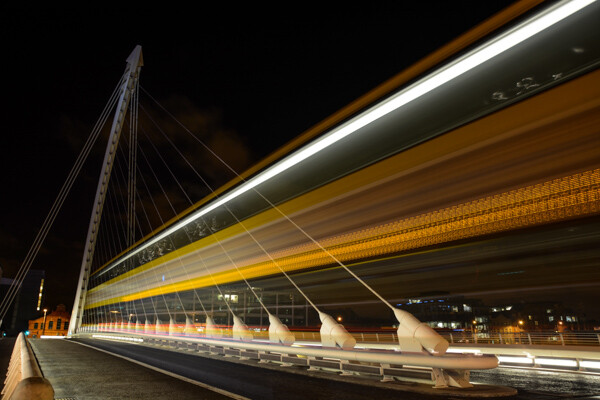
WHAT’S NEXT – plan for 2014
So where to next? What does 2014 bring, I hear you ask. Now is the time to put a plan together!
- Make a calendar of the many sports and cultural events that might provide new and varied photo opportunities
- Projects – to develop your skills; e.g. one day in your city, monochrome (B/W), sports, nature, architecture
- New things to explore – some new techniques or skills to master to take you out of your comfort zone and try a new area such as long exposures or portraits
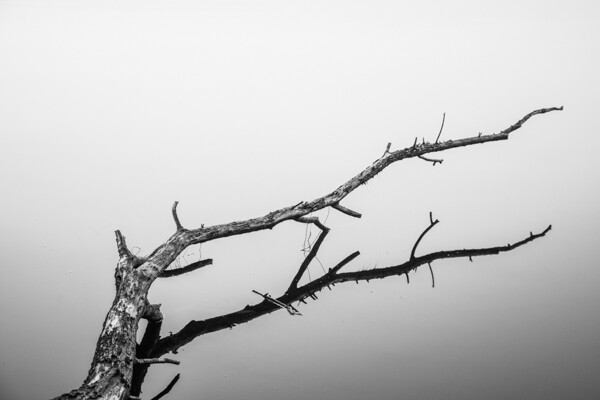
Most of all – think before you shoot
This was the biggest lesson of all for me – use everything you have learned to get the best possible result. Use your knowledge of the exposure and composition. Try a different camera angle or point of view, depth of field, lens, or shutter speed to try and create an image with the wow factor.
Above all get out there taking photos and enjoy, there is no substitute for practical experience.
Further reading
For more tips for beginners – head over here.
Photo Nuts and Bolts – know your camera and take better photos, a dPS ebook.
The post A Year of Photographic Lessons – Journey of a Novice Photographer by Rob Hackett appeared first on Digital Photography School.