RSS
 

Posts Tagged ‘work’

Collaboration – 8 Ways to Work With Other Photographers

08 Aug

In an industry where marketing strategy and professional branding are needed to survive and to “make it” fiscally, we are missing something that should define our artistic craft. Just like in any other industry, collaboration is not an ideal that limits photographers, but one that can propel us personally and professionally. Understanding that photography is not usually seen as a “team sport”, how can we collaborate with each other while retaining our individuality as visual artists?

Here are 8 ways to work with other photographers

#1 Photos – create something together
Photos

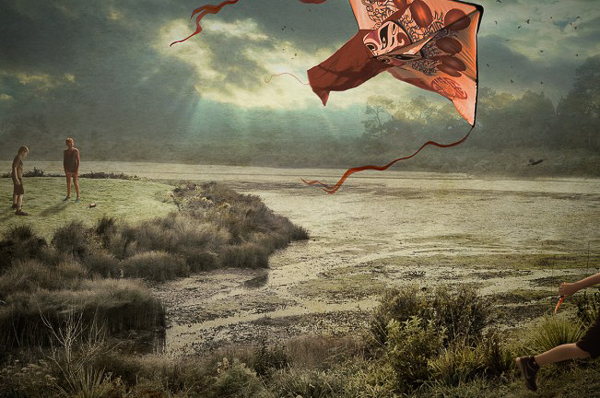
The Kite (created by Francisco Diaz and Deb Young)

To varying degrees, we are each protective of our images. We watermark. We utilize Google’s image search function to ensure that our work is not being borrowed. We even occasionally check to see that the photographer down the road is not emulating our brand, or photographic style. Yet, with a bit of deep thinking and reflection, we should understand that there is little in the photographic world that is fresh or new. Realizing this, we are able to detach a bit from our work and open our minds to the possibility of collaborating in the production of photographs.

One example of collaborative creation can be found in the work of Francisco Diaz (USA) and Deb Young (New Zealand). The pair work continually on their appropriately titled The International Collaboration Project that crosses borders and photographic norms. Frank “wondered if disparate individuals from countries halfway around the world could work together in real time as a positive model for creation rather than destruction.” Diaz and Young’s project proves that not only a positive model of creation exists, but that photographers can work together to produce meaningful imagery collaboratively.

#2 Assist another photographer

Owning your own photography business has many perks. Yet, working for someone else does not mean that you have degraded yourself or your position as a pro shooter. Working for someone can be likened to helping. By assisting a fellow photographer, you not only have the chance to learn a new technique, you have the opportunity to give back to the photographic community. With the right attitude, experienced shooters can prove to be amazing assistants and can aid their comrades.
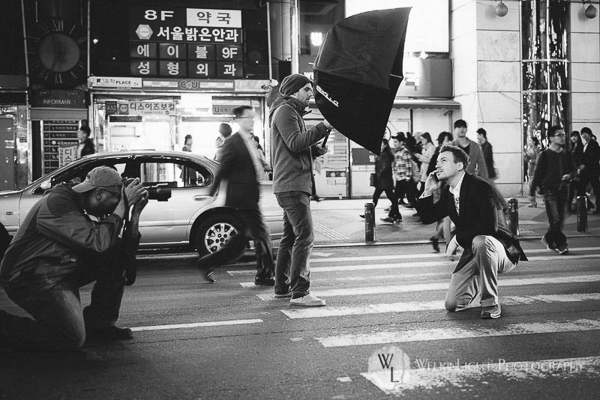
Assist

Photo courtesy of Welkinlight Photography

#3 Pose for another photographer

You don’t have to be a hundred pound, six-foot bombshell to be a model. Posing for a fellow photographer is incredibly helpful for both you and the shooter. Your collaborator will be able to test new techniques (such as posing and lighting) with a patient model. Moreover, as a photographer, you will be accepting, and let faux pas like chimping (reviewing the screen after every click of the shutter) slide. Perhaps the most important perk of modelling is that you get the opportunity to see how your own clients feel posing and being directed by a photographer. This empathetic exercise will have immediate benefit as you transition back to photographer.
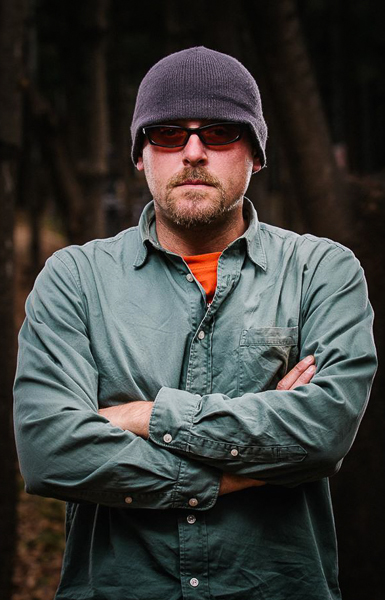
Model

Glen Riley of GTR Photographic Images modelling

#4 Constructive Critique

Fairly regularly, friendly photographers and I sit down with a coffee or beer to share and critique our recent work. In addition, each participant shows work that they are currently inspired by. In this way, members of the group gain valuable feedback from their respected peers, and have the chance to view their work from an alternate perspective. Additionally, there is an opportunity to learn about inspirational industry professionals (or hobbyists). By constructively acknowledging one another’s work, we collaboratively prompt each other to improve our craft.

#5 Trade services with another photographer

Every weekend we clean and pack our kits to meet clients for sessions, or to head out to shoot personal work. Yet, when was the last time the camera was pointed at you and your loved ones? Sure, quality photographic services can be expensive (just check your own pricing guide). Why not reach out to other photographers and propose trades? Fellow photographer Dylan Goldby (Welkinlight Photography) and I do just that. We both receive portrait packages of our loved ones that would normally cost hundreds of dollars. Yet, with a collaborative mindset, those lifestyle packages become free.
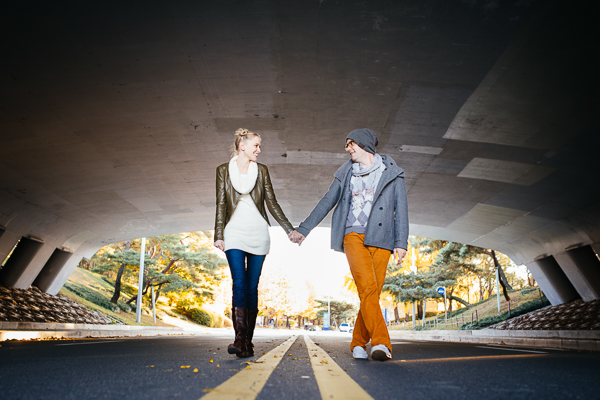
Trade

Photo courtesy of Welkinlight Photography

#6 Send referrals to other photographers

It is important to try multiple genres of photography (landscape, architecture, lifestyle, fashion, nudes, etc.). However, if you have already honed your craft and identified your photographic niche, don’t gobble up every assignment that comes your way. If approached by a client but your “competition” shoots the genre or project better than you, send the client their way. I repeat, send your competition assignments! I promise that practicing this habit will come back to benefit you in the end. Your competition will remember your kindness and return the favor. Generally speaking, those photographers who are considerate of their colleagues have an easier time filling their calendar.
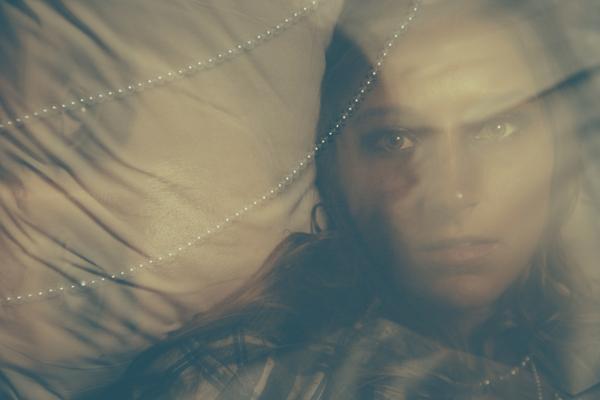
You Are Soft

Portrait of a client that was referred to me by a fellow photographer

#7 Share – gear and links

Gear is expensive and anyone with GAS (gear acquisition syndrome) can testify that it is easy to see a zero bank account balance with one trip to B&H or your local camera store. There is a more economical option of renting gear from a photographic supply store, or better yet, borrow gear from fellow photographers. Need a Wescott Apollo Orb for a studio session? Simple, ask a fellow photographer. Keep in mind that it will soon enough be your turn to lend.

Hint: Under no circumstance should you lend gear to shooters you don’t trust or know well. Also, be sure to add extra care when handling gear that is not yours.

Yet, sharing isn’t limited to material goods. From name-dropping in casual conversation, to displaying the work of others on your Facebook photography page, spread the work of others. By sharing the work of fellow photographers, you are helping generate camaraderie and showing that you are not solely self-interested. An excellent model of this practice can be found in the fine art photographer Mark Eaton. Pulling up Mark’s blog, it is immediately obvious that Mark cares just as much about supporting his fellow photographers, as he does his print sales.
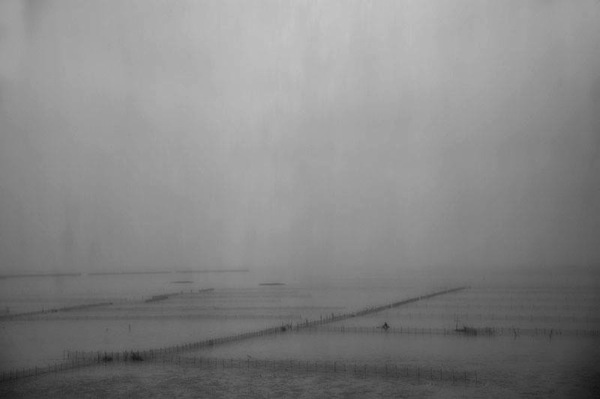
Vision Reduced by Mark Eaton

Vision Reduced by Mark Eaton

#8 Teach

When was the last time you taught someone something? There is an indescribably satisfying feeling gained when you share knowledge. Let’s face it. Everything we know about photography, we were taught. There is no such thing as a “self taught” photographer. Learned about lighting on YouTube? Guess what, a fellow pro took the time to make that YouTube tutorial.

We each have the responsibility to pay knowledge forward. Teaching photographic skills and strategies to others will not increase competition (remember, it takes more than technical expertise to distinguish an accomplished photographer). Take an amateur, or less experienced photographer, on a photo walk. Write a tutorial detailing a technique you use. Instruct a workshop at a local community center. Who knows, you might enjoy teaching so much that this aspect of collaboration becomes part of your business plan. Examples of photographers turned teachers can be found in the great workshops offered by Flash Light Expeditions or the tailored Southeast Asian tours led by fellow dPS contributor Etienne Bossot.
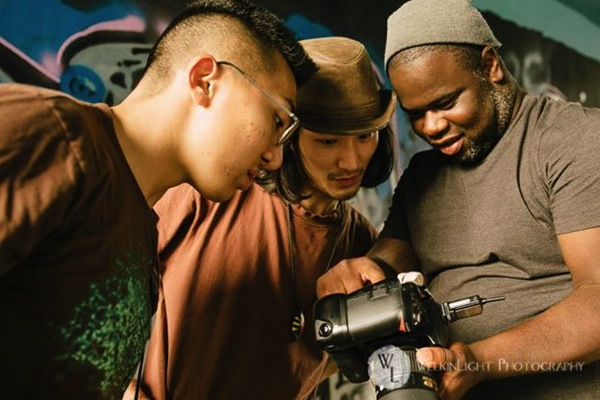
Teach

Students learning at a course offered by Flash Light Expeditions

While many of us feel that photography and artistic creation are solitary actions, we should be careful not to isolate ourselves in our vast industry. No man (or woman) is an island. By collaborating with fellow photographers, the opportunity to grow, both personally and professionally, is limitless.

Have you tried any of these things? Do you have other ideas of tips on how to collaborate? Please share in the comments below.

The post Collaboration – 8 Ways to Work With Other Photographers by Andrew Faulk appeared first on Digital Photography School.


Digital Photography School

 
Comments Off on Collaboration – 8 Ways to Work With Other Photographers

Posted in Photography


Behind the scenes: Garry Winogrand at work

16 Mar

13575701.jpg

Filmed as part of a larger documentary, Michael Engler’s ‘Contemporary Photography in the USA’ features photographer Garry Winogrand just two years before his death in 1984 at the age of 56. Although the Bronx-born photographer is often referred to as a street photographer – perhaps one of the best of his generation – he hated the expression, explaining in the video ‘I think it’s a stupid term. Street photographer. It doesn’t tell you anything about the photographer or [the] work.’ Watch video

News: Digital Photography Review (dpreview.com)

 
Comments Off on Behind the scenes: Garry Winogrand at work

Posted in Uncategorized


Fisheye Photography: 9 Shots That Work Amazingly Well

07 Mar

Photographs from a fisheye lens look different, which can be a good or not-so-good thing. This uber-wide angle lens let’s you get super close to your subject, yet still see the background. It’s an unusual perspective you can’t get with any other lens. But there are challenges, too. The edges are distorted, which makes some shots look weird, but below, Continue Reading

The post Fisheye Photography: 9 Shots That Work Amazingly Well appeared first on Photodoto.


Photodoto

 
Comments Off on Fisheye Photography: 9 Shots That Work Amazingly Well

Posted in Photography


Drop-Leaf Desk: Small Side Table Converts into Work Surface

22 Jan

[ By WebUrbanist in Design & Furniture & Decor. ]

small space modular desk

Designed as carefully as it is hand-crafted, this Tablet Desk has a deceptively streamlined look that hides a series of modular features and space-saving strategies, all made with technology in mind.

small desk close up

small desk in context

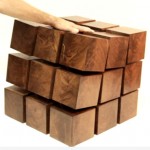
If setting aside a whole room for a home office is simply not an option, this dual-purpose wooden desk and end table lets you put work aside with relative ease, then flip out extra surface area supported with magnetized wooden legs.

small desk magnet legs

small digital work surface

Both the original two-toned and the newer 2.0 version from UK design studio Bee9 combine efficient storage and work space with minimal materials. Each also has a small-as-possible physical footprint, all oriented toward digital-first and future-proof use cases.

small desk hidden cords

small desk tablet area

Modular panels and other moving components acknowledge that users will have wants and needs that cannot be universally anticipated, including ways to route cords (and places to keep them out of the way) and vertical surfaces against which to lean tablets or other devices.

The making-of video above shows the initial Tablet Design being carefully constructed – watching it reveals some of the subtle detailing and much of the behind-the-scenes effort required to integrate all of the necessary functionality.

small desk modular panels

small desk open design

From the designers: “Deceptively simple and endlessly adaptable, the Bee9 tablet desk is designed to redefine where you can put a desk. Frugal in its use of material and space, the desk [plus] side table makes optimum use of limited space.”

Share on Facebook


[ By WebUrbanist in Design & Furniture & Decor. ]

[ WebUrbanist | Archives | Galleries | Privacy | TOS ]


WebUrbanist

 
Comments Off on Drop-Leaf Desk: Small Side Table Converts into Work Surface

Posted in Creativity


100 Smashing Examples of Light Painting Photography (Get A Break From Work Already)

03 Aug

All of us has experimented with light more than once while capturing friends in the club or dark street with lanterns. Moving light creates amazing patterns in the photo, so these light properties can be effectively used by artists in order to create an image full of magic and mystery. Light painting, also known as light graffiti or light drawing, Continue Reading

The post 100 Smashing Examples of Light Painting Photography (Get A Break From Work Already) appeared first on Photodoto.


Photodoto

 
Comments Off on 100 Smashing Examples of Light Painting Photography (Get A Break From Work Already)

Posted in Photography


3 Tips for Creating Outstanding Portraits, Inspired by the work of Dutch Artist Van Gogh

17 Jul

A Guest Post by Oded Wagenstein

Few months ago I visited the Metropolitan Museum of Art in NYC. Upon arriving there, I immediately ran to see the work of the artist who influenced me the most: Vincent Van Gogh; the artist who changed the way we look at color as a tool for telling stories; an artist who had nothing in his pockets but had a never-ending passion for creativity and innovation.

In this post I decided to share some work methods and tips that I have learned from the portraits of this great artist. Methods I TRY, just try, to apply in my work as well.

3 Things I learned about Portrait Photography from Vincent Van Gogh’s Work

Tip 1: Use Light as a Tool for Telling Stories in Your Portraits:

You can treat “light” in one of the two ways below:

  • Something that just illuminate your subjects. An existing fact, which you cannot control
  • A creative tool. Something to be aware of, as being aware of the lens or the camera you are using

Source of Inspiration

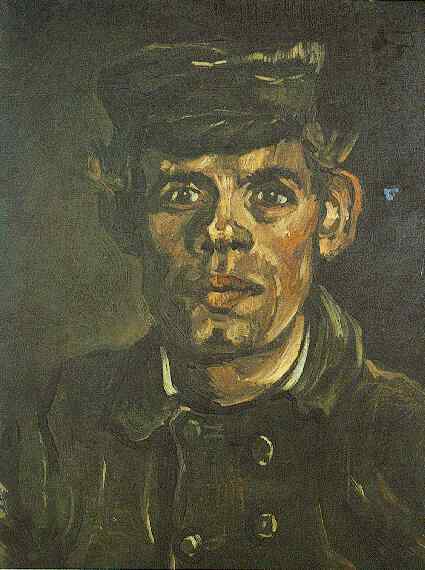
Notice how the light affects the story in this drawing of a Peasant from Nuenen.

Vincent van Gogh Head of a Young Peasant in a Peaked Cap

The choice to create the peasant’s portrait at night (or a dark room) under the pale light of a single bulb, which forms many shadows on his face, strengthens the dark feeling coming from this image- a feeling of a hard working man. You can imagine that creating the portrait of the same guy, in daylight, in an open space, would create a completely different story.

My Interpretation:

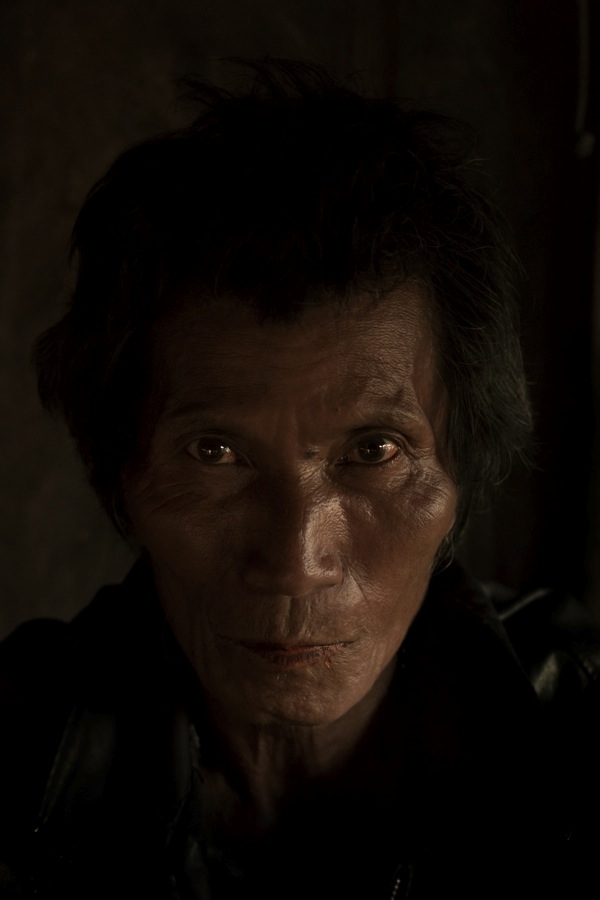
F11A3438
In this image of Apollo-mo, a 61 years old farmer and village shaman from the Akha community in Laos, I tried to create the same “hard working” feel as in the “Peasant from Nuenen”. I chose to capture Apollo indoor (keeping him also very compressed inside the frame) with this dark background and dramatic, single source light coming from his right side, creating very deep shadows on his face. Of course I could photograph Apollo at any other time: Laughing with his family and grandchildren, working under the soft light of the sunset and so on. Yet,I chose to show him as I perceived him – as a hard working man with a difficult life story.That’s exactly what I wanted the viewer to feel.

Tip 2: Harnessing the Power of Complementary Colors

Van Gogh’s use of color was groundbreaking and many books and theses already examined the issue in depth. What I would like to present here is a small fraction of his approach on color: Understanding the power of complementary colors.
You can think of the complementary colors (and this is going to be a very shallow way of putting it) as two colors, sitting side by side, and by doing so, creating a great impact on the viewers.

Color star en svg

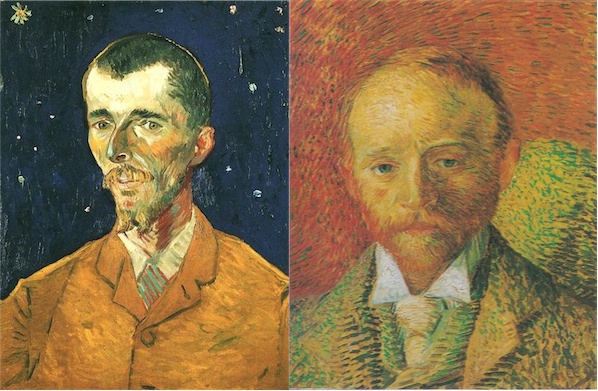
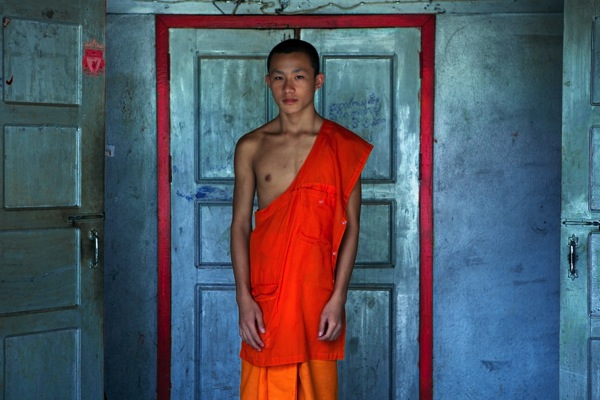
Van Gogh often used complementary colors in his works. Green and red, orange and blue, purple and yellow – he’s done it all.

In my work, I try to keep this principle of complementary colors in mind.

Source of inspiration:

Van gogh

My interpretation:
Red and green or orange and blue are working together to create a stronger portrait.

Monk

Tip 3: The Power of the “Off Camera” Gaze

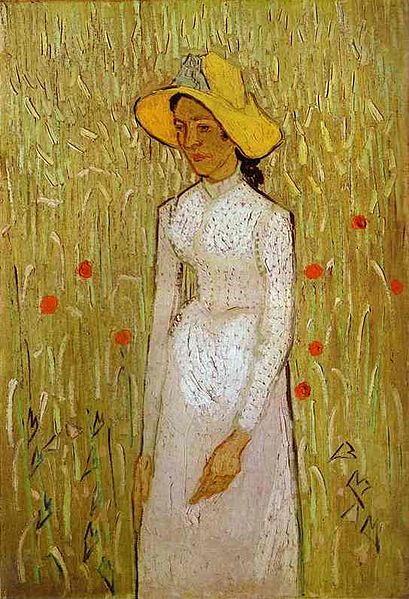
In Most portraits, either photographs or paintings, the person looks straight at the viewer. Van Gogh’s work taught me that sometimes, when a person is looking “off camera”, it can give my image some sort of natural feeling, sometimes melancholic, yet always powerful.

Source of inspiration:

409px Van Gogh 2

The artist made this painting during the last months of his life. And although the situation appears seemingly nice (woman standing in a field) the sadness and hardship is certainly present, mainly due to the off camera gaze.

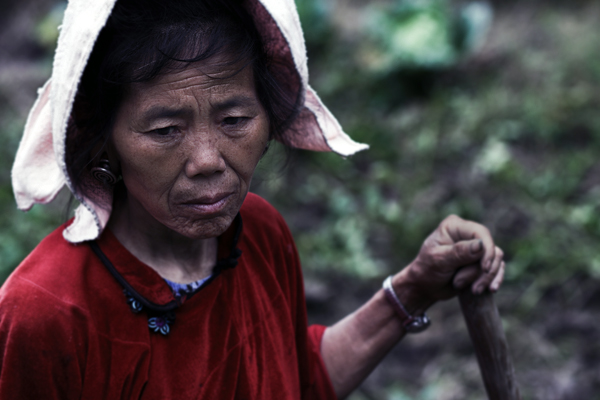
My interpretation:
So when I want to convey a feeling of hardship or sadness I will try to capture my subject in an unguarded moment, looking off camera.

Woman in field A

This off course can be done only if you get a good relationship with your subject, enabling you to work in a close distance and still be “transparent”.

I will not tell the subject what to do (“now, look off-camera and act sexy”). I will just wait for the right time to click the shutter.

Conclusions

Using light as a creative tool: Try to match the story you want to tell to the light being used. One possibility is to control the light: flash, reflectors, etc. the more simple option is to just choose the right time to shoot. Dramatic story? Choose a time when there is a harsh or dramatic lighting situation. A story about the happy moments in life? Let your light to convey this feeling by working in a soft, full of color light, like in the golden time (before sunset or right after sunrise)

Watch for complementary colors: in order to create powerful portraits.

Think about the subject’s looking direction as a creative tool: Sometimes an off camera gaze can give your story outstanding emotional impact.

The story of Vincent van Gogh Is sour – sweet. On one hand, an artist whose paintings are known by everyone and sold today for millions of dollars. On the other hand, an artist who had a great financial and emotional struggle over his life-time.

Oded Wagenstein is a Travel photographer and writer. He is a regular contributor to the National Geographic Traveler magazine (Israeli Edition) and he is known for his intimate culture portraits. You can join his Portrait & Travel Photography blog and continue to discuss on travel and people photography and get more amazing tips!

Post originally from: Digital Photography Tips.

Check out our more Photography Tips at Photography Tips for Beginners, Portrait Photography Tips and Wedding Photography Tips.

3 Tips for Creating Outstanding Portraits, Inspired by the work of Dutch Artist Van Gogh


Digital Photography School

 
Comments Off on 3 Tips for Creating Outstanding Portraits, Inspired by the work of Dutch Artist Van Gogh

Posted in Photography


Floating Egg-Shaped Office is a Self-Sustaining Work Space

13 Jun

[ By Steph in Architecture & Offices & Commercial. ]

Egg Shaped Mobile Office 1

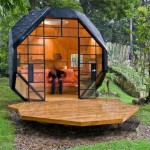
A highly unusual houseboat bobs on the surface of the River Beaulieu in Hampshire, UK. ‘Exbury Egg‘ is a floating, mobile live-in laboratory used to study the wildlife of the estuary. Made of cedar using traditional boat-building techniques, this egg-shaped office includes a hammock, a desk, a stove and a bathroom.

Egg Shaped Mobile OFfice 2

Egg Shaped Mobile Office 4

Artist Stephen Turner collaborated with Perring Architecture & Design to develop the concept for the office and bring it to life. Measuring 6×3 meters (about 10×20 feet), the Exbury Egg is just large enough to house the necessary functions, including integral storage and display areas.

Egg Shaped Mobile Office 3

The egg is constructed mostly from reused and reclaimed cedar and other local, often scavenged materials. While the exterior is laminated, it will be allowed to take on a natural patina over time from exposure to sun and water. It is anchored to the shore, and rises and falls with the tide.

Egg Shaped Mobile Office 5

Turner intends to stay within the egg as he immerses himself in the natural setting, observing the cycles and processes that keep the estuary healthy. “The artwork created will stem from Stephen’s occupation, developing through direct experience an understanding of local natural cycles and processes and the relationship of the environment to the narratives of human activity in the unending calendar of seasonal life,” says the design team.

Share on Facebook


[ By Steph in Architecture & Offices & Commercial. ]

[ WebUrbanist | Archives | Galleries | Privacy | TOS ]


WebUrbanist

 
Comments Off on Floating Egg-Shaped Office is a Self-Sustaining Work Space

Posted in Creativity


Classic lines when clients want you to work for free

06 Jun

543946_10151279575903740_1208216722_n.jpg

If you’ve ever spent any time as a self-employed photographer, you’ve not doubt heard countless rationales from clients about why you should work for free, or at least lower your rate. PhotographyTalk.com posted a pitch-perfect list of five classic lines that not only ring true to those of us on staff with freelance backgrounds, but would be perfect punchline setups in an Aaron Johnson ‘What The Duck’ comic strip. Click through to see if any of them sound familiar. (via PhotographyTalk.com)

News: Digital Photography Review (dpreview.com)

 
Comments Off on Classic lines when clients want you to work for free

Posted in Uncategorized


6 Winning Ways to Work Wide

20 May

Today Joe Decker shares some tips on wide angle photography.

One of the first lens purchases aspiring landscape photographers typically made is a wide or super-wide lens, anything (in full-frame 35mm terms) from 24mm on down, and with good reason, wides offer photographers the ability to capture the sweeping vistas of the natural landscape. But they can also be a challenge to use effectively, it’s all to easy to end up with a wide-angle shot that lacks the power and grandeur we felt when we were shooting. In this article, I’ll explain why that’s so often the case, and provide a few tips for working around those challenges, showing you how to use wide-angle lenses to create dramatic, effective images.

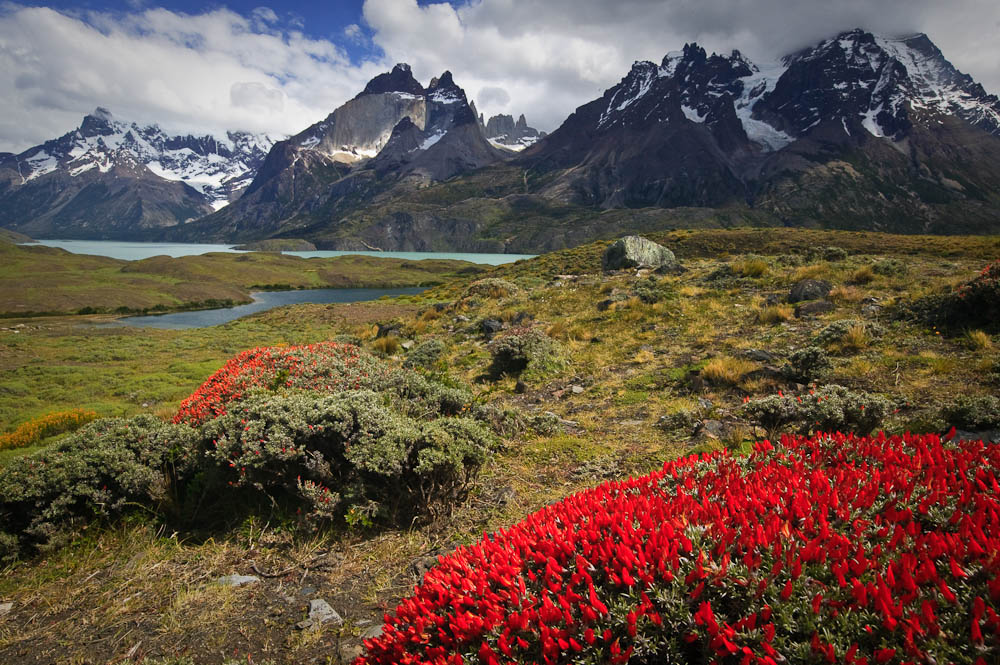
Nordenskjöld Lake, Torres Del Paine National Park, Chile. Image Copyright Joe Decker

Nordenskjöld Lake, Torres Del Paine National Park, Chile. Image Copyright Joe Decker

1. Get Close!

Because wide-angle lenses take in a bigger angle-of-view than other lenses, using a wide-angle lens at the same distance from your subject will render that subject smaller than it would otherwise. To compensate for this, you’ll have to move closer to your subject. Don’t be bashful about getting close, particularly with super-wides&mash;it’s almost impossible to get “too close” to your subject with a 14mm lens. This emphasis in size that wide-angle lenses give nearby objects means that …

2. It’s All about the Foreground

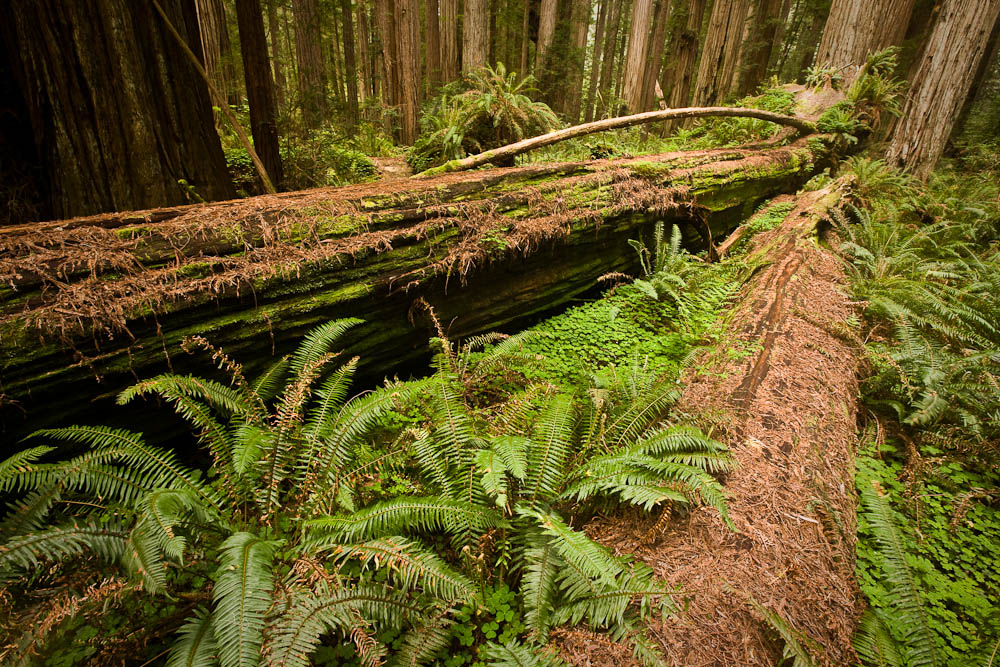
Contrary to what you might expect, this means that the most important element of your wide-angle landscapes is the foreground. While wide-angle lenses do capture the wider landscape, they also (almost inevitably, because of their wide field-of-view) capture quite a bit of foreground as well, and this foreground is emphasized by the wide-angle perspective. As a result, if your foreground isn’t interesting, your photograph won’t be interesting. This leads us naturally to the Josef Muench idea of the near-far composition, an image which uses a wide-angle lens to not only show a broad vista, but also to show one detail of that landscape in an up-close, intimate way. When you’re photographing wide, be sure to spend some time looking for the most interesting foreground available to combine with your grand vista.  (If there isn’t an interesting foreground, you might want to consider using a longer lens to leave out that less interesting foreground.)

 Fallen Redwoods, Stout Grove, Jedediah Smith State Park, California.  Image Copyright Joe Decker

Fallen Redwoods, Stout Grove, Jedediah Smith State Park, California. Image Copyright Joe Decker

3. Watch those Verticals!

Wide-angle lenses tend to bend and distort verticals, as you can see in the tree trunks near the top of Fallen Redwoods. Now, you might decide you like that effect, or that you hate it, but it’s important to be aware of it and to make a conscious decision about it. For some images it’s fun to embrace, but more often I find myself having to work to avoid it or correct it later.  Avoiding it can be as simple a matter as composing so that there’s only a single obvious vertical (and that that’s vertical), alternatively, using shift movements with a tilt-shift lens can correct some of this distortion in-camera. Post-exposure, Photoshop’s “Lens Distort” filter can also save the day.

4. Leading Lines

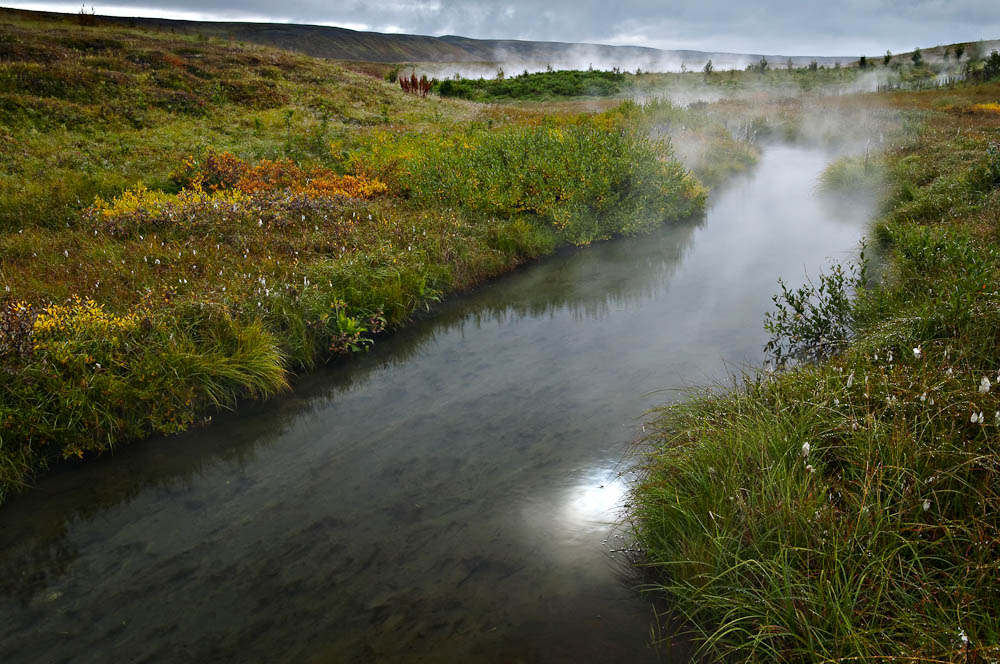
Compositionally, lines (such as streams or railway tracks) leading from the bottom corners of an image towards the center often have a particular magic for guiding the viewers eye through the picture, making for strong images, and this is particularly the case for wide-angle images. Hot Stream is a great example of this, the viewers eye tends to wander from the corner  back through the image along the stream. As the stream moves back into the image, the stream gets smaller (in terms of inches on the printed page) quickly due the wide perspective. This quick fade (in width) into the distance creates a real sense of depth in the image.

Hot Stream, Húsavík, Iceland.   Image Copyright Joe Decker

Hot Stream, Húsavík, Iceland. Image Copyright Joe Decker

5. Filter Woes

Shooting wide creates two problems for those of us who use filters. Polarizers are a specific problem, the effect of a polarizer on a blue sky varies across the sky so greatly that wide-angle images including the sky are left horribly unnatural, so leave off the polarizer unless you know there’s no blue sky in your scene. Screw-in filters are a separate problem, it’s all too easy for the filter edges, particularly if you’re stacking more than one filter on the same lens. Filter systems, such Cokin’s P-series filters (with the wide-angle filter holder), can help you avoid these problems if you must use filters.

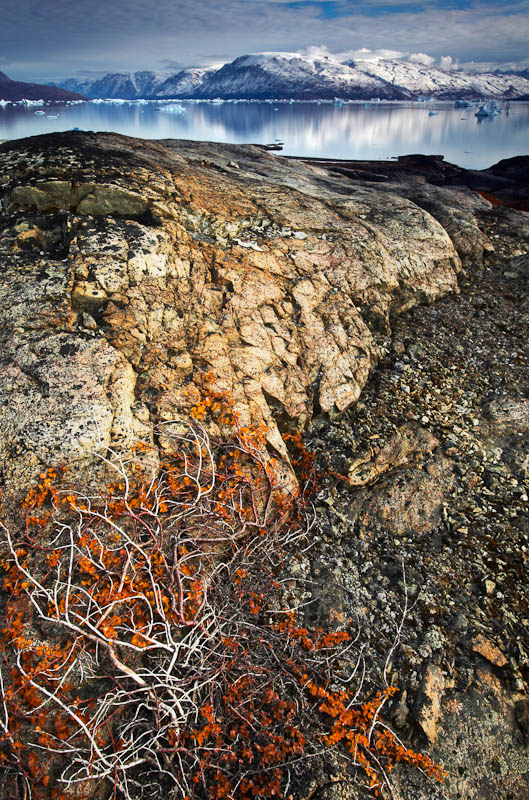
Dwarf Arctic Birch, C. Hofmann Peninusla, Greenland.  Image Copyright Joe Decker

Dwarf Arctic Birch, C. Hofmann Peninusla, Greenland. Image Copyright Joe Decker

6. Focusing

One of the things I enjoy most about working with wide-angle lenses is the ease of focusing them. As you move to wider and wider focal lengths, the depth-of-field at a particular aperture gets deeper and deeper. This allows you to make great use of the concept of hyperfocal distance, that is, the nearest distance you can focus a particular lens at a particular aperture and get “good focus”. At 24mm, by focusing about six feet out from the camera you’ll capture everything from about three feet to infinity in focus—even at f/11. At 17mm, focusing at the right point at f/11 will get you everything from infinity down to 17 inches away. Find (using a web site like this or any of a number of other sites, software tools or printed tables) and write down the hyperfocal distance for a couple of your widest lenses at a couple of your favorite apertures, and you’ll have an easy way of bringing the entire scene of near-far compositions into critical focus.

Using wide-angle lenses can certainly be tricky, but I love them all the same. Used well they can allow the photographer to create images that immerse us in a world with both small, intimate details and bold, dramatic vistas.

Joe Decker is a professional nature photographer and writer for Photocrati’s Photography Blog He also offers nature photography workshops and coaching around the western United States.

Post originally from: Digital Photography Tips.

Check out our more Photography Tips at Photography Tips for Beginners, Portrait Photography Tips and Wedding Photography Tips.

6 Winning Ways to Work Wide


Digital Photography School

 
Comments Off on 6 Winning Ways to Work Wide

Posted in Photography


Canon creates ‘Video Camera X–series-look’ Picture Style for movie work

14 May

EOS-1DC.png

Canon has created a ‘Video Camera X-series look’ Picture Style for its EOS cameras, specifically designed for movie work. As its name suggests, it’s designed to match the colour look of the company’s X-series professional camcorders. It produces low contrast, low saturation footage that’s better suited to post-production grading processes than the cameras’ existing options. It’s downloadable now from Canon’s website and can be installed on almost any Canon EOS model, from the movie-optimized EOS-1D C to the mirrorless EOS M.   

News: Digital Photography Review (dpreview.com)

 
Comments Off on Canon creates ‘Video Camera X–series-look’ Picture Style for movie work

Posted in Uncategorized