RSS
 

Posts Tagged ‘Visual’

Cool Visual Art images

01 Dec

Some cool visual art images:


visual art
Image by cod_gabriel

Sidreru v2010-
visual art
Image by ianaiare

Street Art In Drogheda
visual art
Image by infomatique
October 2006 saw the opening of the town’s first dedicated municipal art gallery and visual arts centre, the Highlanes Gallery, housed in the former Franciscan Friary on St. Laurence Street. The Highlanes Gallery holds Drogheda’s important municipal art collection which dates from the 17th century as well as visiting exhibitions in a venue which meets key international museum and gallery standards.Drogheda’s most famous visual artist was the abstract expressionist painter Nano Reid (d.1981). Raphael Hynes, Richard Moore, Liam O’ Broin, Padhraic Murphy and Ronan Halpin are among Drogheda’s best known living artists.

The original Drogheda bypass bridge over the river Boyne, known locally as the "Bridge of Peace", is well-known regionally for its aerosol graffiti murals. Under the bridge, on each side of the river there are two large concrete supports that measure approximately 8 metres high, and 20 metres long. Starting in the 1980s with the breakdance craze, these supports were painted and sprayed with murals by aerosol artists. This activity at the time was technically illegal and frowned upon by the local authorities. Today the murals are frequently updated and limited sponsorship of the artists is provided by local businesses.

 
Comments Off on Cool Visual Art images

Posted in Photographs


Nice Visual Art photos

28 Nov

A few nice visual art images I found:

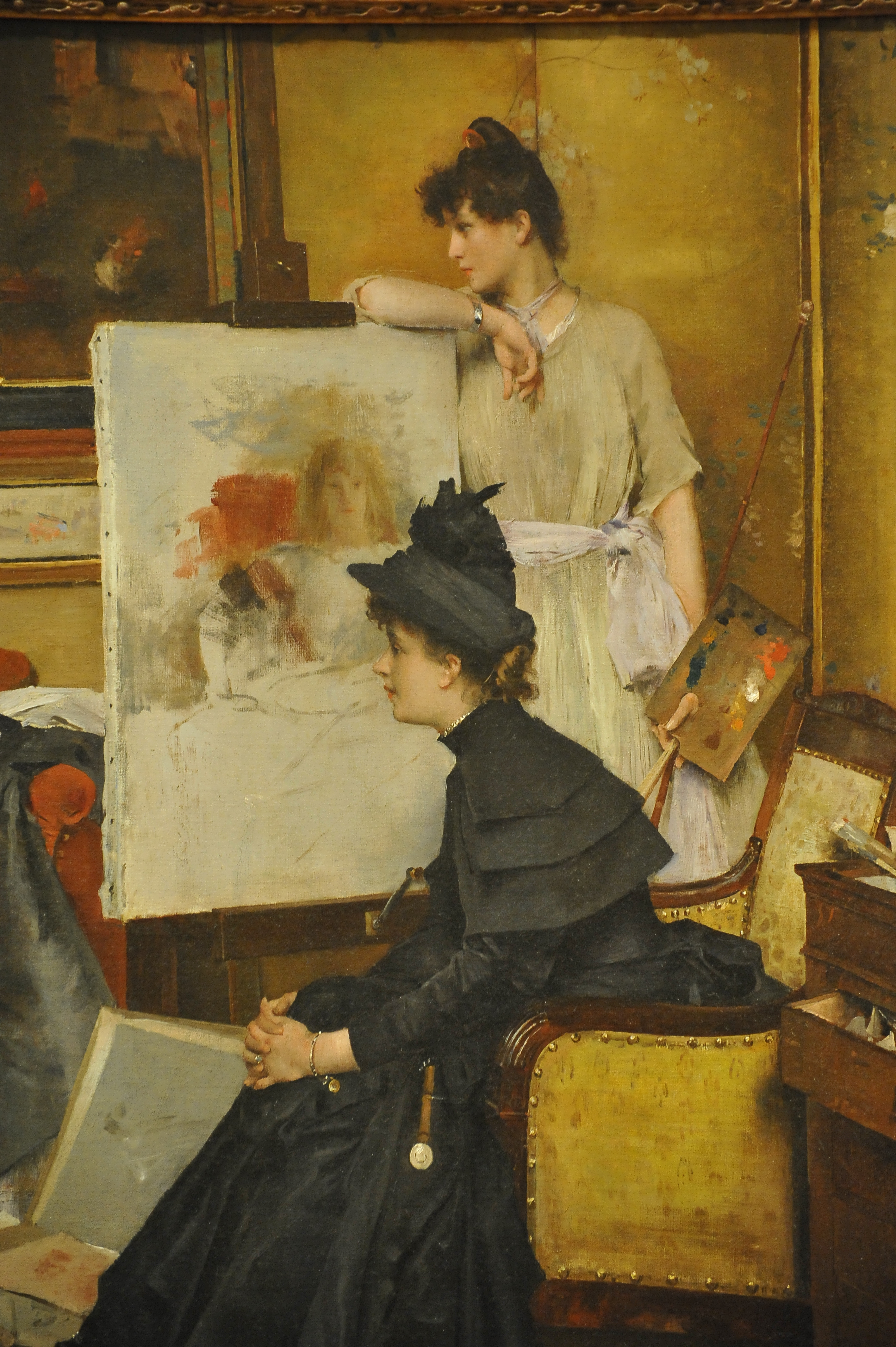
PAINTINGS FROM THE MET’s ART COLLECTION 2011 – Metropolitan Museum of Art, Manhattan NYC
visual art
Image by asterix611
PAINTINGS FROM THE MET’s ART COLLECTION 2011 – Metropolitan Museum of Art, Manhattan NYC

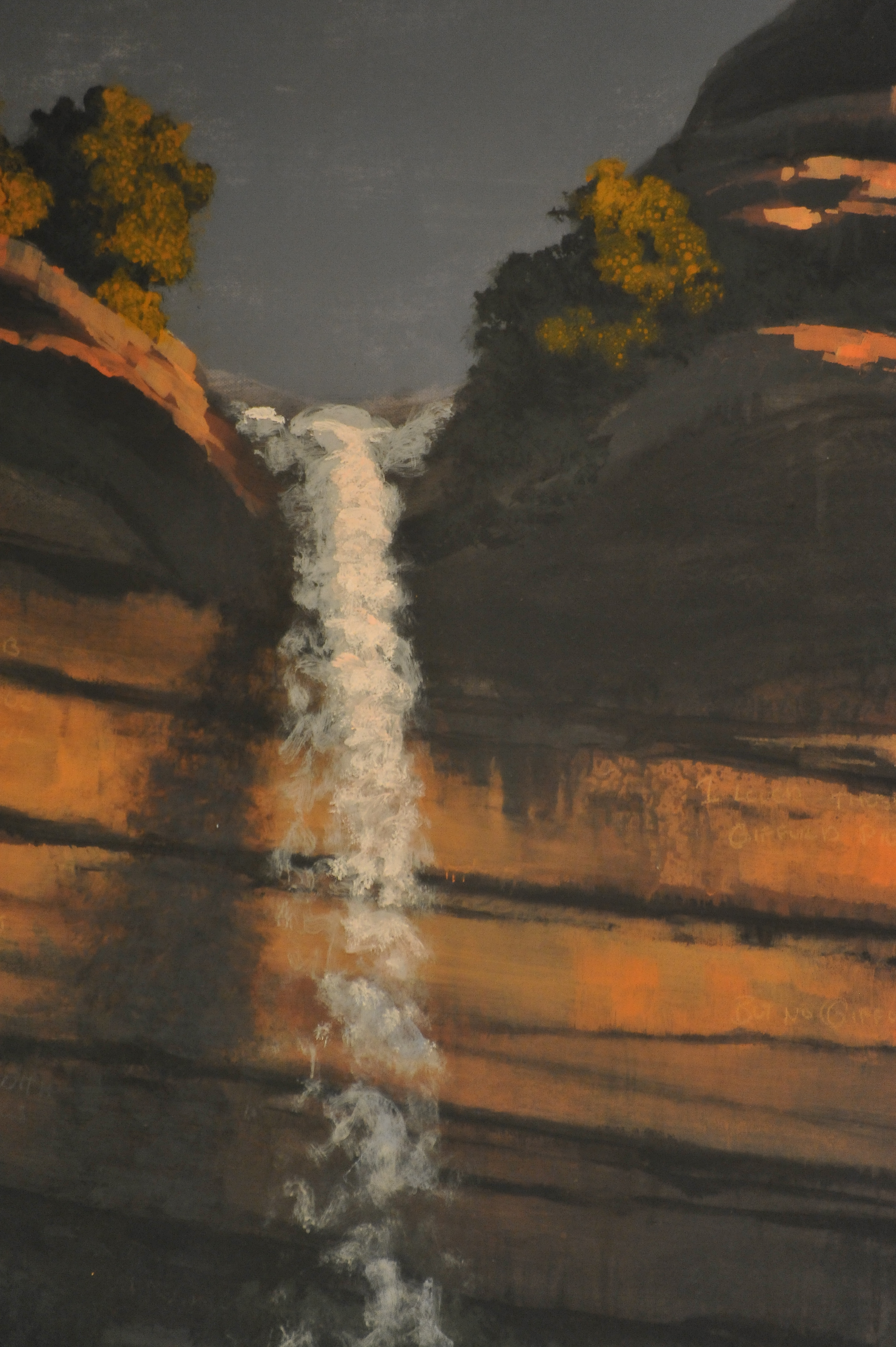
PAINTINGS FROM THE MET’s ART COLLECTION 2011 – Metropolitan Museum of Art, Manhattan NYC
visual art
Image by asterix611
PAINTINGS FROM THE MET’s ART COLLECTION 2011 – Metropolitan Museum of Art, Manhattan NYC

 
Comments Off on Nice Visual Art photos

Posted in Photographs


Nice Visual Art photos

26 Nov

Some cool visual art images:

Badeend Florentijn Hofman
visual art
Image by Z33 art centre, Hasselt

Badeend Florentijn Hofman
visual art
Image by Z33 art centre, Hasselt

Badeend Florentijn Hofman
visual art
Image by Z33 art centre, Hasselt

 
Comments Off on Nice Visual Art photos

Posted in Photographs


Nice Visual Art photos

26 Nov

Some cool visual art images:

Silk Mill Press Conference – Stephen and Naomi Antonakos
visual art
Image by Lafayette College
The Redevelopment Authority of Easton and the Bushkill Creek Corridor Council for the Arts held a press conference to announce developments of Silk: A Creative Community. The event was held at the former Simon Silk Mill on North 13th street in Easton. Lafayette Art Department members, Jim Toia and Ed Kerns, addressed the gathering along with Mayor Sal Panto. Artist Stephen Antonakos will be the first person to exhibit there.

Silk Mill Press Conference – Jim Toia
visual art
Image by Lafayette College
The Redevelopment Authority of Easton and the Bushkill Creek Corridor Council for the Arts held a press conference to announce developments of Silk: A Creative Community. The event was held at the former Simon Silk Mill on North 13th street in Easton. A member of the Lafayette Art Department, Jim Toia, addressed the gathering along with Mayor Sal Panto. Artist Stephen Antonakos will be the first person to exhibit there.

 
Comments Off on Nice Visual Art photos

Posted in Photographs


Cool Visual Art images

17 Nov

Check out these visual art images:

Kris Verdonck – EXHIBITION #1 – Warehouse of machinery, used in performances / installations (1995 – present)
visual art
Image by Z33 art centre, Hasselt
These appliances and objects are normally situated behind the scenes of a performance or show. The machines often look like medieval instruments (of torture). At the same time, they are often high-technological objects, that fulfil complex functions. They form a large contrast with the extreme esthetical images that they produce.

The overview of machines by Kris Verdonck addresses the field of tension between man and machine in today’s society. What relationship can/must/do people want to enter into with technology? How difficult is the balancing act between human control and submission to machines?

credits:
Kris Verdonck – EXHIBITION #1 – Warehouse of machinery, used in performances / installations (1995 – present)
photo: Kristof Vrancken / Z33

 
Comments Off on Cool Visual Art images

Posted in Photographs


Nice Visual Art photos

10 Nov

Check out these visual art images:

Outsider Art 2008
visual art
Image by Adam Sporka

 
Comments Off on Nice Visual Art photos

Posted in Photographs


Nice Visual Art photos

04 Nov

A few nice visual art images I found:

Lighting ideas for Art Centre
visual art
Image by Peacock Visual Arts
Image: Jonathan Speirs and Major associates

Lighting ideas for Art Centre
visual art
Image by Peacock Visual Arts
Image: Jonathan Speirs and Major associates

 
Comments Off on Nice Visual Art photos

Posted in Photographs


Nice Visual Art photos

17 Oct

Some cool visual art images:

Visual identity
visual art
Image by *spo0ky*
Trusenz / Rapper

Visual identity
visual art
Image by *spo0ky*
Sundance Gourmet Coffee Co. / Coffeshop

Collaboration with Damian Stephens

 
Comments Off on Nice Visual Art photos

Posted in Photographs


Cool Visual Art images

16 Oct

Check out these visual art images:

Art of Being Tuareg: Sahara Nomads in a Modern World
visual art
Image by Steve Rhodes
through Sept 2

museum.stanford.edu/news_room/Tuareg.html

museum.stanford.edu

Art of Being Tuareg: Sahara Nomads in a Modern World
visual art
Image by Steve Rhodes
through Sept 2

museum.stanford.edu/news_room/Tuareg.html

museum.stanford.edu

 
Comments Off on Cool Visual Art images

Posted in Photographs


California: Stanford University – Iris & B. Gerald Cantor Center for Visual Arts at Stanford University – Burghers of Calais
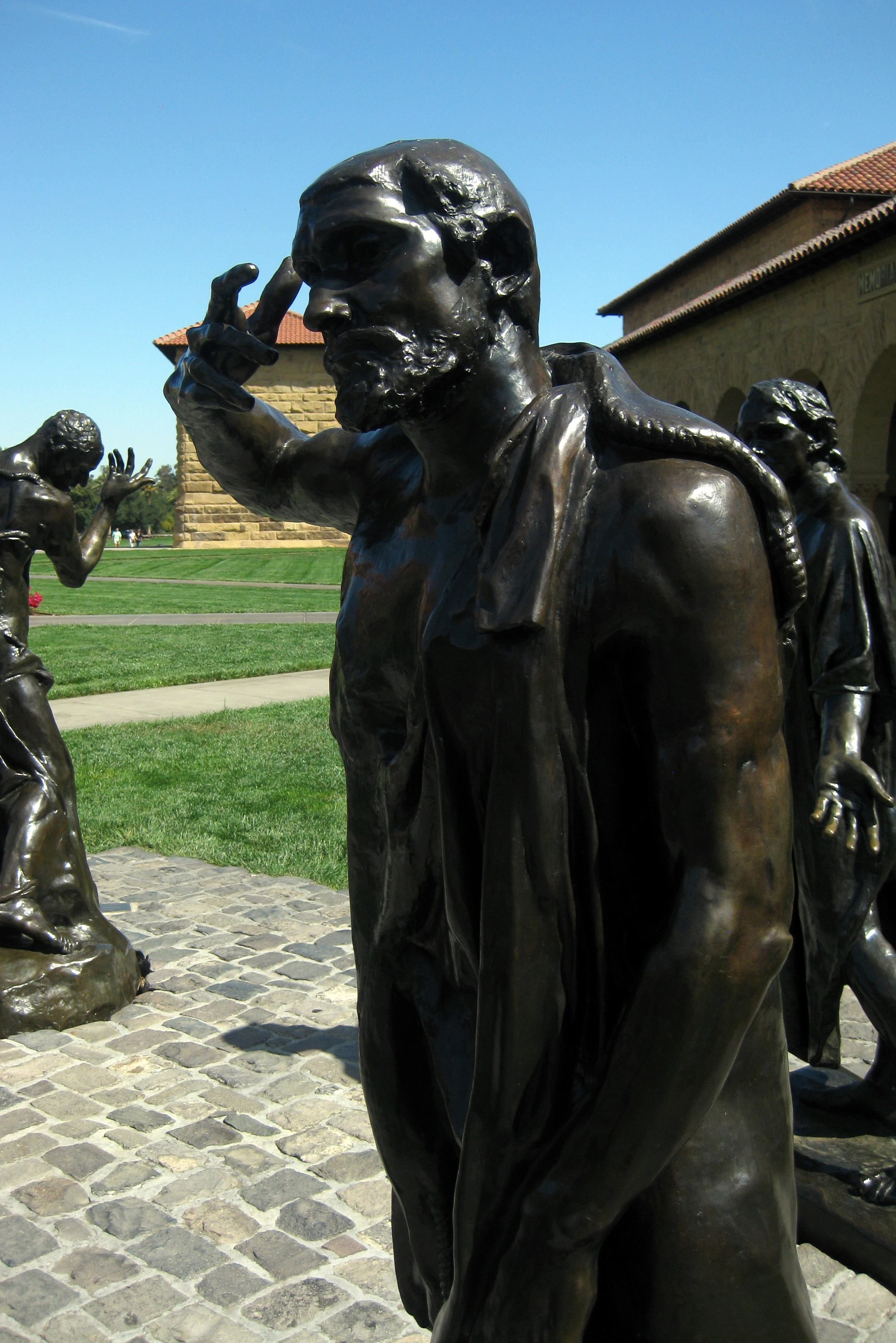
14 Oct

Check out these visual art images:

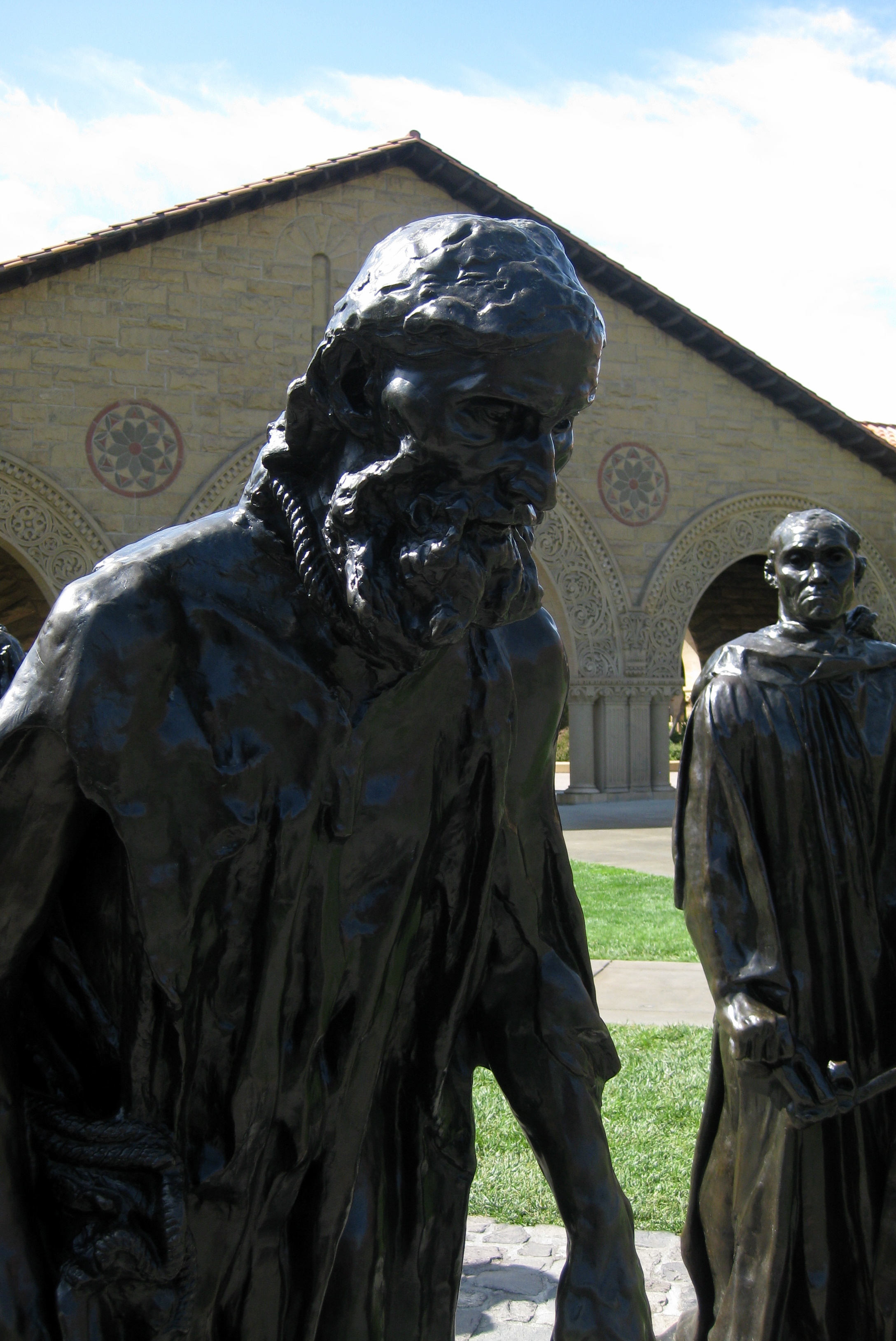
California: Stanford University – Iris & B. Gerald Cantor Center for Visual Arts at Stanford University – Burghers of Calais
visual art
Image by wallyg
Les Bourgeois de Calais (The Burghers of Calais) is one of the most famous sculptures by Auguste Rodin. It serves as a monument to the heroism of six burghers in Calais during a siege by the England in the Hundred Years’ War in 1347.

After a victory in the Battle of Crécy, England’s King Edward III besieged Calais, an important French port on the English channel, and Philip VI of France ordered the city to hold out at all costs. Which it did for a over a year. Philip failed to lift the siege and starvation eventually forced the city to parlay for surrender. Edward offered to spare the people of the Calais if any six of its top leaders would surrender themselves. Edward demanded that they walk out almost naked, wearing nooses around their necks and carrying the keys to the city and castle. One of the wealthiest of the town leaders, Eustache de Saint Pierre, volunteered first and five other burghers–Jean d’Aire, Jacques and Pierre de Wissant, Jean de Fiennes, Andrieu d’Andres–soon followed suit. Though the burghers expected to be executed, their lives were spared by the intervention of England’s Queen, Philippa of Hainault, who persuaded her husband by saying it would be a bad omen for her unborn child. Rodin depicts a larger than life Saint Pierre leading the envoy of emaciated volunteers to the city gates, prepared to meet their imminent mortality.

The monument was initially proposed by Omer Dewavrin, mayor of Calais, for the town’s square in 1884. Unusual in that monuments were usually reserved for victories, the town of Calais had long desired to recognize the sacrifices made by these altruistic men. Rodin’s controversial design echoed this intent–the burghers are not presented in a heroic manner, but sullen and worn. His innovative design initially presented the burghers at the same level as the viewers, rather than on a traditional pedestal, although until 1924 the city, against Rodin’s wishes, displayed it on an elevated base.

The original statue still stands in Calais. Other casts stand around the world–the Victoria Tower Gardens, in the shadow of the Houses of Parliament in London; the Israel Museum in Jerusalem, the Rodin Museum in Philadelphia, the Metropolitan Museum of Art in New York City, the Brooklyn Museum in New York City, Musée Rodin in Paris, the National Museum of Western Art in Tokyo, the Rodin Gallery in Seoul, and Glyptoteket in Copenhagen, to name a few. Some installations have the figures tightly grouped with contiguous bases, while others have the figures separated. Some installations are elevated on pedestals, others are placed at ground level. This bronze cast, at Stanford University’s Iris & B. Gerald Cantor Center for Visual Arts, consists of six separate pieces which are slightly sunken, concealing the bottom few inches of the bases, and spaced such that viewers can walk between the figures. The museum claims this is how Rodin wished them to be displayed.

California: Stanford University – Iris & B. Gerald Cantor Center for Visual Arts at Stanford University – Burghers of Calais
visual art
Image by wallyg
Les Bourgeois de Calais (The Burghers of Calais) is one of the most famous sculptures by Auguste Rodin. It serves as a monument to the heroism of six burghers in Calais during a siege by the England in the Hundred Years’ War in 1347.

After a victory in the Battle of Crécy, England’s King Edward III besieged Calais, an important French port on the English channel, and Philip VI of France ordered the city to hold out at all costs. Which it did for a over a year. Philip failed to lift the siege and starvation eventually forced the city to parlay for surrender. Edward offered to spare the people of the Calais if any six of its top leaders would surrender themselves. Edward demanded that they walk out almost naked, wearing nooses around their necks and carrying the keys to the city and castle. One of the wealthiest of the town leaders, Eustache de Saint Pierre, volunteered first and five other burghers–Jean d’Aire, Jacques and Pierre de Wissant, Jean de Fiennes, Andrieu d’Andres–soon followed suit. Though the burghers expected to be executed, their lives were spared by the intervention of England’s Queen, Philippa of Hainault, who persuaded her husband by saying it would be a bad omen for her unborn child. Rodin depicts a larger than life Saint Pierre leading the envoy of emaciated volunteers to the city gates, prepared to meet their imminent mortality.

The monument was initially proposed by Omer Dewavrin, mayor of Calais, for the town’s square in 1884. Unusual in that monuments were usually reserved for victories, the town of Calais had long desired to recognize the sacrifices made by these altruistic men. Rodin’s controversial design echoed this intent–the burghers are not presented in a heroic manner, but sullen and worn. His innovative design initially presented the burghers at the same level as the viewers, rather than on a traditional pedestal, although until 1924 the city, against Rodin’s wishes, displayed it on an elevated base.

The original statue still stands in Calais. Other casts stand around the world–the Victoria Tower Gardens, in the shadow of the Houses of Parliament in London; the Israel Museum in Jerusalem, the Rodin Museum in Philadelphia, the Metropolitan Museum of Art in New York City, the Brooklyn Museum in New York City, Musée Rodin in Paris, the National Museum of Western Art in Tokyo, the Rodin Gallery in Seoul, and Glyptoteket in Copenhagen, to name a few. Some installations have the figures tightly grouped with contiguous bases, while others have the figures separated. Some installations are elevated on pedestals, others are placed at ground level. This bronze cast, at Stanford University’s Iris & B. Gerald Cantor Center for Visual Arts, consists of six separate pieces which are slightly sunken, concealing the bottom few inches of the bases, and spaced such that viewers can walk between the figures. The museum claims this is how Rodin wished them to be displayed.

 
Comments Off on California: Stanford University – Iris & B. Gerald Cantor Center for Visual Arts at Stanford University – Burghers of Calais

Posted in Photographs