RSS
 

Posts Tagged ‘Tour’

A Different Kind of Photo Tour to Israel with Vibe Israel

06 Jul

I was recently invited on a photo tour called Vibe Israel by a non-profit organization called Kinetis, I wanted to share my experiences of the trip with you.

Who are Kinetis?

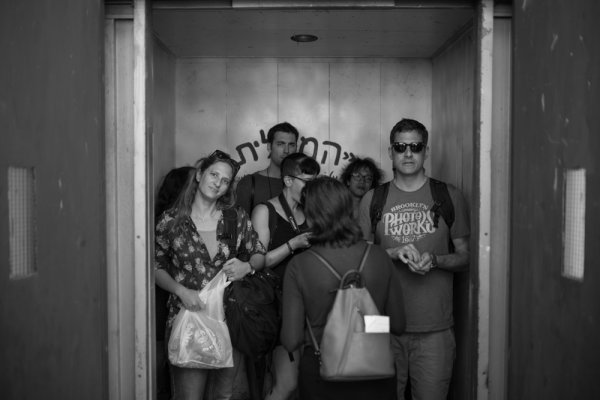
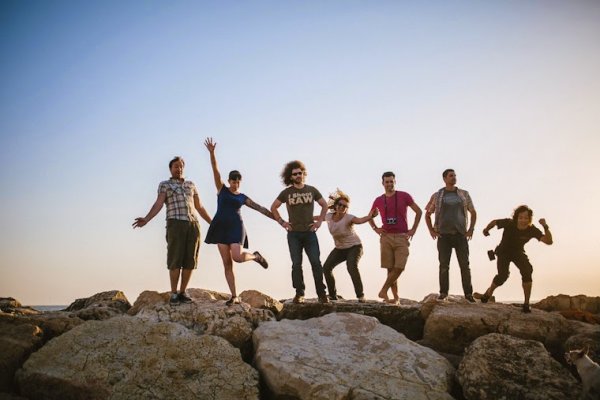
Six of us were on this tour of Israel, a tour to show what Israel has to offer to photographers, to show a different side to Israel compared with the one you might typically see in the news. The different styles and personalities of the six photographers on the tour made for a fantastically fun and inspirational few days.
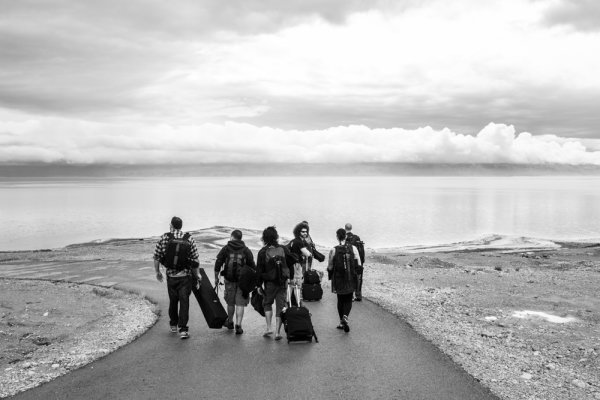
simon-pollock-melbourne-kinetis-tour-israel

Heading down to the Dead Sea with the crew

Travelling with the specific purpose of photography can be a daunting thing, especially with the ever present fear of having your precious camera gear gate checked when you’re about to embark your flight. Is my bag overweight? Will ground crew single me out? Do I look like I’m struggling with this bag? All of these things play through my mind on every flight I’m about to catch, sometimes even when I’m not travelling with a heavy bag! I’ve been very fortunate thus far to have not been stopped for a heavy, or overly large, camera bag at the gate and this trip was no different (although I did have my backpack sent through the Xray machine four times).

I was travelling with a MindShiftGear Panorama camera backpack, the beauty of the Panorama is that you can use both the belt section and the top insert section to put your gear – if you get stopped and asked to gate check your bag, you can pretty much break it down into sections and nine times out of ten you’ll get it through, onboard with your camera gear. The few basic pointers for trying to get you and your camera onboard that I quietly recite to myself every flight are:

  • Smile, but not so much that people think you’re up to something
  • Don’t carry your bag like it’s about to rip your arms off – if it is, you should perhaps rethink anyway
  • Have a plan to take your heaviest camera and heaviest lens out of your bag and hang it around your neck if asked to gate check due to weight – a camera, 99% of the time, will become a personal item and won’t be included in the bag weight
  • Be polite – ground crew have a job to do, so don’t go off at them, it won’t help – I promise you this
  • Insurance really is a good thing! (I’m insured with PPiB if you’re in Australia / were interested)

There’s a lot to be said for only packing what you’re going to need – will I need to take a 100mm macro lens to Israel? Will I use my 5.8mm fisheye? As it happens, I used both of those lenses and I’m glad I packed most of my gear, but I did use a two bag strategy/ Doug Murdoch, president of thinkTankPhoto camera bags writes about it on his blog, a quick interesting read. I had a small laptop bag with my Apple MacBook Air 13″, a WD My Passport Pro 2TB drive for content and all the cables, pens, paper, passports, tickets, etc. Then my camera backpack and my roller bag with my tripod, clothes and another flattened out camera shoulder bag (for short wanders down through markets where I didn’t want to take a backpack) and this combo proved to work really well for me.

So we’re packed, we’re flying, we’re there. I’ve been to Israel once before and was very excited to go back. Arriving into Tel Aviv quite late, then driven to Jerusalem to meet up with the others, we stayed at this great place called Abraham Hostel on the first night (if you’re travelling on a budget, it’s a great place to stay) before travelling across to the hotel we were all meeting at, Dan Boutique Hotel. Thankfully they were totally fine with us setting up Ben’s Broncolor and blasting away on the roof!
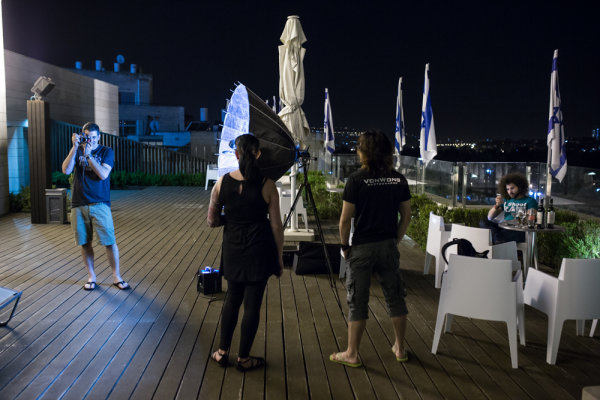
On the roof playing with light...

On the roof playing with light…

A quick introduction to the people on the tour: Adam Lerner, Mike Kelley, Rebecca Litchfield, Benjamin Von Wong, Jared Polin and Simon Pollock (me – Hi!). Mike isn’t in the photo above as he likes to go to bed at 8 p.m. every night hehe. The next day, after a tour of the old markets and surrounding area in the old city of Jerusalem, we headed for the Dead Sea, each of us with different ideas for what we wanted to do when we arrived there – fashion, portraits, landscape, it was set to be an epic adventure.
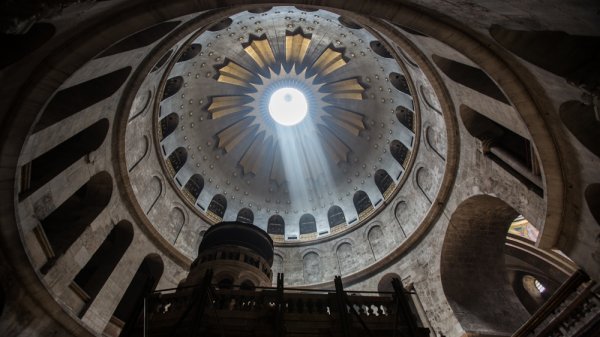
Church of the Holy Sepulchre at 16mm

Church of the Holy Sepulchre at 16mm

Arriving at Ein Gedi, the rain was starting to set in and with a call time of around 4 a.m., it was pretty much a quick dinner and directly to bed – poor Eyal had to put up with my snoring, sorry Eyal! The rain hadn’t stopped the next morning, and we were told that with the Dead Sea clouded in, it was something people rarely get to see. As it turned out, the road was washed away in a couple of places and we had a pretty hard time getting the models, stylists and hair and makeup folks into the area of the Dead Sea that we were using for the shoot – thanks to some handy local wrangling and a police vehicle, we were all set to go once the weather cleared, and clear it did. Here’s a setup shot and a few photographs from the shoot day at Ein Gedi.
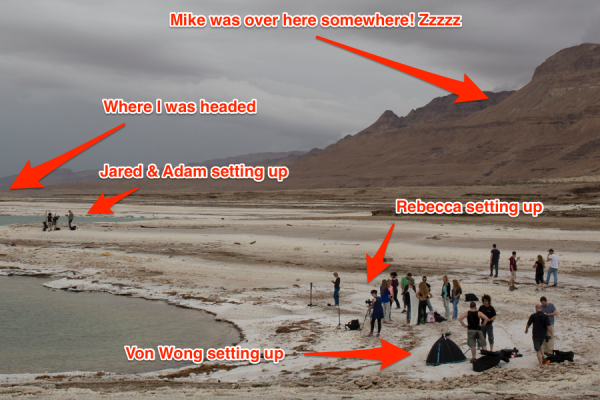
Dead-Sea-Kinetis-Israel-Tour-Simon-Pollock

To give you an idea of where we were…

I was very fortunate to essentially have my own personal guide from epic photo tour company, PhotoTeva which was fantastic as I’m certainly no landscape photographer, but had an amazing time taking in the amazing scenery unfolding before me.
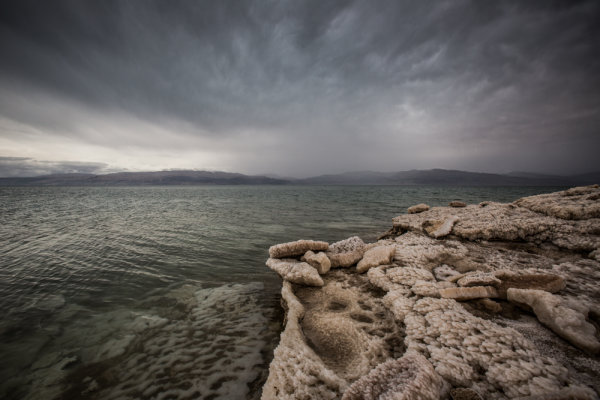
The-Dead-Sea-PhotoTeva-Simon-Pollock-Kinetis

The storm rolled through…

Protecting your gear and keeping it off the deck was pretty important. The water is ultra salty (1/3rd salt, someone was saying) and the ground we were on was all salt – very sharp salt (see, I used the macro lens).

dead-sea-salt-kinetis-simon-pollock-israel

The salty residue was super sharp and happy to cut you up!

dead-sea-salt-kinetis

Anything that didn’t move fast enough was essentially ‘salted’

We only had a day at the Dead Sea and were supposed to head out into the desert to stay together in a big tent. The weather had other ideas and we all piled in the super bus and headed back to Tel Aviv for an impromptu camp out on our new friend, Adi’s floor. A highlight of the trip – impromptu awesome. When you’re travelling on a holiday, and things don’t go to plan, you do your best to make the best of the situation that you’re placed in – this was certainly the case and we had a fantastic evening before checking in to The Diaghilev Live Art Boutique Hotel (which I highly recommend if you’re travelling to Tel Aviv).

The next couple of days were filled with amazing food, adventures and people – rather than bore you with my musings, I’ll tell this part of the adventure in photographs.

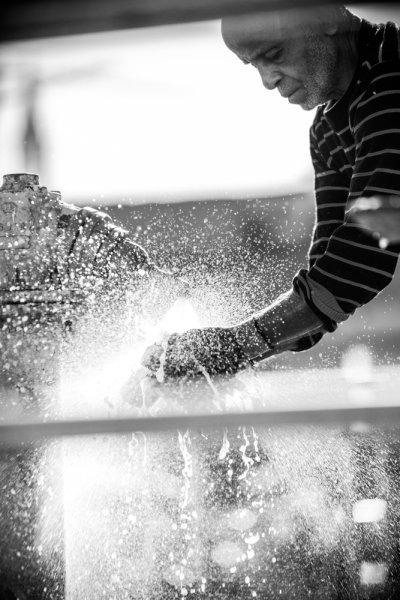
Jared, Adam and I visited a fish market where the fish come off the boats and are snapped up by people waiting on the dock.
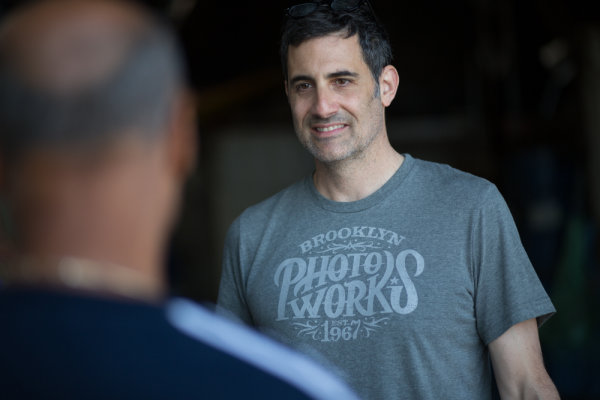
Adam Lerner, a portrait...

Adam Lerner, a portrait…

The fish market...

The fish market…

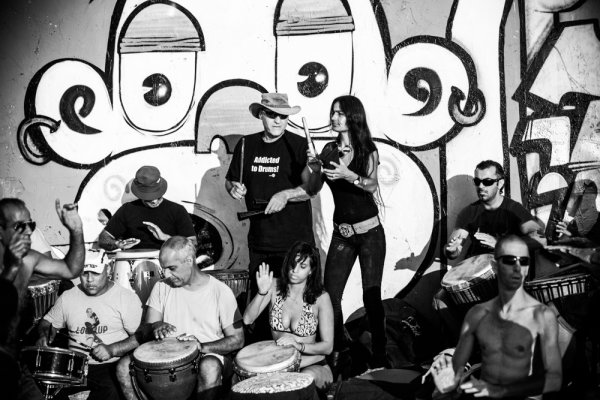
We managed a little beach time and happened across a great drum circle!

A Tel Aviv beach...

A Tel Aviv beach…

Addicted to drums...

Addicted to drums…

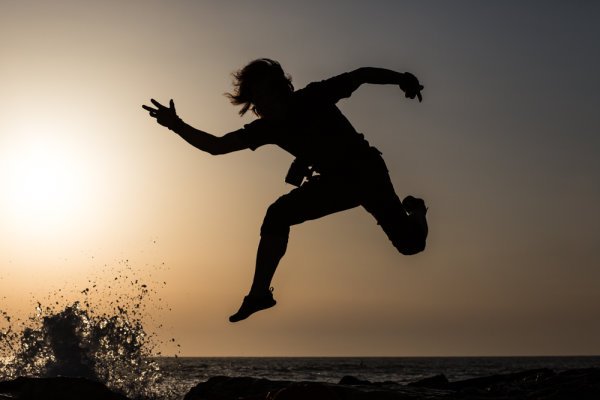
Von Wong takes flight...

Von Wong takes flight…

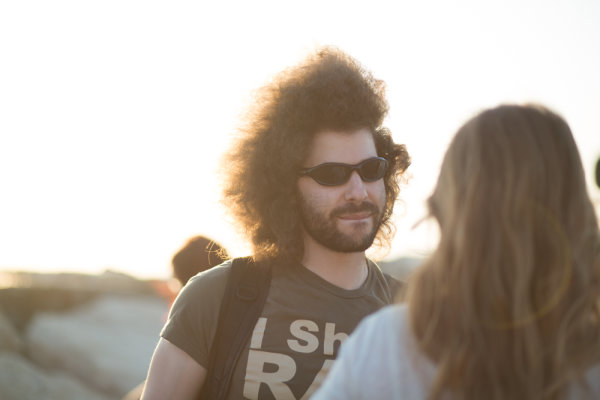
Fro Knows...

Fro Knows…

The fish market...

The fish market…

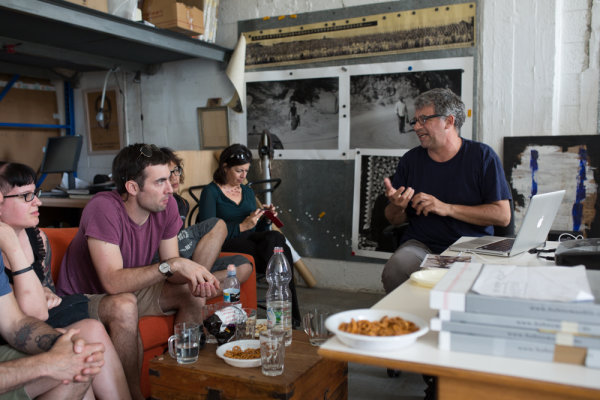
With only a day or two left to run, we had a load more to pack into our schedule, a visit to Israeli photojournalist and Canon Ambassador, Ziv Koren. We spent some time talking to Itzik Canetti, who has developed a nifty laser focus system for photographers, and we were hosted by Wix on our last evening, for drinks on the roof of their building – stunning.
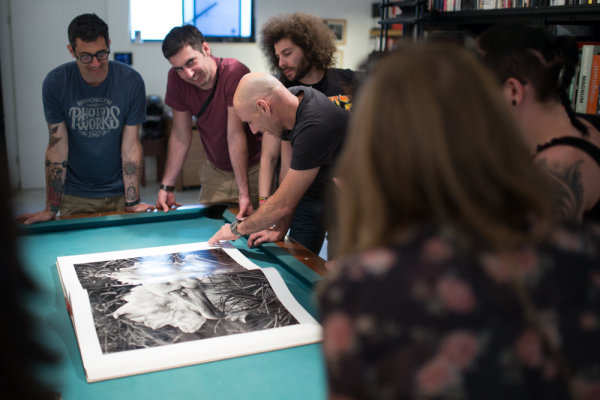
Simon-Pollock-Kinetis-Israel-Ziv-Koren

Simon-Pollock-Kinetis-Israel-Ziv-Koren

Simon-Pollock-Kinetis-Israel-Ziv-Koren

Simon-Pollock-Kinetis-Israel-Ziv-Koren

That was essentially the tour

kinetis-simon-pollock-israel-tour

The point of the photo tour was for us to see a different side of Israel, a creative and vibrant side – and that was exactly what we saw. Lots of tech startup, lots of art and culture, some great coffee and amazing food. If you’re thinking about going somewhere on a photo tour, I’d certainly put Israel on your list! Big thanks to Kinetis and the whole team that made this trip possible. You can learn more about the not for profit work that Kinetis do on their website.

The post A Different Kind of Photo Tour to Israel with Vibe Israel by Sime appeared first on Digital Photography School.


Digital Photography School

 
Comments Off on A Different Kind of Photo Tour to Israel with Vibe Israel

Posted in Photography


Tour Tiny Worlds: 6-Camera Cube Creates 360-Degree Video

02 May

[ By WebUrbanist in Gadgets & Geekery & Technology. ]

3d bike ride video

The ultimate at-home hacker project, this strange small-world effect was created using a half-dozen GoPro cameras, a 3D printer and a technique that turns ordinary panoramic shots into a surreal world-warping wraparound experience.

German photographer, journalist and inventor Jonas Ginter cobbled together his cubic ball of cameras then mounted this oddball creation above his bike, all to generate the effect you see in the video above. Given the accessibility of the constituent technologies (and his helpful instructions), suddenly the idea of 3D video capture is within reach of any enthusiastic hobbyist.

cubic 360 degree camera

The stereographic distortion, while a neat effect, is also helpful in rendering a three-dimensional view into a two-dimensional frame. As for the idea, here is a bit more from the creator (summary translation to follow): “Ich habe mir seltsame Konstruktionen mit Spiegeln angeguckt und frustriert festgestellt, dass das absoluter Quatsch ist. Stück für Stück kam die Erkenntnis, dass ich 360-Grad-Videos nur realisieren kann, wenn ich das Bild in einem Take aufnehme. Die logische Konsequenz hieß also: Viele Kameras.”

3d printed and go pro parts

panoramic creation process illustration

Above, Ginter explains his slow realization that to realize a 360-degree video he would have to do everything in a single take, which in turn means having multiple cameras.  While his takes so far are interesting in themselves, the possibilities are amazing – but consider just the fun consumer applications, like capturing a three-hundred-and-sixty-degree skydive or mounting this on the car roof for a road trip. You can read his summary on Ginter’s website, either in the original German or using Google Translate.

Share on Facebook


[ By WebUrbanist in Gadgets & Geekery & Technology. ]

[ WebUrbanist | Archives | Galleries | Privacy | TOS ]


WebUrbanist

 
Comments Off on Tour Tiny Worlds: 6-Camera Cube Creates 360-Degree Video

Posted in Creativity


Photographer creates ‘virtual panoramic tour’ of North Korea

15 Oct

Screen_Shot_2013-10-14_at_6.02.12_PM.png

What’s it like to visit one of the world’s most secretive countries? Singapore-based photographer Aram Pan wanted to find out for himself. North Korea is notorious for stage-managed and highly restricted access for foreigners, but Pan decided to have a go at simply asking North Korean authorities whether he could enter the country and document what he saw. Click through for extracts from his story, and some of his stunning images.

News: Digital Photography Review (dpreview.com)

 
Comments Off on Photographer creates ‘virtual panoramic tour’ of North Korea

Posted in Uncategorized


30 years after rollout, take a tour of space shuttle Discovery’s flightdeck

14 Oct

Screen_Shot_2013-10-13_at_7.26.44_PM.jpg

Space shuttle Discovery was rolled out from the factory thirty years ago this month, and in an operational career spanning 39 missions, she spent 365 days in space and travelled almost 150 million miles. Discovery can currently be found on display at the Smithsonian National Air and Space Museum in Virginia but if you’re curious about what it looks like inside, click through for a 360-degree interactive panorama of the flight-deck of the most travelled shuttle ever to fly. 

News: Digital Photography Review (dpreview.com)

 
Comments Off on 30 years after rollout, take a tour of space shuttle Discovery’s flightdeck

Posted in Uncategorized


Skyscraper Slums: Insider Tour of World’s Tallest Tent City

27 Sep

[ By WebUrbanist in Global & Urbex & Parkour. ]

skyscraper slum

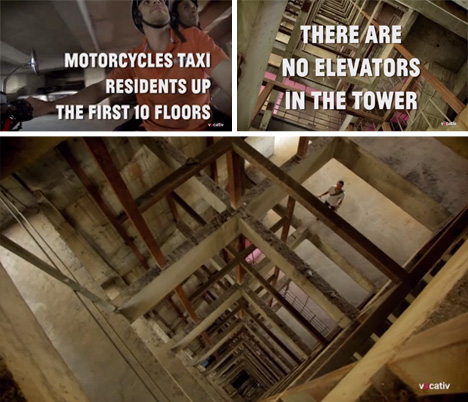
Housing over 2,500 people in 28 of its 45 floors, the Tower of David is a half-finished structure in Caracas, Venezuela, populated with displaced people. Like the now-vanished Kowloon Walled City or a huge vertical tent city, it is feared by officials and runs by its own rules. Its residents pool resources, including skills and money, to create and maintain independent and communal water supplies, plumbing and power grids.

Even the police are afraid to enter this effectively lawless structure, but through friends one video journalist was given permission to tour and film the facility – you can follow his adventure via the video above.

skyscraper squatter city life

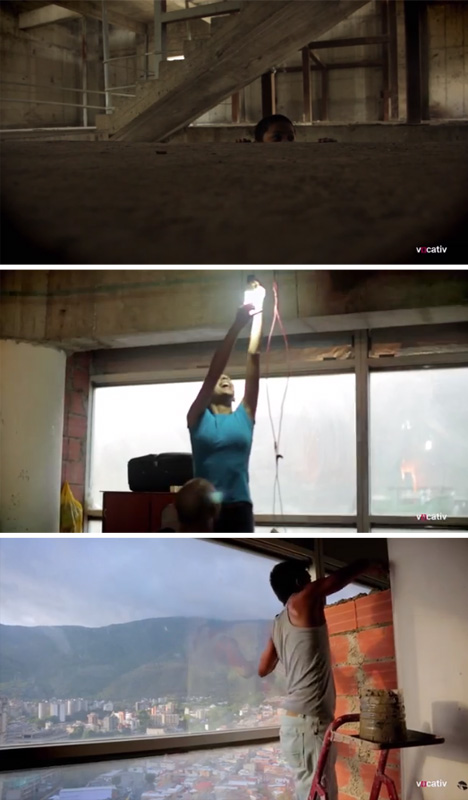
What may be most remarkable is how much like a normal building it is, with new couples coming in and renovating dwellings, and established businesses (including a hair salon) and community spaces (at least one church).

skyscraper interior home renovations

That is, of course, ‘normal’ once you get past architectural surprises like the absence of windows along some faces and the dizzying drops of dozens of stories off of unmarked edges lacking railings. The authorities also claim the structure is a hotbed for crime and violence, home to gang activity and drug cartels, but this one brief documentary, at least, suggests things are a bit more complicated than that.

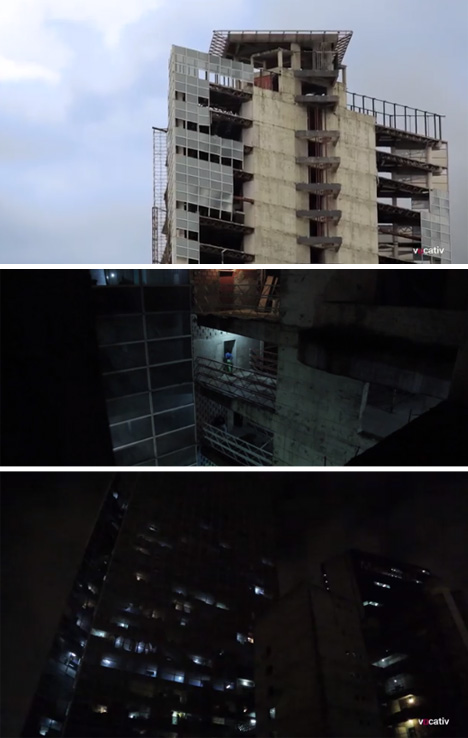
skyscraper abandoned then occupied

As we described in previous coverage and with other images, the structure was being built into business skyscraper when construction halted during the 1990s financial crisis. It was then effectively abandoned and has since become a haven for a squatters who started moving in during the subsequent crisis 2007/2008. Now, these residents ride up the first ten stories taken by moped taxis or, if sufficiently poor, walk the distance. With no elevators, some skyscraper dwellers have to walk dozens of stories to get home. As in pre-elevator days, the top floors are thus the least desirable and many remain unoccupied –  from outside, you can see the light dwindling up toward the upper stories at night.

Share on Facebook


[ By WebUrbanist in Global & Urbex & Parkour. ]

[ WebUrbanist | Archives | Galleries | Privacy | TOS ]


WebUrbanist

 
Comments Off on Skyscraper Slums: Insider Tour of World’s Tallest Tent City

Posted in Creativity


Where the sharpness comes from: A tour of Sigma’s factory

21 Sep

www.imaging-resource.com-crop.jpg

Some people are happy to shoot with lenses and think only of the results, but it can also be fascinating to think about how such complex, precision pieces of engineering are made. Some insight is provided by Dave Etchells over at Imaging Resource, who has just posted a story about his visit to Sigma’s factory in Aizu, Japan. However, no matter how hard you try, you can’t make every lens perfect – as Lensrentals Roger Cicala explains in his recent blog post. Click through for more.

News: Digital Photography Review (dpreview.com)

 
Comments Off on Where the sharpness comes from: A tour of Sigma’s factory

Posted in Uncategorized


Is that a Workshop, Tour or Seminar [Part III]

16 Aug

In part I and part II of this series we learned the photo workshop is typically one where the instructor concentrates on delivering an intense teaching/learning experience at a location conducive to enhancing that goal.  In comparison is the photo tour where the delivery is all about exotic or exciting locations with a photo tour leader putting you in the right place at the right time, and might provide minimal formal instruction.

Located somewhere between the tour and workshop is the photo seminar. More often than not the seminar combines the best attributes of the workshop and tour by providing numerous lecturers and presentations, from internationally recognized keynote speakers who augment acclaimed local and national professionals in various photography disciplines.

In 1994, I attended a 60-minute presentation where a digital artist explained that a new software called Adobe Photoshop would revolutionize the photography industry. My notes from that lecture said “alpha mask – change sky.”  I later learned how to do alpha masks and discovered that I need not sit and look out a window while it was raining. Nineteen years later there is little argument that Photoshop has changed our industry, and “masks” are one of the foundation tools every digital photographer must eventually learn.

In 1994, I attended a 60-minute presentation where a digital artist explained that a new software called Adobe Photoshop would revolutionize the photography industry. My notes from that lecture said “alpha mask – change sky.” I later learned how to do alpha masks and discovered that I need not sit and look out a window while it was raining. Nineteen years later there is little argument that Photoshop has changed our industry, and “masks” are one of the foundation tools every digital photographer must eventually learn.

The seminar is also sometimes referred to as a conference, but the crux of the event remains very much constant: numerous presenters under one roof presenting a variety of topics by experts in their field over several days at one venue.

Seminars are offered by both private enterprise as well as professional and amateur photography associations who also may open their doors to non-members.  In Canada the two most recognized national association conventions are hosted in different cities each year by the members of Professional Photographers of Canada (PPOC) and Canadian Association for Photographic Art (CAPA).  You can do a web search in your country of residence for professional associations such as Professional Photographers of America (PPA) or your national amateur chapter of Fedération Internationale de l’Art Photographique (FIAP).

Seminars are typically chock-a-block full of presenters offering a variety of topics and many also offer a slate of add-on field trips. It is not uncommon with the larger conventions to have 25, or more, presenters on a four day program which is augmented with a keynote presentation each evening.  Intensity is the key word with seminars.

A close cousin to the seminar is the non-degree granting photo school. The concept is very similar, the delivery is quite different.  Whereas in the seminar scenario participants are introduced to a variety of instructors, concepts and theories, the school typically places a classroom of students with one instructor for the entire time period.  Additionally, the school tends to be more about a mixture of theory and practical application, whereas the seminar tends to deliver concepts and ideas for individual exploration at a later time.

Each approach has their advantages and disadvantages. If you are seeking exposure to a variety of concepts and motivation the seminar might be the best approach. By comparison, if you are seeking to spend a lot of one-on-one time learning a particular technique or skill set the school might be the better choice.  Be aware, however, if you “hook-up” with a presenter in the seminar situation who has poor instructional technique you can find some solace that the next lecturer, an hour or so later, might be better.  In the school environment, however, if you have a poor instructor you will be less than satisfied over the duration of several days, a week, or even longer.  Be diligent and do your homework well; there are many great photographers who simply are not good at sharing their knowledge, skills or information for a variety of reasons.  As suggested in the opening of this series, there are instructors and then there are teachers – not all are truly teachers.

In summation we can generally draw to following conclusions:

Workshop:  Typically intense training with one instructor that includes field and formal classroom instruction with measureable outcomes. The location is secondary but supportive of the curriculum.

Photo Tour:  Location(s) is the key ingredient and instruction is minimal if at all. The tour leader is typically a well known photographer who should also be familiar with the locations and scope of the tour, be it cultural, wildlife, etc.

Seminar:  Typically a broad array of concepts, discussion and disciplines with a variety of presenters. It is about being introduced to new theories, approaches and motivation. They are typically shorter in duration with minimal practical application.

Post originally from: Digital Photography Tips.

Check out our more Photography Tips at Photography Tips for Beginners, Portrait Photography Tips and Wedding Photography Tips.

Is that a Workshop, Tour or Seminar [Part III]


Digital Photography School

 
Comments Off on Is that a Workshop, Tour or Seminar [Part III]

Posted in Photography


Is that a Workshop, Tour or Seminar [Part II]

09 Aug

In our previous post on this topic we learned that the photo workshop is primarily a teaching venue, with a very structured curriculum leading to measureable outcomes. The keynote teacher and/or assistant instructors should be available upon demand and continuously be pushing, cajoling and exciting you to advance your skill set.  The workshop is all about learning.

The photo tour was borne as a hybrid from the conventional tour business that blossomed in the 1970’s.  While travelling tourists enjoyed the convenience of having another labour over the details of accommodation, meals and destinations, many tour administrators recognized a need to cater to niche markets that included an array of interests and hobbies. Specialized tours were developed to meet all types of sundry from participating in archaeological digs to experiencing the daily life of Zulu tribes. Somewhere in the middle was the hobbyist photographer whose key interest was in photographing the A to Z’s of the planet, and having someone else attend to all the details.

So what should we be aware of when researching for the right fit in a tour company?


A good tour company should have an itinerary and support staff that puts you front-and-centre with the attractions and characters at the right time of day to maximize your photo opportunities.

A good tour company should have an itinerary and support staff that puts you front-and-centre with the attractions and characters at the right time of day to maximize your photo opportunities.

Almost all photo tours that pique an interest involve travel to some remote location, usually out of country and more often than not to another continent.  While Canadians might like to travel to Asia, for example, many Asians like to travel to Canada.  Common wisdom would suggest that an Albertan could probably put together a more complete tour package of the Canadian Rockies than an administrator in Shanghai, for example. Conversely, that same Shanghai administrator should be more thorough in developing a week long traverse of the Great Wall of China than our friend from Jasper.

This is not to suggest that non-nationals cannot, and do not, provide great experiences to other countries – many do, but, many more do not.  It is essential you review their credentials to gain informed insight with the administrator’s familiarity of the geography being visited.

Most importantly, ensure the itinerary has been developed with the photographer in mind.  Many tour operators simply don’t understand that photographers want to have the option of being on location no less than 30 minutes prior to sunrise. Likewise, how can we be enjoying dinner when the mother of all sunsets is happening just beyond our spreads of Peking Duck or prime Alberta beef.

Review that itinerary as you might research the merits of a particular car purchase. Relentlessly research the web for everything you can locate about the company, this particular destination, the tour leader, language interpreters if necessary, accommodations, meals and dietary concerns, maximum number of participants, modes of transportation and are they certified and insured, any mobility concerns you might have, sleeping arrangements, and so on.

Is the tour leader a photographer from whom you think you could have fun? Is that photographer also known to freely share his insights, vision and passion to craft? Many tour companies only hire the well known photographer as an aid to marketing and selling the tour.  Did the photographer have any input toward the tour development and itinerary?  How many times has this company and/or tour leader been to these destinations; what is their familiarity with local customs and traditions?

Be wary of the quasi-photographer who is developing and leading a tour to a new destination. More often than not he is only looking to make a few bucks to augment his own cost of adding that destination as another notch in his prize belt. By the same token there are photographers who offer fabulous small group excursions, just be wary and use the telephone to interview this photographer/leader.

The photo tour is all about the experience – be that destination, cultural, or a myriad of other experiences and interests. The photographer- leader might offer an evening or two of presentations, and maybe some informal one-on-one time while out enjoying the sites, but bear in mind the photo tour is not about tutelage but experience.

With good research and due diligence you can ensure that a photo tour meets your expectations and helps fulfill the most important mandate: having fun.  Always remember, if you are having fun you are doing it right!

Part III — the seminar.

Post originally from: Digital Photography Tips.

Check out our more Photography Tips at Photography Tips for Beginners, Portrait Photography Tips and Wedding Photography Tips.

Is that a Workshop, Tour or Seminar [Part II]


Digital Photography School

 
Comments Off on Is that a Workshop, Tour or Seminar [Part II]

Posted in Photography


Is that a Workshop, Tour or Seminar [Part I]

05 Aug

There is a modern day aphorism:  Those that can – do. Those that can’t – teach.  I believe, however, the later part of the phrase should be amended to read “Those who can’t – shouldn’t.”

A majority of photographers working today as professionals ply their trade in the commercial, wedding and portrait disciplines. There are also countless photographers who have historically made images of landscape and nature pictures – the kind of stuff we all love to do. These image makers would typically place their material with a stock photo agency to license their work on their behalf. Unfortunately this business model has been collapsing over the past five, or so, years and will likely continue.

The by-product of this collapse in landscape and nature picture sales has translated to a deluge of photography workshops, tours and seminars.  Many of these instructor-photographers bring impeccable skills and talents to the table; unfortunately an even greater number bring little more than platitudes and promises.

The novice photographer will have to do some research to learn what firm offers something worthy of your hard earned cash.  You will have to sift through a lot of chafe to find the nice gems, fortunately they do exist.

Is the intensity of a workshop what you seek, or perhaps the enjoyment of a tour or the diversity of a seminar? Hopefully this little primer will help steer you in the right direction by explaining the differences and offering some suggestions to ensure you get the right fit for what you are seeking, and at the right skill level.

The workshop offers the opportunity to try out all the gear you might own with good critique from the instructor.

The workshop offers the opportunity to try out all the gear you might own with good critique from the instructor.

A workshop is first and foremost a teaching venue.  It will in all likelihood be based from a single location where you will eat, live and breathe photography.  A secondary consideration is the actual location, the physical presence to facilitate the theme of the workshop.

The better workshops usually come with a systematic structure: early morning shoot, late morning lecture, early afternoon lecture or critique session and late evening shoot. The shooting sessions will usually always concentrate on the topic presented at the day’s lecture session(s). By the end of the workshop you should have received sufficient lectures, personal evaluation of your efforts, and an overdose of encouragement to meet the objectives outlined. The course syllabus should be available for your study in advance of enrolment.

Before you do enrol, research to see who the lead instructor will be as well as the supporting teachers, and whether that lead is on site or just loaning their name. Does that leader come with a pedigree that includes accomplishment in their chosen field through innovative techniques, or writing of their findings in books or magazine articles? Are they continuously exploring their own vision, and what is their reputation from previous students?  Contact those testimonial writers personally – they could be just friends of the workshop leader.

One of the very first clues you might have whether the workshop is for you is by asking the question: “Will the instructor be making photographs during the workshop?”  If the answer is yes, you might want to consider moving to another workshop that interests you. The logic being, how is it possible for the instructor to teach and offer guidance if they are concentrating on looking through their own viewfinder?  You, the student, should have their attention; the instructor can take pictures on their time – you have already bought and paid for that time.

Most importantly, is the lead instructor an instructor or a teacher? As ridiculous as this might sound, almost anyone can stand in front of a small audience and regurgitate from a prepared lesson plan. A teacher, on the other hand, has that inner quality of being able to instil a desire to learn, of generating an excitement enabling students to be part of a process, promoting confidence and self-esteem all while offering constructive criticism without the student ever knowing. A teacher has a true passion in their chosen art, the art of sharing.  Their enthusiasm is contagious.

Next up: What is the photo tour?

Post originally from: Digital Photography Tips.

Check out our more Photography Tips at Photography Tips for Beginners, Portrait Photography Tips and Wedding Photography Tips.

Is that a Workshop, Tour or Seminar [Part I]


Digital Photography School

 
Comments Off on Is that a Workshop, Tour or Seminar [Part I]

Posted in Photography


Escher + Inception: Tour a Digital World that Defies Physics

27 Jul

[ By WebUrbanist in Conceptual & Futuristic & Technology. ]

surreal human interface cube

This video thrives on convention – specifically: breaking with it. In the same vein as M.C. Escher, The Matrix or, more recently, Inception (or even the building flips and slides in Transformers), this surreal experience calls into question everyday architectures that surround us.

Imagine a world where urban fabric was what the latter implies: a delicate, woven-together series of structures and infrastructure forever flipped and rearranged at the whim of … whom? Perhaps you, perhaps another consciousness, or perhaps something created by a blind watchmaker, as it were, rotating city blocks like rows on a Rubik’s Cube.

surreal cube water bridge

Be sure to view the above realistic animated video in full size for the complete effect. Our brain recognizes patterns, then expects those things within such patterns (like trains on rails, or a waterfall) to conform to known laws of physics and thermodynamics – strip away that certainty and you start to learn something about human cognition and our relationship to world.

surreal room glowing light

From the project creator, Chris Kelly, who created this as a graduate project: “Our understanding of space is not always a direct function of the sensory input but a perceptual undertaking in the brain where we are constantly making subconscious judgements that accept or reject possibilities supplied to us from our sensory receptors,” he says. “This process can lead to illusions or manipulations of space that the brain perceives to be reality.”

surreal bionic eye reality

The thesis that goes with these videos and images:  Time and Relative Dimensions in Space: The Possibilities of Utilising Virtual[ly Impossible] Environments in Architecture. “The redirection techniques and the use of overlapping architecture allow the same physical space to hold a much larger virtual space”, giving it all kinds of applications in collaborative gaming and interactive art as well as architectural and urban design.

surrealist virtual reality cube

More on the project: “The aim of the rubix project was to develop an animation that described a conceptual tool for deploying these malleable virtual environments that could be used by their creators to shift space around us. The rubix concept stemmed from the need for an algorithmic formula for controlling the use of redirection techniques; it allows for many different spatial combinations whilst a level of control is constantly maintained. In the animation the initial Escher-esque space is a representation of our perceptual system where huge amounts of information arrive in the brain from multiple streams. The process of perception involves the brain selecting and rejecting contradicting pieces of information leading to a perception of reality that only gives us glimpses into the world we are in.”

Share on Facebook


[ By WebUrbanist in Conceptual & Futuristic & Technology. ]

[ WebUrbanist | Archives | Galleries | Privacy | TOS ]


WebUrbanist

 
Comments Off on Escher + Inception: Tour a Digital World that Defies Physics

Posted in Creativity