creativeLIVE is hosting a two day live workshop with nature photographer Tom Mangelsen. The class will be broadcast live from 9am today, December 2nd (Pacific time) and will cover everything from gear and location scouting advice to wildlife etiquette. It also includes a critique and portfolio review of viewers’ images. The class is free to watch live and costs $ 99 for the rebroadcast. Click through for a link
Tag: ‘The
-
Documentary photographer turns to video for ‘The Long Night’
A multimedia journalist by trade, Tim Matsui’s still photography projects have taken him from native Alaskan villages to Brazilian Air Force training facilities. Matsui shares with us his journey in creating his latest documentary work, from its beginnings in still photography to the adaptations he made to turn it into a video production. Learn more about his work on ‘The Long Night,’ a documentary debuting this week that looks into human trafficking in Seattle. Read our Q&A
-
creativeLIVE presents Frans Lanting ‘The Art of Seeing’
creativeLIVE is hosting two days of ‘instruction and inspiration’ from renowned nature and wildlife photographer Frans Lanting. His class includes presentations about creative ideas and technical skills, and also features landscape and wildlife photography instruction during special field workshop sessions at prime photographic destinations along the California coast. Click through for a link
-
David Gibson: „The Street Photographer’s Manual“
Ein Beitrag von: Tilman Haerdle
David Gibson lebt in London und ist eines der Gründungsmitglieder des Straßenfotografie-Kollektivs in-public. Neben seiner eigenen fotografischen Aktivität leitet er regelmäßig in aller Welt Workshops zum Thema Straßenfotografie. Jetzt hat er mit „The Street Photographer’s Manual“* ein Buch vorgelegt, das Interessierten als Leitfaden zur Straßenfotografie dienen soll.
Als ich über den Blog von in-public vom Erscheinen dieses Buchs erfuhr, dauerte es nicht lange, bis ich mich entschloss, es mir auch zu kaufen. Da ich mich vorher intensiver mit der Interpretation von Straßenfotografie aus der Sicht der in-public-Fotografen auseinandergesetzt hatte, kam dieses Buch, zudem noch mit dem Versprechen, ein Handbuch der Straßenfotografie zu sein, genau zur rechten Zeit.
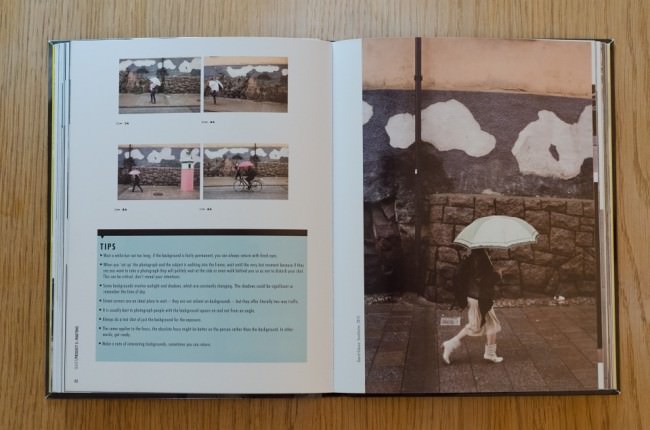
In seiner tongebenden Einleitung befasst sich Gibson mit der Frage, was Straßenfotografie überhaupt ist. Rein formal kann man hier einige Regeln exemplarisch nennen:
- Keine gestellten Bilder
- Bilder sollten nicht zugeschnitten oder anderweitig wahrheitsverfälschend bearbeitet werden – es zählt das fotografierte Bild
- Gegenstand der Straßenfotografie ist der Mensch und Anzeichen seiner Existenz in unserer Umwelt – es müssen also nicht notwendigerweise Menschen zu sehen sein
In der Fotografie geht es um Beobachtung, nicht um die Manipulation von Bildern.
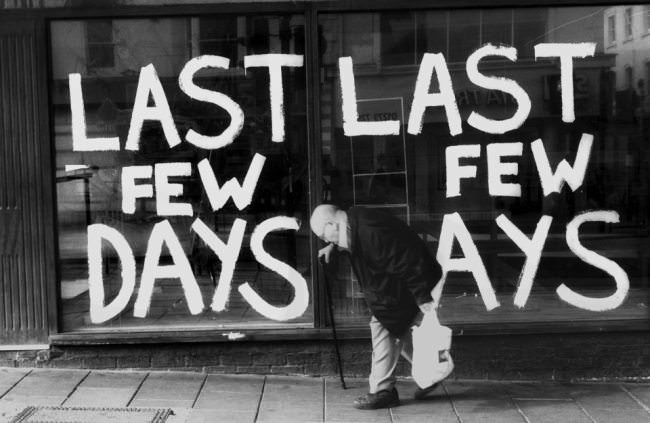
Elliott Erwitt –
Die Abgrenzung zu fast jeder anderen fotografischen Kategorie ist damit einfach möglich, er gibt jedoch zu, dass der Übergang zur dokumentarischen Fotografie fließend ist. Bilder, die diesen Regeln genügen, mögen dem Genre der Straßenfotografie zuzuordnen sein, doch gibt sich Gibson mit diesen elementaren Grundsätzen, die er durch Zitate wie das obenstehende in den Text einwebt, nicht zufrieden.
Bei mir blieb nach diesem Abschnitt das Gefühl, dass die Haltung des idealen Straßenfotografen schon fast spirituell zu nennen ist. Ob man diese Maximen in voller Konsequenz umsetzt, bleibt am Ende jedem selbst überlassen.
Jenseits des Formalen betont Gibson, dass die Beschäftigung mit Straßenfotografie zwingend erfordert, dass man jegliche Berührungsängste aufgibt, dass der Gedanke an Zurückweisung oder Ablehnung durch die fotografierten Menschen kein Hinderungsgrund sein darf, ein Bild zu machen. Für viele Einsteiger ist das ein harter Brocken, typischerweise ist man lange Zeit eher zu weit von den fotografierten Menschen weg.
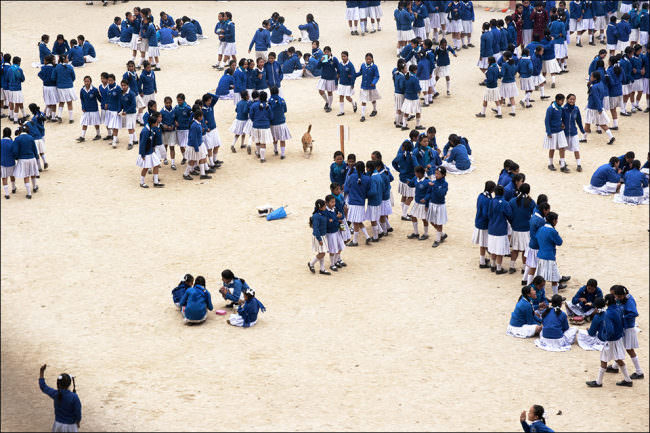
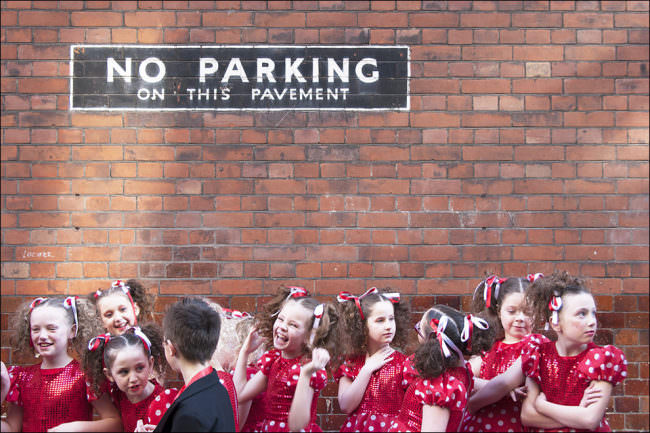
Gibson befasst sich ausführlich auch mit Fotografen-Kollektiven. Er identifiziert den Straßenfotografen als Einzelgänger, wenn er fotografiert, der jedoch den Austausch mit Gleichgesinnten sucht, um von der Rückmeldung anderer zu lernen und selbst durch das Wahrnehmen anderer Fotografien andere Sichtweisen zu erfahren.
Neben den exklusiven, kleinen Zirkeln von Kollektiven wie Street Photographers, in-public, Burn My Eye oder nicht zuletzt auch Magnum geht er auch auf den Austausch auf sozialen Plattformen wie beispielsweise Flickr und Facebook ein. Gerade letzteres identifiziert er als möglichen, aber nicht für jeden passenden Kanal zur Kommunikation mit Gleichgesinnten und Fans.
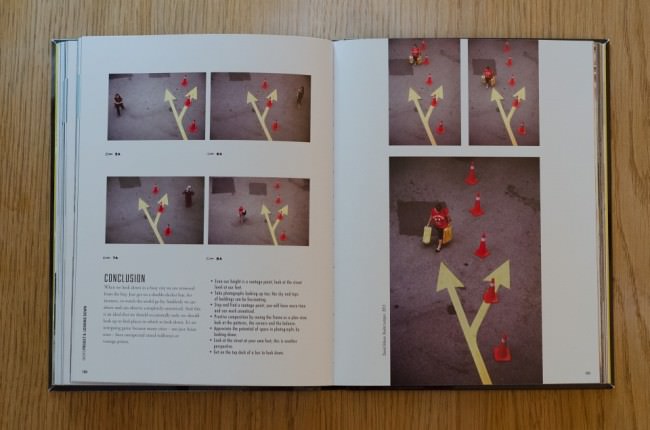
Das Buch und ein gutes Foto haben Gemeinsamkeiten: Struktur. Gibson gelingt es, durch die Unterteilung des Buches in grössere Kapitel, die die sehr knappen Titel „Busy“, „Quiet“, „Abstract“, „Still“ und „Subjects“ tragen, und Projekte, die die Maximen der Kapitel mit Leben füllen, das weite Feld der Straßenfotografie in begreifbare Abschnitte zu unterteilen.
Über allem liegt ein großer Bogen, das Buch beginnt mit viel Energie und wird immer langsamer, bis es im Kapitel „Still“ dann fast zum Stehen kommt. Das letzte Kapitel „Subjects“ markiert eher einen Abschluss und Ausblick, als noch wirklich zur Reihung der vorderen Kapitel zugehörig zu sein.
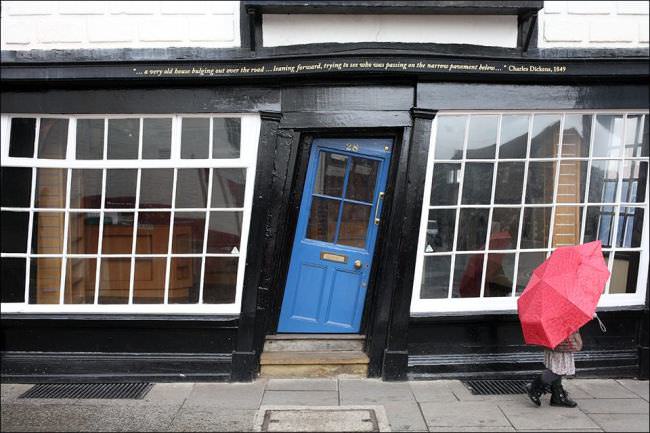

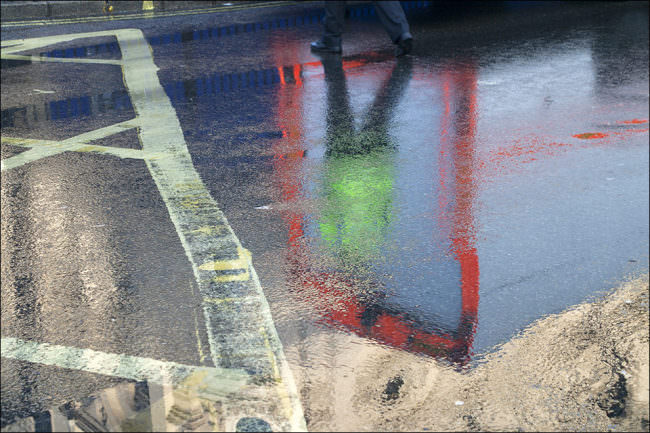
Die Wahl seiner Projekte, wie beispielsweise „Order“, „Following“, „Blurred“ oder „Doubles“ mag willkürlich erscheinen, doch sie ergibt Sinn. Vor allem hat diese Strukturierung zumindest mich dazu gebracht, zu hinterfragen, was ich überhaupt darstellen will.
Die einzelnen Projekte führten dazu, dass ich mir beim Fotografieren Gedanken darüber gemacht habe, aus welchem Grund ich genau jetzt den Auslöser drücken will. Die Menge meiner Bilder wurde dadurch nicht weniger, da ich gleichzeitig versucht habe, Situationen aktiver zu bearbeiten und nach Möglichkeit von einer Szene mehr als nur ein Bild zu machen, wenn sie mir interessant erschien. Gibson selbst zur Wahl seiner Projekte:
Es ist wichtig zu wissen, dass die Straßenfotografie keine exakte Wissenschaft ist, dieses Buch also eher wie eine Auswahl verschiedener Gitarrenakkorde – und -einstellungen – sowie ein paar empfohlener Lieder zu verstehen ist.
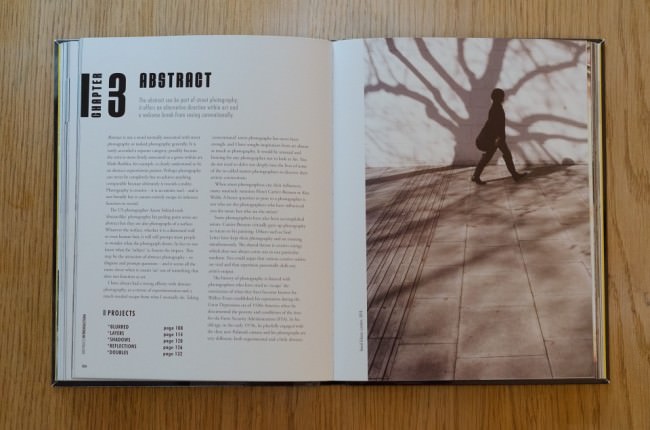
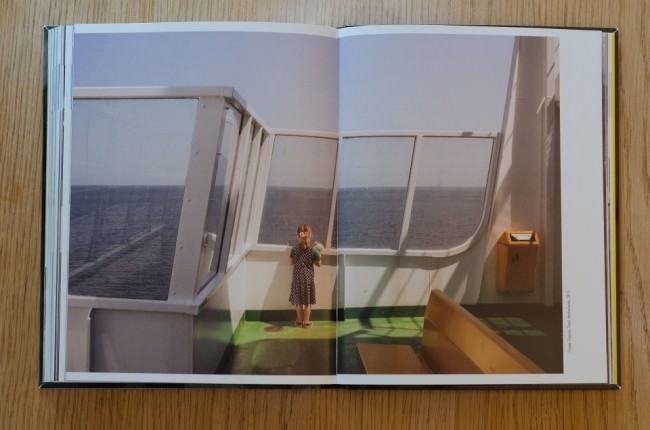
Während Gibson in der Beschreibung der einzelnen Projekte in der Regel auf seine eigenen Bilder zurückgreift und dabei auch nicht davor zurückscheut, zur Illustration des Auswahlprozesses schwächere Bilder zu zeigen, schiebt er zwischen jedes Projekt Kurzportraits von zum Kapitelthema passenden Fotografen ein. Die Bandbreite reicht hier von „Ikonen“ wie Saul Leiter über in-public-Kollegen wie Blake Andrews oder Matt Stuart bis hin zu nur echten Insidern bekannten Fotografen wie Oliver Lang oder Shin Noguchi.
Überhaupt bietet das verwendete Bildmaterial genügend Grund, das Buch auf einer zweiten Ebene zu verstehen, eben nicht nur als Lehrbuch, sondern als exemplarisch für Gibsons Sichtweise der Straßenfotografie.
Somit ist auch klar, dass das Buch nicht nur für Einsteiger in die Straßenfotografie interessant ist. Der Novize profitiert von vielen Anregungen, die einen einfachen Einstieg in dieses Genre ermöglichen. Als erfahrener Straßenfotograf hat man seine Freude am ausgewählten Bildmaterial und an der Möglichkeit, die Entscheidungsprozesse des Autors bei der Bildauswahl nachvollziehen zu können.
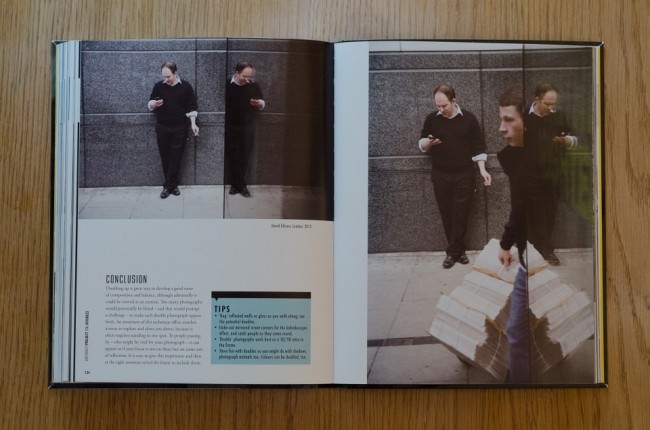
Einziger Kritikpunkt ist die Erscheinungsform als, wenn auch großes, Taschenbuch. Eine etwas robustere Ausführung und Bindung mit Seiten, die auch aufgeschlagen bleiben, wäre schöner gewesen. Dafür ist der Preis mit unter 20 € für ein Buch in dieser Kategorie recht attraktiv.
David Gibson bietet regelmäßig Workshops zum Thema Straßenfotografie an. Termine veröffentlicht er auf seiner Website und auf Facebook.
Informationen zum Buch
Autor: David Gibson
Taschenbuch: 200 Seiten
Verlag: Thames & Hudson
Sprache: Englisch
Größe: 23 x 17,8 x 2 cm
Preis: 17,30 €* Das ist ein Affiliate-Link zu Amazon. Wenn Ihr darüber etwas kauft, erhält kwerfeldein eine kleine Provision, Ihr zahlt aber keinen Cent mehr.
-
“The Language of Light with Joe McNally” – a Review
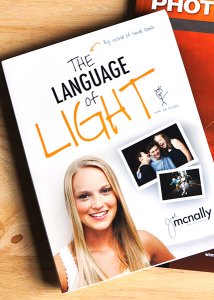 On the one hand, I could make this article one of the shortest I’ve ever written– a rousing recommendation of only three words: “It’s Joe McNally!”
Thank you. Good night. Drive safely.
Okay…I get it. Some of you may not be convinced. I respect that. That’s why we’re going to take a closer look.
For those who may not know, Joe McNally is one of the very best in the business. In a career spanning 30 years and 50 countries, his work has appeared in National Geographic, LIFE Magazine, Sports Illustrated, TIME, Newsweek, Entertainment Weekly, and a host of other magazines you’ve probably read. Even if you’ve never heard his name (where have you been hiding?), I’m pretty sure you’ve seen his work. If you are ever able to attend one of his workshops, I highly recommend it.
Joe is a master (a word I don’t use lightly) of at least two things–lighting and teaching. As a photographer, light defines or plays a part of everything you do. Regardless of whether you are talking about speedlights, studio lights, street lights, or sunlight, it’s a given that every light source has three attributes–color, quality, and direction. Since every photograph requires light, it stands to reason that having a firm understanding of how to control, manipulate, and manage light would be an important step towards raising the bar on your photography. As he puts it himself in the intro,
“Light is how we speak as photographers.” – Joe McNally
A typical Joe McNally seminar or workshop tends to be filled with sentences that begin with things like, “The photo editor at National Geographic once told me…” or “My editor at LIFE Magazine used to say…” These are your cues to start feverishly writing down every word that follows. The Language of Light lets you put the pen down and take it all in–a three-hour guided tour through the how and why of Joe’s “big world of small flash.”
There are a few things that really stand out, separating this DVD lighting class apart from the rest. For starters, it’s conversational. To the extent that this language of ours has words and concepts that need explaining, who better to do it than the man who’s written some of the best books on the subject? The other huge advantage to The Language of Light is the ability to watch as Joe starts each shoot with a basic premise, then explains and demonstrates each step in the process–walking you through from concept to finished image.
Remember that old line? “Those who can, do. Those who cant’ teach?” Well, here’s a guy who does both and doesn’t hold anything back. If he knows it, he wants you to know it. It’s not just about the “how.” It’s also about the “why.” And that, my friends, is worth the price of admission.
Here is a basic breakdown of the set.
Disc 1 – the Language of Light
They say the best place to start is at the beginning, and The Language of Light takes that to heart. Disc 1 gets you going, explaining light and why it does what it does in simple terms. Prepare to be blown away by what he can do with a single speedlight. Topics include:
- Turning one small flash into one big light
- Controlling harsh natural light
- Dramatic one light portraiture
- Tour of small flash light modifiers
- Light placement
Check out the Disc 1 preview in the video below:
Disc 2 – the Language of Light
Disc 2 moves out of the studio and goes on several location shoots, with lighting setups ranging from the basic to the complex. Topics include:
- Location assessment
- Basic strategies for one and two lights, as well as three or more
- Getting the most out of a location
- Environmental portraits
- Conquering the sun with high speed sync
- Mixing color temperatures
- Athletic portraits
- Lighting in small places
- Group portraits
- Engaging your subject
Take a look at the Disc 2 preview:
The three hours of photographic education contained in this set is some of the best I’ve ever seen. Knowledge, talent, energy, and passion come together in what I can only describe as a moment of enlightenment (no pun intended), where all the pieces seamlessly come together– and it all makes sense. It’s perfect for beginners just learning how to get the flash off the camera, as well as seasoned veterans looking for a refresher.
The Language of Light is available on Amazon. Still hungry for more? Check out our very own e-book, “Portraits- Lighting the Shot” in the Digital Photography School Bookstore.
The post “The Language of Light with Joe McNally” – a Review by Jeff Guyer appeared first on Digital Photography School.
-
“The Language of Light with Joe McNally” – a Review
On the one hand, I could make this article one of the shortest I’ve ever written– a rousing recommendation of only three words: “It’s Joe McNally!”Thank you. Good night. Drive safely.
Okay…I get it. Some of you may not be convinced. I respect that. That’s why we’re going to take a closer look.
For those who may not know, Joe McNally is one of the very best in the business. In a career spanning 30 years and 50 countries, his work has appeared in National Geographic, LIFE Magazine, Sports Illustrated, TIME, Newsweek, Entertainment Weekly, and a host of other magazines you’ve probably read. Even if you’ve never heard his name (where have you been hiding?), I’m pretty sure you’ve seen his work. If you are ever able to attend one of his workshops, I highly recommend it.
Joe is a master (a word I don’t use lightly) of at least two things–lighting and teaching. As a photographer, light defines or plays a part of everything you do. Regardless of whether you are talking about speedlights, studio lights, street lights, or sunlight, it’s a given that every light source has three attributes–color, quality, and direction. Since every photograph requires light, it stands to reason that having a firm understanding of how to control, manipulate, and manage light would be an important step towards raising the bar on your photography. As he puts it himself in the intro,
“Light is how we speak as photographers.” – Joe McNally
A typical Joe McNally seminar or workshop tends to be filled with sentences that begin with things like, “The photo editor at National Geographic once told me…” or “My editor at LIFE Magazine used to say…” These are your cues to start feverishly writing down every word that follows. The Language of Light lets you put the pen down and take it all in–a three-hour guided tour through the how and why of Joe’s “big world of small flash.”
There are a few things that really stand out, separating this DVD lighting class apart from the rest. For starters, it’s conversational. To the extent that this language of ours has words and concepts that need explaining, who better to do it than the man who’s written some of the best books on the subject? The other huge advantage to The Language of Light is the ability to watch as Joe starts each shoot with a basic premise, then explains and demonstrates each step in the process–walking you through from concept to finished image.
Remember that old line? “Those who can, do. Those who cant’ teach?” Well, here’s a guy who does both and doesn’t hold anything back. If he knows it, he wants you to know it. It’s not just about the “how.” It’s also about the “why.” And that, my friends, is worth the price of admission.
Here is a basic breakdown of the set.
Disc 1 – the Language of Light
They say the best place to start is at the beginning, and The Language of Light takes that to heart. Disc 1 gets you going, explaining light and why it does what it does in simple terms. Prepare to be blown away by what he can do with a single speedlight. Topics include:
- Turning one small flash into one big light
- Controlling harsh natural light
- Dramatic one light portraiture
- Tour of small flash light modifiers
- Light placement
Check out the Disc 1 preview in the video below:
Disc 2 – the Language of Light
Disc 2 moves out of the studio and goes on several location shoots, with lighting setups ranging from the basic to the complex. Topics include:
- Location assessment
- Basic strategies for one and two lights, as well as three or more
- Getting the most out of a location
- Environmental portraits
- Conquering the sun with high speed sync
- Mixing color temperatures
- Athletic portraits
- Lighting in small places
- Group portraits
- Engaging your subject
Take a look at the Disc 2 preview:
The three hours of photographic education contained in this set is some of the best I’ve ever seen. Knowledge, talent, energy, and passion come together in what I can only describe as a moment of enlightenment (no pun intended), where all the pieces seamlessly come together– and it all makes sense. It’s perfect for beginners just learning how to get the flash off the camera, as well as seasoned veterans looking for a refresher.
The Language of Light is available on Amazon. Still hungry for more? Check out our very own e-book, “Portraits- Lighting the Shot” in the Digital Photography School Bookstore.
The post “The Language of Light with Joe McNally” – a Review by Jeff Guyer appeared first on Digital Photography School.
-
Meet ‘The Archivist’ at National Geographic

Ever wonder who looks after at all the old photographs in National Geographic’s archive? Well, now you can meet that man. His name is Bill Bonner and they call him ‘The Archivist’. For 31 years he’s worked mostly by himself in the basement of National Geographic’s Washington, D.C. headquarters and has handled hundreds of thousands of photographs. In total, Bonner is responsible for about eight million images in the vintage collection. See the video
-
CP+ 2014: Fujfilm interview – ‘The only way is to keep innovating’

We’re at the CP+ show in Yokohama, Japan where Japanese camera and lens manufacturers show off their latest products to a domestic and international audience. Today, Toshihisa Iida, senior sales and marketing manager at Fujifilm found time to sit down with editor Barnaby Britton to discuss a range of topics including the reception of the new X-T1, firmware updates to older and existing models and the possibility of larger-format X-Trans cameras in the future… click through to read the full interview.
-
Robert Capa speaks for himself: ‘The camera was far above my head’

‘If your pictures aren’t good enough, you aren’t close enough’, said famed photographer Robert Capa. He was certainly close enough to take his iconic ‘Falling Solider’ photograph during the Spanish Civil War. In a recently discovered radio interview from the 1940s, Capa explains how he took the photo that many have since alleged was staged. Learn more
-
Iain McKell photographs ‘The New Gypsies’

Gypsies are not just a thing of the past. Photographer Iain McKell followed a group of modern-day travelers in the English countryside for more than 10 years. His images are an intimate and insightful look at people who seek simplicity in living in horse-drawn caravans, yet still use modern technology such as Facebook. His photographs make real and raw the often-romanticized lifestyle of these modern nomads. Click through for a look at his images.