RSS
 

Posts Tagged ‘Student’

Slideshow: PDNedu Student Photo Contest 2020 winners and finalists

10 Apr

PDNedu Student Photo Contest 2020 winners and finalists

The annual PDNedu Student Photo contest gives professional exposure to students currently enrolled in university/college, high school, or a certificate program. This year’s winners and honorable mentions will be published in the Spring 2020 issue of PDNedu – a publication that reaches over 50,000 educators and students. Images and multimedia will also be featured on PDN’s social accounts that boast over 500,000 followers.

Nikon is the main sponsor for the contest that awards the best student images across 7 categories: Fashion & Portraiture, Documentary, Still Life, Travel & Landscape, Fine Art & Personal Work, Multimedia & Video, and High School (Any Subject). Academy of Art student, and third-generation photographer Pratik Parulekar, won both the Grand Prize and Honorable Mention in the Still Life Category.

Grand Prize winners will receive the latest Nikon gear and lenses. Multimedia Grand Prize winner, Zuzanna Rabikowska, will also receive $ 1,500 cash. Other contests, plus conferences, can be viewed here.

Grand Prize, Documentary & Photojournalism: ‘Faith, Custom, Home’ by Arne Piepke

Artist Statement: Every year, from May to September, marksmen’s festivals are held in the Sauerland in Germany. The three-day festivals consist of Marches through villages, church processions, as well as dances and honors. The highlight of each festival is a shooting competition to determine the new annual King.

The origin of these marksmen’s clubs goes back to the civil defense in the Middle Ages and their motto, ‘for faith, custom and home,’ is still written on their flags today. With few exceptions, most of these clubs and brotherhoods have strict rules, do not allow women as members and represent conservative Christian values. The citizens of small villages in Germany have a strong sense of community and a deep attachment to their home, which is shaped mainly by cultivating this tradition and their regional customs.

Growing up in one of these small villages and visiting the local marksmen’s festivals from childhood on has led me to reflect on my personal experiences with this tradition. From 2015 on, I visited 31 festivals in order to use photography to question the contemporary exercise of the tradition and to examine the theatre like procedure of the fest.

Grand Prize, Fashion & Portraiture: ‘Untitled’ by Angel Chai Arviv

Artist Statement: I was born in 1989, in Pardes Hana in the north of Israel. Today I am based in Tel Aviv. I love it here; this place keeps me grounded. I’m into photography since early years and it’s been a long journey which started with taking simple sketches of everyday life and continued with fashion projects.

I’ve tried many genres – from documentary photography to product or travel photography. Finally I found myself in fashion photography where my passions for photographing ‘real people,’ and for storytelling and aesthetics, became the most inspiring combination. Today I am in the last year of my degree at Bezalel Academy of Art and Design in Jerusalem, and I aspire to be a professional photographer.

In my work I remember all the time that everyone is important, and everyone wants their fifteen minutes of fame. It doesn’t matter if the subject is a model or not, everyone wants to be remembered. When the subjects are looking at you in my photographs, I think you can see yourself in them.

Many times I find myself questioning photographic norms, whether or not it’s
acceptable to talk about the concept of masculinity in our time, and pushing boundaries. My work continues to document the perception of the human body as a machine of passion and sculpture in human matter.

Honorable Mention, Fashion & Portraiture: ‘Under the Veil’ by Ney Mila

Artist statement: Fashion photo shoots I created and directed in 2019.

Honorable Mention, Fashion & Portraiture: ‘Under the Veil’ by Ney Mila

Artist statement: Fashion photo shoots I created and directed in 2019.

Grand Prize, Fine Art & Personal Work: ‘#Metoo’ by Carol Record

Artist Statement: The #MeToo movement, which went viral in October 2017, prompted me to reexamine and reprocess my own personal history with sexual assault and harassment.

From 1996 to 1998, between the ages of 13 and 15, I was raped and manipulated by my stepfather, a man I had grown to love and trust like my own father. This series revisits family photographs from this time period, documenting my turbulent state of mind and expressing what I was unable to fully process in the moment. Through the addition and subtraction of various elements, the images reveal the extent of the trauma and begin to more accurately illustrate my life and psyche during this chaotic nightmare.

Working both digitally and physically allows me to create layers of separation and an emotional buffer between myself and the memories. Using the laptopogram process, family photos, legal documents and diary entries were scanned, digitally manipulated, and then exposed to silver gelatin paper via a laptop monitor in the darkroom. The resulting images were then developed and rescanned to create new images that could not have been made through digital means alone.

This workflow allows me to both mentally and physically process my thoughts, exorcising the demons from my past by physically channeling long-held feelings of anger, grief and frustration into the development of the image. The solitude and focus during the practice allow me to reflect upon this turbulent period of my life now that I am no longer inside it.

Honorable Mention, Fine Art & Personal Work: ‘Untangle’ by Sadie Cook

Artist Statement: I want to hold onto my body. I want to understand all its sides and parts. I’m just starting to understand how tangled up desire and photography and power and gender are. Figuring out how to negotiate this tangle, especially as a young, queer girl, feels urgent and exciting and frightening. I take pictures incessantly. I photograph the women around me and the act of touch and myself.

I think about language a lot. I want looking at my photographs to feel like when an acquaintance stops me on the street to say hi and ask how I am doing, and I take a deep breath and I say everything I?m really feeling and thinking with all the stammers and stutters and half-said sentences.

Grand Prize, High School (Any Subject): ‘Above the Rim’ by Losany Doumbouya

About this photo: From a teacher submitting on behalf of Losany Doumbouya, a junior at Ypsilanti Community High School: ‘This photo represents the stereotype that athletics, specifically basketball, are the only way for African American students to get ahead. The idea was Losany’s as well as the composition and camera settings, while his classmate, Jessie Jones, took the photo so Losany himself could be in it.’

Honorable Mention, High School (Any Subject): ‘BW Surf’ by Jack Bober

Artist Statement: My idea behind this series was to create a unique view of surf and waves. By making them black and white, it adds a certain mood that adds solitude and feeling to the ocean.

Grand Prize, Still Life: ‘How Many’ by Pratik Parulekar

Artist Statement: A photographic solution to a curious question.

Honorable Mention, Still Life: ‘Monochromatic Food’ by Pratik Parulekar

Artist Statement: A self-promotion project about Japanese food in the contexts of design, color and minimalism.

Grand Prize, Travel & Landscape: ‘Vacated Vacation’ by Itamar Dotan Katz

Artist Statement: Whether it was caused by the wave of terror attacks (2004), the Tahrir Square uprising (2011), or various economic considerations, this once-promising tourist area has turned into a graveyard of hotels. These enormous monuments have been abandoned and now stand as silent memorials to what might have been.

The South-side of the Sinai peninsula is beautiful, unlike any other landscape, as unique and as barren as Luke Skywalker’s home planet. Its dramatic red mountains tumble down into a turquoise ocean, which is filled with colorful aquatic life. Scattered on the beach are some very low-cost guest houses in the form of straw huts. Only a handful are occupied by those “brave” enough to visit Sinai.

The land itself is inhabited mostly by Bedouin tribes and the Egyptian army. But what looks like a heavenly resort area is almost completely deserted, filled only with traces of humans. Some of those resorts are in a fully operational state, with beds in the rooms and running water in the sink; others are in different stages of construction—but all are empty.

Over the past three years I have been documenting these resorts to show the wastefulness of men, the consequences of conflict and economy, and how present humans can be without being present at all. This is an ongoing project and the aim is to present it as a mock ‘travel guide to abandoned hotels.’

Honorable Mention, Travel & Landscape: ‘A Salted Land’ by Beihua Guo

Artist Statement: ‘A Salted Land’ explores the escalating environmental disasters triggered by human activities at the Salton Sea. Located in Southern California, the Salton Sea was accidentally created by engineering failures and was once a popular tourist destination. However, agricultural runoff and other pollutants resulted in fish and bird die-offs as well as rapidly increasing salinity, destroying homes and resorts.
Articles: Digital Photography Review (dpreview.com)

 
Comments Off on Slideshow: PDNedu Student Photo Contest 2020 winners and finalists

Posted in Uncategorized


Student photographer knocked unconscious after vicious collision on the sideline of a football game

17 Nov

During today’s college football game between the Georgia Bulldogs and Auburn Tigers, a photographer on the sideline was knocked unconscious when a Georgia wide receiver knocked her over as he ran out of bounds following a short pass play.

University of Georgia student photographer, Chamberlain Smith, was put in a neck brace and taken off the field on a stretcher following the hard collision.

According to reports, Smith was responsive on the stretcher and was able to move all of her extremities, but was taken to the hospital to be checked for an orbital fracture and a concussion. It’s since been confirmed that Smith was released from the hospital, but there are no details on the extent of her injuries.

Brian Herrien, the receiver who ran into Smith, was extremely concerned about her wellbeing and had to be told by officials to go to his sideline following the incident. After the game he shared the below tweet:

Gary Danielson, one of the college football analysts providing color commentary for the game, has taken heat across social media for chuckling at the photographer on the ground following the collision and subsequently making insensitive comments:

Football photography might not seem dangerous, but when you’re looking through the viewfinder, you never know what can happen. Consider this a reminder to always be vigilant about your surroundings.

We would like to wish Smith the best in her recovery.

Articles: Digital Photography Review (dpreview.com)

 
Comments Off on Student photographer knocked unconscious after vicious collision on the sideline of a football game

Posted in Uncategorized


Urban Rigger: Floating Student Housing Made of Shipping Containers

22 Sep

[ By SA Rogers in Architecture & Houses & Residential. ]

floating-student-housing-1

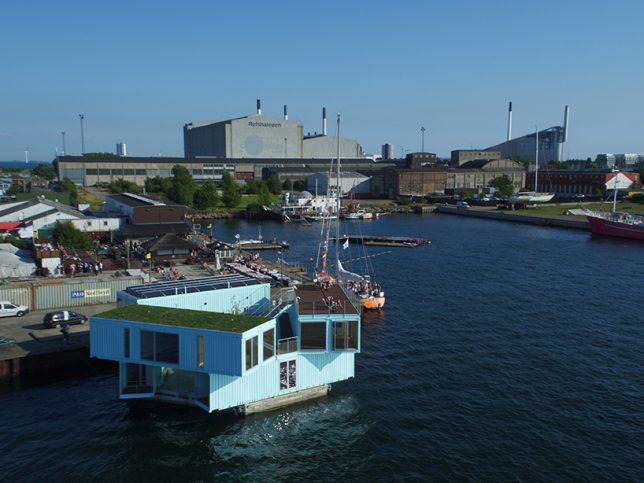
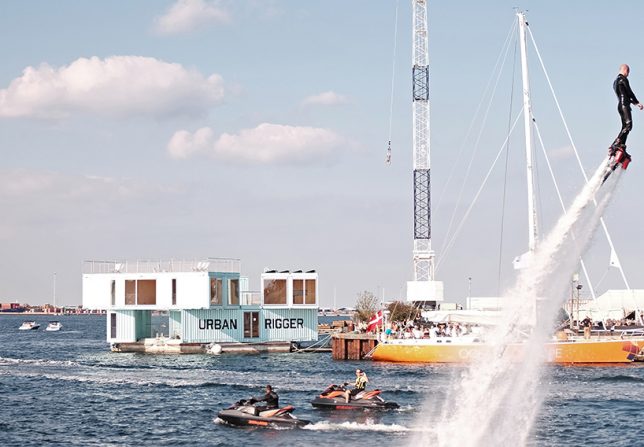
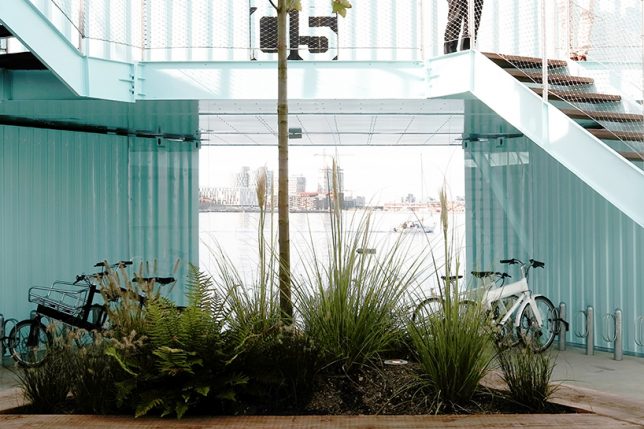
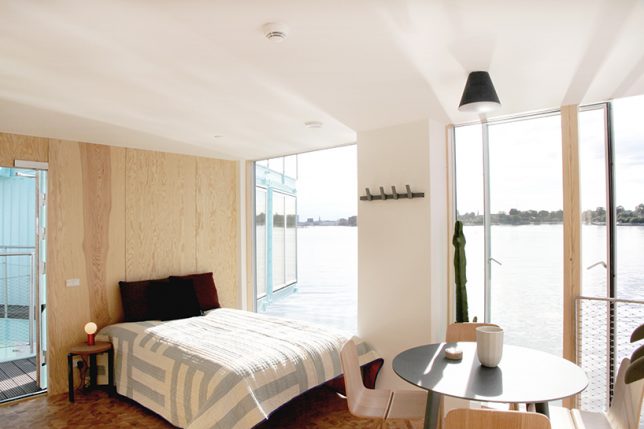
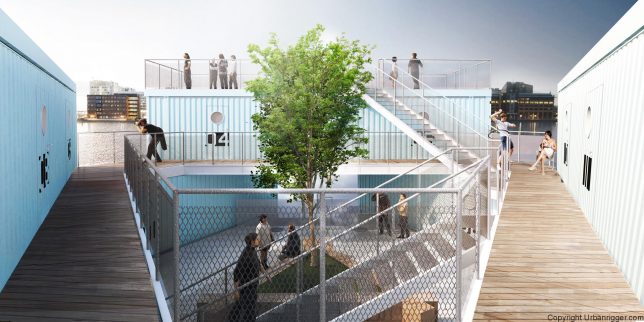
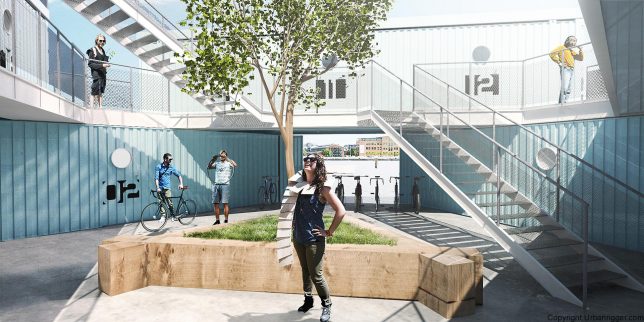
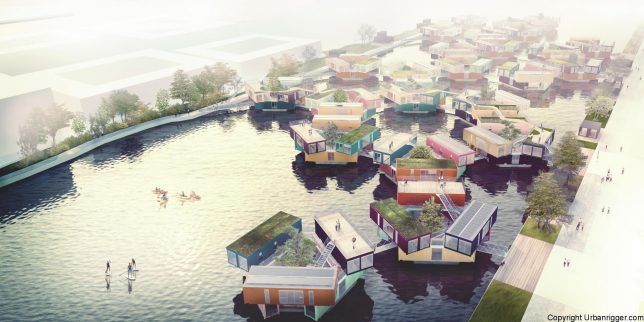
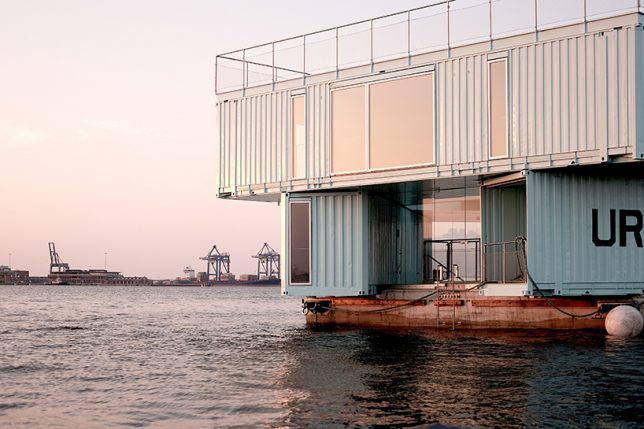
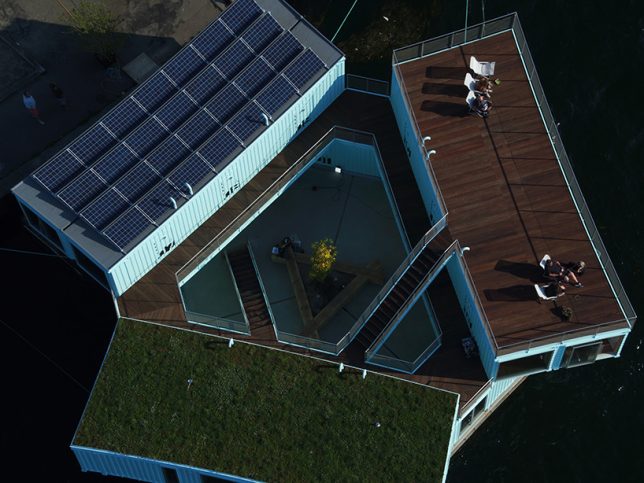
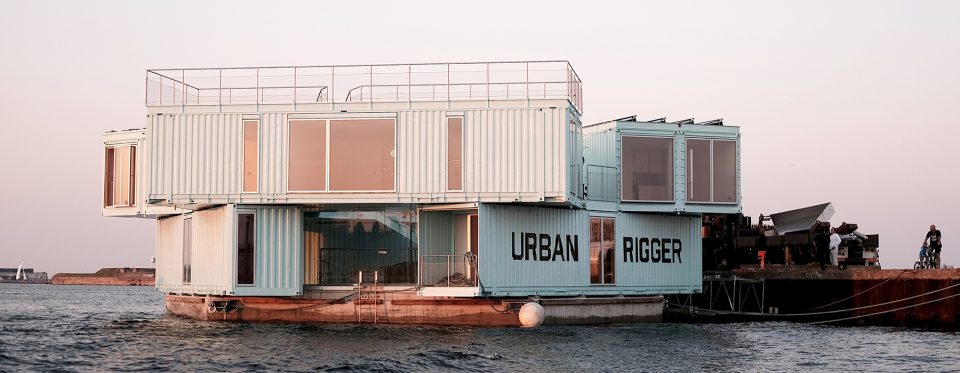
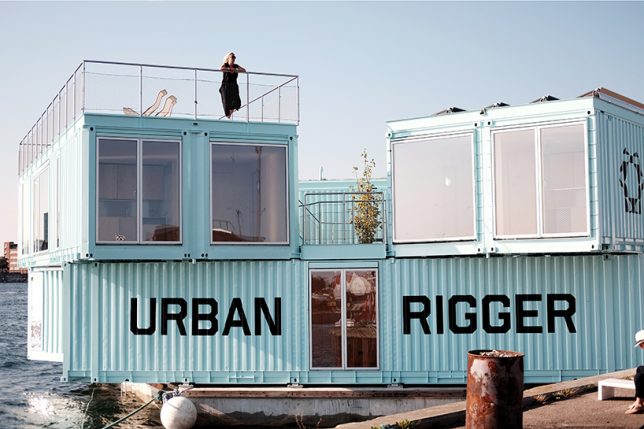
This hexagonal floating student housing complex made of stacked reclaimed shipping containers is better than any dorm you could hope to live in. ‘Urban Rigger’ by Bjarke Ingels (BIG) creates a sustainable solution to the pressing need for additional accommodations for students in the city, providing 15 living spaces arranged around an internal courtyard. Completely carbon-neutral, the structures are solar-powered and make use of hydro source heating and low-energy pumps, and the first unit opened to the public on September 21st.

floating-student-housing-4

floating-student-housing-2

floating-student-housing-3

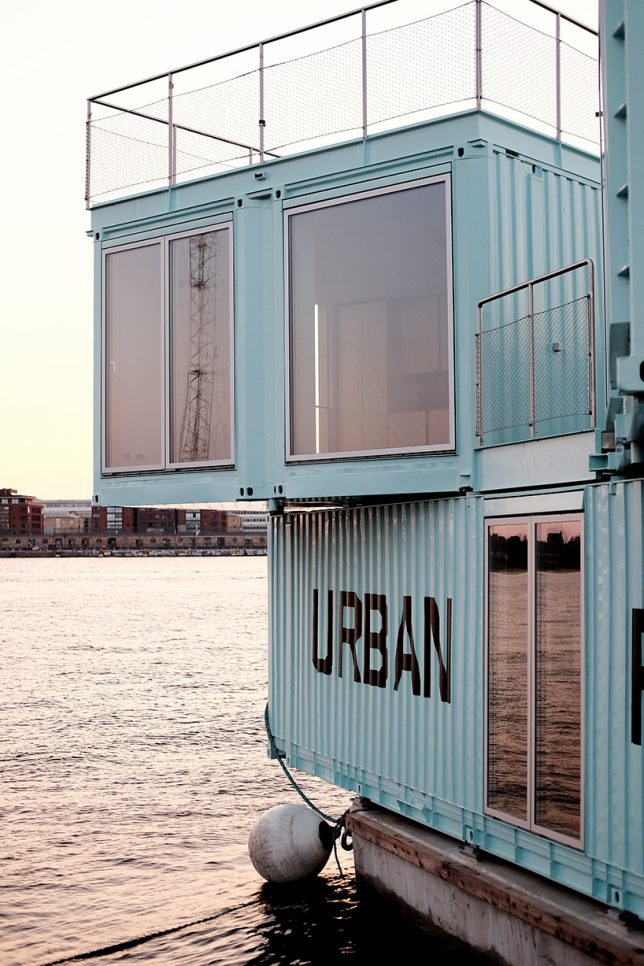
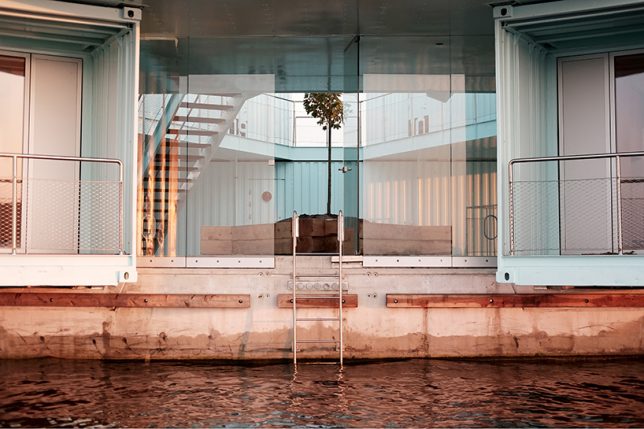
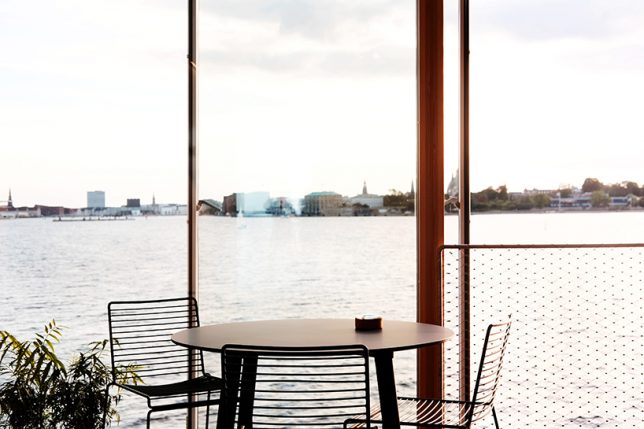
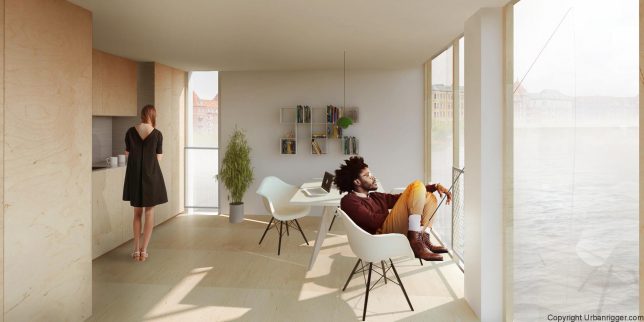
Each apartment is available to college students at $ 600 per month and includes a private bedroom, bathroom and kitchen. Occupants get access to the courtyard as well as a kayak landing, bathing platform, barbecue area and roof terrace. The pontoon basement features storage zones and fully automated laundry. It’s a pretty sweet deal for students, who get to gaze out of giant windows at the sunset every evening and enjoy a water-centric lifestyle that most adults only dream about.

floating-student-housing-5

floating-student-housing-7

floating-student-housing-8

Making use of the harbor ensures that students get to live close to the school, instead of far outside the city, where most affordable units are located. Eventually, BIG plans to create entire communities made up of multiple structures.

floating-student-housing-9

floating-student-housing-10

urban-rigger-8

“There are few strategies that allow cities to expand,” the architects explain. “Yet, Copenhagen’s harbor remains an underutilized and underdeveloped area at the heart of the city. By introducing a building typology optimized for harbor cities we can introduce a housing solution that will keep students at the heart of the city.”

urban-rigger-9

urban-rigger-10

urban-rigger-11

“Meanwhile, the standardized container system has been developed to allow goods to be transported by road, water or air, to anywhere in the world in a complex network of operators at a very low cots. By making use of the standard container system we are offered the framework of extremely flexible building typology.”

floating-student-housing-6

floating-student-housing-11

“By stacking 9 container units in a circle, we can create 15 studio residences which frame a centralized winter garden; this is used as a common meeting place for students. The housing is also buoyant, like a boat, so that can be replicated in other harbor cities where affordable housing is needed, but space is limited.”

Share on Facebook


[ By SA Rogers in Architecture & Houses & Residential. ]

[ WebUrbanist | Archives | Galleries | Privacy | TOS ]


WebUrbanist

 
Comments Off on Urban Rigger: Floating Student Housing Made of Shipping Containers

Posted in Creativity


Photo bomb: Student project sends Instax camera skyward

24 May

In what must be a one-of-a-kind project, a visual media student at the Rochester Institute of Technology has installed a Fujifilm Instax camera on a DJI drone, making it possible to shoot instant photos from the air.

Nicholas Kundrat created the drone/instant camera hybrid for a new course called ‘Visual Media Innovation Project.’ Bringing the project to life started with a DJI Flamewheel 450 quadcopter kit as the base with an Instax Mini 25. From Kundrat’s Vimeo page:

‘A servo motor was then fitted onto the camera and plugged into the auxiliary port on the receiver to be controlled by the SX6i transmitter. A flip of the aux switch on the transmitter fires the camera and before you know it a picture is ejected from the camera.’

The drone can fly up to twelve minutes with the camera and motor attached. Kundrat hopes his creation will challenge views of drones as dangerous and harmful by creating a positive connection between observer and drone. If nothing else, it brings a whole new meaning to the term ‘photo bomb.’

Via: PetaPixel

Articles: Digital Photography Review (dpreview.com)

 
Comments Off on Photo bomb: Student project sends Instax camera skyward

Posted in Uncategorized


Student takes 2016 Zeiss Photography Award top prize

13 Apr

$ (document).ready(function() { SampleGalleryV2({“containerId”:”embeddedSampleGallery_3406645931″,”galleryId”:”3406645931″,”isEmbeddedWidget”:true,”standalone”:false,”selectedImageIndex”:0,”startInCommentsView”:false,”isMobile”:false}) });

A 25-year-old photojournalism student beat a host of professionals to Zeiss’s €15,000 top prize in its first Zeiss Photography Awards. Tamina-Florentine Zuch’s project about train travel in India took her six weeks to shoot, and explores how the nation behaves on the world’s most extensive railway network. Zuch wins Zeiss lenses to the value of €15,000, and will receive her prize during the Sony World Photography Award ceremony in London this month.

Zeiss says its inaugural competition, with the theme ‘Meaningful Places’, attracted 22,000 images from 3139 photographers across 116 countries and was successful enough that the company will repeat the exercise next year.

Runners up in the competition included Melanie Hübner (Germany), Francisco Salgueiro (Portugal), Patricia Ackerman (Argentina), Helen Mountaniol (Ukraine), Jorge Lopez Munoz (Spain), Erez Beatus (Australia), Lasse Lecklin (Finland) and each of them will have their work shown at the Sony World Photography Awards exhibition.

For more information on the awards, and to see the entries of all of those shortlisted, visit the Zeiss Photography Award website.


Press release:

ZEISS award for new perspectives

The winner of the first-ever ZEISS Photography Award has been chosen. The prize goes to Tamina-Florentine Zuch from Hannover with her photo series documenting a train journey through India.

“Meaningful Places” was the theme of the first-ever ZEISS Photography Award “Seeing Beyond,” which invited professional photographers and ambitious amateurs to showcase for the first time their talent to a renowned jury and to the broader public. The contest attracted 3,139 photographers from 116 countries – from Albania to Zimbabwe. A total of 22,000 images were submitted. “The results are superb – we were really excited by the breadth and quality of the applications,” praised Scott Gray, CEO of the World Photography Organisation, which organizes the ZEISS Photography Award.

In Tamina-Florentine Zuch, 25, the ZEISS Photography Award has found a worthy winner. Zuch, a student of photojournalism and documentary photography in Hannover, traveled through India by train last year for a period of six weeks. Her pictures show children sleeping in hammocks in stuffy train carriages, men risking their lives as they ‘surf’ railway cars, and exotic landscapes as they pass by. Her “Indian Train Journey” brings this journey to life. Some of the images, which are very intimate, demonstrate Zuch’s photographic mastery at such a young age, her patience, and her sensitivity and tact in dealing with subjects from a completely different culture. “Tamina Zuch has an incredible eye for composition, light and a feel for the right moment. She combines these characteristics again and again in her pictures,” said Steve Bloom, one of the three jurors, enthusiastically. “‘Indian Train Journey’ is a very personal and poetic journey that is told by a fresh, young voice,” added Hans-Peter Junker, juror and editor-in-chief of the reportage magazine View.

As the winner, Zuch will receive ZEISS lenses of her choice for a total value of EUR 15,000, as well as an offer to cooperate further with ZEISS. Seven other photographers – Melanie Hübner (Germany), Francisco Salgueiro (Portugal), Patricia Ackerman (Argentina), Helen Mountaniol (Ukraine), Jorge Lopez Munoz (Spain), Erez Beatus (Australia), Lasse Lecklin (Finland) – made it to the shortlist, which gives them the opportunity to present their work at the Sony World Photography Awards Exhibition at Somerset House in London from April 22 to May 8, 2016.

In 2017 the ZEISS Photography Award will enter a new round, with a different theme. “We want to create a platform for photographers to show their art and their idea of creation to an interested public, and to pay tribute to that,” said Dr. Winfried Scherle, Executive Vice President Consumer Optics Business Group of Carl Zeiss AG. And Scott Gray praises: “The ZEISS Photography Award provides photographers with an exciting opportunity to expand their creative boundaries. We look forward to working with ZEISS on more contests in the coming years.”

Articles: Digital Photography Review (dpreview.com)

 
Comments Off on Student takes 2016 Zeiss Photography Award top prize

Posted in Uncategorized


‘RePack’ Name & Concept Copied, Repackaged by Design Student

18 Aug

[ By WebUrbanist in Design & Products & Packaging. ]

repack

The strange ongoing controversy around RePack has reached a conclusion, with Royal College of Art determining that the accused student is technically guilty of plagiarism and misconduct. While the subject is arguably a revolutionary innovation for the future of sustainable retail, RePack turned out to be repackaged (pardon the wordplay) copy of an existing brand’s idea, in all but name, which remained the same.

repack carrying under arm

repack original package design

RePack (as shown in the two images above) is a reusable packaging startup based in Finland, boasting a “sustainable system for online retailers and shoppers whereby delivery packages can be conveniently and easily returned, and then re-used.”

repack design packages plain

Meanwhile, design student Yu-Chang Chou developed a thesis project (pictures above and below) with not only the same name and concept but even some of the same descriptive text, which came to the attention of the RCA after its publication on Dezeen.

repack different sizes instructions

Similar to its Finnish counterpart, “The customer would opt for for the packaging when they make their purchase. Once they receive the product, they simply fold and reseal the Repack bag and post it back to a central address, in exchange for a refund of the deposit they paid when ordering.”

repack concept diagram

The oddest part of the whole affair is the school’s declaration that the plagiarism was inadvertent, which seems a stretch in this situation. One could imagine that a brand name and concept could be accidentally duplicated, but additional text suggests that the student must have had some knowledge of the original project. Regardless, the institution has reached its conclusion and removed the project from their website, declaring the investigation at an end – the student, meanwhile, has already graduated.

repack post box return

The Finnish RePack seems to have reluctantly accepted the situation, and affirms that, regardless of the specifics of this case, they are glad that students are exploring sustainable packaging designs along similar (if not exactly the same) lines. Either way, wherever one weighs in on the plagiarism part, these ideas could give rise to a renewed usefulness of post boxes turned into de facto recycling centers, and may allow packages to be reused up to hundreds of times without having to be discarded. And, in the end, ideas get recycled a lot – perhaps it is the execution that matters.

Share on Facebook


[ By WebUrbanist in Design & Products & Packaging. ]

[ WebUrbanist | Archives | Galleries | Privacy | TOS ]


WebUrbanist

 
Comments Off on ‘RePack’ Name & Concept Copied, Repackaged by Design Student

Posted in Creativity


Chris’ Technik – Als Student mit teurem Hobby

03 Jul

Die Auseinandersetzung mit der eigenen Technik kann ganz schön aufschlussreich sein, wie ich beim Schreiben dieses Artikels merkte. Ich halte es für wichtig, sich zu überlegen, aus welchen Gründen man sich für sein Handwerkszeug entscheidet, wie sich Bedürfnisse entwickeln und welche Faktoren bei der Kaufentscheidung eine Rolle spielen.

Bei mir war entscheidend, wie sich meine Beziehung zur Fotografie entwickelt hat. Ich fange mal vorn an.

Mann schaut auf eine Straße

Vor Jahren kaufte ich mir, naiver Weise irgendeinem Testbericht glaubend, eine Bridgekamera. Im Nachhinein frage ich mich zwar, warum, aber eigentlich ist es auch egal. Diese Kamera war mein Einstieg in die Fotografie, abgesehen von einer analogen Kompaktkamera, die APS Filme fraß.

Lange blieb ich dabei aber nicht, weil ich merkte, dass es mir im Vergleich zu einer DSLR an entscheidenden Merkmalen fehlte. Also verkaufte ich sie wieder und legte mir eine gebrauchte Canon 350D* zu, zusammen mit dem 18-55-mm-Kitobjektiv. Das waren schon ganz andere Welten. Ich fotografierte damals einfach alles, was mit vor die Linse kam und verknüpfte auch meine Leidenschaft für Konzerte damit.

Konzertfoto, ein Sänger wirft sich in die Menge

Vor der ersten Reise mit Kamera im Gepäck hatte ich das Gefühl, mich so weit entwickelt zu haben, dass ein weiteres Objektiv dazu kommen konnte. Da ich oft auf Konzerten mit schlechten Lichtverhältnissen fotografierte, fiel die Wahl, auch wegen des Preises, auf das Canon 50 mm f/1.8*.

Ab diesem Moment hielt mich die Offenblende in Faszination gefangen, die Kitlinse verschwand im Schrank und kam auch erst wieder raus, als ich sie verkauft habe. Zwischen Reise- und Konzertfotografie kamen immer mehr Portraits hinzu, immer mehr Geschichten und Konzepte, die ich umsetzen wollte.

Augen spiegeln sich in einer Scherbe

Die Canon 350D habe ich irgendwann, nach einer Auslösezahl jenseits von Gut und Böse, an einen Freund verschenkt und mir konsequenterweise eine Canon 550D* gekauft. Für Landschaftsaufnahmen kam ein Tamron 10-24 mm f/3.5-4.5* dazu, das 50 mm bekam irgendwann ein Upgrade auf die f/1.4-Version*, um meine Tiefenschärfe-Faszinazion zu befriedigen.

Für Konzertaufnahmen besorgte ich mir, des Preises wegen, einen Yongnuo YN-460-II*, den ich komplett manuell einstelle. Der Ultraweitwinkel-Effekt des Tarmron war genau das, was ich für Landschaften, aber auch für Konzerte haben wollte, die geringe Lichtstärke störte mich nicht, da ich auf Konzerten, um kürzere Verschlusszeiten zu verwenden, den Blitz nutzte und Landschaftsaufnahmen ohnehin bei eher geschlossener Blende machte.

Ein Angler im Sonnenuntergang

Mit dieser Ausrüstung war ich absolut glücklich. Bis ich mich, aus der Not heraus, umstellen musste. Während eines Praktikums in Kambodscha legte meine Kamera eine Bruchlandung hin: Runter von dem hohen Regal, auf dem ich sie vor den Mäusen schützen wollte, die bereits die Gummiteile angeknabbert hatten. Zerbrochen war zwar nichts, aber der Autofokus machte ab sofort nur noch, was er wollte.

Für mich unvorstellbar, den Rest der Zeit dort ohne funktionstüchtige Kamera zu verbringen, machte ich mich auf den Weg nach Phnom Penh, wo es eine Handvoll Fotogeschäfte gibt, zum Vergleichen der Preise. Der Plan sah vor, einfach eine neue 550D zu kaufen, die alte daheim reparieren zu lassen und zu verkaufen. Nur musste ich feststellen, dass alle APS-C-Kameras dort teurer waren als zuhause in Deutschland. Mein toller Plan wäre also nur mit Verlust aufgegangen. Dafür, obwohl ich preislich nicht daran denken wollte, waren sämtliche Vollformat-Kameras erheblich billiger.

Zwei Frauen sitzen an einem Stand in der Dämmerung

Nach einigem Ringen mit mir und dem Bankkonto kaufte ich also dort eine Canon 5D Mark II*. Im Nachhinein die beste Entscheidung, die ich hätte treffen können. Ich möchte nicht mehr ohne sie arbeiten. Vor allem das Rauschverhalten auch bei hohen ISO-Werten und die hohe Auflösung geben meinem Hang zu düsteren Motiven optimale Möglichkeiten. Auch meine Objektive habe ich allesamt aufgrund der Lichtstärke ausgewählt.

Eine Menschenmenge steht um einen vollen Bud herum

Mein geliebter Tamron-Weitwinkel war leider nicht vollformat-tauglich und musste daher weg. Ersetzt hat ihn das Canon 28 mm f/1.8*. Das ist zwar, auch am Vollformatsensor, kein Vergleich zu den 10 mm, aber für mich absolut ausreichend, vor allem in Kombination mit der Lichtstärke.

Mittlerweile hatte sich in mir eine starke Vorliebe für Festbrennweiten entwickelt. Die Einschränkungen in Sachen Bildausschnitt und die Notwendigkeit, mich mehr bewegen zu müssen, stoßen eine kreativen Prozess in mir an, der sicher anders verlaufen würde, wenn ich einfach nur am Objektiv drehen müsste.

© Chris Hieronimus

Quasi vervollständigt wurde meine aktuelle Ausrüstung durch das Canon 85 mm f/1.8*, das ich gerade für Portraits auch nicht mehr hergeben würde. Mit diesen drei Linsen und der 5D bin ich derzeit wunschlos glücklich. Zumindest fast. Wenn in tropischen Gebieten das Objektiv innen kondensiert und man den halben Tag nur weißen Schleier sieht, fängt man gedanklich schon an, auf ein versiegeltes Canon-L-Objektiv zu sparen. Man muss sich ja schließlich auch Träume bewahren.

Ich probiere und experimentiere gern, was sicher auch damit zu tun hat, dass mein Studentengeldbeutel vieles nicht zulässt. So kam kürzlich ein altes 135-mm-f/2.8-Objektiv vom Flohmarkt dazu, das über einen Adapter, der mich die Fokuspunkte der Kamera nutzen lässt, an der 5D funktioniert.

Test-Portrait mit dem alten 135mm f/2.8

Test-Portrait mit dem alten 135 mm f/2.8

Ich überlege auch schon länger, mir ein Lensbaby* zuzulegen, weil mir eine Tilt-Shift-Linse* allein für den Effekt zu teuer wäre. Ich hatte aber ohnehin noch ein kaputtes 50 mm f/1.8 hier liegen, das ich dann einfach auseinander genommen und stümperhaft mit einem Stück Teichfolie zusammen geklebt habe, damit ich es frei bewegen kann. So spare ich mir jetzt auch erst einmal das Lensbaby.

Ein Mann steht vor einem Fenster

Testfoto mit dem DIY Tilt Objektiv

Für meine Selbstportraits und manche Spielerei brauche ich ein Stativ. In meinem Fall ist das ein ziemlich altes, schweres Velbon-Stativ, das bei mir Zuflucht vor der Verschrottung gesucht hat. Und dann sind da noch die billigsten Funkauslöser, die ich finden konnte, die Yongnuo RF-603 C3*.

Neben der digitalen Technik stehen noch einige analoge Flohmarkt-Funde in der Vitrine, neben einer Canon AE-1*, die ein Geschenk meines Schwiegervaters war und leider viel zu selten benutzt wird.

Ich denke, jeder muss die Ausrüstung finden, die persönlich am besten passt. Ich bezweifle stark, dass ich mich von meiner 5D jemals trennen werde, eher würde ich dieselbe wieder kaufen. Ähnliches gilt für meine Objektive, die würde ich höchstens (irgendwann, Träume und so) gegen die jeweils lichtstärkere Version tauschen.

Ein Mann fotografiert

© Samuel Kümmel

Für mich ist Technik reines Handwerkszeug, das es mir ermöglicht, die Bilder aus meinem Kopf umzusetzen. Wenn man weiß, was man will, kann sie einem ganz neue Welten eröffnen. Ich finde es auch wichtig, zu wissen, was man nicht will.

Für mich als Student käme allein aus finanziellen Gründen nicht in Frage, etwas zu kaufen, das ich nicht regelmäßig nutze. Selbst meine vergleichsweise billigen Flohmarkt-Funde landen daher regelmäßig wieder bei Ebay. Mit meinem aktuellen Equipment sind die Grenzen sehr weit gesteckt, auch wenn es natürlich immer noch eine Kategorie nach oben geht.

Vielen Dank für das Titelbild an Samuel Kümmel!

* Das ist ein Affiliate-Link zu Amazon. Wenn Ihr darüber etwas bestellt, erhält kwerfeldein eine kleine Provision, Ihr zahlt aber keinen Cent mehr.


kwerfeldein – Fotografie Magazin | Fotocommunity

 
Comments Off on Chris’ Technik – Als Student mit teurem Hobby

Posted in Equipment


Portfolio: Photography student Luke Evans

26 May

PHOTOBOOTH_NEW-1.jpg

Luke Evans is a student, just coming to the end of a three-year course in graphic design and photography at London’s University of Westminster. Since starting the course Luke has received attention from media across the globe for his unusually fresh approach to the challenges of the course. Luke’s work is imaginative, technically innovative and thought-provoking, and we spoke to him as he was preparing his final year show. Click through to read our interview and see some of his work.

News: Digital Photography Review (dpreview.com)

 
Comments Off on Portfolio: Photography student Luke Evans

Posted in Uncategorized


World’s Coolest Dorms: 7-Story Circular Student Housing

16 Jan

[ By Steph in Architecture & Public & Institutional. ]

World's Coolest Dorms 1

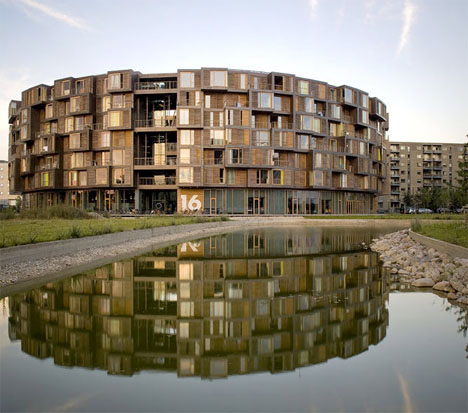
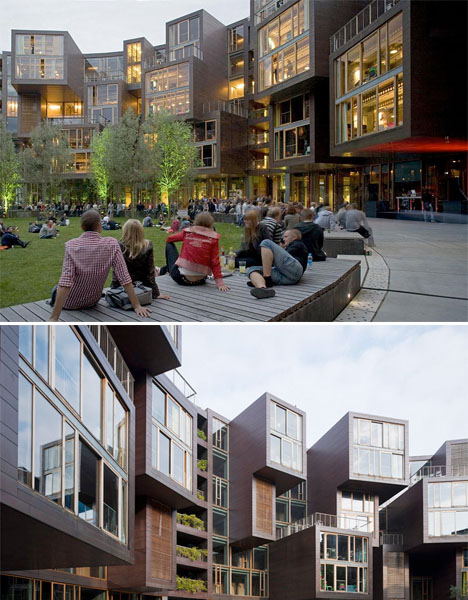
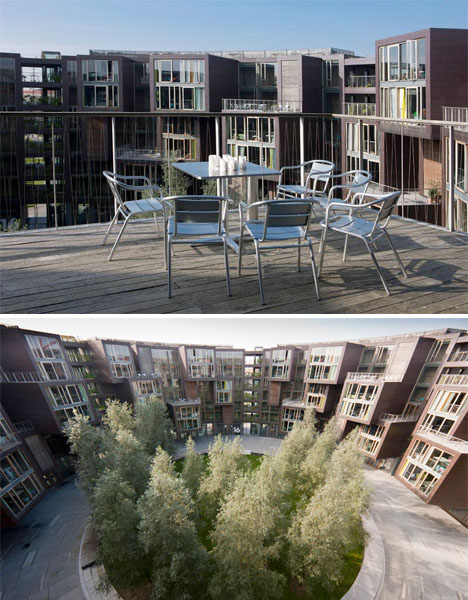
Many college dorms – especially at public schools – are little more than prison-like rows of cheap, boring housing with no architectural interest to speak of. That’s definitely not the case at Tietgen Student Hall in the Ørestad district of Copenhagen, a circular seven-story building measuring 288,000 square feet with 360 rooms.

World's Coolest Dorms 2

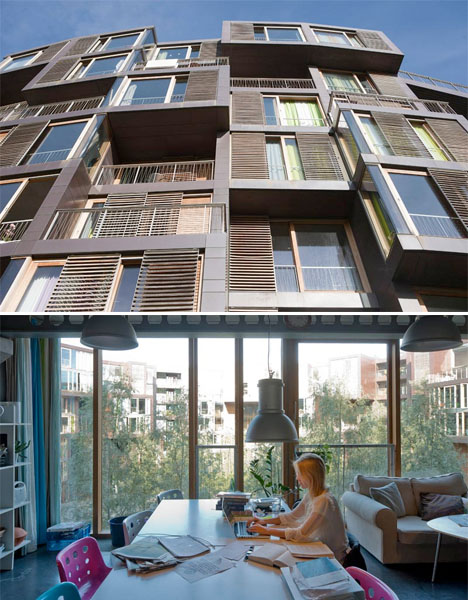
The circular shape enables all rooms to face outwards with a view of the courtyard, emphasizing equality and community. It also lets in lots of natural light. Each of the rooms has either a French window or a balcony.

World's Coolest Dorms 3

Communal facilities on the ground floor include 30 kitchens, each with four fridges and two stoves, as well as music rooms, a bike storage room, a gym, a computer room, a study hall, an assembly hall, and outdoor sports areas. There are also sewing, bike and wood workshops.

World's Coolest Dorms 4

Completed in 2006 and designed by Lundgaard & Tranberg Arkitekter, the building looks more like a luxury apartment complex than college housing. “The house itself says what the idea behind it is: community,” say the architects. “You can walk all the way round on all floors. No hallways are a dead end; no doors are locked. The house does not turn its back on anyone.”

Share on Facebook


[ By Steph in Architecture & Public & Institutional. ]

[ WebUrbanist | Archives | Galleries | Privacy | TOS ]


WebUrbanist

 
Comments Off on World’s Coolest Dorms: 7-Story Circular Student Housing

Posted in Creativity


28 October, 2013 – The Master Never Stops Being The Student

28 Oct

Following Michael’s bemoaning the banality of this year’s PhotoPlus Expo in New York City, Nick Devlin writes that he attended the show, and can’t disagree that this was a slow year for new bling. But in a corridor of meeting rooms below the gear-porn, the art of photography was alive and well. 


  WIN AN ANTARCTIC EXPEDITION
WORTH USD $ 15,000 


The Luminous Landscape – What’s New

 
Comments Off on 28 October, 2013 – The Master Never Stops Being The Student

Posted in News