RSS
 

Posts Tagged ‘Street’

Guerrilla Signage: Designer Fixes Street Parking Sign Stacks

05 Nov

[ By WebUrbanist in Design & Guerilla Ads & Marketing. ]

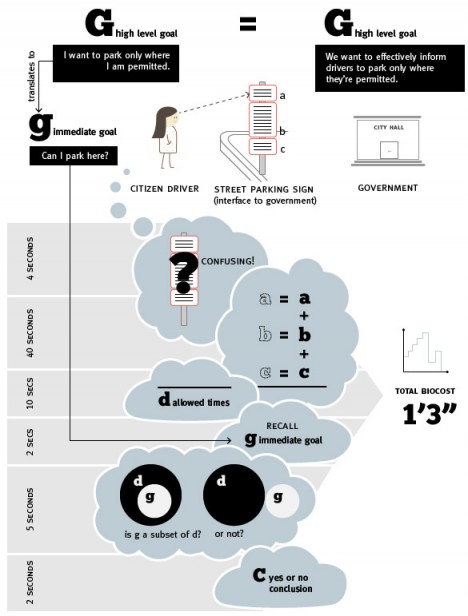
signage evolution deciphering

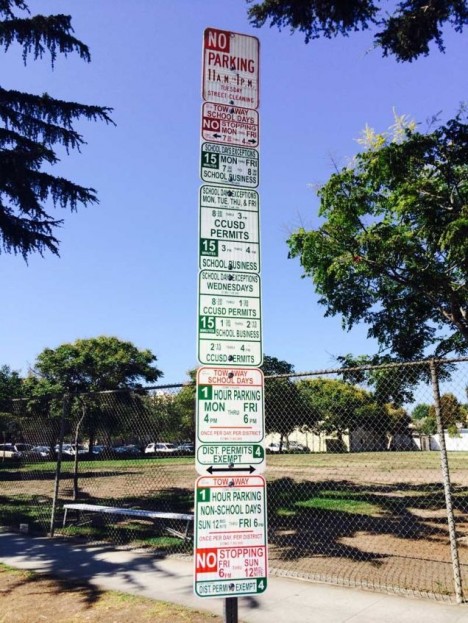
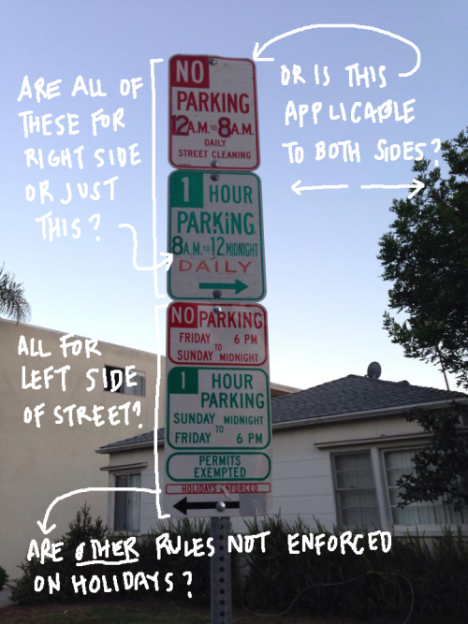
Anyone who has parked in a major metropolitan area has seen something like this: a vertical array of signs that provide a confusing (sometimes even self-contradictory) instructions about when you can park based on time of day or year, type of permit and other conditions.

crazy sign stack

sign hack test run

Nikki Sylianteng, having gotten one too many parking tickets, decided to do something about the problem, developing, refining and ultimately deploying a solution on the streets to get actual feedback.

signage process analysis

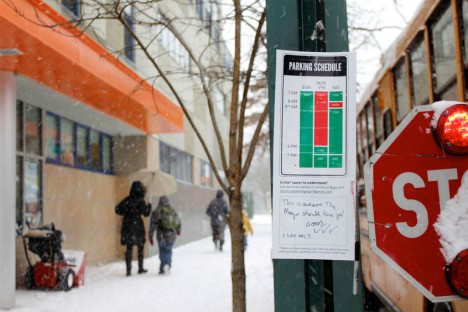
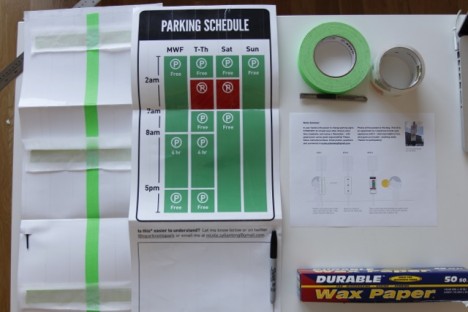
parking schedule test

Titled To Park or Not to Park, this ongoing project started as an independent and informal attempt to see if there were better options out there but has since progressed to a council motion in Los Angeles to test such signs in a more official capacity.

street sign test copies

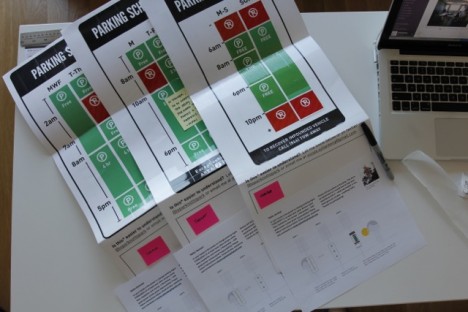
street sign send out

For additional feedback, Nikki has sent copies of the modified signage to people in other parts of California and Minnesota to see how they fare in different cities and settings.

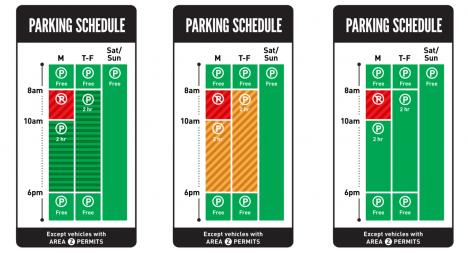
sign schedule progression

signage section process

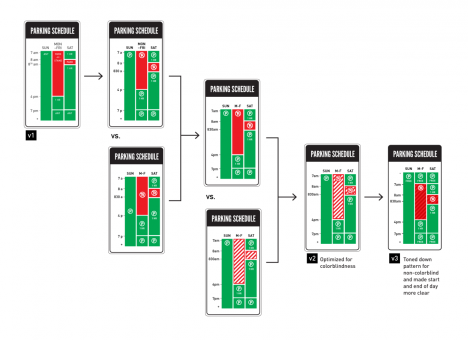
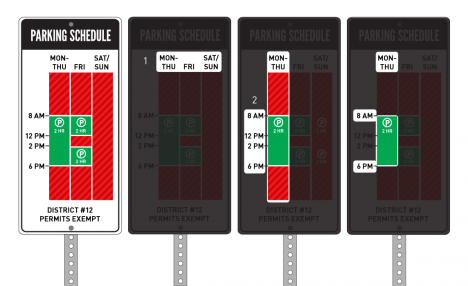
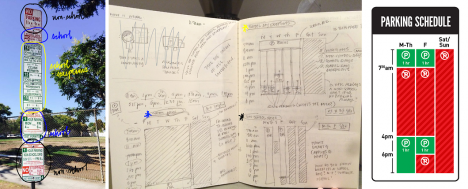
Combining various signs into one, the time is presented along the y-axis and the date on the x-axis. Green bars indicate acceptable times to park and red bars are used to indicate otherwise. Sometimes additional complexity needs to be addressed when permits come into play or the school year is factored in the mix (not always corresponding just to days of the week).

sign stack analysis

From the project’s creator: “My strategy was to visualize the blocks of time when parking is allowed and not allowed. Everything else was kept the same, the colors, the form. My intention was to show how a small but thoughtful change can make a big difference by save drivers a lot of time, stress, and money. I tried to stay mindful of the constraints that a large organization like the Department of Transportation might face for this seemingly small change.”

Share on Facebook


[ By WebUrbanist in Design & Guerilla Ads & Marketing. ]

[ WebUrbanist | Archives | Galleries | Privacy | TOS ]


WebUrbanist

 
Comments Off on Guerrilla Signage: Designer Fixes Street Parking Sign Stacks

Posted in Creativity


Readers’ Showcase: Documentary and Street photography

27 Oct

With all the talk about new equipment at this time of year it’s worth remembering why we buy that gear – to make great photos. What better way to do it than to showcase the excellent work of our own community? This week we asked users of our Documentary And Street photography forum to submit their favorite shots for inclusion in our Readers’ Showcase. Click through to take a look at our favorites

Articles: Digital Photography Review (dpreview.com)

 
Comments Off on Readers’ Showcase: Documentary and Street photography

Posted in Uncategorized


Subtle Street Art: 27 Easy-to-Overlook Urban Enhancements

26 Oct

[ By Steph in Art & Street Art & Graffiti. ]

subtle street art little people 1

Just knowing that these tiny urban art installations exist – ranging from tiny figures dangling from ATM machines to utility boxes painted to look like miniature skyscrapers – might just inspire you to look at the city around you in a new, more observant way. That’s the hope of the artists behind these 27 subtle works of street art, which are often so small and simple that they’re typically overlooked.

Beautiful Trompe L’oeil Windows in Istanbul
subtle street art pejac windows 1

subtle street art pejac windows 2

subtle street art pejac windows 3

subtle street art pejac windows 4

A tiny intriguing window framed by oversized shutters draws you in for a closer look, until you realize that what you’re seeing isn’t in three dimensions at all – it’s an expertly painted illusion on a wall. Spanish artist Pejac brightened up blank surfaces throughout Instanbul with a series entitled ‘Lock, Poster and Shutters,‘ representing the “perception and illusion of freedom.”

The Little People Project
subtle street art little people 1

subtle street art little people 2

subtle street art little people 3

subtle street art little people 4

subtle street art little people 5

subtle street art little people 6

Only the most observant passersby take notice of the miniature figures living out their lives in the big city, meticulously created and arranged by a street artist calling himself ‘Slinkachu.’ The Little People Project is an ongoing series of incredibly small installations placing human figures in humorous contexts, interacting with real-world objects like trash, dead insects and sidewalk weeds. The figures are left there to be observed or ignored, with the vast majority of people never even realizing they’re there.

Miniature Cities Within Cities by EVOL
subtle street art EVOL 1

subtle street art EVOL 2

What looks like an image of a gritty, run-down urban neighborhood is actually a collection of electric power boxes on an urban rooftop. Berlin-based artist EVOL creates cities within cities, typically transforming urban surfaces with stencils. Any rectangular or square object can become a miniature skyscraper. But when the artist has a little more time and privacy to work, the illusion is uncanny.

Yarn-Bombing Sidewalk Cracks
subtle street art yarn cracks

subtle street art yarn cracks 3

‘Project Pothole’ by artist Juliana Santacruz Herrera called attention to potholes in the streets of Paris, softening these trouble spots with installations of yarn. Filling the cracks with color, Herrera engages in a passive sort of protest while simultaneously brightening the urban landscape.

Next Page – Click Below to Read More:
Subtle Street Art 27 Easy To Overlook Urban Enhancements

Share on Facebook


[ By Steph in Art & Street Art & Graffiti. ]

[ WebUrbanist | Archives | Galleries | Privacy | TOS ]


WebUrbanist

 
Comments Off on Subtle Street Art: 27 Easy-to-Overlook Urban Enhancements

Posted in Creativity


A Common Misconception About Street Photography – Just Take Photos of People Walking

15 Oct
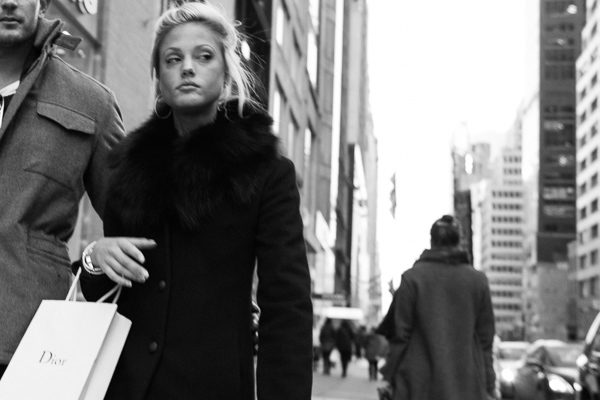
Dior, 5th Avenue.

Dior, 5th Avenue, NYC

A common misconception about street photography is that it is that it is about capturing any person that looks slightly interesting walking down the street in front of an interesting background. It’s actually about trying to capture a story, idea, or emotion through an image. While this largely can take place on the street, it can be captured anywhere.

What comes to mind when you see the term street photography? Is it a person walking down the street?

Whether or not you you have practiced street photography, I am assuming that you have come across this idea or seen images like this – a person with a blank look just walking down the street. Maybe they have some interesting clothes, beautiful hair, or the background looks interesting. But nothing is happening. There is no idea or emotion present.

Go beyond shots of people walking

Good street photography, and good photography in general, goes beyond that. Street photography is not just about capturing images of people. It is about capturing candid and natural photographs about life. There has to be something there.

My favorite street photographs make me feel like there’s something behind the curtain. Of course there needs to be something interesting and beautiful on the surface. There has to be a mix of both content and form, but behind the curtain there is some sort of idea or feeling, something that makes you think.

I can’t tell you how many boring shots I have of a person with a blank look walking down the street. We all take these kinds of images. There is a lot of spontaneity and hand-eye coordination in this type of photography and most of the time you see the potential for the shot, react to take it, but there’s just nothing there. That is normal.

Go for the expression

SoHo

The above image has a lot going for it. The main subject is up close and sharp, the angle is dynamic, the woman looks interesting and fashionable, the lighting is great, and the background is colorful and interesting. However, this image lacks for me what the top image has. There is no expression or emotion. It’s tough for me to feel anything under the surface of the image. Because of this I consider this image to be good but not great.

What we are looking for however, is something to be there. This could be a strong facial expression whivh is one of the first things that I look for when I’m out there doing street photography, particularly the look in someone’s eyes. Fashion, the background, the light, are all important elements of a strong photograph and you should pay attention to them, but in my opinion, a good expression can trump them all. The photograph at the top of this article is a person walking down the street, but there is so much more to the photo than that, because of her facial expression.

Watch for gestures

Gesture, SoHo

An example of gesture, SoHo. NYC

Gesture is also very important. I prefer to think of gesture as an expression with the body. Pay attention to how people carry themselves and what hints that might give us about them. A facial expression could be considered a gesture as well, but look at the hand in the top image. The way the hand is position with the sharp nails makes it look like a claw. When you mix that with the facial expression, this becomes a very frightening image, at least to me. Or take a look at the gesture of the legs above with the weight all on one leg and the other turned gracefully. You can get a sense of this person just from that body position.

Also, a street photograph does not have to have people in it. This goes beyond an urban landscape. Search for images that have the same effect as a good street photograph with a person. Search for an image that give us hints about life or makes us think or feel something, without people in the shot.

Gowanus

Gowanus, Brooklyn NYC

The more you get involved with this type of photography, the more you will notice themes and consistency in your work and hints beneath the surface of your photographs. Focus on this when editing and group similar photographs together. This all takes time to develop and the more you think about your photography in this way, the more it will improve.

What do you focus on when you do street photography? Do you have any other tips to share? Please do in the comments below.

The post A Common Misconception About Street Photography – Just Take Photos of People Walking by James Maher appeared first on Digital Photography School.


Digital Photography School

 
Comments Off on A Common Misconception About Street Photography – Just Take Photos of People Walking

Posted in Photography


Street Sign Sports: Urban Alterations for Physical Fitness

30 Sep

[ By Steph in Art & Street Art & Graffiti. ]

Street Sports 1

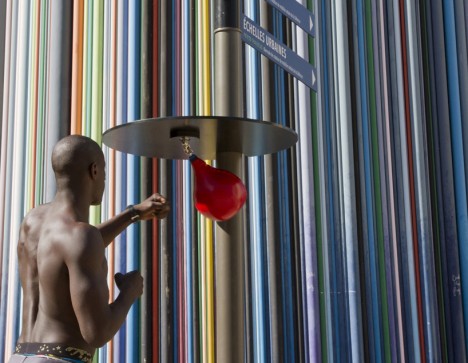
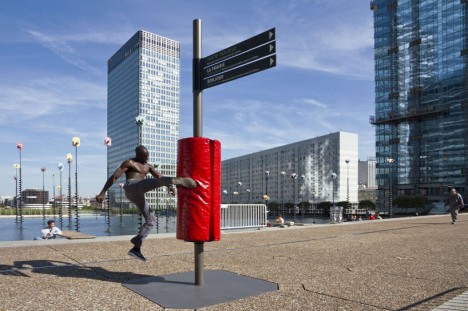
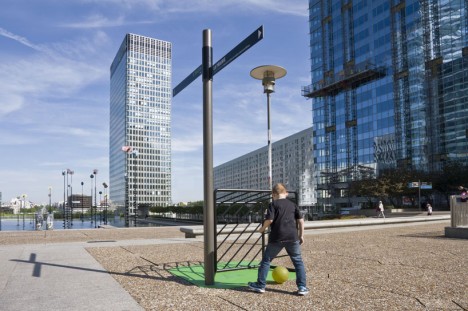
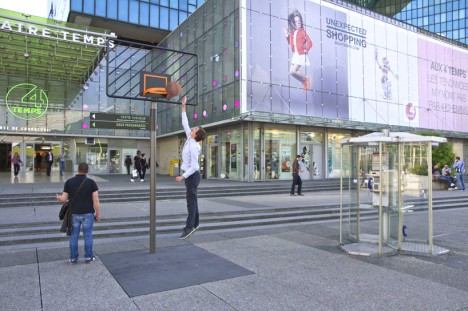
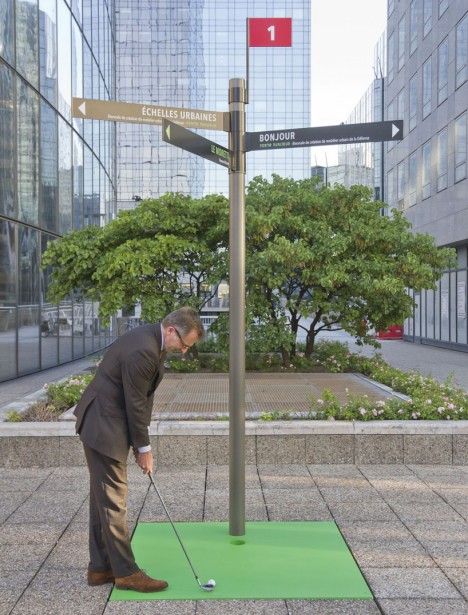
Street signs and lamp posts turn into soccer goals, basketball hoops and mini golf courses with the addition of just a few pieces of plug-in sports equipment. The year-long installation by Florian Brillet and Nicolas Lelievre in collaboration with ad firm JCDecaux, which will be up until June 2015, turns the city of Paris into one big playing field.

Street Sports 2

This urban hack is entitled ‘Mens Sana in Corpore Sano,’ a Latin aphorism that translates to ‘A Sound Mind in a Sound Body.’ The route that leads from one of these installations to the next has become a fitness trail, encouraging passersby to engage with their environment in a new, more active way.

Street Sports 3

Street Sports 4

Take a moment to let out a little bit of stress boxing, try your hand at hoops or kick a ball around. The creators call it “an appeal to the imagination,” saying “each post can be seen as a small chimera hybridizing existing forms to play in the same object sport, the image of the sport and the idea of traveling around the city” [translated from French.]

Street Sports 5

While this project was (presumably) officially sanctioned by the city of Paris, it’s another cool example of DIY urbanism, hacking the city environment to make it more efficient, useful and fun for the people who live there.

Share on Facebook


[ By Steph in Art & Street Art & Graffiti. ]

[ WebUrbanist | Archives | Galleries | Privacy | TOS ]


WebUrbanist

 
Comments Off on Street Sign Sports: Urban Alterations for Physical Fitness

Posted in Creativity


David Gibson: „The Street Photographer’s Manual“

29 Sep

Ein Beitrag von: Tilman Haerdle

David Gibson lebt in London und ist eines der Gründungsmitglieder des Straßenfotografie-Kollektivs in-public. Neben seiner eigenen fotografischen Aktivität leitet er regelmäßig in aller Welt Workshops zum Thema Straßenfotografie. Jetzt hat er mit „The Street Photographer’s Manual“* ein Buch vorgelegt, das Interessierten als Leitfaden zur Straßenfotografie dienen soll.

Als ich über den Blog von in-public vom Erscheinen dieses Buchs erfuhr, dauerte es nicht lange, bis ich mich entschloss, es mir auch zu kaufen. Da ich mich vorher intensiver mit der Interpretation von Straßenfotografie aus der Sicht der in-public-Fotografen auseinandergesetzt hatte, kam dieses Buch, zudem noch mit dem Versprechen, ein Handbuch der Straßenfotografie zu sein, genau zur rechten Zeit.
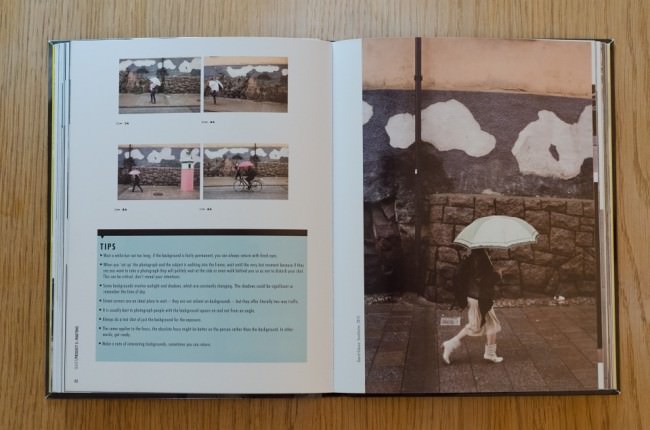
The Street Photographer’s Manual © David Gibson

In seiner tongebenden Einleitung befasst sich Gibson mit der Frage, was Straßenfotografie überhaupt ist. Rein formal kann man hier einige Regeln exemplarisch nennen:

  • Keine gestellten Bilder
  • Bilder sollten nicht zugeschnitten oder anderweitig wahrheitsverfälschend bearbeitet werden – es zählt das fotografierte Bild
  • Gegenstand der Straßenfotografie ist der Mensch und Anzeichen seiner Existenz in unserer Umwelt – es müssen also nicht notwendigerweise Menschen zu sehen sein

In der Fotografie geht es um Beobachtung, nicht um die Manipulation von Bildern.

Elliott Erwitt –
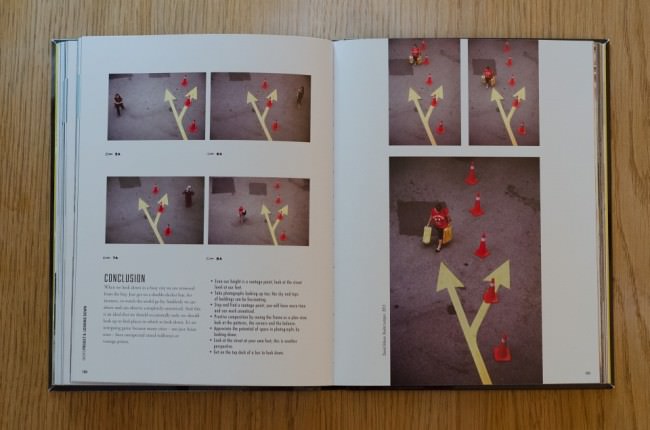
The Street Photographer’s Manual © David Gibson

Die Abgrenzung zu fast jeder anderen fotografischen Kategorie ist damit einfach möglich, er gibt jedoch zu, dass der Übergang zur dokumentarischen Fotografie fließend ist. Bilder, die diesen Regeln genügen, mögen dem Genre der Straßenfotografie zuzuordnen sein, doch gibt sich Gibson mit diesen elementaren Grundsätzen, die er durch Zitate wie das obenstehende in den Text einwebt, nicht zufrieden.

Bei mir blieb nach diesem Abschnitt das Gefühl, dass die Haltung des idealen Straßenfotografen schon fast spirituell zu nennen ist. Ob man diese Maximen in voller Konsequenz umsetzt, bleibt am Ende jedem selbst überlassen.

Jenseits des Formalen betont Gibson, dass die Beschäftigung mit Straßenfotografie zwingend erfordert, dass man jegliche Berührungsängste aufgibt, dass der Gedanke an Zurückweisung oder Ablehnung durch die fotografierten Menschen kein Hinderungsgrund sein darf, ein Bild zu machen. Für viele Einsteiger ist das ein harter Brocken, typischerweise ist man lange Zeit eher zu weit von den fotografierten Menschen weg.
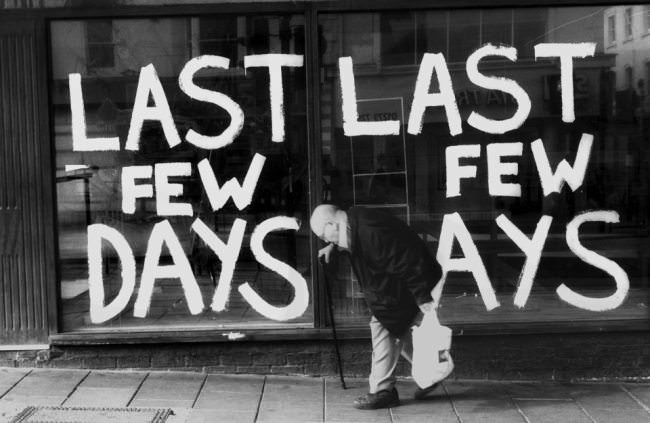
Ein gebeugt gehender alter Mann vor einem Schaufenster mit der Aufschrift „Last few days“.

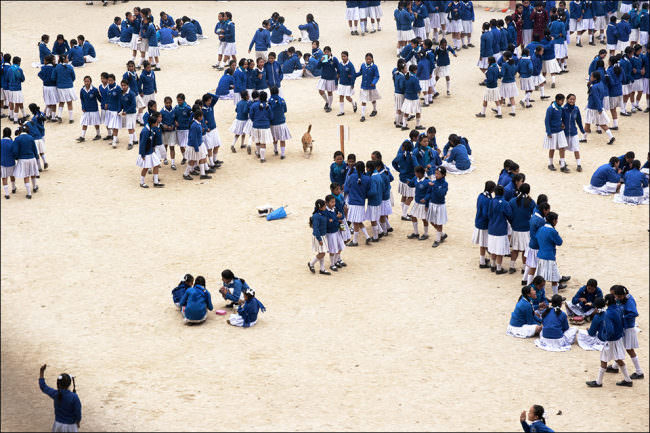
Viele Mädchen in blau-weißer Schuluniform.

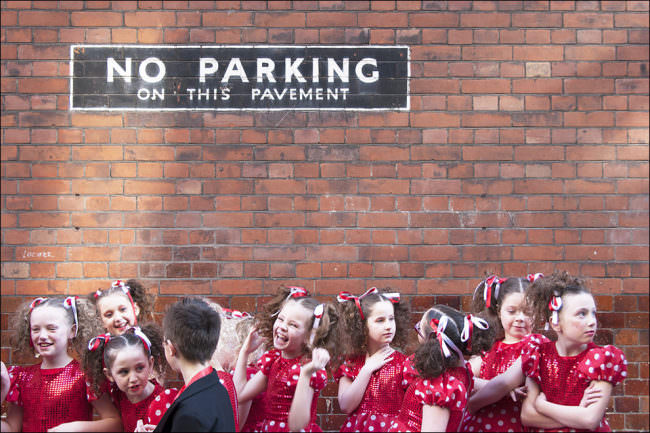
Viele Mädchen in roten Kleidern und ein Junge im Anzug vor einer Backsteinmauer mit der Aufschrift „No parking on this pavement“.

Gibson befasst sich ausführlich auch mit Fotografen-Kollektiven. Er identifiziert den Straßenfotografen als Einzelgänger, wenn er fotografiert, der jedoch den Austausch mit Gleichgesinnten sucht, um von der Rückmeldung anderer zu lernen und selbst durch das Wahrnehmen anderer Fotografien andere Sichtweisen zu erfahren.

Neben den exklusiven, kleinen Zirkeln von Kollektiven wie Street Photographers, in-public, Burn My Eye oder nicht zuletzt auch Magnum geht er auch auf den Austausch auf sozialen Plattformen wie beispielsweise Flickr und Facebook ein. Gerade letzteres identifiziert er als möglichen, aber nicht für jeden passenden Kanal zur Kommunikation mit Gleichgesinnten und Fans.

Das Buch und ein gutes Foto haben Gemeinsamkeiten: Struktur. Gibson gelingt es, durch die Unterteilung des Buches in grössere Kapitel, die die sehr knappen Titel „Busy“, „Quiet“, „Abstract“, „Still“ und „Subjects“ tragen, und Projekte, die die Maximen der Kapitel mit Leben füllen, das weite Feld der Straßenfotografie in begreifbare Abschnitte zu unterteilen.

Über allem liegt ein großer Bogen, das Buch beginnt mit viel Energie und wird immer langsamer, bis es im Kapitel „Still“ dann fast zum Stehen kommt. Das letzte Kapitel „Subjects“ markiert eher einen Abschluss und Ausblick, als noch wirklich zur Reihung der vorderen Kapitel zugehörig zu sein.
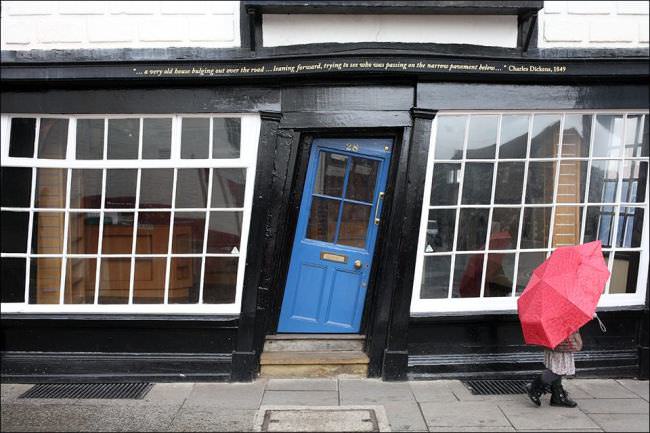
Eine Person mit rotem Regenschirm vor einer schiefen Fassade mit blauer Tür.

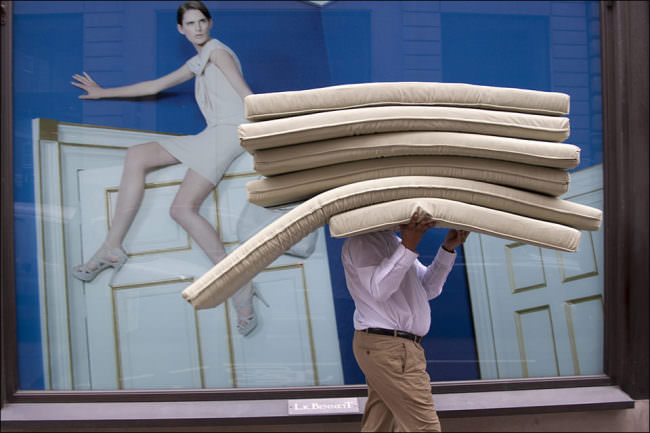
Ein Mann trägt einen Stapel Matrazen vor einem Bild einer Frau, die auf einer Tür sitzt.

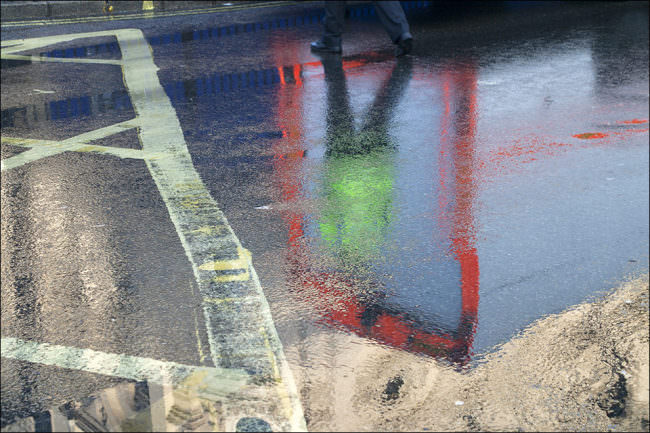
Bunte Spiegelungen auf nassem Asphalt.

Die Wahl seiner Projekte, wie beispielsweise „Order“, „Following“, „Blurred“ oder „Doubles“ mag willkürlich erscheinen, doch sie ergibt Sinn. Vor allem hat diese Strukturierung zumindest mich dazu gebracht, zu hinterfragen, was ich überhaupt darstellen will.

Die einzelnen Projekte führten dazu, dass ich mir beim Fotografieren Gedanken darüber gemacht habe, aus welchem Grund ich genau jetzt den Auslöser drücken will. Die Menge meiner Bilder wurde dadurch nicht weniger, da ich gleichzeitig versucht habe, Situationen aktiver zu bearbeiten und nach Möglichkeit von einer Szene mehr als nur ein Bild zu machen, wenn sie mir interessant erschien. Gibson selbst zur Wahl seiner Projekte:

Es ist wichtig zu wissen, dass die Straßenfotografie keine exakte Wissenschaft ist, dieses Buch also eher wie eine Auswahl verschiedener Gitarrenakkorde – und -einstellungen – sowie ein paar empfohlener Lieder zu verstehen ist.
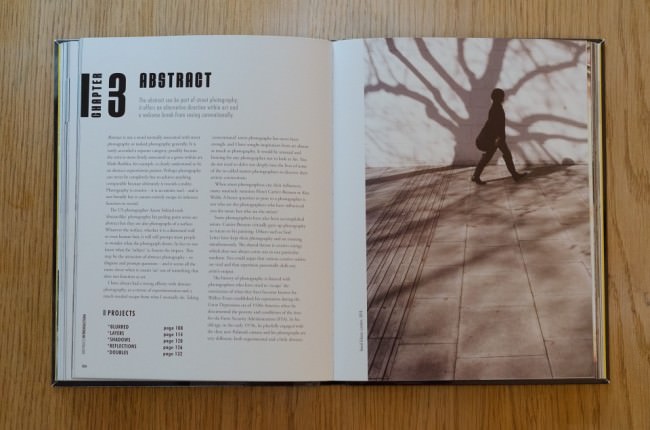
The Street Photographer’s Manual © David Gibson

Während Gibson in der Beschreibung der einzelnen Projekte in der Regel auf seine eigenen Bilder zurückgreift und dabei auch nicht davor zurückscheut, zur Illustration des Auswahlprozesses schwächere Bilder zu zeigen, schiebt er zwischen jedes Projekt Kurzportraits von zum Kapitelthema passenden Fotografen ein. Die Bandbreite reicht hier von „Ikonen“ wie Saul Leiter über in-public-Kollegen wie Blake Andrews oder Matt Stuart bis hin zu nur echten Insidern bekannten Fotografen wie Oliver Lang oder Shin Noguchi.

Überhaupt bietet das verwendete Bildmaterial genügend Grund, das Buch auf einer zweiten Ebene zu verstehen, eben nicht nur als Lehrbuch, sondern als exemplarisch für Gibsons Sichtweise der Straßenfotografie.

Somit ist auch klar, dass das Buch nicht nur für Einsteiger in die Straßenfotografie interessant ist. Der Novize profitiert von vielen Anregungen, die einen einfachen Einstieg in dieses Genre ermöglichen. Als erfahrener Straßenfotograf hat man seine Freude am ausgewählten Bildmaterial und an der Möglichkeit, die Entscheidungsprozesse des Autors bei der Bildauswahl nachvollziehen zu können.
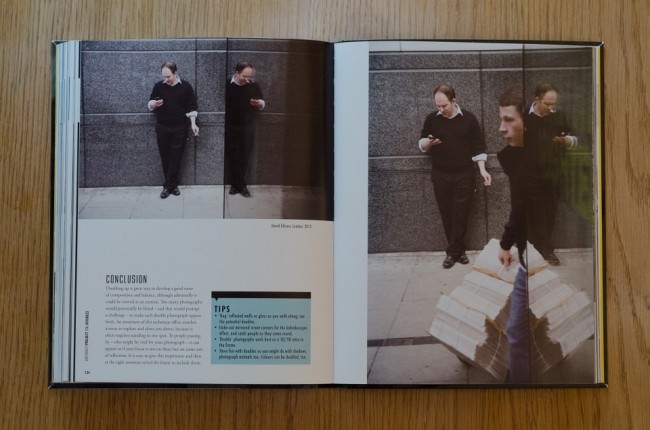
The Street Photographer’s Manual © David Gibson

Einziger Kritikpunkt ist die Erscheinungsform als, wenn auch großes, Taschenbuch. Eine etwas robustere Ausführung und Bindung mit Seiten, die auch aufgeschlagen bleiben, wäre schöner gewesen. Dafür ist der Preis mit unter 20 € für ein Buch in dieser Kategorie recht attraktiv.

David Gibson bietet regelmäßig Workshops zum Thema Straßenfotografie an. Termine veröffentlicht er auf seiner Website und auf Facebook.
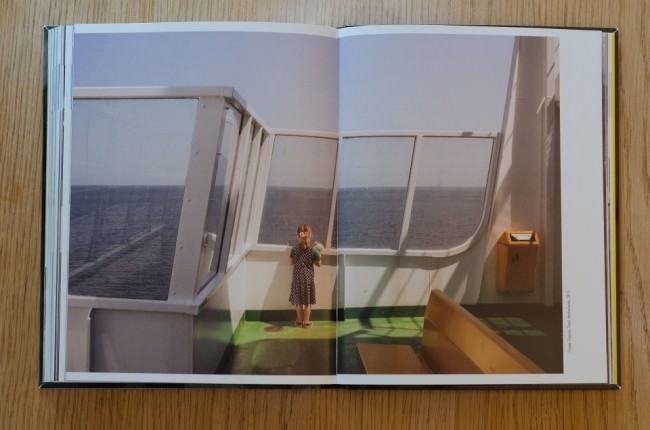
The Street Photographer’s Manual © David Gibson

Informationen zum Buch

Autor: David Gibson
Taschenbuch: 200 Seiten
Verlag: Thames & Hudson
Sprache: Englisch
Größe: 23 x 17,8 x 2 cm
Preis: 17,30 €

* Das ist ein Affiliate-Link zu Amazon. Wenn Ihr darüber etwas kauft, erhält kwerfeldein eine kleine Provision, Ihr zahlt aber keinen Cent mehr.


kwerfeldein – Fotografie Magazin | Fotocommunity
 
Comments Off on David Gibson: „The Street Photographer’s Manual“

Posted in Equipment


Street Photography Video Tips With Valerie Jardin

29 Sep

I have been a regular co-host or guest on the popular This Week in Photo podcast. Recently they launched their new website and are going to be rolling out new spin off podcasts including one by our very own dPS writer Valerie Jardin on street photography. There is also one by Doug Kaye on gear, and interviews done by the host of TWiP Frederick Van Johnson. You can check out all their shows here.

In this first teaser Valerie and Frederick chat about various things regarding street photography, and traveling with your gear.

You can see more articles on street photography here:

  • Using Humor In Street Photography
  • 7 Street Photography Tips and Exercises to Try This Season
  • How to Create Amazing Urban Landscape and Street Photography Images
  • Practical Tips To Build Your Street Photography Confidence
  • How to Approach Street Photography in 12 Easy Steps
  • 103 Things I’ve Learned About Street Photography
  • 8 Things You Should Know if You are Dating a Street Photographer

You can also check out my last appearance on TWiP when we discussed the new iPhone6 and the newest releases from Canon and Nikon.

The post Street Photography Video Tips With Valerie Jardin by Darlene Hildebrandt appeared first on Digital Photography School.


Digital Photography School

 
Comments Off on Street Photography Video Tips With Valerie Jardin

Posted in Photography


8 Things You Should Know if You are Dating a Street Photographer

24 Sep

Let’s face it, photographers are a breed of their own. Street photographers may belong to an even more extreme category… so here are eight things you should know if you are dating a street photographer:

#1 You cannot walk where you want on your own

No matter which side of the street your favorite shops or restaurants are, you will be required to walk on the side that offers the best dappled light, long shadows, reflections, backdrops, etc. You may also occasionally be used as a decoy to approach a situation inconspicuously.

Date night often means going downtown and it's also my opportunity to explore areas I would go on my own. We have fun, even if I'm the only one with a camera! ©Valérie Jardin

Date night often means going downtown and it’s also my opportunity to explore areas where I would not go on my own. We have fun, even if I’m the only one with a camera!   ©Valérie Jardin

#2 You may visit a lot of back alleys

If you and your partner are on a shopping spree, you may often be required to exit a building through the back door. Back alleys hold secrets, interesting subjects and magical light that are too good to pass.

#3 Good luck having a romantic night just the two of you (without a camera)

Unless your street photographer date is blindfolded, you will rarely have a romantic night out in the city without a camera. Yes, we live and breathe street photography. The camera is an extension of ourselves. The temptation is too great and you might as well let us grab a shot or two to prevent mood-breaking frustration.
#4 Do not expect to have your date’s full attention

You will have a hard time spending an evening in public gazing into each other’s eyes. A street photographer is conditioned to be on constant alert to notice every gesture, expression and lighting in the immediate radius, with or without a camera. Hey, you knew all along you were dating a photographer…

#5 You can expect to meet lots of new people

Expect to stop often and talk with strangers of all walks of life, at any moment and on any given day. This can happen unexpectedly in the subway, at the bus stop, in the cab, at the coffee shop or while you are waiting to cross the street. Just know that the street photographer who shares your life has a keen eye at spotting interesting people from a mile away!

#6 You may temporarily lose your date at a moment’s notice

I must admit, I had an ulterior motive when I suggested that we go for an evening walk over a bridge, down next to a highway so I could get this shot... ©Valérie Jardin

I must admit, I had an ulterior motive when I suggested that we go for an evening walk over a bridge, down next to a highway so I could get this shot…   ©Valérie Jardin

Do not worry if your street photographer takes off in a hurry in the middle of a conversation. The right subject may be entering the perfect backdrop for the shot of a lifetime. Or maybe an interesting person just passed you on the sidewalk and your street shooter now needs to run the other direction, well ahead of the subject, to find the best way to frame the shot.

#7 You’ll need to have patience

Bring a book! Setting a stage and waiting for the story to develop may very well be your partner’s favorite pastime. This can take a few minutes, or a few hours…

#8 Your vacation destinations will be predetermined for you

If your significant other is a street photographer, do not be surprised if your next vacation destination has an ulterior motive. We much prefer to walk the streets of a large city than to lie on the beach of an exotic island.

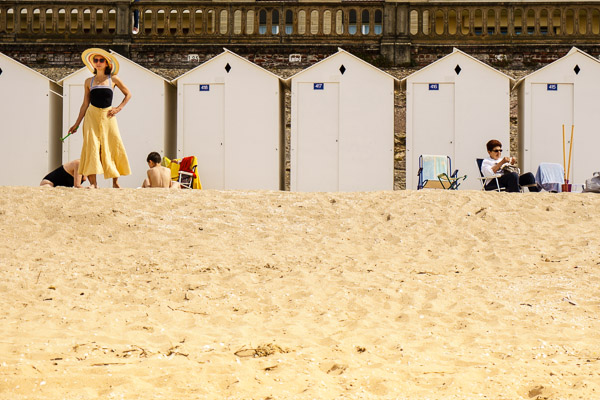
Vacation on the beach? Sure, as long as it's not too isolated and there are people to photograph! ©Valérie Jardin

Vacation on the beach? Sure, as long as it’s not too isolated and there are people to photograph!   ©Valérie Jardin

Conclusion:

Street photographers are not the easiest people to live with. Honestly I’m not sure I’d want to live with me if I wasn’t a photographer. We require a lot of patience. If you love one, don’t think for a second that you will be able to keep him/her away from that camera for more than a few hours. Be generous, give the street photographer in your life some time to pursue their passion on their own or with like-minded people. After all, wouldn’t you rather do your own things too? Look at it this way: We are the way we are because we have a true passion for people, it’s not such a bad thing.

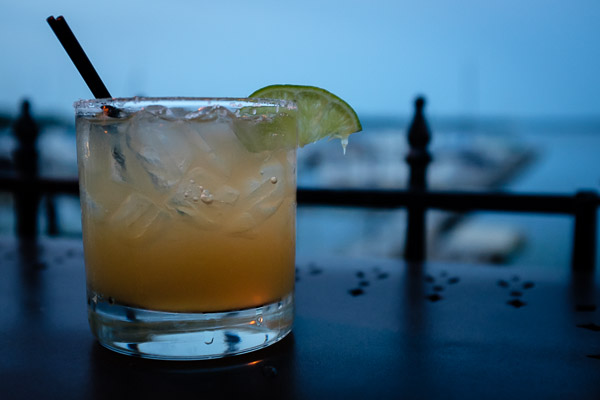
Blue hour by the lake? At the very least I'll get a shot of my drink, or his... Sometimes both.  ©Valérie Jardin

Blue hour by the lake? At the very least I’ll get a shot of my drink, or his… Sometimes both.
©Valérie Jardin

If you read this article, you’re probably a photographer. Please share with the non-photographer in your life. And if you plead guilty to any of the above, please share your experience.

The post 8 Things You Should Know if You are Dating a Street Photographer by Valerie Jardin appeared first on Digital Photography School.


Digital Photography School

 
Comments Off on 8 Things You Should Know if You are Dating a Street Photographer

Posted in Photography


Dancing Traffic Signal Makes Crossing the Street More Fun

18 Sep

[ By Steph in Art & Installation & Sound. ]

dancing-traffic-signals

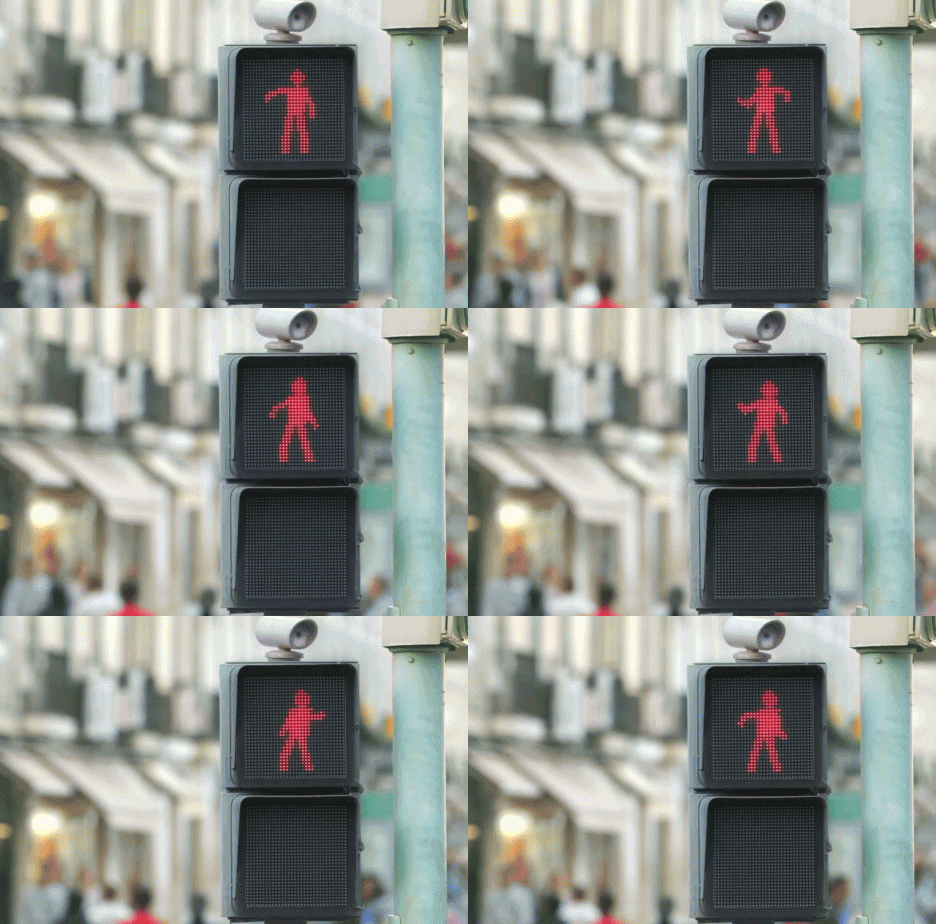
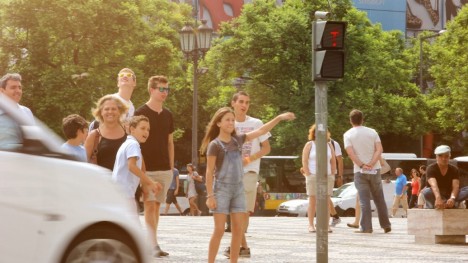
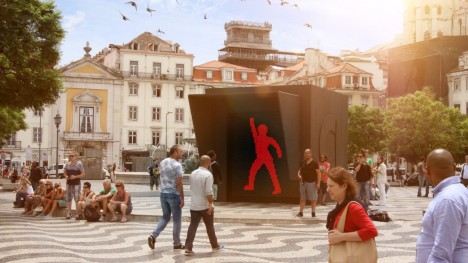
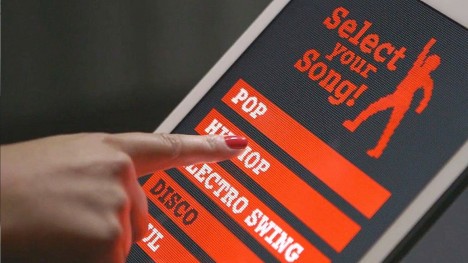
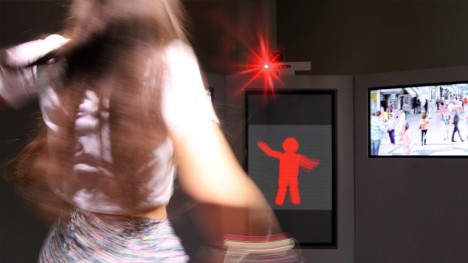
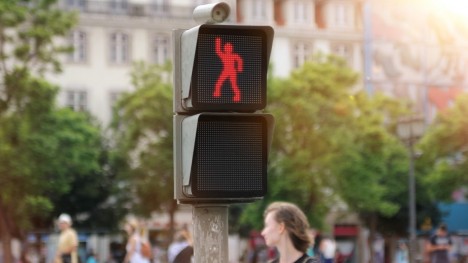
Impatient pedestrians eager to get across the street stop, point and laugh when they realize that the usually-static human figure in the crosswalk signal is dancing maniacally, waving its arms and legs. Not only is the figure dancing, it’s mimicking the real-time movements of passersby in a nearby booth.

Dancing-traffic-signals-5

Dancing-traffic-signals-4

The ‘WhatAreYouFOR’ campaign by Smart aims to make intersections safer by providing some attention-getting entertainment.


The people waiting to cross often can’t help dancing right along with the little figure, unaware that a real person is busting moves in an adjacent plaza, their dancing captured on camera and translated into the red pixelated silhouette.

Dancing-traffic-signals-2

Dancing-traffic-signals-3

dancing-traffic-signals

As a result, according to the creators, 81% more people stopped at the red light, increasing safety all around. “And they even had more fun doing so.”

Share on Facebook


[ By Steph in Art & Installation & Sound. ]

[ WebUrbanist | Archives | Galleries | Privacy | TOS ]


WebUrbanist

 
Comments Off on Dancing Traffic Signal Makes Crossing the Street More Fun

Posted in Creativity


Mirage Muralist: Street Artist Bends Surfaces Using Illusion

12 Sep

[ By WebUrbanist in Art & Street Art & Graffiti. ]

street art subtractive wall

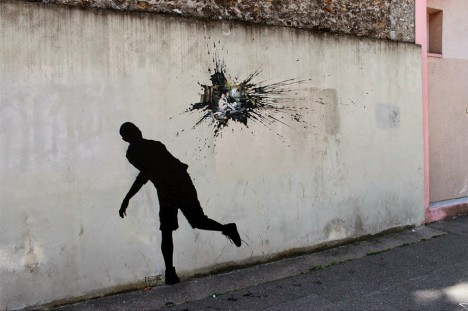
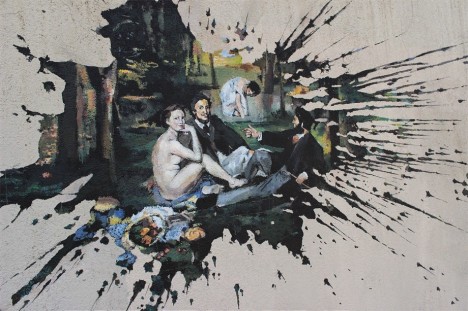
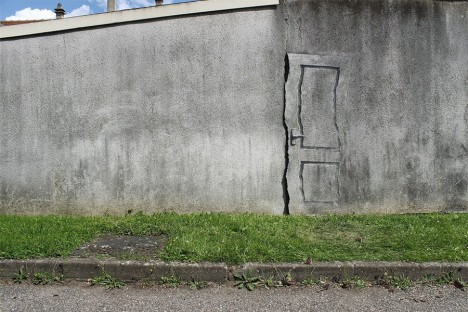
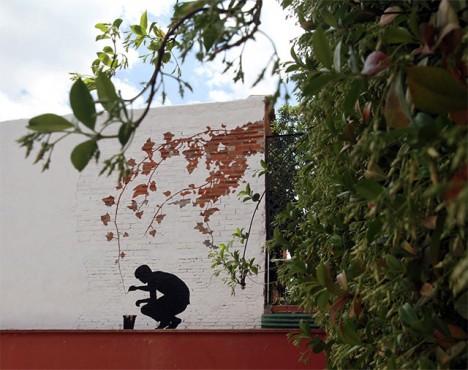
With works often requiring second looks or sanity checks, artist Pejac bends reality in his use of paint and other materials to create sublime art from walls, streets, sidewalks and gutters.

street art splatter paint

street art painting scene

His newest works in Paris, shown above and below, play with our sense of surface and depth, revealing a hidden world beyond the wall in each case. If the close-up scene looks familiar, you may recognize it as The Luncheon on the Grass by Manet.

street door silhouette drawing

street art door illusion

Likewise implying something secret is this silhouette of a door – at a glance, it is hard to tell what part is a real crack in the concrete and which pieces are simply painted on top.

street art world flow

In previous projects, he has also played with the arts of subtraction and illusion in other clever ways – letting the world, for instance, slowly melt, drip and trickle toward the drain.

street art brick removal

street art paint closeup

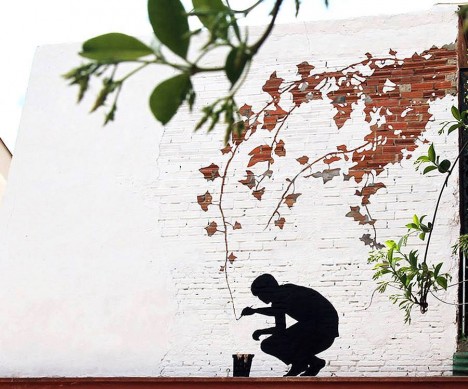
Some of these works are quite time-intensive and incredibly detail-sensitive, like this final piece in which the artist carefully chipped away at the white paint on a brick wall to selectively reveal the red surface below it.

Share on Facebook


[ By WebUrbanist in Art & Street Art & Graffiti. ]

[ WebUrbanist | Archives | Galleries | Privacy | TOS ]


WebUrbanist

 
Comments Off on Mirage Muralist: Street Artist Bends Surfaces Using Illusion

Posted in Creativity