RSS
 

Posts Tagged ‘Sprawl’

Sprawl Trilogy Redesign: Fractal City Covers for Classic Gibson Novels

04 Dec

[ By WebUrbanist in Art & Drawing & Digital. ]
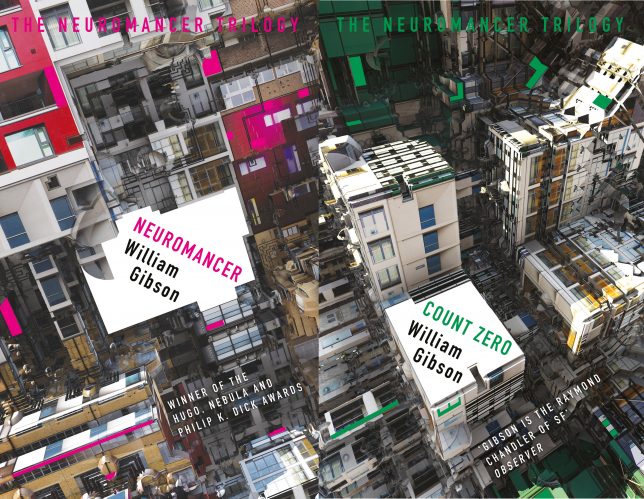
fractal-cover-art

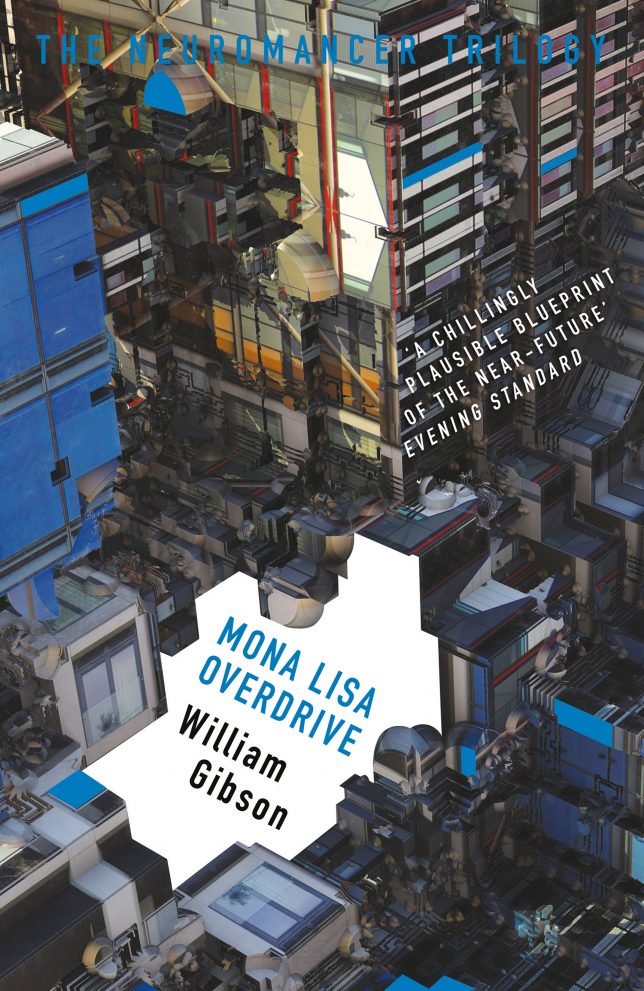
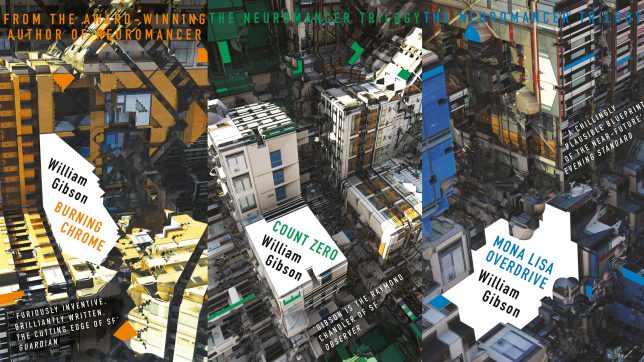
Three classic cyberbunk books and a short story collection, all by William Gibson, are getting an apt makeover in the form of architectural covers featuring beautifully abstracted (if dystopian) urban landscapes.
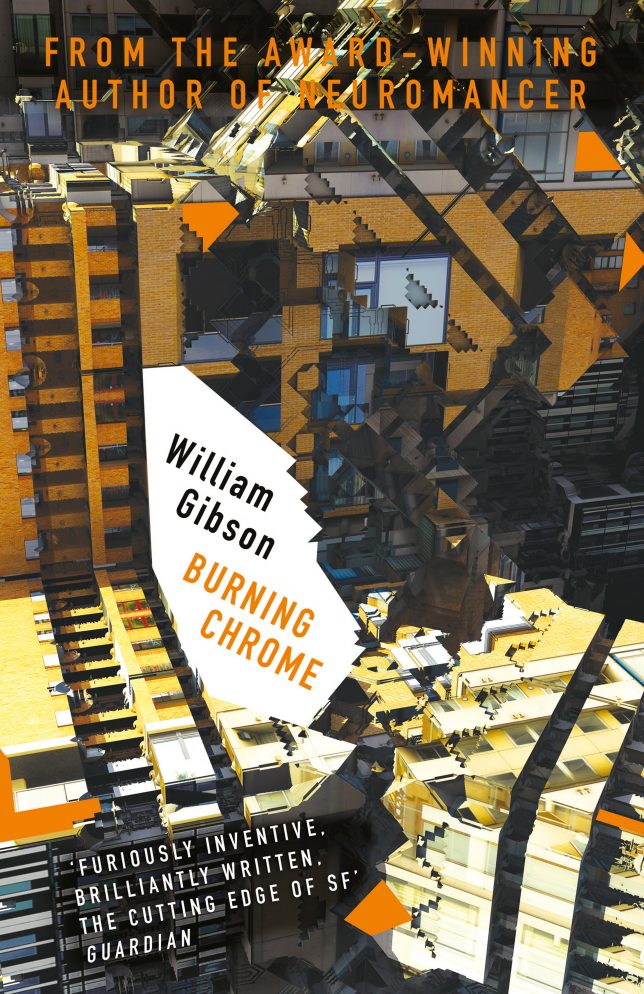
burning-chrome-cover

Anyone familiar with this master of science fiction will make the connection quickly — the strange and seemingly impossible shapes are exactly what come to mind when reading the Sprawl Trilogy (Neuromancer, Count Zero, Mona Lisa Overdrive) as well as shorts from Burning Chrome. In William Gibson’s fiction, the Sprawl is a colloquial name for the Boston-Atlanta Metropolitan Axis (BAMA), an urban sprawl environment on a massive scale, and a fictional extension of the real Northeast megalopolis.
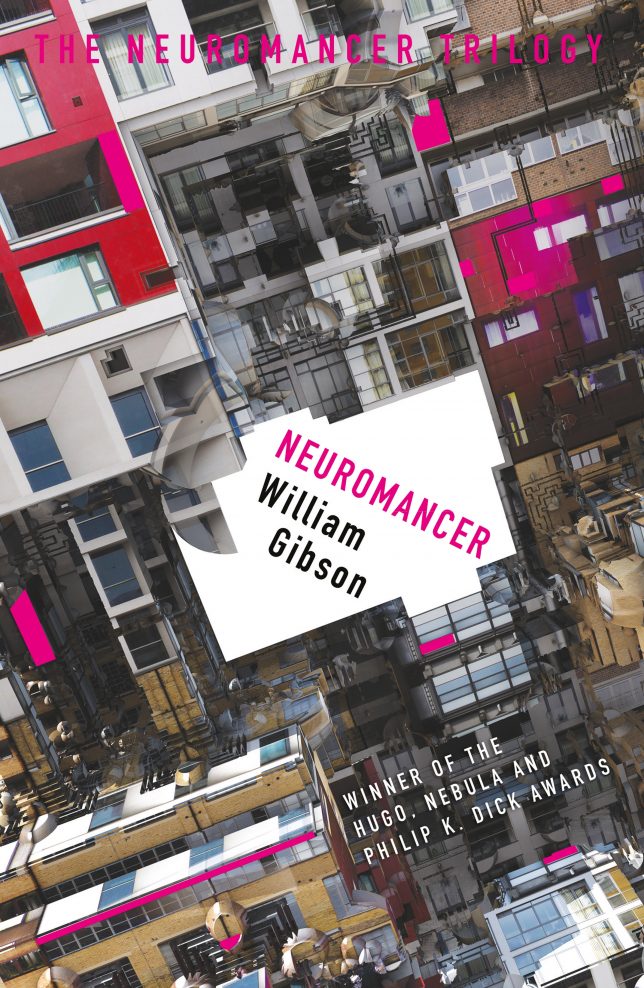
neuromancer-cover

Developed by digital artist, designer and programmer Daniel Brown, the method of these remakes also fits the techno-futuristic narratives in question: fractal mathematics and computer software turned ordinary architectural photographs into these surreal built environments. The covers seem to flow into one another but are distinctly colored, forming unique art separately but a kind of fractal collage when seen together.
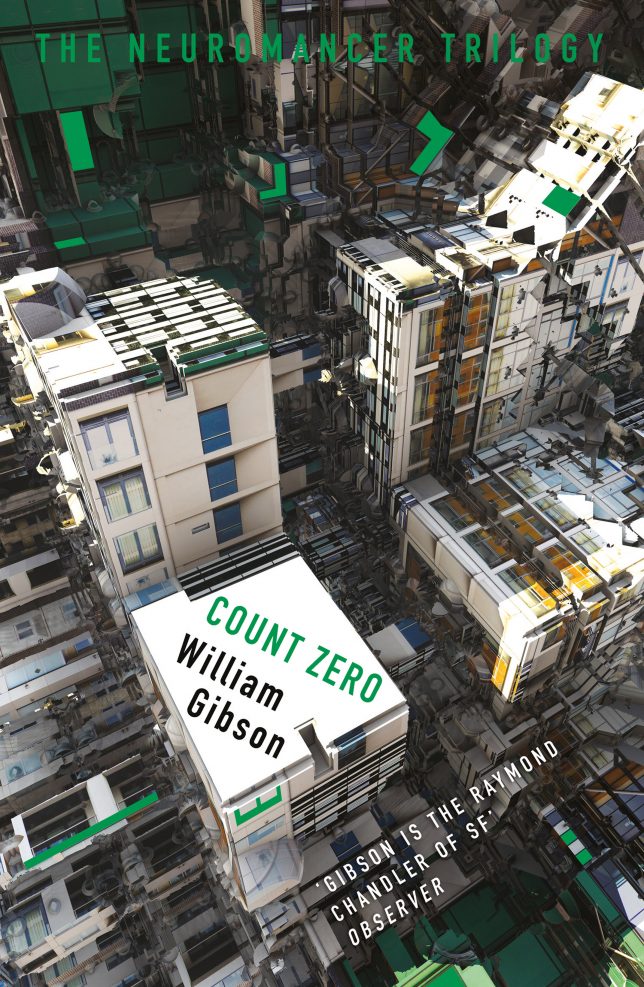
count-zero-cover

The images were generated by repeating one shot at different scales to create complex patterns, at once recognizable as architectural but hard to pin down, much like a memory or a visualization based on reading a book. Gibson approached Brown when Gollancz, an imprint of Orion, acquired rights to the publishing of these speculative fiction classics.
mona-lisa-overdrive-cover

The designer says he was personally approached by Gibson to create the cover designs for the books, which have been recently acquired by science-fiction publisher Gollancz, an imprint of Orion. Their meeting was fortuitous as Brown had been looking for a platform to execute his creative ideas.
new-gibson-cover-art

“I had been experimenting with generating architecture via computer code,” says Brown. “As a project it was still in its infancy and without real purpose. Then William Gibson contacted me, and stated it was exactly how he had envisaged The Sprawl. In an uncanny way the code found its own purpose.”

Share on Facebook


[ By WebUrbanist in Art & Drawing & Digital. ]

[ WebUrbanist | Archives | Galleries | Privacy | TOS ]


WebUrbanist

 
Comments Off on Sprawl Trilogy Redesign: Fractal City Covers for Classic Gibson Novels

Posted in Creativity


Project Sprawl: Mesmerizing Algo-Generated Game Architecture

28 Dec

[ By WebUrbanist in Gaming & Computing & Technology. ]

world building architectural model

Facing down the difficult challenge of creating an ever-changing urban gaming environment, this digital designer went with a cheap alternative that is aesthetically compelling and could have impacts beyond cyberspace.

world building generative algorithm

The game, Project Sprawl, is something of a cross between the Grand Theft Auto series and classic roll-playing games, but most critically: its metropolitan context needs to be dynamic and full of surprises, evolving over time like a real city.

game buildings brutalist urbanism

Low on funds and looking for cheaper and easier world-building solution than stock skylines or fully-custom options could provide, Cedric Kerr “decided to develop software that could auto-generate complex cities, from street maps to skyscraper architecture, for his characters to inhabit.”

game building stretch animation

As these animated illustrations show, there are rules to the way the generative algorithm constructs buildings – starting with a simple baseline, windows and doors, cantilevers and split facades morph and evolve in mesmerizing ways.

gaming architecture stretch pull

From Wired, “The solution to Kerr’s urban planning problem came in the form of Unity, a game engine often used to design game worlds from the size of a room to entire solar systems. The result was a set of building blocks that could be pulled and stretched in any direction with facades that would update in real time. Kerr could quickly sketch an outline of a foundation and in seconds have a unique building automatically populated with windows, doors, and other architectural details.”

game building city grids

The result of this project is a kind of architectural vocabulary that could be useful for deconstructing architecture, creating simulations or generating backdrops for conceptual projects. From Kerr: “the idea is that each building is decomposed into a set of rules forming a grammar that describes each stage of the process. These rules are hierarchical so a building is made up of facades, facades are made up of floors, floors are made up of tiles, tiles contain windows and so on.”

Share on Facebook


[ By WebUrbanist in Gaming & Computing & Technology. ]

[ WebUrbanist | Archives | Galleries | Privacy | TOS ]


WebUrbanist

 
Comments Off on Project Sprawl: Mesmerizing Algo-Generated Game Architecture

Posted in Creativity


Sandcastle Suburbs: Beach Buildings Form Fragile Sprawl

19 Jul

[ By WebUrbanist in Art & Installation & Sound. ]

sand castle suburb

If castles of sand are ordinarily creative (if childish) works of artistic expression, then these are their opposite – boring and relentless repetition of identical houses inspired by postwar suburbia and deployed on an incongruous grid.

sand house installation art

This piece of Master Plan is (or rather: was) the first small and temporary installation of an ongoing series by Chad Wright (photography by Lynn Kloythanomsup of Architectural Black). The project is intended as a personal reflection on his own history as well as commentary on the American Dream in light of recent history, particularly the housing crisis. Much like market shocks (metaphorically) or the passage of time (literally), each incoming wave cracks and erodes the constituent buildings in a relentless yet unpredictable fashion.

san suburb water destruction

About the artist and how his history is intertwined with this work: “I was raised in Orange County—a sprawling suburb of Southern California built by disciples of Levittown. We lived in a tract house, a symbol of the American Dream, just like our neighbors. Dad, a realtor, and mom, a preschool teacher, met while working at JCPenneys in 1970. We spent our summers in Breezy Point, New York, at the yellow beach bungalow that my grandma Stella bought with war bonds, unknown to grandpa who was stationed in Iwo Jima soon after they eloped. As children, my big brother Christopher and I would build cities in the sand, beneath the bungalow’s slatted porch floorboards. Phase One [of Master Plan] focuses on the mass-produced tract house, re-examining it as symbol for the model American Dream.

Share on Facebook


[ By WebUrbanist in Art & Installation & Sound. ]

[ WebUrbanist | Archives | Galleries | Privacy | TOS ]


WebUrbanist

 
Comments Off on Sandcastle Suburbs: Beach Buildings Form Fragile Sprawl

Posted in Creativity