RSS
 

Posts Tagged ‘space’

Japan’s space agency has an adorable ball-shaped camera drone on the ISS

19 Jul

The Japan Aerospace Exploration Agency (JAXA) has a robotic ball-shaped camera drone called Int-Ball floating around the International Space Station, and for the first time ever it has released videos and images captured by the camera.

The drone, which measures 15cm in diameter and was delivered to the ISS on June 4th, was created using 3D printing technologies; with it, flight controllers and researchers on Earth can watch video from the ISS in real-time.

JAXA hasn’t detailed the type of camera used with Int-Ball, saying only that the robot features ‘existing drone technology.’ According to a report in The Japan Times, a dozen propellers enable Int-Ball to navigate in any direction while a variety of inertial sensors, ultrasonics sensors, and a camera make navigation possible.

JAXA says Int-Ball frees up about 10% of the ISS crew’s time for other tasks… so there is some use for it beyond adorable ISS drone marketing.

Articles: Digital Photography Review (dpreview.com)

 
Comments Off on Japan’s space agency has an adorable ball-shaped camera drone on the ISS

Posted in Uncategorized


This is the first ever permanent photography exhibition in space

07 Jul

Duggal Visual Solutions has teamed with its client, Dubai-based photographer Dr. Hersh Chadha, to create what they say is the first-ever permanent photography exhibition in space.

The exhibition consists of five photographs of flowers that Dr. Chadha donated to three astronauts aboard the International Space Station, where the photos are currently zooming around the Earth at 4.76 miles per second.

You can see two of them below:

Col. Valery Korzun of Star City, Moscow made the arrangements to have Dr. Chadha’s photographs on-board the ISS Expedition 49-50, which took place last year. In addition to donating these photos, Dr. Chadha donated a hard drive containing 500 of his photos, as well as his ‘Visions of Nature’ book, to the Yuri A. Gagarin State Scientific Research-and-Testing Cosmonaut Training Center in Star City.

Talking about his donation, Dr. Chadha explained, “Photography is a great medium of expression, and my purpose of doing this was to let the human beings who live on the Space Station for so many months still be connected to Mother Earth.”

You can hear more from Dr. Chadha and watch the photographs’ journey into space in the video below:

Articles: Digital Photography Review (dpreview.com)

 
Comments Off on This is the first ever permanent photography exhibition in space

Posted in Uncategorized


Siberia Space: Russian Town Tints Its White Winter World

26 Jun

[ By Steve in Architecture & Cities & Urbanism. ]

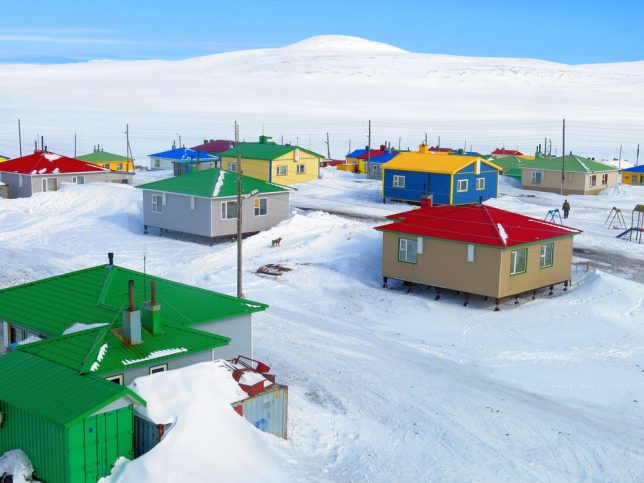
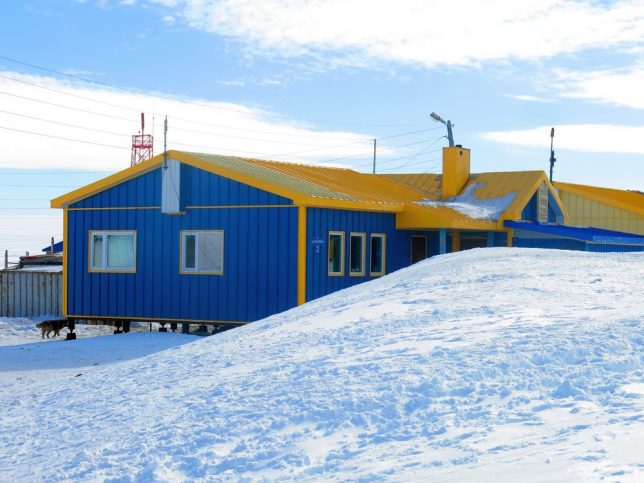
The tiny Siberian town of Ust-Yansk counters the pervasive whiteness of long & snowy winters by cladding its buildings in a rainbow of contrasting colors.

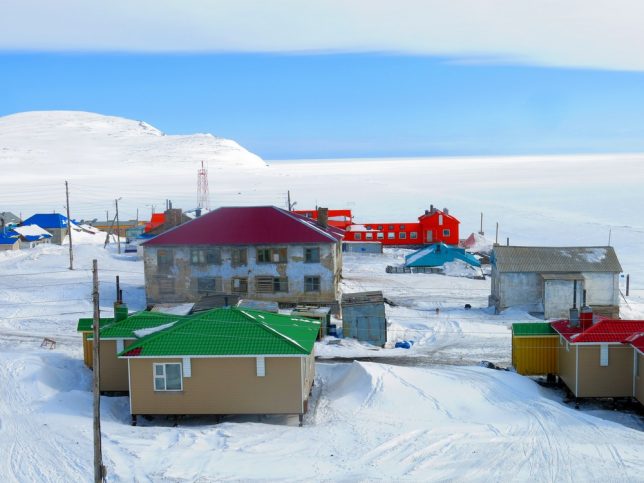
To say Ust-Yansk is isolated is an understatement: the nearest sizable town (Deputatsky, pop. 2,983) lies 302 miles (486 kilometers) to the southeast. Ust-Yansk itself boasts a population of just 317 (as of 2010, down from 341 in 2002). Both towns are located in Russia’s Sakha Republic, a sprawling Siberian territory slightly smaller than India but with just a thousandth of the latter’s population. The photo above shows Ust-Yansk from the distance of about 1 kilometer or about 6/10th of a mile.

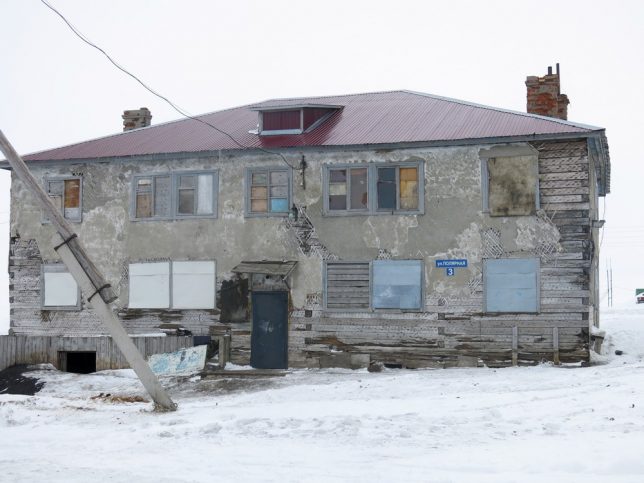
Never a wealthy locality, Ust-Yansk fell on hard(er) times in the 1990s when the fall of communism left Russia’s backwater districts pretty much to their own devices. In Ust-Yansk’s case, those devices consisted mainly of mining, reindeer herding and fishing – activities requiring decent weather to function to their potential. Being that Ust-Yansk lies deep in northern Siberia, the weather is usually anything BUT decent. To quote the Wikipedia entry on Deputatsky, “Winters are prolonged and bitterly cold, with up to seven months of sub-zero high temperatures.” Nice. The unrestored buildings above, photographed by blogger BASOV-CHUKOTKA, look about as miserable as their inhabitants must have felt.

The East Is Red, Blue, Yellow, Green…

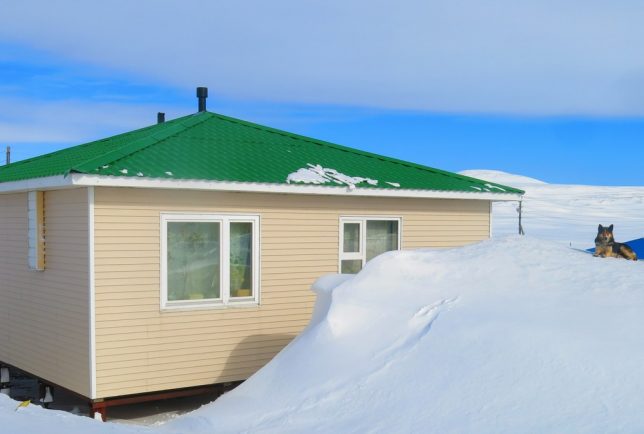
Snow falls early and often in Ust-Yansk, and when it falls it stays – like most tundra towns built on the permafrost, Ust-Yansk’s buildings rest on stilts to prevent heat from melting the frozen ground beneath. This type of construction can be expensive, however, but after the turn of the century rising oil prices flooded Russia’s coffers with bright, shiny rubles and towns like Ust-Yansk began to reap the benefits.

New construction and renovation transformed Ust-Yansk into a more livable town but what really stands out in these photographs taken in May of 2017 are the wealth of colors! From rich primary hues to more delicate pastel tints, Ust-Yansk brilliantly refutes the popular image of Siberia as a dreary place fit only for marginalized indigenous tribes and prisoners of the soviet Gulag. Well, it’s a start at least.

Next Page – Click Below to Read More:
Siberia Space Russian Town Tints Its White Winter World

Share on Facebook


[ By Steve in Architecture & Cities & Urbanism. ]

[ WebUrbanist | Archives | Galleries | Privacy | TOS ]


WebUrbanist

 
Comments Off on Siberia Space: Russian Town Tints Its White Winter World

Posted in Creativity


Recycling Rockets: Ixion Will Turn Orbital Space Junk into Spacious Habitats

25 Jun

[ By WebUrbanist in Conceptual & Futuristic & Technology. ]

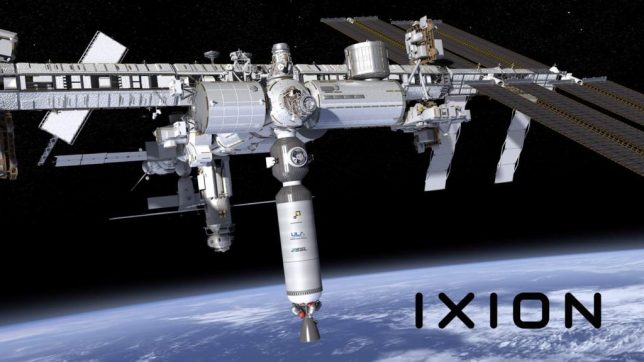
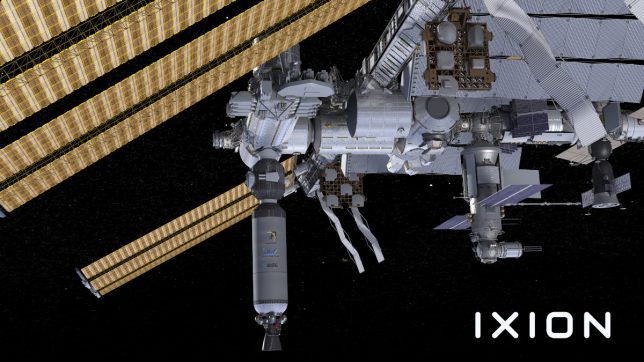
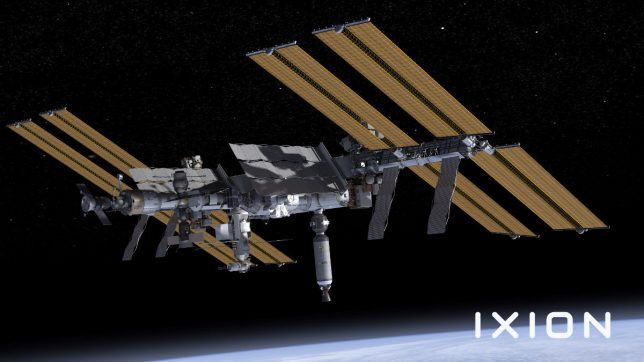
As part of their NextSTEP program, NASA has contracted a space company to turn trash into treasure, converting used rocket sections already being sent into orbit into habitation units rather than letting them drift or be destroyed.

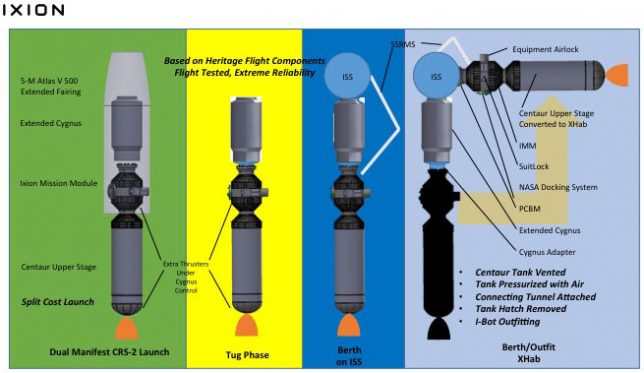
It takes an immense amount of effort and fuel to break out of the Earth’s atmosphere, yet upper stage rocket sections are routinely set adrift or de-orbited, burning up on reentry. Nanoracks believes these can be put to better use — their Ixion project aims to take large fuel-carrying rocket tubes, burn out whatever fuel remains and retrofit them for occupation.

Once the propellant-containing segment is vented in open space, remaining materials will oil off over the course of a few days. Then Nanoracks will fill the void with pressurized air from tanks attached to the outside. Humans (or robots) will take the next step, entering the capsule to add fabric, wiring and whatever else is needed. The design will factor all of these needs in advance, featuring operable hatches and attachment mechanisms as needed.

Initially, the plan is to attach these to the International Space Station for testing and to extend their habitable space. Future tubes could be used to form the basis of a commercial station or to serve other functions — the idea, in part, is to get out ahead of the demand, readying this space junk for unknown future applications. And this idea could be just the beginning: robotic space junk collection could eventually put the vast amounts of orbital debris circling the planet to much better use.

Share on Facebook


[ By WebUrbanist in Conceptual & Futuristic & Technology. ]

[ WebUrbanist | Archives | Galleries | Privacy | TOS ]


WebUrbanist

 
Comments Off on Recycling Rockets: Ixion Will Turn Orbital Space Junk into Spacious Habitats

Posted in Creativity


Flat-Pack Life Support: NASA’s Inflatable Hydroponic Space Greenhouse

15 May

[ By WebUrbanist in Conceptual & Futuristic & Technology. ]

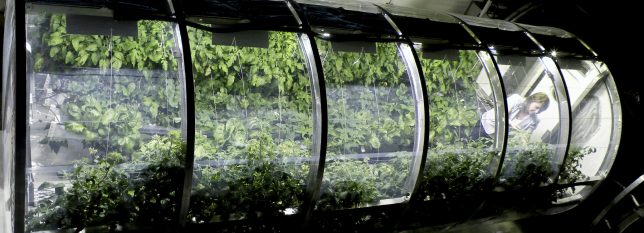
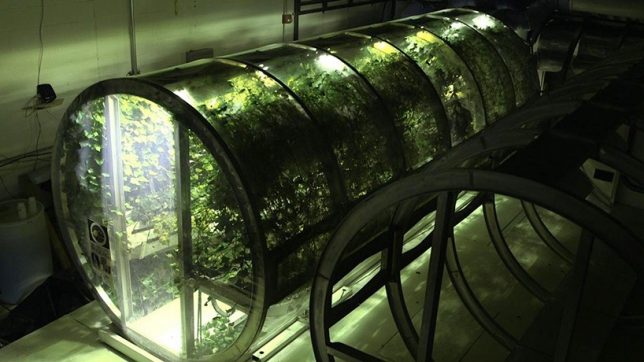
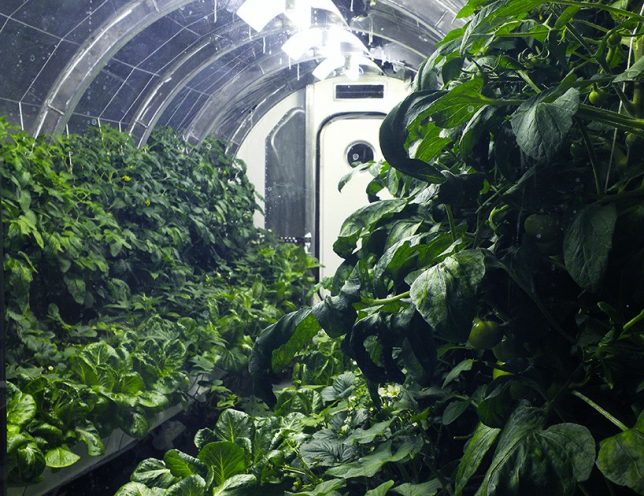
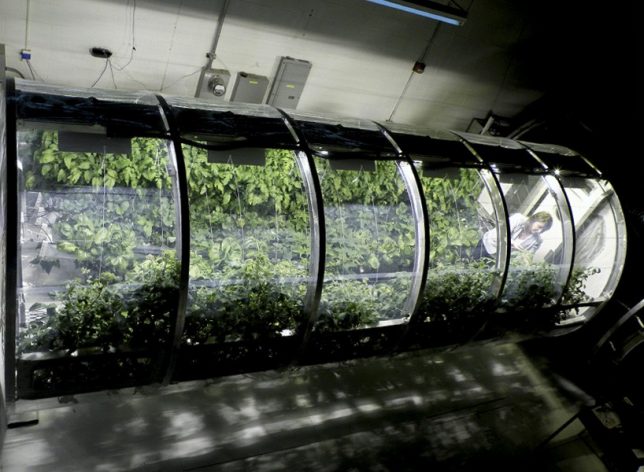
A key development in the quest to create sustainable ecosystems in space, this expandable greenhouse prototype aims to generate essential food and oxygen for long-term astronaut travel.

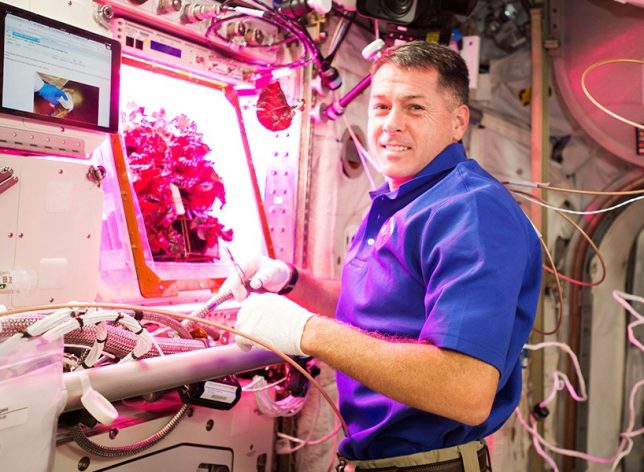
Recently, Peggy Whitson broke the record for longest stay in space (534 days) and astronauts have started growing their own vegetables on the International Space Station. This collapsible growing unit aims to take things to the next level, enabling longer-term settlements on places including the moon and Mars.

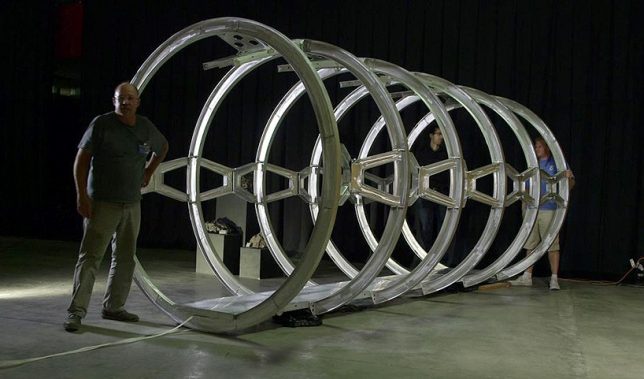
Developed by NASA and agricultural researchers at the University of Arizona, the test unit spans 7 by 18 feet. Its primary functions: convert carbon dioxide from crew, support plant photosynthesis. This bio-regenerative approach to life support is an essential system for recycling scarce resources off-planet.

It also takes its queues directly from our own world: “We’re mimicking what the plants would have if they were on Earth, and using of these processes for life support. The entire system of the lunar greenhouse does represent, in a small way, the biological systems that are here on earth.”

But a big trick to the design is simply its portability: materials take up space, so engineering minimal frameworks that will work when the system is expanded is critical to getting space greenhouses into (and out of) orbit in the first place.

Meanwhile, on the ISS, astronauts continue to grow (and consume) plants outside of Earth’s normal gravity, paving the way for a better understanding of how agriculture will really work off-planet in the future.

Share on Facebook


[ By WebUrbanist in Conceptual & Futuristic & Technology. ]

[ WebUrbanist | Archives | Galleries | Privacy | TOS ]


WebUrbanist

 
Comments Off on Flat-Pack Life Support: NASA’s Inflatable Hydroponic Space Greenhouse

Posted in Creativity


Chain Mail for Space: NASA’s 4D-Printed Metal Fabric Deflects Debris

08 May

[ By WebUrbanist in Conceptual & Futuristic & Technology. ]

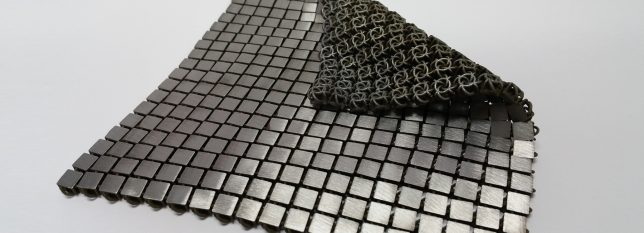
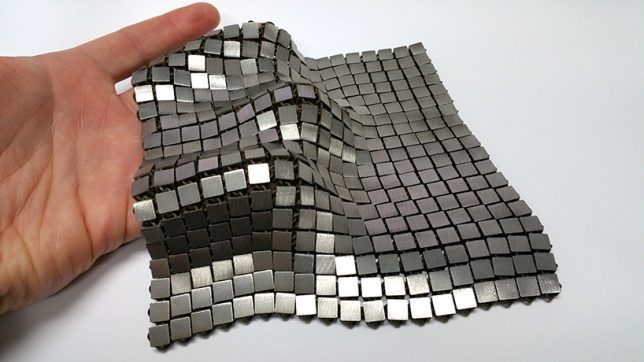
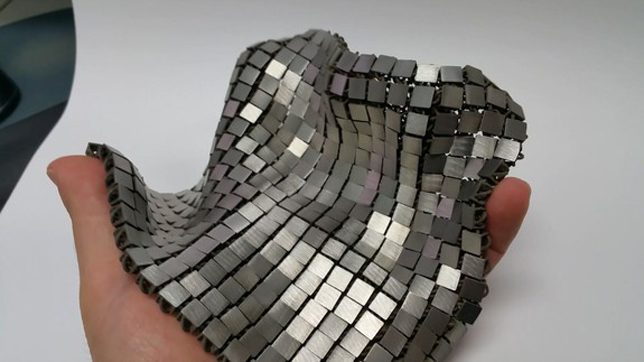
NASA’s latest futuristic textile is made of metal but can fold and change shape, protecting a wearer (or covered craft) from dangerous collisions that could tear holes in people or ships.

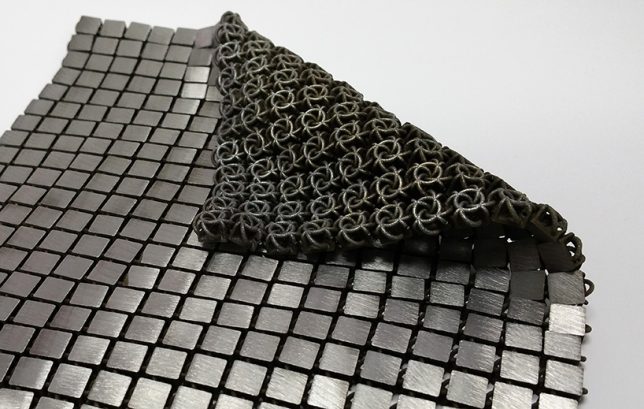
The woven metal is made up of a squares on the surface that are linked together on the back, but thanks to clever manufacturing the entire system can be created at once (rather than stitched together). With printers sent into space, this means astronauts could recycle and rebuild the material for different applications on demand.

“We call it 4D printing because we can print both the geometry and the function of these materials,” explains Polit Casillas. “If 20th century manufacturing was driven by mass production, then this is the mass production of functions.”

Developed by the Jet Propulsion Laboratory, this versatile textile has thermal protective properties as well, able to to keep machinery and people warm. Despite its flexibility, the mail retains a high tensile strength and can reflect or absorb light for heat control depending on which side faces outward.

Share on Facebook


[ By WebUrbanist in Conceptual & Futuristic & Technology. ]

[ WebUrbanist | Archives | Galleries | Privacy | TOS ]


WebUrbanist

 
Comments Off on Chain Mail for Space: NASA’s 4D-Printed Metal Fabric Deflects Debris

Posted in Creativity


National Geographic and NASA celebrate National Parks with images from space

22 Apr

$ (document).ready(function() { SampleGalleryV2({“containerId”:”embeddedSampleGallery_5505857540″,”galleryId”:”5505857540″,”isEmbeddedWidget”:true,”standalone”:false,”selectedImageIndex”:0,”startInCommentsView”:false,”isMobile”:false}) });

If you’re unable to take advantage of free National Park entry this weekend, you can still enjoy the grandeur of some of the US’s best-loved National Parks thanks to National Geographic and NASA. To celebrate National Parks week they’ve published some of their favorite photos of parks – from space.

We were pleased to discover that Grand Prismatic looks just as colorful from space as it does from the ground. Maybe we can keep it that way if we don’t trample all over it, hmm?

Take a look at a few of the images above and see more over at National Geographic Travel.

Articles: Digital Photography Review (dpreview.com)

 
Comments Off on National Geographic and NASA celebrate National Parks with images from space

Posted in Uncategorized


Underpass Art & Parks: 15 Fun Projects Reclaiming Disused Urban Space

13 Apr

[ By SA Rogers in Architecture & Cities & Urbanism. ]

Climbing walls, skate parks, art installations, theaters and even miniature marinas take advantage of the cathedral-like spaces beneath highways and bridges, revitalizing formerly disused and depressed square footage in urban areas. In cities around the world, underpasses are often fenced off, strewn with trash and generally unappreciated, but these intervention projects reclaim the space in fun and creative ways that benefit the community.

Folly for a Flyover by Assemble, England

“Starting with the idea that how spaces are imagined is often as important as their physical characteristics in determining their use, the Folly reclaimed the future of the site by re-imagining its past,” says ASSEMBLE of its ‘Folly for a Flyover’ installation beneath a disused motorway underpass in Hackney Wick. “The new ‘fairy tale’ for the site described the Folly as the home of a stubborn landlord who refused to move to make way for the motorway, which was subsequently built around him, leaving him and his pitched roof stuck between the East and Westbound lanes. The Folly hosted an extensive program of cinema, performance and play… by day the Folly hosted a cafe, events and boat trips exploring the surrounding waterways; at night, audiences congregated on the building’s steps to watch screenings, from blockbusting animation classics to early cinema accompanied by a live score.

A8ernA, Zaanstad Underpass Installation by NL Architects

Another underpass project offering access to the adjacent waterway is A8ernA by NL Architects, located on the river Zaan in the Zoog aan de Zaan village near Amsterdam. The architects describe the new highway, built on columns, as a “brutal cut in the urban tissue.” Their installation attempts to heal this cut while taking advantage of the cathedral-like space, creating an “optimistic intervention” encouraging a new type of urban life, and includes a supermarket, flower and fish shop, parking, a park and a ‘graffiti gallery.’ There’s also a skate bowl, a mini-marina, a soccer field and a small hilly park.

Underpass Park, Toronto

Toronto’s Underpass Park is not only the most extensive park to ever be built beneath an overpass in Canada, but one of the most unusual parks of its kind throughout the world. Transforming a derelict and underused space into a new urban neighborhood feature and pedestrian passageway, the park turns what was formerly a barrier between the north and south parts of the community into a connection. Murals by world-renowned graffiti artists, playgrounds, sculptural installations, sports fields and other amenities draw locals in to engage with the space on an unprecedented level.

Ballroom Luminoso Installation by JB Public Art, San Antonio

The I-35 freeway underpass in San Antonio briefly became ‘Ballroom Luminoso’ thanks to a public art installation by JB Public Art, featuring six color-changing chandeliers made of recycled bicycle parts and sprockets. After dark, the lanterns would light up, casting intricate gear-shaped shadows all over the concrete structure.

Seattle’s Fremont Troll

Frequently popping up in movies and television shows set in Seattle, the Fremont Troll is a public sculpture by four local artists set beneath a bridge in the Fremont neighborhood. The piece won a neighborhood competition in 1990 as an idea to revitalize what was, at the time, a dumping ground. The troll sculpture is clutching an actual Volkswagen Beetle.

Next Page – Click Below to Read More:
Underpass Art Parks 15 Fun Projects Reclaiming Disused Urban Space

Share on Facebook


[ By SA Rogers in Architecture & Cities & Urbanism. ]

[ WebUrbanist | Archives | Galleries | Privacy | TOS ]


WebUrbanist

 
Comments Off on Underpass Art & Parks: 15 Fun Projects Reclaiming Disused Urban Space

Posted in Creativity


Circular Logic: “Endless Runways” Rounded to Save Energy, Time & Space

02 Apr

[ By WebUrbanist in Architecture & Public & Institutional. ]

circular takeoff

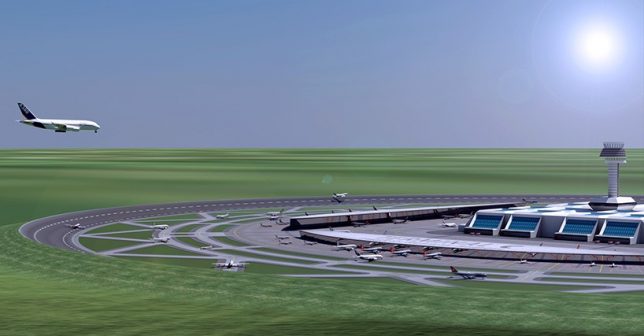
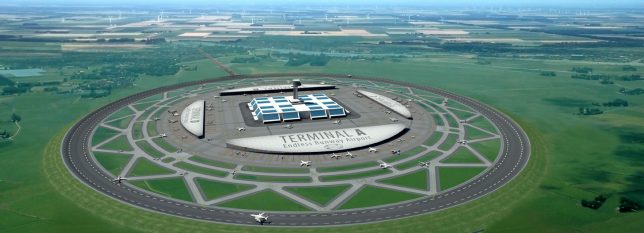
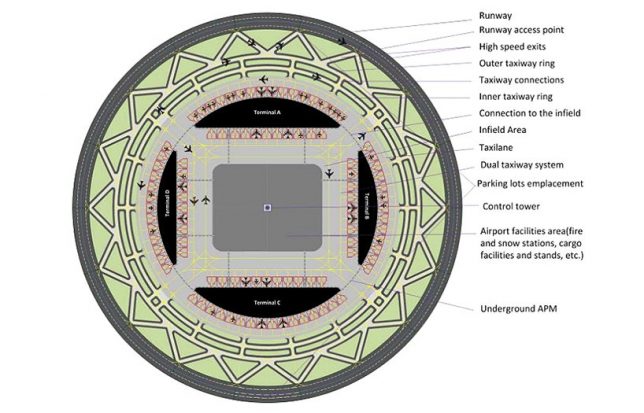
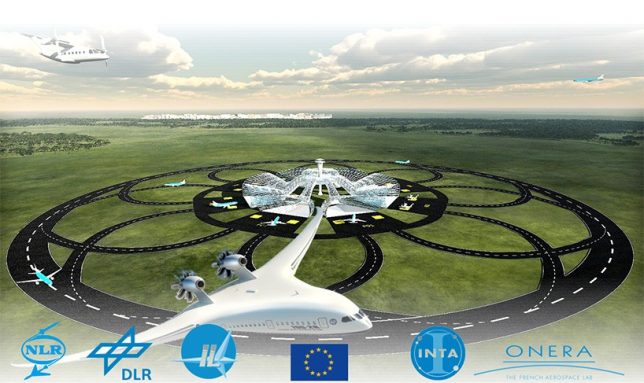
Designed to reduce real estate needs for runways in ever-more-crowded cities, this “endless runway” system encircles a central terminal building and lets multiple planes take off and land at the same time.

Developed by Dutch scientist Henk Hesselink, the two-mile-circumference shape also lets planes land or take off in alignment with the wind (rather than fighting crosswinds) since they can line up with any point on the strip.

round runway solution

In theory, the system would improve the flying experience for both passengers and pilots, making for smoother departures and arrivals. They would also save energy and space, increasingly an issue for once-suburban (or rural) airports now encroached upon by growing cities.

circular runway

Critics have expressed skepticism regarding the difficulty of landings and take-offs in such a setup, but big backers seem to believe in the potential. Also, even if not immediately feasible, increased automation could make it increasingly viable over time, since computer systems can coordinate ideal landing and arrival trajectories for optimal safety and comfort and across multiple planes.

runway system

Each such setup provides the length of three airstrips and could be deployed or at least tested at scale in Europe soon — participating backers include the Netherlands Aerospace Centre (NLR), along with DLR Germany and ONERA in France.

round runway backers

From the designers research report: “The results of the literature survey in this document are promising and suggest that a circular runway can be developed with current and expected technology. Today’s aircraft characteristics allow to take off and land with speeds and low altitude bank angles compatible with the operation on a circular track. The Endless Runway fits in future concepts that specify improved planning of operations, new navigation equipment, and intermodal transport.”

Share on Facebook


[ By WebUrbanist in Architecture & Public & Institutional. ]

[ WebUrbanist | Archives | Galleries | Privacy | TOS ]


WebUrbanist

 
Comments Off on Circular Logic: “Endless Runways” Rounded to Save Energy, Time & Space

Posted in Creativity


Inner Space: 14 Modular All-in-One Living Cubes to Organize Interiors

09 Feb

[ By SA Rogers in Design & Fixtures & Interiors. ]

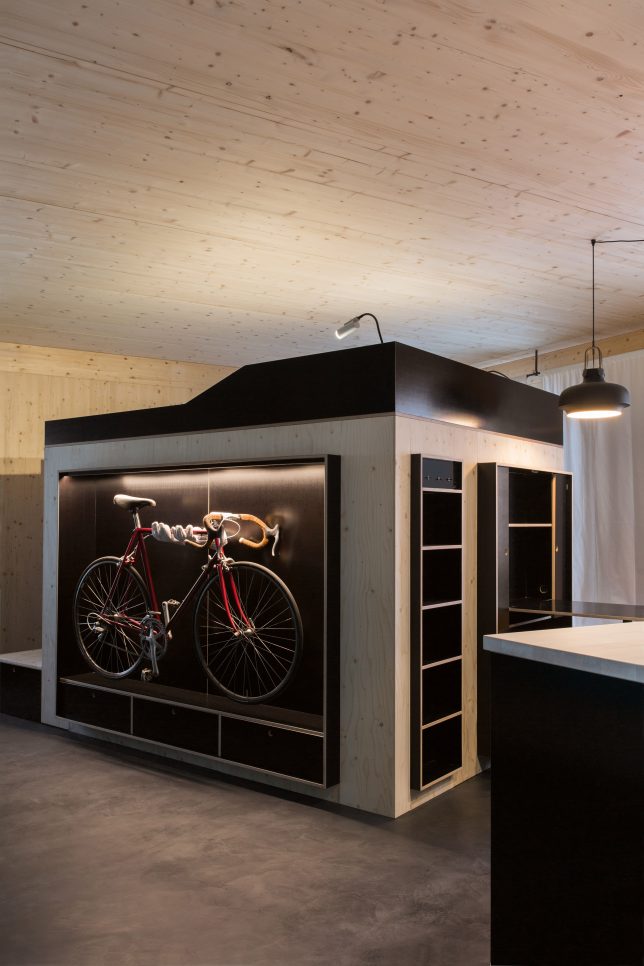
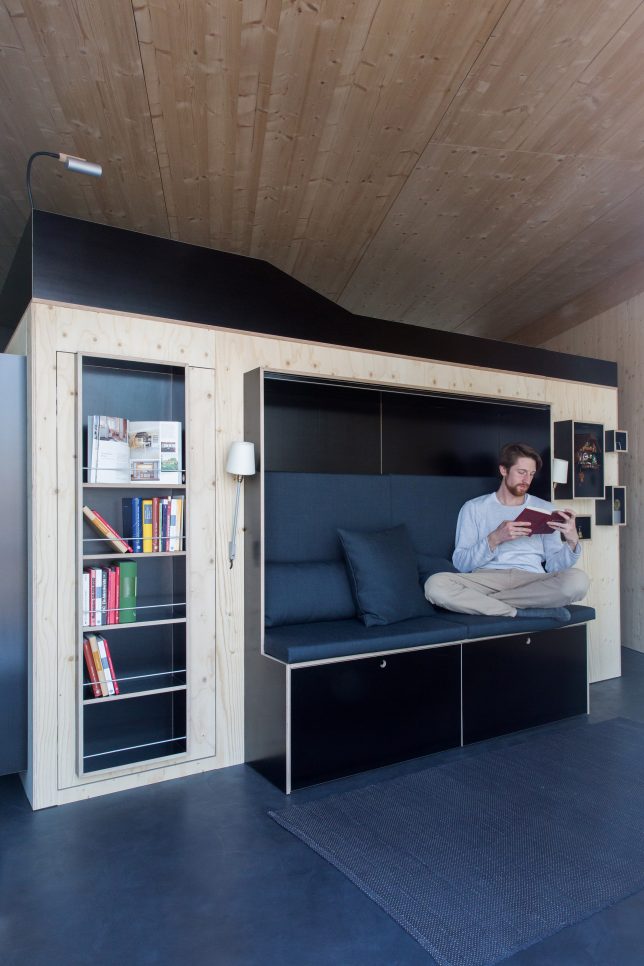
kammerspiel cube 1

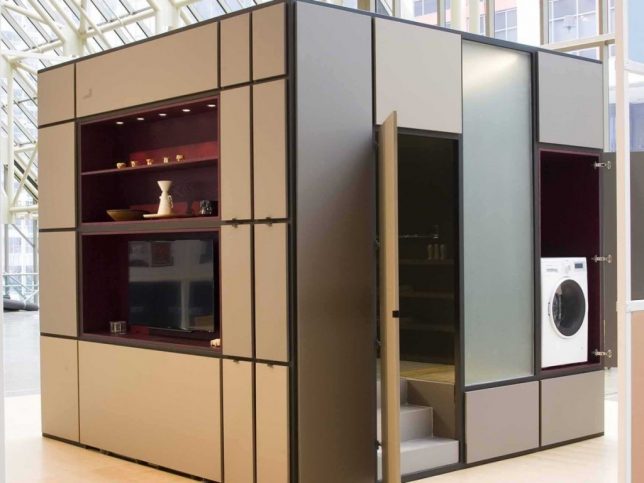
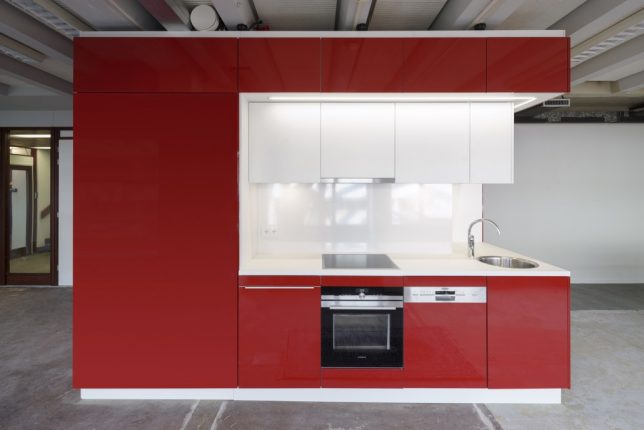
No shelter is too small or too basic to accommodate a comfortable lifestyle when everything you need, from your bed and kitchen to walk-in closets and mini theaters, is contained in one compact, mobile, modular ‘living unit.’ Often fitted out for plumbing and boasting their own internet and sound systems, these rooms-within-rooms can instantly make warehouses and other typically uninhabitable spaces into cozy apartments or save an astounding amount of space when square footage is severely limited.

Kammerspiel Unit by Nils Holger Moormann

kammerspiel cube 2

kammerspiel cube 3

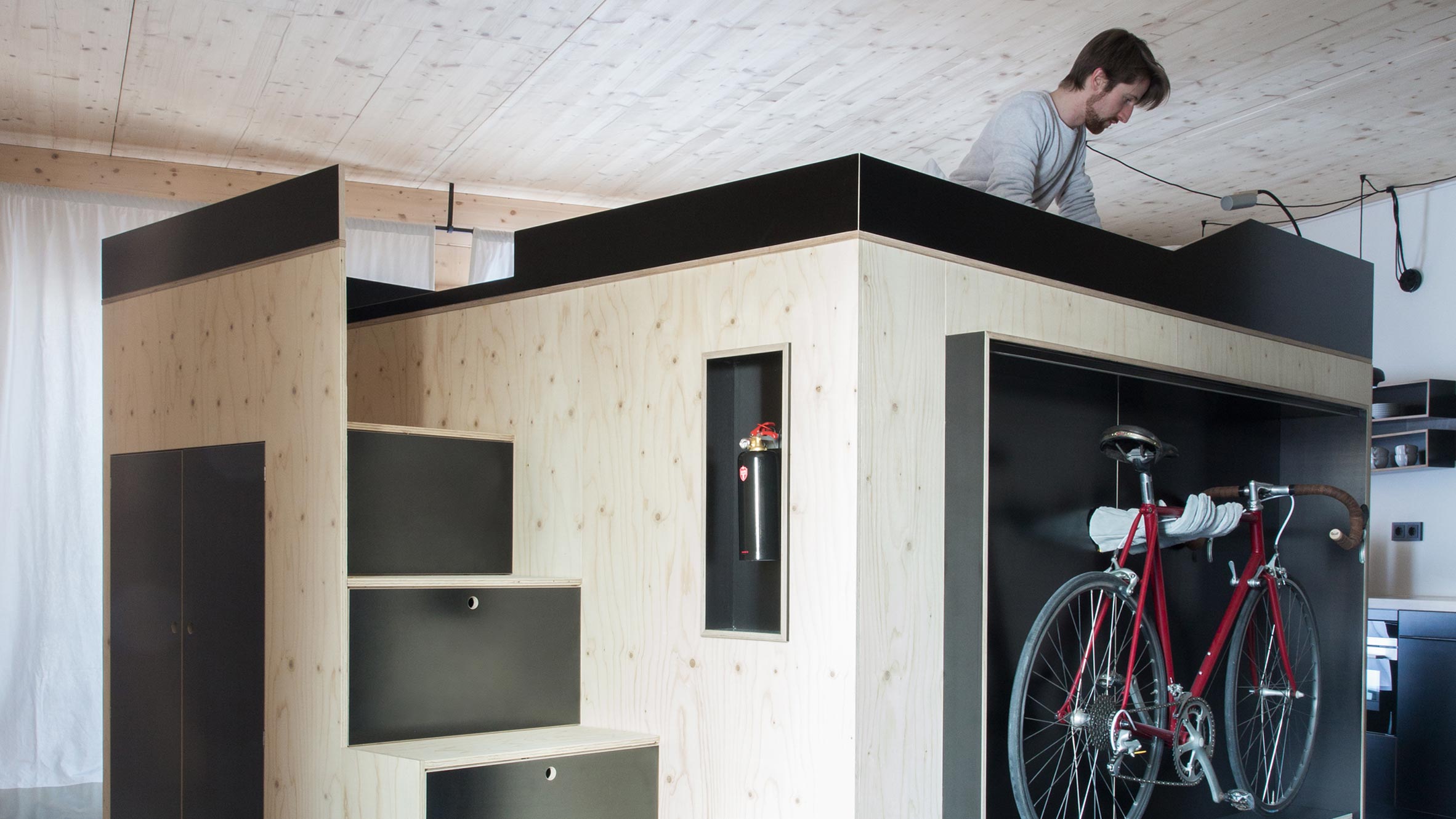
Designed for people living in micro apartments, Nils Holger Moormann’s ‘Kammerpsiel’ contains just about everything you need in an apartment, in one compact and highly efficient package. The bed is lofted above the walk-in closet, while important functions are located along the perimeter, like the couch, storage, desk, dining are and even a place to display and store your bike.

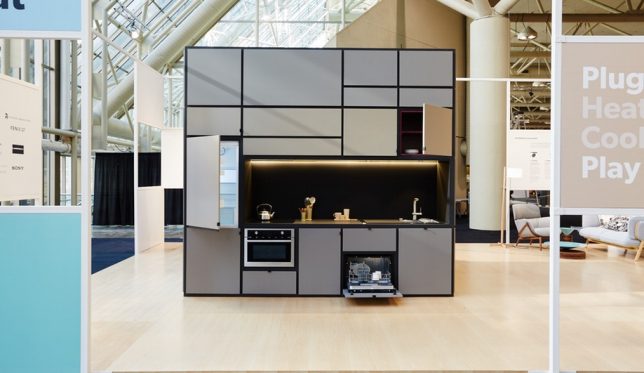
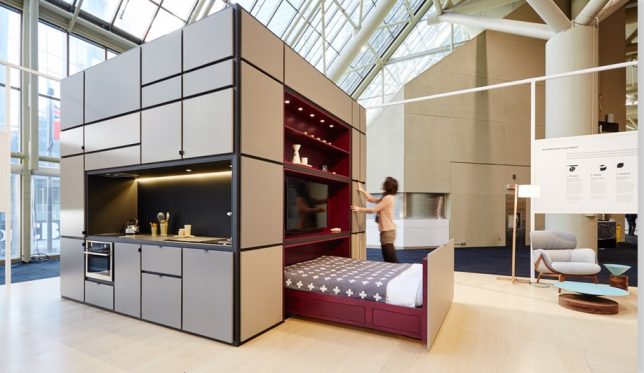
Cubitat by Urban Capital and Luca Nichetto

cubitat 2

cubitat 1

cubitat 3

Measuring 10 by 10 by 10, the Cubitat by Luca Nichetto and urban Capital is designed to be a ‘plug and play’ living space containing a built-in kitchen, living room, bed, bathroom and closets. The idea is that you could move into virtually any kind of building and instantly make it inhabitable without the need for further renovations.

Living Cube by Ken Isaacs

ken isaacs living cubes

ken isaacs living cube 2

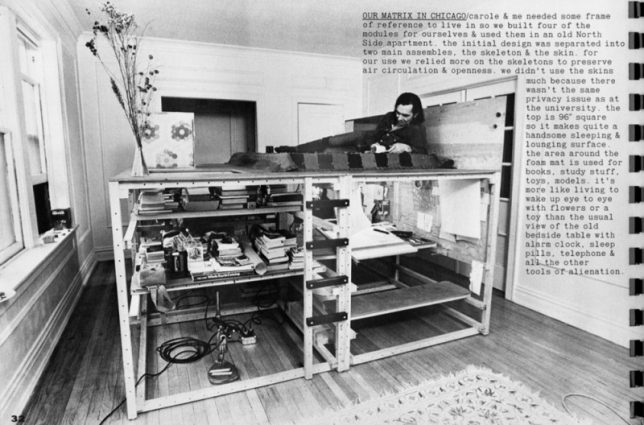
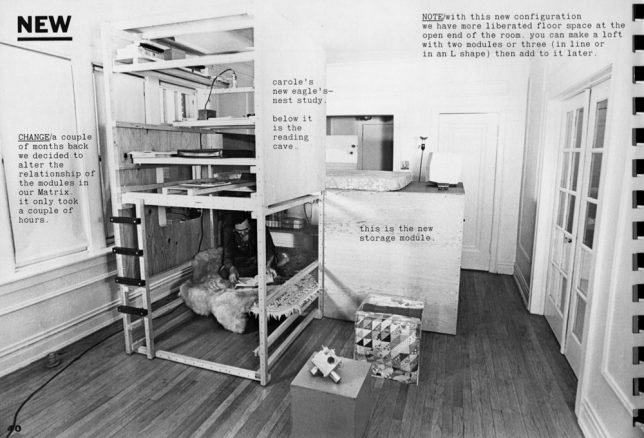
The first designer to come up with this concept seems to have been Ken Isaacs, whose 1974 book ‘How to Build Your Own Living Structures’ still serves as a roadmap to modular room systems today. Isaacs reportedly came up with the idea when he was a poor Chicago student needing a place to live and work. The whole book is downloadable here.

The Hub by Kraaijvanger Architects

the hub

the hub 2

the hub 3

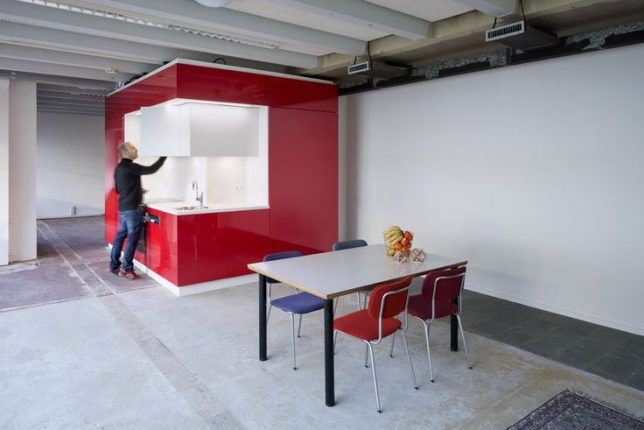
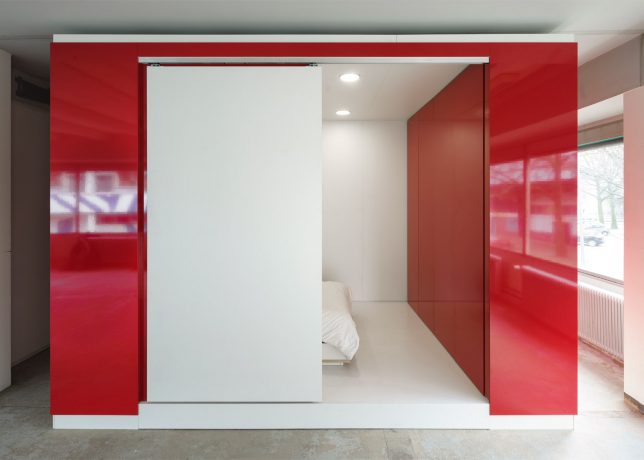
Another all-in-one apartment system, the Hub by Rotterdam-based architects Kraaijvanger, contains everything you need to make a warehouse a comfortable place to live – even plumbing. It measures just a little more than 160 square feet, hooks up to existing water mains through an access point in the floor, and has its own internet, heating and sound system.

Wooden Mountain Hotel Suite, Volkshotel

photo: Arend Loerts

photo: Arend Loerts

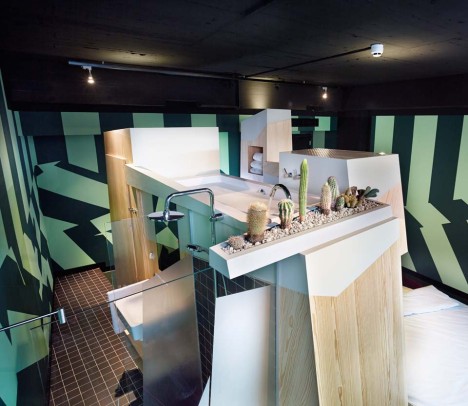
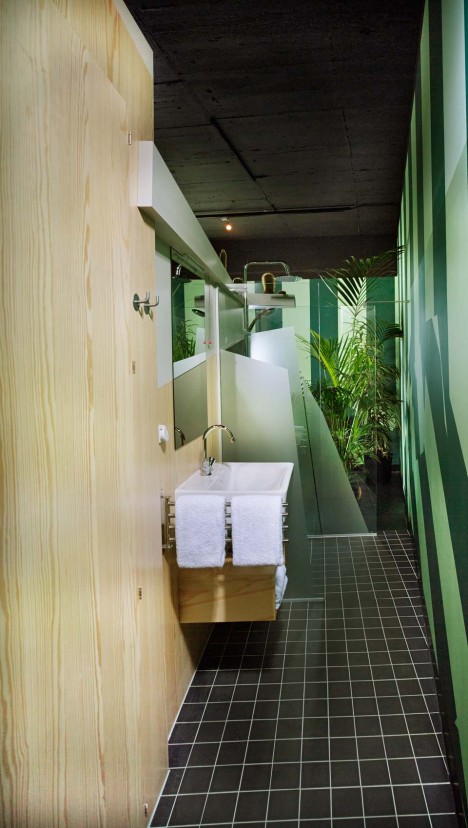
Not all modular living systems are cubes, though. The Wooden Mountain in the Volkshotel’s Edmund Suite packs just as much function into an amorphous wooden structure, including a wardrobe, double bed, shower, toilet, full-sized soaking tub and even a cactus garden. Photos by Arend Loerts.

Next Page – Click Below to Read More:
Inner Space 14 Modular All In One Living Cubes Organize Interiors

Share on Facebook


[ By SA Rogers in Design & Fixtures & Interiors. ]

[ WebUrbanist | Archives | Galleries | Privacy | TOS ]


WebUrbanist

 
Comments Off on Inner Space: 14 Modular All-in-One Living Cubes to Organize Interiors

Posted in Creativity