RSS
 

Posts Tagged ‘Soccer’

World’s First Non-Rectangular Soccer Fields Activate Asymmetrical Spaces

29 Sep

[ By WebUrbanist in Architecture & Cities & Urbanism. ]

assymmetrical-soccer-field

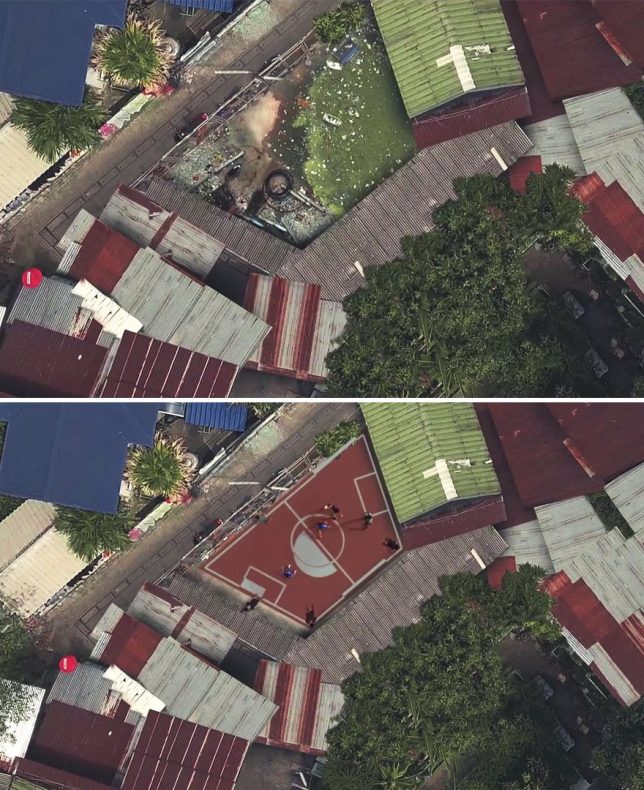
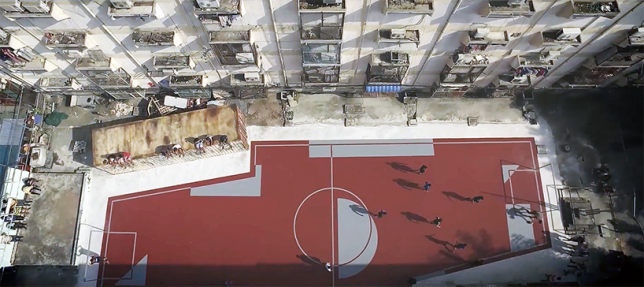
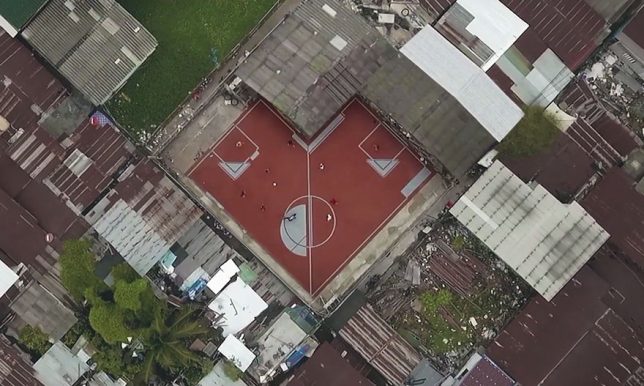
Turning disused spaces in Bangkok into odd-shaped soccer (or: football) fields, this project provides much-needed places to play in dense cities where conventional lots are hard to find. It also serves as a potential model for creatively rethinking leftover urban land more broadly.

non-rectangular-football-field

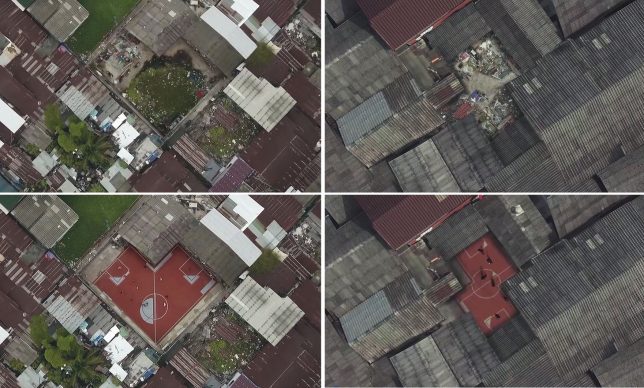
Developed in partnership with the Khlong Toei community, The Unusual Football Field project takes advantaged of abnormally shaped sites scattered around the district. Once areas of opportunity were identified and sides outlined, permission was sought, trash was cleared, land was leveled and fields were fit into each location.

non-conventional-field-shape

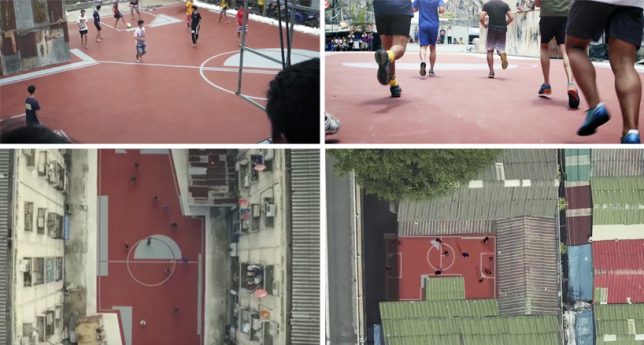
Kids who might not otherwise have access to normal 105-by-68-meter fields can kick balls around these unusual courts, overcoming (or working with) the unique challenges of each variant. Sides can of course be switched mid-game as well to make sure things stay fair even on fields where one half could be seen as having an advantage.

shaped-soccer-playing-fields

Developed by AP Thailand, these creative fields represents an outside-the-box approach to working with urban density, rethinking possibilities and opportunities for irregular land configurations.

These soccer-playing zones may be unconventional but are nonetheless popular, catering as they do to Thailand’s most popular sport. On the flip side, they can also be re-purposed again with equal ease if demand shifts.

adaptied-fields-design

The hope, in part, is that other developers and community activists might see potential in this model, adapting it to other dense cities where large regular spaces are hard to come by. Indeed, other sports and athletic activities could adopt similar models as well – though given the tight confines a baseball-oriented version may be out of the question.

Share on Facebook


[ By WebUrbanist in Architecture & Cities & Urbanism. ]

[ WebUrbanist | Archives | Galleries | Privacy | TOS ]


WebUrbanist

 
Comments Off on World’s First Non-Rectangular Soccer Fields Activate Asymmetrical Spaces

Posted in Creativity


Tips for Photographing Football (Soccer)

17 Jan

Football (called soccer in some parts of the world) can be a very challenging sport to photograph. The ball is constantly moving quickly around the pitch, which may make it somewhat of a challenge to capture the action if you don’t have the right knowledge on how to do so. This simple guide will point you in the right direction to get more success at your next football match.
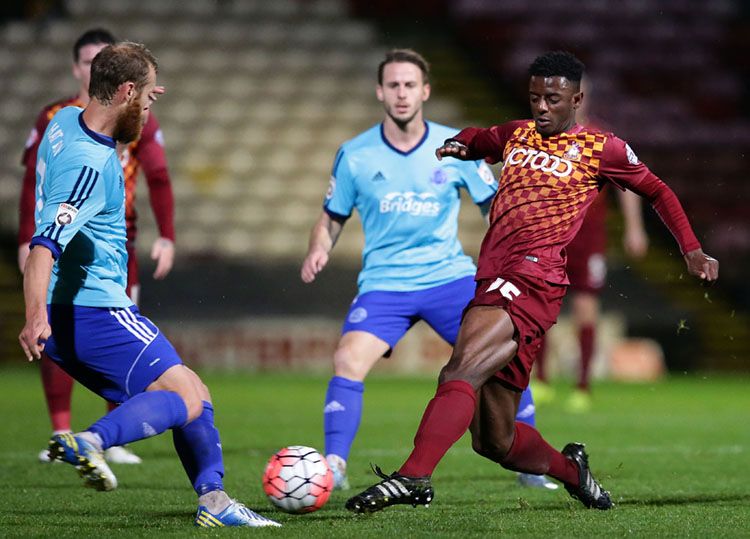
football or soccer photography action

Players contest the ball. © Daniel Smith / Getty Images.

First, let’s start off with equipment, because heading to a game with the wrong kit is definitely not going to help you.

Equipment

For best results, an 18-55mm or similar lens will not be sufficient to cover a game of football; the players and the action will be too far away, and you will most likely end up being disappointed with the results. Using a 70-200mm or equivalent is a great starting point, and will be a fantastic range for areas closer to goal. However, if you do have anything longer in your bag that is always helpful; anything up to about 400mm will be perfect. Anything longer than that can get a little too tight on a football field, unless you want to photograph players at the other end.

If you find that you’re current lens isn’t quite long enough, don’t feel like you need to run out and buy a longer one; cropping can always help quite a lot. With newer cameras having such high resolutions now, you won’t find too much of a drop in final image quality. Renting a lens for a day or two is always an option you may want to consider as well.

Also, bringing a small camping stool will be of great comfort to you, and because you will be closer to the ground than standing, it will help you get less of the field in the frame.
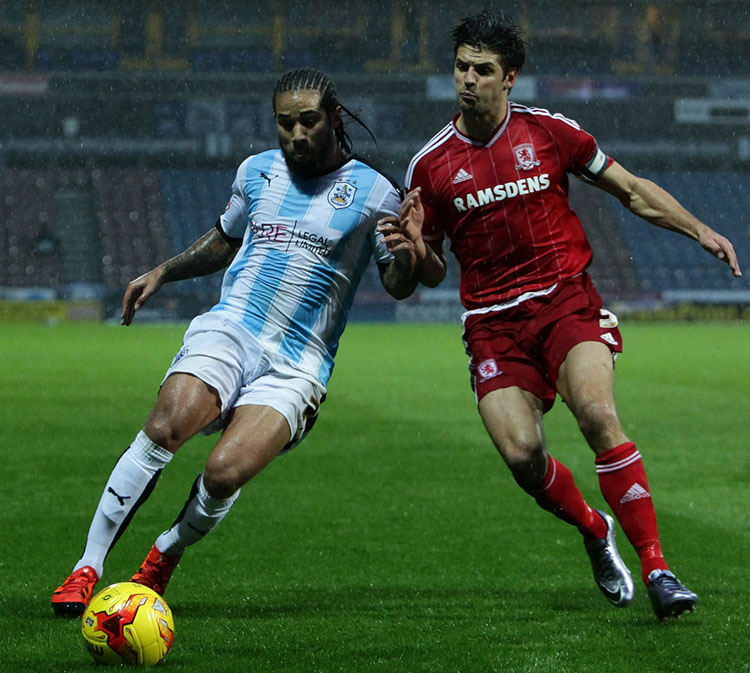
Fig 3

Players competing for possession of the ball. © Daniel Smith / Getty Images.

Settings

If you’re comfortable with using Manual mode, the below will be a helpful guide to getting you started. If you’re not too comfortable with Manual mode just yet, using shutter speed priority set to 1/800th, or faster, should do the trick.

Shutter Speed

Football (soccer), as with the majority of sports, is fast paced. To be able to freeze the action you will need to use a fast shutter speed; 1/800th as a minimum, is a great starting point for more advanced players as they tend to move much faster than younger, junior players. If you’re photographing a very young age group match, you may find that 1/500th could be fast enough, however 1/800tj would be a safer option.
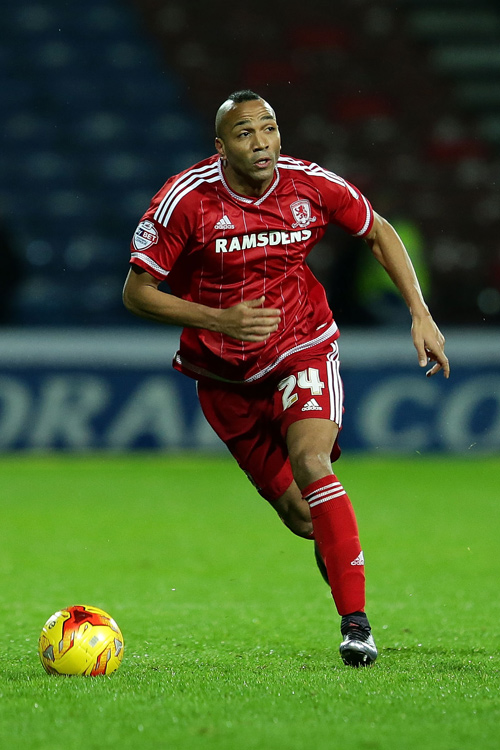
Fig 5b

A fast shutter speed was used here. © Daniel Smith / Getty Images.

To add some variety, slower shutter speeds can create some fantastic images when done correctly. Shooting at around the 1/30th mark is a great starting point. If you find that there is too much blur in your images, then speeding the shutter speed up slightly will help. Conversely, if there is not enough blur, you may need to slow the shutter speed down.

Fig 4b

Try using a slower shutter speed to create motion blur showing speed. © Daniel Smith / Getty Images.

Aperture

For single player shots, f/2.8 would be ideal as it will isolate the player nicely. However, if photographing tackles, etc., where there is more than one player, it is best to use f/4 as this will give you a slight increase in depth of field (DoF), without sacrificing too much shutter speed. If your lens cannot got as wide as f/2.8 or f/4, that’s perfectly fine, just use the widest aperture your equipment offers.

ISO

Now that you have your aperture and shutter speed set, use the ISO to fill in for the exposure, or brightness, you want to have. Depending on what shutter speed/aperture combination you have, you may find ISO 400 on a bright day works, or on the other hand, if you’re in a low-light situation such as at dusk, night, or on a heavily overcast day, ISO 800 or higher may be required. Just be careful with how high you go on your particular camera as each model can perform differently at higher ISO’s. This is something that you may need to play around with a bit to explore.

Autofocus

Using the correct autofocus function on your camera will be a key element in ensuring you capture a sharp shot! Because you will be photographing moving subjects, One-Shot AF on Canon, or AF-S on Nikon, is not an appropriate focus mode to use, as it will not continually track the moving subject. In this situation, using AI-Servo on Canon, or AF-C on Nikon, would be the best solution as it will continually track a moving subject, so long as you keep the autofocus engaged. If you’re comfortable with manually selecting AF points, that will further help you control your camera’s focus even more; just select whichever autofocus point you wish your subject to be placed in the frame.

Positions

As with any sport, sitting in the right position will increase your chances of getting the shot. For football (soccer), this is generally around the corners of the pitch or field.
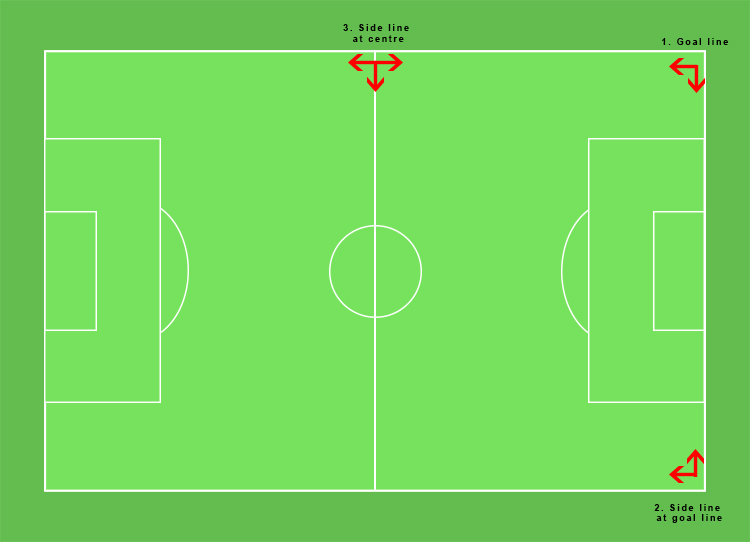
Fig 1

An overview of a soccer pitch with a guide of seating positions. © Daniel Smith / Getty Images.

  • Position 1: Looking down the pitch (field) will give you some great shots of players as they run with the ball toward you. You can also get some great shots of goals here, too. This position is also the most versatile position as you can get a good mix of everything.
  • Position 2: Looking around the pitch (field) is fantastic for shots at goal, as you will generally be able to get the goal shooter, and keeper in the frame. From here, you will also be able to capture players running down the pitch (field), but they will not be as head-on if running down the wings.
  • For some variation, try shooting at position 3, as from there you will be able to get some great panning shots of players with the ball, as they run the length of the pitch. You generally won’t be able to get many great goal shots from here but you may find some great tackle opportunities if they happen around mid-field.

Do not be tempted to run around the pitch following the ball – you will be forever running, and not photographing! It is much better to sit in one location and wait for the action to come to you. You can always move locations, such as at half-time, if you’re wanting to photograph a particular team.
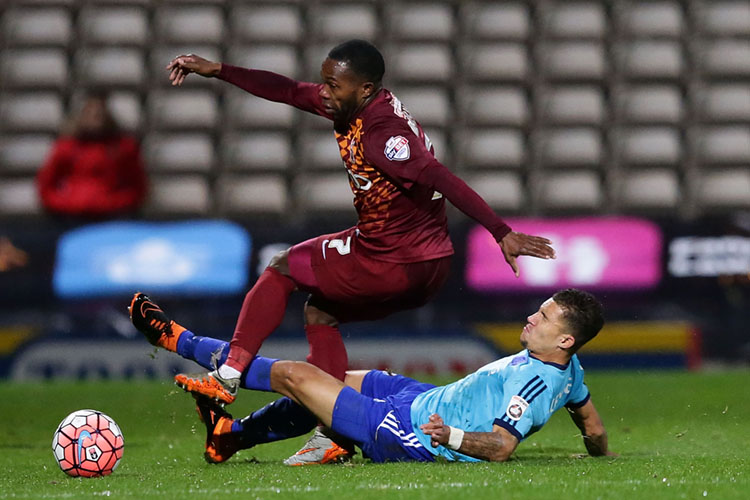
Fig 10

A nice tackle here. A player hslid right under the other for the ball. © Daniel Smith / Getty Images.

What to look for

Here are some things for you to look for at your next game.

Celebrations – This could be of the team that just scored a goal, or after the final whistle, capture the team that won the match.

Fig 6

Teammates celebrate scoring a goal. © Daniel Smith / Getty Images.
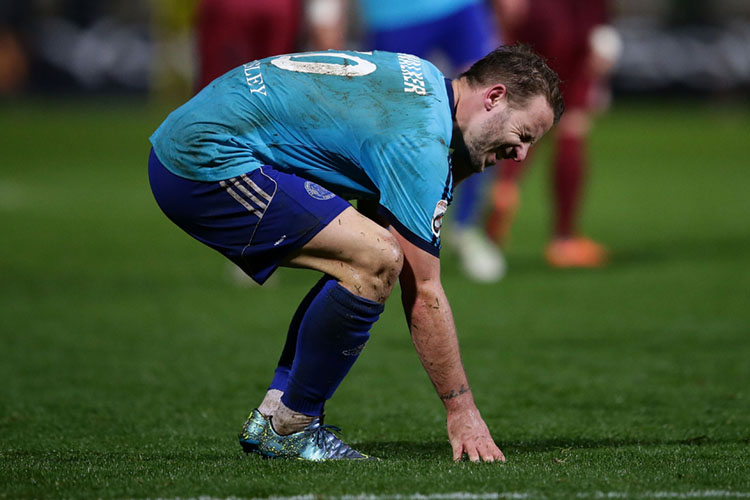
Fig 12

A player shows the toll of losing a match. These images are also quite powerful, as the players can often have great expressions.

Action – This will be a major part in the game. Football (soccer) has a lot of tackles, headers, dives, slides, not to mention goals, and goal deflections by the keeper. Staying focused is key to capturing these moments. Also bear in mind, that older players will generally play with a higher intensity than the younger players, so capturing dramatic tackles will happen more often. But be aware that older players also move a lot faster!
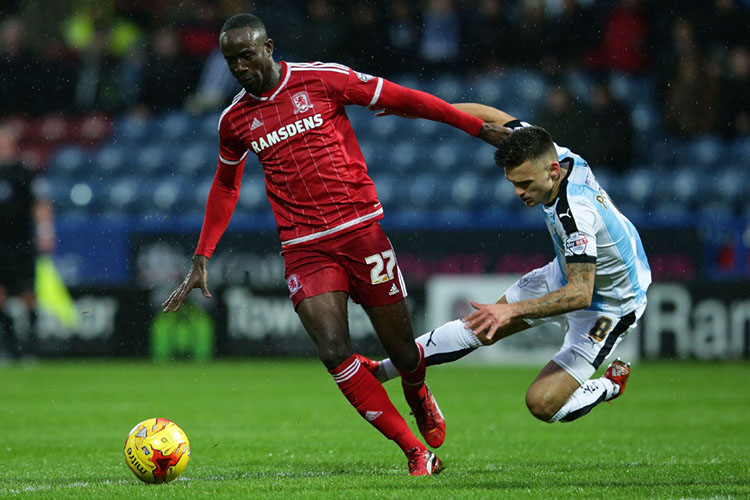
Fig 2

Players falls from a push. © Daniel Smith / Getty Images
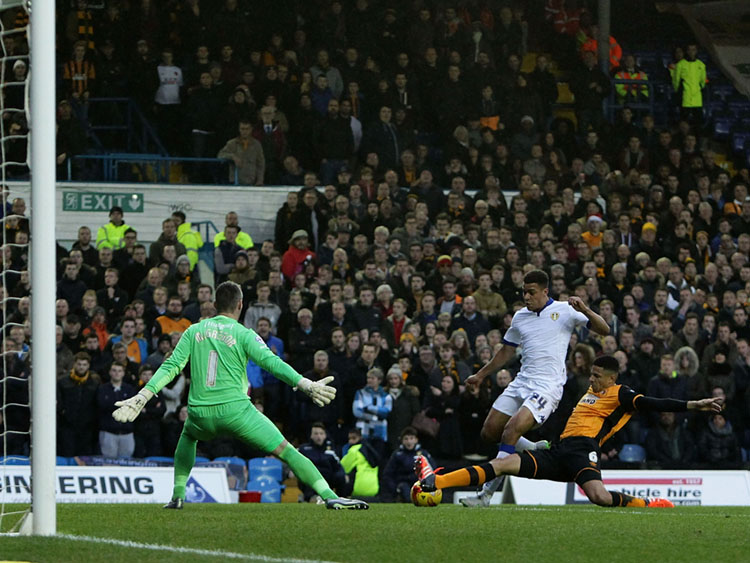
Fig 7

A player took a shot at goal. Having the goal keeper, and the front goal posts in the frame, clearly illustrates that this is taking place at goal. © Daniel Smith / Getty Images.
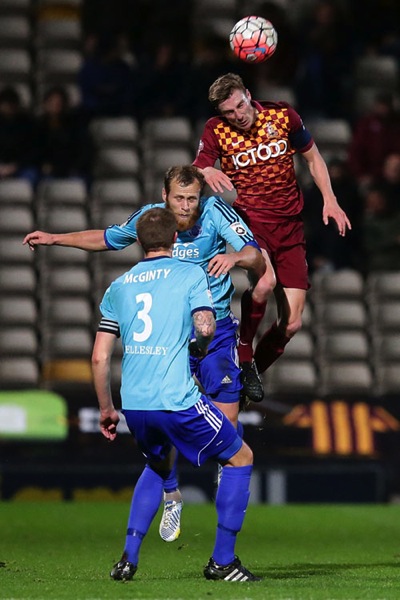
Fig 9

Players heading the ball. Getting the ball close to their heads is key with these types of images. If the ball is too far away, it can get lost. Also, the players expressions are generally better when the ball has just hit their head! © Daniel Smith / Getty Images.

The crowd – If the game you’re covering has a lot of supporters, don’t forget to get some shots of them, too, they can add some great atmosphere. Look for emotions on their faces; maybe they’re excited as their team just scored a goal, or they may be very quiet as their team is about to lose. The crowd is a great place for emotions.

Conclusion

Football (soccer) can be a very rewarding sport to photograph. As with any sport, the more you understand about the game, the more you know where to look for action, and will be able to follow it easier. However, if you’re not all that familiar with football (I’m not an expert on it by any meaning of the word) practice makes perfect.

One thing I would suggest is if you are planning on heading down to your local club to photograph a game, as a courtesy ask any match officials or club president if they are okay with you doing so. They will appreciate it, and it will make it easier for future photographers. Happy shooting!

googletag.cmd.push(function() {
tablet_slots.push( googletag.defineSlot( “/1005424/_dPSv4_tab-all-article-bottom_(300×250)”, [300, 250], “pb-ad-78623” ).addService( googletag.pubads() ) ); } );

googletag.cmd.push(function() {
mobile_slots.push( googletag.defineSlot( “/1005424/_dPSv4_mob-all-article-bottom_(300×250)”, [300, 250], “pb-ad-78158” ).addService( googletag.pubads() ) ); } );

The post Tips for Photographing Football (Soccer) by Daniel Smith appeared first on Digital Photography School.


Digital Photography School
 
Comments Off on Tips for Photographing Football (Soccer)

Posted in Photography


Can a Sony RX10 II keep up with a Nikon D5500 on the soccer field?

17 Sep

The RX10 II is an extremely versatile camera and so far, it has impressed us with its ability to perform well in most scenarios. But what about sports photography? We decided to bring it to the soccer field and pit it against a DSLR to see if it could keep up. The results? Find out here


Articles: Digital Photography Review (dpreview.com)

 
Comments Off on Can a Sony RX10 II keep up with a Nikon D5500 on the soccer field?

Posted in Uncategorized


Get A Kick: Photograph Soccer!

22 Jun
I moved out to the sideline for this shot.  Right around the 18 yard line is a great place to stand and turn back to the goal for the action there. Canon EOS-1D X, EF 200-400 f/4L IS Extender 1.4X. 1/1000, f/5.6, ISO 800.

I moved out to the sideline for this shot. Right around the 18 yard line is a great place to stand and turn back to the goal for the action there. Canon EOS-1D X, EF 200-400 f/4L IS Extender 1.4X. 1/1000, f/5.6, ISO 800.

I spent a good portion of my career photographing sports, from children all the way up through the pros. One of the most challenging sports to photograph was soccer (football or futbol if you’re outside North America).  I’ve had colleagues liken it to “photographing a moving tree in a moving forest” because you’re focused on one player, while other players are moving across the frame between you and the subject all the time.  It takes patience and some knowledge of the game to be really good at photographing it.

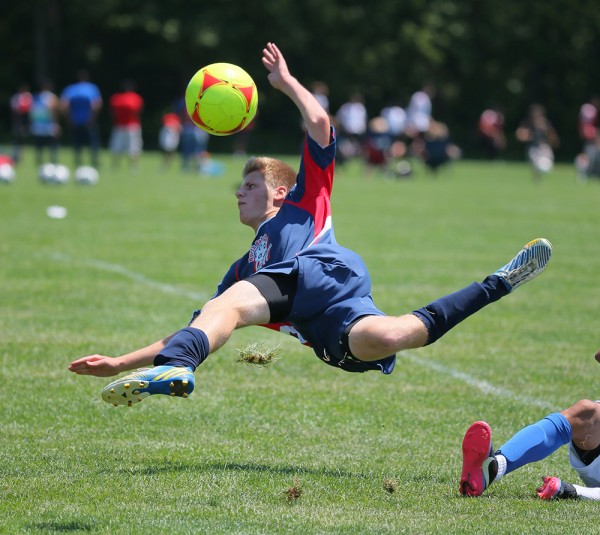
This shot was part of a sequence that started with this player making a run with the ball. A few frames prior to this, he was tripped and went airborne along with the ball. I never would have had this frame if I wasn't shooting at 12 fps. Canon EOS-1D X, EF 200-400 f/4L IS Extender 1.4x. 1/1600, f/5.6, ISO 800.

This shot was part of a sequence that started with this player making a run with the ball. A few frames prior to this, he was tripped and went airborne along with the ball. I never would have had this frame if I wasn’t shooting at 12 fps. Canon EOS-1D X, EF 200-400 f/4L IS Extender 1.4x. 1/1600, f/5.6, ISO 800.

From behind the end line, you can often capture two players fighting for position on the ball. Canon EOS-1D X, EF 200-400 f/4L IS Extender 1.4x. 1/1000, f/5.6, ISO 400.

From behind the end line, you can often capture two players fighting for position on the ball. Canon EOS-1D X, EF 200-400 f/4L IS Extender 1.4x. 1/1000, f/5.6, ISO 400.

Soccer is a fast-moving sport and thus requires your camera to be set a certain way.  I shoot most of my action using Aperture Priority, with the aperture set around f/4 or f/5.6. I want a pretty shallow depth of field so the athletes pop off the background, and so that background objects don’t distract from the subjects.  I then set the ISO to be sure I get a fast enough shutter speed to freeze the action. Generally this means 1/500 minimum.  Faster if you’re using a lens longer the 500mm.   I set my camera’s autofocus system to AI Servo or Continuous (dependent on the brand of camera you use- it means the same thing).  AI Servo or continuous simply means that your camera will focus on the subject and continue to track the subject as it moves towards or away from the camera. Finally, I set my camera’s drive to continuous so that I simply have to press and hold the shutter button to take multiple images. This enables me to take an entire sequence of action, meaning I won’t miss peak action by taking only one shot, or more importantly, I’ll get multiple images to choose from of the play to be sure I get the best shot out of the action.  Note that some cameras have multiple continuous settings, such as continuous low or continuous hi. I suggest getting as many shots as possible and using continuous hi, if you have a choice. For instance, the images accompanying this article were taken using an EOS-1D X, with the drive set to Continuous Hi, which is 12 frames per second.  Realistically, faster is better, but even a consumer camera firing at 4 frames per second can produce outstanding results.

Unfortunately, soccer is a sport that screams for long glass on your camera. The fields are so large, and the game so spread out, that putting anything less than a 300mm lens on the camera will leave you missing a lot of shots. Truth be told, a 500mm lens is ideal.   I found a lens such as Canon’s EF 200-400 f/4L IS Extender 1.4x to be a great combination as I could zoom in and out and cover things close to me at 200mm, and zoom all the way in when the action moved away. Nikon makes a similar lens, without the 1.4x extender built in.  For more cost-conscious options, lenses such as Canon’s 100-400mm or the many 70-300mm lenses on the market are also good choices.

When on the field, or pitch as the rest of the world calls it, I have several places I like to stand.  My favorite place is behind the end line, to the side of the goal. This allows me an angle on the goalie when he comes out to make a play, but also gets action coming more or less right at me.  I find it much easier to photograph players running towards me, rather than to try and pan with action moving parallel to me.  When the action is coming to me, I don’t have to work to keep the AF point on the athletes. When I have to pan with the athletes, there’s always the chance I move too fast or too slow and the AF point loses focus.

I find the combination of speed and physicality to make soccer incredibly rewarding. I love capturing the players fighting for the ball, fighting for position.  I love capturing the emotion as they score a goal, or the dejection of losing a big game. Spending an afternoon at a soccer game provides a ton of great opportunities, so go take advantage of them!

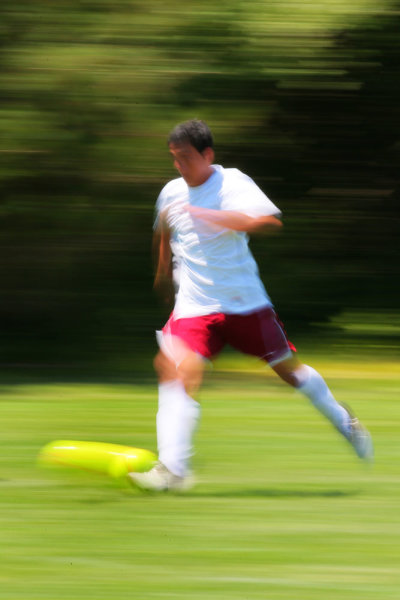
Occasionally, I'll try something a little different.  I had a lot of standard action from this game, so I decided to switch it up a bit and try some panning. The darker backgrounds lent themselves perfectly to this.  Canon EOS-1D X, EF 200-400 f/4L IS Extender 1.4x.  1/10, f/36, ISO 100.

Occasionally, I’ll try something a little different. I had a lot of standard action from this game, so I decided to switch it up a bit and try some panning. The darker backgrounds lent themselves perfectly to this. Canon EOS-1D X, EF 200-400 f/4L IS Extender 1.4x. 1/10, f/36, ISO 100.

Post originally from: Digital Photography Tips.

Check out our more Photography Tips at Photography Tips for Beginners, Portrait Photography Tips and Wedding Photography Tips.

Get A Kick: Photograph Soccer!


Digital Photography School
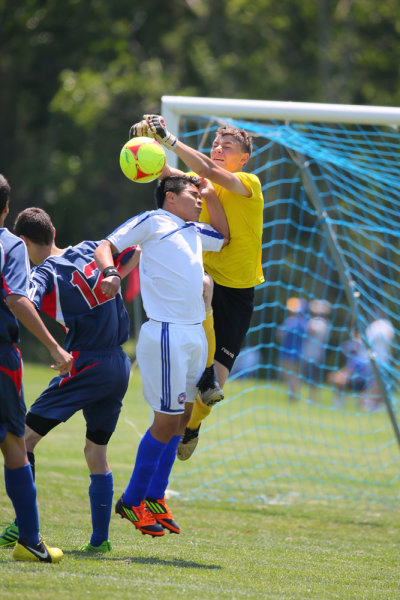
 
Comments Off on Get A Kick: Photograph Soccer!

Posted in Photography


Pro Evolution Soccer 2012 for Android on Samsung Galaxy S i9000 High Definion 720p

15 Feb

Pro Evolution Soccer 2012 for Android on Samsung Galaxy S i9000 PES2012 gameplay, video taken on Nikon D7000 + Nikkor 35mm 1,8 G 720p HD video Samsung Galaxy S i9000 – android 2.3.5 custom ROM – 1GHz processor 4″ Super Amoled display
Video Rating: 4 / 5