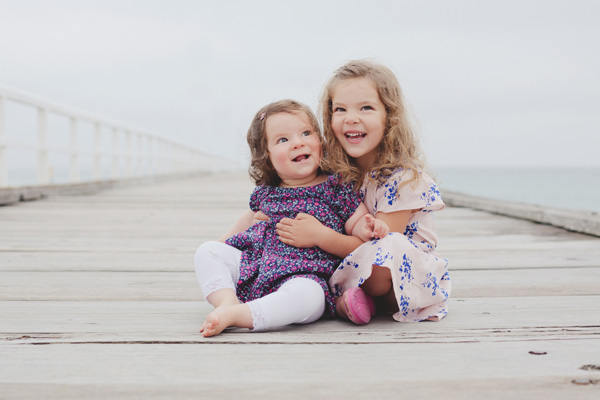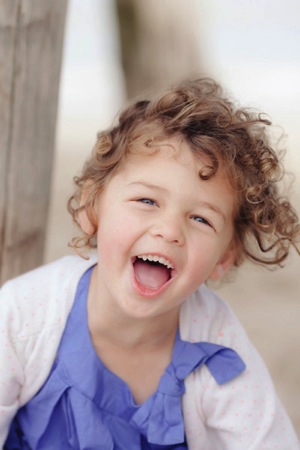
RSS
 

Posts Tagged ‘Smiles’

Ways to Get Amazing Smiles from Your Subjects

24 May

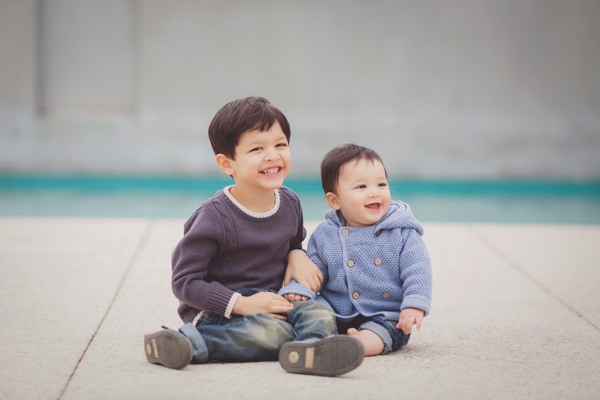
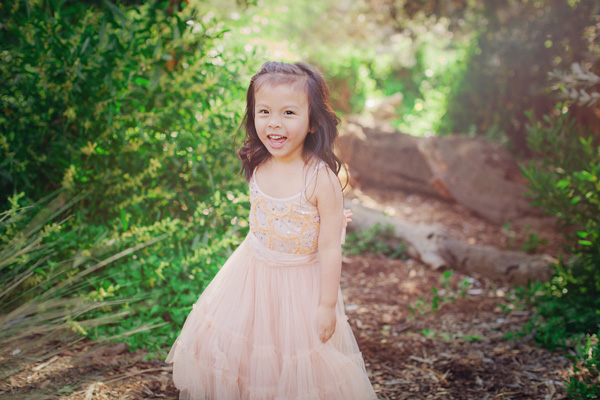
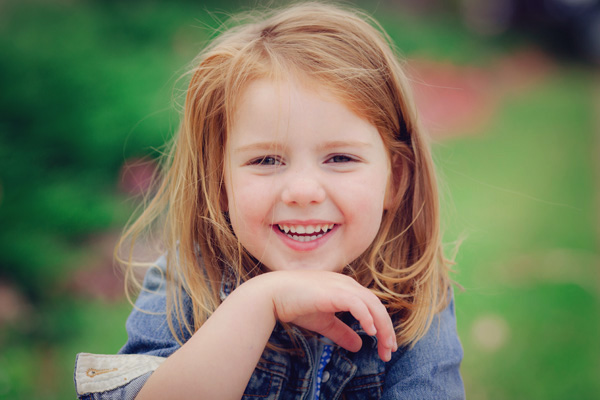
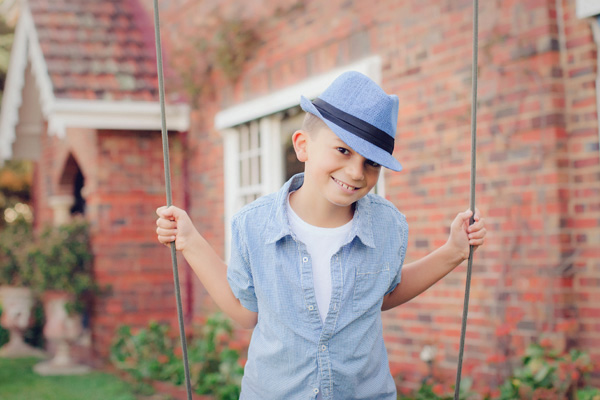
Photographing people is a deceptively simple process these days. It seems with the wide availability of high-quality photo equipment and digital editing software that every Tom, Dick, and Harry is now a professional photographer. The reality is that true pros know technical knowledge is not the only thing that sets them apart from the amateurs. Connecting with your subject when Continue Reading

The post Ways to Get Amazing Smiles from Your Subjects appeared first on Photodoto.


Photodoto

 
Comments Off on Ways to Get Amazing Smiles from Your Subjects

Posted in Photography


Ways to Get Amazing Smiles from Your Subjects

17 May

Photographing people is a deceptively simple process these days. It seems with the wide availability of high-quality photo equipment and digital editing software that every Tom, Dick, and Harry is now a professional photographer. The reality is that true pros know technical knowledge is not the only thing that sets them apart from the amateurs. Connecting with your subject when Continue Reading

The post Ways to Get Amazing Smiles from Your Subjects appeared first on Photodoto.


Photodoto

 
Comments Off on Ways to Get Amazing Smiles from Your Subjects

Posted in Photography


How to Avoid Fake Smiles in Your People Photography

03 Feb

DPSarticledee_cover750

A genuine smile is one of the most attractive expressions of the human face, and as photographers, we love them because they brighten up our pictures with warmth, and create connection.

When you look at it on a body language level, you discover that a genuine smile informs others that we are:

  • A friend, not a foe
  • Happy
  • In a good place mentally.

It’s a universal safety and happiness cue that we recognize on an instinctive level. It draws people in, and creates a sense of positive connection with the person in your image.

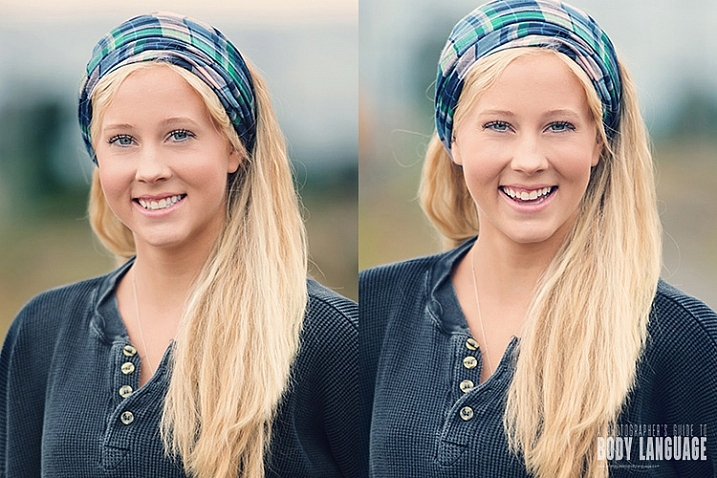
I’ve been talking so far about a genuine smile, because a smile can also be deceiving. We humans have developed the ability to fake smile when we want to pretend that we’re happy or friendly, even when we’re not… and this happens a lot in front of the camera.
DPSarticledee_danimontage_750

Let’s face it, standing in front of a lens is not the most happiness inducing moment in most of our lives. To many people, this is actually really uncomfortable, but yet you are asking them to smile, which often ends up looking tense and fake.

What a fake or tense smile says about the person in the image, is that they are not being honest, that they are uncomfortable, or even submissive.

People will fake a smile to appease others, when:

  • They are nervous or uncomfortable
  • Showing submission
  • Being polite (when someone cracks a really bad joke for example)

No matter the reason, a fake smile will give off a low-power impression of the person in the image.

So what’s the difference between genuine and a fake smile?

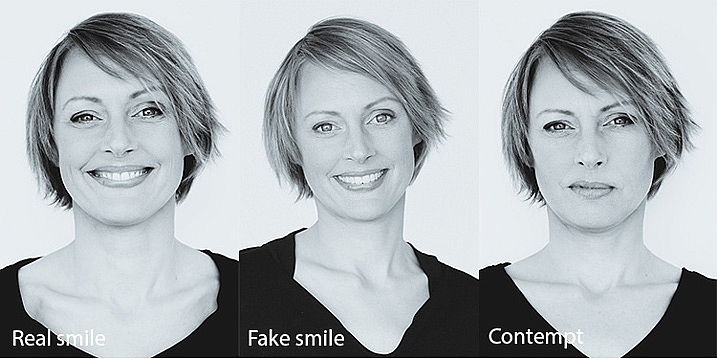
  • A genuine smile is visible mainly in the eyes. Smiling eyes are relaxed, with raised cheeks, and a nice tension appearing on the side of the eyes. The mouth can be anywhere from slightly raised or wide open, but it’s the eye action (not the mouth) that communicates the honesty of a smile.
  • A fake smile on the other hand, will have no, or very little, eye engagement. The mouth smile can still be very wide, but you will not see any action in the upper cheek and eye areas. It looks more like a grin, than a smile.
  • The expression of contempt is often mistaken for a smile. The most obvious sign of disdain is a one sided smile, with the lip slightly pulled up.
DPSarticledee_smilesmontage_750b

How to get a real smile? Don’t say cheese!

As a portrait photographer, your job is not only to make a beautiful image, but also to be the director of the shoot, helping your subject relax into the right emotion. If your subject is uncomfortable, you’ll most certainly end up with a fake smile or worse, an expression of contempt, and lose the warmth and honesty that comes from a genuine smile.

It has become a habit for many photographers to shout out, “Say cheese!!!” to get someone to smile in front of the camera. But this method usually ends up with embarrassed grins, or fake smiles, instead of genuine ones.

So what should you do instead?

It’s impossible to fake a feeling (unless you’re a sociopath) and the only way you can get your subject to genuinely smile is to help them connect with a real feeling of happiness. Asking them to think of something, or someone, they love allows them to connect with a genuine feeling of happiness, and you’ll see their cheeks raise and create a beautiful honest smile within seconds. As soon as you see it, let them know so they can feel it for themselves, and reproduce it. I ask my clients to give me a keyword for what they just felt and I use that for the rest of the shoot.

If they can’t think of anything, you can tell them a funny story, or a joke, and that can work really well, but can be a two edged sword if the joke falls flat and makes the situation very awkward instead.

Smiles are also a very useful barometer of your clients comfort level. If they can’t seem to relax and connect with a happy thought, it’s a good time to check your own body language and see if you are sending off stress, or discomfort, cues that they are mirroring back to you.

Differences between men and women
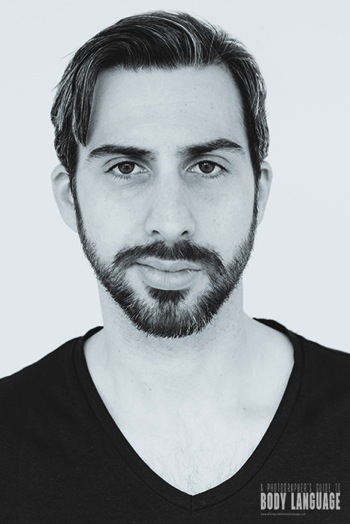
DPSarticledee contemptmale

Contempt

DPSarticledee femalesmilerapport

Genuine smile

Smiling is recognized universally as a sign of happiness and safety, by both women and men, but there are a few differences:

  • For women, smiling is a way of creating rapport and a sign of appeasement, but to men a smile can come across as submissive.
  • Men smile less often, and less widely than women.
  • Women are attracted more to photos of men smiling, but men prefer more serious photos of other men.

When coaching your client on the image selection, it’s important to know the usage they are going to make of their photos. A man needing a photo for a dating website would probably have more success with a smiling photo than a serious one. But if he’s looking for a job in a male dominated workplace, then he’d probably be better off choosing a more serious one for his LinkedIn profile.
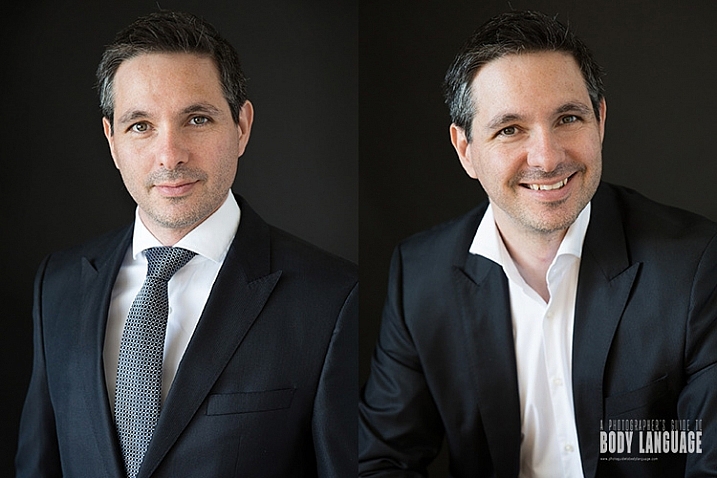
DPSarticledee_rehmontage_750

I hope you have found these tips useful and I look forward to hearing about your own experiences with genuine and fake smiles. Please leave your comments below.

googletag.cmd.push(function() {
tablet_slots.push( googletag.defineSlot( “/1005424/_dPSv4_tab-all-article-bottom_(300×250)”, [300, 250], “pb-ad-78623” ).addService( googletag.pubads() ) ); } );

googletag.cmd.push(function() {
mobile_slots.push( googletag.defineSlot( “/1005424/_dPSv4_mob-all-article-bottom_(300×250)”, [300, 250], “pb-ad-78158” ).addService( googletag.pubads() ) ); } );

The post How to Avoid Fake Smiles in Your People Photography by Dee Libine appeared first on Digital Photography School.


Digital Photography School
 
Comments Off on How to Avoid Fake Smiles in Your People Photography

Posted in Photography


How to Get More Natural Smiles in Child Photography

05 Mar

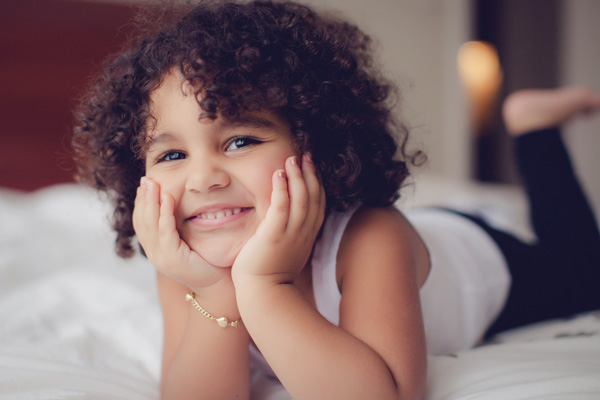
A natural smile – the holy grail of child photography.

Angie baxter 001

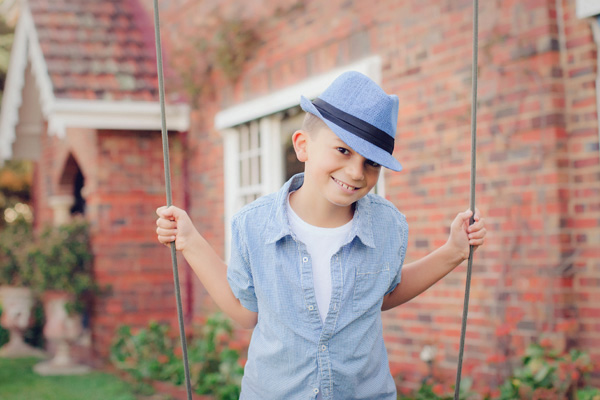
A genuine, heartfelt smile is more than just turning up the corners of the mouth. A real smile radiates from your whole face, and particularly for children, is often felt with the whole body. Not only is a forced and fake smile easy to spot in photographs – we know that wearing a fake smile and having it photographed doesn’t feel too good at the time, and it doesn’t feel great for children either.

So while we want to photograph a child’s beautiful smile, we also want them to enjoy the process of being photographed. And as the photographers, we want to have a good time photographing them too.

Angie baxter 004 1

There is so much to discover with children – all their favourites, their take on issues big and small, how they feel about themselves, their family and this funny old world. Children are cheeky, fun, creative, enthusiastic and curious – they are also clever and can tell when someone is not genuinely interested. So make sure your heart and intention is in the right place.

If your small subject is feeling uncomfortable it will be impossible to garner a sincere smile. Placing emphasis on creating an honest connection with children so they feel at ease will lead to them sharing their best selves – most of the time.

Angie baxter 006

Following are four conversations that I love to have with kids that always result in joyous laughter and real smiles.

#1 Discovering their favourite toy or character

Favourite toys and security items are often important for small children. If your subject has a special toy (i.e. “Bunny”), I will use that as part of our conversation.

  • Does Bunny have a mouth?
  • Does Bunny have a belly button?
  • I wonder where Bunny sleeps. Does she sleep in this shoe? (holding up their shoe)
  • Hmm, does she sleep in the fridge?
  • I know, she must sleep in bed with Mummy and Daddy?

Angie baxter 005 1

or alternatively, Buzz Lightyear may be their favourite character.

  • Does Buzz Lightyear have Weetabix for breakfast?
  • Does Buzz go to school?
  • Does Daddy have Buzz Lightyear underpants?

Closed-ended questions are great for this age group so they don’t have to think too hard and can just nod or shake their head, and smile and giggle along.

#2 Animals

Angie baxter 003 1

Animals are something kids can easily relate to. I like to make the questions silly and fun.

  • If you could have any animal as a pet, what would it be?
  • What are all the things you know about this animal?
  • What would be a good name for this pet?
  • If you had a pet donkey, what would you name him?

I play around with lots of animals for that last question – if you had a pet giraffe, or caterpillar, or hippopotamus. Choosing animals that are not usual pets.

#3 When you grow up

Angie baxter 004 1

Conversations about jobs, growing up, and the work their parents do always get good reactions. Your questions can be light-hearted or more serious, depending on the child’s age and personality.

For the more carefree child, I might start with:

  • When you grow up would you rather be a ballerina or a princess? (for boys)
  • When you grow up would you rather be a mum or a dad? (for girls)
  • When you grow up would rather be a frog or a snake?

Angie baxter 007

For an older, more serious child you can ask things like:

  • Who has the best job in the world?
  • What job would be the most boring job?
  • What does Dad do when he gets to work?
  • When you grow up, would you rather be a chef or a dancer? Or, a builder or a truck driver?

It can be easier for kids if you give them an either/or question rather than just saying, “What do you want to be when you grow up?” Asking kids to think of a detailed answer on the spot can be a bit difficult for them.

#4 Family rules

Angie baxter 008 Angie baxter 009 1

This is also a really fun conversation topic – particularly for the parents who are listening in.

  • If you were in charge of your family, where would you eat dinner every night?
  • If you had to set the bedtime, what time would you go to bed?
  • If you had to choose the family breakfast, what would you have?
  • Who is the boss of your family?”

When photographing children, take your time and enjoy being with them. The time spent before you even pick up your camera is invaluable to gauge their personality – are they outgoing, reserved, tired, hyperactive, shy, giggly? Make intuitive decisions as to which conversation style will work best for each child. This gets easier with experience, so spend as much time with children as you can ,and fun conversations with them will soon become effortless.

googletag.cmd.push(function() {
tablet_slots.push( googletag.defineSlot( “/1005424/_dPSv4_tab-all-article-bottom_(300×250)”, [300, 250], “pb-ad-78623” ).addService( googletag.pubads() ) ); } );

googletag.cmd.push(function() {
mobile_slots.push( googletag.defineSlot( “/1005424/_dPSv4_mob-all-article-bottom_(300×250)”, [300, 250], “pb-ad-78158” ).addService( googletag.pubads() ) ); } );

The post How to Get More Natural Smiles in Child Photography by Angie Baxter appeared first on Digital Photography School.


Digital Photography School
 
Comments Off on How to Get More Natural Smiles in Child Photography

Posted in Photography


[ Beautiful smiles ] Harajuku, Tokyo, Japan

23 Jan

Some cool visual art images:

[ Beautiful smiles ] Harajuku, Tokyo, Japan
visual art
Image by || UggBoy?UggGirl || PHOTO || WORLD || TRAVEL ||
Harajuku (?? "meadow lodging") is the common name for the area around Harajuku Station on the Yamanote Line in the Shibuya ward of Tokyo, Japan.

Every Sunday, young people dressed in a variety of styles including gothic lolita, visual kei, and decora, as well as cosplayers spend the day in Harajuku socializing. The fashion styles of these youths rarely conform to one particular style and are usually a mesh of many. Most young people gather on Jingu Bridge, which is a pedestrian bridge that connects Harajuku to the neighboring Meiji Shrine area.

Harajuku is also a fashion capital of the world, renowned for its unique street fashion. Harajuku street style is promoted in Japanese and international publications such as Kera, Tune, Gothic & Lolita Bible and Fruits. Many prominent designers and fashion ideas have sprung from Harajuku and incorporated themselves into other fashions throughout the world.

Harajuku is also a large shopping district that includes international brands, its own brands, and shops selling clothes young people can afford.

MORE INFOS : EXPLORE MORE : SOAR AND SMILE:
WIKIPEDIA = IT’S HARAJUKU

Intense blue
visual art
Image by -hndrk-
TodaysArt Festival 2007 The Hague
(TRIPTYCH of United Visual Artists)
View On White

The Mirror Log: Day 12 – DSC_1540
visual art
Image by Fabrice de Nola
Description: Fabrice de Nola The Mirror (detail), acrylic and oil on canvas, cm 100 x 120.
Date: July 1st, 2011.

Note: on left side of image the QR code link to the Letter from a Fukushima mother.
The right QR code link to Backyard World, a website that posts news, analysis, images, videos, and other references about the Fukushima Daiichi nuclear crisis.

From July 1st to September 4th, 2011, the painting was exhibited at the Riso Contemporary Art Museum, Palermo, Italy.

Cite as: Fabrice de Nola, 2011. The Mirror (detail).

Fabrice de Nola is an Italian-Belgian visual artist. He was the first artist in the world to create works of art, in 2006, using painted QR codes containg web links and texts readable through mobiles.
??????????? ??????????????2006?????????????????????????

Join me on Facebook
Follow me on Twitter

 
Comments Off on [ Beautiful smiles ] Harajuku, Tokyo, Japan

Posted in Photographs


Digital Portrait Photography – Want Bigger Smiles? Take Photos When Teeth Should be Whitest

30 Oct

If you want people to have the confidence to show their teeth when smiling, take simple steps to ensure peoples’ teeth will be their whitest.

When shooting digital portraits, one of the trickiest tasks you may have as a photographer is to encourage everyone to smile. Very few people have perfect teeth, and most of us are conscious about our looks.

While a dentist and professional tooth-whitening system could help improve peoples’ overall smiles, the following common-sense suggestions may help you get better reactions when you yell “CHEESE!”:…

Read more at MalekTips.
New Computer and Technology Help and Tips – MalekTips.Com

 
Comments Off on Digital Portrait Photography – Want Bigger Smiles? Take Photos When Teeth Should be Whitest

Posted in Technology