RSS
 

Posts Tagged ‘Seasons’

5 Tips for Capturing Nature Across Different Seasons

23 Nov

Taking photographs of nature can be an incredibly rewarding experience. During the year the change in seasons provides you with wonderful photo opportunities to capture the variety of nature subjects on offer. Here are some tips for capturing nature across the different seasons.

Lavendar, Provence, France

1) Shoot The Same Location in Different Seasons

You may have a favorite location that you like to visit. For example, it could be a local woodland, a landscape or a place of interest you enjoy visiting during a holiday. When visiting there, you may find the scenery looks unique at different times of the year. The changing seasons mean the conditions may vary dramatically from one period to the next. Snowfall in winter makes way for spring flowers and lush green vegetation in the summer, which can have a significant effect on the look and feel of your image.

Frosty sunrise, Kings Sutton, Oxfordshire, England

Frosty sunrise, Kings Sutton, Oxfordshire, England

A blanket of snow or frost transforms the landscape, giving the most mundane subjects, such as your favorite tree, some magical appeal. While winter provides a striking and crisp scene, spring’s greens and blues can give a more vibrant and colorful image. I recommend you return to your favorite place, observe the scene during a few different seasons and capture the seasonal changes.

2) Shoot More Sunrises and Sunsets in Winter

One significant advantage of photographing nature during winter is that sunrise and sunset times are more favorable than in summer. Many people prefer to spend the colder months of the winter season indoors. However, this is a great time to head outdoors while the days are shorter and timings are better than the rest of the year. Later sunrises allow you more sleeping time, and earlier sunsets mean you do not have to wait around for hours to capture it.

3) Capture the Season of Changing Colours

Autumn is a magical season to be out with the camera and is the favored time of year for many landscape photographers. The season brings a fantastic variety of warm and vivid colors. You can capture a variety of subjects during the fall from woodlands to foliage and wildlife.

Consider the light and decide what you want to capture. You could zoom in on the leaves, or find a striking scene that is well lit. You can also shoot into the sun and work with backlight to create a dynamic image.

4) Capture the Changing Light

The Black Mountains, Brecon Beacons

Dramatic lighting and changes in weather occur at any time of the year. Striking storm clouds replace sunny spells in an instant providing fantastic subjects for your nature photography. I find that during the summer months, storms can be very dramatic and give great moments of fleeting light. Passing rains can give way to radiant glows and if you are lucky – beautiful rainbows. I captured this scene in June while out walking. The change in light that occurred as the sun re-emerged after a considerable downpour was wonderfully atmospheric.

I recommend capturing the change in light during autumn and winter seasons too, as the sun stays lower in the sky compared to the summer. Thus, providing longer shadows with which to play. The height of the sun can make an image look very different in the winter compared to the summer. In winter the sun strikes the scene from a lower angle making the overall composition and lighting unique.

5) Capture the Seasons in All Weather

Come rain or shine you should go out with your camera to capture the various seasons during all weather conditions. Don’t be discouraged from venturing out with your camera if it’s raining outside or the skies are grey and leaden. There may be breaks in the weather, and the rain eventually stops. Mist can often form after periods of rain making an attractive scene to photograph.

Misty landscape, Northern Ireland

If the rain is persistent, think of other ways to photograph the adverse weather. Photographing abstract scenes, water droplets, and close-ups of flowers or fresh water on lush landscapes can work. Waterfalls look good with overcast skies, and additional rainfall adds beauty with more water.

Conclusion

In summary, capturing nature in different seasons can be very enjoyable at any time of the year. Photograph your favorite place in changing seasons, take advantage of early winter sunsets and capture the changing light in all weathers.

Whatever Mother Nature serves you next, get out there and capture the fantastic changes in our beautiful world in all its seasons. Once you do, please share your images with us below.

The post 5 Tips for Capturing Nature Across Different Seasons appeared first on Digital Photography School.


Digital Photography School

 
Comments Off on 5 Tips for Capturing Nature Across Different Seasons

Posted in Photography


Season’s Greetings from DPReview.com

26 Dec

As DPReview celebrates its nineteenth anniversary, I’d like to wish each and every one of our visitors a very Merry Christmas (something I couldn’t have said last year, apparently) from all of us here in sunny Seattle, and to thank DPR’s amazing staff and contributors for all their hard work over the last twelve months.

In many ways 2017 has been another challenging year for the photo industry, with sales of cameras and lenses still sluggish and flagship phones from Apple and Samsung proving that if you put enough clever tricks in the image processing pipeline it’s possible to overcome many of the disadvantages inherent in such small sensors and to offer photo quality in a phone that is more than good enough for most casual users.

Of course, as Sony has shown recently with its Alpha and RX cameras, there’s still plenty of room for innovation in the traditional camera market, and – as I say pretty much every year – there’s never been a better time to be an enthusiast photographer. There may be fewer cameras launched every year, but anyone shopping for a new body, lens or premium compact is spoilt for choice, and there’s been an explosion of creativity in the accessory market, in part fueled by crowdfunding sites such as Kickstarter, giving us even more opportunities to feed our photography obsession.

DPReview had a very busy 2017 – we published over 2300 articles (the highest ever, and almost 70% higher than 2016), including 75+ product reviews, more than 100 standalone sample galleries, dozens of videos and a small number of our ever-popular ‘sponsored articles’ to help pay the bills.

All change

Meanwhile, our engineers were beavering away behind the scenes on new features you’ll see appearing on the site in 2018, and in early autumn we moved offices (just down the road, but moving is surprisingly disruptive when it involves disassembling and reassembling a studio and a custom testing lab).

Speaking of moving, after more than 13 years at DPReview.com (and over 20 years reviewing cameras), I decided in September that it was time for a new challenge. I stood down as DPReview’s Editor-in-Chief and General Manager on October 1st, and moved to the San Francisco Bay Area to take up a new role in Amazon’s hardware development organization (Lab126), working on future Amazon devices.

Yes indeed, for those of you who made it this far down the page, this year’s Christmas message is my last. I feel incredibly lucky to have been part of the story of DPReview and, in a broader sense, to have had such an amazing vantage point from which to watch and report on the biggest revolution in photography since the Box Brownie. I’m proud of the work I’ve done here, and of the part I’ve played in the evolution of the site from a simple news and reviews site with a slightly crazy forum into the DPReview.com we have today.

Along the way I’ve had the opportunity to work with some incredibly talented people, made some great friends and travelled the world shooting with pretty much every digital camera ever made. Since my first content was published here (the Canon S1 IS and HP Photosmart R707 reviews) in early 2004 I’ve personally produced about 115 reviews and thousands of news stories and articles, overseen almost 18,000 published pieces of content and taken just over 300,000 photos.

Special thanks must go to my good friend Phil Askey – not only for bringing me onto DPReview in the first place, but also for the most enjoyable and rewarding few years of work of my life, back when it was essentially just the two of us running one of the biggest websites in the world in the middle of the biggest boom in the camera industry in a generation.

Phil and Simon, always working hard.

Thanks also to all the staff, past and present, who have made DPR such a vibrant and authoritative source of information and inspiration, and to the numerous vendor representatives who have put up with me for all these years with constant patience and good grace. But most of all I want to thank you, the readers, because without you there’s literally no point to any of this. You are the purpose of this site, and the reason our standards have remained so high. I would like to offer a heartfelt thanks to all of you for your support and feedback over the years.

I’m confident I’m leaving DPReview in safe hands, both editorially and on the business side (watch out next week for more information on that), and I’m excited to see what the next generation of DPReview leadership brings to this resilient little corner of the internet in 2018 and beyond. All I can say is that I’m not going away entirely – I’m staying on as an associate editor (for as long as they’ll allow me), and I intend to still write occasional reviews and articles. But for now, all that’s left for me to say is so long (and thanks for all the fish).

SJ

Simon Joinson, former Editor-in-Chief and General Manager, DPReview.com

Articles: Digital Photography Review (dpreview.com)

 
Comments Off on Season’s Greetings from DPReview.com

Posted in Uncategorized


A Taste of Japan: Immersive Animated Restaurant Shifts with the Seasons

15 Apr

[ By SA Rogers in Art & Installation & Sound. ]

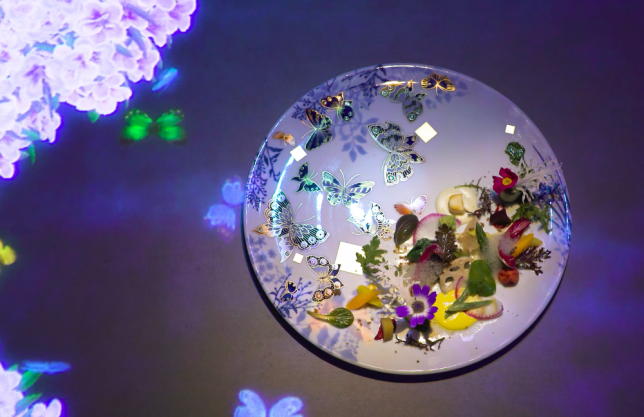
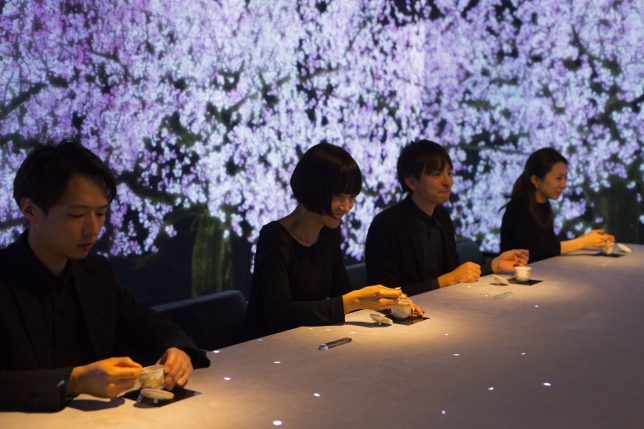
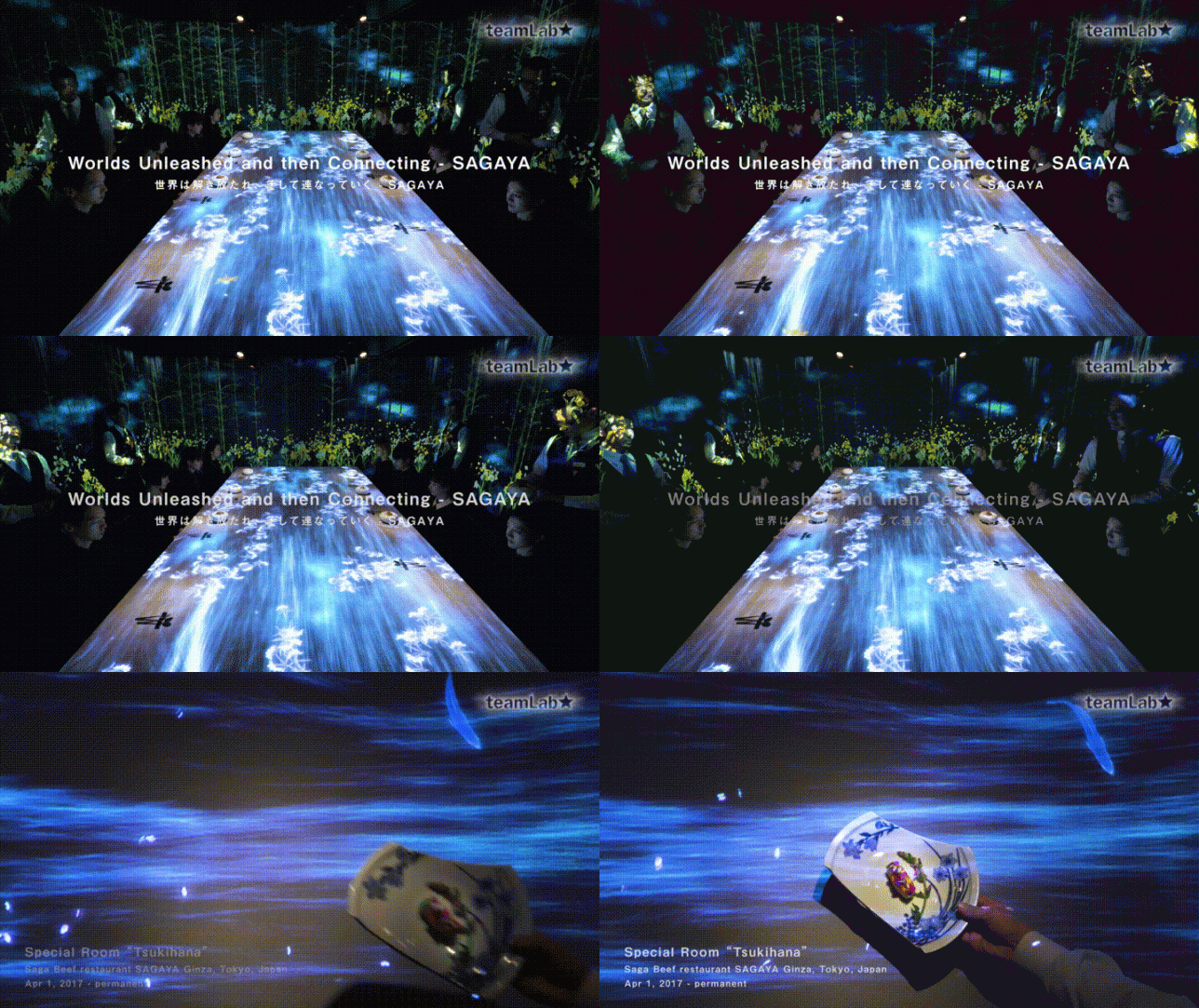
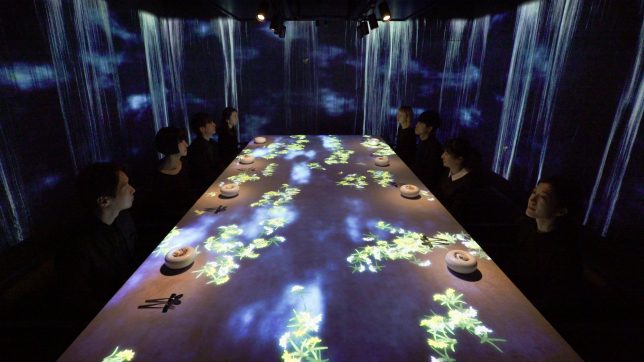
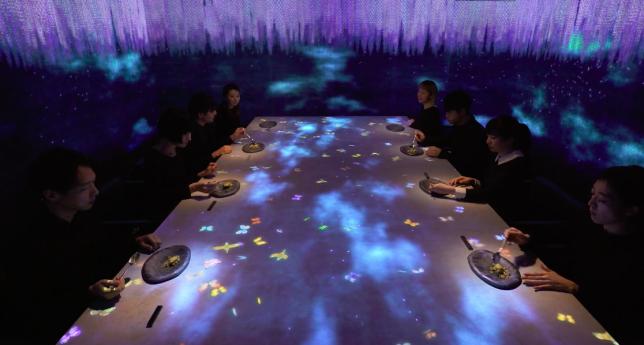
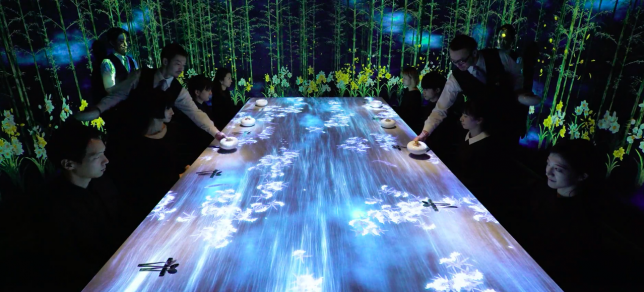
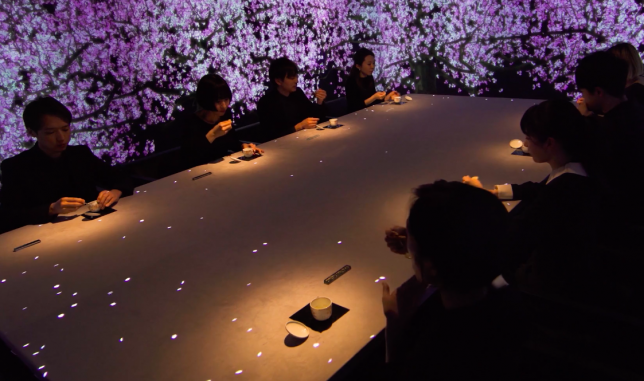
The exclusive experience of dining at this Tokyo restaurant, which serves just eight patrons a day, is not really about the food – though Saga Beef restaurant Sagaya-Ginza is not necessarily lacking in quality. It’s just that watching nature spring to life all around you, cycling through the seasons to represent some of Japan’s most striking natural beauty, tends to eclipse whatever’s on your plate. Art collective teamLab, known for their creative projection-based installations, created a multi-sensory immersive experience with ‘Worlds Unleashed and Then Connecting.’

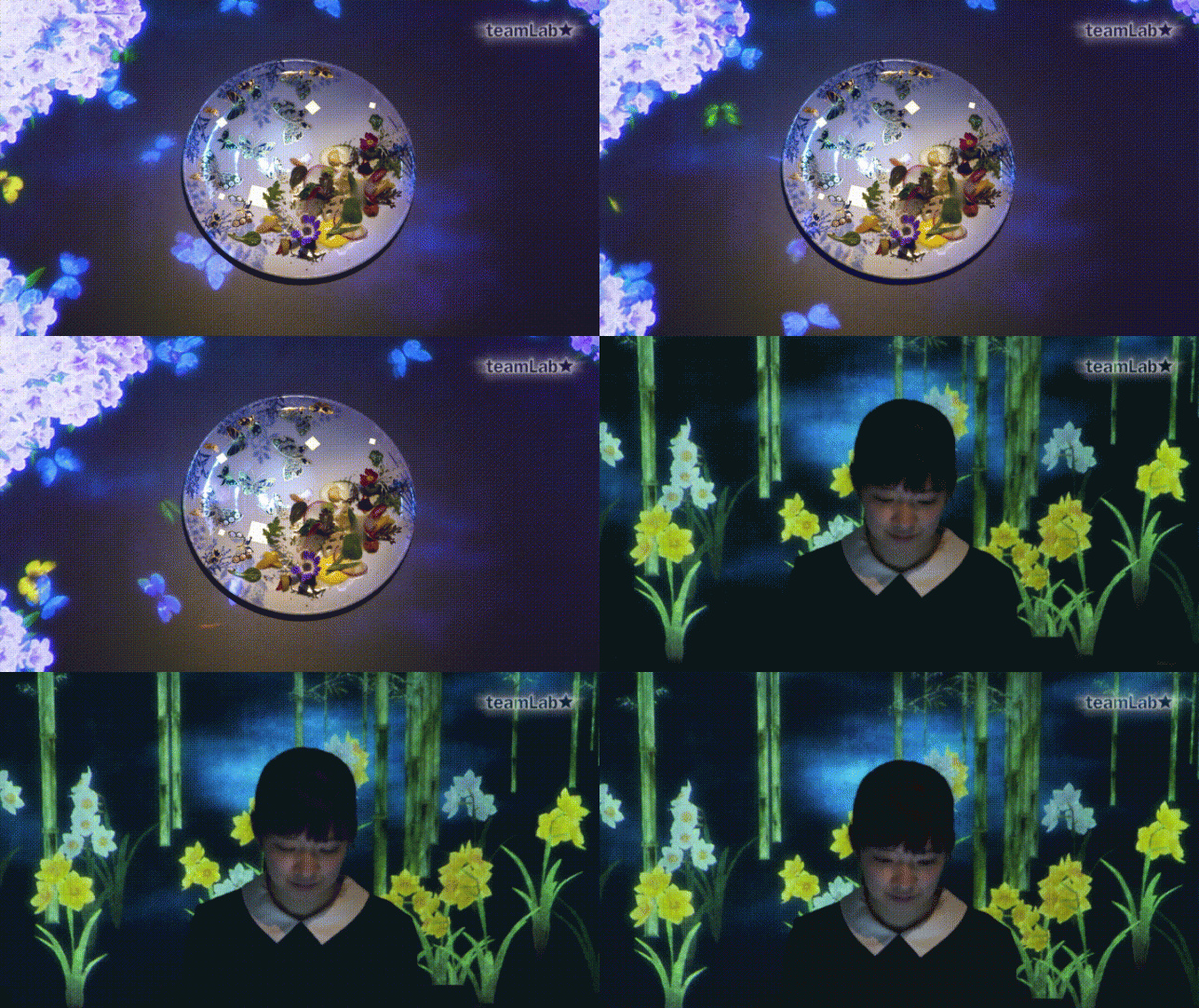
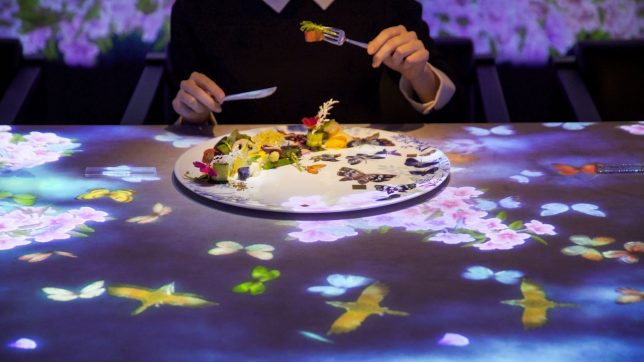
In classic teamLab form, this projection is not just immersive, but also interactive, responding to the dishes as they’re placed on the table as well as movements of the diners and servers. While other well-known works by the collective tend to unfold within a larger space, like a warehouse or gallery, this installation is private and intimate.

“When a dish is placed on the table, the world contained within the dish is unleashed, unfolding onto the table and into the surrounding space,” the artists explain. “The worlds unleashed from each dish connect in the external space creating a new larger world. The worlds unleashed are affected by the other dishes on the table.”

“For example, a bird unleashed from one dish can perch on the branch of a tree unleashed from another. The trees that grow from each dish are not identical; their sizes and shapes are affected by the worlds unleashed by the other dishes on the table. These unleashed worlds are also affected by your behavior. If you stand still, a tiny bird might alight on your hand; if you move suddenly, it might fly away. The worlds unleashed from the dishes on the table influence each other, react to the actions of the visitors, and combine to create one single continuous world. The world is constantly changing from moment to moment and no two moments are alike.”

Share on Facebook


[ By SA Rogers in Art & Installation & Sound. ]

[ WebUrbanist | Archives | Galleries | Privacy | TOS ]


WebUrbanist

 
Comments Off on A Taste of Japan: Immersive Animated Restaurant Shifts with the Seasons

Posted in Creativity


Stunning time-lapse captures the seasons of Norway

03 Feb

Norway is an amazing place and this time-lapse by Morten Rustad definitely does the region justice. Morten says that he travelled some 20,000km, took some 200,000 images, filling 20 terabytes worth of hard drive space to put this film together. Sit back, turn off the lights, crank the sound and definitely enjoy this one in HD.

To find out more about the film and how Morten went about putting it together please visit his website. 

Articles: Digital Photography Review (dpreview.com)

 
Comments Off on Stunning time-lapse captures the seasons of Norway

Posted in Uncategorized


Colorful 24-Hour & 365-Day Clocks Tell Time in Hues & Seasons

08 Jun

[ By WebUrbanist in Design & Furniture & Decor. ]

present time clock day night

A revolutionary desk and wall clock design overlays a time-telling dial on a gradient of colors balancing dawn, noon, dusk and midnight to show you the time passing as a function of 24 rather than simply 12 hours.

present wall clock device

present time seasons

This new clock, dubbed Today, is a followup project to The Present, another wall-mounted timepiece that traces the course of the year across all four seasons, likely tied to a color spectrum.

time perpsective

day at a glance

Creator Scott Thrift explains his design inspiration: “The creative adventure of producing, distributing, and giving talks about The Present gradually opened my mind to seeing time as a spectrum. Think of it this way: on one end of the ‘spectrum of time’ you have the standard clock that reveals every second of every minute of every hour at a glance.”

balancing timepieces

“On the opposite end of the spectrum we find The Present. As a balancing corrective between these two points on the “spectrum of time” is Today, a timepiece that reveals the entire day at a glance.”

wall mounted time piece

clever time piece

Of course, there is no limit to pushing boundaries when it comes to time tracking. Perhaps a clock that measures years of a life or a speedy timepiece that spins with every heartbeat will be next on the list for Thrift.

Share on Facebook


[ By WebUrbanist in Design & Furniture & Decor. ]

[ WebUrbanist | Archives | Galleries | Privacy | TOS ]


WebUrbanist

 
Comments Off on Colorful 24-Hour & 365-Day Clocks Tell Time in Hues & Seasons

Posted in Creativity


Landscape Photography – Shooting the Same Location Through the Seasons

06 Sep

2-for-1 special

As part of Landscape Photography Week here on dPS, we’re offering TWO for the price of ONE on our best-selling Living & Loving Landscape Photography ebooks!

Click here to take advantage of this offer.


Put up your hand if you like shooting landscape photography, and are always looking for new places – but only photograph them once, maybe twice, and then think you are done with that area.

I am guilty of the same thing. I go looking for places to photograph, take photos of them, and think I will go back but never do. Perhaps this is something we need to rethink.

Consider how the seasons affect landscapes and what changes happen throughout the year. In Australia the traditional owners of the land, or the indigenous people, have different seasons to the European ones, there are six of them. They are very descriptive of what happens, though the usual seasons of autumn, winter, spring, and summer can still provide lots of differences to give the same place different aspects.

Autumn

Put up your hand if you like shooting landscapes, are always looking for new places, but only photograph them once, maybe twice, and then think you are done with that area.  I am guilty of the same thing. I go looking for places to photograph, take photos of them, and think I will go back but never do. Perhaps this is something we need to rethink.  Consider how the seasons affect landscapes and what changes happen throughout the year. In Australia the traditional owners of the land, or the indigenous people, have different seasons to the European ones and there are six of them. They are very descriptive of what happens. Though the usual seasons of autumn, winter, spring and summer can still provide lots of differences to give the same place different aspects.  Autumn  The most obvious thing about autumn is the changing of the leaves. In some parts of the world, this happens a lot more and nearly all trees lose their leaves. In Australia it doesn’t happen so much and many of the native trees are evergreen and retain their leaves all year round. Having said that, there are also many introduced species that do, and in towns and some areas in the country you can find trees that have those beautiful, golden colors associated with autumn.  The changing of the leaves isn’t the only thing to look for. On billabongs, swamps and dams, you will often find low level mist creating wonderful moods. If you go out early in the morning, wait for the sun to rise and you can get some great effects from the sun rays as they hit the water.  There, sunrises are more interesting and sometimes there is a golden light that is associated with that time of morning that you can only see at that time of year. The golden hour that is normally associated with sunsets is there to give your landscape that rich color. It isn’t too cold in the mornings, but the weather is changing as winter approaches.  Before you go to bed check what the forecast will be the following day. What you are looking for is the weather to get worse, such as rain being forecast. In the morning before the sunrise take a look outside at the sky. If the sky is clear and there are no clouds, you won’t get that beautiful color that you get when the sun reflects off the clouds. If the sky is very grey, go back to bed, the change has already happened.  Winter  In winter the sun doesn’t go so high, so you can get long shadows all day. The shadows are softer and have a moist feel to them, especially in the morning when there is dew all over the ground. You can take photos at any time of the day and it is the best time of the year to photograph.  Frosts and fogs can give the landscape a completely different look, and heading out on a foggy morning can be well worth it. It is cold, but the images will make you glad you went. If you know it is going to be foggy or frosty in the morning you need to just head out, as you may not get many mornings with either of these. If you stay out long enough you might also be rewarded with an amazing sunny afternoon.  Stormy skies and rain can give another dimension to your images. Large storm clouds or grey skies can give a landscape a completely different look to when there are blue skies. Look for cloudy skies and breaks in the sun to give the scene in front of you a great effect.  Winter often means bare trees. Once the leaves have been stripped from them there are branches that can give your images interesting shapes and shadows. If you like photos with lots of mood, it is a perfect time to get it, especially if you get a great fog to go with them.  There is an array of colors that you don’t see at other times of the year. The dew in the early mornings makes everything wet which can bring out the colors and give you wonderful naturally saturated images.  Some of the most beautiful landscapes I have ever seen were taken when there is a blanket of snow. Unfortunately, in most places here, it never snows. If you live somewhere where it does, you should use it, brave the cold and just get out there and make the most of it.  Spring  The most obvious aspect of spring is flowers. It might be flowers in the garden, or wildflowers growing in their natural environment. Having them blooming in the landscape leaves no doubt that it is spring.  It is beginning to warm up as summer approaches, and, while the weather is getting better, there is also going to be lots of rain and more stormy skies as spring is often the wettest time of the year. You could try taking photos of your landscapes in the rain, it will give them a different look.  Spring is also the time that many baby animals are born, so you can see new life everywhere you look.  Waterfalls, creeks and rivers run faster and have more water in them as the snow melts. Go to your favorite waterfalls and see how the extra water adds more volume. You will get something quite different than you would if you photographing them at the end or the height of summer.  Summer  This can be the harshest season in Australia. It is dry and hot. Most of the grasses in the landscape die off, leaving brown grass everywhere. There is an absence of color and the landscape is very different to what you find in winter. The hot sun will also leach out all the color in what you see. A beautiful landscape that you get in other times of the year will look desaturated.  The light is harsh and hard. The sun is higher in the sky and the shadows are shorter. Going out to get nice pictures in the middle of the day is too hard, and often too hot. Though it shouldn’t stop you from trying. See what you can get and see if you can show that heat in the images. If you get those extreme days where the temperature is above 100°F then it won’t matter when you go, it will be horrible.  On a positive note, if you know the next day is going to be a scorcher, check for clouds and head out somewhere great for a landscape as you can be fairly certain that you will get the most magnificent sunset. You need clouds to get a great one and the more the better, but you don’t want overcast or you won’t see the setting sun. Don’t forget to hang around for an hour afterwards to get the best of it. Summer is the best time for those amazing sunsets, and over water means you get double.  In Australia it is very hot at that time of the year, but usually after a few days of intense heat it gets broken by a big thunder storm. You can head out, somewhere where you will be protected, and take some photos of the lightning and thunder clouds as they approach.  Using the Seasons for Your Photography  Think of your favorite places that are nearby, places you can get to easily. What are they like at different times of the year? How can you show those differences? It could give your photography a new focus, give it a try. I’ve been doing it for the last couple of years and it is amazing how you can get very different images from the same location.  If you have an area that you love photographing but feel as though you have exhausted it, consider documenting the change throughout the seasons with your camera.

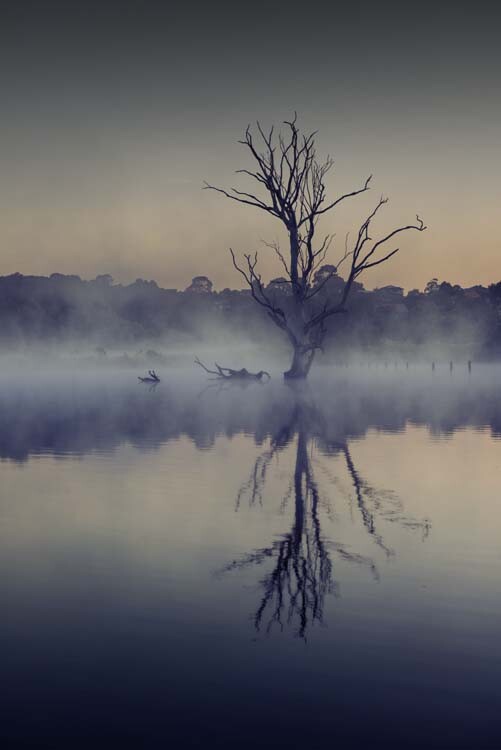
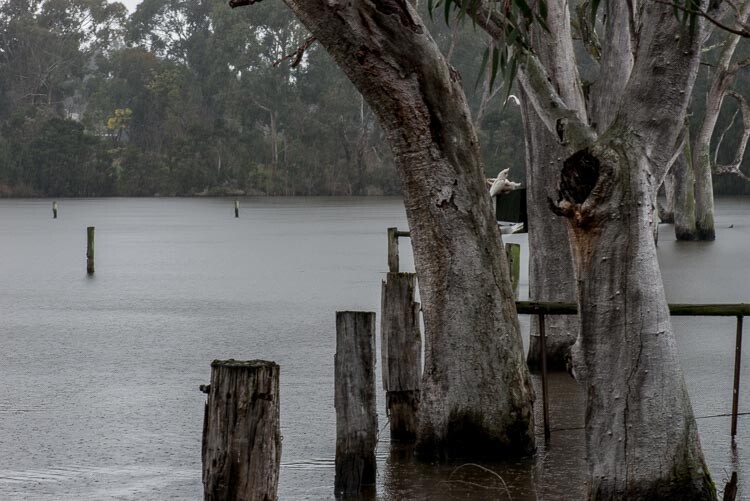
Autumn brings low mist over the water in Banyule Flats.

The most obvious thing about autumn is the changing of the leaves. In some parts of the world, this happens a lot more and nearly all trees lose their leaves. In Australia it doesn’t happen as much, and many of the native trees are evergreen which retain their leaves year round. Having said that, there are also many introduced species that do have color changing leaves, and in some towns and areas in the country you can find trees that have those beautiful, golden colors often associated with autumn.

The changing of the leaves isn’t the only thing to look for. On billabongs, swamps and dams, you will often find low level mist creating wonderful moods. If you go out early in the morning, and wait for the sun to rise, you can get some great effects from the sun rays as they hit the water.

In those types of locations, sunrises are more interesting and sometimes there is a golden light associated with that time of morning, that you can only see at that time of year. The golden hour that is normally associated with sunsets is there to give your landscape that rich color. It isn’t too cold in the mornings, but the weather is changing as winter approaches.

cole-landscape-photography-seasons-0009

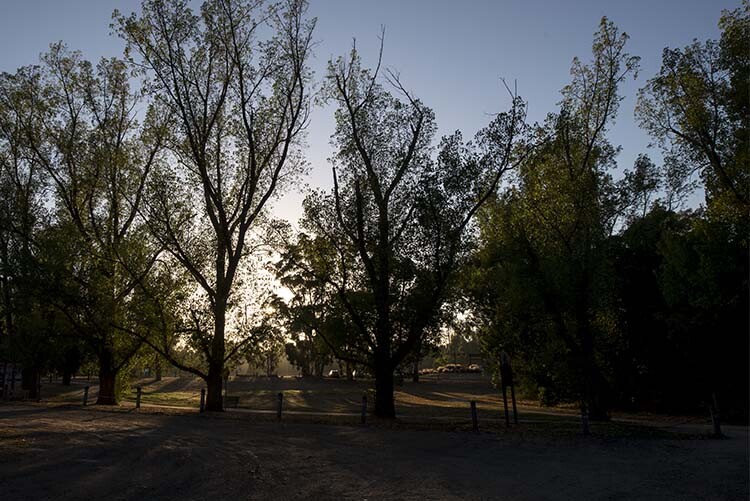
Autumn’s early morning golden glow through some trees.

Before you go to bed at night, check what the forecast will be the following day. What you are looking for is the weather to get worse, such as rain in the forecast. In the morning before the sunrise take a look outside at the sky. If the sky is clear and there are no clouds, you won’t get that beautiful color that only happens when the sun reflects off clouds. If the sky is very grey, go back to bed, the change has already happened.

Winter

cole-landscape-photography-seasons-0012

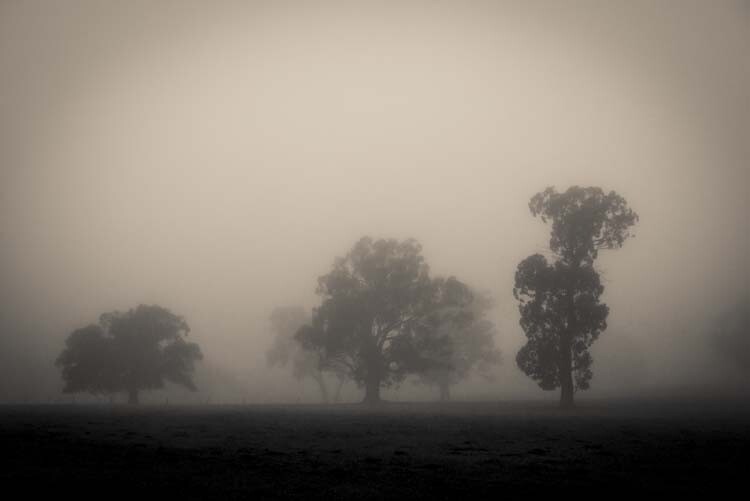
Thick fog in the countryside, in the middle of winter.

In winter the sun doesn’t get as high in the sky, so you can get long shadows all day. The shadows are softer and have a moist feel to them, especially in the morning when there is dew all over the ground. You can take photos at any time of the day, it is the best time of the year to photograph.

Frosts and fogs can give the landscape a completely different look, and heading out on a foggy morning can be well worth it. It is cold, but the images will make you glad you went. If you know it is going to be foggy or frosty in the morning you need to just head out, as you may not get many mornings with either of those conditions. If you stay out long enough you might also be rewarded with an amazing sunny afternoon.

Stormy skies and rain can give another dimension to your images. Large storm clouds or grey skies can give a landscape a completely different look compared to those with blue skies. Look for cloudy skies, and breaks in the sun, to give the scene in front of you a great effect.

Winter often means bare trees. Once the leaves have been stripped from them, there are branches that can give your images interesting shapes and shadows. If you like photos with lots of mood, it is a perfect time to get that, especially if you get a great fog to go with the bare trees.

cole-landscape-photography-seasons-0010

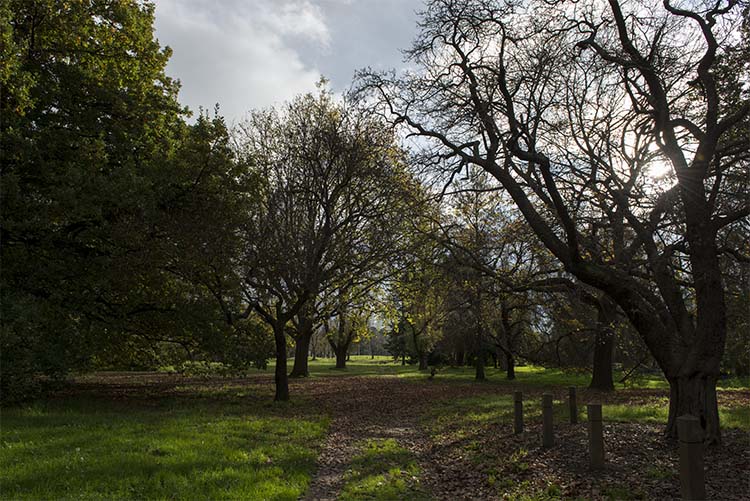
A typical Australian winter with some bare trees, long shadows and saturated colors.

There is an array of colors that you don’t see at other times of the year. The dew in the early mornings makes everything wet which can bring out the colors and give you wonderful naturally saturated images.

Some of the most beautiful landscapes I have ever seen were taken when there is a blanket of snow. Unfortunately, in most places here, it never snows. If you live somewhere where that it does, use it. Brave the cold and just get out there and make the most of it.

Spring

cole-landscape-photography-seasons-0014

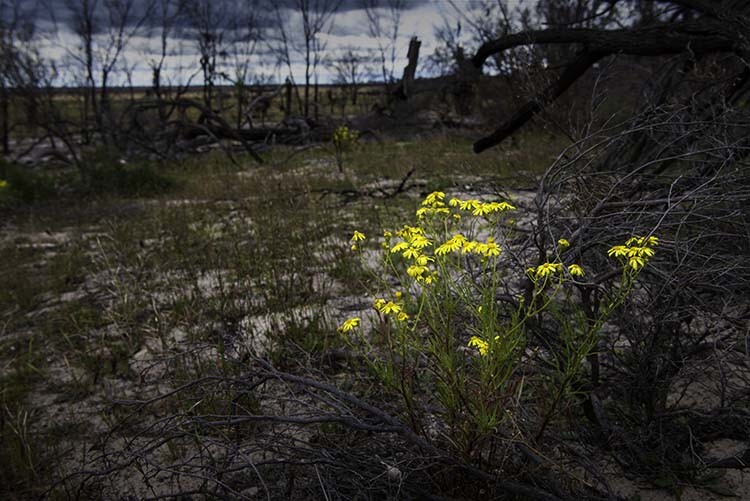
Wildflowers add some color during spring.

The most obvious aspect of spring is flowers. It might be flowers in the garden, or wildflowers growing in their natural environment. Having them blooming in the landscape leaves no doubt that it is spring.

It is beginning to warm up as summer approaches, and, while the weather is getting better, there is also going to be lots of rain and more stormy skies, as spring is often the wettest time of the year. You could try taking photos of your landscapes in the rain, it will give them a different look.

cole-landscape-photography-seasons-0015

A spring rain on Banyule Flats.

Spring is also the time that many baby animals are born, so you can see new life everywhere you look.

Waterfalls, creeks, and rivers run faster, and have more water in them as the snow melts. Go to your favorite waterfall and see how the extra water adds more volume. You will get images that are quite different than you would if you photograph there at the end, or the height, of summer.

Summer

cole-landscape-photography-seasons-0008

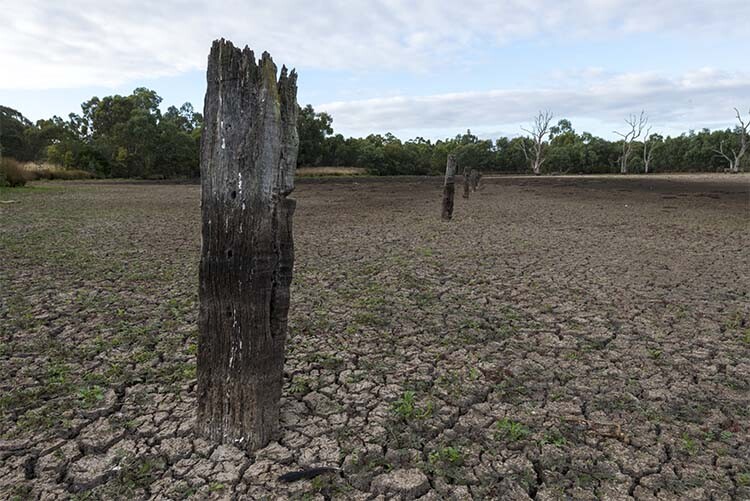
Summer often dries out the swamp in Banyule Flats

This can be the harshest season in Australia. It is dry and hot. Most of the grasses in the landscape die off, leaving brown grass everywhere. There is an absence of color and the landscape is very different to what you find in the winter. The hot sun will also leach out all the color in what you see. A beautiful landscape that you get at other times of the year, will look desaturated.

The light is harsh and hard. The sun is higher in the sky and the shadows are shorter. Going out to get nice pictures in the middle of the day is too hard, and often too hot – though it shouldn’t stop you from trying. See what you can get and if you can show that heat in the images. If you have extreme days where the temperature is above 100°F (37.8°C) then it won’t matter when you go, it will be horrible.

cole-landscape-photography-seasons-0013

On a very hot summer day in the early evening, the sun is still very strong, and the shadows still harsh.

On a positive note, if you know the next day is going to be a scorcher, check for clouds and head out to a great landscape photography location, as you can be fairly certain that you will get the most magnificent sunset. You need clouds to get a great one and the more the better, but you don’t want overcast or you won’t see the setting sun. Don’t forget to hang around for an hour afterwards to get the best of it. Summer is the best time for amazing sunsets, and over water means you get double.

In Australia it is very hot at that time of the year, but usually after a few days of intense heat it gets broken by a big thunder storm. You can head out, somewhere where you will be protected, and take some photos of the lightning and thunder clouds as they approach.

Using the seasons for your photography

Think of your favorite places that are nearby, places you can get to easily. What are they like at different times of the year? How can you show those differences? It might your photography a new focus, give it a try. I’ve been doing it for the last couple of years and it’s amazing how you can get very different images from the same location.

If you have an area that you love photographing but feel as though you have exhausted it, consider documenting the change throughout the seasons with your camera.


Here on dPS this is landscape week – here is list of what we’ve covered so far. Watch for a new article (or two) on landscape photography daily for the next few days.

  • 6 Tips for Better Low-Light Landscape Photography
  • Landscape Photography and the Human Element
  • 5 Ways a Telephoto Lens Can Improve Your Landscape Photography
  • Landscape Photography from the Side of the Road
  • 32 Majestic Landscape Photos to Inspire Your Wanderlust
  • Weekly Photography Challenge – Landscape

googletag.cmd.push(function() {
tablet_slots.push( googletag.defineSlot( “/1005424/_dPSv4_tab-all-article-bottom_(300×250)”, [300, 250], “pb-ad-78623” ).addService( googletag.pubads() ) ); } );

googletag.cmd.push(function() {
mobile_slots.push( googletag.defineSlot( “/1005424/_dPSv4_mob-all-article-bottom_(300×250)”, [300, 250], “pb-ad-78158” ).addService( googletag.pubads() ) ); } );

The post Landscape Photography – Shooting the Same Location Through the Seasons by Leanne Cole appeared first on Digital Photography School.

Digital Photography School

 
Comments Off on Landscape Photography – Shooting the Same Location Through the Seasons

Posted in Photography


22 December, 2014 – Four Seasons In France

22 Dec

We take a bit of a different twist today with an essay by Aaron Greenman, Four Season In France.  Aaron’s essay covers a bit of history, some insight into an old film called Autochrome and accompanying images he made using the look of Autochrome.  It’s an interesting read and a look at some interesting modern day images using the Autochrome effect.

The Luminous Landscape – What’s New

 
Comments Off on 22 December, 2014 – Four Seasons In France

Posted in News


Season’s Graffitis! 16 Santalicious Christmas Murals

23 Nov

[ By Marc in Art & Street Art & Graffiti. ]

Despite the fact that Thanksgiving just concluded, everyone’s eyes are already looking forward to the Christmas season. These fantastic holiday murals are a tease as the holiday rapidly approaches.

(Images via designalmic, crashwilliams)

Renowned 3D chalk artist Julian Beever is no stranger to holiday themes. This particular work is a glimpse into Santa’s workshop, hidden in the North Pole. A gun-toting Santa is an interesting street art twist on the jolly gentleman.

(Images via artofsamevans, grafitiigallery, creativespark)

“Siberian Santa” is an art mural in Melbourne, Australia with an interesting Tim Burton-esque style to it. The muted colors differentiate it strongly from most Christmas-themed art, which seems to prize garishness as a defining motif. Few characters can light up a dark street corner like old St. Nick, spray painted here in a popular graffiti corner. For people who like to play devil’s advocate, the mural featuring the Grinch is a fun response to the typical messages of holiday cheer.

(Images via cultureclimax, heelsandwheelsonline, creativespark, democrashield)

Christmas isn’t all fun and games to these graffiti artists. In the top image, a tree defends itself against an ax-wielding assailant and does some morbid decorating of its own. A mural depicting a gangster Santa sits astride a warm beach in Australia. In Singapore, artist Slacsatu shows a badass Santa with fists of fury and enough muscle to take on the Hulk. Lastly, a flowing christmas tree adorns a lonely street corner.

(Images via cultureclimax, graffitilife, graffiti-walls)

In this top image, Santa’s sleigh is envisioned as an endless chain, like a train pulling the world’s gifts through the sky. A take on the classic Coca-Cola ads adorns the side of a building, created by Graffiti Life, a graffiti service that does custom work in the UK. Lastly, a train car is dressed up like a giant gift, traveling miles on the tracks to end up under one lucky kid’s tree.

(Images via whereverdesign, panoramio, canalstreet, graffiti-walls)

Holiday cheer can be drawn from any source, even the dust (or frost?) on the windshield of a car. On the back of one building in Australia, Santa stands next to a kangaroo, clearly lost during his trip around the world. Artist Choq came up with this festive and crazy ode to Christmas, tagging, and chaos. Last but not least, Santa raises a cup and wishes everyone a happy holiday season!


Want More? Click for Great Related Content on WebUrbanist:

40 Fantastic to Freaky Merry Christmas Greetings in Graffiti!

The debate rages on if graffiti is art or vandalism. Whether freaky or fantastic, writers spread holiday cheer with these 40 Merry Christmas graffiti greetings.
3 Comments – Click Here to Read More »»


Strange Decor: 35 Bizarre & Creepy Christmas Tree Ornaments

When people mess with holiday themes, they win some, and they lose a lot. Some Christmas ornaments go beyond tacky, and into the strange and bizarre.
1 Comment – Click Here to Read More
»»


Share on Facebook


[ By Marc in Art & Street Art & Graffiti. ]

[ WebUrbanist | Archives | Galleries | Privacy | TOS ]


WebUrbanist

 
Comments Off on Season’s Graffitis! 16 Santalicious Christmas Murals

Posted in Creativity


Vivaldi Four Seasons Spring Sand Animation film Ferenc Cakó

04 Jun

Sand animation film – Ferenc Cakó Vivaldi: Four Seasons – Spring conductor: Lamberto Gardelli

Taken from: Radio 1’s Live Lounge: Volume 2 Also available from Coldplay’s first album – Parachutes Font: Burst My Bubble All other writing is my own Download Link: www.sendspace.com Suggested by: bellaxmuerte5


Season’s Greetings

23 Mar

The inscrutable Khyron plans an unusual Christmas present for the citizens of Macross City.
Video Rating: 4 / 5

Family’s a beast! Prince Avok would rather be a robeast. Soon he gets his wish and squares off against the Voltron force. Meanwhile Prince Lotor is distracted by an Allura look-a-like, Avok’s sister. Looks like they’re keeping it in the family! Watch hundreds of free full-length streaming movies and TV shows on www.crackle.com Want to see some more legends? Come check out the Animated Hall of Heroes, free at http TWITTER: twitter.com Tags: minisode voltron defender universe lion zarkon allua keith anime animation 80s cartoon saturday free tv japan Watch Free Video Online Now Streaming